27 Ways Ancient Civilizations Interpreted Meteor Showers and Built Religions Around Them
For most of human history, a meteor shower was not a scheduled event on a stargazing calendar. It was an intrusion — sudden, unexplained, and bright enough to wake people from sleep screaming.
The explanations that emerged from every corner of the ancient world say something profound about what happens when human beings encounter something they cannot explain: they build a story around it, and they build it fast. Those stories accumulated into cosmologies, rituals, calendars, and entire religious frameworks that outlasted the original events by centuries.
The version of meteor shower mythology most people know, if they know any, is the shooting star as a wish-granting device. What tends to get left out is the centuries of fire, divine punishment, dragon scales, and calendar resets that preceded that charming reduction.
Chinese Records of the Perseid Shower as Dragon Scales
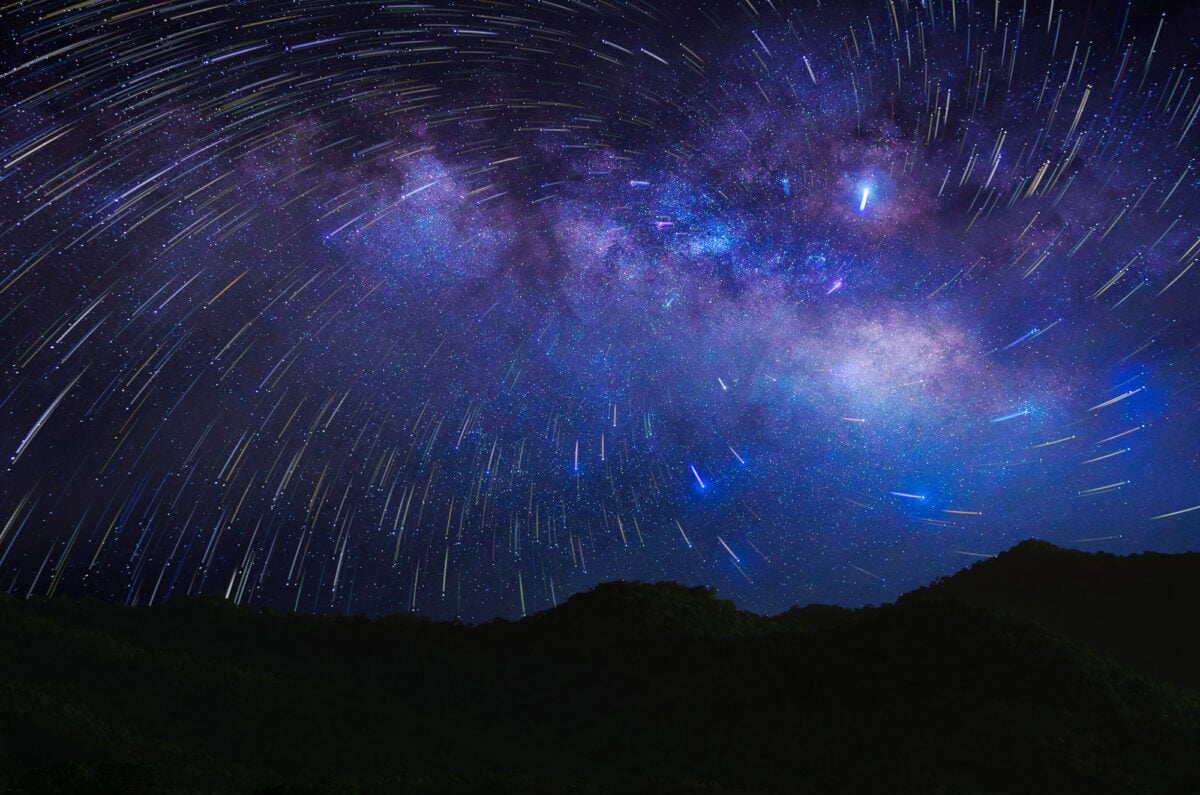
Ancient Chinese astronomers kept detailed records of celestial events on silk and bamboo, and the earliest documented observation of the Perseid meteor shower as a recurring specific event appears in Han Chinese records from around 36 AD. In the cosmological framework of the time, the streaks were interpreted as scales shed by celestial dragons traversing the sky.
The brightness of a given shower was taken as a predictor of the following year’s fortune — more scales, more dragon activity, more of whatever those particular dragons governed. This explanation coexisted with meticulous empirical record-keeping, a combination that modern commentators sometimes struggle to reconcile but which made perfect sense in a system where the dragons were the mechanism and the records were the data.
The Lakota Winter Count and the Night the Stars Fell

The Lakota Sioux recorded major events by keeping winter counts — pictographic records painted on animal hides, one symbol per year, chosen to represent the single most significant event of that winter. In 1984, researcher Von Del Chamberlain found that of 50 Sioux winter counts examined, 45 plainly referred to the Leonid storm of 1833.
Battiste Good, a Lakota winter count keeper, recorded the shower as the defining event of that year. The storm was so significant that multiple Plains tribes reset or anchored their calendar systems to it.
The Maricopa, who kept calendar sticks with notches representing years, began the first notch at 1833. The owner of one such stick later described everything prior to that date as “before the stars fell.”
Time itself got reorganised around a meteor shower.
The Greek Interpretation of Shooting Stars as Souls
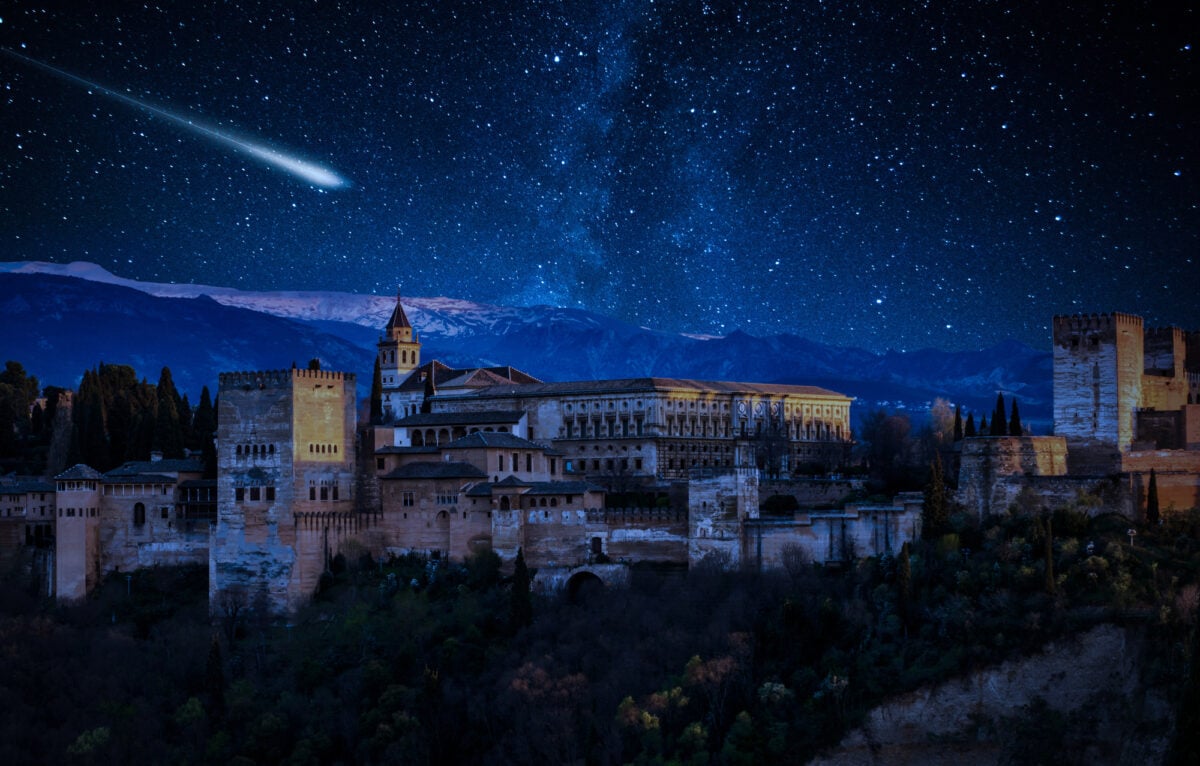
Ancient Greek philosophers and popular mythology offered different but parallel interpretations of shooting stars. At the philosophical level, Anaxagoras in the 5th century BC argued that meteorites were fragments of rock torn from the earth and flung into space, returning in fire — a framework that was rejected by contemporaries as impious speculation.
At the mythological level, shooting stars were widely understood as souls of the recently dead, traversing the heavens on their way to whatever came next. The Milky Way was sometimes described as the road they travelled.
A person who saw a shooting star immediately after someone’s death was receiving celestial confirmation that the soul had departed safely.
Roman Portents and the Death of Emperors
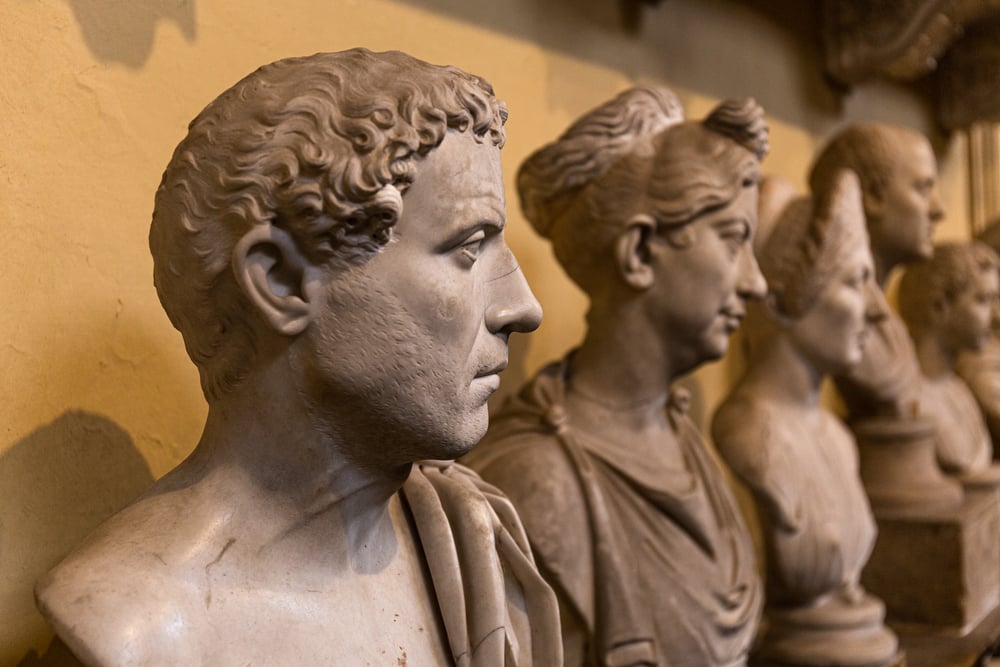
Roman observers treated comets and meteor showers as portents of specific events, usually the deaths of prominent men. When Julius Caesar was assassinated in 44 BC, a comet appeared in the sky for seven days.
Caesar’s adopted son Octavian — later Augustus — promptly incorporated it into his political programme, claiming it marked his father’s apotheosis and his own divine legitimacy. The Roman historian Cassius Dio recorded “comet stars” appearing after the death of Cleopatra in 30 BC, a term some historians connect to the annual Perseid meteor shower visible in August.
The association between visible celestial events and the fates of rulers was not superstition at the margins of Roman thought; it was official theology.
The Norse Forge of the Dwarves
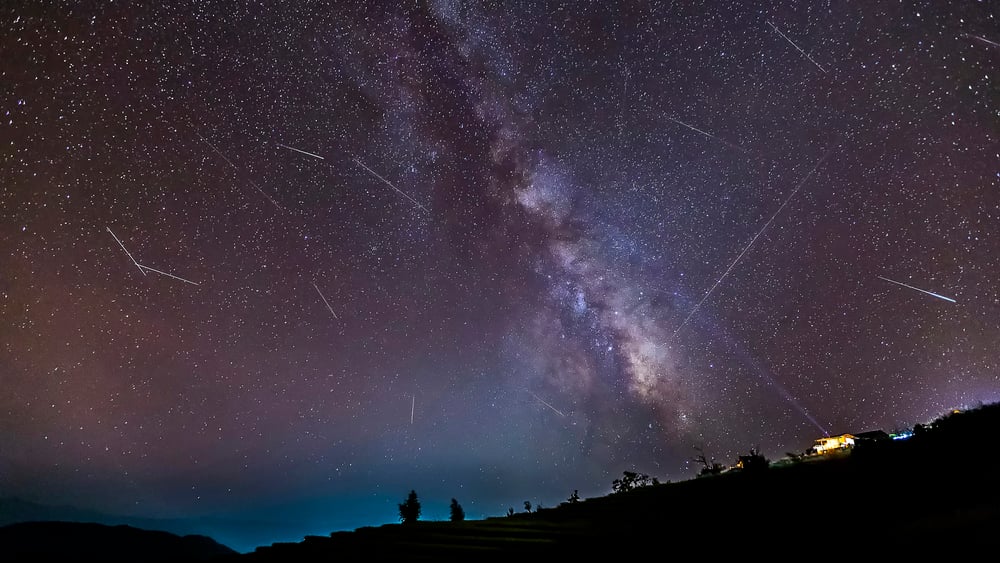
In Norse cosmology, shooting stars were understood as sparks thrown off the anvils of dwarves forging weapons for the gods in their underground workshops. This explanation embedded meteor showers into an already-established mythology of subterranean craft and divine armament.
Some Viking sagas described warriors interpreting the direction and frequency of meteor activity as messages about upcoming battles — essentially reading the sparks for strategic intelligence. Important ceremonial events were sometimes planned around anticipated periods of meteor activity, as recorded in later Norse literary sources, though separating original belief from later literary elaboration in Norse sources is a persistent challenge for historians.
Aboriginal Australian Dark Sky Navigation
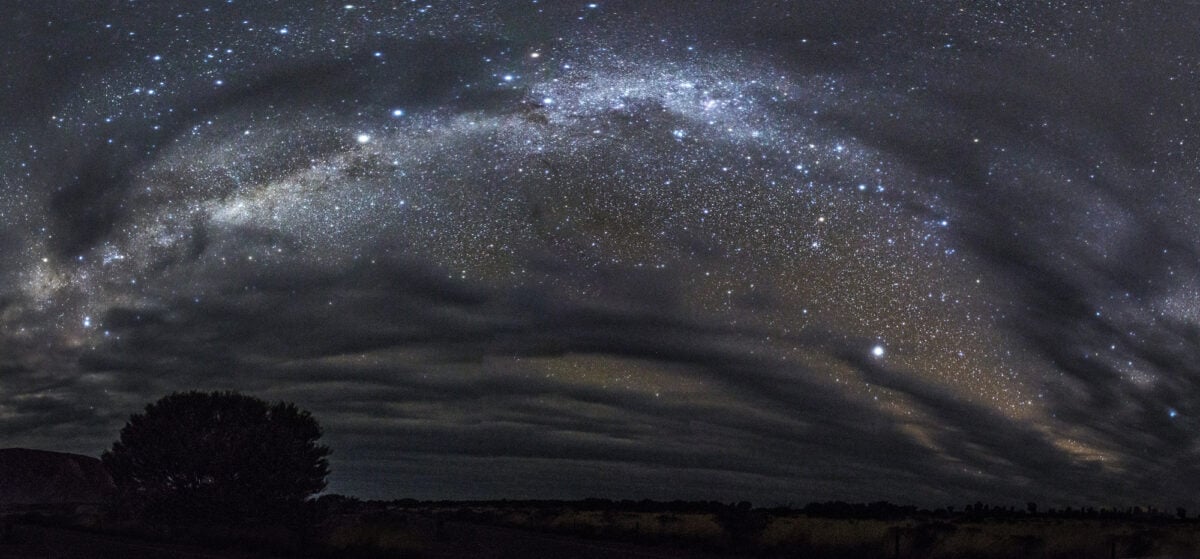
Aboriginal Australians have navigated and told stories using not just the bright stars but the dark patches in the Milky Way — clouds of interstellar dust — for tens of thousands of years, making their astronomical tradition the oldest continuous practice of sky observation on record. Meteor showers were incorporated into Dreaming narratives that varied by group and region.
Some traditions described meteors as embers from a creator being’s torch, lighting the path through darkness. Others saw them as spirits in transit.
The specific details varied, but the consistent principle across many groups was that a falling object from the sky was a thing of spiritual significance that demanded interpretation and response — it did not simply happen to the world, it happened for a reason.
The Aztec Tzitzimimeh and Stars That Fall
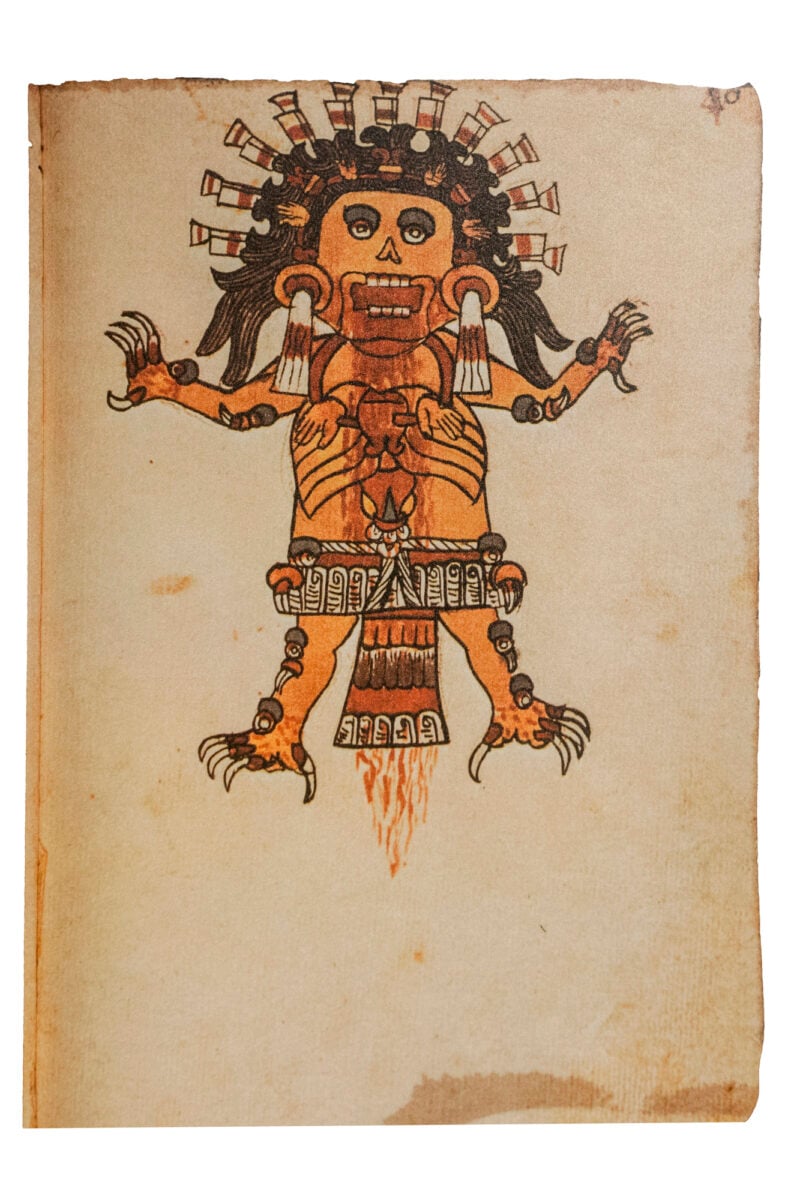
The Aztec religion included the Tzitzimimeh, skeletal female deities associated with stars who threatened to descend and devour humanity during certain cosmically vulnerable periods — particularly solar eclipses. Meteor showers appeared within this framework as partial descents, moments when the boundary between sky and earth thinned.
The terror was not metaphorical; Aztec cosmological texts treat these moments as real threats requiring real ritual response. Ceremonies during significant celestial events, including periods of high meteor activity, involved offerings and specific ritual acts designed to prevent the stars from completing their descent.
A sky that was visibly raining fire needed to be actively persuaded to stop.
Joseph Smith and the Sign of the Second Coming
On the night of the 1833 Leonid meteor storm, Joseph Smith — founder of the Church of Jesus Christ of Latter-day Saints — recorded the event in his diary as a sign that the Second Coming of Christ was at hand. He interpreted the shower through the lens of a specific passage from the Book of Revelation describing stars falling from heaven as one of the signs of the end times.
This interpretation was shared by many evangelical Christians across the United States that night: the storm woke entire communities, and by morning, churches in multiple states had filled with people who believed they had witnessed a prophesied event. The shower didn’t trigger the founding of a new religion — but it did become part of how Smith understood the prophetic timeline of his own movement.
The Hindu Sacred Interpretation of Falling Fire
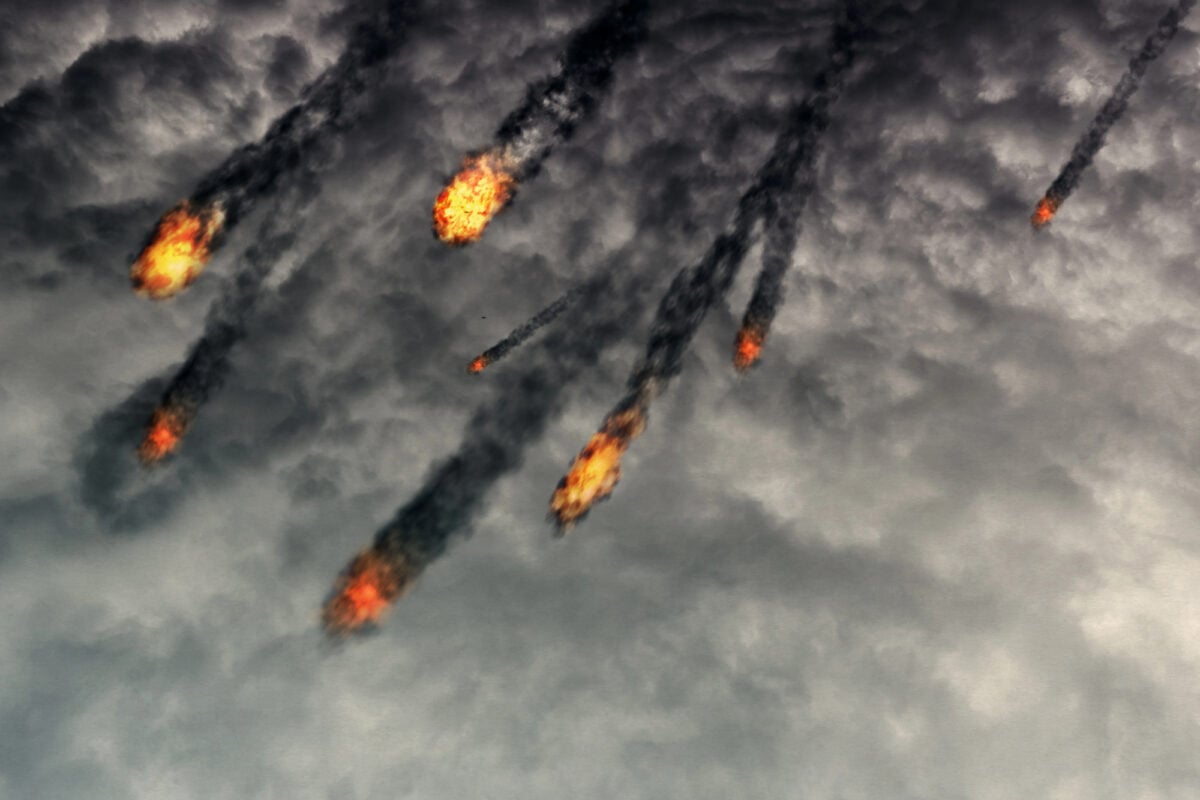
Ancient Hindu astronomical texts, particularly the Vedanga Jyotisha and later Puranic literature, classified fiery objects falling from the sky into categories with specific ritual implications. A meteor shower occurring before a battle was a sign of one kind; one occurring during a royal ceremony meant something different; one visible from a temple site required a particular priestly response.
The framework assumed that celestial events were communicative — the sky was addressing the earth, and the content of the message depended on context. Vedic astronomers tracked the night sky with considerable precision, though they worked within a system that made no sharp distinction between prediction, observation, and interpretation.
Mesopotamian Omens on Clay Tablets
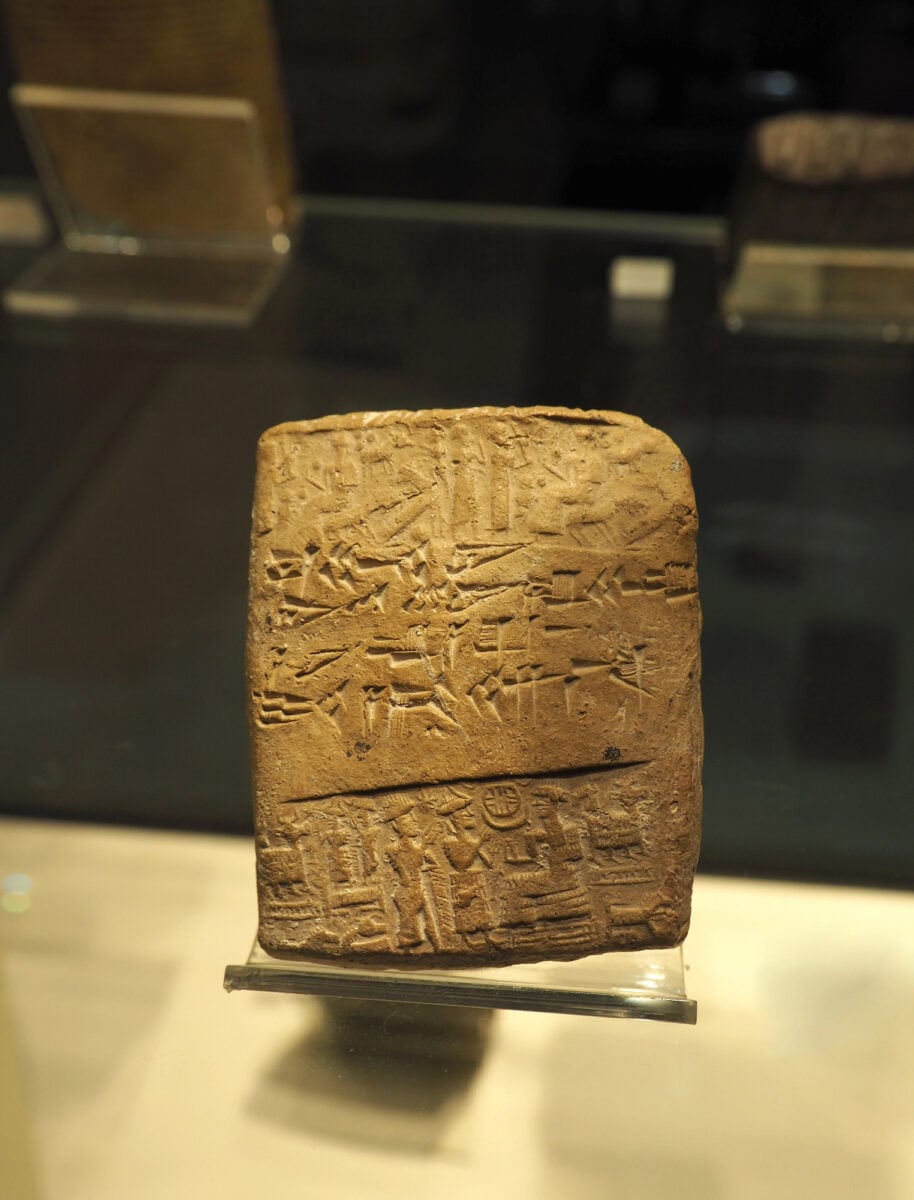
The Sumerians, Babylonians, and Assyrians documented celestial events — including meteor showers — on clay tablets as part of a massive omen literature called the Enuma Anu Enlil, which eventually ran to 70 tablets and listed thousands of sky-event/outcome pairs. A meteor shower observed from the south meant one thing; from the north, another; occurring on a specific calendar day, yet another.
The tablets were not mythology — they were practical reference texts used by professional diviners advising kings. The assumption that the sky routinely sent coded messages that experts could decode was treated in Mesopotamia the same way a modern government treats economic indicators: as a serious input into political decision-making, maintained and updated by specialists.
The Egyptian Star Clocks and Decans
Egyptian astronomical thought incorporated meteor showers into a system of decanal stars — 36 groups of stars that rose heliacally (just before sunrise) at 10-day intervals, used to tell time through the night. When a meteor shower disturbed the expected pattern of the sky, it required interpretation within this framework.
The Egyptians’ primary cosmological concern was maintaining the order of things — ma’at — against chaos, and any unexpected celestial display was by definition a moment when the boundary between order and disruption was under pressure. Priests were responsible for monitoring the sky and reporting anything anomalous that required ritual attention.
Shooting Stars as Wishes — The Sanitised Version

The contemporary practice of wishing on a shooting star has ancient and widely distributed roots, but the original logic was considerably less pleasant than the modern version. In multiple classical sources, the connection between shooting stars and souls or divine messengers meant that a wish made at the moment of a star’s passage was a request directed at whoever was doing the falling.
In other frameworks, the brief visibility of the star marked a window when the barrier between human and divine attention was briefly permeable. The wish, in these older interpretations, was not a charming act of optimism — it was a prayer delivered to a deity who was, at that moment, paying attention.
The Maricopa Calendar Sticks
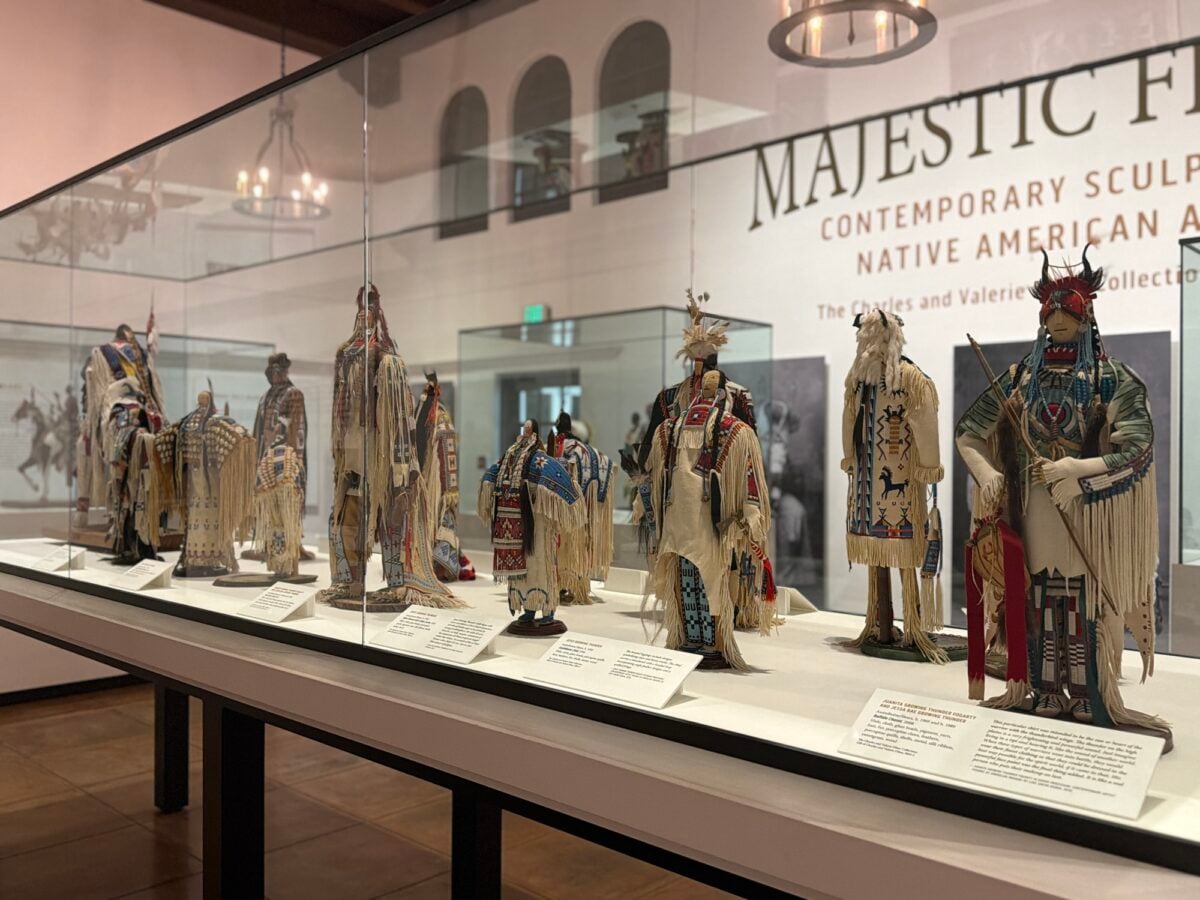
The Maricopa people of the American Southwest used calendar sticks — notched wooden rods — to track years, with each notch representing one year and the oral history of each year’s defining event stored in memory alongside the physical marker. The Leonid storm of 1833 was so significant that at least one Maricopa stick began its counting from that year.
The owner of the stick, speaking decades later, described the first notch simply as the year the sky fell in fire. The detail — that an astronomical event became not just a memory but the literal starting point for a record-keeping system — illustrates how a single meteor shower can become a temporal anchor for an entire community’s sense of where it stands in time.
Ancient Greek Anaxagoras Gets It Right and Gets Exiled
Around 450 BC, the Greek philosopher Anaxagoras proposed that shooting stars were rocks from space — specifically, that meteorites were fragments of larger rocky bodies that existed beyond the earth. He was accused of impiety for suggesting that celestial objects were material things rather than divine beings or their expressions, and he was eventually forced to leave Athens.
His student Pericles reportedly saved him from a harsher fate. Anaxagoras’s cosmological model was scientifically closer to correct than anything that replaced it for the next two millennia, but the cultural framework that surrounded him treated his explanation as more threatening than reassuring.
Getting the sky right turned out to be socially expensive in classical Athens.
The Norse Bifrost Connection

Some Norse accounts described meteor showers as fragments of the Bifrost bridge — the rainbow bridge connecting Asgard, the realm of the gods, to Midgard, the human world — shaking and shedding sparks during periods of divine conflict. Ragnarok, the Norse apocalypse, would eventually destroy the bridge entirely, and a particularly intense meteor shower could be read as evidence that the conflict was escalating.
This framework did something structurally similar to the Aztec Tzitzimimeh system: it turned a meteor shower into a referendum on the current state of the divine war, and the answer was never particularly reassuring.
Korean and Japanese Records of the Same Events

Ancient and medieval astronomical records from Korea and Japan contain detailed accounts of meteor showers that correspond to events recorded in Chinese sources and later correlated with European observations. The value of these records is not just historical curiosity — astronomers have used them to track the periodic behaviour of comets like Halley’s across multiple centuries.
The fact that these cultures all independently developed sophisticated sky-observation practices, and that those practices were sufficiently rigorous to produce useable astronomical data thousands of years later, is a reminder that what gets classified as mythology and what gets classified as science depends heavily on which culture is doing the classifying.
The Leonid Storm Wakes Abraham Lincoln
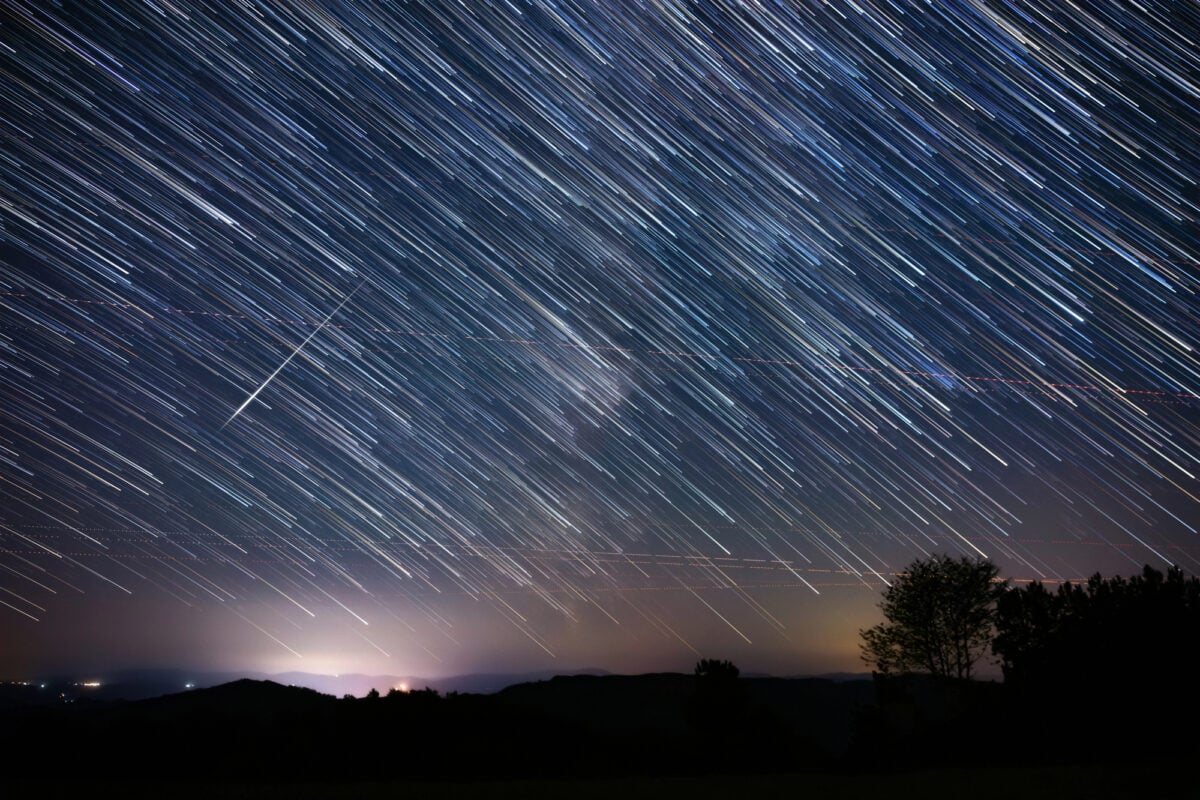
Walt Whitman’s account records that the young Abraham Lincoln was roused from sleep during the 1833 Leonid storm by his landlord Henry Onstot, a Presbyterian deacon, pounding on his door and shouting that Judgment Day had arrived. Lincoln rushed to the window, saw the meteor storm, and then — noticing that the familiar constellations were still in their places, fixed and unmoved beneath the falling fire — concluded that the world was not ending.
Decades later, during the Civil War, Lincoln reportedly used the memory of that night as a private metaphor for the permanence of the Union beneath the chaos. A meteor shower became a piece of Lincoln’s moral vocabulary.
Halley’s Comet at the Battle of Hastings
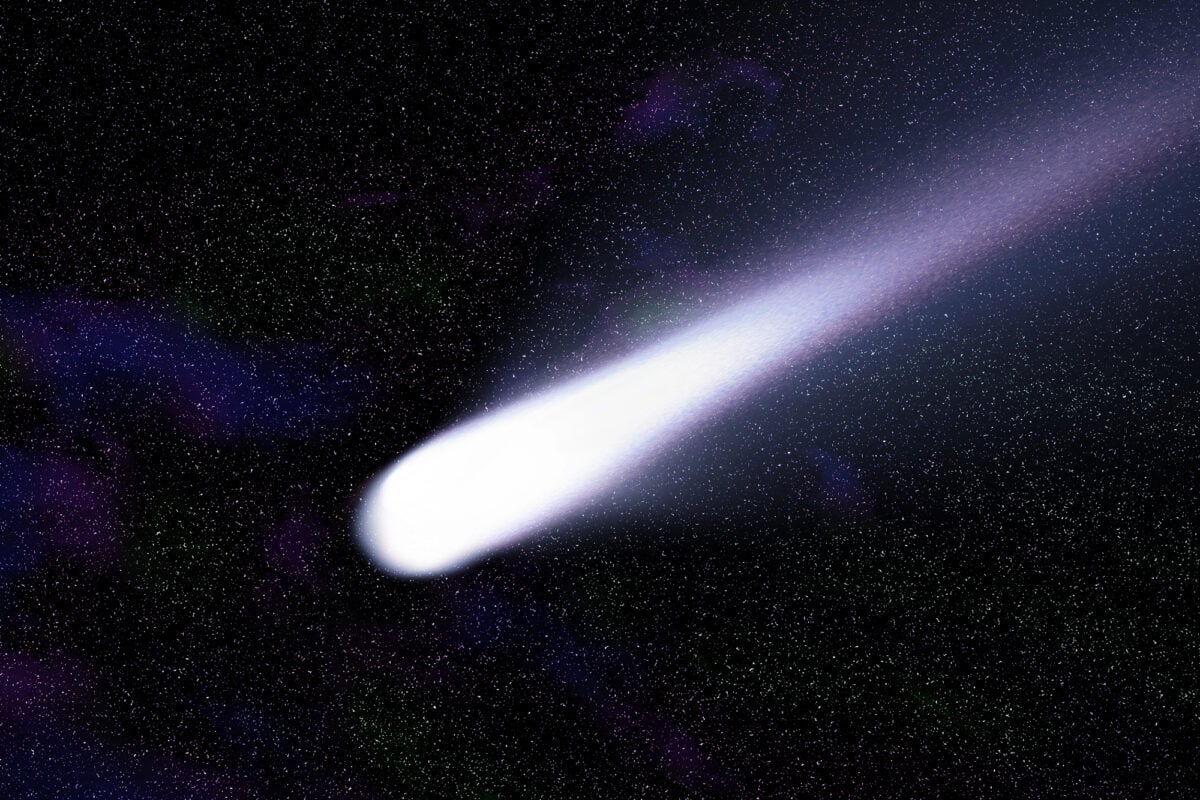
The appearance of Halley’s Comet in 1066 was recorded in the Bayeux Tapestry as an explicit omen appearing directly above the figures of King Harold’s court, depicted as a sign of disaster for the English. Norman propagandists used it aggressively to suggest divine sanction for William’s invasion.
Whether or not William believed the omen, he understood its political value. The comet’s appearance before the Battle of Hastings — and England’s subsequent conquest — cemented the association between Halley’s appearances and transformative political events.
For 1,500 years before modern science explained the comet’s regular orbit, European rulers treated its appearance as a direct communication from God about the coming arrangement of power.
The Tunguska Evenki Response
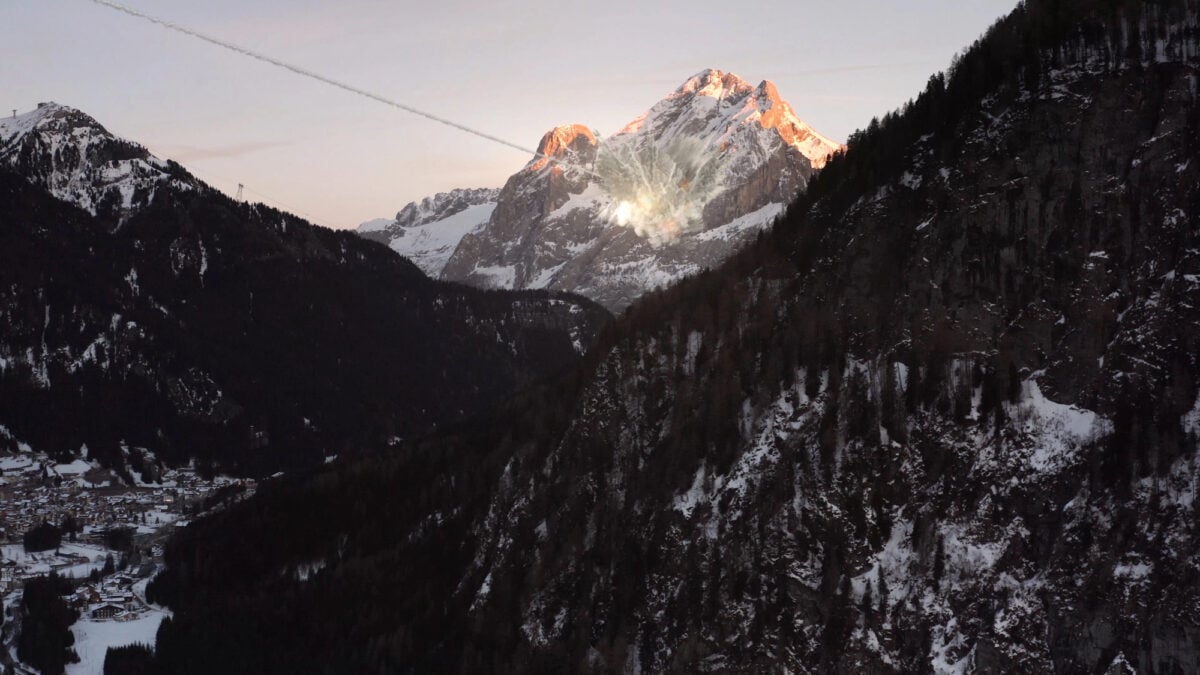
The indigenous Evenki people of Siberia interpreted the 1908 Tunguska explosion — the largest cosmic impact event in recorded modern history — as punishment from Ogdy, a deity associated with the sky and capable of delivering catastrophic judgement. The interpretation was immediate and did not require institutional deliberation: something impossible had happened from above, the local cosmological framework had a category for that, and it was assigned to divine agency without hesitation.
The Evenki were nomadic pastoralists with no writing system, but they had a complete and internally consistent theology of sky events that absorbed a nuclear-scale airburst as effectively as any of the literate civilizations above had absorbed their own celestial shocks.
Roman Sky-Reading as Political Intelligence
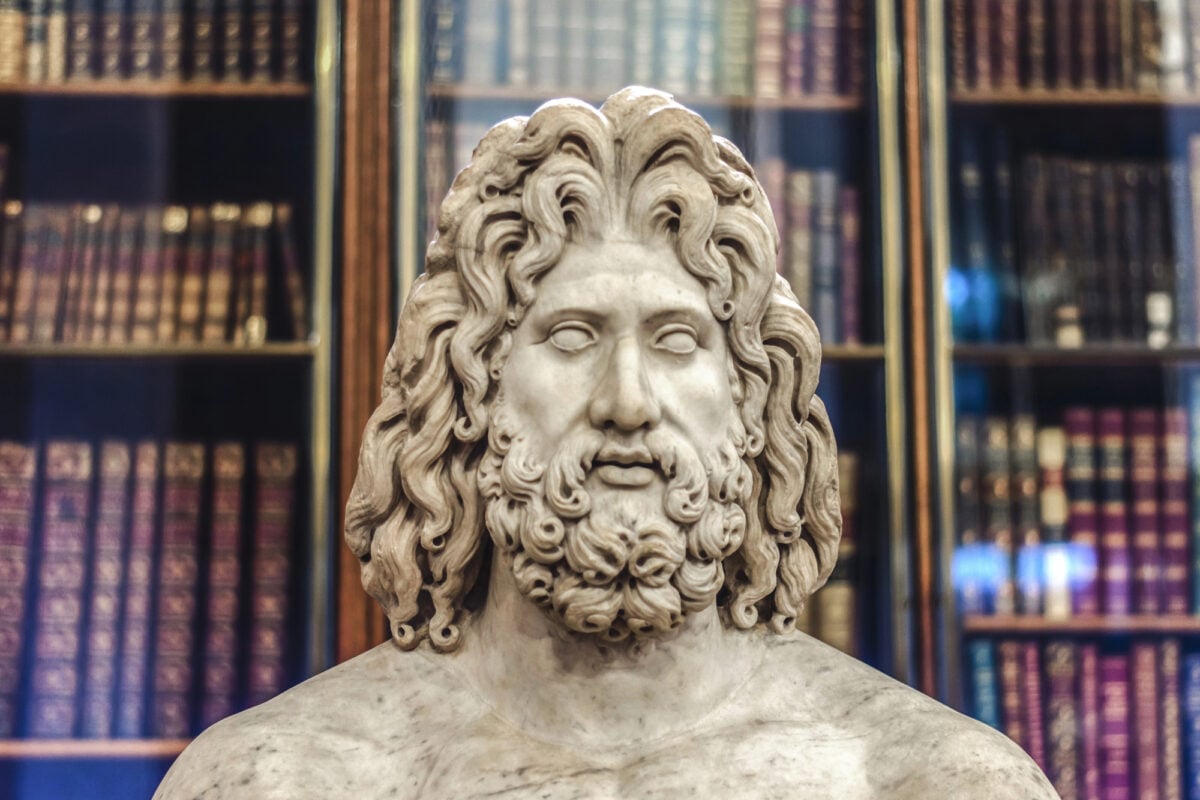
Roman augurs — priests whose specific function was reading signs from the sky and the behaviour of birds — held official state positions and were consulted before major political and military decisions. Their sky-reading extended to meteor showers, which were assigned meanings based on timing, direction, frequency, and association with other events.
This was not a marginal practice tolerated at the fringes of Roman religious life; augurs were a formal college within the Roman priestly system, and their interpretations carried legal weight. Ignoring an unfavourable augural reading was a known category of political error.
Julius Caesar, famously, ignored several.
The Islamic Golden Age and the Separation of Omen from Observation
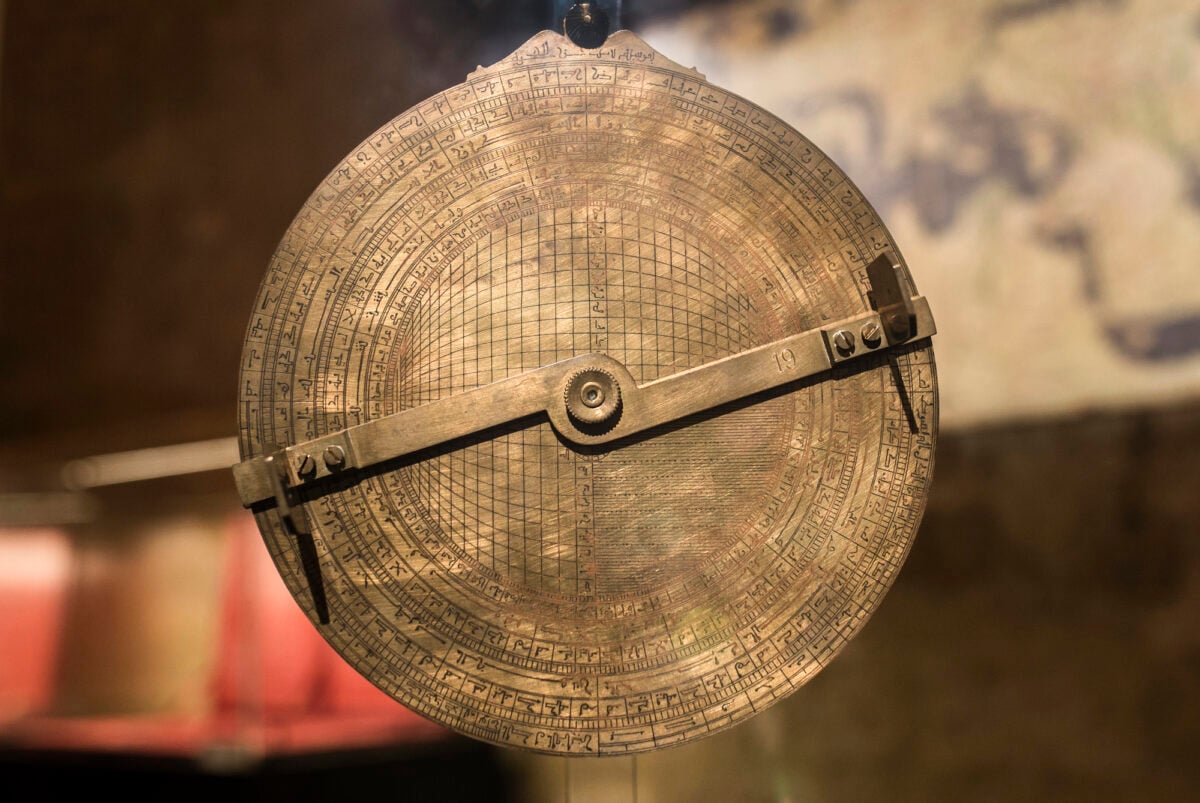
Islamic astronomers of the 8th to 13th centuries inherited both the empirical astronomical traditions of Greece, Persia, and Babylon and the theological problem of reconciling divine sovereignty with natural law. Meteor showers posed a specific interpretive challenge: Islamic theology attributed shooting stars to the actions of heavenly beings (jinn) being driven back from eavesdropping on celestial conversations, a narrative drawn from the Quran (67:5).
This did not prevent Muslim astronomers from also treating meteor showers as natural phenomena worth systematic measurement. Al-Biruni in the 11th century wrote careful empirical descriptions of atmospheric phenomena while working within a theological framework that assigned divine origin to the same events.
The double accounting — natural and divine — operated simultaneously without contradiction for centuries.
The Pythagoreans and Music of the Spheres
Pythagorean cosmology proposed that celestial objects moved through space in ratios producing a kind of harmonic resonance — the music of the spheres — too vast for human ears to detect. Meteor showers, in this framework, represented interruptions of the celestial harmony: fragments that had departed from the cosmic order.
This gave a different quality to the fear of meteor events — less a question of divine punishment and more an aesthetic disruption, a wrong note in a symphony that the universe was otherwise playing correctly. The Pythagorean tradition influenced Platonic cosmology and filtered into medieval European astronomical thought, where the music of the spheres remained a live concept until the scientific revolution.
The Perseids and the Greek Myth of Perseus
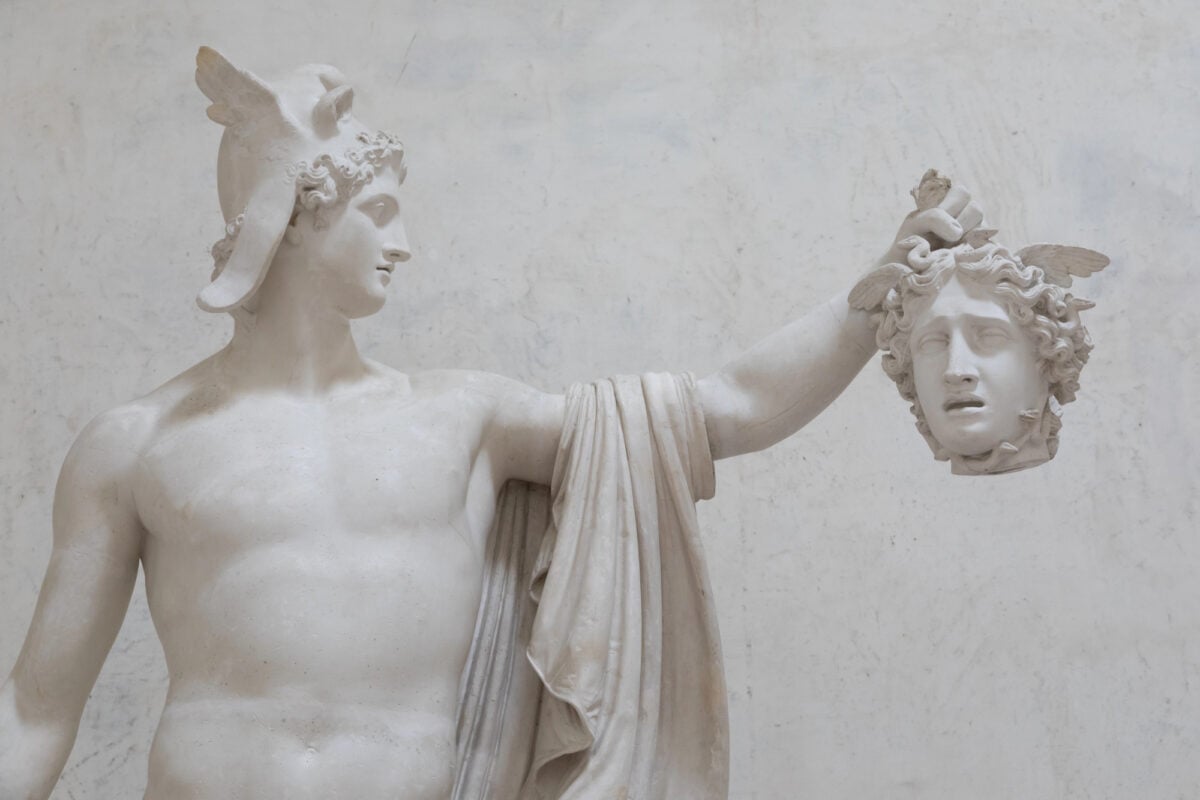
The Perseid meteor shower, which peaks annually in August, takes its name from the constellation Perseus. In Greek mythology, Perseus was the hero who slew Medusa, rescued Andromeda, and founded the city of Mycenae.
Ancient Greek observers would have seen the August shower radiating from his constellation without having a mechanism to explain the connection. The shower was noted, but the mythological resonance — fire and light streaming from the constellation of a great hero — made it easier to incorporate into a narrative framework than to set aside as an unexplained astronomical regularity.
The name Perseus attached to this part of the sky long before anyone understood what a meteor shower was.
Joseph’s Coat and the Star in Matthew
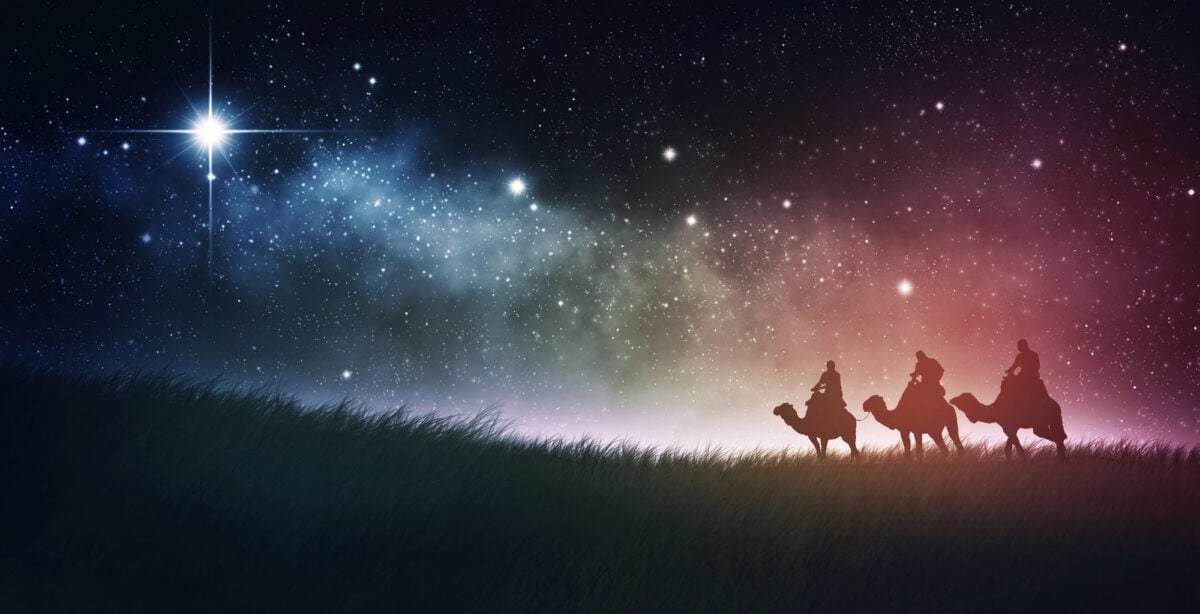
The Star of Bethlehem, described in the Gospel of Matthew as guiding the Magi to the birthplace of Jesus, has been analysed by astronomers for over a century as a possible comet, a conjunction of planets, or a nova. Some researchers have proposed that it corresponds to a fireball or meteor event.
The theological tradition built around the star — a specific directed light with navigational intelligence — represents one of the most consequential interpretations of a probable celestial event in Western history. Whether the original event was astronomical or narrative, the framework of a sky event marking a divine birth was already established across multiple traditions, including Babylonian and Zoroastrian, long before the Gospel account was written.
The Inuit Reading of Aurora and Falling Stars
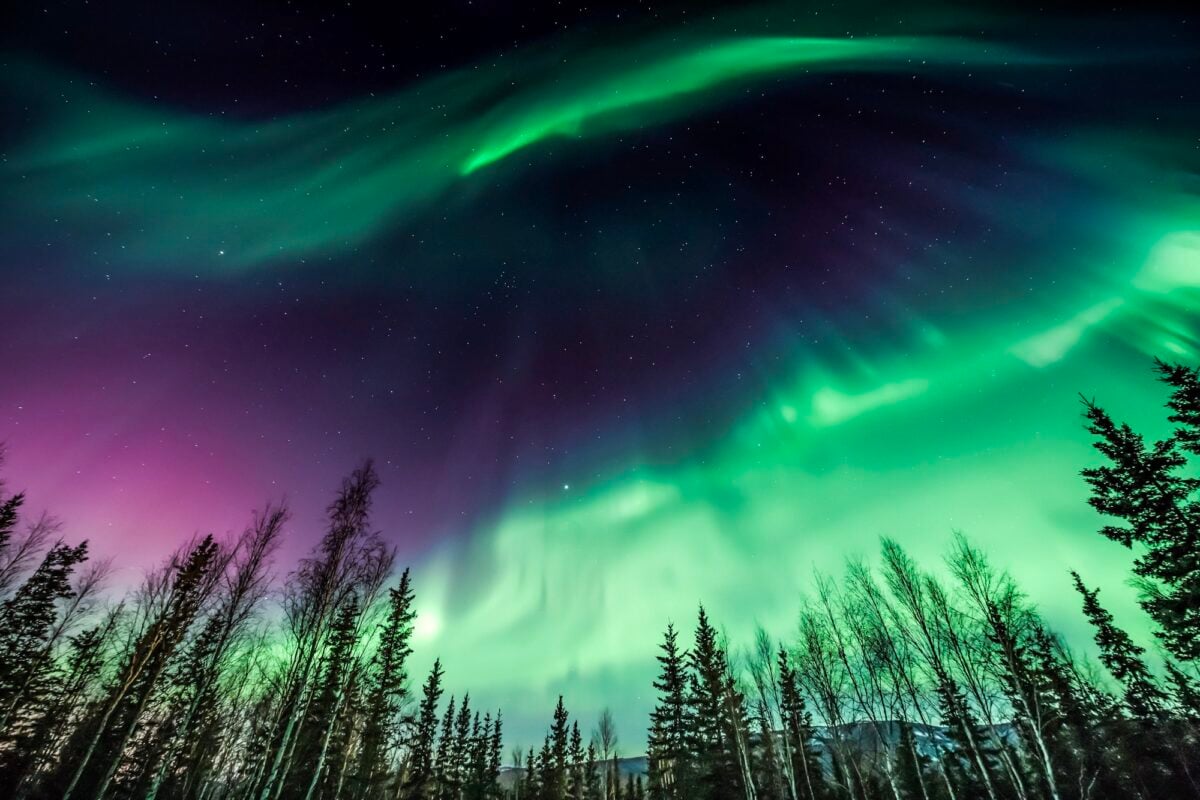
Inuit peoples across the Arctic have traditionally interpreted both the aurora borealis and falling stars within a single cosmological framework concerned with the boundary between the living world and the world of the dead. Shooting stars were sometimes understood as the souls of recently deceased individuals visible during their transition.
The speed of the crossing — fast, straight, brief — matched the Inuit conception of a soul moving purposefully toward its destination. A slow or irregular meteor required different interpretation.
This framework produced a highly attentive form of sky observation: not just watching for what was there, but reading the manner and character of its movement for specific meaning.
The Perseid Records in Han China
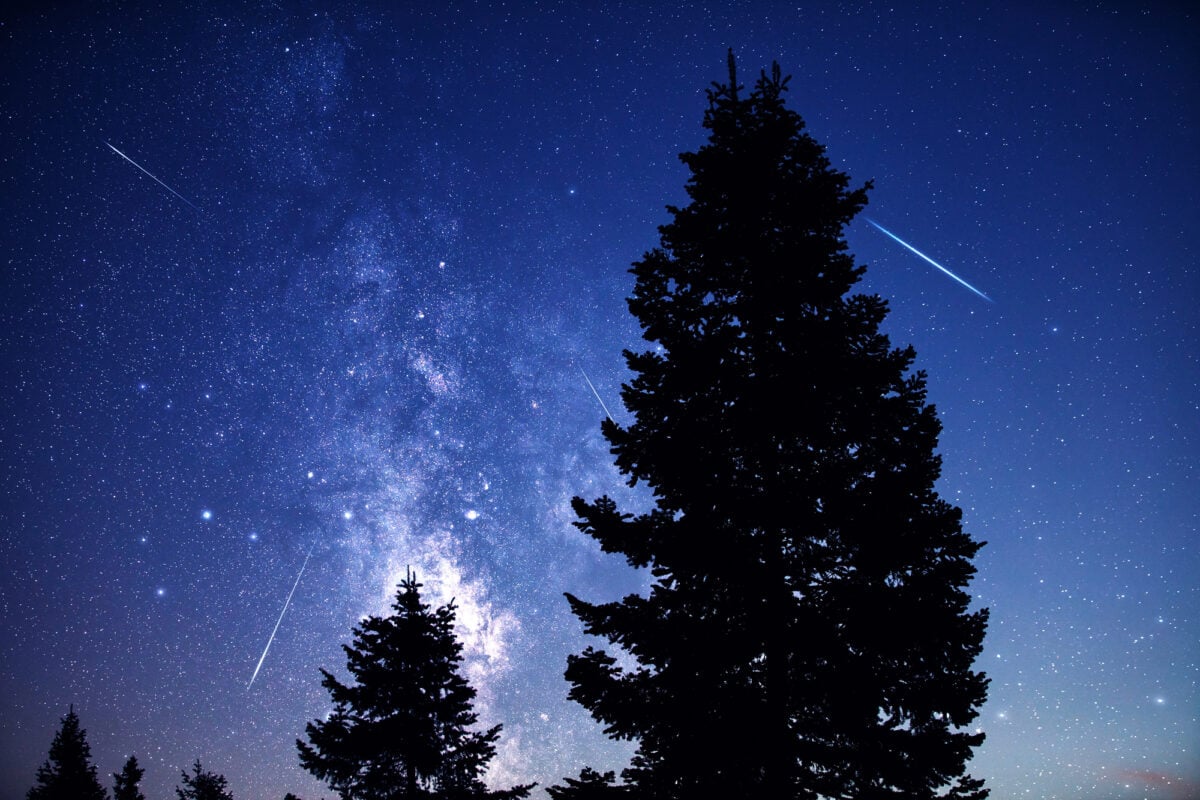
The earliest documented identification of the Perseids as a recurring annual event — not just a one-off phenomenon — appears in Han Chinese astronomical records from 36 AD. Chinese astronomical practice involved professional court astronomers who maintained continuous observational records, meaning that a meteor shower observed in August of one year would be compared to records from previous Augusts.
This comparative practice is what allowed the recognition of the Perseids as periodic — a critical intellectual step. The empirical insight was embedded in a cosmological system that assigned the shower to dragon activity, but the observation was real, the records were accurate, and they remain useable data points for modern astronomers studying the shower’s long-term behaviour.
The Knowledge Behind the Myth
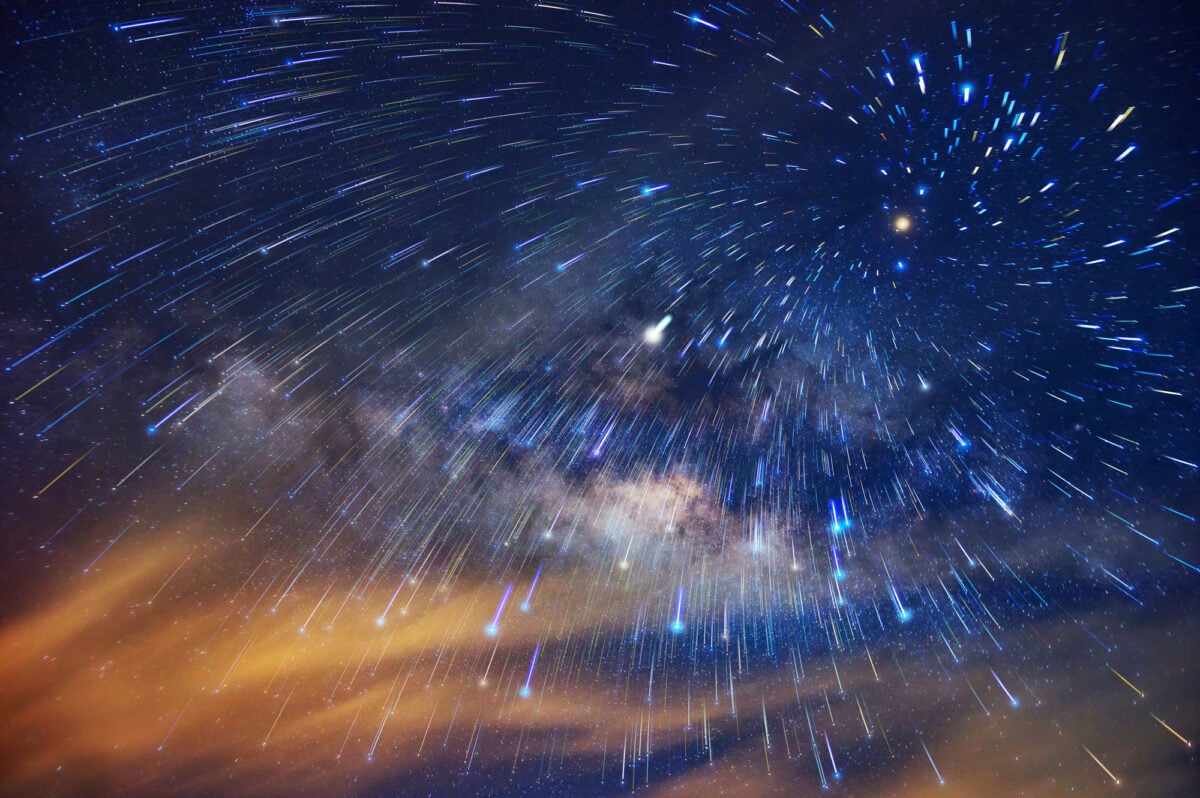
The persistent modern assumption is that ancient civilisations who built mythology around meteor showers were failing to do science — that if they’d been smarter, they would have arrived at the correct explanation and discarded the story. The evidence suggests something more complicated.
Cultures that built the most elaborate mythologies around meteor showers were also, in many cases, the ones keeping the most careful records. The Babylonians who correlated omens with outcomes were also the ones whose positional astronomy was accurate enough to predict eclipses.
The Chinese who saw dragon scales were also the ones whose records of the Perseids are scientifically useable 2,000 years later. The Lakota who reset their calendar to the 1833 Leonid storm preserved it better than many written sources from the same night.
The stories and the data coexisted because they answered different questions. The data said when and how often.
The story said why. For most of human history, both questions needed answering, and the sky offered raw material for both.
More from Go2Tutors!

- The Romanov Crown Jewels and Their Tragic Fate
- 13 Historical Mysteries That Science Still Can’t Solve
- Famous Hoaxes That Fooled the World for Years
- 15 Child Stars with Tragic Adult Lives
- 16 Famous Jewelry Pieces in History
Like Go2Tutors’s content? Follow us on MSN.