28 Things About Riding a Bike as a Kid That Made It Feel Like Total Freedom
There is a specific moment that almost every adult remembers differently but recognises instantly when someone else describes it: the moment the training wheels came off and nobody was holding the seat anymore, and somehow the bike kept going. Not because of skill.
Not yet. Because of momentum and luck and the sudden terrifying realisation that balance was possible.
The whole of childhood independence is compressed into that three-second window. A bike was the first machine that actually belonged to you.
Not the family car, not the television, not anything that required an adult to operate — yours, responsive to your exact weight and steering and speed, capable of going places that no parent had specifically approved in advance. That was not a small thing.
That was the first real taste of a world that didn’t require permission.
The First Solo Ride After the Training Wheels Came Off
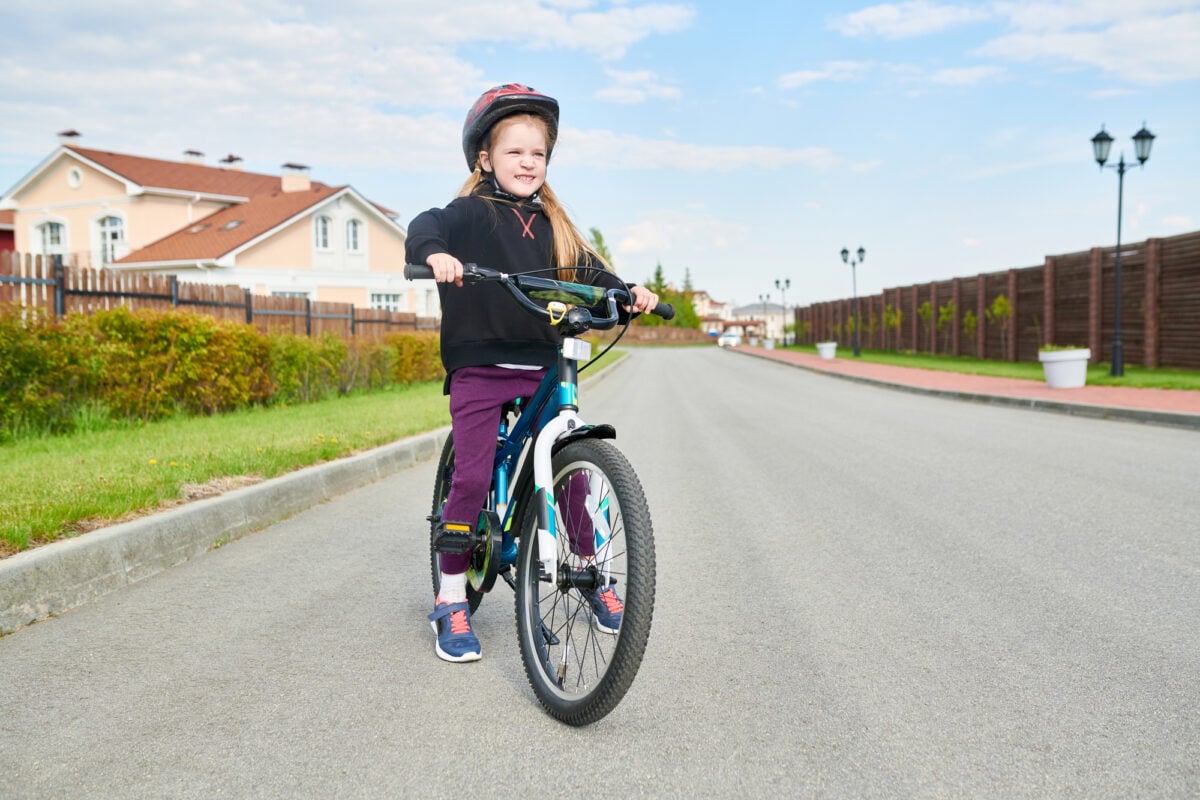
Nothing before or after quite matches the physical shock of the first unassisted ride: the wobble, the overcorrection, the sudden realisation that it was working, and then the ground coming up fast when you looked down to confirm it was working. The sequence of emotions — terror, triumph, humiliation — sometimes all happened before you’d cleared the driveway.
Most people remember the fall more vividly than the ride. The ride was over too fast.
The fall gave you a story.
Going Faster Than You’d Ever Gone Under Your Own Power
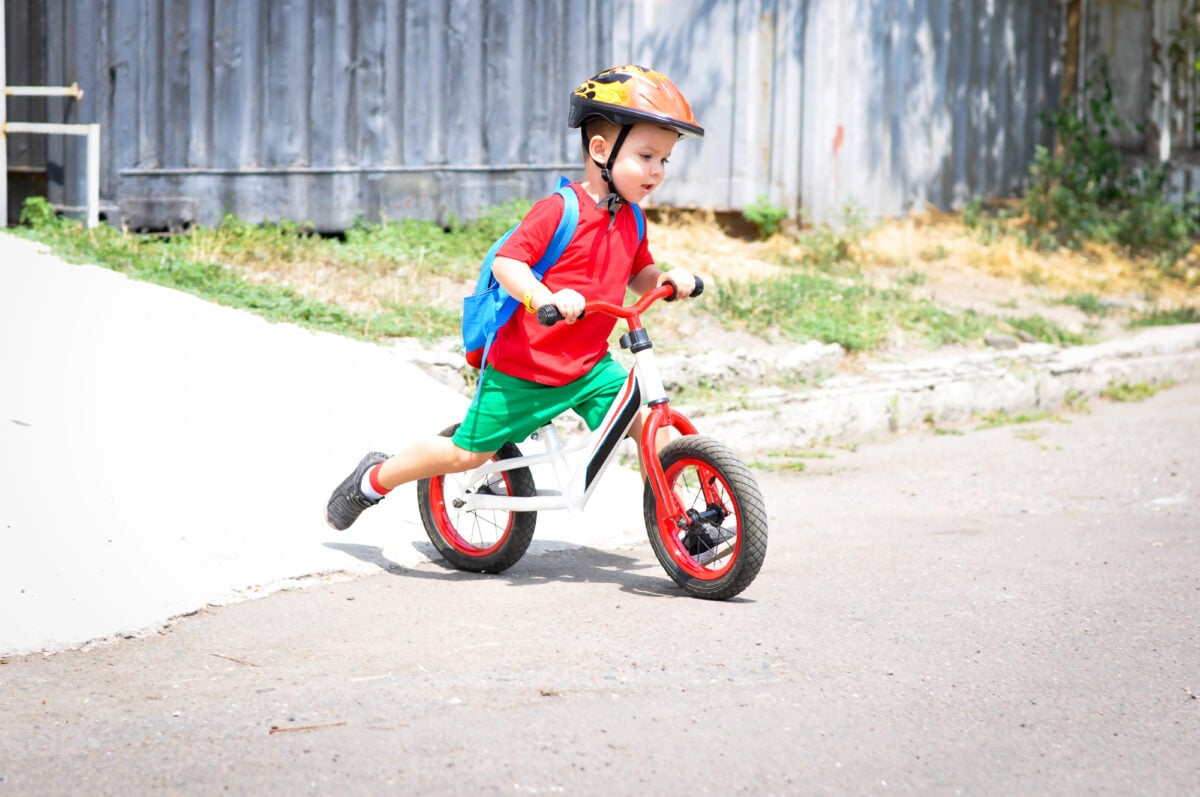
A bike took you from the speed of a child running flat-out to something that made the wind loud in your ears, and it did it without burning your lungs out. The first time a downhill stretch gave you that speed — standing on the pedals, eyes watering, hands locked on the handlebars — you understood something about velocity that no school lesson had managed to convey.
That feeling of outrunning yourself had no obvious name when you were eight. It still doesn’t, really.
Leaving the Street You Lived On
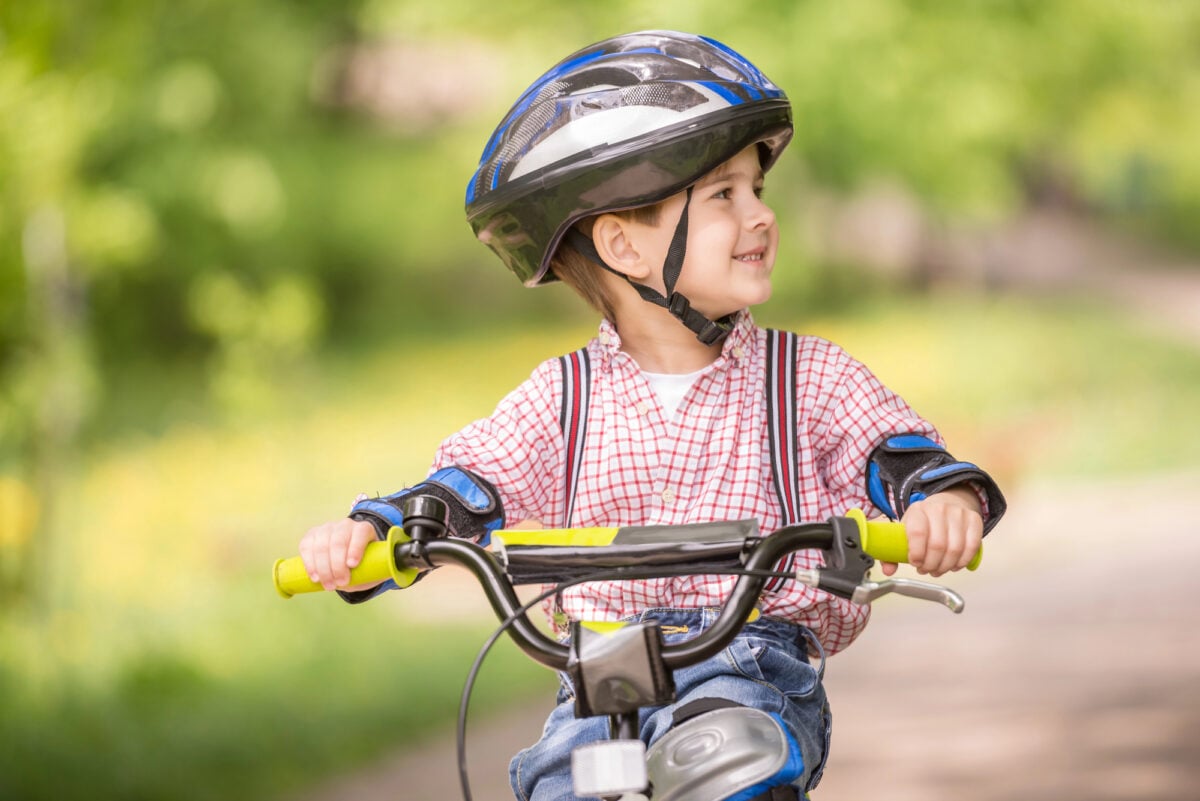
The moment you were allowed to ride to the end of the block and around the corner was a genuine expansion of the known world. The moment you went further than you were supposed to go — and nobody found out — was the definition of freedom.
The geography of a neighbourhood looks completely different from a bike. Streets you’d only ever seen from a car window become places you can actually be.
The radius of the possible doubled every time you found a new route home.
Standing on the Pedals on a Hill
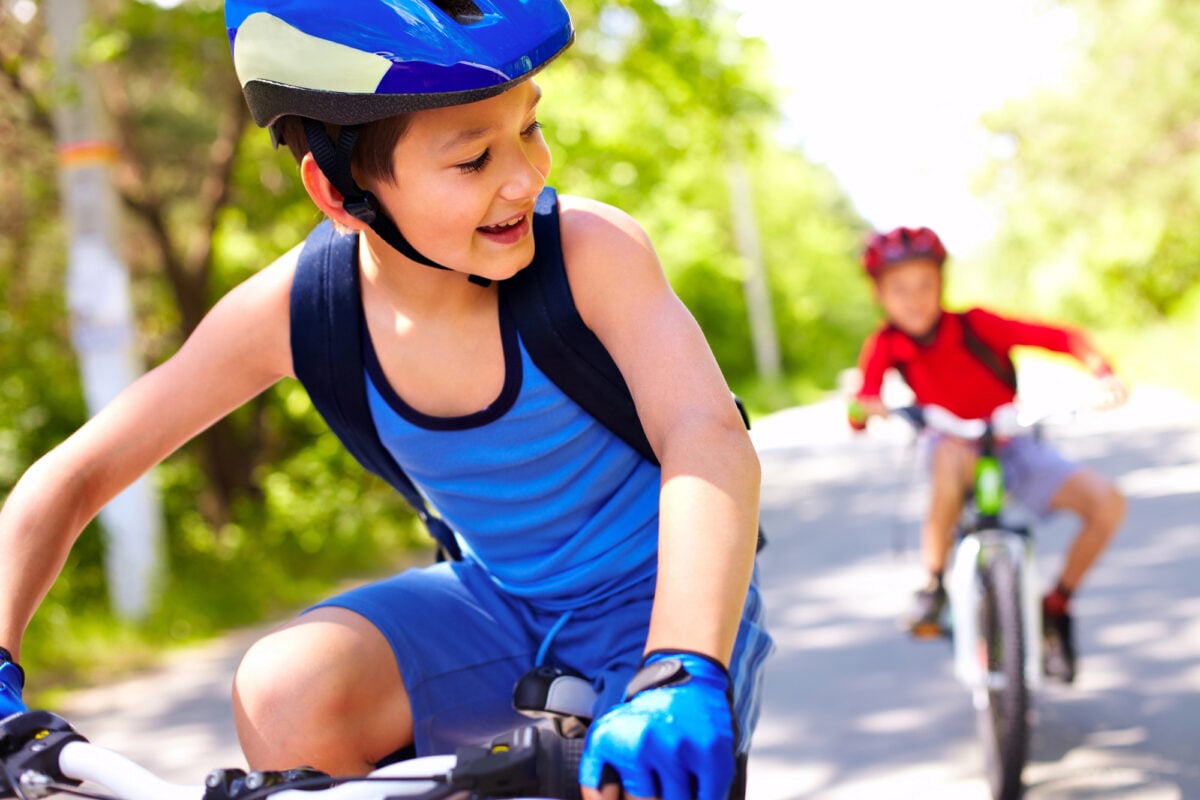
Standing up while climbing a hill meant shifting your full weight down onto each pedal alternately, the whole bike rocking side to side beneath you, the speed dropping off to almost nothing. It was inefficient and exhausting and it felt like exactly what effort was supposed to feel like.
Children who hadn’t learned to ride yet watched from the pavement. Adults drove past without noticing.
You were doing something with your body that was genuinely hard, and that distinction mattered.
The Sound of Playing Cards in the Spokes
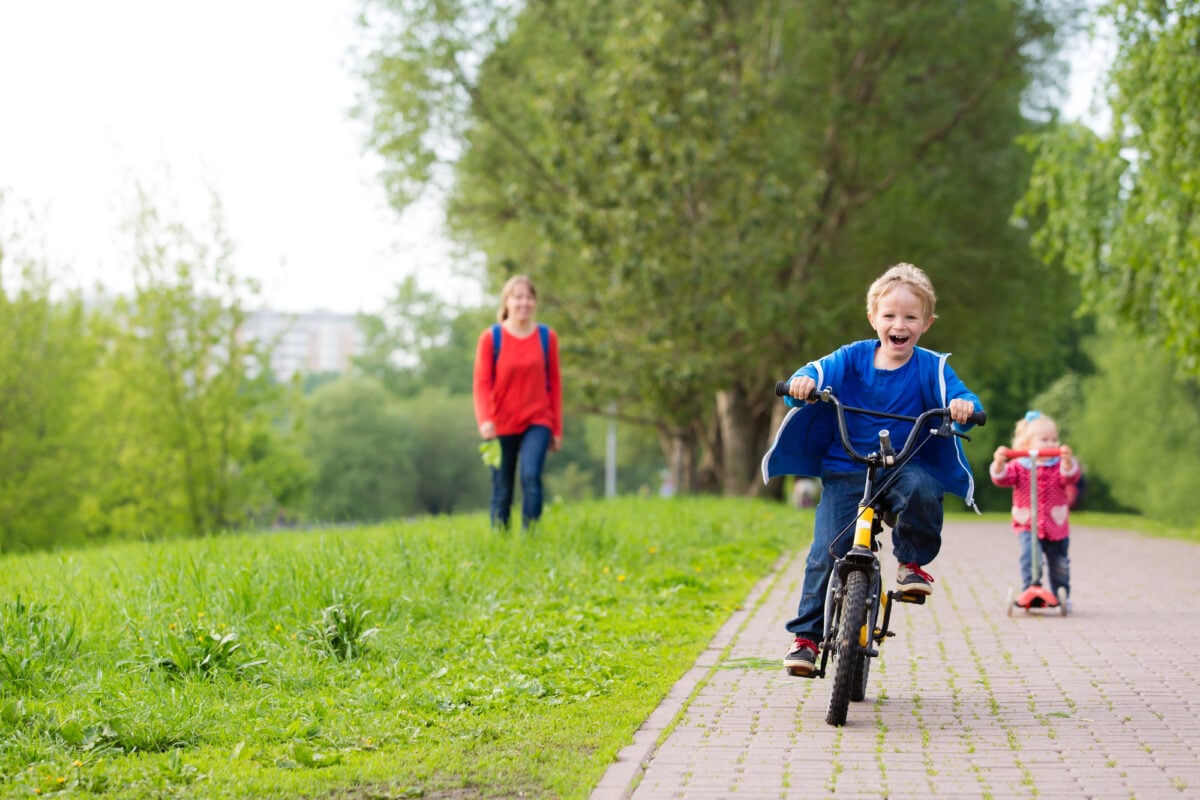
Clothes-pegging a playing card to the fork so it flapped against the spokes was a solution to no real problem — it made the bike slower, louder, and slightly less easy to steer. It also made it sound like a motorbike, or close enough for the purpose.
The sound followed you up and down the street. People could hear you coming from two houses away.
There was a period in childhood when being audible at distance felt like a form of importance.
Riding With No Hands
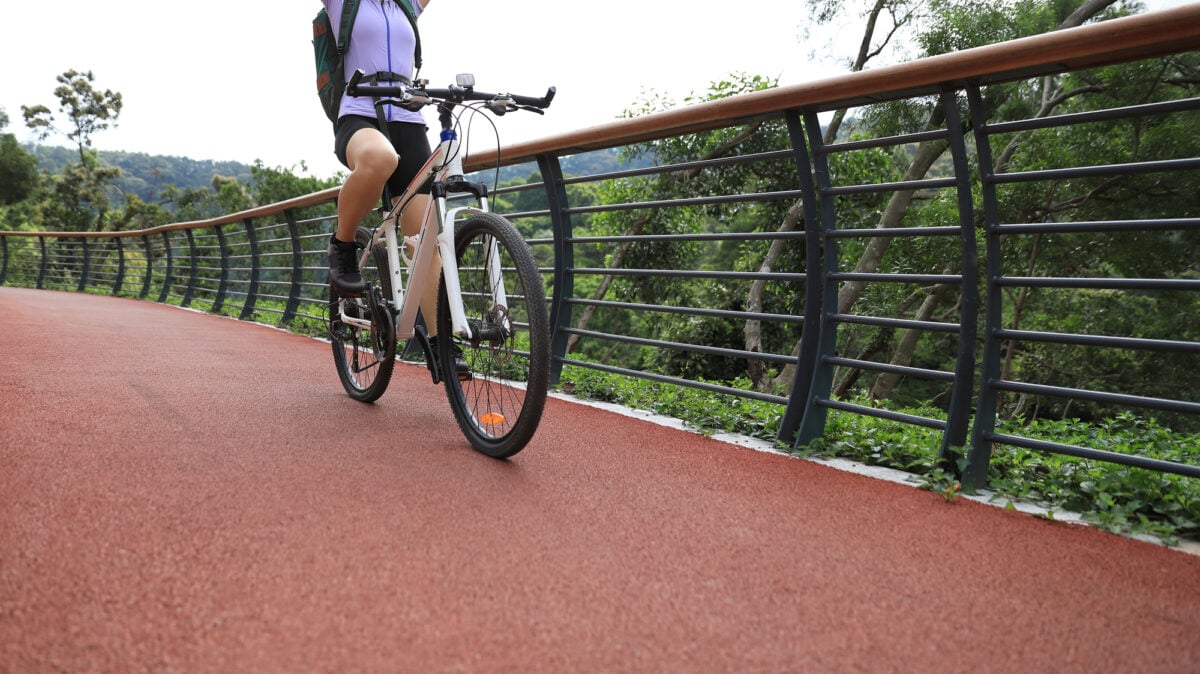
Learning to remove both hands from the handlebars required a specific combination of courage and mild recklessness that not every child achieved before adolescence retired the bike. The first successful no-hands ride was typically accomplished at low speed on a flat surface, lasted approximately four seconds, and was immediately reported to every available witness.
Children who could ride no-handed were considered to be operating at a higher level. The skill had no practical application whatsoever.
The Basket or the Rack as a Cargo System
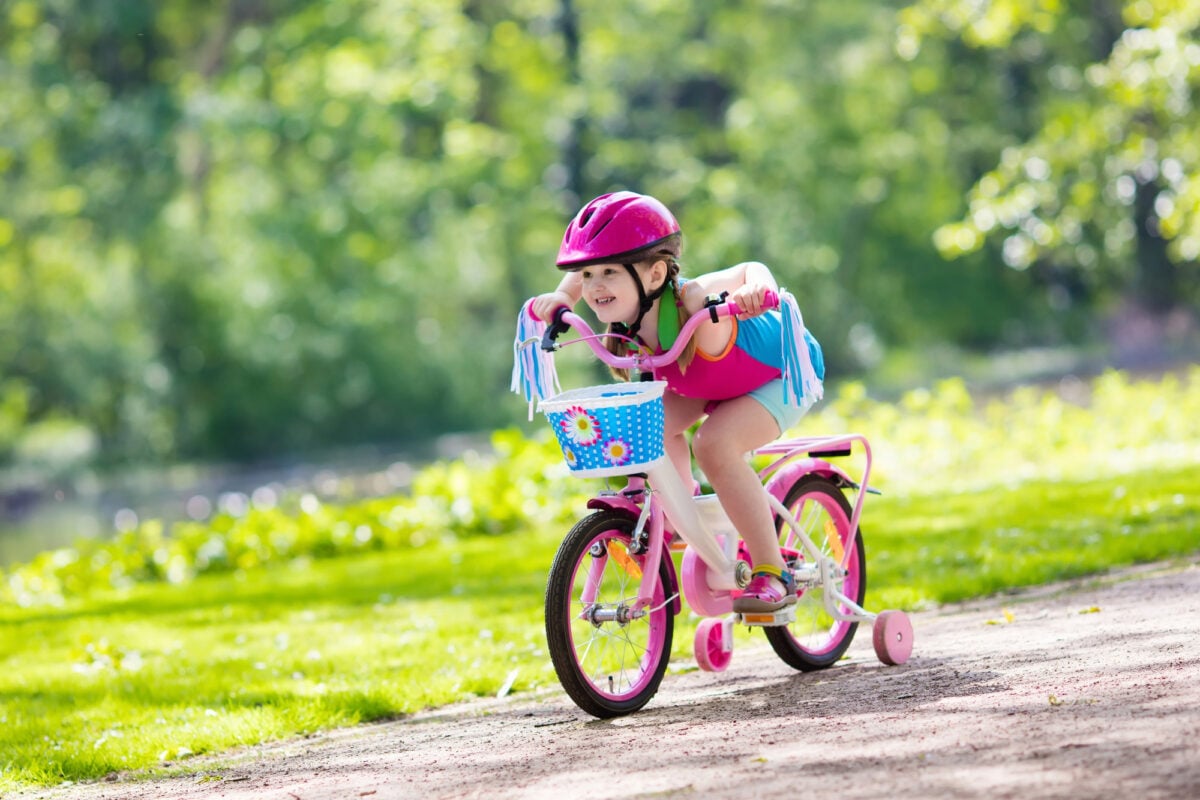
A wire basket on the front or a rack over the back wheel transformed the bike from a vehicle into a logistics operation. You could carry things.
You could be useful. You could ride to the shop for your mum and come back with something, which meant the bike was now connected to the adult world of tasks and errands without being supervised by an adult.
The cargo capacity was ridiculous — a wire basket designed for a small loaf of bread will, with the right engineering mindset, hold considerably more than that — but the principle was the point.
Skidding to a Stop on Gravel
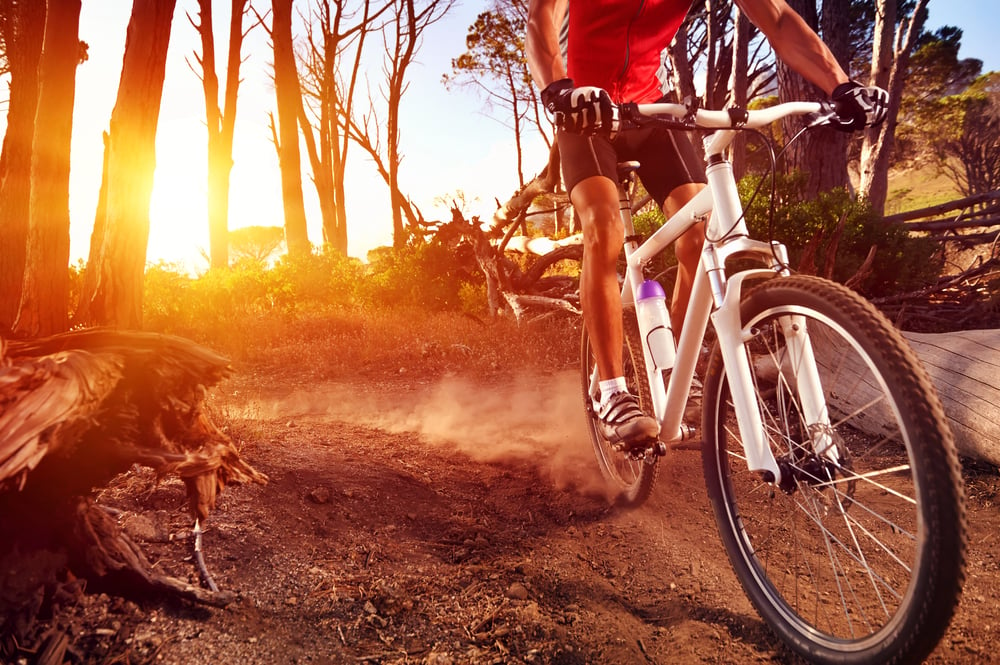
Finding the right kind of gravel and the right speed to lock the back wheel and skid was an activity that required no justification other than the sound and the mark it left. A good long skid mark on a gravel path was something to be proud of and pointed out to friends.
Different surfaces produced different sounds and different lengths of skid, which constituted a meaningful research programme for an eight-year-old with an afternoon to fill.
Riding in a Group That Felt Like a Convoy
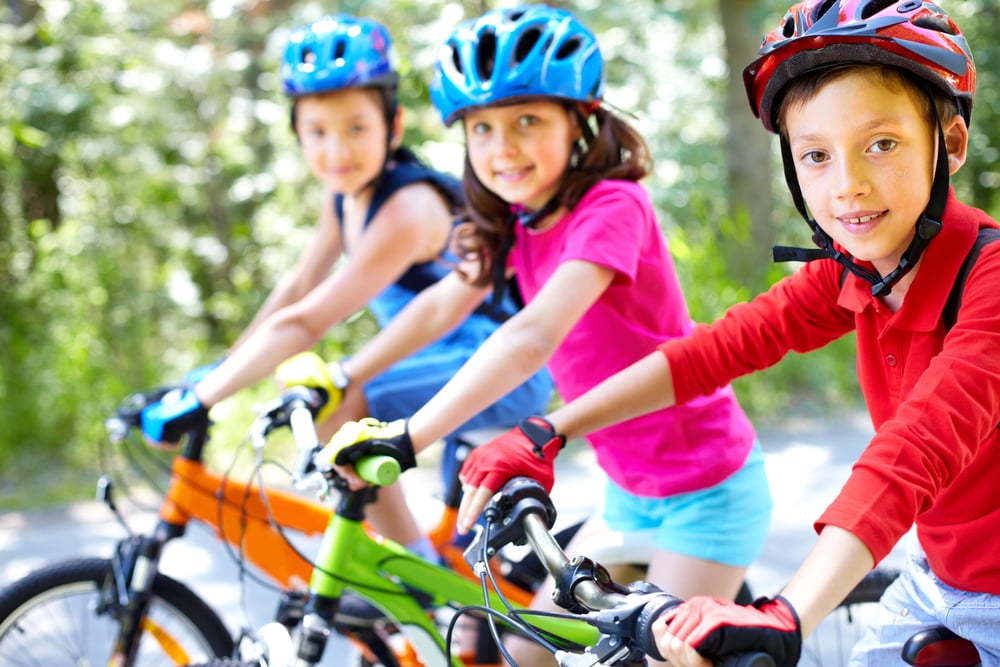
When the neighbourhood kids all went out at once, the group of bikes moving down the road together felt disproportionately significant. There was a loose hierarchy — the fastest at the front, the wobbliest at the back — and it reformed every time someone turned off for home.
The convoy had no destination most of the time. The point was the moving together, the shared purpose of going, the fact that you were a group doing something rather than a collection of individuals sitting in separate houses.
Knowing Your Bike by Its Specific Sounds
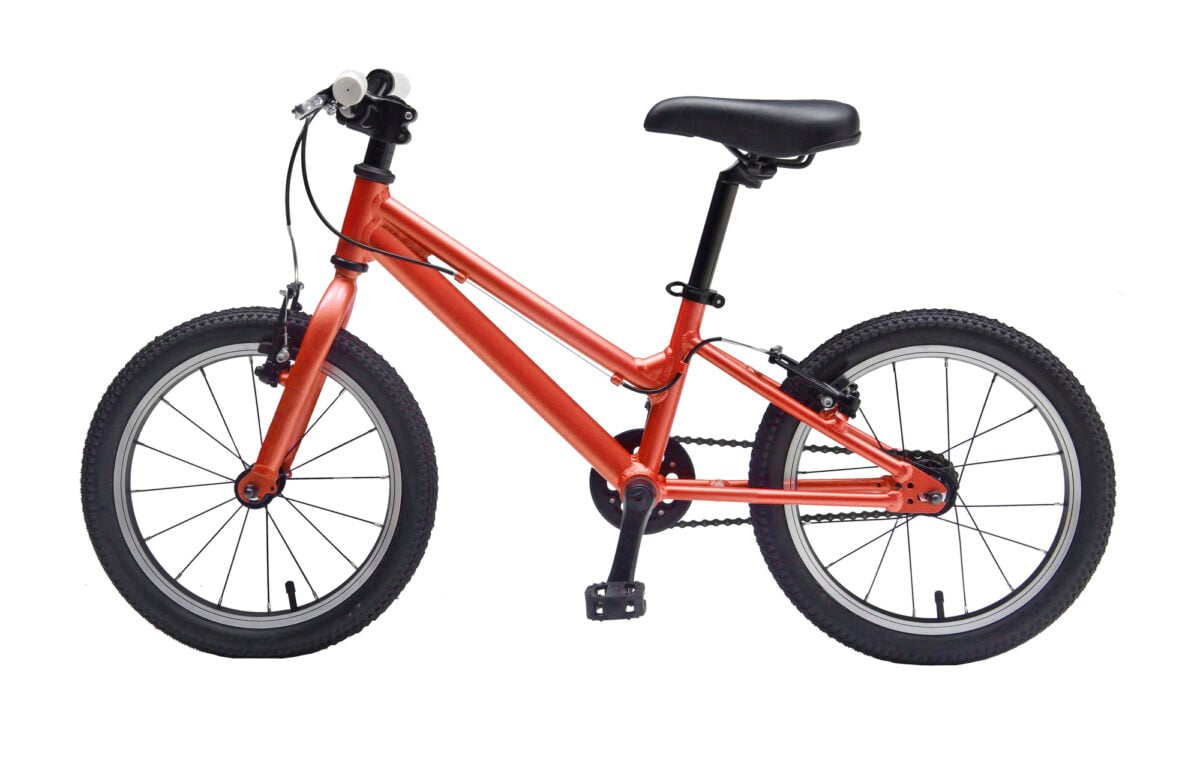
Every bike developed its own vocabulary of sounds — a particular creak when you stood on the pedals, a slight grinding from a brake pad that had shifted, a click in the chain that appeared at a specific point in the revolution and disappeared again. You knew your bike the way you knew a household pet.
When something new appeared in the sound inventory, you noticed immediately and generally ignored it until it became a problem, which it eventually did, and which your parent eventually fixed while pointing out that you should have mentioned it earlier.
The Joy of a Downhill Coast With Feet Off the Pedals
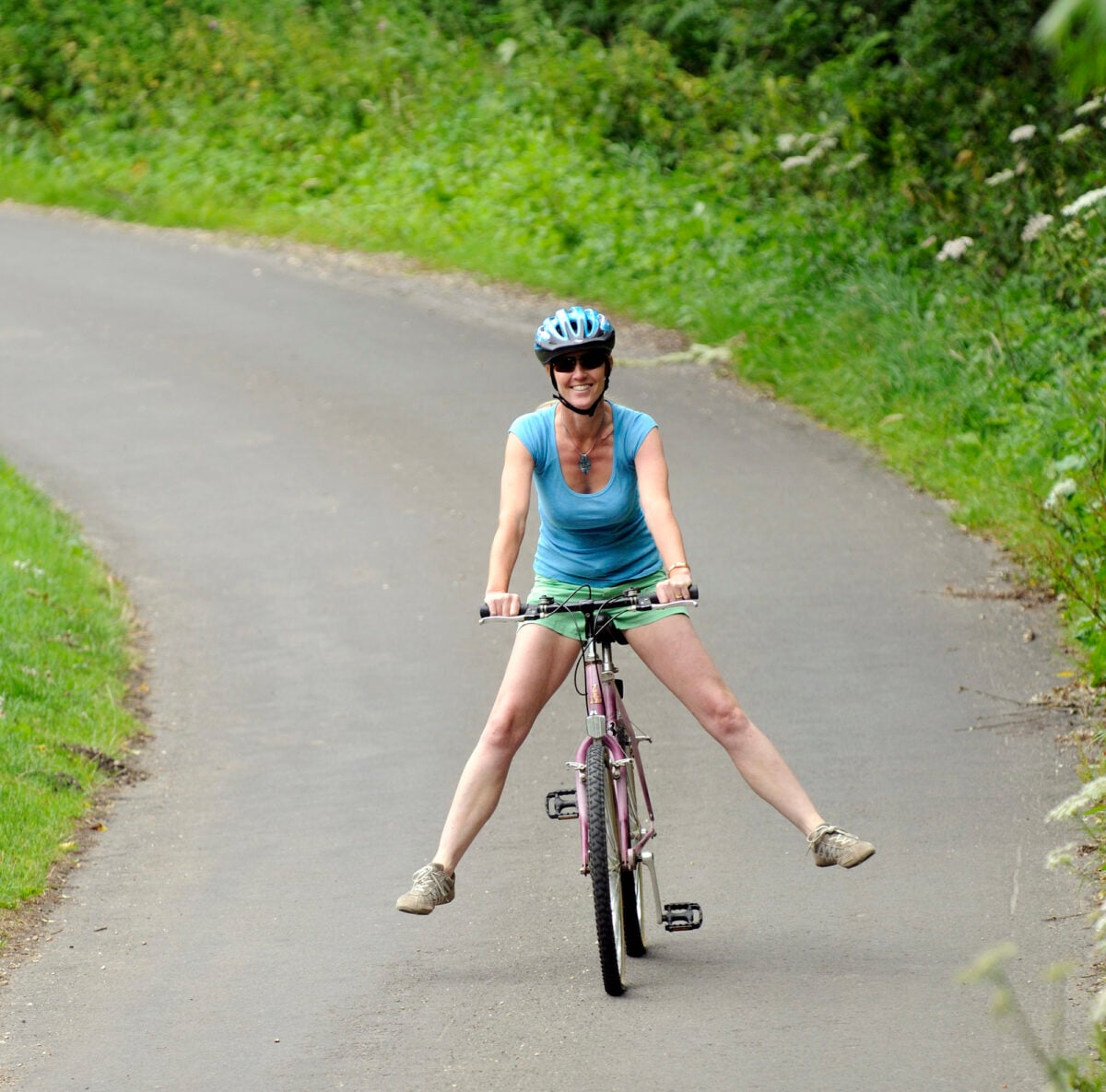
The logical extreme of a long downhill was lifting your feet entirely off the pedals and letting them spin freely while the bike carried you — legs out, arms relaxed, giving the whole thing to gravity. This felt like flight without the altitude.
It also meant you had no power to slow down, and if a car appeared at the bottom of the hill the situation became more interesting than intended. The ratio of enjoyment to risk was approximately correct for a child.
Bumping Over Kerbs on Purpose
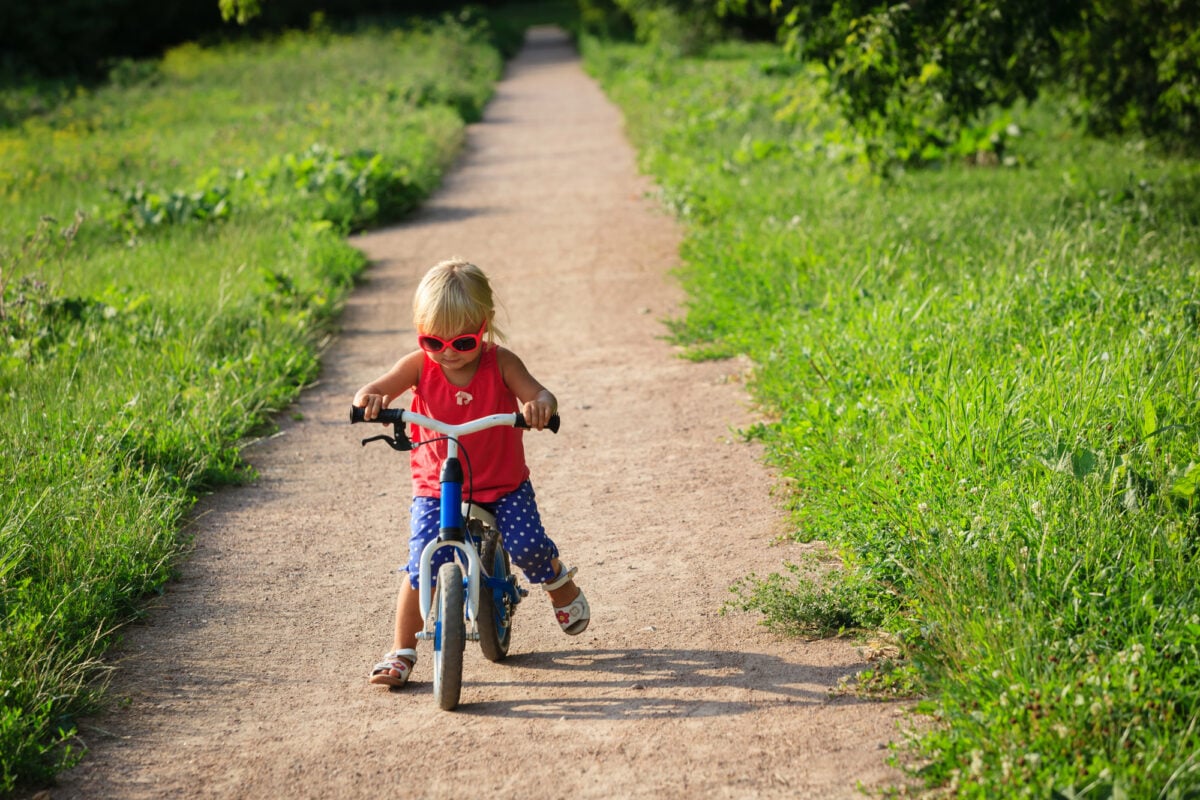
Riding a bike primarily on smooth road surfaces eventually produces a child who seeks out kerbs, cracks, speed bumps, and rough terrain not because the route requires it but because the impact and recovery are satisfying. A bike absorbs a small kerb drop differently depending on speed and angle, and discovering which combinations felt controlled versus terrifying was a legitimate empirical inquiry.
Most bikes of the era were not designed for this treatment. This did not stop it from happening.
Carrying a Friend on the Handlebars or Rack
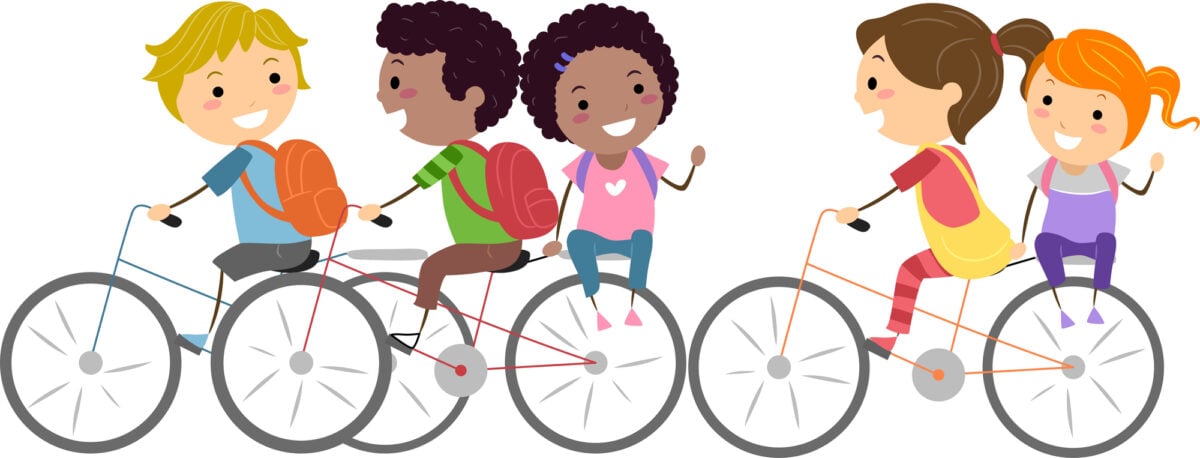
The friend-on-the-handlebars configuration was structurally impractical, mildly dangerous, and almost universally attempted. The person on the bars couldn’t see properly, was responsible for keeping their legs clear of the wheel, and had no good options if the rider needed to brake hard.
None of this registered as significant. The shared ride was the point — the fact that the bike could carry two people, even badly, expanded what was possible on a Saturday afternoon in ways that made the discomfort irrelevant.
The Specific Terror of a Loose Dog
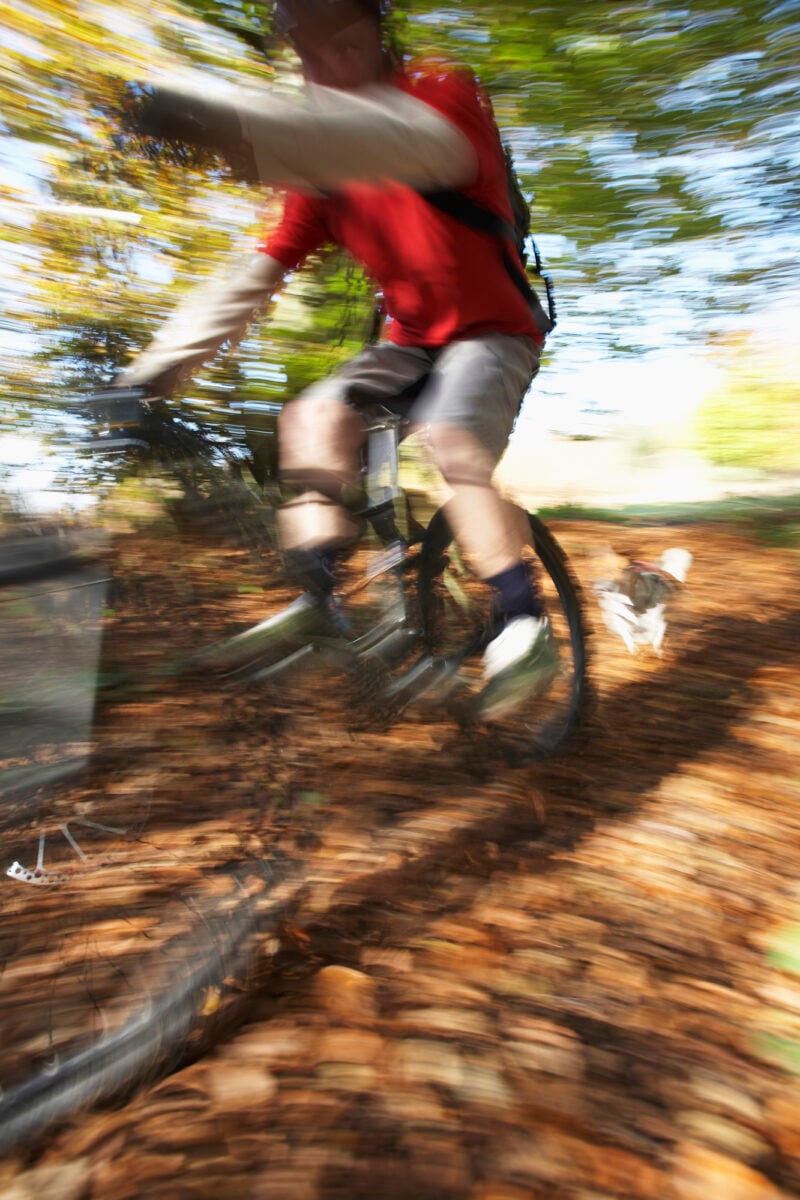
A dog that came out of nowhere from a front garden, barking and giving chase at full sprint, triggered a cadence of pedalling that was physiologically impossible to sustain for more than thirty seconds. The combination of the barking, the sound of paws on pavement, and the visual of something gaining on the back wheel produced a level of focused effort that years of physical education had never quite managed to achieve.
Most dogs stopped at their own property boundary. This fact did not become obvious until it had happened several times.
Inventing Obstacles Courses in an Empty Car Park
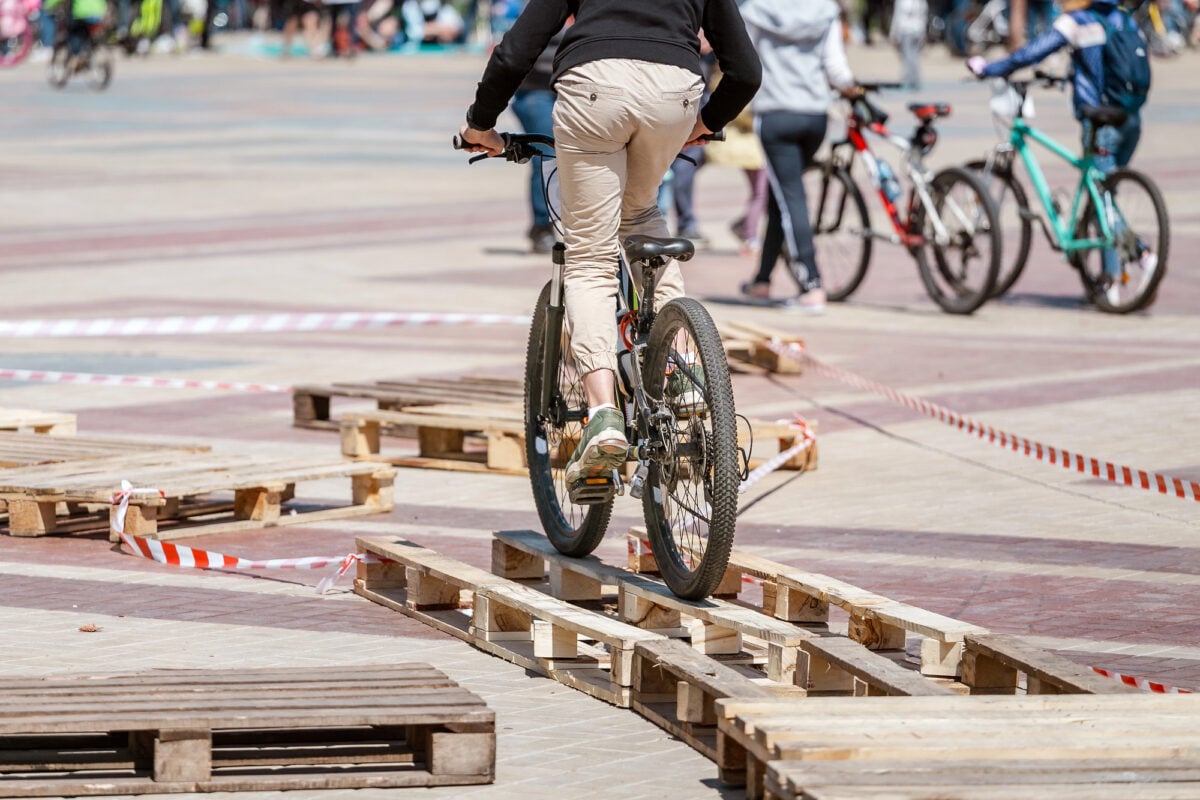
A deserted car park on a Sunday afternoon was a physics laboratory. The painted lines were slalom gates.
The drain covers were targets for precise wheel placement. The slightly raised islands at the ends of the parking rows were ramps if approached at the right angle and speed.
Nothing about the car park was designed for bikes, which made everything about it available for invention. The obstacle course changed every week because the previous week’s version had been mastered and needed to be made harder.
Riding in Rain When You Weren’t Supposed To
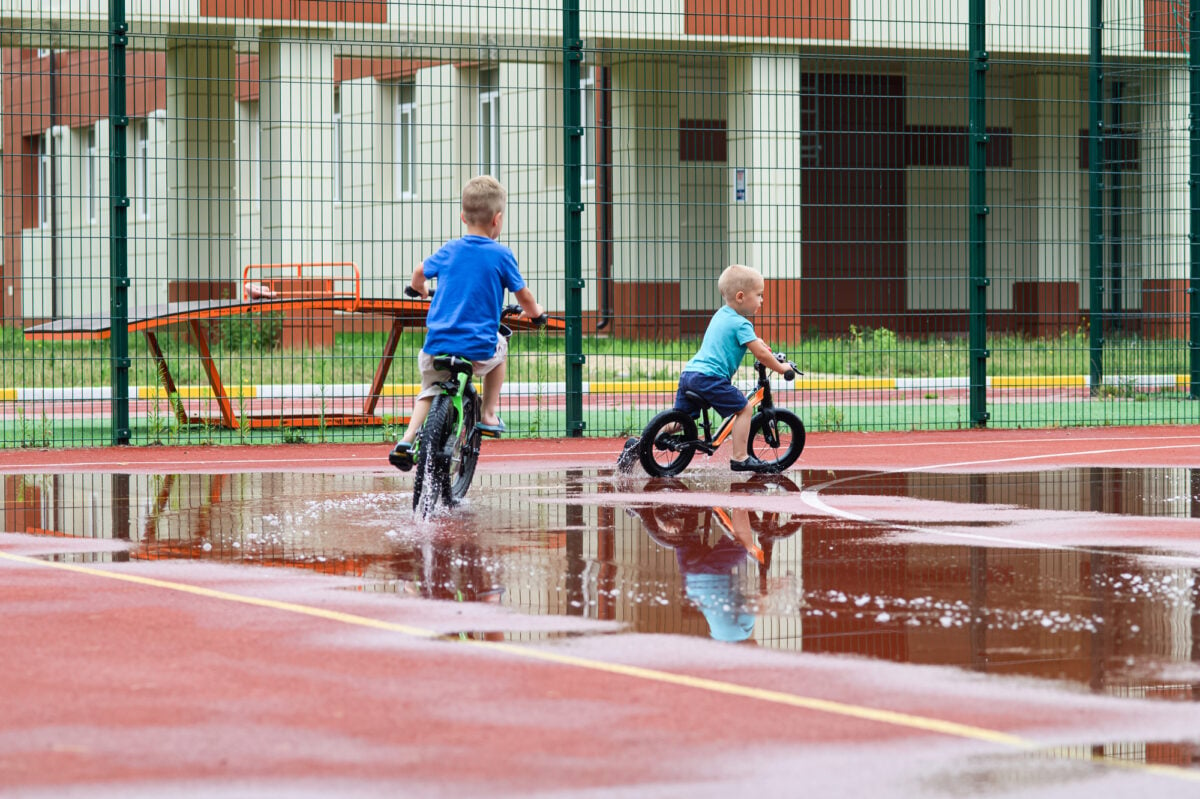
Being told not to ride in the rain and then riding in the rain produced a specific category of satisfaction that had nothing to do with the rain itself. The rain made the brakes worse, the road slippery, and the whole enterprise miserably wet, and none of that mattered because the decision had been yours.
Getting home soaked, mud-striped up your back from the rear wheel, and having to come up with an explanation for how this had happened when you were definitely not going to ride in the rain — this was the full accountability arc of a small independent decision, experienced all at once.
Fixing a Puncture as a Real Mechanical Achievement
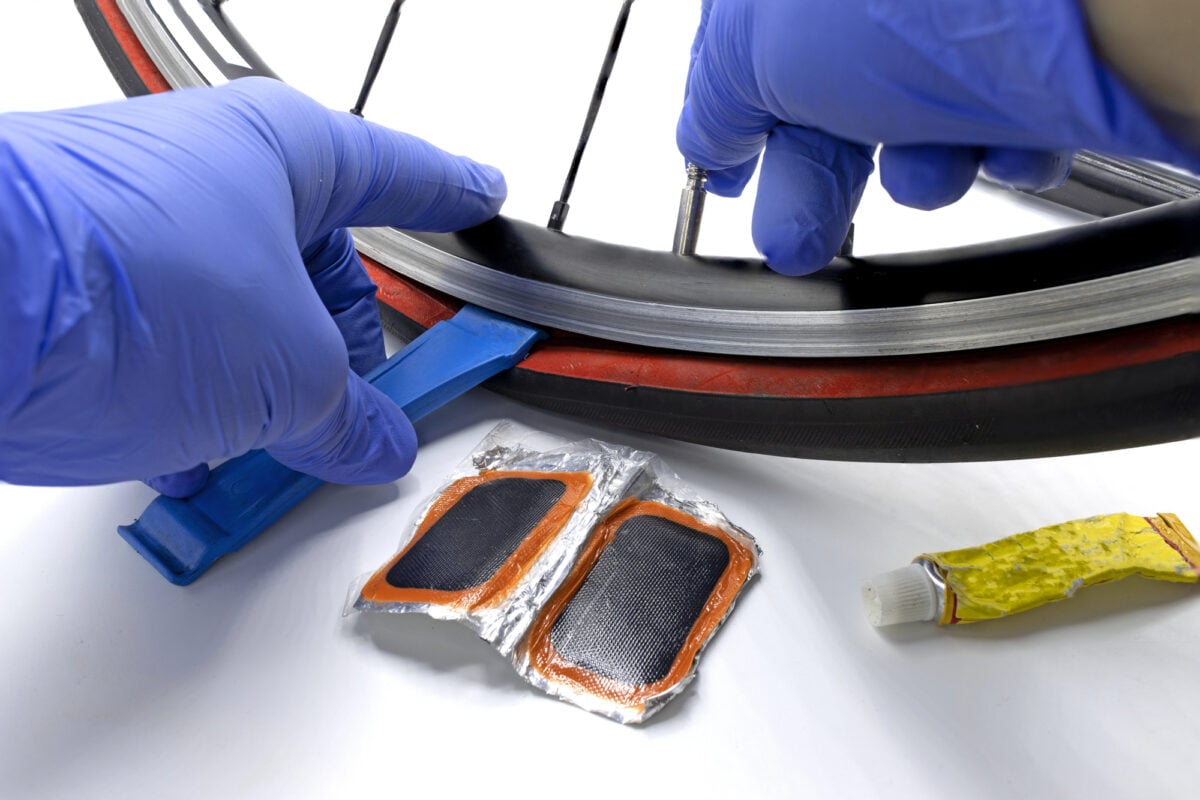
A child who successfully patched a puncture — actually found the leak, roughened the surface, applied the rubber solution, pressed the patch on and waited — had done something irreversible and useful to a machine. The process required patience, a specific sequence of steps, and the kind of attention that was otherwise mostly demanded by homework.
The reward was a tyre that held air again, which was objectively useful. More importantly, the bike was working because of something you’d done to it, which meant you now had a practical relationship with it rather than just a riding one.
The Satisfaction of a Perfectly Timed Jump Off a Kerb
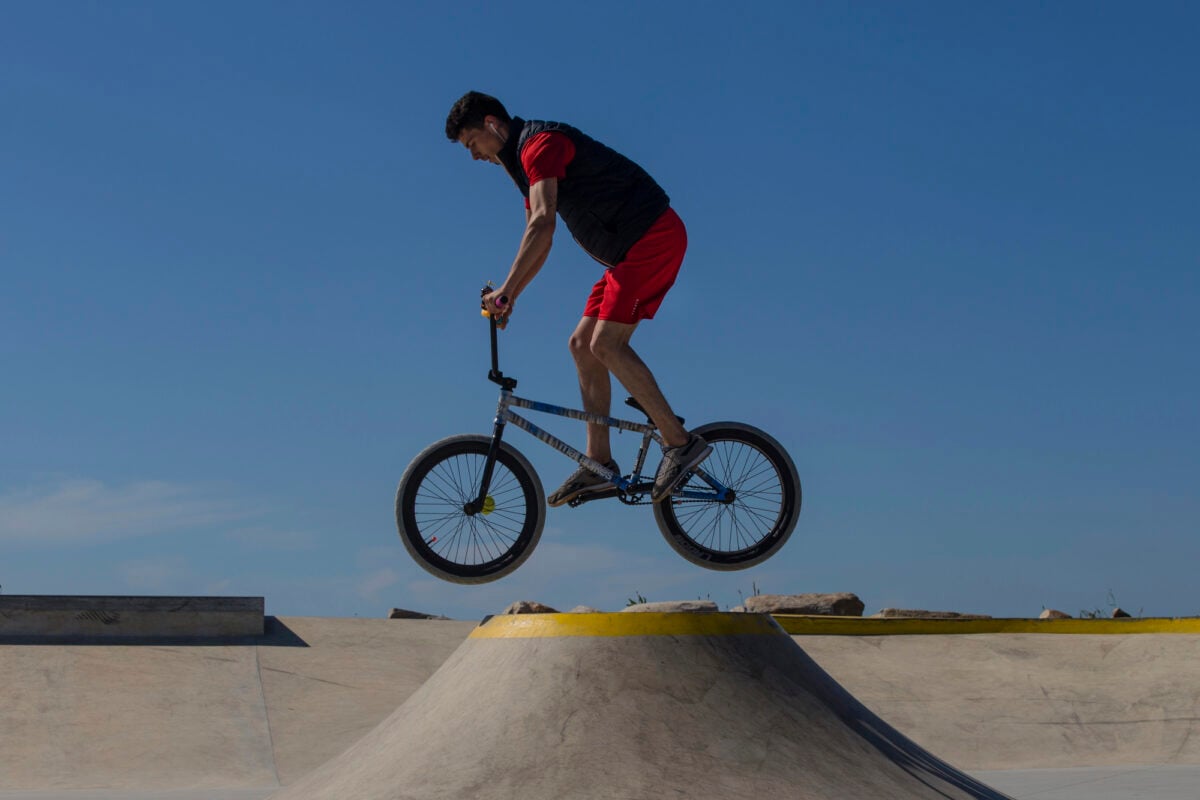
Coming down a driveway at speed and timing the transition from driveway-level to road-level as a deliberate jump — pulling slightly on the handlebars at the moment of departure, landing on both wheels simultaneously — required practice and produced an extremely minor vertical displacement that felt enormous. The kerb was maybe four inches high.
The sensation was bigger than that. Getting the timing right consistently, so that it happened the same way every time, was the kind of skill that was never going to appear on a report card but mattered quite a lot.
Riding Further Than You’d Ever Been Alone Before
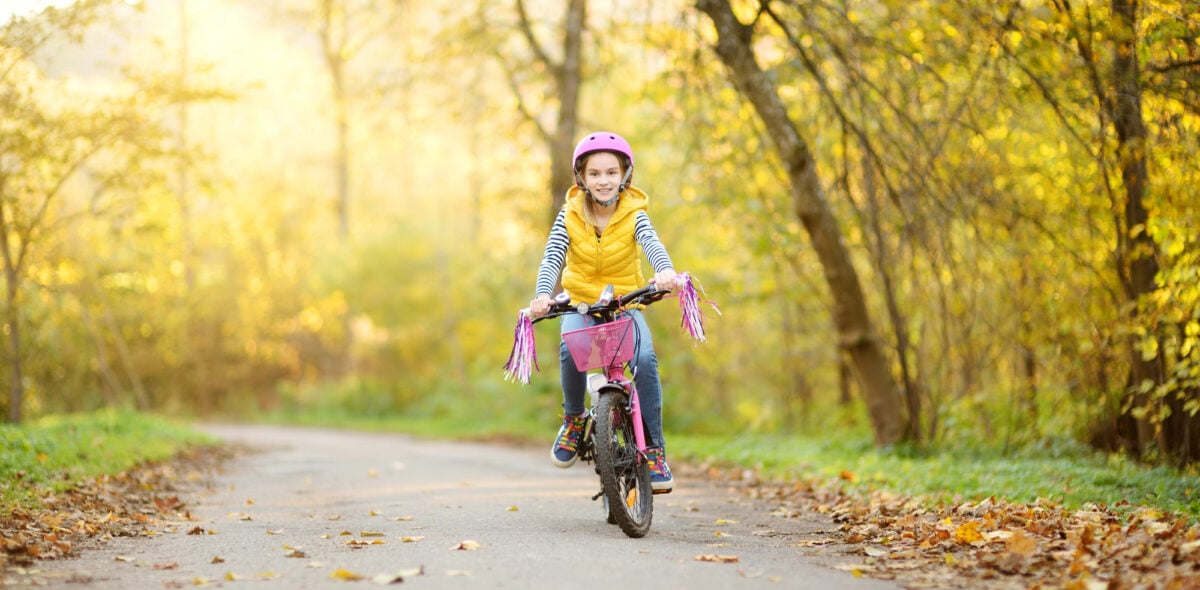
The first long ride — the one that took you genuinely far from home, past landmarks you’d only seen from cars, into the territory of proper distance — arrived with its own distinct feeling about two-thirds of the way out: the realisation that you’d already gone further than you’d told anyone, and that getting back required getting back under your own power. This was not a problem.
It was precisely the point. The return journey carried a different quality of attention — roads looked different when you needed to memorise them rather than just pass through them.
Learning That Hands Need to Brake in Order
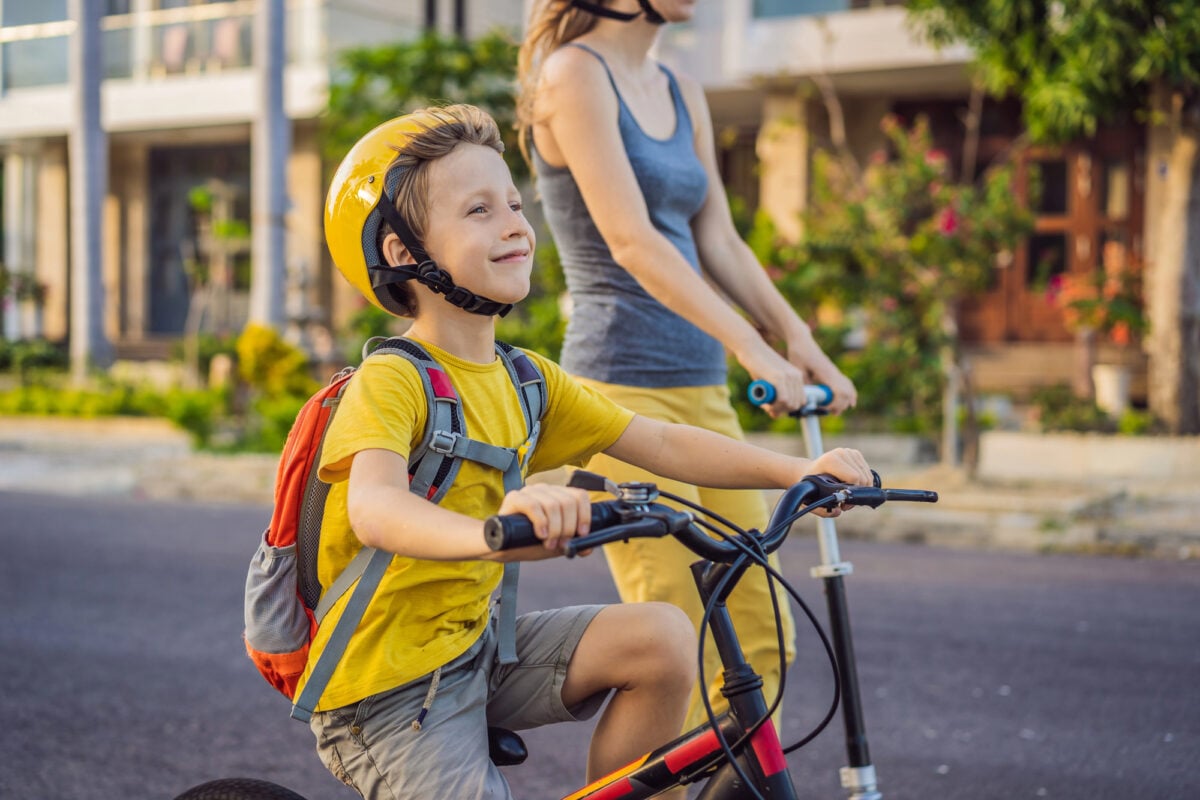
Front brake too hard, too fast, produces a forward lurch that makes the front wheel the pivot point of everything that happens next. Most children discovered this in a single educational event that left gravel in their palms and a respect for the sequence of braking that lasted for years.
Rear brake first, then front, was the rule. The rule came from somewhere, and eventually you found out where.
The Freedom of the Park Shortcut Through a Gap in the Fence
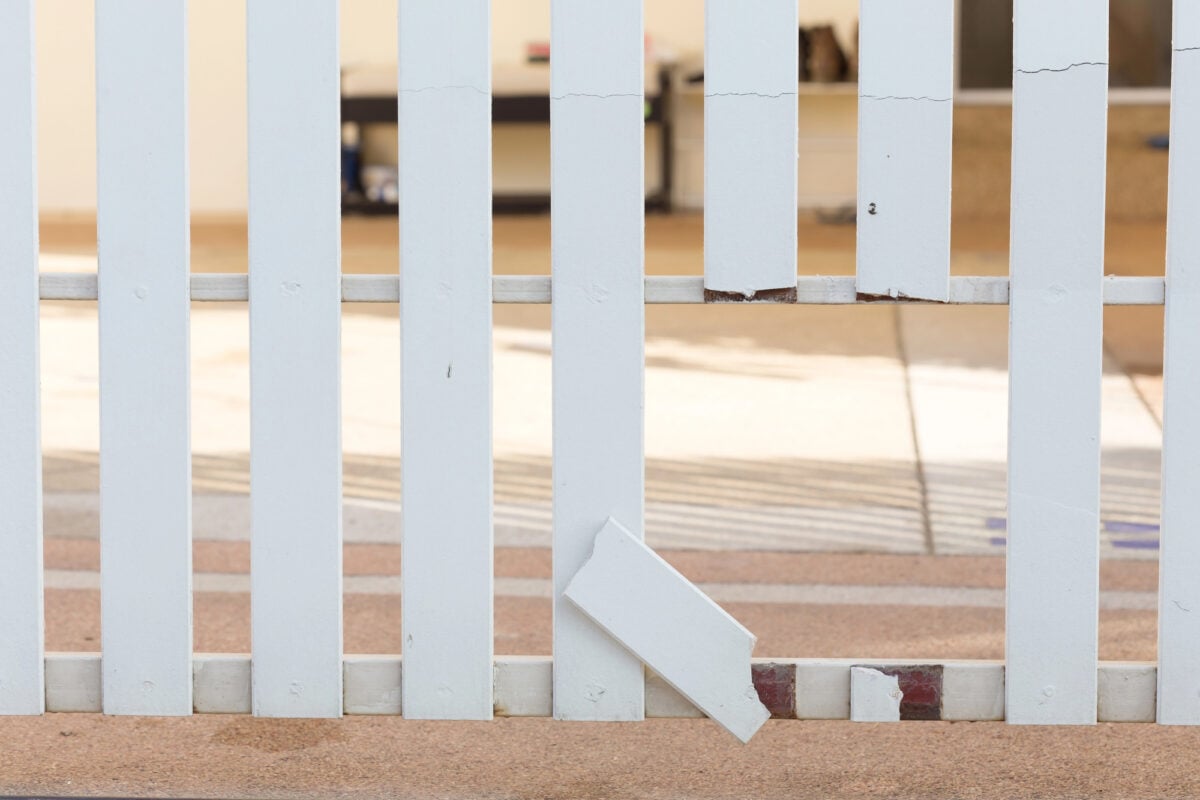
Every neighbourhood had at least one shortcut that was technically not a route — a gap in a fence, a path across the corner of a playing field, a passage through a property that people used because it had always been used. On foot, these shortcuts saved a minute.
On a bike, they saved three minutes and also felt significantly more transgressive, because a bike was faster and more visible and harder to stop quickly if someone appeared to object. The shortcut wasn’t just about time.
It was about knowing the neighbourhood’s unofficial geography.
The Bike as Transport to a Friend’s House
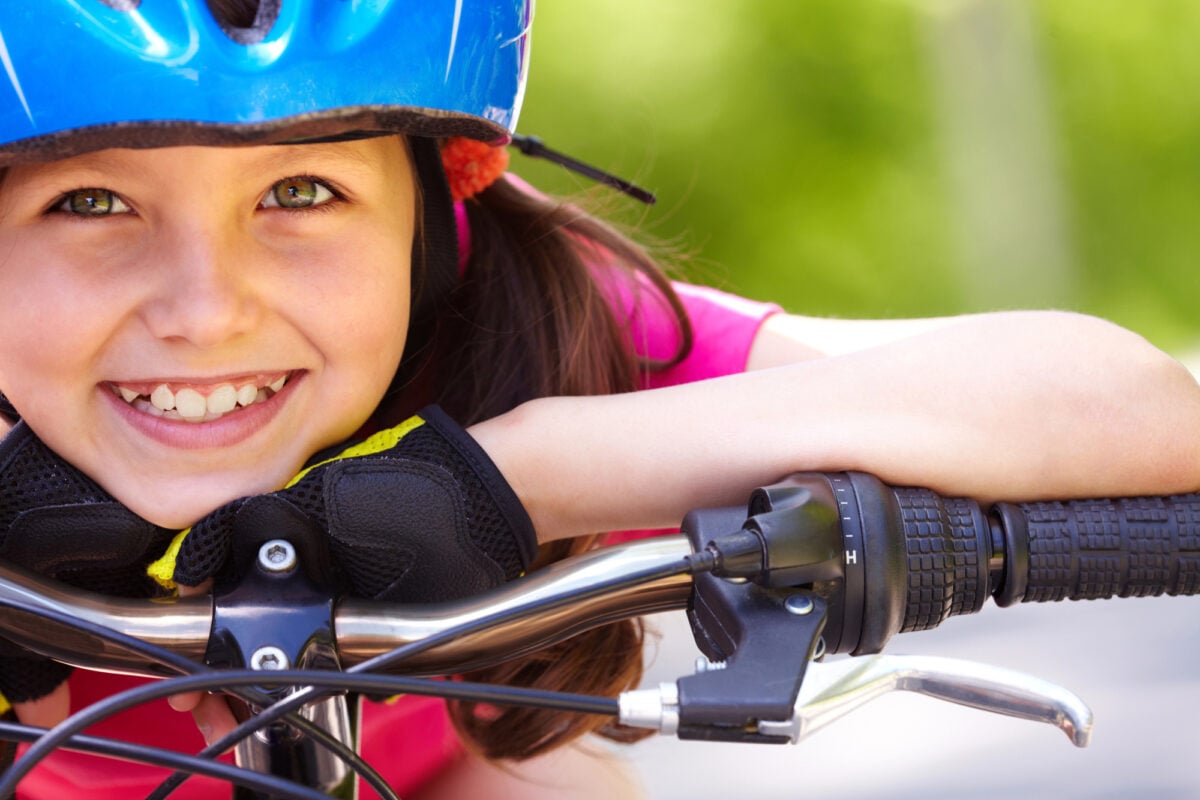
Before there were phones in every pocket, going to a friend’s house meant going to a friend’s house. You couldn’t check if they were home before you set off.
You just rode over, knocked, and either they were there or they weren’t, and if they weren’t you turned around and rode back. The bike made that trip feasible without involving any adults.
The decision to go, the riding there, the arrival — all of it happened without anyone’s oversight. That unmediated social life, operated under your own steam, is something that a generation of children now has considerably less access to.
The Way the Bike Responded to Your Exact Weight
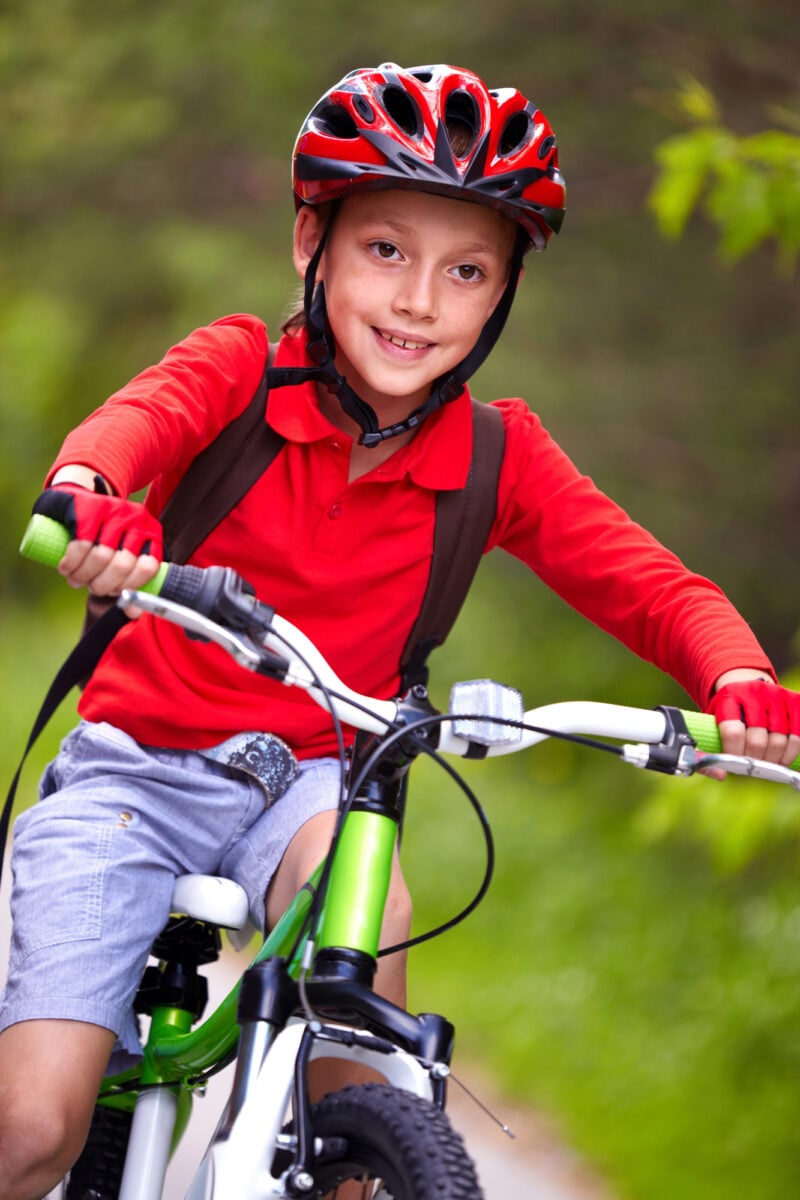
A bike knows its rider the way nothing else does. Lean forward and it goes faster.
Shift back and it climbs better. Weight to one side and it begins a curve before the handlebars confirm it.
Children learn this responsiveness quickly and take it completely for granted, without having the language for the fact that they have been given a machine that treats their body as the input, not as a passenger. The feedback loop between rider and bike is immediate and physical in a way that almost nothing else in a child’s life is — not a screen, not a classroom, not a car.
Waiting for the Street Light to Come On Before Going Home
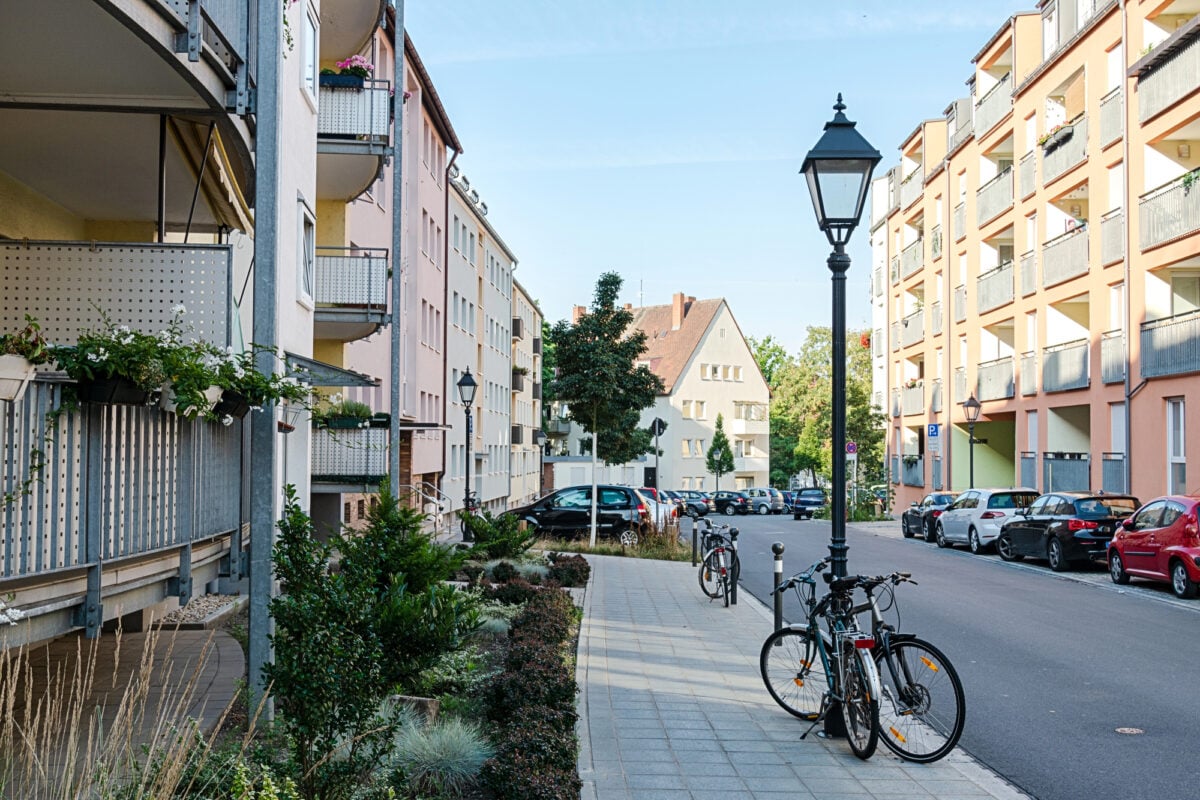
The street light at dusk was the signal, not the clock. You stayed out until it flickered on, then headed back.
The specific light mattered — your street’s light, the one you could see from the corner where you’d been riding. This was a rule so universally understood that it required no discussion.
The game, or the exploration, or the circuit of the block continued until that exact moment, because the moment was defined by the world rather than by an adult with a watch. That distinction — time kept by light rather than schedule — is one of the more specific things that childhood had and adulthood doesn’t.
Riding With No Specific Destination
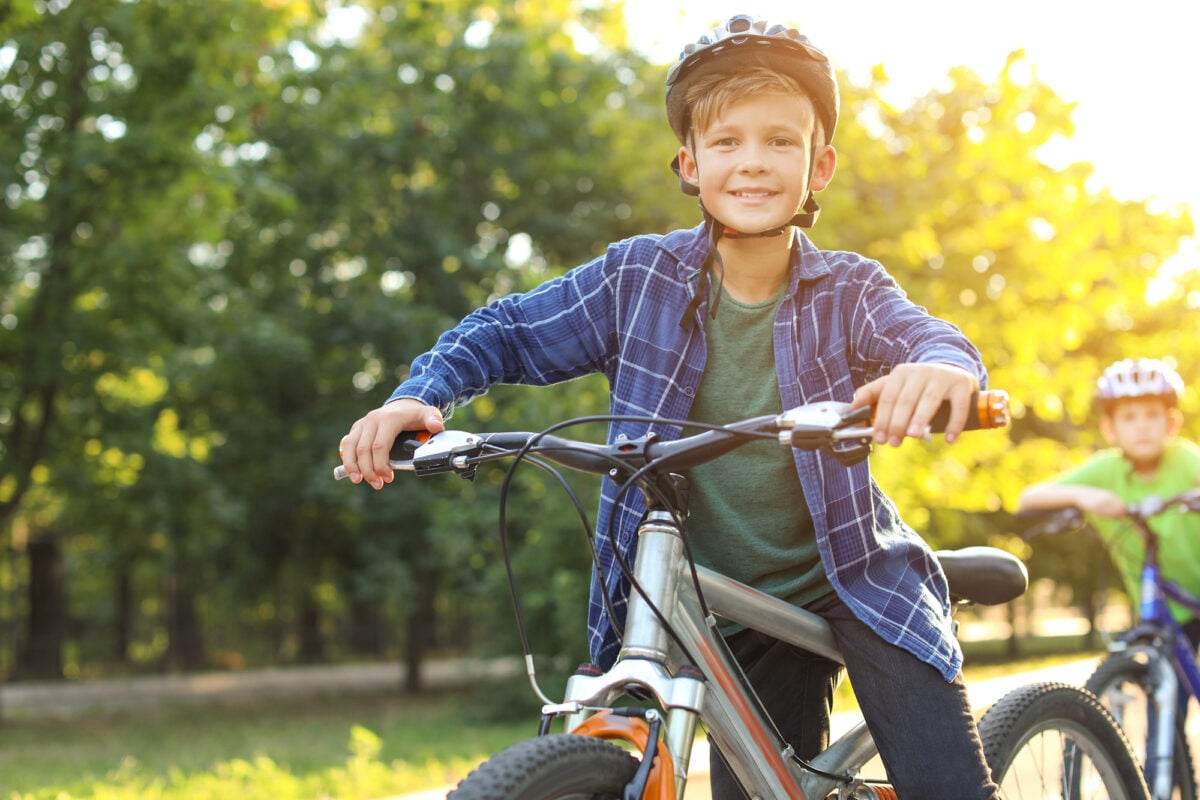
The purest version of the childhood bike ride had no destination at all. You just left.
You turned when you felt like turning. You doubled back when something looked interesting.
You went down the same road twice because the first time was too fast to see properly. Nobody was measuring the route or optimising the path.
The ride was the thing, not the arriving anywhere. That specific quality of movement — purposeful motion without a destination, engaged with the environment for its own sake — is surprisingly hard to reproduce once you’ve got somewhere to be.
The Bike Locked to the School Rack as a Symbol
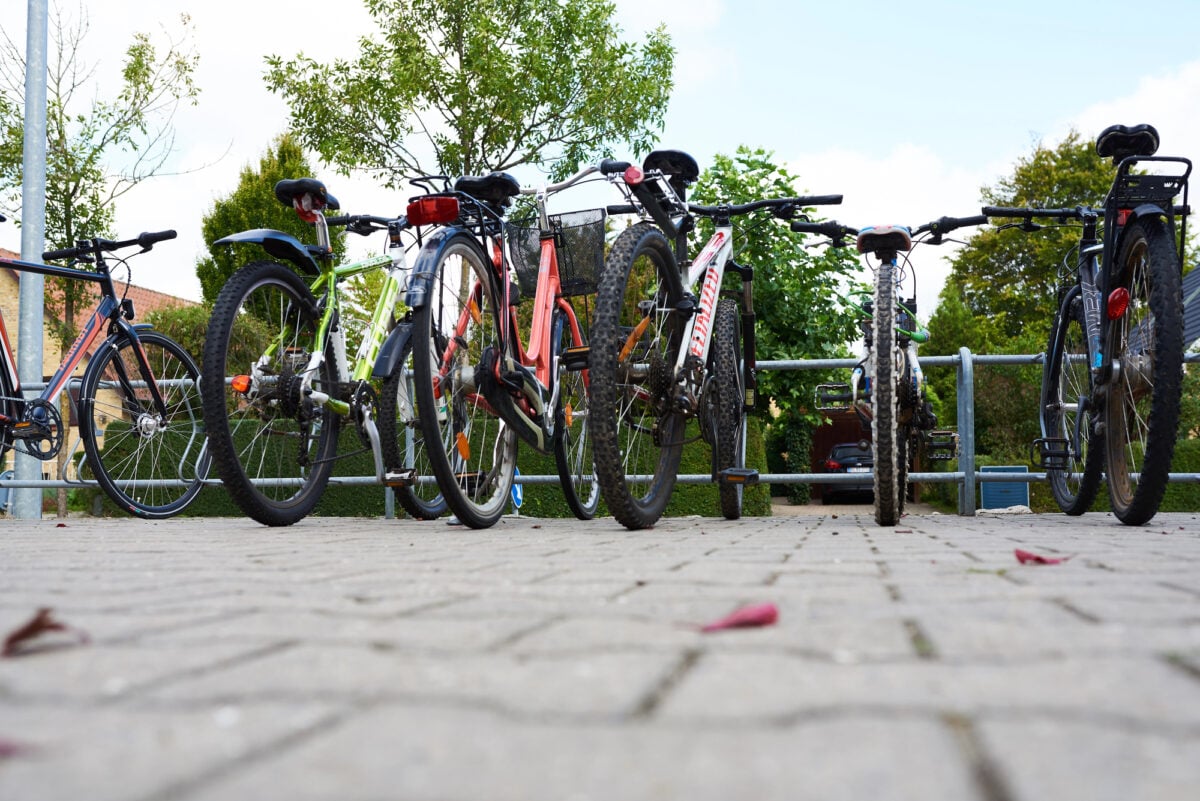
Having a bike locked to the school bike rack at age ten meant you had ridden to school under your own power, which was different from being dropped off, which was different from taking the bus, which was different from walking. The bike at the rack was evidence of something you had done that morning before class.
The combination lock, the positioning between other bikes, the choice of which bracket to use — these were decisions you’d made, about a machine that was yours, in the world outside the school gates. Coming out at the end of the day and unlocking it again was one of the better moments of the school week.
The Handlebars Bent in a Fall and Your Parent Straightening Them
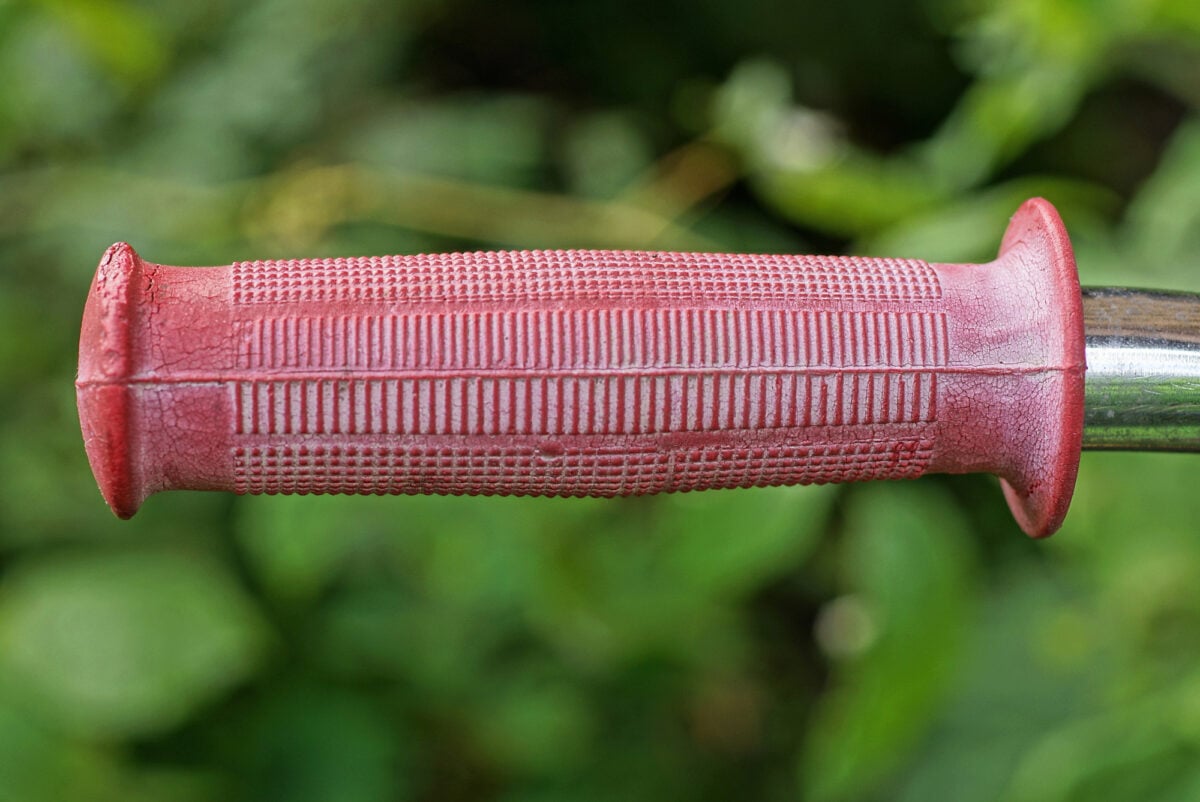
A fall that twisted the handlebars off-true — so the bike rode straight but the bars pointed slightly left — required either a parent or an older child with enough leverage to correct it. The straightening of bent handlebars was a small piece of adult competence applied to a child’s problem, and the moment it was fixed and the bike was rideable again was one of the more satisfying resolutions available to a Tuesday afternoon.
You’d broken something. Someone fixed it.
You rode away. The cycle of damage and repair was part of what made the bike feel like a real thing rather than a toy.
The Moment the Bike Became Too Small
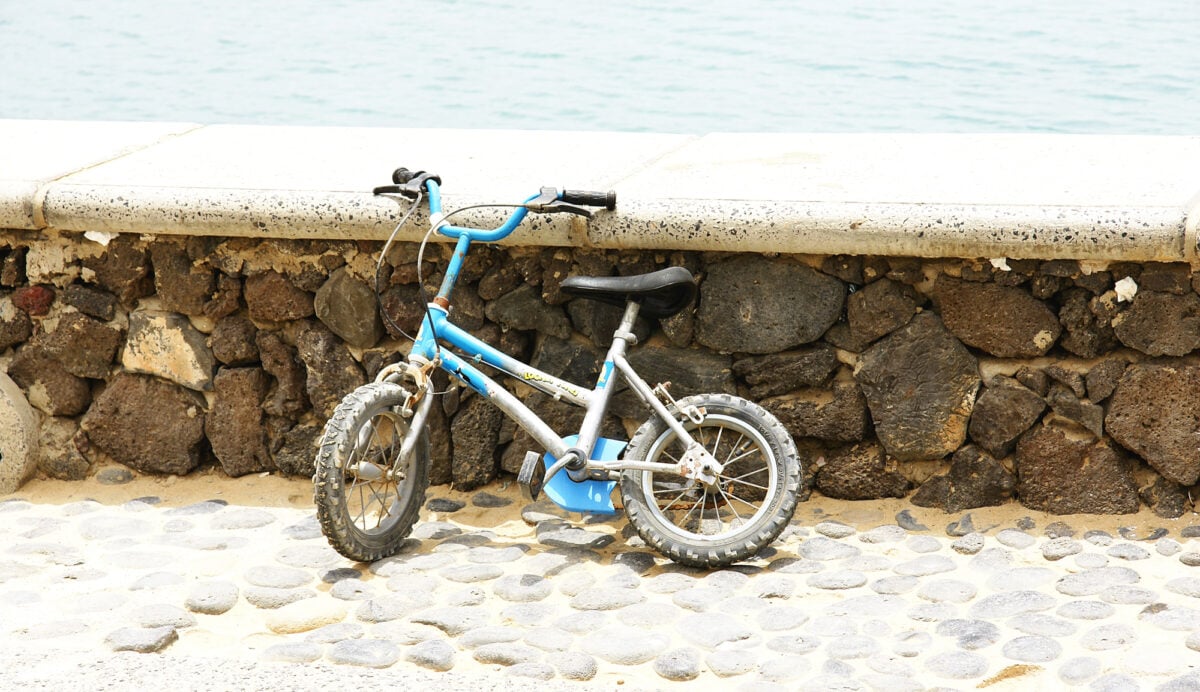
There was always a last ride on a childhood bike, but nobody ever knew it was the last one at the time. One day the knees were hitting the handlebars slightly on the upstroke, or the seat was as high as it would go and still not quite right, and the bike that had been exactly the right size for two or three years was suddenly wrong in a way that couldn’t be adjusted.
The bike got smaller, or you got bigger, and the same machine that had felt like total freedom started to feel like something you’d outgrown. What replaced it was usually bigger and technically better.
It was never quite the same thing.
The Road Stays With You
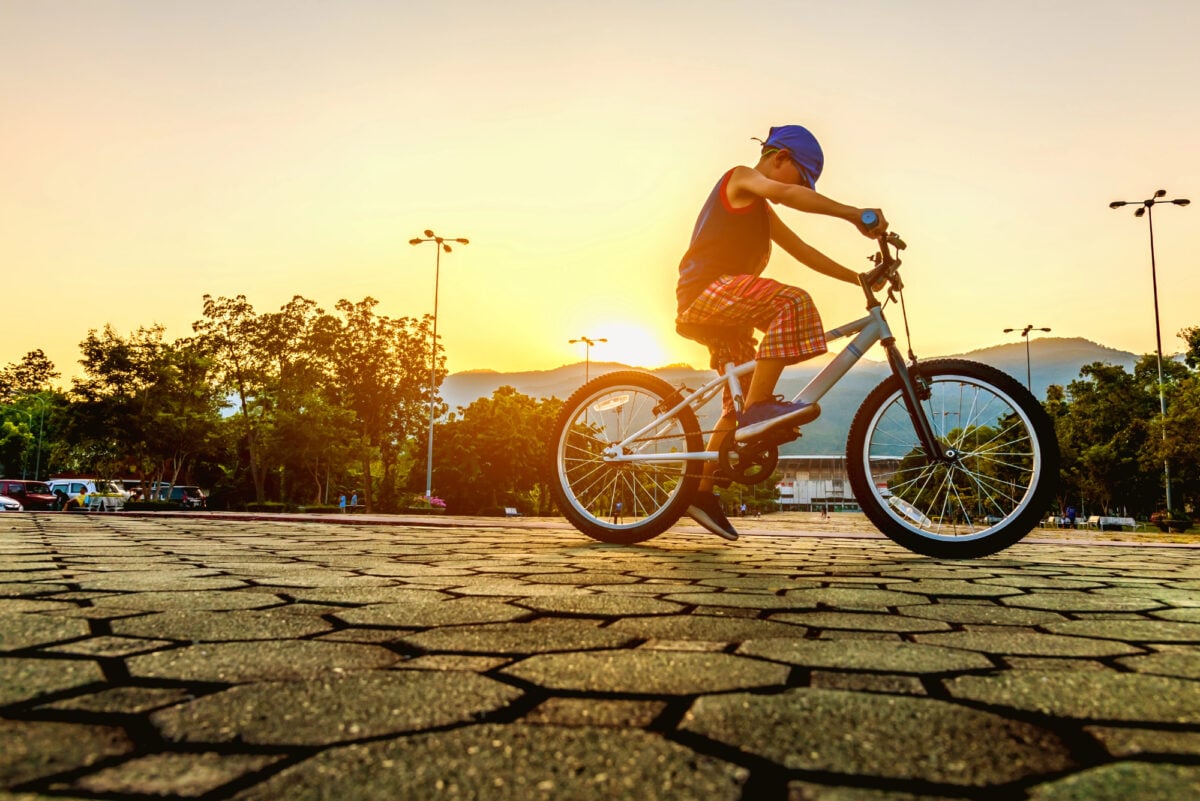
The adult version of the childhood bike ride — commute, fitness, sport — is different in almost every measurable way: planned route, purpose, equipment, awareness of traffic. What doesn’t change is the physics.
You still learn a road by riding it. You still feel the hill in your legs before you see it coming.
You still arrive somewhere and know you got yourself there. Most adults who ride regularly reach a stretch of road occasionally — flat, clear, a slight tailwind, a familiar sequence of curves — where something in the body’s memory takes over and the brain goes quiet and the riding happens without maintenance.
It is not the same as being ten years old. But it is related to it, the way a language learned as a child is related to the version you speak as an adult.
The accent survives.
More from Go2Tutors!

- The Romanov Crown Jewels and Their Tragic Fate
- 13 Historical Mysteries That Science Still Can’t Solve
- Famous Hoaxes That Fooled the World for Years
- 15 Child Stars with Tragic Adult Lives
- 16 Famous Jewelry Pieces in History
Like Go2Tutors’s content? Follow us on MSN.