Why Getting Picked First in Gym Class Felt Like the Biggest Honor a Kid Could Earn
There was a moment, sometime between the teacher blowing the whistle and the two appointed captains starting to call names, when every kid in the gym performed the same silent calculation. You scanned the room, you assessed the competition, and you made a private prediction about where you’d land in the order. Getting that prediction wrong — in the good direction — was a rush that most adults still remember decades later.
The gym class pick wasn’t just about sport. It was a real-time social audit conducted in front of everyone you knew, with no appeal process and no filter. Researchers have since confirmed what every ten-year-old already understood: the selection order mapped almost perfectly onto the school’s wider social hierarchy. Being chosen first meant the hierarchy had stamped your value in front of witnesses.
The Power Was in the Publicness

Being picked first mattered specifically because it happened in front of the group. A compliment from a teacher was private. A good grade existed on paper. But the gym-class pick was a verdict delivered out loud, in real time, to an audience of your exact peers.
That’s what gave it weight — not the athletic honor itself, but the social broadcast.
Athletic Skill Was Only Part of the Formula
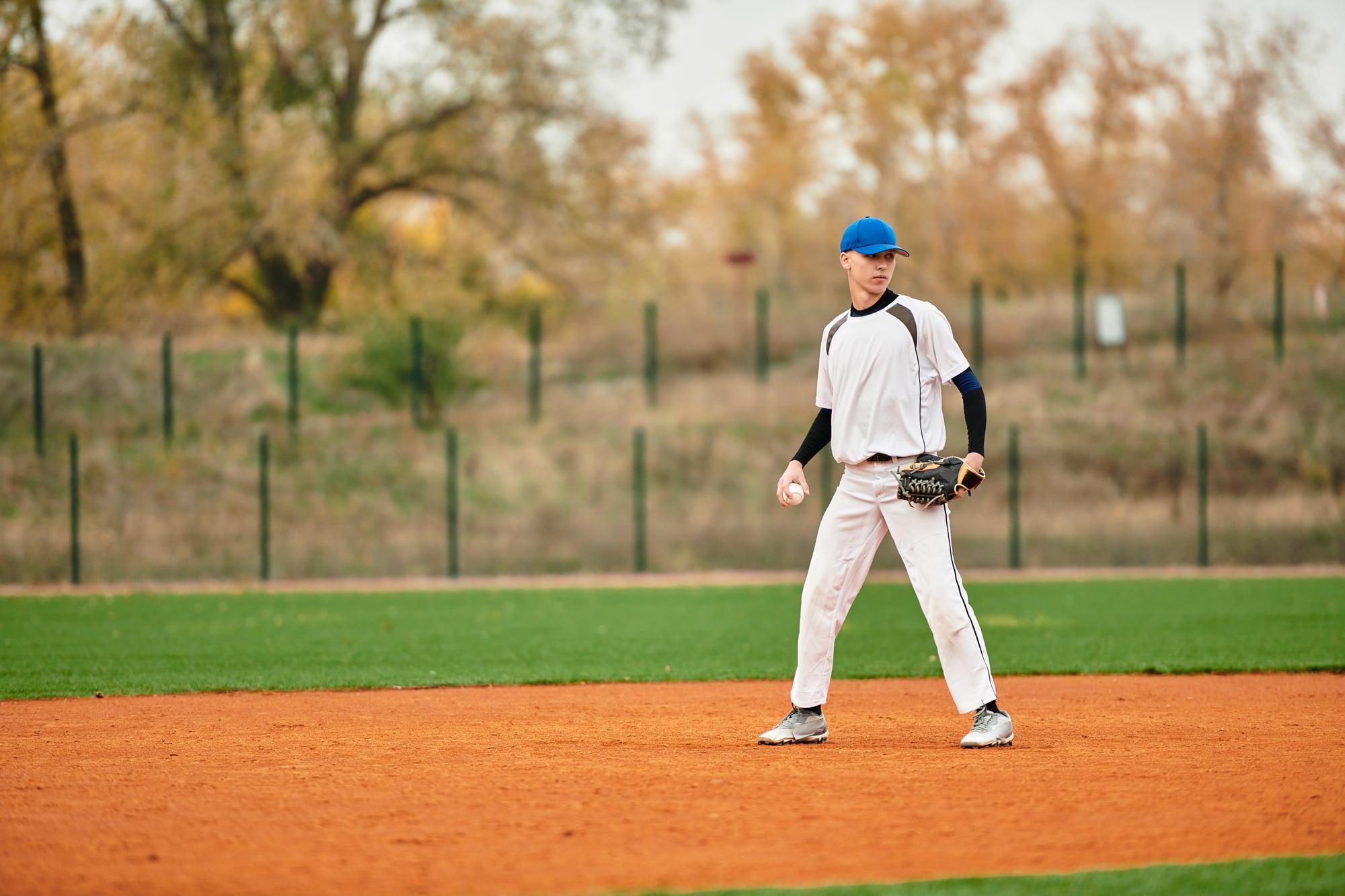
The fastest kid didn’t always go first. Captains made strategic calls: they picked loyal friends, they picked people with specific skills for the game at hand, and they picked people who made their side look good by association.
Going first sometimes meant you were the most useful player, but it just as often meant you were the most socially valuable one — a distinction that wasn’t lost on anyone watching.
The Two Captains Were Performing, Too
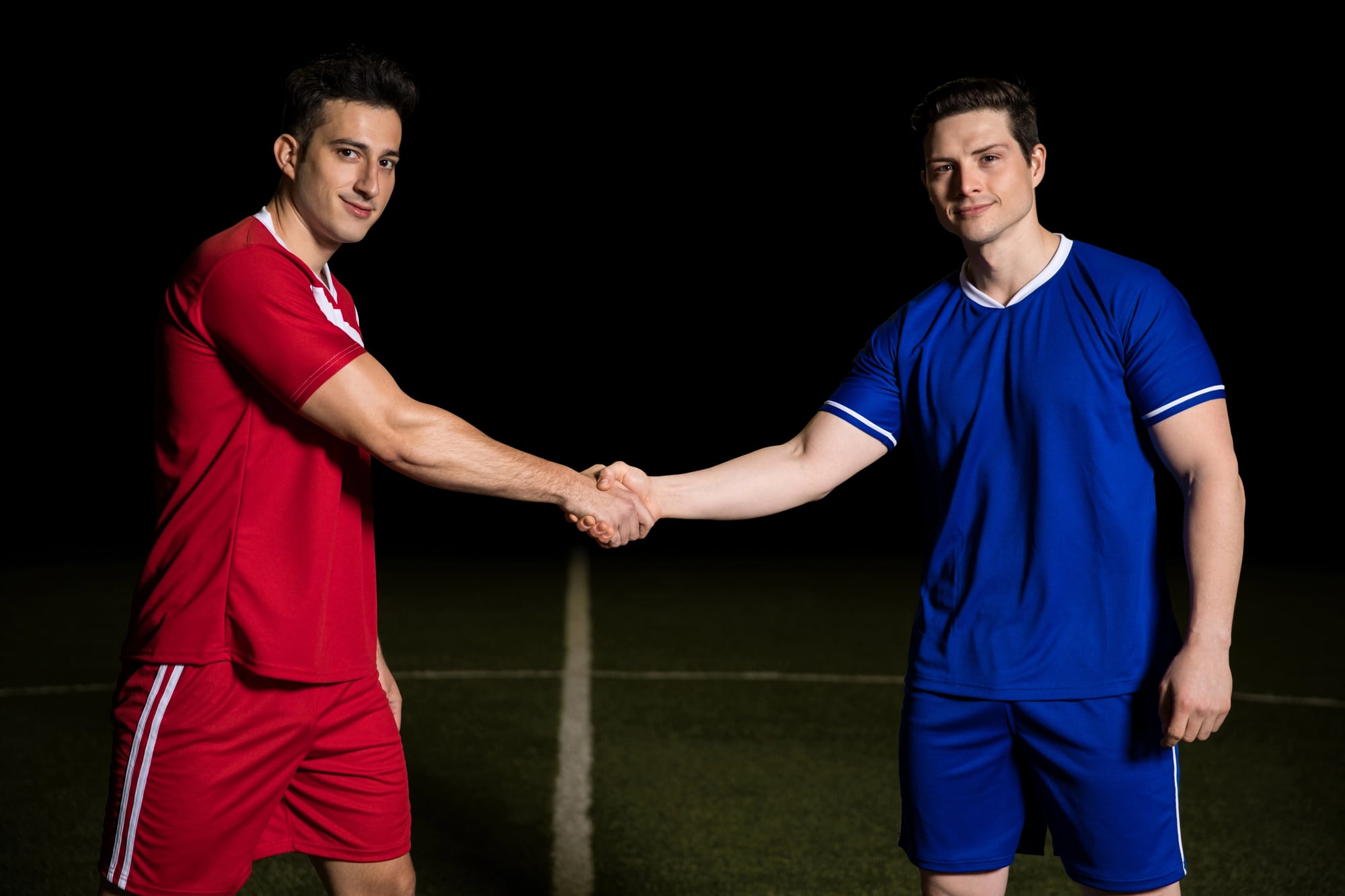
Being named a team captain was its own form of recognition, and captains knew they were on display. Their picks signaled their judgment, their loyalties, and their social priorities. Choosing a close friend over the more skilled player was a calculated social statement.
Passing over the obvious first pick to make an unexpected choice was a kind of power flex most adults never pull off as cleanly as a twelve-year-old could.
It Was One of the Few Times Kids Controlled the Social Order

Schools ran on adult authority — teachers assigned seats, organized groups, decided grades. The gym-class team pick was a rare window where the kids themselves ran the ranking system, out in the open, without adult interference.
That autonomy made the outcome feel more legitimate, even when it stung. When the social order came from the students rather than the institution, it felt like the truth.
Being Picked Second Was Its Own Complicated Thing

Second place in a team pick was socially ambiguous in a way first was not. Everyone understood that the first pick was a clean compliment. But second? That could mean nearly-as-good, or it could mean your friend was a captain and pulled you early out of loyalty.
Reading the room to figure out which one applied was a minor social puzzle kids ran automatically, without realizing they were doing it.
The Kids Who Always Knew They’d Go Last Dreaded It Differently

For children who knew they’d land near the bottom of the order, the wait wasn’t suspenseful — it was slow and public. Research from the University of California, Los Angeles found that social exclusion activates the same neural pathways as physical pain, which explains why adults who were consistently picked last in gym class can recall the specific sensation of standing there long after they’ve forgotten entire school years.
The gym floor, the sound of other names, the shrinking group.
The Honor Had a Shelf Life of About Four Minutes

Once the game started, the order of selection evaporated. The kid picked last might have been the one who scored the most points. The kid picked first might have frozen under pressure.
The pick mattered enormously for the two minutes it took to happen, and then the actual activity began and reset the stakes entirely. That brevity didn’t reduce the significance — it concentrated it.
It Reinforced That Some Kids Were Seen as Leaders Before Anyone Said So

The captains weren’t elected and didn’t apply for the role. They were just handed it by the teacher, usually because they were already informally recognized as athletic or socially dominant. That pattern — where kids who were already high-status got the additional power of running the selection — is something sociologists now identify as a feedback loop in childhood social hierarchies.
The gym class didn’t create the ranking; it reflected and strengthened one that already existed.
Girls Navigated It Differently Than Boys
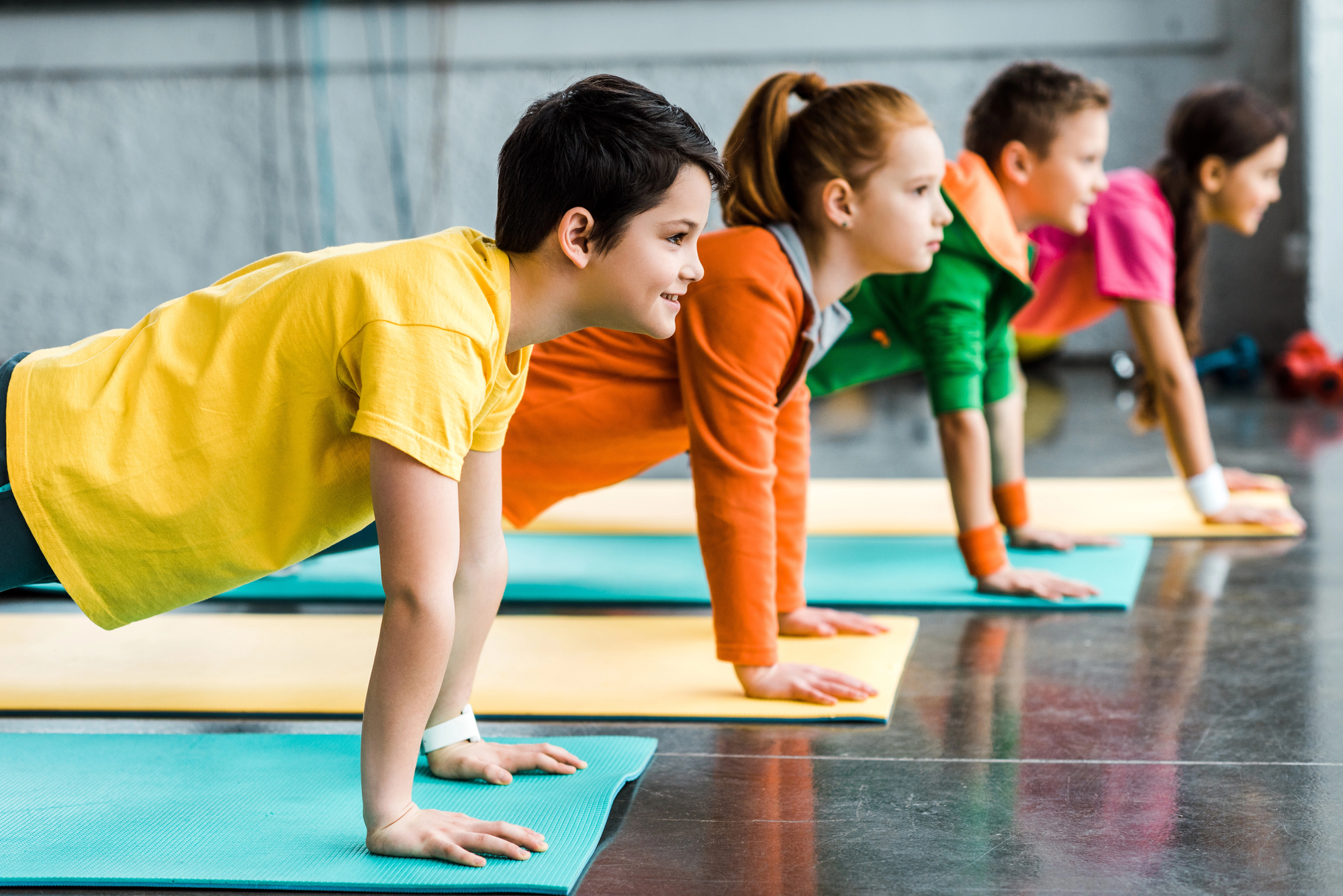
In most schools, the gym pick played out differently along gender lines. Boys’ picks tended to be more explicitly about perceived athletic ability. Girls’ selections were more likely to hinge on friendship networks, with social loyalty competing openly against physical skill.
This meant that for girls, being picked first could signal social centrality rather than athletic dominance — a different kind of honor, but no less charged.
The Teacher’s Decision to Step In Always Landed Wrong

Teachers who abolished the captain system and assigned teams themselves were trying to be kind, and they were right to try. But from the kids’ perspective, the intervention often felt like it removed something real rather than something harmful.
Even the students who suffered under the old system sometimes resented the replacement — not because they wanted to be picked last, but because a random draw didn’t feel like a verdict. And kids, at a certain age, crave verdicts.
It Was Practice for Job Markets Nobody Told You Were Coming

The gym pick rehearsed something genuinely useful in a completely unkind way: the experience of being evaluated by your peers on visible, high-stakes criteria with no warning and nowhere to hide. That’s more or less what hiring, promotion, and social selection look like in adult life — just with longer time frames and better paperwork.
The ten-year-old standing at the edge of the gym was absorbing something true, even if the lesson came wrapped in unnecessary cruelty.
Some Kids Gamed It Brilliantly

There were always a few children who understood the system well enough to manipulate it. The kid who made friends with both captains before the game started. The one who’d been quietly improving at the specific sport being played that week.
The child who’d figured out that being friendly to the captain the day before gym class was a more reliable strategy than raw talent. Social intelligence, even at age nine, was a competitive advantage.
The Memory of It Lasts an Unusual Amount of Time

Few adults can tell you what they scored on a third-grade spelling test. Most can tell you exactly where they typically landed in gym-class team picks. That asymmetry reveals something about how the brain files social ranking experiences differently from academic ones — they go into longer-term storage, tagged with more emotional weight.
The gym pick wasn’t more important than a test score. It just registered as if it were.
When the Classroom Dynamic Shifted, So Did the Pick Order

Kids noticed when a newcomer got picked high in the order early — it meant the captains had already assessed them and found them worth selecting. A new student going first their second week in a school was an instant social upgrade. Going in the bottom half on week three was harder to recover from.
The gym class pick was one of the first social evaluations a new kid faced, and it set a tone that could stick.
The Ritual Survived Long Past When It Should Have

Research from David Barney at Brigham Young University confirmed that publicly choosing teams had no effect on actual team performance — the winning percentages were the same regardless of pick order. The entire ritual, in other words, was socially expensive and athletically pointless. And yet it persisted for decades across thousands of schools because it was efficient, because kids expected it, and because, for the captains at least, it was a genuine and enjoyable exercise of power.
What Getting Picked First Actually Told You About Yourself

Not much that was true, it turns out. The pick reflected how other ten-year-olds assessed your athletic value and social standing on a given Tuesday morning. It said nothing about your intelligence, your character, your eventual competence, or the kind of adult you’d become. The kids picked last in gym class have gone on to run companies, write books, perform surgery, and build things that outlasted every game of dodgeball ever played. The pick was just data, not destiny — though nobody told you that while you were standing there waiting.
The Hierarchy Gym Class Revealed Was Already Everywhere

The reason the gym pick felt so significant is that it made visible something that normally operated below the surface. The social ranking existed in every classroom, every lunch table, every hallway interaction. Gym class simply stripped off the camouflage and made it explicit, public, and time-stamped. The honor of being picked first wasn’t the discovery that you were valued. It was the rare moment when that value was said out loud, in front of everyone, with no plausible deniability about what it meant.
What Nobody Talks About: the Kid Who Picked You

There’s a quieter side to this memory that gets less attention. Most people who remember being picked first or picked early can also remember the specific face of the captain who called their name. That moment of recognition — someone choosing you, looking at you, deciding you were the one they wanted — carried something that went beyond sport. Being seen and selected by a peer, especially one with social standing, landed differently than almost any adult-given award could. Which might be the most honest explanation of why this particular childhood ritual still echoes so clearly, so many years later.
The Measure That Mattered Was Always Temporary

Here’s the thing about being picked first in gym class: the honor lasted exactly as long as the next class period, and then it reset. New game, new captains, new order. Nobody carried a trophy out of the gym. The ranking was re-established from scratch each time, which meant it was also perpetually up for contest. That instability was part of what made it vivid — you had to earn it again, every time. And somehow, for reasons that have more to do with human social wiring than with sport, that was enough to matter enormously, at an age when nearly everything did.
More from Go2Tutors!

- The Romanov Crown Jewels and Their Tragic Fate
- 13 Historical Mysteries That Science Still Can’t Solve
- Famous Hoaxes That Fooled the World for Years
- 15 Child Stars with Tragic Adult Lives
- 16 Famous Jewelry Pieces in History
Like Go2Tutors’s content? Follow us on MSN.