29 Toys From the Eighties That Kids Begged For and Parents Still Remember Wrapping
There was a particular skill that eighties children developed that has since become largely obsolete: the ability to construct a convincing, sustained campaign across the entire month of December. Not just asking once.
Pointing at the Sears Christmas catalog. Leaving it open on the kitchen table.
Bringing it up at dinner. Asking grandparents.
The toy companies figured out that if you could get a child emotionally invested in a product, the child would do all the marketing for free. And do it with a level of persistence that no advertising budget could replicate.
What the eighties also got right, and what is genuinely different from now, was the texture of these toys. They were physical in a way that required imagination to complete.
You had to make the sounds. You had to invent the stories.
You had to drag them across the carpet. Here are 29 of the ones that caused the most Christmas morning chaos, the most parental queuing, and the most permanent nostalgia.
Cabbage Patch Kids — 1983
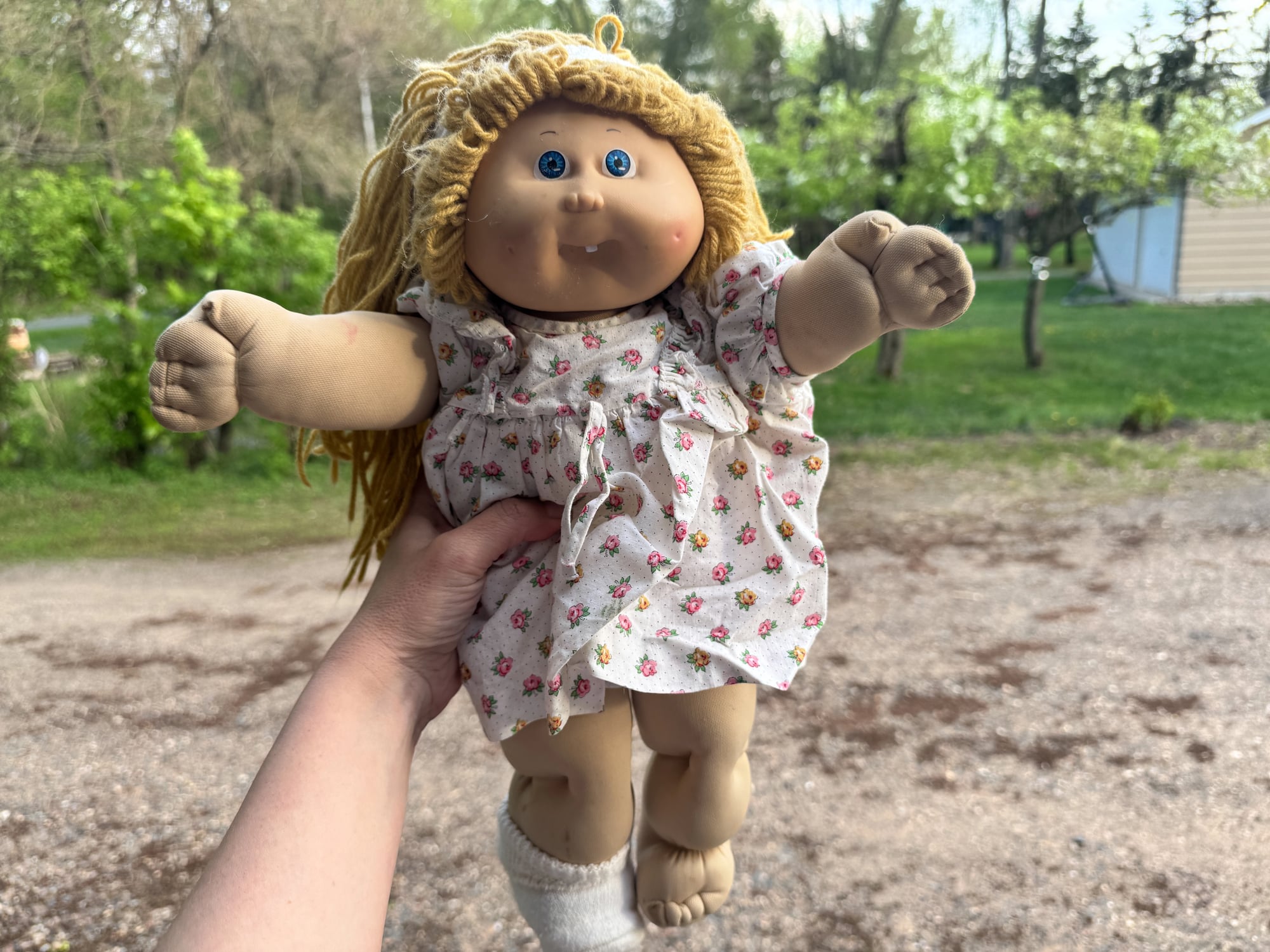
If one toy defined the modern concept of a retail panic, it’s this one. Originally hand-stitched by Xavier Roberts under the name “The Little People” and then licensed to mass market in 1983, Cabbage Patch Kids were not sold — they were adopted, complete with birth certificates and individual names.
When they hit stores for Christmas 1983, the supply was catastrophically short of demand. Parents reported physical fights in store aisles.
Some retailers used lottery systems. Adults queued in the cold for the chance to spend money on a round-faced soft doll, and the event essentially invented the template for every Christmas toy panic that came after it.
Transformers — 1984
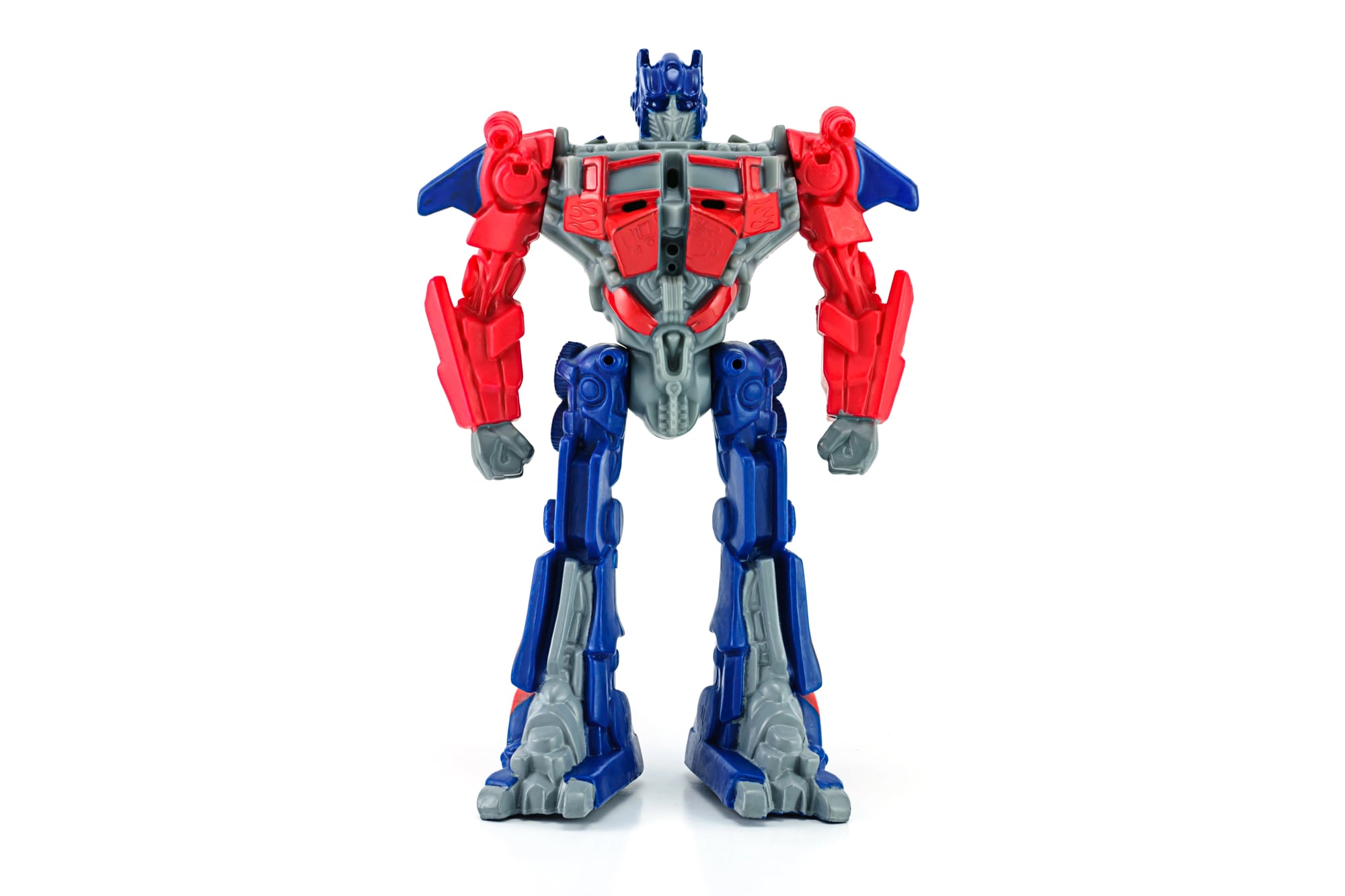
Hasbro launched Transformers in 1984 with a cartoon that was, by design, a 30-minute advertisement for the toys — and it worked at a scale that astonished everyone involved. The Autobots, led by Optimus Prime, and the Decepticons, led by Megatron, had genuine character and backstory, developed in collaboration with Marvel Comics, which made children care about them in a way that transcended the mechanics of transformation.
Hasbro publicly admitted that its 25 factories working exclusively on Transformers still couldn’t meet Christmas demand. A spokesperson told the Associated Press in late 1984 that there was simply a limit on how much could be manufactured.
He-Man and the Masters of the Universe — 1982
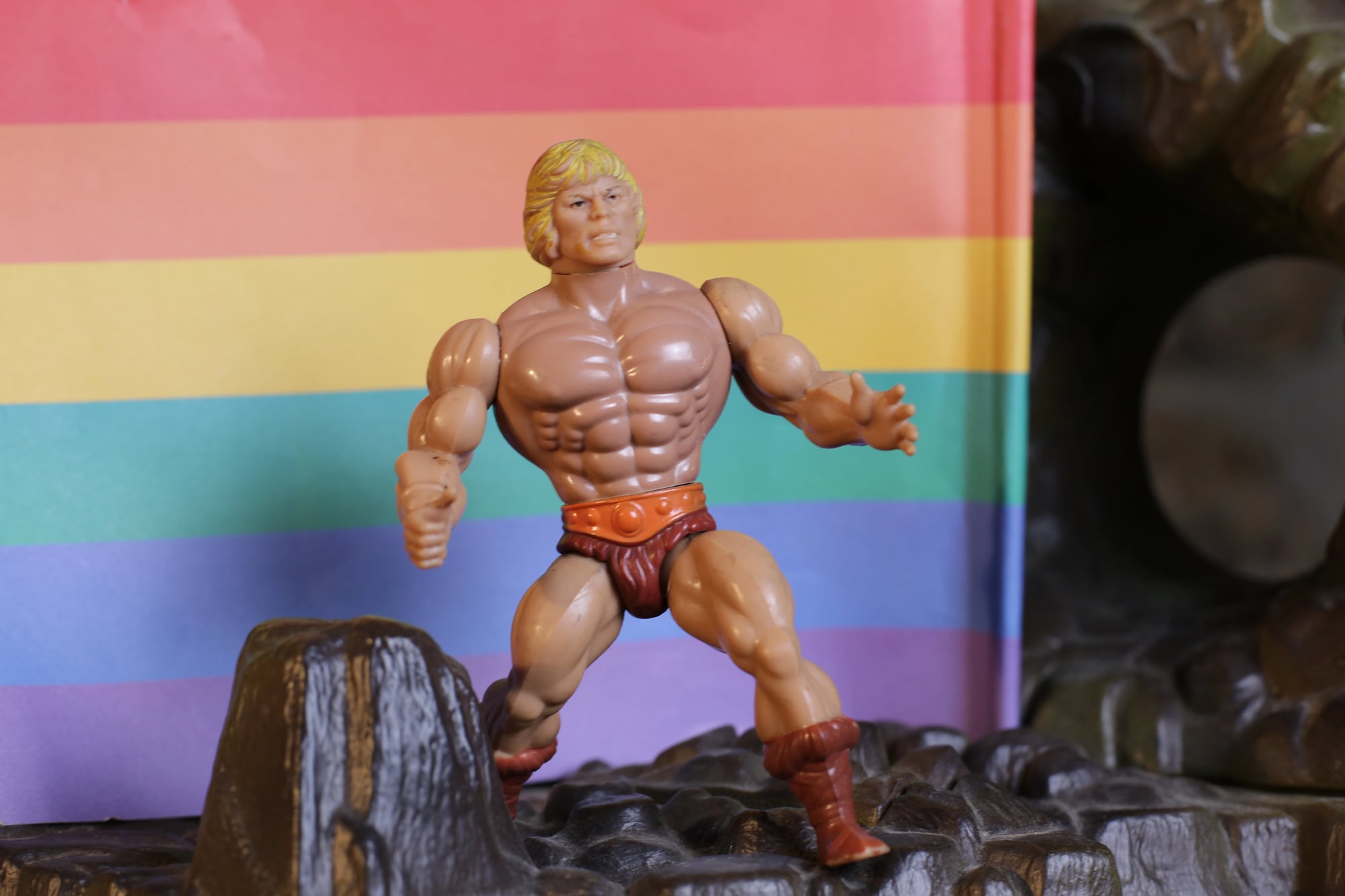
Mattel’s Masters of the Universe line debuted in 1982 and became one of the best-selling action figure lines of the decade. He-Man — massively built, carrying a power sword, living in the castle of Grayskull — hit at a time when boys’ action figure play had been dominated by the smaller-scale Star Wars universe, and the novelty of a large, detailed fantasy figure was immediate.
The 1983 animated series He-Man and the Masters of the Universe, one of the first cartoons produced as a direct vehicle for selling a toy line, amplified demand further. The specific detail that made parents wince: the figures rarely came with the accessories needed to recreate the scenes from the show.
Rubik’s Cube — 1980

Hungarian architect Ernő Rubik invented his cube in 1974 as an engineering exercise, without initially realizing it was a puzzle. By 1980 it had reached Western markets and by 1981 it was the best-selling toy in the world — an estimated 100 million cubes sold in under three years.
Kids who could solve it in under a minute became playground celebrities. Kids who couldn’t (the majority) peeled off the stickers, reordered them, and accepted the quiet shame.
The Cube was unusual for the decade in that no cartoon tie-in could have made it more popular than it already was.
G.I. Joe — 1982 (Relaunch)
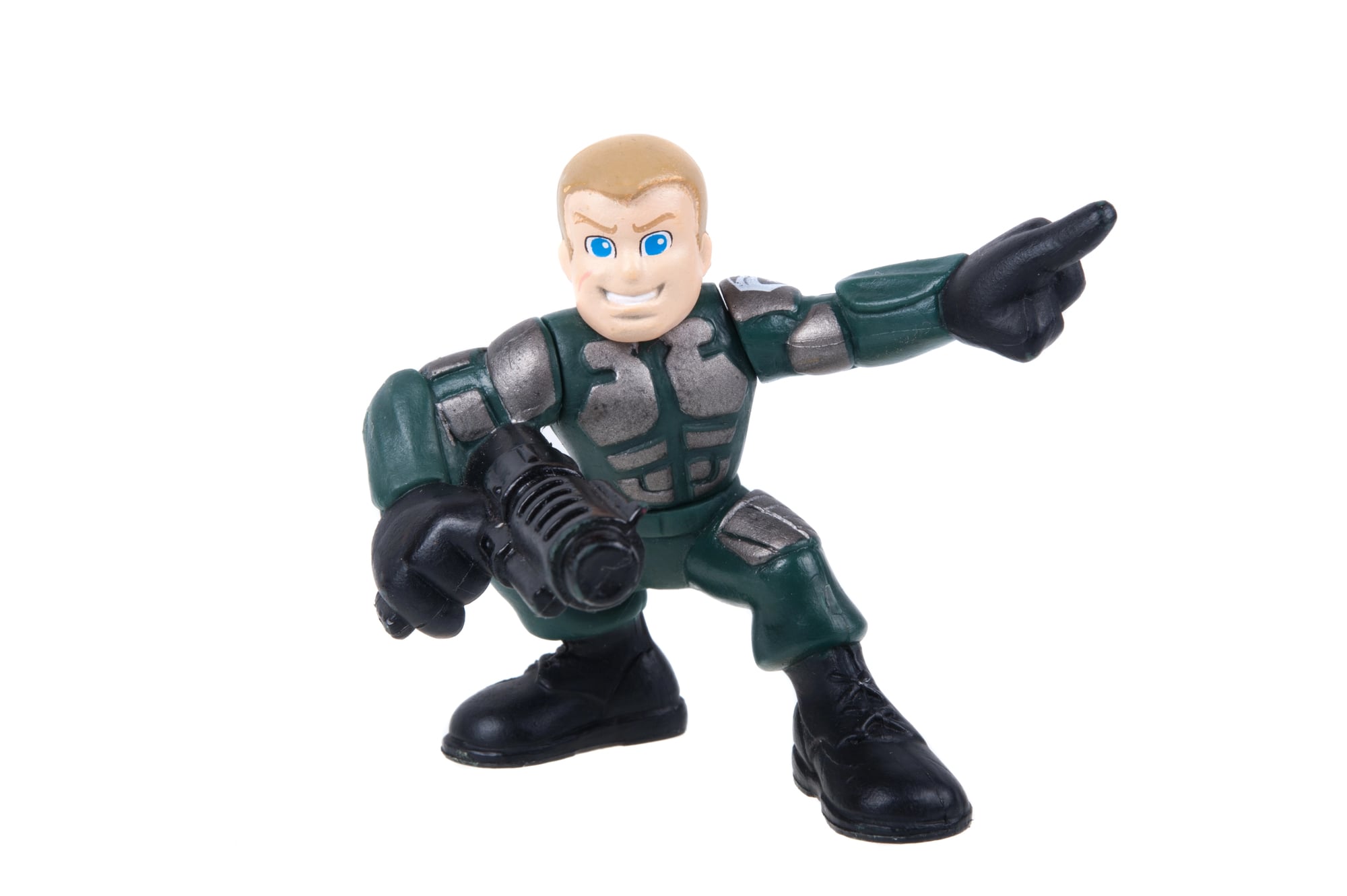
Hasbro relaunched G.I. Joe in 1982 as a 3.75-inch articulated figure line, designed to directly compete with the Kenner Star Wars line at the same scale. The “Real American Hero” rebranding gave each figure a file card with a backstory — a detail that transformed soldiers into characters and created the kind of collector urgency that the original 12-inch 1960s Joe never had.
The accompanying cartoon and Marvel Comics series ensured that kids knew exactly which figures they were missing from their roster. Parents discovered that “one G.I. Joe” was never actually a sufficient gift because there was always a vehicle or a co-pilot that was also required.
Nintendo Entertainment System (NES) — 1985
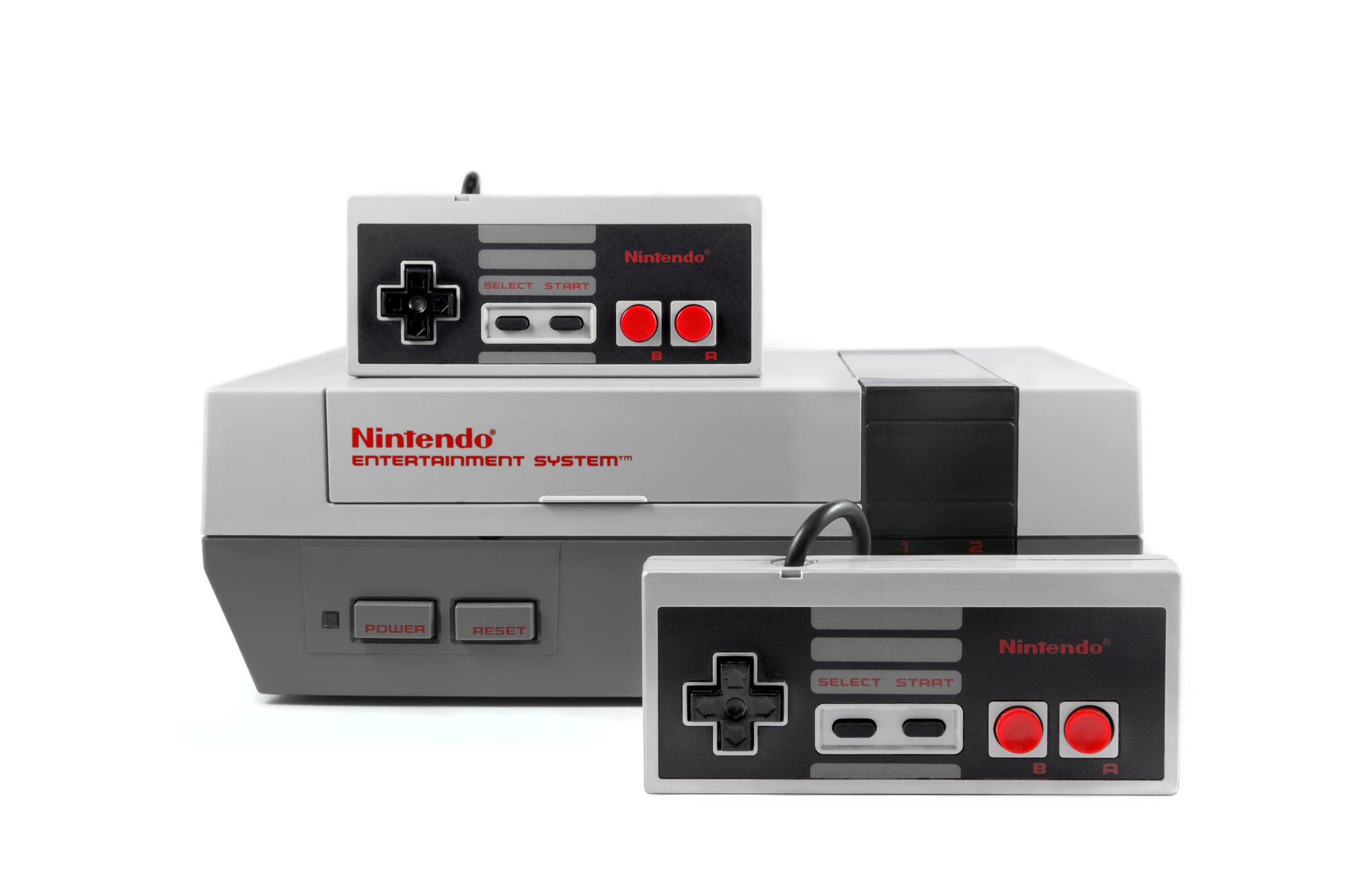
Nintendo launched the NES in North America in 1985 following the video game market crash of 1983, which had temporarily convinced retailers that home video gaming was a failed concept. Nintendo positioned the NES as a toy rather than a gaming system, packaging it with R.O.B. (the Robotic Operating Buddy) and calling its software “Game Paks” to sidestep retailer resistance.
By Christmas 1985 it was sold out in New York. By 1986 it was the best-selling toy in America.
The console that came with Super Mario Bros. launched a multi-decade industry and is probably the most consequential item on this entire list.
Teddy Ruxpin — 1985
The World of Teddy Ruxpin was billed as the original animated storytelling toy — a stuffed bear with a cassette player in its back and simple animatronics that moved its mouth and eyes to match the audio. Teddy told stories, and children could follow along with accompanying picture books.
He was the best-selling toy in both 1985 and 1986, which is a harder achievement to pull off than a single-year hit, and he sold 16 million units worldwide by 1987. Parents who bought one and then had to listen to the same three cassettes on rotation for the following six months remember Teddy Ruxpin rather differently than their children do.
My Little Pony — 1982
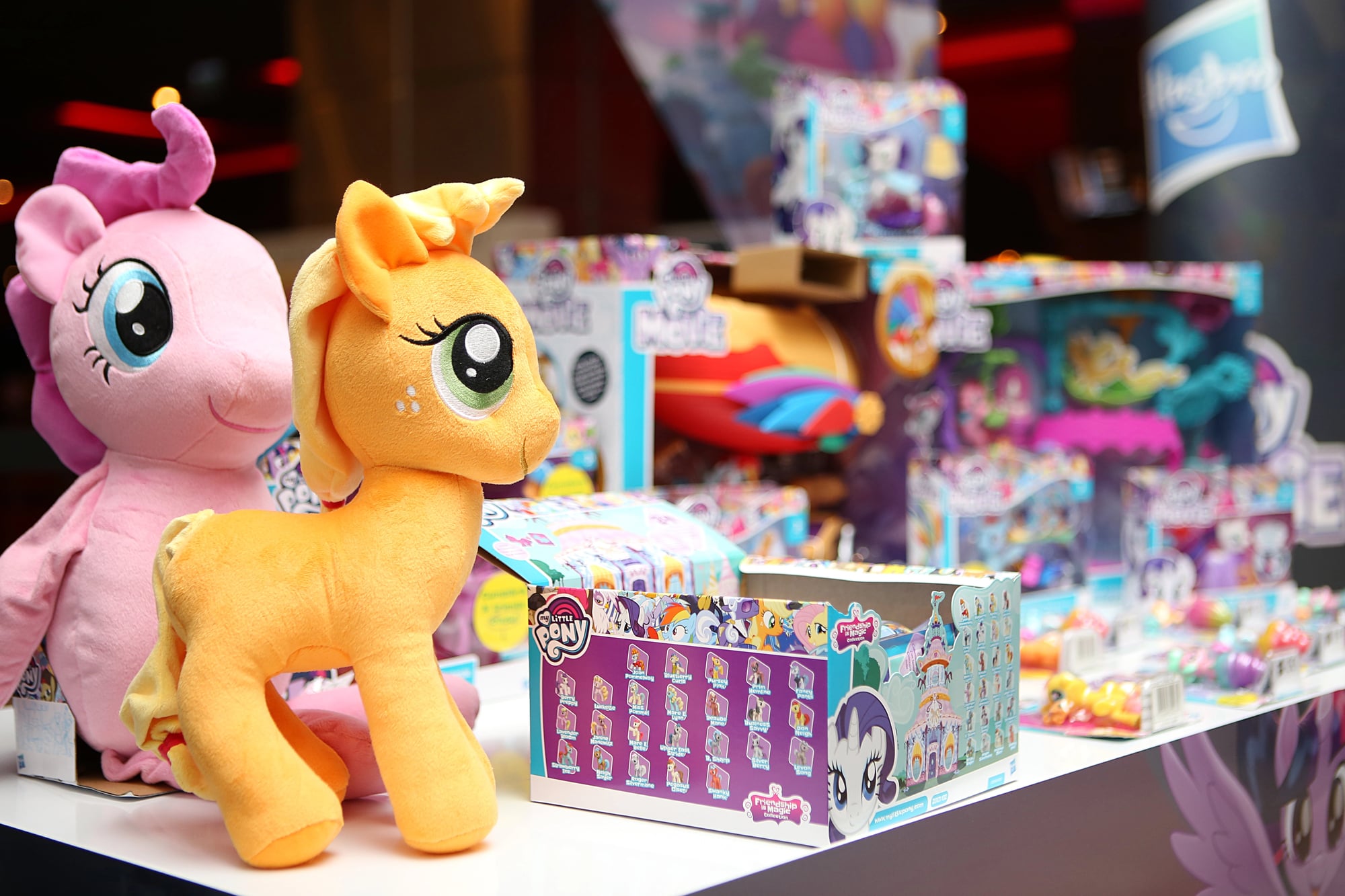
Launched by Hasbro in 1982, My Little Pony began as a set of six small, colorful ponies with brushable manes and quickly became one of the most successful toy lines of the decade. The cartoon series worked as a direct promotional vehicle, and by the end of the eighties, 150 million My Little Ponies had been sold worldwide.
What distinguished the line from similar collectible toy sets was the quality of the color design — the ponies were genuinely beautiful objects, and girls collected them with the same systematic thoroughness that boys applied to G.I. Joe.
Lite-Brite — (Originally 1960s, Peak Eighties Popularity)
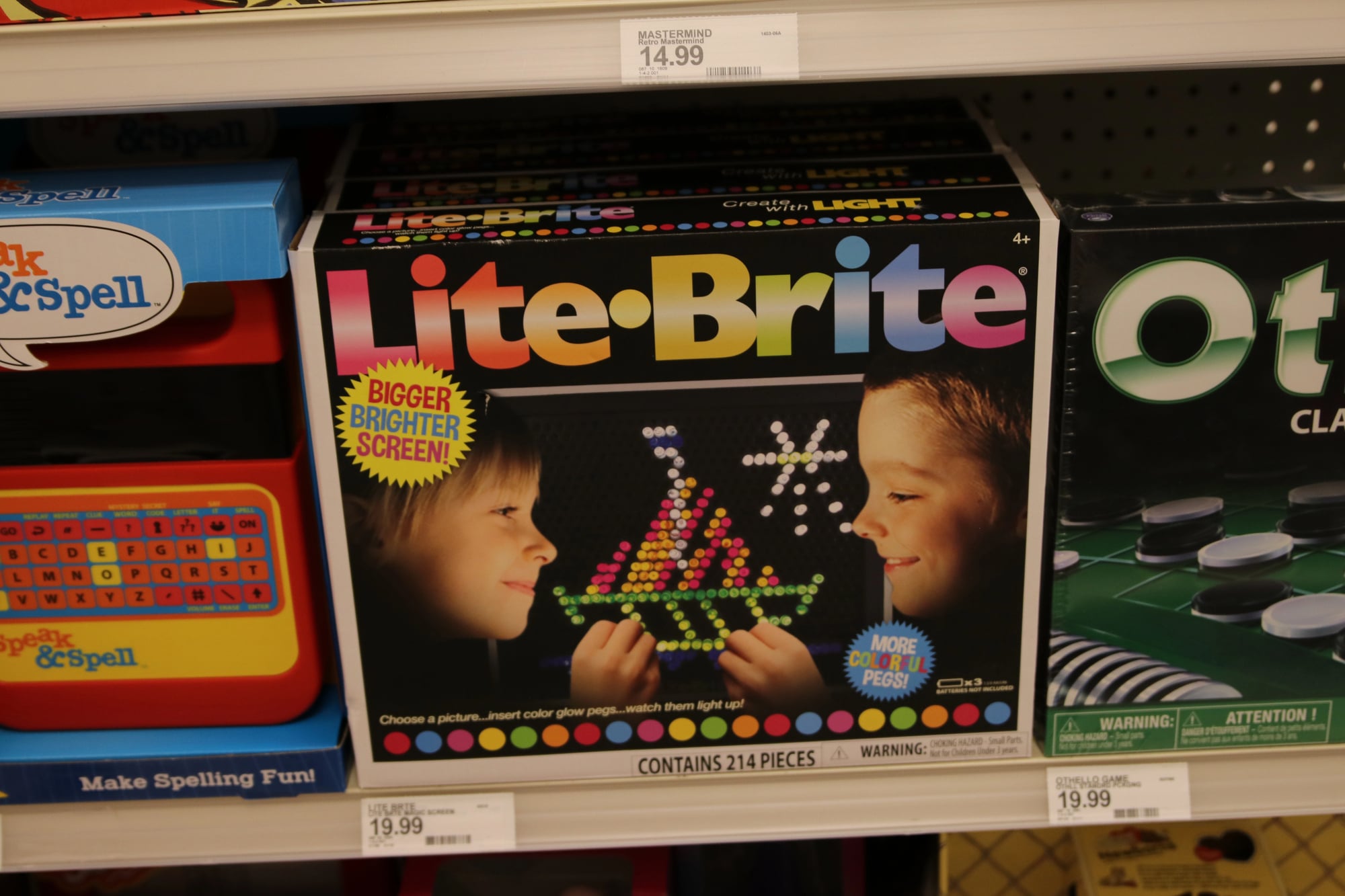
Lite-Brite had existed since the late 1960s, but its popularity surged in the eighties when Hasbro released licensed editions featuring pop culture characters including Mickey Mouse and Snoopy, making the colored-peg light-up art board feel current and connected to everything children already loved. The core experience — pushing small translucent pegs through black paper into a backlit grid to create a glowing image — was satisfying in a way that defied easy explanation.
Parents appreciated it for requiring no clean-up beyond collecting loose pegs from the carpet.
Care Bears — 1983
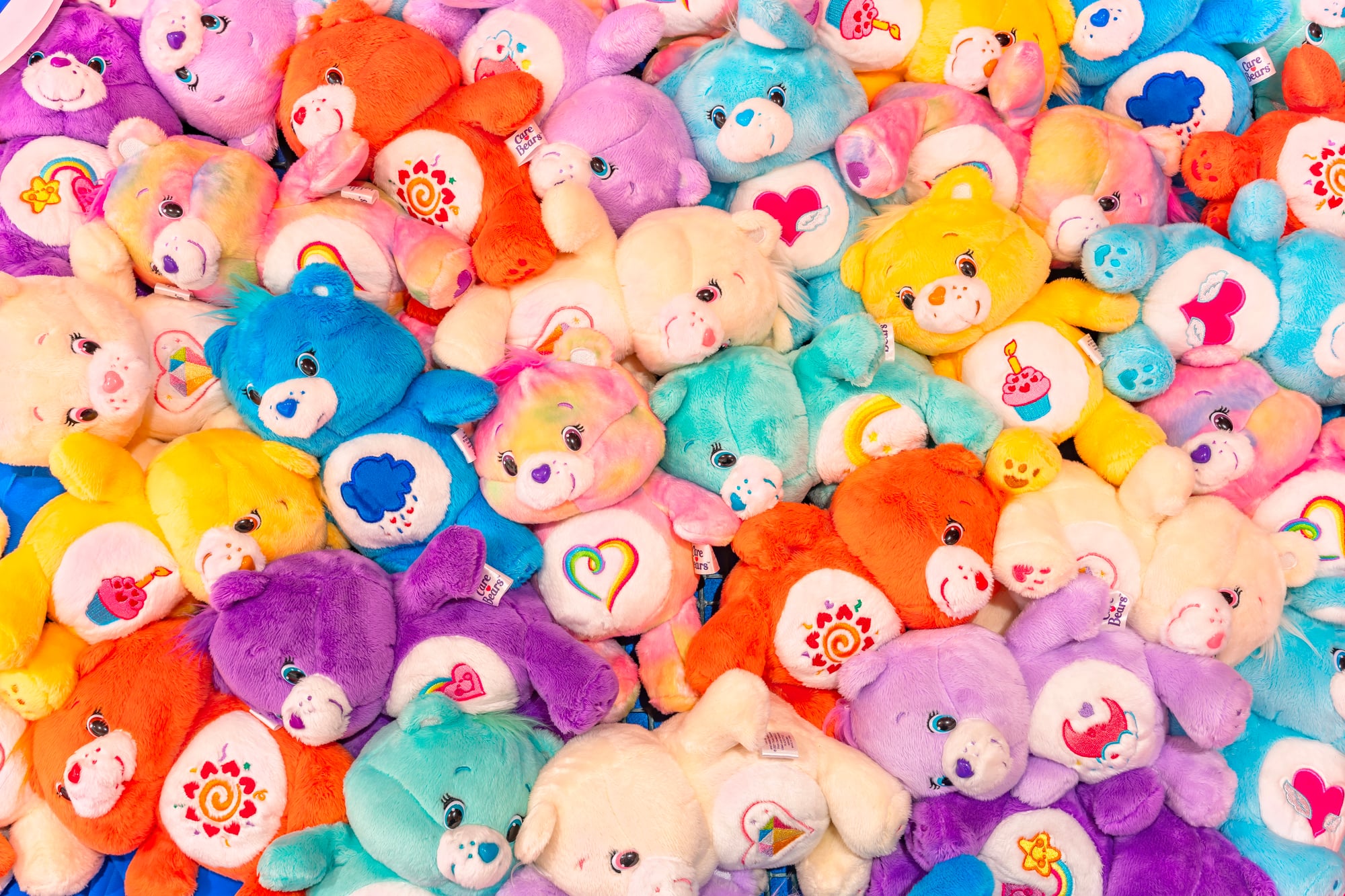
Originally designed as greeting card characters for American Greetings in 1981, Care Bears crossed into toys in 1983 and immediately generated the kind of enthusiasm that their intentionally simple concept — bears with symbols on their tummies — probably shouldn’t have been able to sustain. The animated special that premiered the same year, followed by a series and two theatrical films, kept demand running hot for most of the decade.
The cultural staying power of the Care Bears is genuinely puzzling if you try to analyze it rationally, and immediately obvious if you simply remember how much children liked them.
Star Wars Action Figures — Kenner
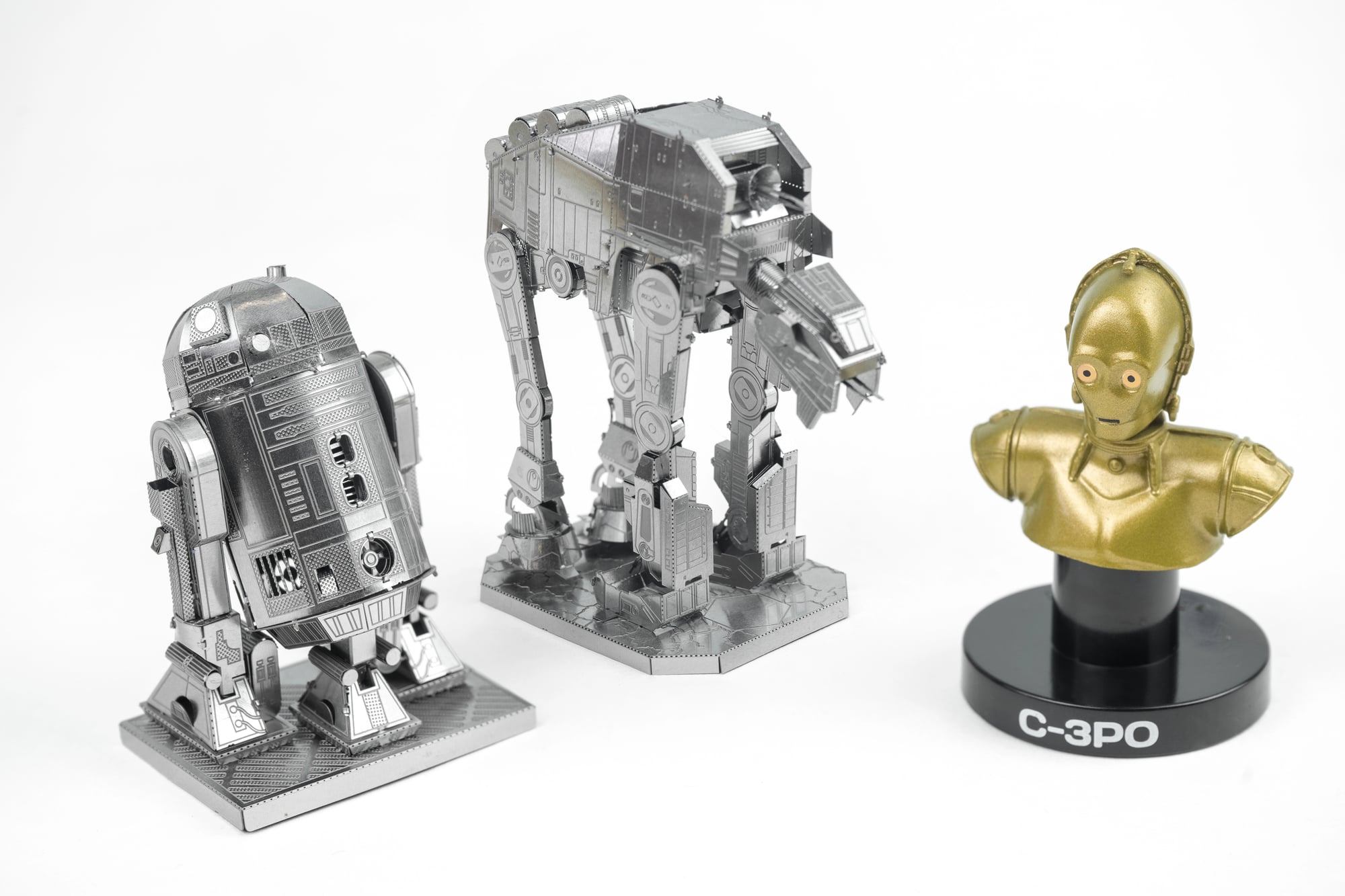
The Kenner Star Wars line began in 1977 and ran through the decade, covering all three original trilogy films and generating over 300 million figures by the end of the eighties. What made the line extraordinary was the Early Bird Certificate — a cardboard mailer Kenner sold in 1977 as a placeholder for figures that didn’t yet exist, promising delivery of four figures in early 1978.
Parents bought a blank certificate for Christmas, gave it to their children, and then waited alongside them for actual toys to arrive. It was perhaps the first time a toy company sold a promise and had it go well.
Atari 2600
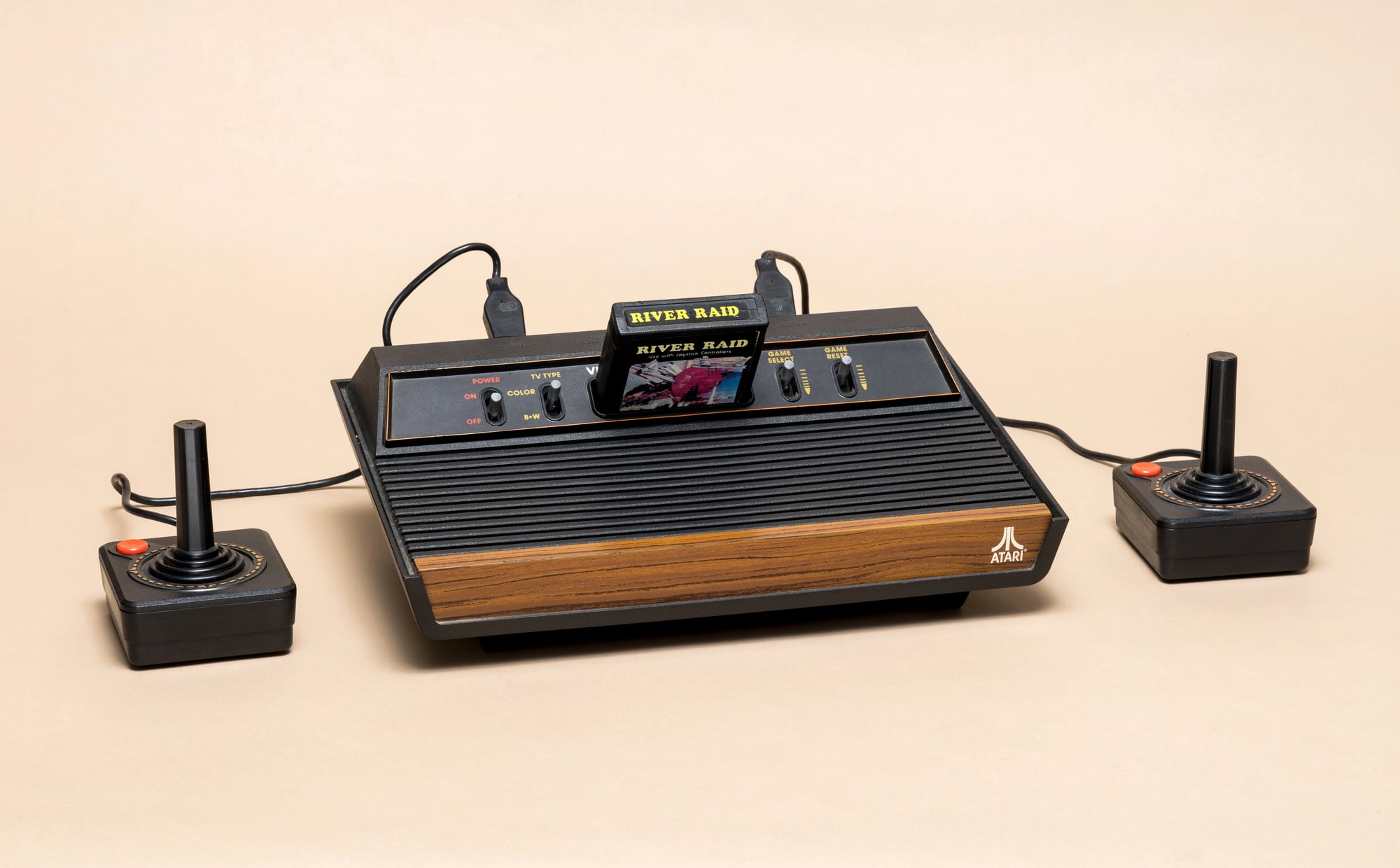
The Atari 2600, launched in 1977 but dominant through the early eighties, was the first home gaming system to feel like having the arcade in your living room. Pac-Man, Space Invaders, Pitfall, and Asteroids were the games that moved the hardware, and while the home versions never quite matched their arcade counterparts — the Atari Pac-Man in particular is remembered as a significant disappointment — the ability to play any of this at home was still remarkable enough to generate serious Christmas morning emotion.
The 2600 had largely been supplanted by the NES by 1986 but remained in many homes for the rest of the decade.
Game Boy — 1989
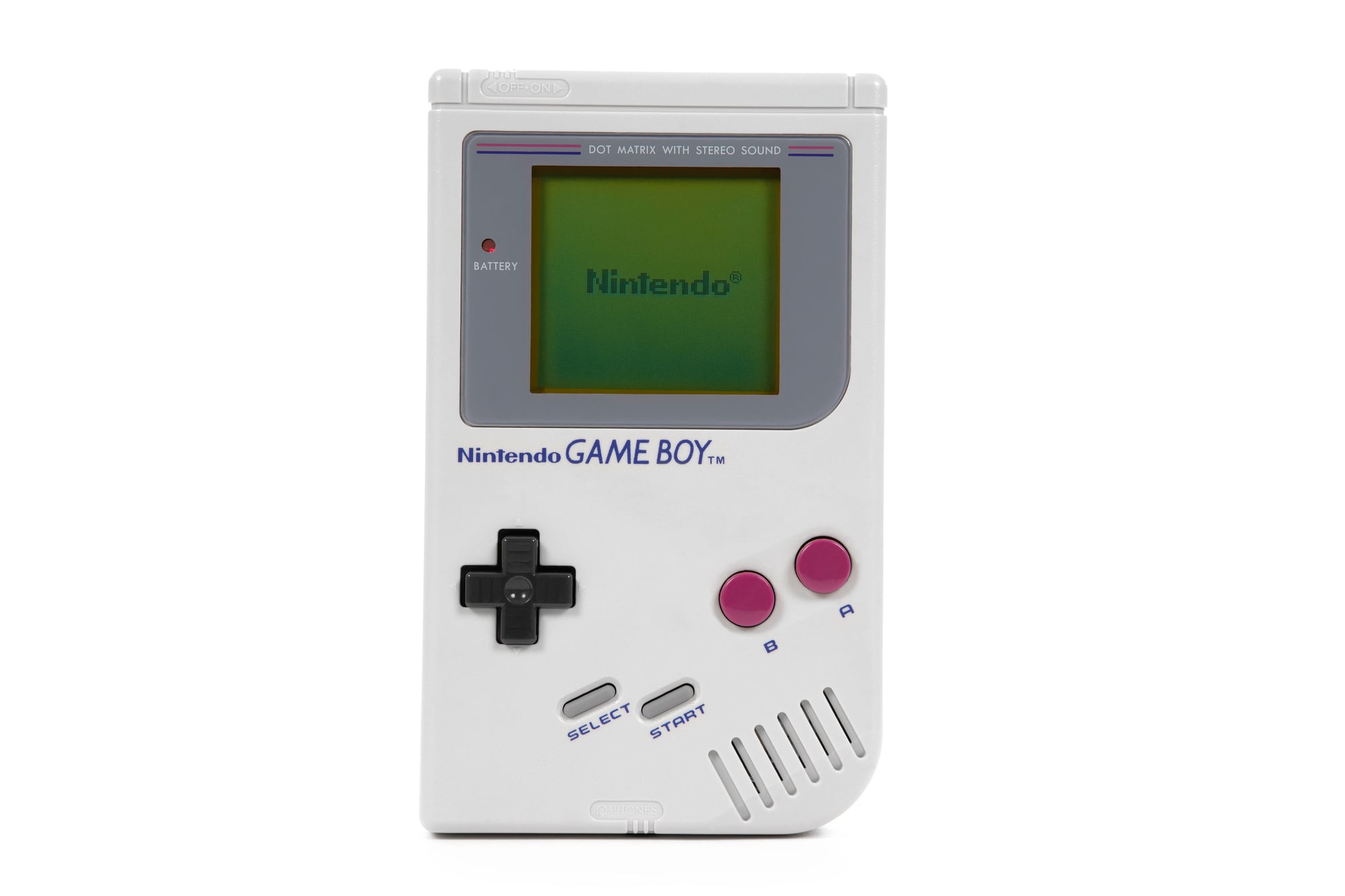
Nintendo released the Game Boy in Japan in April 1989 and in North America in August 1989, landing just in time for the Christmas season with Tetris bundled in. It sold out immediately.
The Game Boy wasn’t the most powerful handheld on the market — the competing Sega Game Gear had a color screen — but Nintendo had Tetris, better battery life, and better software, and those things mattered more than processing power. The Game Boy went on to sell 118 million units worldwide across its lifespan and made portable gaming a permanent feature of childhood.
Teenage Mutant Ninja Turtles — 1988
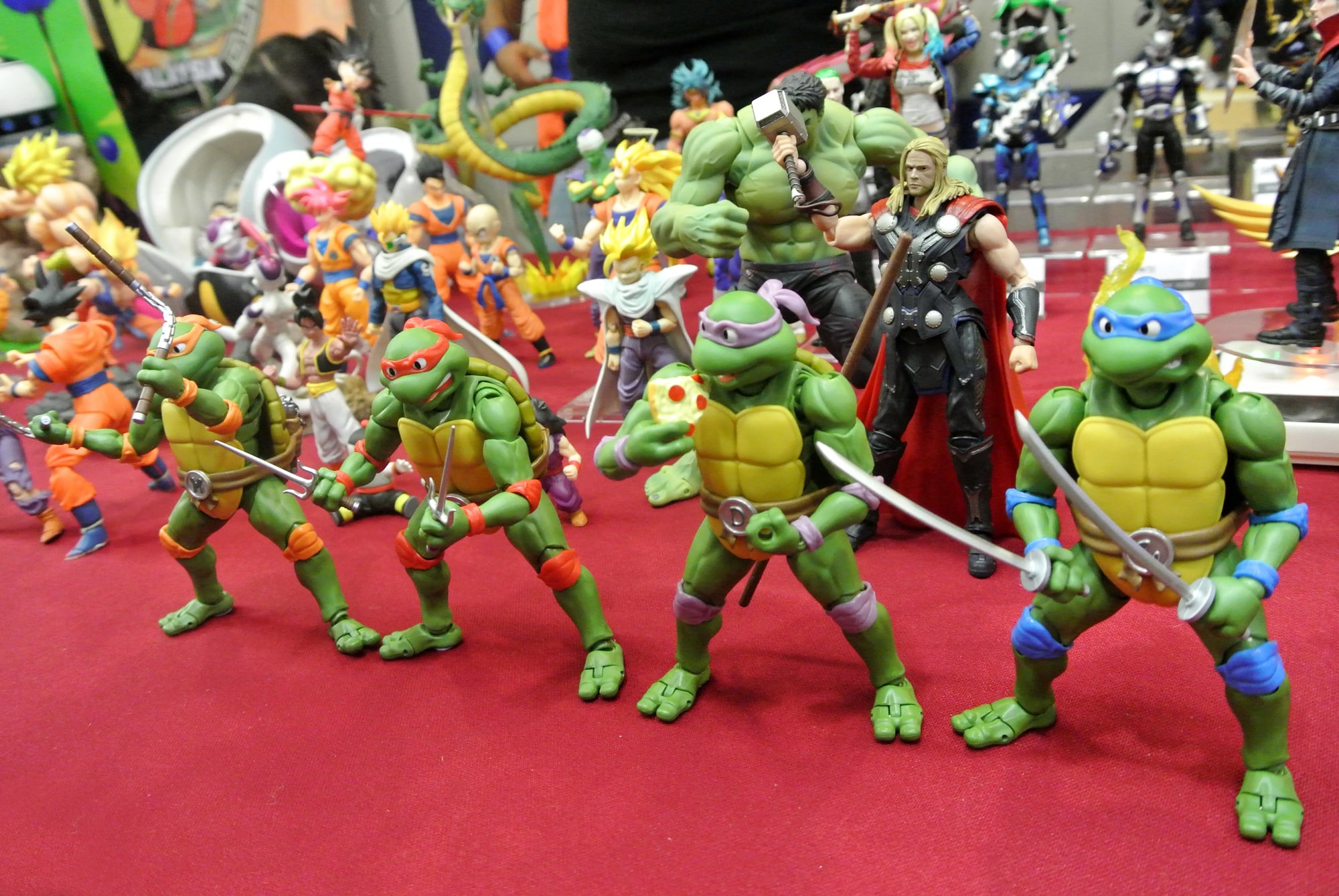
TMNT began as an independent black-and-white comic book by Kevin Eastman and Peter Laird in 1984, deliberately conceived as a parody of darker superhero comics. When Playmates Toys licensed the property in 1988 and produced action figures alongside an animated series, the combination created a phenomenon that dominated toy aisles for the remaining years of the decade and into the nineties.
By the time parents were trying to find the figures for Christmas 1989, they were competing with every other parent of a child aged three to twelve. Leonardo, Donatello, Raphael, and Michelangelo became better known to many children than any figures from mythology.
Ghostbusters Proton Pack — Kenner, 1984
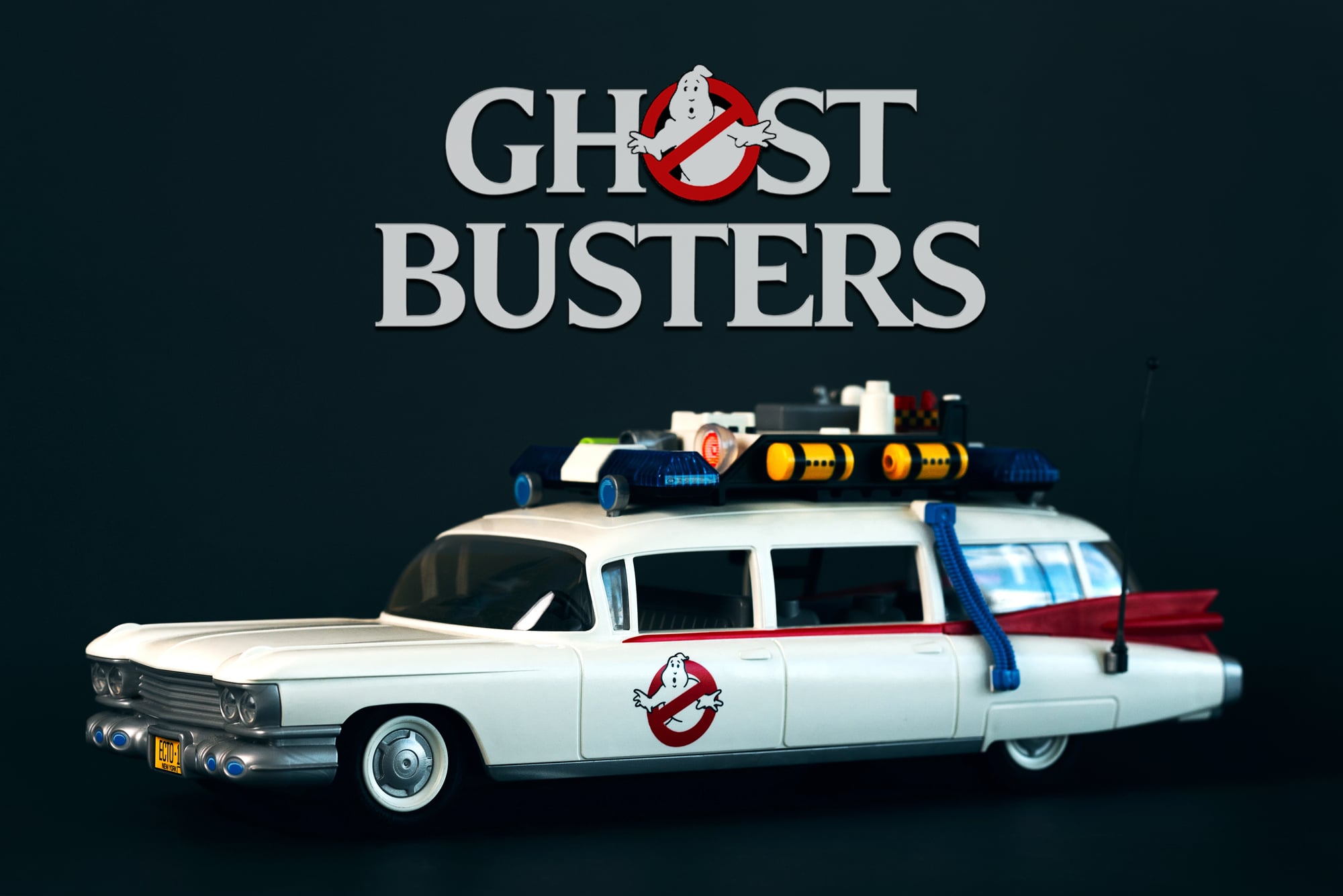
Kenner’s The Real Ghostbusters toy line, tied to the 1984 film and the 1986 animated series, produced one of the decade’s most coveted accessories: the wearable Proton Pack. Strapping on a plastic proton accelerator backpack and running around the backyard demanding that someone “cross the streams” was an experience that couldn’t be simulated in any other way, and Kenner’s version was large, detailed, and made a satisfying electronic sound.
Every child who owned one knows exactly where it is in their memories, even if they can’t remember where they left it.
Speak & Spell — Texas Instruments, 1978 (Peak Popularity Early 80s)
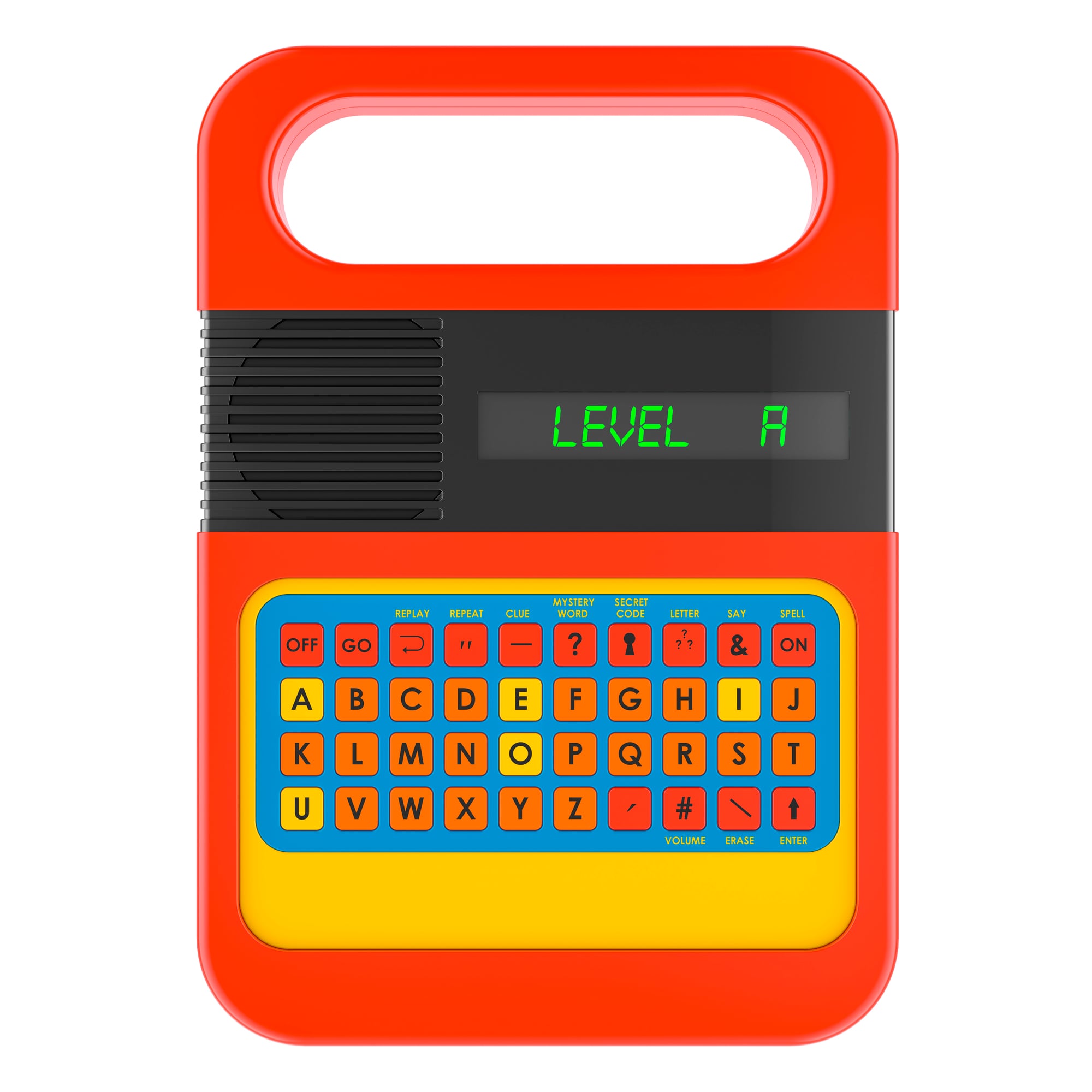
Texas Instruments’ Speak & Spell debuted in 1978 as one of the first consumer electronic devices to use a text-to-speech chip, and its synthesized, slightly robotic voice became one of the most recognizable sounds of early childhood in the eighties. The device — which spoke words, required you to spell them correctly, and told you cheerfully that you were wrong — was educational, which gave parents permission to spend what was then a significant amount of money on it.
It became culturally immortal when it appeared in Steven Spielberg’s E.T. the Extra-Terrestrial in 1982, at which point every child who didn’t own one immediately wanted one.
Easy-Bake Oven
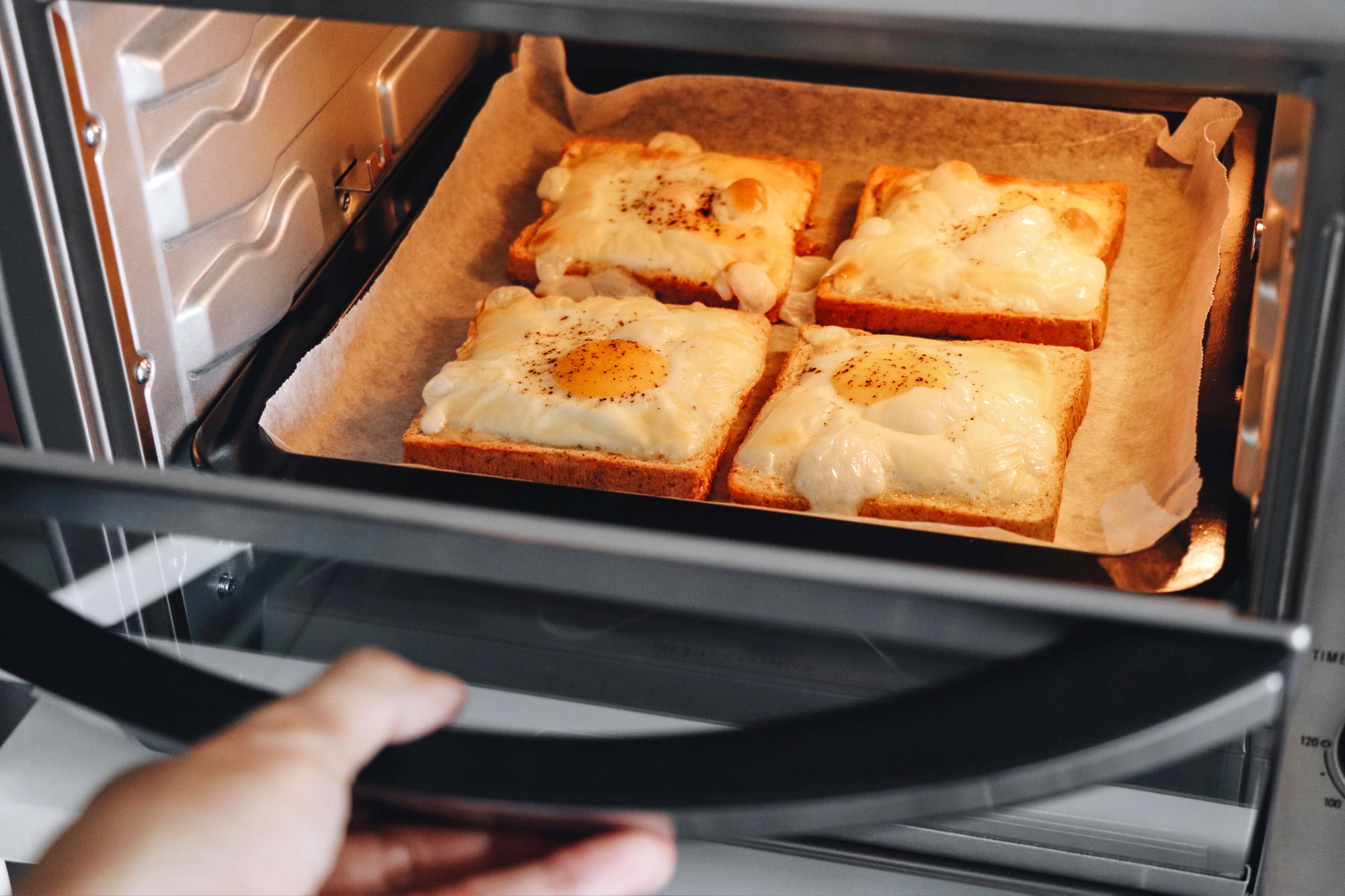
The Easy-Bake Oven was invented in 1963 by Kenner and used the heat of a standard incandescent light bulb to actually cook small amounts of food — real food, that could actually be eaten. The eighties versions came with dry mix packets for cakes and cookies, and the appeal was straightforwardly powerful: at seven or eight years old, you could make something real that adults would eat.
The toy taught basic cooking concepts in a hands-on way that electronic alternatives have never quite replicated, and remains in production today — the only item on this list that has never actually stopped selling.
Simon — Milton Bradley, 1978 (Peak 80s)
Simon was a circular electronic memory game with four large colored panels that lit up in sequences players had to repeat — red, blue, yellow, green — in increasingly long patterns. It beeped.
It honked when you got it wrong. It created an almost meditative focus in children who committed to it, and a specific frustration in those who couldn’t remember whether green came before yellow in sequence 14.
Simon was a serious competitive object on playgrounds, because the ability to recall a longer sequence than your friends carried a status that adults who weren’t eight years old would find difficult to explain.
Hot Wheels
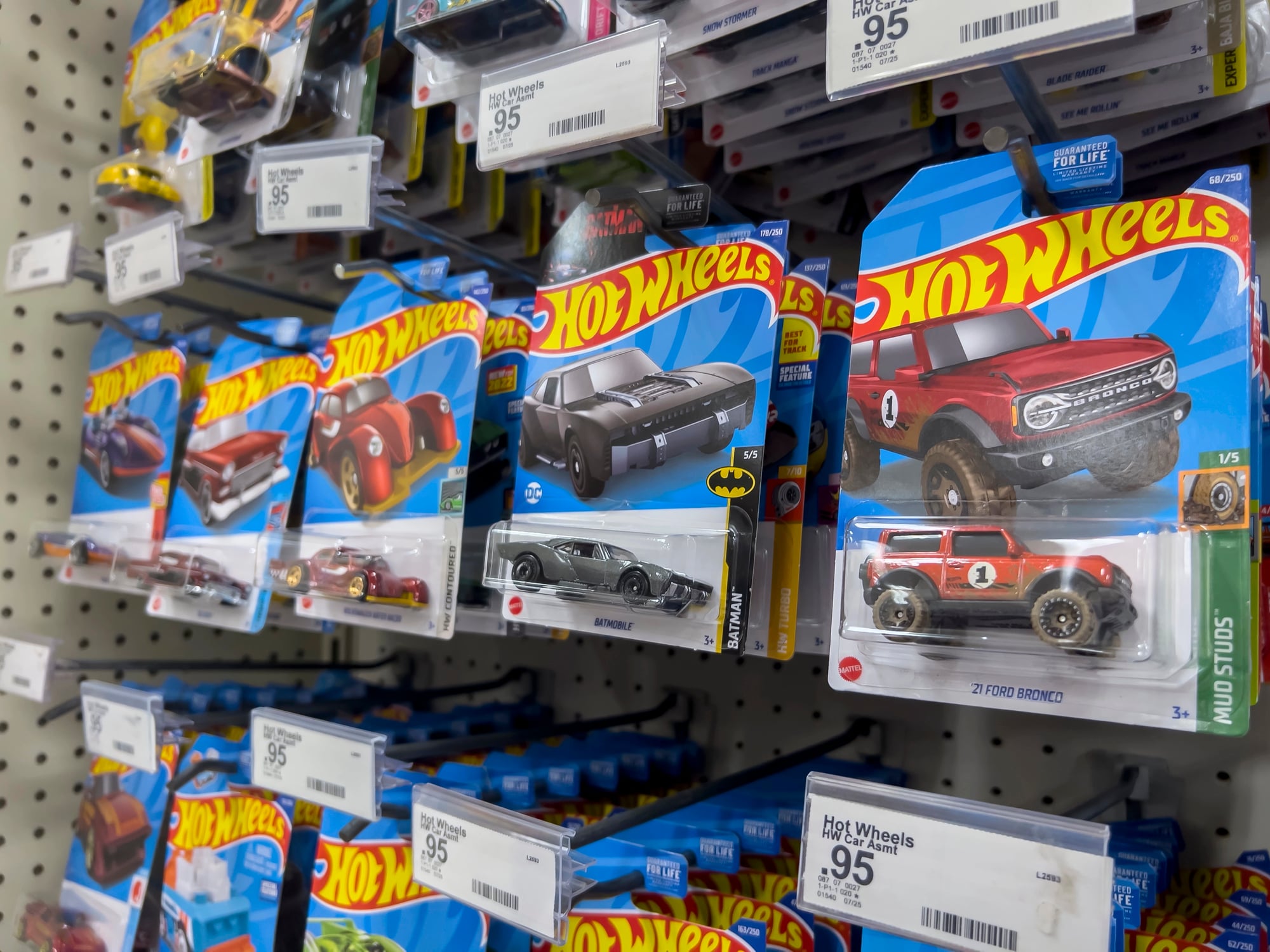
Hot Wheels had existed since 1968 but found a second wind in the eighties with track sets that became increasingly elaborate — the loop-the-loop, the dual-lane drag strip, the car wash set with spinning brushes. The cars themselves were 1:64 scale, inexpensive enough that children could accumulate them in serious quantities, and detailed enough that each one felt like a genuine collectible.
The thing about Hot Wheels that parents remember is finding them everywhere for years after children appeared to have lost interest: under couch cushions, in the cutlery drawer, between the mattress and the wall.
Barbie — Mattel

Barbie had existed since 1959, but the eighties transformed her from a fashion doll into something closer to a cultural institution. Peaches ‘n Cream Barbie (1984) was one of the decade’s best-selling individual dolls, and lines like Barbie and the Rockers capitalized on the MTV moment with a precision that now reads as genuinely sharp marketing.
Barbie dreamhouses, Barbie cars, and entire Barbie wardrobe cases meant that a single Barbie was rarely enough — each one seemed to come with an implicit list of things she also needed that were sold separately.
Micro Machines — Galoob
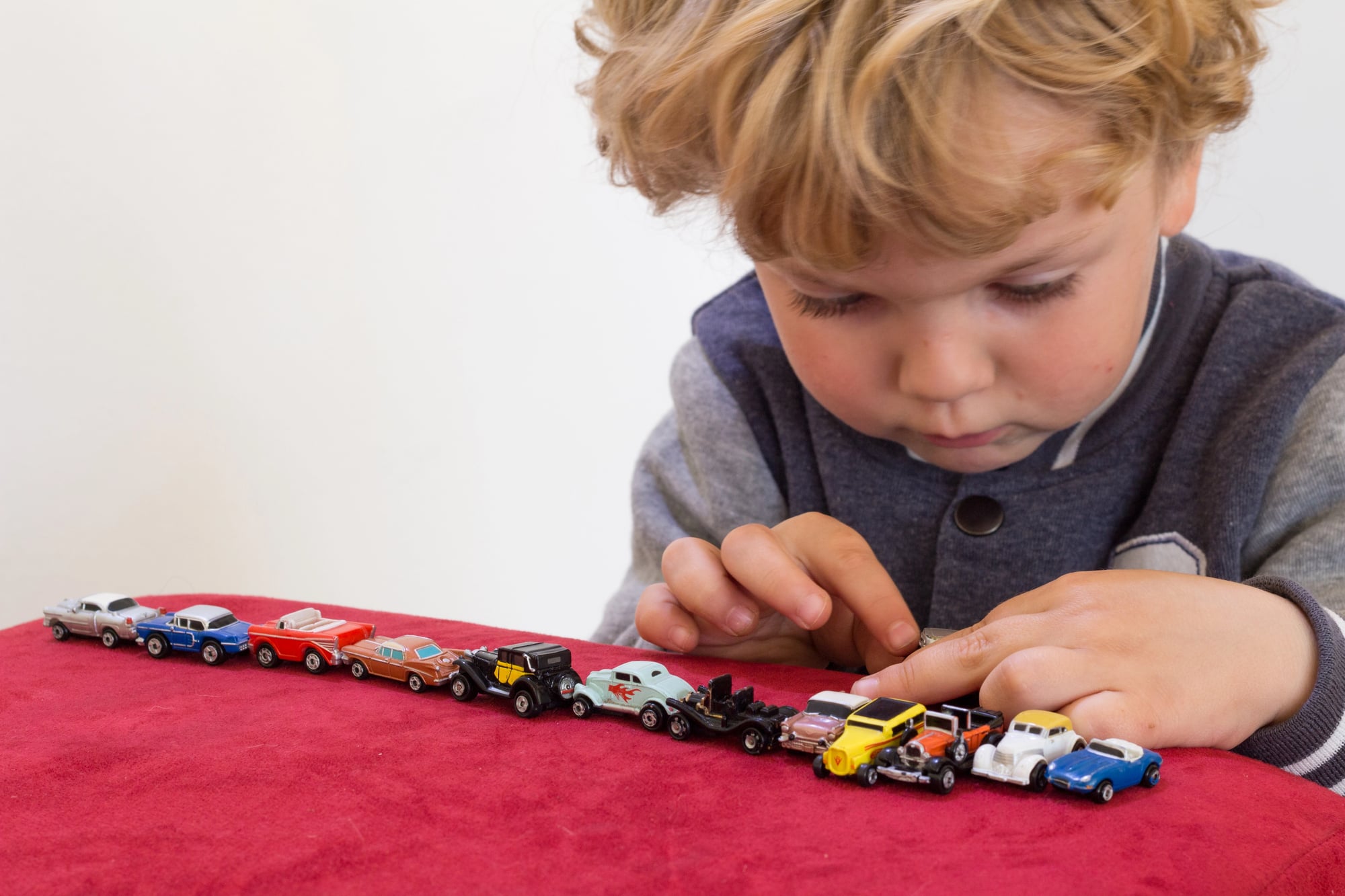
Micro Machines debuted in 1987 and immediately found their audience by being, essentially, the smallest possible version of already popular vehicle toys. Cars, trucks, military vehicles, and eventually Star Wars-licensed sets so small they fit in a matchbox became objects of serious collection.
The television commercials featuring extremely fast-talking spokespeople are still remembered as some of the most effective toy advertising of the decade. Micro Machines were also extraordinarily effective at disappearing into carpets, which is why many parents remember them with a sharper feeling than pure nostalgia.
Strawberry Shortcake
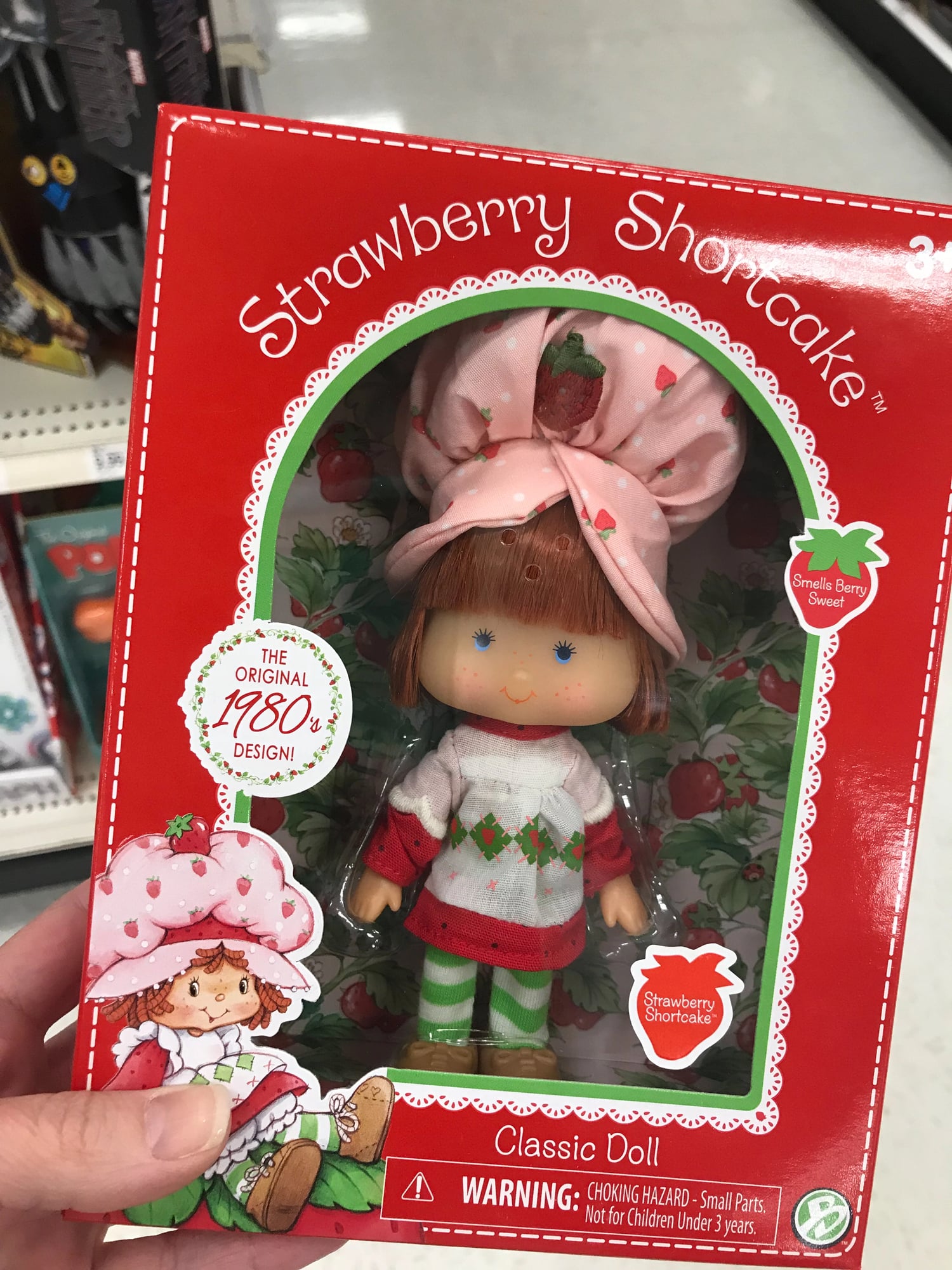
American Greetings introduced Strawberry Shortcake as a greeting card character in 1979, and the doll line launched in 1980 produced something genuinely novel: toys that smelled. Each Strawberry Shortcake doll had a scent built into the vinyl that matched its character’s theme, and the smell of the original strawberry doll is one of those sensory memories that adults who owned one can access instantly on demand.
The scent wore off over time, which created a secondary form of toy grief unique to this product.
GoBots — Tonka
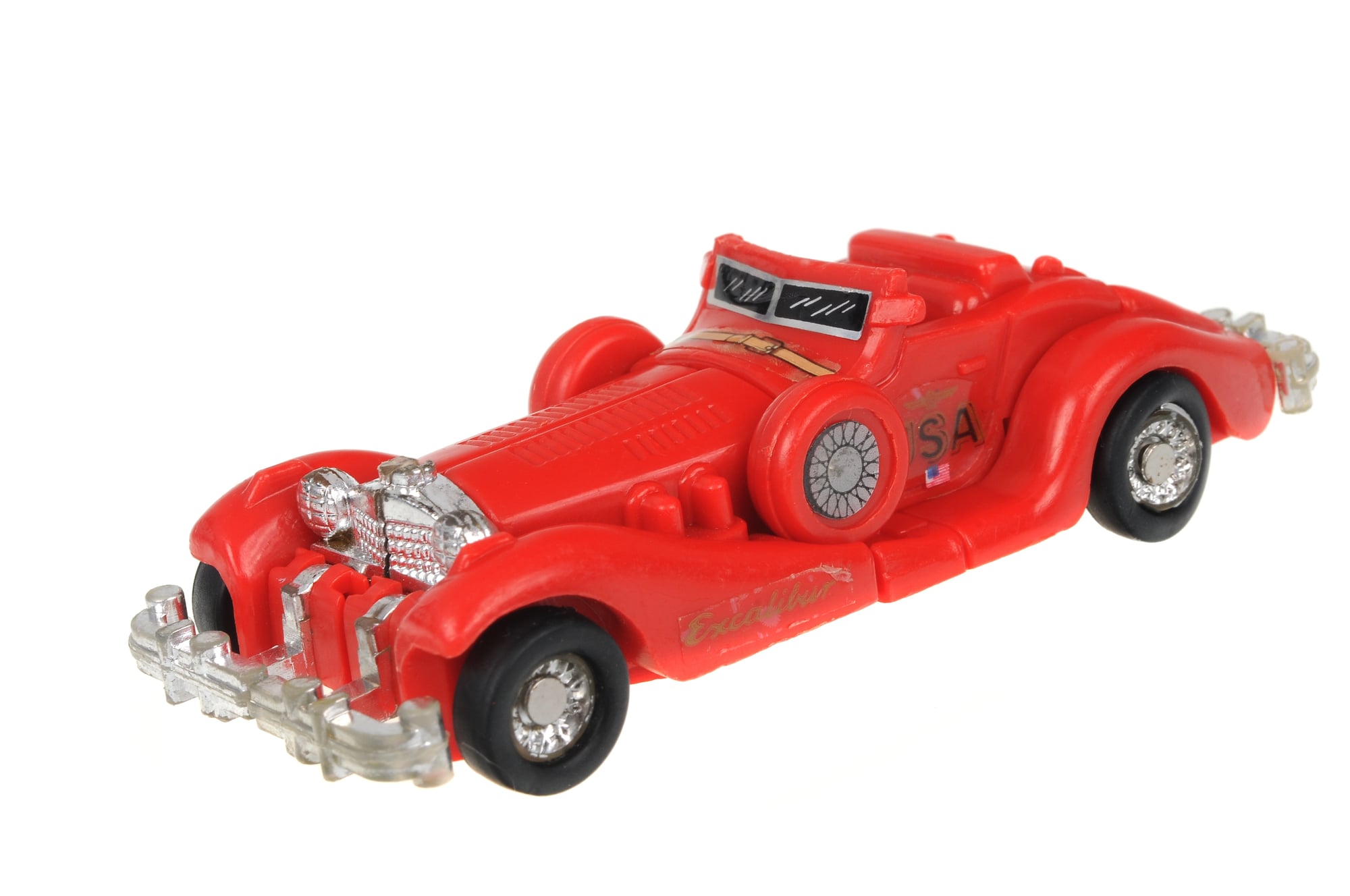
GoBots arrived in 1983, a year before Transformers, and were briefly the dominant transforming robot toy on the market. Tonka committed $8 million to marketing and by summer 1984 claimed $100 million in orders.
Then Transformers hit. The two lines competed head-to-head for Christmas 1984, and by 1985 it was clear which had won.
GoBots were smaller, cheaper, and less narratively rich — their characters were less memorable and their backstory less developed. Tonka eventually sold the GoBots property to Hasbro, which currently owns the characters.
The fate of GoBots is the best available case study in what happens when a good toy meets a slightly better one.
Lazer Tag — Worlds of Wonder

Lazer Tag arrived in 1986 and turned the backyard — or, ideally, someone’s darkened basement — into an arena for infrared tag games. Each player wore a sensor vest that registered hits and a handheld tagger that fired an infrared beam.
The equipment worked. The games it enabled were genuinely exciting in a way that no indoor board game could replicate.
Lazer Tag was also one of the first mass-market toys to feel like technology from a slightly different future, which was exactly what eighties children were looking for.
Glo Worm — Hasbro
Released in 1982 and produced by Hasbro, Glo Worm was a soft stuffed toy whose face and upper body glowed when squeezed. The glow was phosphorescent and faded after a few minutes, requiring another squeeze to reactivate.
This simple mechanic made Glo Worm a preferred companion for children afraid of the dark — it was useful in a way most plush toys were not. The original Glo Worm played a small tune when squeezed, adding an audio component that made it feel interactive in an era before interactive toys were common.
Slinky

The Slinky predated the eighties by several decades — Richard James invented it in 1943 — but it remained a perennial Christmas request throughout the decade, renewed by television advertising that understood perfectly well that showing a metal spring walk down stairs was more compelling than any other demonstration of any other product. Every child who received a Slinky immediately took it to the nearest staircase, successfully walked it down two steps, tangled it on the third, and spent the following 20 minutes attempting to untangle it.
This experience did not prevent the next child from also requesting a Slinky.
Etch A Sketch

The Etch A Sketch debuted in 1960 but was firmly embedded in eighties childhood culture, sold in every toy department in the country and appearing in every pediatric waiting room in America. The specific skill of drawing a diagonal line — impossible on first attempt, possible eventually, never easy — was one of the few toy-based accomplishments that genuinely took time to develop.
Children who could draw recognizable portraits on an Etch A Sketch were treated with the same mixture of admiration and mild suspicion as children who could solve the Rubik’s Cube.
LEGO Space and Castle Sets
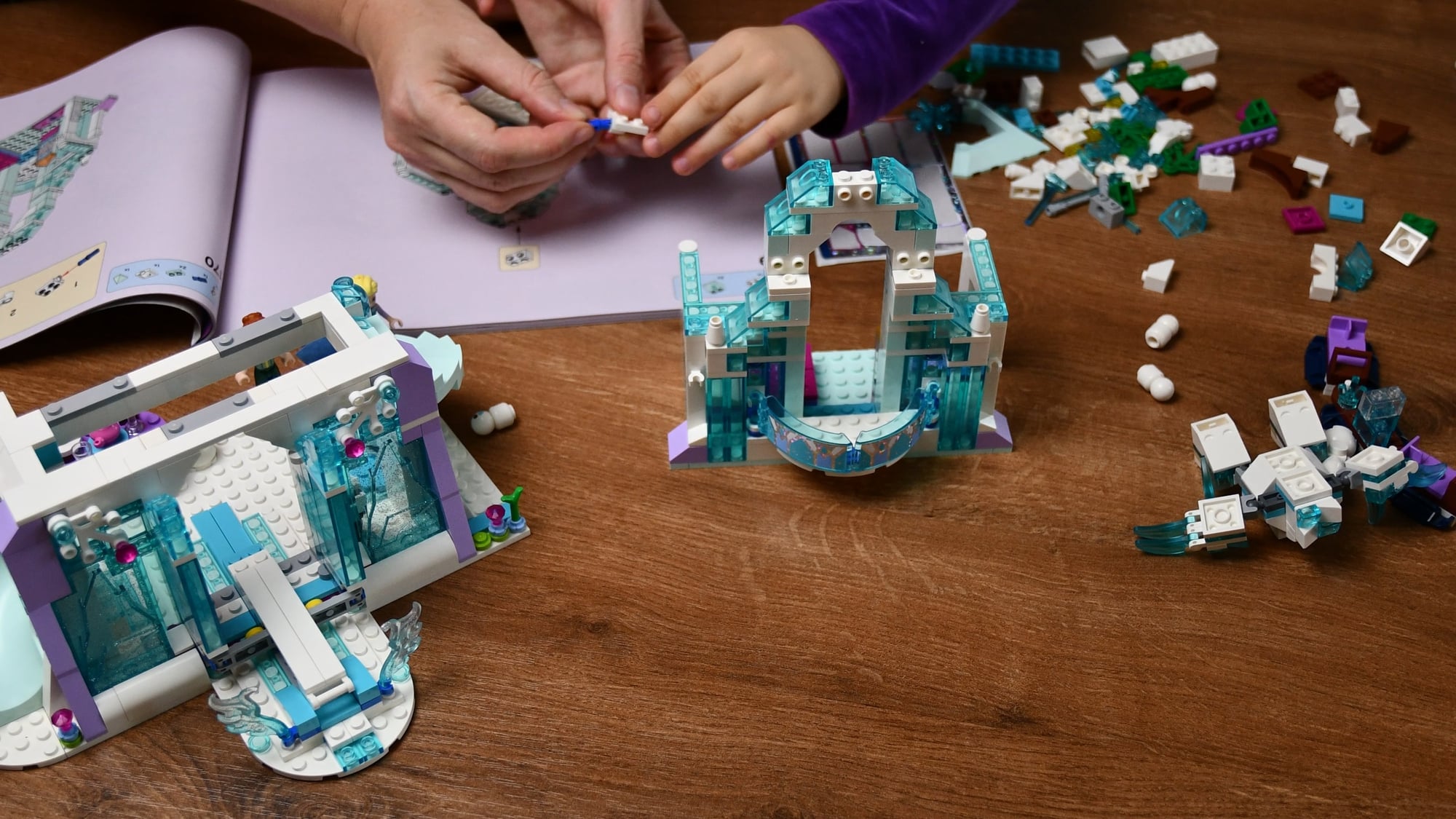
LEGO had existed since the late 1940s, but the eighties saw the brand introduce its most beloved themed sets: Space (lunar bases, spacecraft, astronaut minifigures) and Castle (knights, drawbridges, dungeon-stone printing on the bricks). These weren’t just building toys — they were narrative worlds.
The specific thing parents remember about LEGO is the moment of stepping on a brick at 2 a.m. in their bare feet, an experience so reliably agonizing that it became a standard cultural reference for parental suffering.
Polly Pocket — 1989
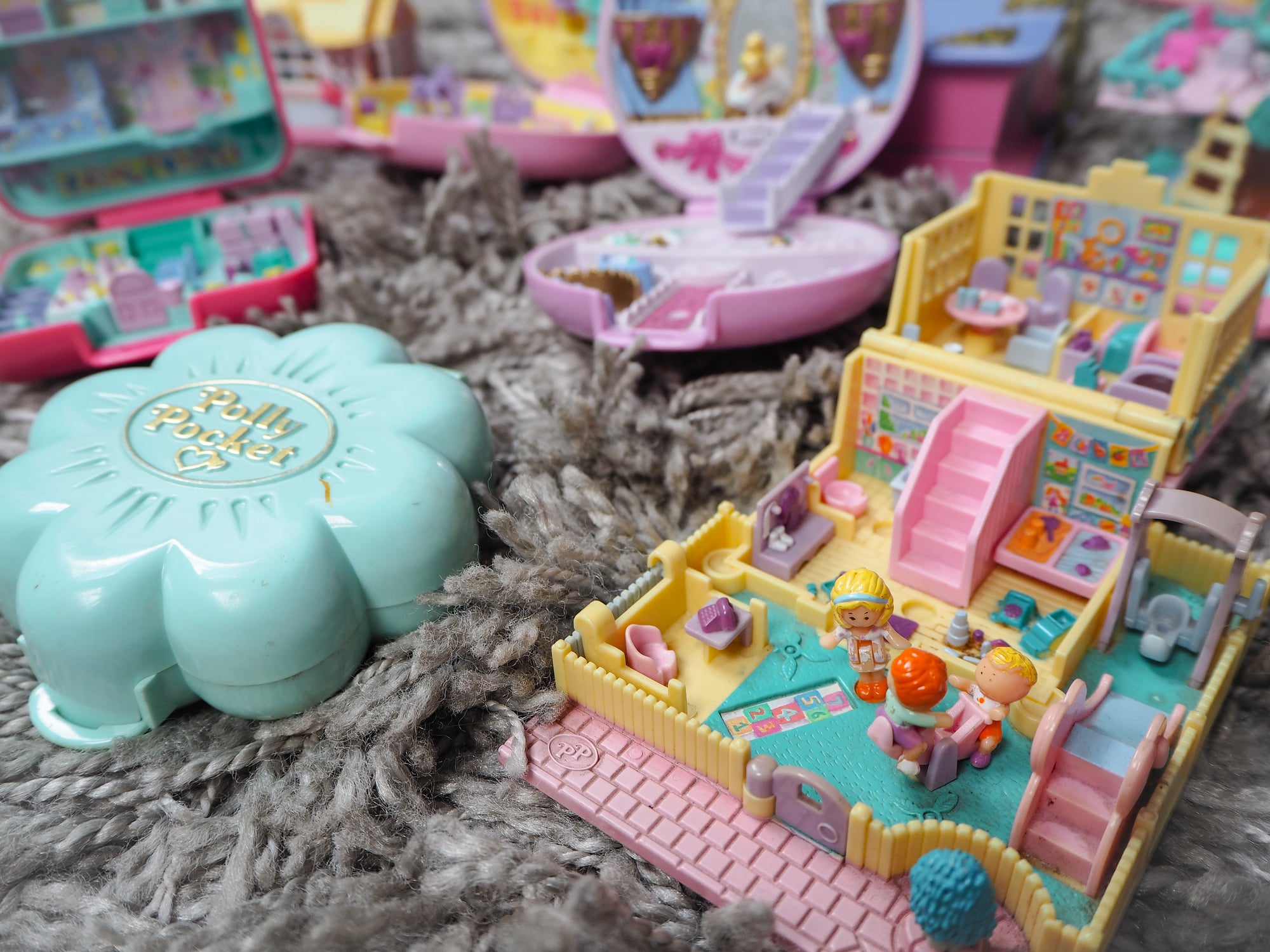
Polly Pocket launched in 1989, right at the end of the decade, and represented something genuinely new: a complete dollhouse experience that fit in a child’s palm. The original cases — a powder compact-sized shell that opened to reveal a miniature scene, each with tiny plastic figures — were the work of British inventor Chris Wiggs, who made the first one for his daughter in a powder compact.
Bluebird Toys licensed the design and brought it to market. Polly Pocket was immediately successful precisely because it was so small — it could be slipped into a pocket and played with anywhere, which made it feel like a toy that belonged to the child entirely.
The Toy That Made It Personal
Looking at this list, what stands out isn’t any single toy but the fact that almost every memorable one had a story built in. The Cabbage Patch Kid had a birth certificate.
He-Man had a cartoon villain. The Transformer had a faction.
The NES had worlds to explore. The Teddy Ruxpin had a voice that felt like it was speaking directly to the child holding it.
The toys that generated the most Christmas morning emotion weren’t the most expensive or the most technologically sophisticated — they were the ones that gave children a role to play in a story that already existed.
Parents remember wrapping these things because the wrapping was the final act in a months-long campaign their children had successfully run on them. The toy was almost incidental.
What the child actually wanted was the feeling that their wishes had been heard, and on Christmas morning, they had.
More from Go2Tutors!

- The Romanov Crown Jewels and Their Tragic Fate
- 13 Historical Mysteries That Science Still Can’t Solve
- Famous Hoaxes That Fooled the World for Years
- 15 Child Stars with Tragic Adult Lives
- 16 Famous Jewelry Pieces in History
Like Go2Tutors’s content? Follow us on MSN.