27 Songs That Instantly Take People Back to a Specific Summer They Can’t Forget
A song is one of the most efficient time machines that exists. Not all songs — most of them just play and stop.
But a specific subset of them gets attached to a specific summer in a way that’s almost chemical, so that decades later you’re back in a car with the windows down, or at a backyard party you didn’t know would be that good, or in a summer romance you were too young to understand at the time. The song starts and there you are, years gone, still completely there.
This list is built around that phenomenon: songs that became so identified with a specific summer — through chart dominance, movie appearances, radio saturation, or some combination of all three — that they now function as auditory timestamps. Hearing them doesn’t just remind you of that time.
It puts you directly inside it.
“Summertime” — DJ Jazzy Jeff and the Fresh Prince (Summer 1991)
If any single track can claim the title of the definitive summer anthem in popular music, this is the strongest candidate. Released in May 1991, “Summertime” sampled Kool & the Gang’s 1974 instrumental “Summer Madness” and built a three-minute portrait of summer in a Black American neighborhood — the outdoor basketball, the girls in sundresses, the barbecue smoke, the communal relief of school being out.
The imagery is so specific and the warmth so genuine that it transcends the summer of its release and keeps getting played at the start of every summer since. Will Smith himself has said this is the song he’s most proud of.
“Summer of ’69” — Bryan Adams (Summer 1985)
Released in June 1985, “Summer of ’69” isn’t actually about the summer of 1969 — Bryan Adams was nine years old in 1969. The title refers to an intimate position, a fact Adams has confirmed in interviews while noting the song is also genuinely about the feeling of a first band, a first guitar, and the particular ache of youth passing.
The ambiguity helped rather than hurt the song. Every person who hears it projects their own defining summer onto it, which is why it still plays everywhere warm weather is occurring forty years later.
“Cruel Summer” — Bananarama (Summer 1983)
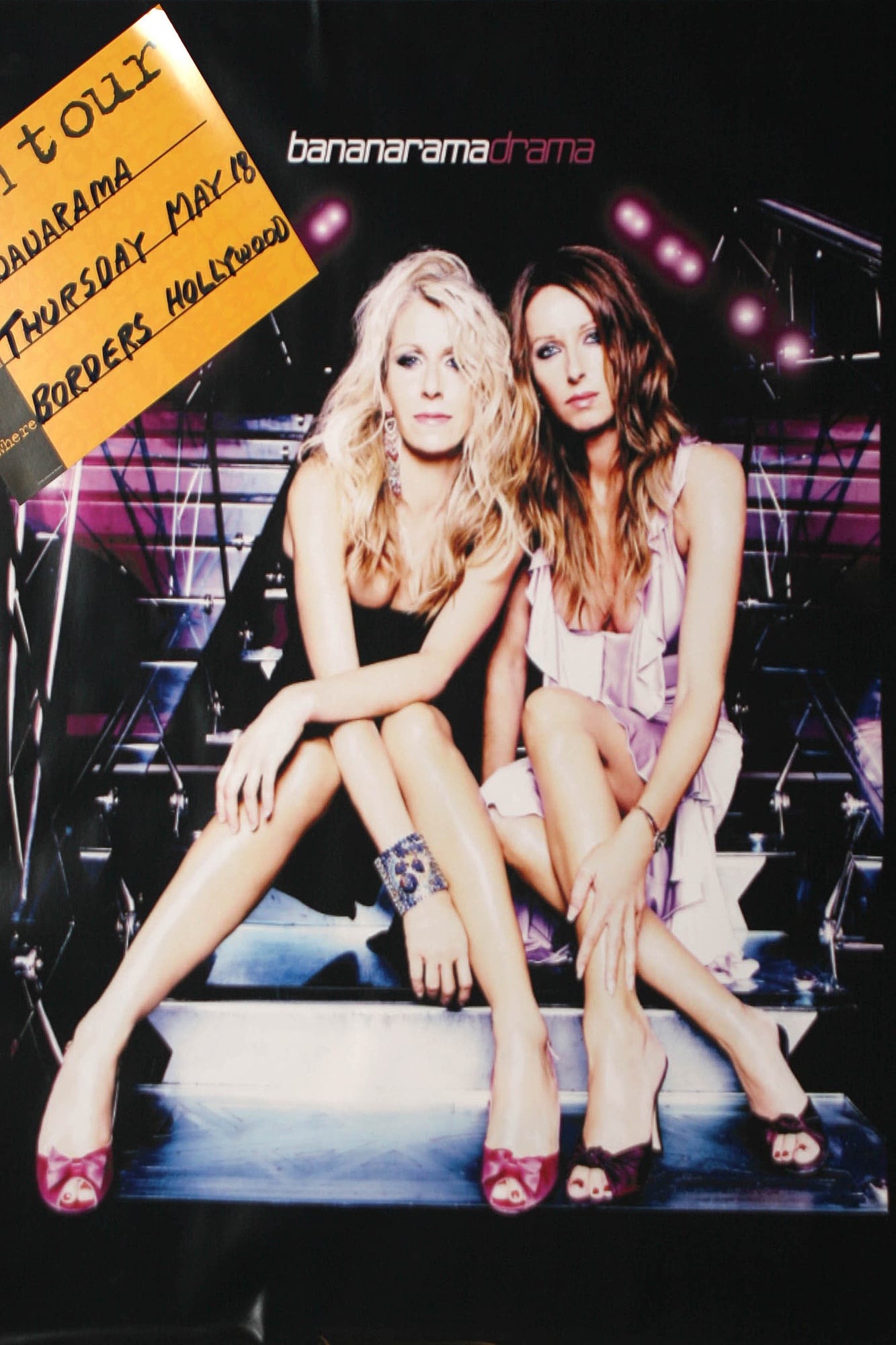
Bananarama’s “Cruel Summer” was released in June 1983 and reached number eight on the UK charts that summer before its inclusion in The Karate Kid in 1984 introduced it to American audiences. The song was written because the band couldn’t take their annual holiday due to promotional commitments — which is among the more specific origins for a pop song that went on to become a generational touchstone.
The synth production is pure 1983, which means it sounds dated in a way that has become its own form of timelessness. Taylor Swift released a completely different song with the same title in 2019 that became its own summer anthem, which suggests the name does something useful regardless of the song.
“Hot in Herre” — Nelly (Summer 2002)

The summer of 2002 belonged to Nelly. “Hot in Herre” was produced by the Neptunes and built around a James Brown sample, and it played from every speaker that had access to a speaker for approximately four months without anyone seeming to tire of it.
The song is a logical argument about weather and appropriate clothing delivered over one of the great production performances of the decade. Ask anyone who was between the ages of 15 and 30 in the summer of 2002 where they heard this song and they will tell you exactly where.
“Macarena” — Los Del Río (Summer 1996)
Los Del Río, a Spanish duo, released “Macarena” in 1993 to modest success in Spain. The song found its moment three years later when a remix with additional English lyrics began dominating summer radio in 1996, and the accompanying dance became the kind of mass cultural phenomenon that only happens a few times in a generation.
The Macarena reached number one in the US and stayed there for 14 weeks. It played at every wedding, every barbecue, and every pool party across the Western world for an unbroken summer run that felt simultaneously eternal and over too fast.
“Mambo No. 5” — Lou Bega (Summer 1999)

Lou Bega sampled Pérez Prado’s 1949 mambo and built a song around listing women’s names that became the sound of the summer of 1999 across most of the world. In France it spent 20 weeks at number one — one of the longest chart runs in French pop history.
The song was inescapable in a way that’s genuinely difficult to explain, since its construction is simple and its lyrical content is not particularly sophisticated. There is a specific memory available to almost every person who was alive in the summer of 1999 that involves this song playing somewhere warm.
“Santeria” — Sublime (Summer 1996)
Sublime’s “Santeria” was released posthumously after lead singer Bradley Nowell died of a heroin overdose in May 1996, two months before the album Sublime hit stores and became one of the best-selling debut albums of the decade. The song — with its relaxed ska-influenced rhythm, its Long Beach California sound, and Nowell’s conversational vocal — became inseparable from the late-summer feeling of that particular year.
It still carries the weight of its context: the voice you’re hearing is gone, and the summer it belonged to is gone, and the combination makes it one of the more emotionally complex entries in the summer song catalog.
“In Da Club” — 50 Cent (Summer 2003)
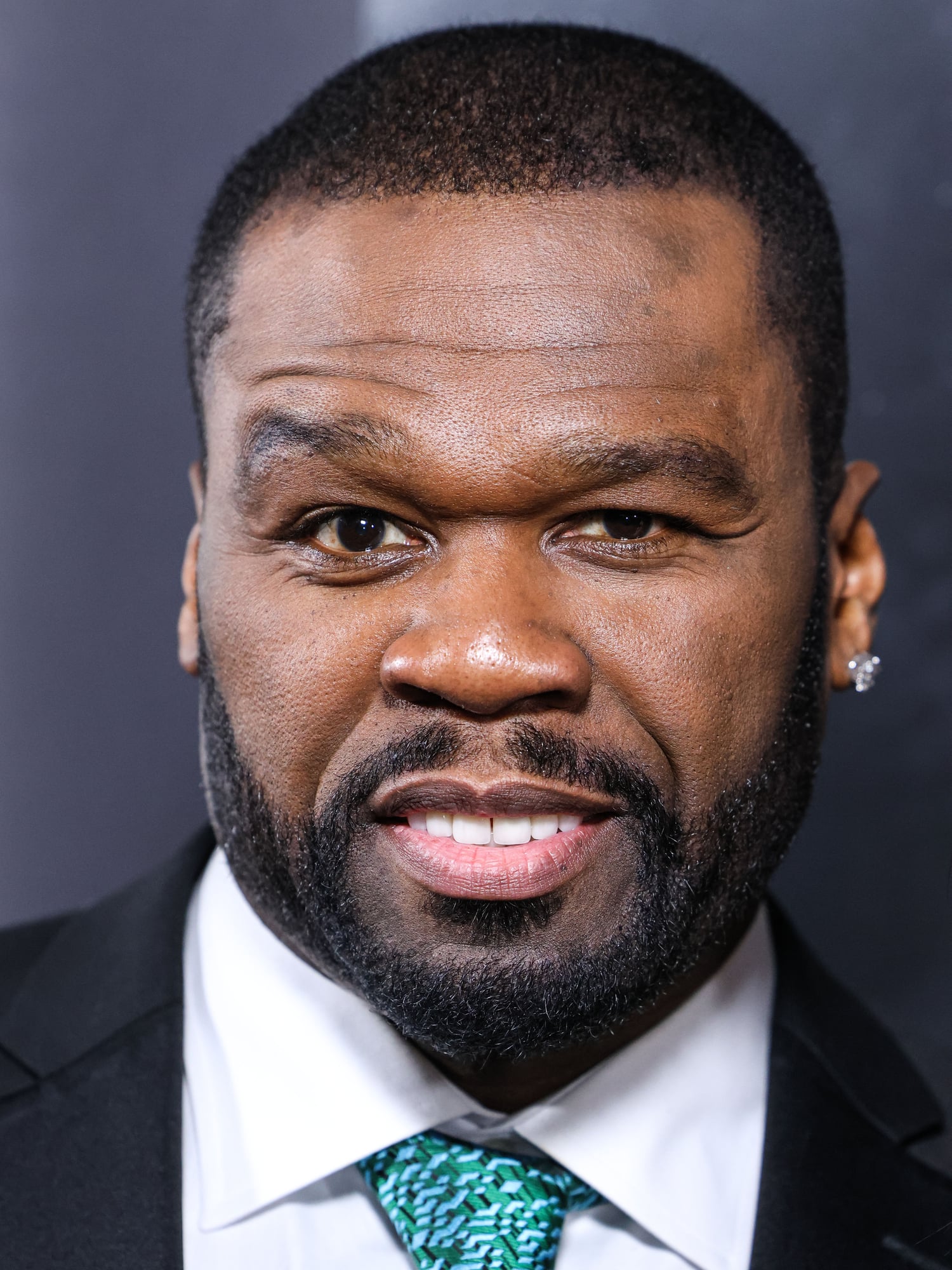
“In Da Club” was technically released in January 2003, but it became a summer sound through sheer persistence and volume. Produced by Dr. Dre and Eminem, it spent nine consecutive weeks at number one on the Billboard Hot 100.
The specific quality of Dr. Dre’s production on this track — the synthesized bass, the metallic percussion — sounds like the inside of a venue where it’s warm and loud and everyone has somewhere to be later. The summer of 2003, for a significant portion of American youth, has this song at its center.
“Dancing in the Moonlight” — King Harvest (Summer 1972 / Perennial)
King Harvest released “Dancing in the Moonlight” in 1972, and it reached number 13 on the Billboard Hot 100 during a summer that is now remembered entirely by people who were adults at the time. But the song has been getting new summer attachments ever since.
It plays at outdoor restaurants, on beach speakers, in cars with the windows down, in films set during carefree summers, and Toploader’s cover version in 2000 introduced it to an entirely new generation. Few songs have accumulated this many summers across this many decades.
“Good Vibrations” — The Beach Boys (Summer 1966)
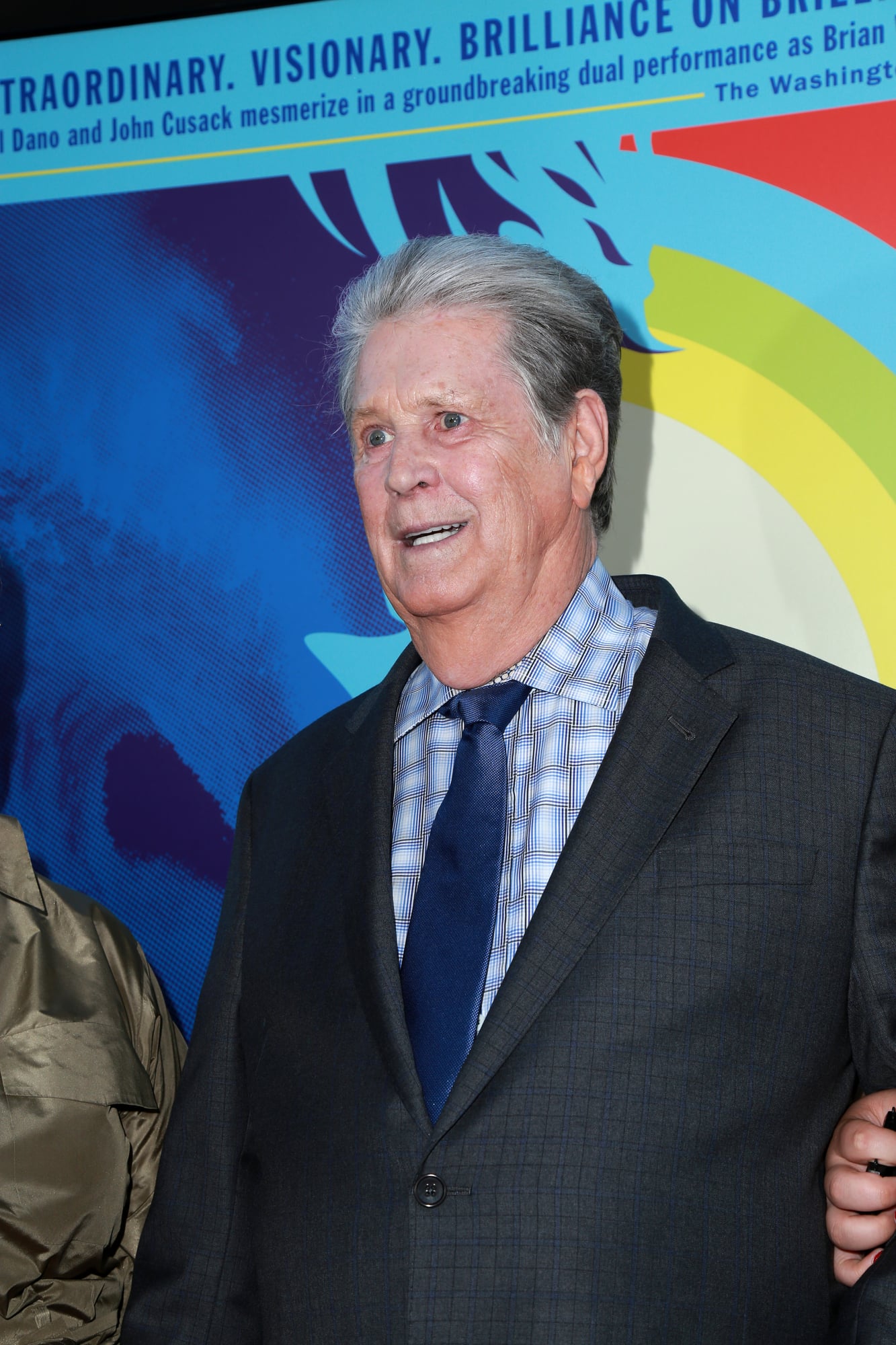
The Beach Boys released “Good Vibrations” in October 1966, which is technically autumn, but no song ever made it harder to believe in seasons. Brian Wilson’s production — the theremin, the layered harmonies, the tempo shifts — was the most expensive single ever recorded at that point, at around $50,000.
The ambition sounds the same in every era: this was something new. “Good Vibrations” is the song most likely to make someone stop what they’re doing and simply stand in the sun for the full three minutes and thirty-five seconds.
“Ice Ice Baby” — Vanilla Ice (Summer 1990)
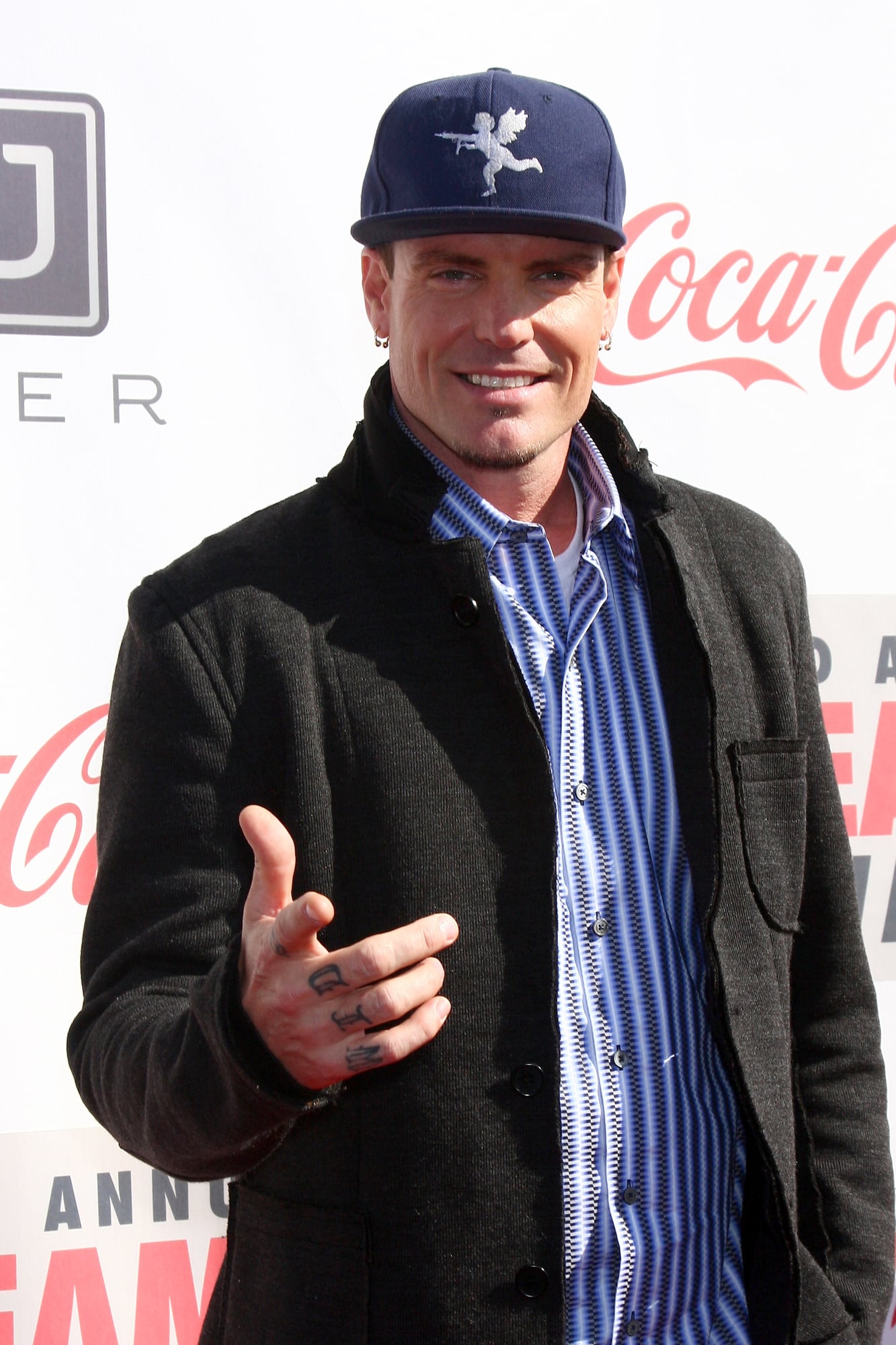
Vanilla Ice’s “Ice Ice Baby” was the first hip-hop single to reach number one on the Billboard charts, which is a fact that tends to surprise people who’ve spent the intervening decades treating the song as a punchline. It was released in 1990 and owned a specific moment in that summer with the kind of intensity that only songs most people will later feel embarrassed about having loved can achieve.
The David Bowie and Queen sample — the “Under Pressure” baseline — is one of the most recognizable sounds in popular music, and hearing it still does something involuntary to people who were young in 1990.
“Don’t Stop Believin'” — Journey (Summer 1981)
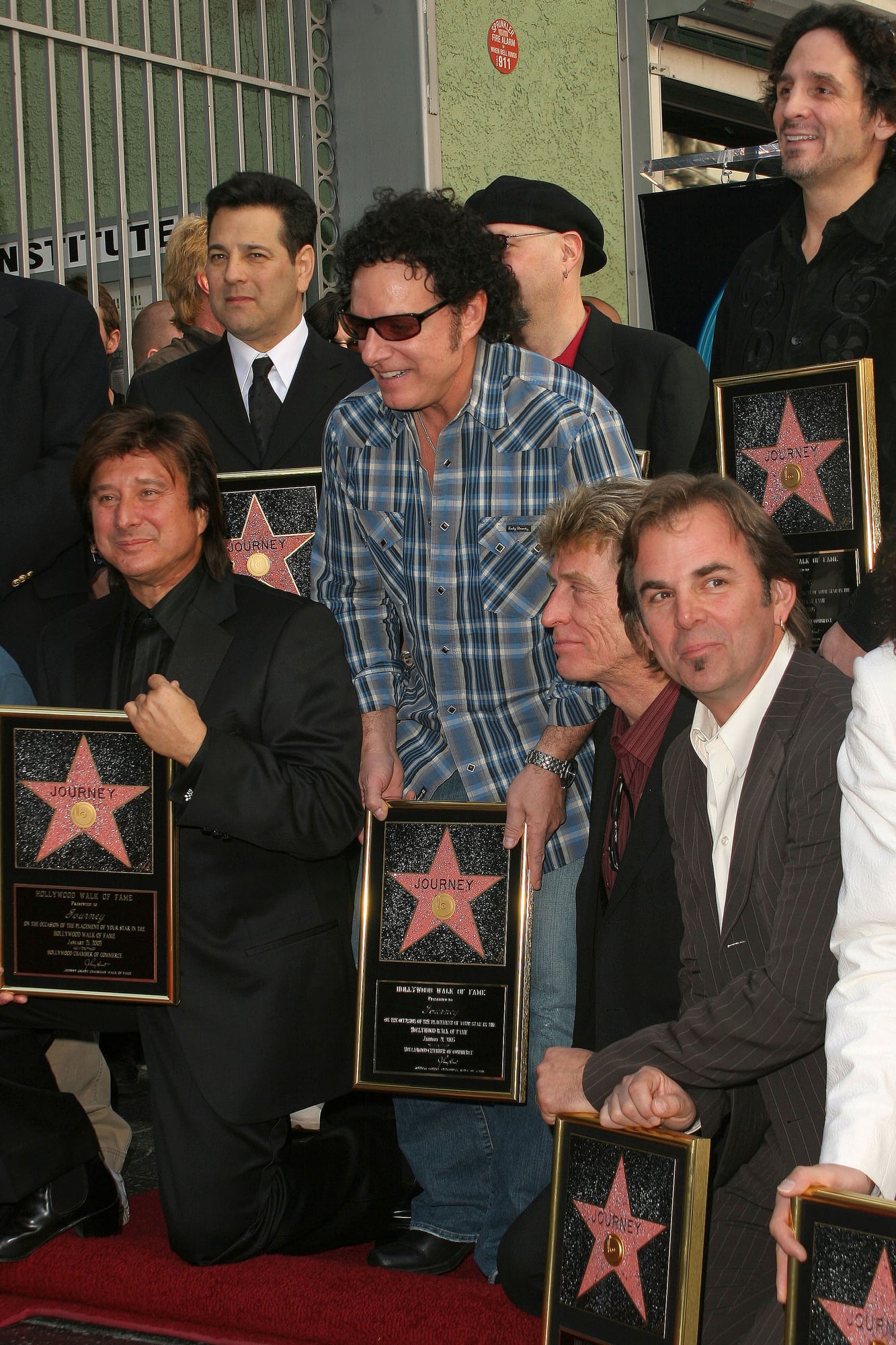
Journey released “Don’t Stop Believin'” in 1981, and it performed respectably without becoming the phenomenon it later became. The song’s second life began in the early 2000s, driven in part by its use in the final scene of The Sopranos in 2007, but it had been building momentum at sporting events, bar karaoke nights, and late-summer road trips for decades before that.
The song now functions as a shared emotional experience that cuts across generational lines, and its chorus has the specific quality of making a group of people feel, for three minutes, like they are all in the same story.
“Summertime Sadness” — Lana Del Rey (Summer 2012)
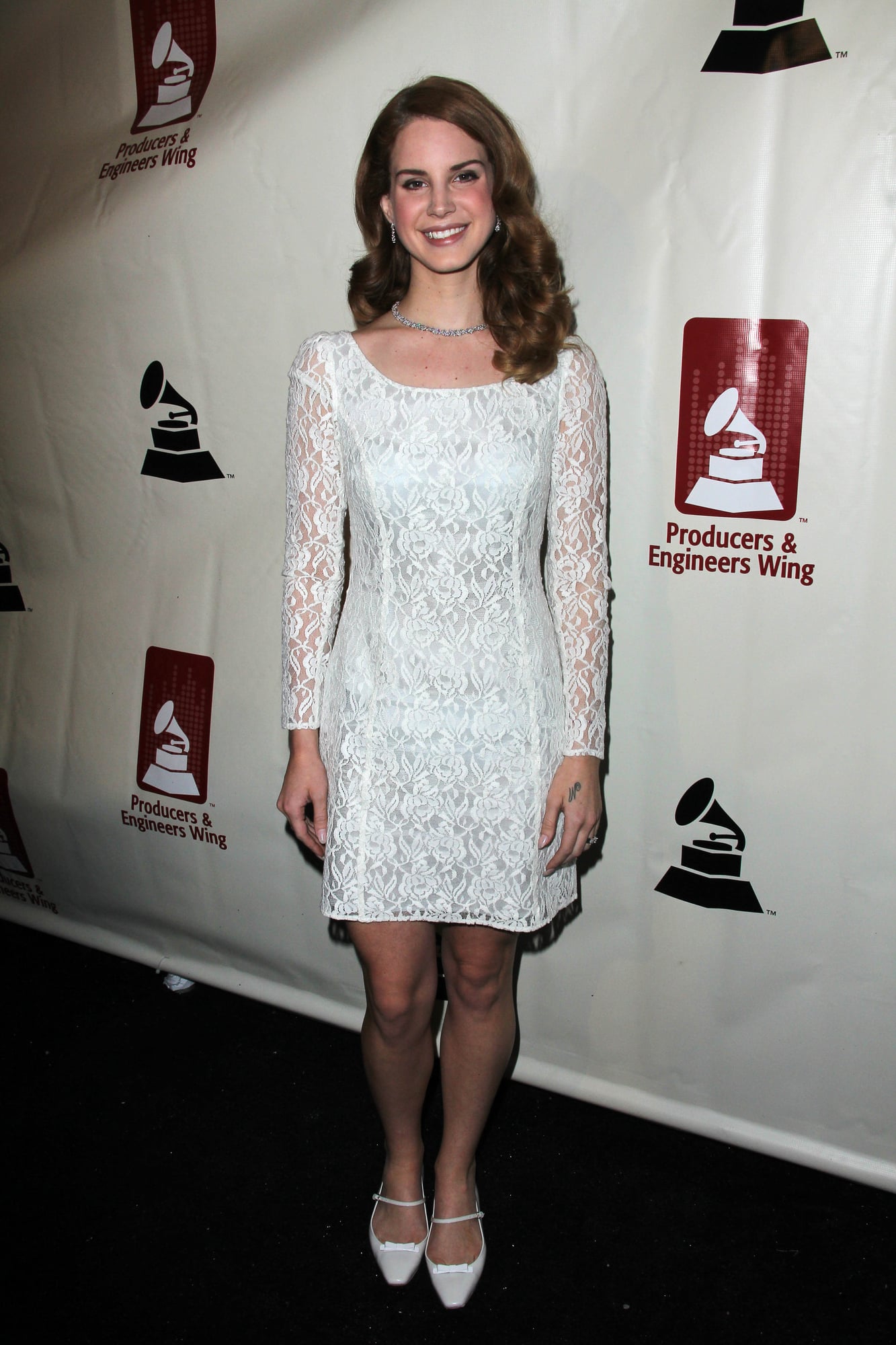
Lana Del Rey released “Summertime Sadness” in 2012 and Cedric Gervais remixed it in 2013, and between the two versions, the song claimed the middle of the decade’s summer emotional landscape. The song is explicitly about loss — it opens with what sounds like a departure or death — but its production has a dreamy, hazy quality that feels like summer remembered rather than summer experienced.
“Summertime Sadness” is the song for the summer you miss while it’s still happening.
“Despacito” — Luis Fonsi Ft. Daddy Yankee (Summer 2017)

“Despacito” was released in January 2017 in Spanish and climbed steadily before the Justin Bieber remix in April kicked it into a level of global saturation that broke streaming records at the time. It spent 16 weeks at number one on the Billboard Hot 100 and became one of the most streamed songs in history.
The summer of 2017 has this song in every open-air restaurant, every beach bar, and every Airbnb with a Bluetooth speaker.
“Smells Like Teen Spirit” — Nirvana (Summer 1991)
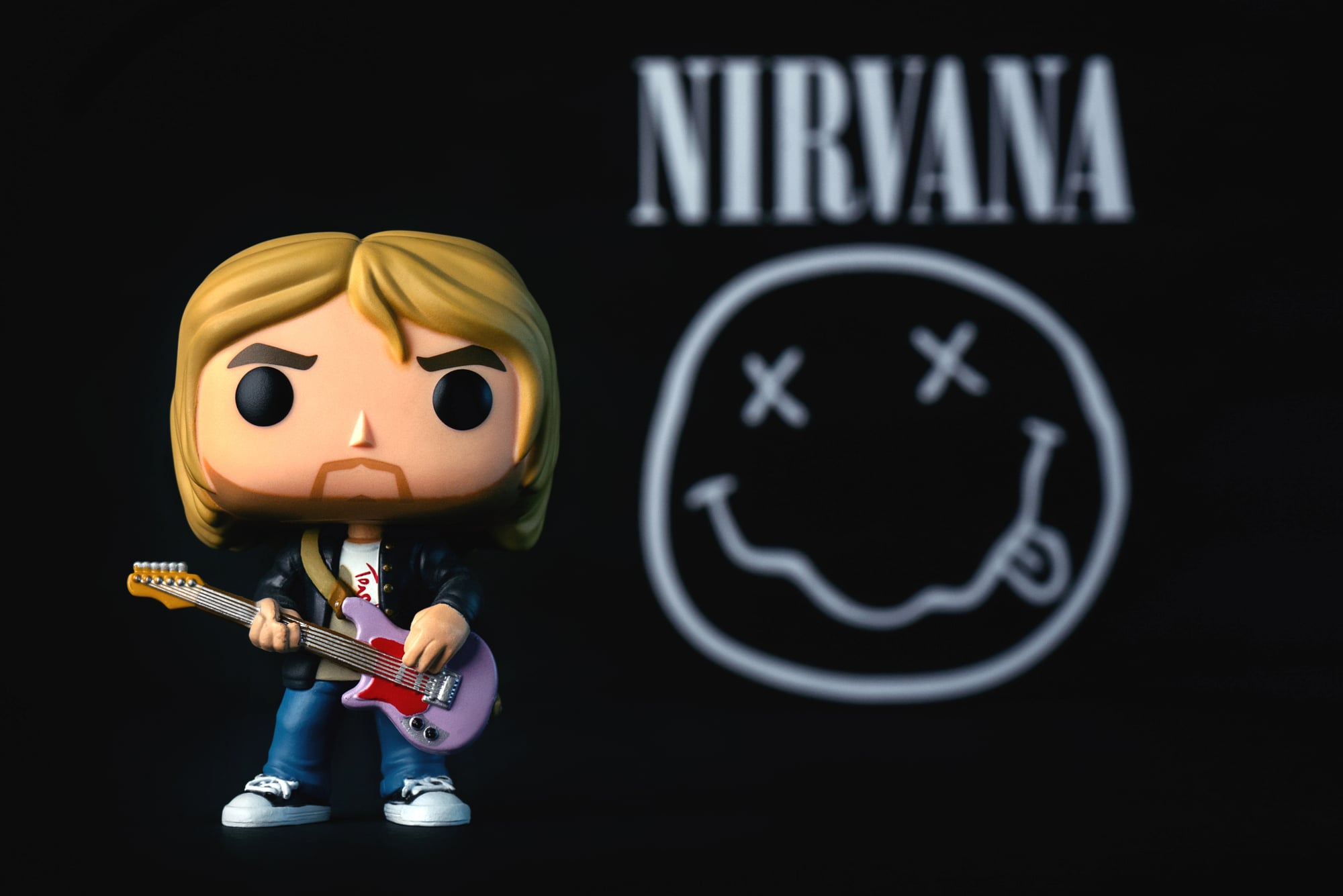
Nirvana released “Smells Like Teen Spirit” in September 1991 and it hit immediately, but it was the summer of 1992 that fully absorbed it — by then it was already everywhere, played on rock radio at a volume that announced that something had changed. The song arrived at the exact moment when a specific cultural mood needed an exact sound to attach to, and the attachment was total.
Adults who were teenagers in the early 1990s can reconstruct specific memories around this song with a precision that their memories of other periods don’t match.
“Waterloo” — ABBA (Summer 1974)
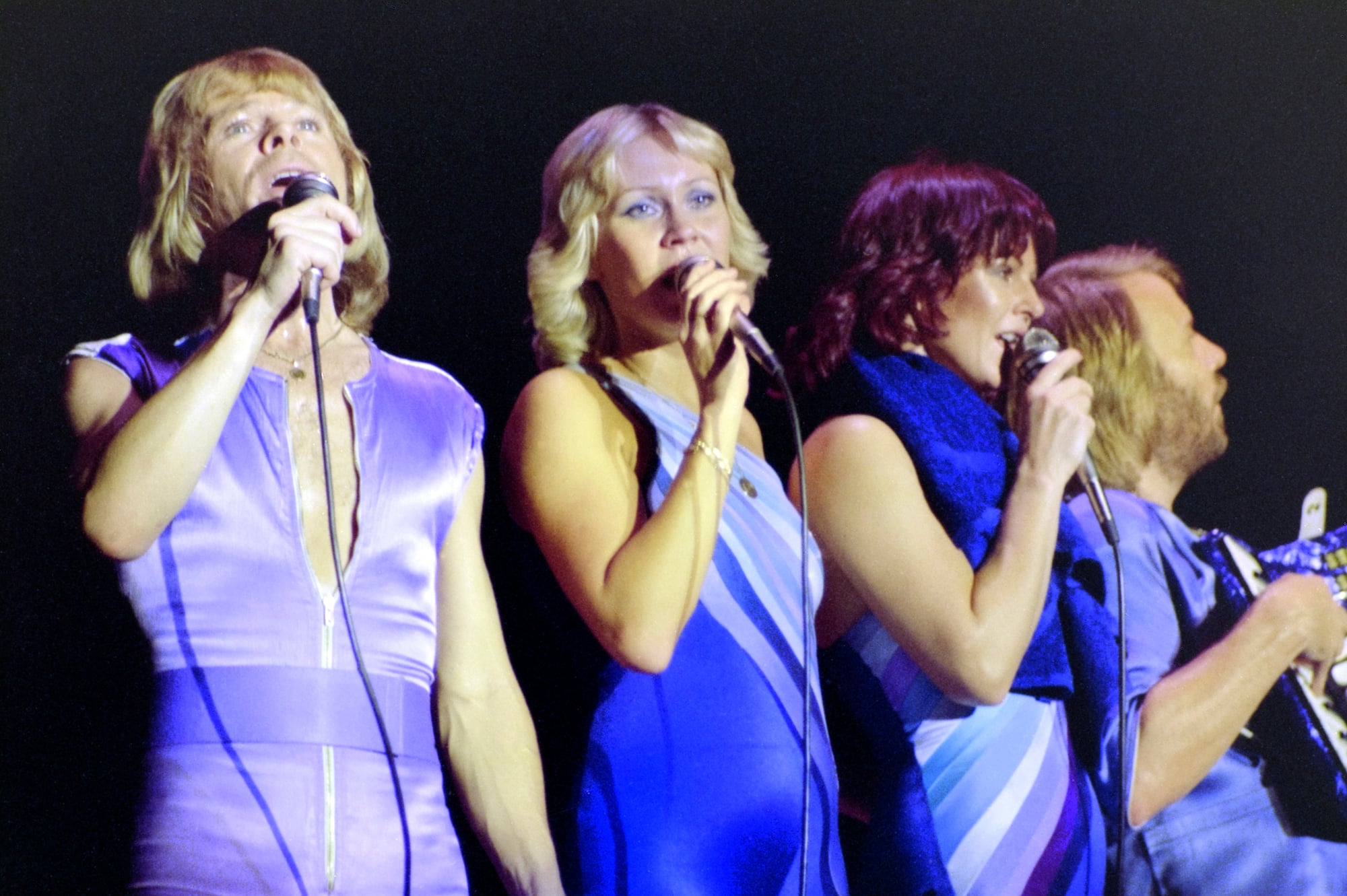
ABBA won the Eurovision Song Contest with “Waterloo” in April 1974 and spent the following summer watching it become a number one hit across Europe and a top five hit in the United States. It was the song that made ABBA what they would become, and it has that specific ABBA quality of sounding like three different great songs happening simultaneously — the verse, the chorus, the bridge all giving more than seems necessary.
Every summer since 1974 has a “Waterloo” on the dance floor somewhere, usually at the exact moment the mood needs rescuing.
“California Gurls” — Katy Perry Ft. Snoop Dogg (Summer 2010)
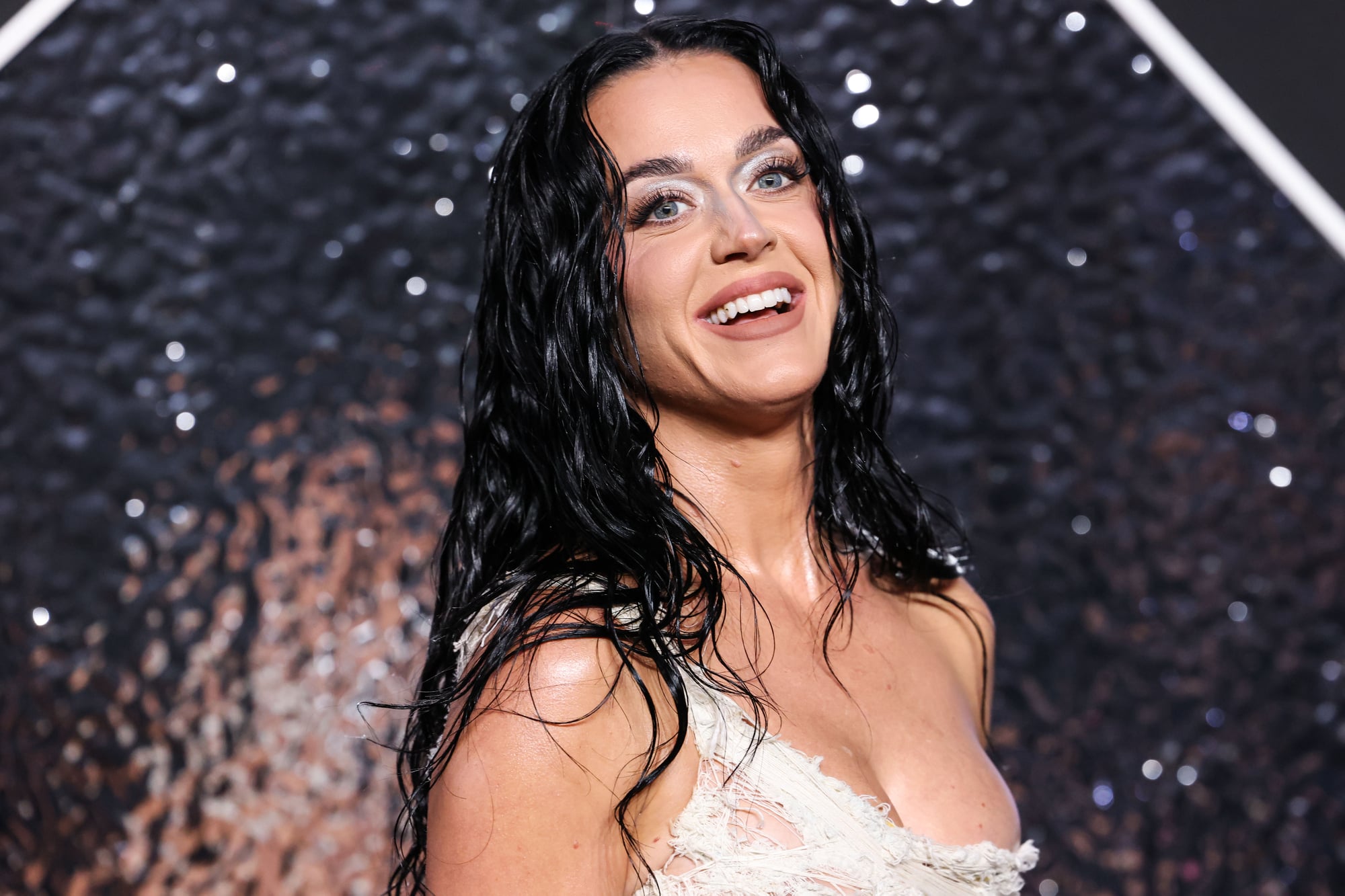
Katy Perry and Snoop Dogg released “California Gurls” in May 2010, and it spent six weeks at number one. The production was deliberately designed to sound like a sunny postcard, the chorus was designed to not leave your head once it arrived, and the combination worked so completely that the summer of 2010 is largely remembered, by those who were young that year, in the key of this particular song.
It was an uncomplicated achievement of pop engineering: make something that makes people feel good in warm weather, and make it impossible to ignore.
“Crazy in Love” — Beyoncé Ft. Jay-Z (Summer 2003)
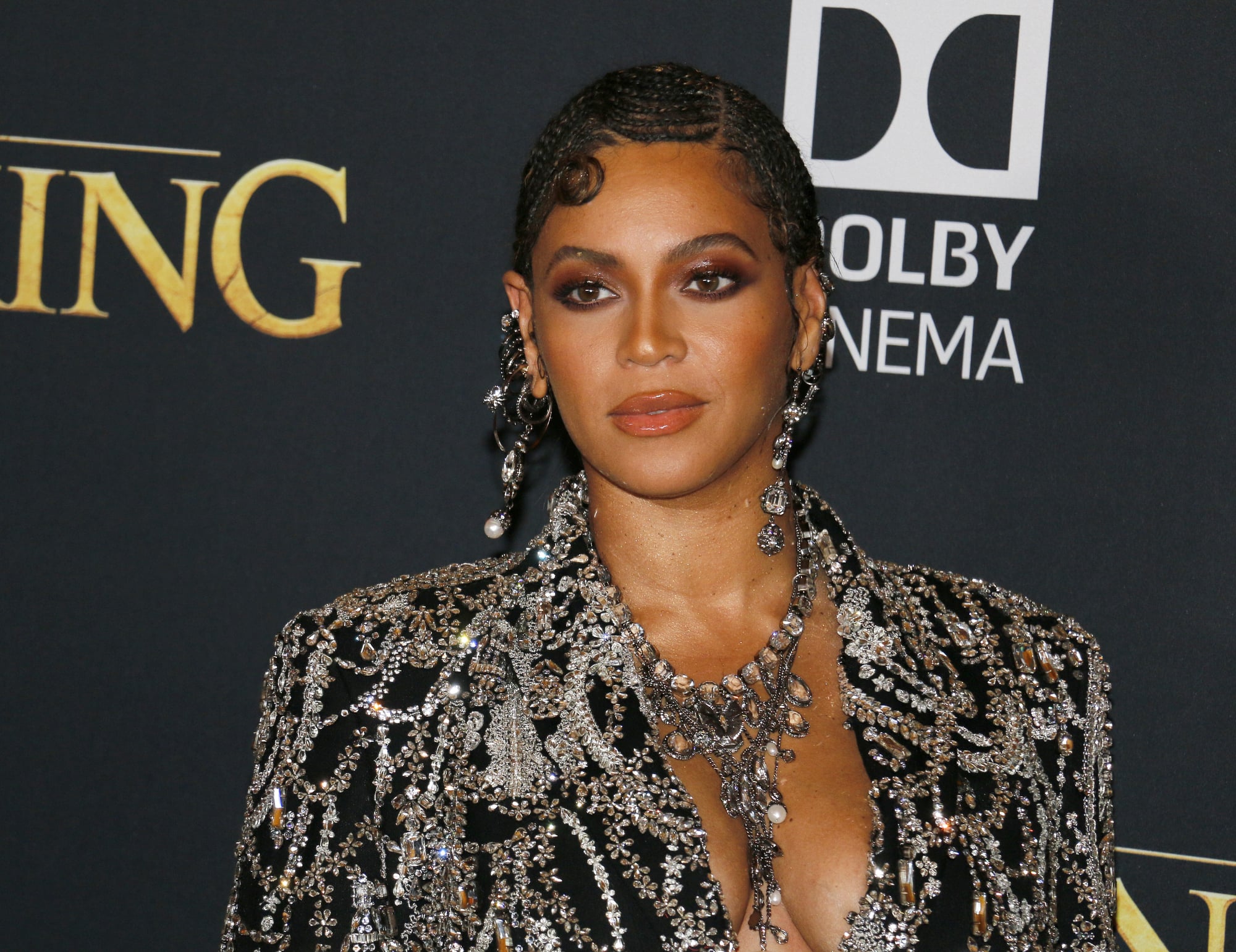
The summer of 2003 had “In Da Club” on the hip-hop side, but Beyoncé’s “Crazy in Love” took the pop side — a horn sample from a 1970 Chi-Lites track, a rhythm section that sounds like it was recorded in heat, and the kind of vocal performance that makes other vocal performances look like they’re not trying. The song debuted at number one and stayed there.
It announced a solo career and set a standard for what summer pop could sound like with enough ambition behind it.
“Call Me Maybe” — Carly Rae Jepsen (Summer 2012)

Carly Rae Jepsen released “Call Me Maybe” in 2011 in Canada, Justin Bieber heard it, tweeted about it, and by the summer of 2012 it was sitting at the top of charts in multiple countries simultaneously. The song is technically about the nerve it takes to give someone your phone number, but the feeling it captures — reckless early-summer hope, the specific vulnerability of wanting something you’re not sure you’ll get — is larger than its premise.
“Call Me Maybe” is the summer of 2012 made audible.
“Wouldn’t It Be Nice” — The Beach Boys (Summer 1966)
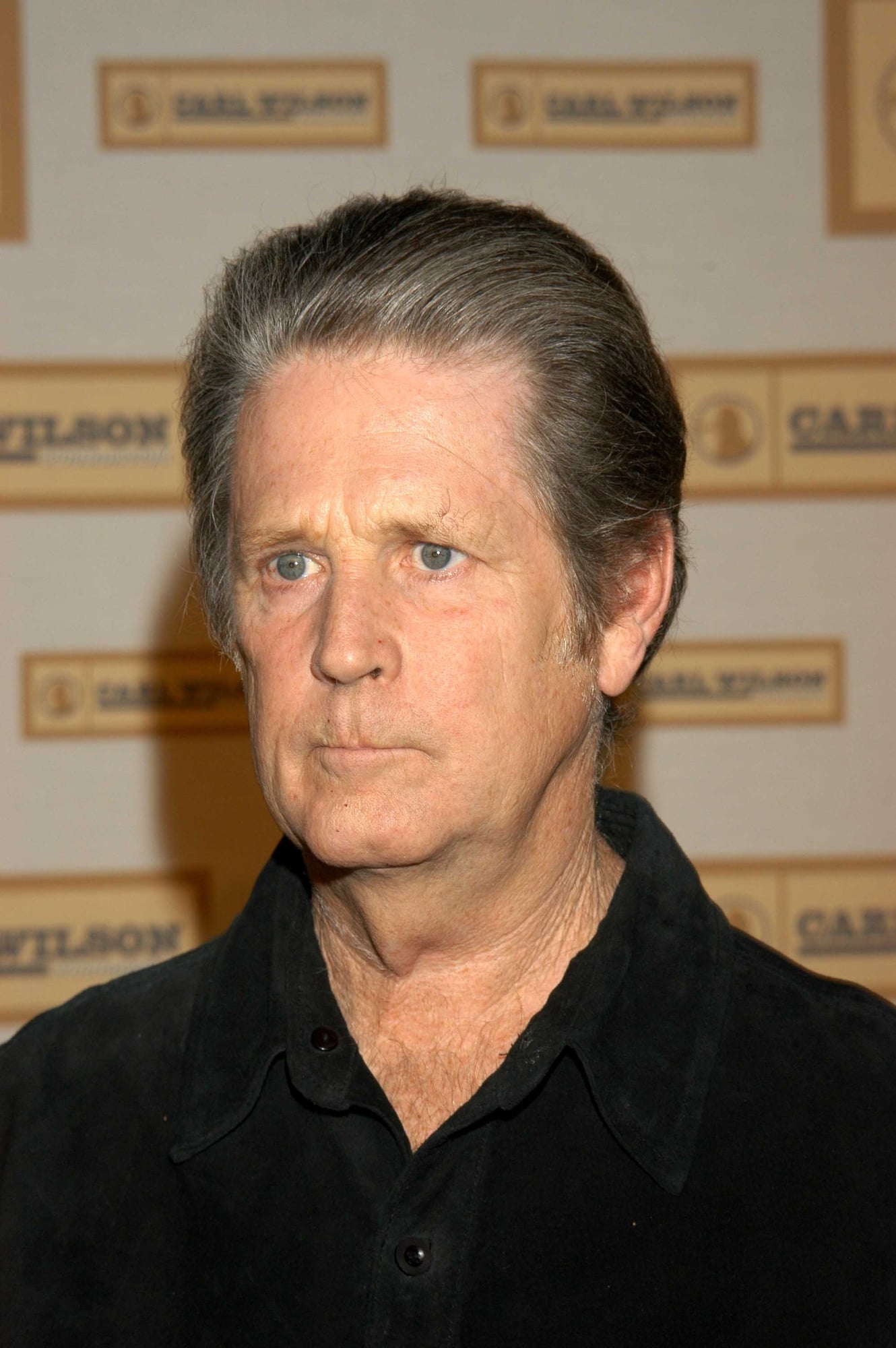
Opening track on Pet Sounds and released as a single in July 1966, “Wouldn’t It Be Nice” articulates the feeling of a summer romance where both people are too young to be in charge of their own lives. The ache in it is adolescent and genuine.
Brian Wilson wrote it about wanting to be old enough to live with a girlfriend, which was a modest enough wish for a pop song, but the arrangement around that wish — the layered vocals, the accordions, the tempo — transformed it into something that has since soundtracked decades of similar modest wishes for people who don’t yet control their own circumstances.
“Jump Around” — House of Pain (Summer 1992)
House of Pain’s “Jump Around” came out in March 1992 and spent the summer operating as a reliable crowd activator. The opening brass sample — horns, then the command to jump — is one of the most recognized passages in American party music of the decade.
The song’s specific use case is arrival: it reliably changes the energy of whatever room it enters. For anyone who was at a party in the summer of 1992, there is a moment this song came on and everything got louder.
“Lean On” — Major Lazer and DJ Snake Ft. MØ (Summer 2015)

Released in March 2015, “Lean On” became one of the most streamed songs in Spotify history at the time, driven by a video that accumulated 500 million YouTube views faster than any video before it. The song’s sound — tropical, propulsive, with MØ’s voice sitting unusually high in the mix — was engineered for the moment when summer transitions from warm to hot and staying indoors stops making sense.
The summer of 2015 heard this song constantly enough that MØ described the experience of its success as overwhelming.
“Blinding Lights” — The Weeknd (Summer 2020)
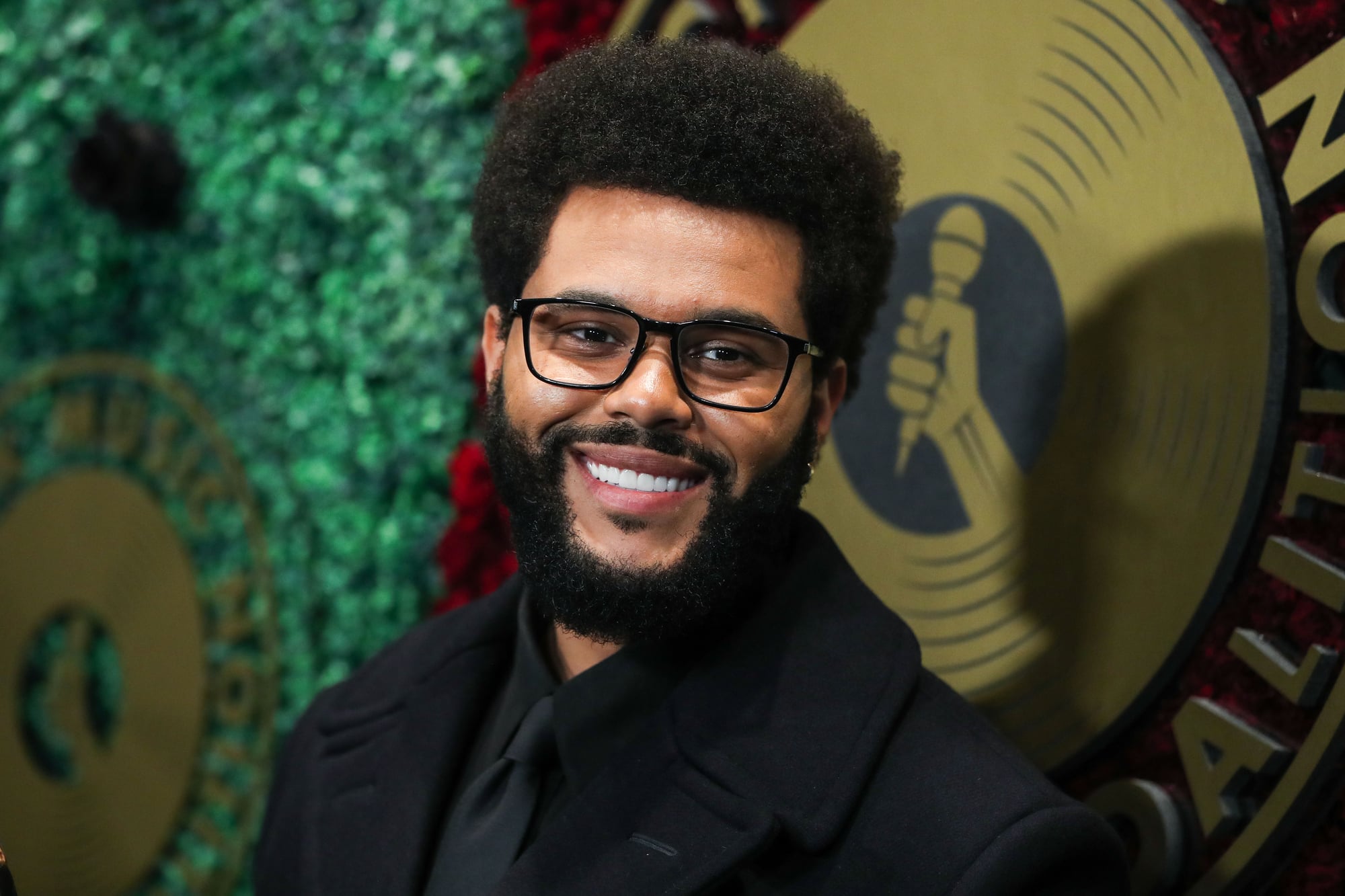
The Weeknd released “Blinding Lights” in November 2019, and it was already climbing when the pandemic arrived in March 2020. The song then spent a surreal amount of time at the top of charts because there was nothing to compete with it — no concerts, no movie soundtracks, no competitive summer release season.
It ended up spending more weeks on the Billboard Hot 100 than any song in the chart’s history. “Blinding Lights” is the song of the summer of 2020 by default and by domination, the sound of a locked-down summer playing in empty parks.
“As It Was” — Harry Styles (Summer 2022)
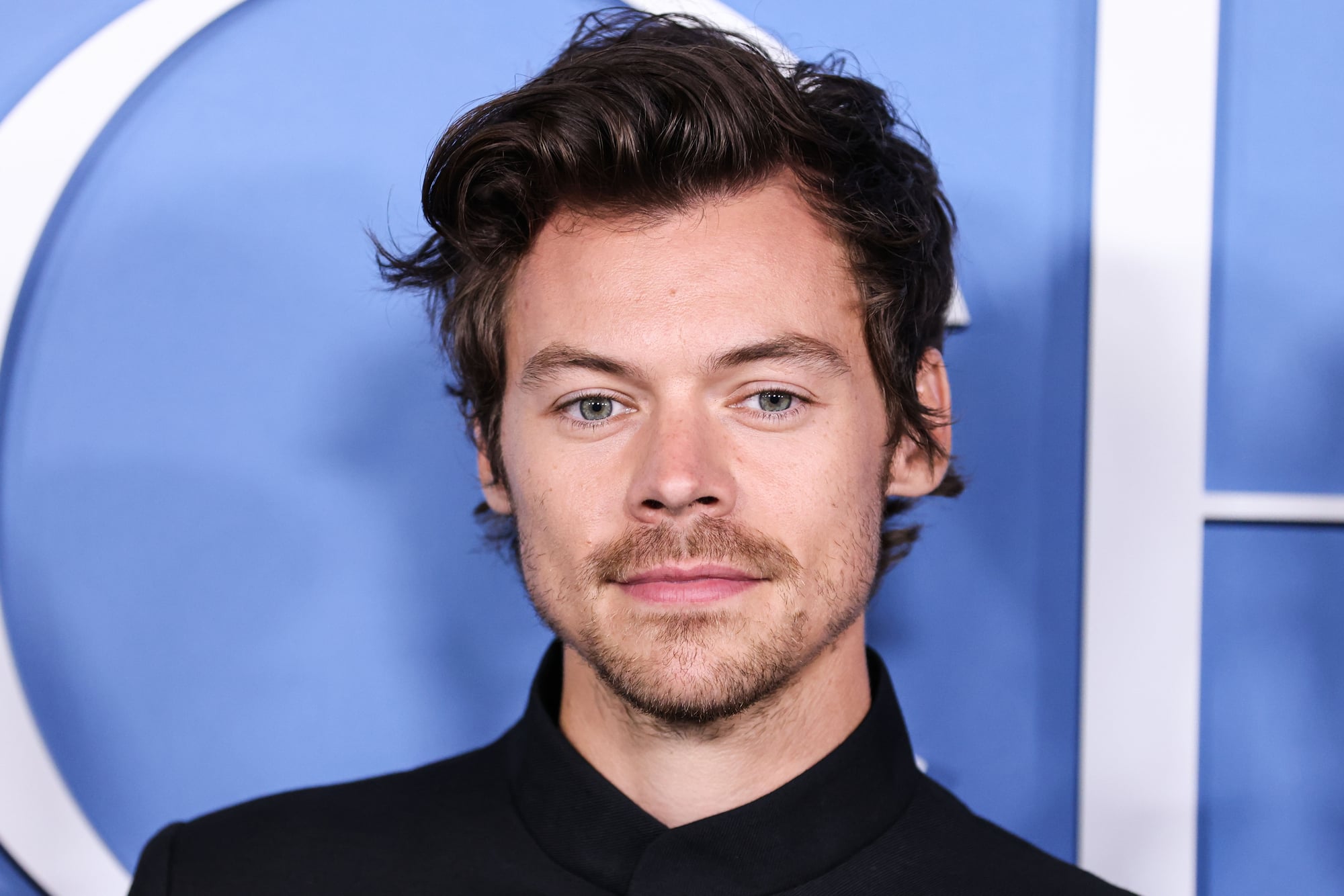
Harry Styles released “As It Was” in April 2022 and it sat at number one for fifteen weeks. The song arrived at a particular cultural moment of post-lockdown recalibration — the lyrics describe someone unable to return to who they were before — and found an audience for whom those feelings were extremely current.
The summer of 2022 heard “As It Was” in every public space that was playing music at all, and the specific quality of the production — bright, propulsive, slightly melancholy — made it the sound of the year.
“Dancing Queen” — ABBA (Summer 1976)
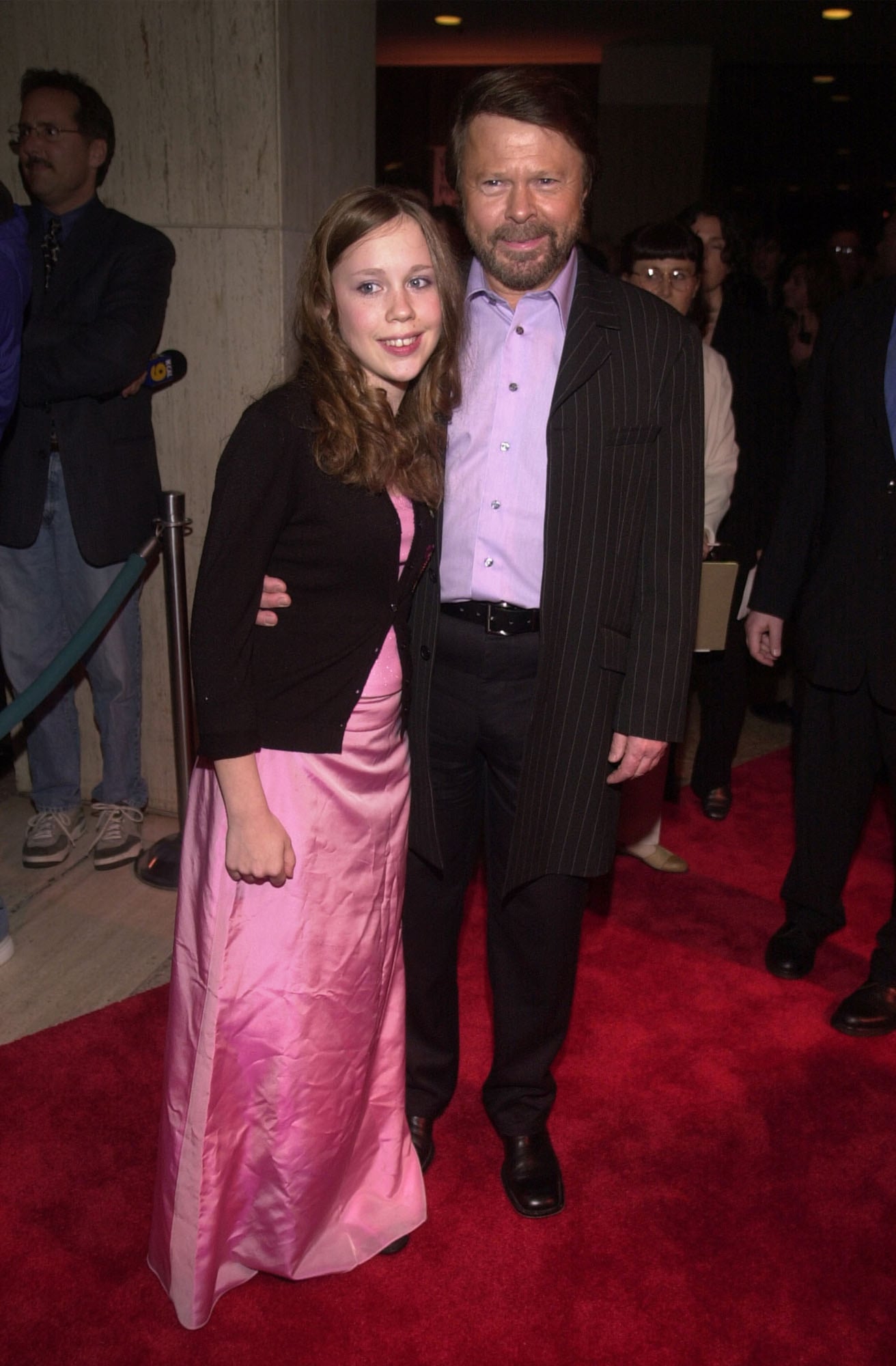
Released in August 1976, “Dancing Queen” reached number one in fifteen countries and has never entirely left the cultural conversation since. Its subject is simple — the feeling of being young and on a dance floor on a Friday night — and ABBA execute it with a production that makes the feeling impossible to resist regardless of whether you’ve ever been on that specific dance floor.
It is arguably the most enduring summer song ever recorded, in the sense that it generates new nostalgic attachments in new listeners every summer it plays, which is every summer.
“Livin’ on a Prayer” — Bon Jovi (Summer 1986)
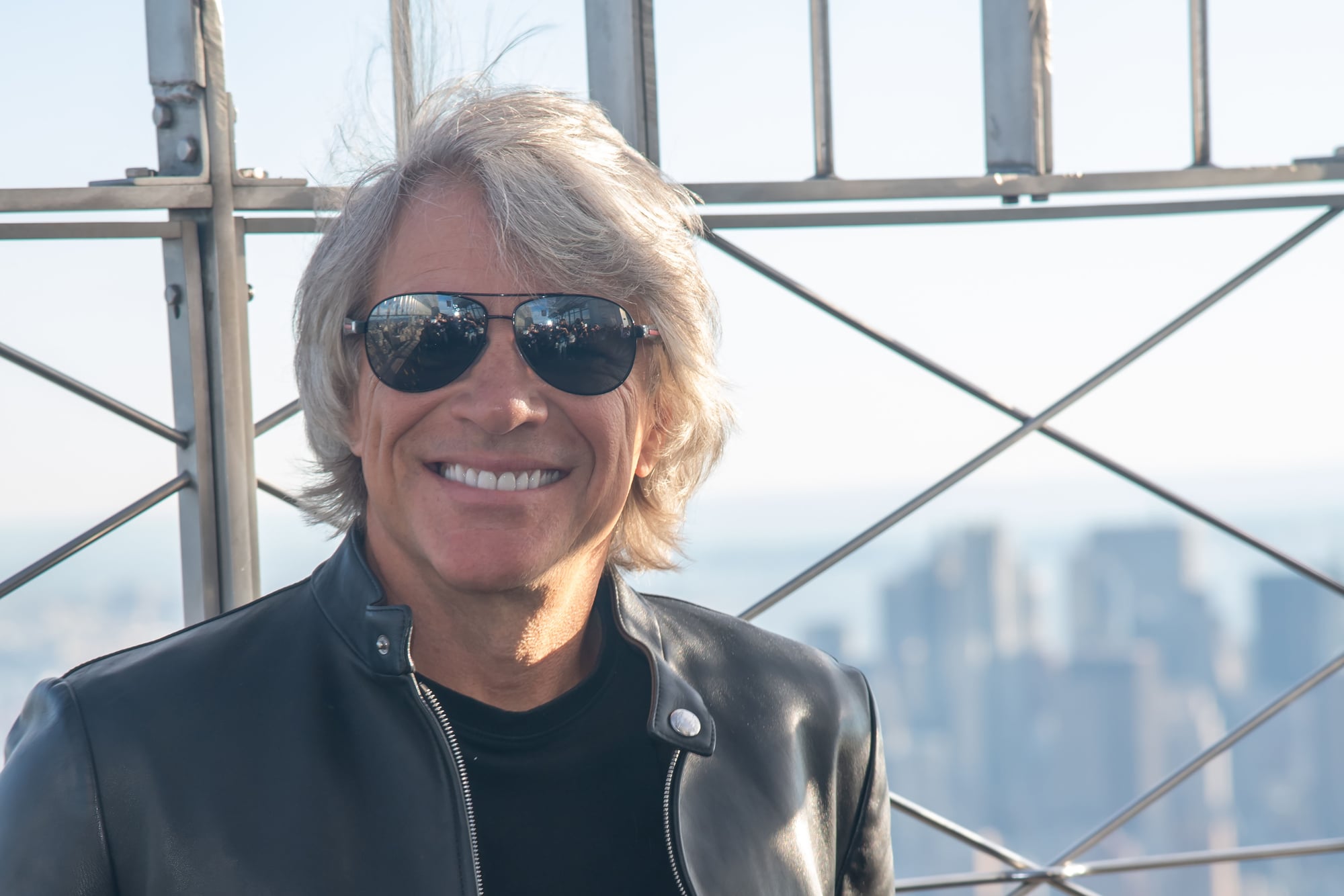
Bon Jovi released “Livin’ on a Prayer” in October 1986 and it spent four weeks at number one on the Billboard Hot 100 in early 1987. But summer is when this song found its permanent home — not in its chart run but in the karaoke rooms, the car sing-alongs, and the outdoor concerts where its chorus function as a collective agreement that everyone present is committed to the next two minutes entirely.
People who were teenagers in the mid-1980s have this song attached to a specific summer, and so do people who were teenagers in the 2000s, and probably in the 2020s.
“Thinking Out Loud” — Ed Sheeran (Summer 2014)
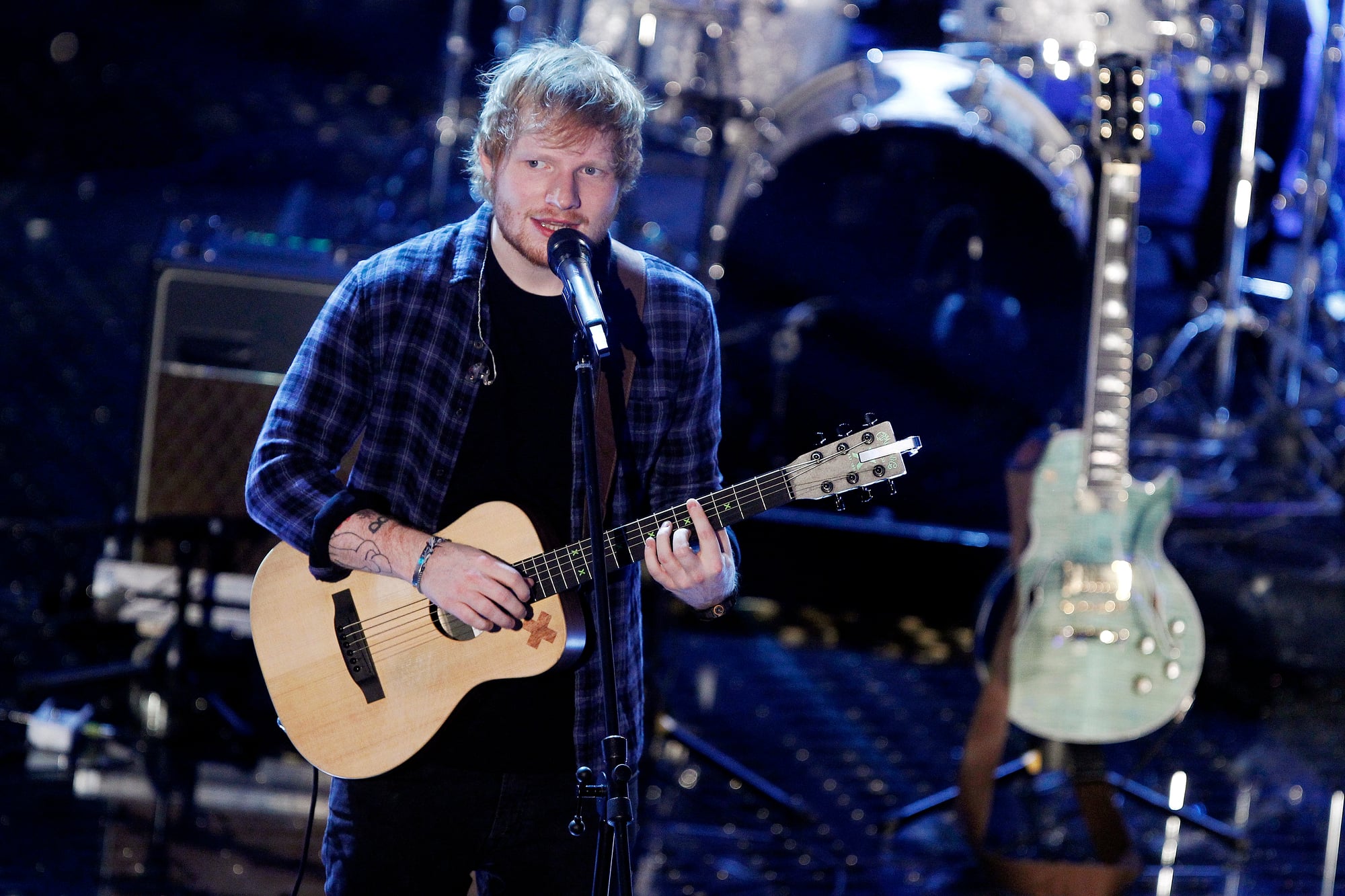
Ed Sheeran released “Thinking Out Loud” in September 2014 and it found its audience gradually through the autumn and winter before flowering fully in the summer of 2015, becoming one of the wedding songs of a generation. Its emotional territory — love as something deliberate rather than accidental, chosen again every morning — is unambiguously optimistic.
Summer, which is already the season most associated with possibility and openness, proved to be the ideal setting for a song about deciding to keep loving someone.
The Memory Is the Point
A song that defines a summer doesn’t do it through any single quality — not production, not lyrics, not tempo. It does it through a specific alignment of music and moment: the song was playing when something happened, or it played constantly enough that everything that happened became associated with it.
The music didn’t create the memory. The memory created the music’s meaning.
What’s interesting is that these songs mostly weren’t written for this purpose. “Summer of ’69” wasn’t really about a summer.
“Summertime” was about a neighborhood. “Cruel Summer” was about not being allowed to go on holiday.
The summer got into the songs after the fact, placed there by the people who were living in it and needed something to hold it. That’s not how music is supposed to work, and it’s exactly how it actually works.
More from Go2Tutors!

- The Romanov Crown Jewels and Their Tragic Fate
- 13 Historical Mysteries That Science Still Can’t Solve
- Famous Hoaxes That Fooled the World for Years
- 15 Child Stars with Tragic Adult Lives
- 16 Famous Jewelry Pieces in History
Like Go2Tutors’s content? Follow us on MSN.