17 TV Shows From the 70s That Predicted Today
The 1970s were a wild time for television. Between the bell-bottoms and disco music, TV writers were busy dreaming up scenarios that seemed completely far-fetched at the time. They imagined worlds with advanced technology, social changes, and cultural shifts that made viewers chuckle at their absurdity. Yet here we are, decades later, living in a reality that often mirrors those ‘impossible’ storylines.
What’s fascinating is how these shows didn’t just entertain—they accidentally became crystal orbs. Here is a list of 17 TV shows from the 70s that somehow managed to predict the world we live in today.
The Six Million Dollar Man

Steve Austin’s bionic implants seemed like pure science fiction when the show premiered in 1973. The idea of replacing damaged body parts with mechanical components that could enhance human abilities was mind-blowing.
Today, we have prosthetic limbs controlled by thought, cochlear implants that restore hearing, and pacemakers that keep hearts beating steadily. While we haven’t quite reached the ‘we can rebuild him’ level of technology, we’re getting surprisingly close to making superhuman abilities a reality.
All in the Family

Norman Lear’s groundbreaking sitcom tackled controversial topics that other shows wouldn’t touch with a ten-foot pole. The show dealt with racism, women’s rights, and generational conflicts in ways that felt revolutionary for 1971.
Fast-forward to today, and we’re still having many of the same heated conversations around dinner tables and on social media. The show predicted how family dynamics would continue to be shaped by political and social divisions, with relatives arguing about issues that seem to have no middle ground.
The Rockford Files
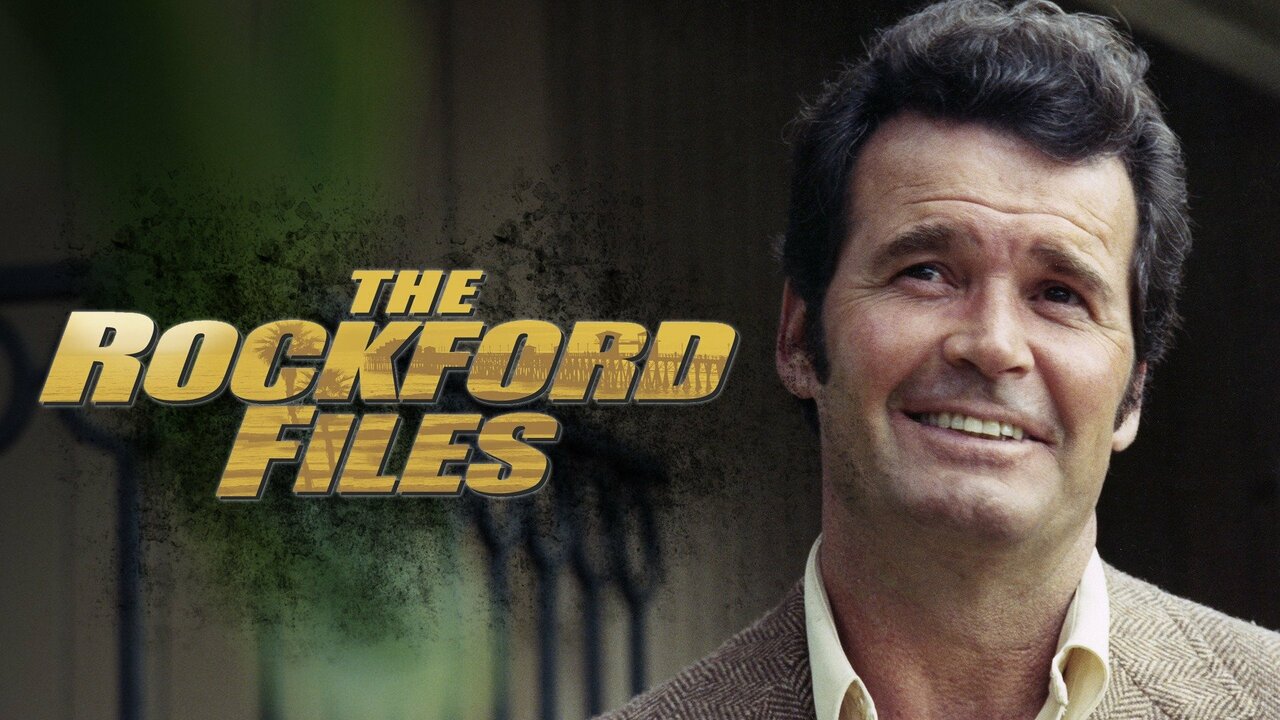
Jim Rockford’s answering machine was a novelty in 1974, but the show went further by depicting a world where information could be accessed quickly and privacy was constantly under threat. Rockford often used early computer databases and surveillance techniques that seemed cutting-edge.
Today, we live in a world where private investigators can find out almost anything about anyone with a few clicks, and our personal information is scattered across countless databases just waiting to be accessed.
Barney Miller
This police procedural set in a New York precinct dealt with urban decay, budget cuts, and the challenges of modern policing. The show portrayed cops struggling with limited resources while dealing with increasingly complex social problems.
Sound familiar? Today’s discussions about police reform, community relations, and the role of law enforcement in society echo many of the themes Barney Miller explored with both humor and genuine concern.
The Mary Tyler Moore Show
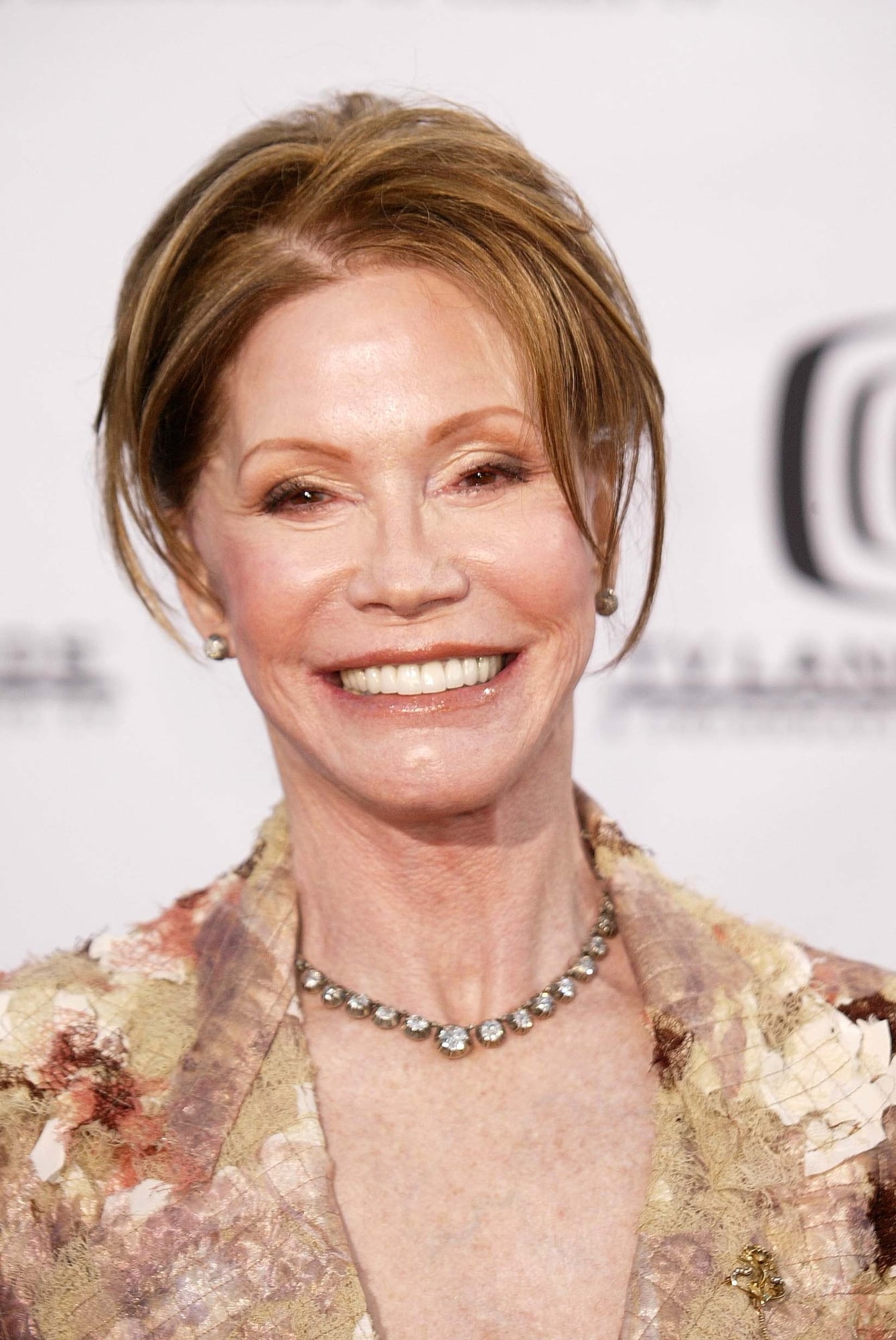
Mary Richards was a single, career-focused woman living independently in Minneapolis—a character type that was revolutionary in 1970. The show predicted a future where women would delay marriage to focus on careers and live fulfilling lives without necessarily having husbands or children.
Today, this lifestyle is so common that it’s barely worth mentioning, but back then, it was groundbreaking television that showed women they had options beyond traditional roles.
MAS*H
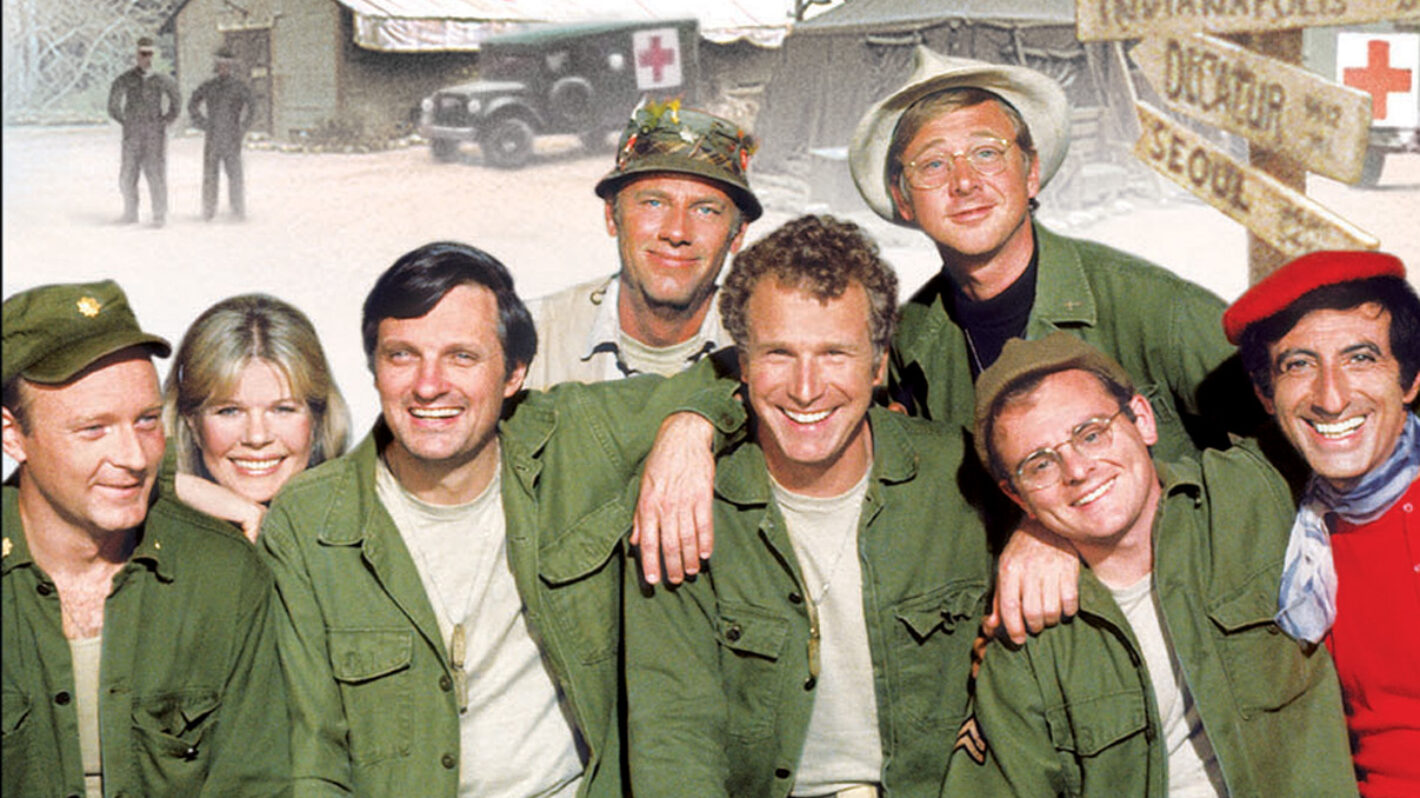
While set during the Korean War, MAS*H was really commenting on the Vietnam War and predicted how future conflicts would be covered and perceived. The show depicted war as messy, morally ambiguous, and psychologically damaging rather than heroic.
Today’s 24-hour news coverage of military conflicts, with embedded journalists and real-time updates, mirrors the show’s portrayal of war as an immediate, personal experience rather than a distant, glorious endeavor.
The Jeffersons

This spinoff from All in the Family showed an African American family achieving upward mobility and moving to a luxury apartment building. The show predicted the growth of the Black middle class and the complex social dynamics that would come with increased economic opportunities.
Today’s conversations about gentrification, class mobility, and the challenges of success in marginalized communities all echo themes The Jeffersons explored with both comedy and insight.
Happy Days

Despite being set in the 1950s, Happy Days actually predicted the nostalgia industry that would dominate American culture. The show’s success launched a trend of looking backward for comfort and entertainment.
Today, we’re constantly mining the past for content—from reboots and remakes to vintage fashion and retro music. The show essentially predicted our current obsession with ‘simpler times’ and the commercial value of nostalgia.
Charlie’s Angels
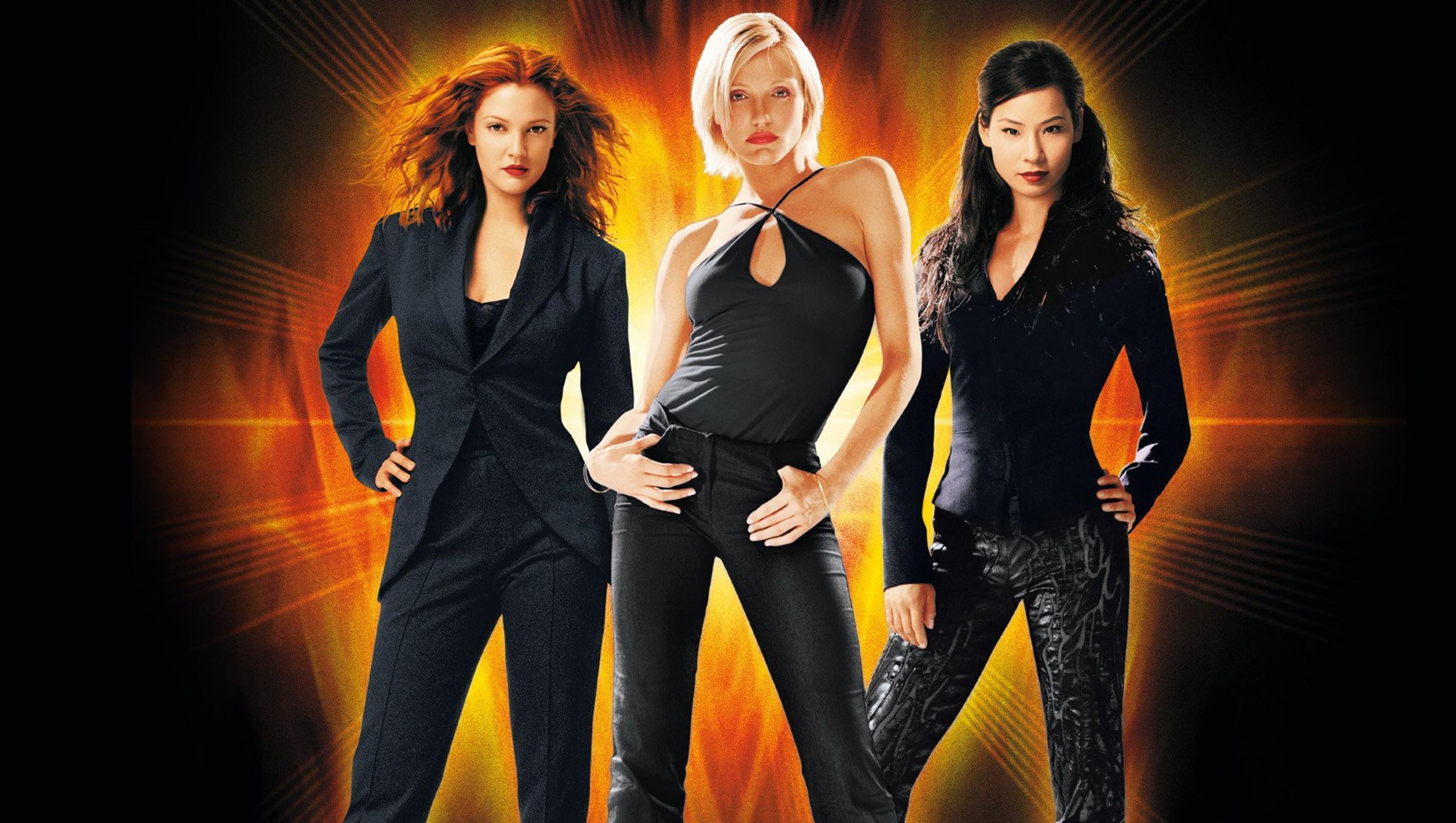
The concept of women in traditionally male-dominated fields like law enforcement was radical in 1976. The show predicted a future where women would routinely work in dangerous, high-stakes careers previously reserved for men.
Today, female police officers, FBI agents, and private investigators are commonplace, and the show’s influence on encouraging women to enter these fields cannot be overstated.
Three’s Company
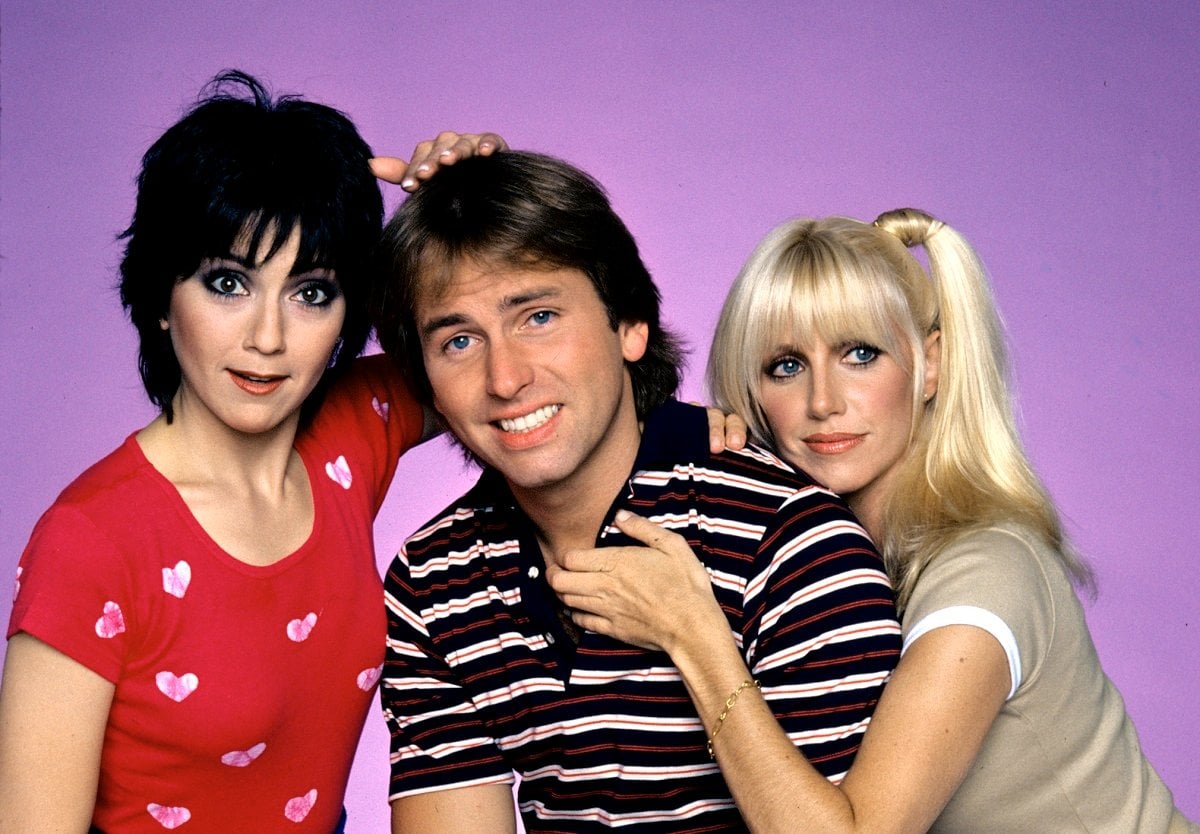
Beyond the obvious comedy, this show predicted changing attitudes toward cohabitation and non-traditional living arrangements. The idea of c was scandalous enough to drive the show’s entire premise.
Today, roommate situations, unmarried couples living together, and chosen families are so normal that the show’s central conflict seems almost quaint.
The Bionic Woman

Like its male counterpart, this show envisioned a future where medical technology could enhance human capabilities. Jaime Sommers’ bionic implants gave her superhuman strength, speed, and hearing.
Today’s advances in prosthetics, hearing aids, and medical implants are making some of these enhancements reality, even if we haven’t quite reached bionic levels of performance.
Laverne & Shirley
This blue-collar sitcom predicted the economic challenges that would face working-class Americans. The show depicted women struggling to make ends meet in manufacturing jobs while dreaming of better opportunities.
Today’s discussions about wage stagnation, the decline of manufacturing jobs, and economic inequality for working-class families mirror many of the themes the show explored with humor and heart.
The Bob Newhart Show
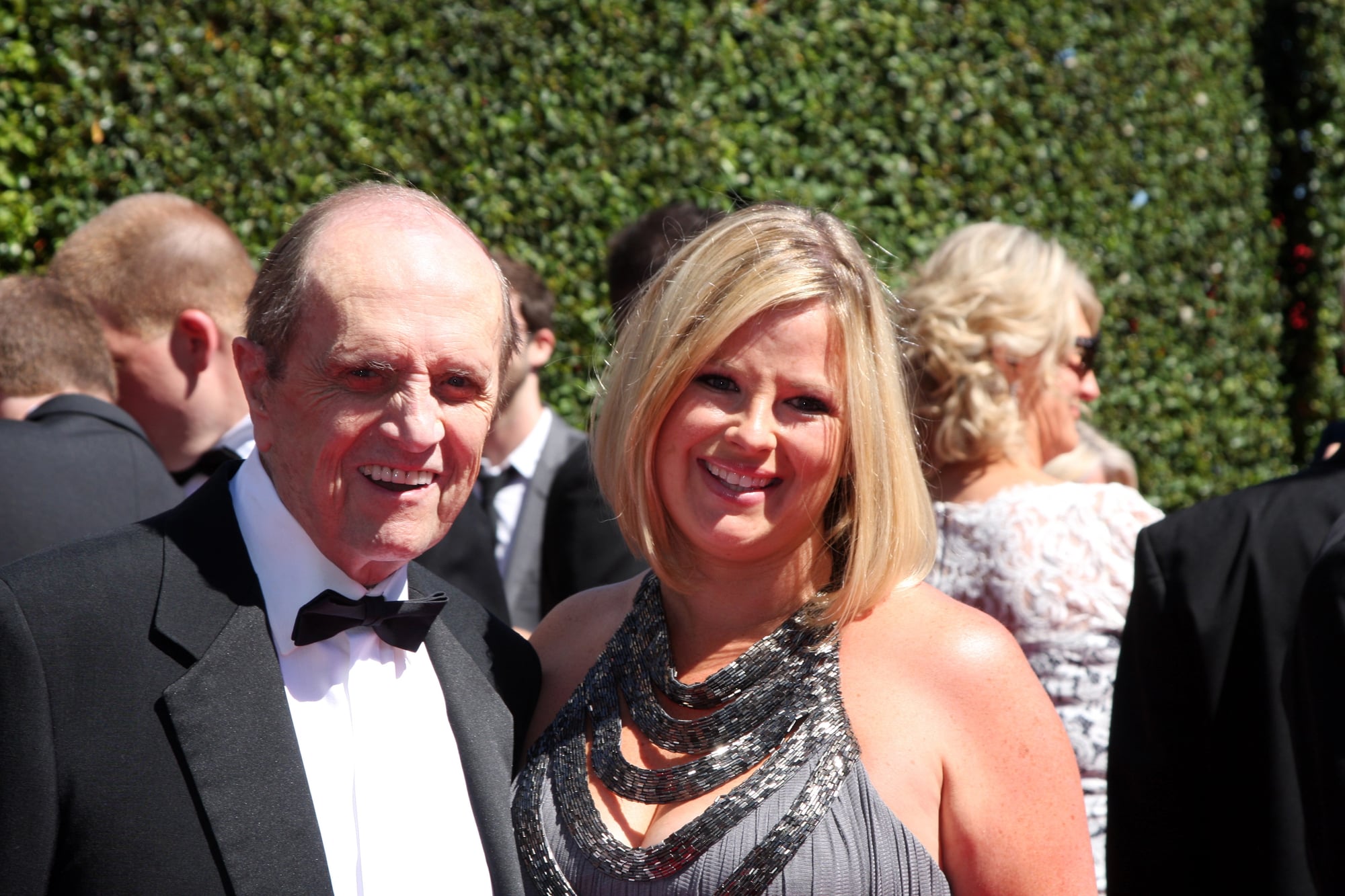
Bob Hartley’s work as a psychologist reflected growing acceptance of mental health treatment and therapy. The show predicted a future where seeking psychological help would become normalized rather than stigmatized.
Today, therapy is widely accepted, mental health awareness is mainstream, and the show’s portrayal of psychology as helpful rather than shameful was remarkably prescient.
Good Times

This groundbreaking sitcom dealt with poverty, unemployment, and the challenges of urban life in ways that were unprecedented for prime-time television. The show predicted ongoing struggles with economic inequality, the importance of family resilience, and the complex social issues that would continue to affect American communities.
Today’s conversations about systemic poverty and social justice echo many of the themes Good Times explored.
Welcome Back, Kotter
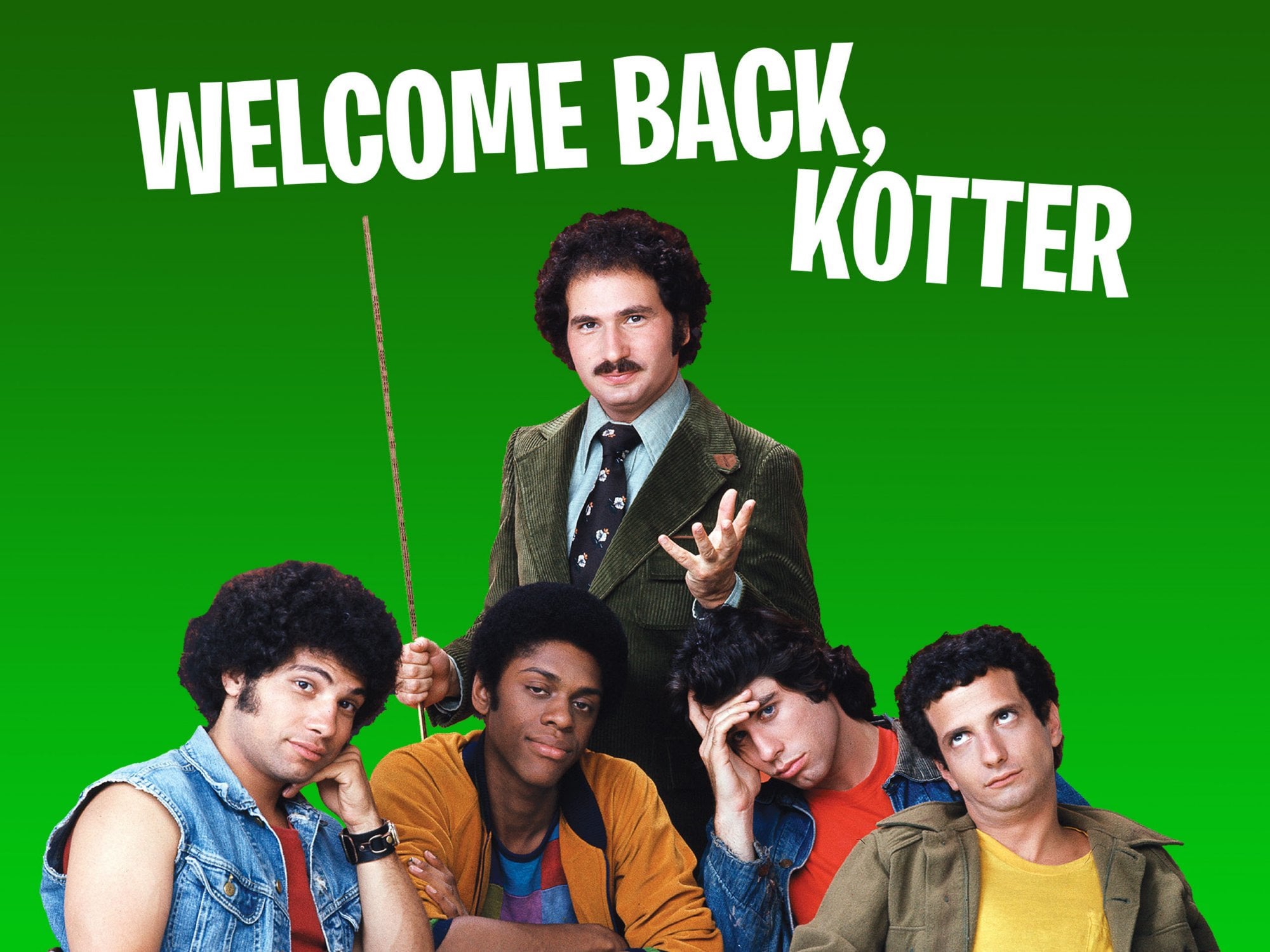
This show about an inner-city high school predicted the challenges that would face public education. The classroom depicted in the show—underfunded, overcrowded, and struggling with disciplinary issues—mirrors many of today’s urban schools.
The show’s portrayal of education as both crucial and chronically underfunded was remarkably accurate in predicting ongoing debates about school funding and reform.
The Odd Couple

Felix and Oscar’s living arrangement predicted the rise of non-traditional households and the flexibility of modern relationships. The show depicted two divorced men creating a functional, if chaotic, domestic partnership.
Today’s diverse family structures, including single-parent households, chosen families, and various cohabitation arrangements, reflect the show’s progressive view of what constitutes a family.
Wonder Woman
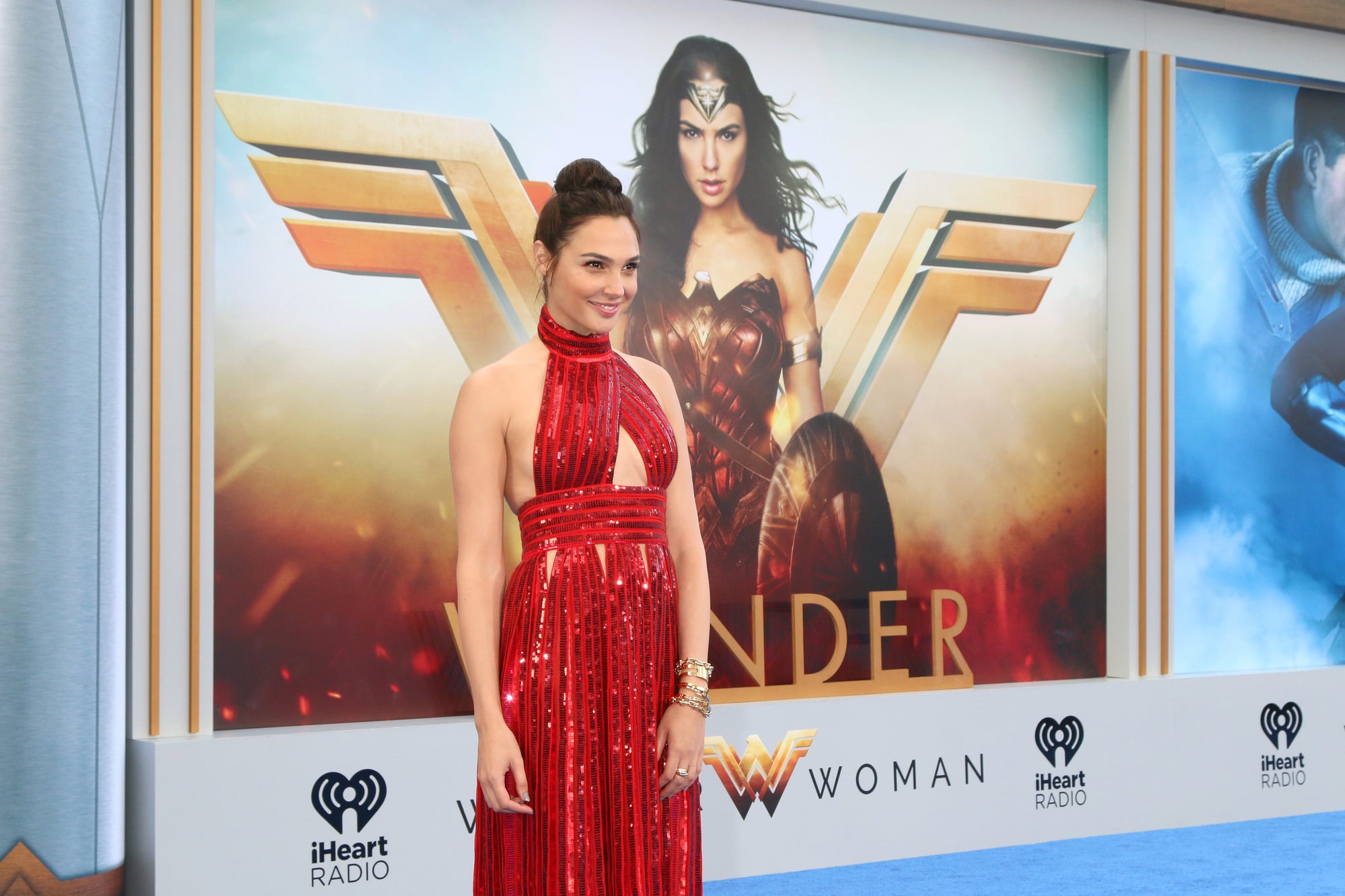
Diana Prince’s dual identity as both a professional woman and a superhero predicted the modern concept of women juggling multiple roles and identities. The show depicted a woman who could be both nurturing and powerful, professional and heroic.
Today’s discussions about work-life balance, women in leadership roles, and the expectation that women excel in multiple areas of life all echo themes Wonder Woman explored.
How Yesterday’s Fiction Became Today’s Reality

These shows didn’t just entertain audiences—they helped shape the cultural imagination that made today’s reality possible. By depicting alternative ways of living, working, and relating to each other, they planted seeds that would grow into the social changes we see today.
The writers and creators of these shows were essentially conducting thought experiments about what society could become, and in many cases, their wildest dreams have become our everyday experiences. It’s a reminder that television has always been more than just entertainment—it’s been a laboratory for testing ideas about who we are and who we might become.
More from Go2Tutors!

- The Romanov Crown Jewels and Their Tragic Fate
- 13 Historical Mysteries That Science Still Can’t Solve
- Famous Hoaxes That Fooled the World for Years
- 15 Child Stars with Tragic Adult Lives
- 16 Famous Jewelry Pieces in History
Like Go2Tutors’s content? Follow us on MSN.