Snacks From Childhood That Disappeared and Somehow Never Got Replaced
There’s a specific category of food grief that doesn’t have a proper name. It’s not about hunger.
It’s about reaching for something that exists perfectly clearly in your sensory memory — the crinkle of a specific wrapper, the fluorescent color of something that had no business being that color, the completely unreasonable sweetness of a drink that came in a squeeze bottle shaped like a barrel — and finding nothing there. The store has moved on.
The company dissolved it, discontinued it, or quietly replaced it with something that claims to be the same and demonstrably isn’t.
These weren’t just snacks. They were a specific flavor of after-school freedom, of Saturday morning cartoons, of lunchboxes opened with genuine anticipation.
The fact that they’re gone, and that nothing has adequately taken their place, says something about how little the food industry understands nostalgia — and how much the people who grew up eating them understand it perfectly.
Dunkaroos
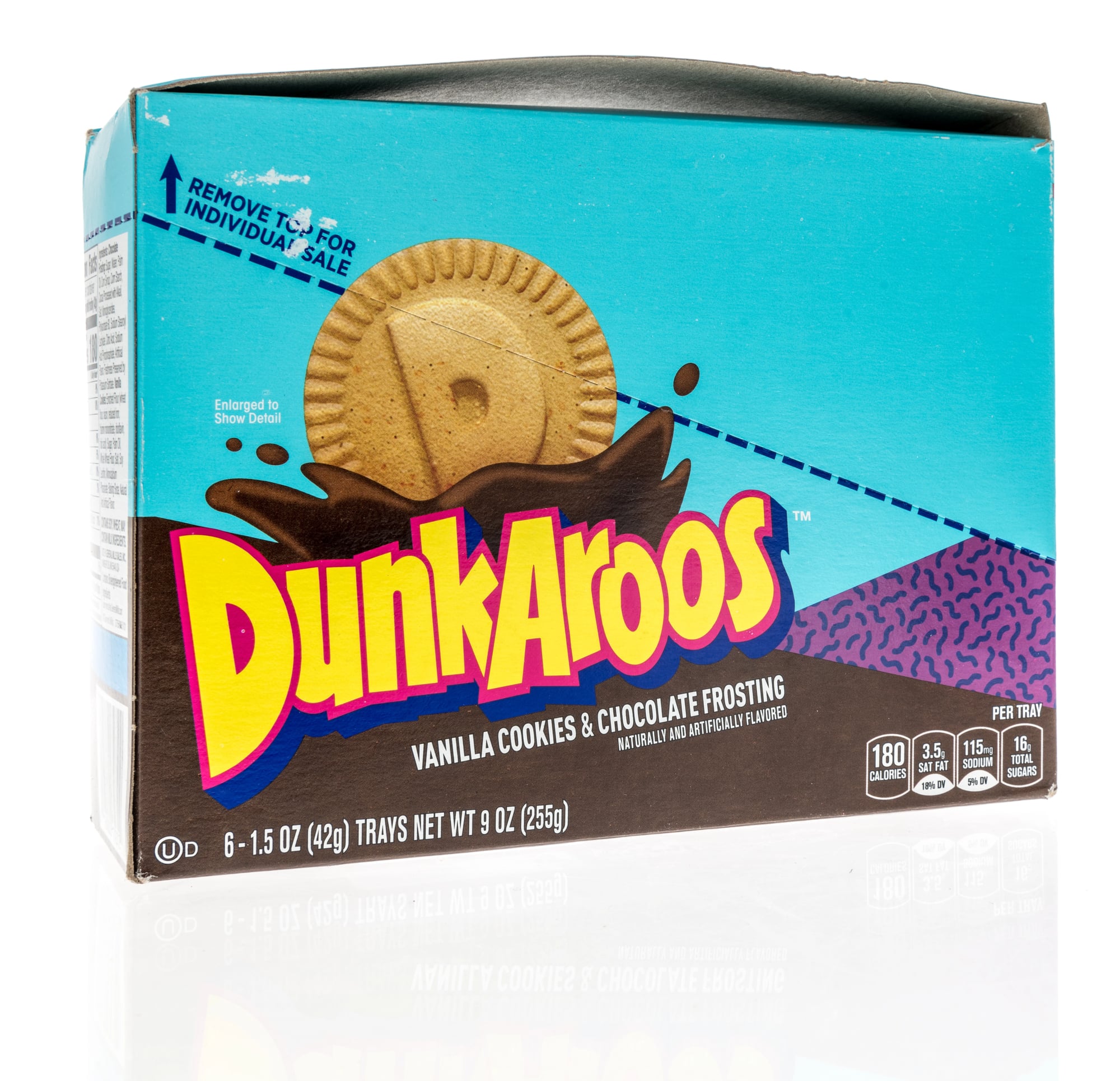
Launched by Betty Crocker in 1990 in Canada and the early 1990s in the US, Dunkaroos were small kangaroo-shaped graham cookies packaged alongside a tiny tub of frosting — vanilla, chocolate chip, funfetti — designed to be dunked in. They disappeared from US shelves in 2012.
When they returned in 2020, adults bought them with a ferocity that confirmed the deprivation had been real. The specific genius of Dunkaroos was that the frosting-to-cookie ratio was controlled by the child doing the dunking, which created a form of snack autonomy that resonated deeply with eight-year-olds who otherwise controlled very little.
Hi-C Ecto Cooler
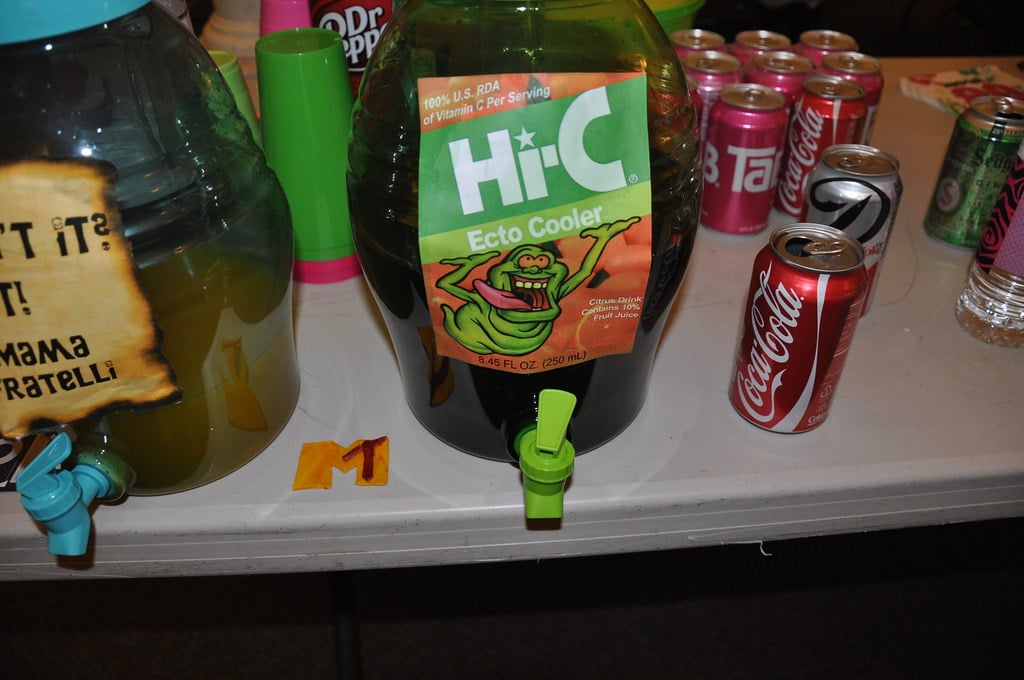
Hi-C launched its Citrus Cooler drink in the 1960s, but it became something culturally specific when it was rebranded in 1987 as Ecto Cooler, featuring Slimer from The Real Ghostbusters on the packaging and turning the drink neon green. The flavor was a blend of orange and tangerine, though the dominant sensory memory of anyone who drank it is the color — an aggressively artificial green that left absolutely no doubt about what you were consuming.
Ecto Cooler survived the end of the cartoon’s popularity and was discontinued in 2001, briefly returning in 2016 for the Ghostbusters reboot. It is currently unavailable and its absence is frequently litigated in nostalgia forums.
Jell-O Pudding Pops
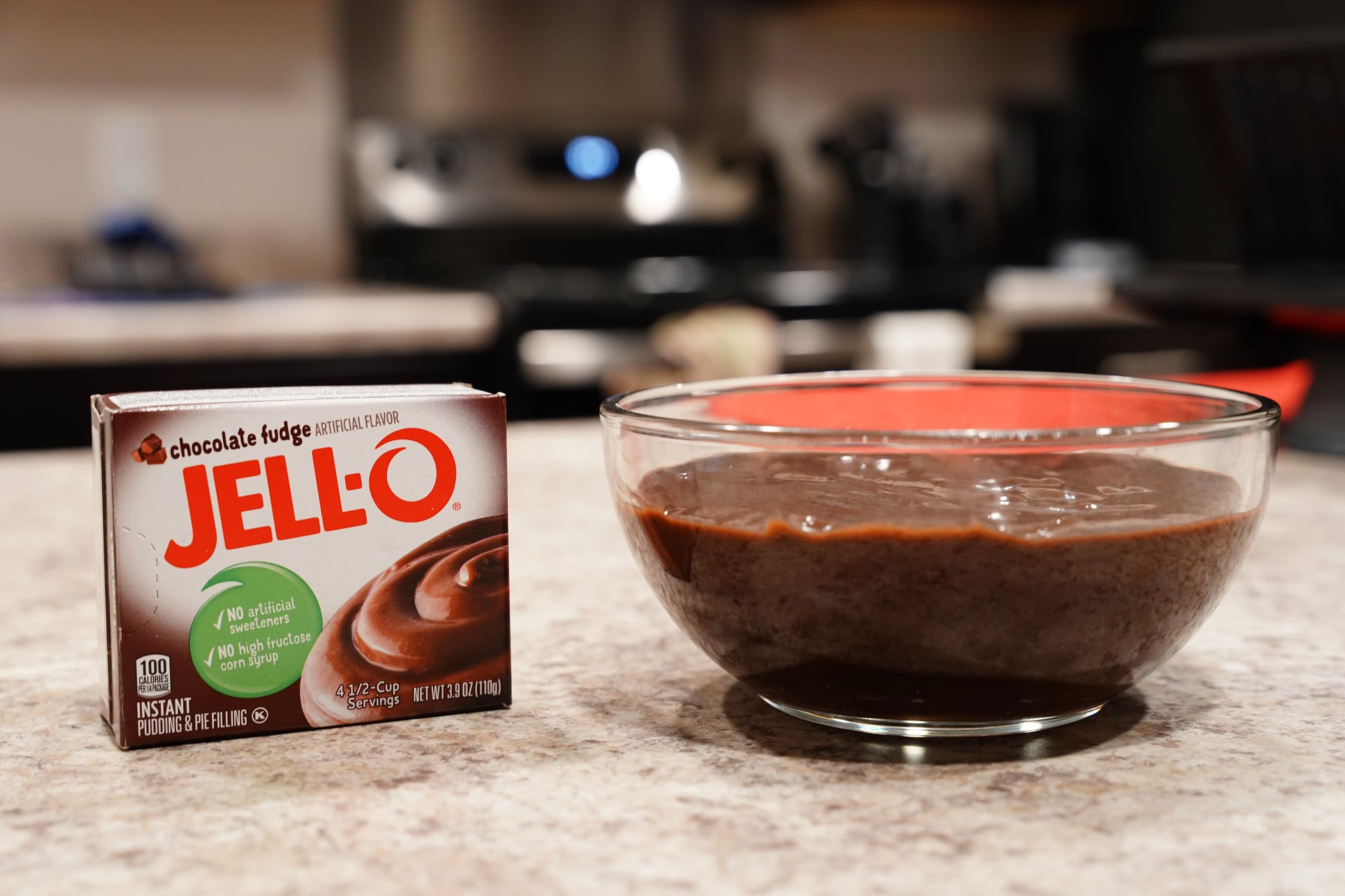
Jell-O Pudding Pops existed in the 1970s but hit their peak in the 1980s: frozen pudding on a stick, in flavors including chocolate, vanilla, and swirl. The texture was genuinely different from a standard ice pop — creamier, denser, melting differently in the mouth — and the distinction mattered.
General Foods licensed the brand to Popsicle, who produced a version that was not the same. Pudding Pops officially disappeared from freezer sections in the late 1990s.
Kraft Heinz maintains a DIY recipe on their website, which is the culinary equivalent of handing someone the blueprint for a demolished building and suggesting they build their own.
Planters Cheezballs
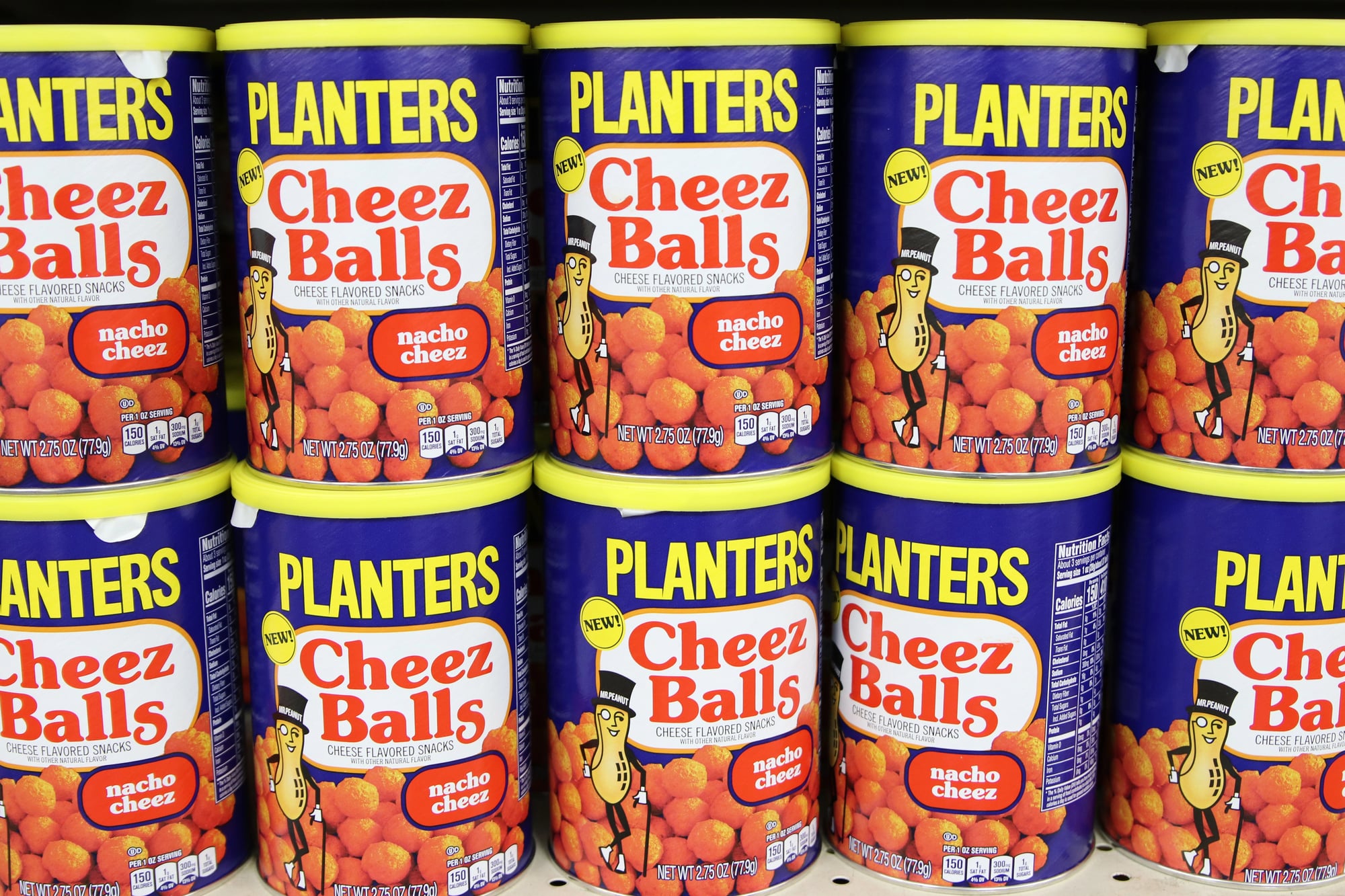
Launched in 1981, Planters Cheezballs came in a canister with a foil tab that, when pulled, produced a specific sound and an immediate release of cheese-flavored air that was part of the ritual. The puffed corn spheres inside were airy enough to dissolve almost immediately on contact with saliva, which made them difficult to stop eating by any conventional measure of portion control.
They were discontinued in 2006. In 2018, Planters reissued them in response to fan demand, announcing the return with Melanie Huet of Planters’ brand team confirming that the taste, texture, and fluorescent color had been preserved.
Whether the reissued version is truly the same remains genuinely contested.
Surge
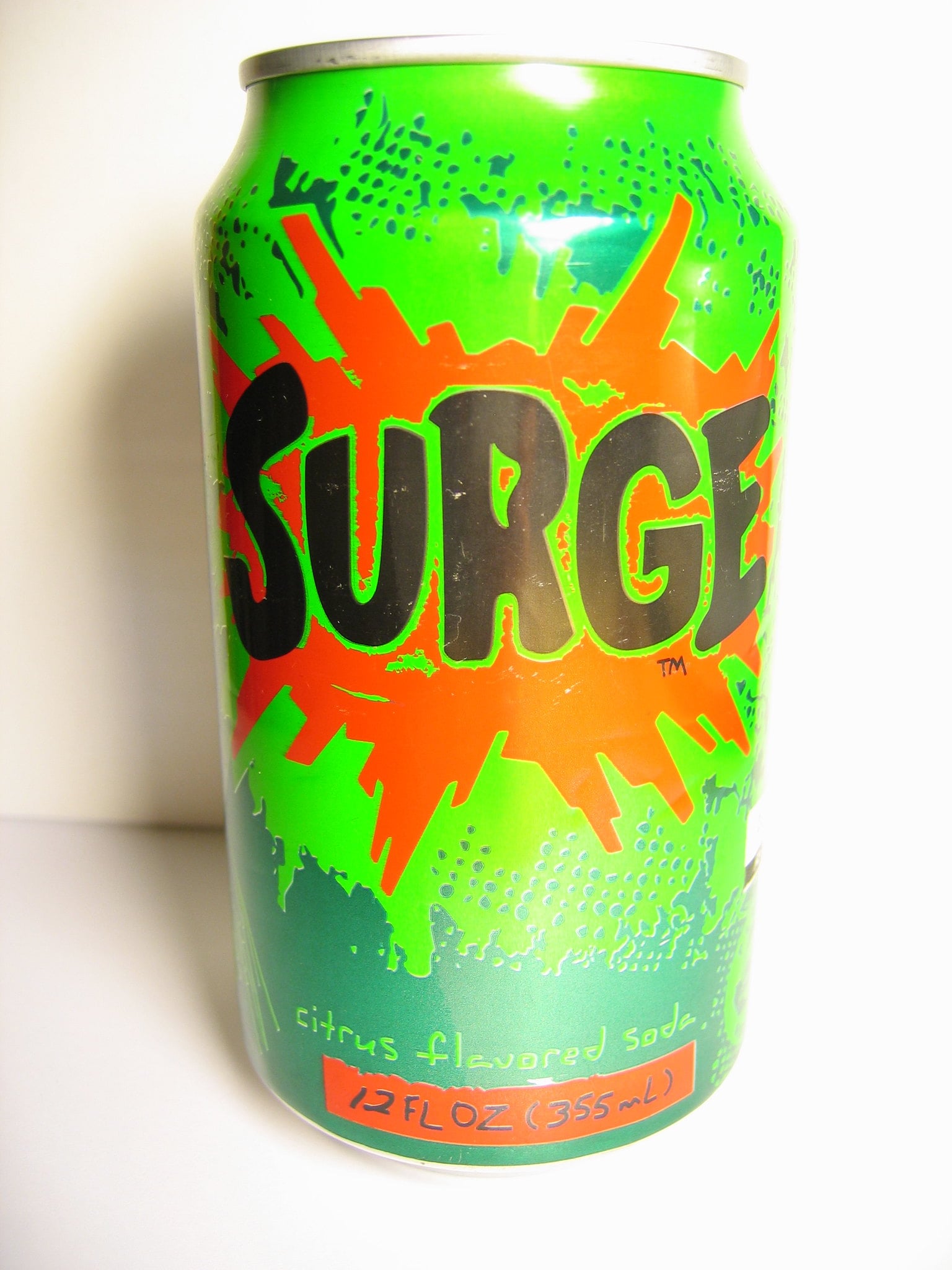
Coca-Cola launched Surge in 1996 as a direct response to Mountain Dew — a citrus-flavored, heavily caffeinated soda in a can designed to look like it was made for extreme sports. The color was an aggressive yellow-green.
The marketing leaned into the aesthetic of the mid-1990s with a precision that now reads as both perfect and ridiculous. Surge was discontinued in 2003 due to declining sales.
A dedicated fan base called Surge Movement organized an eight-year campaign to bring it back, eventually succeeding in 2014 when Coca-Cola relaunched it online. It is currently available in limited distribution but not the omnipresent gas station staple it once was.
Crystal Pepsi
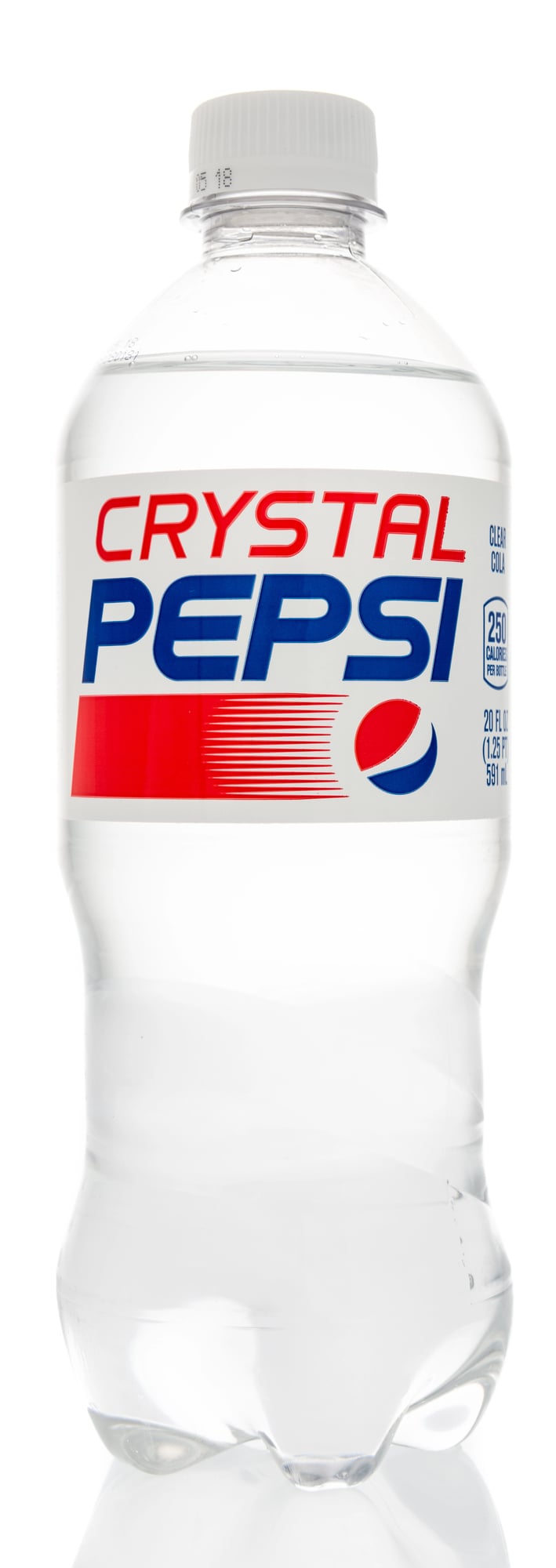
PepsiCo launched Crystal Pepsi in 1992 as part of a broader “clear” trend in consumer products — a transparent cola with the same cola flavor but no caramel coloring. The concept was that clear meant pure.
The flavor was not quite right to people who expected cola to taste like cola, and the uncanny valley of drinking something that looked like water but didn’t taste like it proved too much to overcome. Crystal Pepsi was pulled from shelves by 1994 — a commercial run of roughly two years that has generated disproportionately more nostalgia than any two-year product probably deserves.
Saturday Night Live parodied it with a “Crystal Clear Gravy” sketch during its peak.
Butterfinger BBs
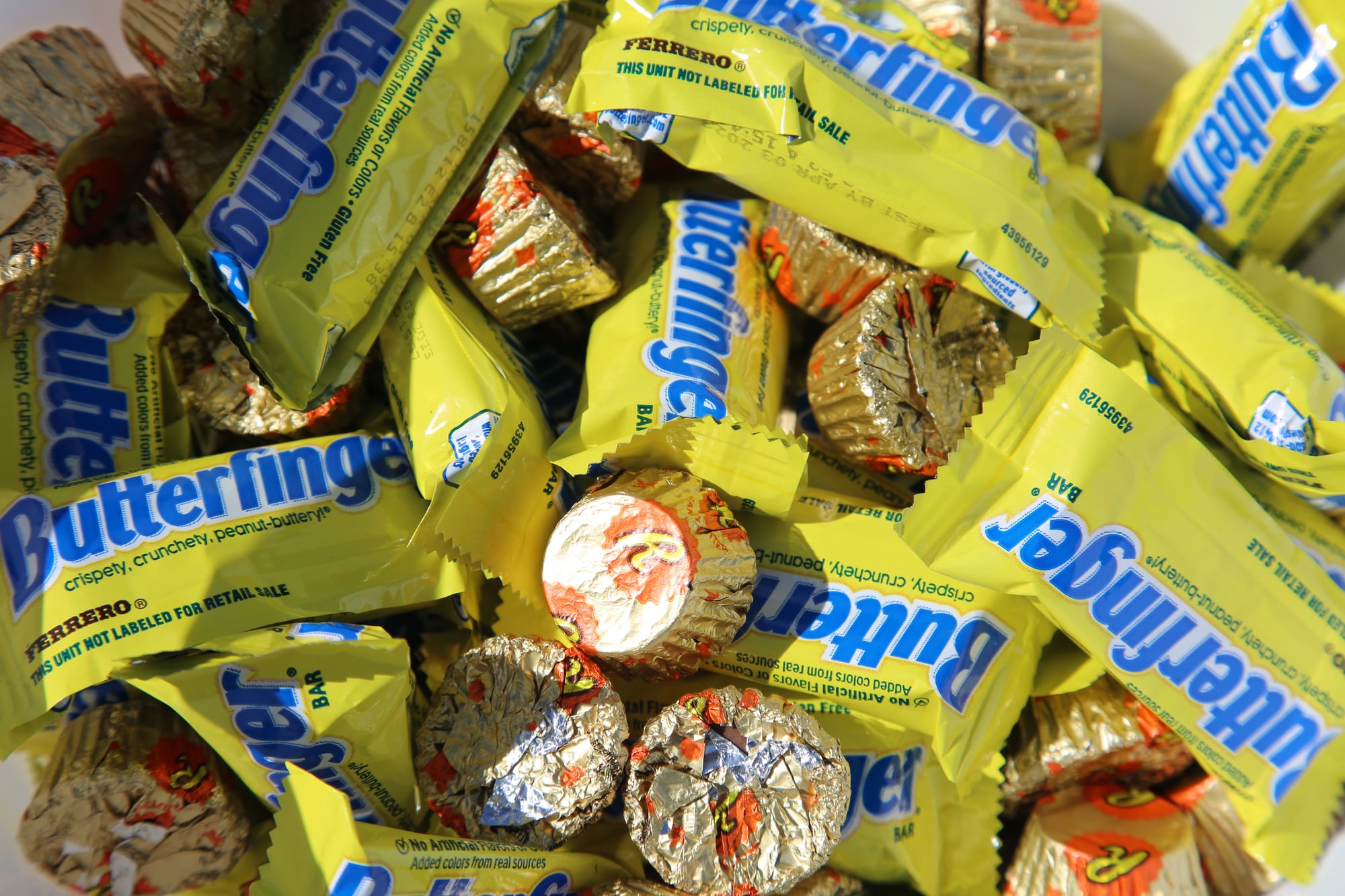
Introduced in 1992, Butterfinger BBs were small, round versions of the standard Butterfinger bar — the same crisp peanut butter interior and chocolate exterior, in a size that made them easy to eat by the handful, one after another, until the bag was gone. The Simpsons were central to the Butterfinger marketing of the era, and the phrase “nobody better lay a finger on my Butterfinger” appeared in advertisements that the original BB ads extended.
They were discontinued in 2006. Current Butterfinger Bites exist as a replacement, but the active online petition demanding the return of the BBs specifically suggests that the replacement is not considered equivalent.
Fruitopia
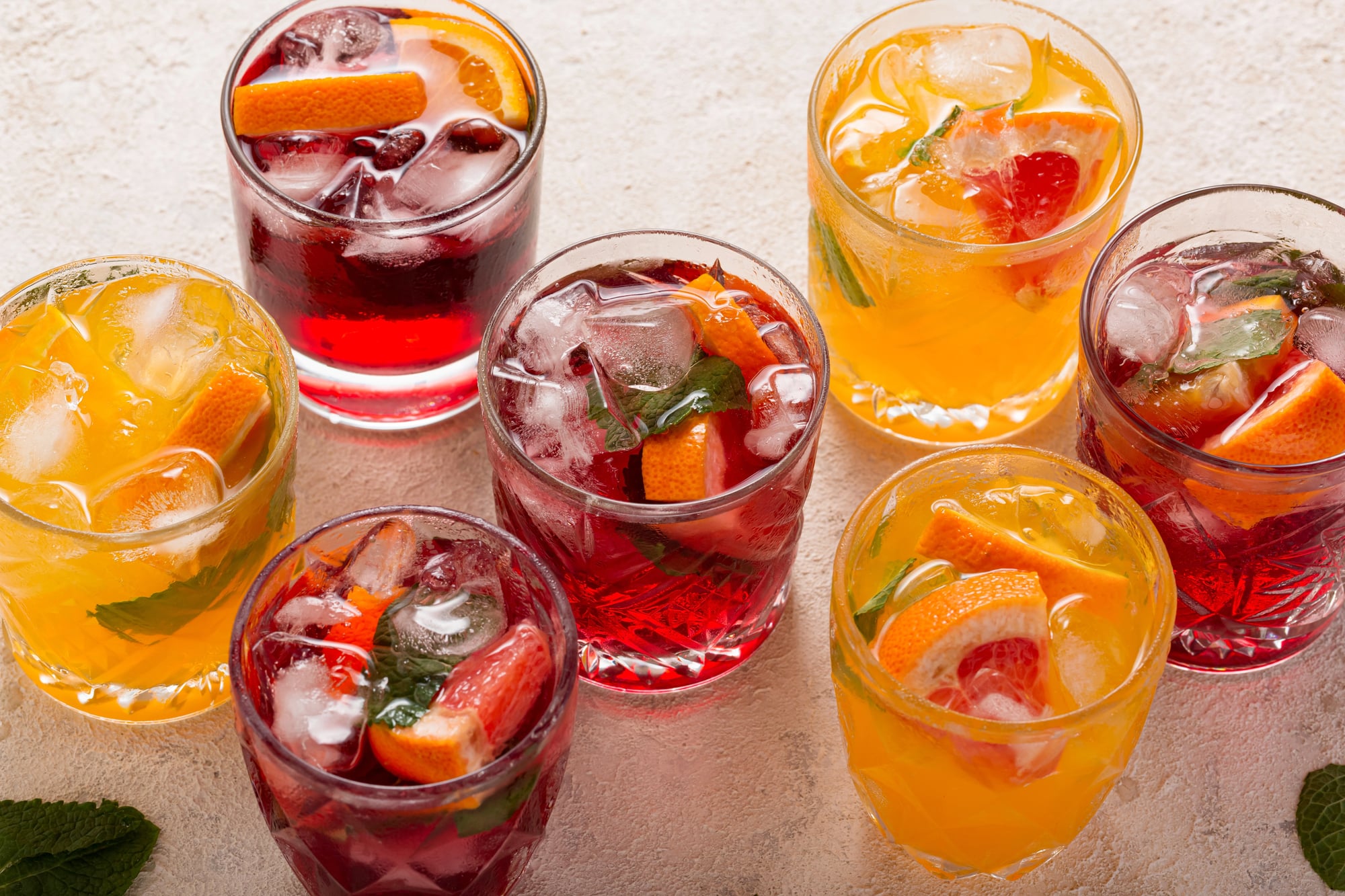
Fruitopia was launched by Coca-Cola in 1994 as a competitor to Snapple during the height of the “New Age beverage” trend — fruit-flavored drinks with names that sounded like they came from a philosophy reading list: Citrus Consciousness, Strawberry Passion Awareness, Tangerine Wavelength. The packaging was covered in swirling psychedelic designs.
The drinks were sweet, the flavors were vivid, and the overall aesthetic was so thoroughly mid-1990s that looking at a bottle today functions as an involuntary time machine. Fruitopia was phased out in the US in 2003 as Coca-Cola refocused its energy drink portfolio.
Squeezit
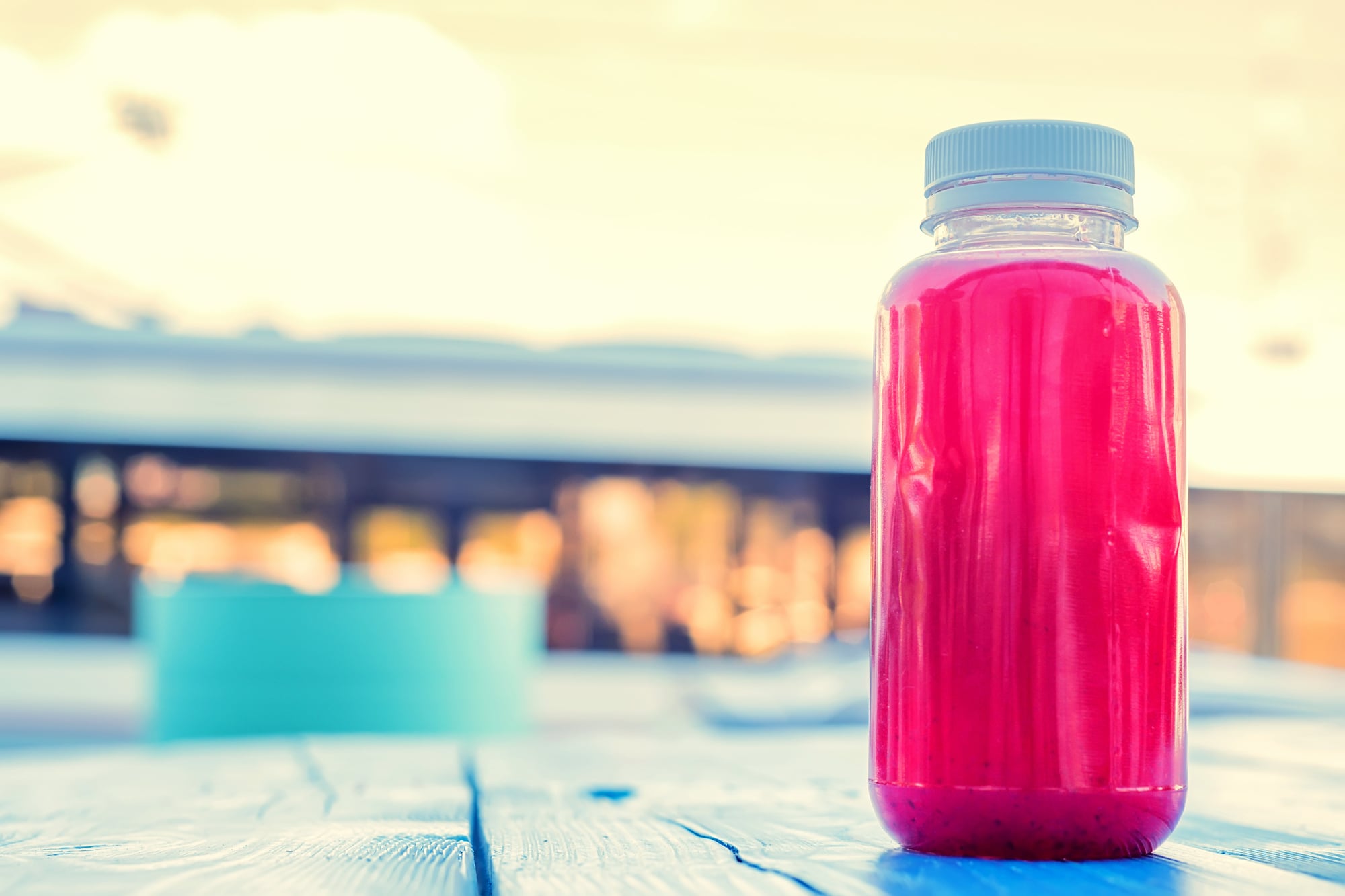
Squeezit was a small plastic bottle of fruit-flavored drink — the bottle had a distinctive shape with a narrow top designed to be squeezed — that came in flavors with names like Chucklin’ Cherry, Grumpy Grape, and Berry B. Wild. The physical act of squeezing the bottle to drink from it was integral to the experience; Squeezit was not simply a juice drink but an interactive one, which mattered more to the eight-year-old market than any flavor combination.
Squeezit disappeared from shelves in the mid-2000s. The closest modern equivalent — juice pouches — does not require squeezing and therefore generates no equivalent sense of agency.
Hubba Bubba Soda
For a brief window in the 1980s, Hubba Bubba — the bubble gum brand — produced a carbonated soda that tasted, by all accounts, like carbonated bubble gum. This sounds like a description of a terrible product.
The nostalgia for it is genuine. People who grew up drinking Hubba Bubba Soda remember it with the kind of unconditional affection that doesn’t particularly require the product to have been objectively good.
It disappeared quietly and was never formally replaced, because the concept of a soda that tasted like gum was always going to have a limited commercial window.
Shark Bites
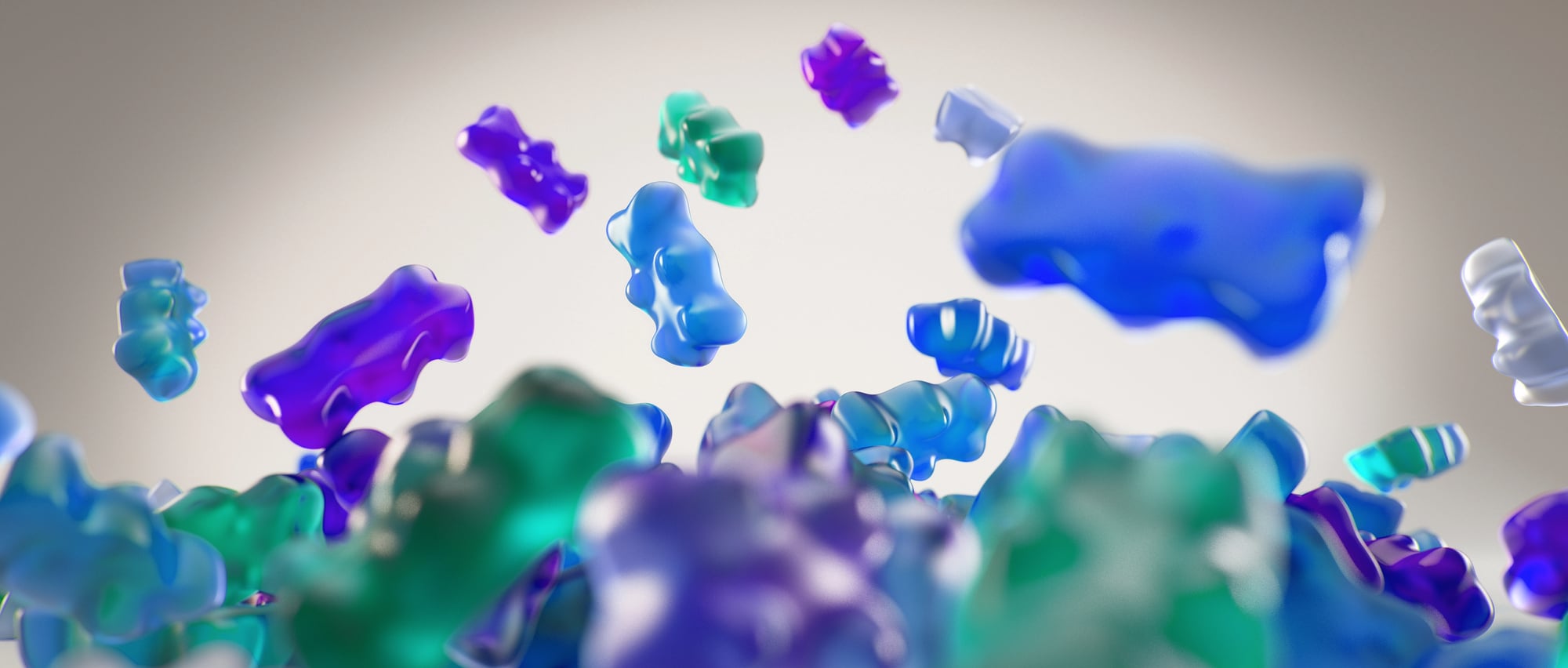
Shark Bites were fruit-flavored gummy snacks by Betty Crocker, shaped like sharks, and released in the 1980s. The distinguishing feature was the white shark — which appeared in lower quantities than the other colors and was therefore considered more valuable, traded in lunchrooms with the seriousness of a commodity exchange.
The white shark was white grape flavored, which was a flavor that appeared nowhere else in the regular rotation of children’s snacks and had a distinct taste that felt deliberately exclusive. Shark Bites quietly disappeared in the 2000s and were not formally mourned in the way some discontinuations are, which made the eventual realization that they were gone feel delayed and worse.
Planters P.B. Crisps
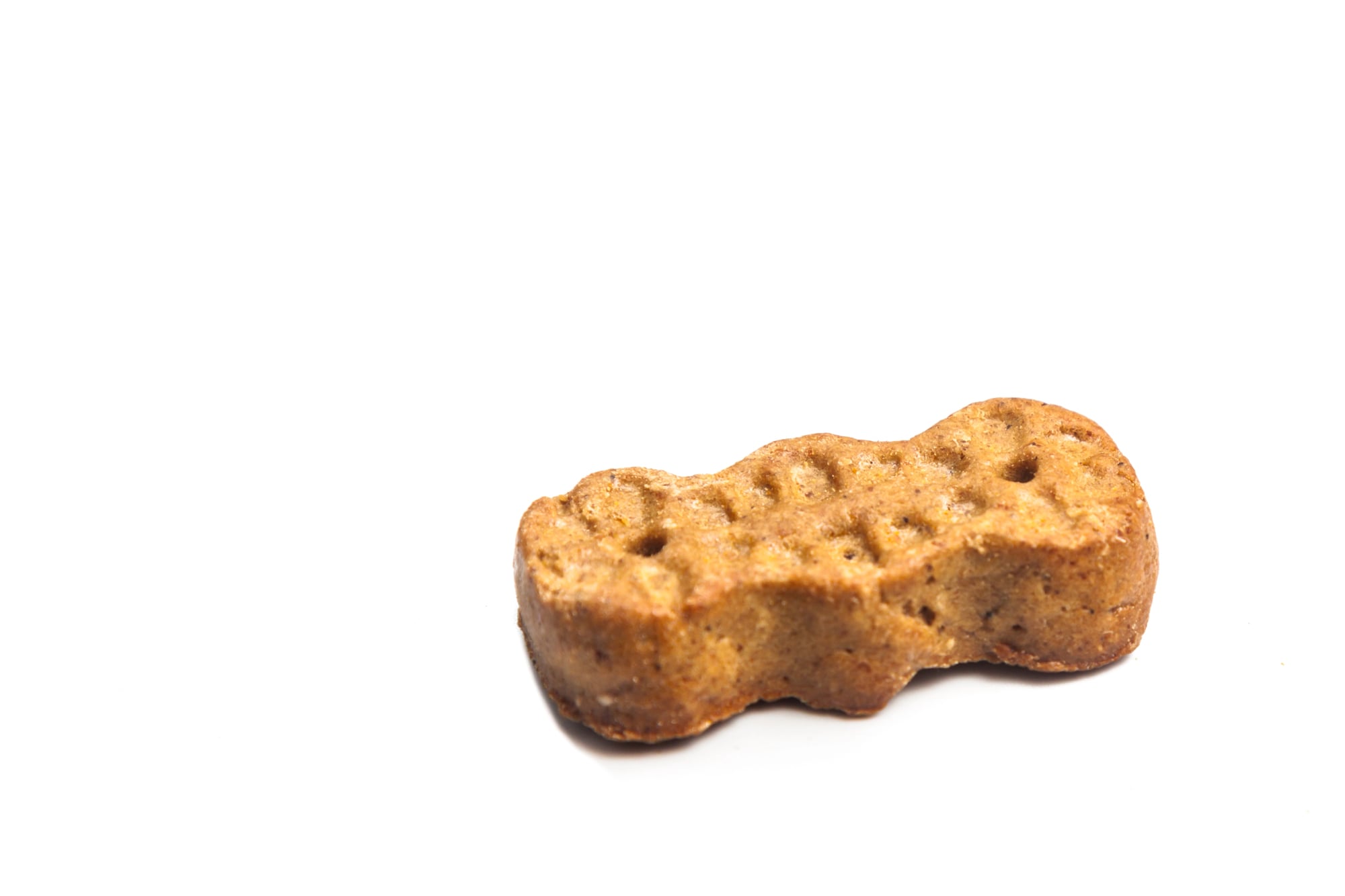
Launched in 1992, Planters P.B. Crisps were peanut-shaped cookies filled with peanut butter creme — a layered peanut experience that was simultaneously crunchy and creamy and came in variations including chocolate creme and a peanut butter-strawberry option. They had a brief run before disappearing in the mid-1990s, a casualty of a crowded snack aisle.
The active petitions requesting their return, which have persisted for decades, are evidence that the people who remember them remember them specifically and accurately, not as a general memory of something-peanut-butter-flavored but as this exact thing.
Nerds Cereal
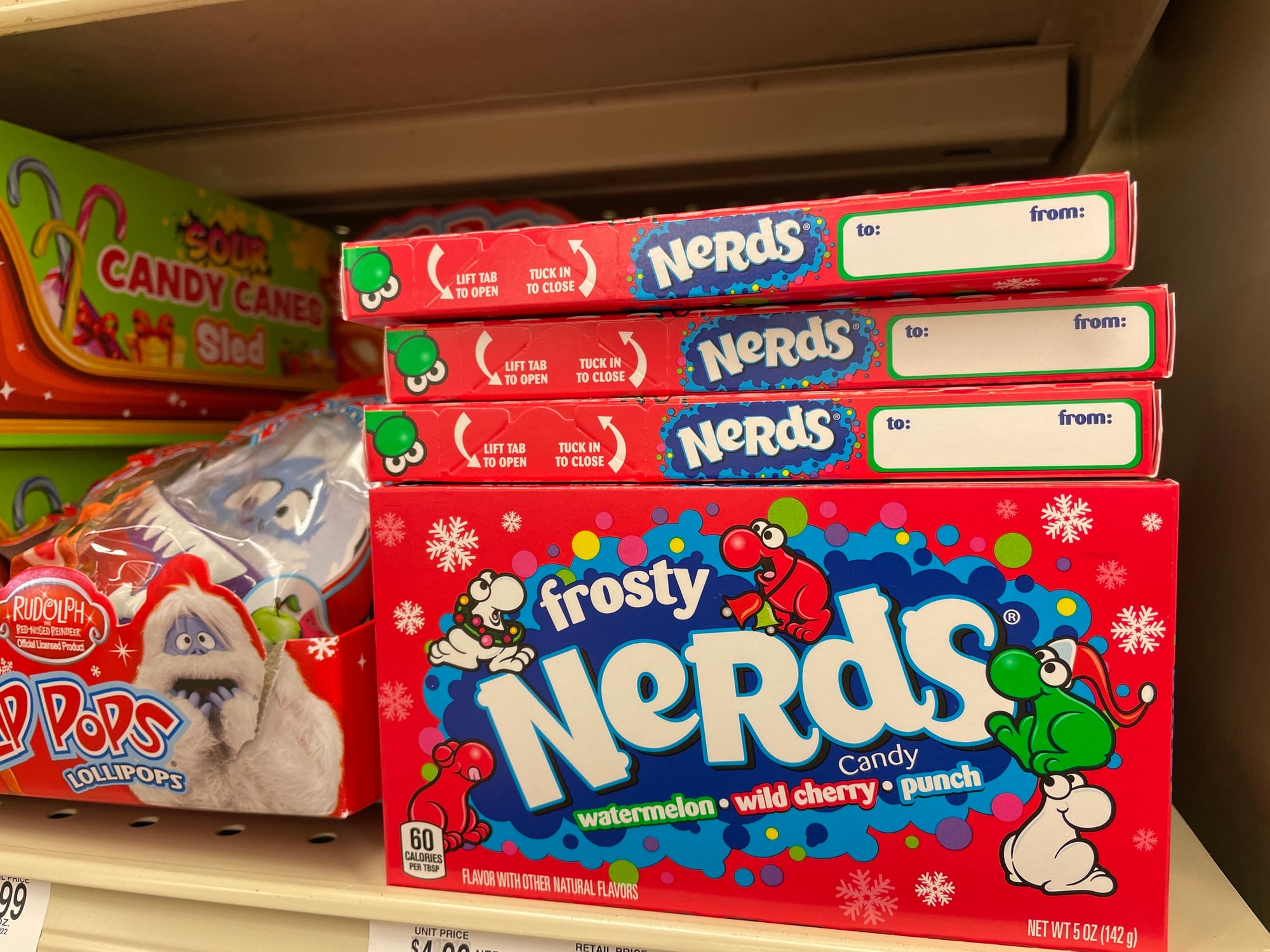
General Mills produced Nerds Cereal in the late 1980s, licensing the candy brand from Wonka/Nestle to produce a breakfast cereal that tasted like actual Nerds candy. The concept was straightforwardly successful with children and completely inconsistent with any nutritional framing.
It lasted several years before being discontinued, leaving a conceptual gap that no other candy-flavored cereal has precisely filled. The specific flavor of Nerds — that sharp, crystalline fruit tartness — is a flavor profile that breakfast cereal has never successfully re-entered.
Oreo O’s
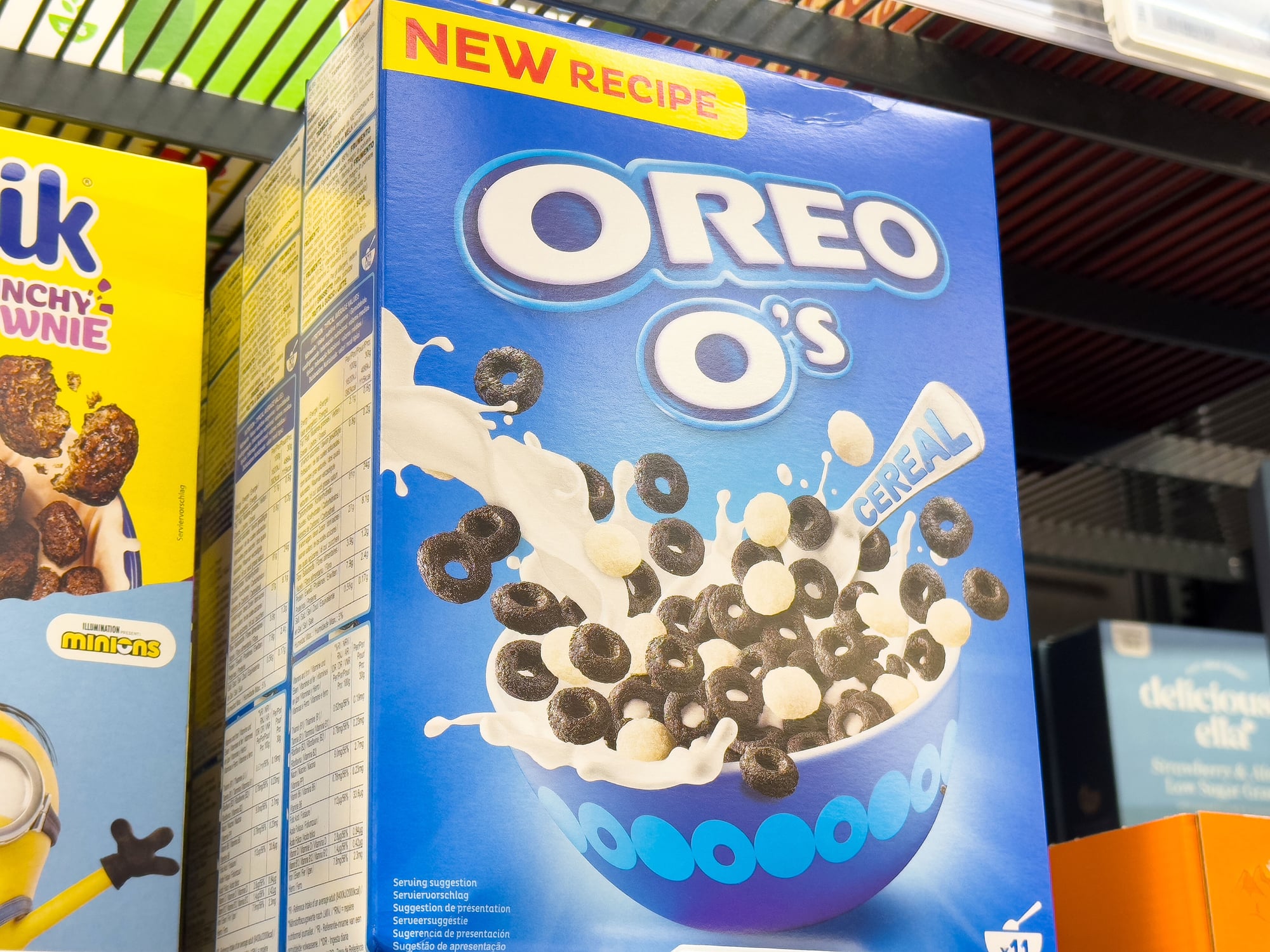
Oreo O’s were produced by Post Foods beginning in 1997 and tasted, with remarkable accuracy, like Oreo cookies in cereal form. They were discontinued in the US in 2007 when the licensing deal between Post and Nabisco ended.
This was the rare case of a discontinued snack whose discontinuation had a specific, documented, non-mysterious cause — a contract that wasn’t renewed — which somehow made it more frustrating rather than less. Oreo O’s continued to be sold in South Korea for years after the US discontinuation, which generated a small but committed import market.
Keebler Magic Middles
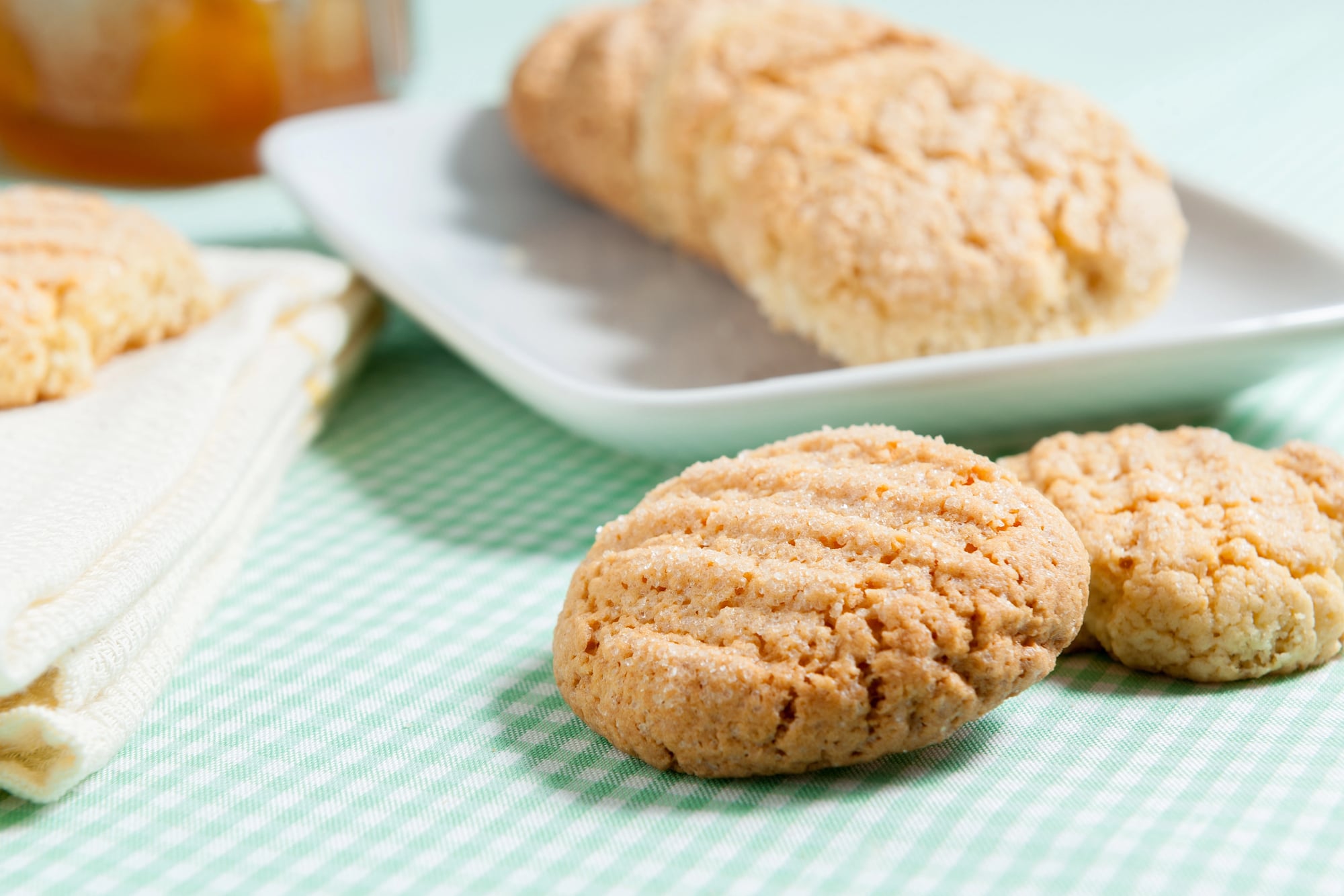
Keebler’s Magic Middles, introduced in the 1980s, were shortbread cookies with a pocket of fudge or peanut butter filling inside — the filling concealed entirely until you bit into the cookie, hence “magic.” The shortbread exterior was legitimate, not the spongy variety of other filled cookies, which gave the whole thing a quality that felt distinctly grown-up even though children were the primary audience.
They were discontinued in the 1990s, and the current Keebler line does not include anything structurally equivalent.
Jell-O 1-2-3
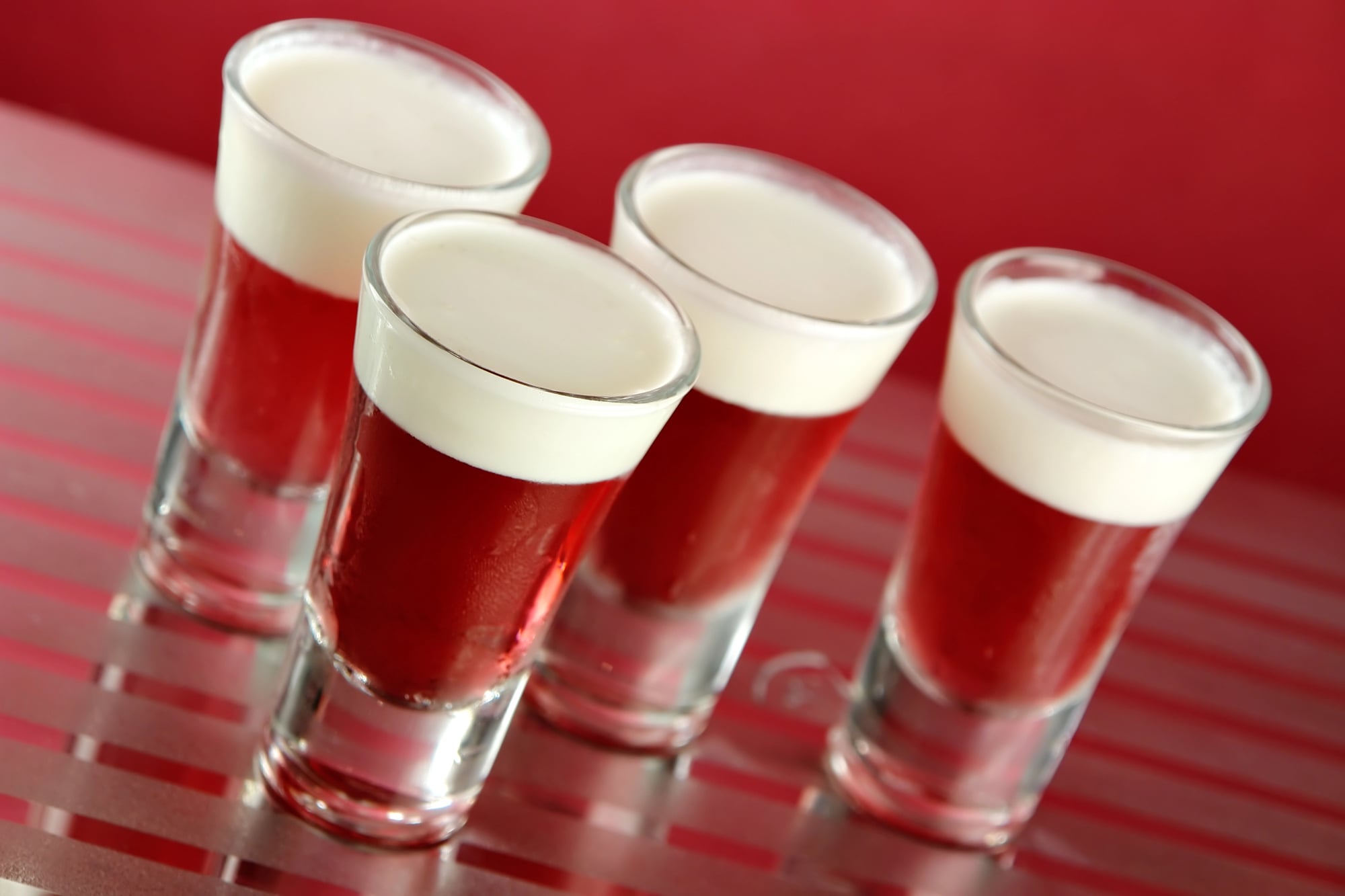
Jell-O 1-2-3 was a single packet of Jell-O that, when prepared, separated into three distinct layers during setting: a clear Jell-O layer, a middle mousse-like layer, and a dense creamy layer at the bottom. The layers formed through differences in density as the mixture cooled, which meant the visual result was genuinely surprising the first time you made it and still satisfying on subsequent attempts.
Available in strawberry, orange, and mixed berry, it was discontinued in the 1990s. Kraft Heinz provides a DIY version using separate products, but the single-packet simplicity was precisely the point.
The Part That’s Hard to Explain
The strange thing about food nostalgia is that it almost certainly involves some inaccuracy. Memory improves flavors over time.
The Dunkaroos of 1994 were probably fine rather than transcendent. The Ecto Cooler was orange-tangerine-flavored artificial drink mix.
The Pudding Pops were frozen pudding. Nothing on this list was objectively remarkable.
And yet the grief is real, because what’s actually being mourned isn’t the product — it’s the moment the product belonged to. The fluorescent color of a drink your parent handed you in the car.
The specific sound of a foil tab pulled back on a Cheezballs canister. The negotiation over who got the white shark.
Those moments existed, and they’re not coming back regardless of what appears on store shelves. The snack was just the anchor.
The memory is what’s missing.
More from Go2Tutors!

- The Romanov Crown Jewels and Their Tragic Fate
- 13 Historical Mysteries That Science Still Can’t Solve
- Famous Hoaxes That Fooled the World for Years
- 15 Child Stars with Tragic Adult Lives
- 16 Famous Jewelry Pieces in History
Like Go2Tutors’s content? Follow us on MSN.