Bunkers Built for the Super Rich
When most people think about preparing for emergencies, they might stock up on canned goods or buy a generator. The ultra-wealthy have taken things to an entirely different level.
They’re not just preparing for bad weather or power outages. These individuals are building massive underground fortresses designed to withstand almost any catastrophe imaginable, from nuclear war to global pandemics.
The world of luxury bunkers has exploded over the past decade, turning survival shelters into five-star underground resorts. Let’s look at what the richest people on Earth are building beneath our feet.
The Rising Point In Kansas
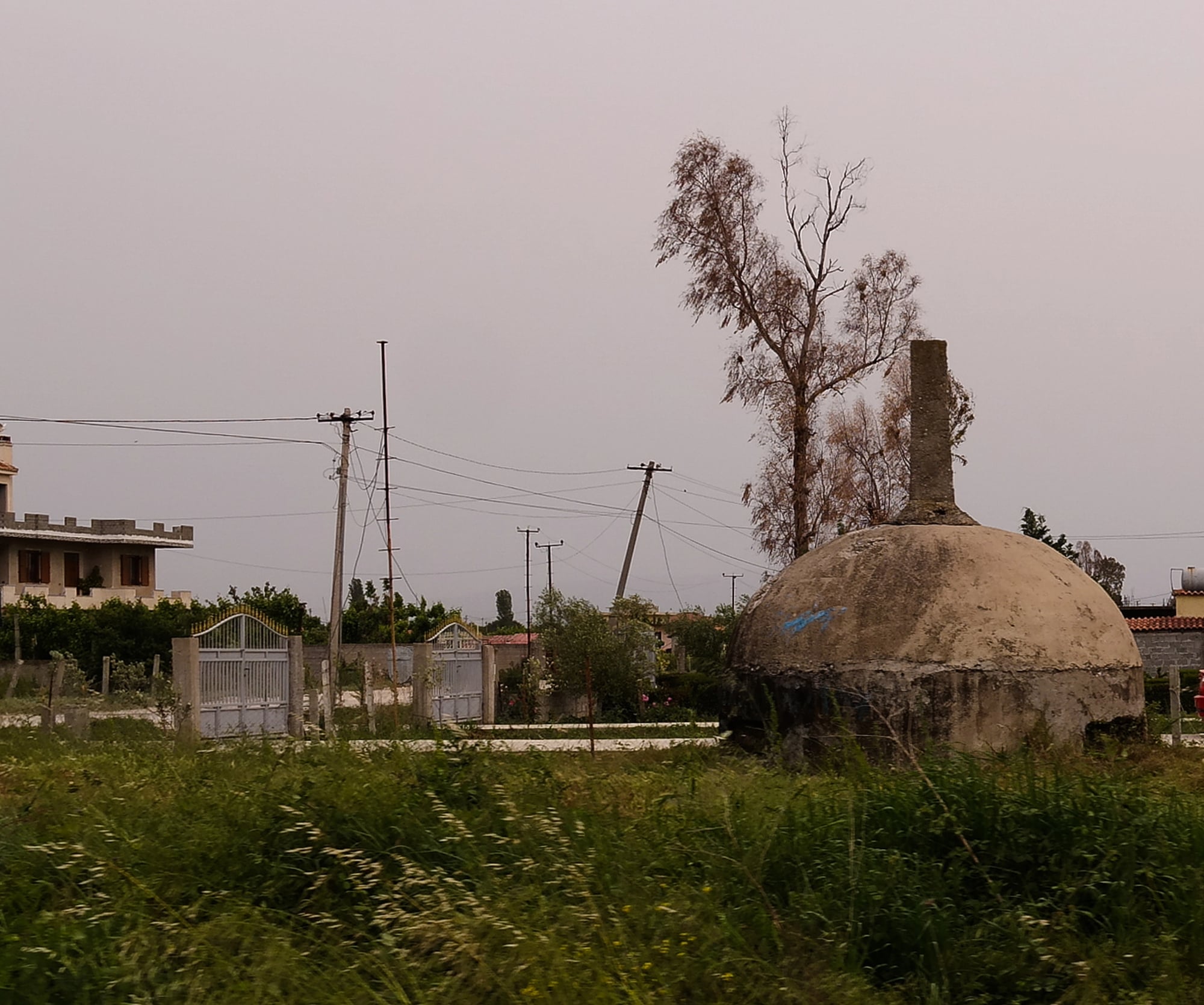
A former missile silo in Kansas has been transformed into one of the most sought-after survival complexes in America. The facility sits 15 stories underground and was originally built during the Cold War to house nuclear missiles.
Developer Larry Hall purchased the site and converted it into luxury condos that sell for millions of dollars each. The walls are nine feet thick and designed to withstand a direct nuclear strike.
Residents can live there for five years without ever surfacing, thanks to advanced air filtration systems and hydroponic gardens that grow fresh food year-round.
Vivos Europa One
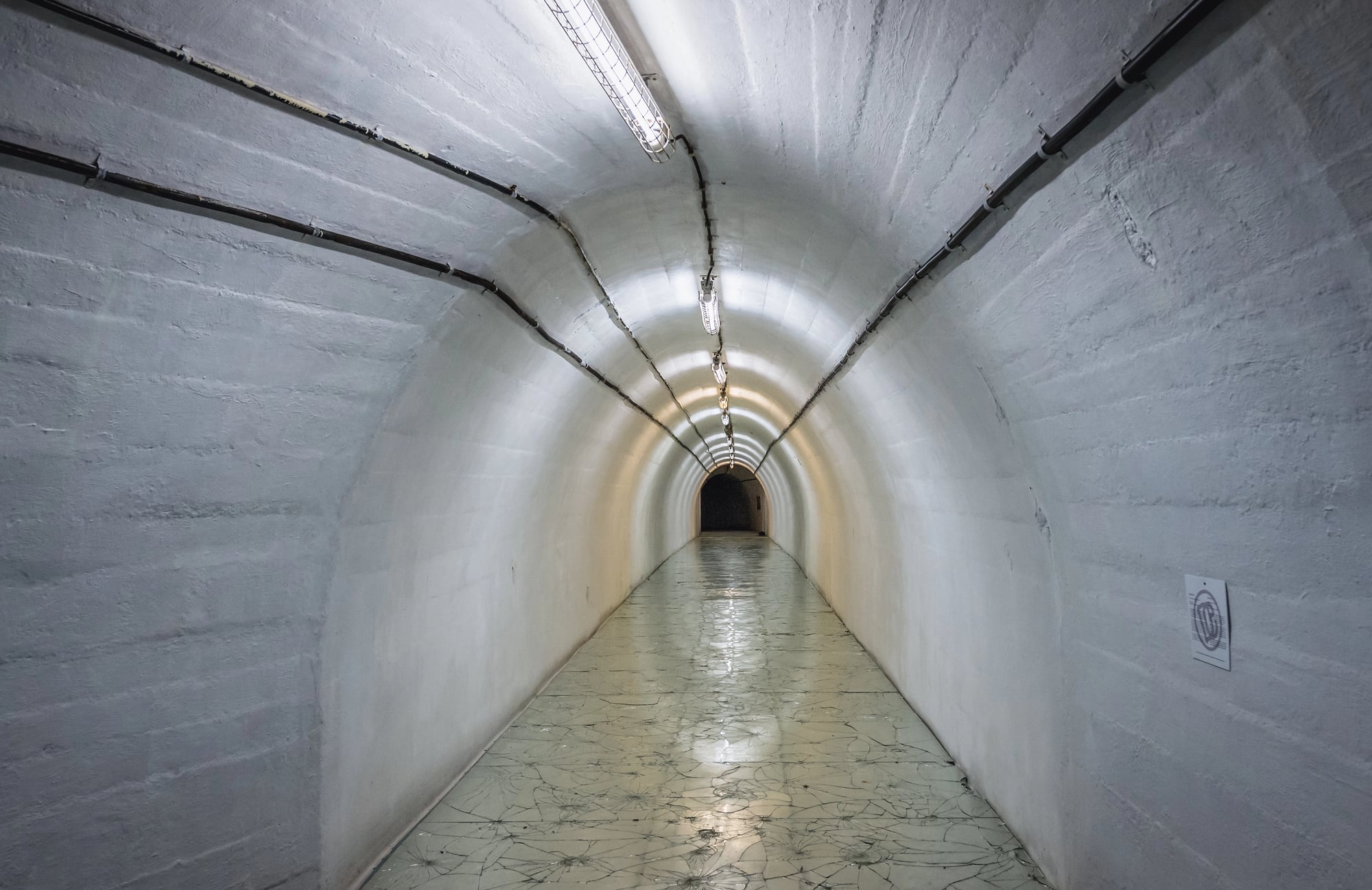
Deep in the mountains of Germany sits a Cold War relic that’s been reimagined as the ultimate retreat for wealthy families. Vivos Europa One was once a Soviet-era bunker and now offers private apartments carved into solid bedrock.
Each unit spans 2,500 square feet and comes with space for vehicles, supplies, and personal belongings. The bunker can accommodate hundreds of people and features its own power generation, water treatment, and even a medical facility with surgical capabilities.
The Oppidum In Czech Republic
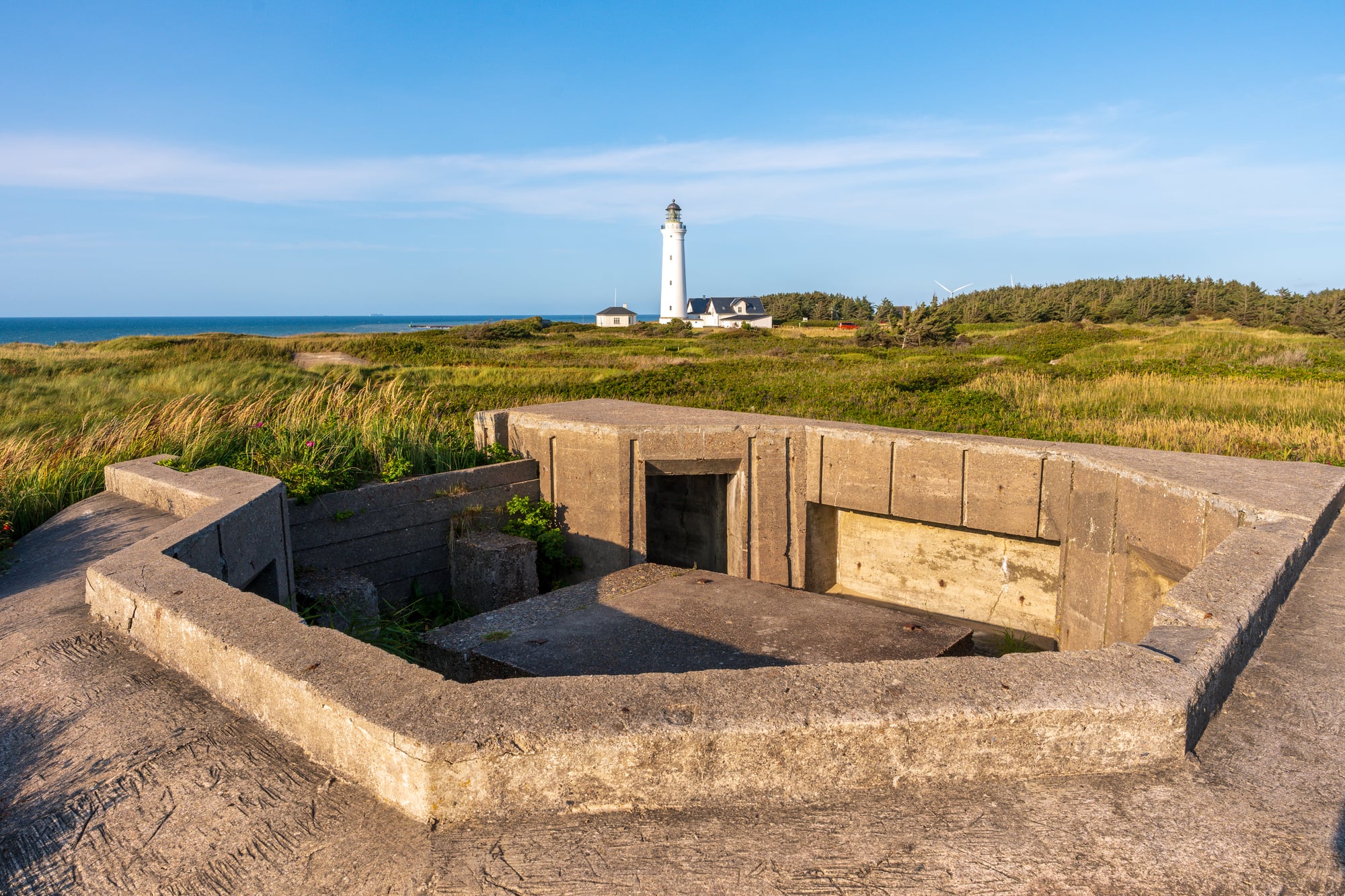
Billed as the largest private underground shelter in the world, this facility in the Czech Republic cost over $300 million to build. The Oppidum stretches across 323,000 square feet and includes everything from wine cellars to art galleries.
Its walls can withstand a close-range nuclear explosion, and the ventilation system filters out biological and chemical agents. The complex even has its own helipad on the surface for quick escapes, though once you’re inside, you might not want to leave given the luxury amenities.
Survival Condo Project Pools And Theaters
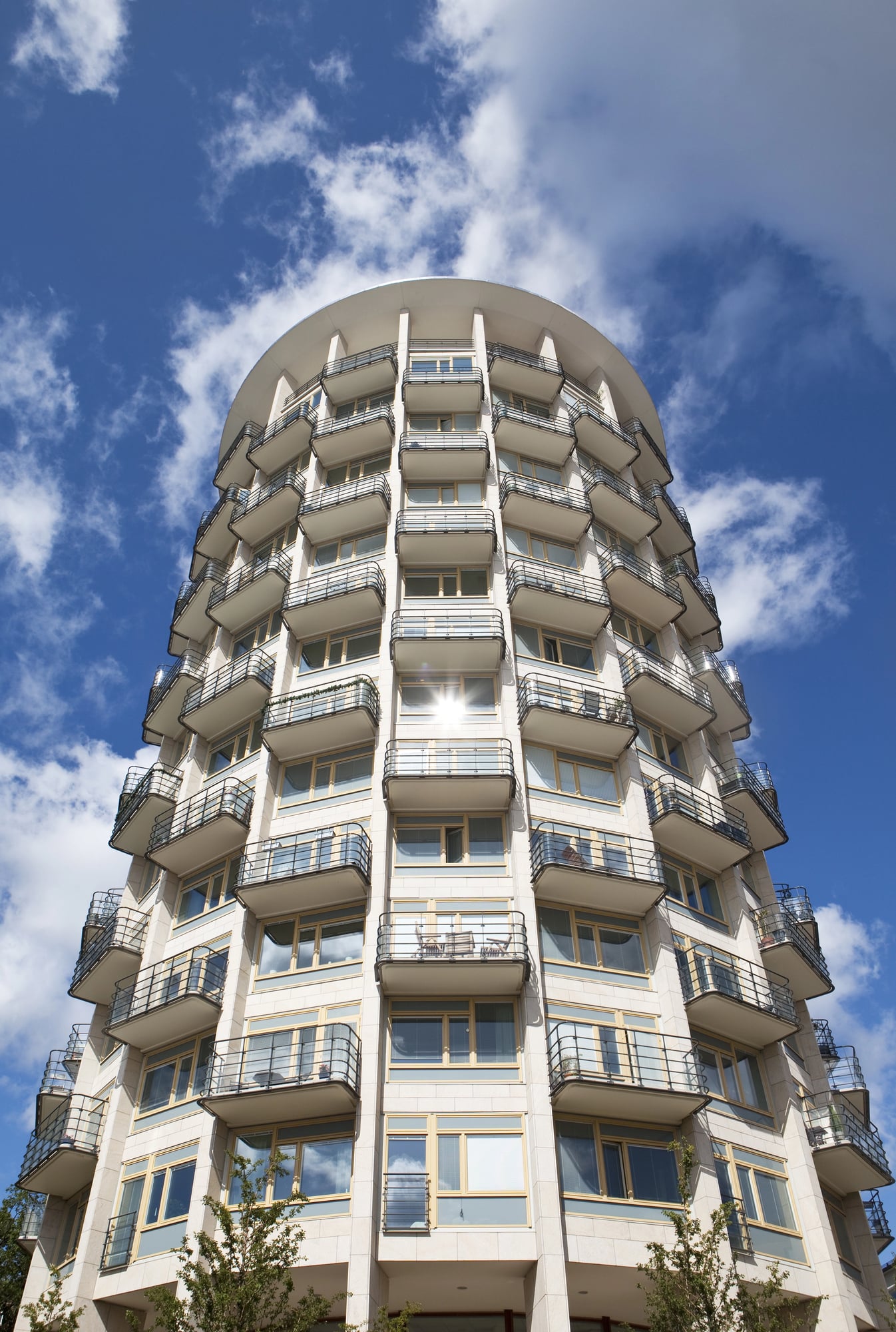
Larry Hall’s Kansas project didn’t stop at basic survival features. The converted missile silo includes a full-size indoor pool, a rock climbing wall, and a movie theater.
There’s also a library, a classroom for children, and even a bar and lounge area where residents can socialize. Each floor is designed to feel like a luxury apartment building, complete with LED screens that simulate windows looking out onto peaceful scenes.
The goal was to make people forget they’re living 200 feet below ground in a concrete tube.
Trident Lakes In Texas
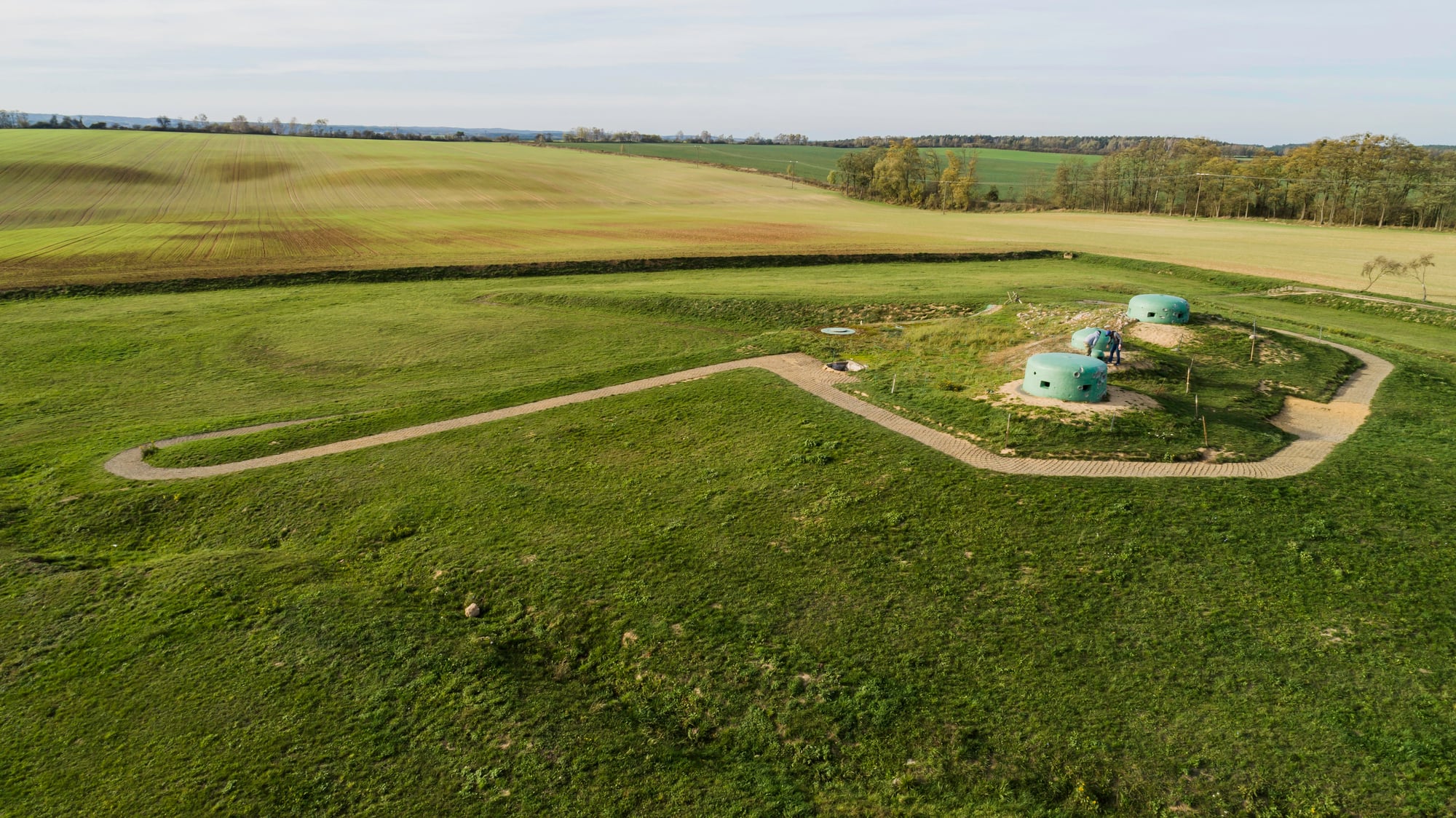
This 700-acre development in Texas markets itself as a survival community for the wealthy. Members pay up to $1 million for plots where they can build custom bunkers or buy pre-designed underground homes.
The community features above-ground amenities like an equestrian center, gun ranges, and a private airstrip. Underground, the shelters connect through a network of tunnels that lead to communal areas including a greenhouse and community center.
New Zealand’s Bolt Pits
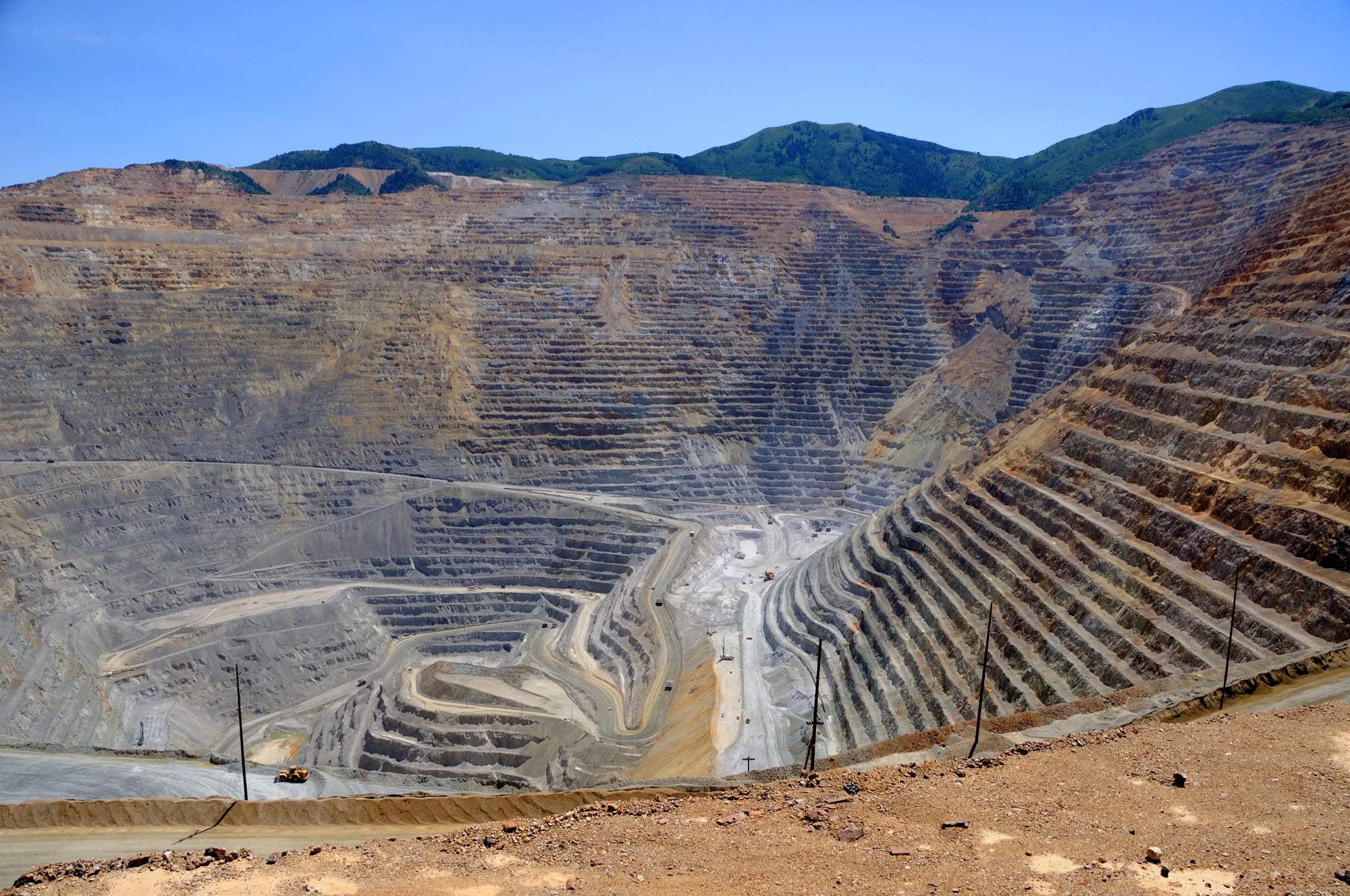
Silicon Valley billionaires have been quietly buying up property in New Zealand for years, viewing it as the ideal escape location. The country is geographically isolated, politically stable, and has abundant natural resources.
Tech entrepreneurs like Peter Thiel have purchased large estates there and many have built or planned underground bunkers on their properties. New Zealand’s government even created a special visa category that essentially allows wealthy foreigners to buy their way into residency.
Underground Pool Systems
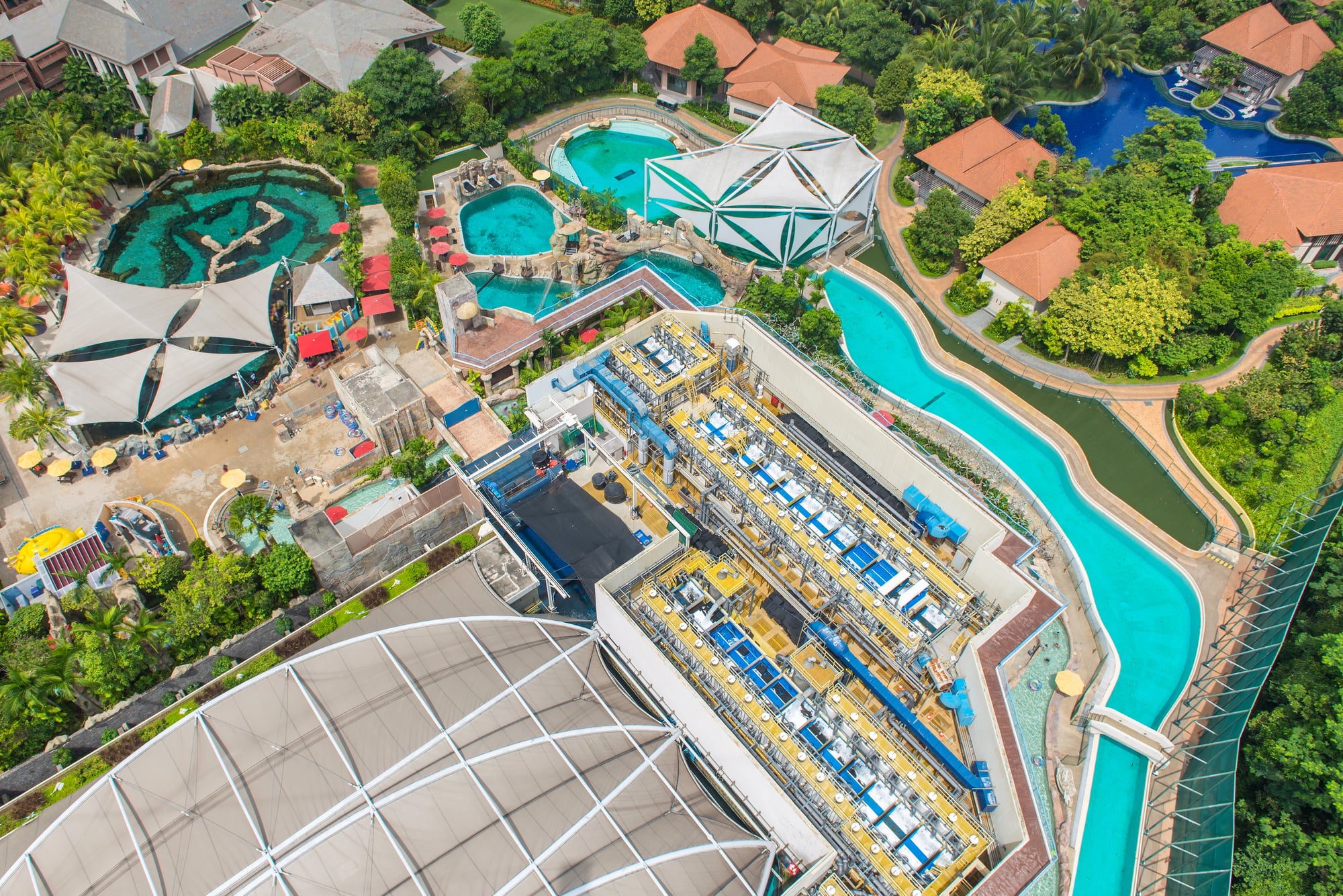
Many luxury bunkers now feature sophisticated water recreation areas that rival above-ground resorts. These aren’t just simple swimming pools.
Some include current generators that let residents swim laps indefinitely, while others have adjustable depth floors that can transform the space from a shallow wading area to a deep diving pool. The water is filtered and recycled through advanced purification systems that can operate for decades without outside input.
Blast Doors That Cost More Than Houses
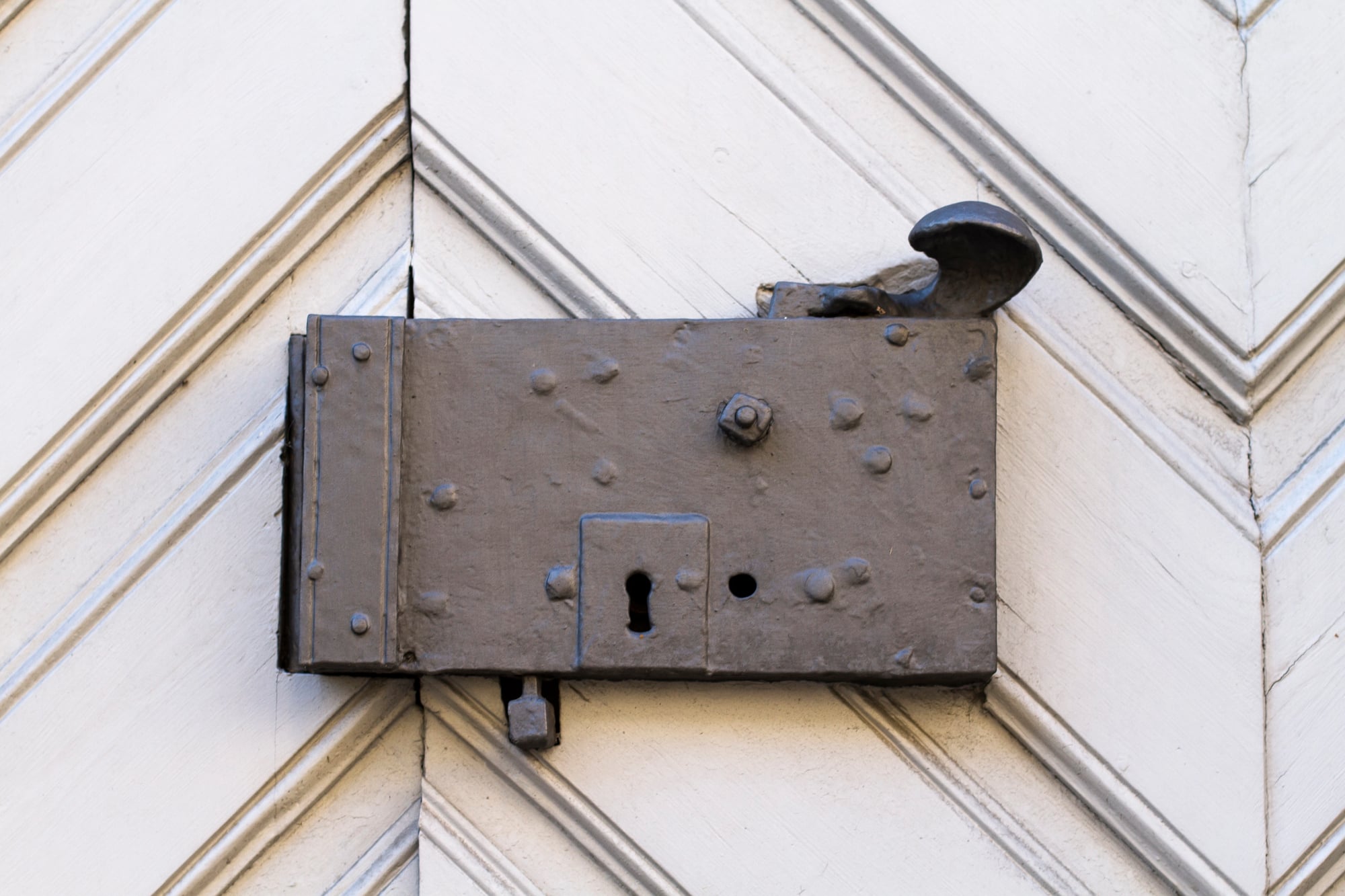
The entrance to these facilities often costs more than an average American home. Custom blast doors weigh up to 16 tons and use hydraulic systems to open and close smoothly despite their massive weight.
They’re designed to seal so tightly that air, water, and radiation can’t penetrate. Some doors feature biometric scanners, keypads, and manual override systems in case of power failure.
The installation process alone can take weeks and requires specialized equipment.
Air Filtration Worthy Of Space Stations
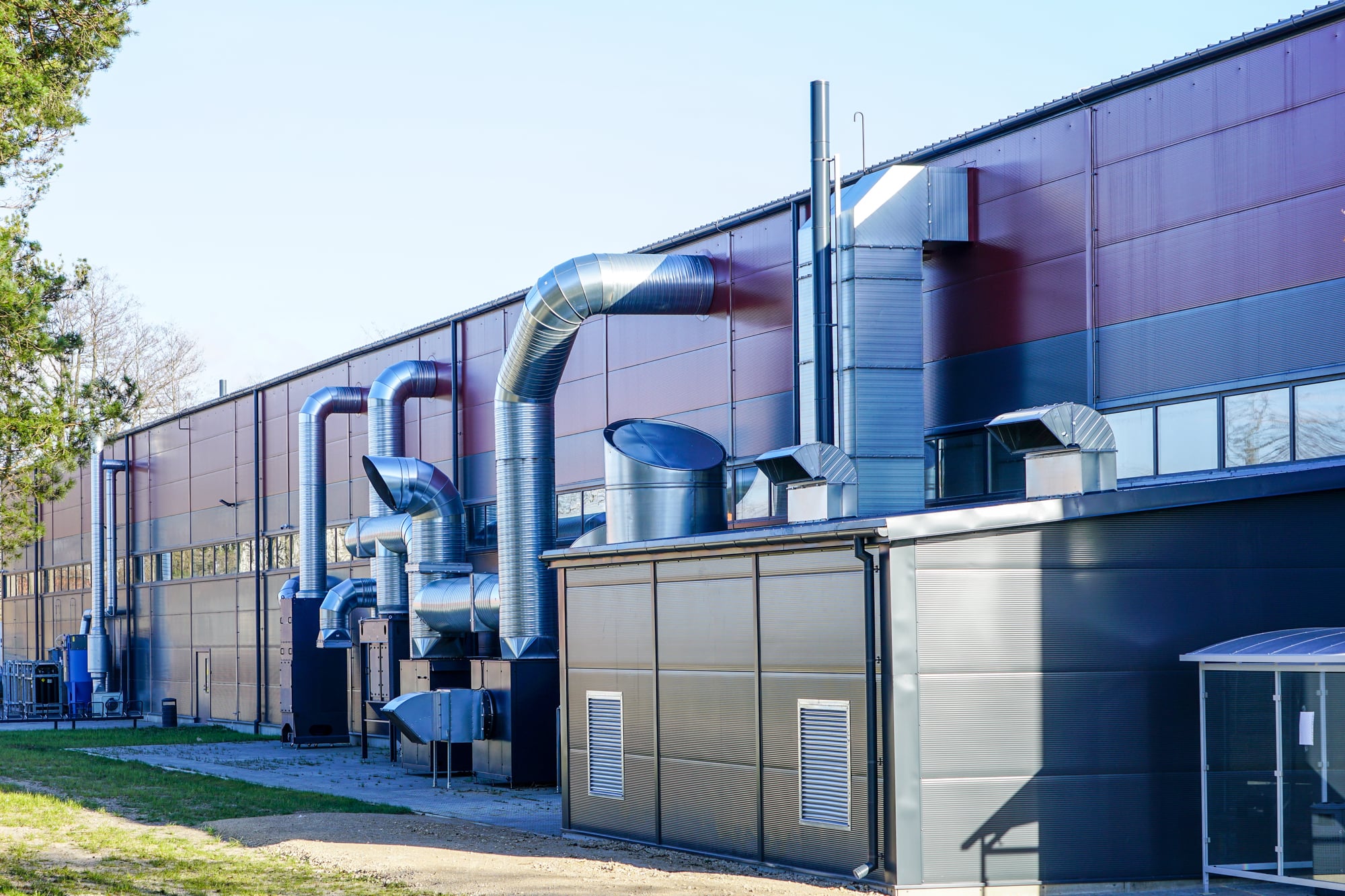
Keeping air fresh and safe underground requires technology similar to what NASA uses on spacecraft. These bunkers use NBC filters that remove nuclear, biological, and chemical contaminants from outside air.
The systems can operate in a closed-loop mode where air is constantly recycled and cleaned. Carbon dioxide scrubbers remove exhaled CO2 while oxygen generators split water molecules to create breathable air.
Some facilities have enough filter capacity to protect residents for over five years.
Hydroponic Farms Below Ground

Fresh food production is critical for long-term survival, so luxury bunkers often include extensive growing operations. Hydroponic systems grow vegetables and herbs without soil, using nutrient-rich water solutions and LED grow lights.
These farms can produce thousands of pounds of food annually in relatively small spaces. Some bunkers even raise fish in aquaponic systems where fish waste provides nutrients for plants and the plants filter water for the fish.
Armories And Security Measures
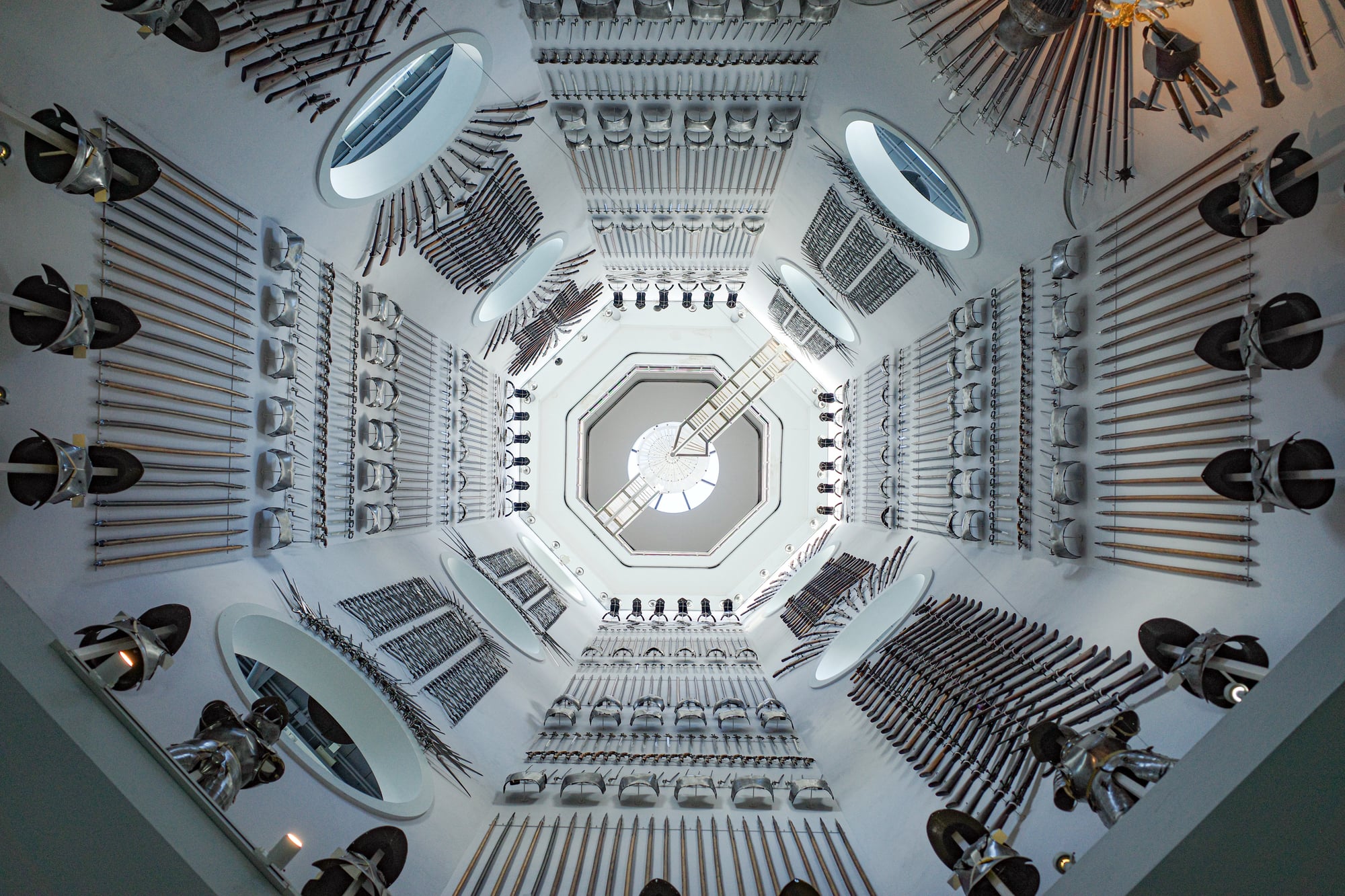
Protection from other survivors is a major concern in any doomsday scenario. Many luxury bunkers include secure armories stocked with weapons and ammunition.
The facilities employ military-grade security systems with motion sensors, cameras, and reinforced checkpoints throughout. Some have contracted with private security firms to provide armed guards who would live in the bunker during a crisis.
Perimeter defenses above ground might include fencing, watchtowers, and even automated deterrent systems.
Medical Facilities And Equipment
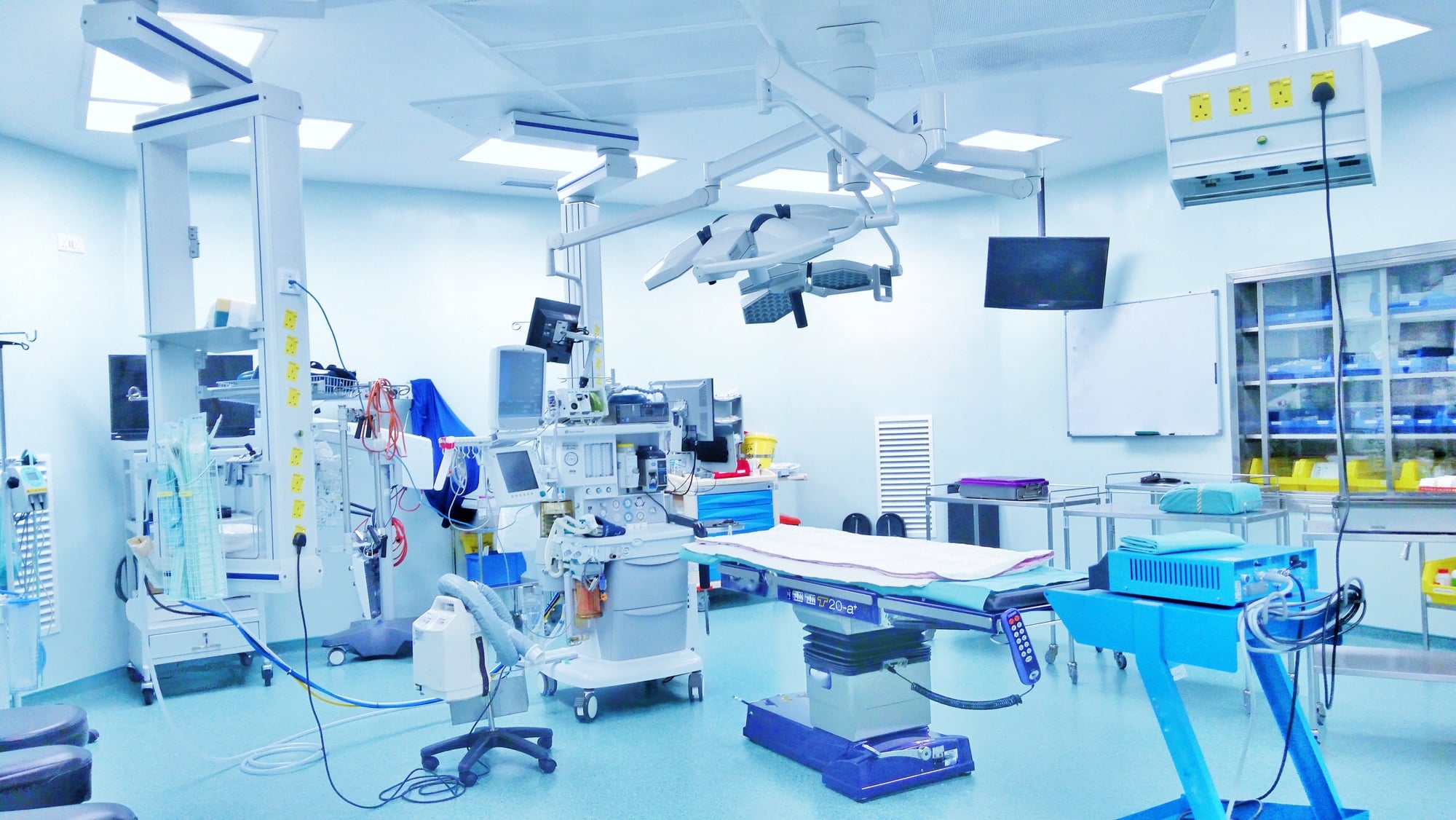
Getting sick underground could be fatal without proper medical care. High-end bunkers include fully equipped medical suites with surgical tables, X-ray machines, and extensive pharmaceutical stockpiles.
Some facilities have contracted with doctors who agree to relocate to the bunker if disaster strikes. Medical supplies are rotated regularly to ensure medications don’t expire.
Dental equipment, dialysis machines, and even basic laboratory testing equipment get installed in the most elaborate complexes.
Power Generation Redundancy
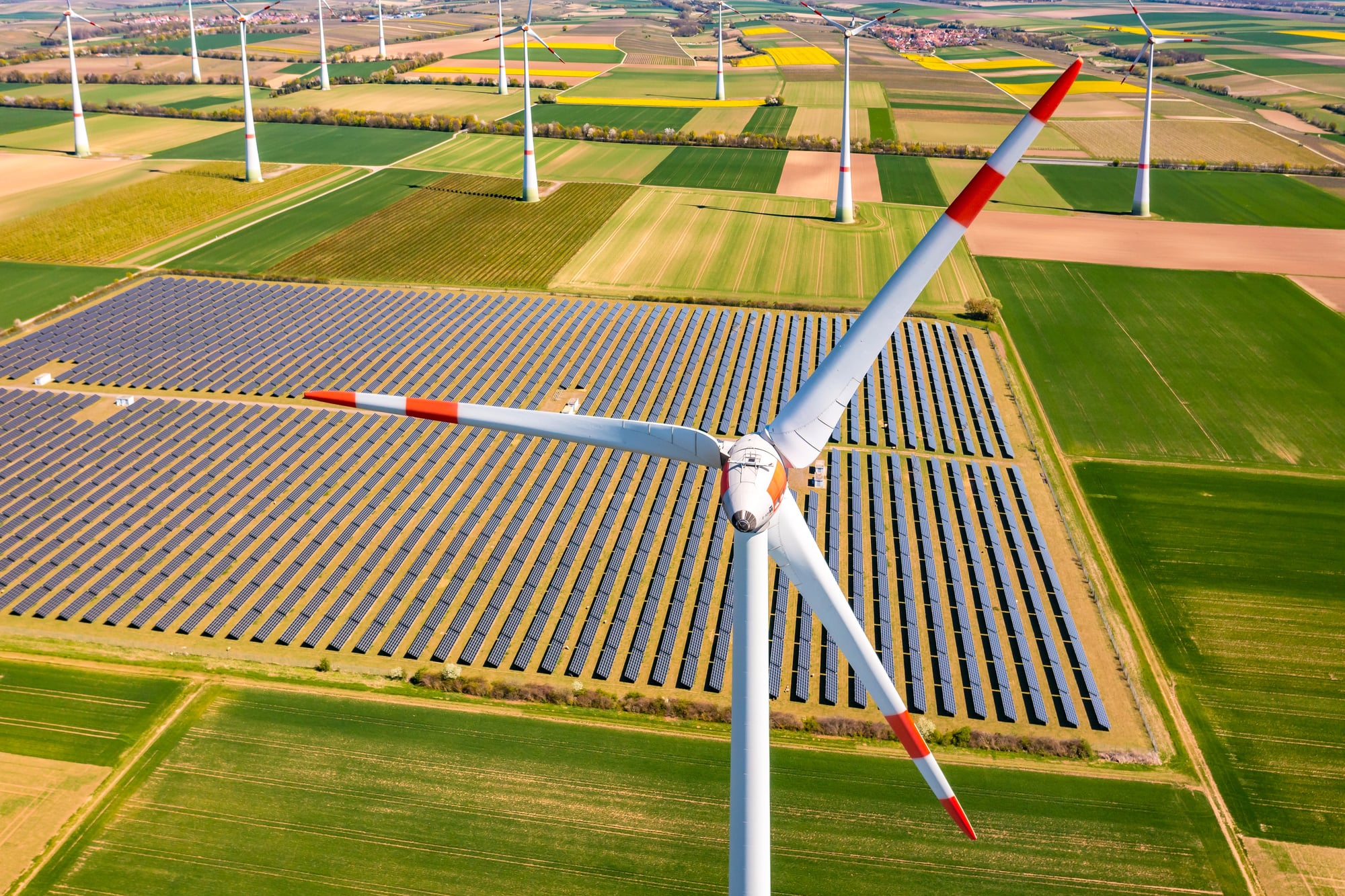
Electricity is essential for survival underground, so these facilities are built in multiple backup systems. Diesel generators provide primary power with fuel stores that can last for years.
Solar panel arrays on the surface charge massive battery banks. Some bunkers include geothermal systems that tap into Earth’s natural heat.
Wind turbines provide another renewable option. The most prepared facilities have at least three independent power sources so if one fails, others keep critical systems running.
Entertainment And Mental Health Spaces
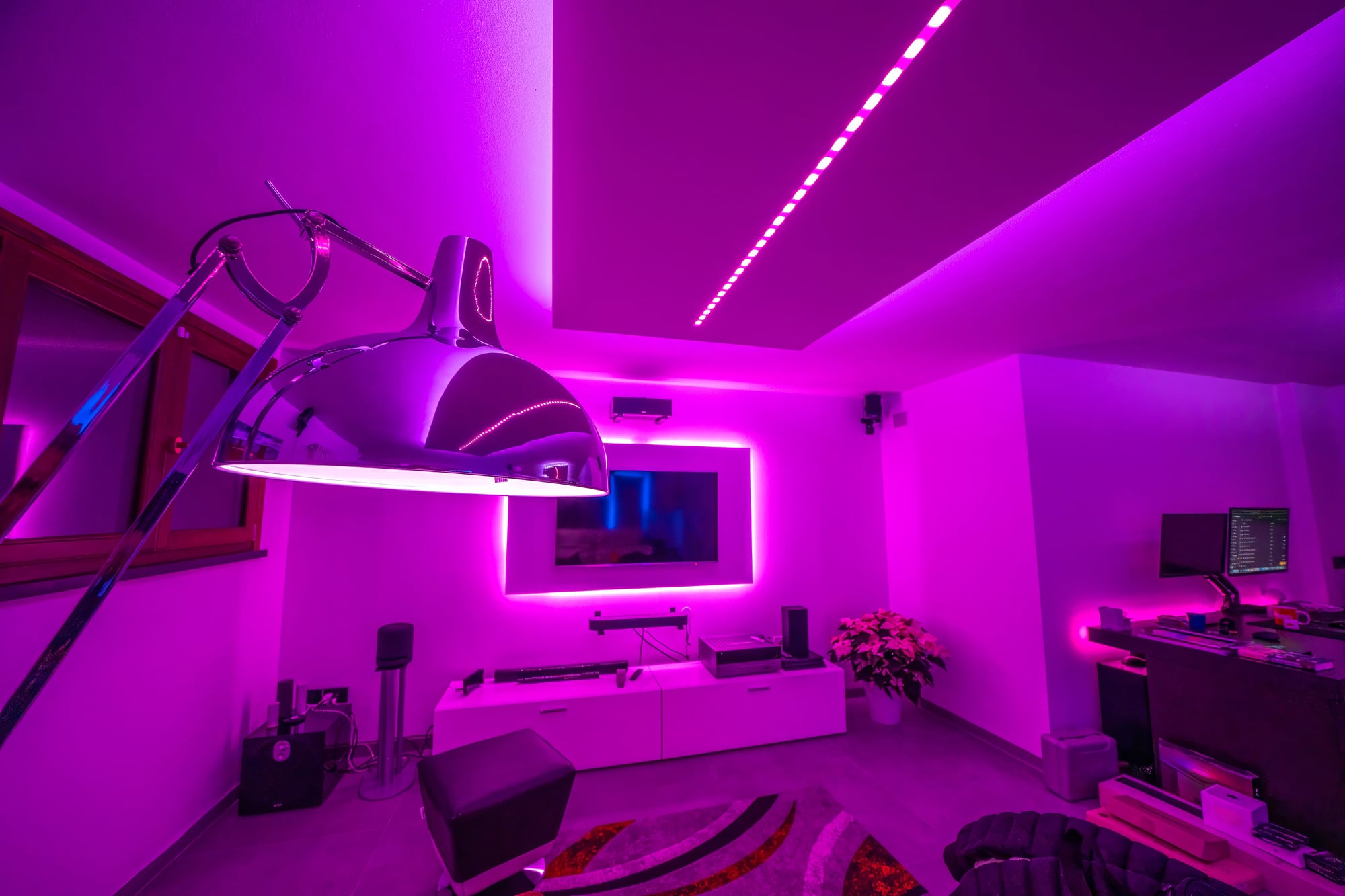
Living underground for years would drive people crazy without diversions. Luxury bunkers dedicate significant space to entertainment and recreation.
Home theaters have stadium seating and surround sound systems. Gyms include free weights, cardio equipment, and sometimes even indoor sports courts.
Libraries stock thousands of books, and computer systems hold extensive digital entertainment collections. Some facilities have virtual reality rooms where residents can temporarily escape their underground reality.
Pet Accommodations

Wealthy bunker owners don’t want to leave their animals behind. Many facilities include pet-friendly features like designated walking areas with artificial grass and UV lighting that mimics sunshine.
Veterinary supplies and medications are stockpiled. Some bunkers even have climate-controlled kennels with individual housing units for multiple animals.
The more elaborate designs include outdoor simulation rooms where dogs can run and play while high-definition screens show nature scenes.
Communications And Internet Connectivity

Staying connected to the outside world matters even during catastrophes. These bunkers maintain multiple communication systems including satellite uplinks, ham radios, and encrypted internet connections.
Servers store massive amounts of information so residents can access data even if the global internet collapses. Some facilities have agreements with satellite companies to maintain priority access during emergencies.
Communications rooms rival those found in military command centers.
The Companies Making Billions
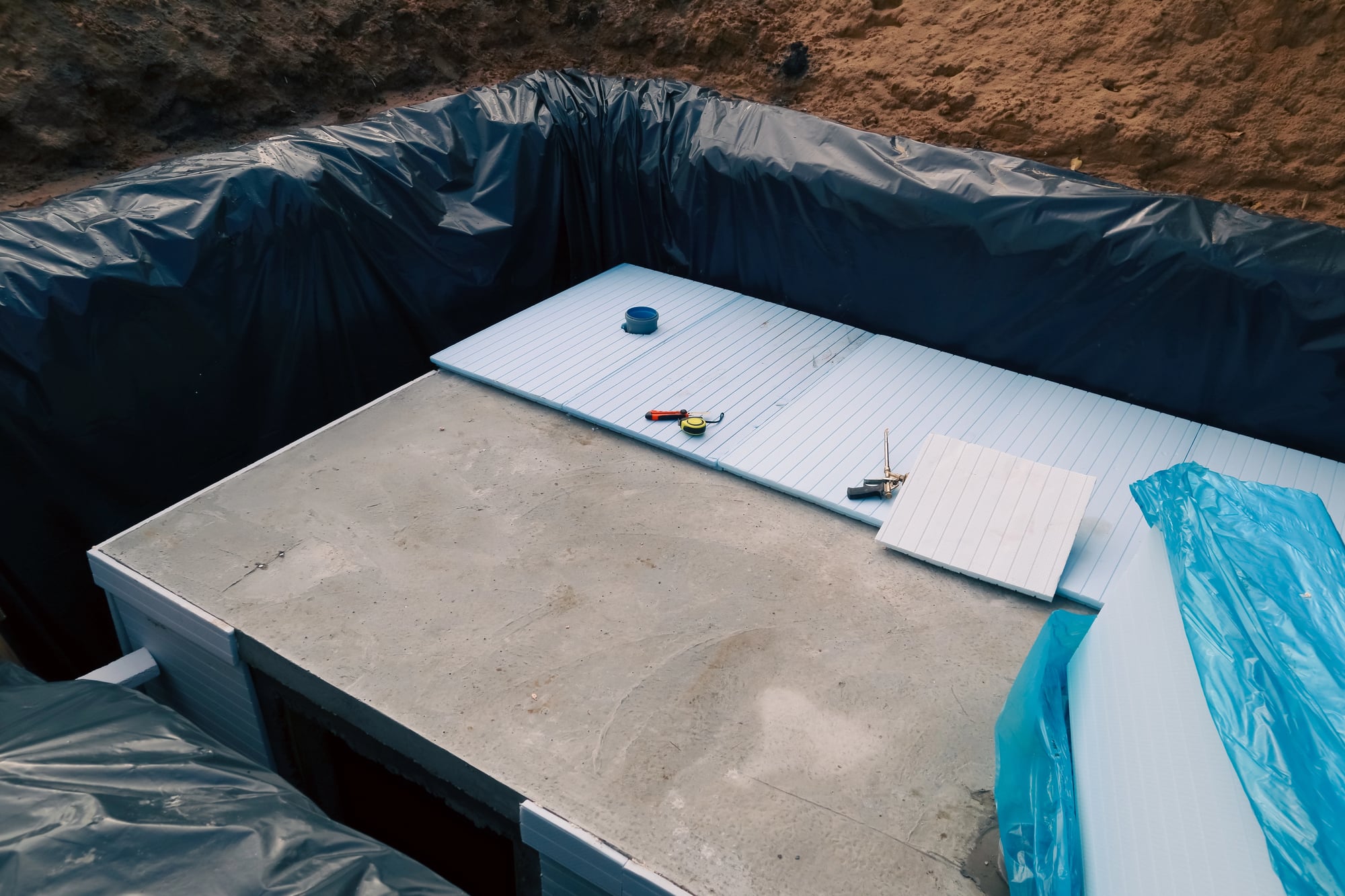
This industry has become incredibly profitable for specialized construction firms. Companies like Vivos Group, Rising S Company, and Atlas Survival Shelters have seen revenue skyrocket.
They’re not just selling bunkers anymore but complete survival packages that include food supplies, security consulting, and maintenance contracts. Some firms report multi-year waiting lists for their most elaborate designs.
The average luxury bunker project now costs between $3 million and $10 million, with some exceeding $50 million.
What Kind Of Person Ends Up Paying For These?

Some wealthy tech figures buy bunkers, yet others join them too. Not just one type of rich person signs up – finance experts, property builders, even big names in movies and music have joined in.
Names often stay hidden; purchases happen through legal fronts to shield identities. Oddly enough, certain owners reside in areas already seen as secure, hinting at deeper unease than local threats explain.
Most tend to be male, aged 40 to 65, with loved ones they aim to shield.
Why The Wealthy Fear Collapse
Few realize how much inside knowledge shapes the choices of the ultra-wealthy. While most rely on headlines, they consult specialists – economists, researchers, even former intelligence officers – who map out hidden dangers.
Because of these briefings, looming shifts like extreme weather patterns or failing governments aren’t abstract; they’re urgent concerns. New tech breaking down old systems is another quiet alarm they track closely.
When unrest grows, their fortunes often draw unwanted attention, turning privilege into vulnerability. Few think society might break apart before they grow old.
Still others see shelters like quiet promises, probably unused yet somehow reassuring.
From Old Cold War Machines To Today’s Advanced Tech
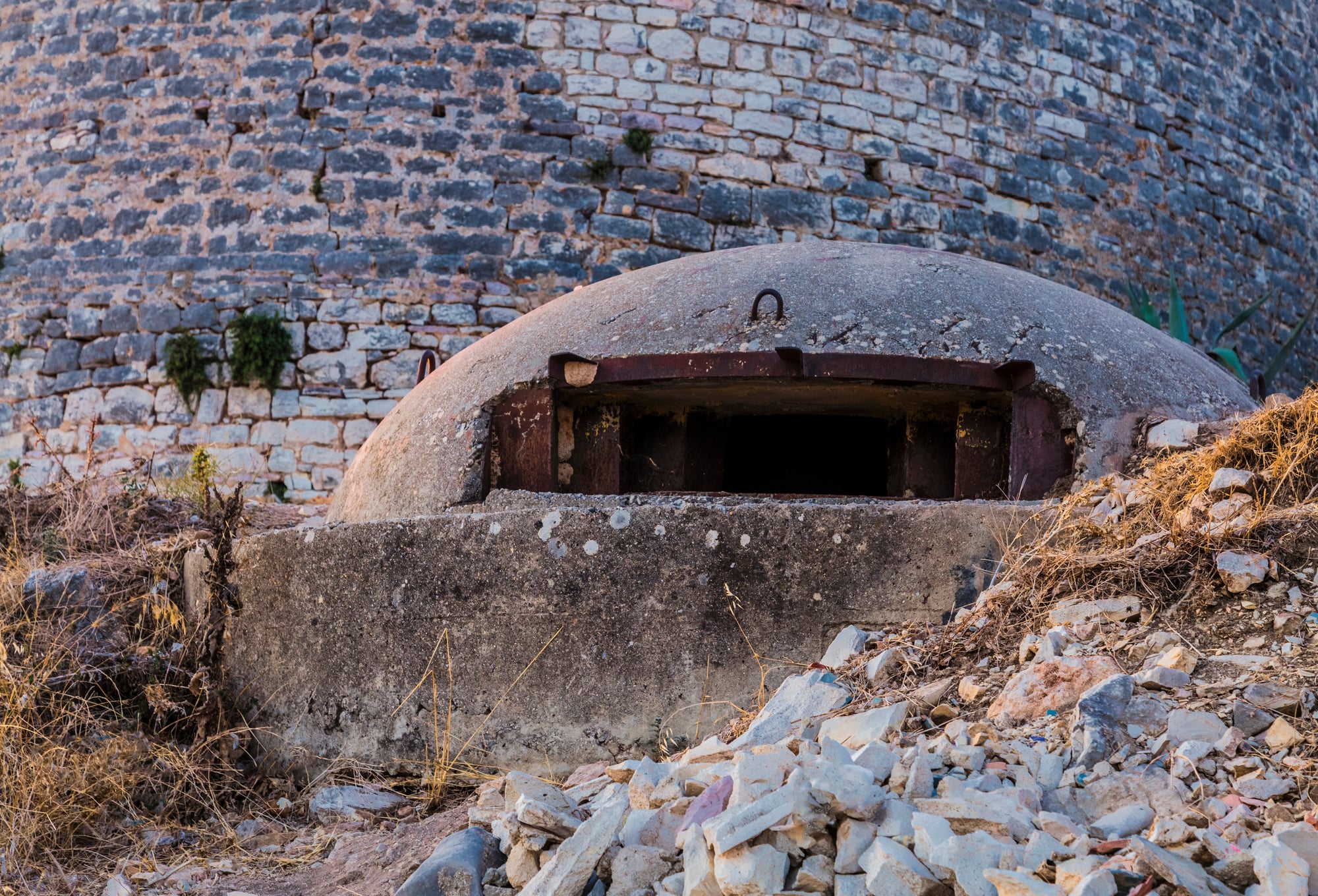
Built for nuclear fears, early bunkers cared little for living well. Now they sleep like five-star hotels underground.
Comfort matters as much as concrete thickness these days. Tech improvements helped, sure – yet mindsets shifted too.
Rich investors used to scoff at doomsday planning. These spaces now sit on balance sheets beside yachts and vineyards.
More from Go2Tutors!

- The Romanov Crown Jewels and Their Tragic Fate
- 13 Historical Mysteries That Science Still Can’t Solve
- Famous Hoaxes That Fooled the World for Years
- 15 Child Stars with Tragic Adult Lives
- 16 Famous Jewelry Pieces in History
Like Go2Tutors’s content? Follow us on MSN.



