Old Commercials People Still Quote Word for Word Decades After They Aired
There’s something strange about the way a thirty-second ad can outlast the product it was selling, the network it aired on, and in some cases the company that made it. People who were children in the 1970s can still recite lines they haven’t consciously thought about in years — the words just surface, triggered by the right situation or a half-remembered melody.
Advertising writers didn’t always know they were writing something that would stick for half a century. Sometimes it was craft.
Sometimes it was luck. And sometimes it was just a grumpy old woman in a grocery store demanding to know where the beef was.
“Where’s the Beef?” — Wendy’s (1984)
Clara Peller was 81 years old when she peered into a comically oversized hamburger bun, found a tiny patty inside, and demanded — in a voice that brooked absolutely no nonsense — “Where’s the beef?” The Wendy’s ad was aimed at competitors like McDonald’s, but the phrase almost immediately outgrew its original target.
Within months it was being used to question anything that fell short of its promise, and Democratic presidential candidate Walter Mondale famously deployed it against Gary Hart during the 1984 primary debates. Peller became a genuine celebrity, granting interviews and making guest TV appearances — not bad for a woman who had spent her career as a manicurist before being discovered at 80 for bit parts in commercials.
“He Likes It! Hey Mikey!” — Life Cereal (1972)
Two older brothers are convinced their little sibling — a legendarily picky eater named Mikey — is the ideal test subject for a suspiciously healthy-looking cereal. When Mikey eats it without complaint, the older brother’s cry of “He likes it! Hey Mikey!” became a cultural shorthand for cautious optimism about anything untested.
The ad ran for twelve years without revision, which is almost unheard of in the industry. The actor John Gilchrist, who played Mikey, spent much of his adult life correcting a persistent urban legend that he had died from eating Pop Rocks and washing them down with soda.
He is alive, and he spent years working in media sales.
“I’ve Fallen and I Can’t Get Up!” — LifeCall (1987)

The line was meant to be taken seriously. A woman named Mrs. Fletcher had fallen and needed emergency help — a real and frightening scenario that the LifeCall medical alert company was trying to address.
What no one anticipated was that the delivery, the setting, and the slightly stilted acting would make it one of the most parodied lines in television history. By 1990, the Phoenix New Times reported that the enfeebled cry had become a national catchphrase heard “from coast to coast, from playground to barroom.”
The original actress, Edith Fore, played the role. The question of who actually originated the line is disputed — Life Alert claims it appeared in a 1985 commercial first, delivered by a male actor — but it’s Fore’s version that stuck.
“Please Don’t Squeeze the Charmin” — Charmin (1964)
Copywriter John Chervokas was a junior employee at Benton & Bowles in 1964 when the idea came to him: a supermarket manager who kept catching customers squeezing the toilet paper and scolding them for it. The joke was that Mr. Whipple, played by actor Wilson, always gave in and squeezed it himself.
The campaign ran for twenty years, with Wilson appearing in over 500 commercials. By 1975, surveys found Whipple’s face was the second most recognized in the United States, after the President’s.
Wilson was reportedly mobbed for autographs in restaurants. When he died in 2007 at age 91, Procter & Gamble re-ran the old ads in tribute.
“Just Do It” — Nike (1988)
The slogan was coined by advertising executive Dan Wieden, who was reportedly inspired by the last words of convicted murderer Gary Gilmore before his 1977 execution — “Let’s do it.” Nike initially hesitated over the phrase, finding it too blunt.
Wieden shortened it, submitted it anyway, and changed sports marketing forever. The first ad to use it featured 80-year-old marathon runner Walt Stack jogging across the Golden Gate Bridge.
The campaign launched in 1988 and has never really stopped, becoming so embedded in global culture that it’s recognized even in markets where Nike has minimal commercial presence.
“Bud… Weis… Er” — Budweiser (1995)
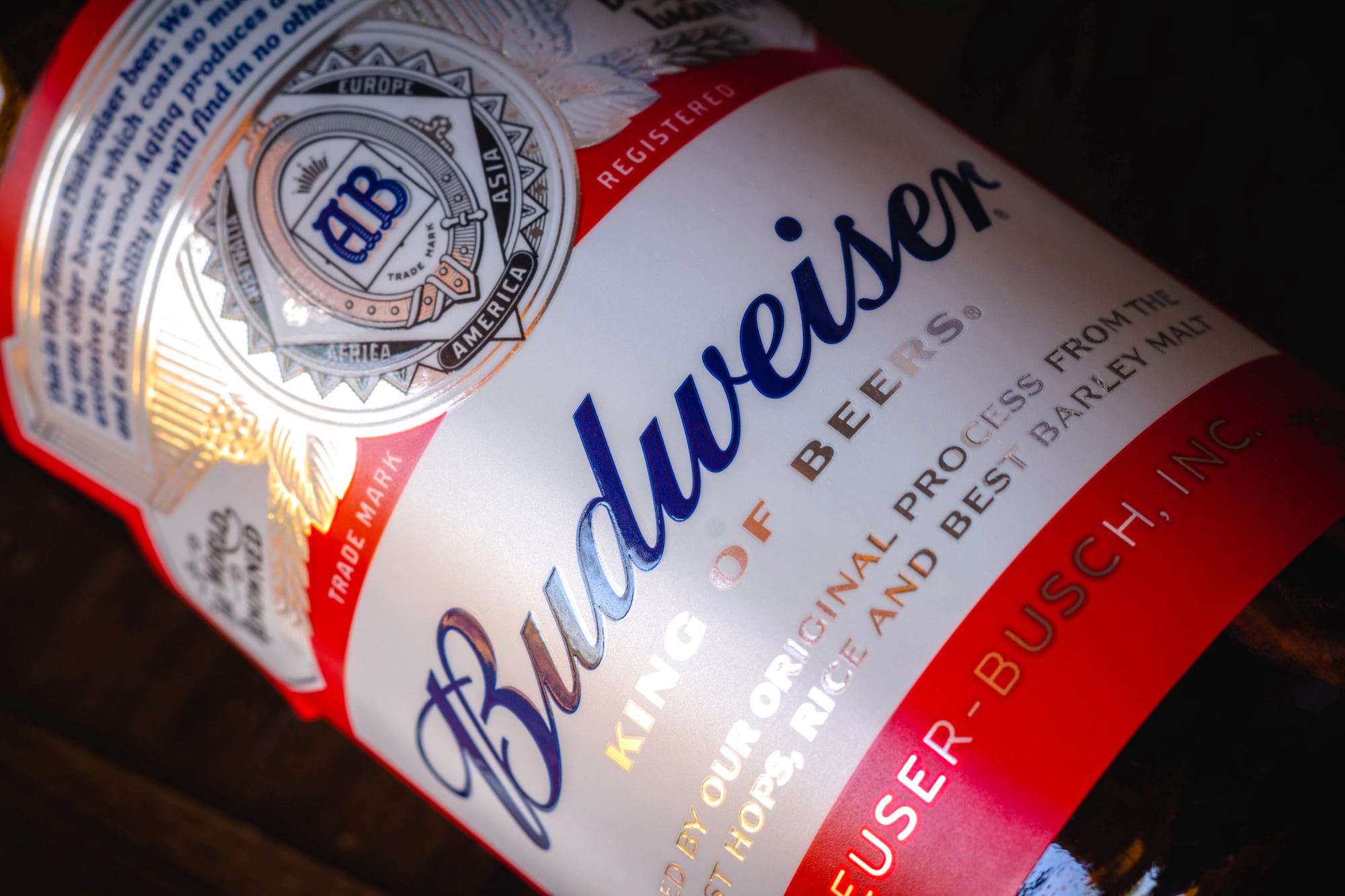
Three frogs sit in a swamp at night. Each croaks a syllable.
Sometimes they get the order right. Sometimes they don’t.
That’s the entire commercial — thirty seconds of amphibians slowly assembling a brand name — and it ran during the 1995 Super Bowl to become arguably the most remembered Super Bowl ad in history. There was no story arc, no celebrity, no product shot beyond a Budweiser sign in the background.
The frogs were later given names — Bud, Weis, and Er — and the campaign spawned merchandise, sequels with lizards, and years of debate about whether animals ribbing each other could constitute narrative tension.
“Ring Around the Collar” — Wisk Detergent (1968)
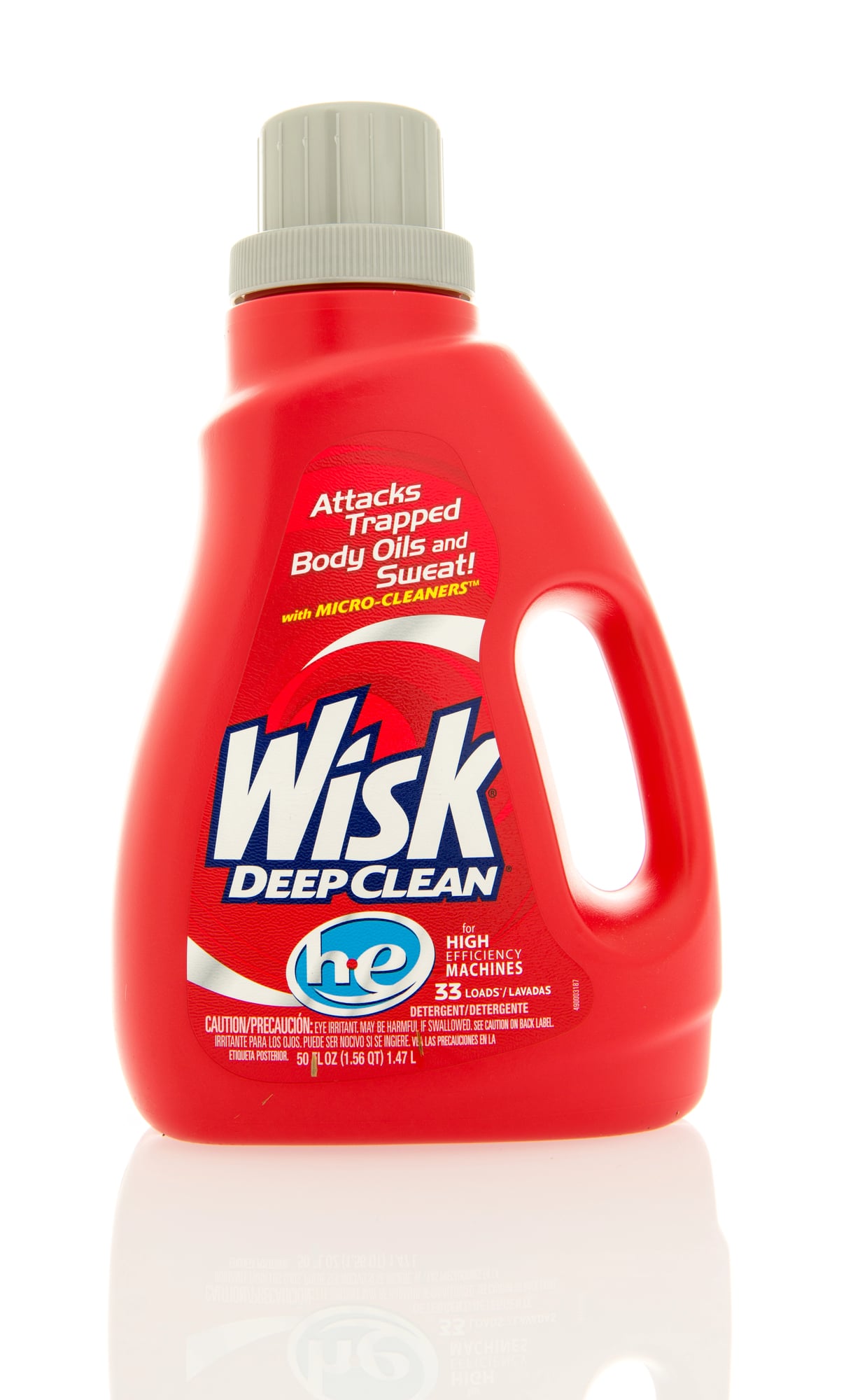
Few advertising campaigns have been as effective and as simultaneously despised as Wisk’s three-decade run on the concept of collar stains. The ads showed a hapless woman being publicly humiliated when someone noticed her husband’s dirty collar, implying domestic failure on her part rather than his.
The campaign was widely mocked for its retrograde gender assumptions even while it ran, but it worked — Wisk became the top-selling liquid laundry detergent in the United States. The phrase entered everyday conversation as a code for small embarrassments that others notice before you do.
“Plop, Plop, Fizz, Fizz” — Alka-Seltzer (1976)
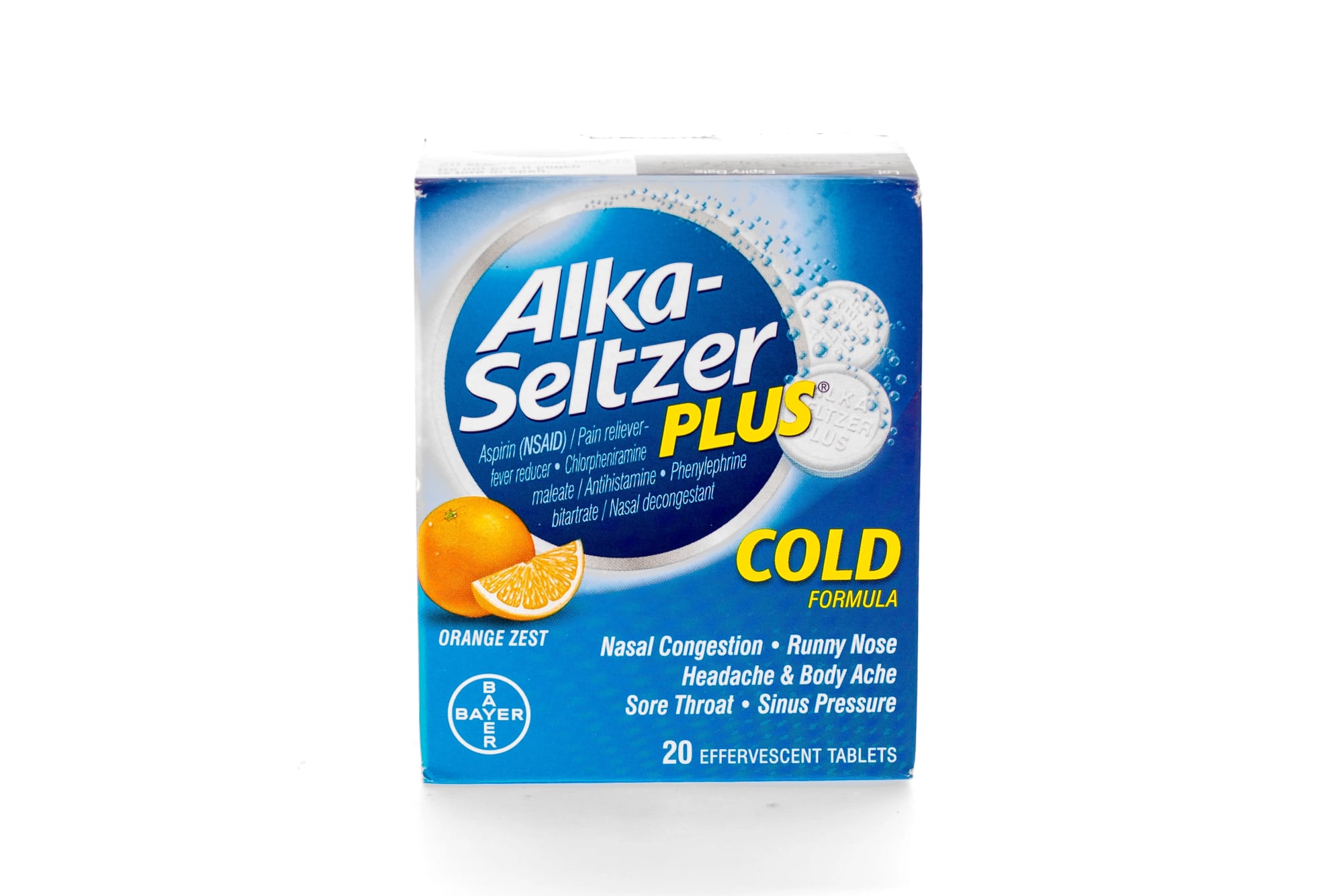
The jingle is simple and the visual is minimal — two tablets dropped into a glass of water. What made it remarkable was that it was, in practice, a masterclass in doubling product consumption.
The original Alka-Seltzer instruction called for one tablet. The campaign was engineered to make dropping two feel natural, even mandatory.
The move reportedly doubled sales. Advertising historians frequently cite it as one of the clearest examples of a jingle that changed actual consumer behavior rather than just brand awareness.
“How Many Licks Does It Take?” — Tootsie Pop (1969)
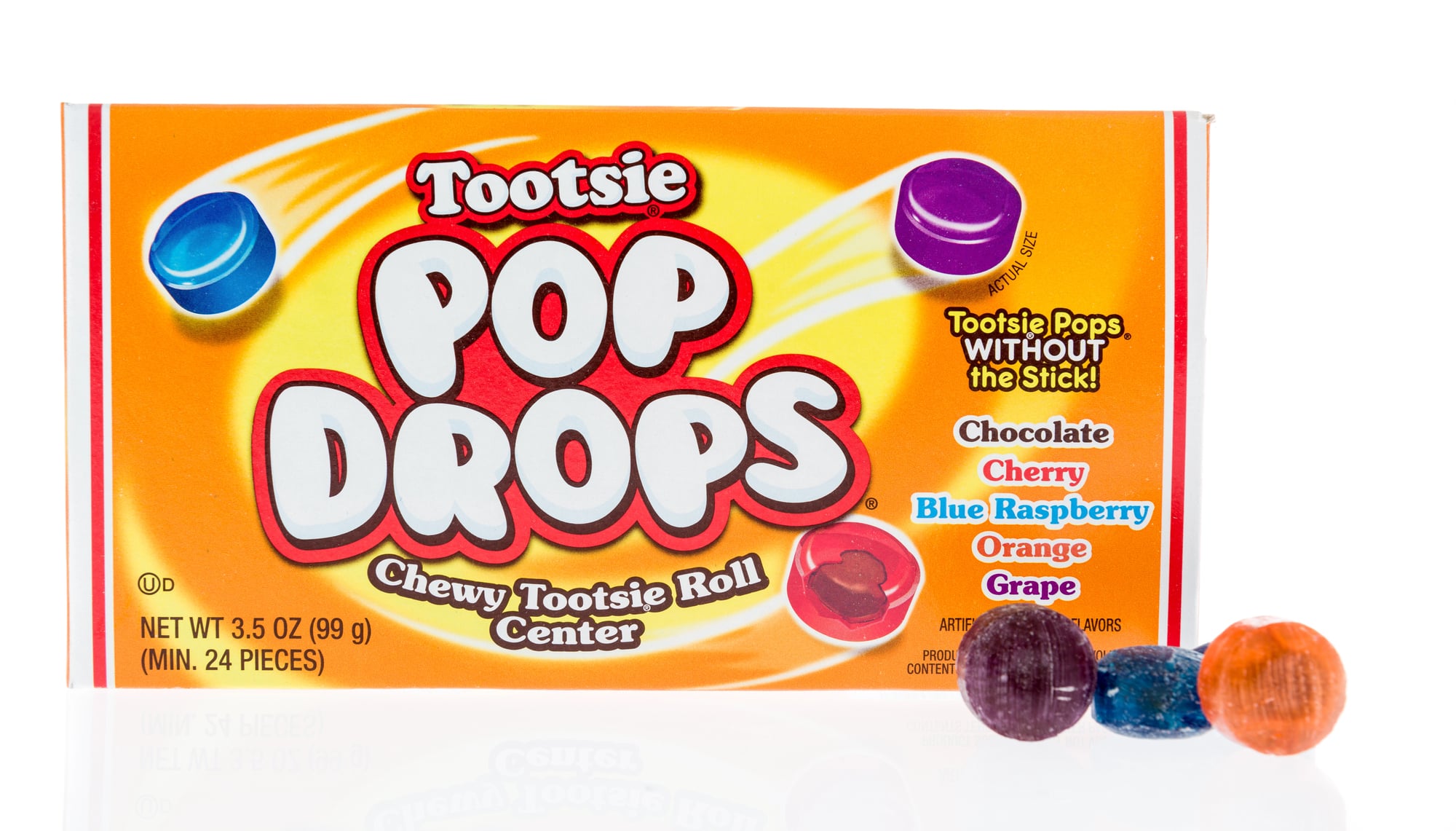
A small boy asks a cow, a fox, a turtle, and finally an owl how many licks it takes to reach the Tootsie Roll center of a Tootsie Pop. The owl counts three licks, bites the candy, and declares “Three.”
The boy concludes that the world may never know. The ad first aired in 1969 and has run in various forms ever since.
Tootsie Roll Industries has reported receiving thousands of letters from viewers — including from scientific researchers at universities who conducted actual licking studies to answer the question in earnest.
“Be Like Mike” — Gatorade (1991)
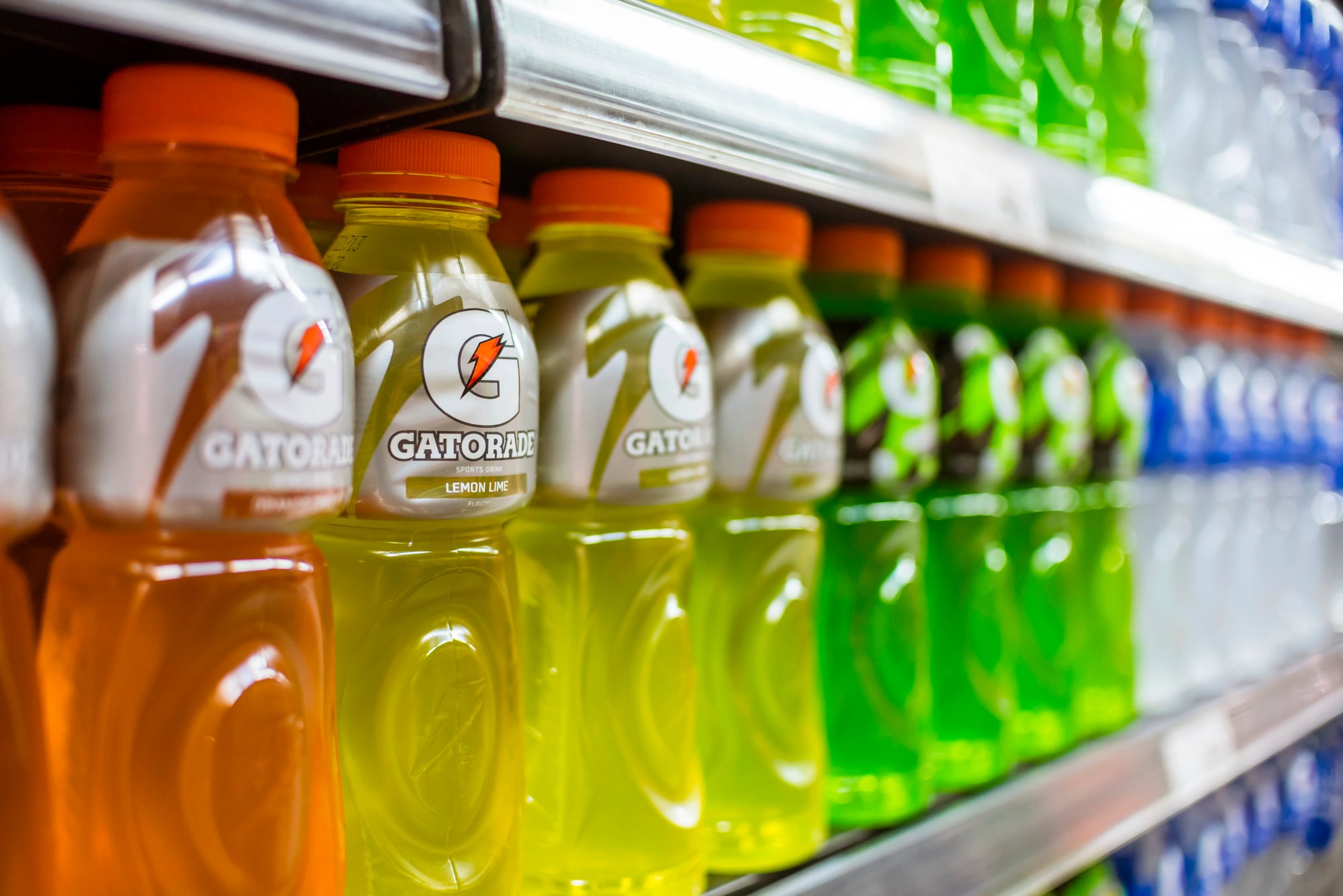
The jingle dropped less than two months after Michael Jordan won his first NBA Championship in June 1991. The timing made it feel less like advertising and more like the natural conclusion to a national conversation about athletic excellence.
Children who grew up in the early 1990s can reproduce the melody note for note without having thought about it in years. Barry Manilow, who had already written the State Farm jingle (“Like a good neighbor”), wrote the Gatorade melody before his pop career took off — one of the quieter footnotes in American music history.
“This Is Your Brain on Drugs” — Partnership for a Drug-Free America (1987)

The visual was stark: an egg, then a frying pan, then an egg cracked and cooking. The narration was equally spare.
The ad became one of the most discussed public service announcements in American television history and spawned a second version in 1997 with actress Rachel Leigh Cook, who smashed up a kitchen with a frying pan to extend the metaphor considerably further.
Whether it worked as a deterrent is debated by researchers. What is not debated is that every American who saw it can still describe the egg.
“Snap, Crackle, Pop” — Rice Krispies (1930s Radio, TV by 1950s)
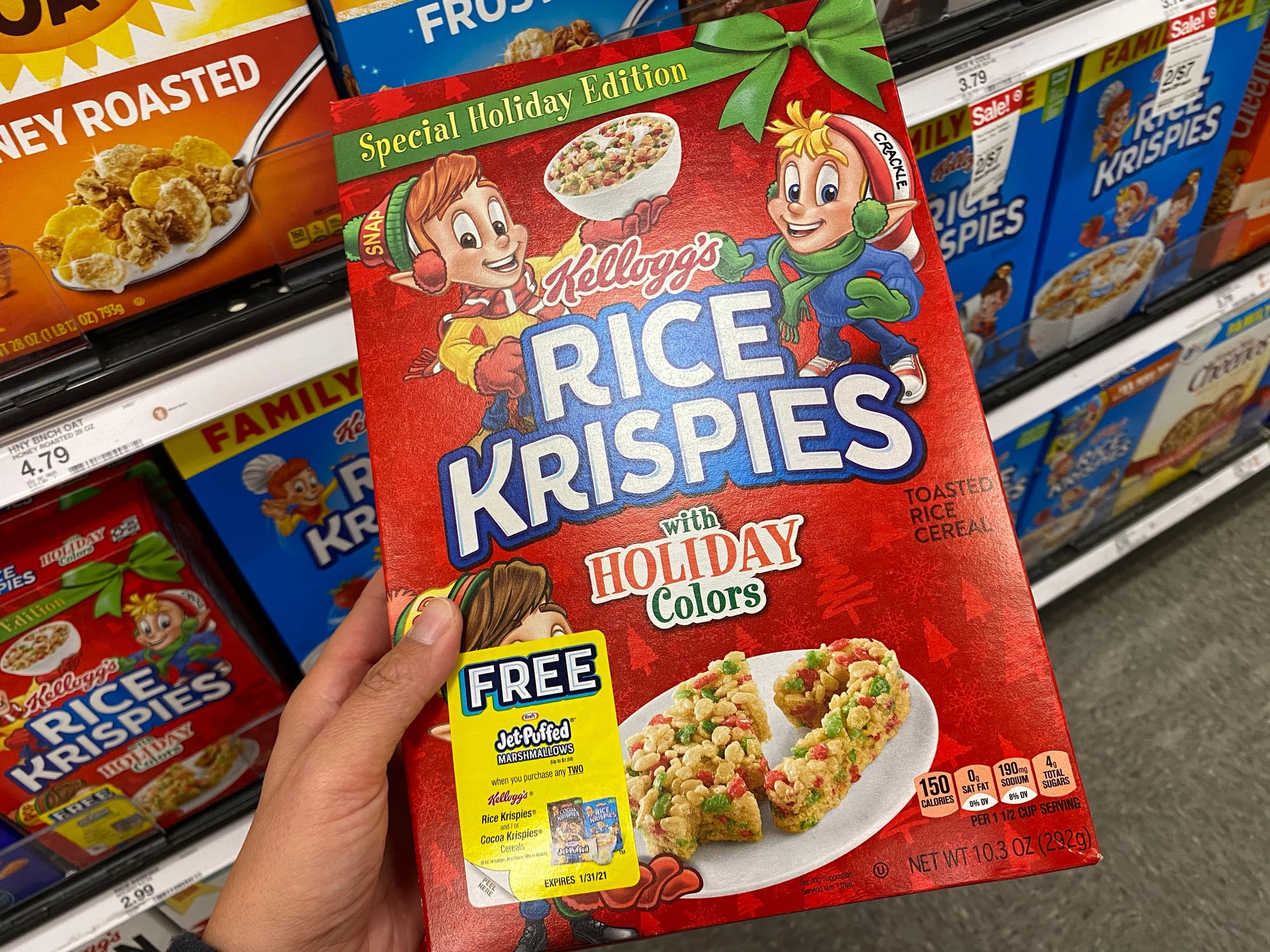
The three characters — Snap, Crackle, and Pop — predated television, appearing in print and radio ads from the 1930s before migrating to TV. They were designed by illustrator Vernon Grant and given specific personalities: Snap is a baker’s apprentice, Crackle is a teenager in a striped shirt, and Pop is an older bandleader with a drum major’s hat.
The sounds they represent are real and acoustically distinct from any other breakfast cereal. Children who have eaten the cereal hold the bowl to their ear before pouring the milk, waiting for the performance to start.
“I’d Like to Buy the World a Coke” — Coca-Cola (1971)

The “Hilltop” ad gathered people of different nationalities on a hill in Italy to sing about wanting to share a Coca-Cola with the world. It was produced under genuinely difficult conditions — the original filming was rained out and had to be relocated.
The finished ad ran in the United States to an overwhelming response. Coca-Cola received over 100,000 letters from viewers, many of them asking where they could purchase a copy of the song.
The jingle was subsequently re-recorded as a pop single, charted in several countries, and became one of the most recognizable pieces of music ever produced for an advertisement.
“Time to Make the Donuts” — Dunkin’ Donuts (1981–1997)
Fred the Baker shuffled out of bed in the dark hours of the morning, resigned to the early start that a donut-focused life demands, muttering “Time to make the donuts” as he dressed and headed out. The character, played by actor Michael Vale, ran for sixteen years and became the face of working-class dedication to a product — the person who showed up before dawn so others could have something warm with their coffee.
Vale died in 2005, and the campaign had ended years before, but the line still turns up whenever someone is explaining why they have to leave a party early.
“Can You Hear Me Now?” — Verizon Wireless (2002)

Actor Paul Marcarelli walked through every terrain imaginable — forests, rooftops, the middle of intersections — holding a phone to his ear and asking a technician on the other end of the line whether the call was coming through. The campaign was designed to communicate network coverage and ran for nine years.
In a twist that said something about either brand loyalty or its absence, Marcarelli switched — publicly and in front of cameras — to Sprint in 2016, appearing in Sprint commercials mocking the very coverage claims he had spent nearly a decade endorsing.
“Got Milk?” — California Milk Processor Board (1993)

The campaign launched in California before becoming a national phenomenon, with a rotating roster of celebrities photographed with milk mustaches. The original television ad, directed by Michael Bay, featured a history enthusiast so absorbed in his Aaron Burr research that he couldn’t answer a radio trivia question when his mouth was full of peanut butter and his milk glass was empty.
Despite the campaign’s cultural saturation — it ran for over two decades — milk consumption in the United States continued to decline throughout its entire run, which advertising analysts still cite as proof that awareness and behavior change are different things.
“Ancient Chinese Secret, Huh?” — Calgon (1970s)
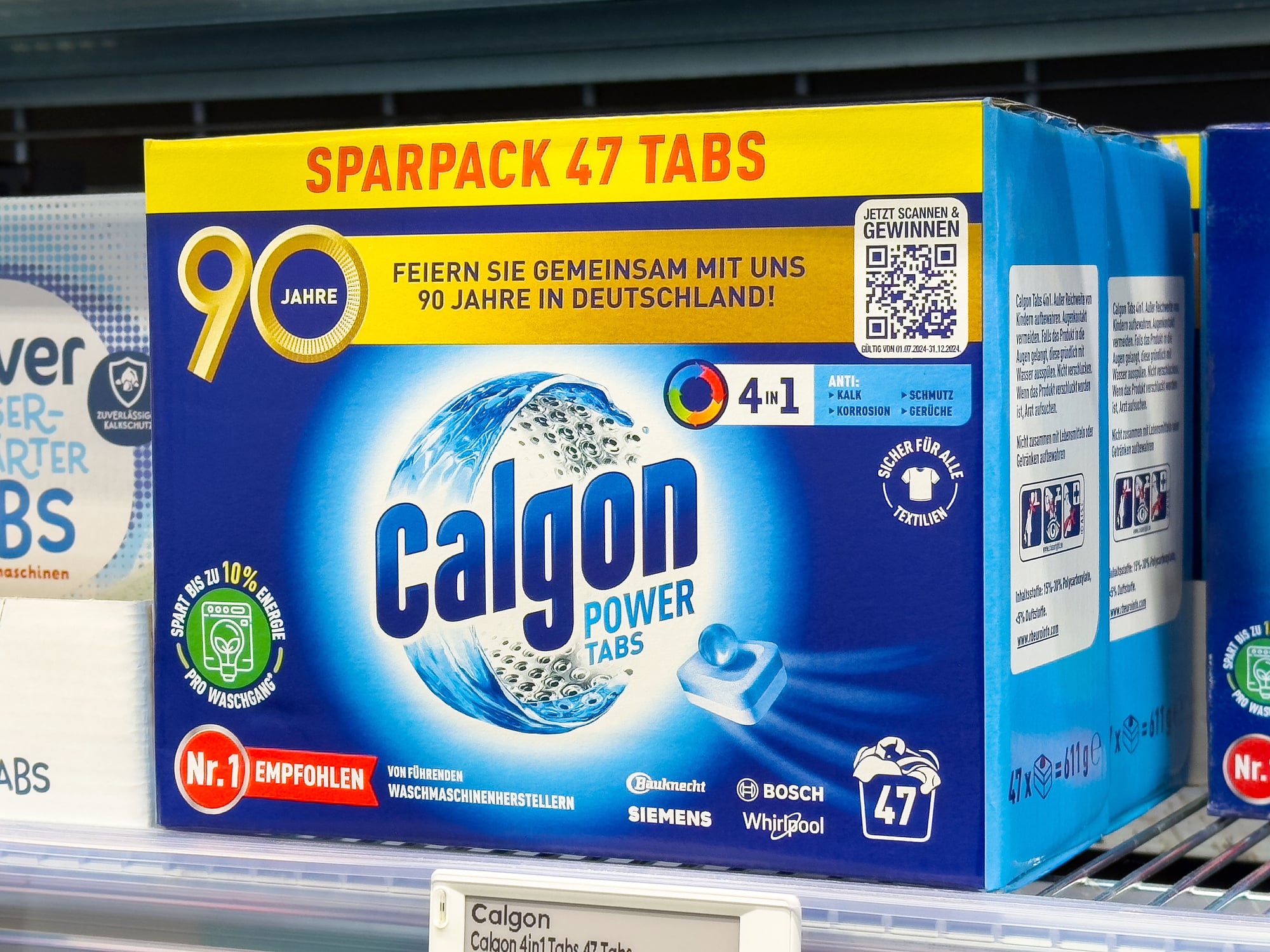
The commercial featured a Chinese-American couple who ran a laundry. A customer kept asking how the shirts came out so clean, and the wife kept crediting her husband’s “ancient Chinese secret.”
The punchline was that his secret was just Calgon laundry detergent, and the line — delivered with a knowing look — became a catchphrase used to mock any supposed mystery with a mundane explanation. By today’s standards the ad relies on stereotyping that has not aged well, but the phrase itself traveled so far from its origin that millions of people who use it have no idea where it came from.
“I Don’t Always Drink Beer…” — Dos Equis (2006)

“The Most Interesting Man in the World” was played by actor Jonathan Goldsmith, a journeyman who had appeared in dozens of forgettable TV roles before becoming an unlikely cult figure in his seventies. The character’s adventures were described in increasingly elaborate testimonials before he issued his studied endorsement: “I don’t always drink beer, but when I do, I prefer Dos Equis.”
The deadpan delivery and absurd specificity of the setup made the campaign a template for internet meme culture years before most advertisers understood what that was. Dos Equis replaced Goldsmith in 2016, a decision that went over poorly with the audience who had made the campaign famous.
“Yo Quiero Taco Bell” — Taco Bell (1997)
Gidget, a female chihuahua, became one of the most recognizable animals in American advertising history by performing a single line in a series of ads starting in September 1997. The joke was that she wanted Taco Bell with a level of focus and desire that most humans only bring to important decisions.
The campaign was enormous — and then abruptly cancelled in 2000, partly due to pressure from Latino advocacy groups who found the character reductive, and partly because it didn’t actually seem to be increasing sales. Gidget herself lived until 2009 and made a brief comeback in a 2009 Taco Bell ad after the original character’s retirement.
“Ohhhhh Yeah!” — Kool-Aid Man (1954, TV Prominence in 1970s–80s)
The Kool-Aid Man’s defining move was bursting through walls — fences, the sides of houses, brick structures of various descriptions — and announcing his arrival with an enthusiastic “Ohhhhh yeah!” The character had existed in various forms since 1954 but achieved peak cultural saturation in the 1970s and 80s.
He was given his own comic book series and video games, and was spoofed in everything from Family Guy to Saturday Night Live. The internal logic of a giant anthropomorphic pitcher willing to destroy structural walls to deliver fruit punch to children was never interrogated, which is probably for the best.
“A Diamond Is Forever” — De Beers (1947)

The phrase was coined by copywriter Frances Gerety of the N.W. Ayer agency, who reportedly stayed up most of a night wrestling with the assignment before writing it almost as an afterthought at the end of her working session. The tagline appeared in print in 1947 and migrated to television.
Advertising Age named it the slogan of the twentieth century in 1999. De Beers has never stopped using it.
The line also largely created the modern expectation of diamond engagement rings — before the campaign, relatively few Americans proposed with diamonds. The marketing didn’t just stick in the culture.
It restructured it.
“Snap Into a Slim Jim!” — Slim Jim (1990s)
Randy Savage — “Macho Man” — appeared in a series of ads in which he materialized in mundane domestic situations, applied his considerable theatrical energy to the word “snap,” and demanded that whoever was nearby eat a Slim Jim. The delivery was so committed, so aggressively enthusiastic about a piece of dried meat, that it was impossible to ignore.
The campaign gave Savage a second act in popular culture after his wrestling career and ran long enough that the catchphrase became a shorthand for any situation requiring sudden, inexplicable intensity.
“Mikey Likes It” and the Urban Legend
John Gilchrist, who played Mikey in the Life Cereal commercials, became the subject of one of the 1970s’ most persistent urban legends — that he had died after eating Pop Rocks candy and washing them down with soda, causing an internal explosion. The rumor spread so thoroughly that General Foods took out newspaper ads and sent representatives to schools to dispel it.
Gilchrist is alive. He granted multiple interviews to set the record straight.
The urban legend itself became more durable than the cereal campaign, illustrating that in the pre-internet era, false stories about advertising characters could travel just as fast as the ads themselves.
“Two All-Beef Patties, Special Sauce…” — McDonald’s (1975)
The Big Mac ingredient recitation was designed as a contest — customers who could recite the full list in under four seconds at the counter won a free burger. The list ran: “Two all-beef patties, special sauce, lettuce, cheese, pickles, onions — on a sesame seed bun.”
It is difficult to find anyone who was a child in the late 1970s who cannot still produce this sequence on demand. McDonald’s brought the jingle back in a modified form in 2002 when launching “I’m Lovin’ It,” acknowledging that the original had lodged itself somewhere that corporate rebranding campaigns rarely reach.
“Now You’re Playing With Power” — Nintendo (1985)

Nintendo’s North American launch campaign was built around the idea that its console was a different category of product from the failing Atari era that had preceded it. The tagline leaned into macho energy and high stakes, accompanied by visuals of players in dramatic confrontation with their screens.
The campaign worked as part of a broader retail effort that reversed the North American video game market’s near-total collapse. The phrase became the defining advertising line of a generation of children who spent Saturday mornings watching it repeat across cartoon commercial breaks.
When the Words Outlive the Product

Most of the companies behind these lines are still in business. Some of the campaigns have been retired for decades.
The product that launched “Got Milk?” is in long-term sales decline. LifeCall, the company behind “I’ve fallen and I can’t get up,” went bankrupt in 1992 — its competitor Life Alert acquired the trademark and kept running the line.
Gidget the chihuahua is gone. Clara Peller is gone.
Wilson, Mr. Whipple himself, is gone. And yet the lines persist, turning up in conversations, in parodies, in political speeches, in the kind of offhand remarks people make when they can’t quite explain why a particular phrase feels exactly right.
What these commercials share isn’t just a catchy hook. Most of them have a specific human truth buried inside the product pitch — the reluctant eater, the tired worker, the older person navigating a world that wasn’t built for them, the kid who just wants everyone to calm down and try the cereal.
The ad that lasts isn’t always the one with the biggest budget or the most famous face. It’s the one that accidentally caught something true on its way to selling something.
More from Go2Tutors!

- The Romanov Crown Jewels and Their Tragic Fate
- 13 Historical Mysteries That Science Still Can’t Solve
- Famous Hoaxes That Fooled the World for Years
- 15 Child Stars with Tragic Adult Lives
- 16 Famous Jewelry Pieces in History
Like Go2Tutors’s content? Follow us on MSN.