Everyday Items With NASA Origins
When people think about NASA, rockets and astronauts usually come to mind first. The space agency has spent decades solving problems that most of us will never face, like how to survive in zero gravity or land a rover on Mars.
But here’s the interesting part: many of those solutions have quietly made their way into our daily lives. Let’s look at some surprisingly common things that started with space exploration.
Memory Foam
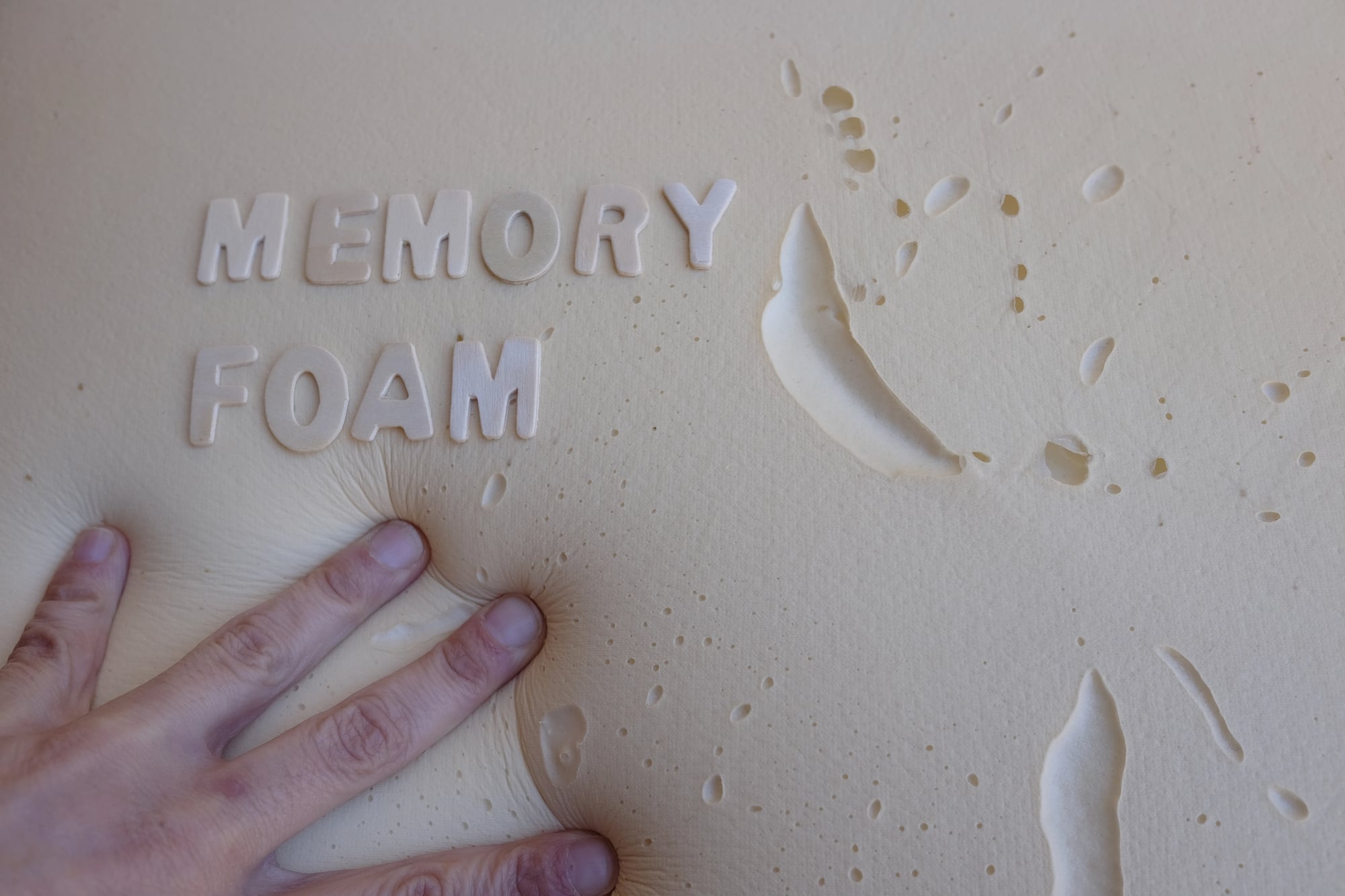
That comfortable mattress topper or pillow cradling your head right now? NASA engineers created the material in the 1960s to improve crash protection for airline pilots and passengers.
The foam molds to your body shape and then slowly returns to its original form, which made it perfect for absorbing the intense forces during takeoff and landing. Today, it shows up in everything from running shoes to office chairs, making life a bit more comfortable for millions of people who have never set foot in a spacecraft.
Cordless Vacuum Cleaners
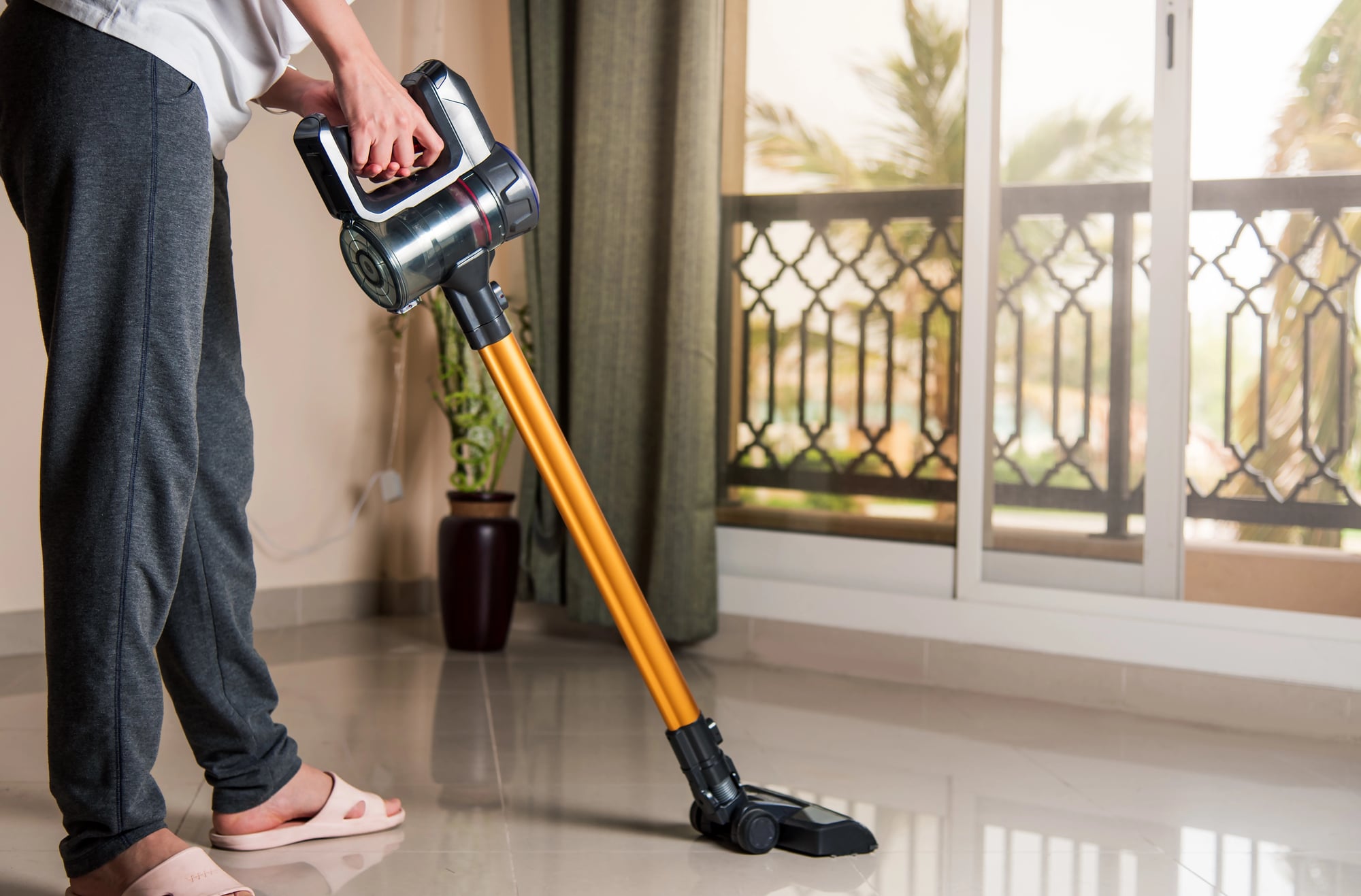
Cleaning up crumbs used to mean dragging a heavy machine with a cord across the floor. NASA needed a portable, self-contained drill for collecting moon rock samples during the Apollo missions, so they partnered with Black & Decker to develop a motor that could run on battery power without losing strength.
The technology worked so well on the lunar surface that it eventually led to cordless vacuums, power tools, and even those handheld dust busters that save the day when someone spills cereal.
Scratch-Resistant Lenses
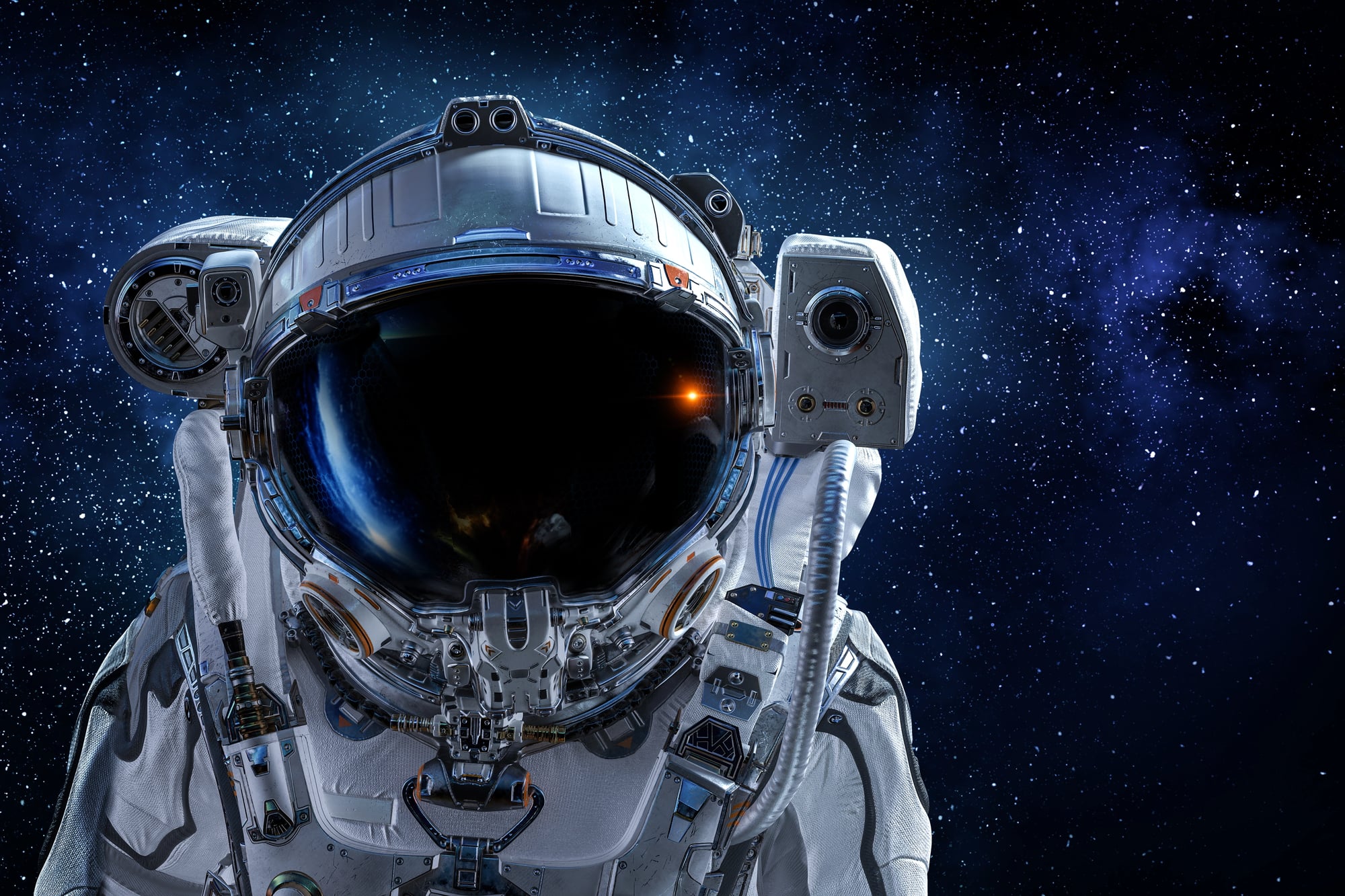
Astronaut helmet visors needed protection from the harsh conditions of space, including tiny particles that could scratch the surface and impair vision. NASA developed a special coating in the 1980s that made plastic incredibly resistant to scratches and damage.
Eye care companies quickly realized this technology could help regular eyeglasses last much longer, and now almost every pair of glasses and sunglasses uses some version of this coating to stay clear and usable for years.
Water Filtration Systems
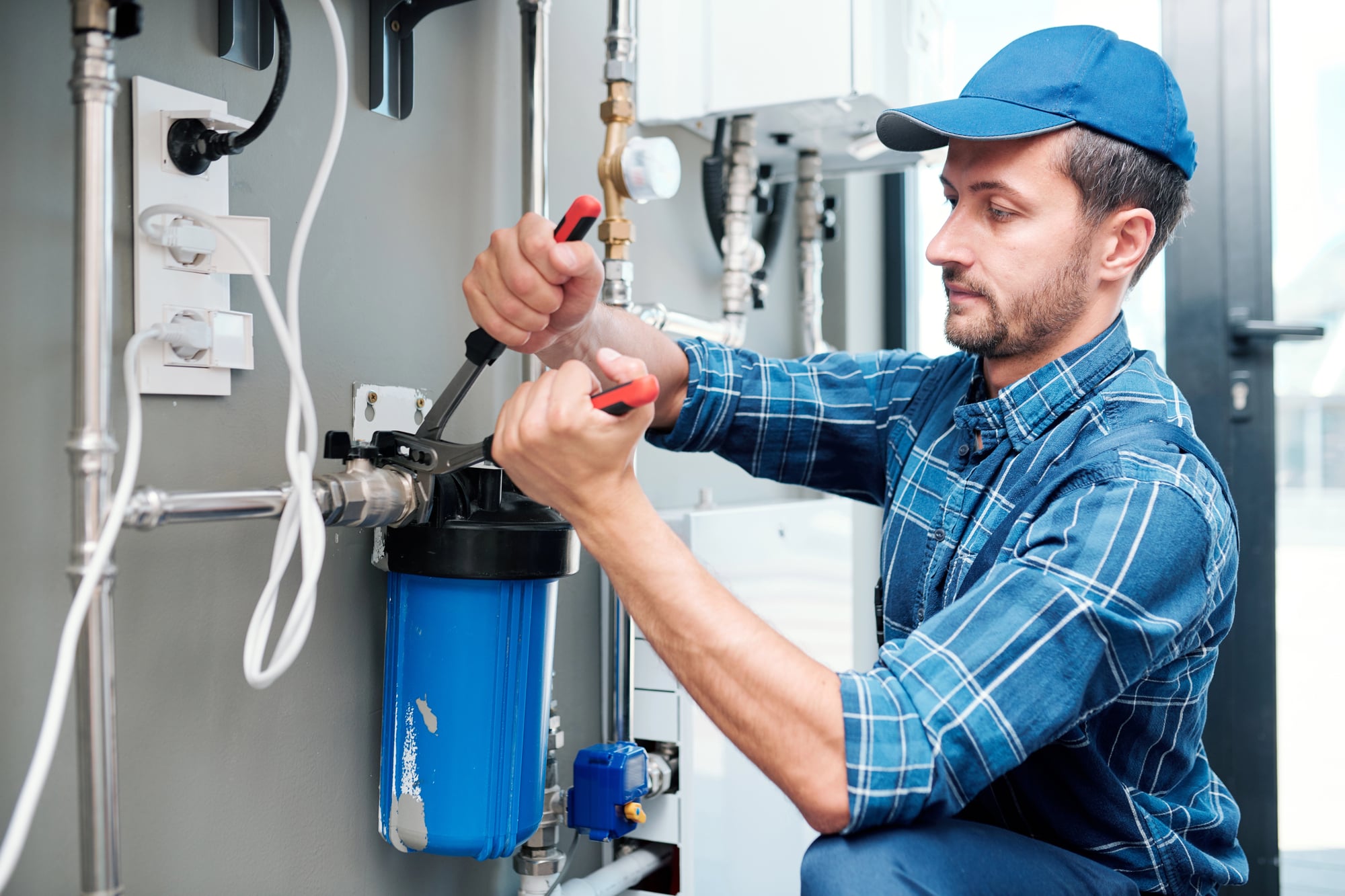
Astronauts on long missions can’t exactly run to the store for bottled water, so NASA had to figure out how to recycle every drop aboard spacecraft. They created advanced filtration systems that could remove bacteria and other contaminants, turning used water back into something safe to drink.
This same technology now appears in water filters people use at home, in camping gear, and in developing countries where clean drinking water isn’t always available.
Infrared Thermometers
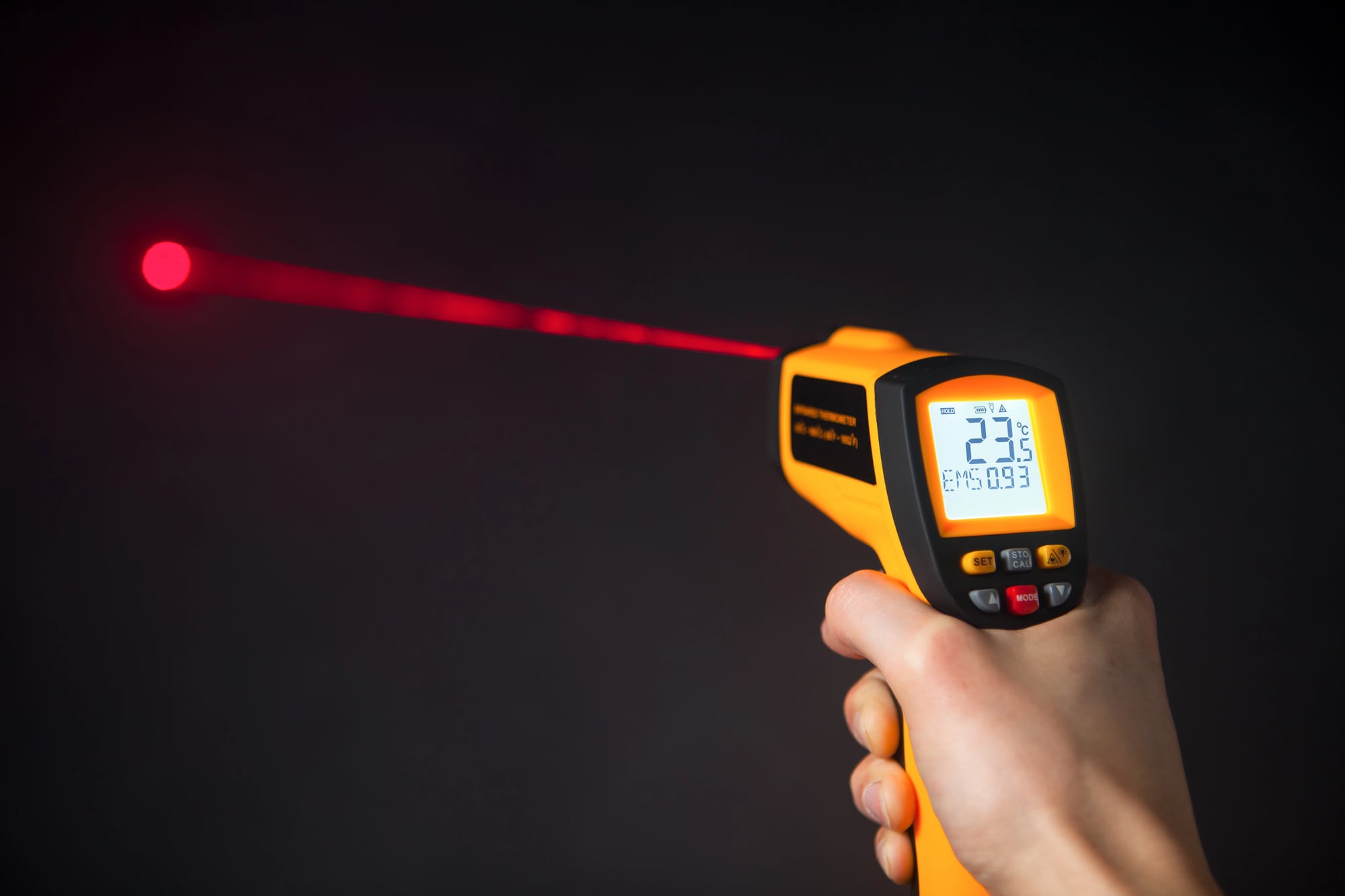
Taking a child’s temperature used to involve waiting several minutes with a thermometer under the tongue, which any parent knows can feel like an eternity. NASA developed infrared sensor technology to measure the temperature of distant stars and planets without direct contact.
Hospitals and homes now use this same principle in those quick forehead thermometers that give a reading in seconds, making life easier for parents and healthcare workers everywhere.
Improved Smoke Detectors
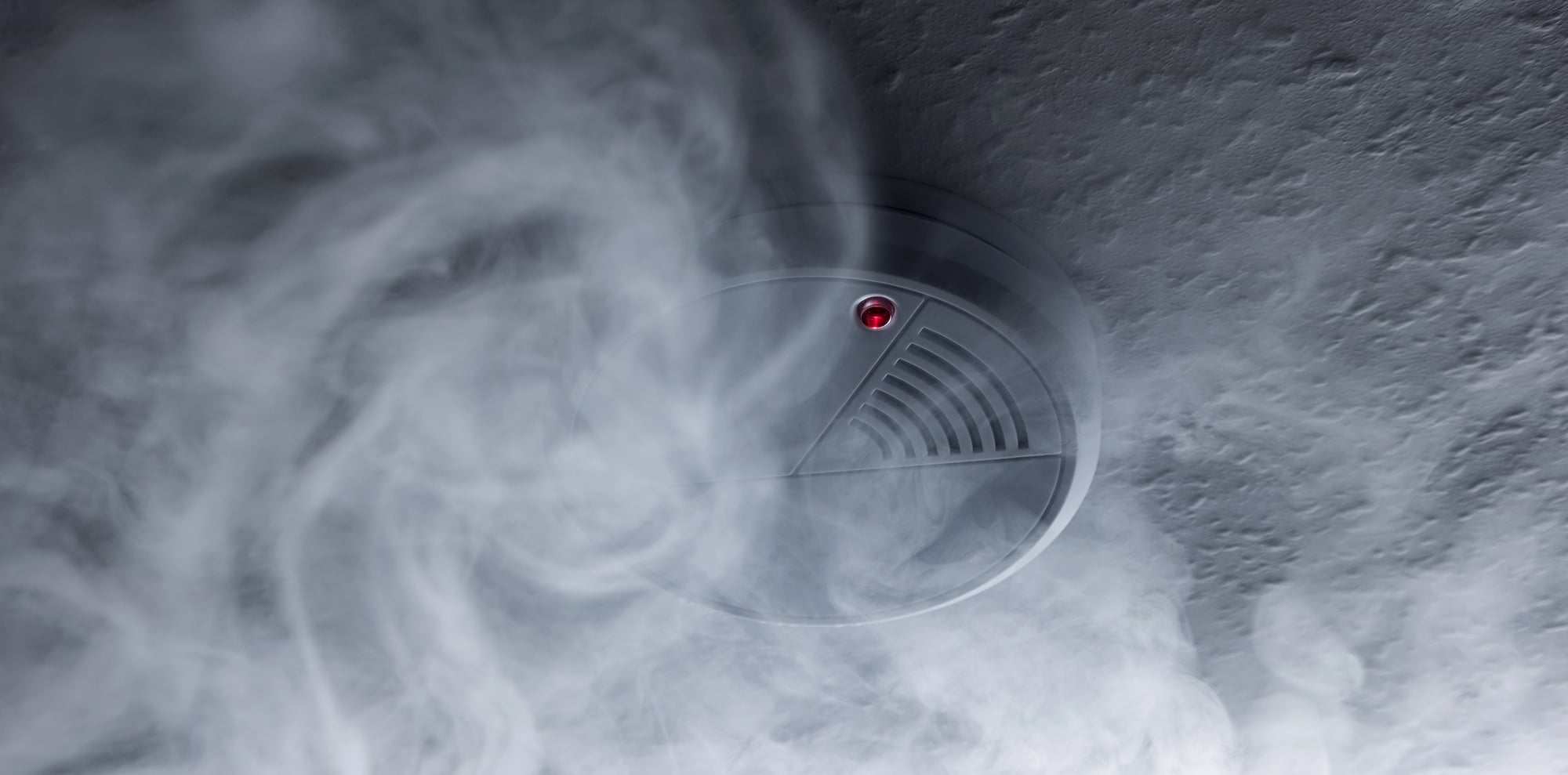
The early smoke detectors were bulky, expensive, and not very sensitive to different types of fires. NASA needed a reliable way to detect toxic fumes and smoke in the confined space of Skylab, America’s first space station.
They created a version with adjustable sensitivity that could tell the difference between actual danger and something harmless like burnt toast. This technology made smoke detectors more affordable and effective, helping save countless lives in homes and buildings.
Wireless Headsets
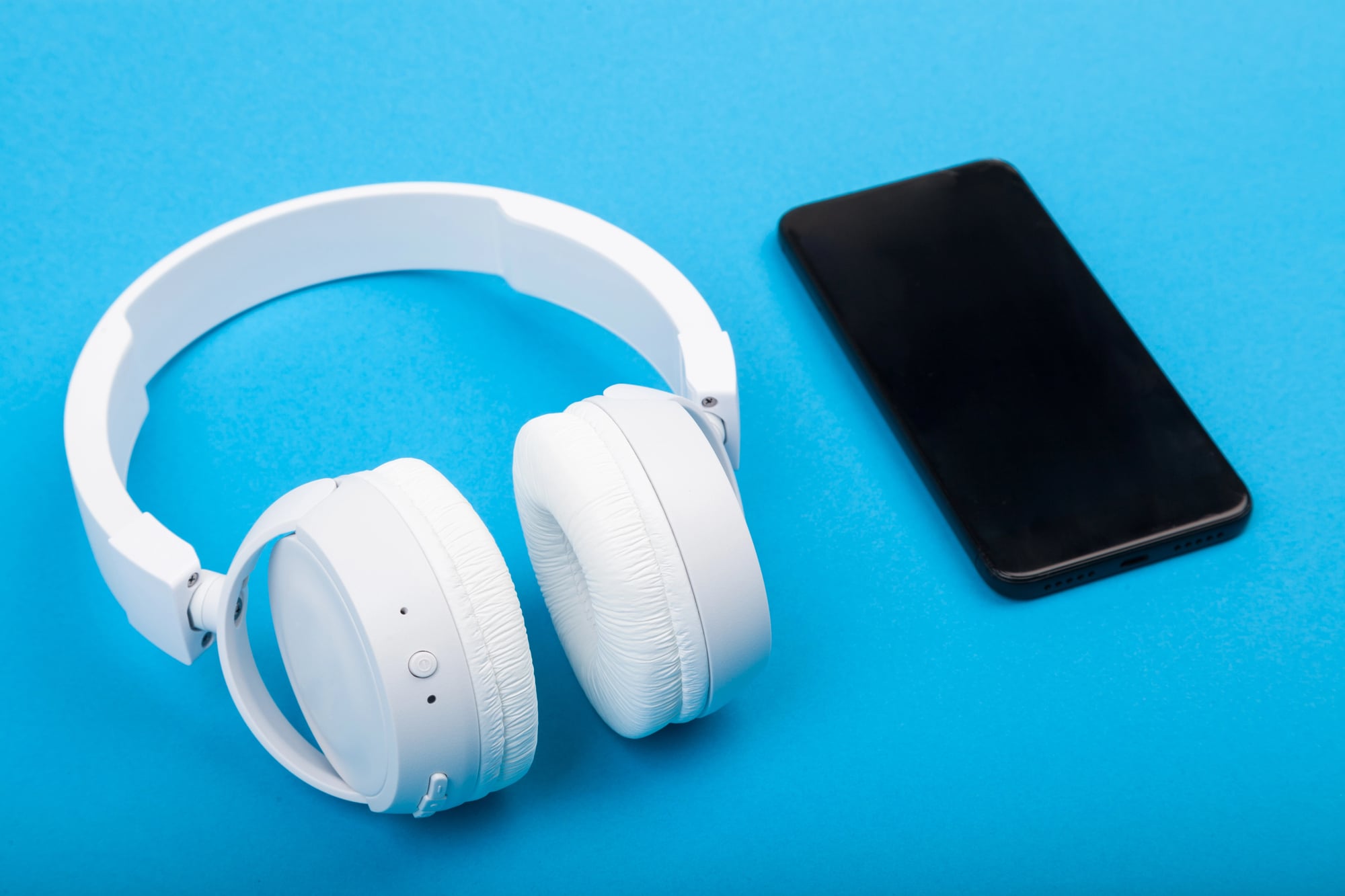
Modern Bluetooth headphones and hands-free devices trace their roots back to NASA’s need for clear communication between astronauts and mission control. The space program developed lightweight headsets that allowed crew members to talk without using their hands, which was essential when operating complex equipment.
This concept eventually evolved into the wireless technology people use every day for phone calls, gaming, and listening to music while moving around freely.
Baby Formula Ingredients
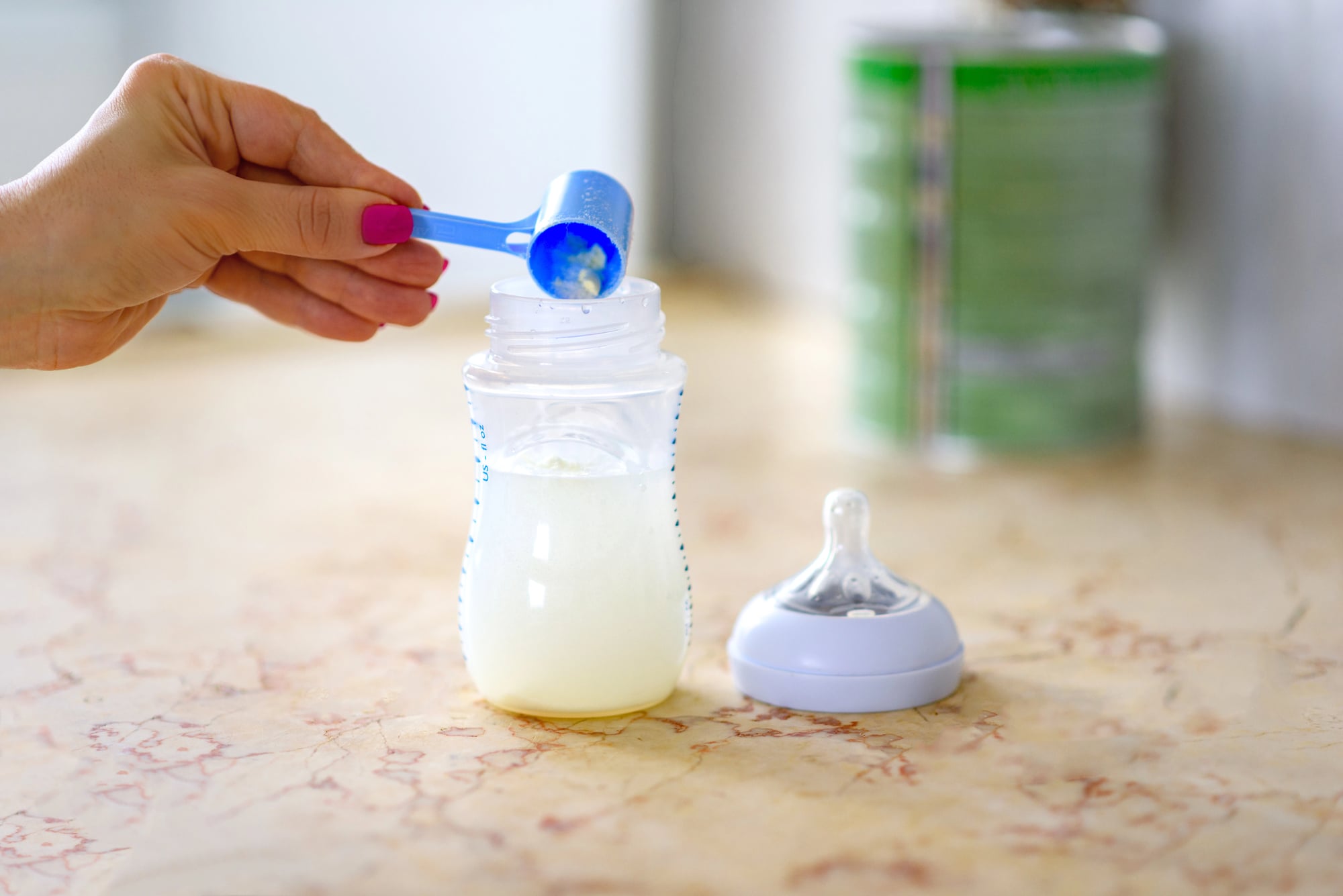
NASA research into algae as a potential food source for long space missions led to an unexpected discovery. Scientists found that certain algae contained fatty acids similar to those found in breast milk, which are important for infant brain and eye development.
Many baby formula manufacturers now include these nutrients, giving parents another option that more closely matches natural nutrition when breastfeeding isn’t possible.
Athletic Shoes
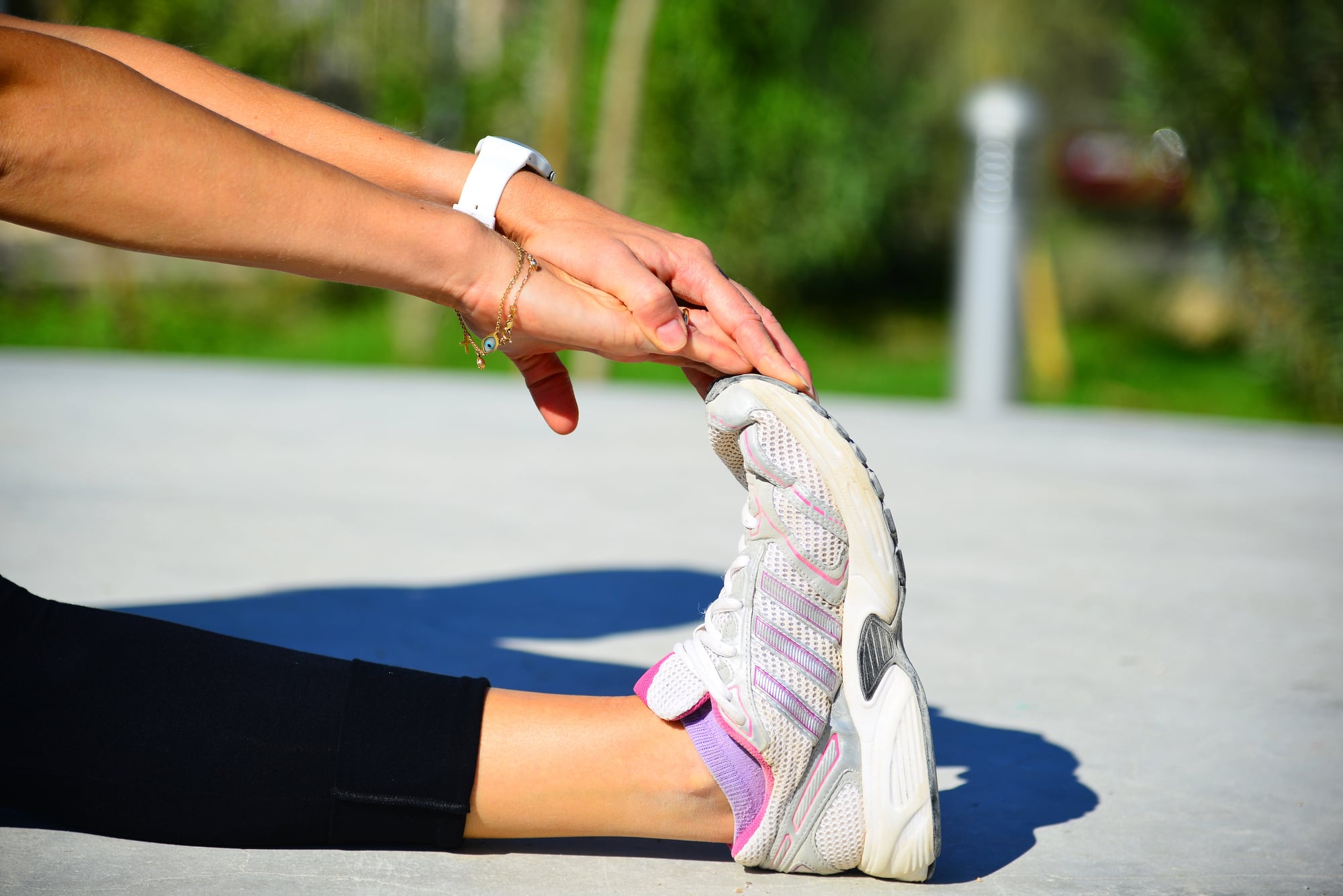
Running shoes with those cushioned soles and shock-absorbing features owe a debt to space boot technology. NASA engineers designed special boots for astronauts that could handle the impact of walking on unfamiliar terrain while providing support and comfort.
Shoe companies adapted these principles to create better athletic footwear, using similar materials and designs to protect joints and reduce injuries for everyone from professional athletes to weekend joggers.
Home Insulation
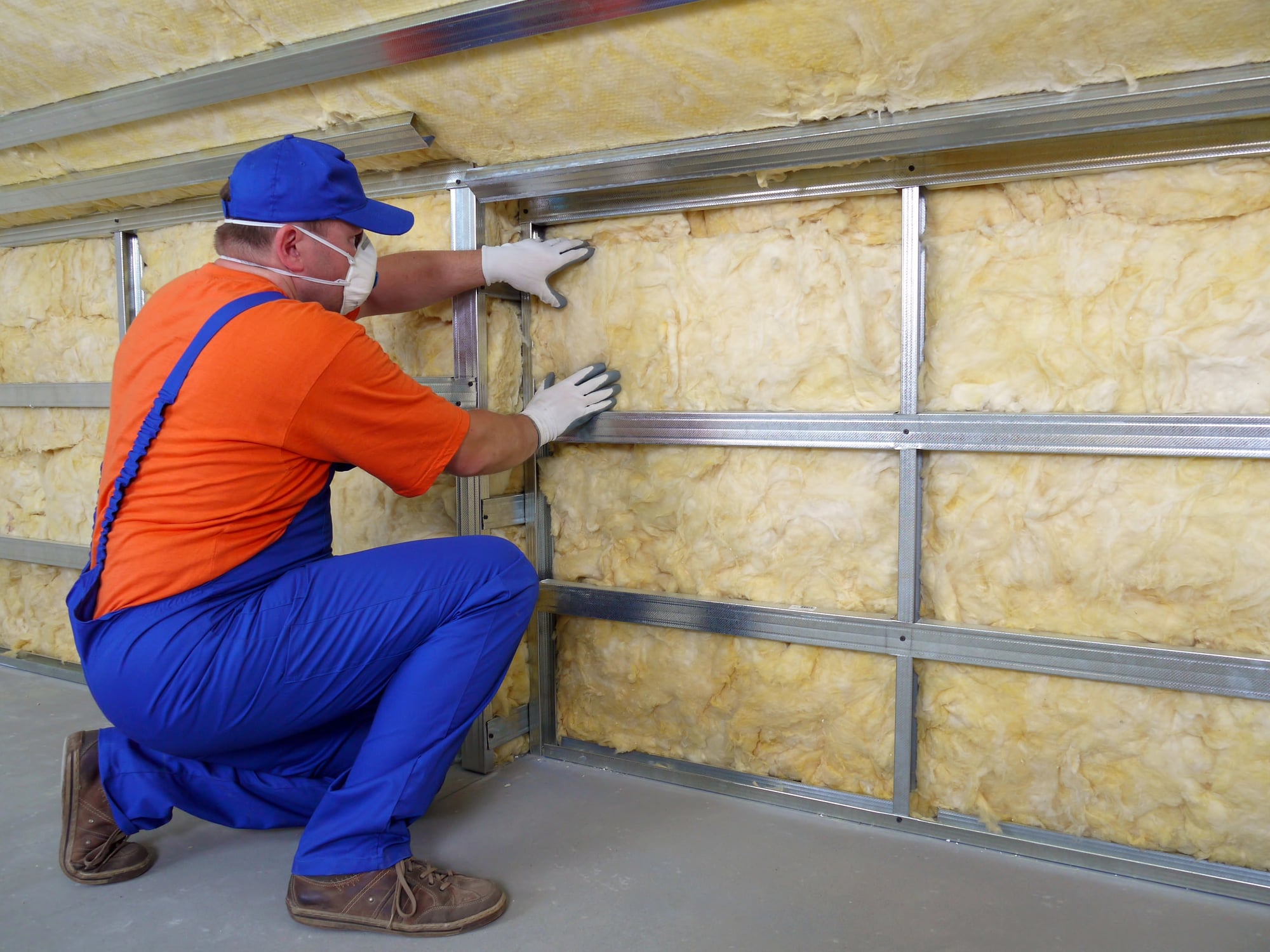
Keeping spacecraft at a comfortable temperature in the extreme cold of space required innovative insulation materials. NASA developed reflective barriers that could trap heat without adding much weight or taking up valuable space.
Builders now use similar reflective insulation in homes and buildings to reduce energy costs and keep indoor temperatures stable, whether it’s freezing outside or blazing hot.
Portable Computers
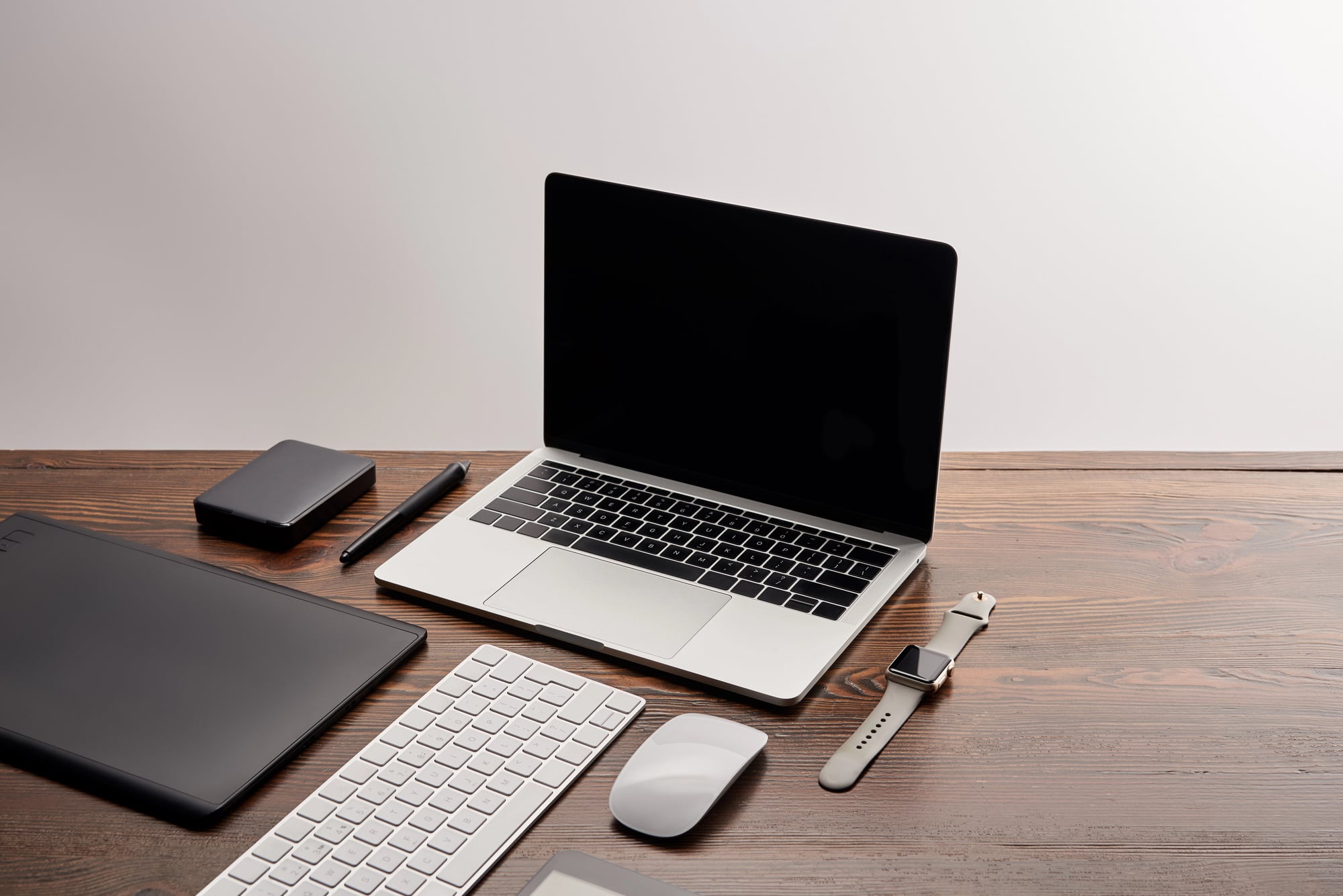
Before laptops became common, NASA needed compact, durable computers that astronauts could use in space. The agency invested heavily in miniaturizing computer technology and making it more reliable under extreme conditions.
This research helped push the entire computer industry toward smaller, more powerful devices that people could actually carry around, paving the way for the laptops and tablets we rely on today.
Freeze-Dried Food

Those camping meals that weigh almost nothing and last for years started with NASA’s need to feed astronauts nutritious meals in space. The freeze-drying process removes water from food while keeping most of the nutrients and flavor intact, making it lightweight and shelf-stable.
Hikers, campers, and emergency preparedness kits now use this same technology, and some of the techniques have even influenced how regular grocery store foods are processed and preserved.
Safety Grooving
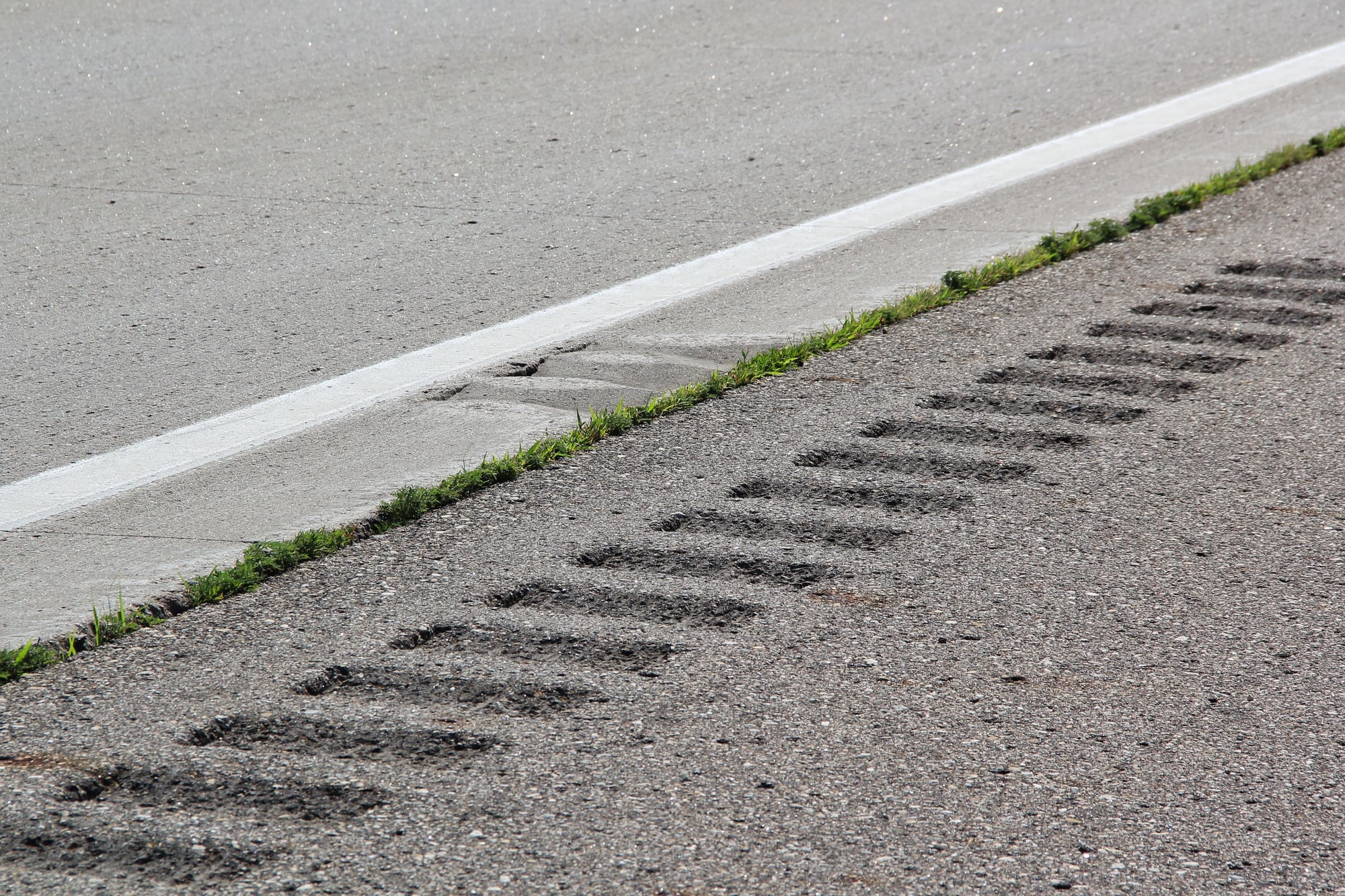
The grooves cut into concrete highways and airport runways came from NASA research on how to reduce aircraft skidding. Engineers found that cutting thin channels into pavement helped water drain away quickly, giving tires better contact with the road surface even in heavy rain.
Transportation departments across the country adopted this technique, making roads and runways safer and reducing accidents caused by hydroplaning.
Enriched Baby Food
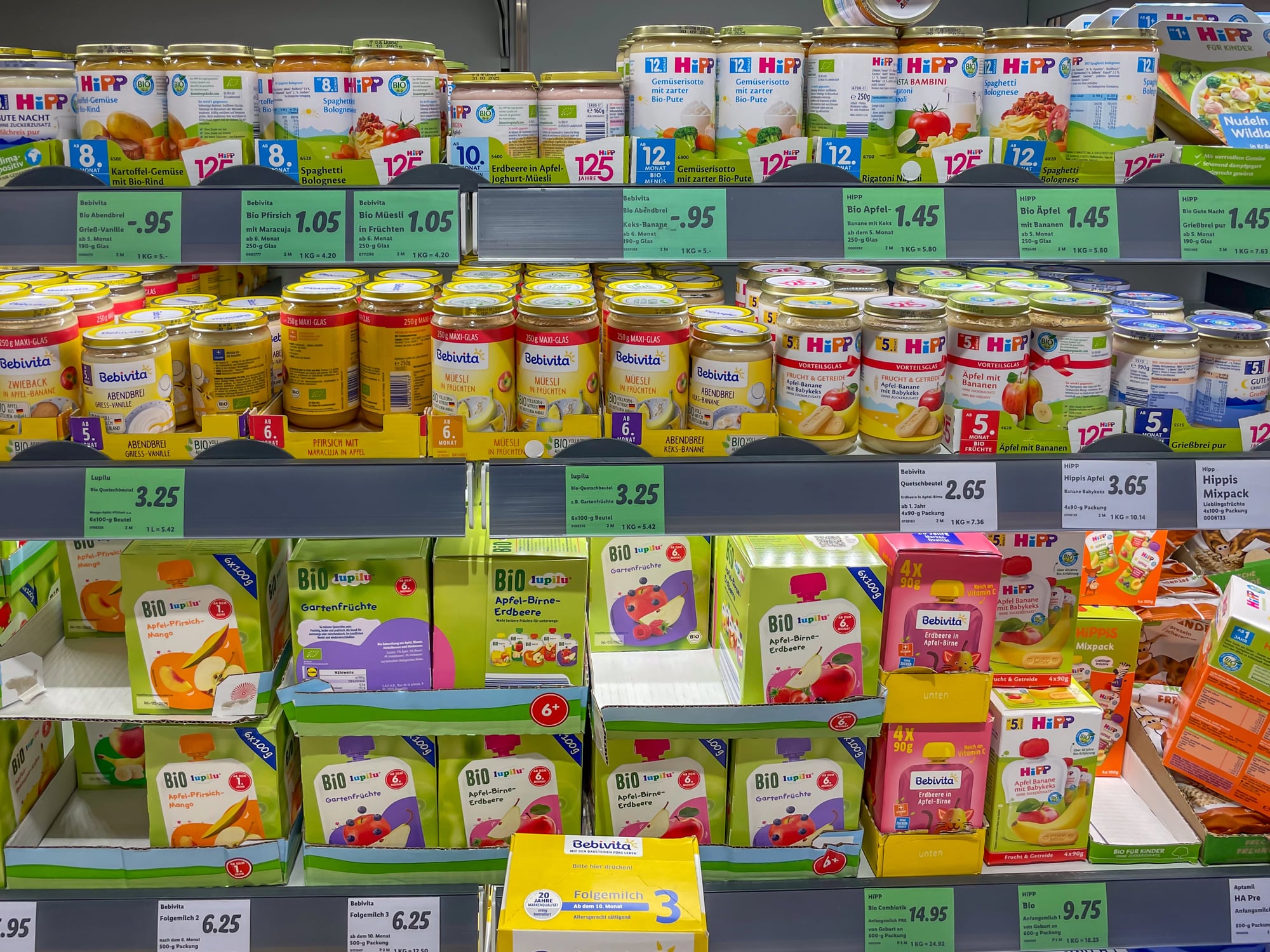
Space food research didn’t just lead to better preservation methods. NASA scientists studying nutrition for astronauts discovered new ways to add vitamins and minerals to food products without changing the taste or texture.
Baby food manufacturers applied these findings to create products with better nutritional profiles, giving young children access to important nutrients during their crucial early development years.
Improved Radial Tires
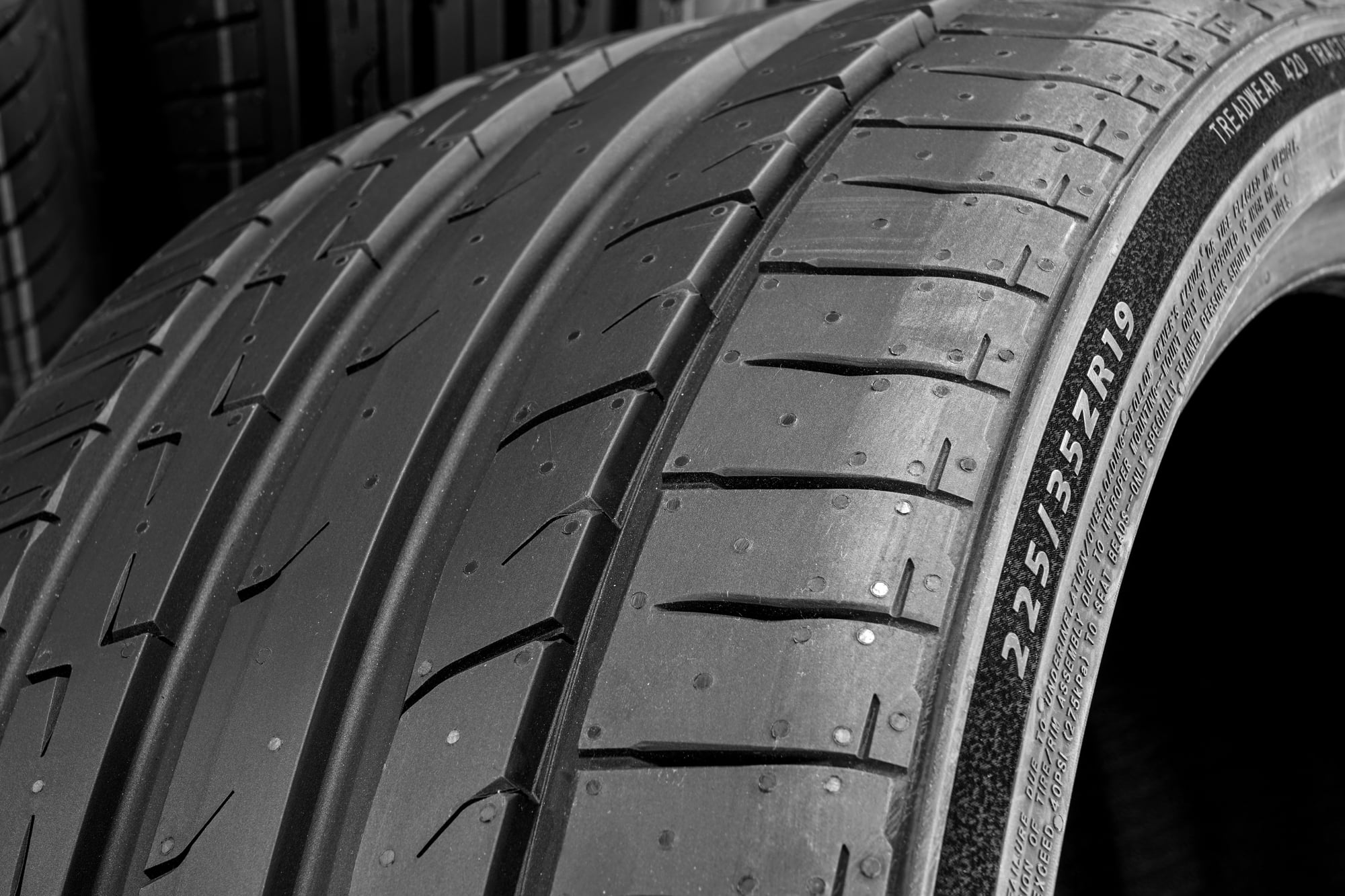
The special materials NASA developed for parachute shrouds on Viking Mars landers turned out to have uses back on Earth. A company called Goodyear adapted these strong, lightweight fibers to create more durable radial tires that last longer and provide better traction.
These improvements made driving safer and reduced how often people need to replace their tires, saving money and resources.
LED Lighting

NASA experimented with light-emitting diodes to help plants grow in space, testing whether astronauts could cultivate food during long missions. The research showed that LEDs could produce specific wavelengths of light very efficiently while using minimal power.
This work accelerated the development of LED technology for general use, and now these energy-efficient lights are replacing old bulbs in homes, offices, and streetlights worldwide.
Cochlear Implants
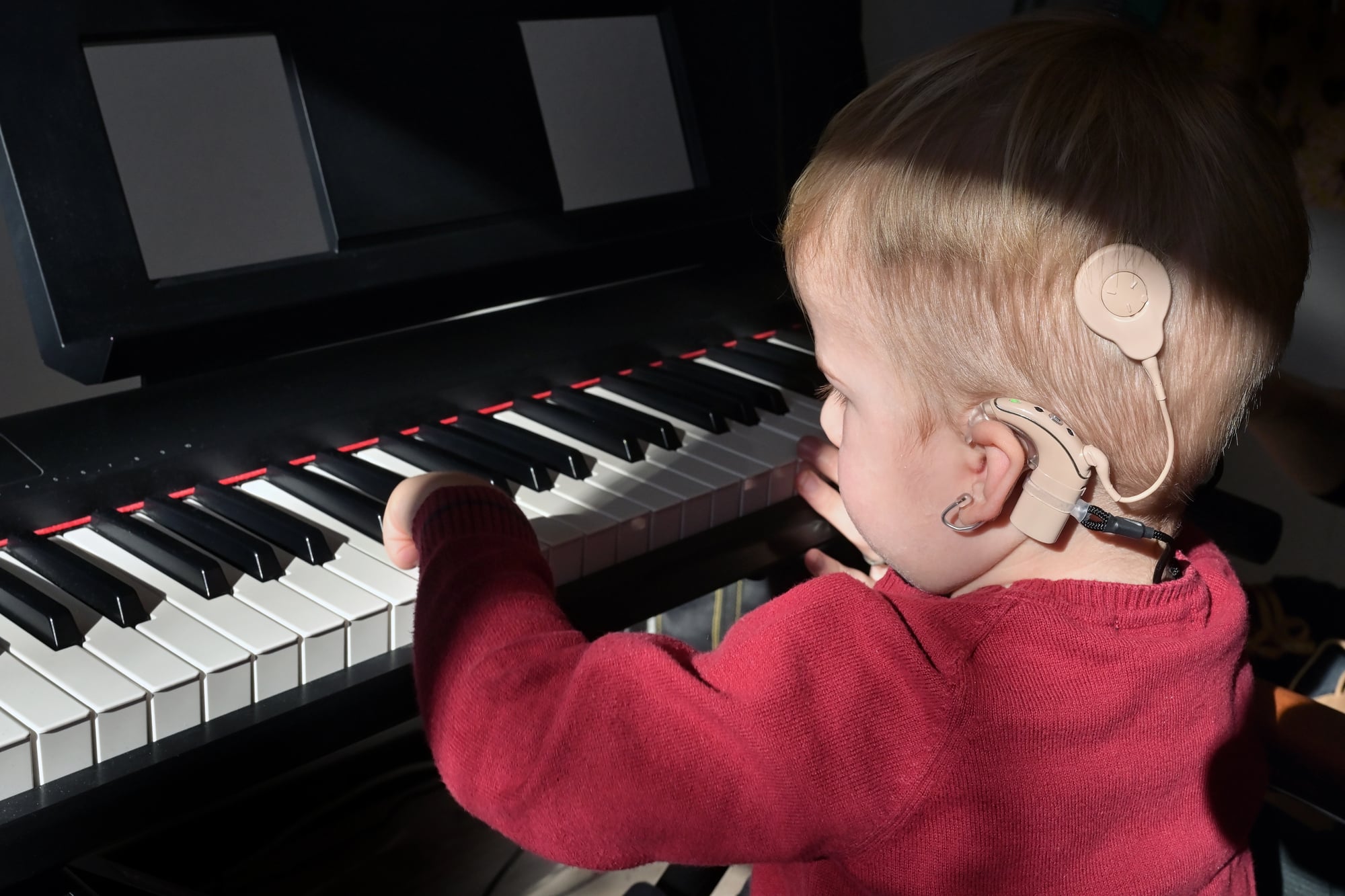
A surprise twist came when space gear started helping ears. From NASA labs emerged tools meant to handle data sent by distant probes.
Instead of just tracking satellites, those systems inspired a new path for medical science. Sound waves now get transformed through clever circuitry modeled after cosmic signal handlers.
One breakthrough led surgeons and tech builders to rethink how nerves talk to machines. People once shut out from daily noise found voices again, plus rhythm in songs they had never heard.
Quiet lives filled with chatter, laughter, sudden noises – things most take for granted.
Camera Phones
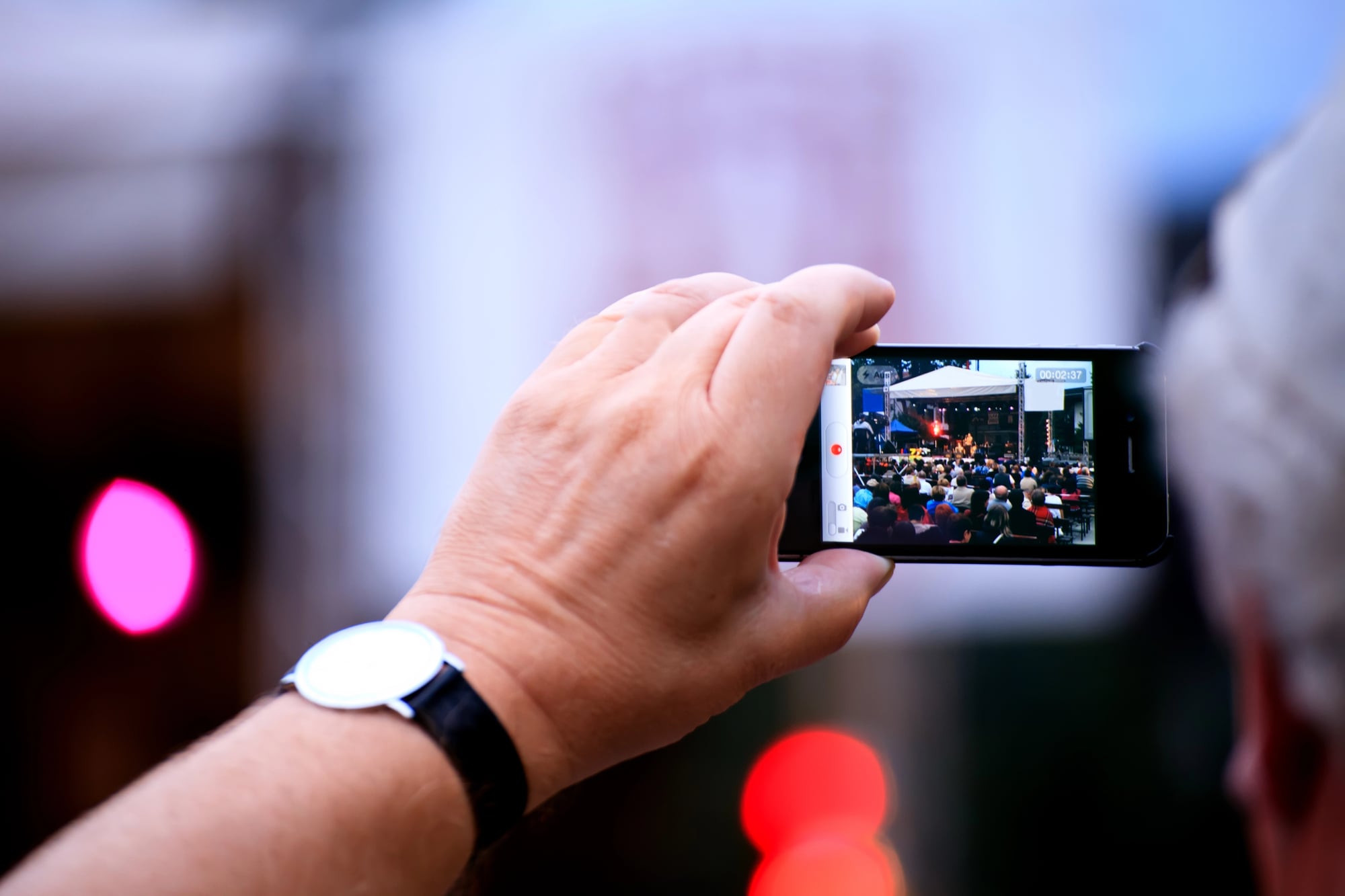
Tiny cameras inside phones owe some of their design to what NASA developed while shrinking imaging tools for outer space travel. Space missions called for lightweight gear able to snap sharp pictures but not bulk up a rocket’s load or fill tight compartments.
When these compact systems got better and less expensive over time, they began showing up in handheld devices meant for calling and texting. That shift quietly reshaped the way humans record small happenings during ordinary days.
From Orbit to Everyday Life

Out there among the stars, answers often show up where you least expect them. When scientists tackle wild hurdles miles above Earth, those fixes somehow find their way into everyday things down here.
Think about your morning routine – some part might trace back to a bolt tightened on a satellite. Even seatbelts or smoke detectors once had roots in zero gravity puzzles.
A quiet tweak made for astronauts could be humming inside your phone right now. Funny how survival tricks from orbit tend to slip into streets, kitchens, even hospitals without fanfare.
More from Go2Tutors!

- The Romanov Crown Jewels and Their Tragic Fate
- 13 Historical Mysteries That Science Still Can’t Solve
- Famous Hoaxes That Fooled the World for Years
- 15 Child Stars with Tragic Adult Lives
- 16 Famous Jewelry Pieces in History
Like Go2Tutors’s content? Follow us on MSN.



