Why Certain Board Games from Decades Ago Still Outsell Modern Versions
The board game market is enormous, growing, and producing sophisticated modern titles at a rate the industry has never seen before. Kickstarter alone raised over $272 million for board games in 2021. New games with elegant mechanics, cooperative play, and genuinely clever design reach shelves every year.
And yet, the games that dominate total volume — the ones you find in every department store, airport shop, and family cupboard across the world — are the same games they were fifty years ago. Chess. Monopoly. Scrabble. Clue. Checkers. Backgammon.
There is something happening in that gap between critical appreciation and raw sales that is worth examining.
Chess Has Outsold Every Other Board Game in History
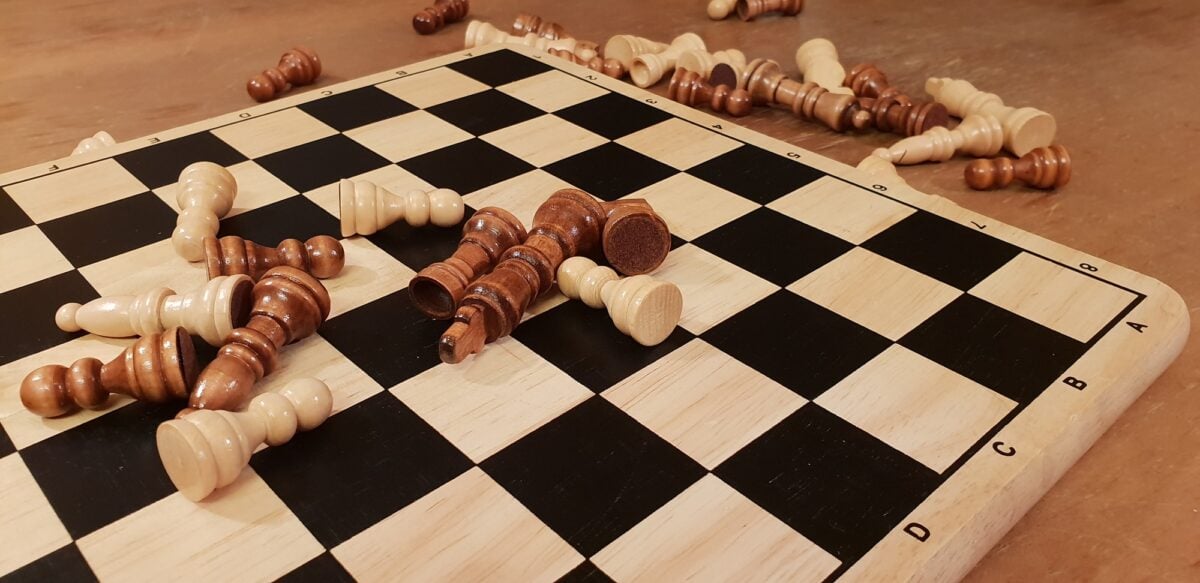
Chess has been played in recognisably its current form since approximately the 6th century AD, and it is the best-selling board game of all time by total volume. Around 3 million physical chess sets are sold annually in the United States alone.
After the release of the Netflix series The Queen’s Gambit in October 2020, sales of chess sets rose by over 1,000 percent according to Goliath Games, and online chess platforms reported hundreds of thousands of new registrations.
A 1,500-year-old game with zero proprietary pieces, no licensed characters, and no manufacturer needed a television drama to demonstrate to a generation that it was still there, waiting.
Monopoly’s Market Share Is Staggering
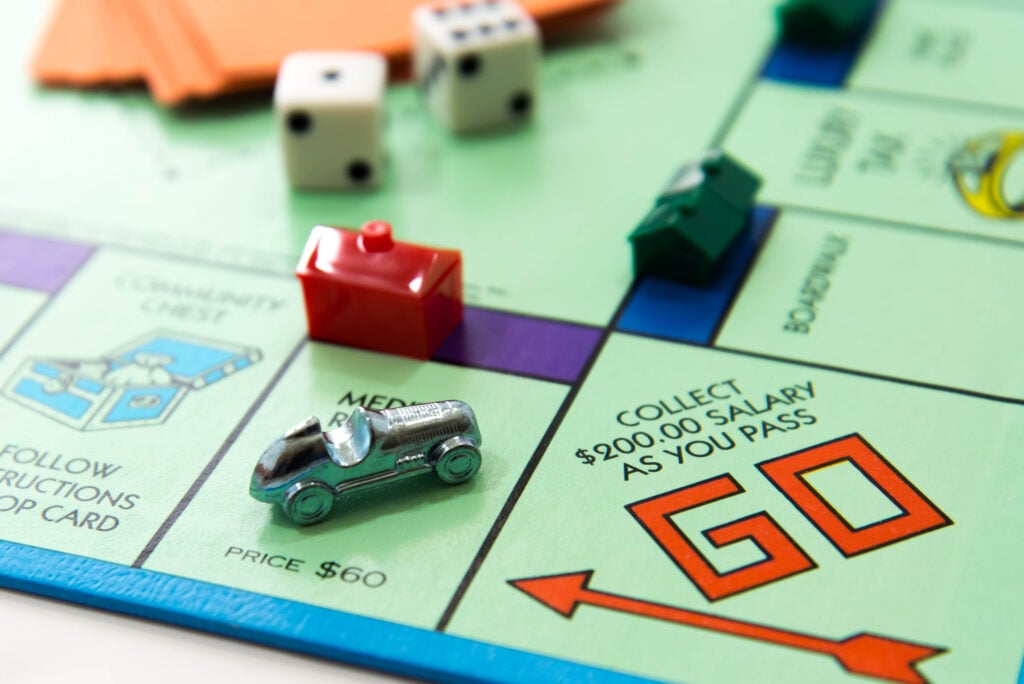
Monopoly was first commercially published in 1935 and has sold over 275 million copies across more than 114 countries. As of 2026, it holds approximately 32.8 percent of the specific board games market share — a number that, for a single product in any mature consumer category, would be considered an anomaly.
The game’s mechanics are frequently criticised by modern board game designers: the luck-to-strategy ratio favours chance over skill, player elimination can strand you at the table for hours, and the property-trading system drags in late game. None of this has meaningfully affected sales. Hasbro has released over 1,000 licensed editions, from Star Wars to One Piece to local city editions, which keeps the product visible in retail without altering the core game.
Scrabble Is in One in Three American Homes
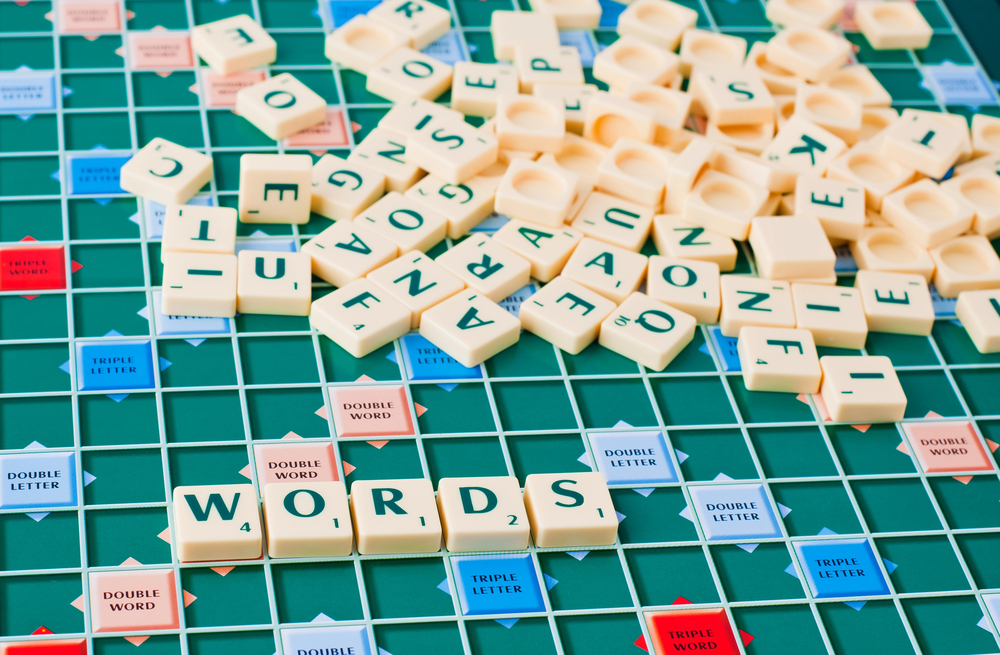
Scrabble was developed by Alfred Mosher Butts during the Great Depression and commercially published in 1938. It is estimated to have sold over 150 million copies worldwide and is present in approximately one in every three US households.
Seventy percent of board game players across the general market say they prefer physical copies of games over digital adaptations, and Scrabble benefits particularly from this preference: the physical tile-drawing ritual, the shared board, and the argument about whether a word is valid are all part of the experience in a way that the app version doesn’t fully replicate.
Checkers May Be the Most-Sold Game Object in History
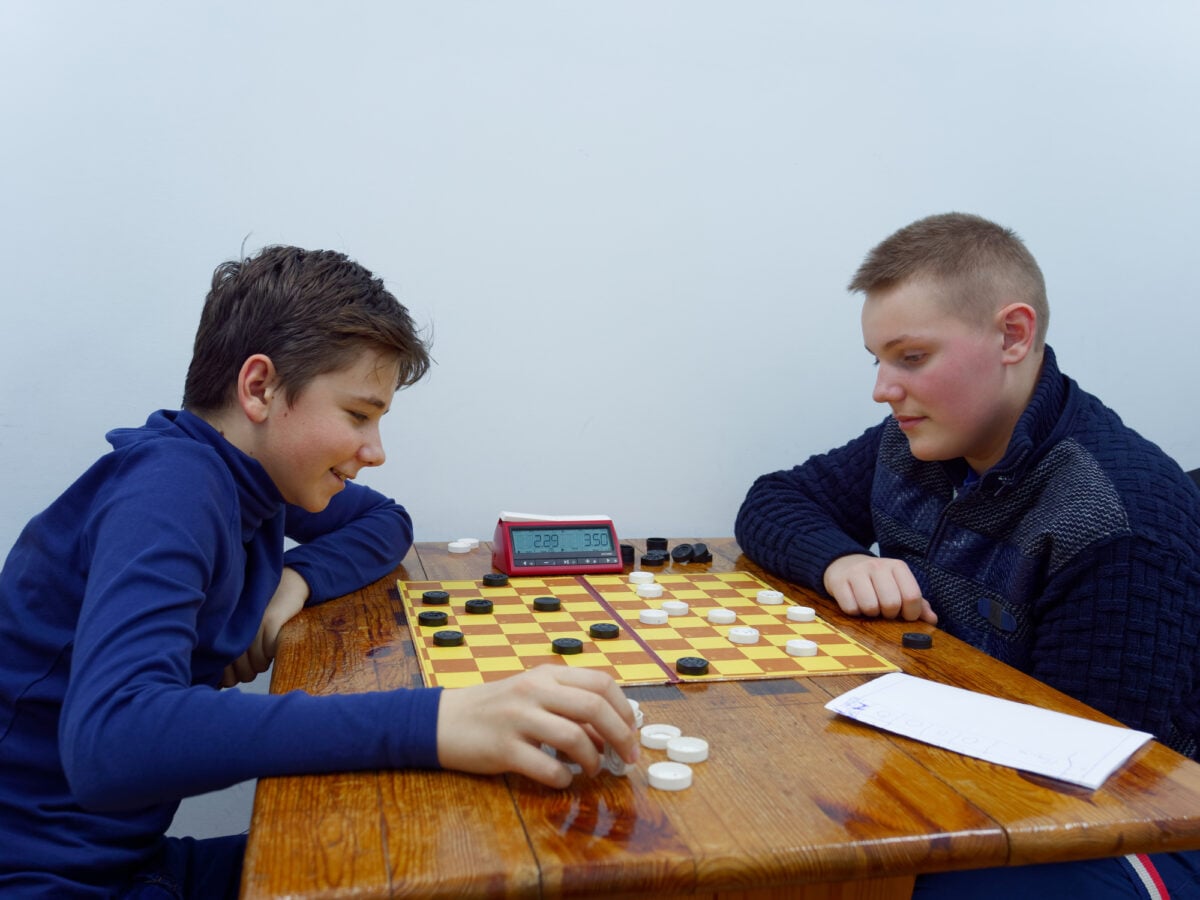
Estimates suggest that approximately 50 billion units of checkers have been produced across all forms of the game’s history — a figure that makes it a credible candidate for the most manufactured game object in human existence.
The game requires twelve pieces per player, a 64-square board, and rules that can be explained in under two minutes. The low barrier to participation is the entire product. Every subsequent version of the game is simply a variation on a concept that requires no further explanation to anyone who has ever been a child.
Clue Has Sold Over 150 Million Copies Despite a Solved Structure
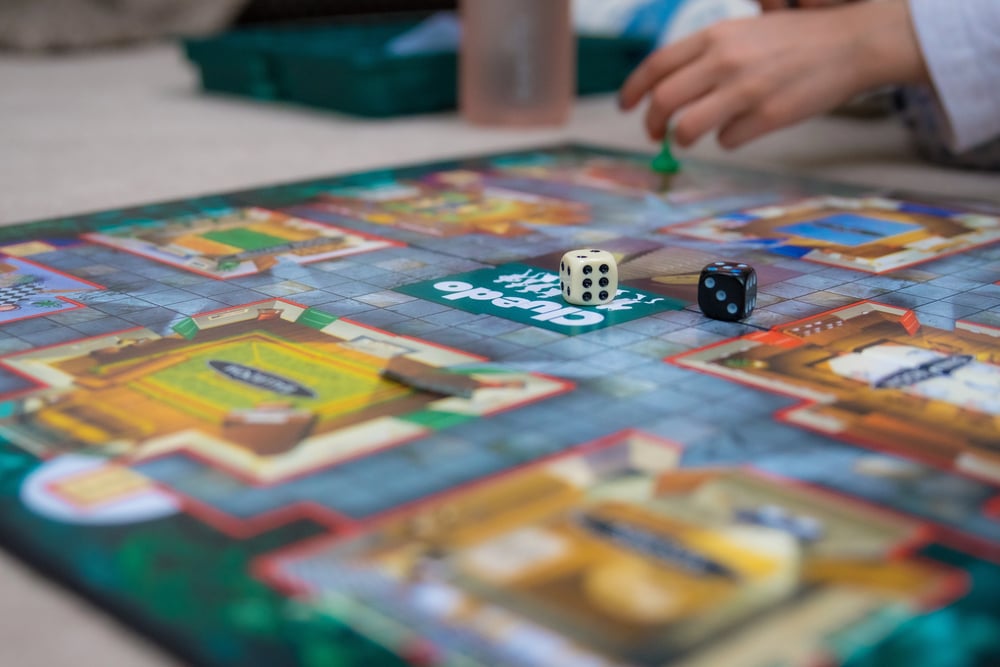
Clue (known as Cluedo in most of the world) was developed by Anthony Pratt, a solicitor’s clerk in Birmingham, during World War II, patented in 1944, and first sold in 1949. It has sold over 150 million copies, despite the fact that its deductive structure is arguably more limited than most modern mystery games: the same six suspects, nine weapons, and nine rooms every time, with a solution arrived at through systematic elimination.
The game’s longevity rests not on mechanical depth but on the shared cultural shorthand — everyone knows what Clue is, and that recognition is itself a kind of product.
Backgammon Is the Oldest Game Still Selling at Volume
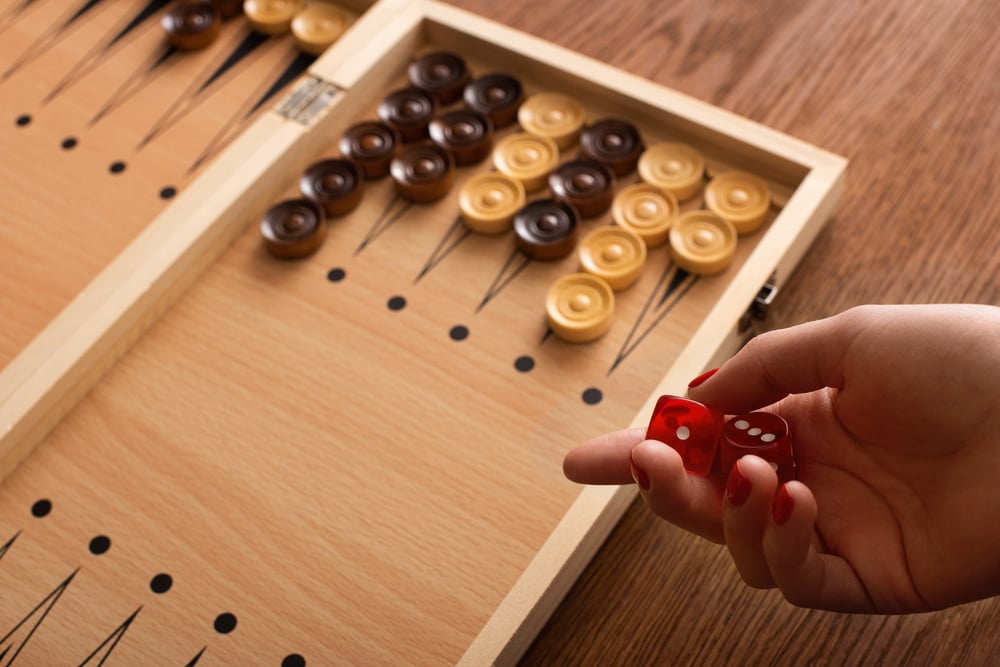
Backgammon’s origins trace to ancient Mesopotamia, with versions of the game documented from approximately 3000 BCE. Modern physical copies have estimated worldwide sales of around 88 million. The game’s combination of dice luck and board strategy creates a playing experience where chance and skill interact in ways that remain genuinely interesting across skill levels — a novice can beat an expert on a good dice day — which makes it a rare social equaliser in a way that chess, for example, is not.
The Queen’s Gambit Effect Demonstrated Latent Demand

The Netflix series The Queen’s Gambit premiered in October 2020 and produced one of the most documented spikes in board game sales history. Chess set sales rose over 1,000 percent. Online chess platforms added hundreds of thousands of users in weeks.
The spike illustrated something important: the demand for chess had not diminished, it had simply been dormant. The series did not create new chess players by introducing a new game — it reminded millions of people that they already knew a game they hadn’t played in years. Classic games retain their audiences even when those audiences are inactive.
Screen Fatigue Has Driven a Measurable Resurgence

The board game market has been growing at a compound annual rate of approximately 8 to 10 percent since 2020, and analysts consistently cite “screen fatigue” as a driver. The market grew 20 percent in 2020 alone as COVID-19 lockdowns sent millions of households looking for entertainment that didn’t involve a device.
Physical board games provide face-to-face interaction, shared attention, and a defined ending point — qualities that digital entertainment increasingly struggles to offer in a convincing form. Retro re-releases by Hasbro reportedly generated $80 million in a single quarter of 2025.
The “Easy to Learn, Difficult to Master” Principle

The games that dominate multi-generational sales share a design principle that most modern hobbyist games don’t prioritise in the same way: rules you can explain in minutes, gameplay that rewards you for years. Chess’s opening, middlegame, and endgame theory supports lifetimes of study. Scrabble’s vocabulary depth rewards consistent engagement.
Monopoly’s property valuation and trade negotiation offer more strategic texture than the rules make obvious. This balance between accessible entry and genuine depth is harder to achieve than it appears, and the classics have it because they’ve been iterated and refined over decades.
Nostalgia Purchases Are Structurally Reliable

Classic board games are purchased by adults who played them as children and now want to share the experience with their own families. This creates a purchasing cycle that doesn’t depend on marketing campaigns or critical reviews: the game’s reputation is transmitted through lived experience across generations. Parents teaching their children Scrabble are not recreating a marketing interaction — they’re passing on a memory, and the game is the physical object that accompanies that transmission.
No modern game, however well-designed, has had sufficient time to build this kind of multigenerational footprint.
Catan as the Exception That Proves the Rule
— Photo by tarikkaanmuslu
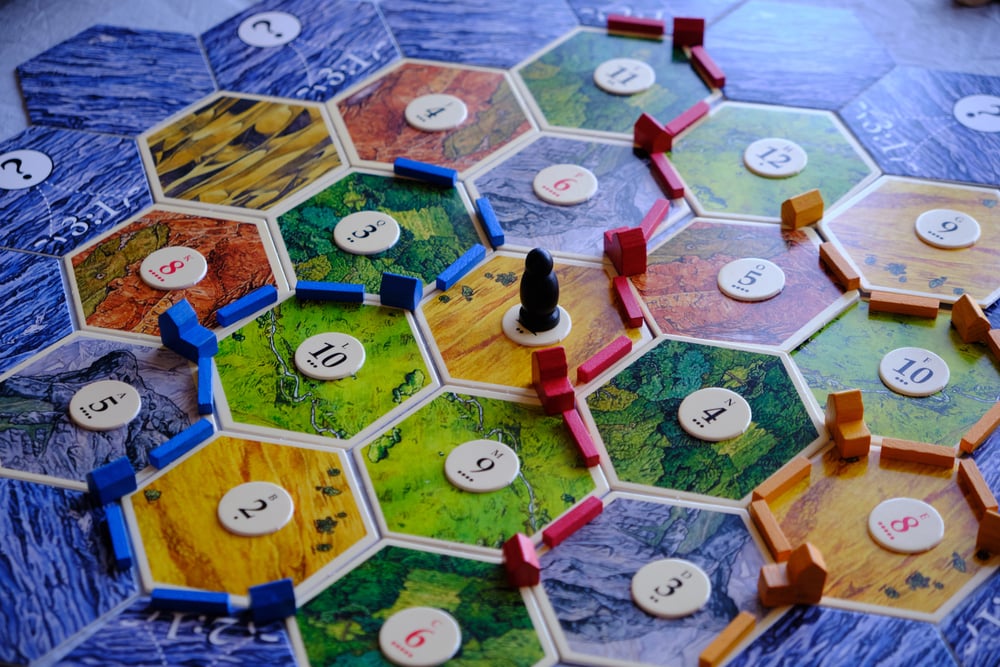
Catan (originally The Settlers of Catan) was published in 1995 and has sold over 45 million copies, making it the best-selling modern board game by a significant margin. It is cited as the “gateway game” that introduced 48 percent of today’s modern board game hobbyists to the hobby.
Its success is exceptional precisely because it shares several properties with classic games: simple rules, variable setup, and a social trading mechanic that plays well across age ranges. What Catan demonstrates is that the features that make old games durable can be reproduced — but doing so requires genuine design insight, not just novelty.
No Required Setup Complexity
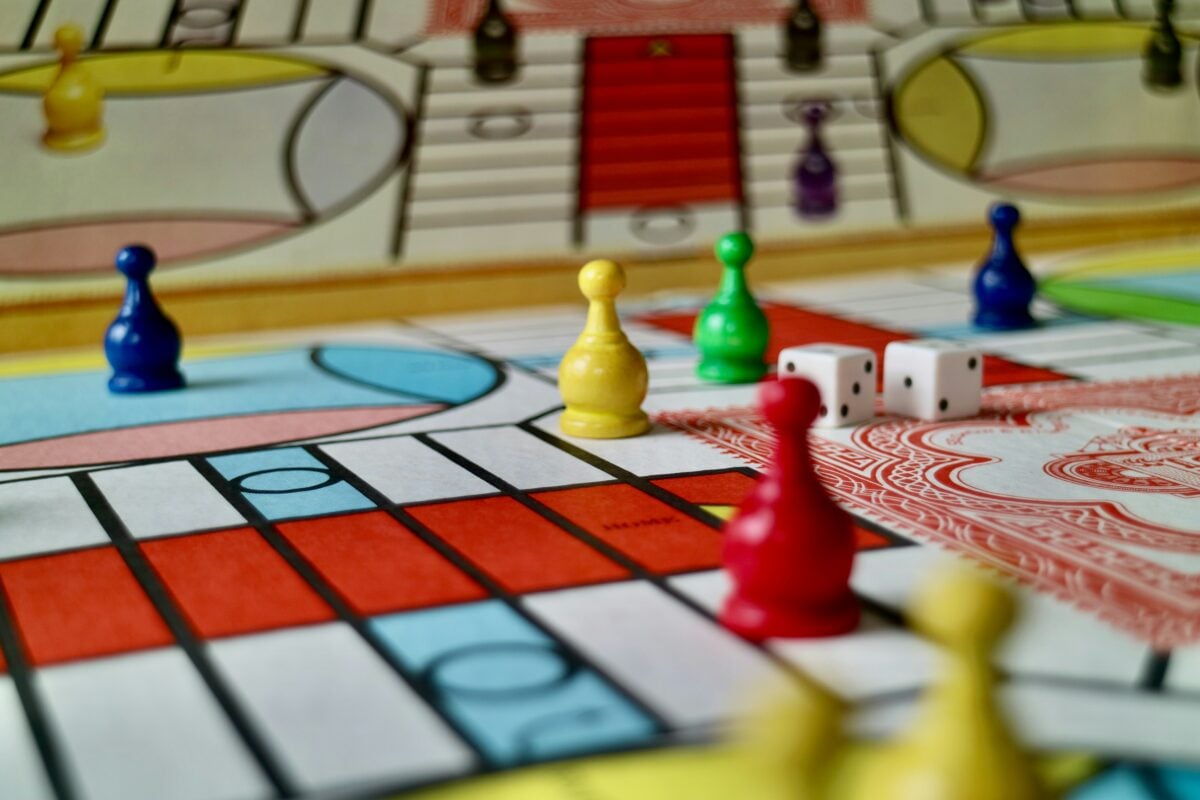
Classic games typically require minimal prep. Open the box, unfold the board, distribute the pieces, and play. Modern designer games frequently include thirty-page rulebooks, multiple player decks that must be configured before the game begins, and setup times that can exceed the playtime of a classic game.
The barrier to a spontaneous game of chess is zero. The barrier to a first game of Gloomhaven — a well-regarded modern game — is several hours of reading and sorting. Both experiences have their advocates, but for a casual family occasion, the comparison is not competitive.
Licensing Has Extended Classic Games Without Replacing Them
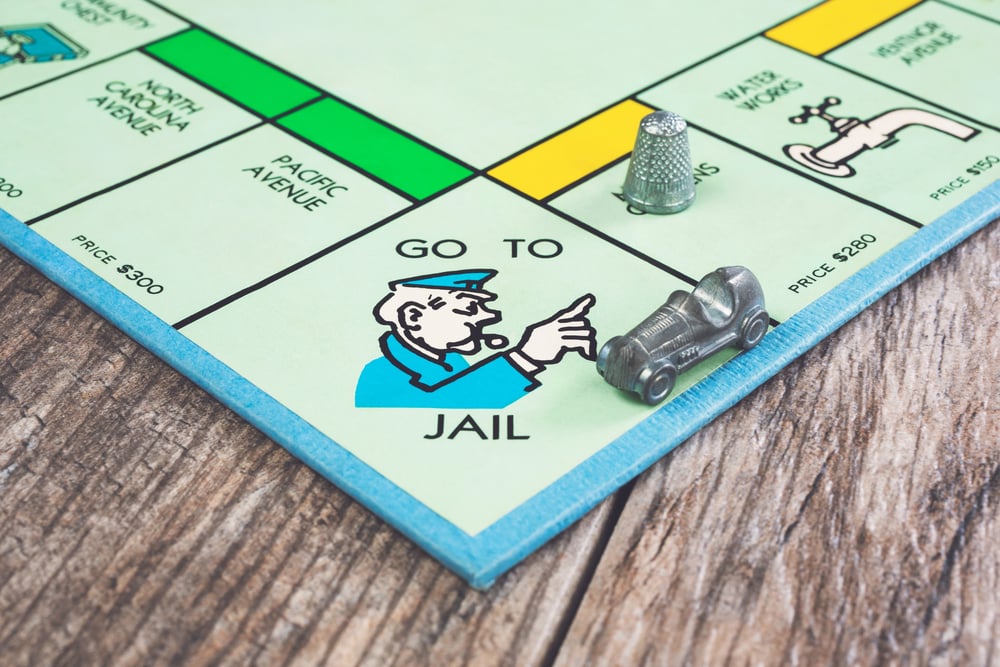
Hasbro has released Monopoly in over 1,000 themed editions, from Fortnite and Star Wars to individual city maps and professional football clubs. Each release keeps the Monopoly brand visible without cannibalising the base game’s sales, because collectors and theme-specific buyers purchase the branded edition while families continue buying the classic version.
The licensing strategy has made classic games more culturally present across decades than any single product could maintain through core sales alone.
The COVID-19 Resurgence Was Not Brand New Interest
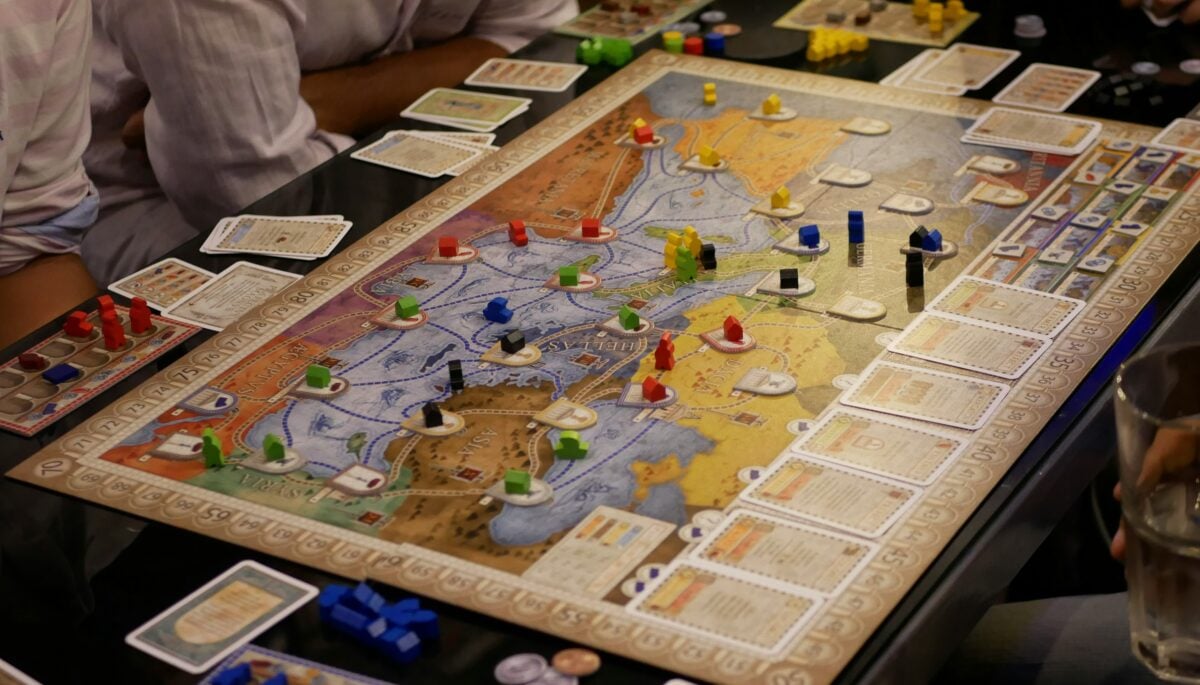
When board game sales surged during COVID-19 lockdowns, analysts initially described it as people discovering board games. A closer look suggested something different: households pulling out games they already owned and hadn’t played in years, and then purchasing new copies of games they remembered from childhood.
The games that benefited most from this resurgence were not new releases but classic titles, which surged before modern hobby games caught up. Dormant familiarity reactivated is not the same as new discovery.
Risk Has a Geography You Can Still Argue About
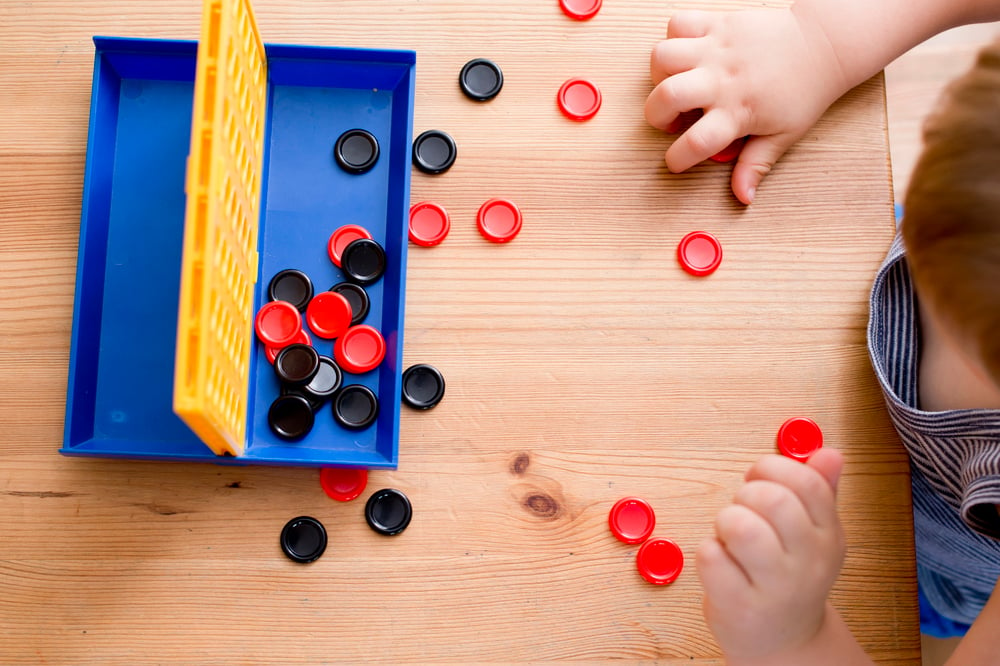
Risk was published by Hasbro in 1959 and has sold tens of millions of copies across multiple editions. Despite its reputation for generating arguments and lasting far too long, it remains a retail staple because it offers something that most modern games don’t: the tactile satisfaction of watching your army spread across a physical map and the specific social pleasure of negotiating alliances that everyone knows will eventually be broken.
The diplomatic element — lying to your friends within a shared social structure — is a social experience that no digital game has convincingly replicated.
Trivial Pursuit Invented a Genre That Still Dominates Party Games
— Photo by luvemak
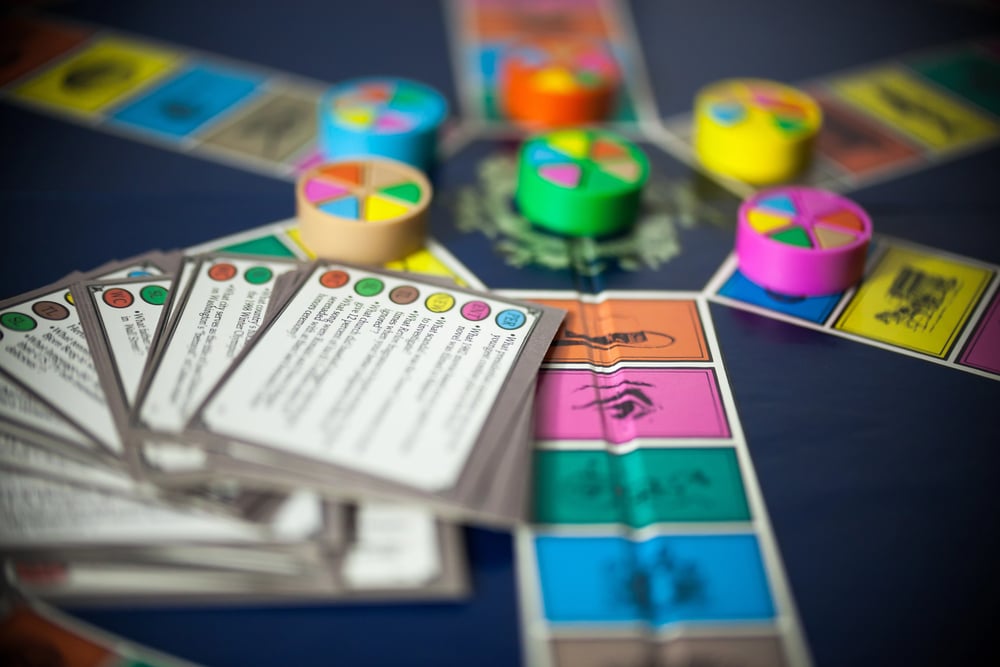
Trivial Pursuit was developed by two Canadian journalists, Chris Haney and Scott Abbott, in 1979, first published in 1981, and has sold over 100 million copies worldwide. It invented the mass-market trivia game category and defined the format for party entertainment that works across knowledge levels and social groups.
Modern trivia games — including apps — have not displaced it because the physical act of pulling a card, reading it aloud, and arguing about whether the answer counts is a social ritual the game format supports better than a screen.
Battleship Is a Two-Player Experience With a Clear Ending
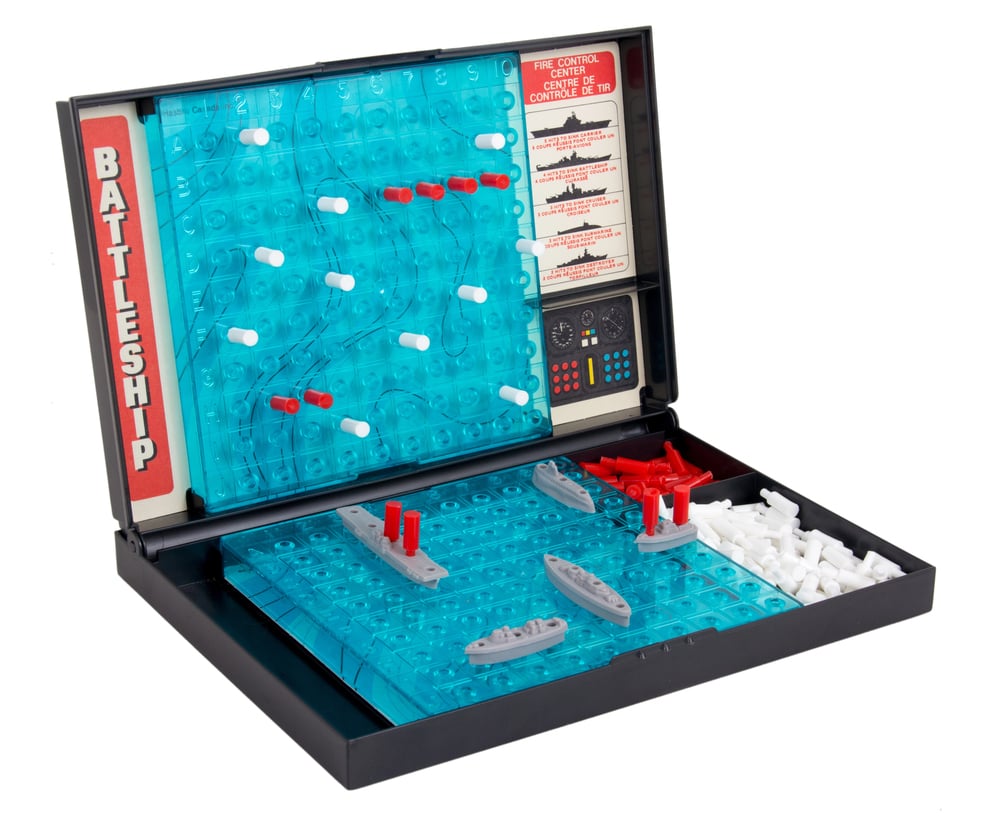
Battleship has sold over 1 billion copies across all formats since its commercial publication in 1967, making it one of the highest-volume physical game products in history. Its longevity rests on a simple proposition: two players, hidden information, systematic elimination, and a clean endpoint.
The game cannot go indefinitely, cannot be broken by a runaway leader, and requires no alliances, negotiations, or specialised vocabulary. As a contained two-player experience, it has faced no serious commercial challenge from modern designers targeting the same use case.
UNO’s Position as a Card Game Behemoth
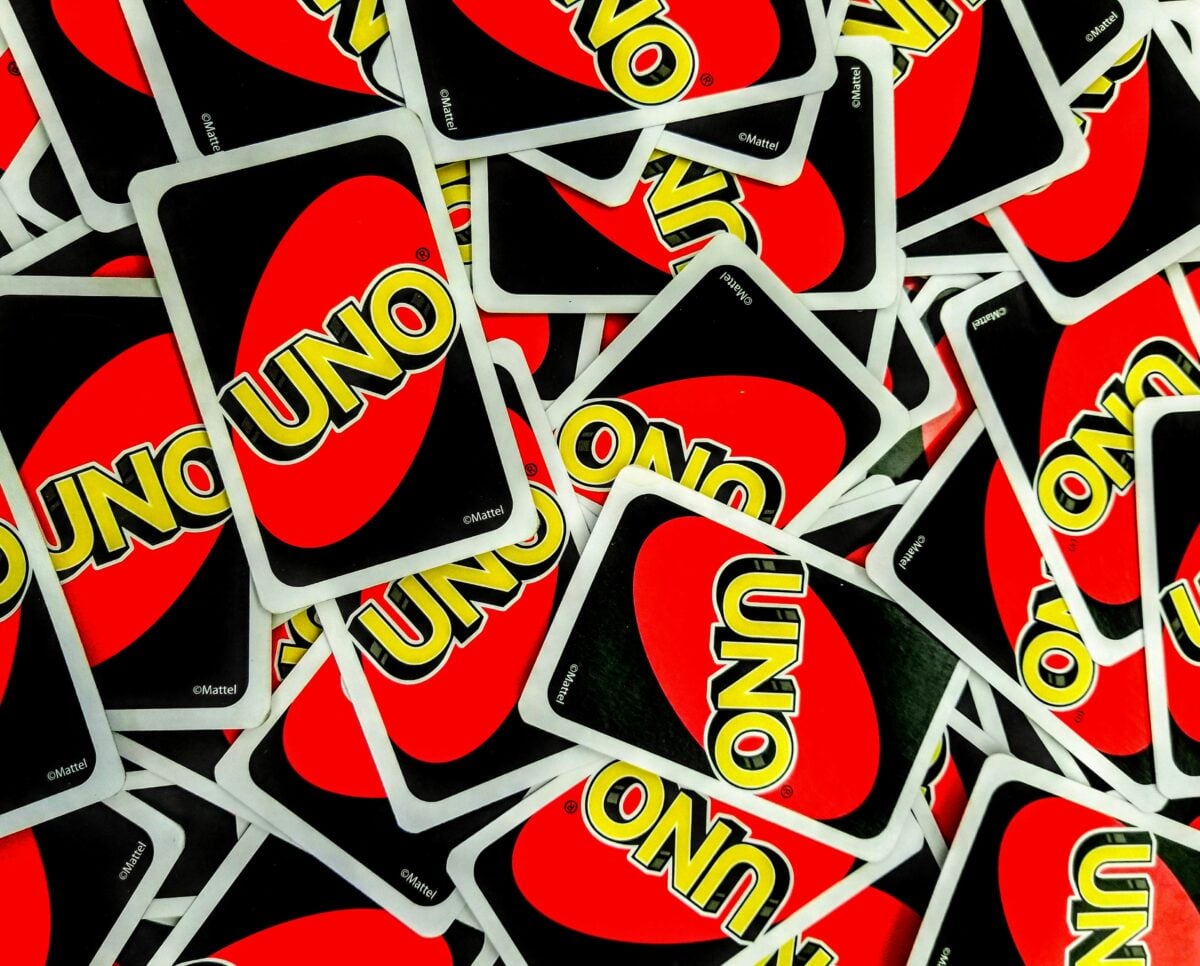
UNO was created by Merle Robbins in 1971 and has sold over 150 million copies, a figure comparable to Scrabble and Clue. Its sales come almost entirely from the family and casual market, where its combination of simple colour-matching rules, mildly punitive special cards, and essentially unlimited player count makes it the default choice for groups that need a fast-starting, low-stakes activity.
Modern card game designers have produced games with significantly more strategic depth — but UNO doesn’t compete on strategy. It competes on instant accessibility, and on that axis it has no peer.
The Physical Object Matters
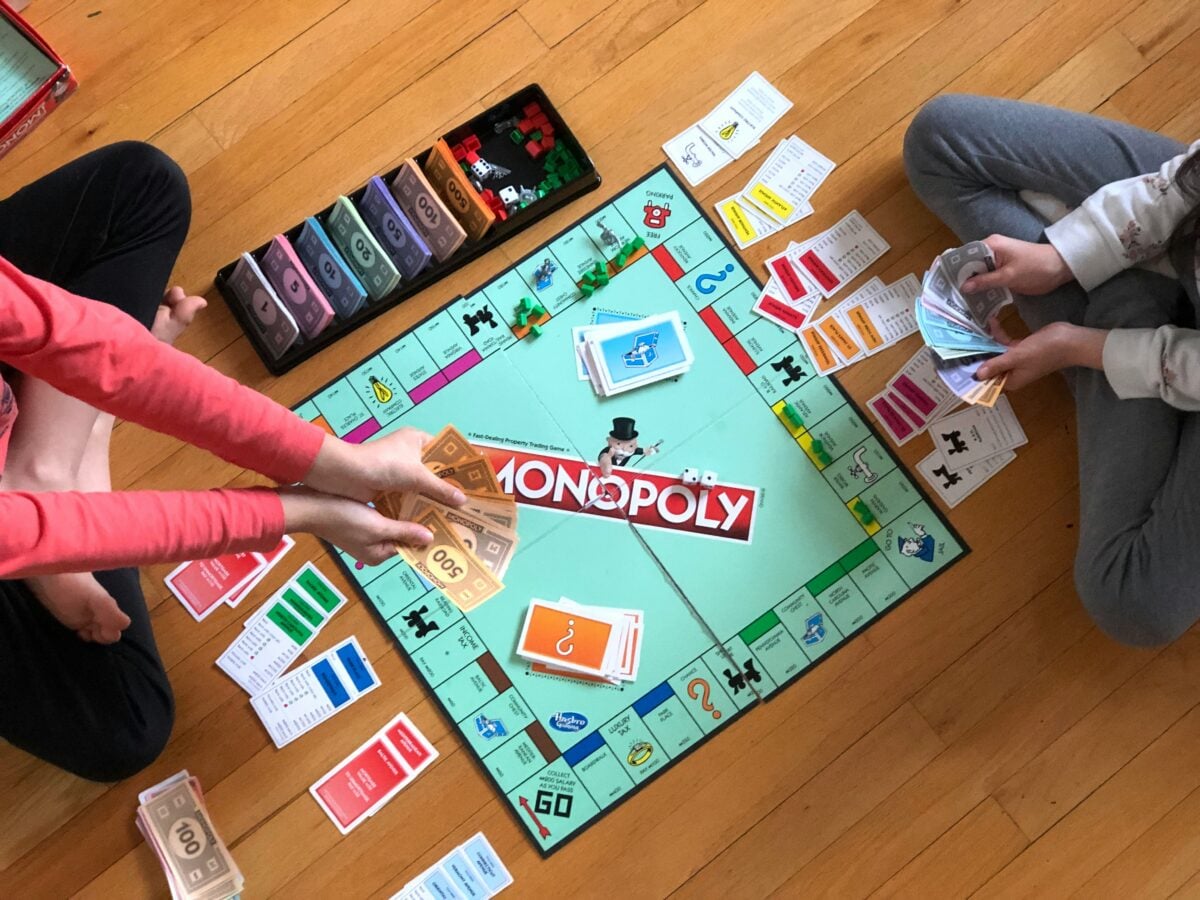
Seventy percent of board game players say they prefer physical copies over digital versions, according to survey data. The preference is not irrational: a physical board game is tactile, durable, visible, and social in ways that an app is not. A chess set on a shelf signals something about the household that owns it.
Monopoly money handled by children has a sensory quality that a touchscreen cannot replicate. The physical object of a classic board game carries accumulated meaning — who played it, when, what arguments were had over it — that the digital version strips out.
The Price Point Is Decisive for Gift-Giving
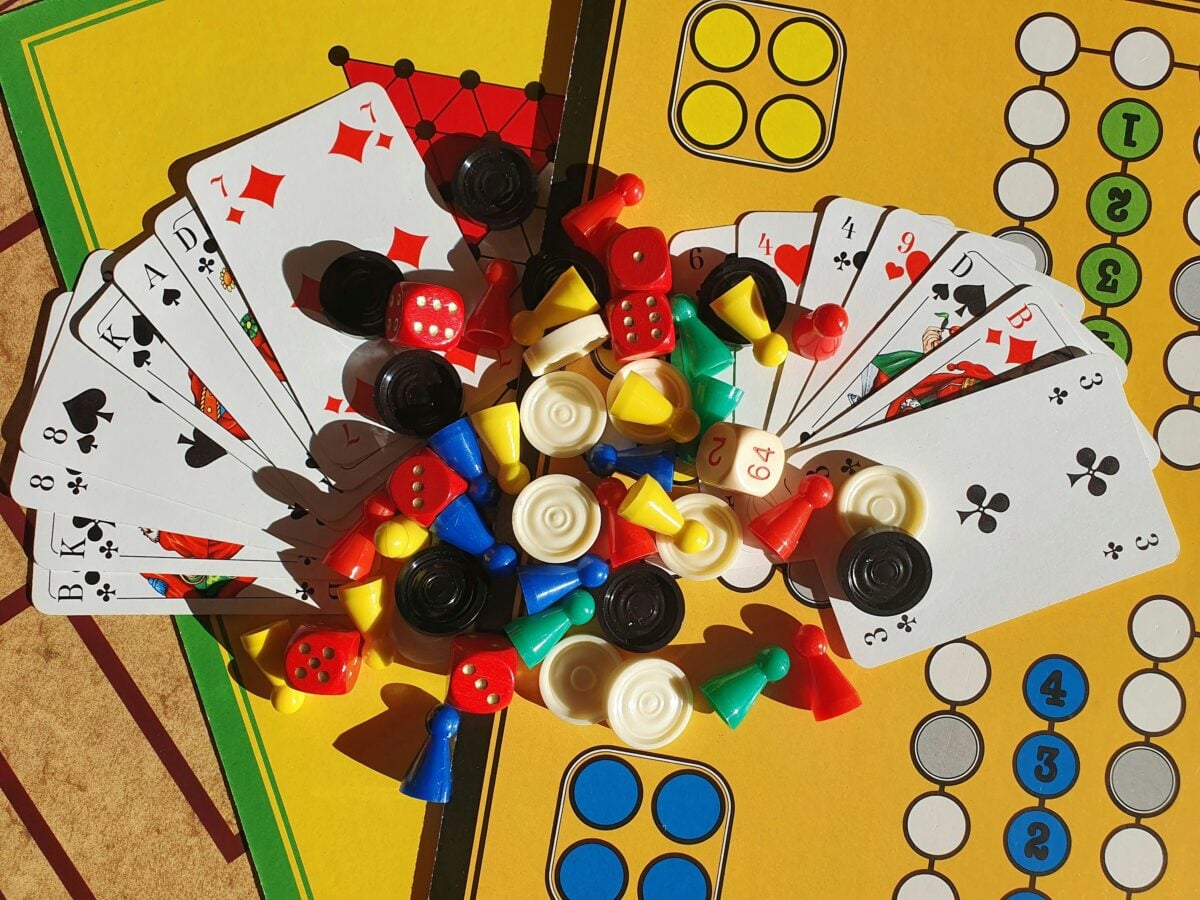
Classic board games retail at price points — typically $20 to $35 for standard editions — that make them viable impulse purchases and reliable gifts. A game at this price requires no prior knowledge of the recipient’s gaming preferences, no setup guidance, and no explanation: the recipient already knows what it is.
Modern designer games frequently retail at $50 to $80, which requires a more deliberate purchase decision. Gift-giving economies favour the recognisable over the innovative, and classic games benefit structurally from being known quantities.
The Gap Between Critical and Commercial Success
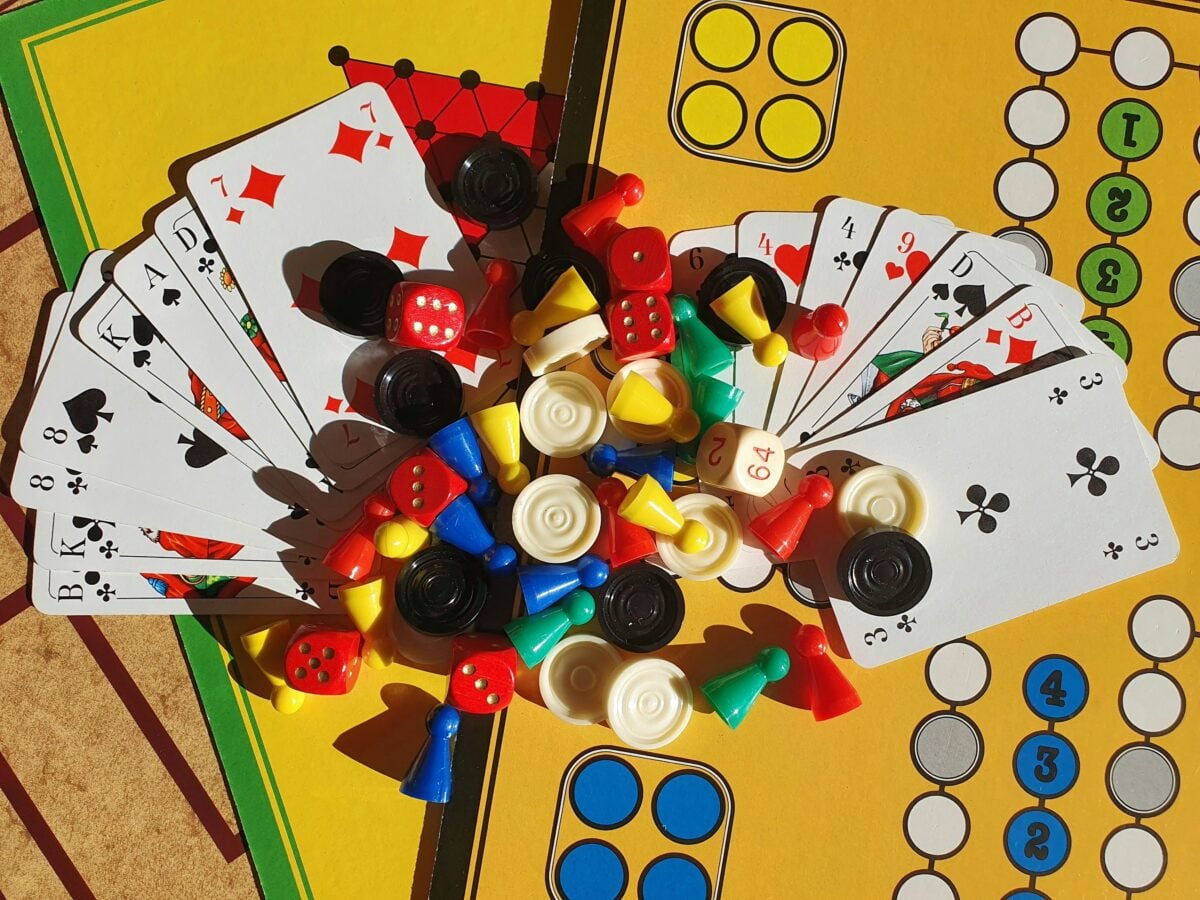
The board game hobby press produces detailed reviews, rankings, and recommendations that have made modern games like Wingspan, Gloomhaven, and Terraforming Mars widely celebrated within the hobby community. None of these games has approached Monopoly’s annual unit sales.
The gap between what the hobby community prizes and what the mass market buys is as wide in board games as it is in any other creative industry — and the mass market’s choices are driven by familiarity, ease, and social signalling in ways that design quality alone cannot override. The games that have lasted decades without a marketing budget do so because they require no one to tell you what they are.
What Endurance Actually Means
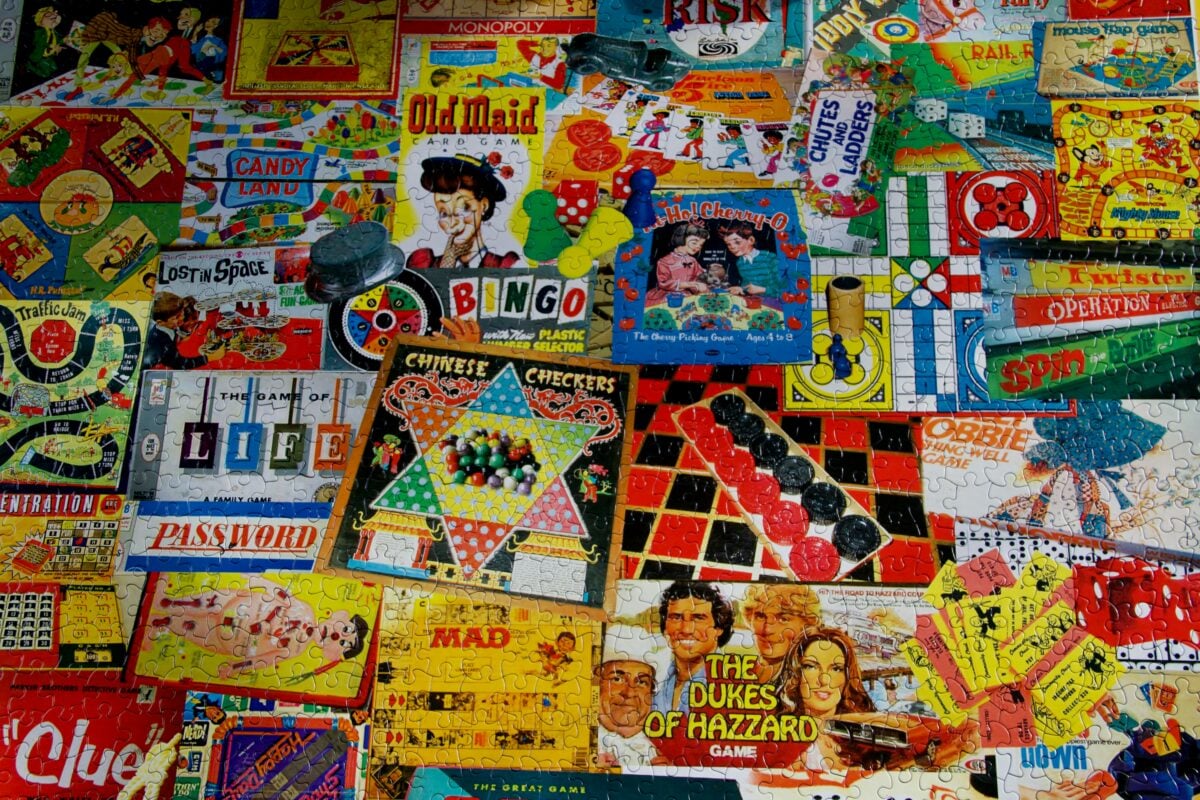
A game that sells consistently for eighty years across every country with a middle class is not surviving through inertia. It is solving a problem that the market keeps presenting: a household needs a shared activity that works across ages, requires no prior relationship with the product, produces a meaningful experience in a predictable amount of time, and can be given as a gift without explanation.
The modern board game market is excellent at producing games that solve more sophisticated problems than this. The classic board game market is excellent at solving this particular problem better than anyone else has managed. That’s not a failure of the modern games. It’s a statement about how durable the original problem turns out to be.
More from Go2Tutors!

- The Romanov Crown Jewels and Their Tragic Fate
- 13 Historical Mysteries That Science Still Can’t Solve
- Famous Hoaxes That Fooled the World for Years
- 15 Child Stars with Tragic Adult Lives
- 16 Famous Jewelry Pieces in History
Like Go2Tutors’s content? Follow us on MSN.