Monuments Hiding Strange Meanings
You’re probably taking pictures, appreciating the architecture, or reading the historical plaque when you pass any well-known monument.
However, what if those imposing buildings are concealing secrets from you?
The world’s most famous sites have deeper meanings that most tourists overlook, such as the broken chains at Lady Liberty’s feet and the hidden chambers carved into the sides of mountains.
These little-known facts are more than just entertaining Easter eggs for travelers to find.
They are intentional statements made by builders, sculptors, and architects who infused metal and stone with deep symbolism, inside jokes, and their own beliefs.
While some remained hidden for centuries, others were destined to be discovered in due time.
These 13 monuments from around the world have hidden meanings that you have probably never realized.
Statue of Liberty
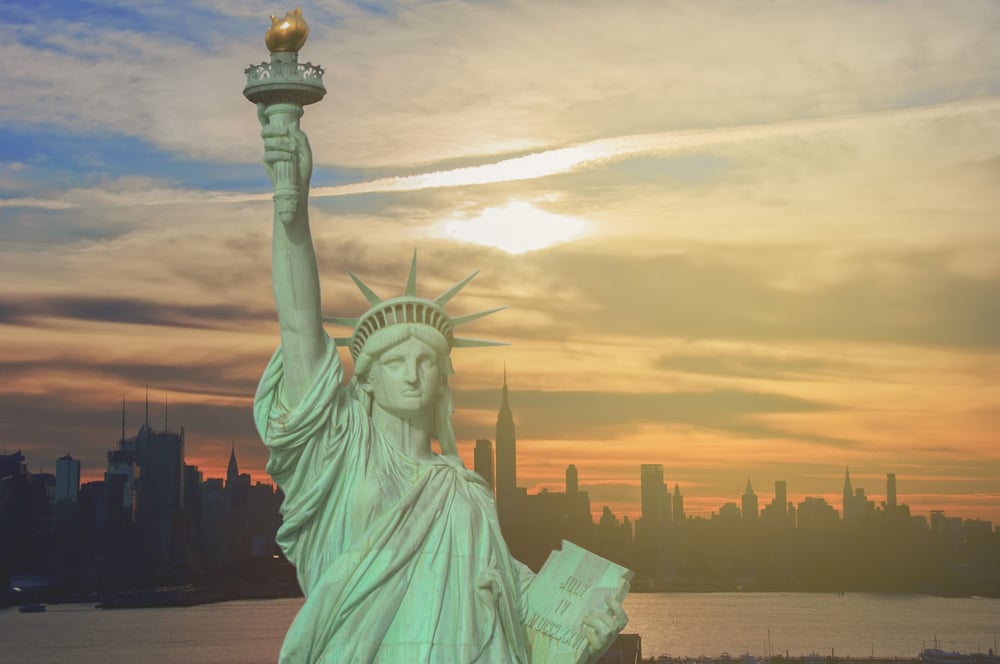
Most people know the Statue of Liberty represents freedom, but few notice the broken shackles and chains lying near her right foot.
These aren’t decorative flourishes—they symbolize breaking free from oppression and tyranny.
The detail is nearly impossible to spot from ground level, which is probably why it flies under the radar for millions of visitors each year.
The seven spikes on her crown aren’t random either.
While they’re often said to represent the seven continents and oceans, the National Park Service officially describes them as symbolizing universal liberty reaching across the world.
Washington Monument
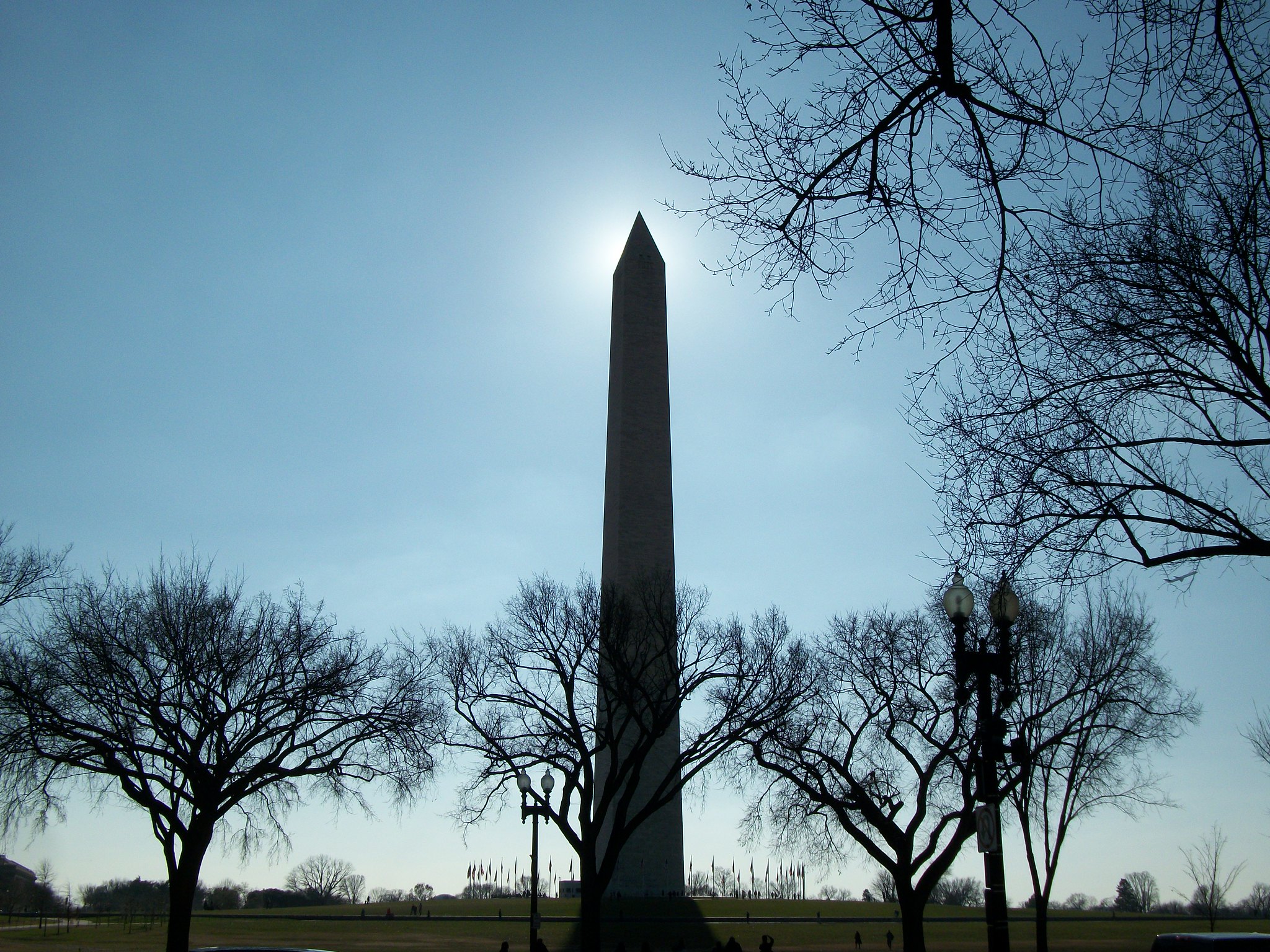
Standing at 555 feet tall, the Washington Monument looks pretty straightforward from the outside.
But climb to the very top and you’ll find something curious carved into the aluminum capstone.
The Latin phrase ‘Laus Deo’ is inscribed on the east face, meaning ‘Praise be to God.’
It’s positioned so high and written in Latin that almost nobody notices it.
The monument’s obelisk shape comes from classical revival architecture, referencing ancient Rome and Egypt as symbols of endurance and greatness.
Interestingly, aluminum was rare and valuable when the capstone was installed in 1884, making it a prestigious choice for crowning America’s tribute to its first president.
Like Go2Tutors’s content? Follow us on MSN.
Mount Rushmore
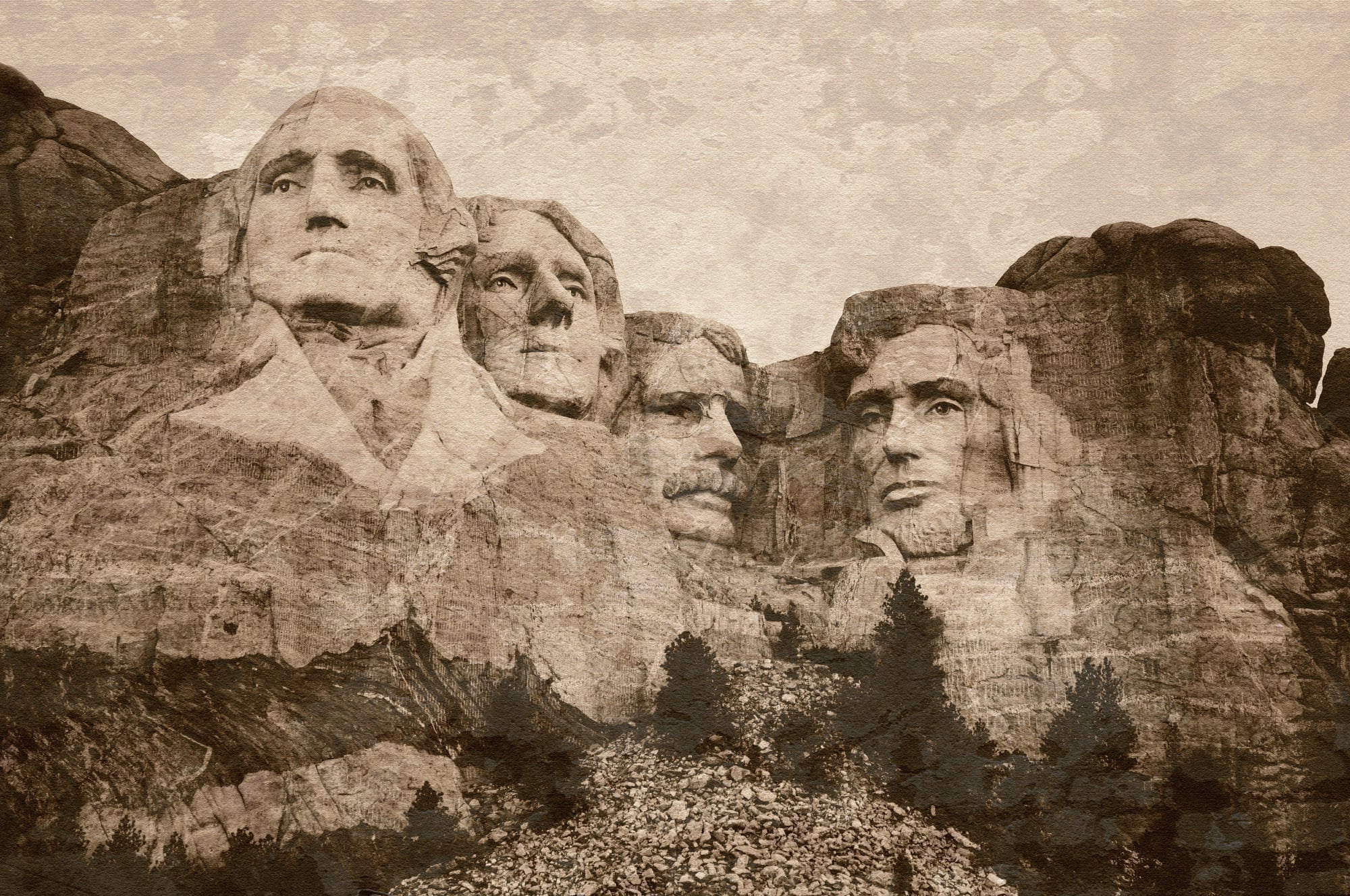
Behind Abraham Lincoln’s carved head sits a secret room that most people have no idea exists.
It’s called the Hall of Records, and sculptor Gutzon Borglum designed it to store important American documents and artifacts for future generations.
The chamber measures 75 feet long and 35 feet wide, blasted directly into the mountain higher up behind Lincoln’s head. Construction began in 1938 and was partially completed by 1939, but the chamber sat unfinished for decades.
In 1998, it was finally sealed with titanium vaults containing porcelain panels that describe the monument’s history and America’s founding.
Vietnam Veterans Memorial
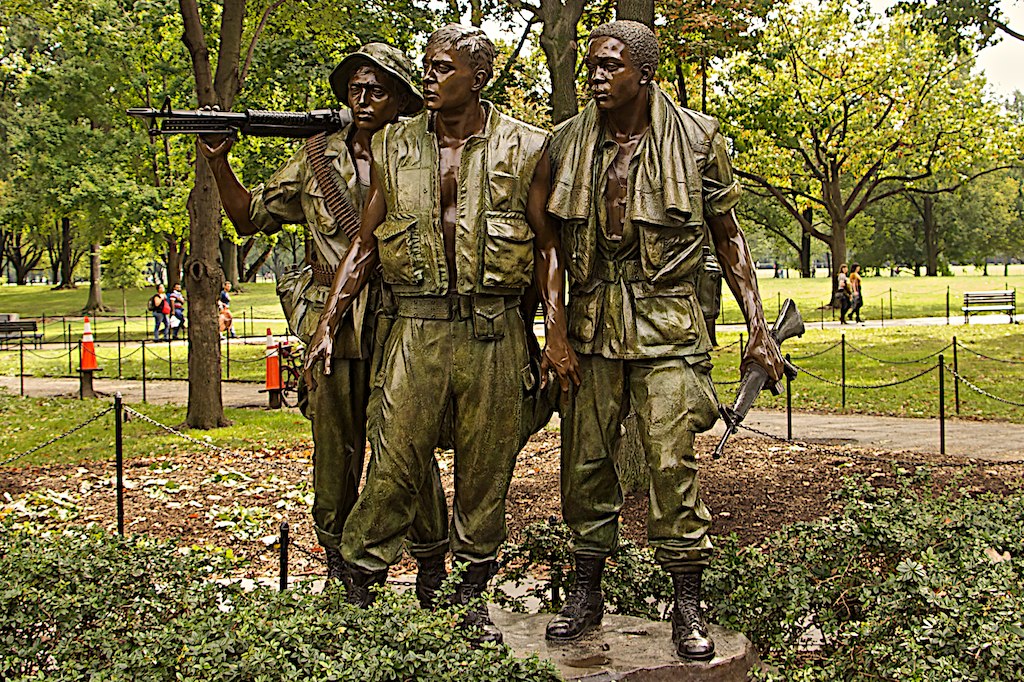
The black granite wall in Washington, D.C. isn’t just a list of names—it’s packed with symbolic design choices.
Architect Maya Lin, who was just a 21-year-old Yale student when she designed it in 1981, made the wall descend into the ground and then rise back up to mirror the nation’s journey into and out of the conflict.
Names are listed chronologically rather than alphabetically, emphasizing the timeline and human cost of the war.
Look closely and you’ll spot tiny symbols next to some names: a cross means missing in action, and when remains are recovered, it gets changed to a diamond confirming death.
The reflective surface was designed deliberately so visitors see their own faces alongside the names, connecting past with present.
Lincoln Memorial
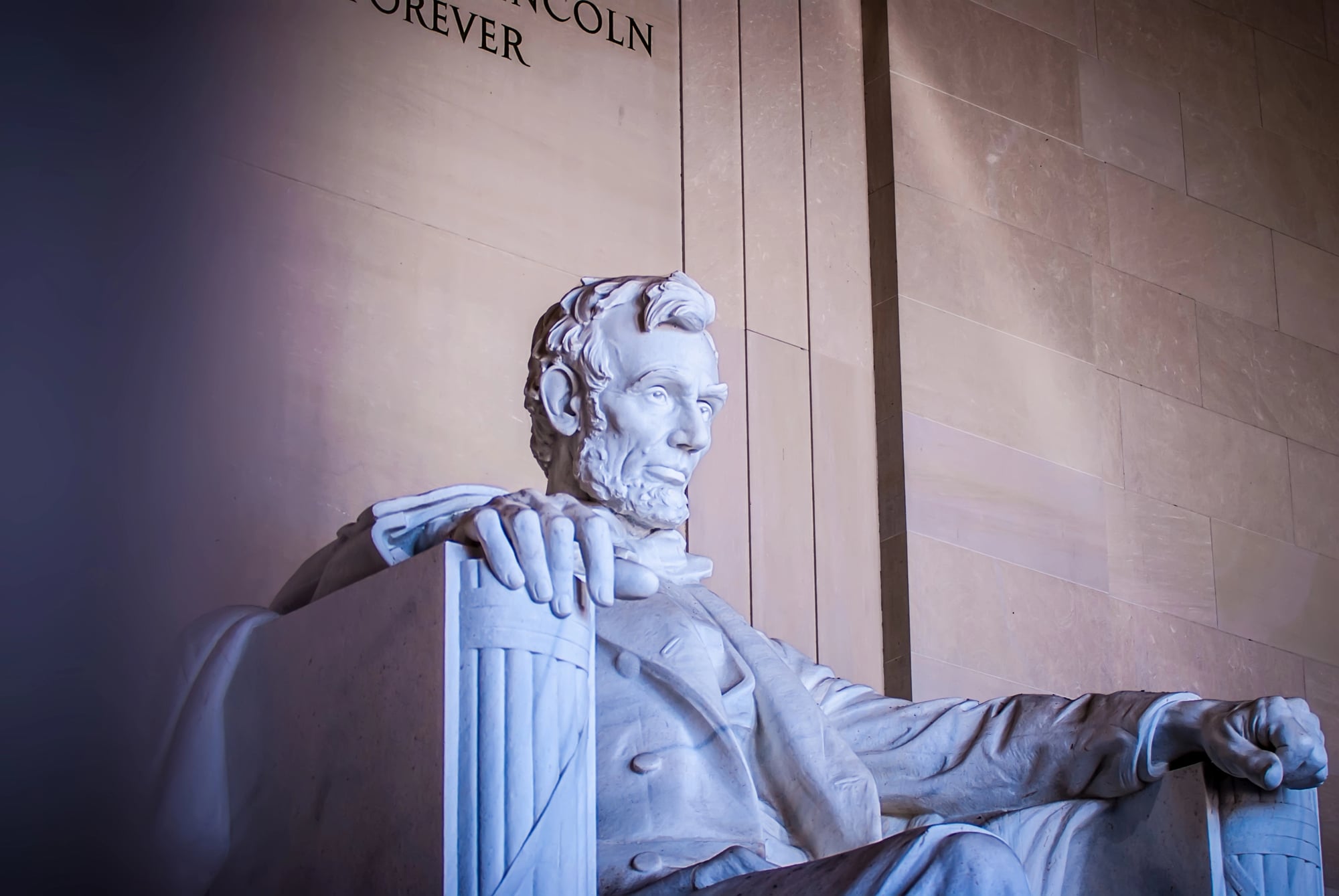
President Lincoln sits in his iconic chair, but take a closer look at the armrests.
Those thin rods bundled together are called fasces, an ancient Roman symbol representing power and authority.
It’s the same imagery that gave fascism its name, though in Lincoln’s case it symbolizes unity and strength through the rule of law.
The memorial itself features intricate decorative elements crafted by sculptor Evelyn Beatrice Longman, whose artistic contributions helped bring the monument to life when it was completed in the 1920s.
Like Go2Tutors’s content? Follow us on MSN.
Christ the Redeemer
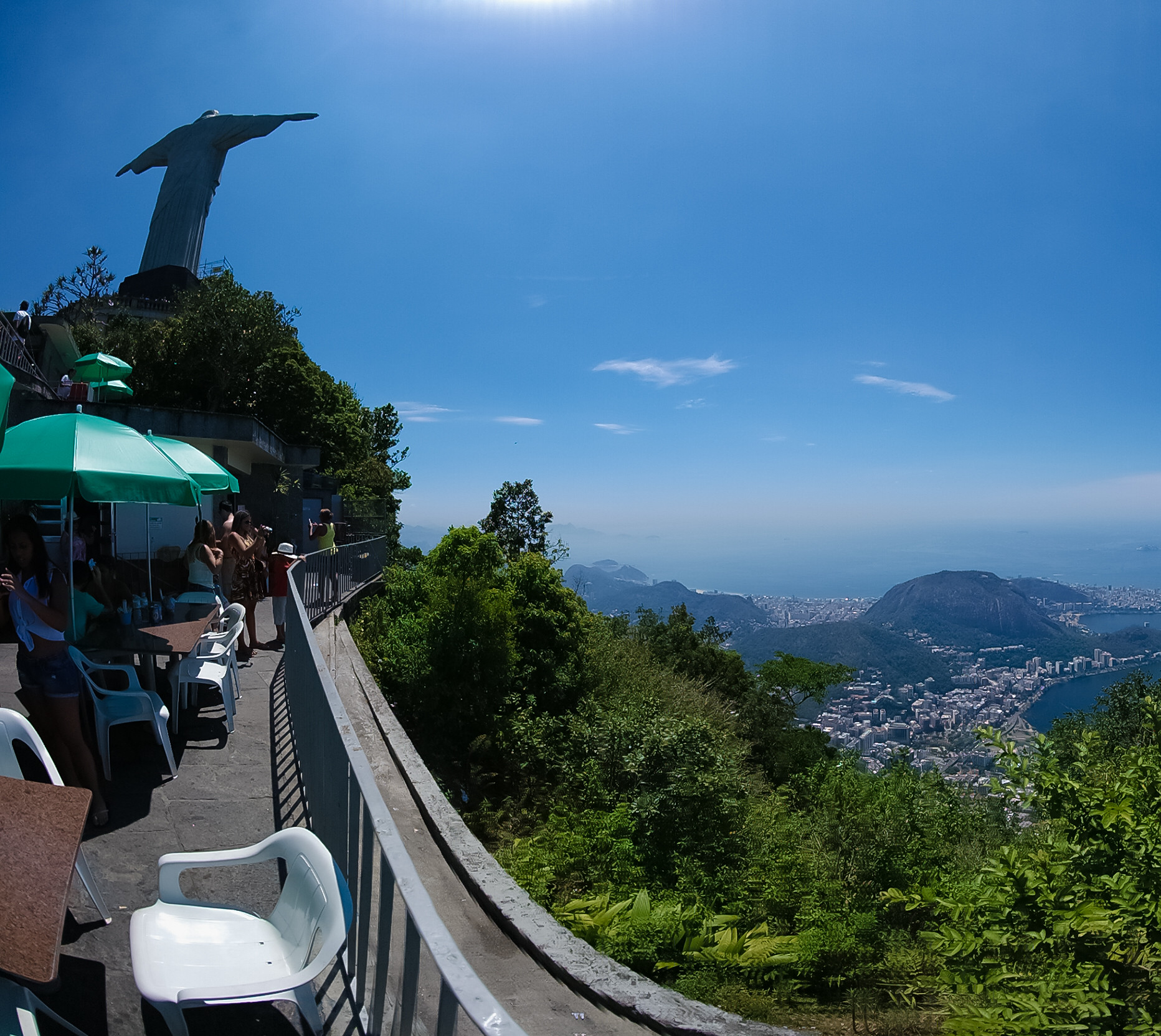
The massive statue overlooking Rio de Janeiro is made of concrete covered with 6 million soapstone tiles.
According to local lore, volunteers who helped attach those tiles wrote little notes, signed their names, and even made wishes on the backs before mounting them.
While there’s no documented evidence proving these hidden messages exist, the story persists as part of the statue’s charm.
Whether the tales are true or not, Christ the Redeemer remains one of the New Seven Wonders of the World, completed in 1931 as a symbol of Brazilian Christianity and hospitality.
Gateway Arch
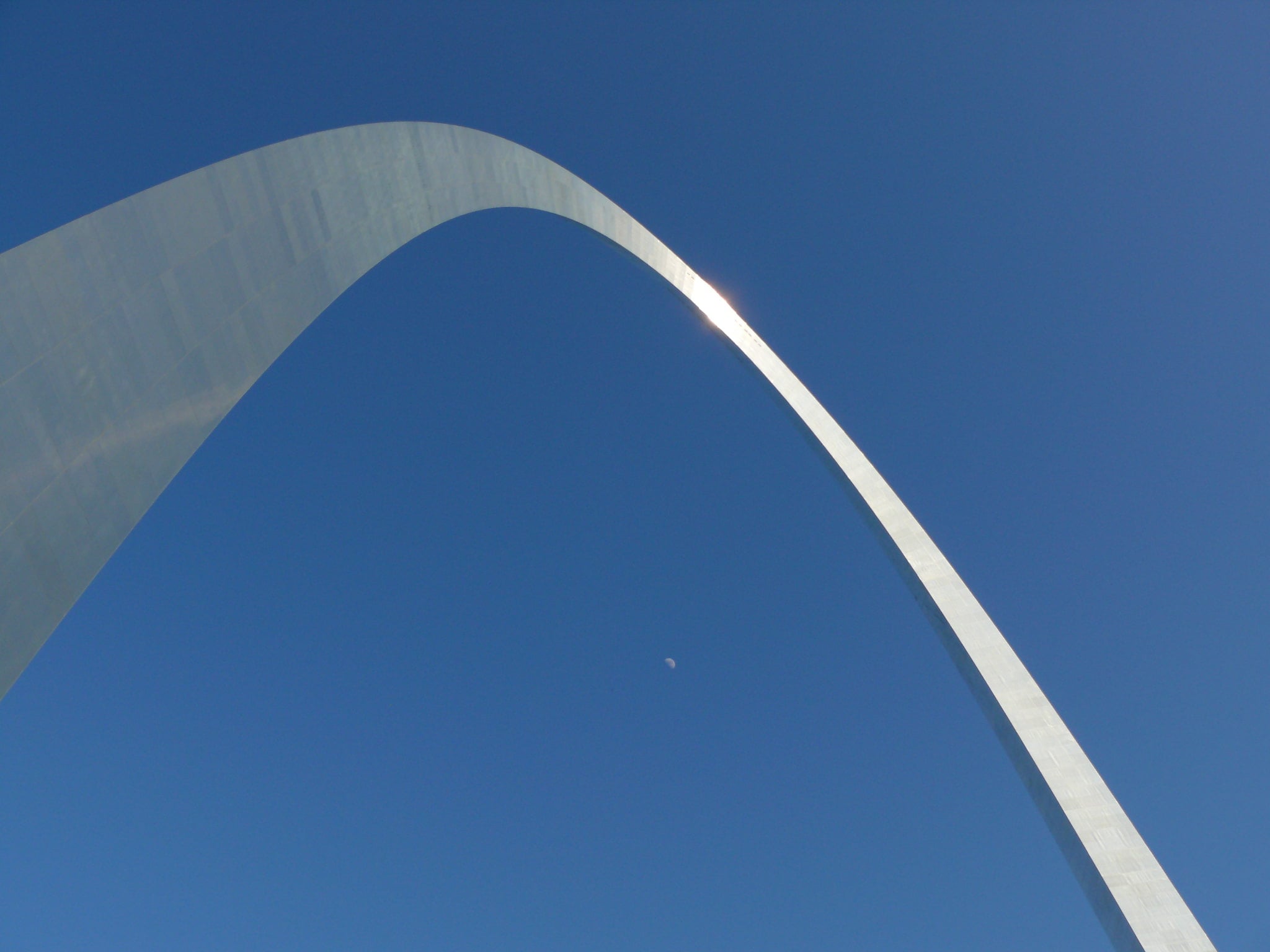
St. Louis’s famous arch isn’t just a cool-looking structure.
It’s a mathematical marvel designed as a weighted catenary curve, the same shape a chain makes when you hold it at both ends.
But here’s what most people miss—there’s a time capsule buried at the site containing signatures from more than 760,000 local schoolchildren, sealed underground near the base in 1965.
The arch also symbolizes the westward expansion of the United States, serving as the ‘Gateway to the West,’ though that meaning gets overshadowed by its striking appearance soaring 630 feet into the sky.
Korean War Veterans Memorial
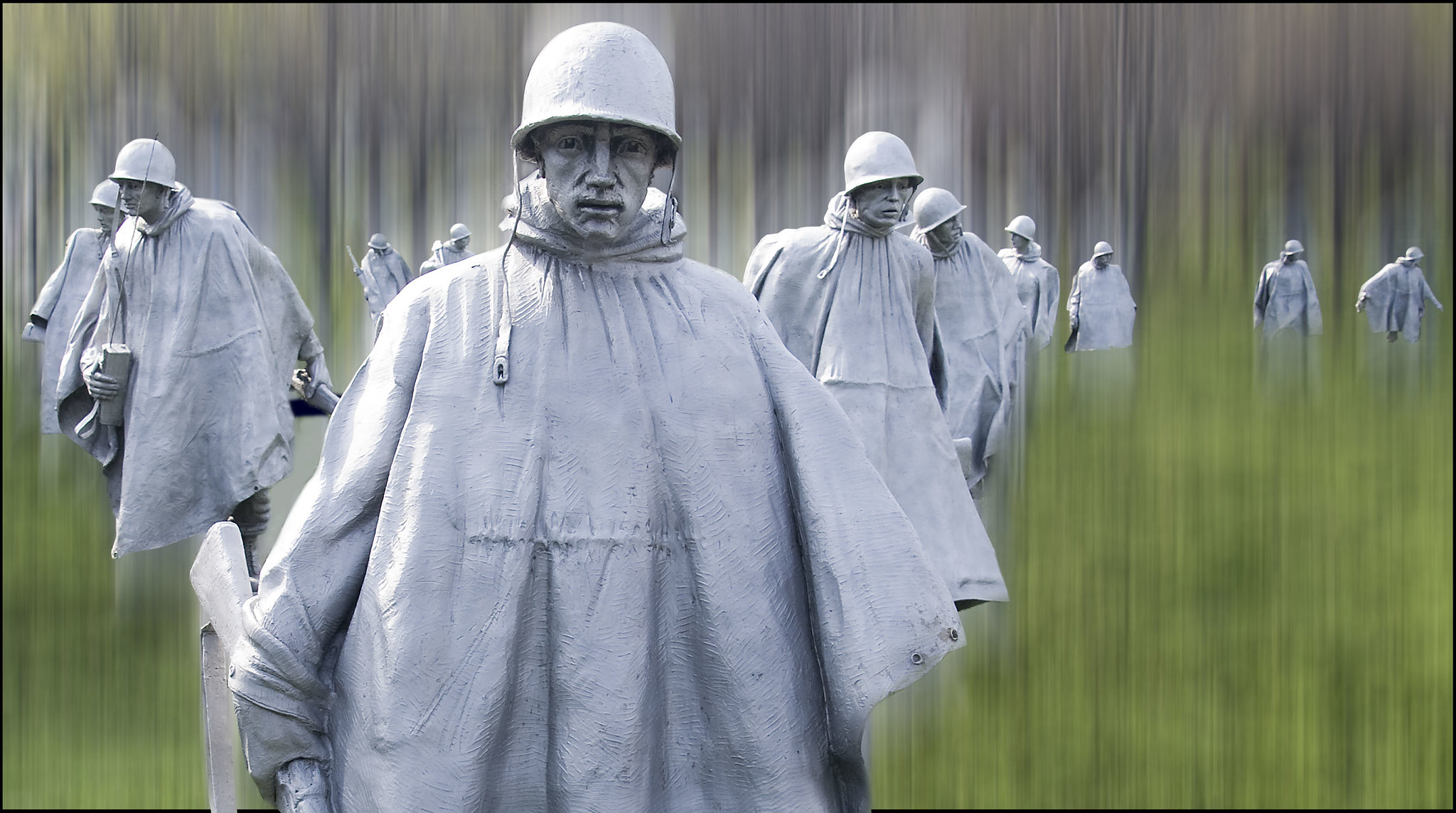
The 19 stainless steel soldiers trudging through rough terrain in Washington, D.C. have a clever visual trick built into the design.
The reflective wall behind them shows 2,500 images of support troops, making the 19 figures appear as 38 when you include the reflections.
That’s a deliberate reference to the 38th parallel, the dividing line between North and South Korea.
The memorial’s triangular shape points toward the American flag, and etched into the granite are the stark words ‘Freedom Is Not Free.’
Dedicated on July 27, 1995—the 42nd anniversary of the armistice—it’s a monument that uses geometry to tell a story.
Like Go2Tutors’s content? Follow us on MSN.
World War II Memorial
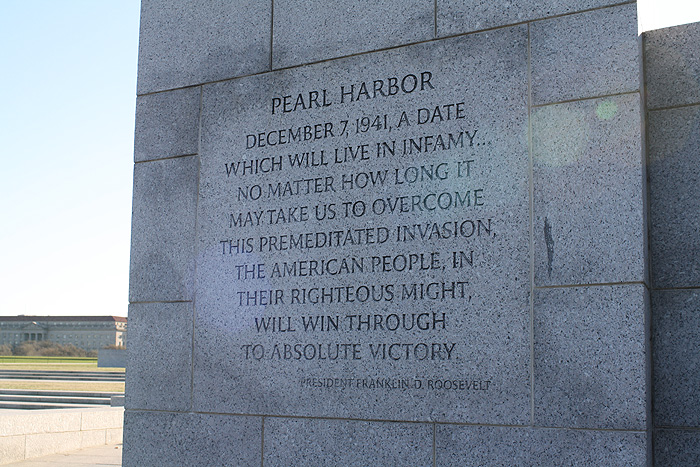
Hidden in plain sight at the memorial are two instances of the phrase ‘Kilroy was here,’ complete with the iconic cartoon figure of a man peering over a wall.
One is tucked near the Pennsylvania pillar, another by the Pacific arch.
American troops drew this graffiti all over Europe and the Pacific during the war, and the memorial’s designers included it as a tribute.
Nobody’s entirely sure where the cartoon originated, but Germans apparently believed Kilroy was a super-spy who could infiltrate anywhere.
Finding these Easter eggs at the memorial feels like discovering an inside joke between veterans.
Michelangelo’s Moses
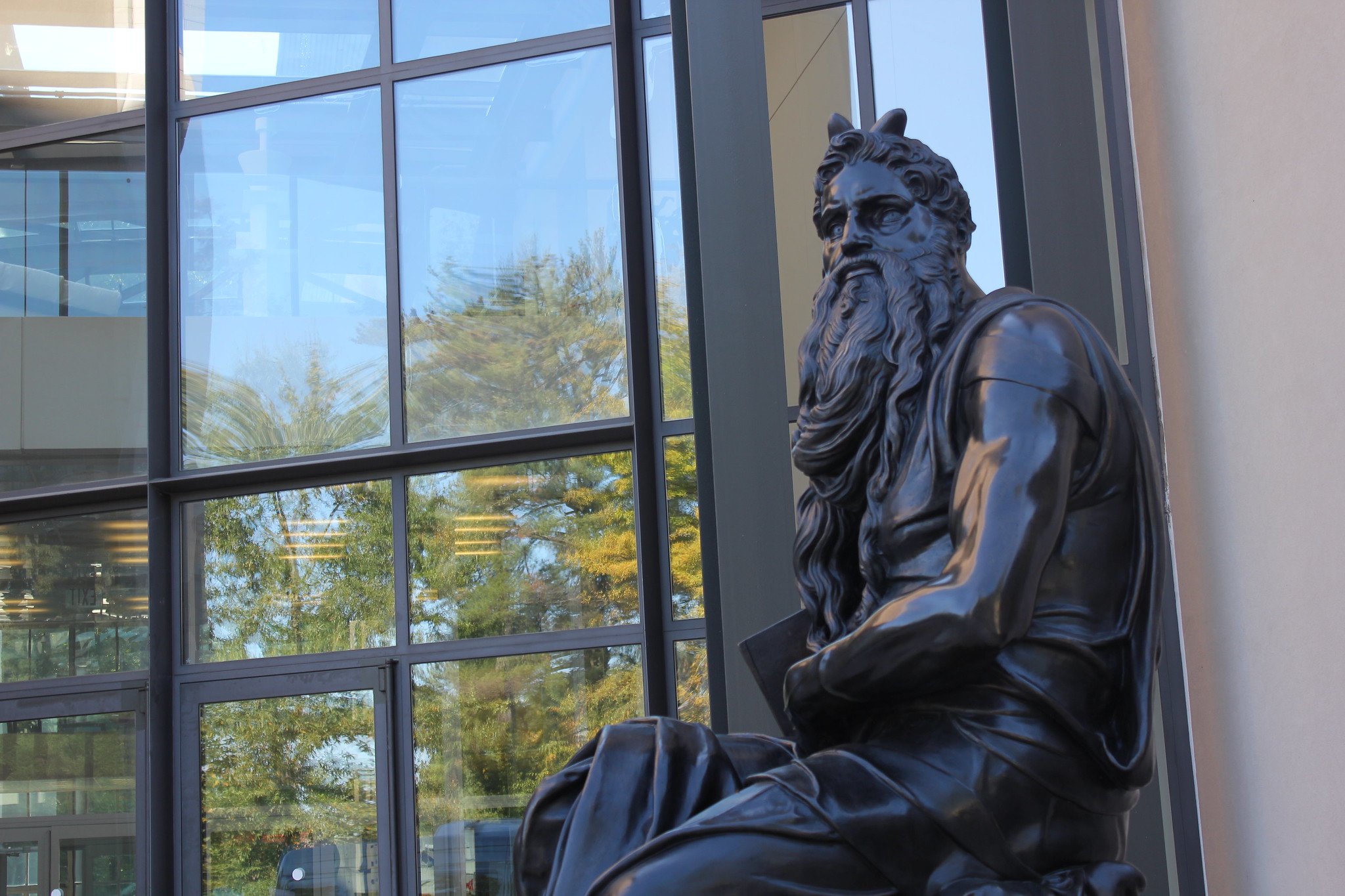
One of the most famous sculptures in art history has a bizarre feature—Moses has horns on his head.
This wasn’t Michelangelo making a statement about the biblical figure.
It comes from the Latin Vulgate translation of the Hebrew word ‘qaran,’ which can mean either ‘rays of light’ or ‘horns’ depending on context.
The translator picked the wrong option when describing Moses’ face as he descended Mount Sinai.
So instead of depicting a glowing face, Michelangelo gave him actual horns when he completed the sculpture in 1515 as part of Pope Julius II’s tomb.
The mistake stuck around in stone forever, turning a translation hiccup into one of the sculpture’s most recognizable features.
Angkor Wat
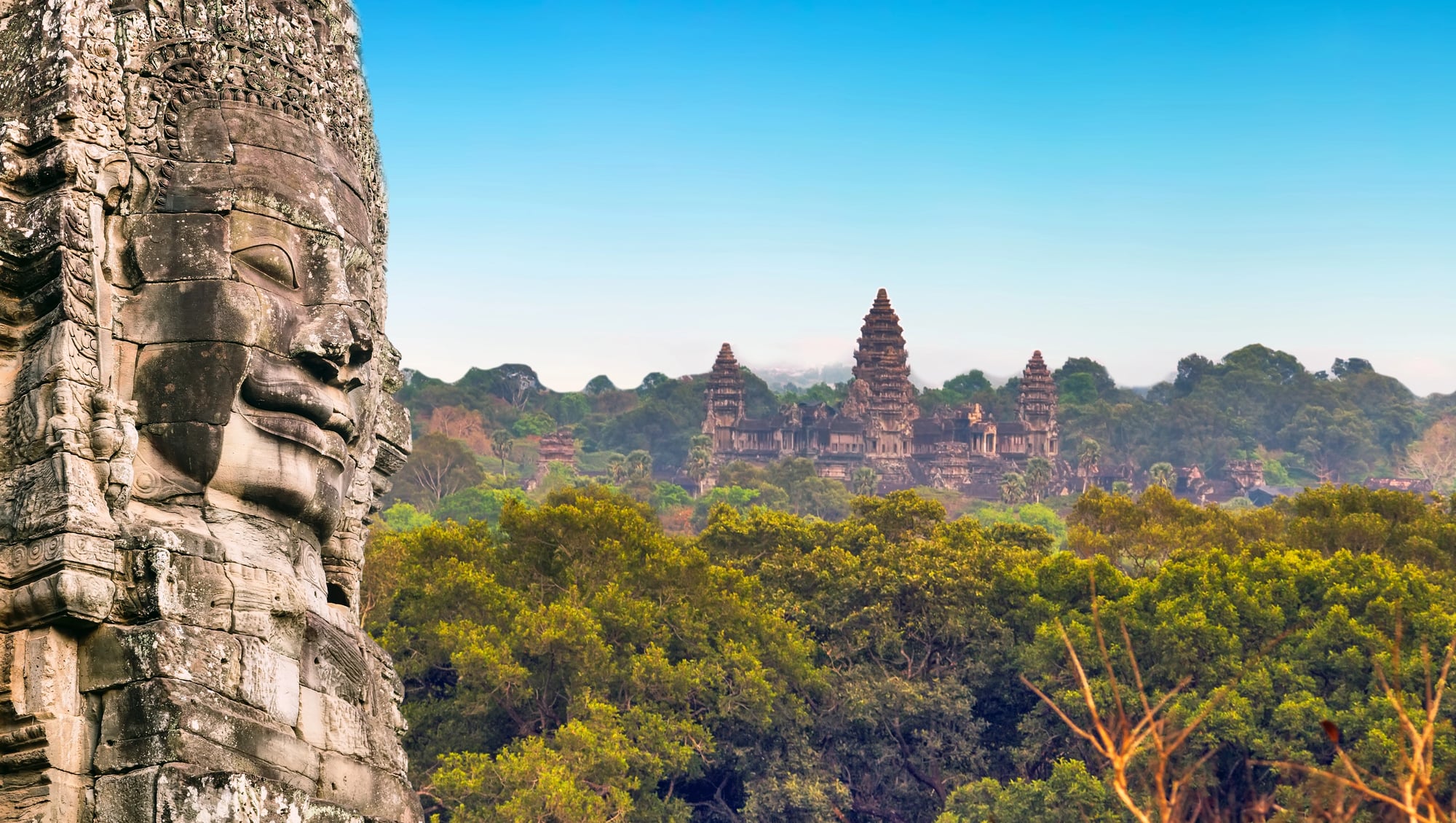
Cambodia’s sprawling temple complex isn’t just architecturally stunning—it’s astronomically aligned with precision that still impresses researchers today.
Built in the early 12th century under King Suryavarman II, the temples were originally dedicated to the Hindu god Vishnu before later converting to Buddhist use.
The structures were positioned to mirror constellations, and during the equinoxes, the sun rises directly over the central tower in a scientifically confirmed alignment.
When European colonizers first discovered the site in the 19th century, they refused to believe the local Khmer people had constructed something so sophisticated, revealing more about colonial prejudice than about the builders’ actual capabilities.
Like Go2Tutors’s content? Follow us on MSN.
Great Wall of China
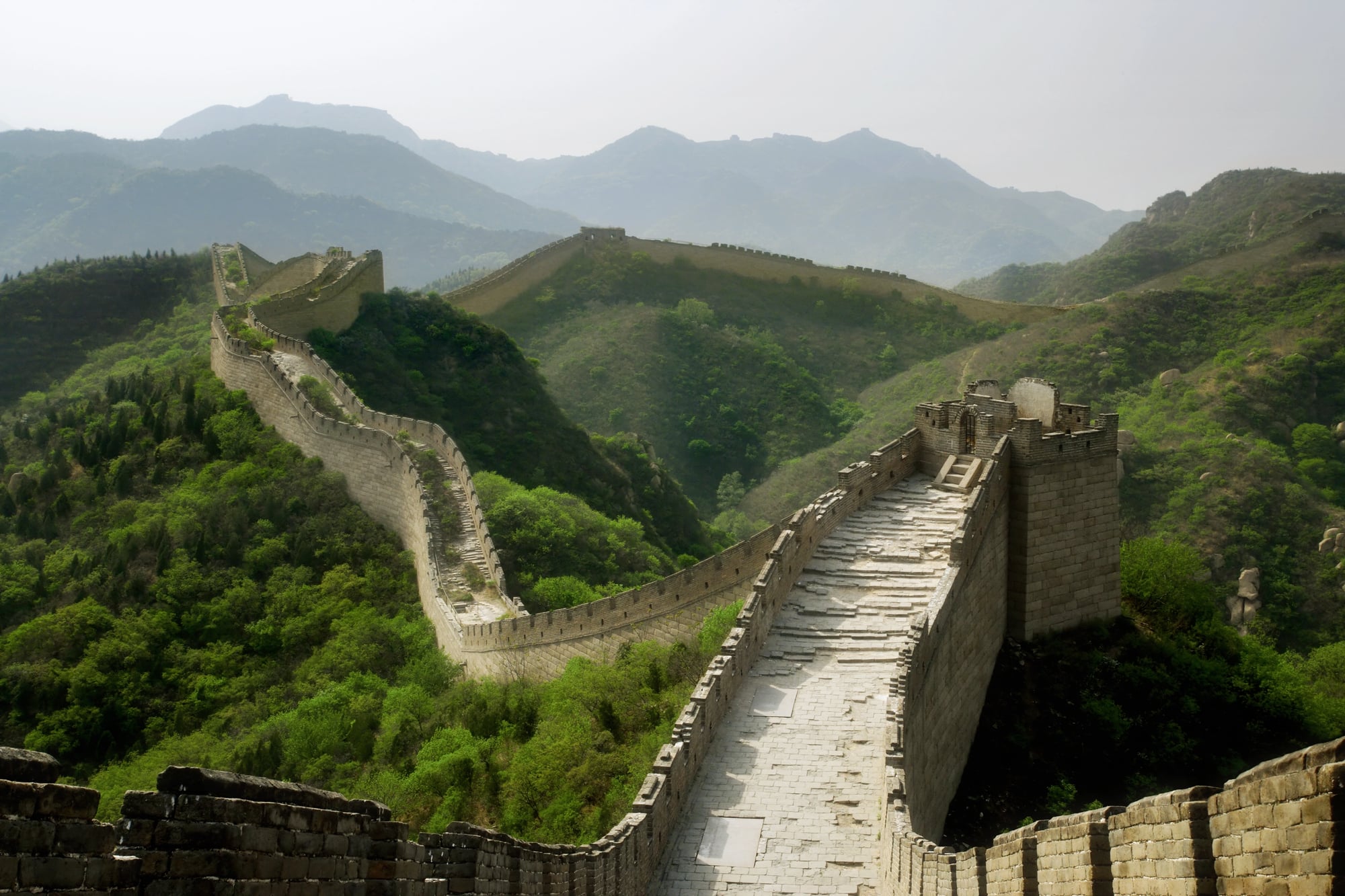
Everyone knows the Great Wall as a defensive structure, but it had a hidden economic purpose that often gets overlooked, particularly in its Ming-era sections.
The wall functioned as a massive trade regulation system, controlling the movement of goods and people along the old routes.
It wasn’t just about keeping invaders out—it was about controlling who came in and what they brought with them.
There’s also a darker reality buried in its construction.
Historians estimate that hundreds of thousands of workers may have died building the wall over the centuries, though exact numbers aren’t archaeologically confirmed.
Golden Gate Bridge
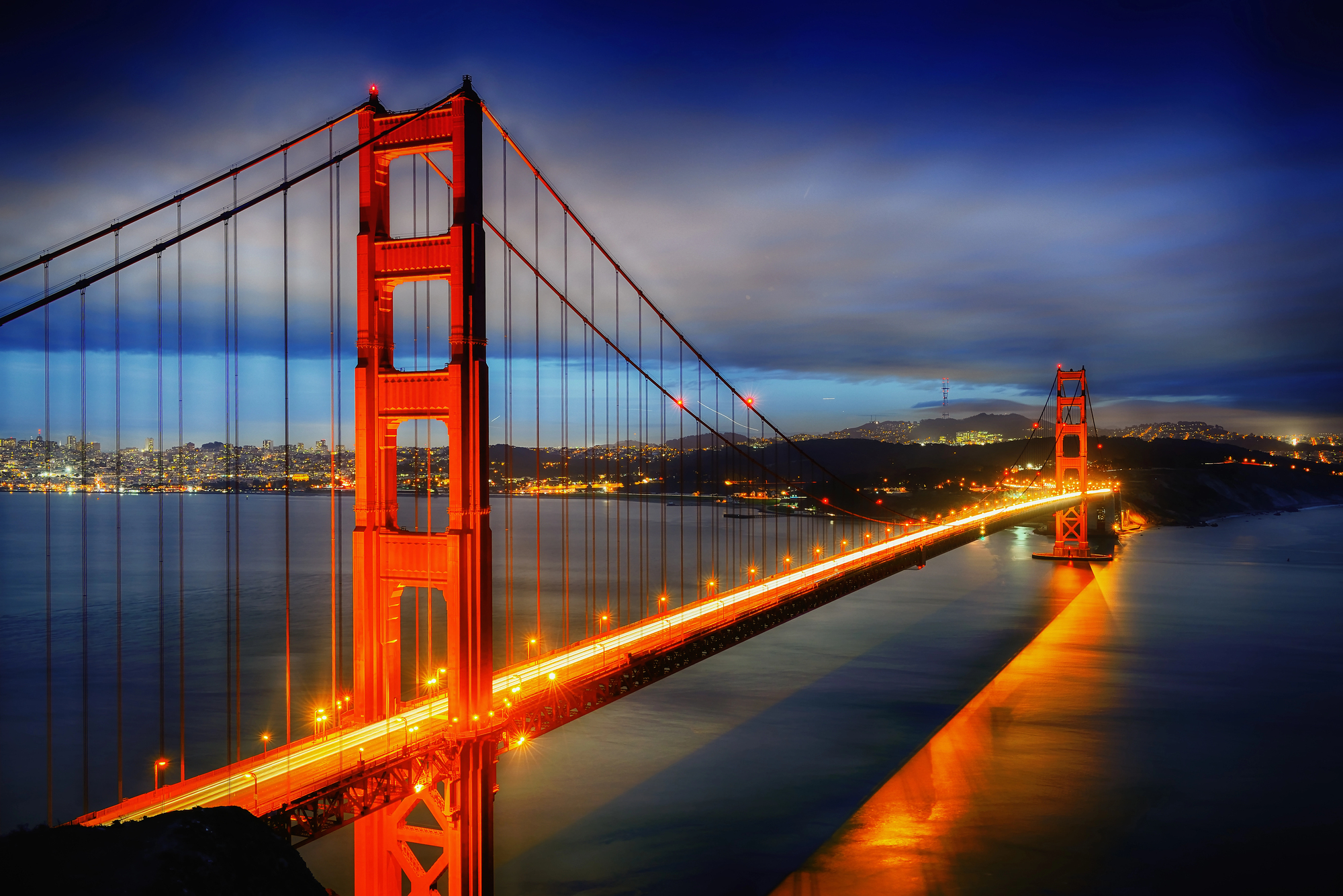
That distinctive orange-red color wasn’t the original plan.
The bridge’s consulting architect, Irving F. Morrow, argued for unique treatment befitting ‘one of the greatest monuments of all time,’ and the result was International Orange, officially adopted in 1935.
The color was initially just a primer coat used to protect the steel, but it looked so striking against the bay’s blue water and San Francisco’s frequent fog that officials decided to keep it.
The Navy had proposed painting it gray, but Morrow fought to preserve the primer color for both visibility and beauty.
Like Go2Tutors’s content? Follow us on MSN.
Where History Hides in Plain Sight
These monuments demonstrate that the most fascinating tales aren’t always recorded in guidebooks or displayed on plaques.
Throughout history, builders, sculptors, and architects have slipped messages into their creations; some are clear if you know what to look for, while others require a ladder or translation skills to access.
Every well-known landmark deserves a second look in this world of broken chains, hidden chambers, mistranslated words, and mathematical precision.
The next time you’re at a monument, keep in mind that the surface may not be the whole story.
More from Go2Tutors!

- 16 Historical Figures Who Were Nothing Like You Think
- 12 Things Sold in the 80s That Are Now Illegal
- 15 VHS Tapes That Could Be Worth Thousands
- 17 Historical “What Ifs” That Would Have Changed Everything
- 18 TV Shows That Vanished Without a Finale
Like Go2Tutors’s content? Follow us on MSN.