Malls That Were Once the Center of Town Life but Now Sit Mostly Empty
The American shopping mall was supposed to be a town square — a public gathering place for suburbs that had no public gathering places. Victor Gruen, the Viennese architect who designed the first fully enclosed climate-controlled mall in 1956, intended Southdale Center in Edina, Minnesota to replicate the social density of a European city center in a place that had no city center.
The original Southdale had cafes, a skating rink, a birdcage, a goldfish pond, and a Harry Bertoia sculpture. It was also, within a generation, the template for one of the most relentlessly commercial environments humans have ever built at scale.
At their peak in the early 1990s, roughly 1,500 enclosed shopping malls operated across the United States. Today fewer than 700 remain functional.
Entire communities built their social lives around buildings that are now empty corridors under flickering lights, YouTube documentarians wandering past boarded storefronts with nothing left to sell.
Southdale Center, Edina, Minnesota — The One That Started It
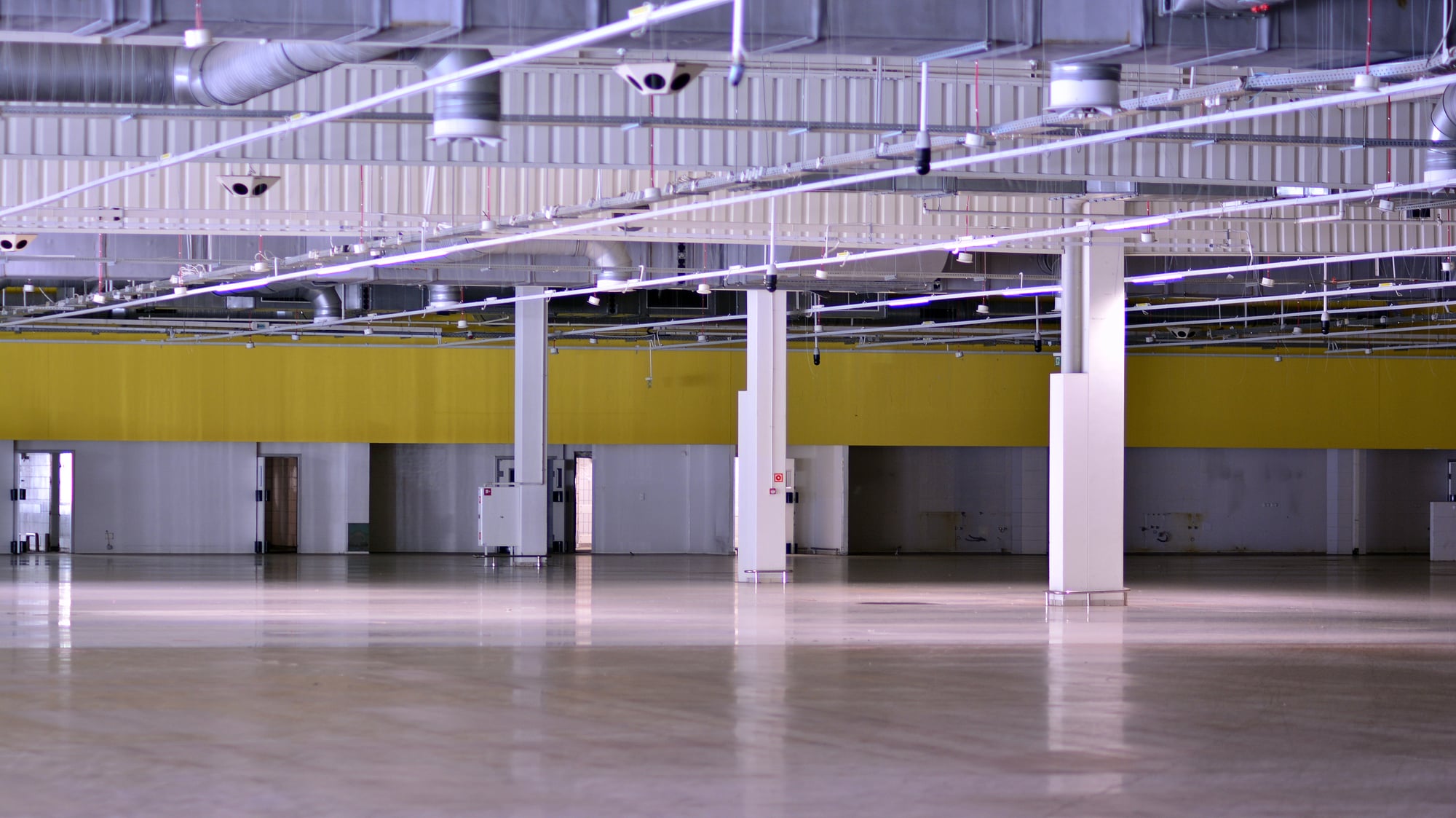
Southdale opened on October 8, 1956, as the first fully enclosed, climate-controlled shopping mall in the United States. Architect Victor Gruen designed it for the Dayton Company as a solution to Minnesota’s brutal winters — an indoor town where people could gather regardless of weather.
The original vision included 72 tenants, multiple dining options, a post office, and a central garden court with goldfish and natural light. Gruen later became one of the mall’s most vocal critics, saying the developers took his design and stripped it of everything that made it communal.
Southdale still operates today, managed by Simon Property Group, but the interior bears little resemblance to what Gruen described as his European ideal. The Harry Bertoia sculpture is still there.
Almost nothing else from 1956 is.
Randall Park Mall, North Randall, Ohio — Briefly the World’s Largest
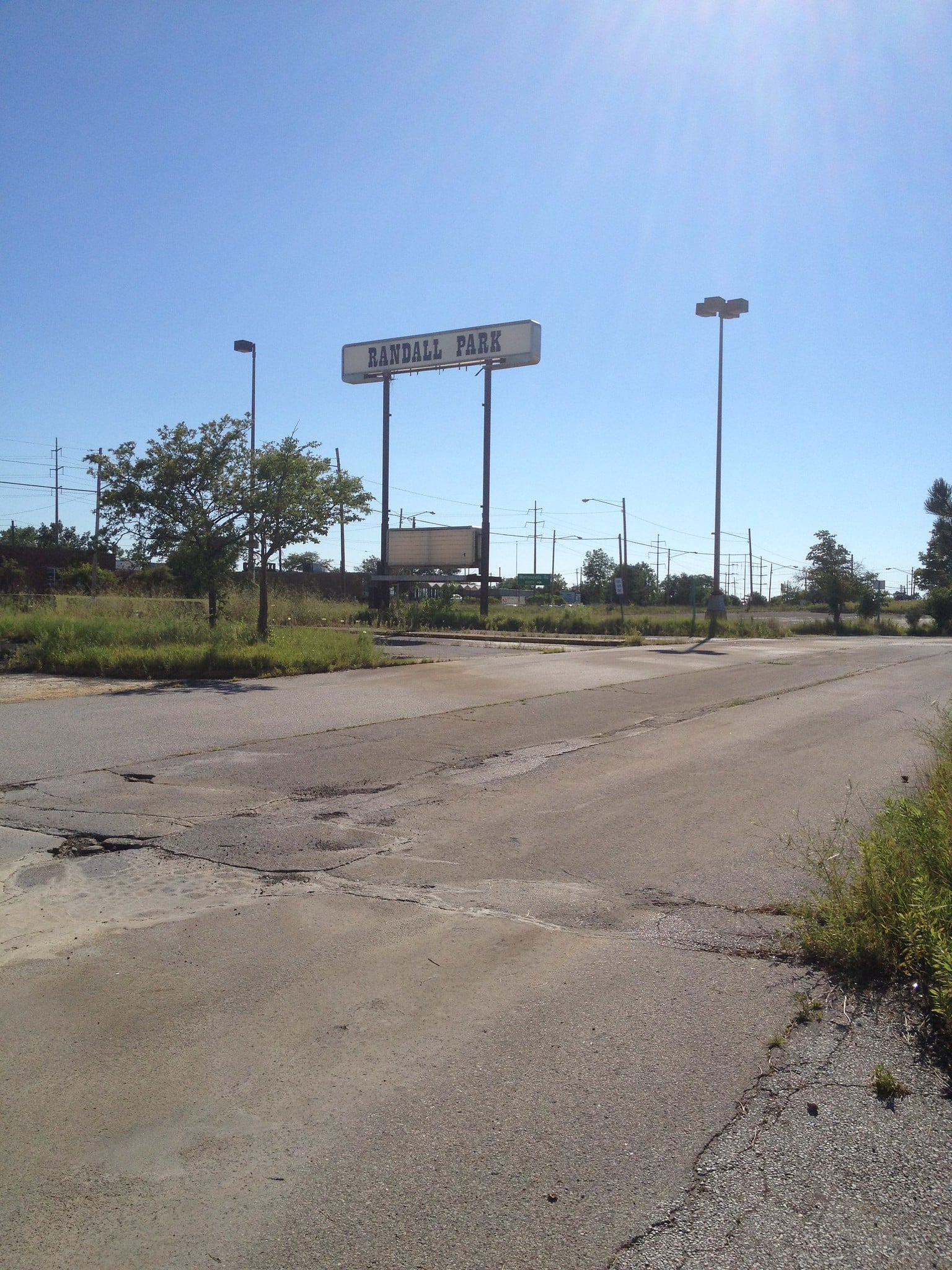
When Randall Park Mall opened in 1976, it was briefly the largest shopping mall in the world at 2.2 million square feet. It had hundreds of stores, multiple anchor department stores, and served as the retail center for a wide swath of suburban Cleveland.
The decline began in the 1980s as competitors opened nearby and the surrounding area’s demographics shifted. By 2009, every store had closed.
The building sat empty — an enormous structure visible from the highway and from nothing useful — until most of it was demolished and converted into an Amazon distribution warehouse. The transformation of a former retail colossus into a fulfillment center for a company that helped destroy it is perhaps the most concise summary of what happened to American retail generally.
Hawthorne Plaza Mall, Hawthorne, California — The Stranger Things Mall
Hawthorne Plaza Mall in Los Angeles County opened in the mid-1970s and was once a full-service regional mall serving the South Bay area. Within twenty-two years of its opening, the last store had closed.
The building was never demolished — it has stood empty since the late 1990s, its brutalist concrete exterior still intact, its interior a preserved relic of late 1970s mall architecture with faded skylights and ghostly escalators. It attracted attention when Netflix filmed portions of Stranger Things in its halls, using its particular brand of suspended-in-time decay to double as a 1980s Indiana mall.
It is one of the most photographed dead malls in the country, which is the only commerce it still generates.
Jamestown Mall, Hazelwood, Missouri — A Saint Louis Casualty
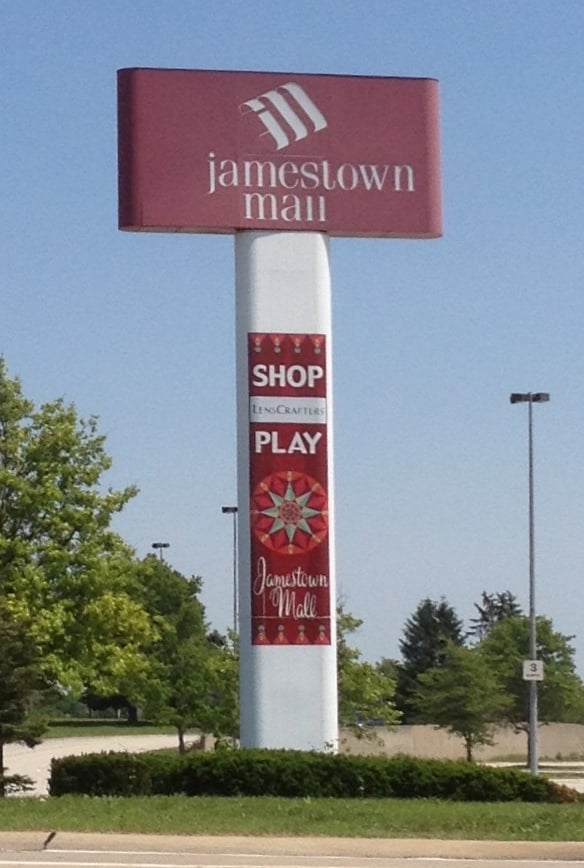
Jamestown Mall opened in 1973 in a suburb north of Saint Louis and was the dominant shopping destination for the region for decades. It featured major department store anchors, a food court, and a cinema, and served as the social center for multiple communities in the area.
The collapse, when it came, was rapid: anchor stores began leaving in the 2000s, foot traffic dropped, remaining tenants followed, and the mall was operating as what retail analysts call a “zombie mall” — physically open, effectively dead — for years before it officially closed in 2014. Demolition began in 2023, ending a nine-year period in which the building sat as a specific kind of local wound, visible from the road, neither fixed nor removed.
Rolling Acres Mall, Akron, Ohio — A Midwest Symbol
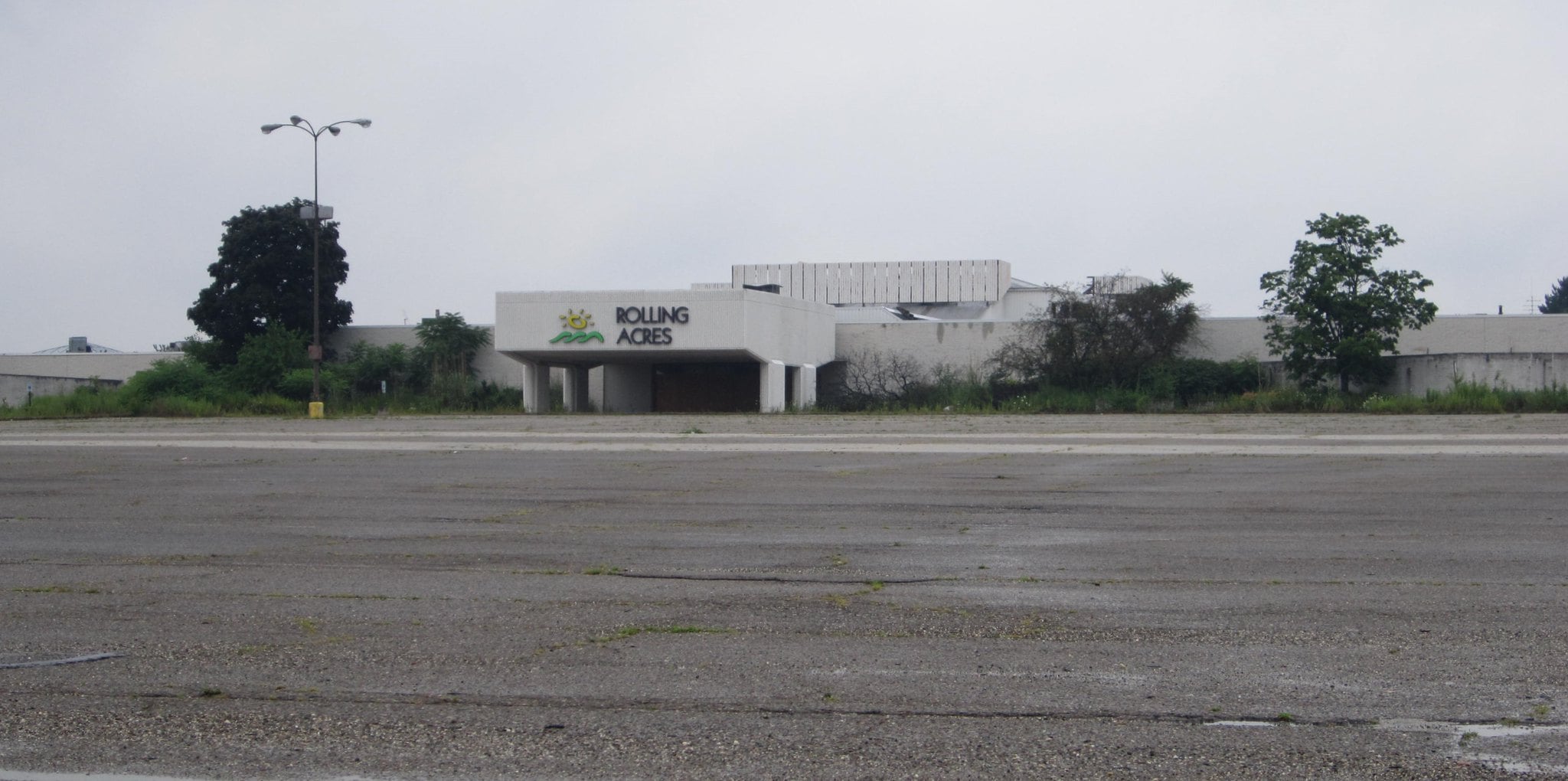
Rolling Acres opened in 1975 and served suburban Akron for decades as the area’s primary retail destination. It had the standard formula: two anchor department stores, a cinema, a food court, and the kind of interior that generated genuine community — the teenage meeting spot, the Saturday afternoon family destination, the place you went when you had nowhere else to go but needed to be somewhere.
Decline came gradually through the 2000s as competitors drew traffic and the area’s economic base weakened. By the mid-2010s, photographer Seph Lawless had documented Rolling Acres as one of the quintessential dead malls — its images of snow drifting through a broken skylight into an empty food court were shared internationally as a symbol of American retail collapse.
The building was eventually demolished.
Owings Mills Mall, Owings Mills, Maryland — The One That Couldn’t Get There
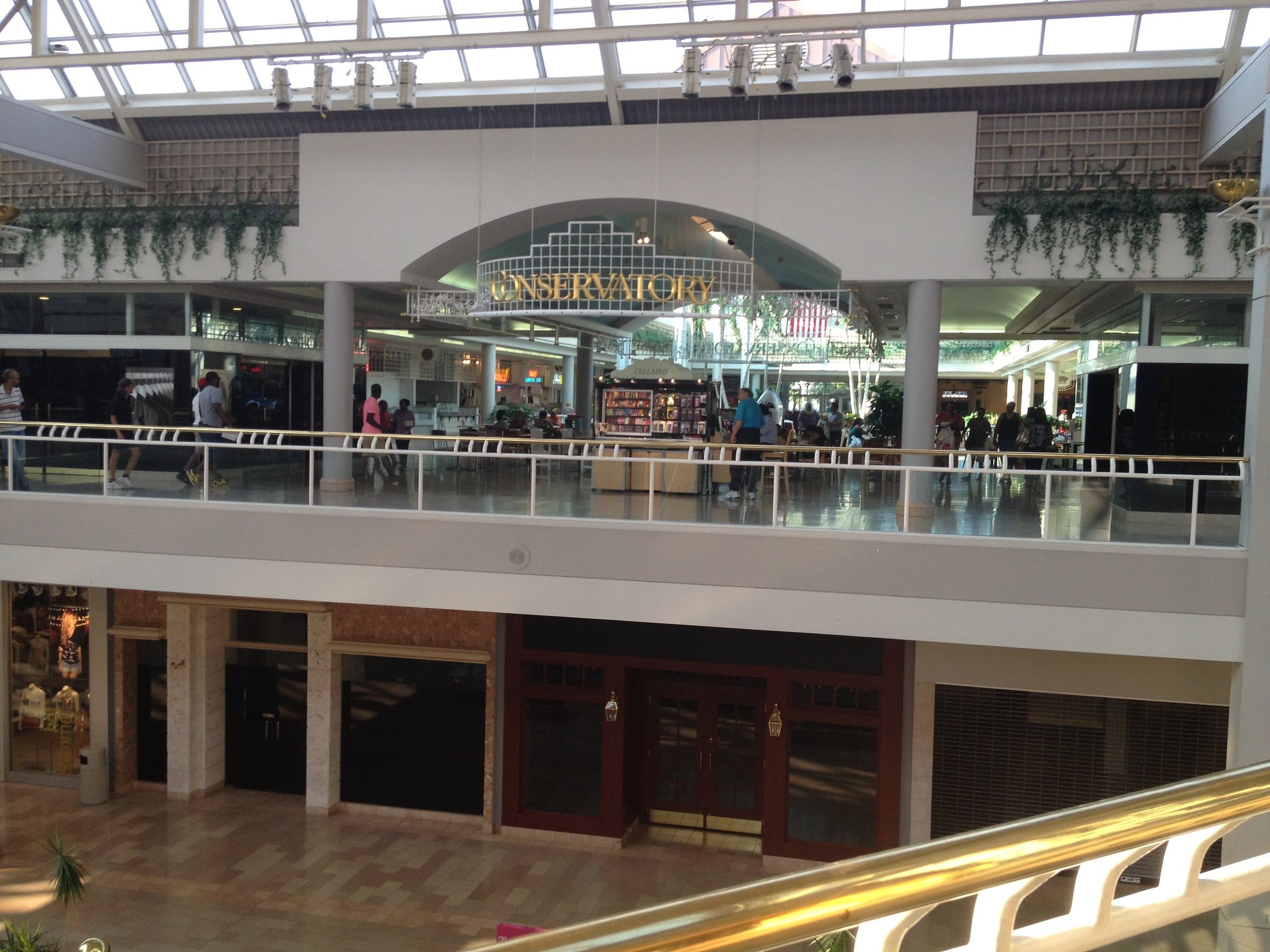
Owings Mills Mall opened in 1986 as a luxury retail destination outside Baltimore, anchored by upscale department stores and designed for a demographic that never fully materialized. The problem was access: the mall was difficult to reach by public transit, and the surrounding area never developed the density of residents needed to support it.
Crime became a concern. Retailers left.
By the early 2010s, the mall had lost most of its anchors and was operating at a fraction of capacity. It was torn down in 2016 and replaced by an outdoor shopping center, which is the architectural acknowledgment that the enclosed mall formula had failed in that specific location.
The site now contains a Costco and some housing, which is perhaps what it should have contained in 1986.
Pittsburgh Mills, Frazer Township, Pennsylvania — The $250 Million Mistake
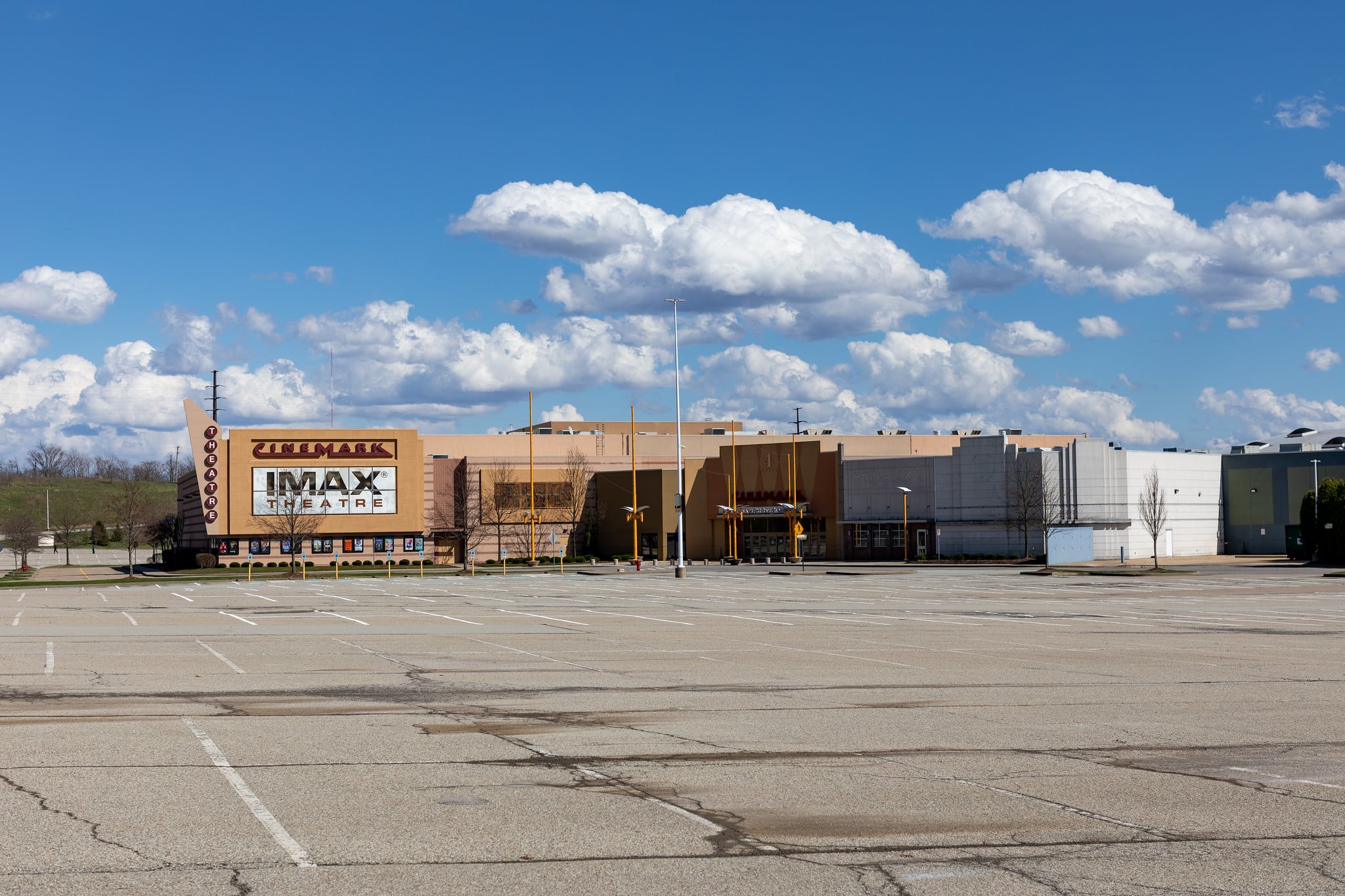
Pittsburgh Mills opened in 2005, built at a cost of approximately $250 million, in a rural area northeast of Pittsburgh that lacked the population density to support a regional mall. The development logic was optimistic about the growth projections for the surrounding area, which did not materialize.
By the early 2010s, the mall was struggling. By the early 2020s, it had lost all meaningful anchors and was effectively empty.
As of 2026, no demolition plans have been announced, and the building sits in documented emptiness — YouTube channels devoted to dead malls, including Dan Bell’s Dead Mall Series, have made Pittsburgh Mills one of the most visited abandoned retail spaces in the country. It is a monument to miscalculated ambition in a region that has seen plenty of that.
Seminole Towne Center, Sanford, Florida — A Recent Casualty
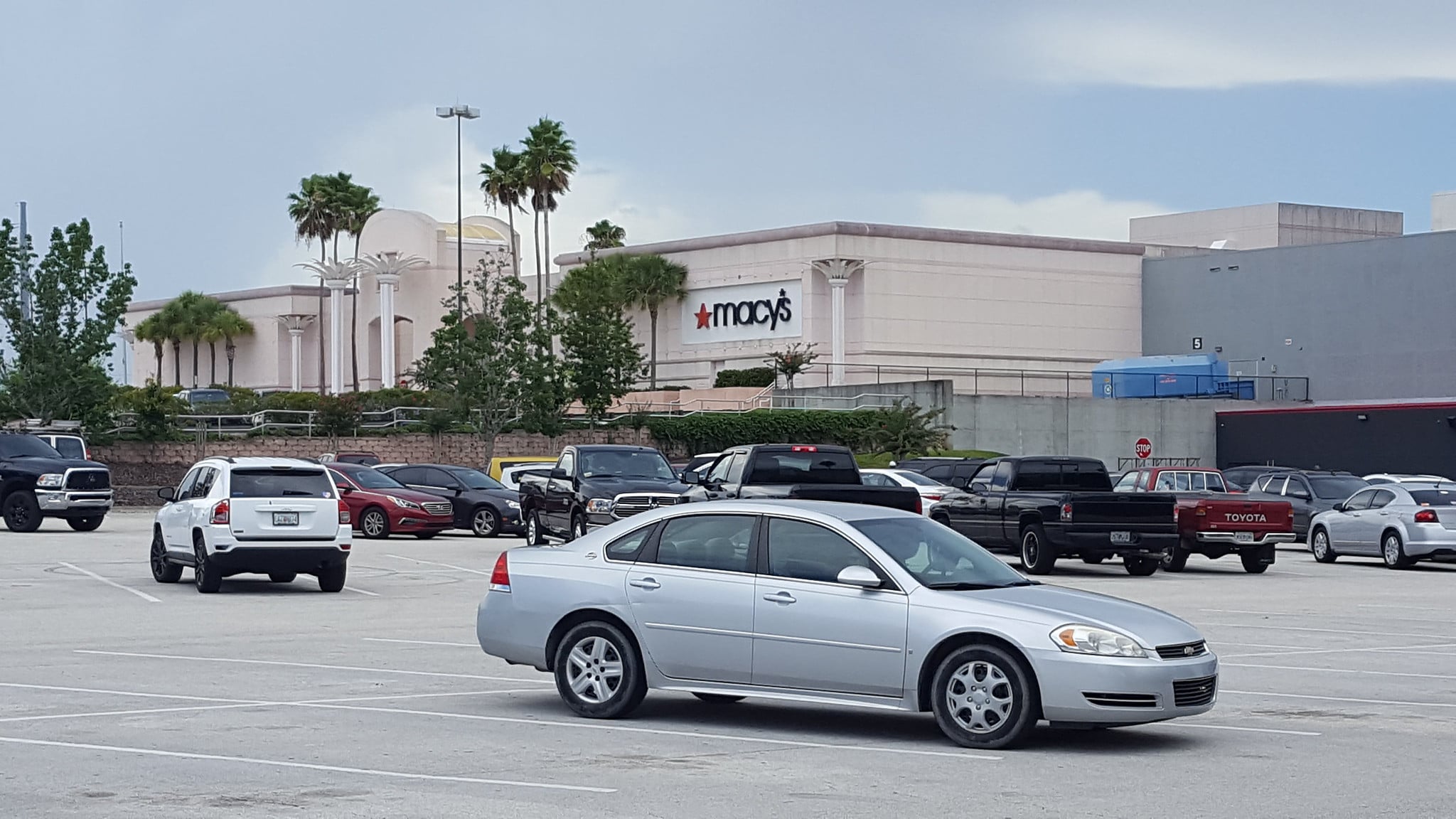
Seminole Towne Center opened in September 1995 in Seminole County, Florida, as the most modern mall in the area — 860,000 square feet, four anchor stores, a food court, and a design that represented the mid-1990s peak of enclosed mall architecture. For a generation of residents in Sanford, Lake Mary, and Longwood, it was the default shopping destination.
Sears closed first, then Macy’s, then the remaining tenants thinned to a handful scattered through corridors that felt too large for their current occupancy. On January 8, 2025, the owners announced a permanent closure of the interior on January 31.
Redevelopment plans as of mid-2026 include a Costco in the former Macy’s space and demolition of parts of the mall for mixed-use construction and apartments.
New Orleans Centre, New Orleans, Louisiana — Hurricane and Retail
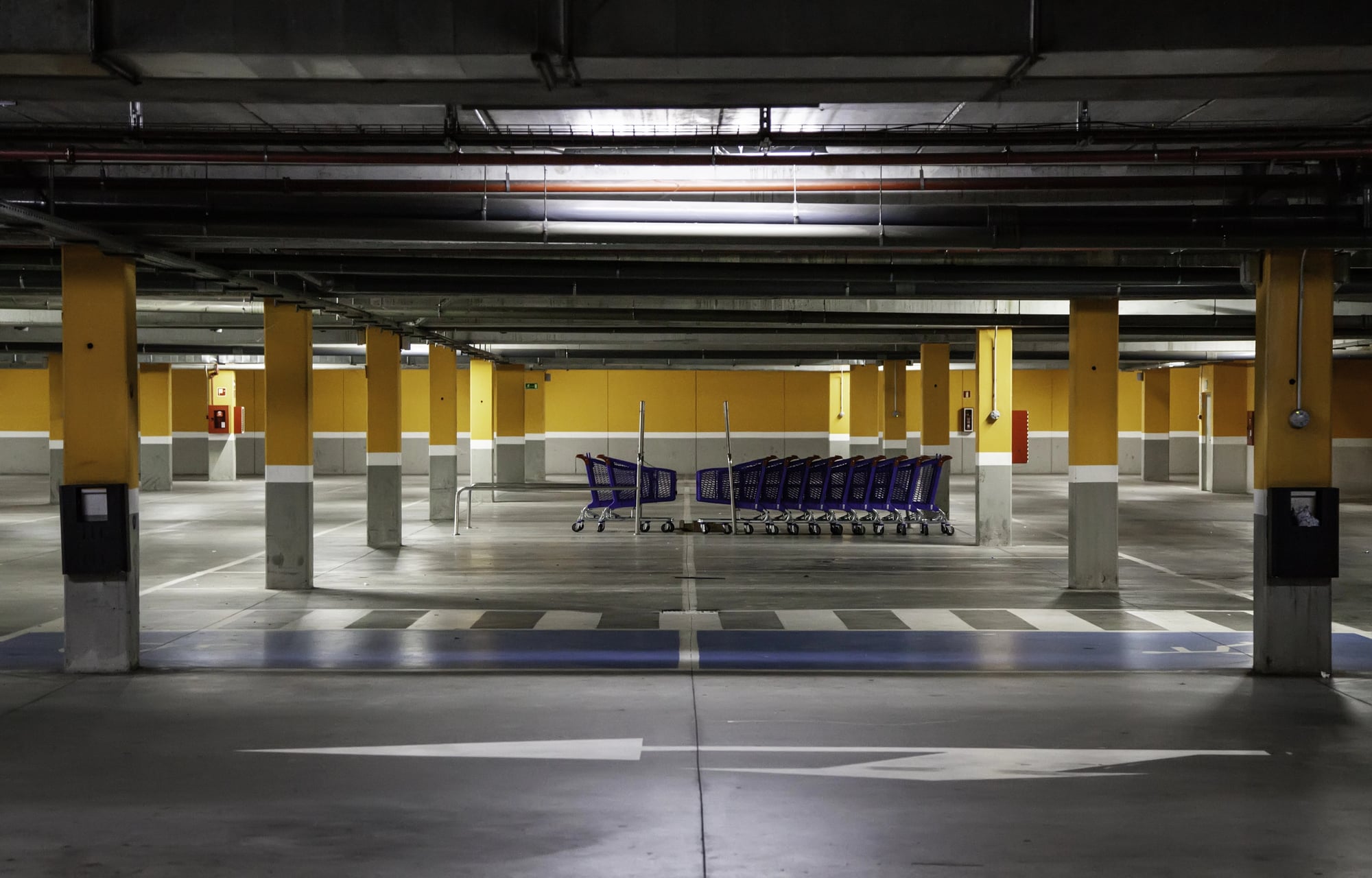
New Orleans Centre opened in the late 1980s as an innovative urban mall featuring modern architecture, high-end boutiques, and a connection to the nearby Superdome that made it part of the downtown sports and entertainment complex. It was a cultural destination as well as a retail one, hosting events and drawing the kind of traffic that urban malls need to survive.
Hurricane Katrina in 2005 dealt a blow from which it never recovered — the storm disrupted the surrounding area’s population and economy in ways that outlasted any individual building’s ability to adapt. The mall closed and was converted to office space.
Its fate was shaped by the specific catastrophe of 2005, but the underlying vulnerability to anchor loss and shifting demographics would likely have produced a similar outcome eventually.
Harborplace, Baltimore, Maryland — The Slow Decline
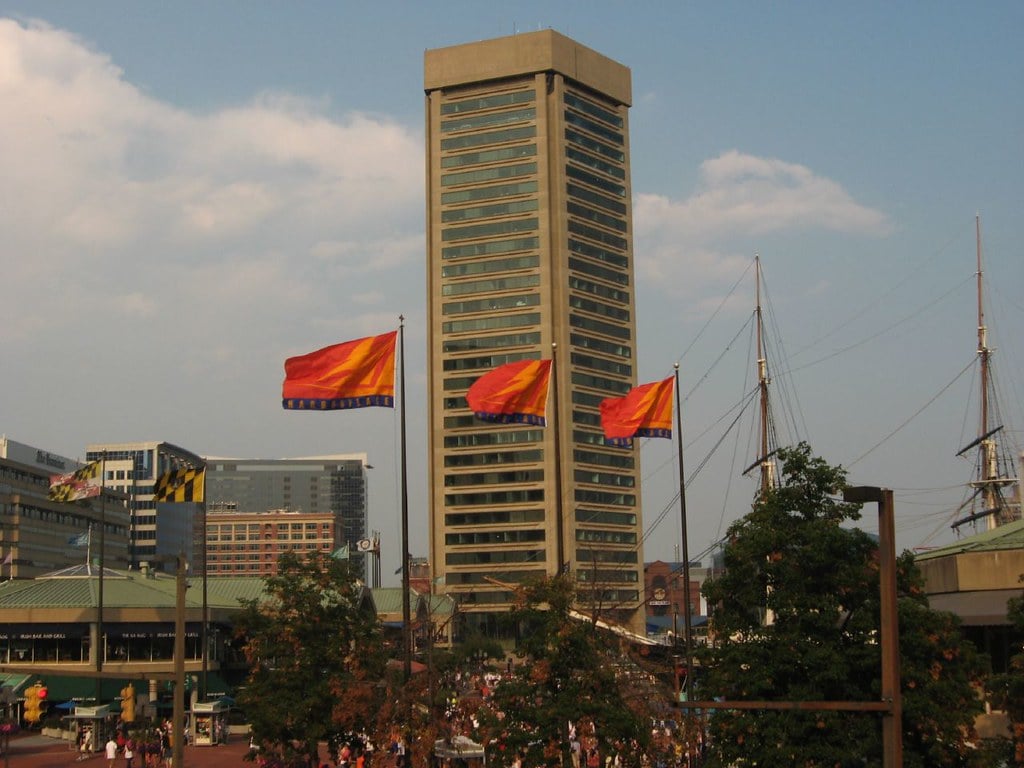
Harborplace was a festival marketplace that opened in Baltimore’s Inner Harbor in 1980 as part of a larger urban redevelopment project. At its peak it was a genuine waterfront destination — restaurants, specialty retailers, and a design that positioned it as a tourism asset as much as a retail one.
The festival marketplace concept, which thrived in the 1980s with similar projects in Boston and New York, proved difficult to sustain as novelty wore off and anchor tenants struggled to generate consistent traffic. By the late 2010s, Harborplace was operating at roughly 29% occupancy.
New ownership took over in 2024 with significant plans for redevelopment. Whether the plans materialize or whether Harborplace joins the longer list of failed festival marketplaces is not yet determined.
Pines Mall, Pine Bluff, Arkansas — The Last Big Thing in Town
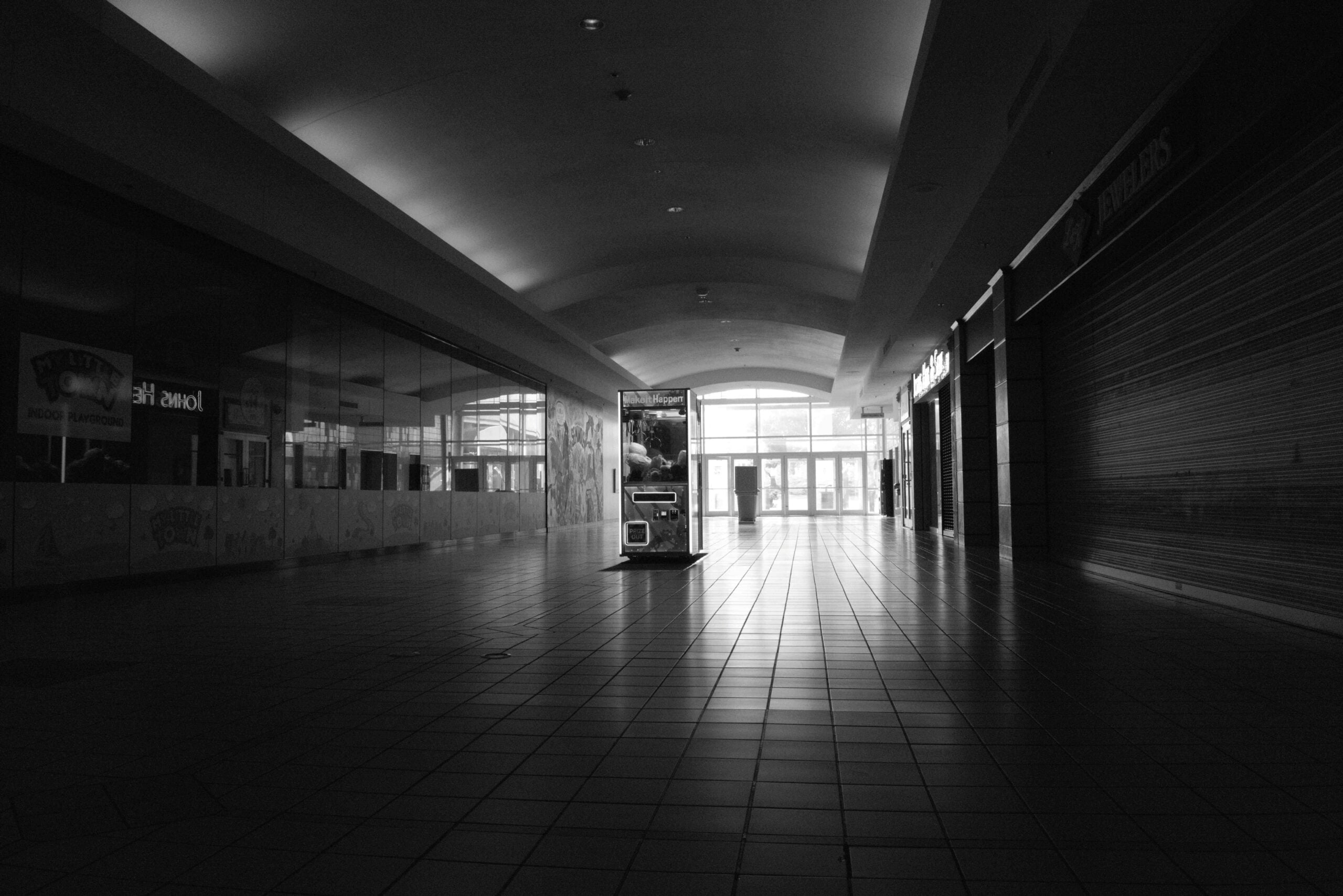
The Pines Mall opened in 1986 as the largest enclosed shopping center in southeastern Arkansas and served as the primary retail destination for Pine Bluff and the surrounding region. For a city of its size, the mall was disproportionately important — not just commercially but socially.
Pine Bluff’s economic challenges through the 1990s and 2000s reduced the consumer base the mall needed to survive. Anchor stores departed incrementally.
By the mid-2010s, large sections of the mall were vacant. The surrounding community continues to use what remains of the facility, which gives it a different character than the fully abandoned malls in wealthier suburban markets — it is not a ruin so much as a reduced version of what it was, serving a reduced version of the purpose it once had.
The Tri-State Mall, Claymont, Delaware — The Highway Ghost
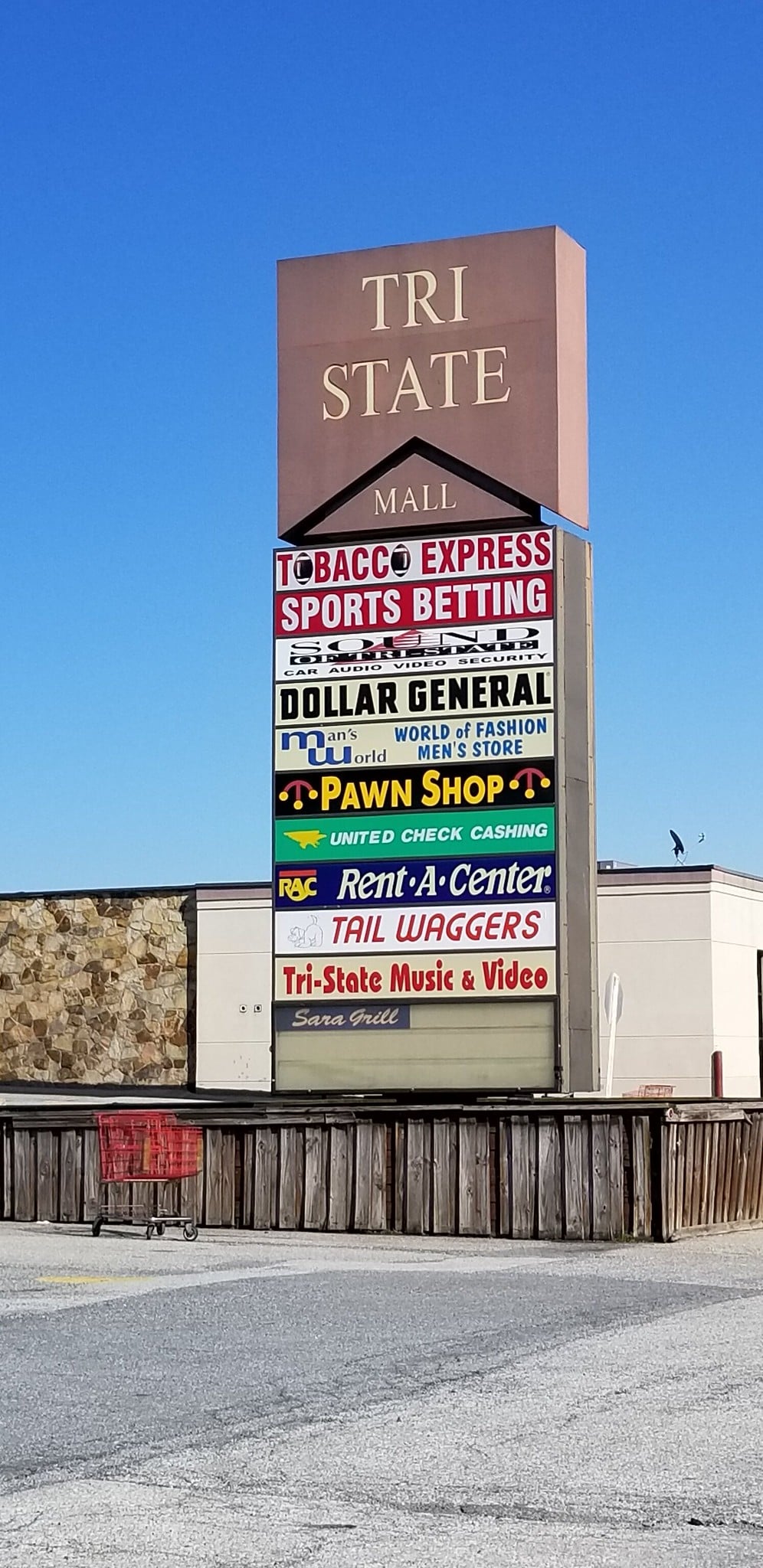
The Tri-State Mall, visible from I-95 between Pennsylvania and Delaware by its water tower, was a premier regional mall in the 1970s — the place where major blockbuster films opened for the area and where serious shopping happened. By the mid-1980s it was showing age.
By the 2000s it had lost its anchors. It eventually closed and was converted into warehouse space, which is the repurposing that makes the most logistical sense for a large flat building with significant parking close to a major highway.
The water tower still stands, advertising a name that no longer describes anything in the building beneath it.
The Role of Anchor Stores
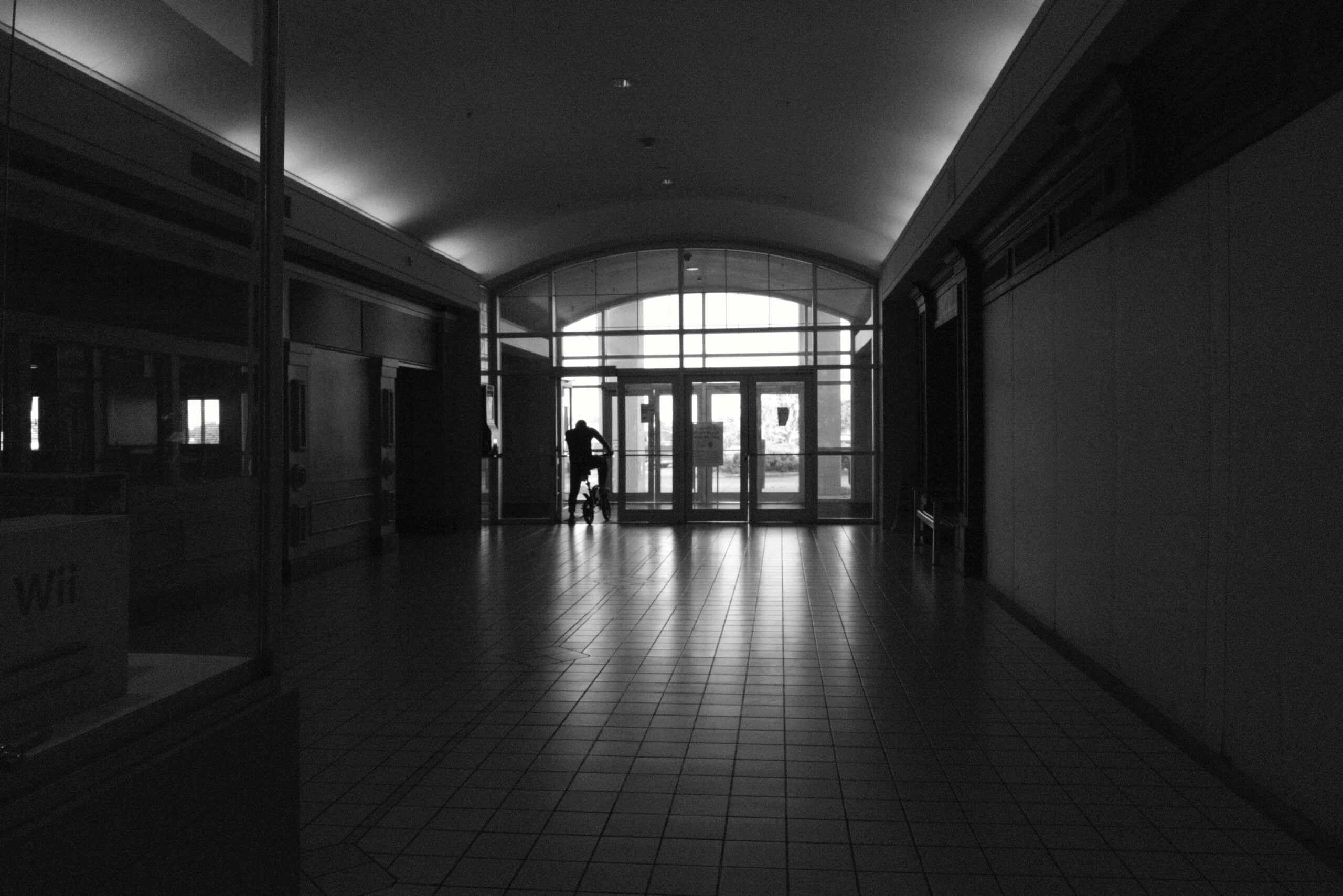
Understanding why these malls died requires understanding the anchor store relationship. The enclosed mall’s commercial model depended on large department stores — Sears, JCPenney, Macy’s, Lord & Taylor — anchoring each end of a corridor, generating the foot traffic that filled the smaller specialty retailers in between.
When Sears collapsed, when JCPenney closed hundreds of locations, when every mall’s Macy’s consolidated into a national footprint half its previous size, the anchor went away and the model went with it. The specialty retailers had been paying premium rent to occupy space next to anchors that no longer existed.
They left. The mall became empty corridors between empty department stores, which is a specific architectural form of failure that requires a very large building to fully express.
What Dead Malls Have Become
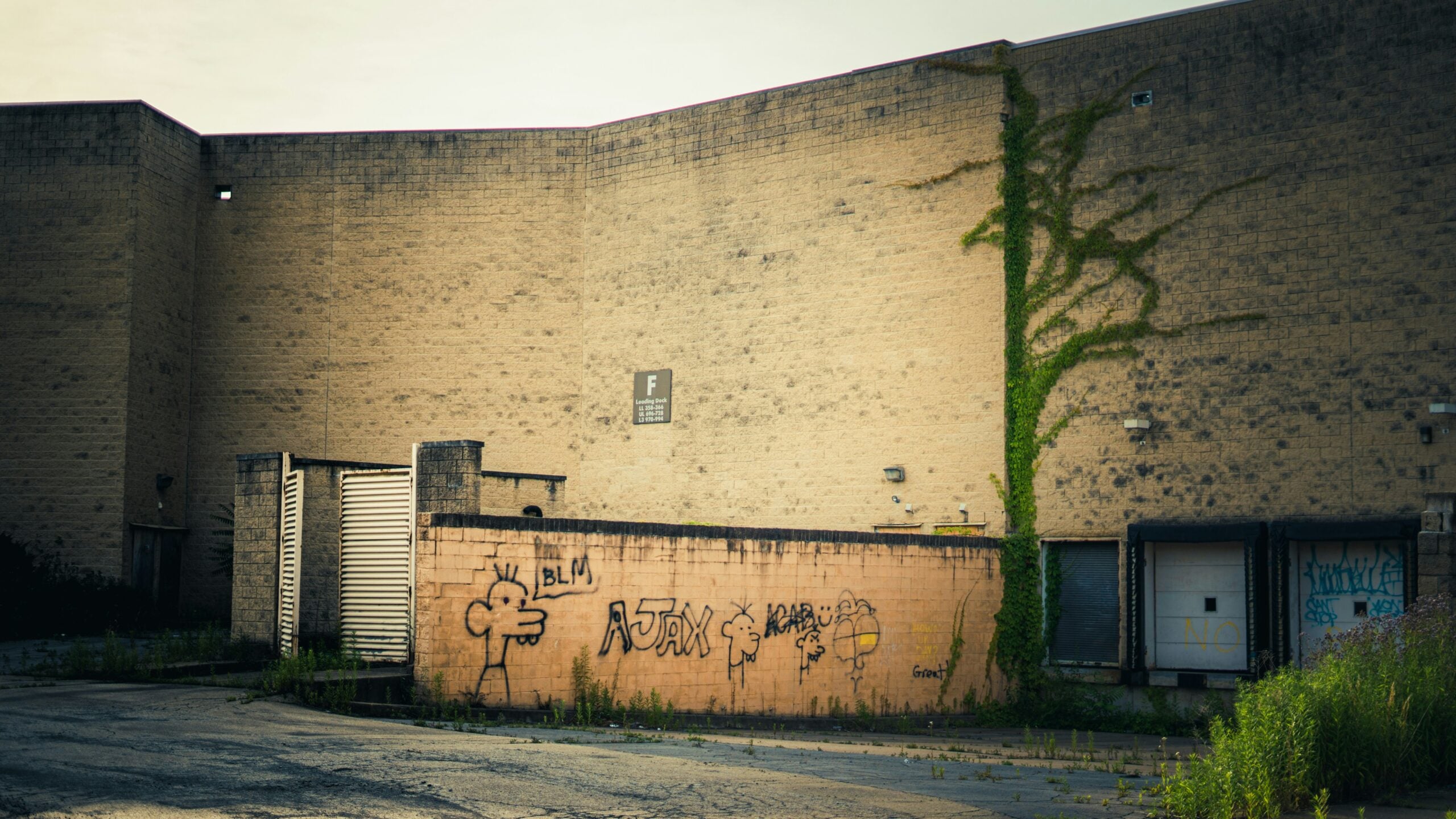
The dead mall has acquired a cultural life independent of any commercial purpose. YouTube channels like Dan Bell’s Dead Mall Series and Retail Archaeology have accumulated millions of views documenting abandoned retail spaces — wandering their corridors, talking to the remaining tenants, recording the specific visual and acoustic qualities of enormous buildings designed for crowds and operating with none.
The photographer Seph Lawless has made a career of documenting abandoned malls across America, and his images have been published widely enough that they have shifted the emotional register of the subject from decline to something closer to elegiac. Gillian Flynn, the author of Gone Girl, described the dead mall as “a childhood haunting” for people who grew up in the 1980s — the specific grief of seeing a place where your adolescence happened standing empty and unchanged.
What Comes After
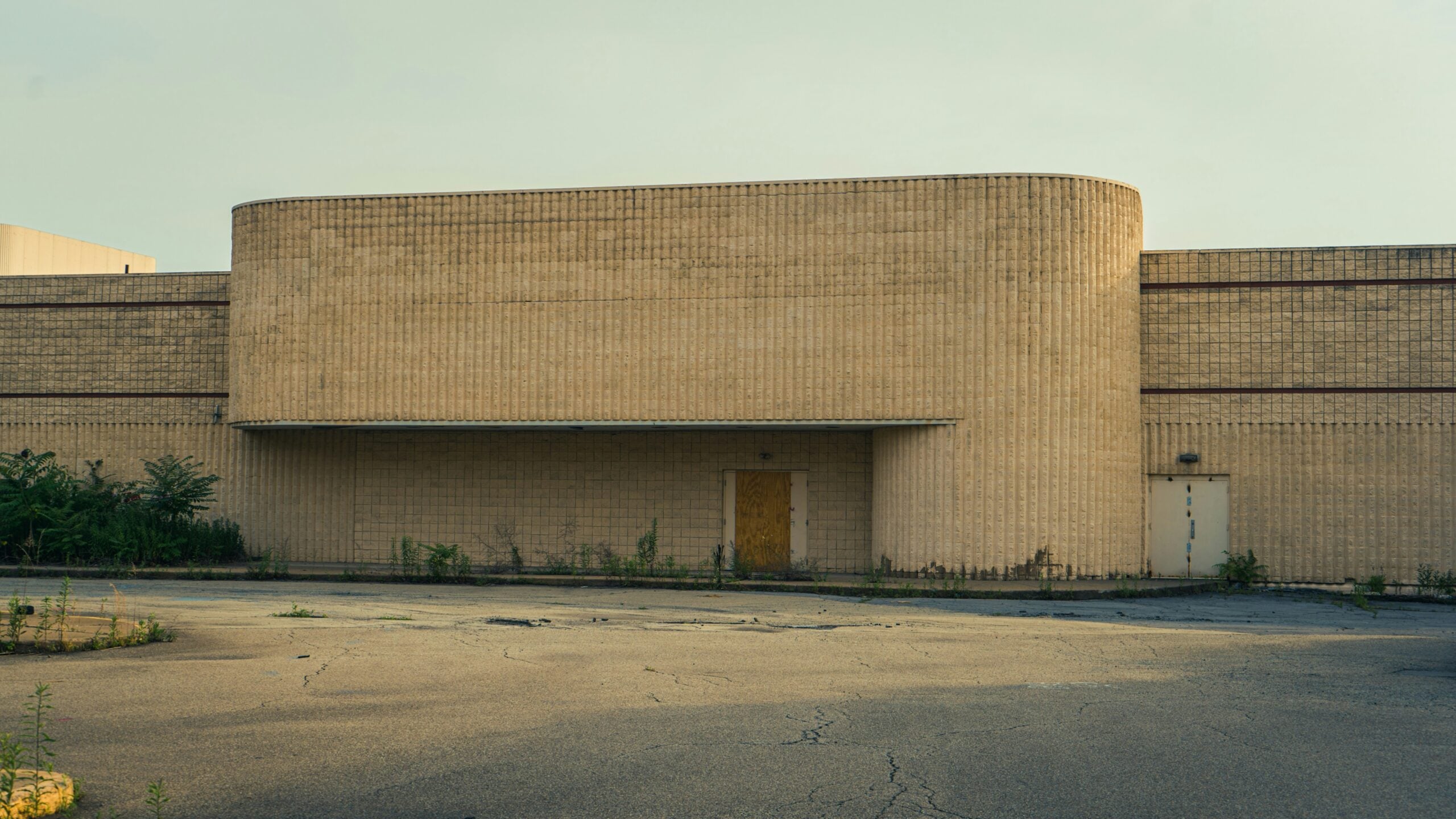
The conversions that have followed mall closures tell you something about what the buildings are actually useful for when not used as malls. Distribution warehouses have taken several — the large footprint, the loading dock infrastructure, and the highway proximity make the economics obvious.
Medical centers and urgent care facilities have found homes in anchor spaces, which has the social value of bringing healthcare to suburban areas but none of the social electricity of retail. Schools and community colleges have converted mall spaces — the Crosstown Concourse in Memphis, a converted Sears distribution center, now houses a high school.
Churches. Apartment buildings built in surface parking lots while the shell of the mall remains, waiting for something that hasn’t been invented yet.
Victor Gruen’s Problem
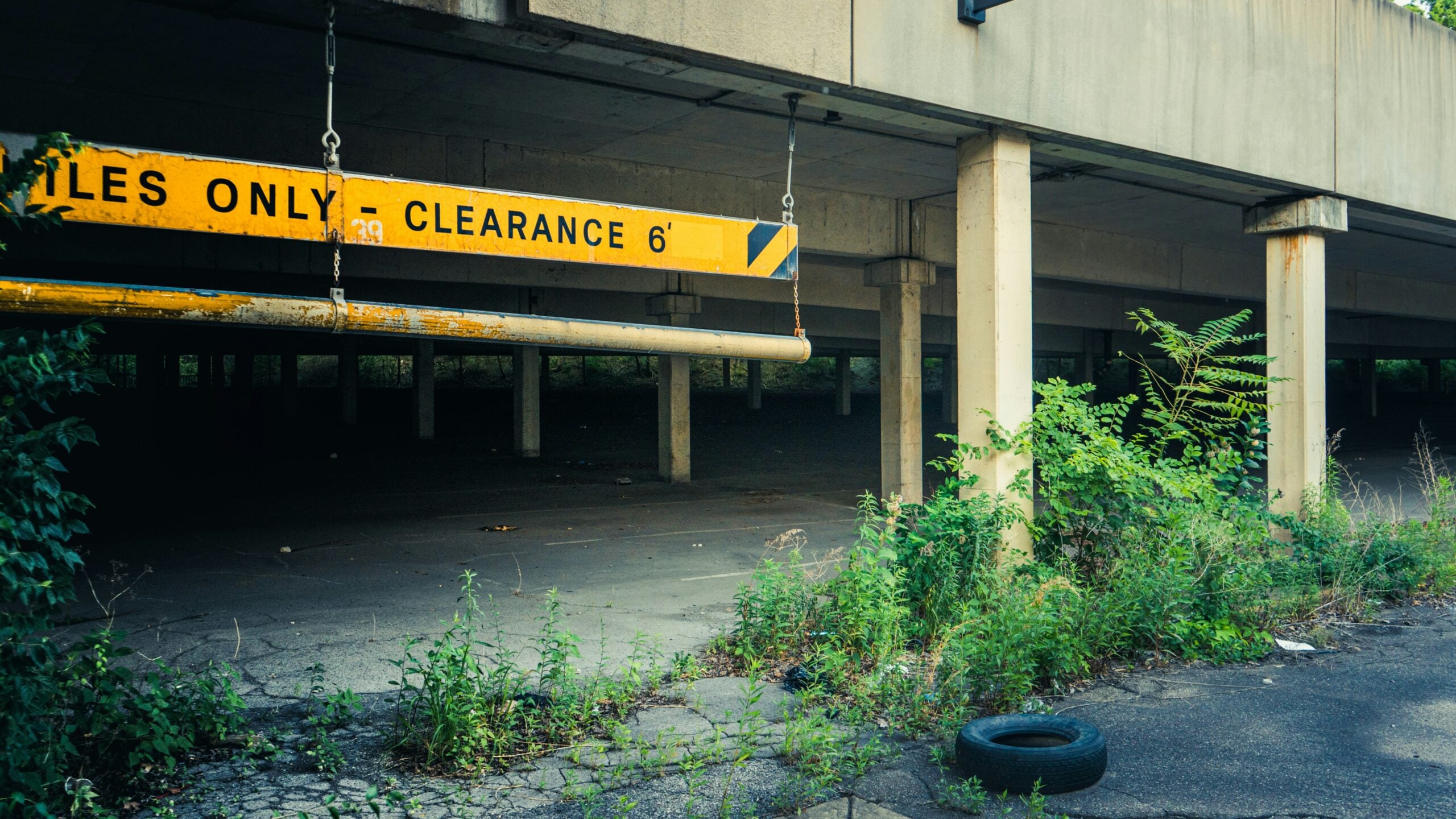
Victor Gruen did not intend what he made. He designed Southdale as a communal space with retail attached, and what he got was retail with a brief, performative gesture toward community.
He spent the last years of his life publicly disowning the American shopping mall, calling them “land-wasting seas of parking” and saying they represented everything he had tried to prevent. The irony is that the malls that function best today — the ones that have survived the retail apocalypse — are the ones that have added back the elements Gruen originally intended: restaurants, entertainment, medical services, gyms, apartments, genuine reasons to be somewhere rather than simply to buy something.
The formula that is working, in 2026, for the malls that are working, looks a great deal like what Gruen proposed in 1952. The industry that ignored him for seventy years has arrived at his answer through the long way around.
More from Go2Tutors!

- The Romanov Crown Jewels and Their Tragic Fate
- 13 Historical Mysteries That Science Still Can’t Solve
- Famous Hoaxes That Fooled the World for Years
- 15 Child Stars with Tragic Adult Lives
- 16 Famous Jewelry Pieces in History
Like Go2Tutors’s content? Follow us on MSN.