33 Antique Bottles Dug Up That Sell Quickly
Old privies, dumps, and building foundations have become unlikely treasure troves for a dedicated community of bottle diggers, who spend weekends unearthing glass that was thrown away a century or more ago. Some finds are common enough to be worth only a few dollars, while others sell within minutes of being listed. These are the categories of dug bottles that experienced diggers know will move fast.
Hutchinson Soda Bottles
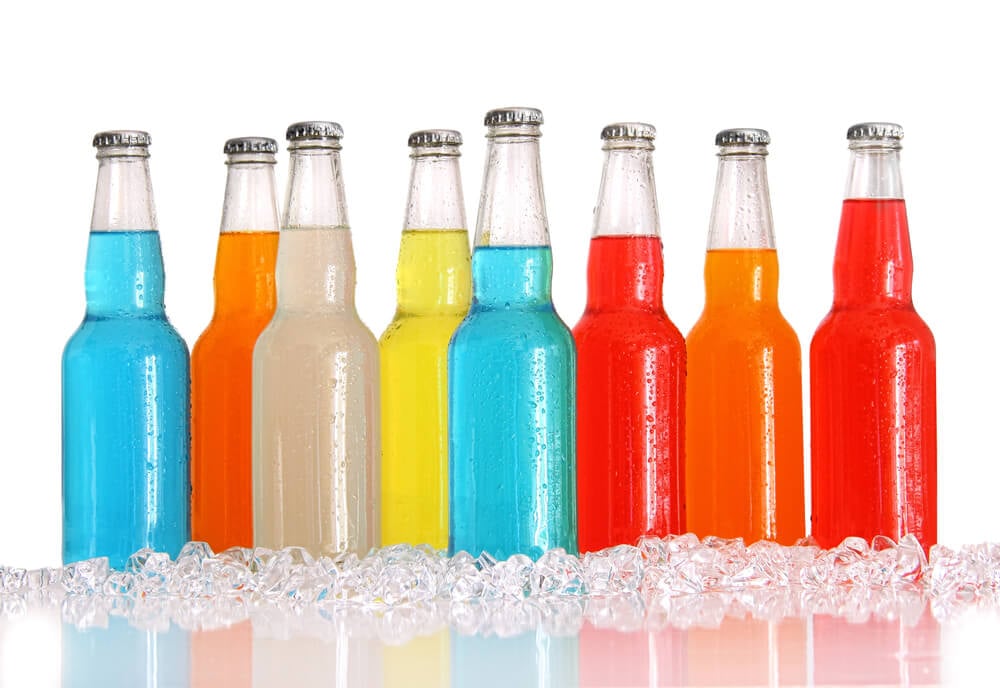
Hutchinson bottles, identifiable by the internal wire-and-rubber stopper mechanism used before crown caps became standard in the early 1900s, are among the most commonly dug soda bottles and remain a favorite entry point for new collectors. Bottles embossed with a specific local bottling company’s name sell considerably faster and for more than generic unmarked examples, since regional collectors specifically seek out bottlers from their own area. Because the internal stopper mechanism was fragile, bottles found with the original mechanism still intact command a meaningful premium.
Blob Top Beer Bottles
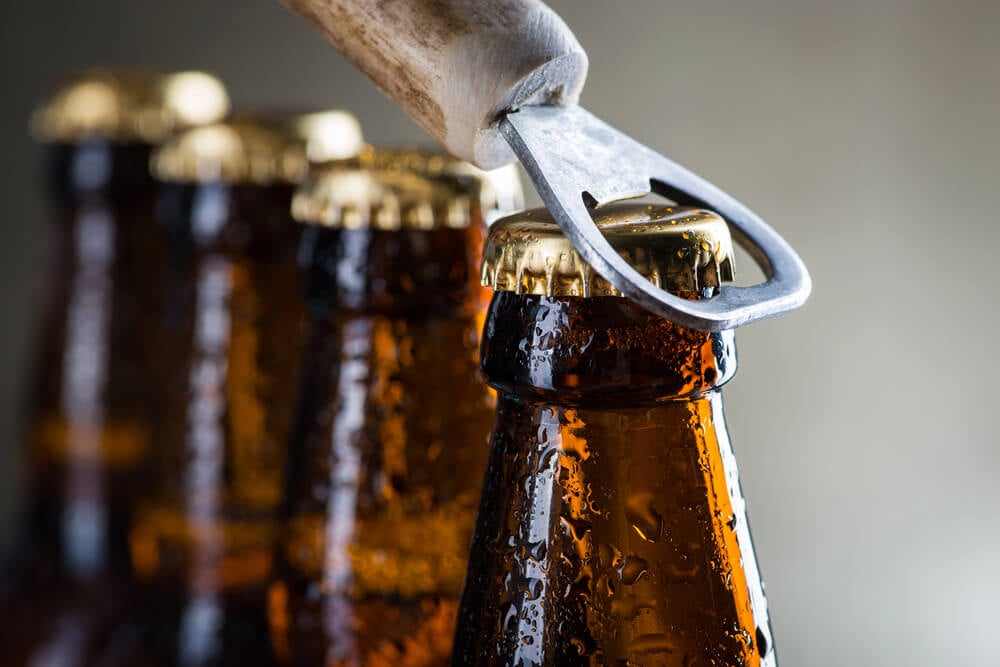
Blob top beer bottles, named for the thick, rounded lip designed to hold a wired-down cork stopper, were standard before crown caps arrived and are a common but consistently sought-after find at 19th-century dig sites. Bottles embossed with the name of a defunct local brewery draw the strongest interest, particularly from collectors researching regional brewing history. Chips on the blob top lip, the most fragile part of the bottle, significantly reduce value even when the rest of the bottle is intact.
Cobalt Blue Poison Bottles

Poison bottles were deliberately manufactured in unusual shapes and colors, most commonly a deep cobalt blue, with ribbed sides so they could be identified by touch in a dark room, a safety feature that has made them one of the most visually striking and actively collected bottle categories today. Skull-and-crossbones embossing or figural skull shapes command especially high interest when they appear at auction. Because the deliberately unusual shapes were more fragile than standard bottle designs, fully intact examples with no chips to the ribbing are less common than their original production numbers suggest.
Figural Bitters Bottles
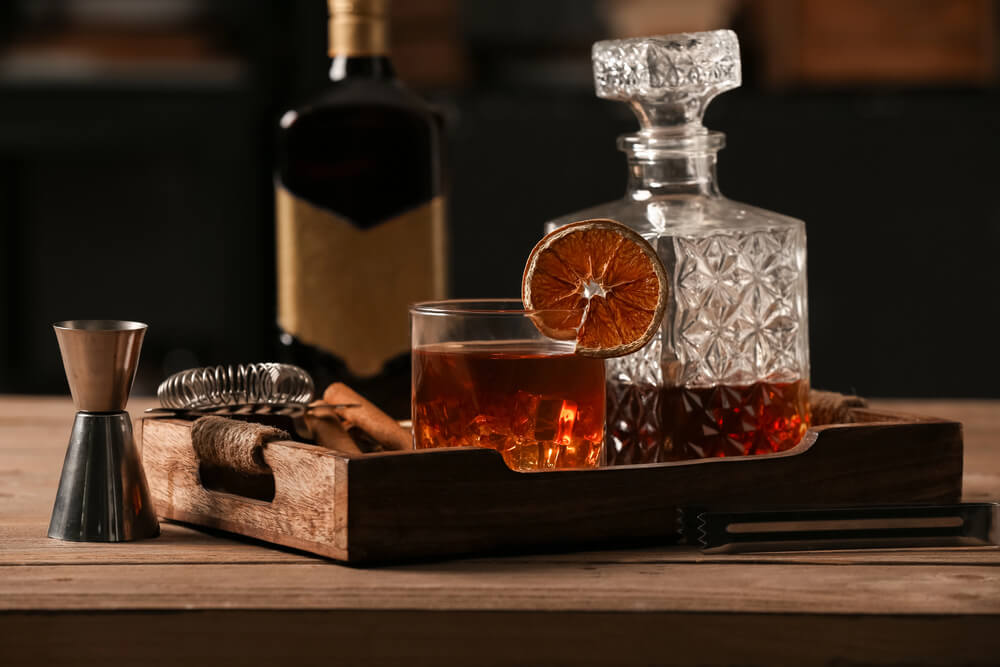
Bitters bottles, sold as a supposed health tonic that was often mostly alcohol, were frequently produced in elaborate figural shapes, including log cabins, ears of corn, and human figures, making them some of the most visually collectible glass from the 19th century. Because the figural molds were expensive to produce, many bitters brands used them for only a short period, creating genuine rarity for certain shapes and colors. Color variation matters enormously in this category, with unusual shades of amber, green, or amethyst selling for dramatically more than common aqua glass examples of the same mold.
Umbrella Ink Bottles
Small ink bottles with an umbrella-shaped, multi-paneled base were designed to prevent tipping on a writing desk and are a compact, easily displayed category that draws strong interest from collectors with limited shelf space. Color is the primary value driver, with common aqua and clear glass selling modestly while examples in deep amber, cobalt, or olive green sell substantially faster and higher. Because they are small, umbrella inks are also one of the more commonly dug bottle types, keeping the market active with a steady supply of new finds.
Patent Medicine Bottles

Embossed bottles from 19th and early 20th-century patent medicine brands, many making health claims that would never survive modern regulation, are collected both for the glass itself and for the social history the embossing represents. Bottles from well-documented, well-known brands with an interesting or notorious backstory tend to sell faster than obscure, undocumented local remedies. Full, unopened examples with their original paper label intact are considerably scarcer and more valuable than empty bottles, since paper labels rarely survive burial or decades of exposure.
Antique Mason-Style Fruit Jars
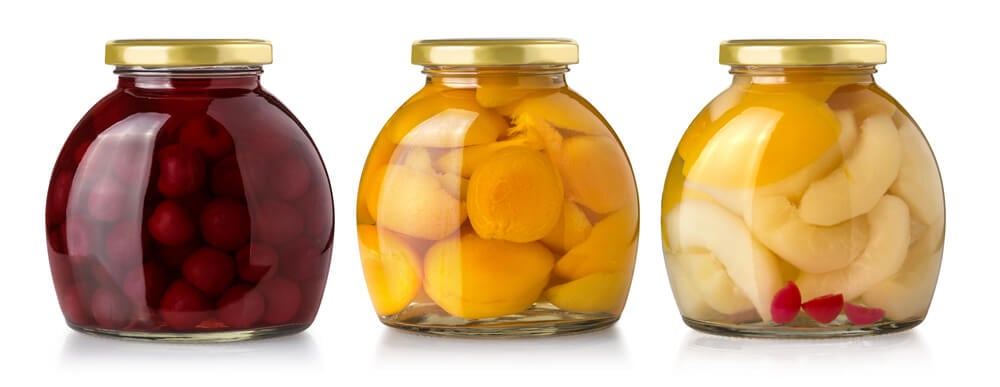
Early home-canning jars, predating the widespread standardization of later 20th-century designs, are collected both by antique glass enthusiasts and by buyers who simply want the jars for decorative kitchen use. Unusual closure mechanisms, including wax sealers and glass lid designs that predate the now-familiar metal screw band, draw stronger interest from serious jar collectors than more common later designs. Color is again a major factor, with the vast majority of surviving jars in clear or aqua glass, making amber or green examples considerably more valuable finds.
Figural Whiskey Flasks
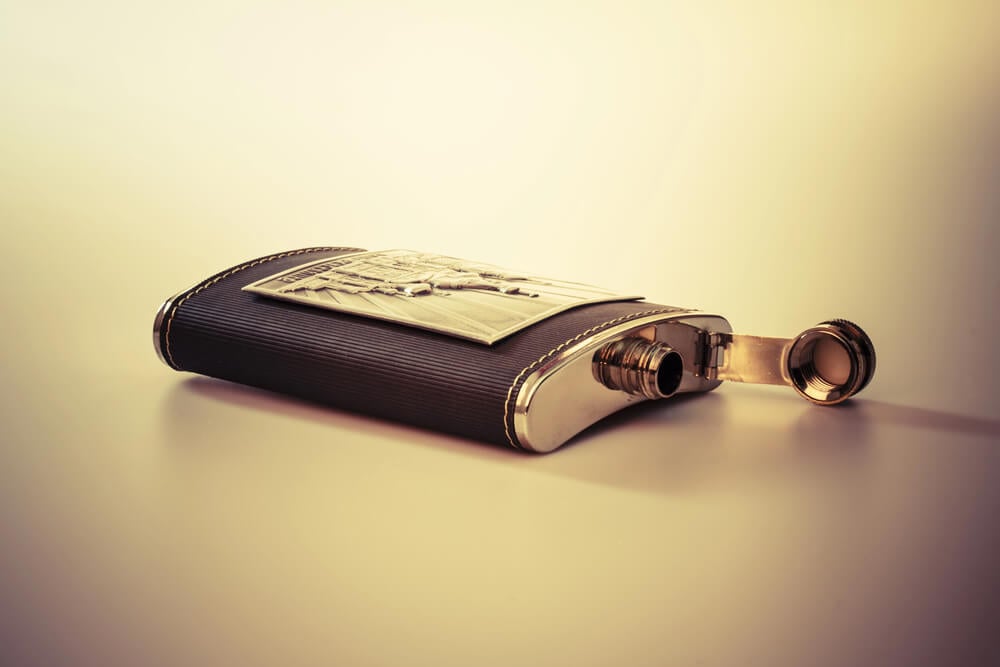
Whiskey flasks molded into decorative or symbolic shapes, including eagles, portrait busts of historical figures, and clasped hands representing unity, were popular throughout the 19th century and remain some of the most actively pursued bottles in the entire hobby. Condition of the mold detail matters enormously, since worn or damaged molds were sometimes reused past their prime, producing later strikes with less crisp detail than earlier examples from the same design. Rare color variants of well-documented flask molds can sell for dramatically more than common examples of the identical shape.
Snuff Jars
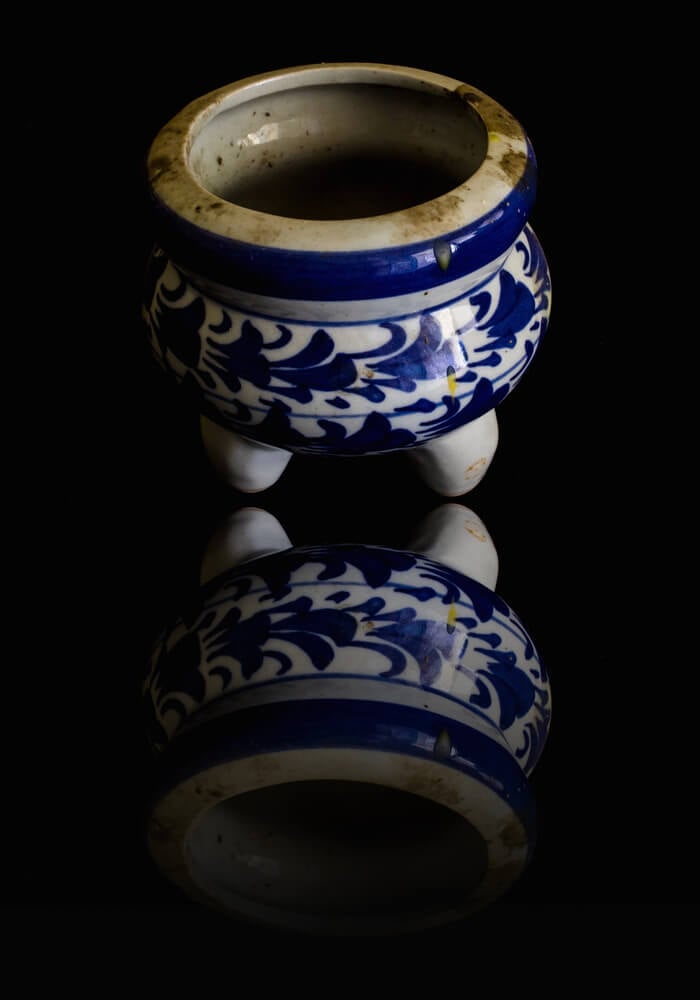
Small, typically square or rectangular glass jars once used to package ground snuff are a common but reliably sought-after find, particularly examples with embossed lettering identifying the original brand. Because so many were produced, individual snuff jars remain relatively affordable, but complete sets from a single documented brand or region draw more competitive interest from specialized collectors. Their compact size makes them a popular category for collectors just starting to build a display shelf.
Codd-Neck Marble-Stopper Bottles

Codd-neck bottles used a glass marble held in place by pressure and rubber gasket in the bottle’s neck to seal in carbonation, an ingenious design that has made them one of the most mechanically interesting bottles a digger can find. Because children in the era after these bottles were discarded often broke them specifically to retrieve the marble inside, fully intact examples with the original marble still present are notably scarcer than the bottle shape’s overall popularity would suggest. Asian and European examples of the design occasionally turn up in American digs tied to imported soda brands, adding another layer of interest for specialized collectors.
Torpedo Soda Bottles
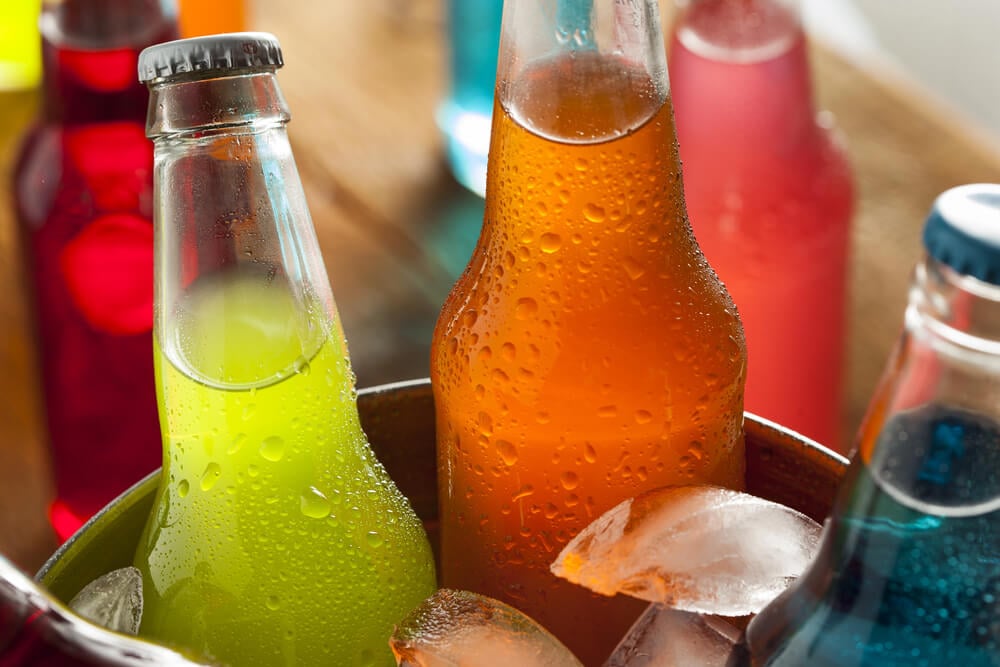
Torpedo, or round-bottomed, soda bottles were deliberately designed so they could not stand upright, forcing retailers to store them on their sides to keep the cork stopper moist and properly sealed. Their unusual shape makes them instantly recognizable and visually appealing even to buyers with no deep background in bottle collecting. Because the rounded shape made them more fragile and prone to rolling and breaking during storage and shipping, fully intact surviving examples are considerably scarcer than more conventional flat-bottomed soda bottles from the same period.
Black Glass Wine Bottles
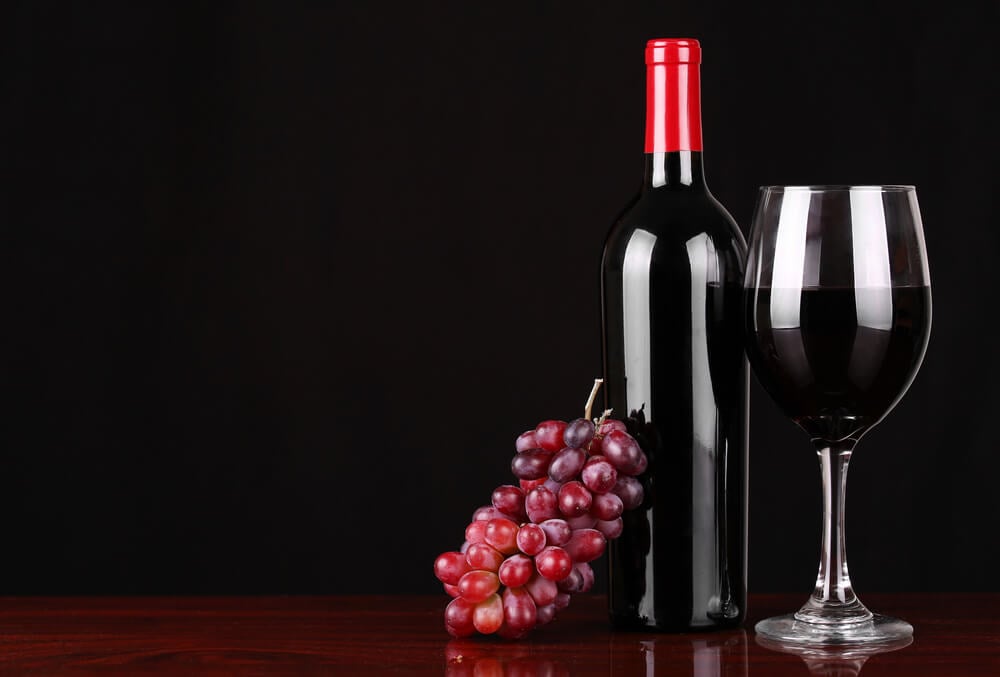
Extremely dark, nearly opaque glass wine bottles from the 18th and early 19th centuries, often appearing black but actually a deep olive green when held to light, are among the oldest and most historically significant bottles a digger is likely to encounter. Bottles with a wax or glass seal embossed with a merchant’s name or initials sell for dramatically more than plain, unmarked examples. Because they predate machine-made glass entirely, these bottles show visible pontil marks and asymmetry from hand-blowing that collectors specifically look for as authentication markers.
Demijohns
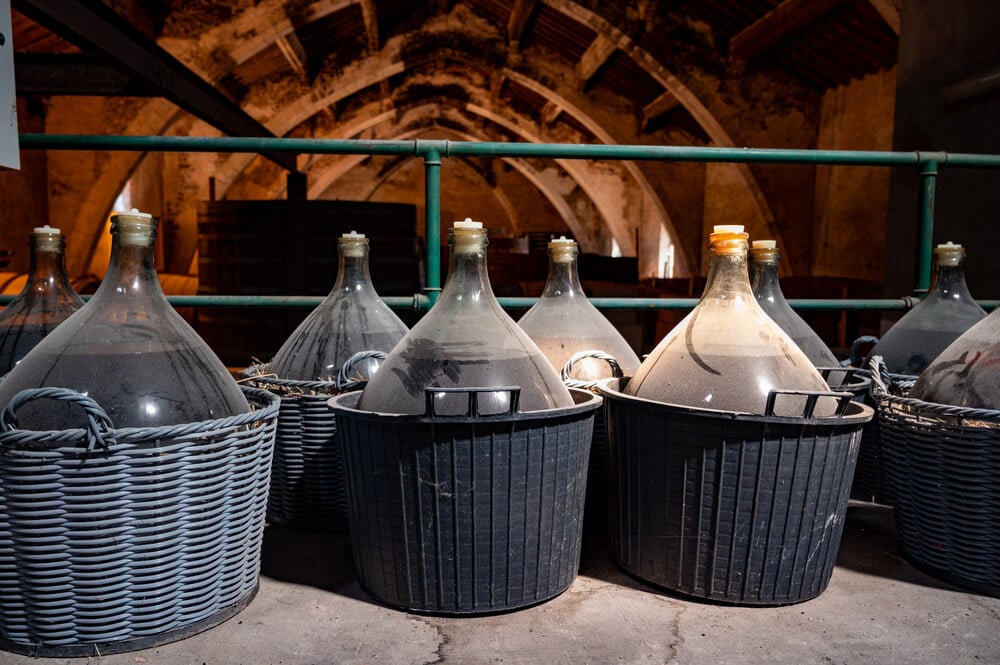
Large, heavy glass demijohns, once used to store and transport wine, cider, and other liquids in bulk, appeal to a different buyer base than smaller bottles, often selling to decorators and collectors who use them as oversized decorative accent pieces. Their substantial size limits casual impulse purchases but also means well-preserved examples command a meaningful premium once a buyer commits. Surface wear from decades of handling is generally accepted and even preferred by decor-focused buyers over a bottle that looks artificially clean.
Perfume and Cologne Bottles
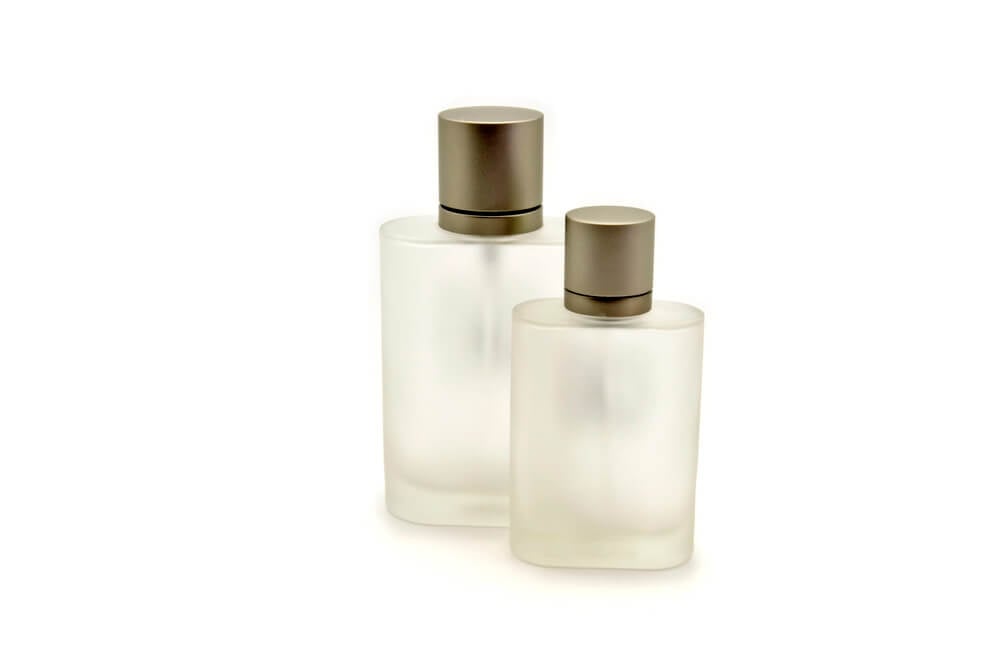
Ornately molded perfume and cologne bottles, particularly examples with intricate stopper designs and figural detailing, draw interest from both bottle diggers and separate collectors of vintage vanity and dressing table items. Because many were originally sold with elaborate paper labels and boxed packaging, bottles found with any surviving original packaging sell considerably higher than the glass alone. Small chips to delicate stopper components are the most common condition issue and significantly affect resale value even when the bottle body itself is undamaged.
Glass Fire Grenades

Fire grenades, thin glass spheres or ampoules filled with fire-suppressing chemicals meant to be thrown at the base of a small fire, are a genuinely unusual and niche category that sells quickly whenever an intact example surfaces, largely due to their rarity relative to more common household bottles. Because they were designed to be thrown and broken during actual use, the survival of any intact example represents genuine luck rather than typical burial preservation. Embossed brand names and original color, often in shades of amber, cobalt, or turquoise, significantly affect a fire grenade’s collector value.
Embossed Druggist Bottles
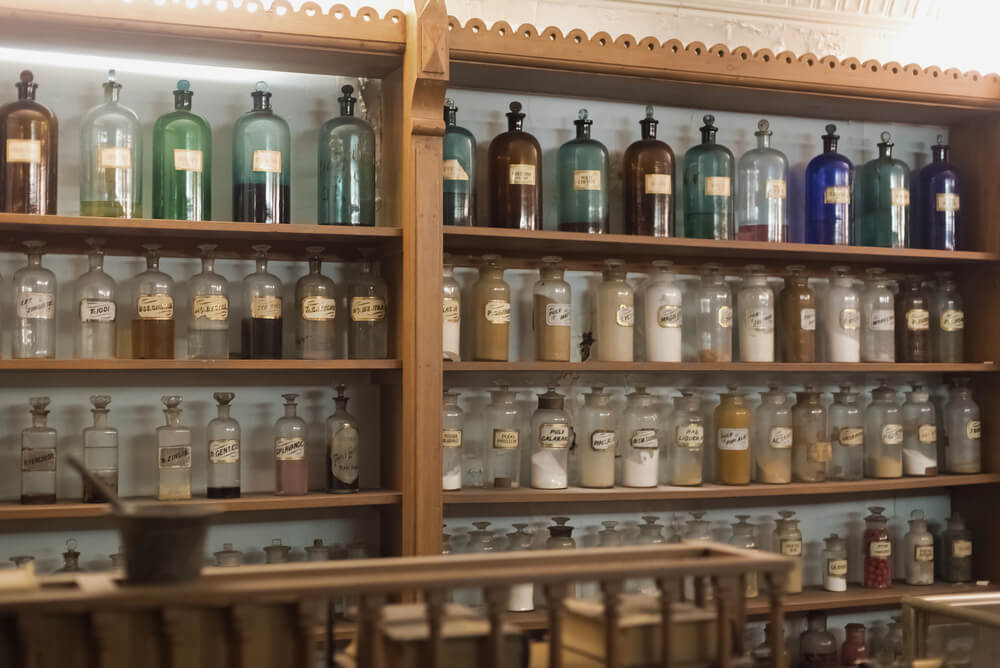
Small bottles embossed with the name and address of a specific local pharmacy or druggist are actively pursued by collectors researching local business history, sometimes selling quickly specifically because a buyer recognizes a still-standing building or a family name from their own town. Because so many were produced by small, independent regional druggists rather than large national brands, the category offers genuine variety even within a single dig site. Bottles that can be tied to a documented, dateable business through historical directories sell for more than similar bottles with no traceable history.
Cathedral Pickle Jars
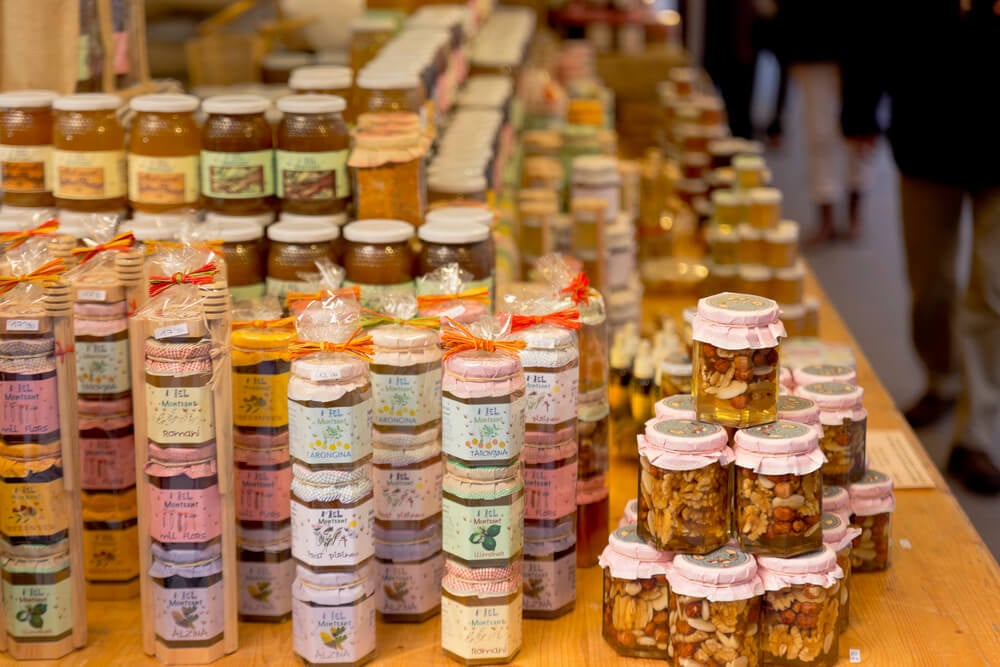
Large jars with distinctive Gothic arch paneling molded into the glass, nicknamed cathedral jars for their architectural appearance, were used to package and display pickled goods in 19th-century grocery stores. Their imposing size and striking visual design make them popular display pieces even among buyers with only casual interest in bottle collecting generally. Color variation matters significantly here as well, with the more common aqua and clear glass selling modestly while deep green or amber cathedral jars can sell for many times more.
Barber Bottles

Colorful, often hand-painted glass bottles used to hold tonics, bay rum, and other grooming products at barbershops are prized specifically for their decorative, non-embossed painted designs, a departure from the more common embossed-lettering style of most collectible bottles. Because the painted enamel decoration wears away easily, examples with strong, well-preserved original paint sell dramatically higher than bottles where the design has faded or flaked. Barber bottle collecting draws a specific dedicated community distinct from the broader bottle-digging hobby, keeping demand steady for well-preserved examples.
Sarsaparilla Bottles
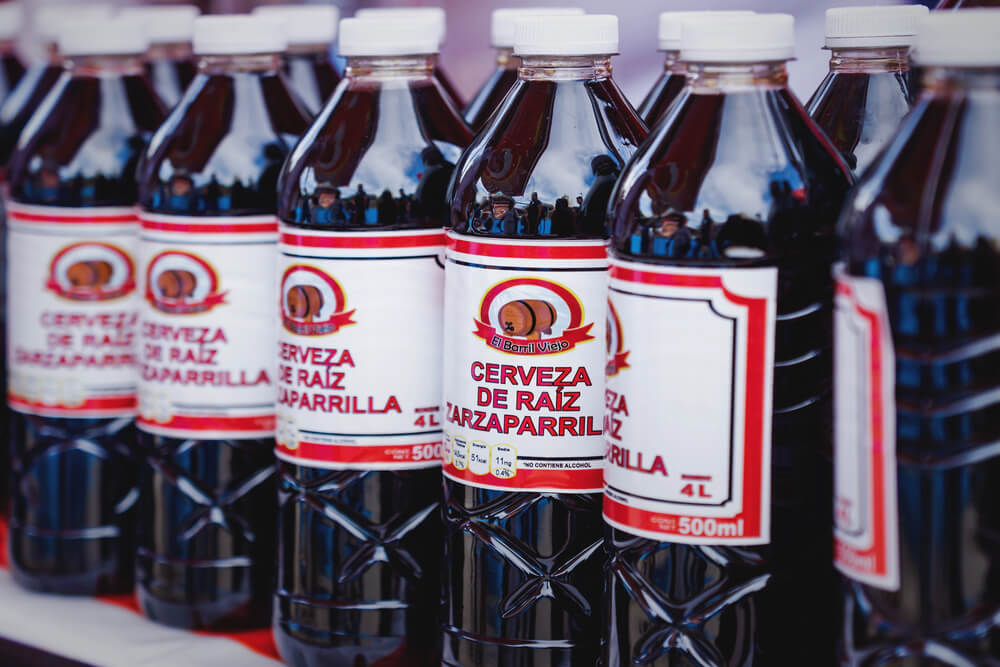
Bottles embossed with sarsaparilla brand names, sold throughout the 19th century as a supposed blood tonic and general health remedy, are a widely dug and actively collected category, particularly examples from well-documented national brands. Rectangular, paneled bottle shapes with bold embossed lettering are typical of the category and photograph well, which has helped keep online bidding interest strong. As with bitters bottles, unusual color variants of an otherwise common sarsaparilla mold can sell for substantially more than the standard aqua or clear glass version.
Patent Cure Bottles

Bottles explicitly embossed with the word “cure,” tied to specific ailments including kidney and liver complaints, represent some of the boldest and least regulated health claims of the 19th century, which is part of what makes them appealing to collectors interested in the era’s medical history. Brands with a well-documented advertising history, including surviving period newspaper ads, tend to sell faster than obscure, undocumented cure brands. As with other embossed medicine bottles, condition of the embossed lettering itself, rather than just the glass, is a key factor buyers assess closely.
Applied Color Label Beer Bottles
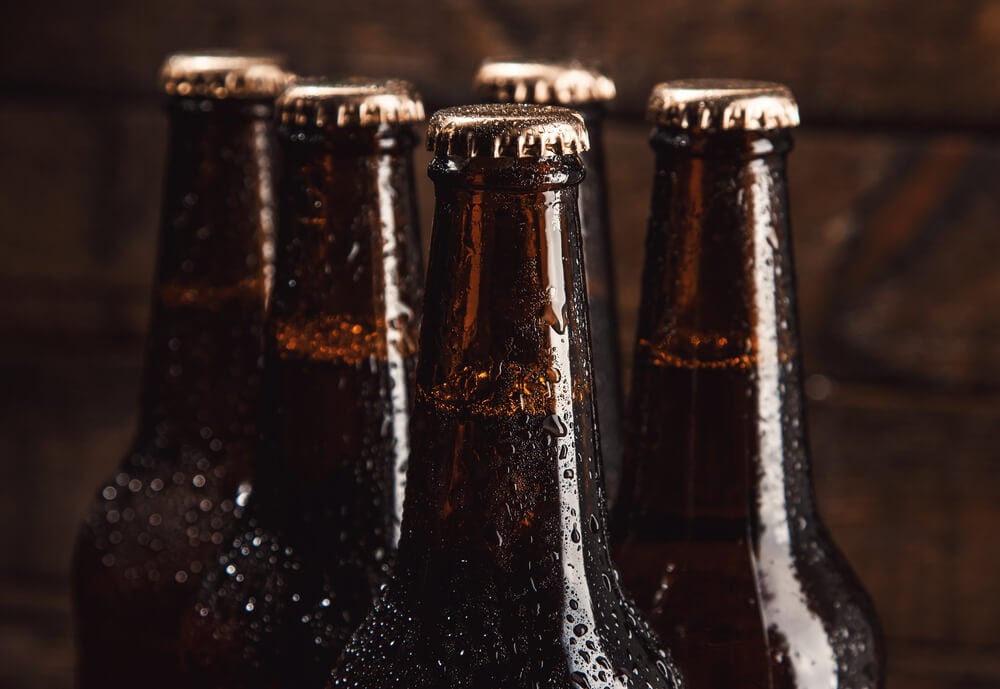
Beer bottles using painted-on labels rather than embossed lettering, a technique that became common in the mid-20th century, represent a later category of bottle collecting than most 19th-century finds but are actively sought by collectors focused specifically on defunct regional breweries. Because the painted labels are more prone to fading and scratching than embossed glass, examples with vivid, fully intact label graphics command a significant premium. Local and regional brand recognition plays a large role in demand, since collectors often specifically pursue breweries tied to their own area’s history.
Hobble Skirt Coca-Cola Bottles
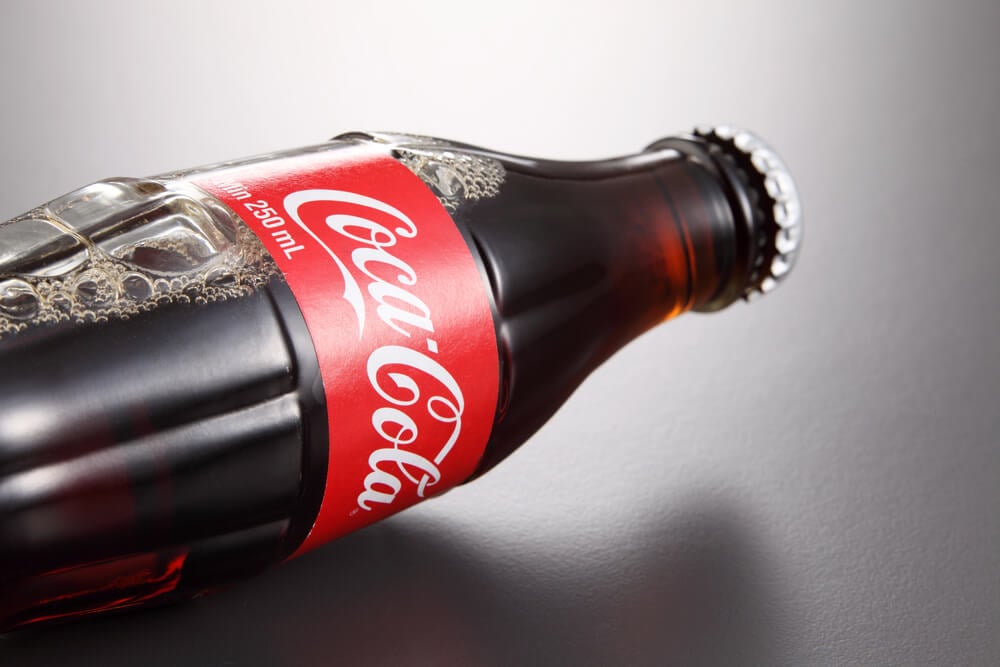
The distinctive contoured Coca-Cola bottle design, introduced in the 1910s and nicknamed the hobble skirt bottle for its resemblance to the era’s fashion silhouette, is one of the most recognized bottle shapes in American history and reliably draws fast interest whenever an early example surfaces. Bottles embossed with an early patent date and a specific bottling city sell for considerably more than later, more common examples from the design’s decades-long production run. Because the shape was produced for so long with only minor variations, precise dating requires close attention to embossed details that casual buyers often overlook.
Embossed Dairy Milk Bottles
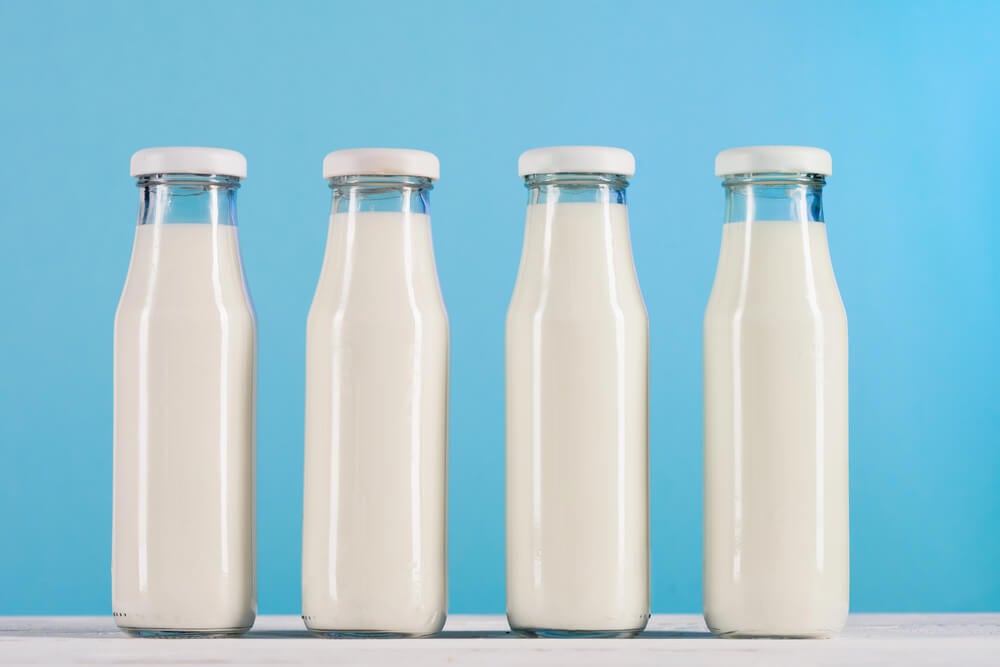
Glass milk bottles embossed with a specific local dairy’s name and sometimes an illustrated logo are a popular and accessible entry point into bottle collecting, particularly for buyers researching a specific region’s agricultural history. Bottles from dairies that operated only briefly or in a small local area tend to be scarcer, and therefore more valuable, than bottles from larger, longer-running dairy operations. Because glass milk bottles were eventually replaced by cardboard and later plastic packaging, well-preserved embossed examples represent a clearly bounded and finite historical window.
Historical Portrait Flasks

Flasks molded with the portrait of a historical or political figure, including early American presidents and military leaders, combine bottle collecting with a broader interest in political and patriotic memorabilia. Because certain figures were more popular subjects than others, some portrait molds are considerably scarcer and more actively pursued than others from the same general era. Mold wear and casting quality vary noticeably between early and later strikes from the same mold, a detail experienced collectors examine closely before bidding.
Witch Bottles
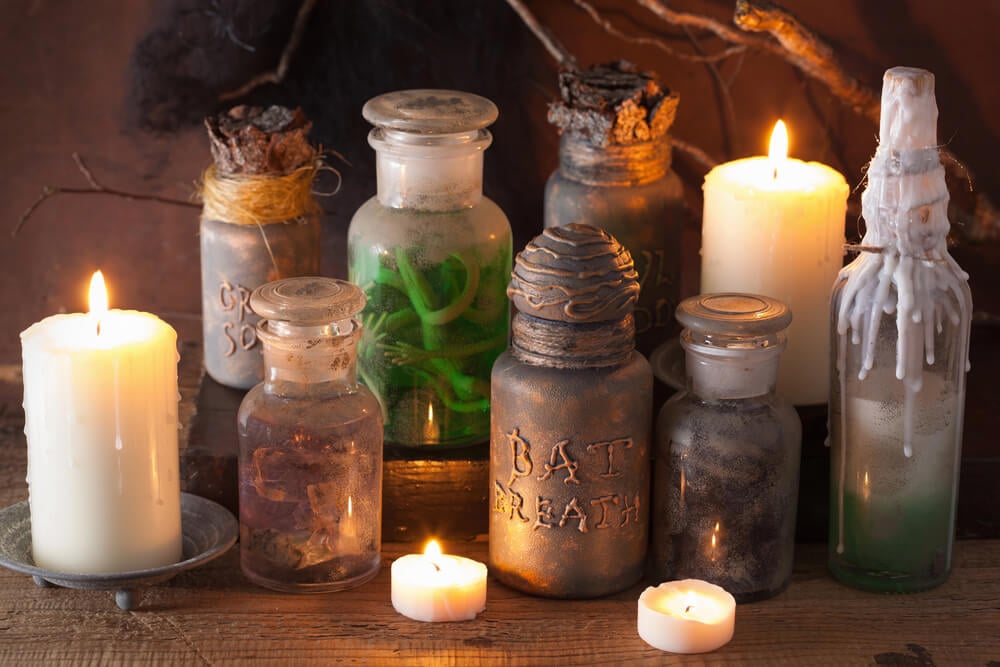
Witch bottles, small stoneware or glass vessels filled with sharp objects, nails, or other materials and buried near a home’s foundation as a folk charm against malevolent influence, occupy a genuinely unusual niche at the intersection of bottle collecting and folk history research. Because they were deliberately buried and rarely intended to be found, an intact, undisturbed example with its original contents still sealed inside is a significant and fast-selling discovery. Their rarity and the folklore attached to them draw interest from collectors who otherwise have no connection to conventional bottle digging.
Skull-Shaped Poison Bottles
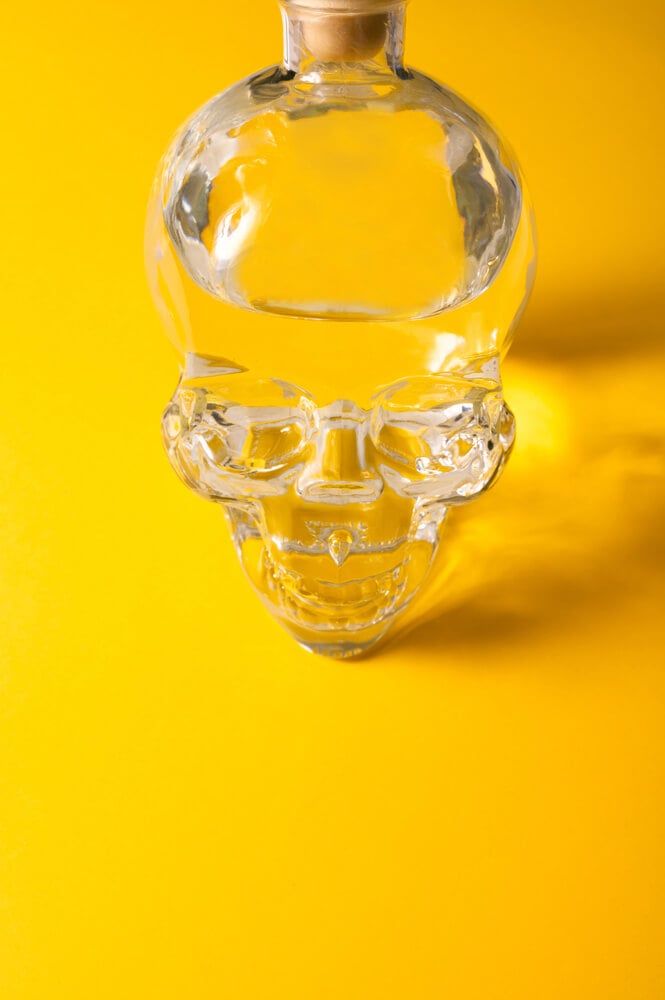
A specific and especially dramatic subset of poison bottles, molded directly into a skull shape rather than simply using ribbing or unusual color to signal danger, represents one of the most visually striking and consistently fast-selling categories in the entire hobby. Because the skull mold was more structurally complex and expensive to produce than standard poison bottle shapes, original production numbers were smaller, and surviving intact examples are correspondingly scarcer. Even minor chips to the facial detailing significantly reduce value in this category, since the sculptural detail is the entire basis of the bottle’s appeal.
Saloon Back-Bar Bottles
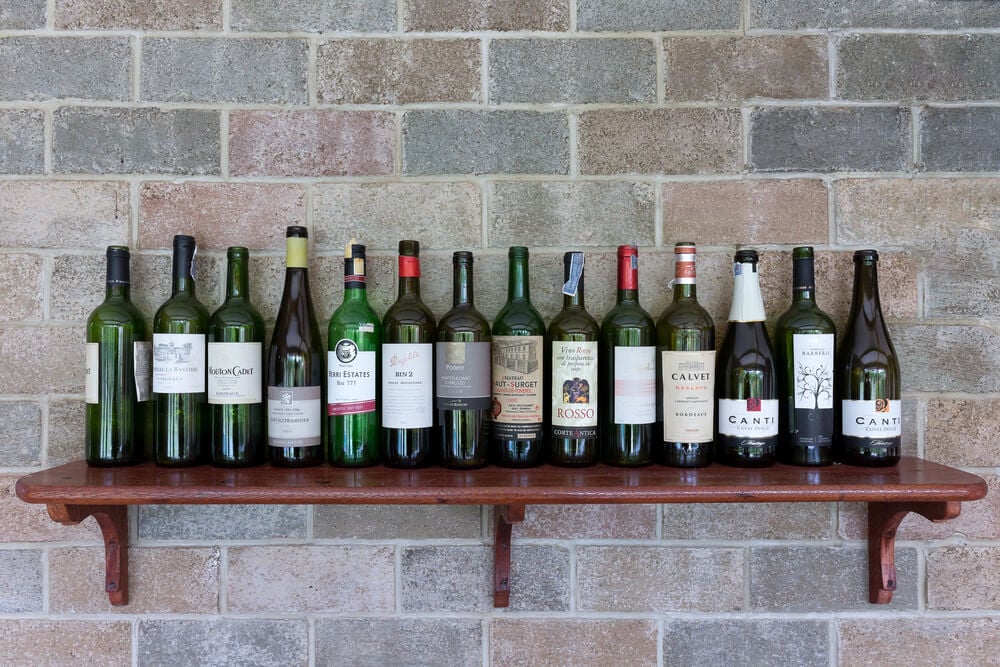
Elaborately etched or embossed bottles once displayed prominently behind a bar counter, advertising a specific whiskey or spirits brand, appeal to collectors of both bottle glass and broader saloon and Old West memorabilia. Because these bottles were meant for display rather than everyday use, well-preserved examples with crisp etching or embossing are somewhat more common than heavily used utilitarian bottles from the same era. Brands tied to documented historical saloons, particularly those in well-known frontier towns, draw noticeably stronger collector interest.
Blob-Top Mineral Water Bottles

Bottles embossed with the name of a specific mineral springs resort or bottling operation, capitalizing on the 19th-century belief in the health benefits of naturally carbonated spring water, form a specialized subcategory distinct from more common blob top beer and soda bottles. Collectors researching the history of specific historic spa and resort towns actively seek these out, sometimes paying a premium for bottles tied to a location they can document through old postcards or advertising. As with other blob top bottles, chip damage to the fragile lip is the most common and most value-affecting condition issue.
Stoneware Ginger Beer Bottles
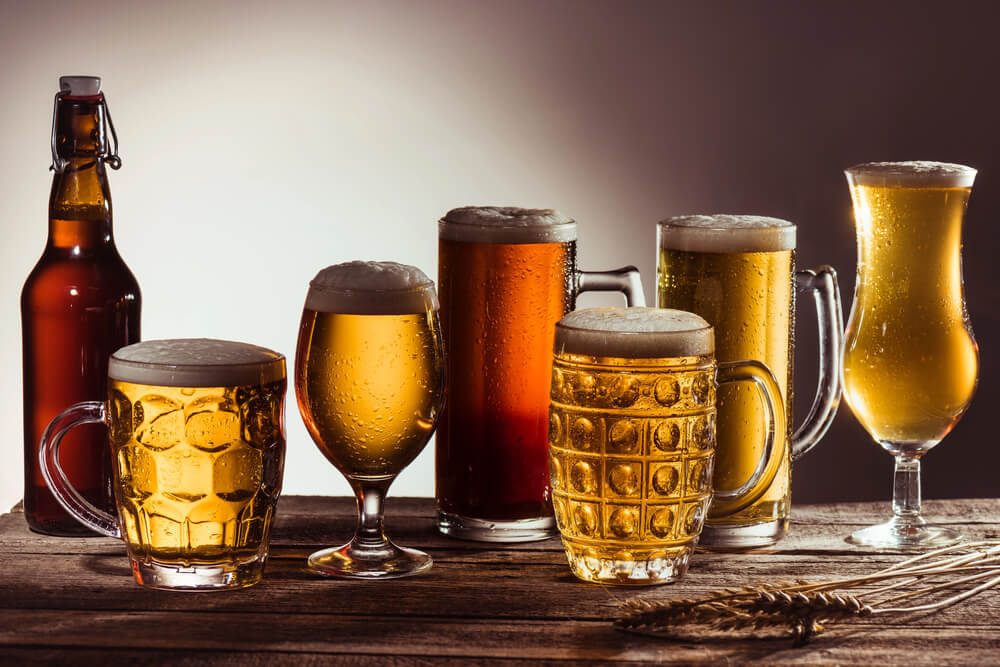
Cylindrical stoneware bottles, typically glazed in cream and brown tones and stamped or stenciled with a bottler’s name, held ginger beer throughout the 19th and early 20th centuries and are prized for their sculptural, non-glass material, which sets them apart visually from the rest of a typical bottle collection. Because stoneware is more durable than glass but still prone to chipping at the rim and base, condition of these high-wear points is closely scrutinized by buyers. Bottles from smaller regional stoneware potteries, rather than large industrial manufacturers, often draw stronger interest from collectors focused on local ceramic history.
Chestnut Flasks
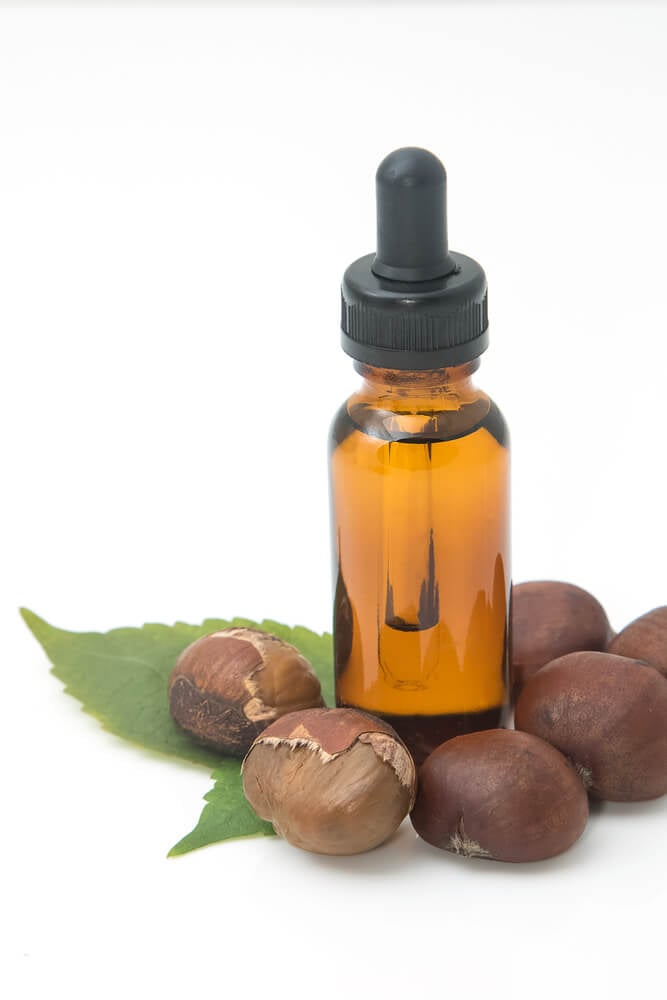
Named for their rounded, chestnut-like shape, these early American flasks predate the more elaborate figural flask molds that followed and are valued specifically for their simplicity and early production date. Because they were among the earliest mold-blown American glass forms, surviving examples in good condition are considered significant finds regardless of color, though unusual amber or olive tones still command a premium. Pontil marks on the base, left by the rod used to hold the bottle during hand-finishing, help collectors date these flasks to before machine manufacturing became standard.
Open Pontil-Marked Bottles
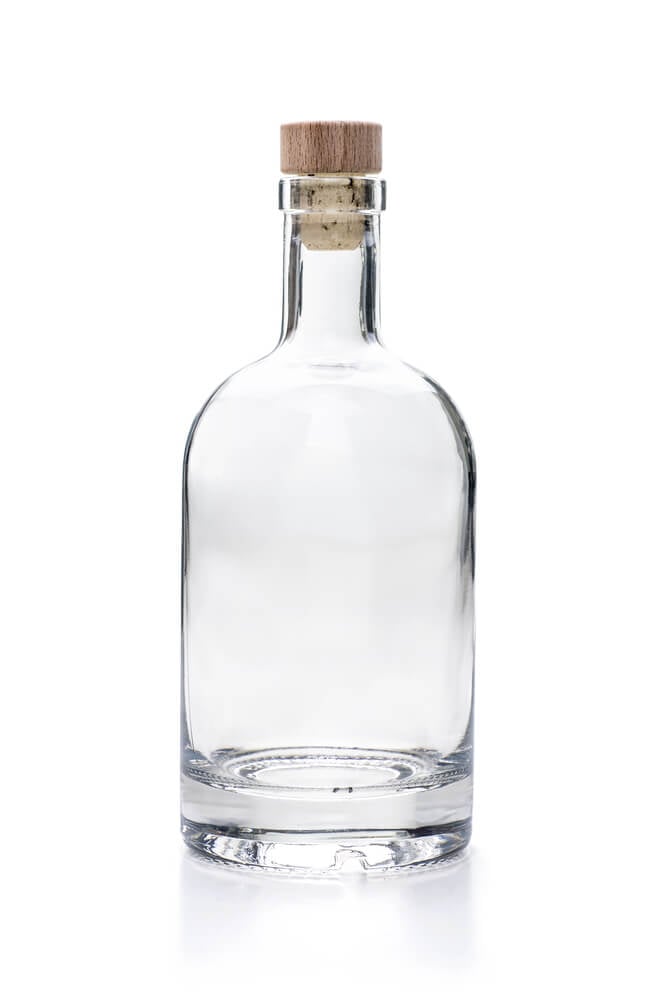
Any bottle showing an open pontil mark, a rough scar left on the base from the hand-glassblowing process used before roughly the 1860s, is treated by collectors as an automatic marker of significant age regardless of the bottle’s specific type or original use. Because this manufacturing method was phased out relatively early, pontil-marked bottles of any kind represent a meaningfully older and scarcer find than the smooth-based bottles produced by later machine methods. Experienced diggers specifically prioritize any bottle showing this mark for closer inspection, since it signals value even before the bottle’s specific type or brand has been identified.
Milk Glass Cosmetic Jars
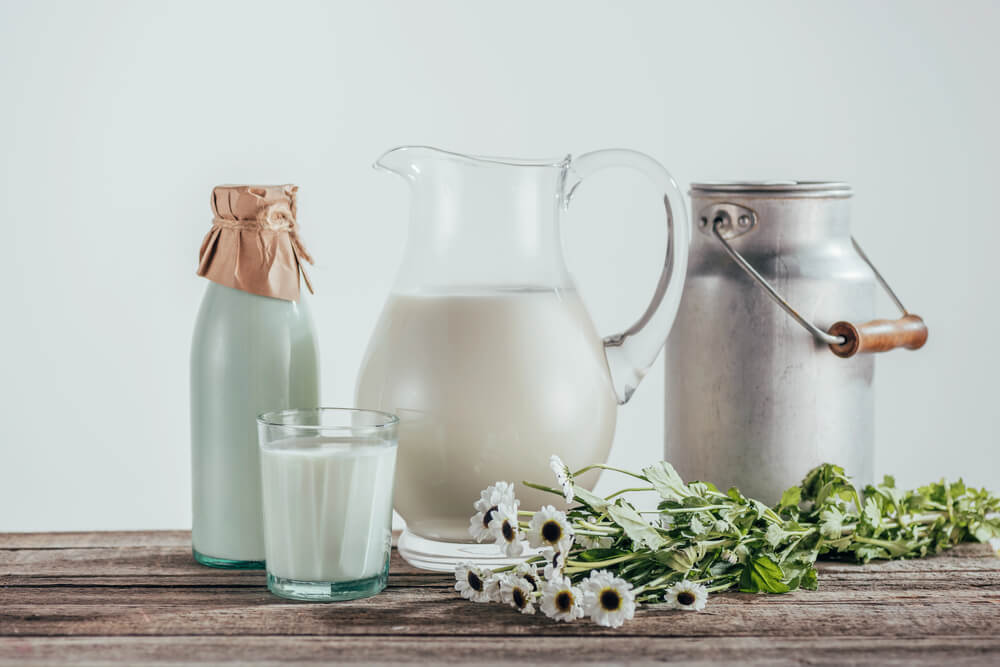
Opaque white milk glass jars, once used to package cold creams and other cosmetic products, are popular with collectors of vintage vanity items and interior decorators alike, valued for their clean, uniform appearance compared to the color variation prized in other bottle categories. Original embossed or painted branding significantly increases a jar’s value over an unmarked example. Because milk glass chips reveal a visibly different clear layer beneath the opaque surface, even small chips are highly noticeable and meaningfully reduce a piece’s resale value.
Amber Beer Bottles With Brewery Embossing
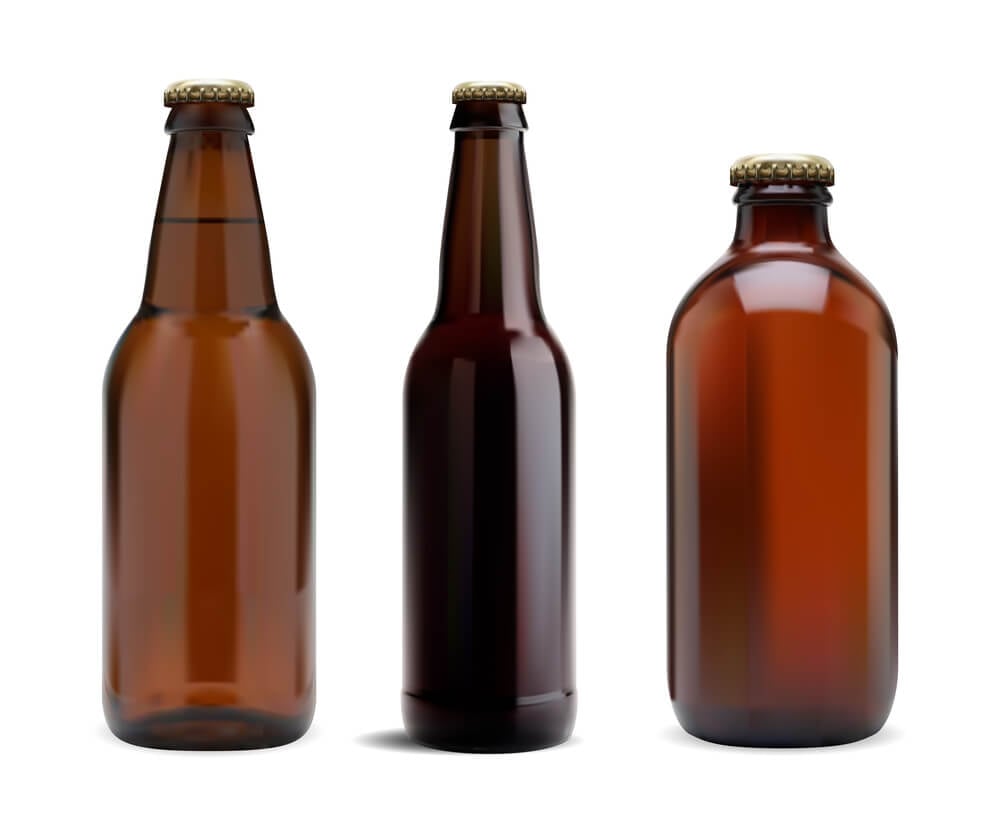
Beer bottles in the more common amber glass color, embossed with a specific defunct regional brewery’s name, remain a steady, reliable seller precisely because so many small independent breweries operated and folded before Prohibition permanently reshaped the industry. Regional collectors researching a specific area’s brewing history drive much of the demand, sometimes paying well above a bottle’s typical market value for one tied to their own hometown. Because amber glass is more common and less fragile-looking than the cobalt or green glass prized elsewhere on this list, buyers in this category focus heavily on the specificity and rarity of the embossed brewery name itself.
Digging Up What Got Thrown Away
What makes this hobby work is a simple historical accident: privies and dumps were where 19th and early 20th-century households sent their broken and empty containers, which means the ground beneath old properties functions as an unintentional time capsule of daily consumption. Nobody buried these bottles to be found. They were simply thrown away and forgotten.
That accidental preservation is exactly why condition and specificity matter so much to buyers in this hobby. A common bottle in perfect condition, or a plain bottle tied to a documented local business, carries a kind of value that has nothing to do with how the object was originally used and everything to do with how precisely it can now be placed back into a specific, researchable moment in time.
More from Go2Tutors!

- The Romanov Crown Jewels and Their Tragic Fate
- 13 Historical Mysteries That Science Still Can’t Solve
- Famous Hoaxes That Fooled the World for Years
- 15 Child Stars with Tragic Adult Lives
- 16 Famous Jewelry Pieces in History
Like Go2Tutors’s content? Follow us on MSN.



