14 Museums That Collect Truly Strange Things
The concept of museums typically brings to mind grand halls filled with ancient artifacts, priceless paintings, or historical documents. But beyond these traditional institutions lies a fascinating world of specialty museums dedicated to collecting and preserving items that most people would consider, well, bizarre.
These unique collections showcase humanity’s endless capacity for interest in the extraordinary and unconventional. Here is a list of 14 museums around the world that have made it their mission to preserve and display some of the strangest collections you’ll ever encounter.
Museum of Bad Art
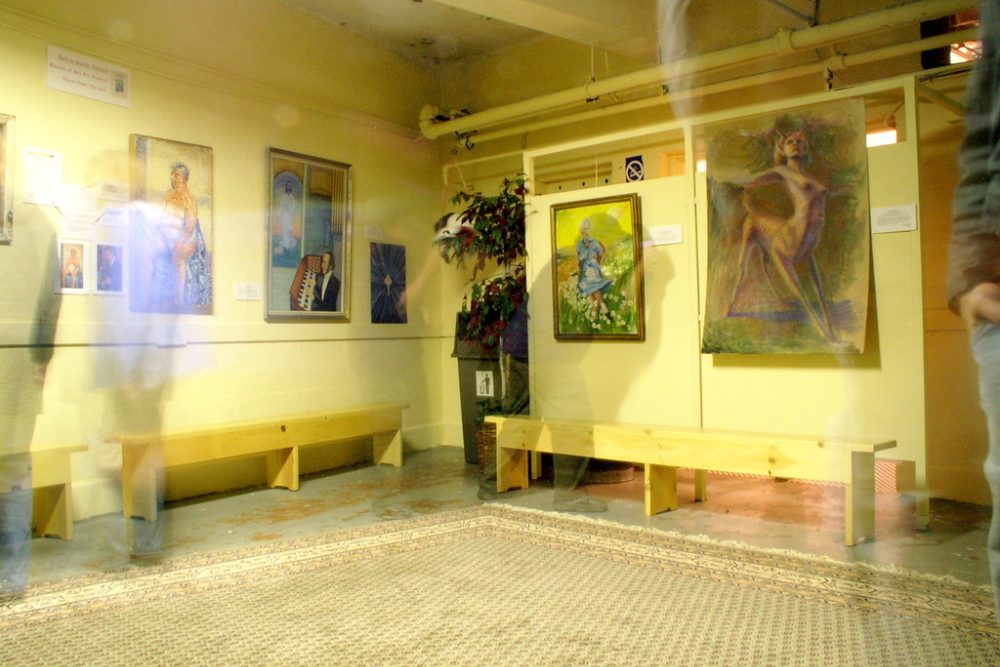
Located in Massachusetts, the Museum of Bad Art proudly displays paintings that are simply too awful to ignore. The curators seek out pieces that display genuine effort but somehow miss the mark entirely.
Their collection includes hundreds of paintings purchased from thrift shops and trash heaps, each showcasing technical ineptitude or strange artistic choices. The museum’s most famous piece, ‘Lucy in the Field with Flowers,’ features a woman with an unnaturally twisted face set against a garish yellow background.
The Hair Museum
More than 2,000 pieces of jewelry made entirely of human hair and more than 600 wreaths can be found at Leila’s Hair Museum in Independence, Missouri. These elaborate items, which mostly date from the Victorian era, were made as symbols of affection or as commemoration of lost loved ones.
Some of the hair art is so intricate that it looks like delicate embroidery or beautiful lace. The founder preserved what was once a popular but now-forgotten art form by spending decades gathering these unique artifacts.
Like Go2Tutors’s content? Follow us on MSN.
The Sulabh International Museum of Toilets
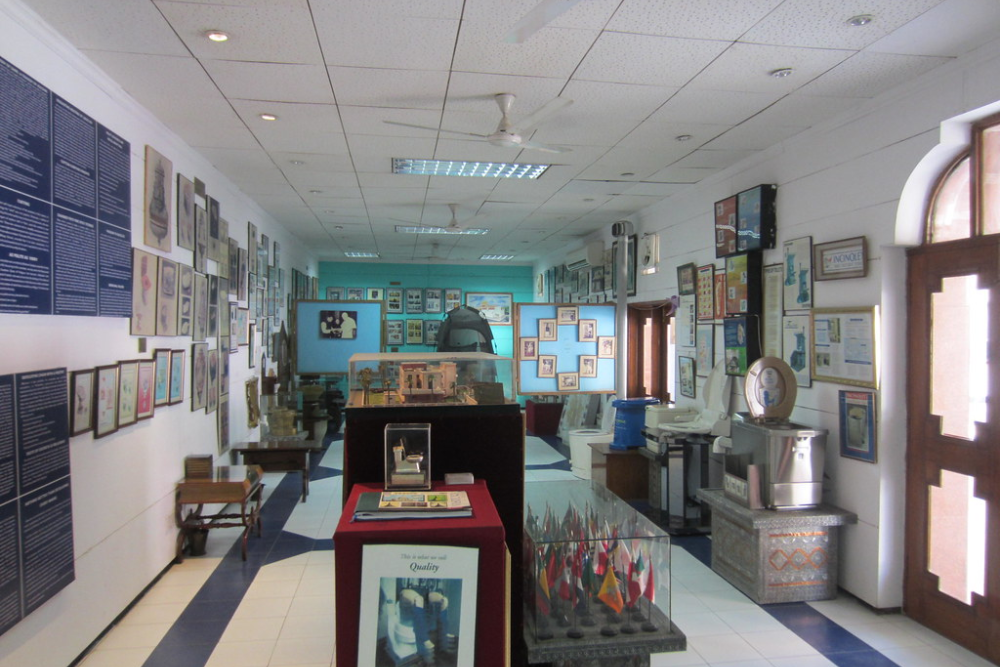
This museum in Delhi charts the development of toilets and sanitation methods over a period of 4,500 years. Ancient Roman latrines and elaborate Victorian commodes are among the items in the collection.
Visitors can look at basic wooden constructions from rural villages as well as gold-plated medieval toilet seats used by kings. In addition to being a unique attraction, the museum educates visitors on the significance of good sanitation for public health.
The Museum of Broken Relationships
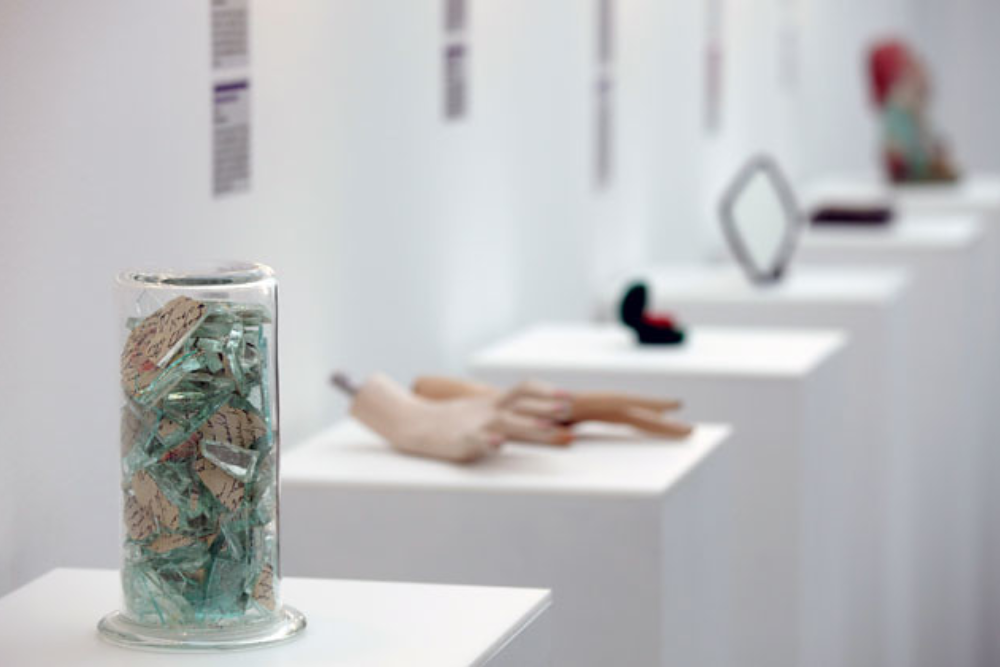
What happens to meaningful objects after a relationship ends? In Zagreb, Croatia, they become exhibits.
This award-winning museum displays donated items representing failed relationships, each accompanied by a personal story. The collection includes everything from prosthetic limbs to garden gnomes, each object carrying emotional weight far beyond its physical presence.
The unique concept has proven so popular that traveling exhibitions have appeared in more than 50 cities worldwide.
Mustard Museum
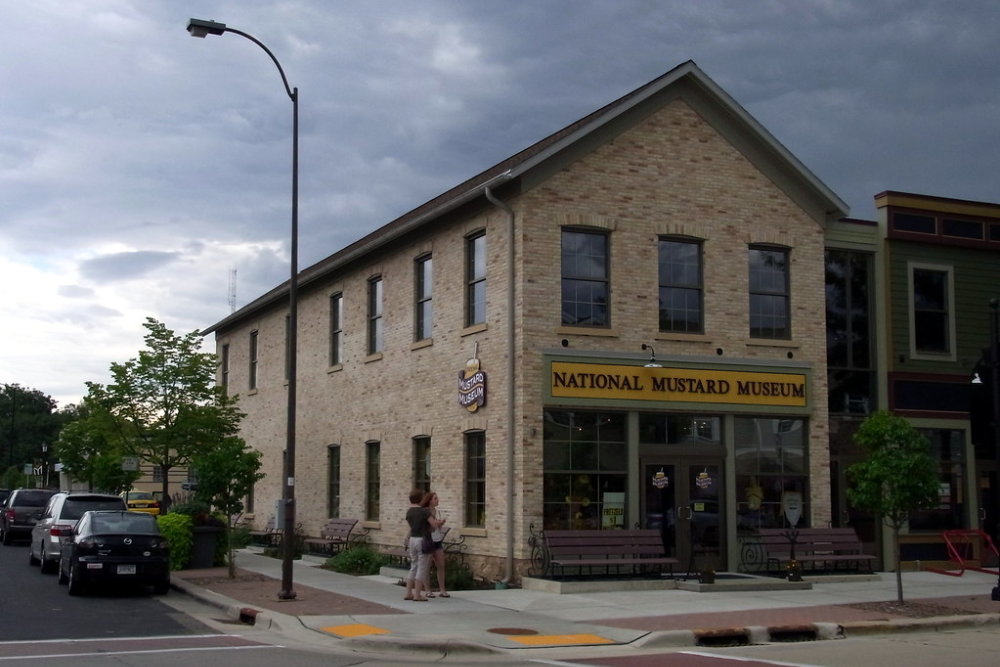
In Middleton, Wisconsin, visitors can explore a collection of over 6,000 mustards from more than 70 countries. The museum houses antique mustard pots, vintage advertisements, and even mustard vending machines from the 1950s.
The founder, a former assistant attorney general, left his legal career to pursue his passion for this condiment full-time. The museum also features a tasting bar where visitors can sample exotic varieties ranging from sweet champagne mustard to fiery habanero blends.
Like Go2Tutors’s content? Follow us on MSN.
International Cryptozoology Museum
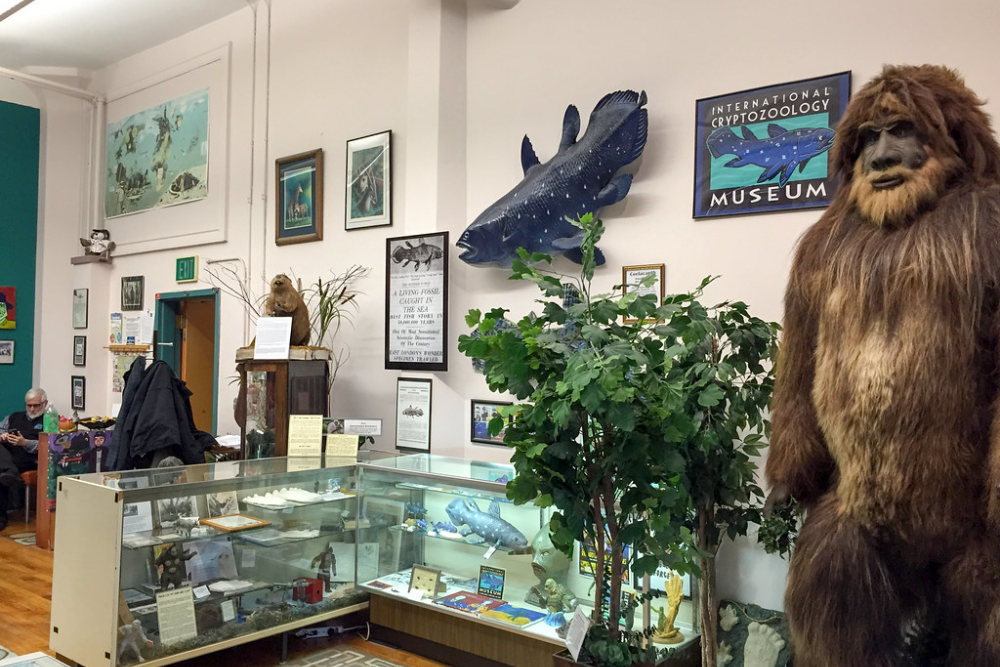
This Portland, Maine institution is dedicated to the study of hidden or unknown animals not yet recognized by mainstream science. The museum houses alleged evidence of creatures like Bigfoot, the Loch Ness Monster, and the Yeti.
Visitors can examine footprint casts, hair samples, and elaborate recreations of these legendary beasts. The founder approaches the subject with scientific methodology rather than sensationalism, making even skeptics appreciate the cultural significance of these persistent legends.
Museum of Death
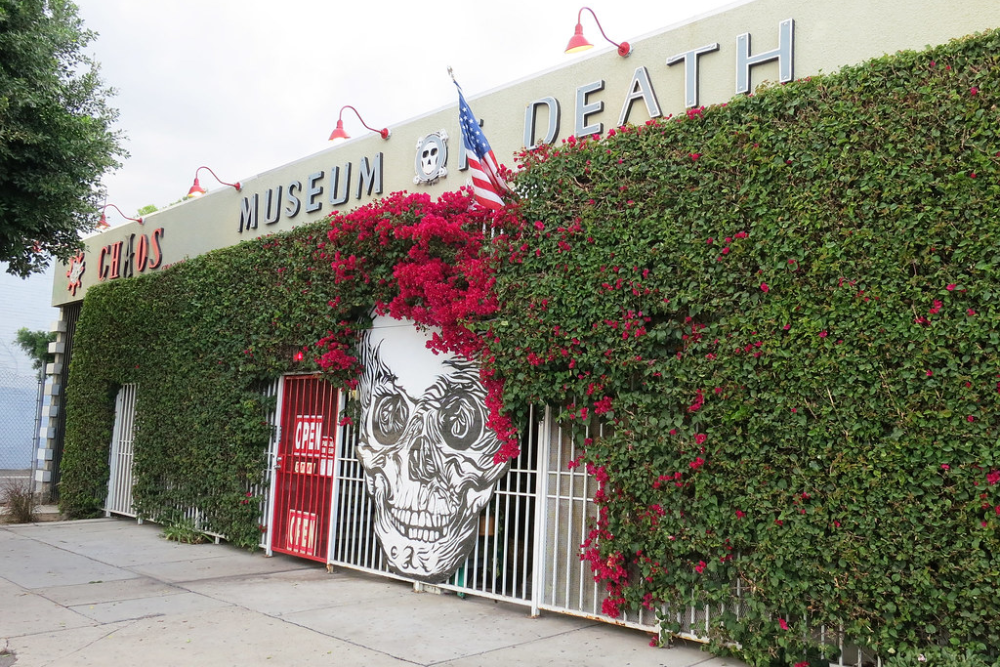
Not for the faint-hearted, this Los Angeles attraction houses a macabre collection focused on mortality. Exhibits include crime scene photos, funeral artifacts, and artwork created by notorious serial killers.
The museum displays antique coffins, taxidermy specimens, and replicas of execution devices from throughout history. Despite its gruesome theme, the founders aim to educate visitors about death rather than simply shock them, offering a space for contemplating life’s inevitable conclusion.
Avanos Hair Museum

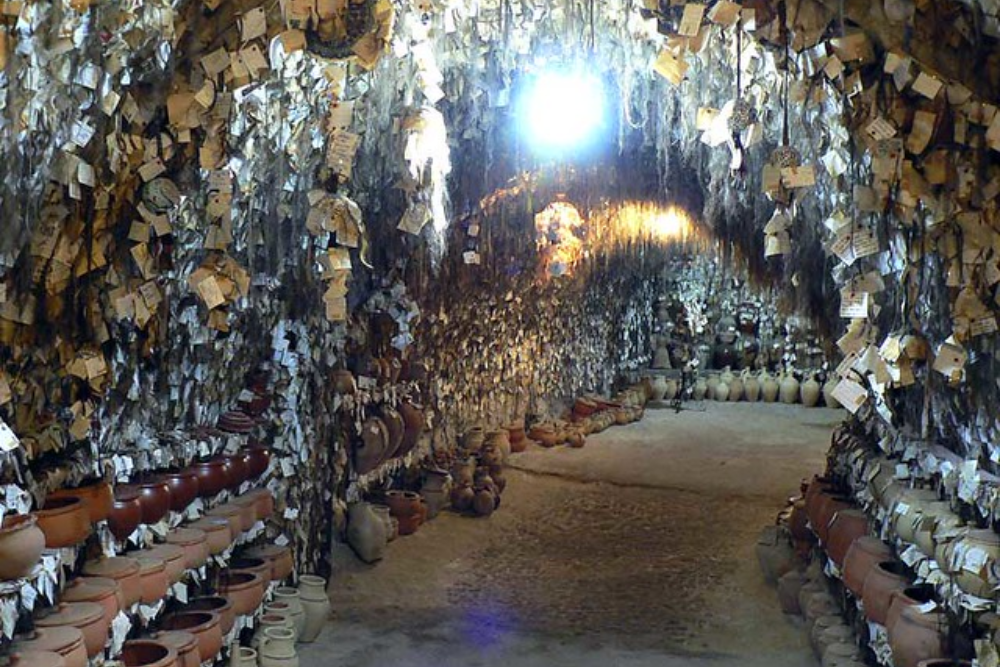
In a small pottery shop in Avanos, Turkey, over 16,000 locks of women’s hair hang from the walls and ceiling. The unusual collection began when a potter asked a departing female friend for something to remember her by, and she cut off a piece of her hair.
Other women followed suit, creating this strange, oddly beautiful display. Each lock includes the donor’s name and contact information, and the museum occasionally holds a lottery, flying the winner back to Turkey for a free pottery course.
Like Go2Tutors’s content? Follow us on MSN.
The Hobo Museum
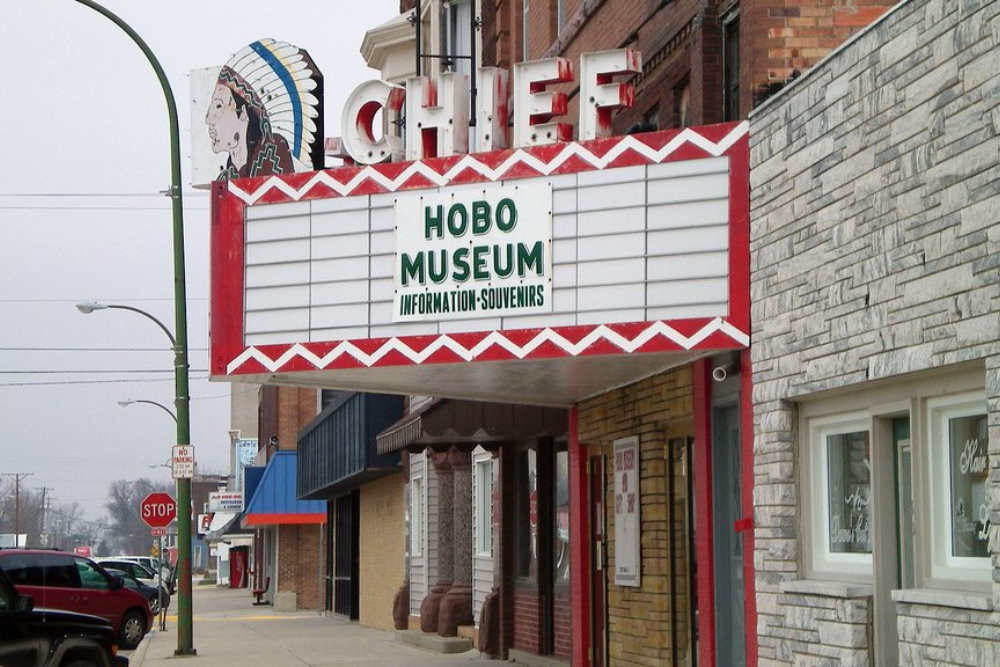
This unique museum in Britt, Iowa preserves the history and culture of American hobos—migrant workers who traveled by freight train during the early 20th century. The collection includes authentic bindles, handmade tools, and personal items carried by these nomadic workers.
Visitors can read firsthand accounts and view photographs documenting this overlooked aspect of American history. The town still hosts an annual Hobo Convention, continuing traditions that date back to 1900.
The Museum of Jurassic Technology
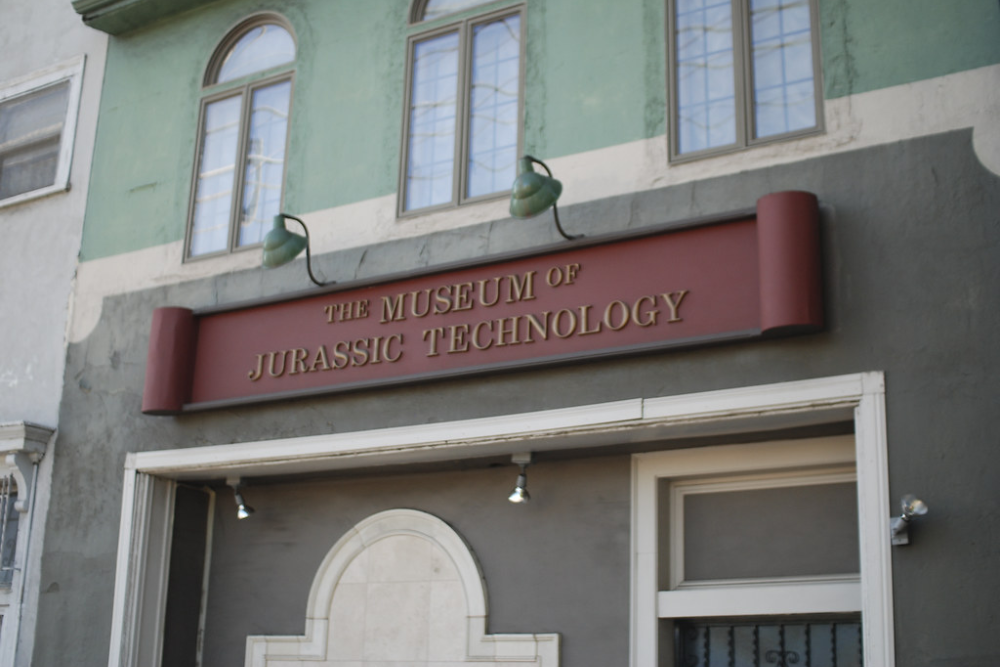
This museum in Los Angeles has nothing to do with dinosaurs, despite its name. Rather, it offers confusing displays that make it difficult to distinguish between reality and fiction.
Displays about folk medicines, pictures of Soviet space dogs, and tiny sculptures that fit in the eye of a needle are all part of the collection. Visitors’ preconceptions of what museums ought to be are challenged by the purposefully ambiguous appearance.
The creator of this unique place, which is difficult to classify, was awarded a MacArthur ‘Genius Grant’.
Icelandic Phallological Museum
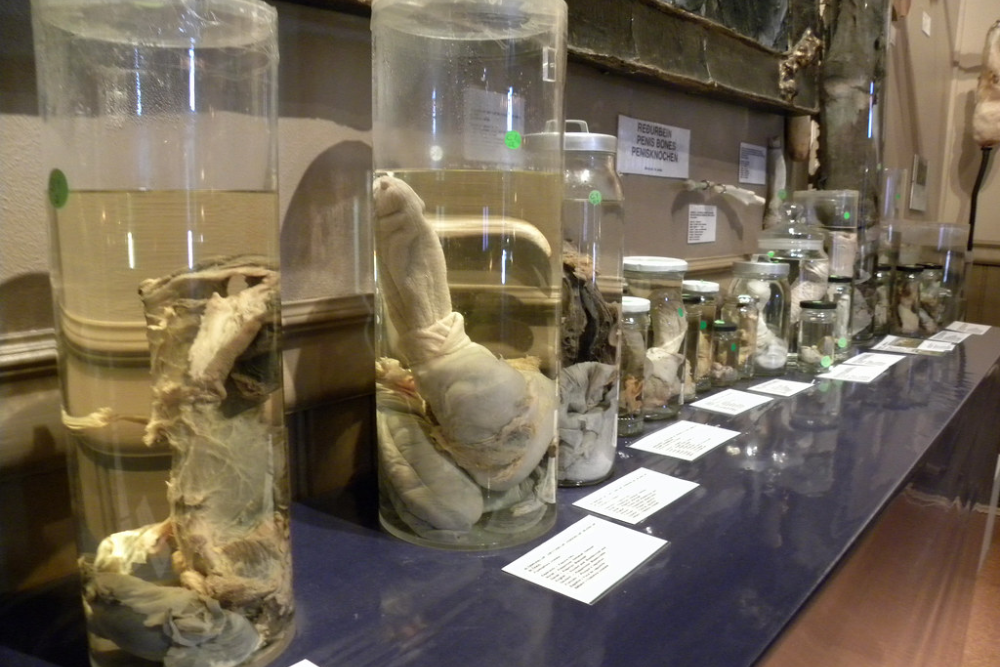
With specimens from about 300 distinct species, this Reykjavik institution is home to the greatest collection of mammalian reproductive organs in the world. A 5-foot sperm whale specimen and little mouse pieces preserved in formaldehyde are among the items in the collection.
The museum maintains a sense of humor about its odd concentration while approaching the topic with scientific seriousness. Despite its unusual specialty, it is a valid natural history museum because of the educational panels that describe the ecological richness it represents.
Like Go2Tutors’s content? Follow us on MSN.
Museum of Bread Culture
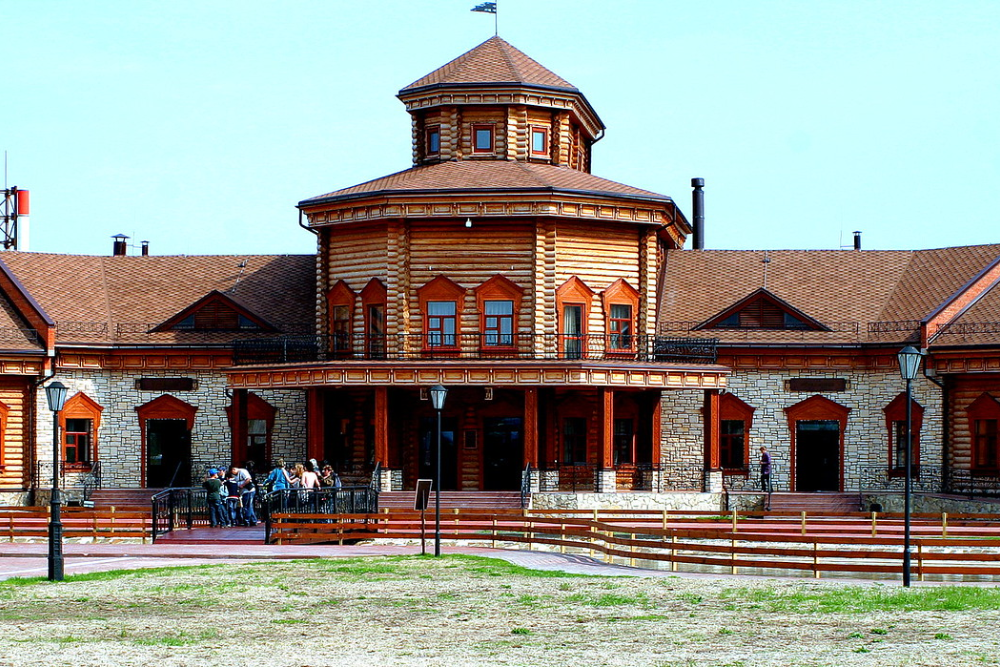
Located in Ulm, Germany, this museum celebrates 6,000 years of bread-making history without displaying a single edible item. Instead, visitors find ancient baking tools, artistic representations of bread, and cultural artifacts showing bread’s central role in human civilization.
The collection includes rare medieval bakers’ guild signs and documentation of bread’s religious significance across cultures. The museum’s founders believed bread represented the intersection of culture, sustenance, and human innovation throughout history.
Currywurst Museum
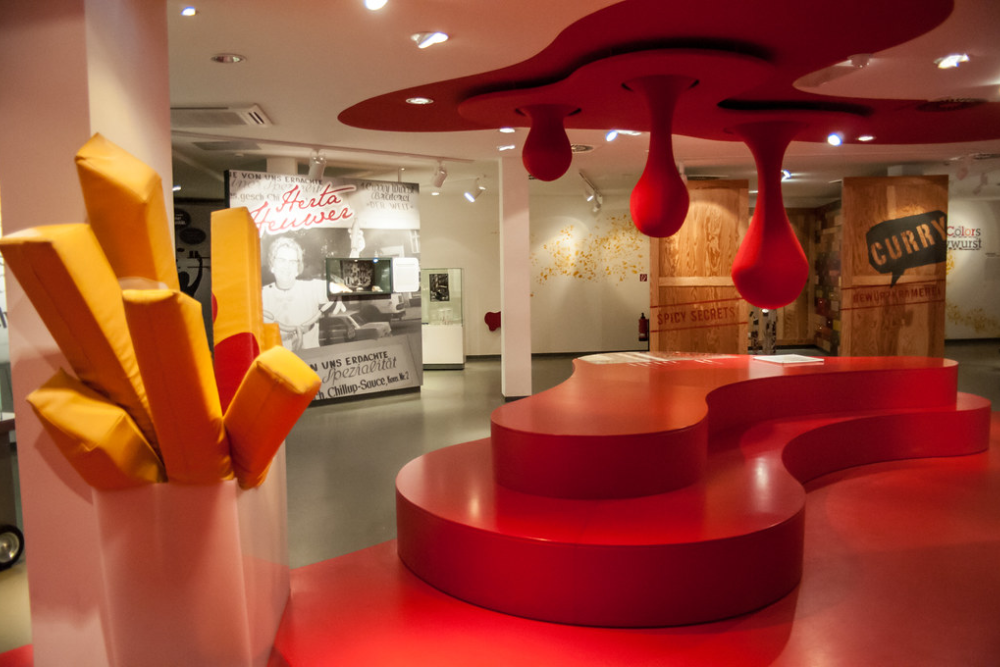
Until its closure in 2018, this Berlin attraction celebrated Germany’s beloved fast food—sausage covered in curry-seasoned ketchup. Visitors could sit on sausage-shaped couches, smell artificial currywurst at smell stations, and play interactive cooking games.
The museum tracked the dish’s invention in post-war Berlin through its rise to cultural icon status. Though now closed, it remains a perfect example of how even everyday food items can inspire passionate collection and preservation efforts.
Parasite Museum
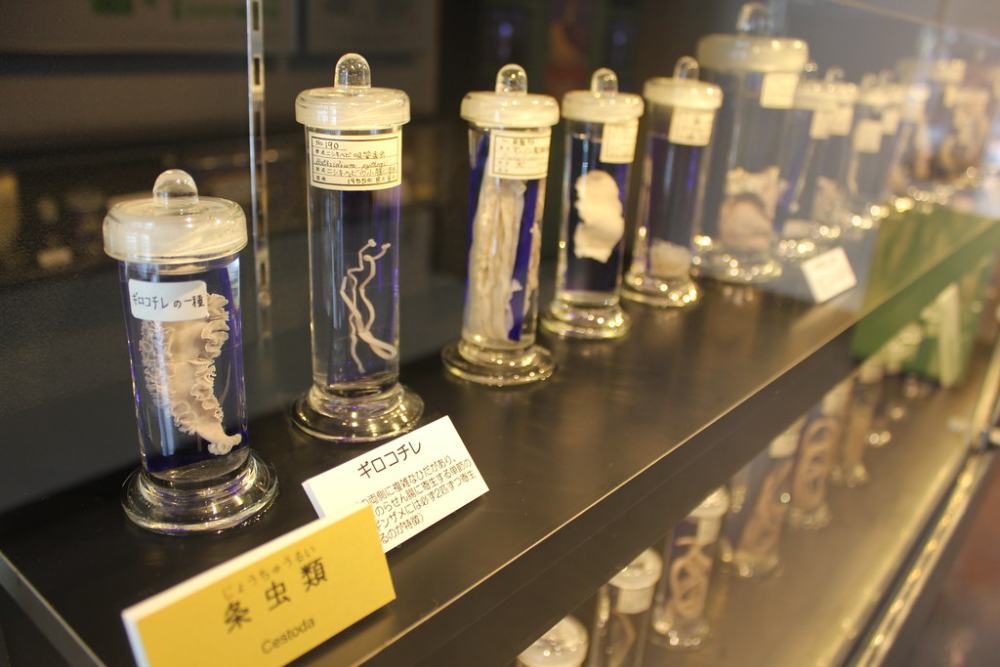
The Meguro Parasitological Museum in Tokyo displays over 300 specimens of parasites, including an 8.8-meter-long tapeworm removed from a human patient. Founded by a physician in 1953, the museum presents detailed information about parasite life cycles and prevention methods.
Despite the stomach-turning subject matter, the museum attracts approximately 70,000 visitors annually, including medical students, curious tourists, and even couples on dates. The gift shop even sells parasite-themed t-shirts and key chains for visitors with strong stomachs.
Like Go2Tutors’s content? Follow us on MSN.
The Enduring Appeal of Oddity
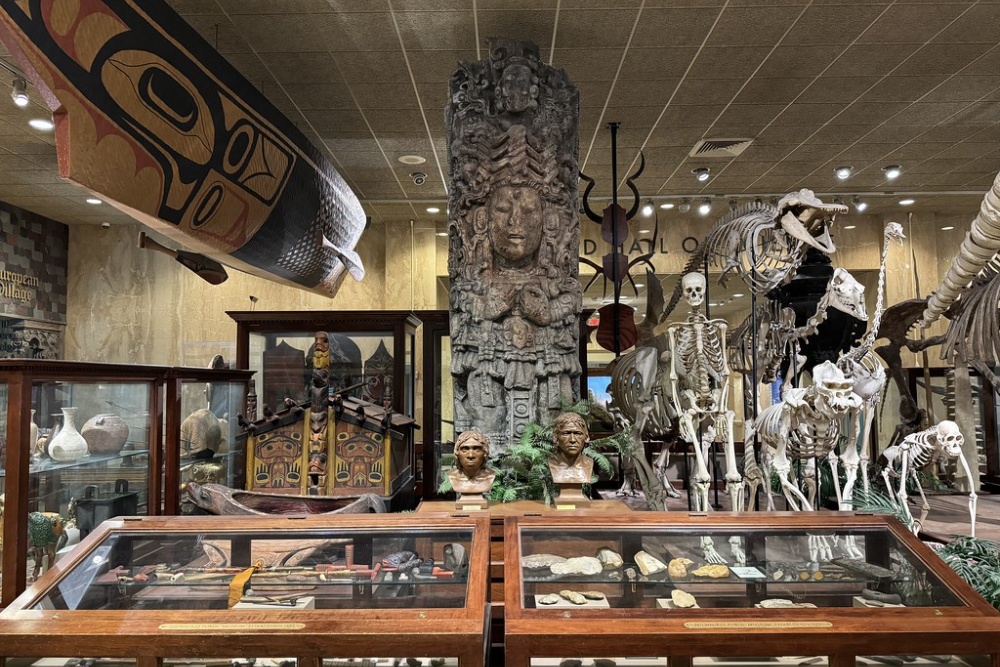
These unusual collections remind us that human curiosity has no boundaries. From the deeply scientific to the bizarrely personal, these museums preserve aspects of culture that might otherwise be forgotten or discarded.
While conventional museums might showcase accepted notions of importance and beauty, these institutions celebrate the unusual, the overlooked, and sometimes the downright weird. In doing so, they offer unique windows into our collective fascination with the full spectrum of human experience—even its strangest corners.
More from Go2Tutors!

- 16 Restaurant Chains That Went Too Fast
- 12 Things Sold in the 80s That Are Now Illegal
- 15 Strange Things People Have Tried to Ban (And Failed)
- 16 Collectibles People Tossed Out Too Soon
- 17 Myths from Your Childhood That Were Actually Based on Real Things
Like Go2Tutors’s content? Follow us on MSN.