24 Famous Friendships from History That Changed the World
History tends to remember individuals — the general, the inventor, the revolutionary. What it remembers less readily is the person sitting across the table, the one who read the draft, pushed back on the plan, or simply refused to let the great figure give up.
Behind most of the moments that shaped the modern world, there was a friendship doing quiet, essential work. Some of these bonds were expected alliances between like minds.
Others were improbable combinations that produced something neither person could have built alone. All of them left a mark that outlasted the people involved.
Alexander the Great and Hephaestion
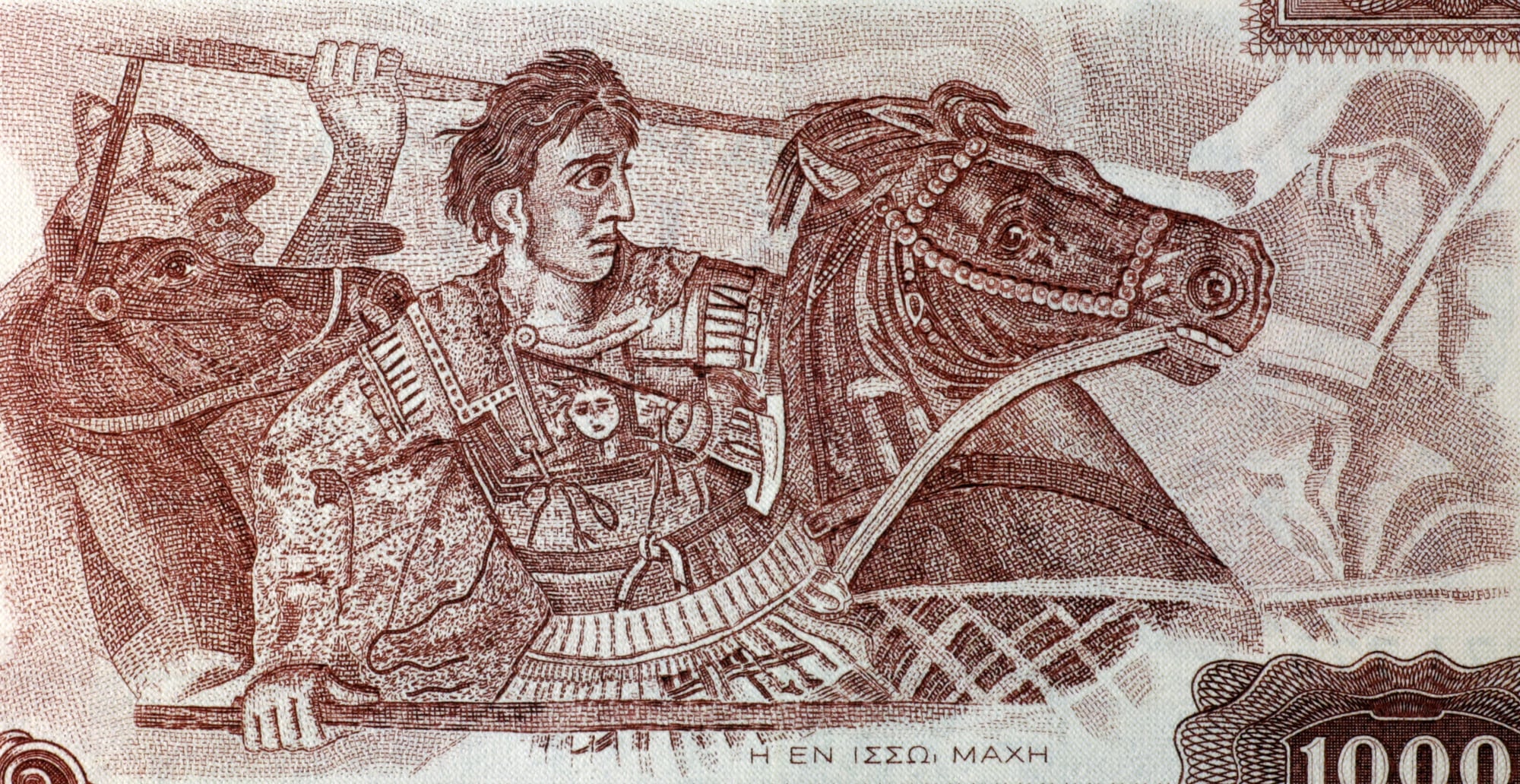
They met as boys in the Macedonian court, and the bond they formed outlasted every kingdom Alexander ever conquered. Hephaestion served as his closest general and personal confidant — the one man, according to ancient sources, who knew Alexander not as a king but as a person.
When Hephaestion died suddenly in 324 BCE, Alexander’s grief was so consuming that he reportedly fasted for days, ordered the manes and tails of all horses shorn in mourning, and commanded that the sacred flame at Ecbatana be extinguished — a ritual normally reserved for the death of a Persian king. It was perhaps the only loss that ever broke him.
Aristotle and Alexander the Great
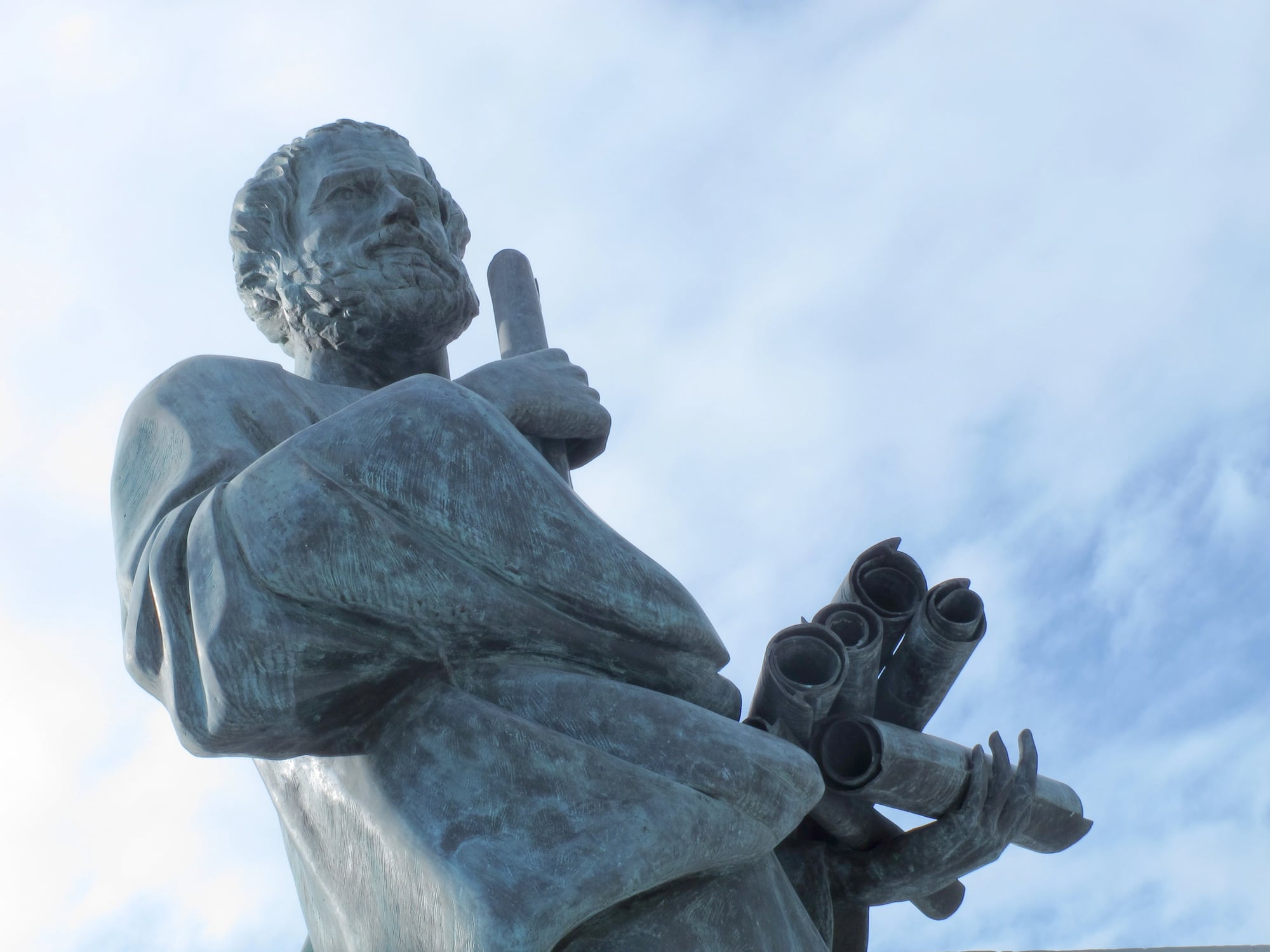
Before Alexander became “the Great,” he was a teenager in need of a tutor, and Philip II of Macedon hired the most formidable intellect of the ancient world to fill that role. Aristotle taught the young prince philosophy, medicine, science, and rhetoric from around 343 BCE, instilling a curiosity about the natural world that Alexander carried with him on campaign.
On his Eastern conquests, Alexander sent back botanical and zoological specimens to Aristotle’s Lyceum — a kind of field research program funded by empire. The friendship between teacher and former student shaped not just a conqueror but the intellectual culture he spread across three continents.
Plato and Socrates
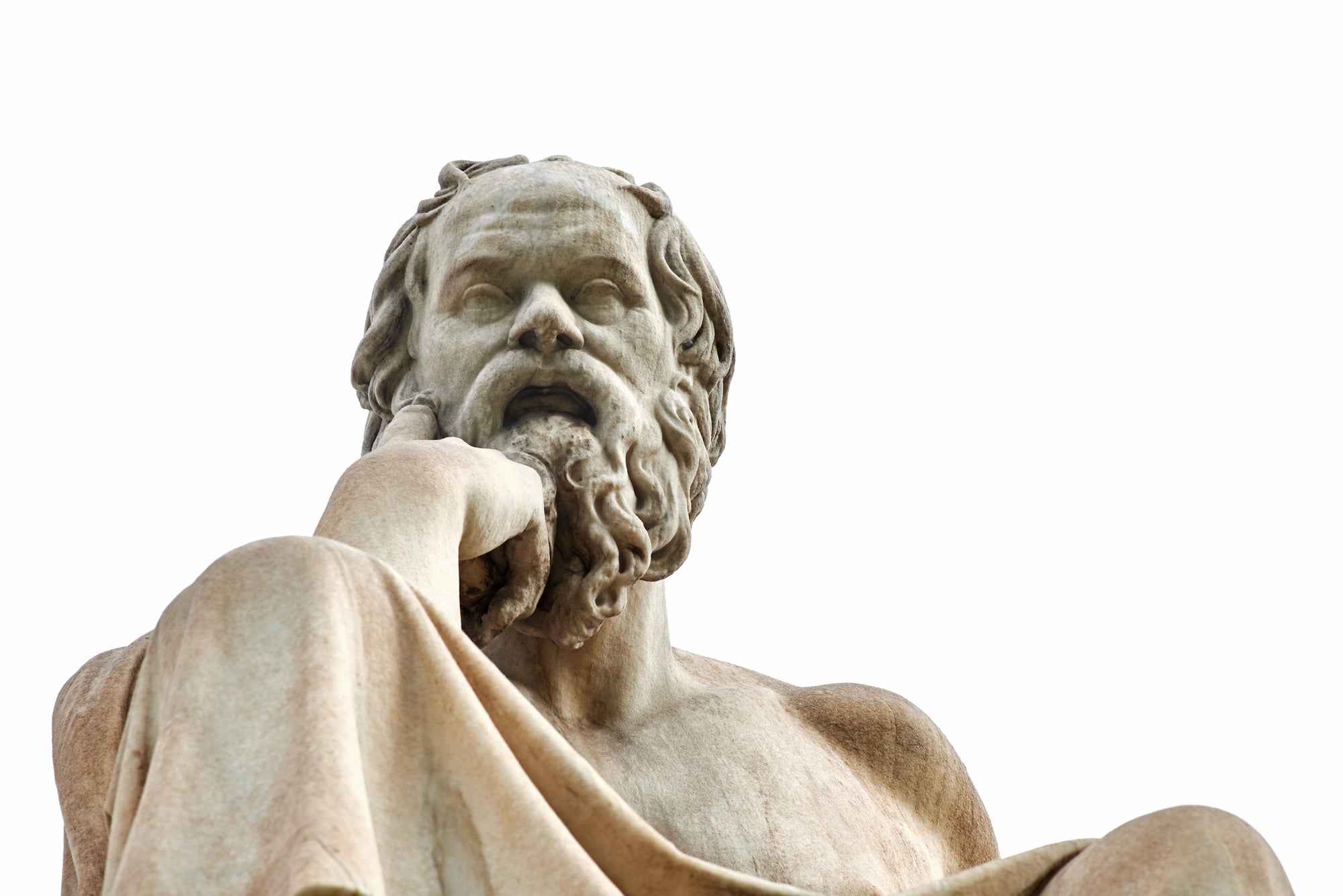
Plato was around twenty-nine years old when Socrates was executed in 399 BCE, an event that redirected everything. Socrates left no writings — all that survives of his method, his ideas, and his personality exists because Plato was paying close attention and had the literary gift to make dialogue live on the page.
When Socrates was executed in 399 BCE, Plato was not present — some ancient sources suggest illness kept him away — but the event galvanized him into a lifetime of philosophical writing that gave Western thought many of its foundational questions. Socrates needed Plato to survive.
Plato needed Socrates to begin.
Karl Marx and Friedrich Engels
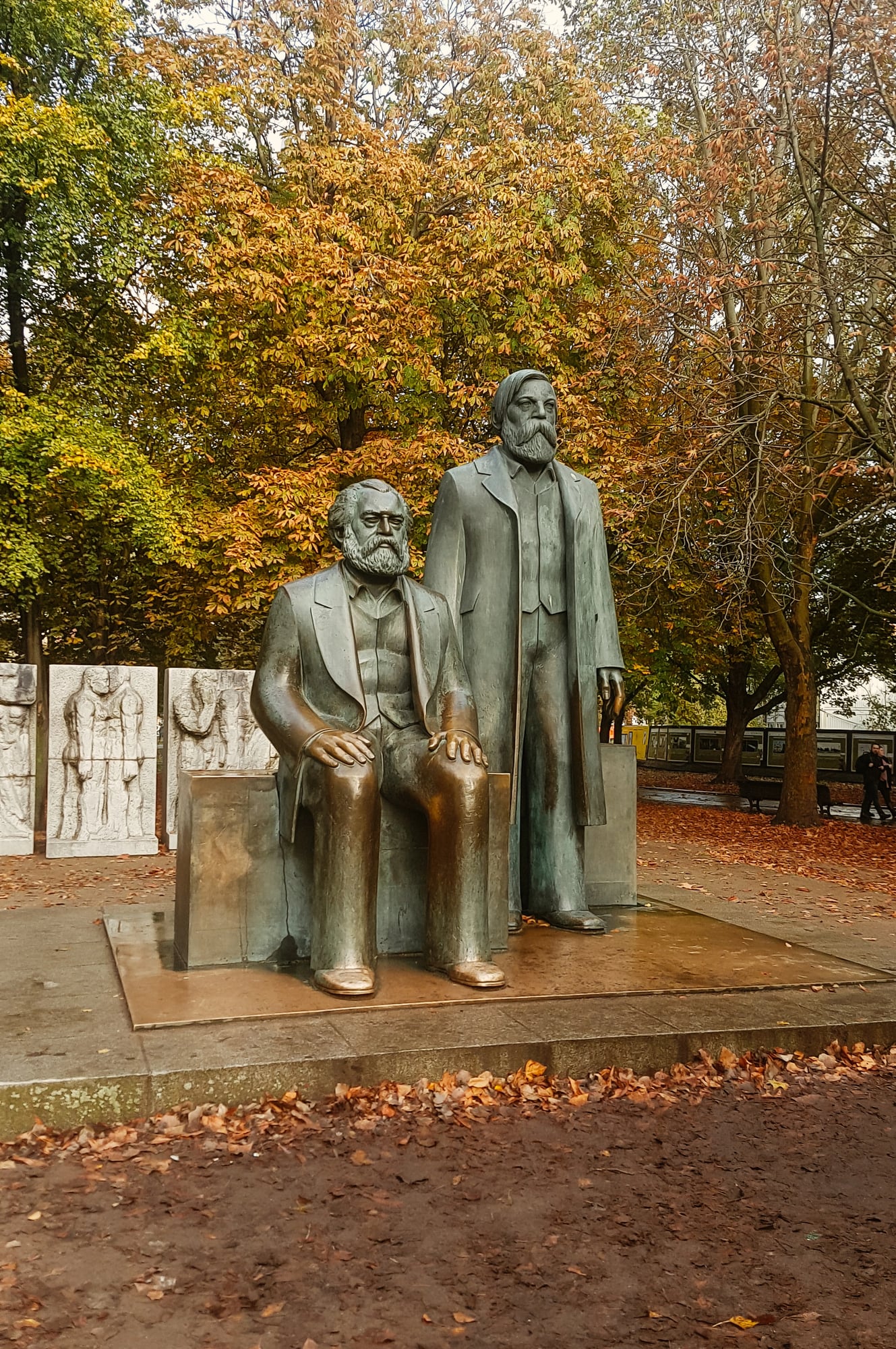
They met in Paris in 1844 and discovered they had independently arrived at many of the same conclusions about capitalism, class, and history. What followed was one of the most consequential intellectual partnerships ever formed: forty years of collaboration, argument, and mutual dependence.
Engels, whose family owned a cotton mill in Manchester, provided Marx with financial support for decades — funding the thinking that would eventually critique everything Engels’ fortune represented. Together they wrote the Communist Manifesto in 1848, and Engels later edited and completed volumes of Das Kapital after Marx’s death in 1883.
Whether you regard the outcome as liberation or catastrophe, few friendships have reshaped more of the world’s political map.
John Adams and Thomas Jefferson
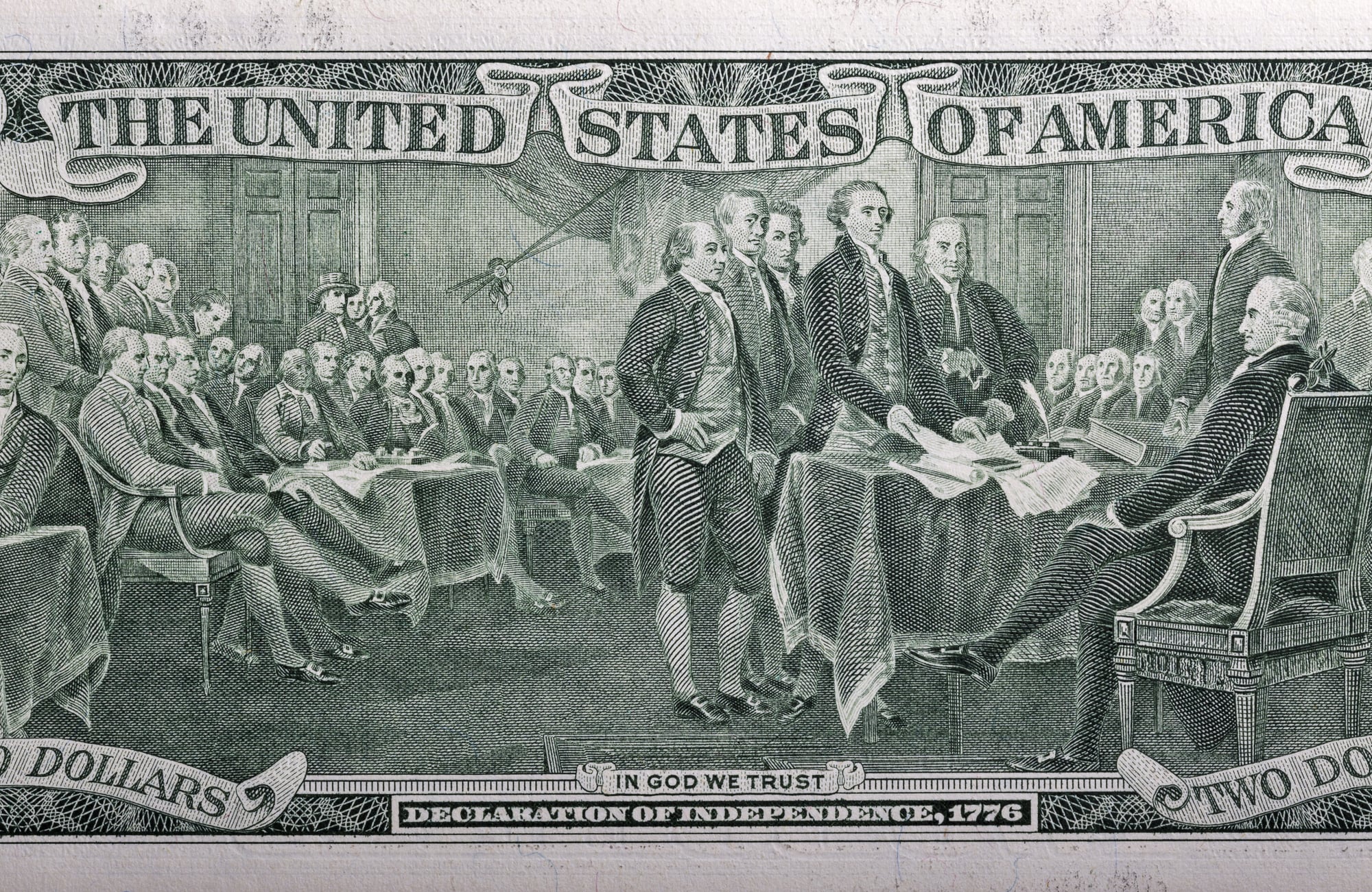
They started as collaborators on the Declaration of Independence, became bitter political rivals, went years without speaking, and then — through a remarkable exchange of letters begun in 1812 — rebuilt a friendship so warm and intellectually rich that historians still quote it. Both men died on July 4, 1826, the fiftieth anniversary of American independence.
Adams’ last words were reportedly “Thomas Jefferson survives.” He was wrong by a few hours.
The reconciliation of these two founding figures helped define what American political disagreement could look like at its best — principled, arguable, and ultimately still human.
C.S. Lewis and J.R.R. Tolkien
Lewis met Tolkien at Oxford in 1926, and the two became central figures in a literary group called the Inklings, which met regularly to read work aloud and subject it to criticism. It was Lewis’s persistent enthusiasm — his “unceasing eagerness for more,” as Tolkien put it in a letter — that kept Tolkien working on The Lord of the Rings through the many years when he might otherwise have abandoned it.
In the other direction, Tolkien played a key role in a late-night conversation in 1931 that helped Lewis move from theism to Christianity. Without this friendship, both the Chronicles of Narnia and Middle-earth might look very different — or might not exist at all.
Marie Curie and Albert Einstein
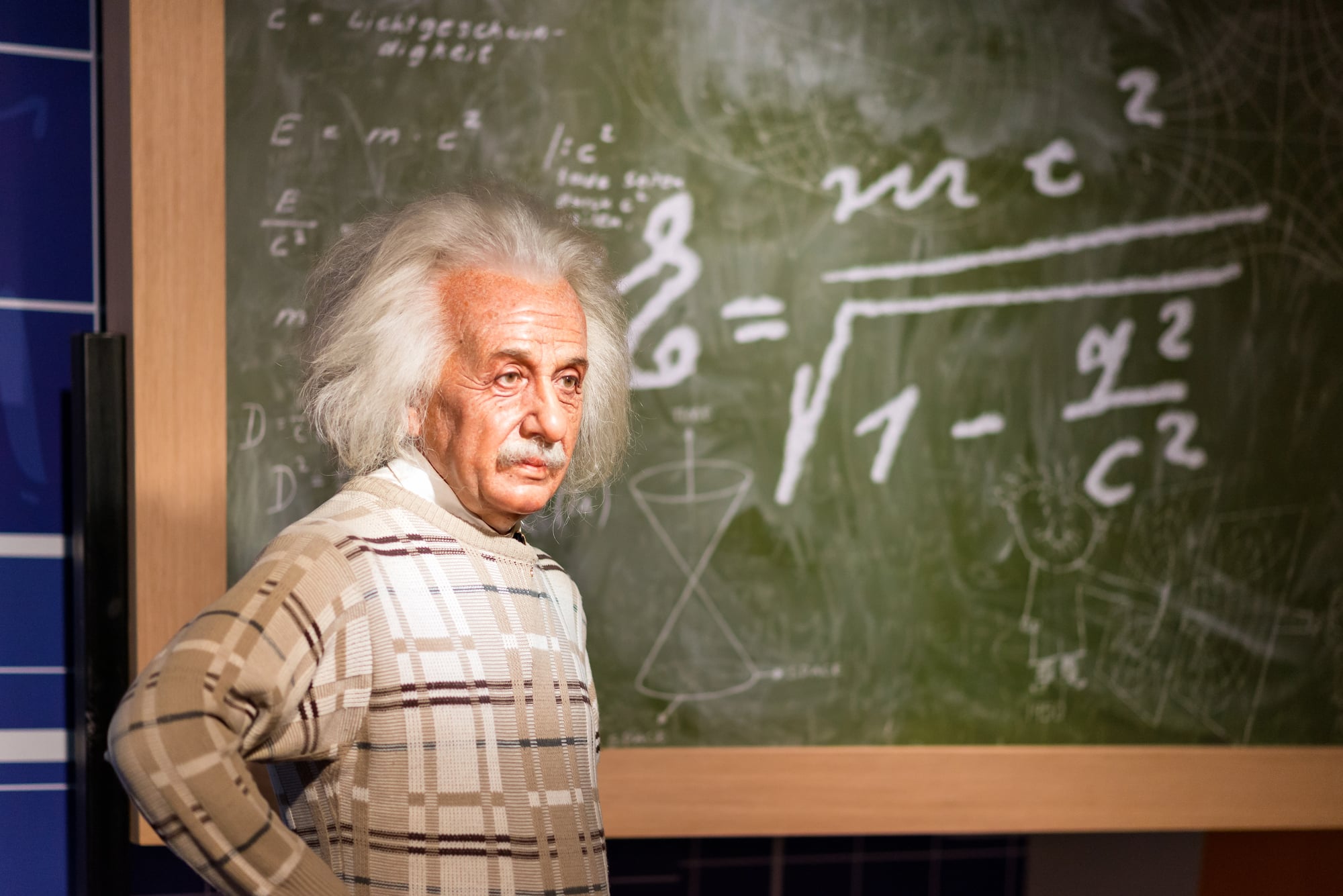
Their friendship began in 1911, when Einstein wrote Curie a letter of support during a period when French newspapers were running a smear campaign against her. Over the following years they corresponded regularly, hiked together in the Swiss Alps, and offered each other the kind of frank intellectual exchange that was rare at that level of science.
Einstein later described Curie as one of the only people he had ever known who was not corrupted by fame, a quality he found genuinely unusual. Two Nobel laureates, each working in different fields, finding in each other something the broader scientific community rarely provided: uncomplicated admiration.
Frederick the Great and Voltaire
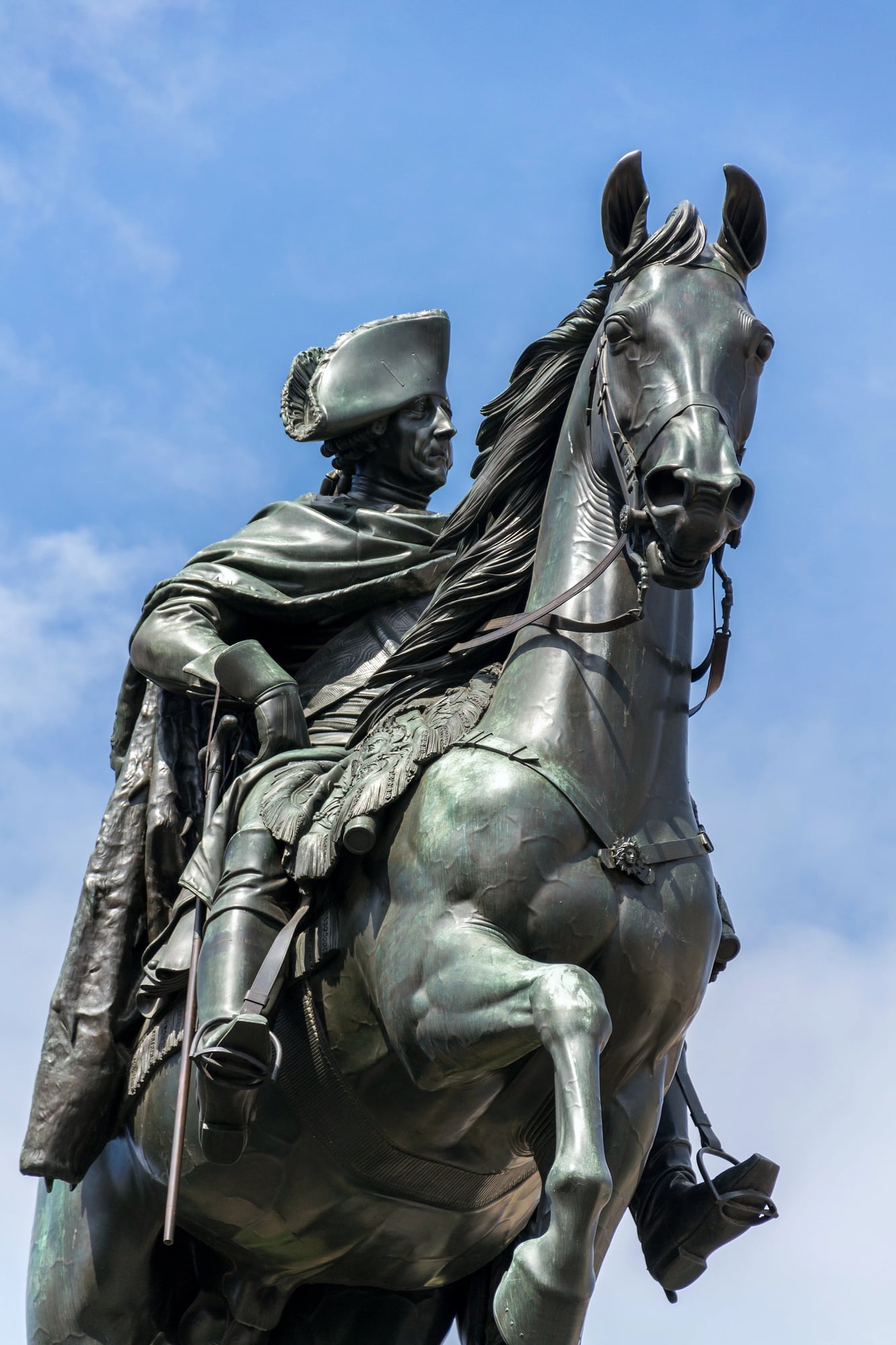
Frederick began writing to Voltaire in 1736, even before he became King of Prussia, flattering him with philosophical letters and requesting his corrections on royal poetry. By 1750, Voltaire had accepted an invitation to live at the Sanssouci palace in Potsdam, where evenings were filled with French verse, classical music, and the kind of political debate Frederick could not easily have with his courtiers.
The friendship ended badly — Voltaire published a satirical pamphlet that enraged the king, and in 1753 he was briefly detained in Frankfurt as he tried to leave Prussia. They never reconciled in person, but they kept writing to each other, and Frederick’s reputation as an enlightened ruler owed a great deal to the association with Europe’s most celebrated intellectual.
Mahatma Gandhi and Jawaharlal Nehru
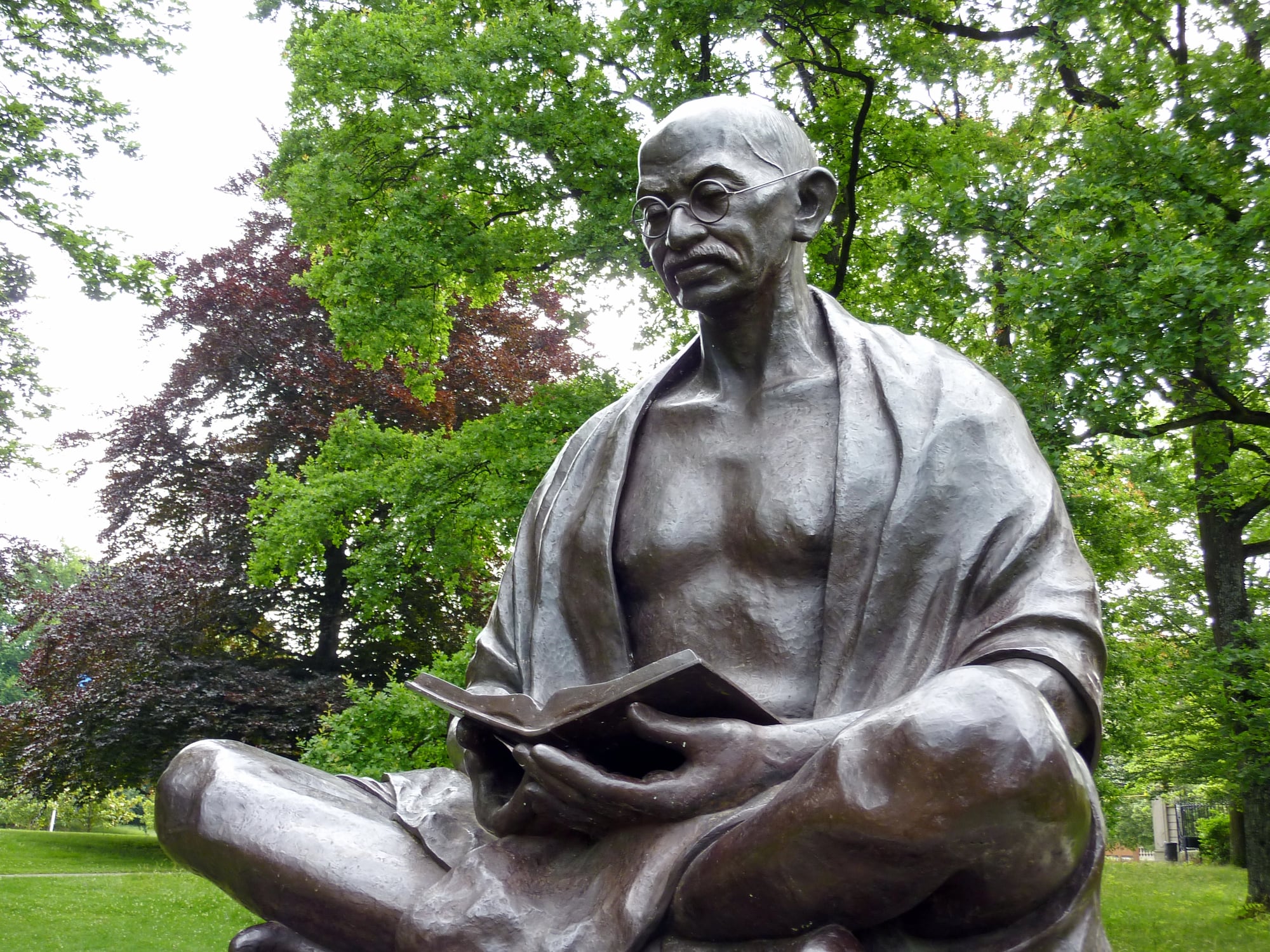
The relationship between Gandhi and Nehru was never simple — they disagreed sharply on industrialization, the role of religion in public life, and India’s economic future. But their shared commitment to independence, and their genuine personal affection, held through thirty years of political work.
Gandhi chose Nehru as his successor despite those differences, recognizing in the younger man a capacity to lead a modern state that Gandhi himself did not claim to possess. The handoff worked.
India’s 1947 independence was in part the product of two very different temperaments finding enough common ground to sustain a movement across decades.
Martin Luther King Jr. and Bayard Rustin
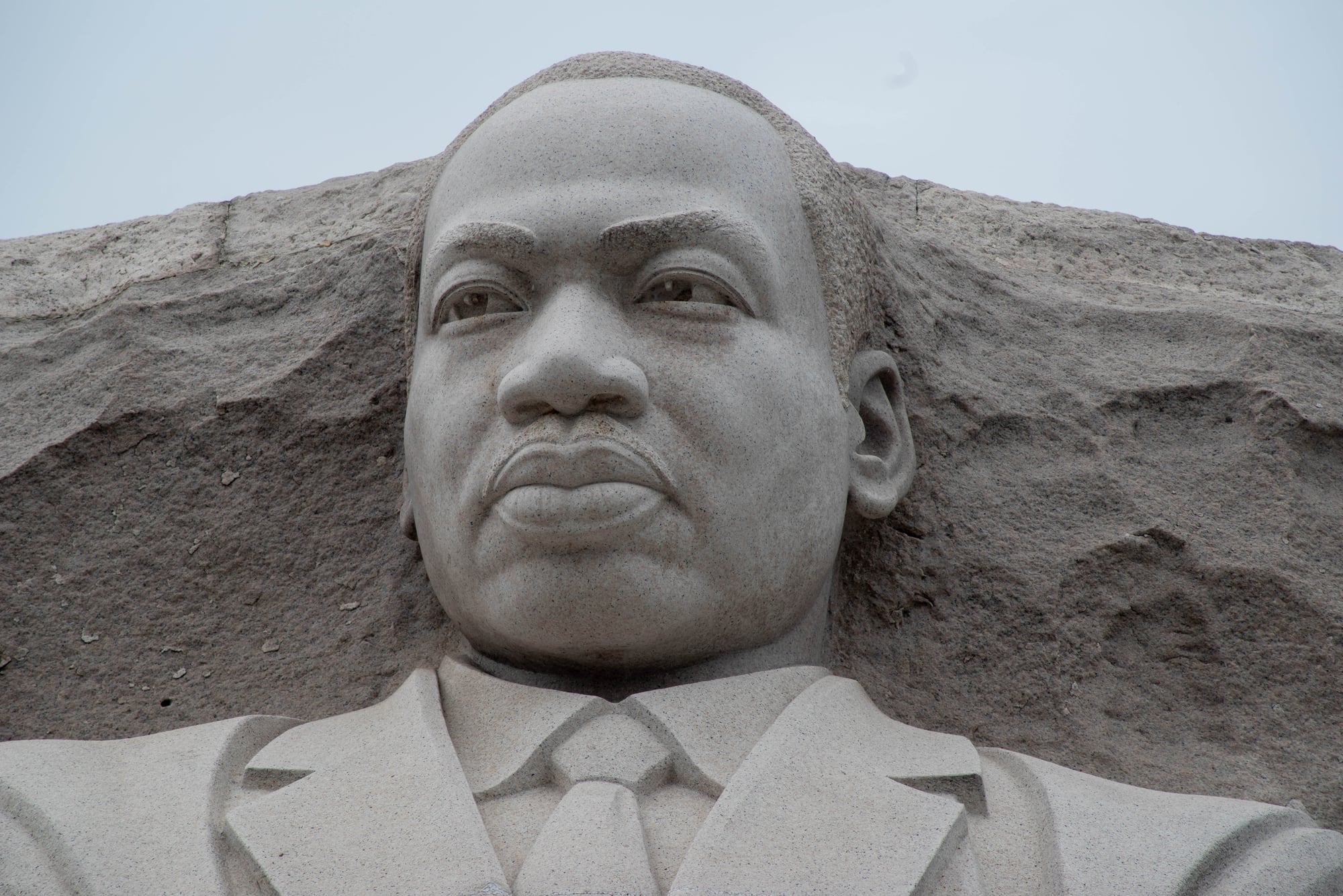
Rustin was one of the most tactically brilliant organizers the American civil rights movement produced, but he worked largely in the background — partly because of his past associations with leftist groups and partly because other leaders feared the reaction to his personal life. King knew the risks and brought Rustin into his inner circle anyway.
Rustin introduced King to the principles of Gandhian nonviolent resistance, trained organizers in civil disobedience, and served as the chief logistics mind behind the 1963 March on Washington — the largest protest gathering in American history to that point. King’s public movement was shaped in no small part by a man most history books kept in footnotes.
Eleanor Roosevelt and Amelia Earhart
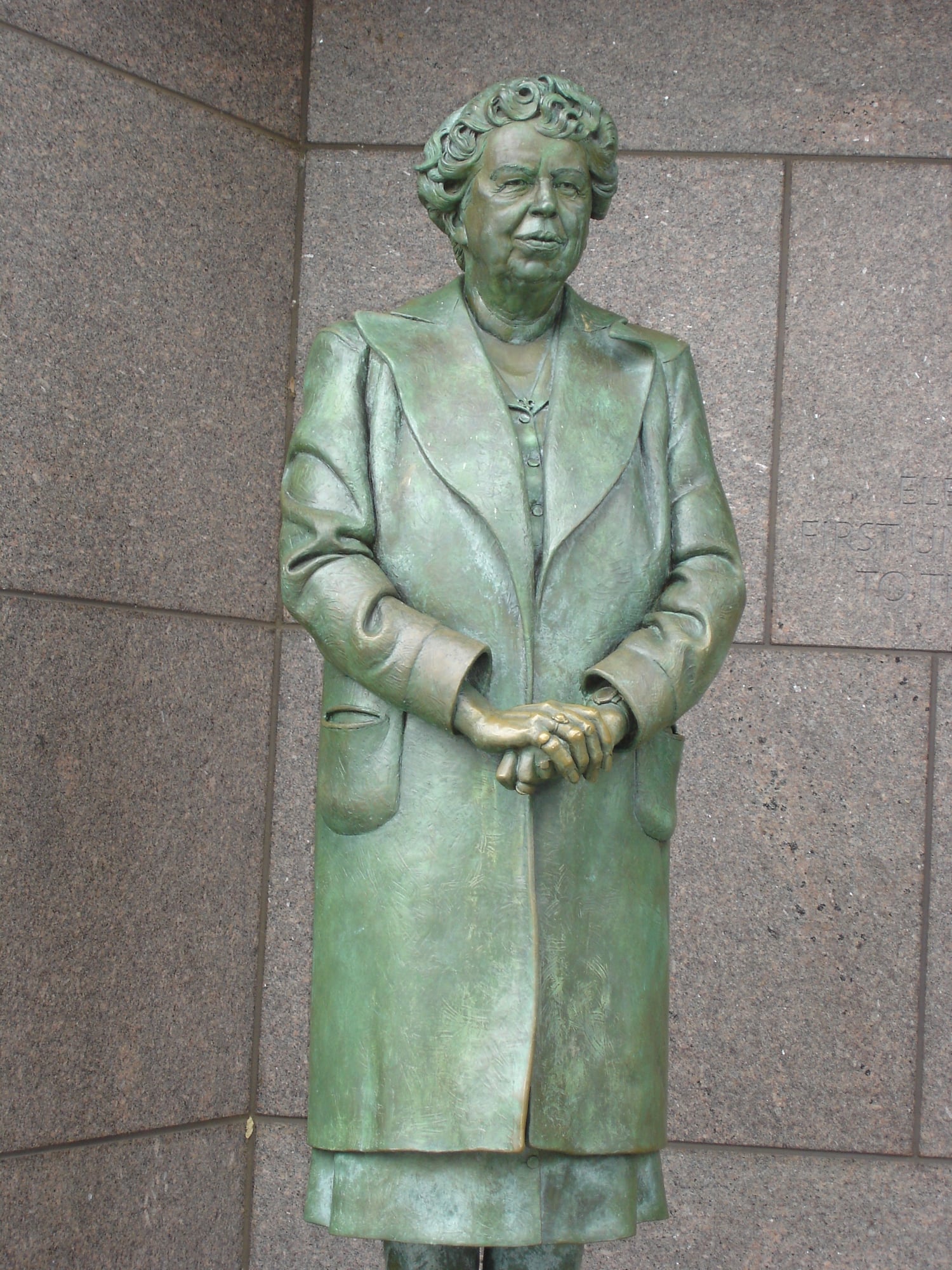
In 1933, at a White House dinner, the two women slipped away from the table, put on their evening gowns, and took a commercial Eastern Airlines flight over Washington D.C. at night — just because they could, and because neither of them could think of a good reason not to. Roosevelt later tried to get a pilot’s license and credited Earhart with pushing her to treat aviation as something women simply did.
Their friendship was built on a shared impatience with the limits that other people considered normal. When Earhart disappeared over the Pacific in 1937, Roosevelt pushed hard for the Navy to extend its search, to no avail.
Susan B. Anthony and Frederick Douglass
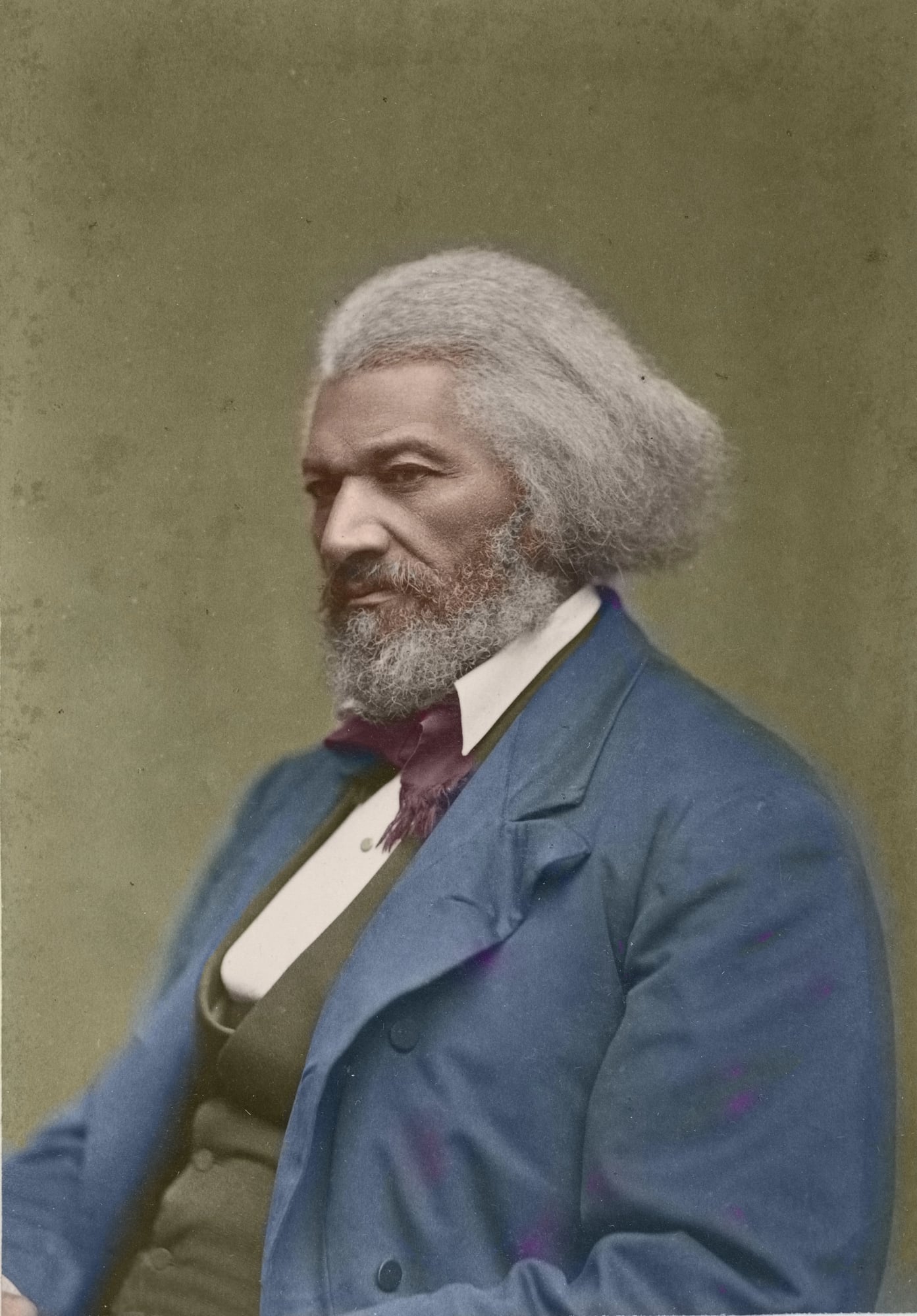
They met in the 1840s and worked alongside each other for decades in both the abolitionist and women’s suffrage movements. Douglass was one of the few prominent men of his era to formally support women’s right to vote, and Anthony worked tirelessly against the institution of enslavement.
Their friendship survived the painful fracture in 1869 over the Fifteenth Amendment — Anthony opposed it because it gave Black men the vote without including women, a position Douglass disputed — and resumed afterward, including a final public meeting in Washington D.C. the morning of the day Douglass died in 1895.
Watson and Crick
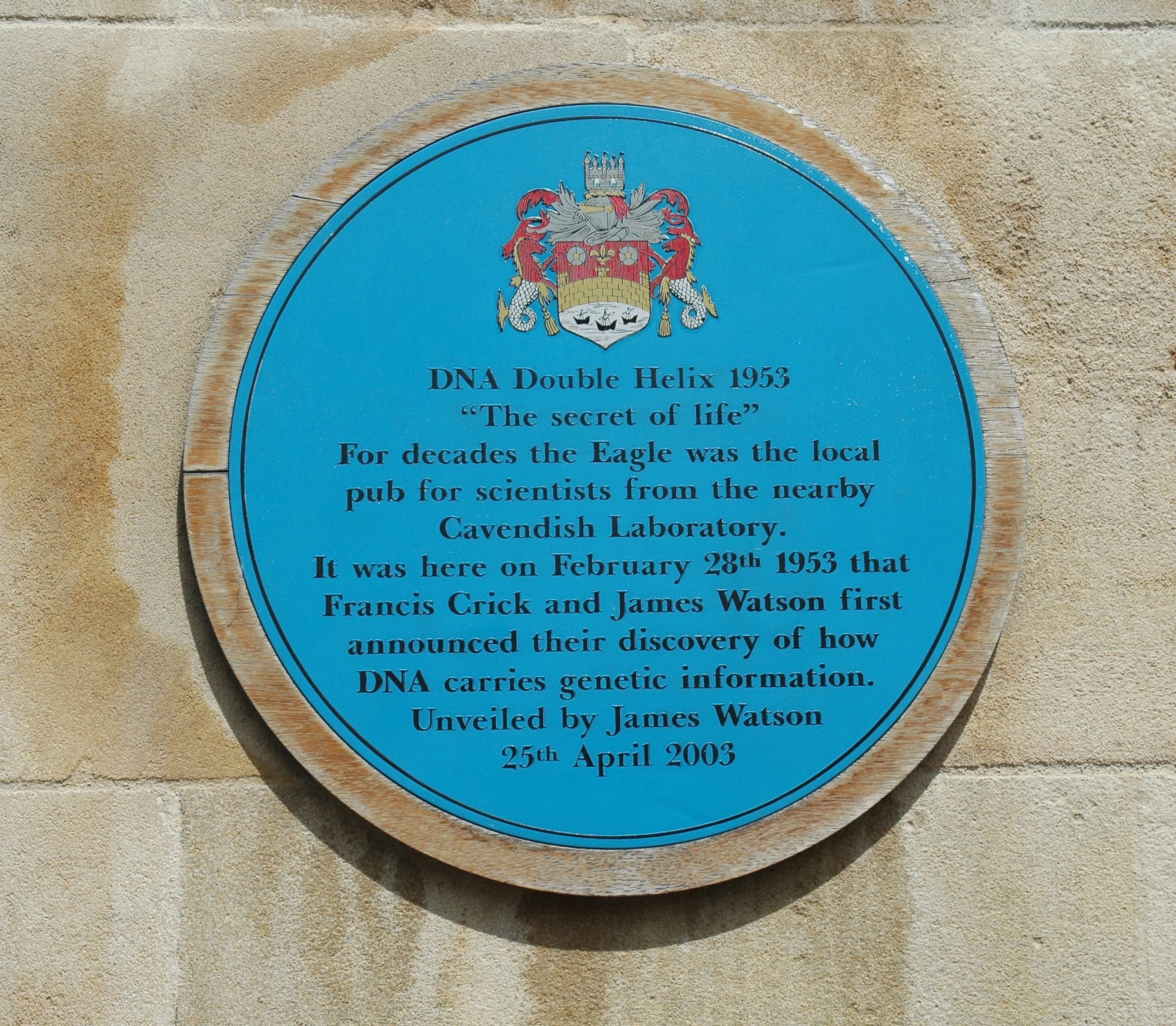
When James Watson arrived at the Cavendish Laboratory in Cambridge in 1951, Francis Crick was a graduate student eleven years his senior working on protein structures. The two began collaborating almost immediately and brought a shared willingness to think by physical model rather than purely by calculation — a method that the broader scientific establishment found somewhat unorthodox at the time.
On February 28, 1953, they walked into the Eagle pub in Cambridge and Crick announced, according to Watson’s later account, that they had discovered the secret of life. The double helix model of DNA, published weeks later, opened the modern era of molecular biology.
Charles Darwin and Joseph Dalton Hooker
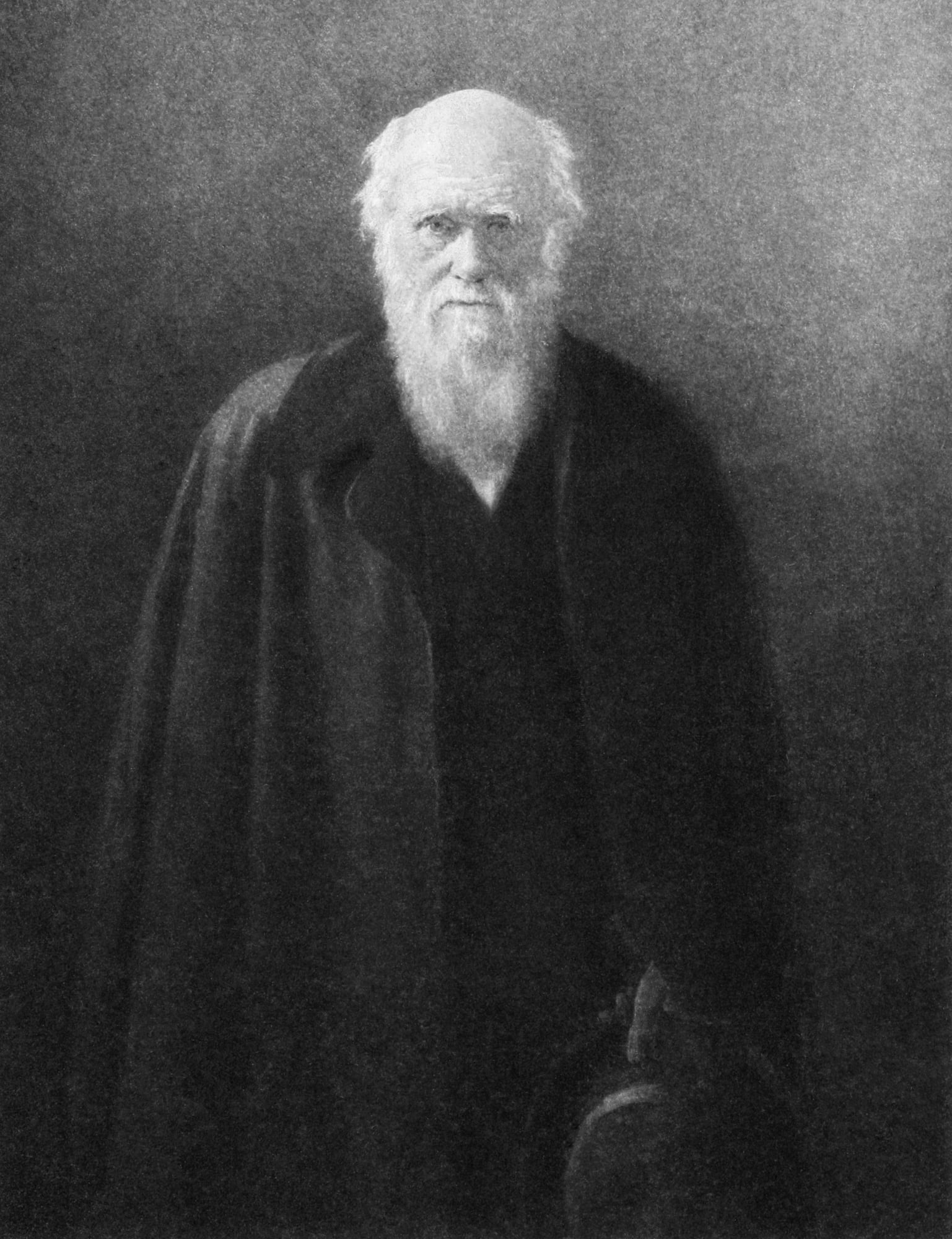
When Darwin wanted to think through the theory that would eventually become On the Origin of Species, the person he wrote to most often — and most honestly — was the botanist Joseph Hooker. Darwin told Hooker his central idea about natural selection in 1844, years before he told almost anyone else, describing it as “confessing a murder” given how controversial he expected it to be.
Hooker read drafts, provided botanical evidence from his own global fieldwork, and acted as a critical sounding board for more than fifteen years before Darwin published in 1859. The Origin needed Hooker’s botany as much as it needed Darwin’s argument.
Ernest Hemingway and F. Scott Fitzgerald
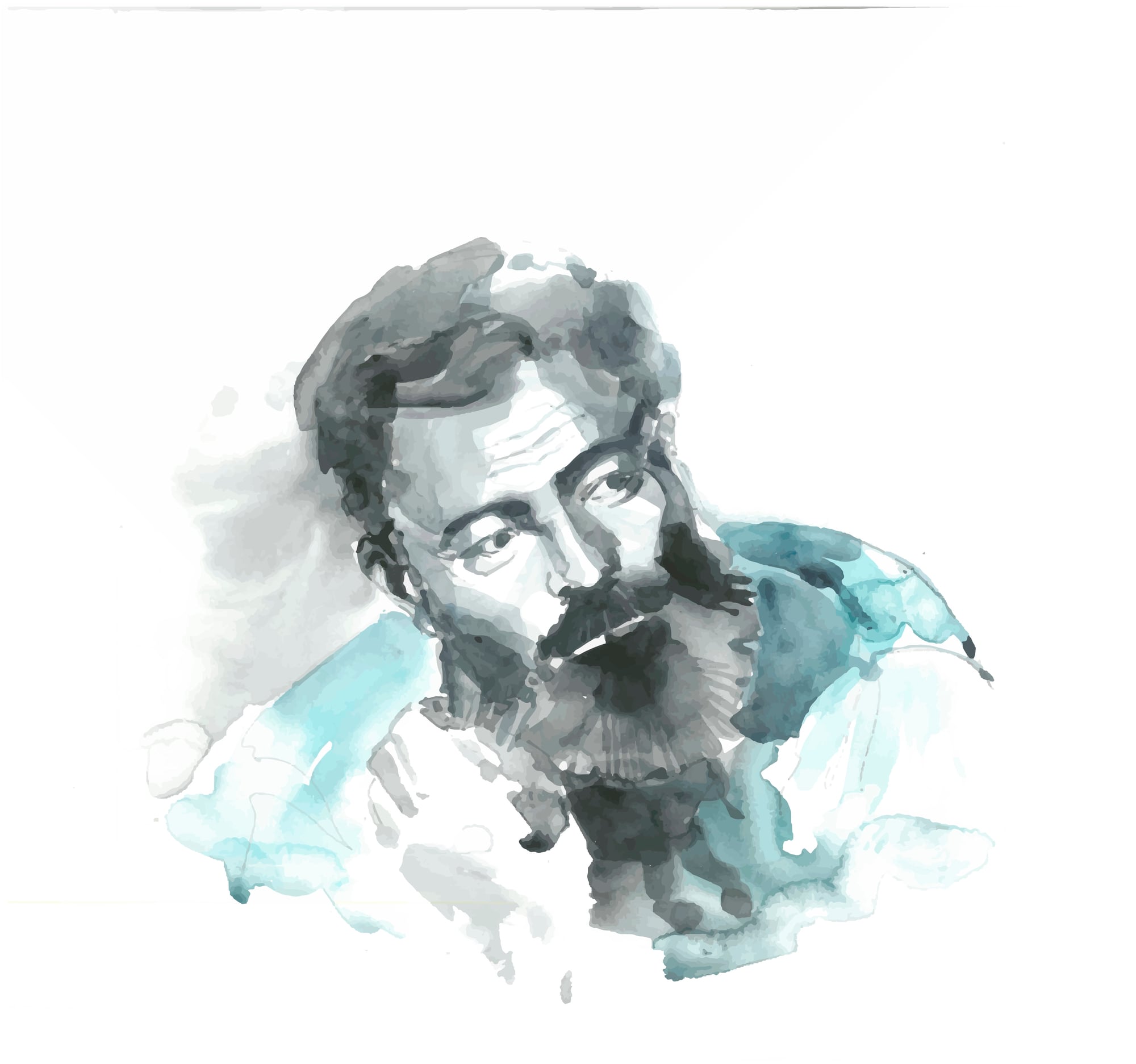
They met in Paris in 1925, at the Dingo Bar on the Rue Delambre, and the friendship was immediately complicated by admiration, jealousy, and Hemingway’s habit of turning everyone he knew into a character study. Fitzgerald read the manuscript of The Sun Also Rises and gave Hemingway editorial advice that significantly shaped its opening chapters — advice Hemingway largely took and rarely acknowledged.
Hemingway, for his part, tried to help Fitzgerald as alcoholism and Zelda’s illness took hold, though his methods were often brutal and his memoir, A Moveable Feast, published after both men were dead, was not kind. Two of the twentieth century’s most important American novelists, making each other better and worse in roughly equal measure.
Pablo Picasso and Georges Braque
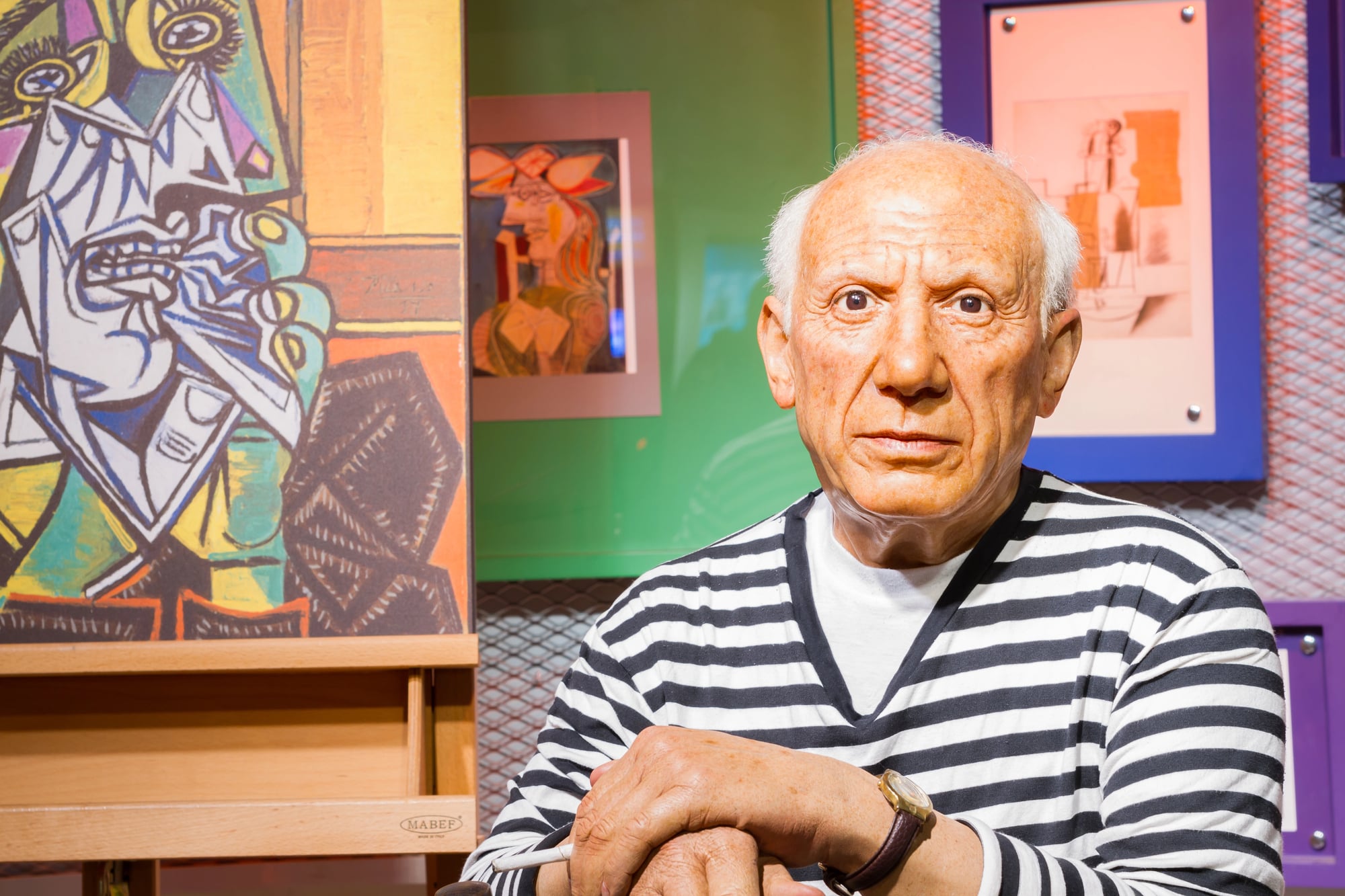
Between 1908 and 1914, Picasso and Braque worked in such close collaboration that the two later said they could not always tell which paintings were theirs and which were the other’s. Braque had the technical foundation in formal painting that Picasso lacked; Picasso had the conceptual restlessness that pushed Braque beyond what he might have attempted alone.
The result was Cubism — an approach to representing space and form that broke with four centuries of Western pictorial tradition. They sent each other work with coded references, visited studios constantly, and reportedly called each other “Wilbur” and “Orville” after the Wright Brothers, two people who had also recently figured out how to move through a new dimension.
Lewis and Clark
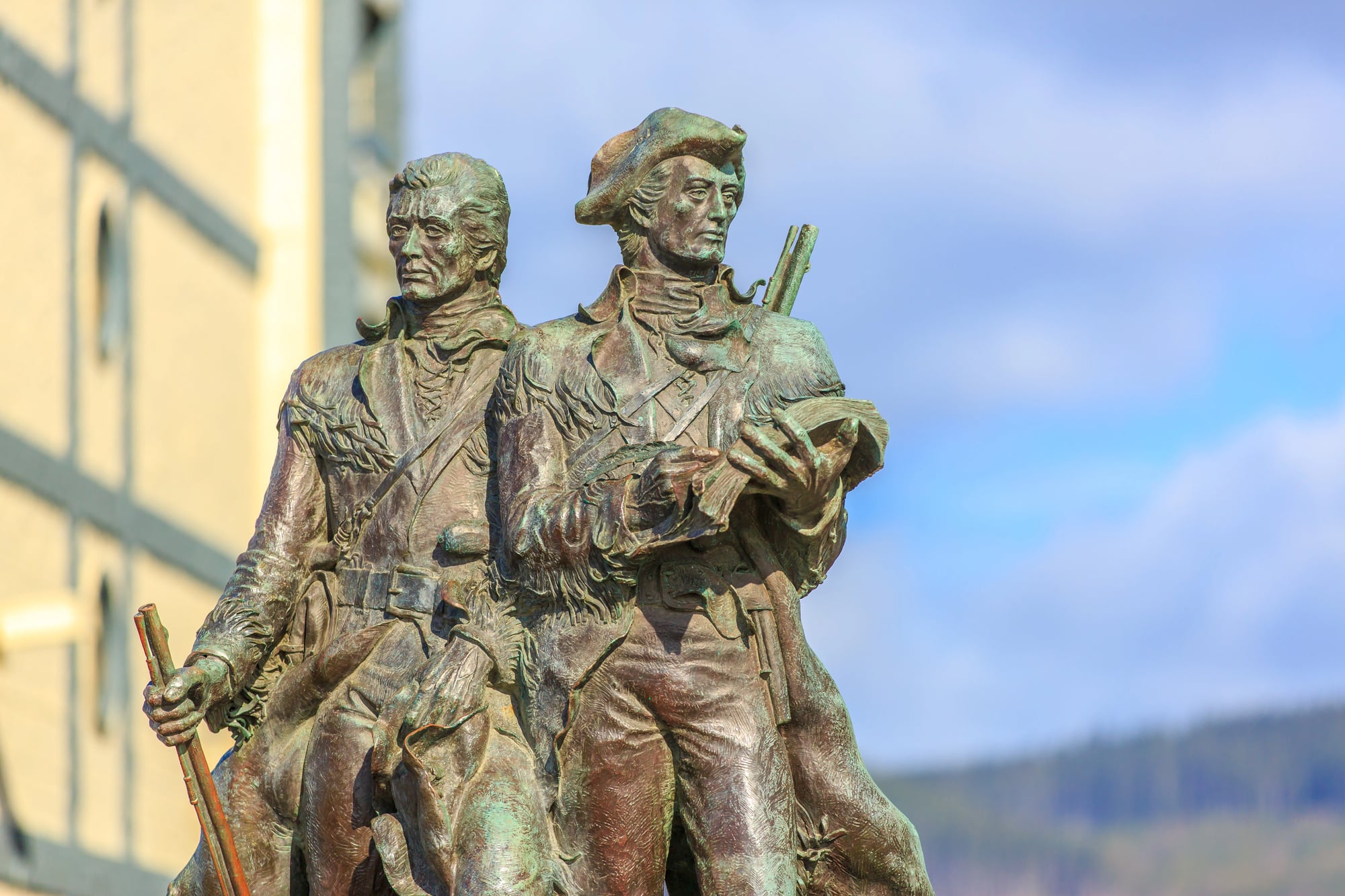
Meriwether Lewis and William Clark had served together briefly in the military before President Jefferson selected Lewis to lead the Corps of Discovery expedition in 1803. Lewis chose Clark as his co-commander — an unofficial designation, since the Army declined to grant Clark the officer’s rank Lewis had promised him.
Over two years and roughly 8,000 miles of travel through unmapped territory, their division of responsibilities was fluid but effective: Lewis was the naturalist and writer, Clark the cartographer and day-to-day commander. Their ability to trust each other’s judgment when one of them was out of reach, as they frequently were, kept the expedition alive.
Sigmund Freud and Wilhelm Fliess
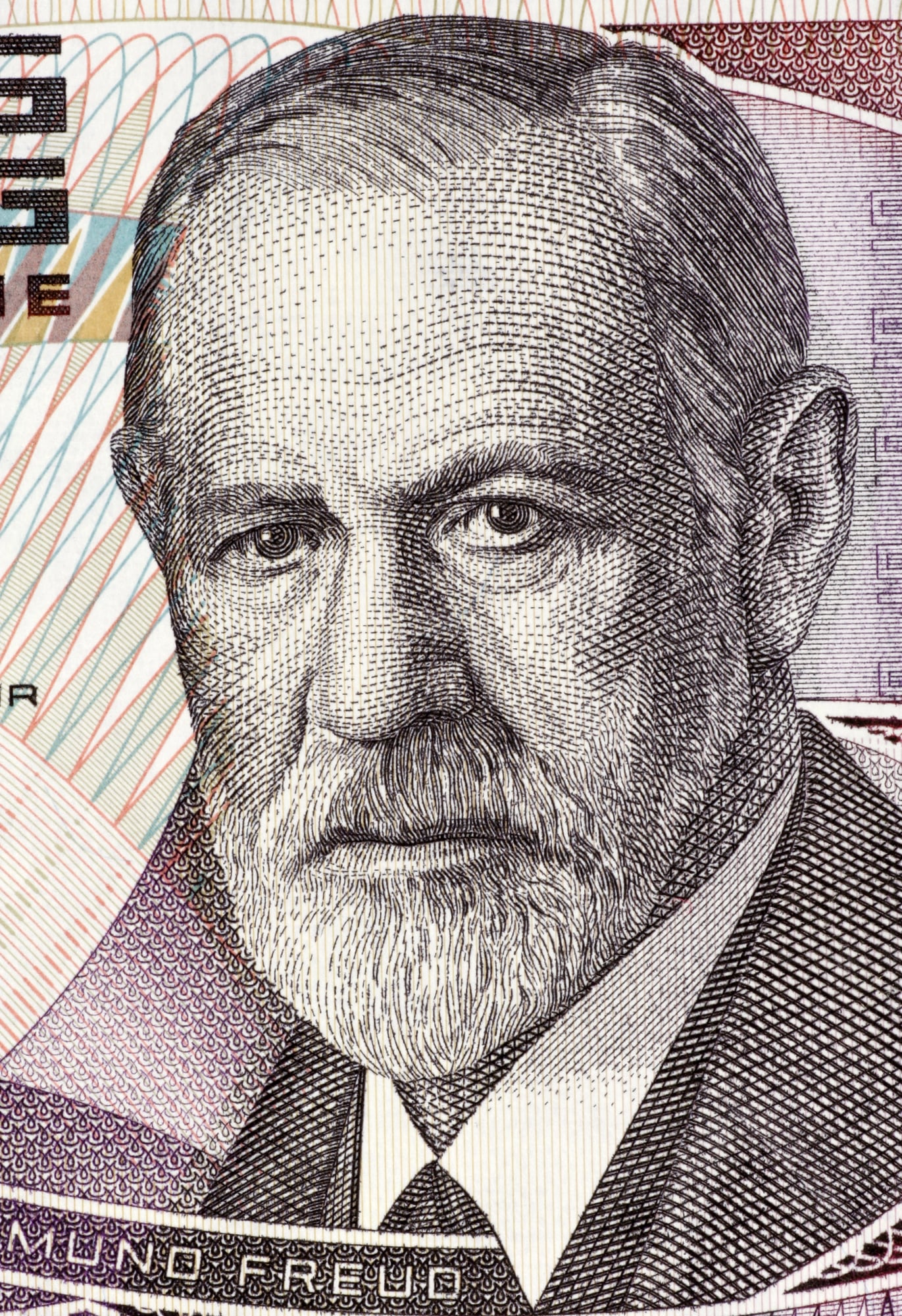
Freud’s friendship with the Berlin physician Wilhelm Fliess, sustained almost entirely through letters in the 1890s, provided the intellectual and emotional crucible in which psychoanalysis first took shape. Fliess was a willing audience for Freud’s most speculative thinking, and Freud used their correspondence to work through ideas before they were ready for public exposure.
The relationship eventually collapsed, in part because Fliess held some deeply strange theories of his own that Freud could no longer take seriously. But the decade of letters — now published as a collected volume — shows a thinker in the process of inventing a new field, and the friend who made it safe to think out loud.
Alexander Graham Bell and Helen Keller
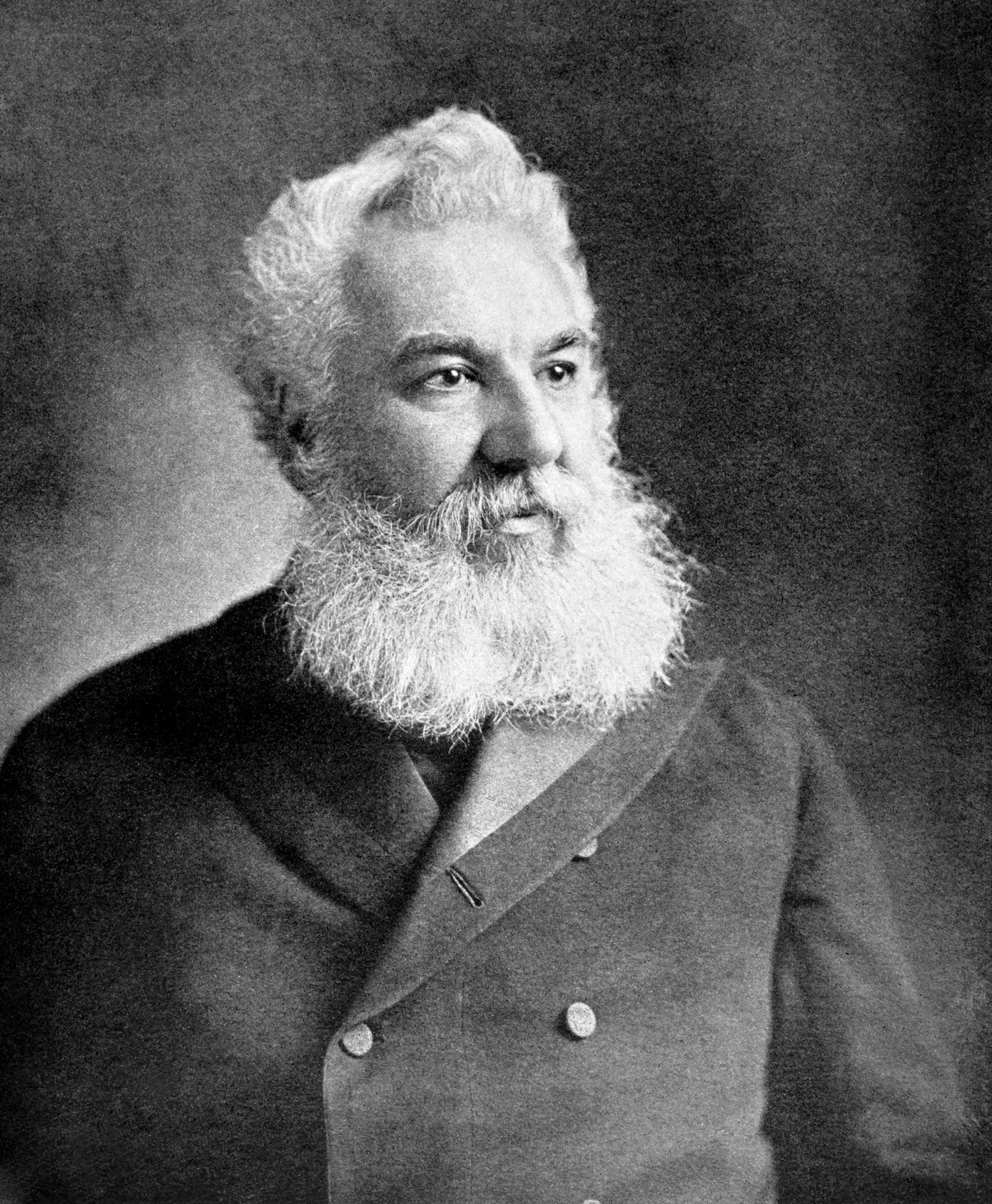
Bell met the six-year-old Helen Keller in 1886 and recognized immediately that her isolation was a problem of communication, not intelligence. He directed her family toward the Perkins Institution for the Blind, which connected them with Anne Sullivan.
Bell remained close to Keller for the rest of his life — corresponding with her, supporting her publicly, and advocating for the deaf community through his research. Keller later described Bell as the person who opened the door to her education, even though Sullivan walked through it with her.
The credit, as it often does, landed one door away from where it was most deserved.
Mark Twain and Nikola Tesla
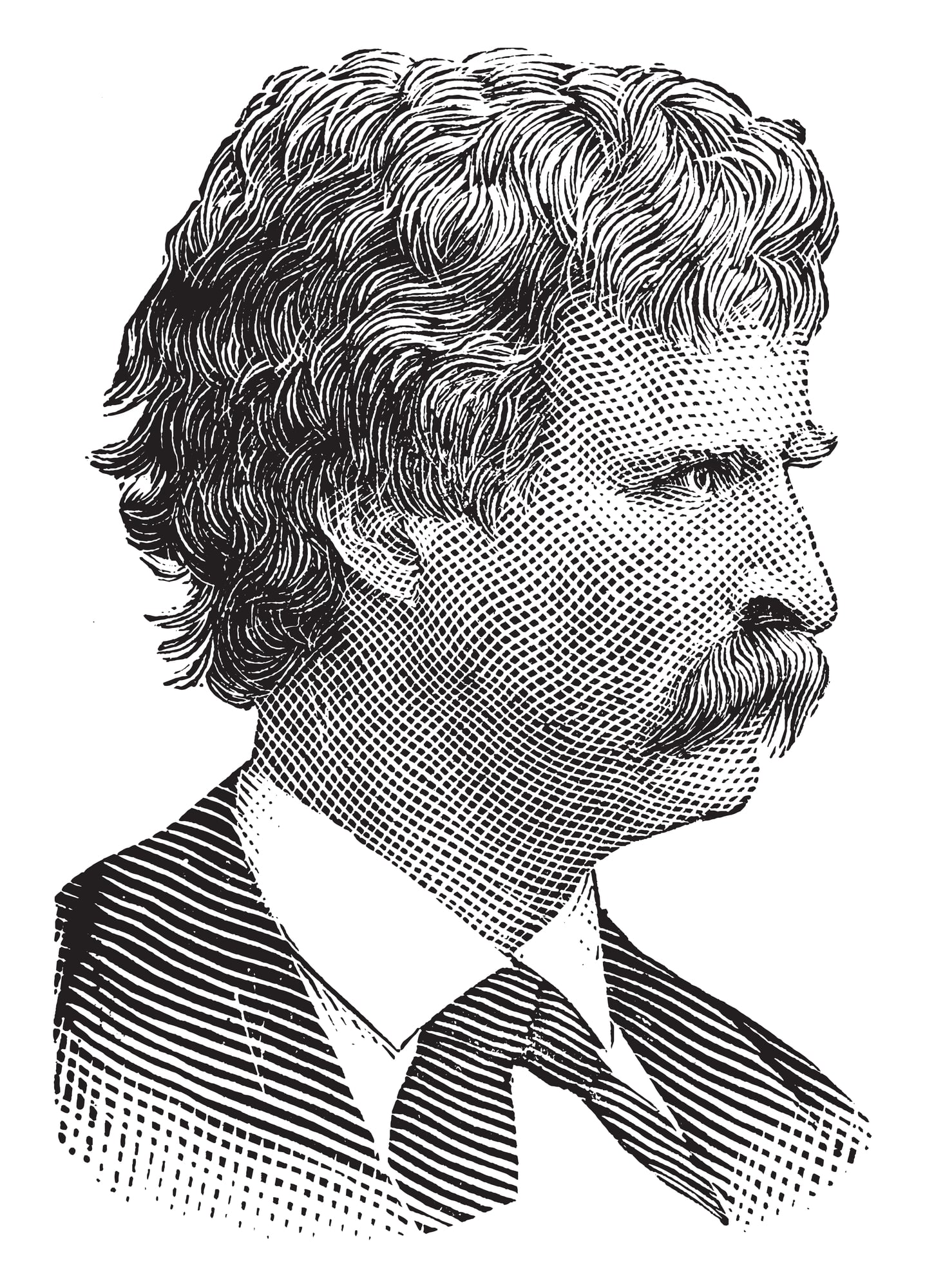
The friendship between the writer and the inventor was built on mutual delight in eccentricity. Twain visited Tesla’s Manhattan laboratory repeatedly in the 1890s, genuinely fascinated by the experiments with electricity and phosphorescent lighting.
Tesla, who had grown up reading Twain in the original Serbian translations, was thrilled to meet him. In 1894, Tesla put Twain on his mechanical oscillating platform — a device Tesla believed had therapeutic properties — with results Twain found immediately and dramatically convincing.
Their friendship was the kind that resists easy categorization: not collaborative, not professional, just two unusual minds that found each other consistently interesting.
Benjamin Franklin and the Marquis de Lafayette
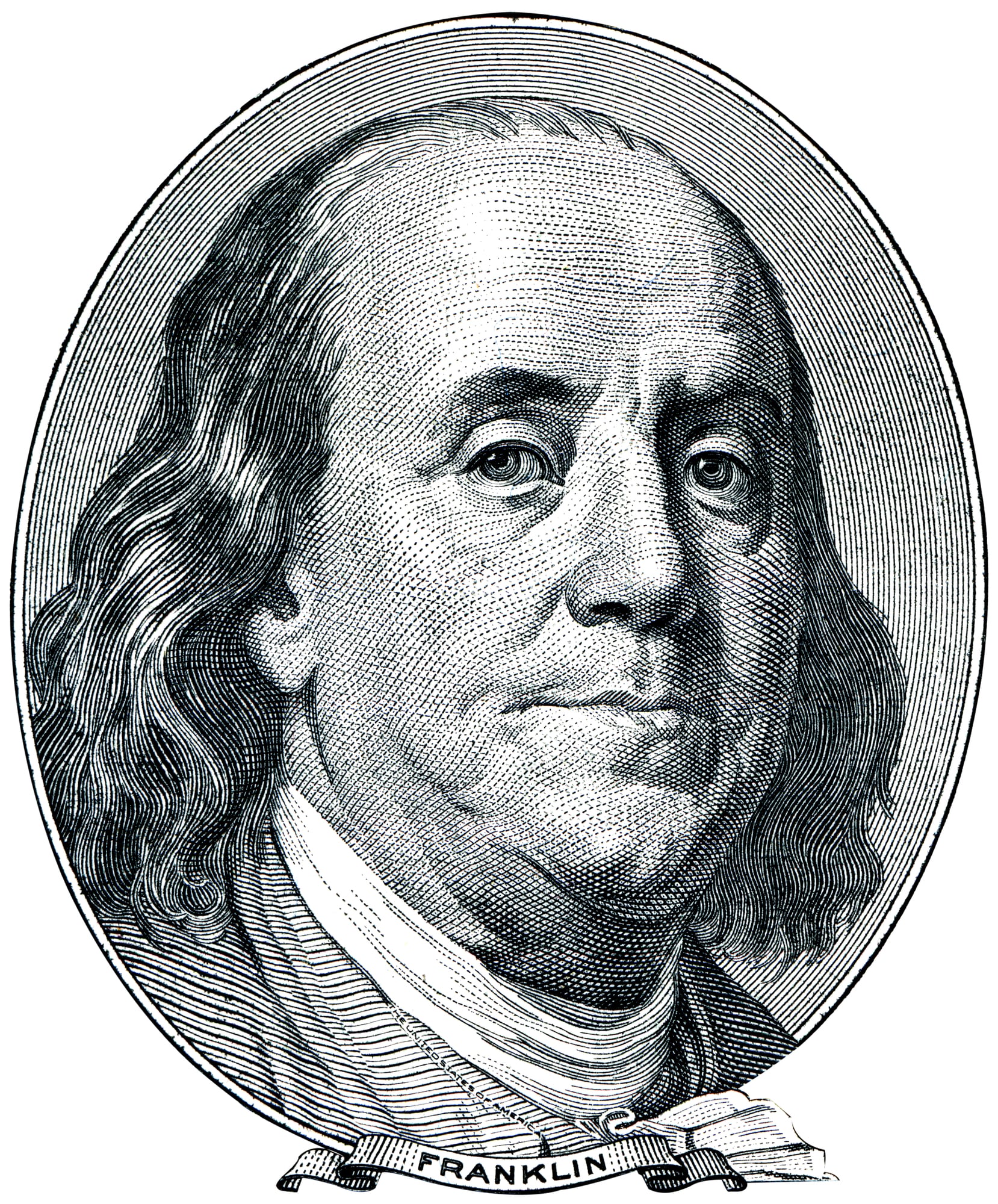
Franklin arrived in Paris in 1778 as the American ambassador trying to secure French support for the Revolution, and Lafayette — twenty years old, already a general in the Continental Army — was the embodiment of what that alliance looked like in practice. The two men became genuinely close, and Franklin served as something of a surrogate father figure for the young marquis who had lost his own father in battle as an infant.
Lafayette named his son George Washington Lafayette, with Franklin as godfather. The personal bond between these two helped transform a military alliance into something with genuine warmth, and Lafayette’s return to America in 1824 was celebrated as the return of a founding friend, not just a foreign general.
Virginia Woolf and Vita Sackville-West
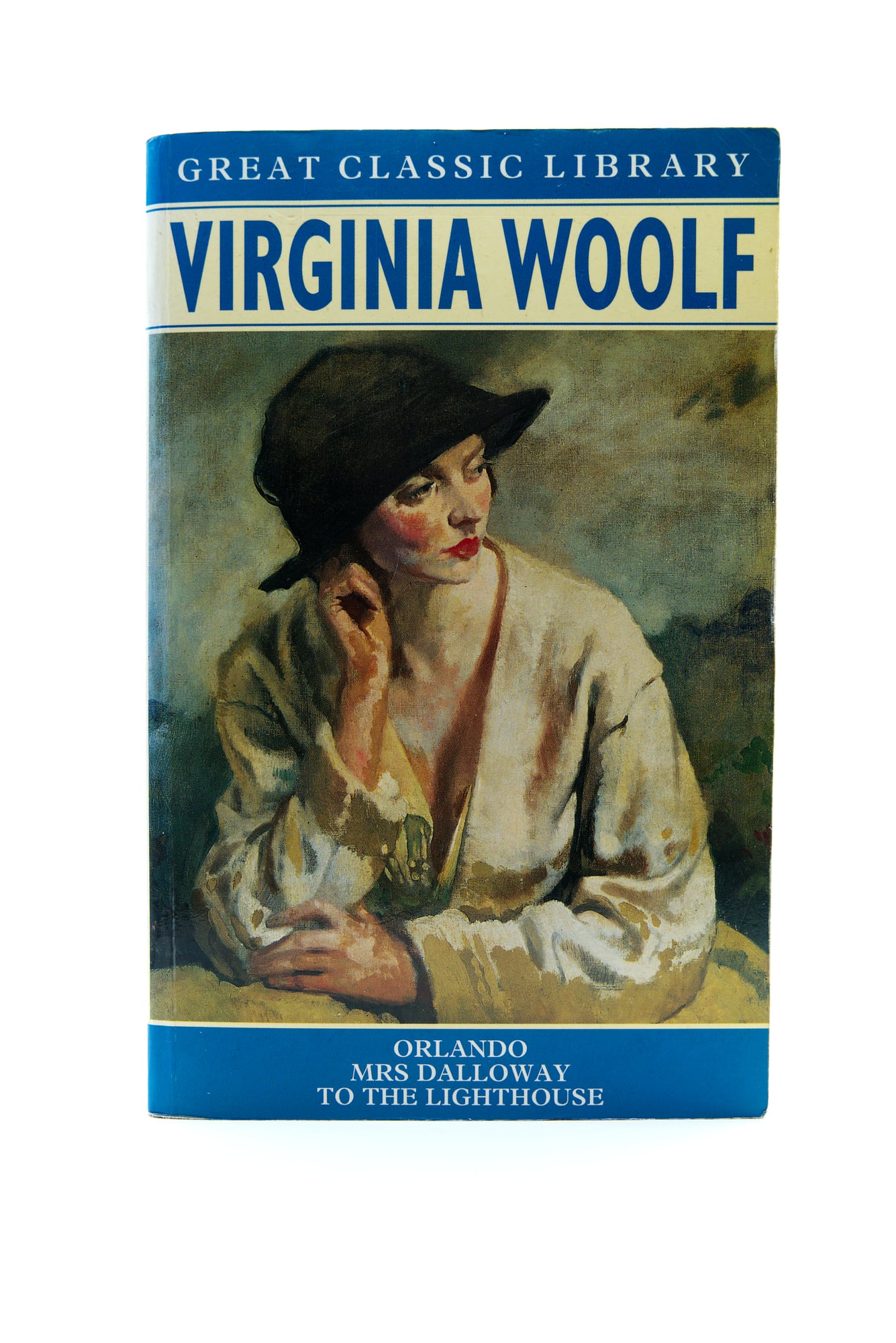
Their friendship, which began in 1922, was also at various points a romance and a sustained creative provocation. Woolf used Sackville-West as the inspiration for Orlando, published in 1928 — a novel spanning four centuries and multiple genders that remains one of the most original books in English literature.
Sackville-West, in return, supported Woolf through periods of serious mental illness with practical help and loyal presence. Woolf’s husband Leonard later described Sackville-West as one of the few people who brought genuine stability into Virginia’s life without making her feel managed.
It is one of the more honest assessments of what real friendship sometimes requires.
Winston Churchill and Franklin D. Roosevelt
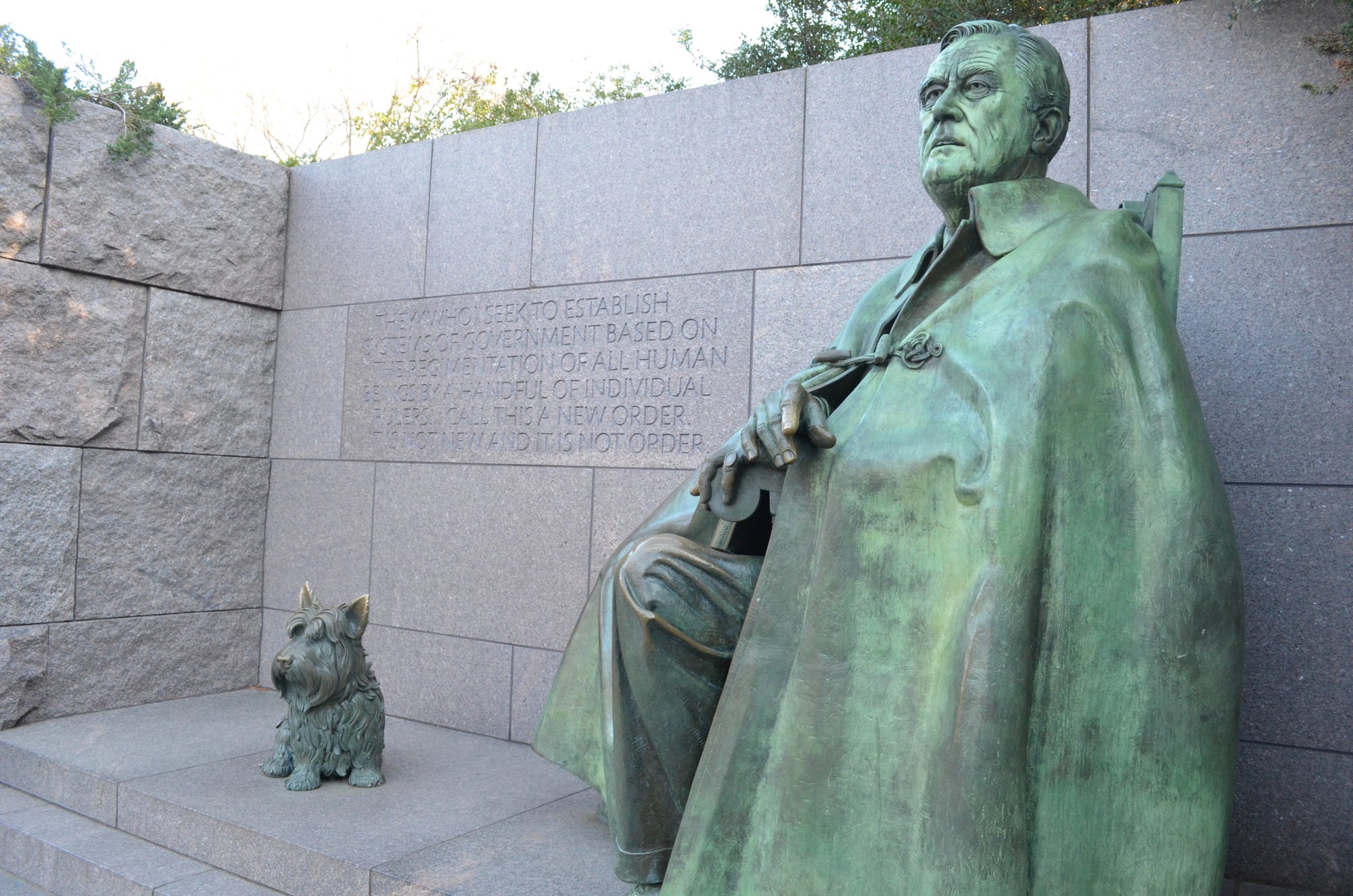
They met first in 1918, at a banquet in London, and Roosevelt later said he found Churchill a bore — an opinion he did not retain. When they found themselves on the same side of a world war in 1941, their correspondence and personal meetings shaped the Western Allied strategy with a degree of personal chemistry that formal diplomacy alone rarely produces.
They disagreed fundamentally about European colonialism, particularly regarding India, but managed to keep those disagreements from derailing a wartime partnership that neither country could have afforded to lose. Over 1,700 personal messages passed between them during the war years — a correspondence that gives historians a clearer window into how the conflict was actually decided than most official records do.
Emmeline Pankhurst and Elizabeth Cady Stanton
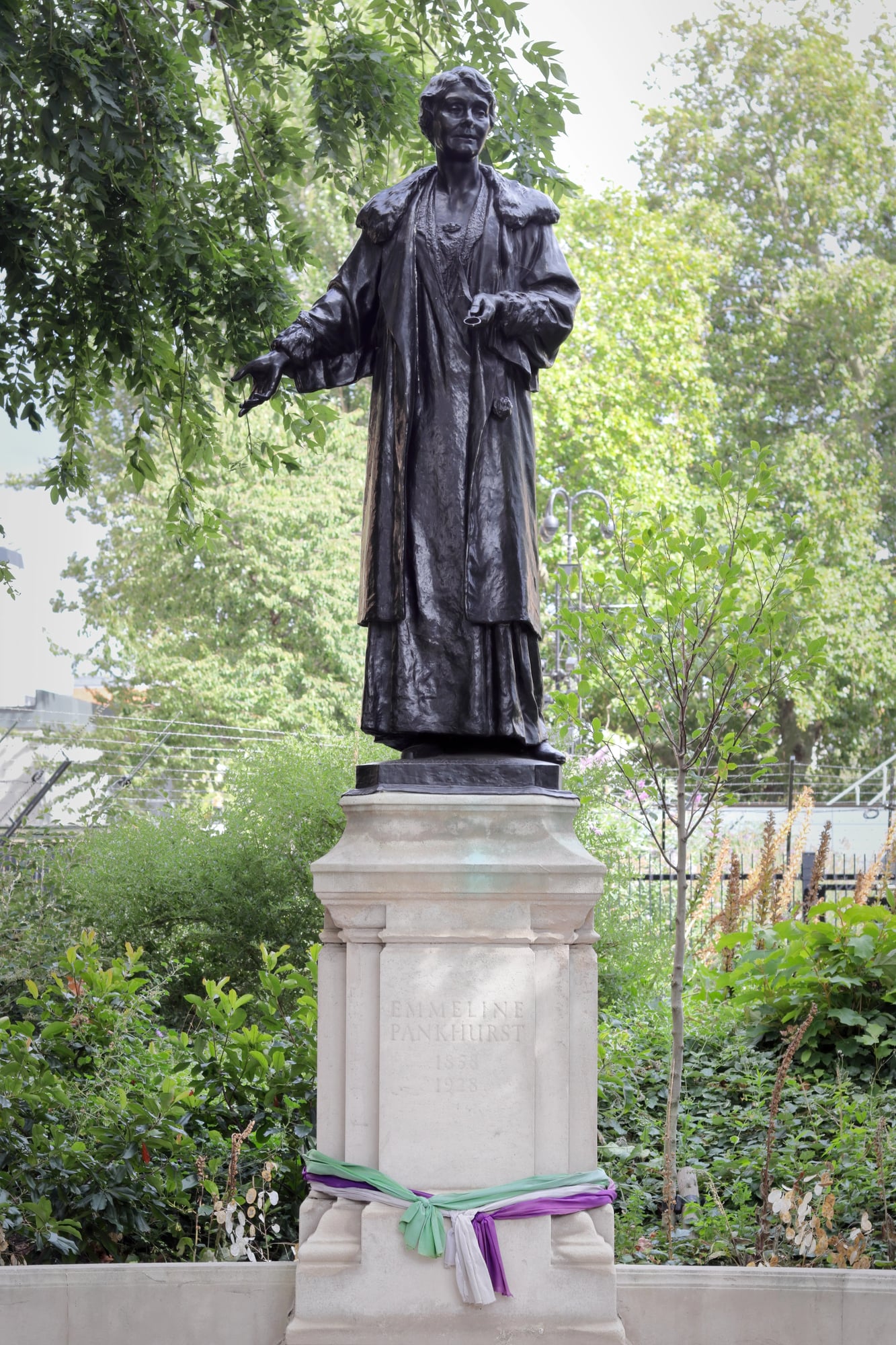
Both women spent decades organizing for the rights of women across the Atlantic from each other, and when their paths crossed — through correspondence, through shared allies, through the global suffrage network — they found in each other confirmation that the cause was neither local nor temporary. Stanton’s Declaration of Sentiments, drafted in 1848 at Seneca Falls, provided a rhetorical framework that Pankhurst’s militant wing of the British suffragette movement later built upon.
The cross-Atlantic friendship between women’s rights leaders created the understanding, if not always the coordination, that made suffrage feel like a movement rather than a series of isolated protests.
The Whole Point of Who Was in the Room
The most persistent myth about great achievement is that it happens alone — that genius is self-sufficient, that the historic moment belongs entirely to the person whose name gets attached to it. These friendships suggest otherwise.
Darwin needed a botanist who would read his drafts without laughing him out of the building. Tolkien needed a reader who kept asking what happened next.
Jefferson needed Adams to write back. What these bonds have in common is not warmth — some of them were genuinely difficult, competitive, and at times wounding — but function.
Each friendship provided something the other person could not provide for themselves: courage, criticism, continuity, or just the evidence that someone else found the work worth doing. History has a way of cropping these people out of the picture.
Looking back in, they were there the whole time.
More from Go2Tutors!

- The Romanov Crown Jewels and Their Tragic Fate
- 13 Historical Mysteries That Science Still Can’t Solve
- Famous Hoaxes That Fooled the World for Years
- 15 Child Stars with Tragic Adult Lives
- 16 Famous Jewelry Pieces in History
Like Go2Tutors’s content? Follow us on MSN.