17 Bizarre Taxes Ancient Empires Collected
People usually dislike paying taxes. Still, long ago, they paid them to build big things like pyramids and walls.
Even so, old empires found clever ways to collect money from their people. Taxes once focused on land or commerce.
Yet some dug deeper – into routines people never thought could be taxed. Beards carried a price tag under certain rulers.
Even basic physical acts became sources of income for cash-hungry states. A peek back reveals charges so odd they sound made up.
These are glimpses into history’s most unusual financial demands.
The Urine Tax of Ancient Rome

In the first century CE, Roman Emperor Vespasian introduced a tax on urine collected from public latrines. The practice may sound absurd, but urine had commercial value.
It contained ammonia, which was used in tanning leather and laundering clothes. Collectors gathered urine from public facilities and sold it to fullers and tanners.
By taxing this trade, the empire tapped into an existing industry rather than inventing a new one. When criticized, Vespasian reportedly defended the levy by noting that money does not carry a scent.
The Beard Tax in Russia

In 1698, Peter the Great of Russia imposed a tax on beards. His goal was cultural reform rather than simple revenue.
After traveling in Western Europe, Peter sought to modernize Russian society, and facial hair symbolized old traditions. Men who wished to keep their beards had to pay a fee and carry a token proving compliance.
The measure generated funds, but it also enforced a visual shift toward European styles. The tax blurred the line between fiscal policy and social engineering.
The Salt Tax in Ancient China

Salt was essential for food preservation and survival. Recognizing its importance, Chinese dynasties established state monopolies and heavy taxes on its production and sale as early as the Han dynasty.
Because everyone needed salt, the tax ensured steady revenue. It became one of the longest-running sources of imperial income in Chinese history.
The policy demonstrated how control over basic necessities could sustain an empire.
The Window Tax in Rome

While more commonly associated with later European history, versions of property-based window taxation existed in the Roman world. Homes were sometimes assessed based on openings, which were seen as indicators of wealth.
Owners reduced windows to minimize costs, leading to darker interiors. The tax revealed how fiscal pressure could alter architecture itself.
Buildings physically changed to accommodate imperial policy.
The Bachelor Tax in Ancient Rome

Under Emperor Augustus, Rome imposed penalties on unmarried men as part of broader moral legislation. The state sought to encourage marriage and childbirth among the elite.
Unmarried citizens faced restrictions on inheritance and certain legal privileges. Though framed as social reform, the measures carried financial consequences.
Taxation became a tool to influence family structure.
The Soap Tax in Mesopotamia

Early Mesopotamian societies taxed goods produced in urban workshops, including soap-like cleaning products made from fats and ash. While records are fragmentary, tablets indicate levies on craft production.
Such taxes funded temple complexes and city administration. Even in early civilizations, everyday commodities could fall under fiscal scrutiny.
The Slave Tax in Ancient Athens

In classical Athens, owners paid taxes on enslaved individuals. The levy functioned as both revenue and recognition of economic capacity.
Because enslaved labor supported industries such as mining and agriculture, the tax reflected broader wealth. The state capitalized on private ownership to sustain public expenditure.
The Bridge Toll of the Persian Empire

The Achaemenid Persian Empire maintained extensive road networks. Travelers crossing certain bridges or trade routes paid tolls, effectively a tax on mobility.
Given the empire’s vast territory stretching thousands of miles, these tolls accumulated substantial revenue. Infrastructure investment and taxation moved in tandem.
The Inheritance Tax in Ancient Egypt

Pharaonic Egypt collected levies on property transfers, including inheritance. Tomb inscriptions and papyri suggest officials assessed portions of estates when wealth changed hands.
The tax reinforced central authority over land ownership. Even in death, property movement contributed to state coffers.
The Hearth Tax in Ancient Rome

Roman authorities at times levied taxes based on hearths within a household. Each hearth represented a domestic unit capable of supporting taxation.
By tying assessment to physical structures, administrators simplified collection. The hearth became both a literal and symbolic measure of taxable capacity.
The Hair Powder Tax in Qing China

During certain periods in Chinese history, particularly under Qing rule, regulations required men to wear their hair in a queue hairstyle. While not always framed as a tax, fees and penalties associated with compliance carried fiscal weight.
Enforcement blended identity, loyalty, and finance. Personal grooming intersected with imperial authority.
The Fishing Net Tax in Ancient Egypt

Fishing along the Nile provided food and income for many communities. Egyptian authorities taxed fishing equipment such as nets, ensuring revenue from river-based industries.
Control over the Nile’s bounty was central to state power. Even the tools of subsistence could not escape assessment.
The Trade Caravan Tax in the Roman East

Merchants traveling along eastern trade routes paid customs duties when entering Roman territories. Caravans carrying spices, silk, and precious goods faced inspection and fees.
Because these goods traveled hundreds or thousands of miles, the empire captured revenue at key checkpoints. The tax system reinforced Rome’s role as a commercial hub.
The Door Tax in Ancient Persia
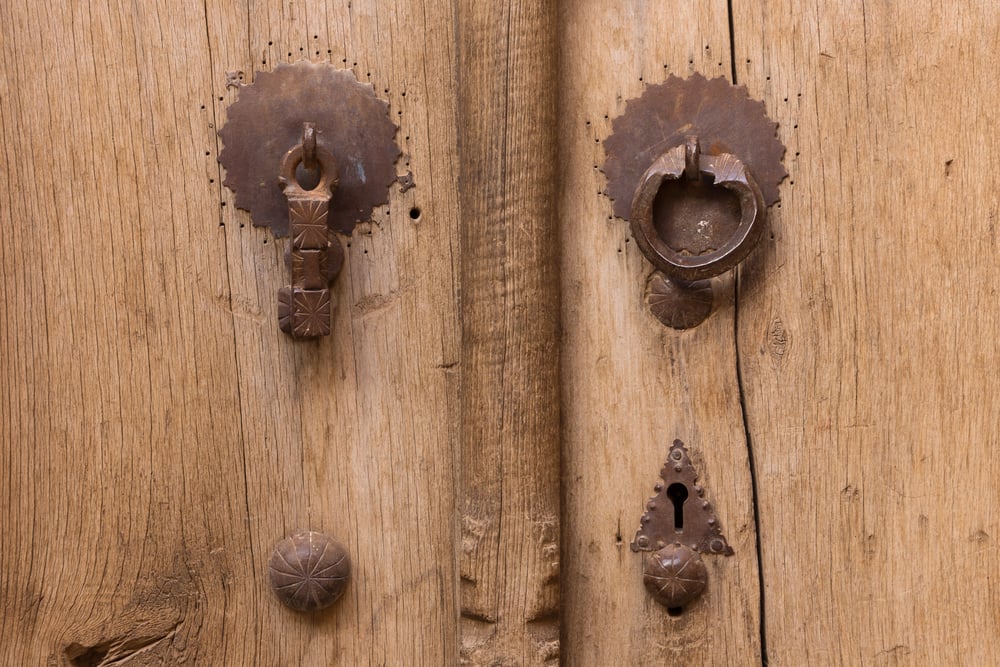
Some regions within ancient Persian administration assessed properties based on the number of doors. More doors implied larger structures and greater wealth.
Homeowners responded by reducing entrances or consolidating them. Fiscal design again influenced architectural choices.
The Land Tax in the Mauryan Empire

In ancient India, the Mauryan Empire collected land revenue often calculated as a portion of agricultural produce. Though land taxation is common historically, the precision of Mauryan recordkeeping was notable.
Officials monitored crop yields and assessed shares accordingly. The system demonstrated bureaucratic sophistication across vast territories.
The Funeral Tax in Ancient Rome

Roman authorities sometimes imposed fees related to burial arrangements and funeral services. Public spaces, cremation grounds, and processions required regulation.
These charges ensured that even ceremonial aspects of life contributed to state income. Ritual did not exist outside fiscal oversight.
The Chimney Tax in Ancient Societies

In various ancient regions, including parts of the Near East, structures with multiple chimneys or smoke outlets could attract higher assessments. Chimneys suggested larger buildings and greater prosperity.
Residents occasionally altered construction to reduce liability. Like window and door taxes, the levy shaped how communities built their homes.
When Revenue Shaped Daily Life
Tax systems long ago did not tiptoe around demands. Wherever people moved or worked – markets, fields, even city streets – rulers found ways to collect.
Strange methods now made sense back then because they followed daily patterns. Logic shaped by need, not modern comfort, guided those choices.
Out of reach for many, salt became a tool when access was restricted. Bridges turned into checkpoints where movement came at a price.
Inheritance shifted hands only after payments were made. Meanwhile, facial hair drew fees – beards taxed without warning.
Marital choices? They too carried costs. Power shaped money rules, yes – but also reached deep into daily life.
Decisions about who could marry, or stay single, lined royal coffers. Through ages past, taxes shaped how people built homes, styled hair, raised children, then traded goods.
What makes such duties strange isn’t just what they taxed – more so where they managed to stretch. Old rulers knew one thing well: control rests on money, yet funds might emerge even from quiet routines of ordinary days.
More from Go2Tutors!

- The Romanov Crown Jewels and Their Tragic Fate
- 13 Historical Mysteries That Science Still Can’t Solve
- Famous Hoaxes That Fooled the World for Years
- 15 Child Stars with Tragic Adult Lives
- 16 Famous Jewelry Pieces in History
Like Go2Tutors’s content? Follow us on MSN.



