28 Products That Were Once Considered Normal but Got Banned for Shocking Reasons
The shelves of history are stocked with things that seemed perfectly reasonable at the time. Doctors endorsed them. Manufacturers advertised them on television. Parents bought them for children without a second thought. Only later — sometimes much later — did the evidence catch up to the confidence.
Some of these bans came quickly once the dangers became clear. Others took decades of documented harm, political resistance from industry, and considerable public outrage before anyone in authority moved.
A few are still being phased out right now.
Radium-Infused Health Tonics
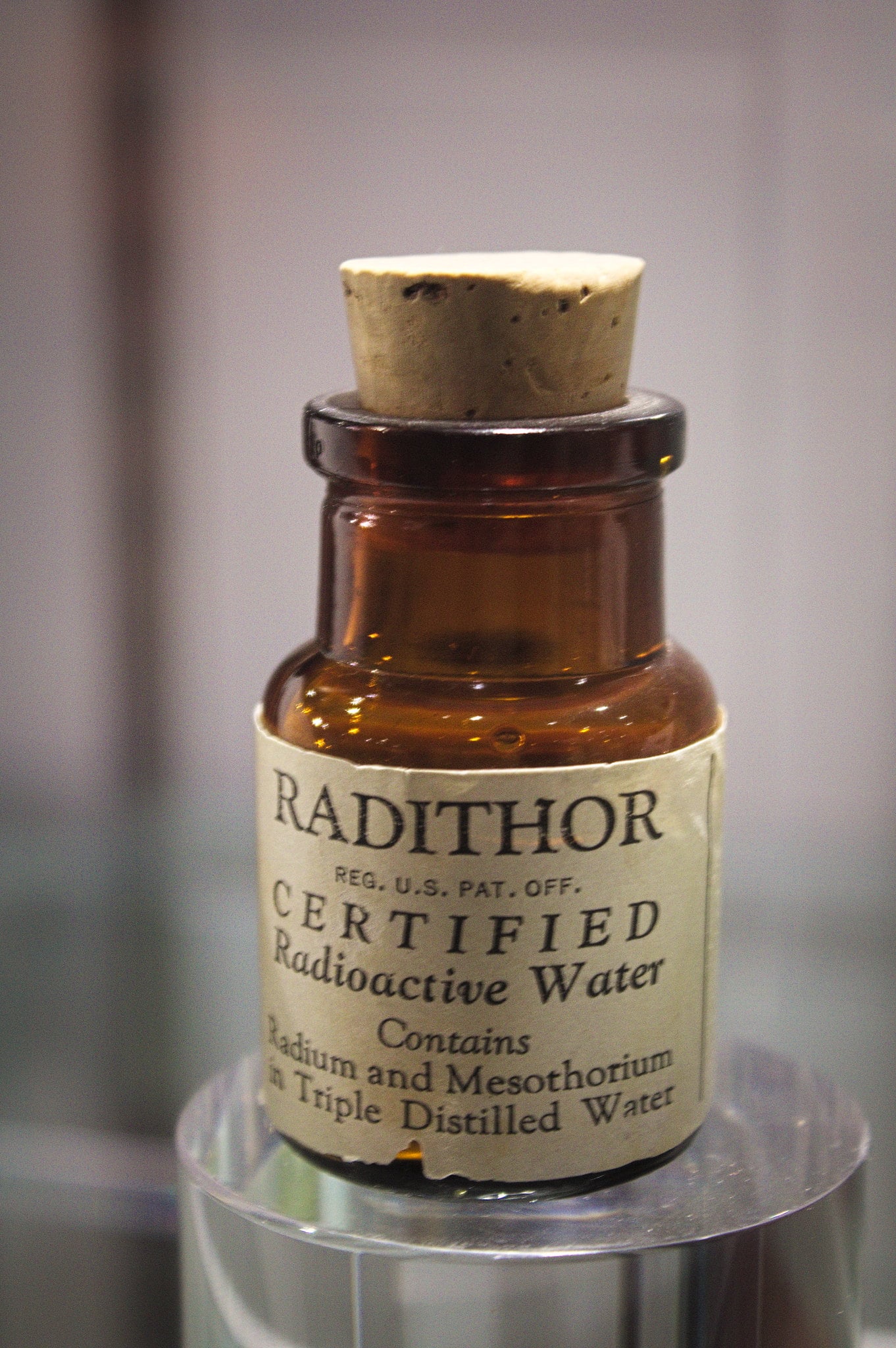
For roughly two decades after radium’s discovery, the element was marketed as a vitalizing force. Companies sold radium-laced water in special ceramic crocks, energy tonics, and face creams that promised a luminous complexion.
Eben Byers, a prominent American socialite and amateur golf champion, drank several bottles of radium water daily for years. He lost most of his jaw, most of his skull, and died in 1932. A Wall Street Journal headline at the time read: “The radium water worked fine until his bones fell apart.”
Radium Watch Dials

From the 1910s through the late 1930s, factory workers — mostly young women — were employed to paint luminous radium onto clock and watch faces for military and civilian use. Supervisors instructed them to point their brushes with their lips to achieve finer lines, resulting in hundreds of workers ingesting radioactive material hundreds of times a day.
The resulting bone cancers, jaw necrosis, and deaths became one of the defining workplace safety scandals of the twentieth century. Radium was banned from consumer products in the United States in 1968, decades after the damage was known.
Leaded Gasoline

When lead was added to gasoline in the 1920s as an anti-knock agent, its toxicity was already understood by many in the scientific community. The companies involved — including General Motors — funded studies designed to counter those findings.
The U.S. fully banned leaded fuel for on-road vehicles in 1996, and the final global phase-out wasn’t complete until 2021. Decades of atmospheric lead from vehicle exhaust are now linked to widespread neurological damage, particularly in children living near highways during the mid-twentieth century.
DDT

When DDT was introduced as a pesticide in the 1940s, it was treated as a genuine miracle: it dramatically reduced malaria, typhus, and other insect-borne diseases and helped protect crops at industrial scale. Soldiers returning from World War II sometimes recounted planes spraying DDT on crowds as a health measure.
By 1972, the newly formed Environmental Protection Agency banned it in the United States after mounting evidence that it accumulated in animal tissue, devastated bird populations by thinning eggshells, and posed significant cancer risk. Trace levels of DDT are still detectable in human blood samples today.
CFC Aerosol Sprays

Throughout the 1960s and 1970s, chlorofluorocarbons were the propellant of choice in everything from deodorant to hairspray. They were described as essentially inert and harmless.
Research published in the early 1970s by chemists at UC Irvine established that CFCs were drifting into the stratosphere and destroying ozone — the atmospheric layer that blocks ultraviolet radiation and prevents significant increases in skin cancer rates. The United States banned CFC aerosols in 1978, and the Montreal Protocol of 1987 initiated a global phase-out of CFC production.
Thalidomide
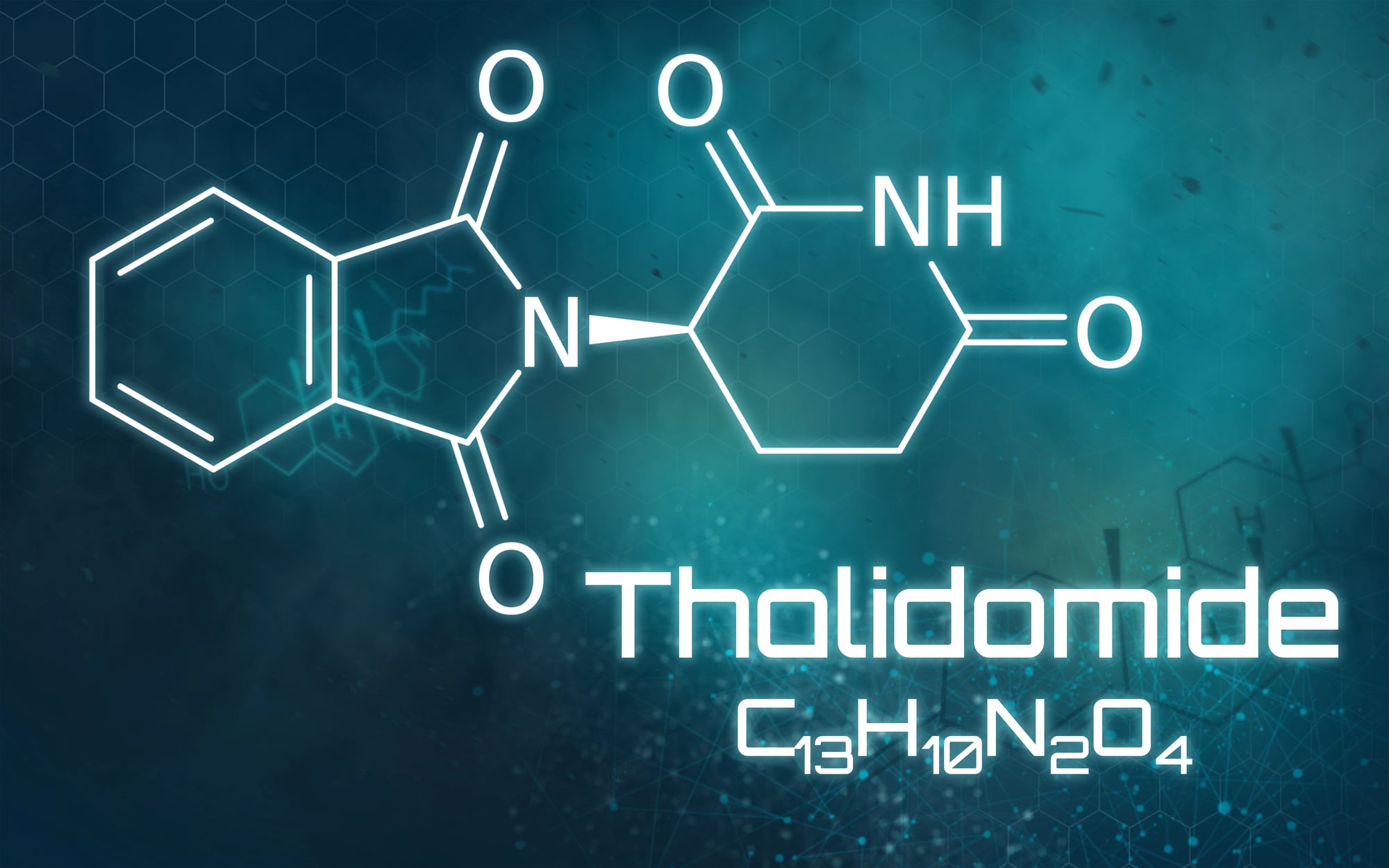
Introduced in West Germany in the late 1950s as a sedative and anti-nausea medication for pregnant women, thalidomide was marketed across Europe as safe enough to be sold without a prescription. By 1961, it had caused an estimated 10,000 births with severe limb deformities, most notably the absence or severe shortening of arms and legs.
The U.S. was largely spared because an FDA officer named Frances Kelsey refused to approve the drug despite considerable industry pressure, insisting on further safety data. Thalidomide was withdrawn from global markets by 1962.
Cyclamates
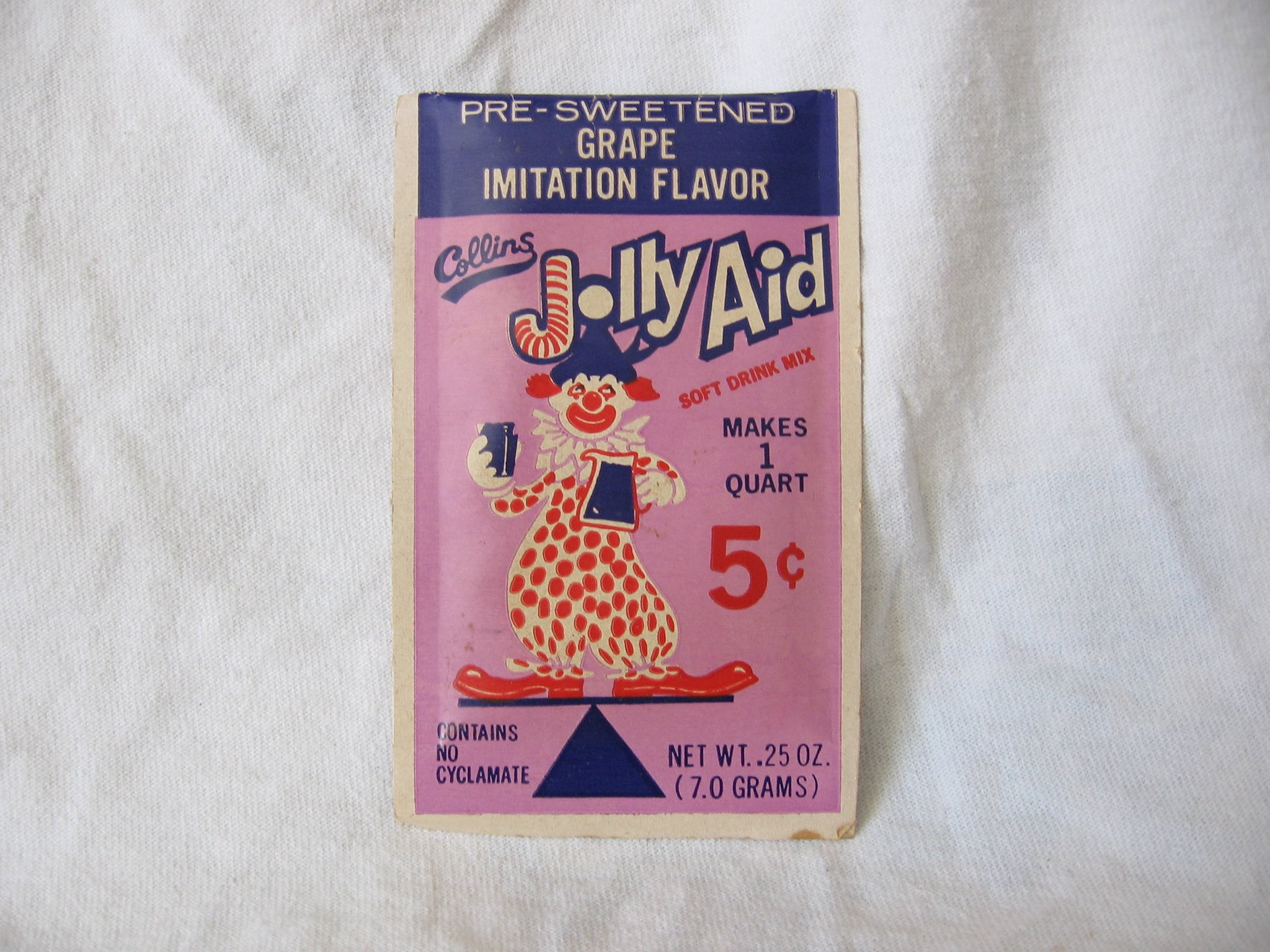
In the 1960s, cyclamate sweetener was the backbone of the diet food industry — 30 times sweeter than sugar, heat-stable, and with minimal aftertaste, it appeared in diet sodas, canned fruit, and a wide range of processed foods. By 1969, the FDA had banned it entirely after research linked high doses to bladder cancer in rats.
The ban effectively destroyed a billion-dollar market overnight and triggered a reformulation scramble across the food industry. Cyclamates remain banned in the United States to this day, though they are permitted in more than 100 other countries.
Red Dye No. 2
The most widely used food coloring in the United States by the early 1970s, Red Dye No. 2 appeared in everything from maraschino cherries to breakfast cereals to the candy coating on confectionery. A 1969 study from a Soviet research institute suggesting a link to cancer in rats prompted a cascade of anxiety, inconclusive FDA investigations, and eventually a ban in 1976.
The fallout was immediate: Mars briefly reformulated their product line and removed the red varieties from M&M bags, causing bewilderment among consumers who had eaten them for decades.
Fen-Phen Diet Pills

In the 1990s, a combination of fenfluramine and phentermine became the weight loss miracle that an industry obsessed with thinness had been waiting for. Marketed aggressively after a 1992 paper showed significant results in obese patients, fen-phen attracted an estimated 6.5 million users.
The FDA pulled it from the market in 1997 after reports emerged of heart valve damage and a sometimes-fatal lung condition called pulmonary hypertension. Litigation against the manufacturer ran to billions of dollars in settlements.
Asbestos in Building Materials

For most of the twentieth century, asbestos was celebrated as a wonder material: fireproof, durable, cheap, and versatile enough to appear in insulation, ceiling tiles, floor coverings, pipe lagging, and automobile brake pads. By the 1970s, the evidence linking asbestos fibers to mesothelioma and lung cancer was overwhelming, though the health effects were delayed by decades after exposure.
The EPA attempted a comprehensive ban in 1989, which was overturned in court in 1991. A new comprehensive ban was finally enacted in 2024, with a full phase-out required by 2037.
Lawn Darts (Jarts)

Sold in toy stores from the 1950s onward, Jarts were weighted metal projectiles roughly a foot long with sharp tips, designed to be thrown in arcs toward plastic rings on the ground. They were not a fringe product — they were manufactured by major companies including Hasbro and were a fixture of suburban backyard life.
After thousands of documented injuries and a number of deaths, including the 1987 death of a seven-year-old in California, the Consumer Product Safety Commission banned them entirely in 1988. The CPSC issued a follow-up advisory in 1997 urging families to destroy any that remained in garages.
Lead-Based Paint

Lead paint was prized for its durability, adhesion, and the depth of color it produced. It was the standard in American homes until concerns began to mount about the effects of ingested lead dust on children’s developing brains.
The federal government banned its use in residential properties in 1978, but the legacy was enormous: millions of homes built before that date still contain it, and lead exposure from deteriorating paint remains a public health concern in older urban housing stock today.
Clacker Toys
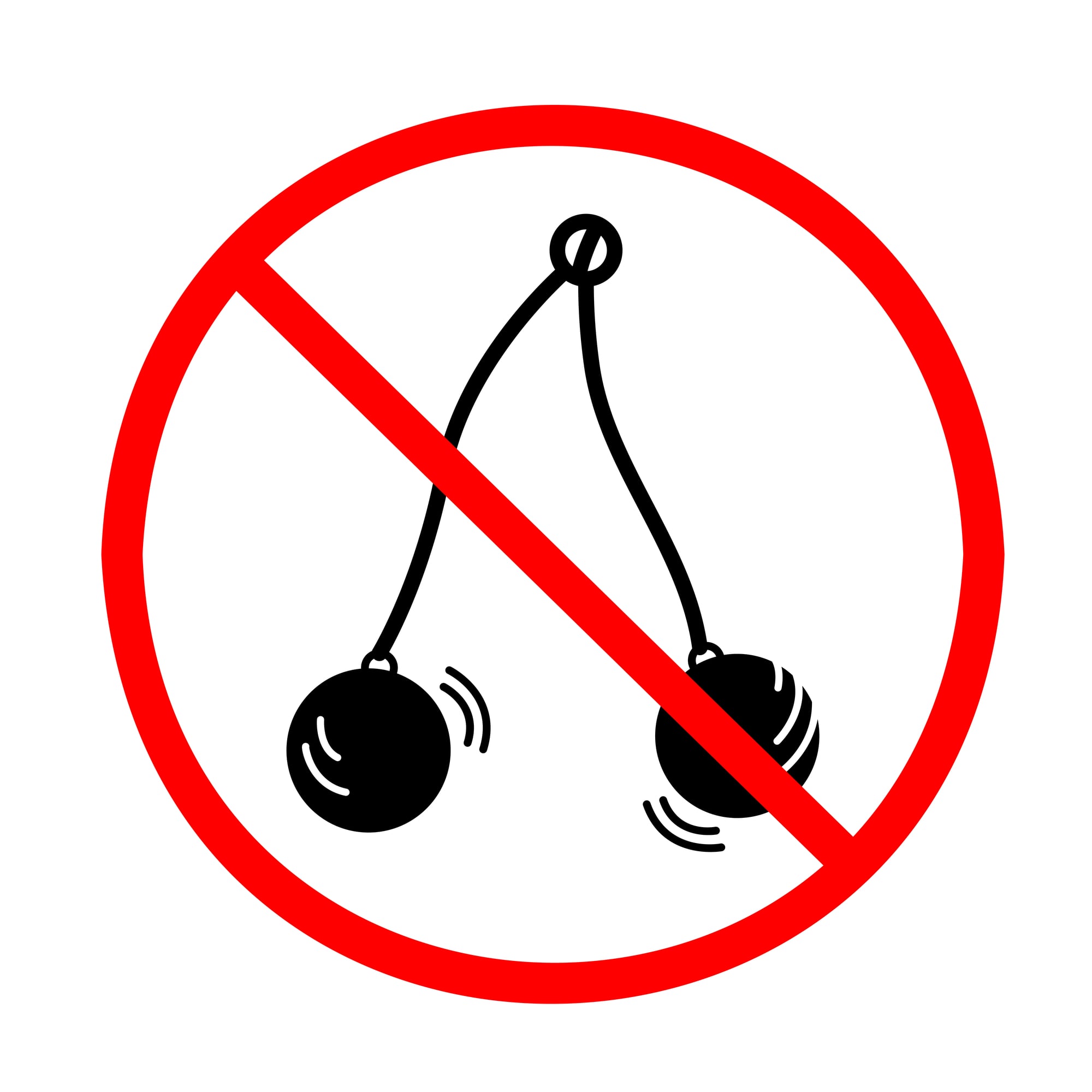
Clackers — sometimes called Ker-Bangers — were a popular 1960s toy consisting of two acrylic spheres attached to a string, intended to be swung until the spheres clacked together above and below the hand in a satisfying rhythm. The problem was the acrylic.
Under repeated impact, it shattered into high-velocity fragments that could lacerate faces and hands. After numerous injuries, the Consumer Product Safety Commission took action in 1976, effectively ending the original design.
Vioxx

Merck’s painkiller Vioxx was approved in 1999 and became one of the fastest-selling prescription drugs in pharmaceutical history, with 80 million people prescribed it worldwide. In 2004, Merck voluntarily withdrew it after a clinical trial demonstrated a significantly elevated risk of heart attack and stroke among long-term users.
Subsequent analyses suggested the drug may have contributed to tens of thousands of cardiovascular deaths during its five years on the market. The case remains a landmark in debates about post-market drug surveillance and the relationship between pharmaceutical companies and regulatory agencies.
Four Loko (Original Formula)
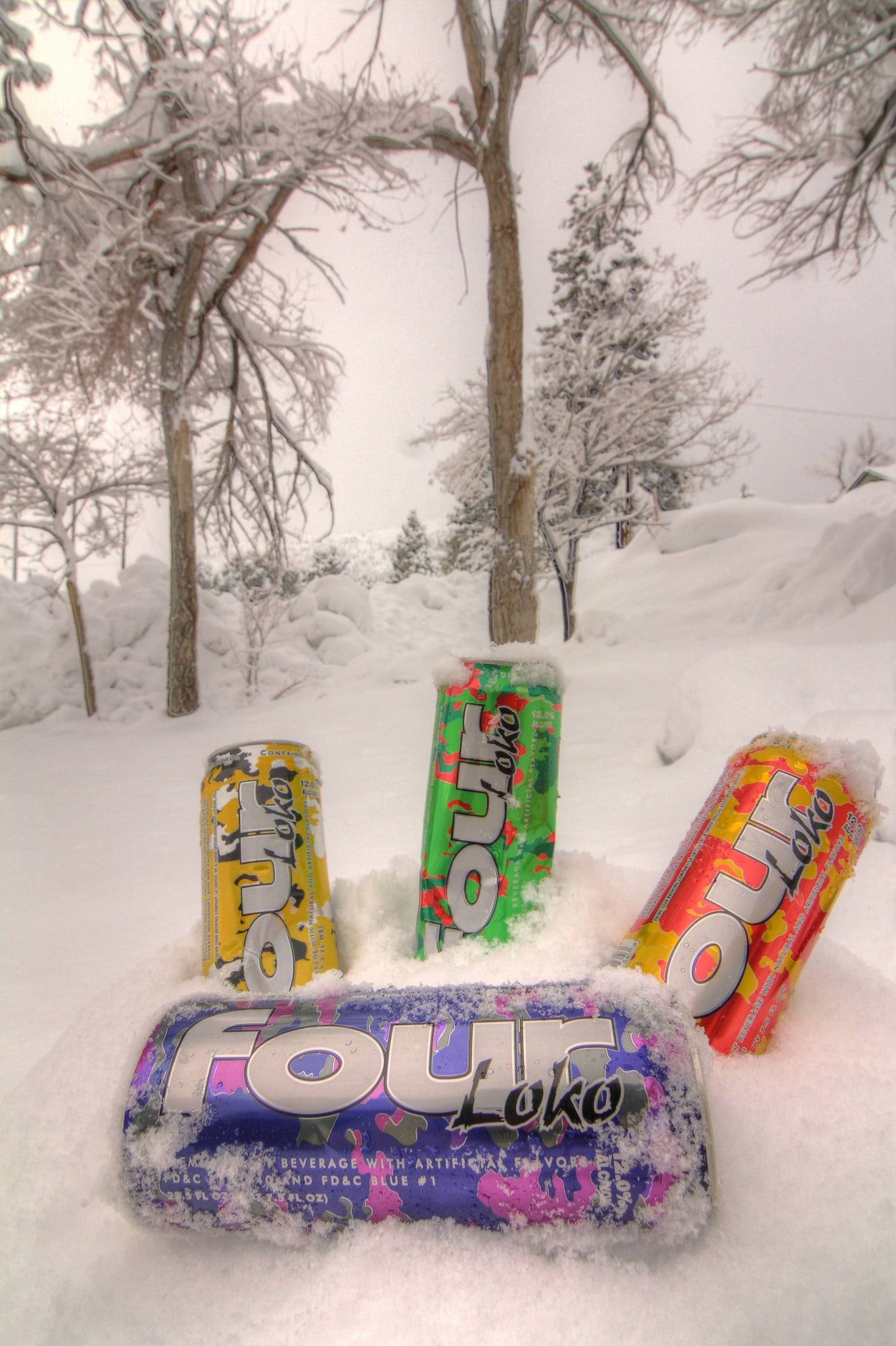
The original Four Loko combined caffeine with alcohol in a 23.5-ounce can containing the equivalent of roughly four to five standard drinks. Marketed in brightly colored cans that resembled energy drinks, it became notorious on college campuses in 2010 after nine students at Central Washington University were hospitalized following a party where it was served.
The FDA declared it an unsafe food additive that year, citing the combination of stimulants and depressants as masking intoxication cues in ways that increased risk of overconsumption. The caffeine was removed from the formula under regulatory pressure.
Buckyballs High-Powered Magnets
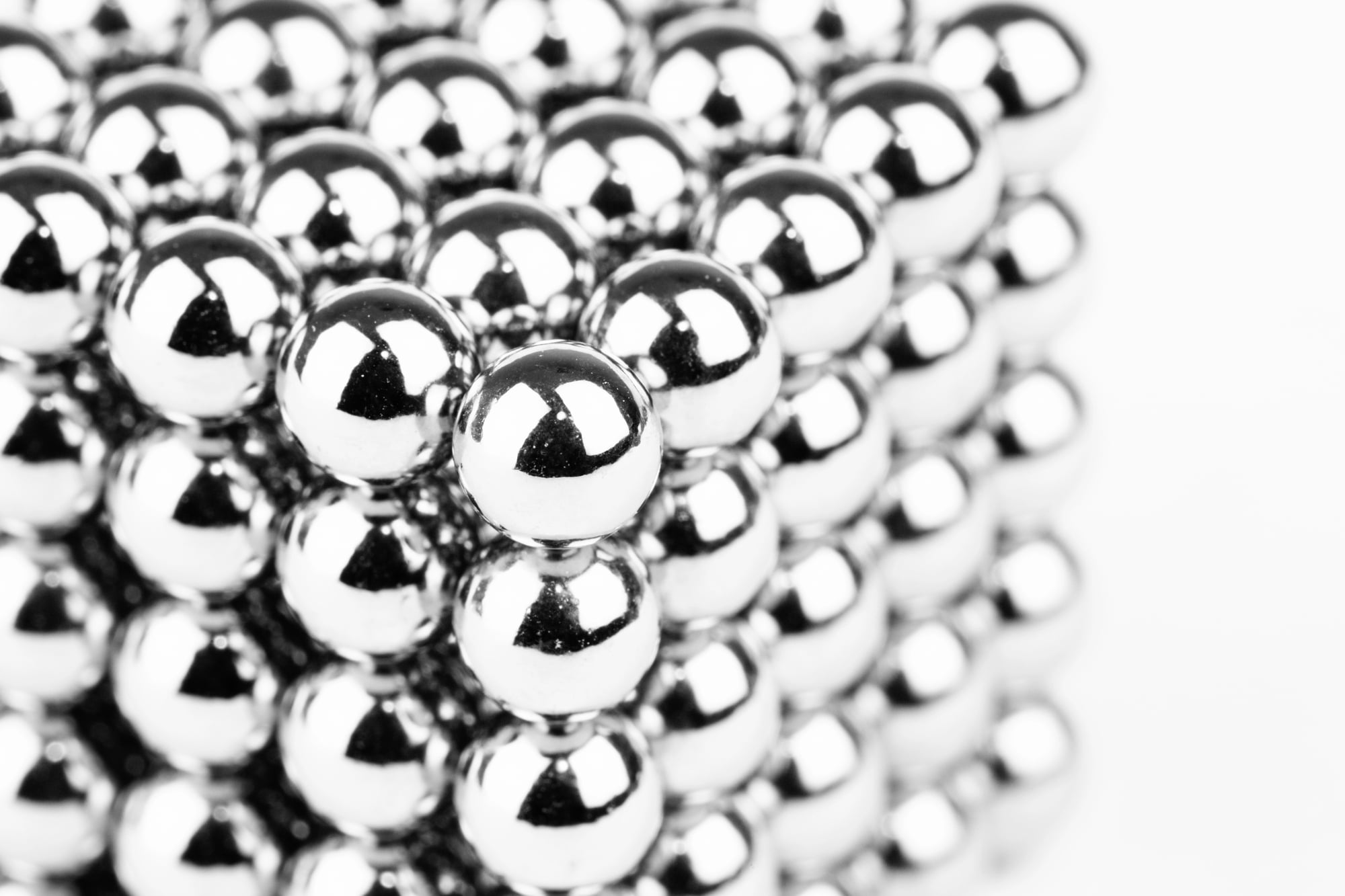
Marketed from 2009 as an adult desk toy and creative fidget item, Buckyballs were tiny, extraordinarily powerful rare-earth magnets sold in sets of 216. Adults used them for desk sculptures; small children found them and swallowed them.
When two or more rare-earth magnets are swallowed separately, they can attract through intestinal walls, perforating the bowel and causing internal injuries that can be fatal. After more than 7,700 emergency room visits and the death of a 19-month-old girl, the CPSC issued a stop-sale order in 2012.
The product has since returned in modified form with stricter packaging requirements.
More from Go2Tutors!

- The Romanov Crown Jewels and Their Tragic Fate
- 13 Historical Mysteries That Science Still Can’t Solve
- Famous Hoaxes That Fooled the World for Years
- 15 Child Stars with Tragic Adult Lives
- 16 Famous Jewelry Pieces in History
Like Go2Tutors’s content? Follow us on MSN.



