Books That Predicted Today’s World
Some authors have this wild ability to look at their present moment and somehow figure out where everything’s headed. They write stories set in futures that seem impossible, yet decades later, readers find themselves living in those exact worlds.
It’s not about having special powers or secret knowledge. These writers just paid really close attention to the small changes happening around them and imagined what would happen if those changes kept going.
The scary part? They got so much right. Here are the books that saw tomorrow coming from miles away.
1984 by George Orwell
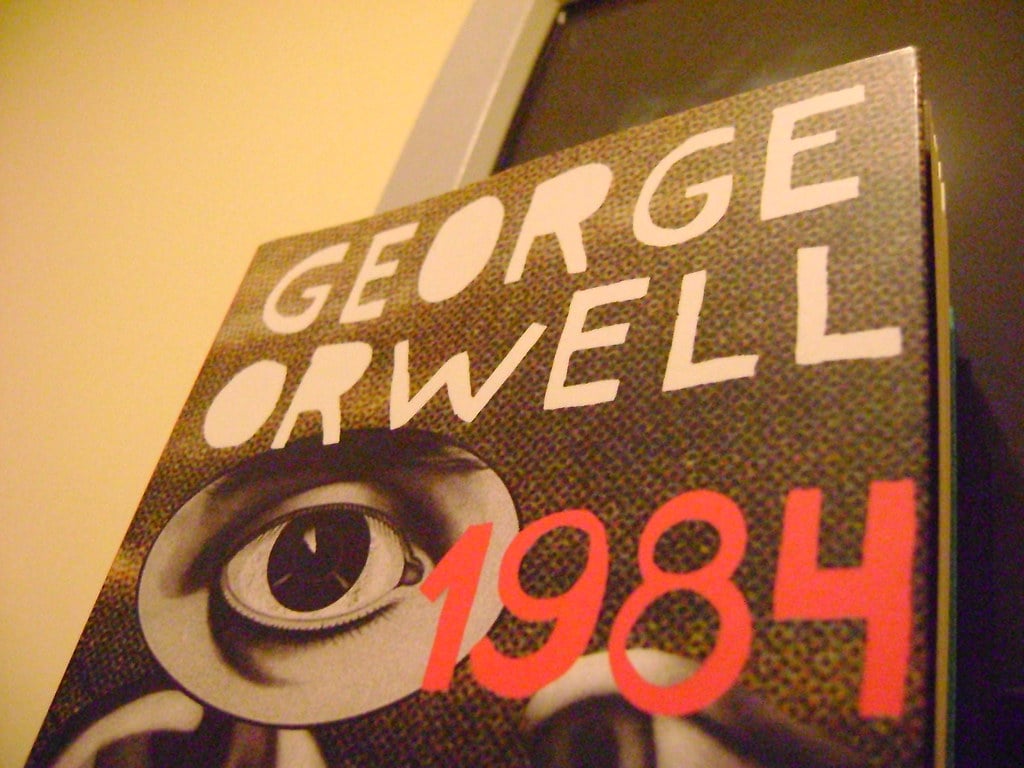
Orwell published this book in 1949, and people thought he was being dramatic about government surveillance. Now everyone carries devices that track their location, record conversations, and remember every website visit.
The “telescreens” in his story watched people while feeding them propaganda. Today’s smart TVs, phones, and home assistants do pretty much the same thing.
His Ministry of Truth rewrote history to fit whatever the government wanted people to believe. Anyone who’s watched online arguments about what’s real news and what’s fake can see the connection.
Orwell warned about a world where privacy disappeared and truth became whatever those in power said it was, and that world doesn’t feel fictional anymore.
Fahrenheit 451 by Ray Bradbury
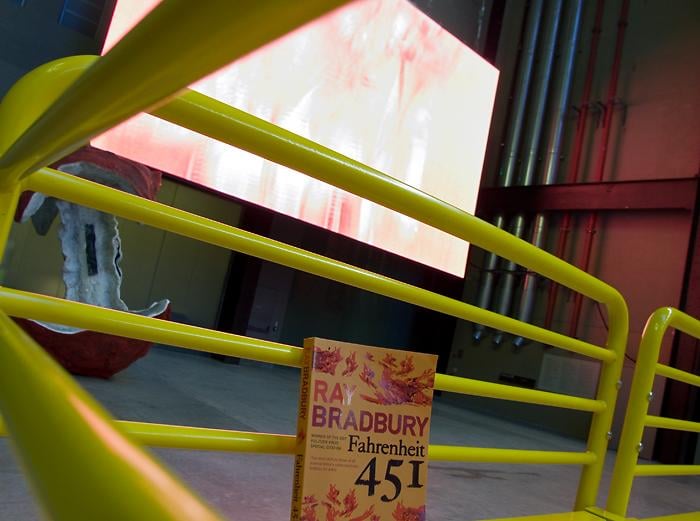
Bradbury wrote about a society too busy with entertainment to care about books or deep thinking. His 1953 novel showed people wearing little earbuds all day, staring at wall-sized screens, and speeding through life without stopping to reflect.
Those earbuds exist now, and people do wear them constantly. The interactive TV shows where audiences participated? That’s reality television and social media combined.
What really hits hard is how he predicted shortened attention spans and the way constant noise makes thinking feel like hard work. His firemen burned books because nobody wanted to read them anyway.
The books weren’t banned by force. People just stopped caring about them, which somehow feels worse.
Like Go2Tutors’s content? Follow us on MSN.
Brave New World by Aldous Huxley
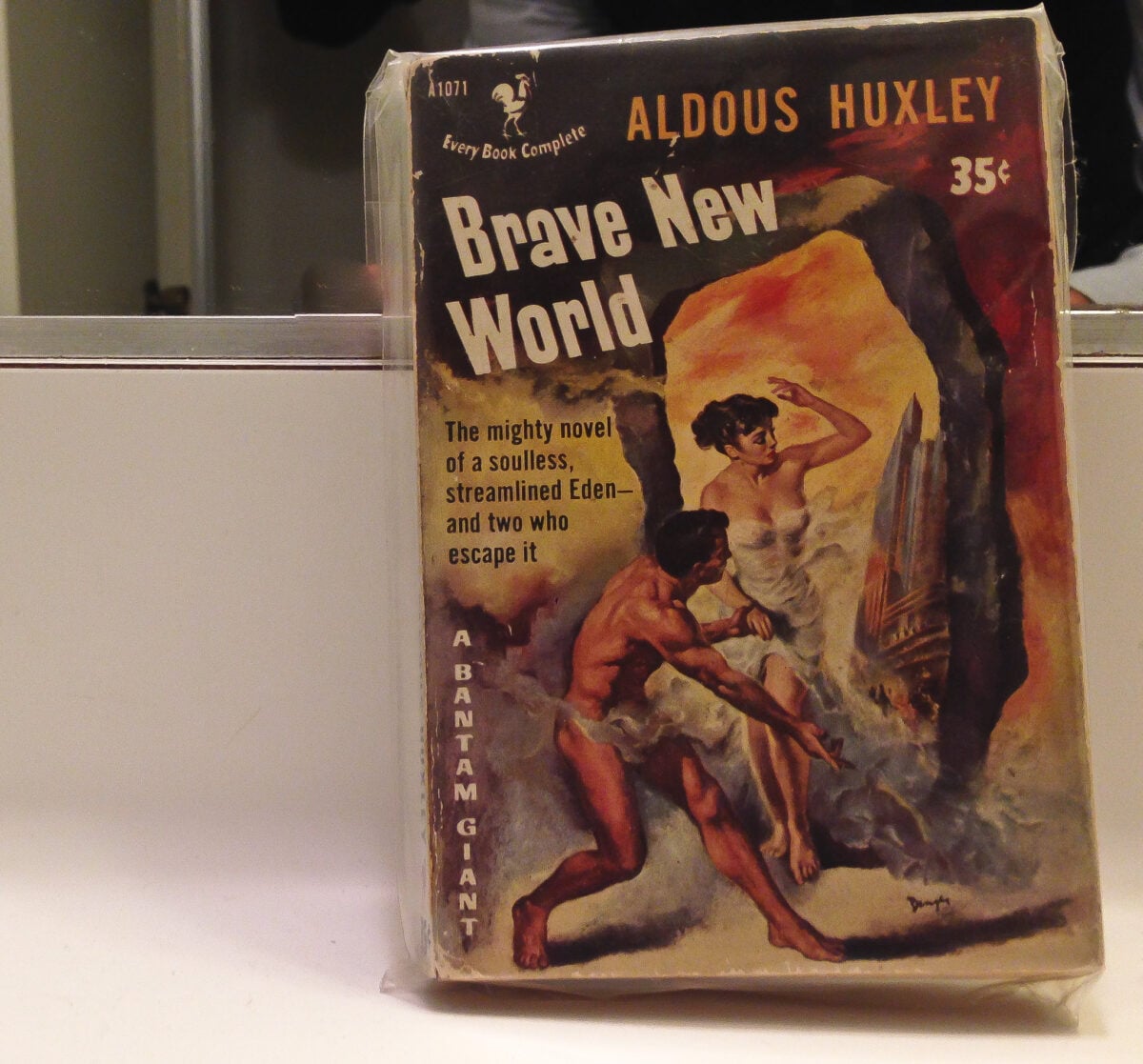
Huxley looked around in 1932 and imagined a future where everyone took pills to stay happy and avoid discomfort. Decades before modern antidepressants and anxiety medications became normal, he created “soma,” the drug that kept his society calm and obedient.
He wrote about genetic engineering and designer babies back when that seemed completely impossible. Now scientists can edit genes, and parents can screen embryos for certain traits.
Huxley’s world worshipped youth, beauty, and endless consumption while making sure nobody ever felt uncomfortable. People traded freedom for comfort without even realizing what they’d given up.
Sound familiar?
The Handmaid’s Tale by Margaret Atwood
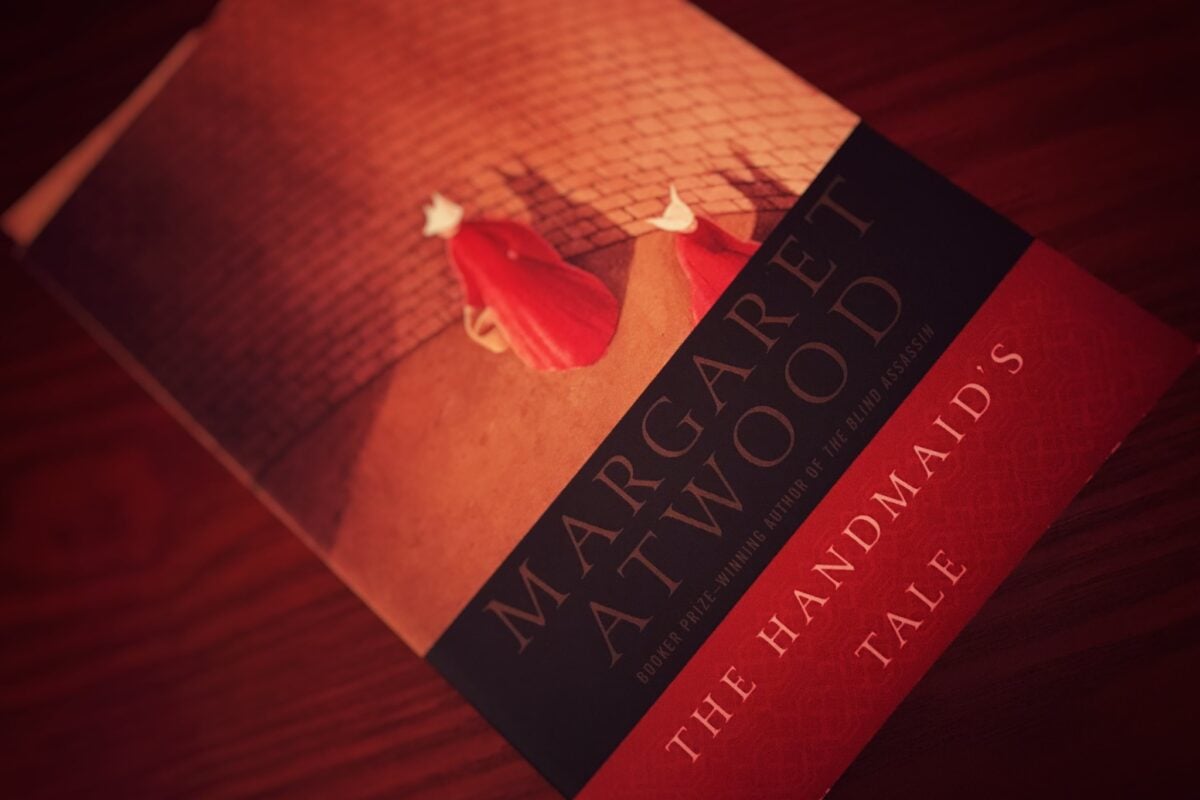
Atwood set her 1985 book in a near-future America, not some distant time that felt impossible to reach. She showed how rights could vanish slowly at first, then all at once when people weren’t paying attention.
Her characters woke up one day to find their bank accounts frozen and their credit cards shut off. Technology became a tool for control rather than freedom.
The book dealt with environmental disasters making fertility a crisis, something that feels more relevant as climate change worsens and birth rates drop in many countries. Atwood understood that extreme situations don’t come out of nowhere.
They build gradually while everyone assumes things will stay normal. Her warning was that democracy is more breakable than people think.
Neuromancer by William Gibson
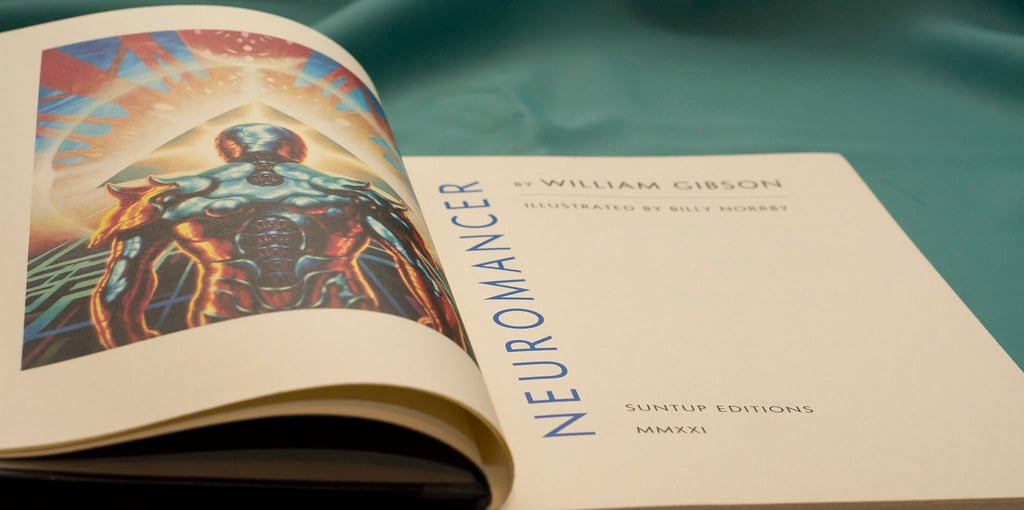
Gibson wrote this in 1984 and basically invented the internet before it existed. He described hackers plugging into a digital world called cyberspace, which sounds exactly like what people do now.
His “matrix” came before the World Wide Web, before most people owned computers. Gibson saw artificial intelligence coming, predicted virtual reality, and understood that information would become the most valuable thing in the world.
He imagined giant corporations with more power than governments, which doesn’t feel like fiction when looking at today’s tech companies. The book’s gritty, neon-lit world influenced countless movies and games.
Gibson didn’t just predict technology. He predicted what that technology would feel like to live with.
Like Go2Tutors’s content? Follow us on MSN.
Snow Crash by Neal Stephenson
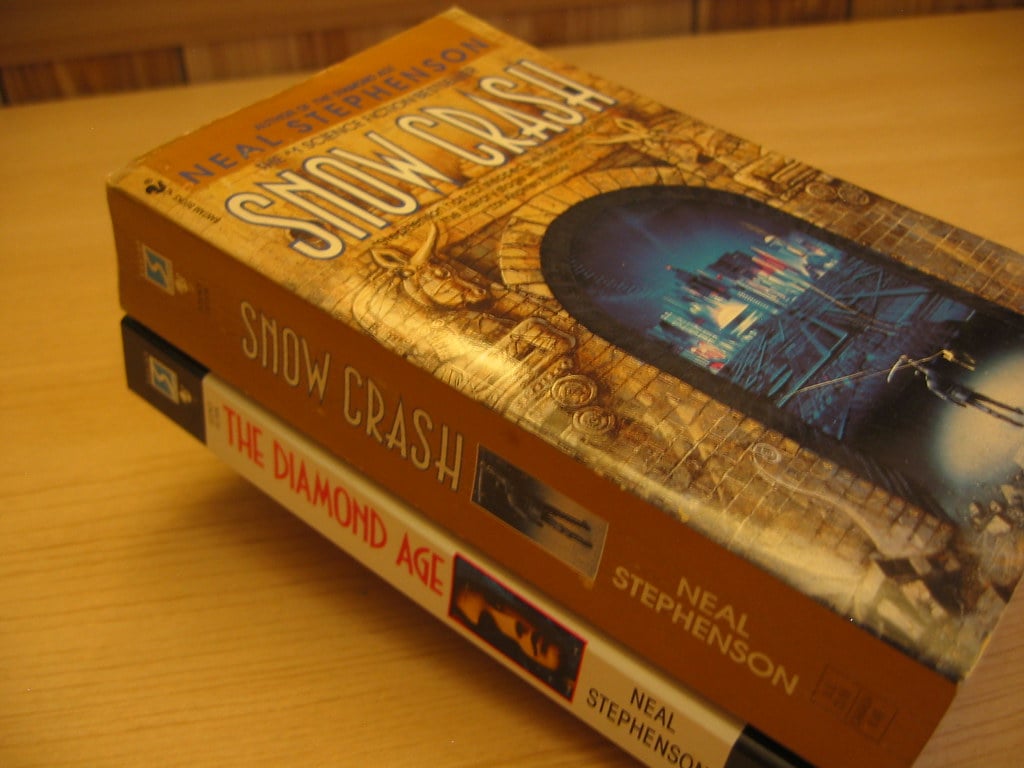
Stephenson published this in 1992 and called his virtual world the “Metaverse,” where people’s avatars hung out, worked, and played. Decades later, tech companies keep trying to build exactly what he described. His future showed governments losing power while corporations took over, running things like franchises instead of nations.
The book predicted gig economy workers before that became the way millions of people earn a living. Stephenson treated information like a virus that could actually infect people’s minds, spreading through technology.
He mixed wild humor with serious predictions, like making pizza delivery a life-or-death profession run by organized crime. Reading it now feels like checking off a list of things that actually happened, even the weird stuff.
Stand on Zanzibar by John Brunner
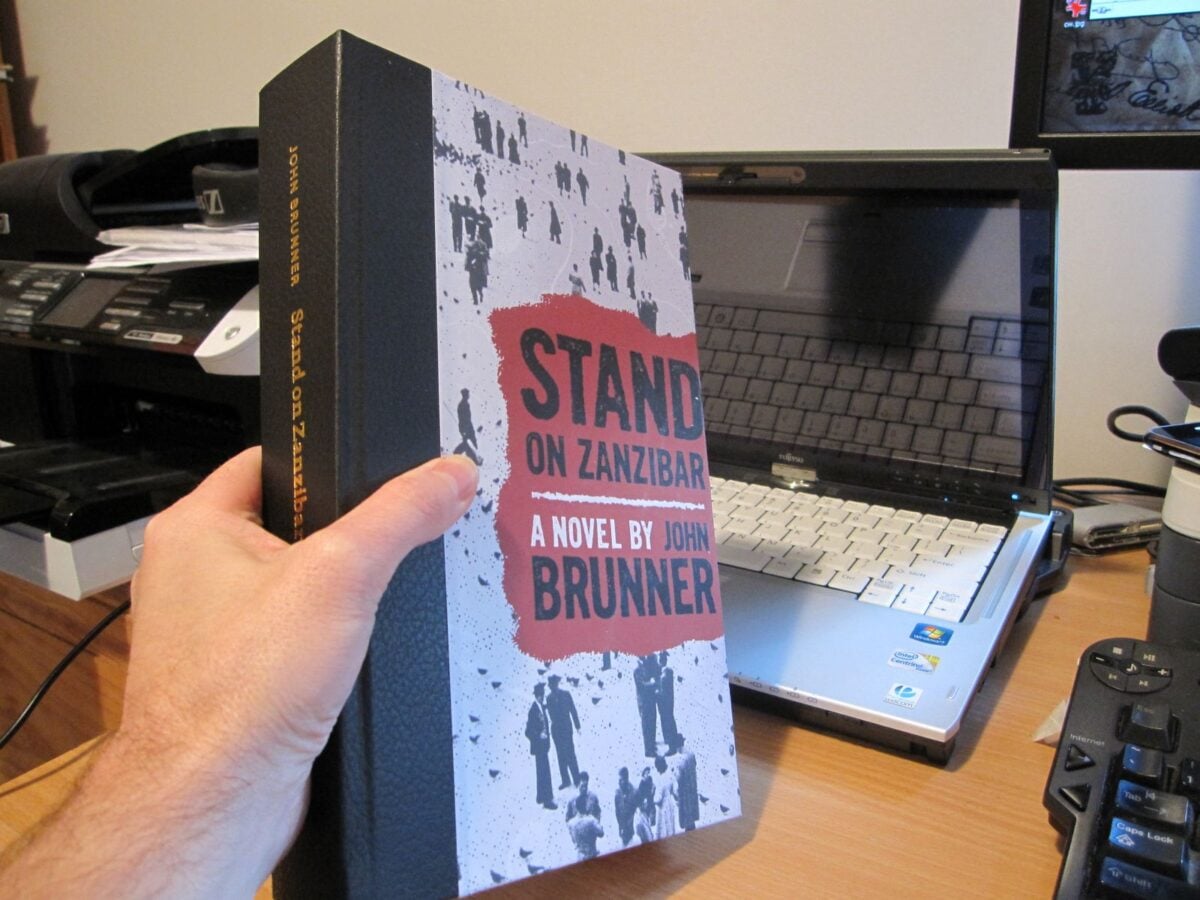
Brunner tackled overpopulation, genetic engineering, and information overload in 1968, way before these became everyday concerns. He predicted terrorism as a constant background threat, random violence in society, and cities packed with too many people fighting for space.
The book described something very close to computer viruses decades before they existed. His characters drowned in too much information from too many sources, unable to process it all.
Brunner saw how population pressure would create resource wars and increase tension everywhere. He even got cultural shifts right, predicting changing attitudes about personal freedom and certain substances.
The book throws a lot at readers at once, mirroring the information chaos it predicted.
The Machine Stops by E.M. Forster
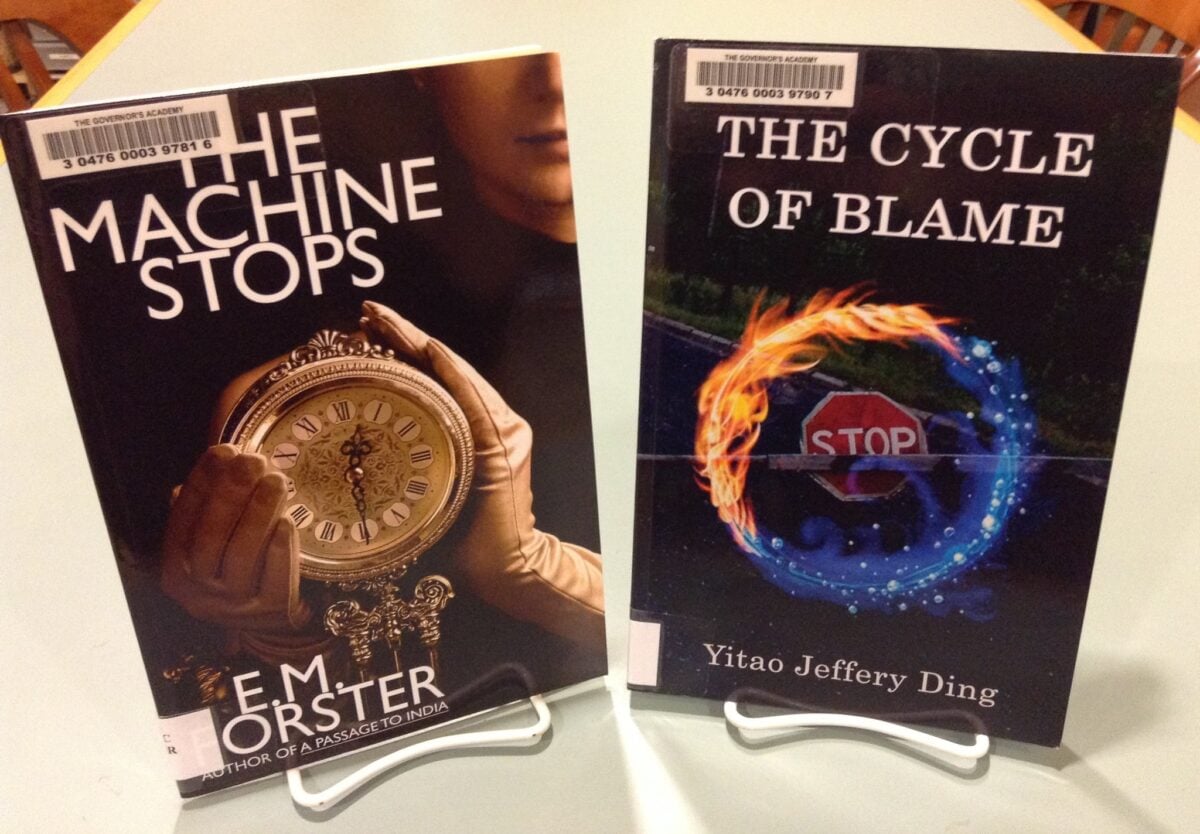
Forster wrote this short story in 1909, and it predicted video calls, instant messaging, and people living alone in rooms while machines did everything. His characters never met in person.
They only talked through screens, which sounds exactly like video chat culture today. Everyone in the story worshipped the technology that ran their lives, trusting it completely.
When the machine finally broke down, nobody knew how to survive without it. Forster saw remote work, online learning, and digital isolation over a century before they happened.
His warning about becoming too dependent on systems nobody understands hits differently after every website crash or power outage that brings modern life to a halt.
Like Go2Tutors’s content? Follow us on MSN.
The Space Merchants by Frederik Pohl and C.M. Kornbluth
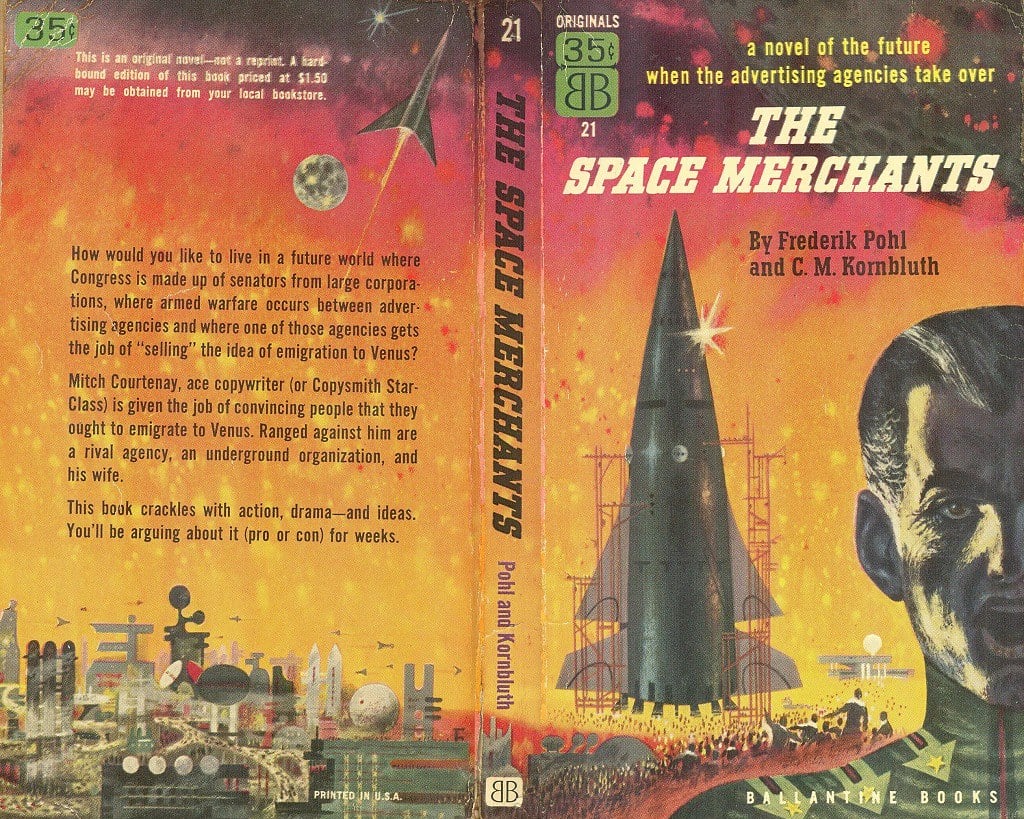
These authors wrote this in 1952 and imagined a future run by advertising agencies instead of governments. Marketing executives held real power, and every surface became a place to sell something.
They predicted focus groups, targeted ads based on personal information, and the blending of entertainment with advertisements. The book showed corporations using psychology to create needs that didn’t exist before, manipulating people into buying things they didn’t want.
Pohl and Kornbluth understood that capitalism would eventually try to monetize every single moment of life. Their satire about consumers becoming more important than citizens looks less funny and more accurate with each passing year.
The attention economy they described is basically how social media works now.
Parable of the Sower by Octavia Butler
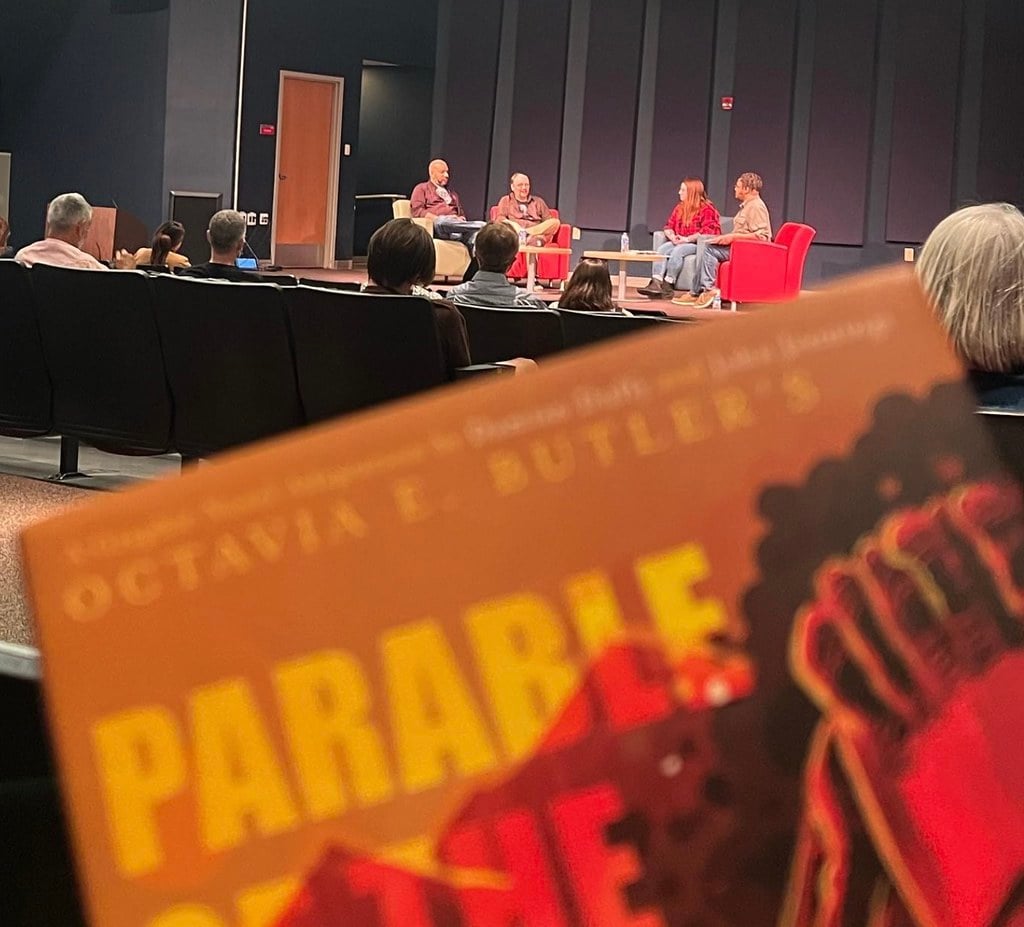
Butler published this in 1993, showing an America torn apart by climate disasters, economic collapse, and violence. Rich people lived in gated communities while everyone else fought to survive outside the walls.
She predicted water becoming scarce, mass migrations because of environmental catastrophes, and a leader promising to restore some imagined great past. Butler understood that climate change would make existing problems worse, especially for people already struggling.
The book showed infrastructure falling apart, schools closing, and basic services becoming luxuries. Her protagonist created a new philosophy based on accepting change instead of fighting it.
Butler wrote about adaptation and survival when everyone else was still assuming things would stay normal.
Do Androids Dream of Electric Sheep? by Philip K.
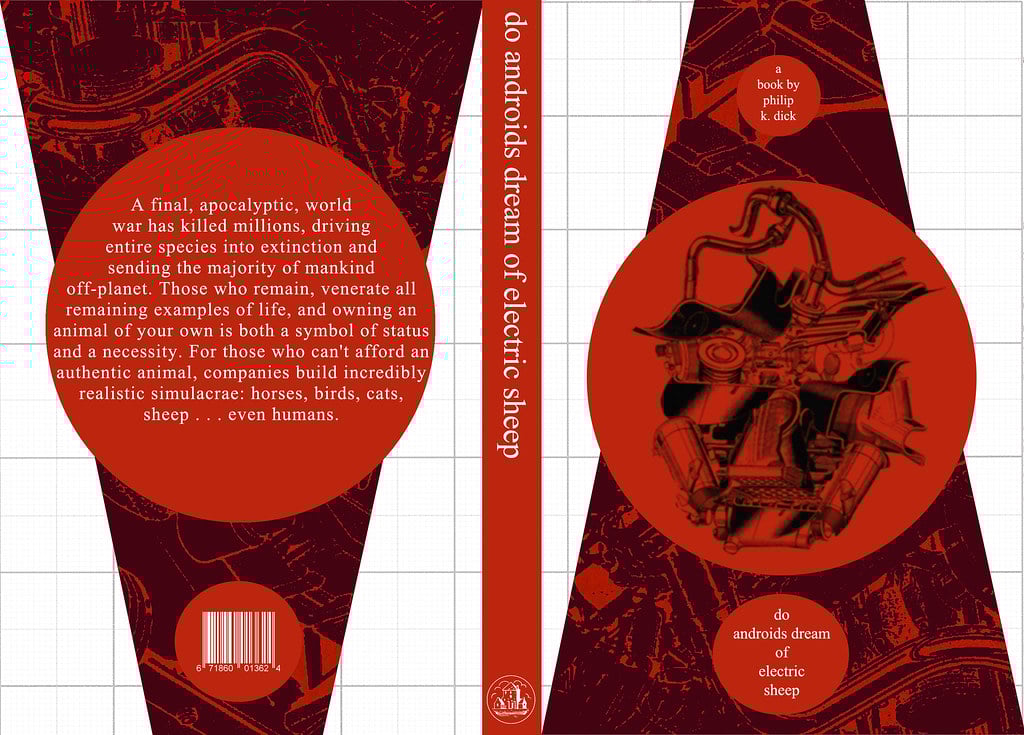
This 1968 novel asked what makes someone human when artificial beings look and act just like people. Today’s debates about AI, chatbots that seem human, and whether machines can be conscious echo those same questions.
The book’s environmental collapse killed most animals, making real pets incredibly rare and valuable. That predicted current extinction crises better than anyone wanted.
In the story, owning a real animal became a status symbol because artificial ones were all most people could afford. The novel explored empathy as the key difference between humans and androids.
Now that technology can fake emotional responses, those questions feel a lot more urgent. Should artificial beings have rights? Nobody had good answers then, and people still don’t.
Like Go2Tutors’s content? Follow us on MSN.
Player Piano by Kurt Vonnegut
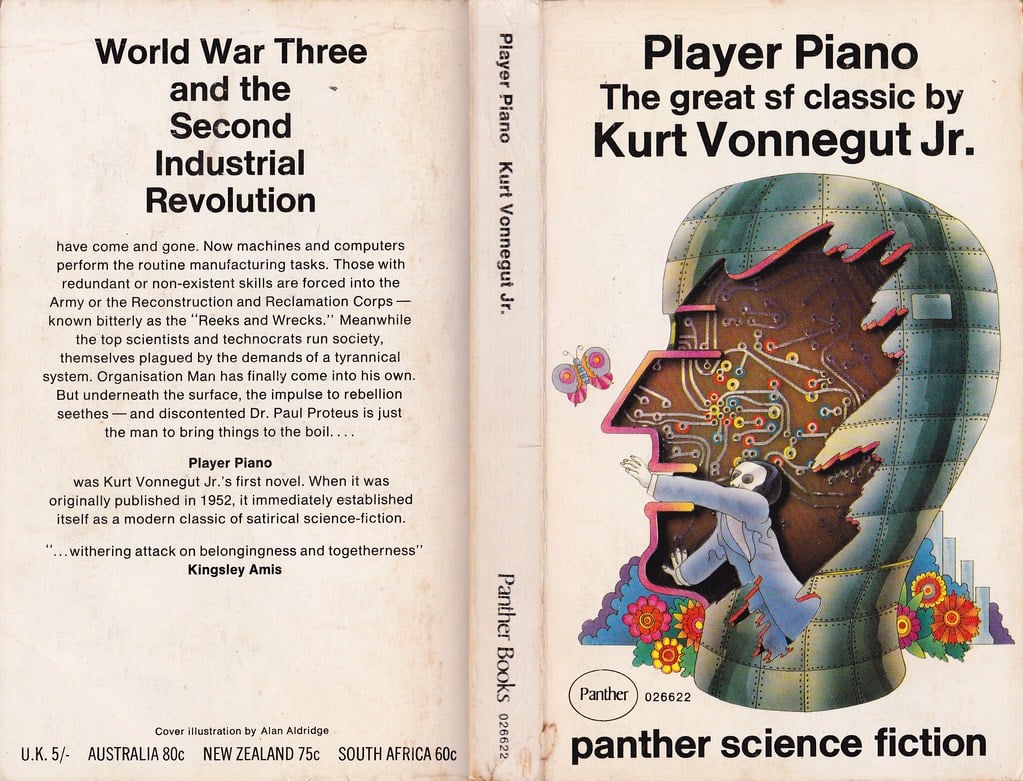
Vonnegut’s first novel from 1952 dealt with machines replacing workers and splitting society into groups. He predicted anxiety about automation taking jobs, leaving masses of people without work or purpose.
His fictional world is divided between the engineers who managed machines and everyone else who became useless. Vonnegut saw wealth and power concentrating around technology, creating anger and instability.
The book’s characters desperately wanted meaningful work in a world where machines did everything better and cheaper. Those same debates happen now about universal basic income and what happens to human dignity when algorithms can do any job.
Vonnegut asked these questions seventy years ago, and society still hasn’t figured out the answers.
The Circle by Dave Eggers

Eggers wrote this in 2013, showing where social media culture was heading. His fictional tech company pushed total transparency, making privacy seem suspicious and old-fashioned.
The book’s “completion” concept linked all accounts and activities into one profile, which is basically what tech companies push people toward now. Eggers predicted the pressure to share everything online, the turning of social interaction into a game with likes and ratings, and how companies monetize every detail of users’ lives.
His characters gave up privacy willingly, trading it for convenience and the feeling of connection. The book shows how easily people accept surveillance when it comes packaged as community.
Nobody forces it. People just go along because everyone else does.
The Postman by David Brin
Brin’s 1985 novel wasn’t just about surviving after society collapsed. It focused on how symbols and stories rebuild civilization when everything falls apart.
He showed how fragile modern infrastructure really is and how quickly normal life could end. His characters formed isolated communities with their own rules after losing connection to the wider world.
The book explored how belief in institutions sometimes matters more than the institutions themselves. A fake postman giving people hope helped more than the actual government could have.
Brin predicted concerns about America fragmenting, with different regions unable to agree on shared reality. His answer involved communication and connection mattering more than technology when putting society back together.
Like Go2Tutors’s content? Follow us on MSN.
Super Sad True Love Story by Gary Shteyngart
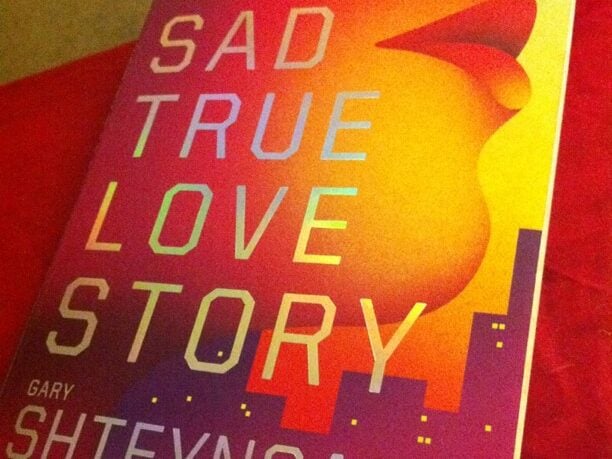
Shteyngart published this in 2010, showing a near-future America drowning in debt and obsessed with staying young. Characters rated each other’s attractiveness and worth through their phones constantly, which predicted dating app culture perfectly.
The book showed literacy declining, people unable to focus on anything long, and entertainment replacing every serious topic. Shteyngart wrote about financial instability crushing young adults and America losing its place in the world.
His corporate-controlled future erased privacy and turned everyone into products to be ranked and judged. The novel captured what it feels like to live under constant evaluation through social media.
Everyone becomes a brand, and every moment becomes content. It was satire when he wrote it but feels more like a documentary now.
The Diamond Age by Neal Stephenson
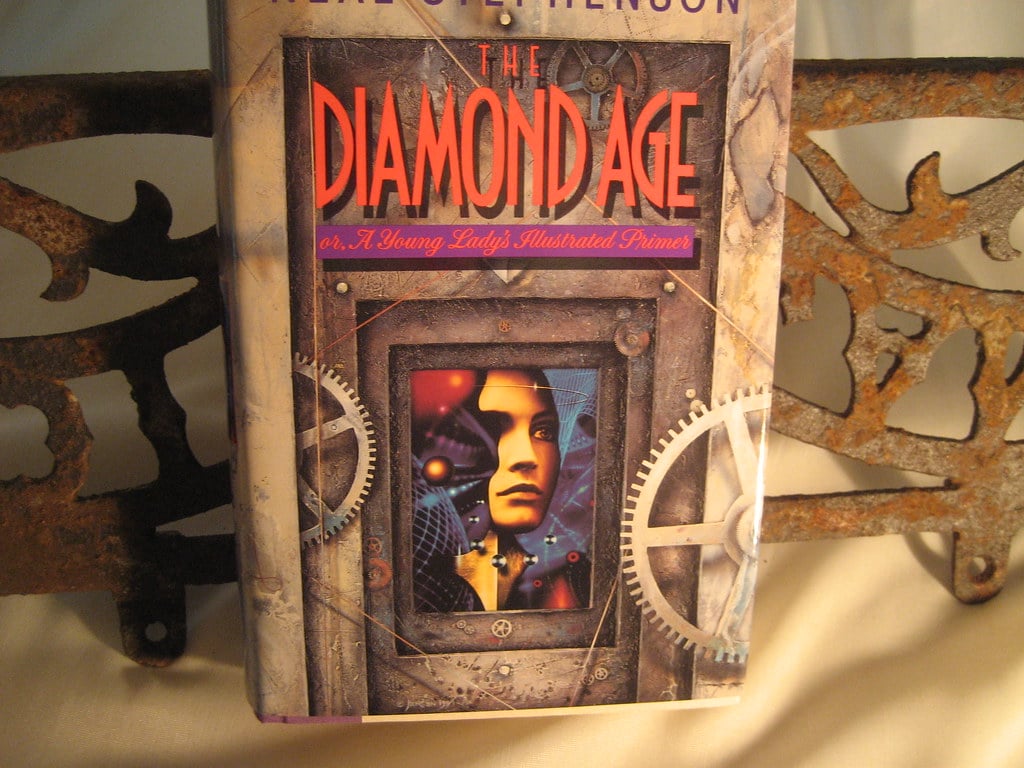
Stephenson’s 1995 book predicted nanotechnology, AI tutors that personalized education, and nation-states breaking down. He imagined manufacturing happening at the molecular level and social class determined by access to information.
The interactive primer in his story adapted to teach each child individually, basically describing modern adaptive learning software. Stephenson predicted cryptocurrency-style economics, distributed networks, and communities forming around culture instead of geography.
His vision showed technology as either a tool for equality or oppression depending on who controlled it. Different groups in the book used the same technology in completely opposite ways.
The novel explored how the same invention could free some people while trapping others, which captures the internet’s contradictions perfectly.
The Minority Report by Philip K.
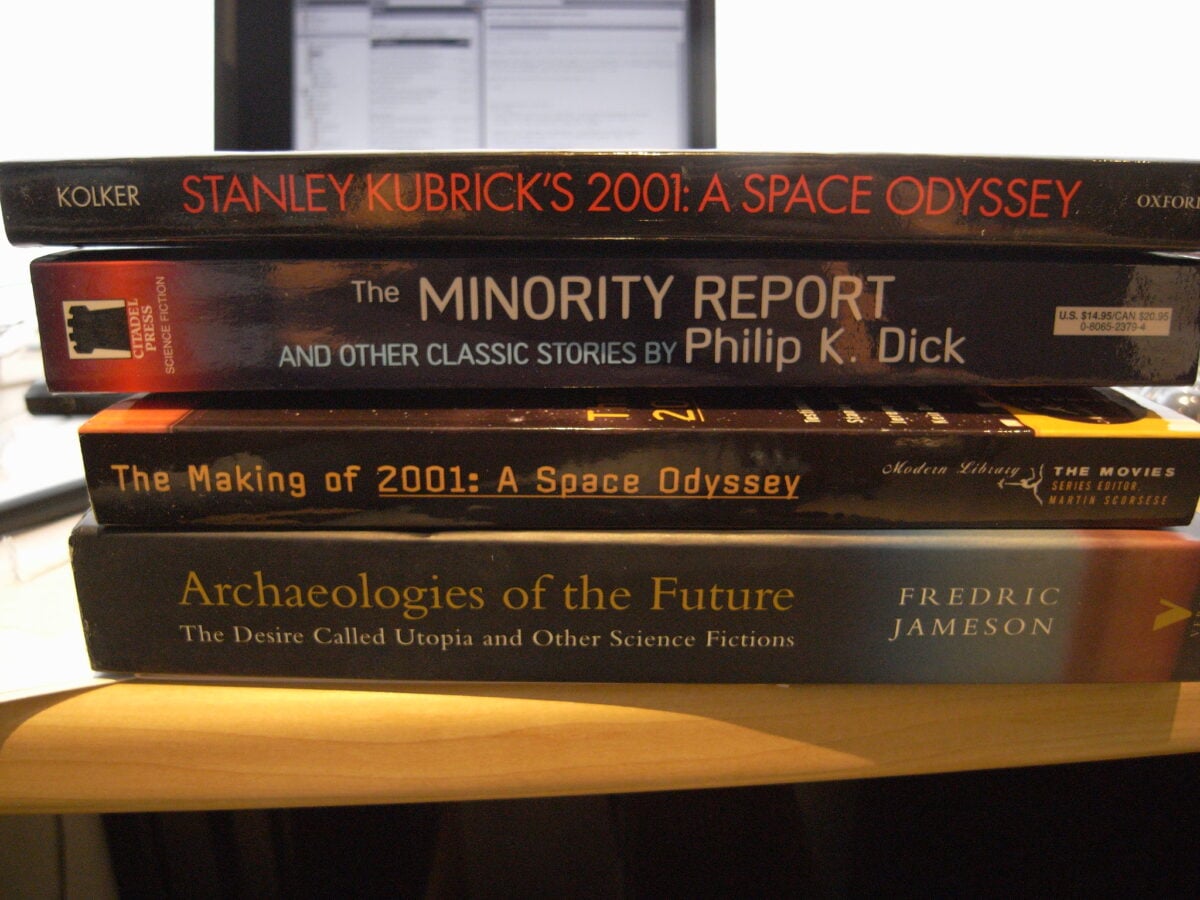
This 1956 short story imagined police predicting crimes before they happened and arresting people for things they hadn’t done yet. Today’s predictive policing algorithms try to do exactly that, analyzing data to guess where crimes might occur.
The story raised questions about free will and whether punishing people for future actions makes sense. Modern debates about surveillance, facial recognition, and pre-emptive security echo those same concerns.
The story understood that the desire for perfect safety would clash with civil liberties. Technology could track and predict behavior patterns, but should it? And who decides when prevention crosses the line into injustice? These questions only get more complicated as technology improves.
Like Go2Tutors’s content? Follow us on MSN.
Looking at then to understand now
These authors didn’t predict the future through guesswork or luck. They watched their own times carefully and followed the trends to logical endpoints.
Their books came true because human nature stays consistent even when technology changes. The warnings they wrote about trading freedom for comfort, distraction for thought, and privacy for convenience all happened pretty much as they said.
Reading these books today offers more than entertainment. They provide context for understanding current problems and maybe hints about what choices will shape tomorrow.
The future these writers imagined has mostly arrived, and the next future is already taking shape. Paying attention to the patterns now might help, just like it helped them.
More from Go2Tutors!

- 16 Historical Figures Who Were Nothing Like You Think
- 12 Things Sold in the 80s That Are Now Illegal
- 15 VHS Tapes That Could Be Worth Thousands
- 17 Historical “What Ifs” That Would Have Changed Everything
- 18 TV Shows That Vanished Without a Finale
Like Go2Tutors’s content? Follow us on MSN.