32 Legendary Music Festivals That Defined the Year They Took Place
There are concerts, and then there are festivals that become shorthand for an entire moment in time. The year stops mattering as a number and starts mattering as a feeling — 1969 is Woodstock, 1985 is Live Aid, 1992 is Nirvana at Reading.
Something about gathering tens of thousands of people in a field, a desert, or an island and letting music run for days produces occasions that no single performance on a stage could replicate. These are the festivals that didn’t just happen in their year.
They defined it.
Newport Jazz Festival, 1958
The Newport Jazz Festival had been running since 1954, but 1958 was the edition that cracked open its walls. Chuck Berry’s appearance at an event that prided itself on jazz purity caused genuine friction — he was rock and roll, and nobody was quite sure rock and roll belonged there.
The performance was filmed for Bert Stern’s documentary Jazz on a Summer’s Day, which brought festival culture into cinemas for the first time and planted the idea that a music gathering could be something people wanted to watch as well as attend.
Newport Folk Festival, 1963
Joan Baez and Bob Dylan shared a stage at Newport Folk in 1963, and the photograph of them together became one of the defining images of the folk revival. Dylan was still largely unknown outside dedicated folk circles, and his Newport performances — alongside Baez, Peter, Paul and Mary, and Pete Seeger — established him as the voice of a generation before most of America had heard his name.
The 1963 festival remains the moment the folk movement understood its own scale.
Monterey International Pop Festival, 1967
Held at the Monterey County Fairgrounds in June 1967, this three-day event was planned in just six weeks and became the first major rock festival in history. Jimi Hendrix set his guitar alight at the end of his set — his US debut — and Janis Joplin delivered a performance so ferocious it launched her from regional cult act to national star overnight.
The festival established that rock music had outgrown the clubs and ballrooms that had contained it, and it gave birth to the outdoor concert as a serious venue.
Newport Folk Festival, 1965
Two years after his breakout at Newport, Dylan walked onstage with an electric guitar. The crowd’s reaction has been debated ever since — there was booing, though exactly how much and from whom remains contested.
What is not in dispute is that the performance marked the moment folk music fractured into acoustic tradition and electric rock, a divide that shaped popular music for the next decade. Pete Seeger reportedly wanted to cut the sound cables.
Dylan played three songs and left.
Woodstock, 1969
The three-day festival in Bethel, New York drew somewhere between 400,000 and 500,000 people to a site that had been designed for 50,000. Jimi Hendrix closed the event on Monday morning, playing to a crowd that had been sleeping in mud for three days.
Woodstock didn’t invent the outdoor festival — Monterey did — but it made the festival a cultural institution. The traffic jams stretched for 20 miles.
New York Governor Nelson Rockefeller considered sending the National Guard. The dairy farmer Max Yasgur, on whose land the whole thing took place, became a folk hero.
Altamont Free Concert, 1969
Four months after Woodstock, the Rolling Stones headlined a free festival at Altamont Speedway in California that became everything Woodstock wasn’t. The Hells Angels, hired as security for $500 worth of beer, were involved in multiple violent incidents, including the death of Meredith Hunter near the front of the stage during the Stones’ set.
Altamont wasn’t just a tragedy — it became the symbolic end of 1960s idealism, the moment the decade’s faith in peace and music collided with the reality of what happened when you gathered 300,000 people with inadequate planning and no actual crowd management.
Isle of Wight Festival, 1970
By 1970, the Isle of Wight Festival had grown to an estimated 600,000 people — larger than Woodstock, larger than anything that had come before it. The lineup included Jimi Hendrix (one of his final performances before his death approximately three weeks later), The Who, The Doors, and Joni Mitchell.
The sheer scale of the gathering alarmed the British government sufficiently that Parliament passed the Isle of Wight Act the following year, requiring a license for gatherings of more than 5,000 people — effectively ending the festival for three decades.
Watkins Glen Summer Jam, 1973
Summer Jam at Watkins Glen in upstate New York attracted an estimated 600,000 people to watch The Allman Brothers Band, the Grateful Dead, and The Band. It remains one of the largest concert gatherings ever recorded in the United States, and it did something Woodstock had not quite managed: it ran without serious incident, on time, and largely as planned.
The event proved that the logistical chaos of 1969 wasn’t inherent to large-scale outdoor music — it was a planning failure, not a crowd failure.
Live Aid, 1985
Organized by Bob Geldof and Midge Ure to raise funds for famine relief in Ethiopia, Live Aid ran simultaneously at Wembley Stadium in London and JFK Stadium in Philadelphia on July 13, 1985. Queen’s performance at Wembley — 21 minutes during which Freddie Mercury played the crowd as if each person were in a room alone with him — is still widely considered the greatest live performance in rock history.
The concert raised over $125 million and permanently established the idea that popular music had a role in humanitarian response.
Rock in Rio, 1985
Held in January 1985 in Rio de Janeiro, the first Rock in Rio drew 1.5 million people across ten days and broadcast its performances to over 60 countries. Queen headlined alongside AC/DC, Ozzy Osbourne, Rod Stewart, and James Taylor — an eclectic lineup that suggested the festival’s ambition was genuinely international.
Brazil had never staged anything remotely comparable, and Rock in Rio’s success established South America as a major destination for global touring acts at a time when most major concerts simply didn’t happen there.
Glastonbury, 1990
The 1990 Glastonbury was the year the festival found its permanent identity. Sinéad O’Connor, The Cure, and Happy Mondays headlined, but what mattered was the Pyramid Stage’s scale and the sense that Glastonbury had grown from a counterculture gathering into something that could contain an entire week of mainstream culture while remaining stubbornly itself.
The 1990 edition drew 70,000 people and generated such significant revenue that Michael Eavis began donating a portion to Oxfam — a relationship that has continued ever since.
Lollapalooza, 1991
Perry Farrell conceived Lollapalooza as a farewell tour for his band Jane’s Addiction, a traveling festival that would move from city to city rather than anchoring to one location. The 1991 edition — featuring Nine Inch Nails, Ice-T, Living Colour, and Siouxsie and the Banshees alongside the headliners — was so commercially successful that it became an annual event and defined alternative rock’s mainstream breakthrough.
Before Lollapalooza, alternative music was a genre category. After it, alternative music was a touring economy.
Reading Festival, 1992
Nirvana had released Nevermind the previous September and spent the intervening months watching it rewrite the global charts. Their Reading set in August 1992 — Kurt Cobain famously arrived onstage in a wheelchair, then leapt up to open with “Breed” — is still considered one of the most complete live performances in rock history.
The festival itself was already 30 years old, but 1992 was the edition that confirmed Reading as the place where a generation went to mark the arrival of whatever came next.
Glastonbury, 1995
Oasis headlined the Pyramid Stage at Glastonbury in 1995 during the peak of Britpop’s cultural dominance, and the performance has since been identified as the precise moment Britpop moved from music press phenomenon to mass cultural event. Noel Gallagher played the set with a broken hand, which he had sustained several days earlier.
The crowd sang every word back at the band before the songs were finished. Whatever was happening in British culture that summer, Glastonbury 1995 was where it reached its loudest point.
Tibetan Freedom Concert, 1996
The Tibetan Freedom Concert was organized by the Beastie Boys in Golden Gate Park, San Francisco, in June 1996, drawing 100,000 people and raising significant funds for the Tibetan independence movement. The event brought together Rage Against the Machine, Smashing Pumpkins, Radiohead, and Red Hot Chili Peppers under an explicitly political banner.
What made it significant beyond its lineup was the proposition it tested: that a generation raised on alternative rock would turn up for a cause as well as for music. They did.
Glastonbury, 1997
The 1997 Glastonbury coincided with a moment of intense national feeling in Britain — Tony Blair’s Labour Party had just won a landslide election, and the cultural mood was unusually optimistic. Radiohead headlined on the Friday night and delivered a performance widely regarded as the definitive live document of OK Computer, released just a month earlier.
The convergence of one of the decade’s most significant albums with one of its most charged political moments gave the 1997 edition a weight that no other Glastonbury has quite replicated.
Coachella, 1999
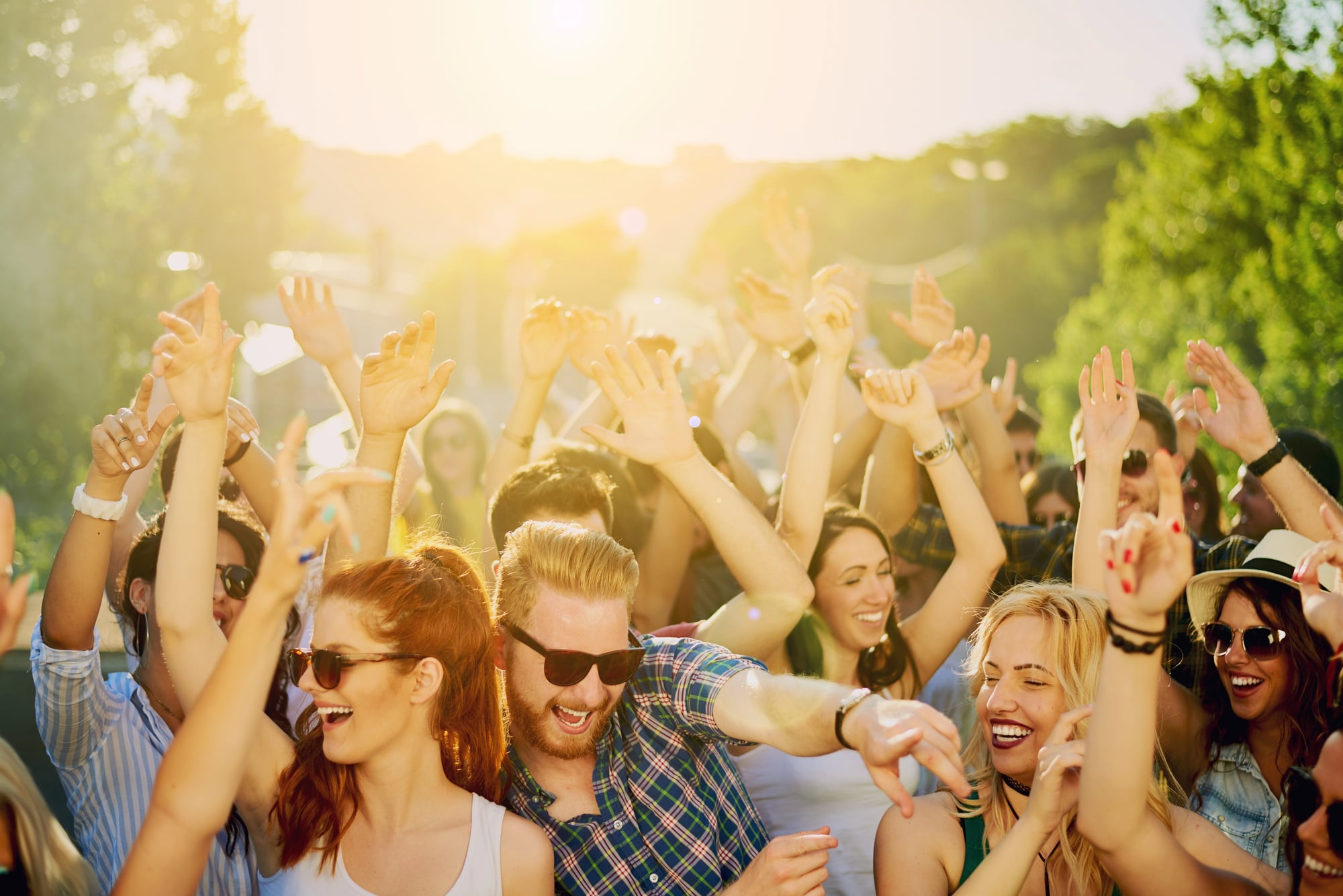
The first Coachella took place in October 1999 on the Empire Polo Club grounds in Indio, California, with Beck, Rage Against the Machine, and Tool headlining. The festival sold only 25,000 tickets, failed to turn a profit, and was cancelled for the following year.
Its revival in 2001 positioned it as an April desert event, and that combination — the heat, the art installations, the distance from Los Angeles — gradually transformed Coachella from a struggling indie festival into the most photographed event on the annual cultural calendar.
Woodstock ’99
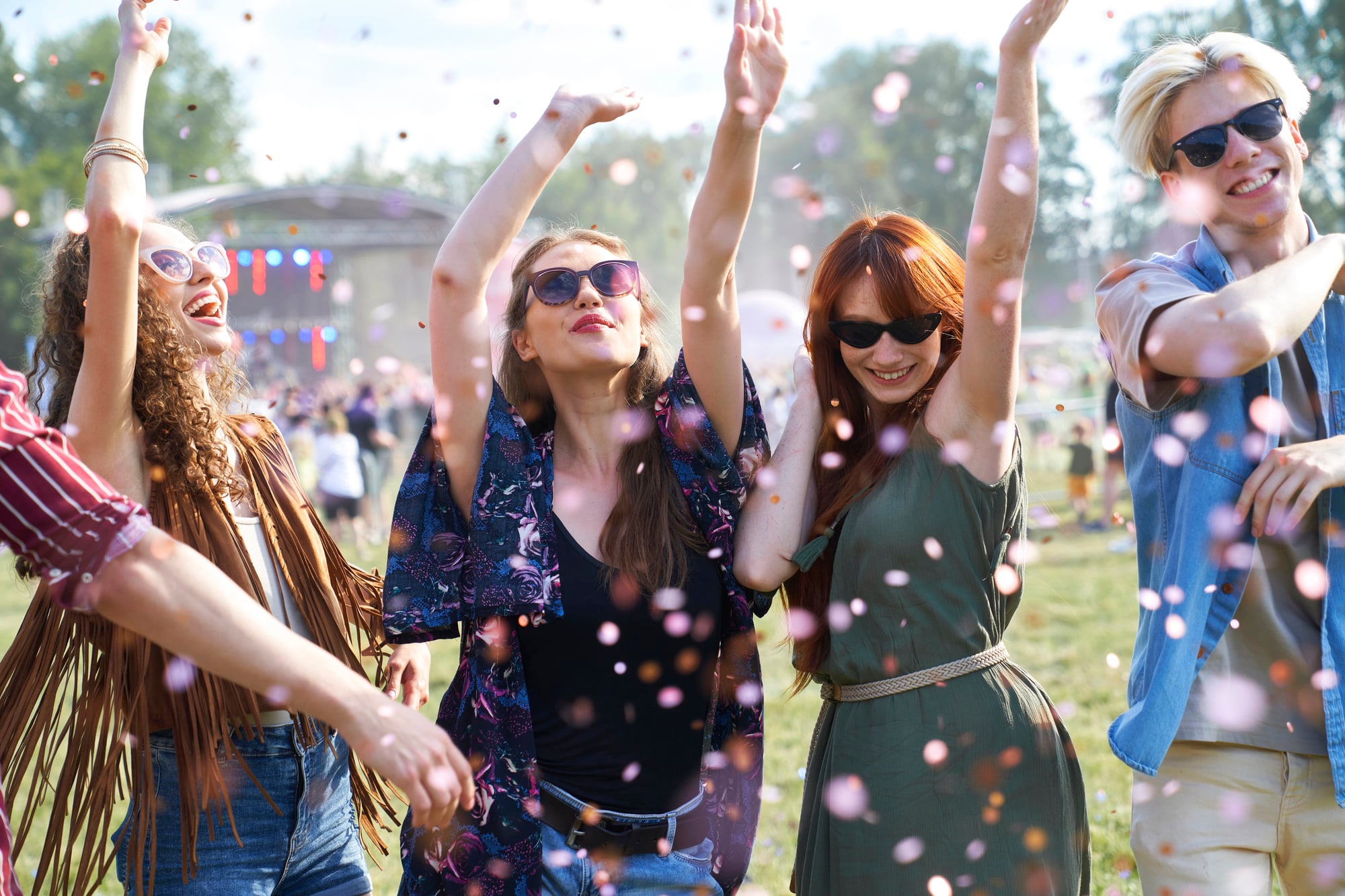
Woodstock ’99 didn’t define its year as a triumph. It defined it as a warning.
Held at an air force base in Rome, New York, with inadequate water supplies, overpriced food, and temperatures exceeding 100 degrees Fahrenheit, the festival devolved into rioting, arson, and widespread disorder on its final night. The lineup — Korn, Limp Bizkit, Metallica, Red Hot Chili Peppers — was not the problem.
The problem was the assumption that the original festival’s name carried enough goodwill to sustain a commercial event with none of its original ethos. It did not.
Bonnaroo, 2002
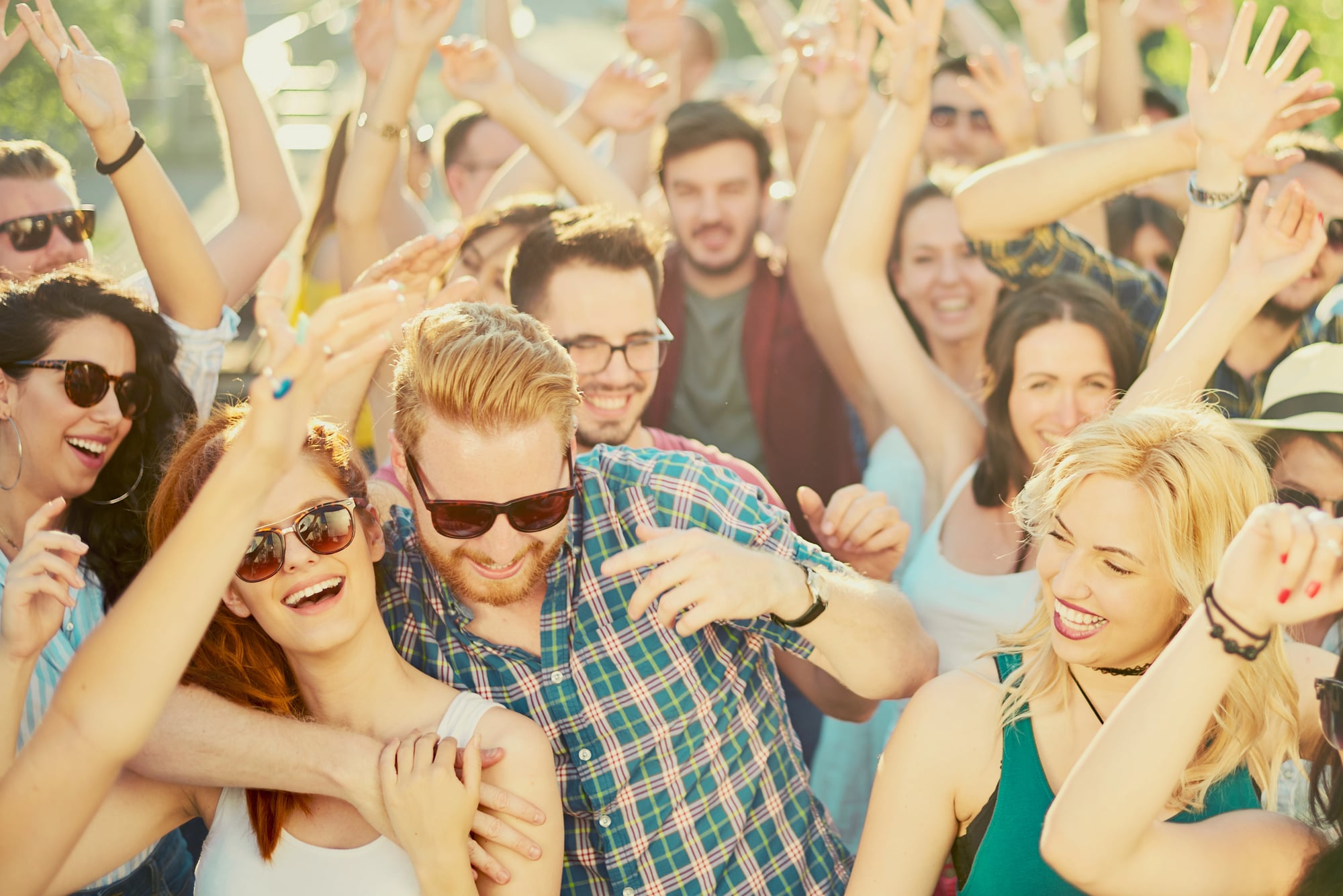
The first Bonnaroo, held on a 700-acre farm in Manchester, Tennessee, sold 70,000 tickets in a matter of weeks to an event that had almost no prior marketing. The lineup centered on jam bands — Trey Anastasio, Widespread Panic, David Grisman — but the festival’s format and atmosphere drew a crowd that would expand dramatically in subsequent years.
Bonnaroo proved that a greenfield event could succeed without corporate sponsorship, in a location without existing infrastructure, purely on the credibility of its curation.
Glastonbury, 2003
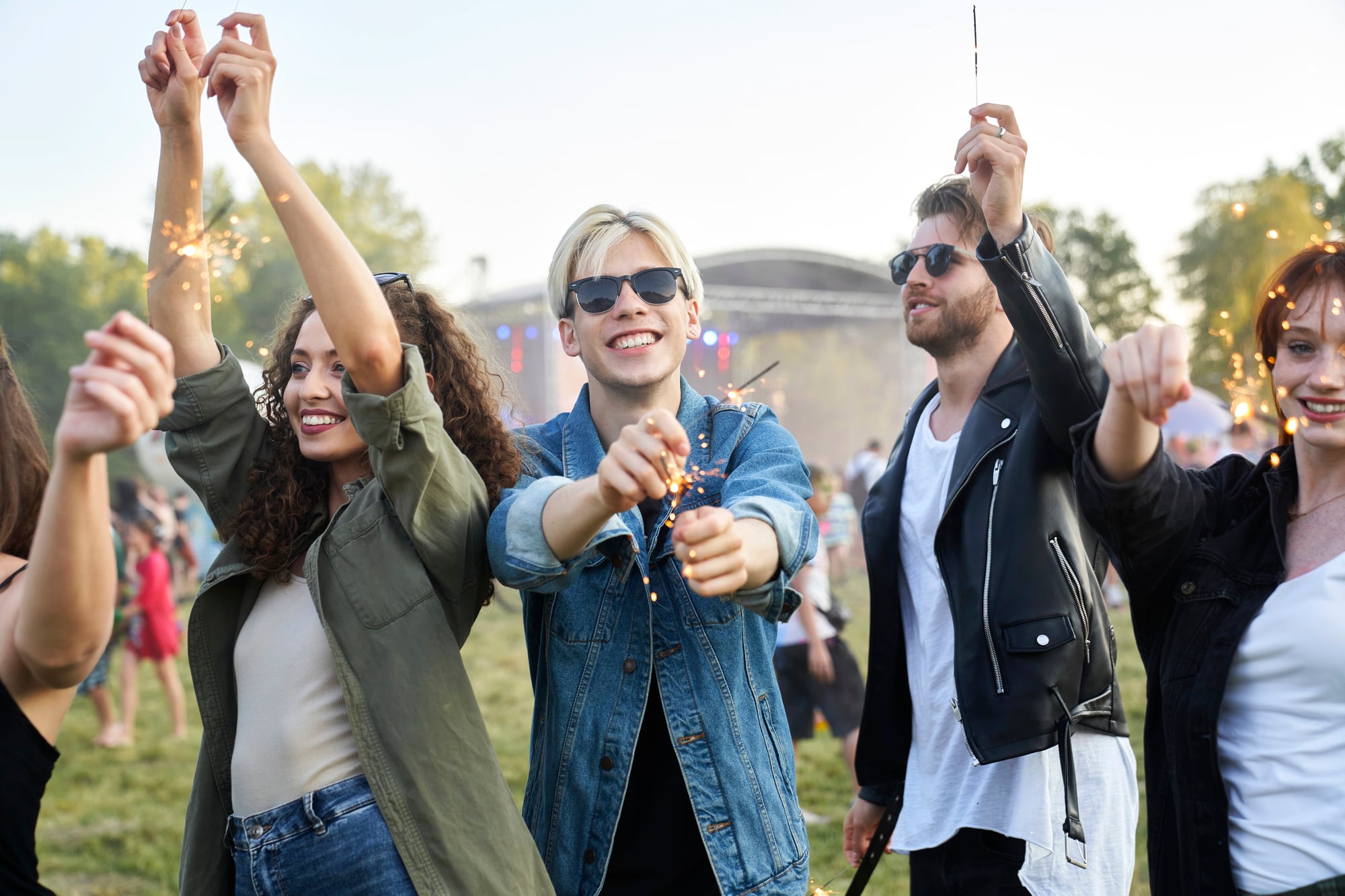
Beyoncé headlined Glastonbury in 2003 before she was widely regarded as a solo superstar on par with what she would become, and the performance was revelatory. More significantly, the 2003 edition was the first to sell out in advance — exhausting its 112,000 tickets before a single act was announced, purely on the festival’s reputation.
That had never happened before, and it changed how Glastonbury understood its own value. The festival was no longer selling music.
It was selling the experience of being there.
Coachella, 2004
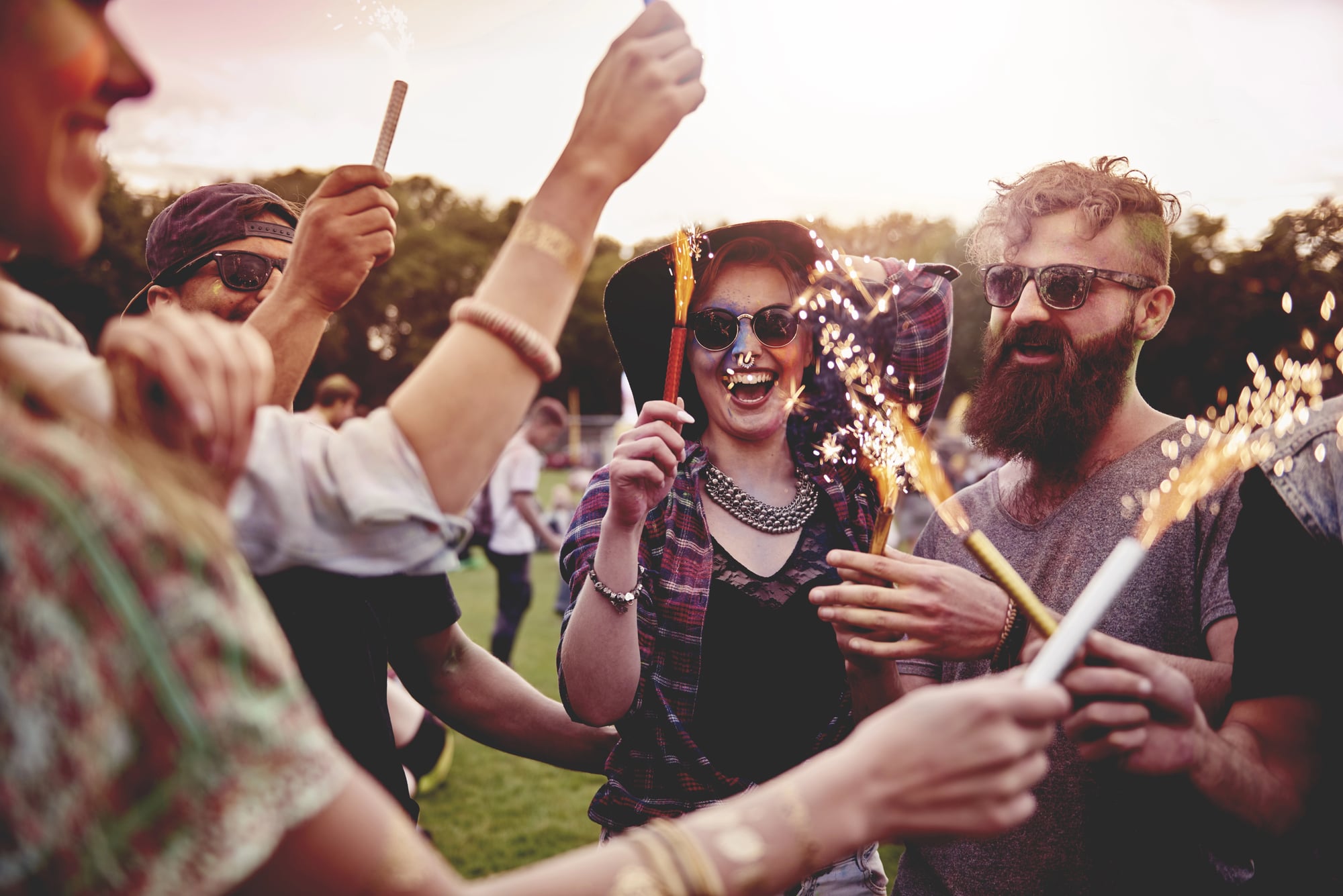
The 2004 Coachella featured The Pixies, Radiohead, The Cure, Björk, and Air across its lineup — an assembly that made clear the festival’s ambition to become the defining curatorial statement of the American independent music world. The Pixies’ performance was their first since reuniting after a decade apart, and the footage circulated widely enough online to reach people who would not attend a music festival and never had.
2004 was the year Coachella became a cultural reference point rather than just an event.
Glastonbury, 2008
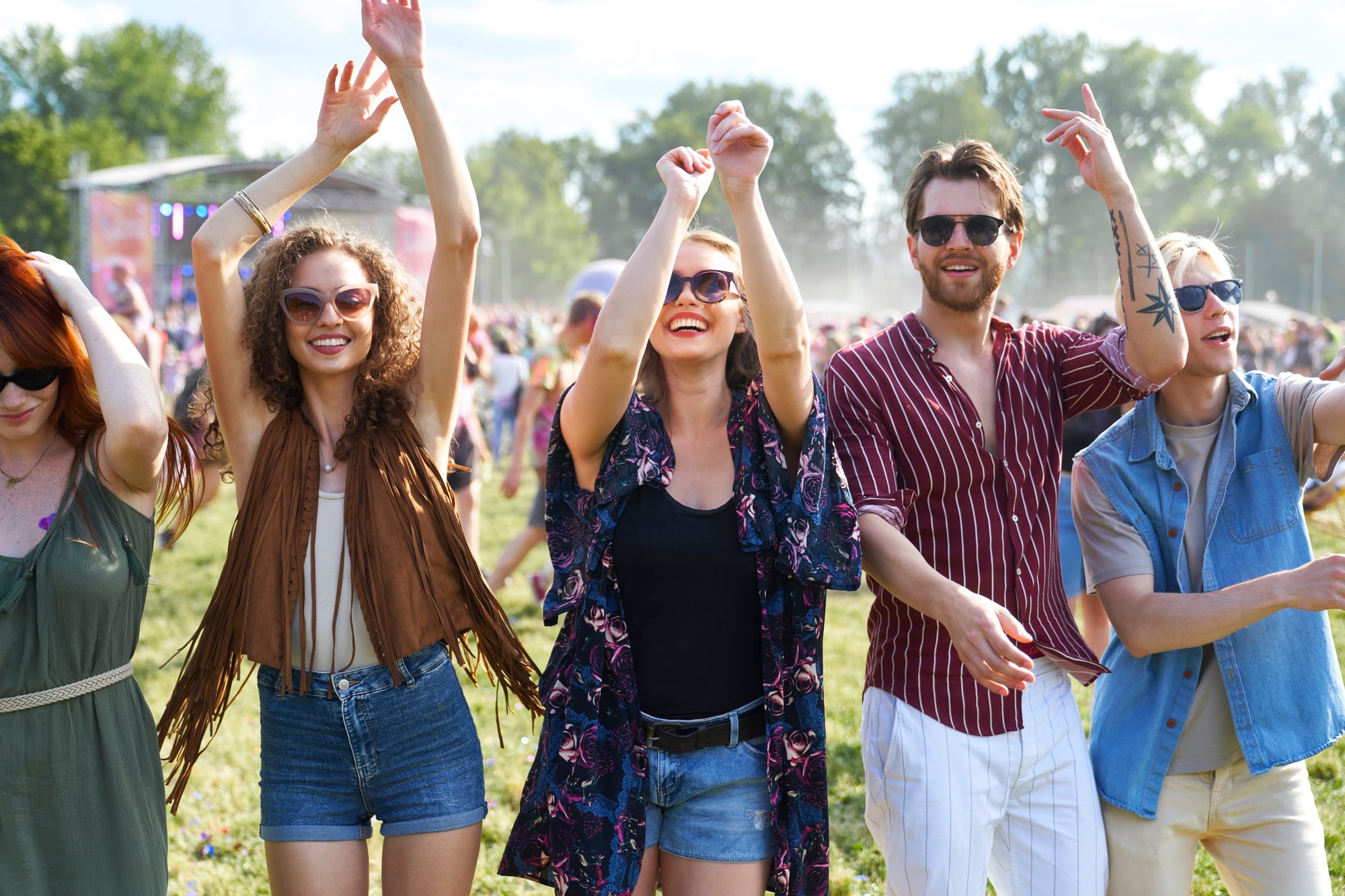
Jay-Z headlined Glastonbury in 2008 over significant public objection — Noel Gallagher publicly questioned whether a hip-hop artist should headline a rock festival, and the discussion dominated the British music press for weeks before the event. Jay-Z opened his set by playing the riff from “Wonderwall” on an acoustic guitar.
The crowd’s response settled the argument. His 2008 Glastonbury set is now routinely cited as one of the festival’s greatest headlining performances and ended a conversation about genre hierarchy at festivals that, frankly, should have been unnecessary.
Coachella, 2012
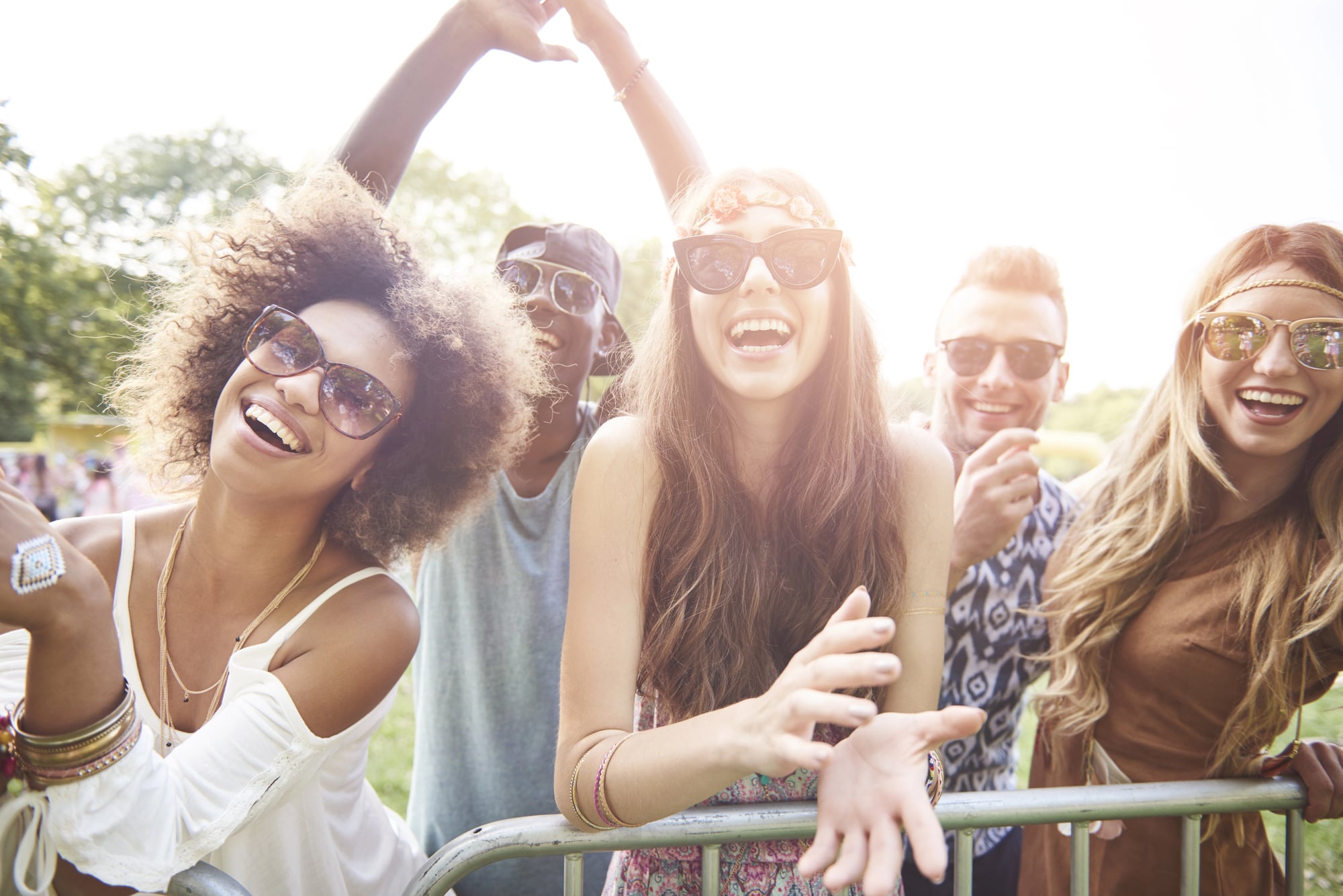
The 2012 Coachella featured a holographic projection of Tupac Shakur performing alongside Snoop Dogg and Dr. Dre during their headlining set. The image of a dead artist appearing onstage generated global news coverage and sparked a debate about digital resurrection that has not been resolved since.
The technology used — a modified Pepper’s Ghost illusion — was not new, but the application was, and the scale was unlike anything audiences had seen at a live event. Every subsequent discussion about AI-generated performances and digital likenesses starts here.
Glastonbury, 2016
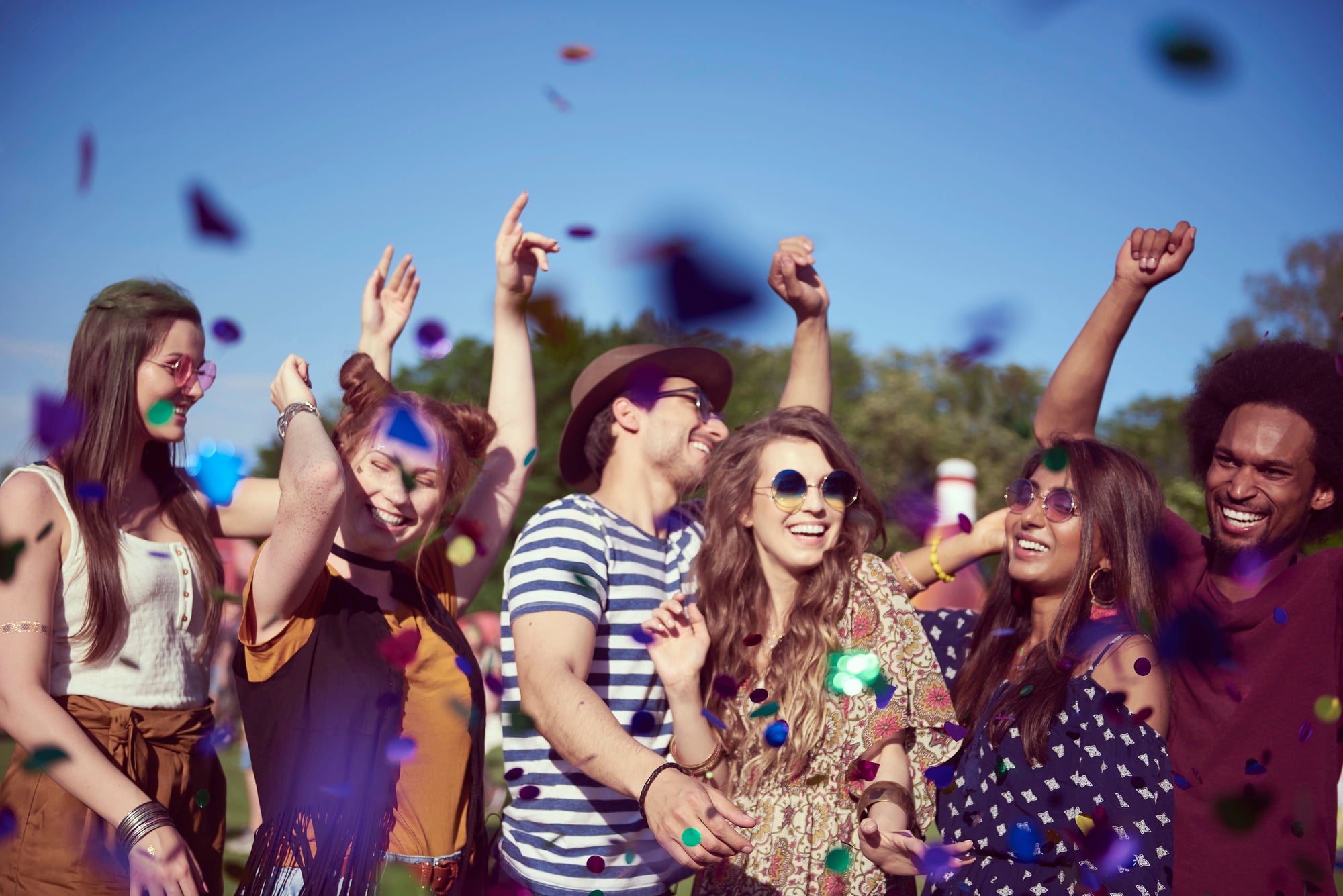
Glastonbury 2016 took place three days after the United Kingdom voted to leave the European Union. The political shock was still reverberating, and the festival became the place where a large portion of the British public chose to process it — through music, through community, and through the experience of being in a field with 175,000 people who largely shared their disbelief.
Adele headlined on the Saturday night and made explicit reference to the result from the stage. The 2016 edition felt less like a concert and more like a national gathering.
Coachella, 2018 — Beychella
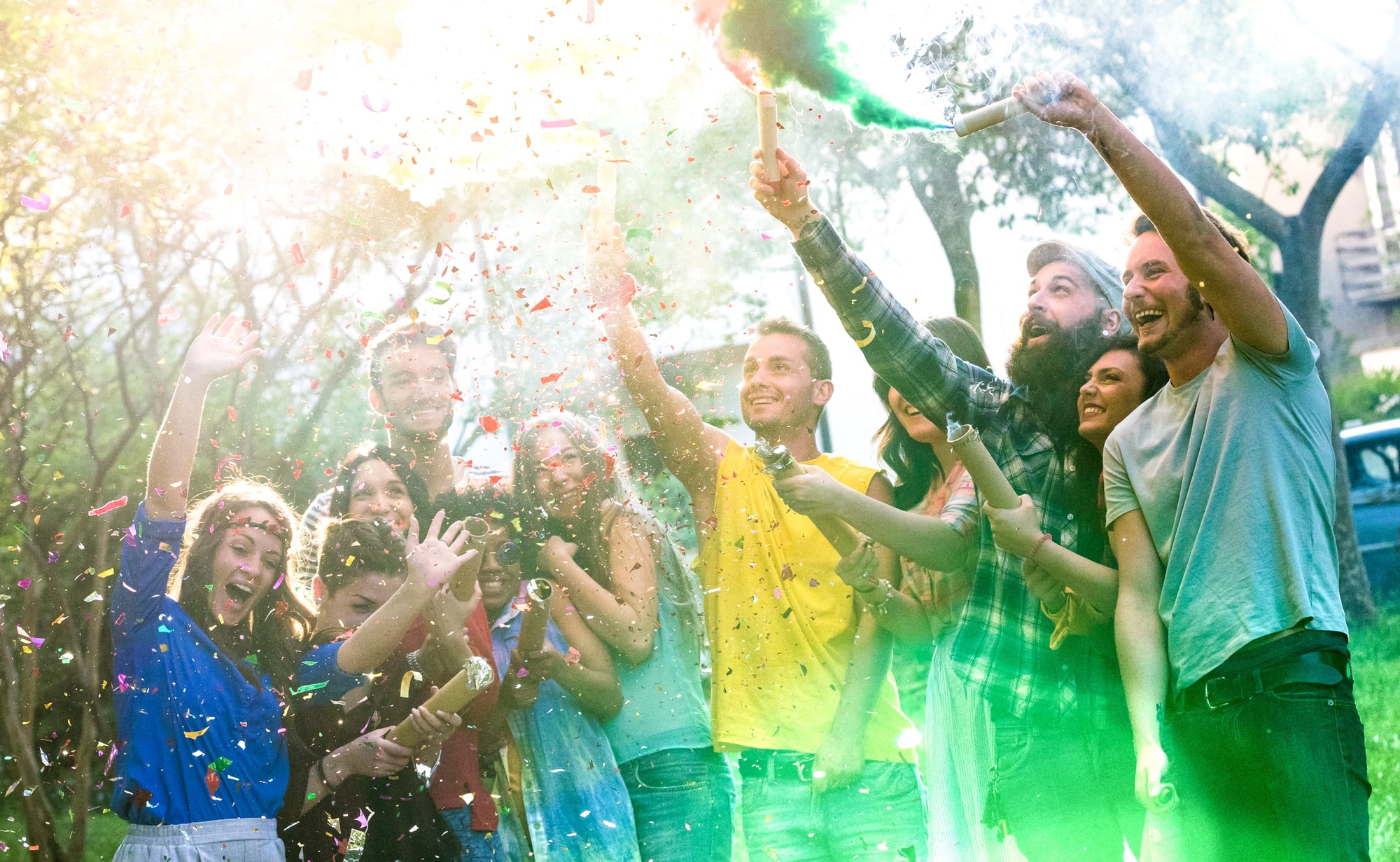
Beyoncé became the first Black woman to headline Coachella, and her performance — a two-hour HBCU-themed production featuring a marching band, a full choir, and a Destiny’s Child reunion — was so comprehensively documented that Netflix released it as a standalone concert film titled Homecoming. The performance redefined what a festival headlining slot could contain.
It wasn’t a setlist with staging. It was a cultural statement with a soundtrack.
Glastonbury, 2019
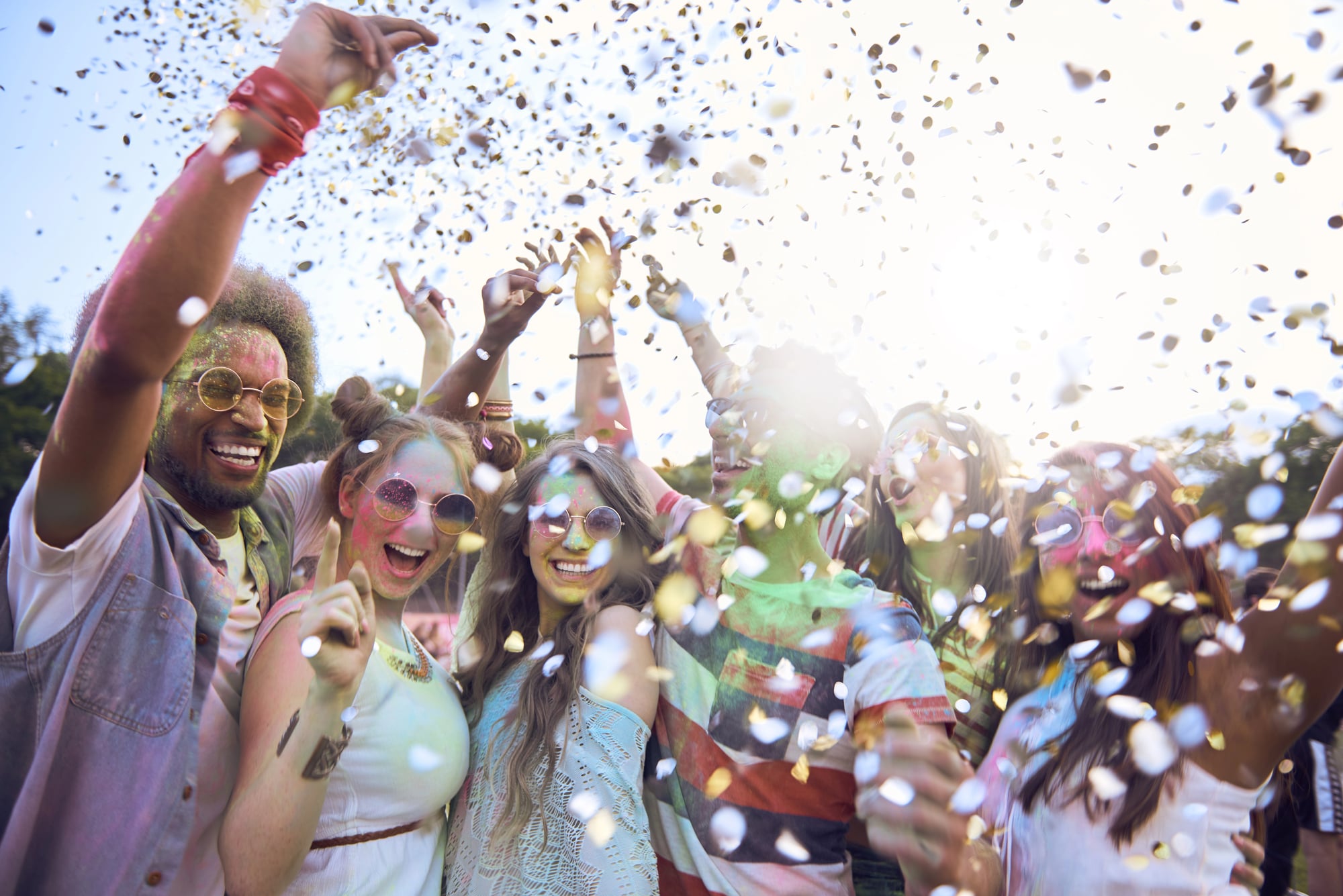
The 2019 Glastonbury sold its 135,000 tickets in 36 minutes, and the lineup — Stormzy, The Killers, The Cure headlining — reflected a festival that had expanded its musical scope without losing its identity. Stormzy’s Friday night headlining slot, the first Black British solo artist to headline the Pyramid Stage, was accompanied by an elaborate production that drew on grime, gospel, and British identity in ways that made a 2019 Glastonbury set feel politically significant in a year when British identity was being contested on every available front.
Tomorrowland, 2012
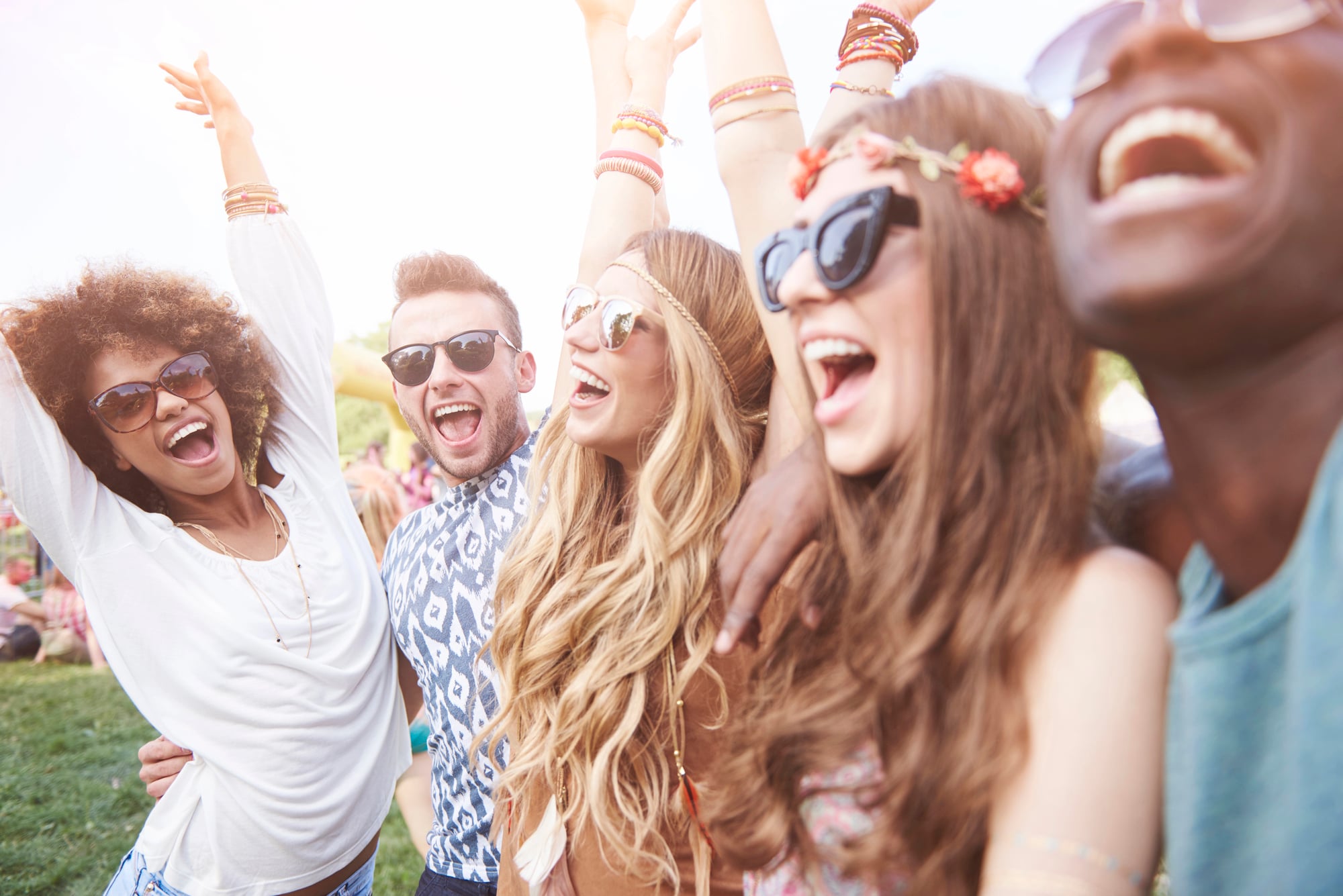
The 2012 Tomorrowland in Boom, Belgium released an aftermovie that accumulated 50 million YouTube views in its first week, establishing the festival as the dominant global event in electronic music at a moment when EDM was breaking into mainstream commercial territory. What Tomorrowland understood was that the documentary of the festival was as important as the festival itself — that the visual production surrounding the music could become the primary product for the millions who could not attend.
Every electronic music festival that followed has tried to replicate that aftermovie.
Fyre Festival, 2017
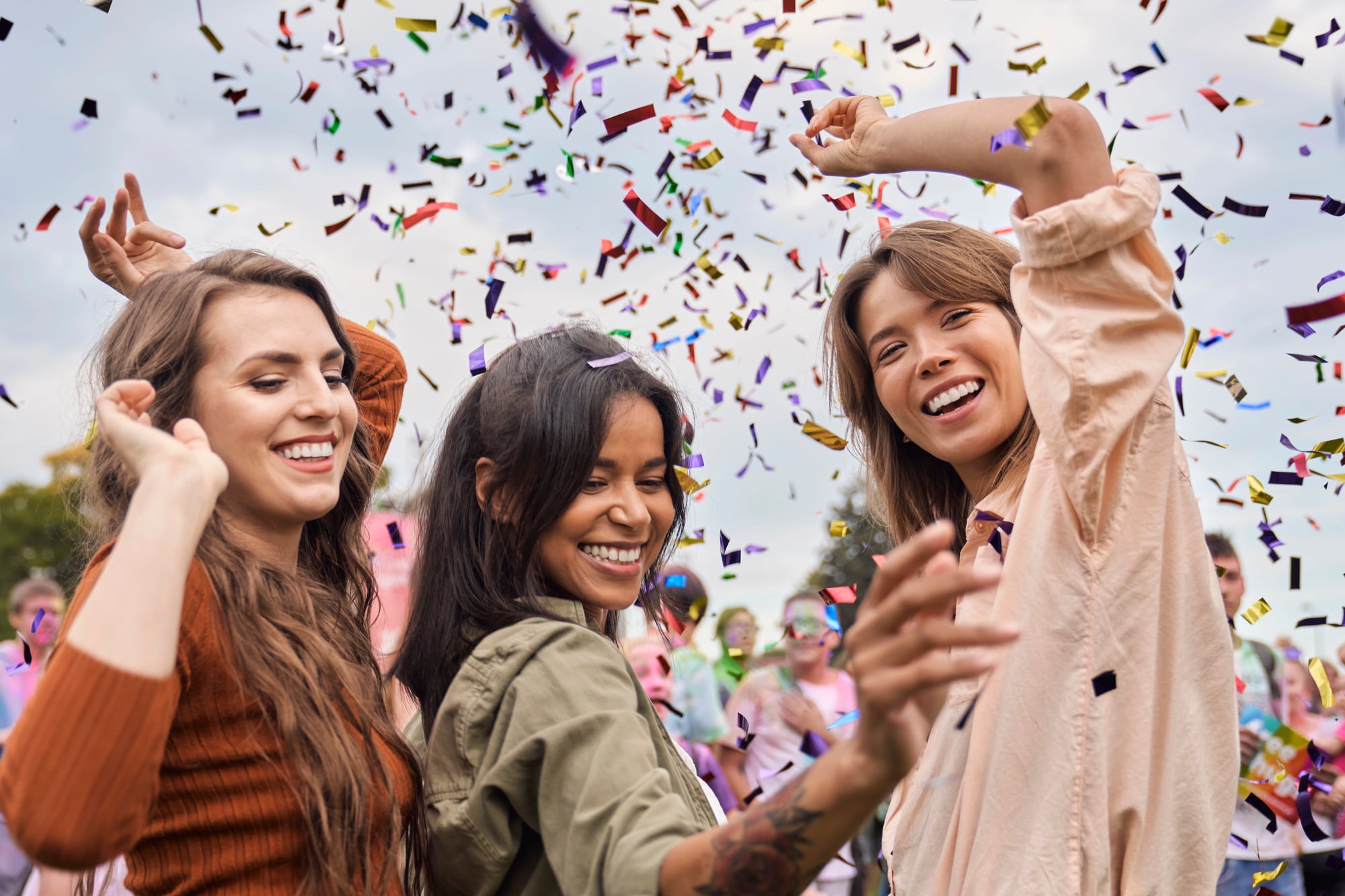
Fyre Festival never happened — not in any meaningful sense. The event sold luxury festival packages to thousands of attendees on the strength of an Instagram campaign featuring models in the Bahamas, and arrived as cheese sandwiches in styrofoam containers and disaster-relief tents.
The complete collapse of the event became one of the most-watched stories of 2017, spawned two competing Netflix and Hulu documentaries, and prompted widespread regulatory scrutiny of influencer marketing. Fyre defined its year not as a music event but as a lesson in the gap between social media aspiration and logistical reality.
Afropunk, 2018
Afropunk’s 2018 editions in Atlanta, New York, London, and Johannesburg collectively attracted over 100,000 people and established the festival as the most significant annual gathering point for Black alternative culture globally. Founded in 2005 as a small gathering in Brooklyn, Afropunk had grown by 2018 into a multi-city event that was explicitly political in its curation and visual identity, reflecting a cultural moment in which the intersection of Blackness and artistic nonconformity had moved from margin to mainstream.
Primavera Sound, 2022
Primavera Sound’s 2022 Barcelona edition sold out its expanded 70,000-daily-capacity in hours and was widely reviewed as the best festival of the post-pandemic return to live music. The lineup — Bicep, The Smile, The War on Drugs, Massive Attack, Beck, Gorillaz, Nick Cave, Pavement — was a statement of intent about what a festival could be when it prioritized curation over brand recognition and spectacle.
In a year when every festival was competing for the same returning audience, Primavera won that competition cleanly.
Glastonbury, 2023
Glastonbury 2023 marked the festival’s first edition without any of its founding era’s restrictions — no COVID protocols, no postponements — and the lineup reflected a decision to anchor the headlining slots around two contrasting propositions: Arctic Monkeys on Saturday, Elton John on Sunday. Elton John’s farewell performance at Glastonbury, his final UK concert appearance, drew the largest audience to assemble on the Worthy Farm site in years.
The footage of 200,000 people singing “Rocket Man” in the Somerset darkness was the image that defined the British summer of 2023.
Glastonbury, 2025
Glastonbury 2025 marked a significant curatorial shift, with Olivia Rodrigo headlining the Pyramid Stage and becoming one of the youngest solo artists to do so, alongside Neil Young’s long-awaited debut appearance at the festival in his 70s. The pairing illustrated the festival’s ongoing ability to hold multiple generations of significance simultaneously.
Charli XCX’s headline slot on the Other Stage drew a crowd that spilled far beyond the field’s visible edge, and became one of the most-discussed individual festival performances of the decade so far.
When the Field Becomes the Year
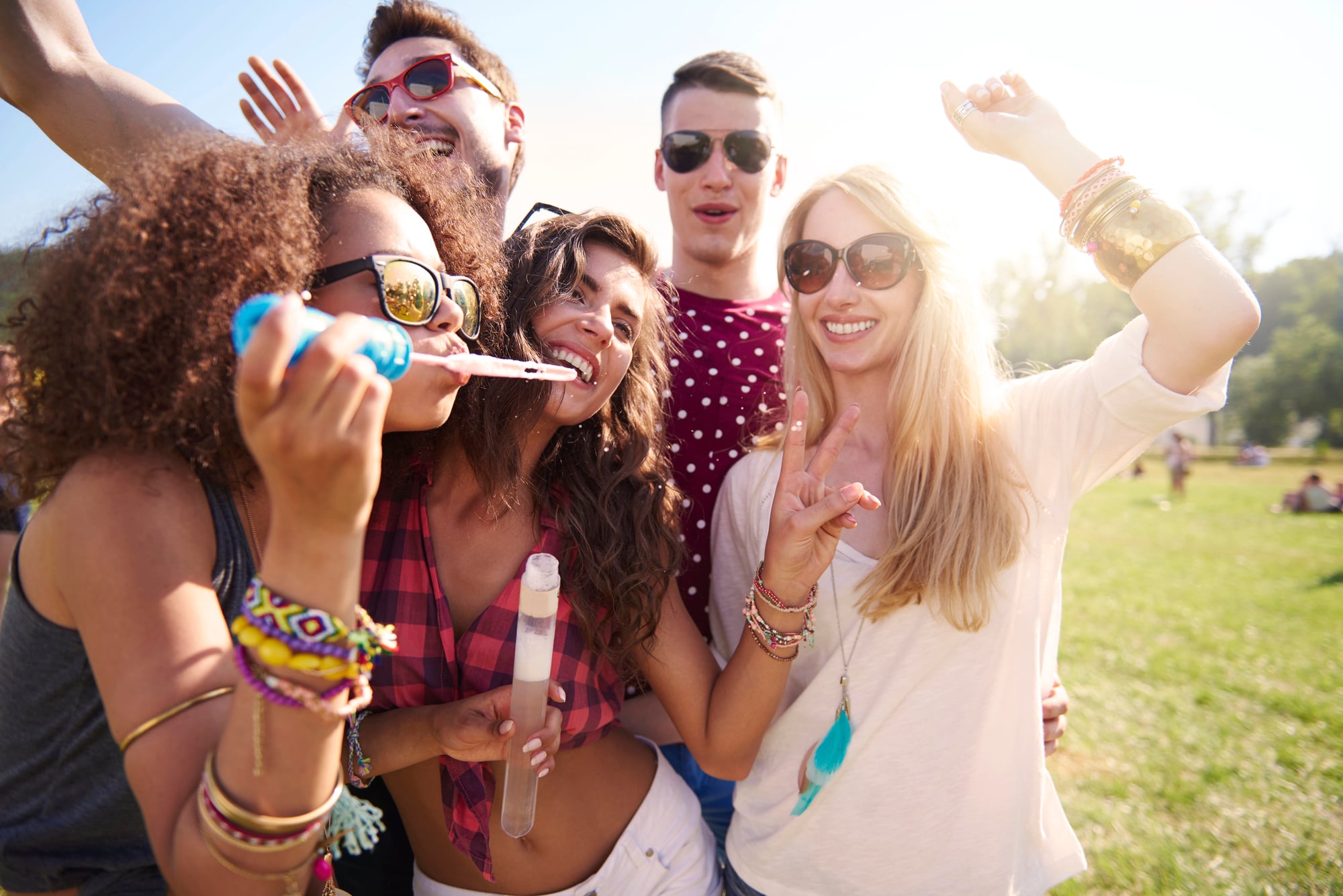
There is something a music festival does that no single concert can: it creates a shared geography. For a few days, tens of thousands of people occupy the same ground, eat the same bad food, sleep in the same mud or dust, and share the experience of hearing music outside under open sky.
That shared geography produces shared memory in a way that a theater or arena never quite manages. The festivals on this list became cultural shorthand because they coincided with moments — in music, in politics, in the broader cultural mood — that made them bigger than their lineups.
Woodstock didn’t just have Hendrix. It had 1969.
Live Aid didn’t just have Queen. It had the full weight of what it meant for pop music to reckon with its own power.
That combination of the right artists, the right moment, and the right crowd is not something any promoter can manufacture. It happens or it doesn’t.
And when it does, the year takes on the festival’s name.
More from Go2Tutors!

- The Romanov Crown Jewels and Their Tragic Fate
- 13 Historical Mysteries That Science Still Can’t Solve
- Famous Hoaxes That Fooled the World for Years
- 15 Child Stars with Tragic Adult Lives
- 16 Famous Jewelry Pieces in History
Like Go2Tutors’s content? Follow us on MSN.