29 Pen Pal Traditions From the Pre-Internet Era That Produced Lifelong Bonds
Before anyone could send a message in seconds and forget it just as fast, there was a kind of friendship that ran on patience. You wrote the letter, waited for the post, waited for a reply, and somewhere in that slow rhythm, you figured out who you actually were — because you had to put it into words for someone who couldn’t see your face.
Pen pals were not a novelty. For much of the twentieth century, they were one of the primary ways ordinary people reached across the world without leaving home.
What those relationships produced is harder to explain than it sounds. Some lasted a few exchanges.
Others lasted eighty years. The traditions, rituals, and systems that supported them were specific and strange and nothing like anything that came after.
The Student Letter Exchange, Founded 1936

An American teacher named Ann Brebner created the Student Letter Exchange in 1936 as a classroom tool to get students writing for a real purpose. The idea was simple: match schoolchildren across national lines and let the letters teach geography, language, and the existence of other lives better than any textbook could.
The organization eventually became one of the largest pen pal matching services in the world and continued operating well into the era when email had already made it seem quaint. Thousands of long-term friendships — some of which led to marriages, and a few of which lasted until the participants were in their nineties — began with a card filed in a Midwestern office.
Airmail Paper and Its Tissue-Thin Ritual
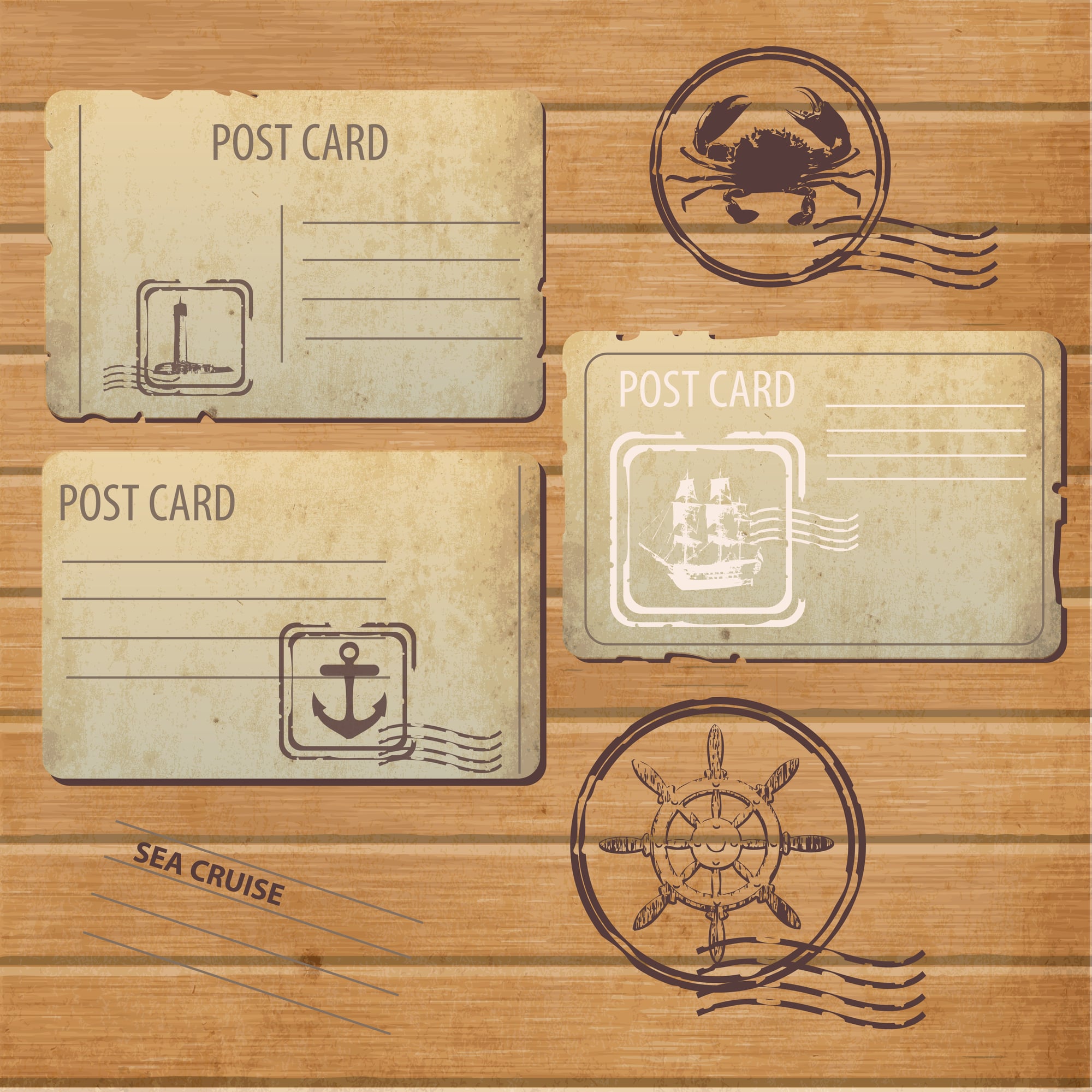
International correspondence before the 1990s ran on airmail paper — a nearly translucent, featherweight stationery designed to keep postage costs down for letters crossing oceans. Regular envelopes were too heavy.
The paper had a particular feel, crinkly and fragile, and writing on it required a light hand because pressing too hard tore through. People who grew up writing international pen pal letters remember the paper specifically — not the words, which have faded, but the sensation of holding something that seemed too delicate to have survived the journey.
It arrived creased and slightly rumpled, proof of distance.
Marraines de Guerre: The French WWI Wartime Pen Pal System
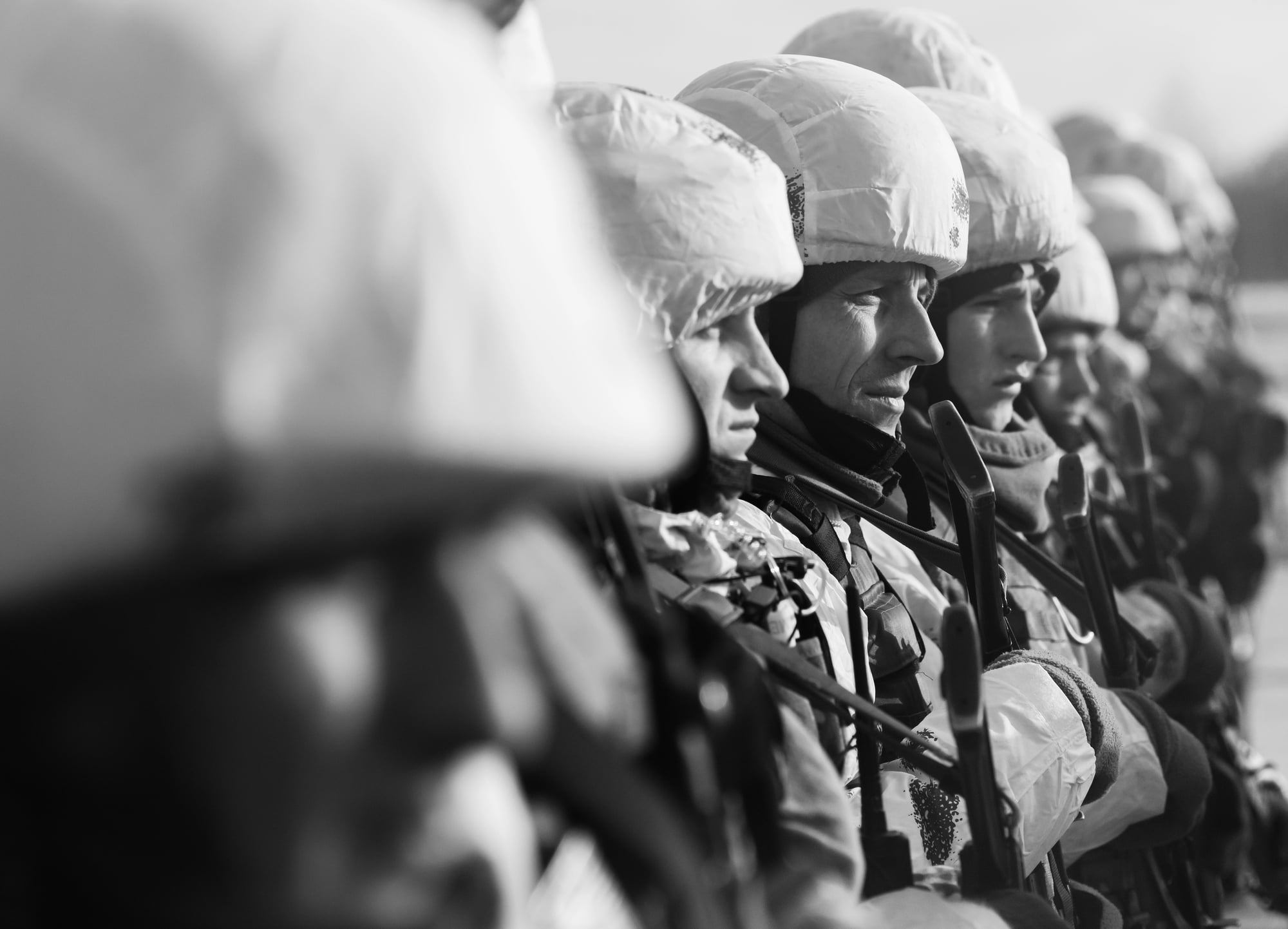
In 1915, the French military formalized a system pairing isolated soldiers with civilian women who would correspond with them — women who became known as marraines de guerre, or “godmothers of war.” An estimated 25,000 soldiers were matched through the initiative called Famille du Soldat, and the women who participated spanned France, the United States, the Netherlands, Norway, and Switzerland.
The institution was celebrated in the press as a patriotic act of kindness, then almost immediately criticized as a pretext for flirtation, then revived again in 1939 for the next war. The ambivalence about what the letters were actually doing — providing comfort, or something else — never fully resolved.
WWII Soldiers and Their Letters Home
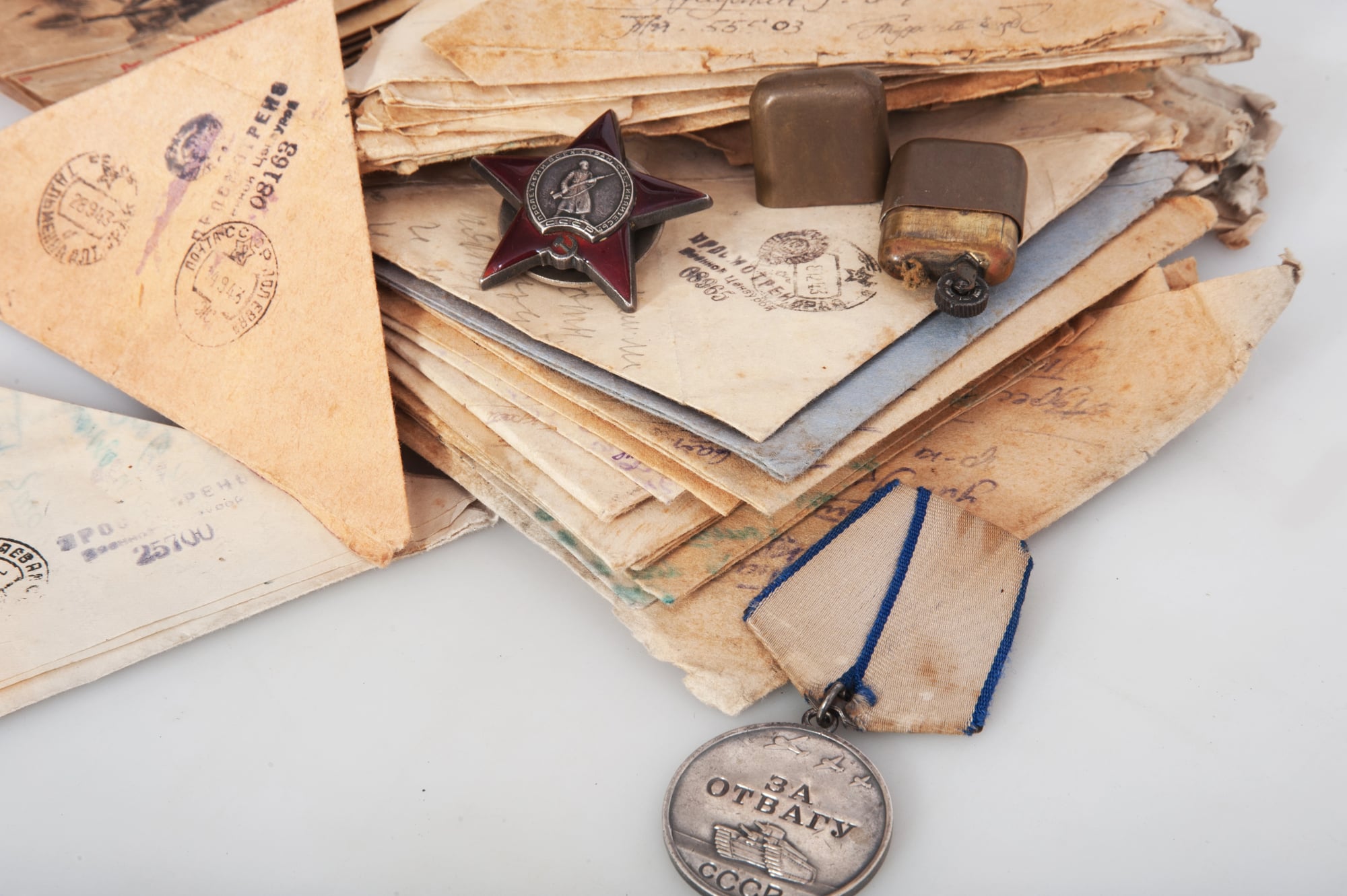
For American soldiers stationed overseas during the Second World War, letter-writing was not optional — it was the infrastructure of morale. The Army censored outgoing mail for security reasons, which meant soldiers learned to describe their emotional states in ways that passed inspection while still communicating what they needed to communicate.
Families on the home front saved every letter. Historians have found that men who received regular correspondence showed measurably better morale and performance outcomes than those who did not.
One Army major later wrote that the mail call was the moment of the day that determined what kind of soldiers he would have the following morning.
School Sister-City Programs and Their Pen Pal Matchups

The sister-city movement, which formalized connections between municipalities in different countries, produced an enormous volume of pen pal correspondence as a byproduct. Teachers in paired cities would exchange class lists, and students would be assigned a partner in the corresponding town — often without any say in who they got, which was part of what made it interesting.
The American town of Toledo, Ohio, and Toledo, Spain, one of the earlier such pairings, generated school correspondence exchanges from the 1930s onward. Students sent photographs of their schools, drawings of their streets, and descriptions of meals — and received exactly the same things back, translated, from the other side.
The Tower Press Pen Pal Magazines

From the 1960s through the 1980s, a British publishing group called Tower Press produced a series of monthly magazines whose primary purpose was to connect pen pals. Readers submitted brief classified-style advertisements describing themselves and their interests, and other readers replied directly to the address listed.
The magazines were aimed largely at women and covered a range of interests — gardening, crafts, travel — but the pen pal columns were the most-read section. Some readers placed ads for decades and accumulated correspondence networks that stretched across multiple continents.
There was no vetting, no matching algorithm, and no safety net — just a name, a town, and a list of hobbies.
Newspaper Classifieds as Pen Pal Exchanges

Long before Tower Press cornered the dedicated market, ordinary newspaper classified sections ran regular pen pal columns where readers could submit their details and interests for publication. American regional papers in the 1940s and 1950s often had these columns, and they drew responses from readers across the country and occasionally overseas.
The custom was so common that some newspapers ran dedicated “Pen Pal Corner” sections on a weekly basis. The responses were mailed to the newspaper, which forwarded them to the advertiser — a layer of anonymity that made the whole exercise feel slightly safer than it probably was.
The International Youth Service of Finland

Founded in 1952 and headquartered in Turku, the International Youth Service became one of the most widely used pen pal matching organizations in Europe and beyond. For a small fee per address, the IYS matched participants between the ages of ten and twenty across national and linguistic lines.
High school language teachers across Western Europe and North America used the organization as a classroom resource through the 1970s and 1980s, giving students an actual correspondent to practice French, German, or Spanish with rather than a textbook exercise. The letters that resulted were frequently awkward, occasionally hilarious, and sometimes — given enough time — the beginning of something permanent.
International Pen Friends, Founded 1967

Neil O’Donnell, an Irishman who had grown up during World War II and wanted to prevent another one, founded International Pen Friends in Dublin in 1967 with an explicit peace-building mission. The organization eventually grew to more than 2.5 million members across more than 200 countries, with correspondence facilitated in eight languages.
O’Donnell’s theory was straightforward: people who knew each other personally did not bomb each other’s cities. The logic was modest, the ambition was enormous, and the organization outlasted most of the geopolitical anxieties that produced it.
The Big Blue Marble TV Show and Its Pen Pal Service

The syndicated American children’s television program Big Blue Marble, which aired from 1974 to 1983, invited viewers to write in for pen pal matches as a regular feature of its programming. The show was built around the premise that children around the world had more in common than their governments suggested, and the pen pal component was its most direct expression of that belief.
Children who wrote in received a name and address from another country and were left to figure out the rest. The show won multiple Emmy Awards and the International Emmy for children’s programming — in part because the pen pal model meant its audience kept writing to each other long after the credits rolled.
The Ritual of the Photograph Exchange
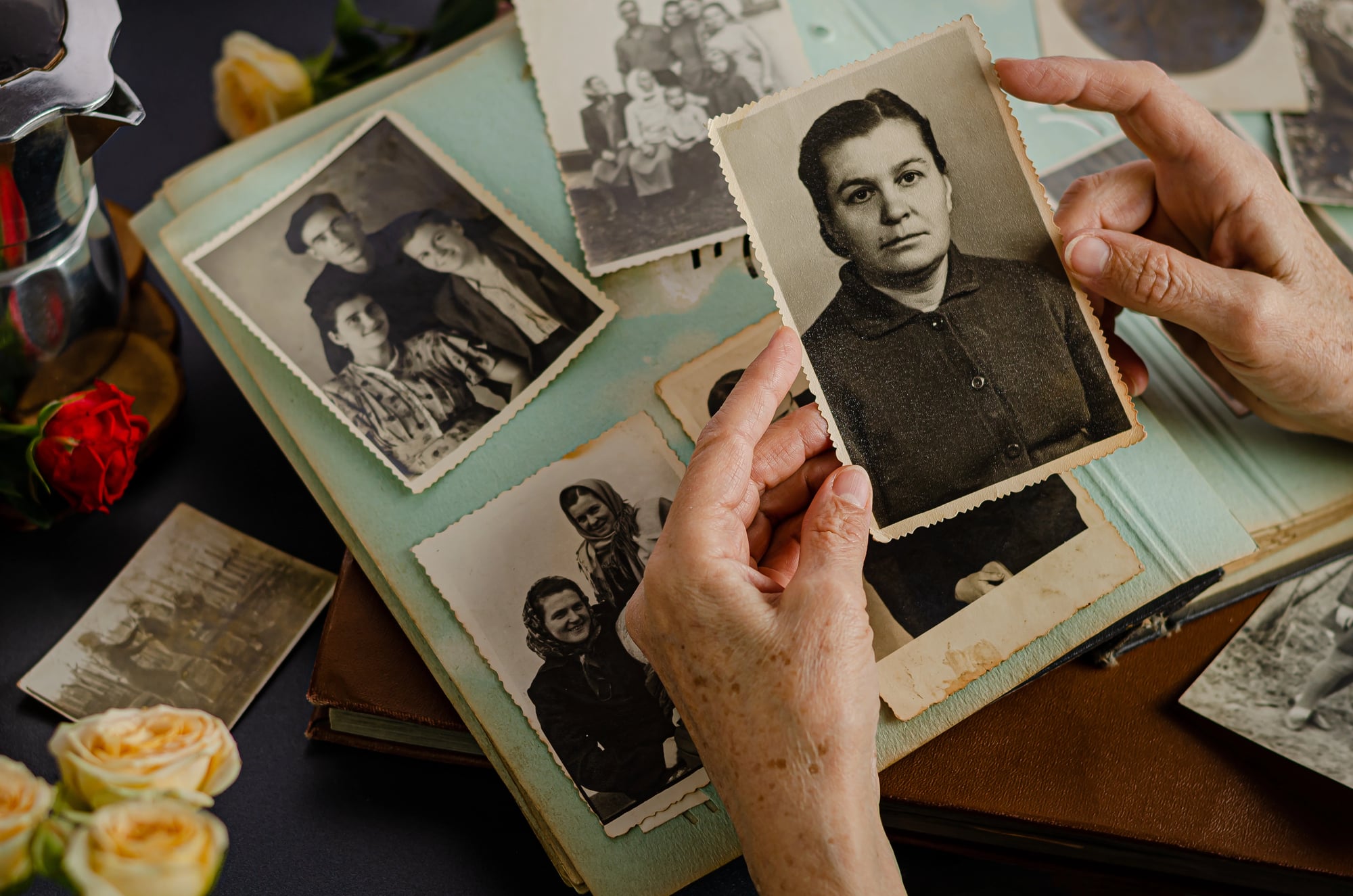
Every pen pal relationship of the pre-internet era came with an early photograph exchange — a school photo, usually, or a snapshot taken in the backyard, with a brief note on the back explaining what was in it. The photograph was both an introduction and a proof of reality: evidence that the handwriting on the page belonged to an actual person standing in an actual place.
People who still have their pre-internet pen pal collections almost always have a stack of these photographs, often rubber-banded together and labeled on the back with names and dates in a handwriting that belonged to someone they may never have met in person.
Sending Small Gifts Inside Letters

An informal tradition in established pen pal relationships was the enclosure of small flat items alongside the letter — pressed flowers, foreign postage stamps, a sweet wrapper, a newspaper clipping, a local bus ticket. None of these things had monetary value.
Their function was tactile proof of a place: the bus ticket meant someone had ridden that bus, in that city, on that day. The pressed flower came from someone’s actual garden. The stamp was used currency from a country you could find on a map but might never visit.
These enclosures turned letters into packages of experience, and people who received them kept them long after the letters themselves had been misplaced.
Learning Another Language Just to Write Back

One of the quieter effects of pre-internet pen pal culture was the number of people it pushed into learning a foreign language not in order to pass an exam but in order to maintain a friendship. The motivation was entirely different from classroom language instruction, and the results were often better.
Teachers who ran exchange programs reported that students with active pen pals consistently outperformed their classmates in language retention because they were writing to a real person who would notice — and gently correct — their errors. A badly conjugated verb meant a confused friend, which was considerably more embarrassing than a red mark on a test paper.
Henry James and Edith Wharton
The friendship between the two writers began when Wharton, not yet famous, sent a note of appreciation to Henry James after reading his work. James replied, and a correspondence followed that developed into one of the most documented literary friendships in American letters.
They exchanged manuscripts, visited each other’s homes in England and New England, and maintained an active critical dialogue for decades. Wharton later described James as the most formidable reader she had ever submitted work to — not because he was unkind, but because he noticed everything.
Elizabeth Bishop and Robert Lowell
The American poets Elizabeth Bishop and Robert Lowell exchanged letters for nearly thirty years, beginning in 1947. Their correspondence became one of the most studied collections in twentieth-century American literary history — in part because both poets were trying to work out, on paper, what their poems were doing and whether they were any good.
Bishop was living in Brazil for much of the exchange, and her letters provided Lowell with dispatches from a life radically different from his own, while Lowell’s letters gave Bishop a connection to the American literary scene she had largely left behind. When the collected letters were published in 2008, they ran to over 900 pages.
Nancy Mitford and Evelyn Waugh
The correspondence between the British novelist Nancy Mitford and the Catholic convert and war veteran Evelyn Waugh lasted for over twenty years and covered everything from the problems of French aristocracy to the state of English prose to their mutual displeasure with the direction postwar Britain was taking.
Waugh was famously difficult in person — prickly, demanding, intermittently cruel — but his letters to Mitford were full of warmth and wit. Mitford said he was an entirely different person in writing than he was at a dinner party, a distinction that anyone who has read his letters and his contemporaries’ memoirs would find entirely believable.
Groucho Marx and T.S. Eliot
In 1961, T.S. Eliot — winner of the Nobel Prize in Literature in 1948 and one of the most serious poets of the twentieth century — wrote a fan letter to the comedian Groucho Marx requesting a signed photograph. Marx obliged.
The two exchanged letters for roughly three years, corresponding with what can only be described as cautious mutual delight, before finally meeting for dinner in London in 1964, seven months before Eliot died. The dinner reportedly did not go especially well — the two men ran out of things to say in person relatively quickly — but the letters held something that the meeting couldn’t replicate.
Vladimir Nabokov and Edmund Wilson
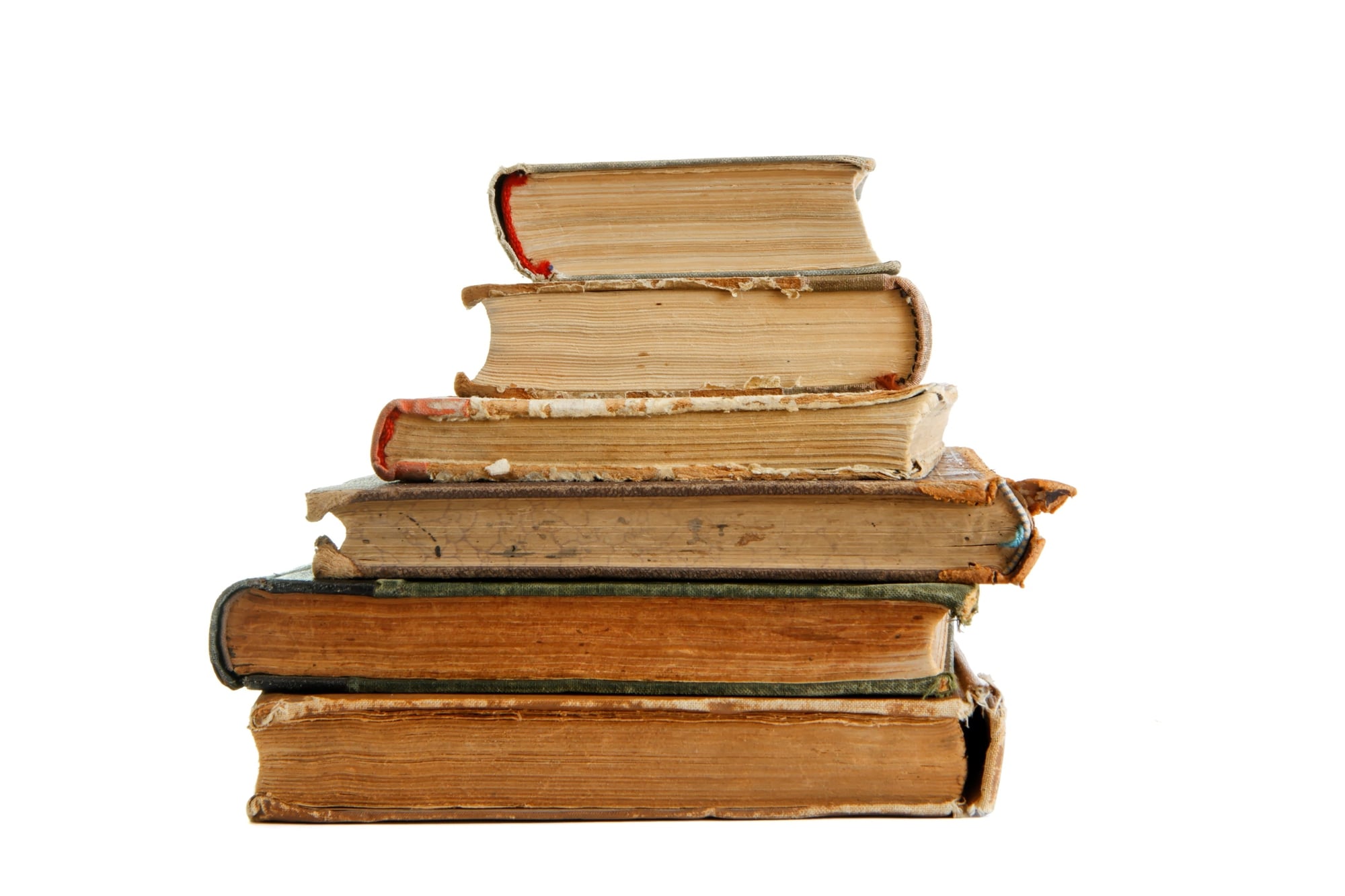
The literary critic Edmund Wilson and the novelist Vladimir Nabokov maintained a correspondence that ran from 1940 to 1971, accumulating more than 2,000 pages before it collapsed under the weight of their disagreement about Nabokov’s translation of Pushkin’s Eugene Onegin.
Wilson thought the translation was pretentious and unreadable. Nabokov thought Wilson had no business opining on Russian literature. They published their argument publicly, in the New York Review of Books and elsewhere, which was unusual for a friendship dispute and suggested the correspondence had become the primary arena in which they engaged with each other at all.
Albert Einstein and Sigmund Freud

In 1931, Albert Einstein wrote to Sigmund Freud with a question that had been troubling him: why were human beings so drawn to war? Freud wrote back at length, and the exchange was eventually published in a pamphlet called “Why War?”
Einstein was looking for a mechanism — something to fix. Freud was less optimistic, concluding that the drive toward destruction was too fundamental to eliminate, only possibly to redirect. The letters between the two men, who never became close friends but maintained mutual professional respect, were translated into multiple languages and suppressed in Germany almost immediately after publication in 1933.
The Ritual of Re-Reading Old Letters
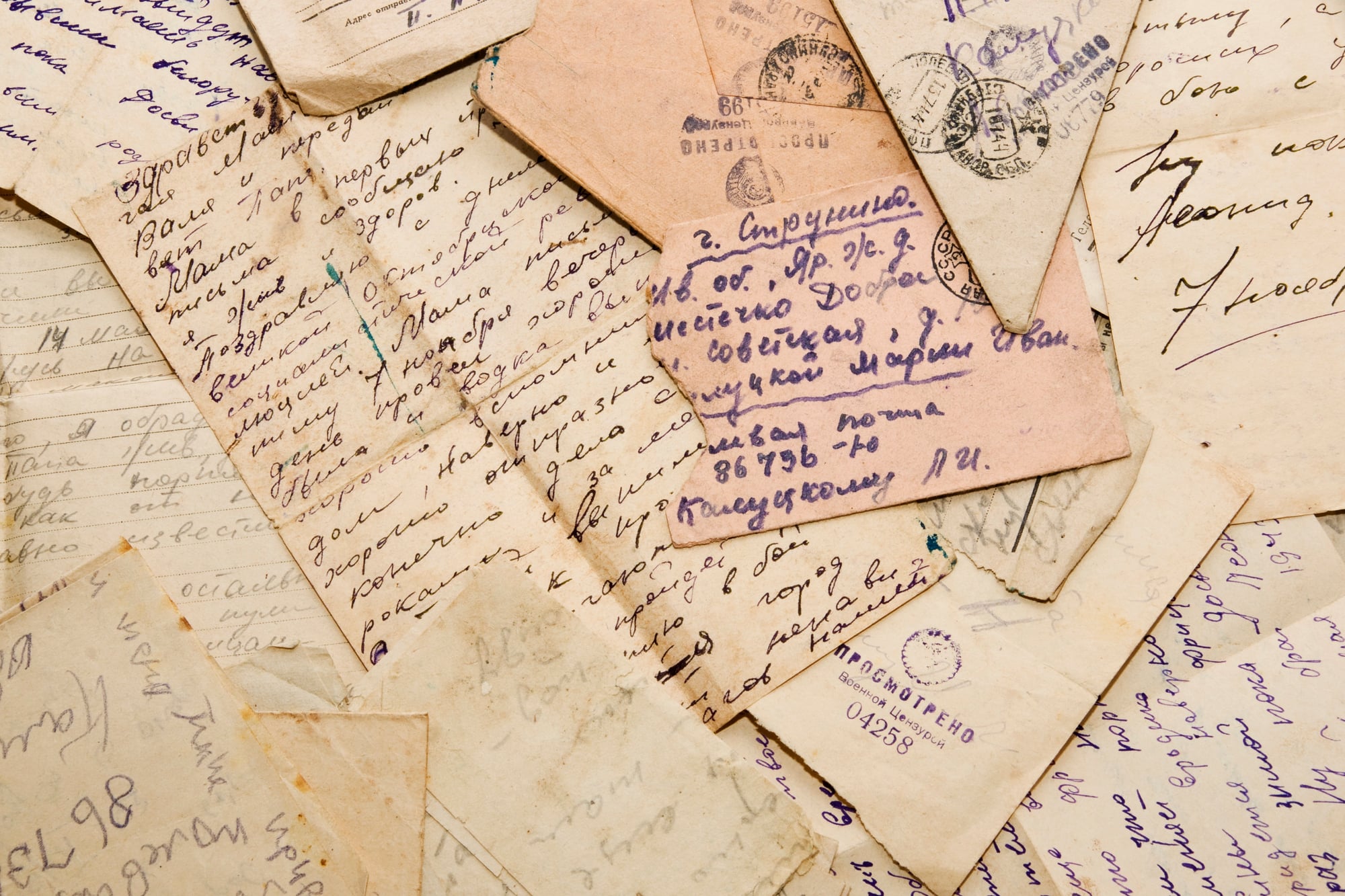
A common feature of pre-internet pen pal relationships, particularly those that lasted for years, was the practice of re-reading old correspondence. Because letters were physical objects that could be kept in shoeboxes and tied in bundles, the record of a friendship existed in a way it simply does not in an inbox.
People who have maintained decades-long pen pal relationships describe knowing their correspondent’s handwriting changes — how it thinned and slowed after illness, how it changed after a major life event. The letter itself became evidence of who someone had been at a specific moment, which is something a screenshot cannot replicate.
Agatha Christie and P.G. Wodehouse

Agatha Christie dedicated her 1969 novel Hallowe’en Party to P.G. Wodehouse, and Wodehouse wrote her a letter thanking her for it — which was how their correspondence began. The two were both in their late seventies and early eighties, writing to each other about their work, their gardens, their discomfort with the pace of modern publishing, and the particular pleasures of getting old without getting boring.
Wodehouse died in 1975 at ninety-three, still writing. Christie died the following year.
Their correspondence in those final years was, by several accounts from people who saw the letters, consistently cheerful about things that would have depressed most people.
Schoolchildren Writing to Soldiers in Vietnam

During the Vietnam War, American teachers organized classroom pen pal programs connecting students with soldiers deployed in Southeast Asia. The exchanges were sometimes assigned as homework, but the correspondence that resulted was not always homework-shaped.
Soldiers wrote back with surprising candor — about boredom, about homesickness, about the difficulty of explaining to a twelve-year-old what the war actually felt like without alarming anyone. Some of those correspondences lasted for decades after the war ended, participants tracking each other down through school directories and veterans’ organizations long before social media made it easy.
The Etiquette of the Reply
Pre-internet pen pal culture operated under an understood but rarely written code: you replied within a reasonable time, which was generally accepted as somewhere between one week and one month depending on the length of the incoming letter and the distance it had traveled. Not replying was a serious social failure.
Pen pal advice columns — which existed in the same magazines that published the classifieds — spent considerable column space discussing what constituted a too-long delay, how to apologize for one, and what to do when a correspondent simply stopped writing without explanation. The etiquette of ending a pen pal relationship without either party acknowledging it was over was apparently quite common and equally mysterious to everyone involved.
Geraldine Brooks and Foreign Correspondence
The Australian journalist and novelist Geraldine Brooks grew up in suburban Sydney in the 1960s and 1970s writing letters to pen pals around the world — correspondents she had found through newspaper classifieds and school programs. When she became a foreign correspondent as an adult, she tracked down the people she had written to as a child.
The memoir she published about that search, Foreign Correspondence, came out in 1997 and described finding that some of the correspondents had lives much harder than their cheerful letters had suggested, that some had died, and that some had simply become ordinary adults who barely remembered the exchange. It is one of the few books that takes the pen pal relationship seriously as a cultural form.
The Japanese School Exchange Tradition

Japanese primary schools maintained organized pen pal exchanges with schools in other countries as a formal part of English language instruction from at least the 1960s onward. Students were given a correspondent’s name and address, required to write a letter in English as part of their classwork, and expected to respond to whatever came back.
Americans who participated in these exchanges as children on the receiving end describe getting letters of extraordinary formality — typed on thin paper, with photographs of school uniforms and cherry blossoms — and not quite knowing how to respond to the politeness of it. The exchange exposed both sides to a version of the other country that official culture never showed.
Letters That Crossed in the Mail

One of the minor logistical dramas of pre-internet pen pal correspondence was the crossed letter — the letter you sent that crossed in the mail with the letter your correspondent had simultaneously sent you, so that you each received an answer to a question the other hadn’t asked yet.
This created a recursive quality to long-running correspondences: threads that never quite lined up, responses to outdated information, situations that had resolved by the time the concern about them arrived. Pen pals who maintained relationships for years developed a tolerance for temporal dislocation that is actually quite hard to explain to anyone who has never experienced it.
The Dottie Dooley and Pat Friendship: 80 Years
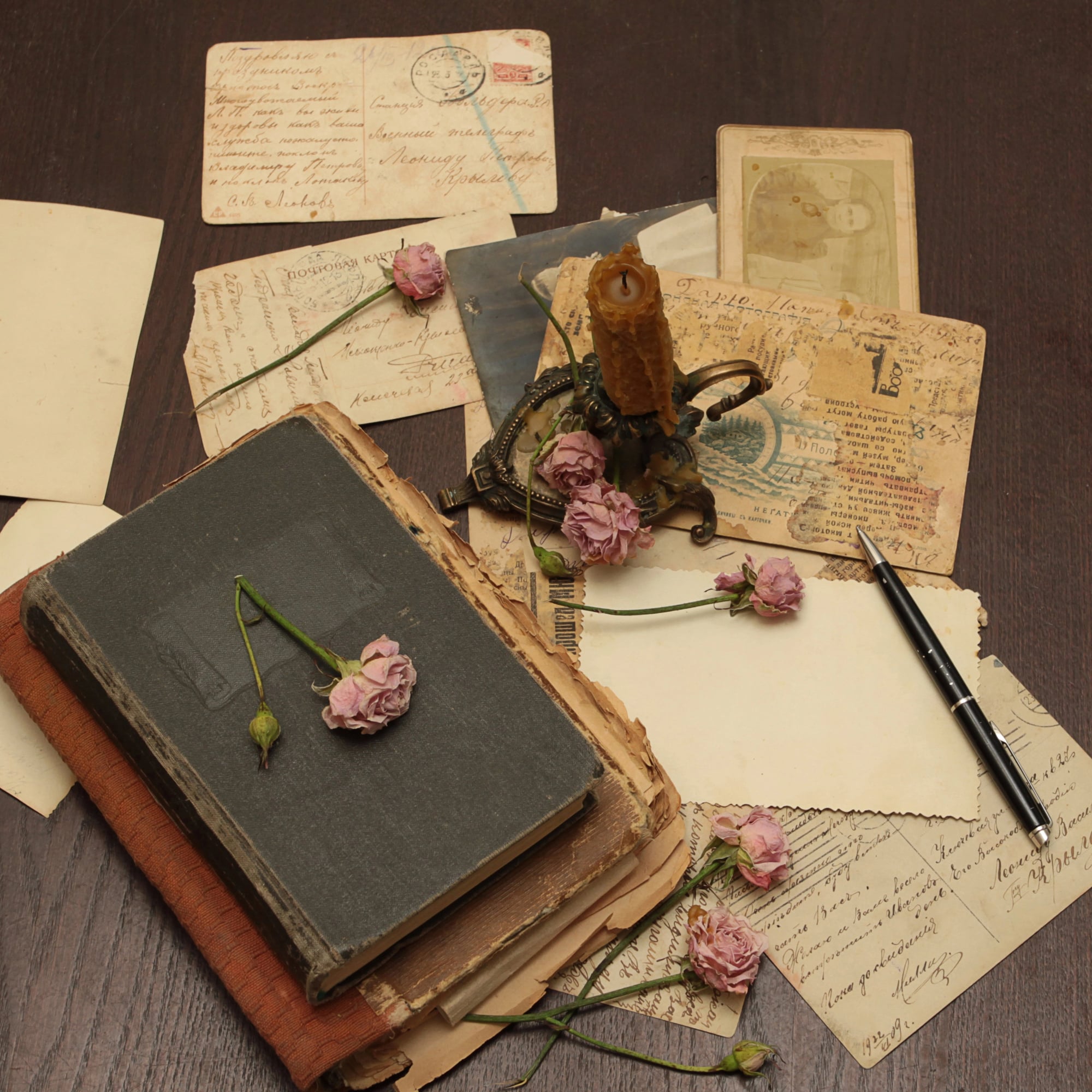
In 1945, a seventh-grader in Jenison, Michigan, named Dottie was assigned an English pen pal through a teacher exchange program. The girl she was matched with was named Pat, also about twelve, living in England in the years just after the war.
The two wrote to each other for eighty years. By the time Dottie was ninety and Pat was bedridden and unable to hold a pen, a caregiver was sending cards on Pat’s behalf to keep the correspondence alive.
A shoebox full of faded letters sat in Dottie’s room at the nursing home. Not many friendships of any kind last eighty years.
The specific conditions of pen pal correspondence — deliberate, slow, committed to putting something real on the page — seem to have produced more of them than you might expect.
When the Letters Finally Stopped
The decline of pre-internet pen pal culture was not a single event but a gradual fading, accelerated by the arrival of email in the early 1990s and completed by social media in the 2000s. For people who had maintained long-running correspondences, the end of letter-writing was sometimes genuinely disorienting — not because the friendship ended, but because the medium that had sustained it had changed into something that no longer felt like the same thing.
Several correspondents who switched to email in the 1990s describe the shift as a kind of deflation: faster, more frequent, less careful, and carrying none of the weight of something that had been written out by hand and committed to an envelope.
What the Letter Actually Required
The form itself was the discipline. Writing a letter to someone you had never met required constructing a version of yourself that could be understood without context — without body language, without shared reference, without the shortcut of a shared history.
It required choosing what to include and what to leave out, then living with that choice until the reply arrived weeks later. The people who were good at pen pal correspondence were not necessarily outgoing or socially confident — they were people who could think carefully about what they wanted to say and then say it.
That particular skill, practiced over years, did not disappear when the last letter was posted. It simply went somewhere people stopped noticing it.
The Handwriting You Learned to Recognize
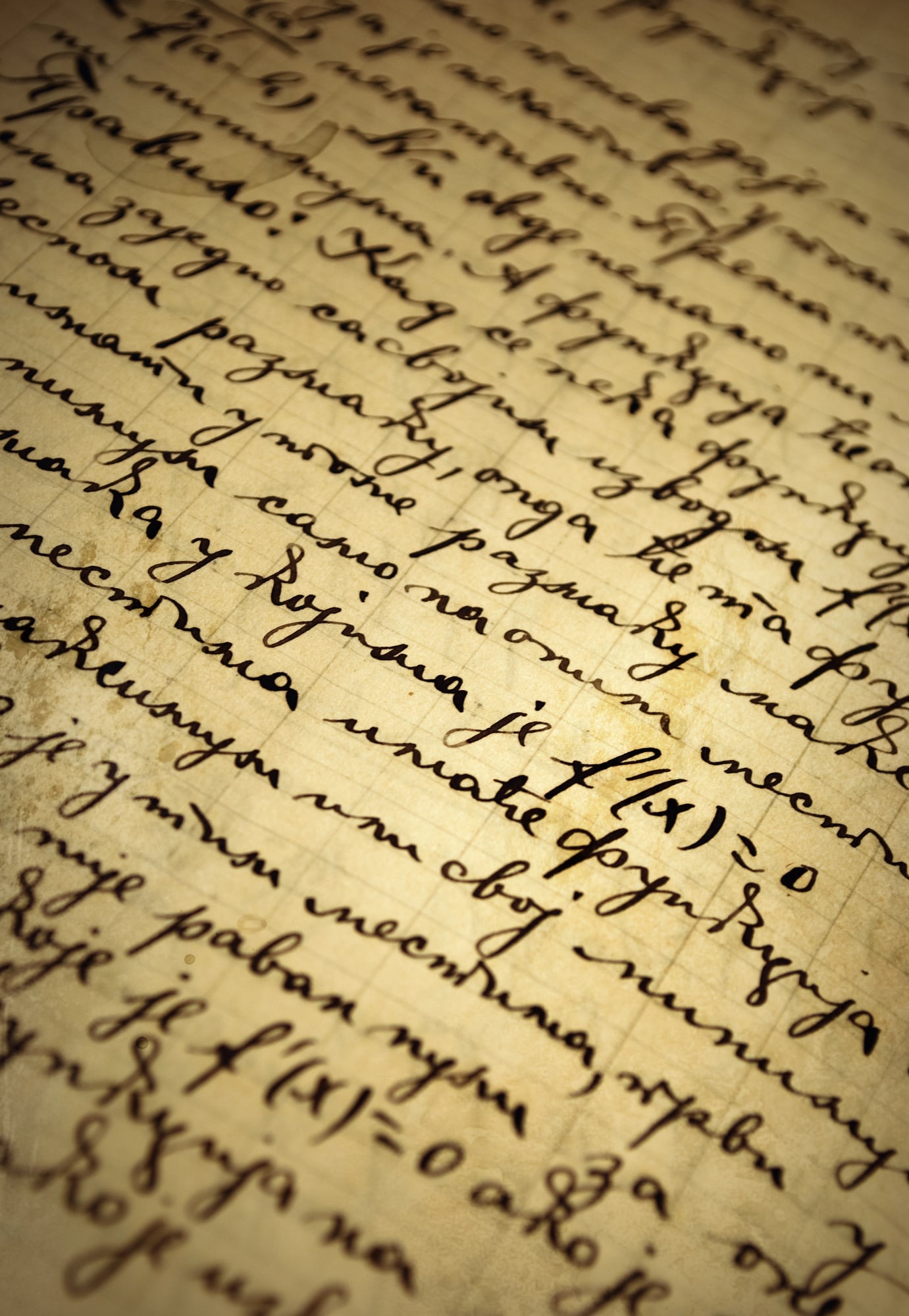
After years of correspondence, pen pals could identify each other’s handwriting at a glance — the slight leftward lean, the looped g, the way certain letters were formed differently from the standard. This visual familiarity created a kind of intimacy that had no digital equivalent.
When a letter arrived in a familiar hand, you knew before you opened it not just who had sent it but roughly what kind of letter it was going to be — careful or hasty, cheerful or troubled — because handwriting carries all of that information.
It is one of the things that went missing first when correspondence moved online, and one of the things that is least easy to explain to anyone who never experienced it.
More from Go2Tutors!

- The Romanov Crown Jewels and Their Tragic Fate
- 13 Historical Mysteries That Science Still Can’t Solve
- Famous Hoaxes That Fooled the World for Years
- 15 Child Stars with Tragic Adult Lives
- 16 Famous Jewelry Pieces in History
Like Go2Tutors’s content? Follow us on MSN.