15 Bizarre School Traditions Around the World
Over the years, schools all over the world have created some genuinely distinctive customs. Stepping outside of their comfort zone exposes how wonderfully strange education can get, even if most students consider the traditions of their own school to be very regular.
These customs, which range from Denmark’s flag ceremonies to Japan’s cleaning procedures, may appear odd to outsiders but have great significance for the people who follow them. Educational traditions often reflect cultural values, historical events, or simply the quirky personality of a particular institution.
Here’s a list of 15 bizarre school traditions from around the world that might make you appreciate — or question — your own school’s customs.
Japan’s Daily Cleaning Time
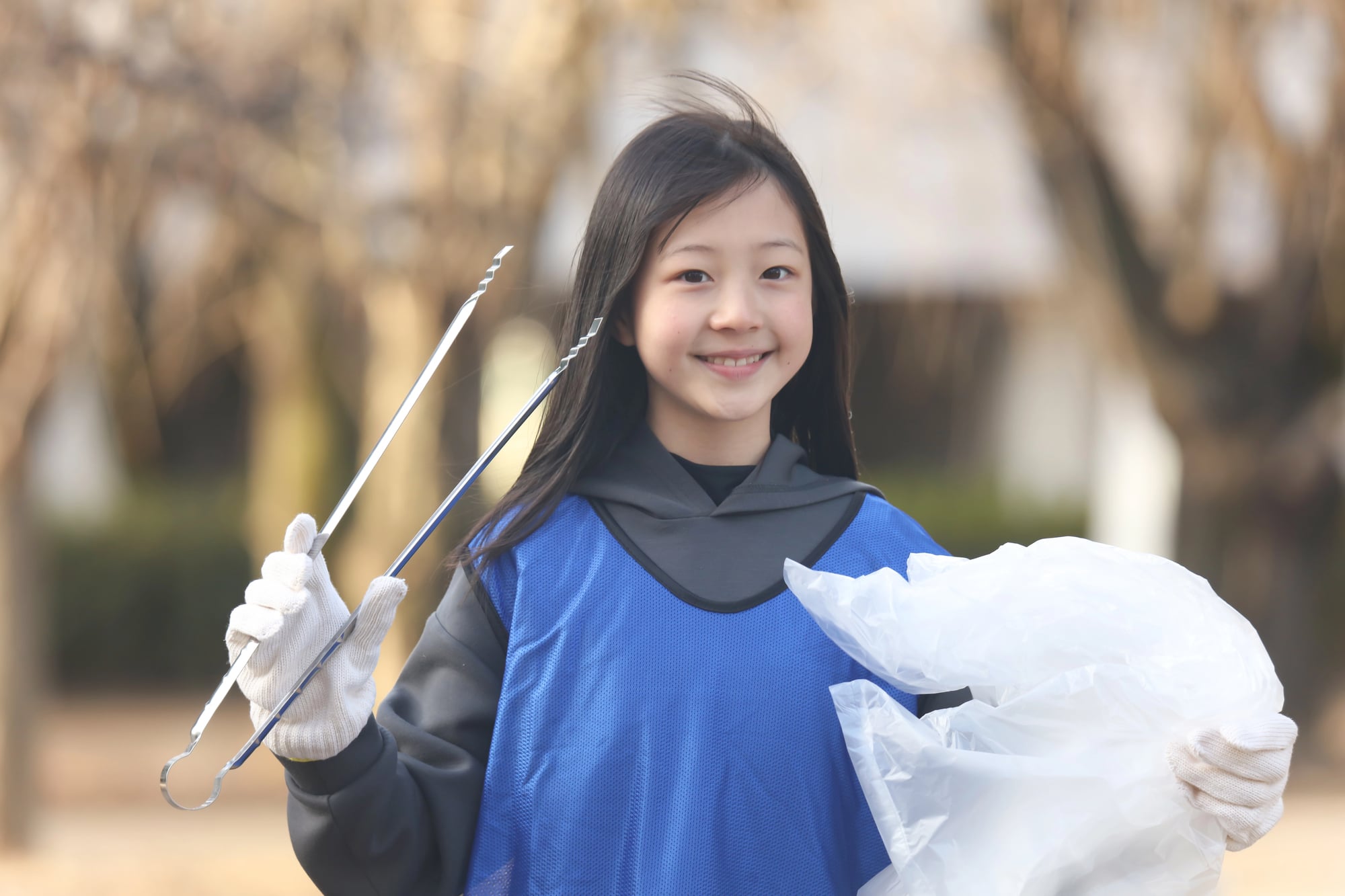
Every day, Japanese students work together to clean their classrooms, hallways, and even restrooms for the final fifteen minutes of class. This isn’t because schools can’t afford janitors; rather, it’s a purposeful custom known as “soji no jikan” that instills a sense of accountability and consideration for communal areas.
Throughout the year, students switch up their cleaning responsibilities to provide everyone with experience with everything from sweeping to toilet washing.
Denmark’s Birthday Flag Raising
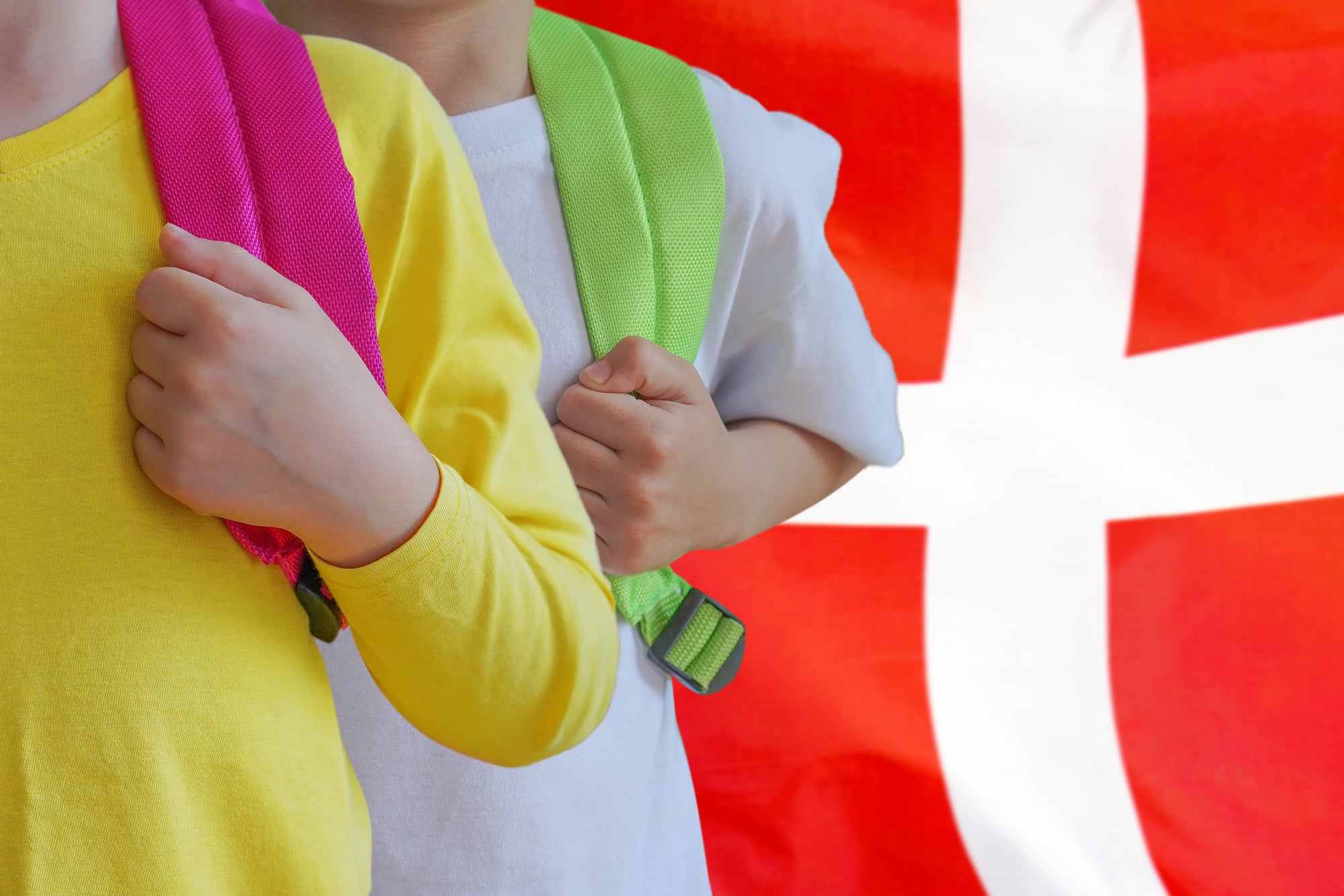
When it’s a student’s birthday in Danish schools, the entire class gathers around a flagpole to raise the Danish flag while singing happy birthday. The birthday child gets to help hoist the flag — and everyone claps as it reaches the top.
This tradition connects personal celebrations with national pride, making each student feel like their special day matters to the whole school community.
Like Go2Tutors’s content? Follow us on MSN.
Scotland’s Haggis Ceremony

Many Scottish schools celebrate Burns Night in January with a traditional haggis ceremony, complete with bagpipes and poetry recitation. Students march into the dining hall behind a bagpiper carrying the haggis — a savory pudding that’s definitely an acquired taste.
The tradition includes reciting Robert Burns’ poem ‘Address to a Haggis’ before ceremonially cutting into the dish with a sword.
Thailand’s Wai Greeting
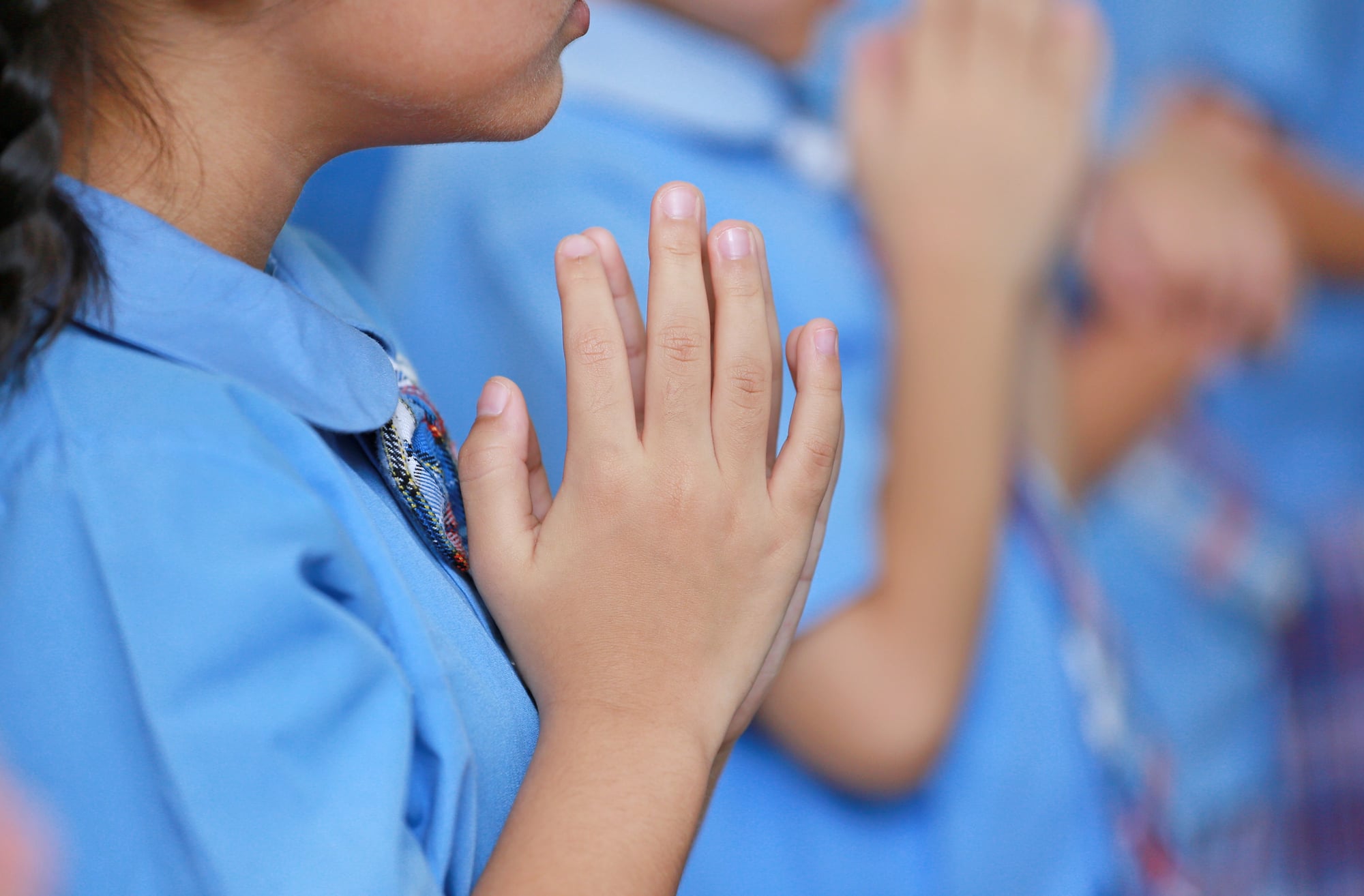
Thai students begin each day by performing the ‘wai’ — a respectful bow with palms pressed together — to their teachers and elders. This isn’t just a quick nod but a formal gesture held for several seconds while saying traditional greetings.
The height of the hands during the wai indicates the level of respect, with teachers receiving the highest position just below the nose.
Russia’s Last Bell Celebration

Russian schools mark the end of the school year with ‘Posledniy Zvonok’ or ‘Last Bell’ — a celebration where graduating students are carried on the shoulders of younger students while ringing a traditional school bell.
The graduating girls often wear elaborate white dresses with large white bows in their hair, creating a scene that’s part graduation, part wedding procession.
Like Go2Tutors’s content? Follow us on MSN.
South Korea’s Teacher’s Day

On Teacher’s Day in South Korea, students present their teachers with carnation flowers — typically red for active teachers and white for retired ones. The entire school transforms into a flower garden for the day, with elaborate ceremonies honoring educators.
Students also perform special songs and dances, with some schools organizing talent shows where teachers get to showcase their hidden skills.
Finland’s Vappu Celebration
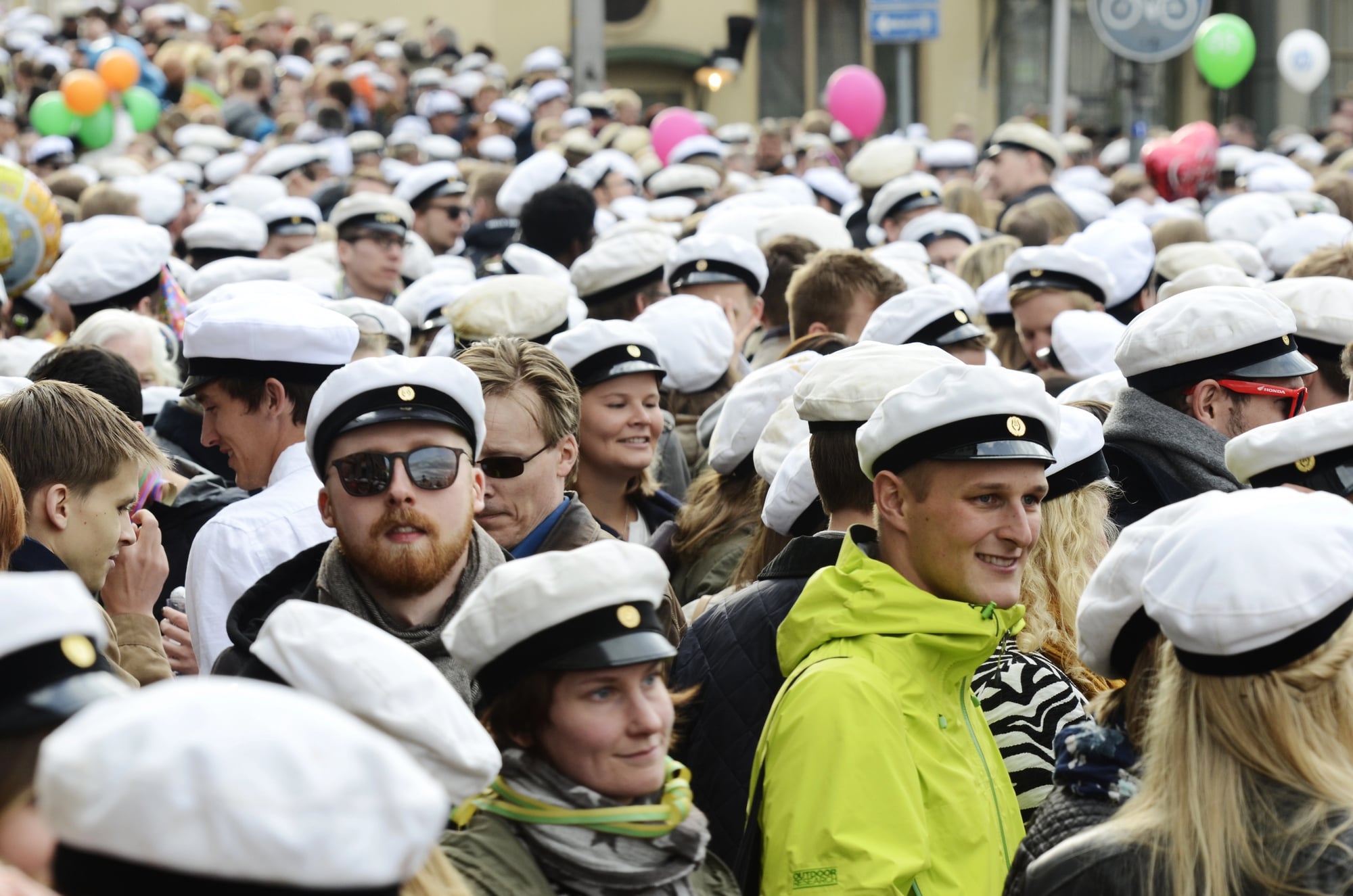
Finnish high school graduates celebrate ‘Vappu’ by wearing white caps and overalls covered in patches representing their achievements and school activities. The celebration involves dunking the caps in fountains, spraying foam everywhere, and creating massive public parties that take over entire city centers.
It’s like a combination of graduation, spring break, and a giant foam fight all rolled into one.
India’s Guru Purnima

Indian schools observe Guru Purnima — a day dedicated to honoring teachers — with elaborate ceremonies where students literally touch their teachers’ feet as a sign of respect. Students also present handmade gifts and perform classical dances or songs for their educators.
The tradition emphasizes the sacred relationship between teacher and student that’s central to Indian educational philosophy.
Like Go2Tutors’s content? Follow us on MSN.
Germany’s School Cone Day

German children starting first grade receive enormous decorative paper cones called ‘Schultüten’ filled with school supplies, sweets, and small toys. These cones — often as tall as the children themselves — make the first day of school feel like a celebration rather than something to dread.
Parents often spend weeks decorating the cones to match their child’s interests and personality.
New Zealand’s Haka Performances

Many New Zealand schools incorporate the traditional Māori haka into their sporting events and special ceremonies. Students learn the powerful war dance with its distinctive chants, foot stomping, and fierce facial expressions called ‘pūkana.’
The haka serves as both a cultural preservation tool and a way to intimidate opposing sports teams — though it’s hard to look intimidating in a school uniform.
Brazil’s June Festivals
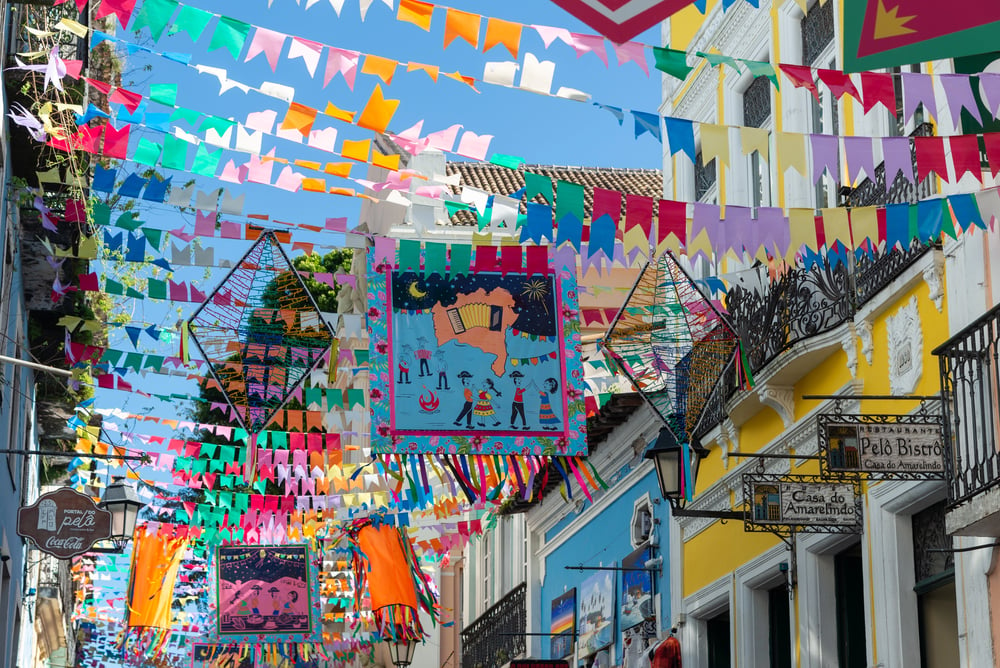
Brazilian schools celebrate ‘Festa Junina’ with country-themed festivals featuring traditional costumes, folk dances, and regional foods like corn on the cob and sweet potato candy. Students dress as farmers or country folk, complete with checkered shirts, straw hats, and drawn-on freckles.
The celebrations include quadrilha dancing — a type of square dancing that gets pretty competitive between different classes.
Like Go2Tutors’s content? Follow us on MSN.
China’s Eye Exercises

Twice daily, Chinese students perform synchronized eye exercises to music, massaging specific pressure points around their eyes and temples. The government-mandated routine is supposed to prevent nearsightedness, though its effectiveness remains debated.
Watching an entire school of students simultaneously rubbing their eyes in perfect rhythm is both mesmerizing and slightly surreal.
Sweden’s Lucia Procession

Swedish schools celebrate Saint Lucia Day in December with processions led by a girl wearing a crown of candles — the ‘Lucia bride’ — followed by other students in white robes holding candles. They sing traditional Lucia songs while walking through darkened hallways, bringing light during the darkest time of the year.
The tradition combines Christian heritage with pre-Christian winter solstice celebrations.
Australia’s Muck-Up Day

Australian high school seniors celebrate their final days with ‘Muck-Up Day’ — a sanctioned day of pranks and silly activities before graduation. Students might fill hallways with balloons, organize costume themes, or create elaborate pranks that are more creative than destructive.
Schools often set boundaries to keep things fun but not harmful, resulting in some pretty inventive student schemes.
Like Go2Tutors’s content? Follow us on MSN.
Philippines’ Blessing of Backpacks

At the start of each school year, many Filipino schools hold a ‘Blessing of Backpacks’ ceremony where students bring their school bags to be blessed by local religious leaders. The tradition asks for divine protection over students’ education and safety throughout the year.
Students also receive small blessed medals or tokens to carry in their bags as daily reminders of the ceremony.
Traditions That Unite and Divide

These unusual school traditions reveal something fascinating about human nature — our need to create meaningful rituals that bind communities together while marking important transitions in life. What seems bizarre to one culture often carries profound significance for another, reminding us that there’s no single ‘right’ way to structure education or celebrate learning.
While some traditions might raise eyebrows among international observers, they serve the crucial purpose of creating shared experiences and lasting memories. These rituals connect students not just to their immediate school community but to generations of learners who participated in the same ceremonies before them.
More from Go2Tutors!

- 16 Restaurant Chains That Went Too Fast
- 12 Things Sold in the 80s That Are Now Illegal
- 15 Strange Things People Have Tried to Ban (And Failed)
- 16 Collectibles People Tossed Out Too Soon
- 17 Myths from Your Childhood That Were Actually Based on Real Things
Like Go2Tutors’s content? Follow us on MSN.



