28 Department Store Traditions That Faded Away and Took a Piece of Culture With Them
There was a version of retail that asked something different of you. Going to the store was not a transaction — or it was not only a transaction.
It was an occasion. You got dressed, you went downtown, you took the elevator to a floor that smelled of perfume and carpeted silence, and the experience itself was the point as much as whatever you came to buy.
The department store, at its height, was an entertainment complex, a social institution, and a civic landmark rolled into a single building on the main street of any city worth living in.
That world is almost entirely gone. What replaced it is more convenient, cheaper, and faster.
It is also a fundamentally different kind of experience, and most people who remember the old version have not found a way to describe what exactly was lost without sounding like they are complaining about progress. The following list does not claim otherwise.
It just tries to name the specific things that disappeared.
Pneumatic Tube Cash Systems

When John Wanamaker introduced pneumatic tube cash systems to his Philadelphia department store in 1880, the technology solved a specific problem: how to move money across a large building without trusting a child to run it. A centralized cashier’s office received change requests through compressed air tubes that ran from every counter in the store.
The customer’s payment traveled up, the change came back down, and the transaction was handled by someone who was not standing in front of you. The hiss and thump of the system became one of the background sounds of shopping in the late nineteenth and early twentieth centuries, and the efficiency it provided — faster, more secure, and more easily supervised than cash runners — made it a fixture in department stores and banks for decades.
The In-Store Tea Room
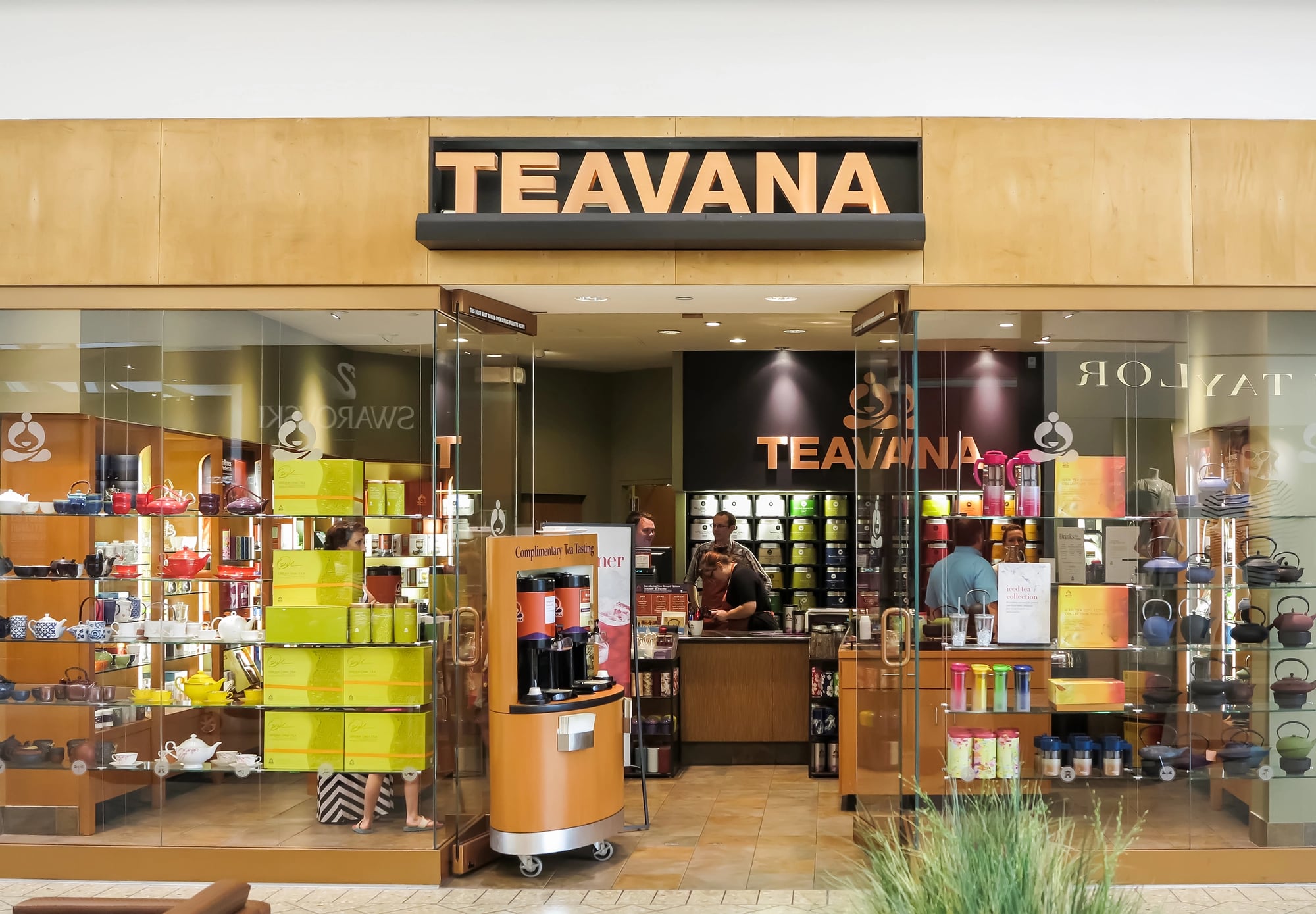
Marshall Field’s in Chicago ran eleven restaurants simultaneously at its peak, serving up to 10,000 meals on a busy Saturday before Christmas. The Walnut Room was the flagship — world-famous for its holiday Great Tree, reportedly the world’s largest indoor Christmas tree — and the store as a whole was considered the finest place to lunch in the city for much of the twentieth century.
Wanamaker’s in Philadelphia had the Crystal Tea Room, which seated 1,400 people at once and was, by most contemporary accounts, the largest dining room in the city. Women who could not eat at a restaurant without a male escort could eat at a department store tea room alone or with friends, which made these spaces quietly significant as social environments that the obvious retail purpose obscured.
The Animated Holiday Window Display
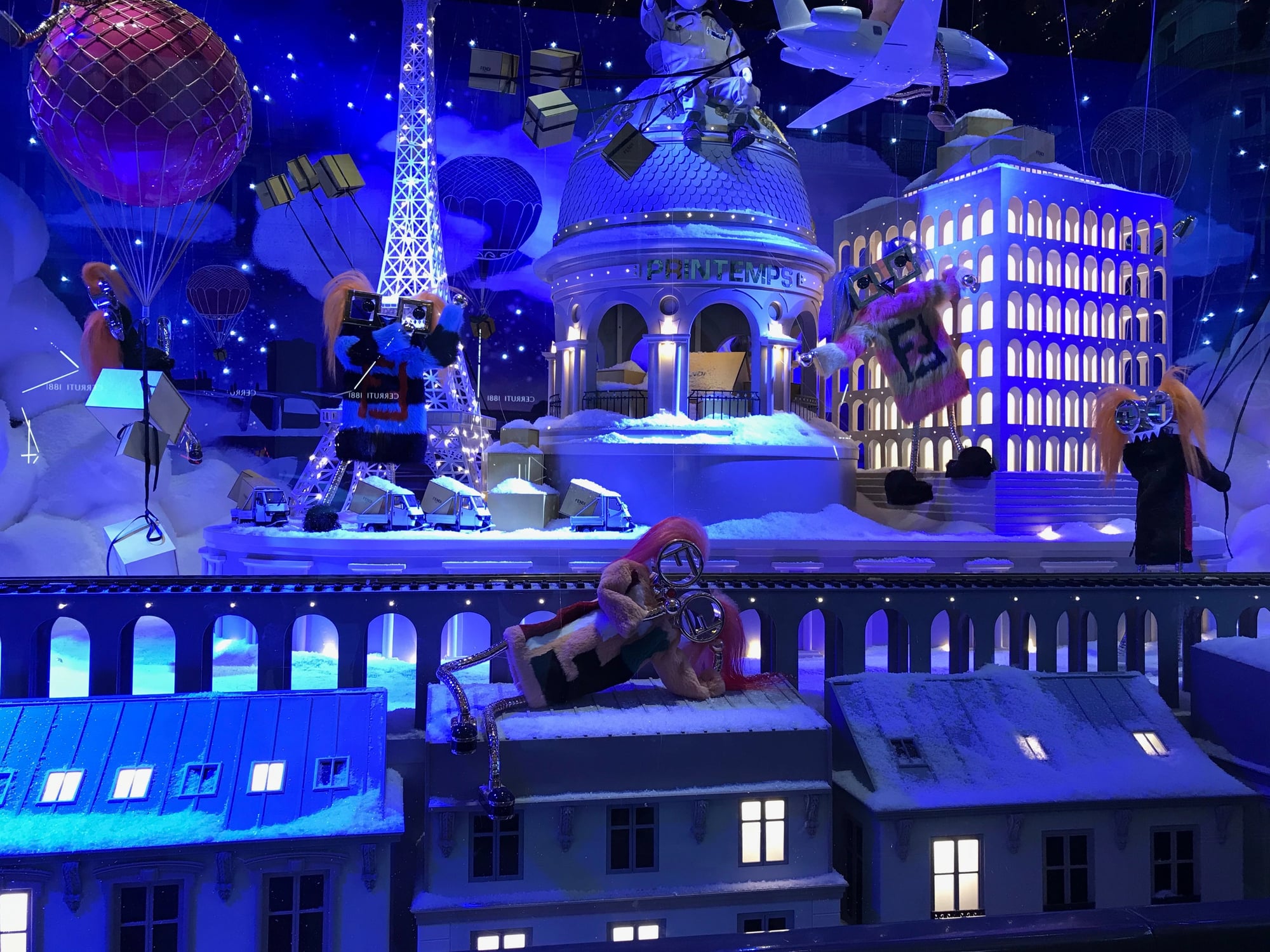
Macy’s installed its first animated holiday window in 1883 — a circular mechanical track with a sleigh moving across the window as if being pulled by reindeer. By the 1890s, every major department store in America and Britain had committed to some version of the tradition.
Saks Fifth Avenue’s displays on Fifth Avenue eventually evolved into full-building synchronized light shows. Lord & Taylor’s windows became an annual design event covered by the press.
The holiday window was not an advertisement in the usual sense — it was a gift to the street, something the store gave to the city rather than extracting from it. The decline of department stores has meant the decline of windows elaborate enough to draw a crowd, and most cities have simply accepted the loss without quite finding a substitute.
Layaway Plans

Layaway — putting a deposit on an item and paying it off over time before taking it home — was developed in the early twentieth century as a way to make large purchases accessible to people who couldn’t pay in full upfront. It peaked in popularity during the Great Depression, when credit was unavailable to most consumers and the installment plan was the only way ordinary families could buy appliances, furniture, or winter coats.
The system disappeared from most major retailers in the 2000s as credit cards became universal, then returned briefly at some chains during and after the 2008 recession as consumers found themselves credit-constrained again. Walmart eliminated layaway entirely in 2021.
The tradition is essentially gone from mainstream retail, surviving mainly in a few regional discount stores.
The Personal Shopper Service

Marshall Field’s in Chicago is credited with introducing the personal shopper as a formal department store role — a dedicated staff member who helped customers navigate the store’s offerings, pulled merchandise, and provided the kind of individual attention that made a large impersonal space feel managed on someone’s behalf. The service was free.
At its peak in the mid-twentieth century, personal shoppers at major department stores maintained client files, remembered family members’ sizes, and sent suggestions for upcoming occasions. The service is still offered at some luxury retailers, but in the mass-market department stores where it was once standard, the position has been replaced by reduced staff, self-service floor layouts, and the expectation that customers will do their own research online before arriving.
Hat Boxes and Garment Packaging

Purchases in the early and mid-twentieth century department store were not merely bagged — they were wrapped, boxed, and sometimes placed in specialized carrying boxes designed to protect the item in transit. Hat boxes, with their cylindrical forms and silk ribbons, were a standard product category.
Gloves came in tissue-lined boxes. Dresses were wrapped in tissue and placed in boxes with the store’s name on the lid.
The box itself was part of the purchase — evidence that what you had bought came from a place that treated merchandise with appropriate care. People kept department store boxes for decades as general-purpose storage.
The shift to plastic bags eliminated both the cost and the implied ritual.
The Bridal Registry
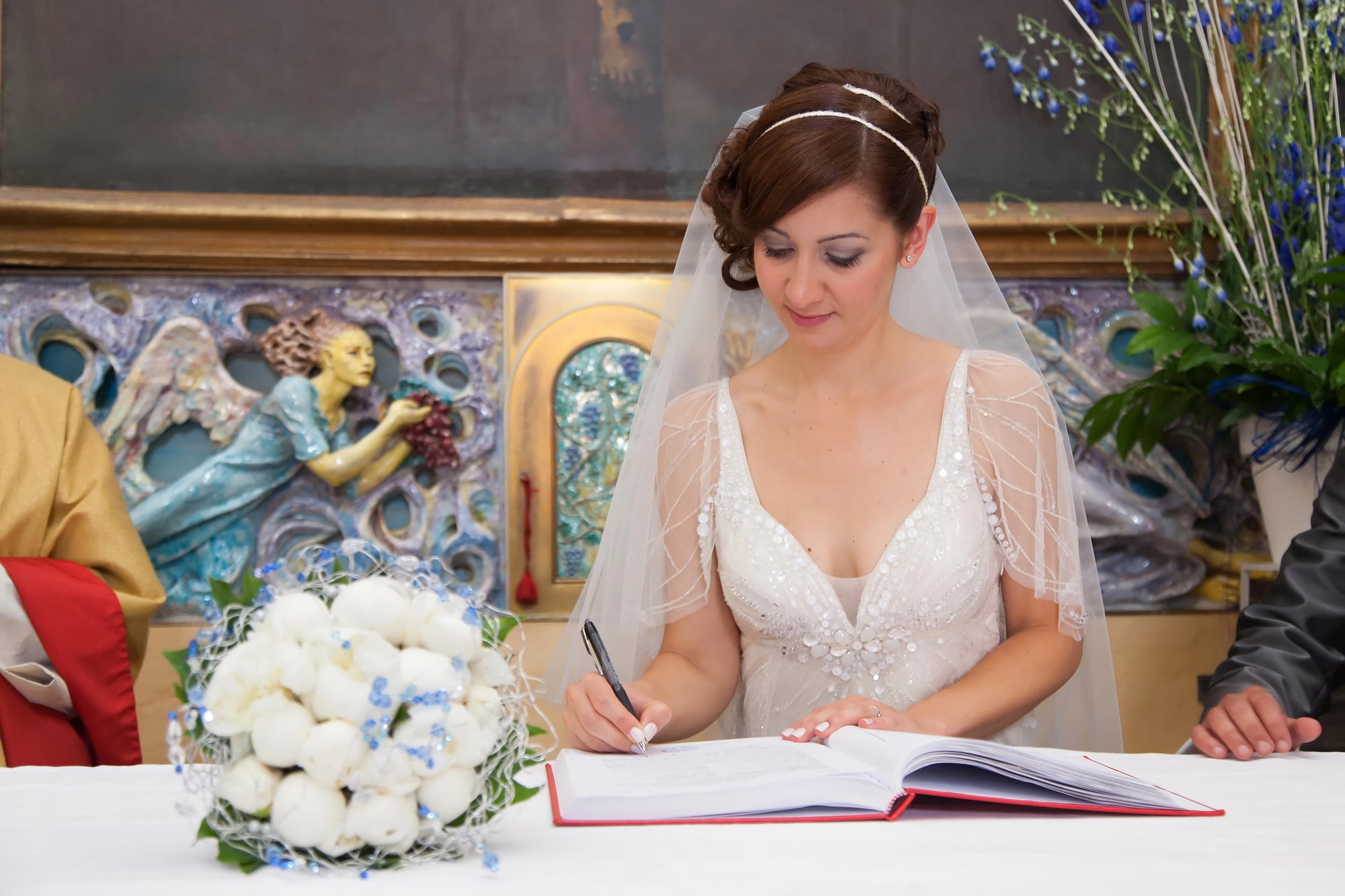
Marshall Field’s is credited with inventing the bridal registry in the early twentieth century — a service that allowed engaged couples to select items from the store’s inventory and have the list made available to guests who wished to buy gifts. The registry solved a genuine practical problem: wedding gifts prior to its existence were frequently duplicated, mismatched, or entirely unwanted.
The department store bridal registry became a national institution and spread across the industry throughout the mid-century. It survives today in digital form at multiple retailers simultaneously, which is more functional but considerably less elegant than the version that involved a sales associate walking a couple through a china department with a clipboard.
The In-Store Fashion Show

Department stores across America regularly held fashion shows in their upper floors, restaurants, or dedicated event spaces from the 1920s through the 1980s — events where models presented seasonal collections on a runway to an audience of customers who had come to shop and stayed for the spectacle. Jordan Marsh in Boston was particularly known for this service.
The shows were free to attend, often accompanied by refreshments, and served simultaneously as entertainment and commerce — the items shown were available on the floor directly afterward. The in-store fashion show gave retail a theatrical quality that no amount of visual merchandising has successfully replaced.
Dedicated Elevator Operators
The department store elevator operator was a specific and distinct profession that persisted in American retail from the late nineteenth century through roughly the 1970s. Operators managed the lift, announced each floor’s offerings as the doors opened, and provided a layer of human service that turned a mechanical necessity into a navigational system that required no literacy.
The job was occupied almost exclusively by women in many stores and by Black workers in others, reflecting the labor hierarchies of the eras in which it existed. Automatic elevators replaced human operators, but the transition eliminated a touchpoint that had been, for many shoppers, one of the defining sensory experiences of the department store visit.
The Christmas Pipe Organ
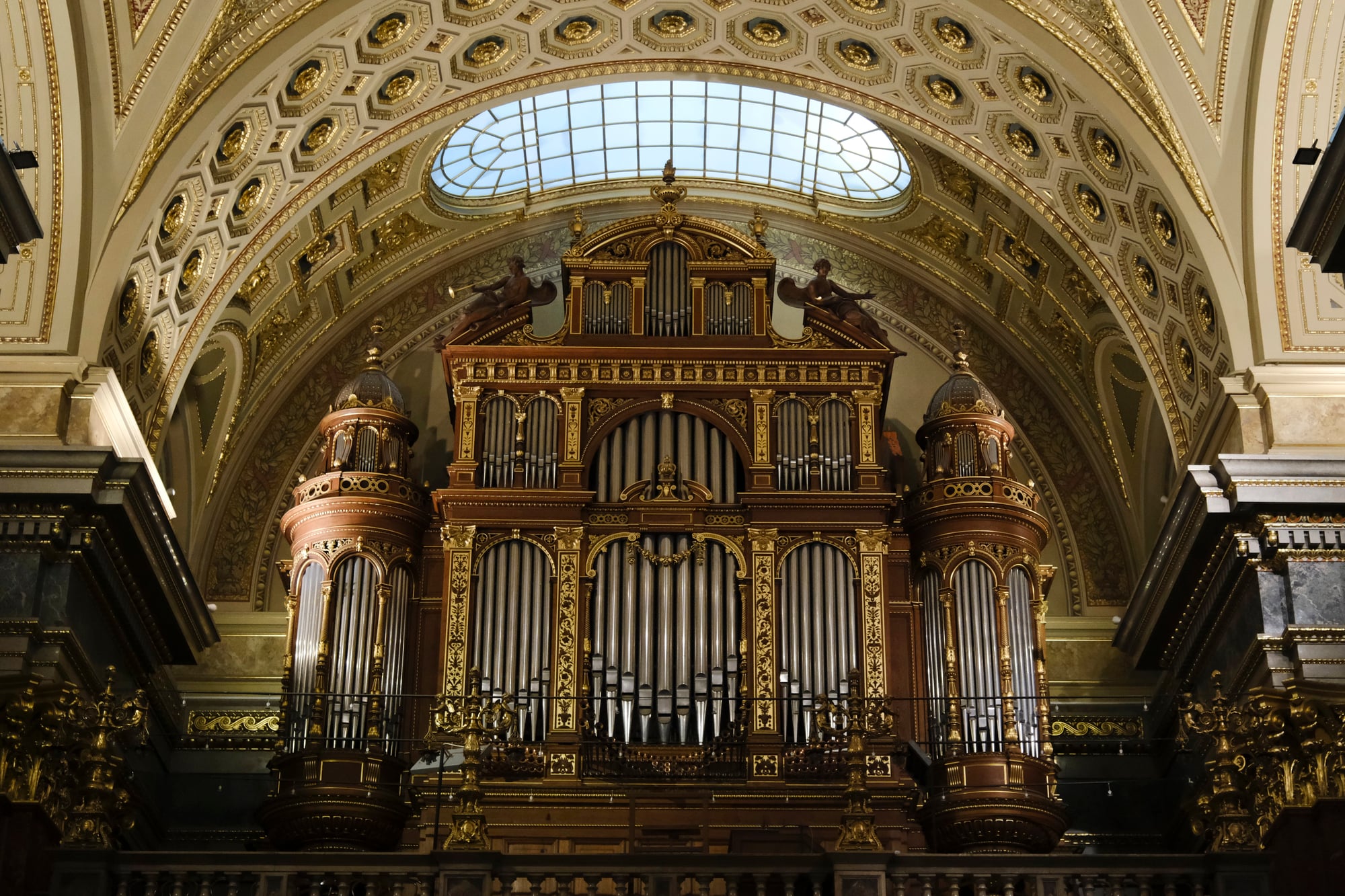
Wanamaker’s in Philadelphia installed the largest working pipe organ in the world in its Grand Court, and daily lunchtime organ concerts became one of the store’s defining traditions — so associated with the building that when Macy’s acquired the store in 2006, the concerts continued. The Wanamaker Organ has since been designated a National Historic Landmark, which is an unusual distinction for a retail sound system.
Other department stores had music — pianos in the women’s department, orchestras for special occasions — but the scale and seriousness of the Wanamaker organ made it something genuinely civic rather than merely commercial. Shoppers came to hear it who had no intention of buying anything.
The Store’s Own Credit Account

Before the consolidation of the credit card industry, many department stores issued their own proprietary credit accounts — physical charge plates, then store charge cards — that allowed customers to shop on credit exclusively at that store. The accounts created loyalty in a specific and binding way: if your Filene’s account was in good standing, you went to Filene’s.
The conversion to universal bank-issued credit cards in the 1980s and 1990s eliminated the store-specific accounts and, in many cases, the relationship with the store that had sustained them. The same card that let you buy at Macy’s let you buy anywhere, which turned out to mean that Macy’s was not where people went.
Window-Shopping as a Deliberate Activity
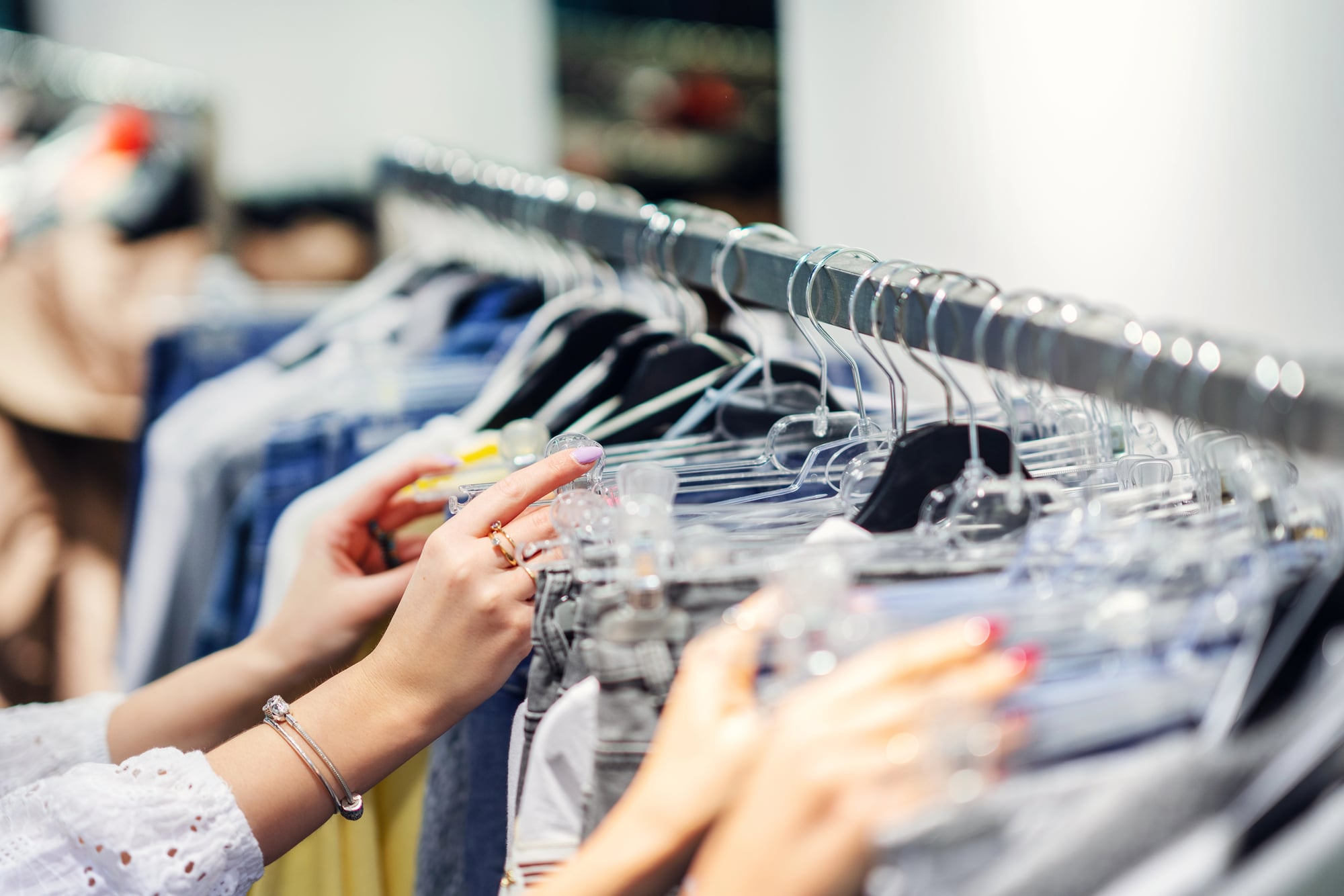
The phrase “window-shopping” existed because the activity was deliberate and named — something you did on purpose, on foot, on a street where department stores and specialty shops had invested in display windows designed to be looked at for their own sake. The window as a design medium had its own practitioners, its own professional standards, and its own annual competitions.
Gene Moore, who designed the windows at Tiffany & Co. from 1955 to 1994, was considered a significant artist. The shift of retail online eliminated the window as a commercial form, and the few department stores that remain have largely reduced their window investment to a level that does not justify stopping.
The Bargain Basement
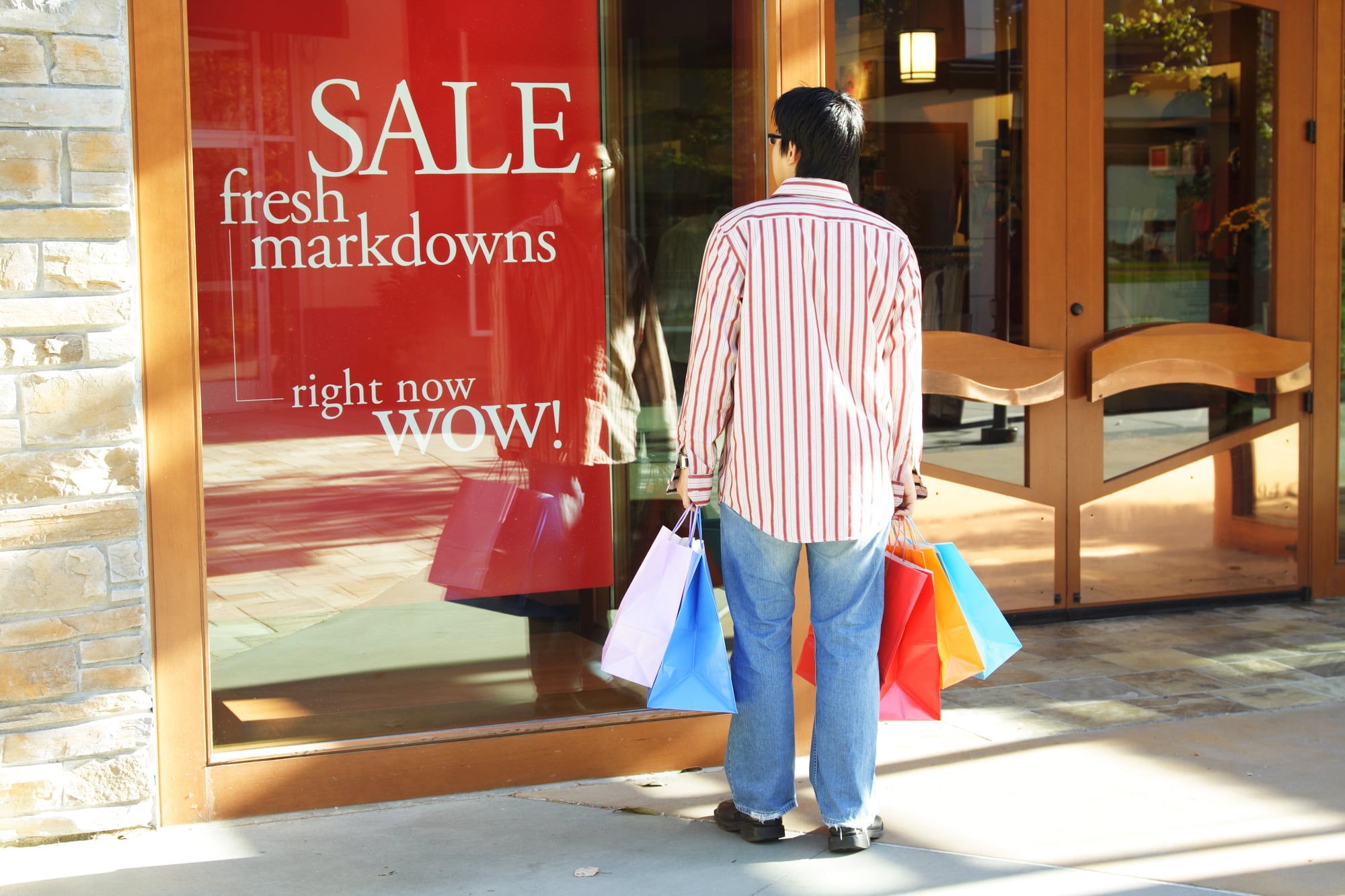
Marshall Field’s introduced the bargain basement as a distinct retail concept — a floor or section dedicated to discounted merchandise, positioned literally below the main store to reinforce the price differential visually and spatially. The arrangement allowed the store to maintain its upscale identity on the upper floors while capturing value-seeking customers below.
Filene’s Basement in Boston became so famous for its automatic markdown system — prices reduced by a fixed percentage every week until the item sold or was donated to charity — that it developed its own reputation independent of the parent store. The concept survives in discount retail generally, but the specific architecture of high-low retail under one roof has largely disappeared.
Revolving Charge Credit in the 1920s

The credit system that Marshall Field’s pioneered in the 1920s — allowing customers to take purchases home and pay the balance monthly — established the template for consumer credit that would eventually become the credit card industry. At the time, the ability to buy on account was transformative: more than 80% of household appliance purchases in the 1920s were made using some form of credit.
The department store was the primary vehicle through which middle-class Americans first developed a relationship with debt-financed consumption, which is a legacy that has outlasted the stores themselves by several decades.
The Store Meeting Point
Every major department store had one: the landmark that served as the meeting place for the city. Marshall Field’s had its two massive bronze corner clocks on State Street, which were also where Chicago’s tourists posed for photographs.
Wanamaker’s in Philadelphia had its bronze eagle statue in the Grand Court — “Meet me at the Eagle” was the standard instruction for generations of Philadelphians. Cleveland’s Higbee’s had its Tick-Tock Restaurant clock.
These meeting points were so embedded in the social geography of their cities that they functioned as landmarks independent of the stores themselves, and when the stores closed, the landmarks went with them, and the instruction became a historical reference rather than a practical direction.
The White Glove Tea Room Standard

The dress code at mid-century department store tea rooms was not posted — it was understood. Women arrived in hats and gloves, sat at tables with linen service, and ate from menus that featured club sandwiches, tomato aspic, finger sandwiches, and the store’s signature dessert.
At Wanamaker’s Crystal Tea Room, the white gloves were not merely acceptable — they were expected. At Marshall Field’s Walnut Room, the room’s association with a specific standard of decorum was maintained for so long that regulars who remembered it from the 1940s were still eating there on the same terms in the 1980s.
The tradition did not decline because the food got worse. It declined because the pace of life changed, and women who had been available to linger over lunch were no longer available.
The Toy Department at Christmas

The toy department of a major department store at Christmas was one of the formative experiences of mid-century American childhood — an entire floor transformed into an operational wonderland, with demonstrations, train sets running on elaborate tracks, and staff who had been specifically trained to manage the crowd of children who arrived each Saturday in November and December.
The Enchanted Village at Jordan Marsh in Boston was a room-sized animated display that families made specific annual pilgrimages to see. Wanamaker’s holiday light show in Philadelphia’s Grand Court, created in 1955, still runs in the building today even though the store is gone — a tradition that outlasted the institution that created it.
The Catalog and the Mail Order Department

Before the retail website, the department store catalog was the dominant mechanism of remote retail — a physical book, mailed to customers, from which they could order by writing or phoning in the item numbers.
Marshall Field’s, Sears, and Montgomery Ward all operated substantial mail order operations alongside their physical stores, and the catalog was in many households the primary source of goods that were not available locally.
The department store catalog died when internet retail made the concept redundant. Sears held on with a print catalog until 1993.
The last physical Sears catalog was received by people who did not know it was the last one.
The In-Store Book Signing

Marshall Field’s held author book signings as a regular commercial and cultural event, positioning the store as a literary institution as well as a retail one. The tradition was wide enough that the store’s event calendar resembled that of an independent bookshop attached to a very large clothing section.
The combination of books and department stores was never obvious, but it worked as a social proposition: people came for the event and stayed for the merchandise. The separation of retail categories — books here, clothing there — eliminated the accidental adjacency that made the department store’s cultural programming possible.
The Delivery Service and the Store’s Own Trucks

Throughout the first half of the twentieth century, major department stores maintained their own delivery fleets — trucks painted with the store’s name and colors that appeared in residential neighborhoods to deliver purchases made the day before. The delivery was included in the purchase price, which positioned it as a service rather than an add-on.
The fleet required significant logistical and labor investment that ultimately became uncompetitive against specialized delivery companies. Department store trucks disappeared from American streets by the 1980s, replaced first by UPS and later by a distribution ecosystem that is faster, cheaper, and owned by nobody.
The Charge Plate

The charge plate — a metal stamped plate used like a proto-credit card to make purchases on account at a specific store — was a physical object of some weight and consequence. It meant you had an account.
You had a relationship. The store knew your address, your history, and your preferences.
Losing your charge plate at Filene’s meant calling Filene’s. The plate was replaced by plastic, then plastic was replaced by the swipe, then the swipe was replaced by the tap, then the tap was replaced by the phone.
Each transition made the transaction more efficient and less personal, which is the same direction retail has been traveling since the department store replaced the corner shop.
The Store’s Own Newspaper Advertisement
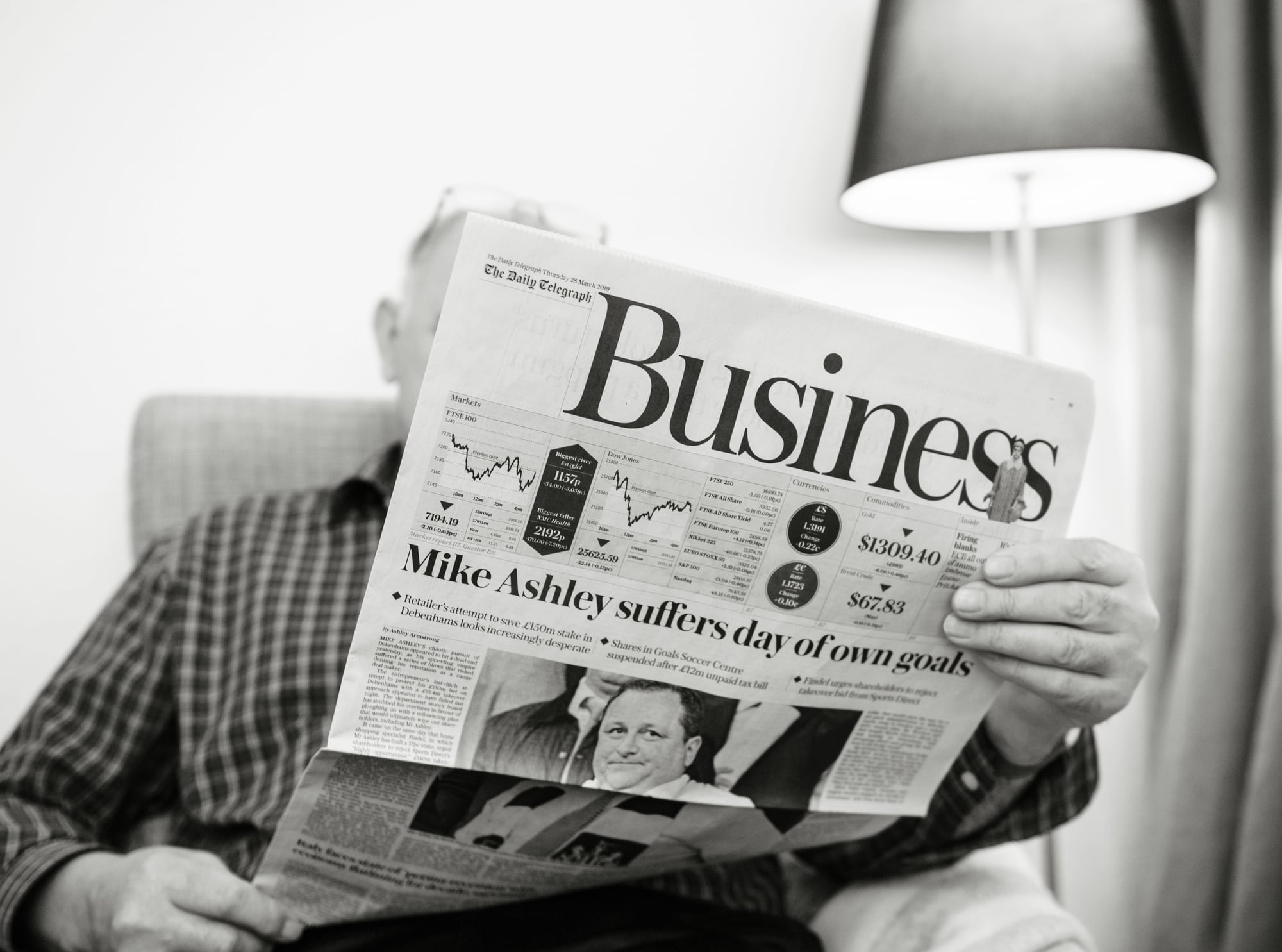
Department stores were among the heaviest advertisers in the history of American newspaper print — full-page and multi-page insertions, several times weekly, that functioned simultaneously as product listings and institutional image-building. The Wanamaker’s ads designed by John Powers in the 1880s are considered founding documents of American advertising copywriting, notable for their plain, specific, honest language at a time when advertising copy was florid and vague.
The end of newspaper advertising as a functional commercial medium was not just the end of a media format — it was the end of a specific relationship between the department store and its city, carried out in print, three times a week, for over a century.
The Millinery Department
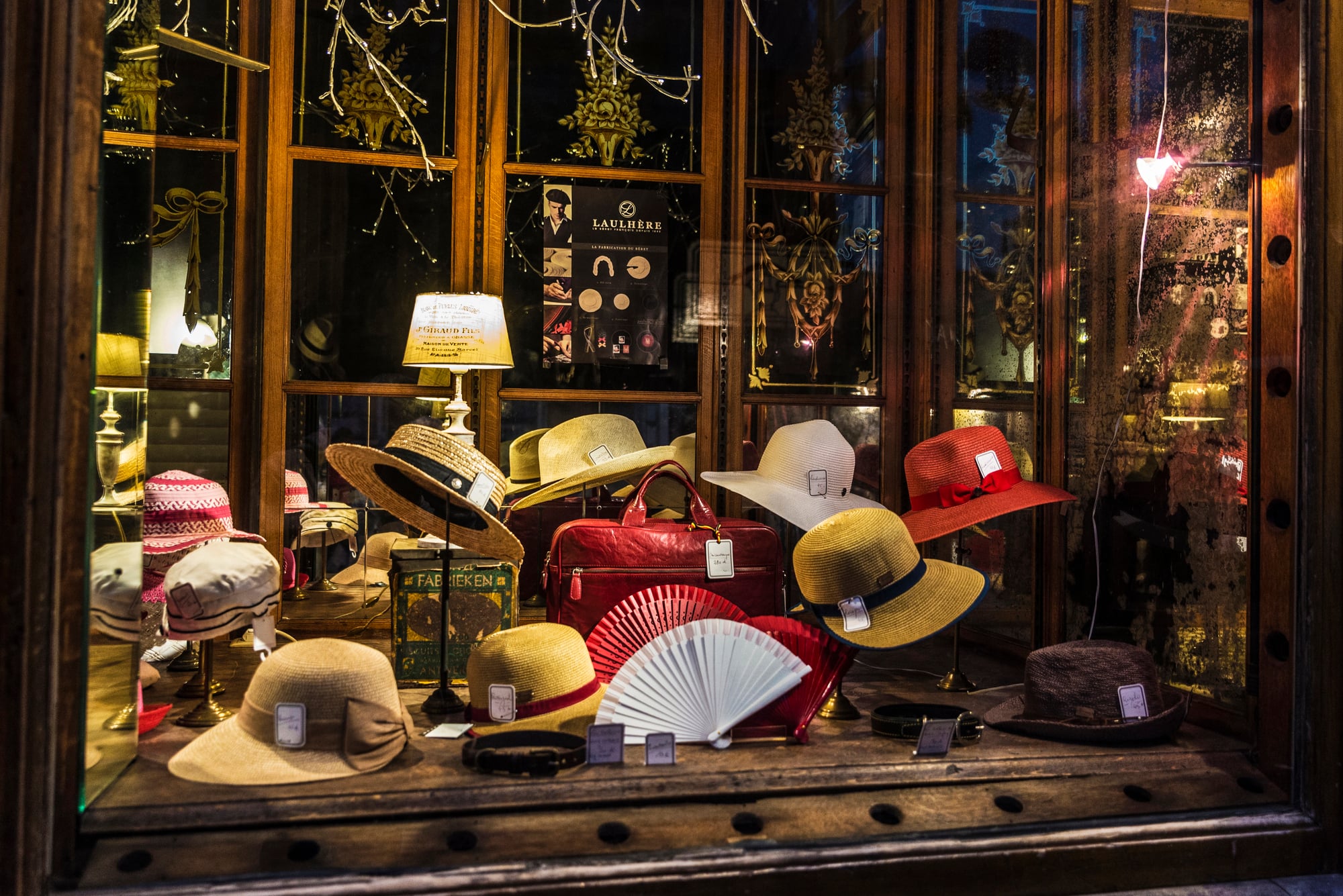
Millinery — the making and selling of hats — was a major department store operation from the late nineteenth century through roughly the 1960s. The millinery department occupied significant floor space, employed skilled fitters, and stocked not merely ready-made hats but custom and semi-custom work.
The social norm that required women to wear hats in public collapsed rapidly in the early 1960s, and with it the commercial infrastructure that had supported it. The hat departments that survived converted to accessories and scarves.
The skilled workers who staffed them retired without being replaced. The craft knowledge embedded in the department store millinery tradition dispersed without record.
The Store’s Restaurant That Served Men Separately
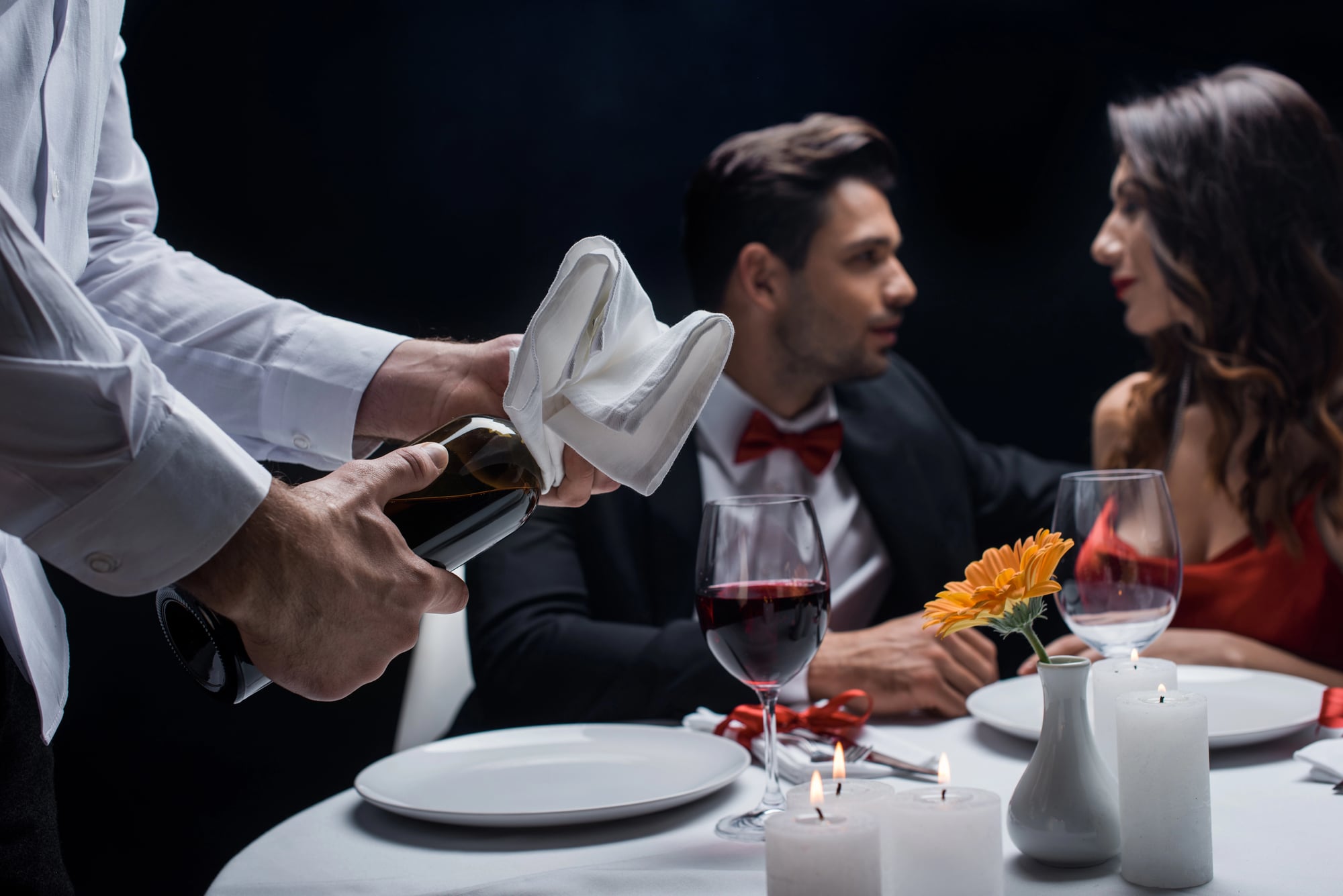
Several major department stores in the early and mid-twentieth century maintained separate restaurant sections — grillrooms or luncheon counters positioned apart from the main dining areas — specifically for male customers. The department store was primarily a female space in its culture and staffing, and the separate facilities for men acknowledged that male shoppers were guests in an environment oriented toward women.
These spaces were quiet, served different menus, and existed in a social logic that seems strange now and made complete sense at the time. They disappeared as gender norms around dining changed, absorbed into the general restaurant floors that replaced them.
More from Go2Tutors!

- The Romanov Crown Jewels and Their Tragic Fate
- 13 Historical Mysteries That Science Still Can’t Solve
- Famous Hoaxes That Fooled the World for Years
- 15 Child Stars with Tragic Adult Lives
- 16 Famous Jewelry Pieces in History
Like Go2Tutors’s content? Follow us on MSN.