26 Video Game Cartridges Worth Digging Out
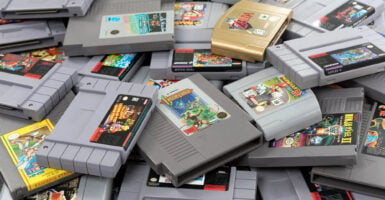
Most old game cartridges are worth roughly what a thrift store asks for them, which is not much. A small group behaves very differently, and the reason is almost never quality.
It is usually a recall, a contest, a rental-store deal or a print run so small that nobody noticed at the time. Condition matters more here than in most corners of collecting.
A label torn by a younger sibling, a missing manual or a cracked shell can move a price by a factor of ten, and sealed copies live in a separate market altogether.
Nintendo World Championships Gold Edition
Nintendo made 26 gold versions of its 1990 competition cartridge and handed them out as prizes in a Nintendo Power contest, each with the winner’s name and hometown printed on a hand-cut label. CGC has reported that only 16 gold examples are known to exist, one was lost in a house fire, and nine remain unaccounted for.
A copy graded CGC 4.0 sold at Goldin in August 2024 for 207,400 dollars, and that example had lost its label entirely. Label survival, a working dip switch and a paper trail back to a named winner separate a strong result from an extraordinary one.
Gray Competition Cartridge From the 1990 Tour
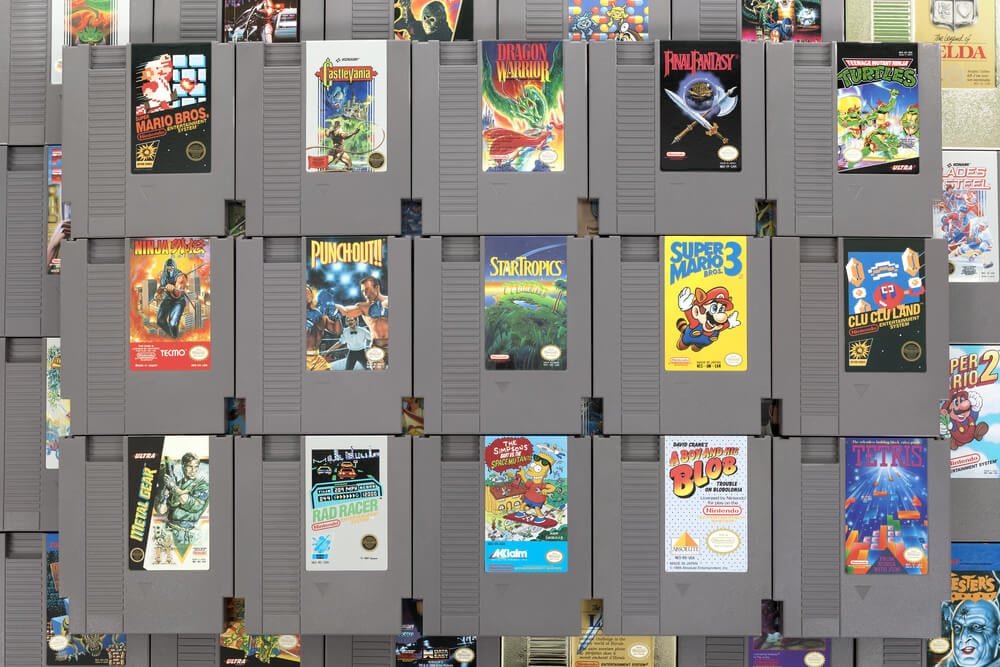
The gray version of the same cartridge ran shortened versions of Super Mario Bros., Rad Racer and Tetris, with dip switches that let staff set the clock for each player. Counts differ by source, and the labels were glued on with an adhesive that was never meant to last, which is why so many survivors look battered.
Even so, a scuffed copy with the word Mario scrawled across it drew 99,902 dollars on eBay in 2014. Clean labels, intact switches and a documented chain of owners push offers far past that.
A gray board with a replaced label sits well below an untouched one.
Stadium Events From Bandai
Bandai released Stadium Events in 1987 for its Family Fun Fitness mat, then Nintendo bought the rights, renamed the mat the Power Pad and pulled the Bandai game from shelves. The software came back as World Class Track Meet, which is common.
Estimates put the number of Stadium Events copies that reached shoppers at about 200, and most collectors rank it as the rarest licensed NES release in North America. A factory-sealed copy sold privately for about 41,977 dollars in 2017.
An orange Series 2 badge on the label is the quick tell, and loose cartridges bring a fraction of boxed ones.
Factory-Sealed Super Mario Bros.
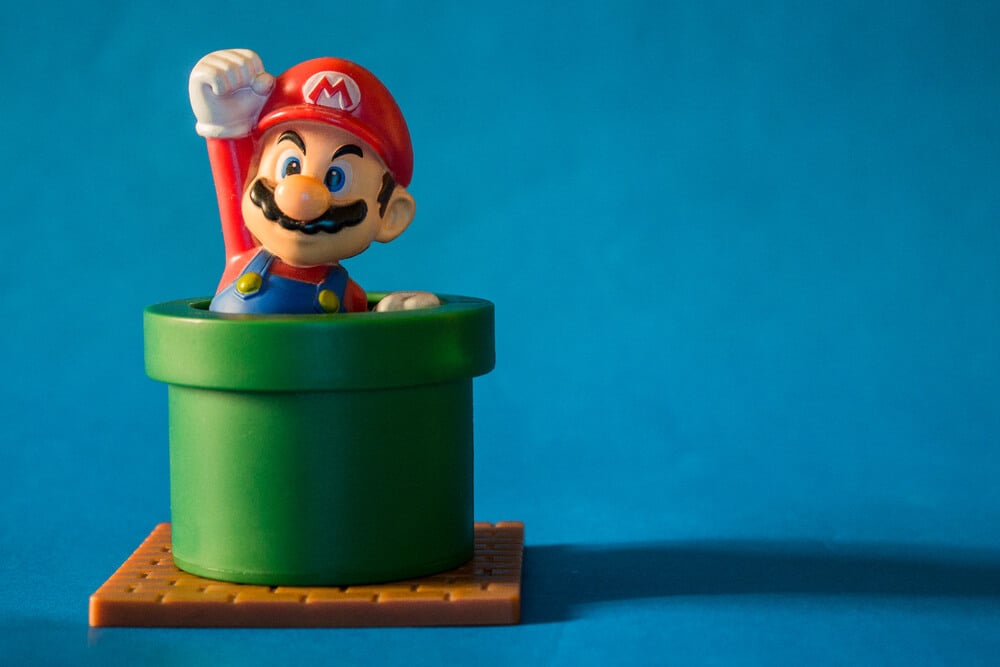
Loose copies of the 1985 NES launch game are everywhere and cost little, so every bit of value here lives in untouched packaging. Heritage Auctions sold a sealed copy in April 2021 for 660,000 dollars, and a sale through the Rally platform reached 2 million dollars later that year.
In June 2026, Heritage hammered another sealed copy at 3 million dollars, the highest price yet paid for any video game at auction. Buyers at that level study box variants, seal type and grading notes line by line.
A tiny tear in the plastic seal changes the conversation completely.
Sealed Super Mario 64
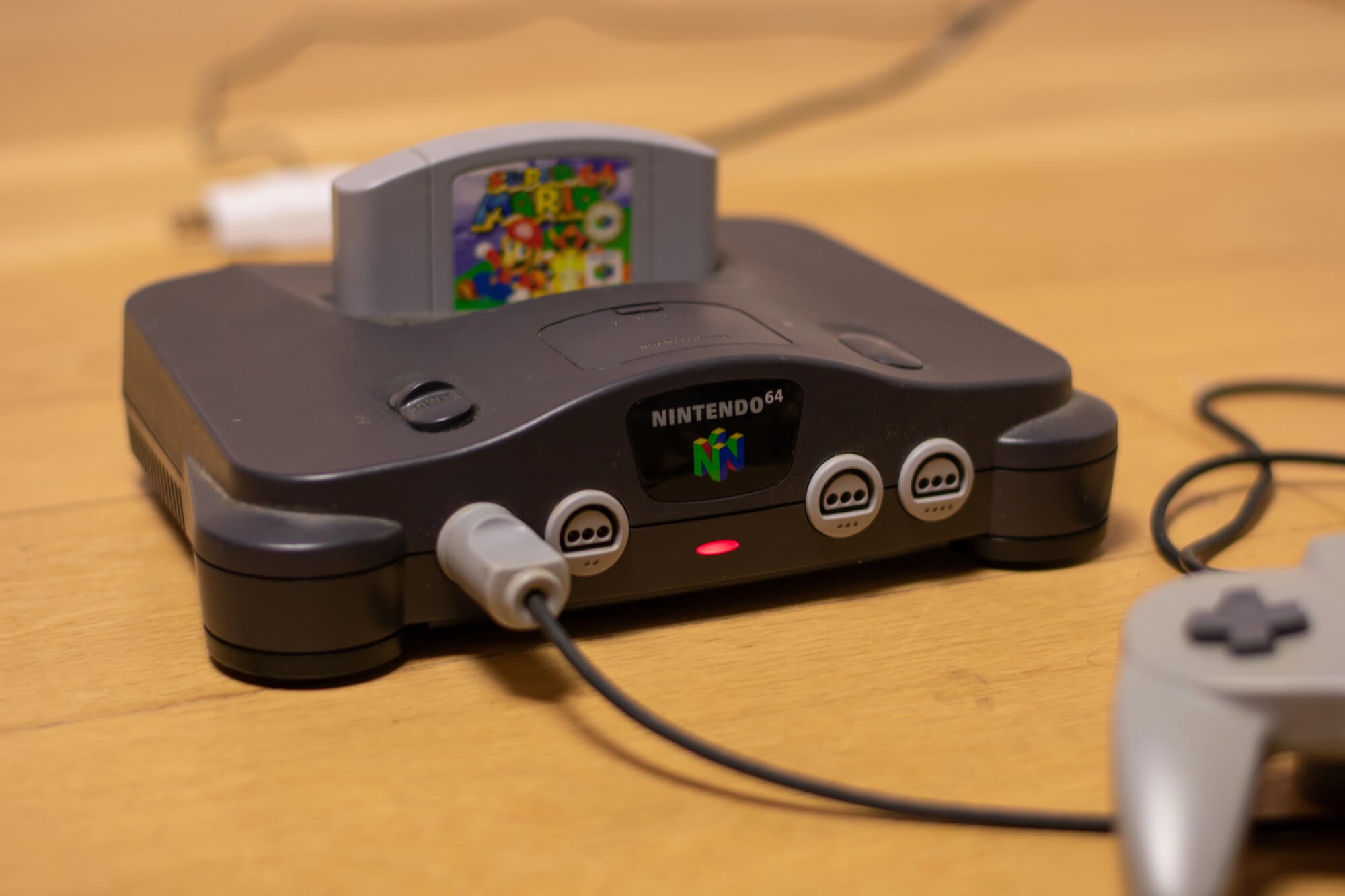
In July 2021, a sealed Super Mario 64 graded Wata 9.8 A++ sold at Heritage Auctions for 1.56 million dollars, the first video game to pass the million-dollar mark at auction. Nintendo shipped this game in huge numbers, so the result was about condition far more than scarcity.
That distinction matters for anyone holding a copy from 1996. An opened cartridge in a worn box is an ordinary collectible worth a modest sum.
A sealed example with sharp corners, clear plastic and no seam splits belongs to a small and very demanding market.
Gold Legend of Zelda Cartridge
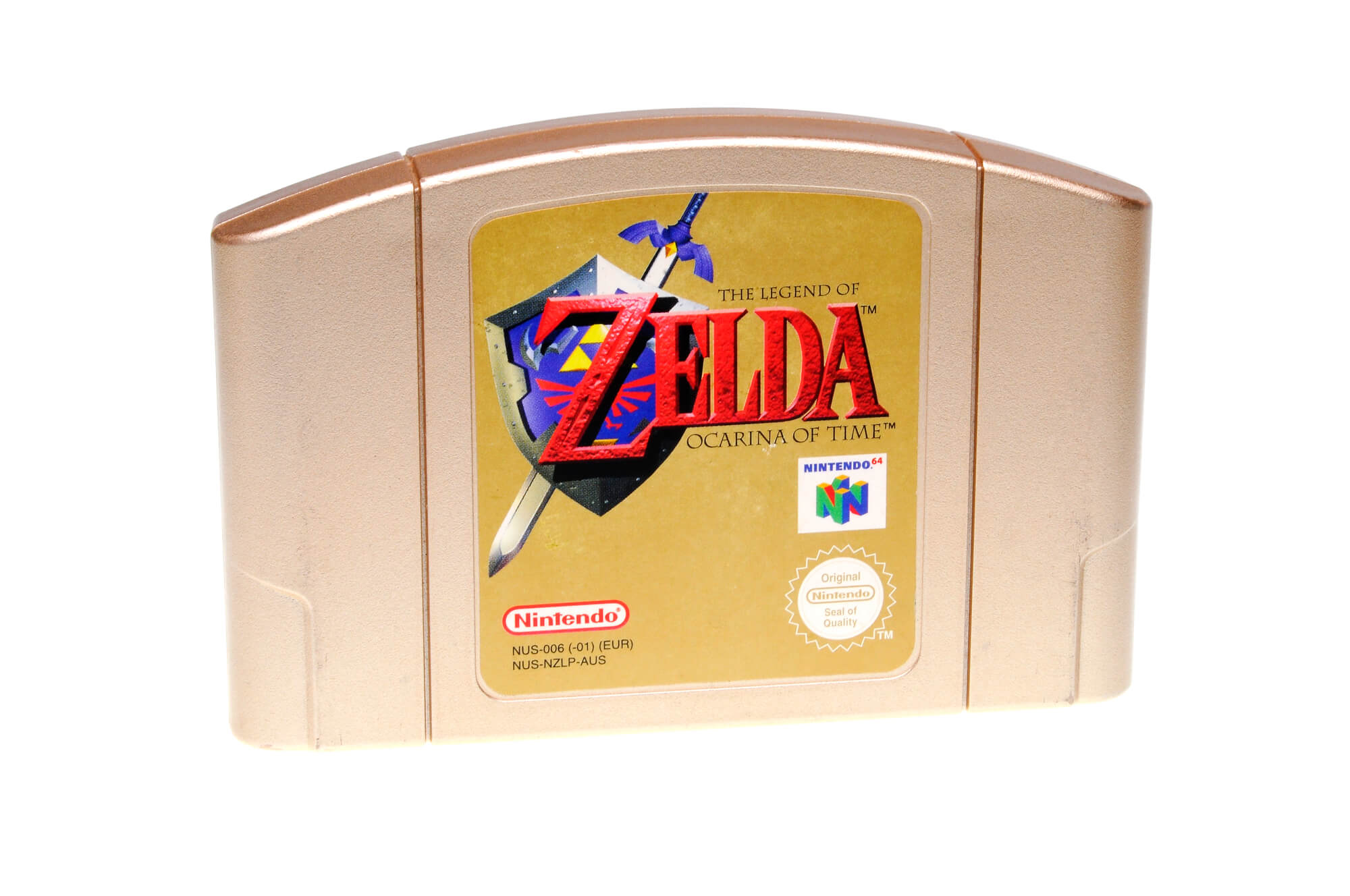
Nintendo packaged The Legend of Zelda in 1987 in a gold plastic shell, a bold move when every other NES game came in gray, and the box had a window to show it off. Specialists track early production copies through small box variants.
A sealed early copy sold at Heritage for 870,000 dollars in July 2021, and a CGC 8.0 A example brought 288,000 dollars in February 2024. Loose gold cartridges are plentiful by comparison.
Sun fading on the gold plastic and label scuffs pull even those down noticeably, so a bright, clean shell is worth a second look.
Air Raid for the Atari 2600
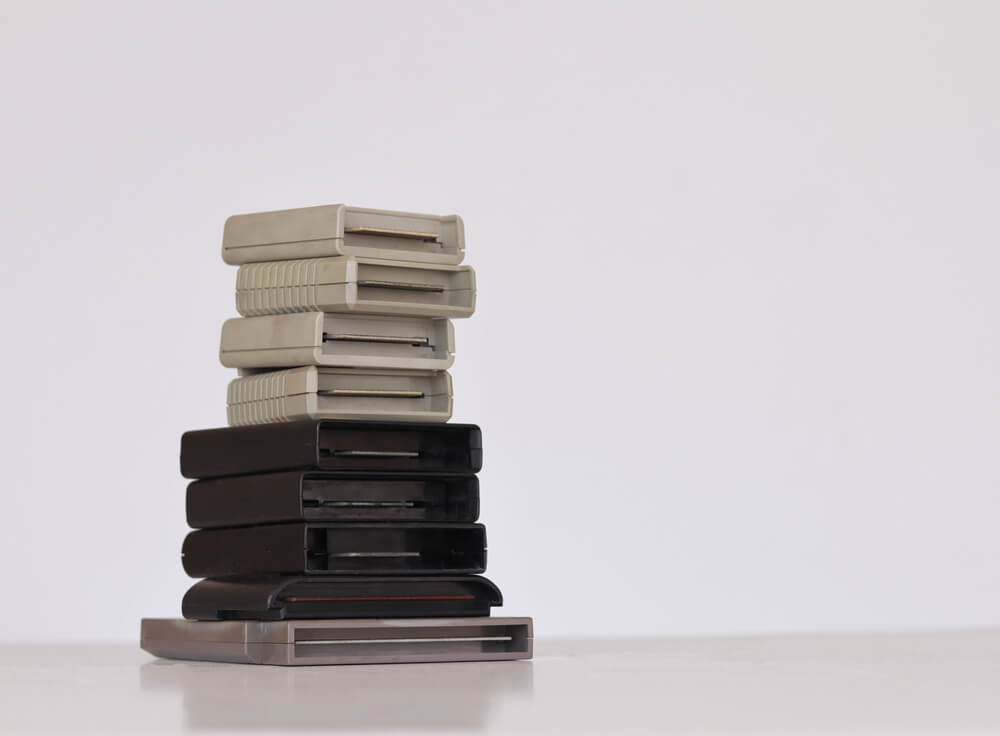
Men-A-Vision released Air Raid in 1982, and the cartridge is easy to spot thanks to a light blue T-shaped handle that looks nothing like a standard Atari shell. Very few copies are known, and complete boxed examples are rarer still.
In 2021 a Goodwill store in Texas sold one through its online auction site for 10,590.79 dollars, a rare happy ending for a donation bin. Label wear and cracks in that plastic handle matter a great deal.
A box multiplies the value many times over, since most buyers in 1982 threw it away.
European Kizuna Encounter for Neo Geo
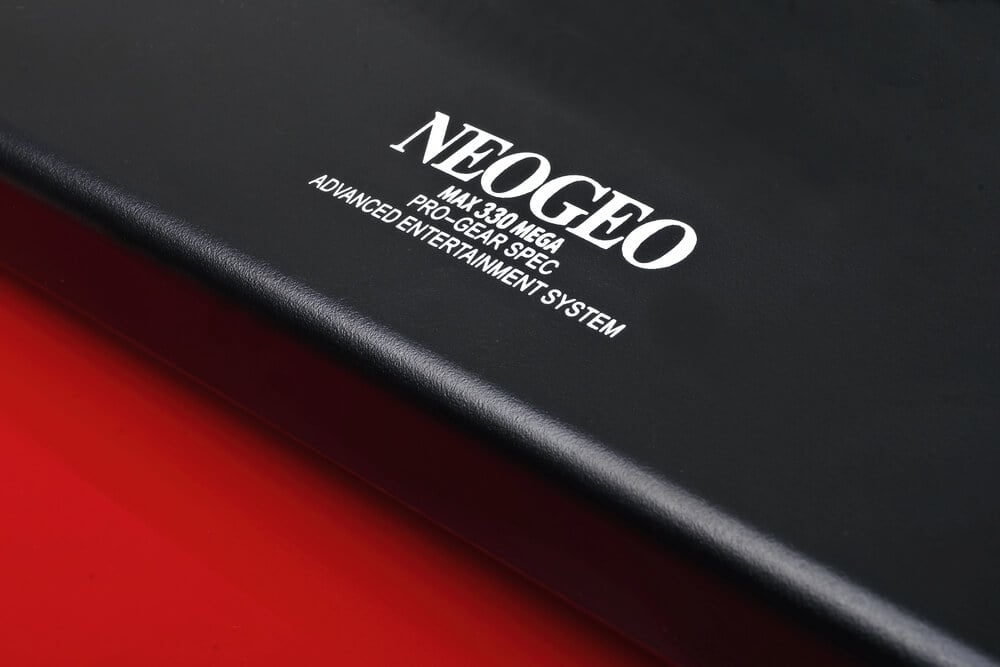
SNK’s Kizuna Encounter is a common arcade board and an ordinary Japanese home cartridge, but the European home release is a different animal. Guinness World Records listed it as the rarest console fighting game, citing only five known copies and sales around 12,500 dollars, and price guides in 2020 placed it far higher.
The game inside is identical to the Japanese version, so value rests entirely on the European box and inserts. A complete, crisp example is the entire point.
An arcade or Japanese copy is a fun game and not much more.
Little Samson by Taito
Taito released Little Samson for the NES in 1992, when stores were already turning their shelves over to the Super Nintendo. The game earned strong reviews and weak distribution, and that combination is how late NES titles become expensive.
Loose cartridges regularly sell above 1,000 dollars, and complete boxed copies go far beyond that. Reproduction cartridges are common, so buyers open the shell or ask for photos of the board.
An untorn label, clean contacts and genuine internals decide where a given copy lands, and a boxed copy with its manual belongs in a different bracket.
Cheetahmen II
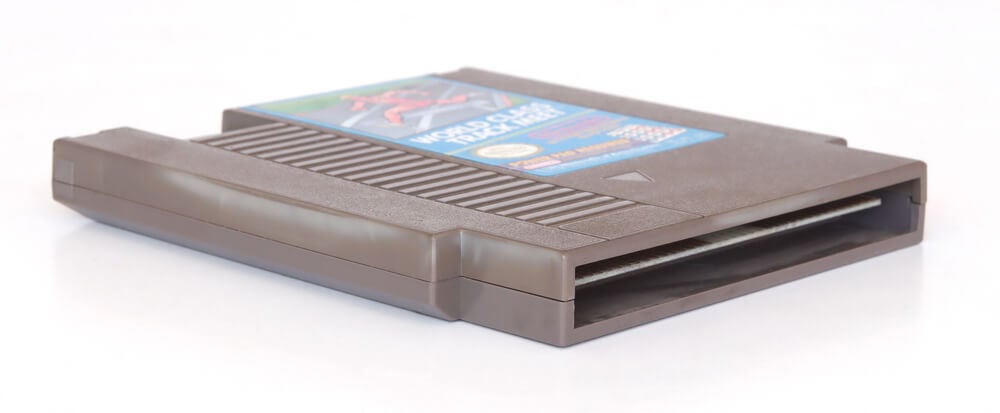
Active Enterprises made Cheetahmen II in 1992 as an unlicensed NES follow-up to its Action 52 multicart, and it never reached stores. A warehouse stash surfaced years later, and many of those cartridges turned out to be leftover Action 52 shells with new labels pasted over the old ones.
The game is famously unfinished, with a bug that halts most players partway through. Collectors want it for the story rather than the gameplay.
A crowdfunded reissue appeared in 2013, so buyers confirm they are holding an original, and label condition still sets the price.
EarthBound in the Oversized Box
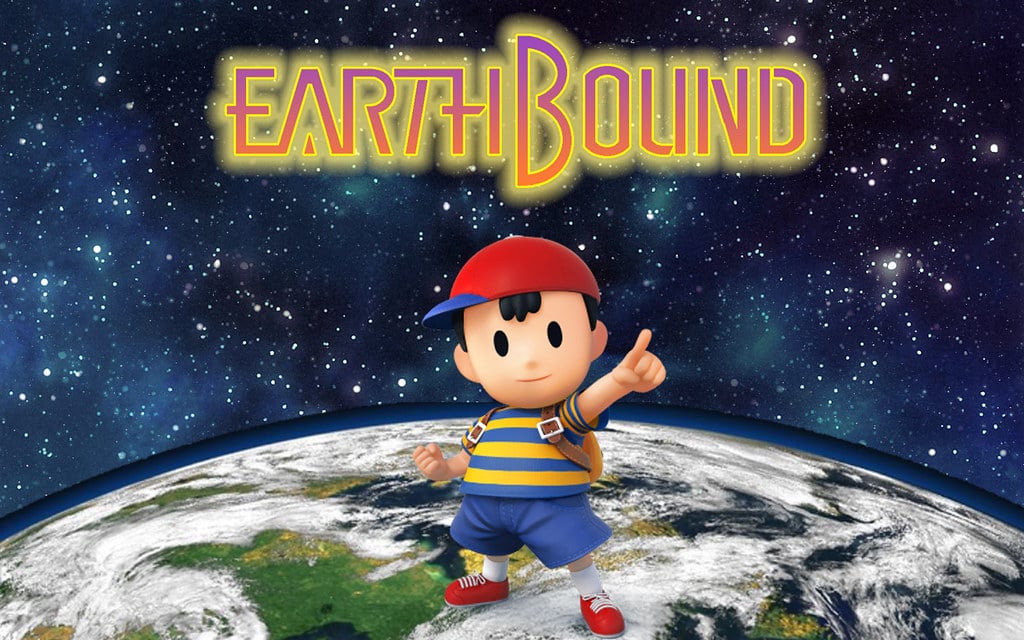
Nintendo sold EarthBound in 1995 in an oversized box that held the cartridge and a thick player’s guide with scratch-and-sniff cards, and the marketing campaign fell flat in North America. Weak sales at launch made complete copies scarce.
The game later built a devoted following, and prices climbed with it. A loose cartridge brings a few hundred dollars, while a complete big box with the guide and cards is worth many times more.
Crushing is the main enemy, since those large boxes rarely survived years in a closet with their corners intact.
Hagane on the Super Nintendo
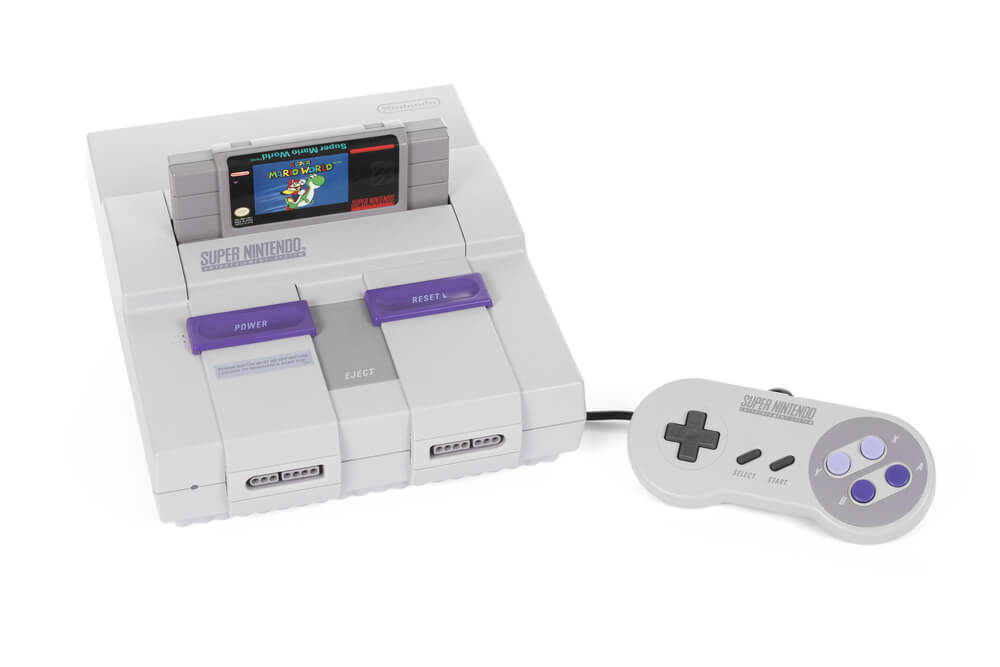
Hudson Soft’s Hagane: The Final Conflict reached North America in 1995 in very small numbers, and collectors widely link its release to rental-store distribution. Surviving copies often show rental stickers or labels scraped by store staff.
The game itself is a well-regarded action platformer, which keeps demand high among players as well as collectors. Loose cartridges sell for several hundred dollars and up, and complete copies with the box and manual carry a steep premium.
Sticker residue and label damage are the most common flaws, and both lower offers.
Clay Fighter: Sculptor’s Cut

Interplay’s Clay Fighter: Sculptor’s Cut arrived on the Nintendo 64 in 1998 as a Blockbuster rental exclusive, so almost nobody bought one new. Surviving cartridges often carry a Blockbuster sticker, which most collectors accept as part of the history.
Its claymation-style fighters give it a cult audience that keeps asking prices firm. Clean labels earn more, and an original box, which few renters ever saw, pushes value well past a loose cartridge.
Heavy sticker residue, torn corners and faded art sit at the bottom of the range.
Stunt Racer 64
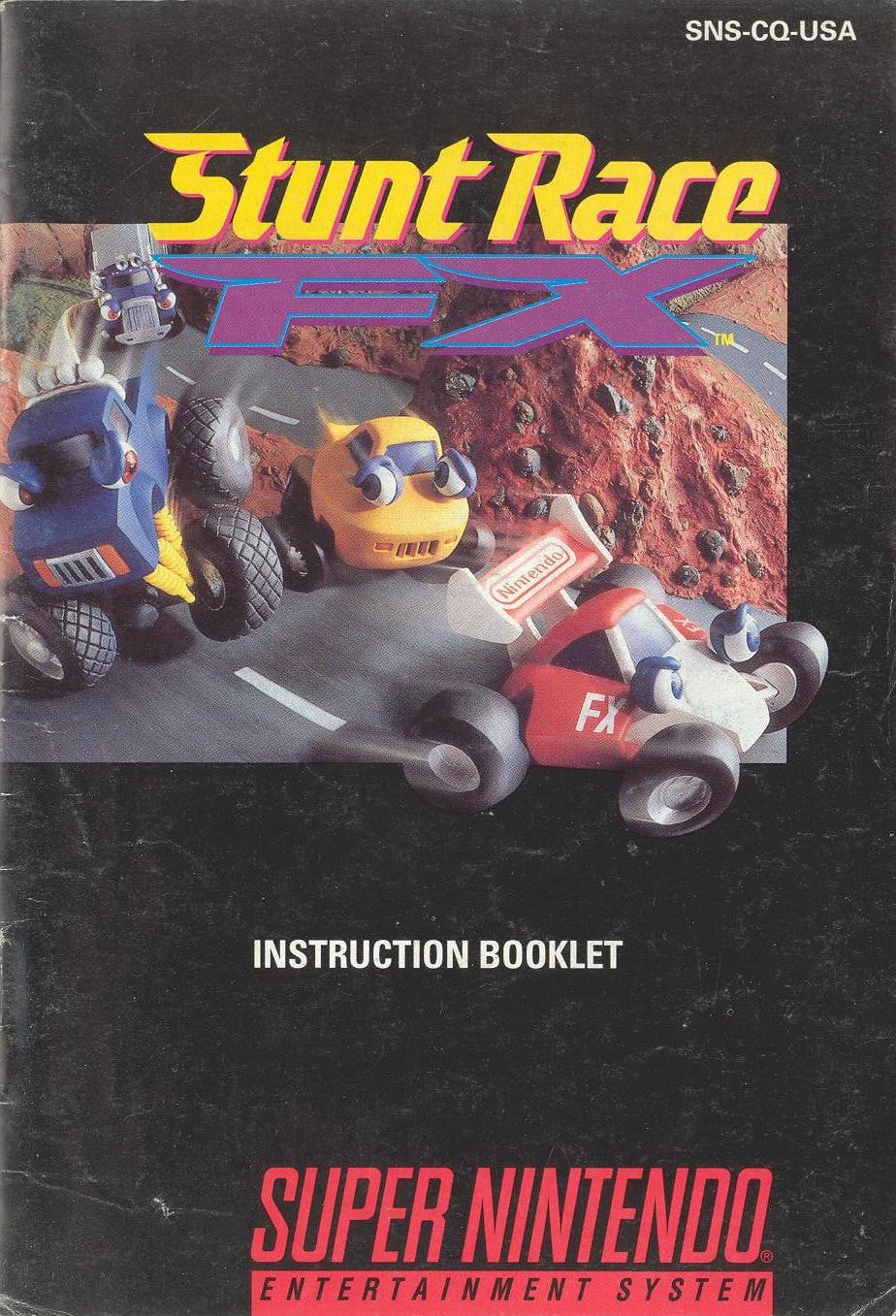
Boss Game Studios developed Stunt Racer 64, and Midway released it in 2000 as another rental exclusive, which kept store copies scarce. That history has made it one of the pricier loose Nintendo 64 cartridges.
Rental stickers are common and tend to hurt value less than label tears or fading. The racer was also well reviewed, so demand comes from players as well as completists.
Reproduction labels for rental exclusives turn up regularly, which is why buyers compare label printing and the board inside before paying up.
Shantae for Game Boy Color
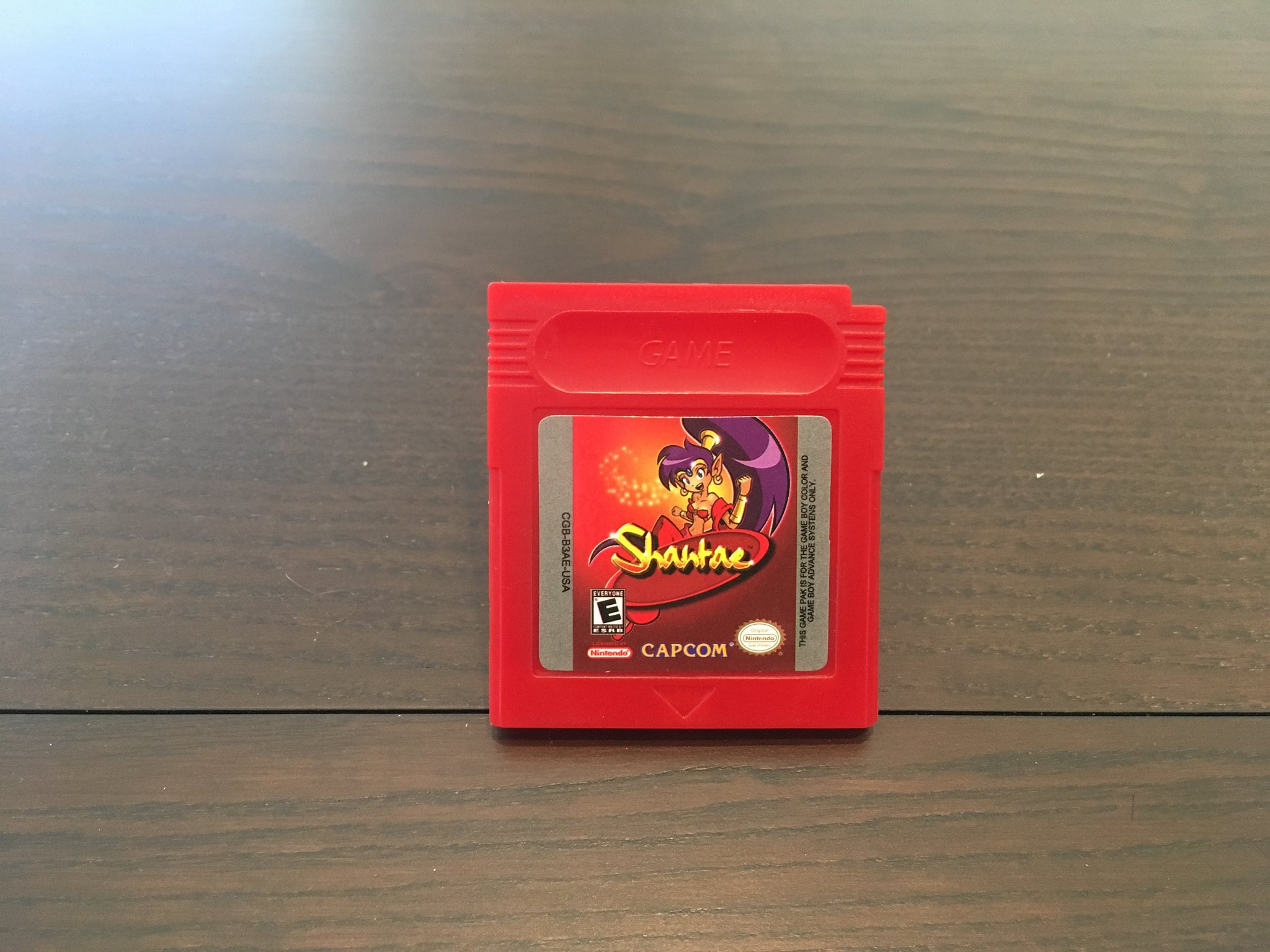
Capcom published WayForward’s Shantae in 2002, well after the Game Boy Advance had arrived, and the late launch meant a small print run. The game later grew into a long-running series, which sent fans hunting for the original cartridge.
Loose copies sell for several hundred dollars, and boxed copies with the manual can pass 1,000 dollars. Plenty of people own one without realizing it, since the cartridge also plays in a Game Boy Advance.
Label scuffs and faded ink are common on handheld games, and they cut into value quickly.
Conker’s Bad Fur Day
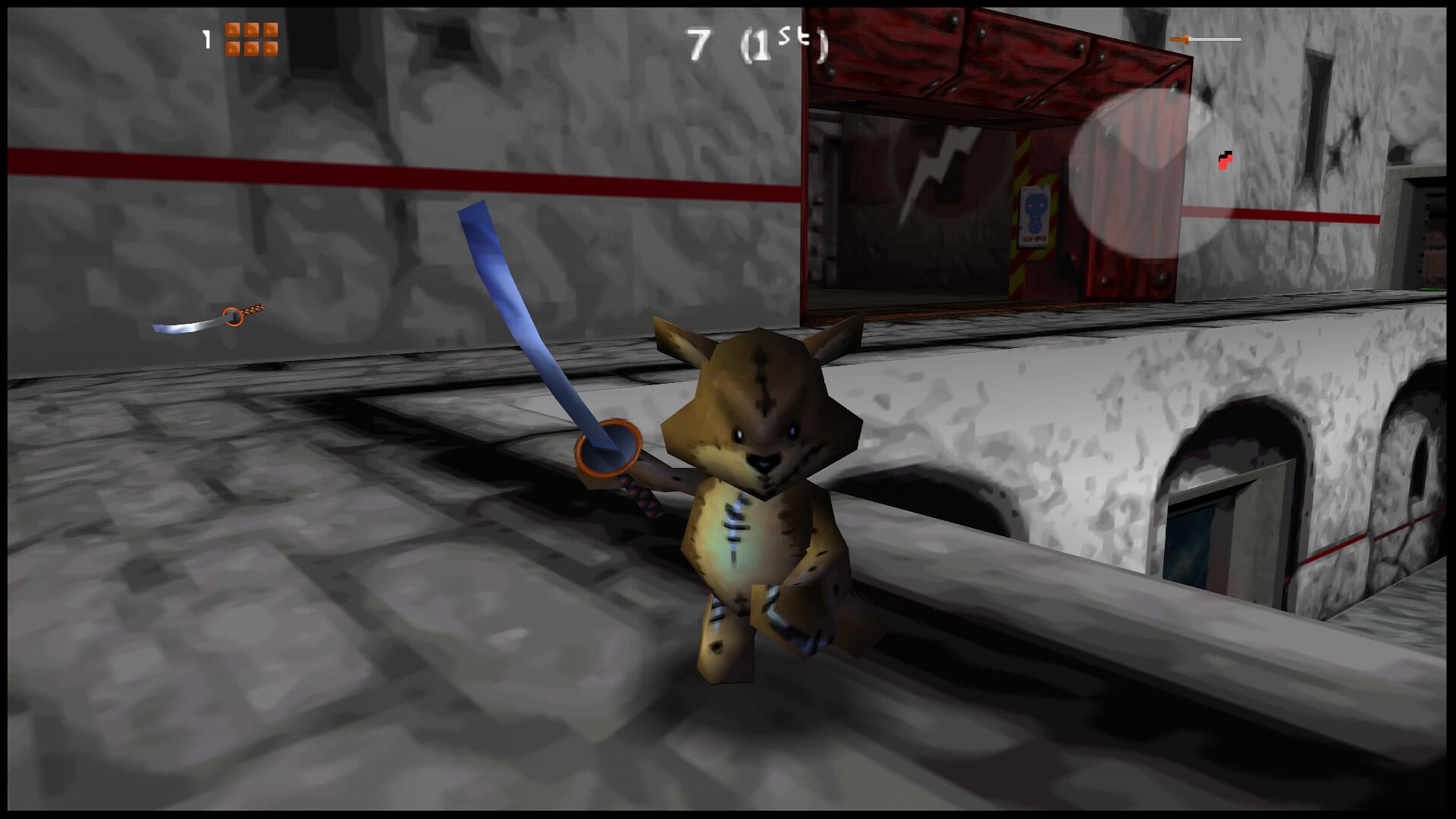
Rare released Conker’s Bad Fur Day for the Nintendo 64 in 2001, near the end of the console’s run, with an M rating that made many retailers order cautiously. Modest orders kept copies scarce, and the game’s crude humor earned it a loyal fan base.
Loose cartridges sell for well over 100 dollars, and complete copies are worth several times that. Reproductions circulate widely, so buyers check the label printing and the board.
Scratches and sun fading on the label bring the price down, as does a missing manual in a boxed set.
Mega Man: The Wily Wars
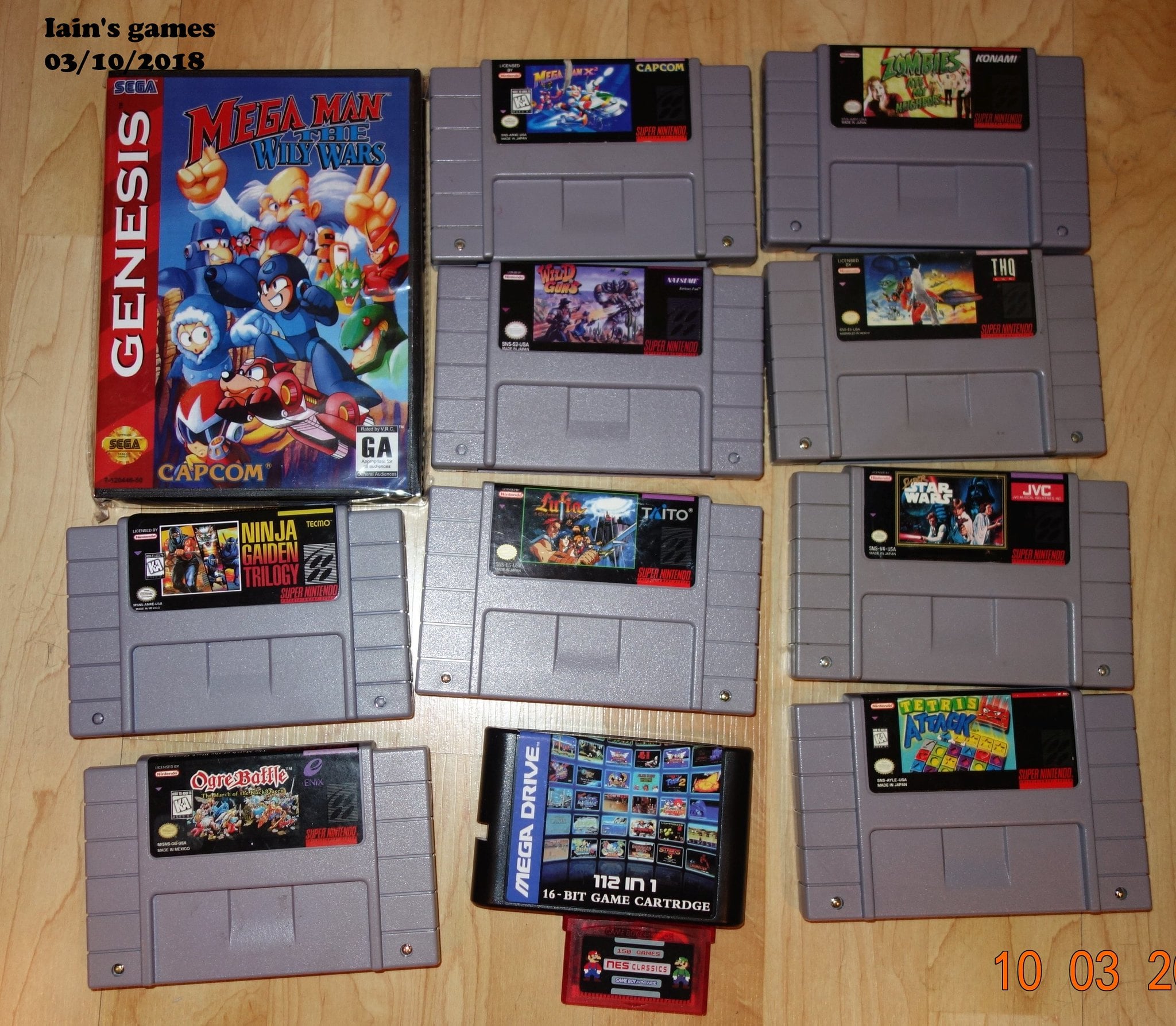
Capcom’s Mega Man: The Wily Wars collected the first three NES Mega Man games for the Sega Genesis, but in North America it appeared only through the Sega Channel subscription service in the mid-1990s. Physical cartridges were sold in Europe and Japan.
A genuine PAL or Japanese cartridge is therefore the only original way to own the game. Reproduction cartridges aimed at US collectors are common, so buyers compare board and label printing carefully.
Complete copies with the box and manual carry a strong premium over loose ones.
Aero Fighters on the Super Nintendo
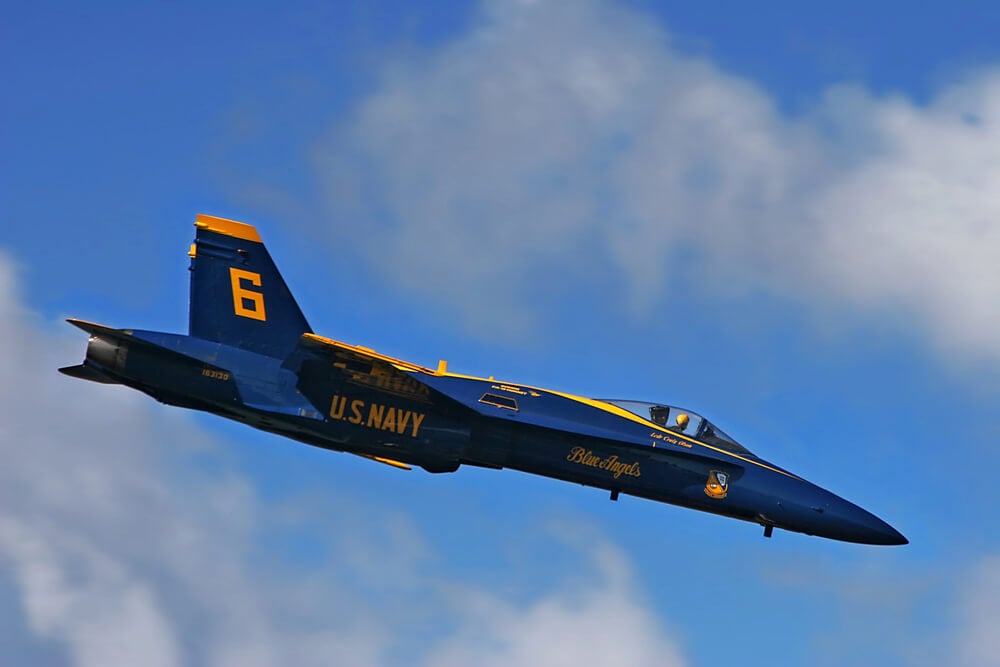
McO’River released Aero Fighters for the Super Nintendo in North America in 1994 in small numbers, and it has become one of the scarcer licensed games for the system. It is a vertical shooter adapted from Video System’s arcade game, so it draws both shooter fans and completists chasing the full SNES library.
Loose cartridges sell for several hundred dollars and up, and complete copies go considerably higher. Reproductions exist in large numbers.
A genuine board, an original label and a box without crushed corners are what give a copy its value.
Jack Bros. on the Virtual Boy
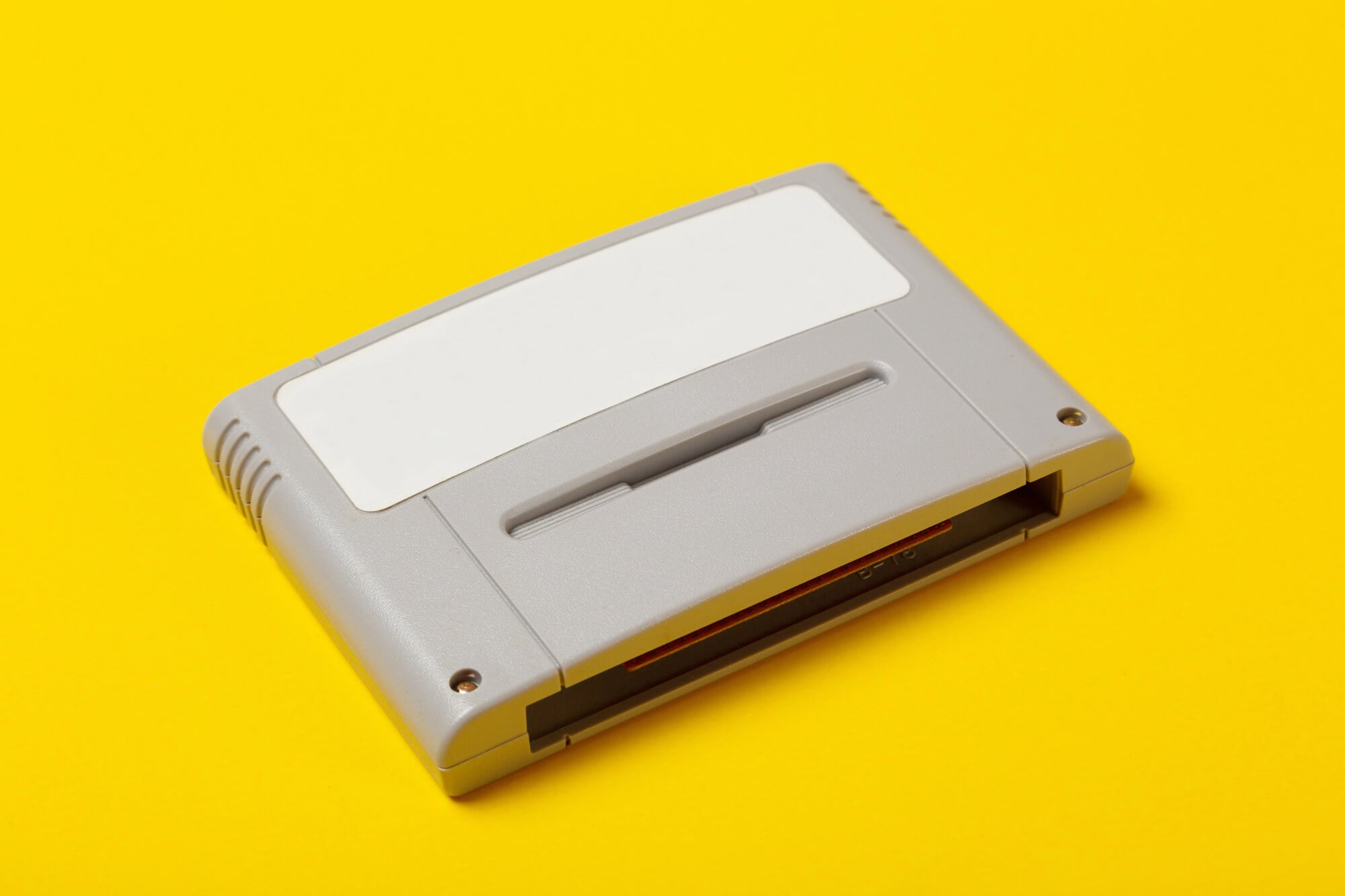
Atlus released Jack Bros. in 1995 for Nintendo’s Virtual Boy, which received only 14 games in North America before it was discontinued. Late titles in that tiny library shipped in modest numbers after the console had already flopped.
Jack Bros. features characters from the Megami Tensei series, which gives it crossover appeal with fans of those games. Loose cartridges sell for well over 100 dollars, and boxed copies bring significantly more.
Virtual Boy boxes were large and flimsy, so complete copies in good shape are hard to find.
Gamma Attack for the Atari 2600
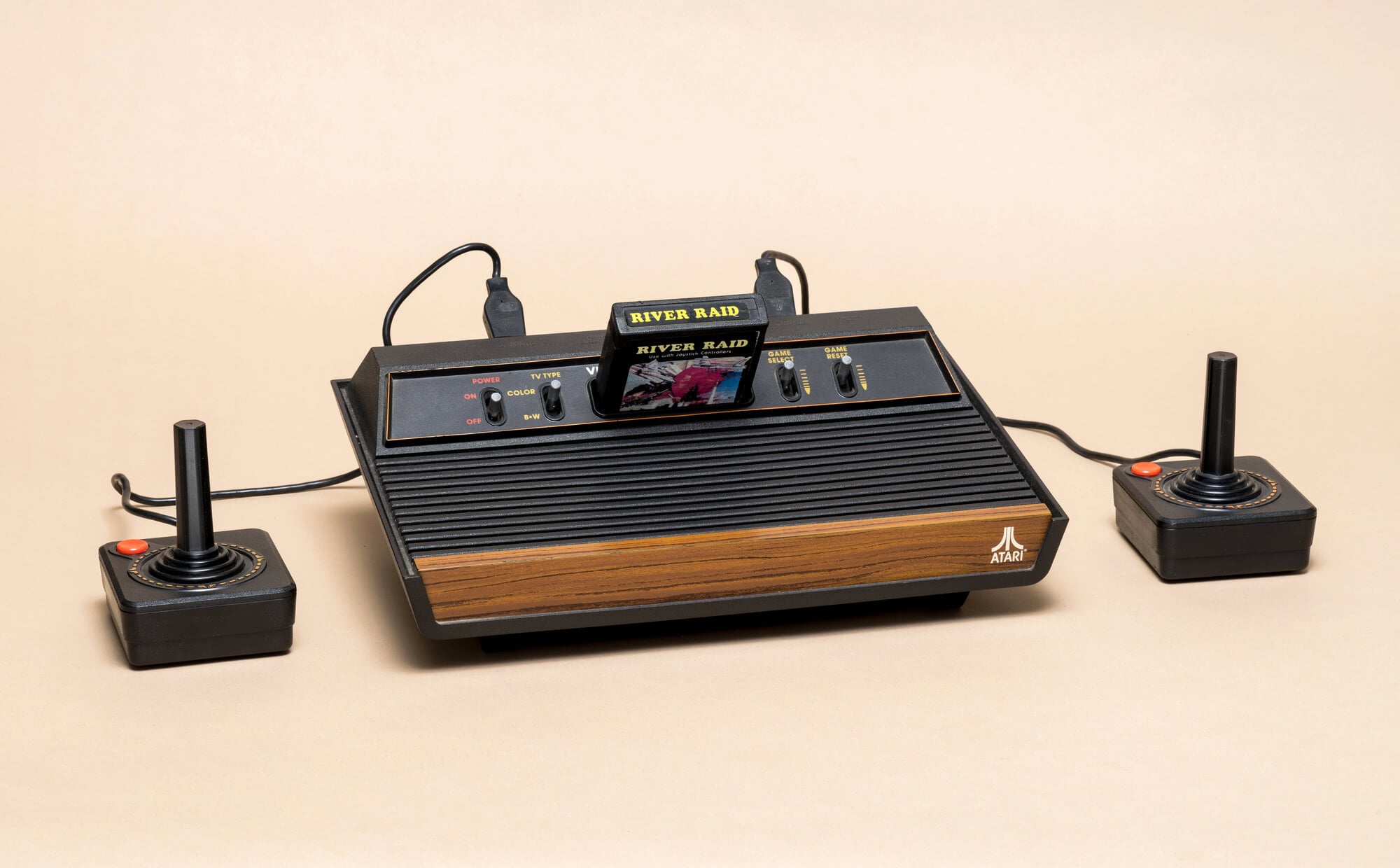
Gammation’s Gamma Attack from 1983 regularly appears on lists of the rarest Atari 2600 cartridges, with only a small number of confirmed copies. It came from a tiny publisher during the video game crash, when small companies often produced games in very short runs.
Collectors of Atari rarities want it almost purely for scarcity. Sales are infrequent and often private, so prices swing widely from one transaction to the next.
A clean label with no tears or writing adds noticeably to any offer, since so few copies exist to compare against.
Mr. Gimmick for the NES
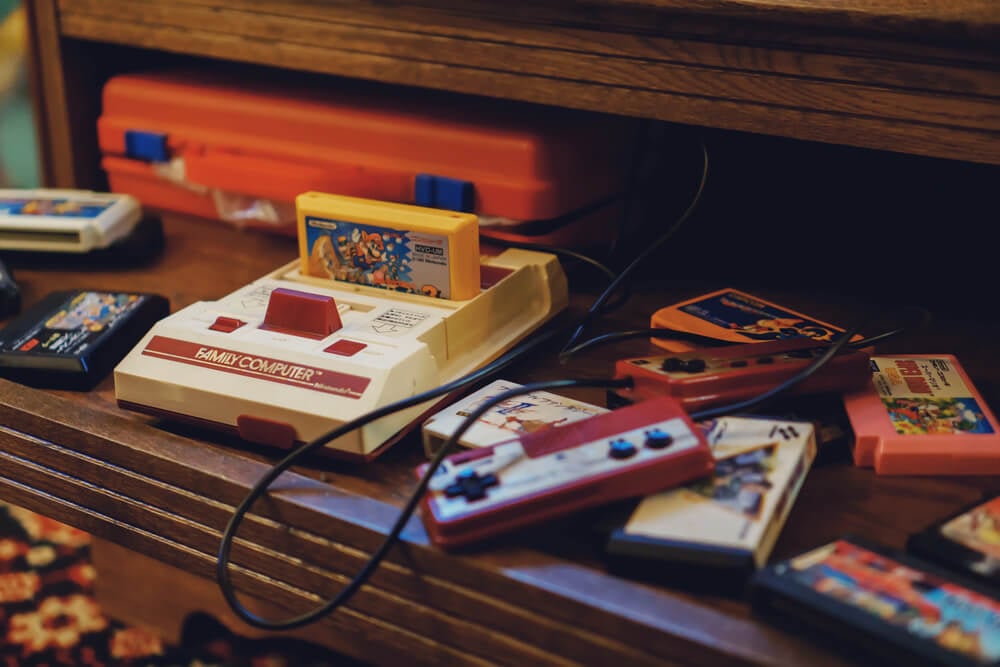
Sunsoft released Gimmick in Japan in 1992, and a PAL version called Mr. Gimmick followed in 1993 only in Scandinavia. The game never came out in North America.
The Japanese cartridge used an extra sound chip, which the PAL version dropped, and the game’s ambition earned it a strong reputation among players. The Scandinavian cartridge is the expensive one, and complete copies with the box and manual trade at a premium.
Buyers watch for reproductions, and a scratched or faded label cuts value sharply on a cartridge where so few originals exist.
Bubble Bobble Part 2
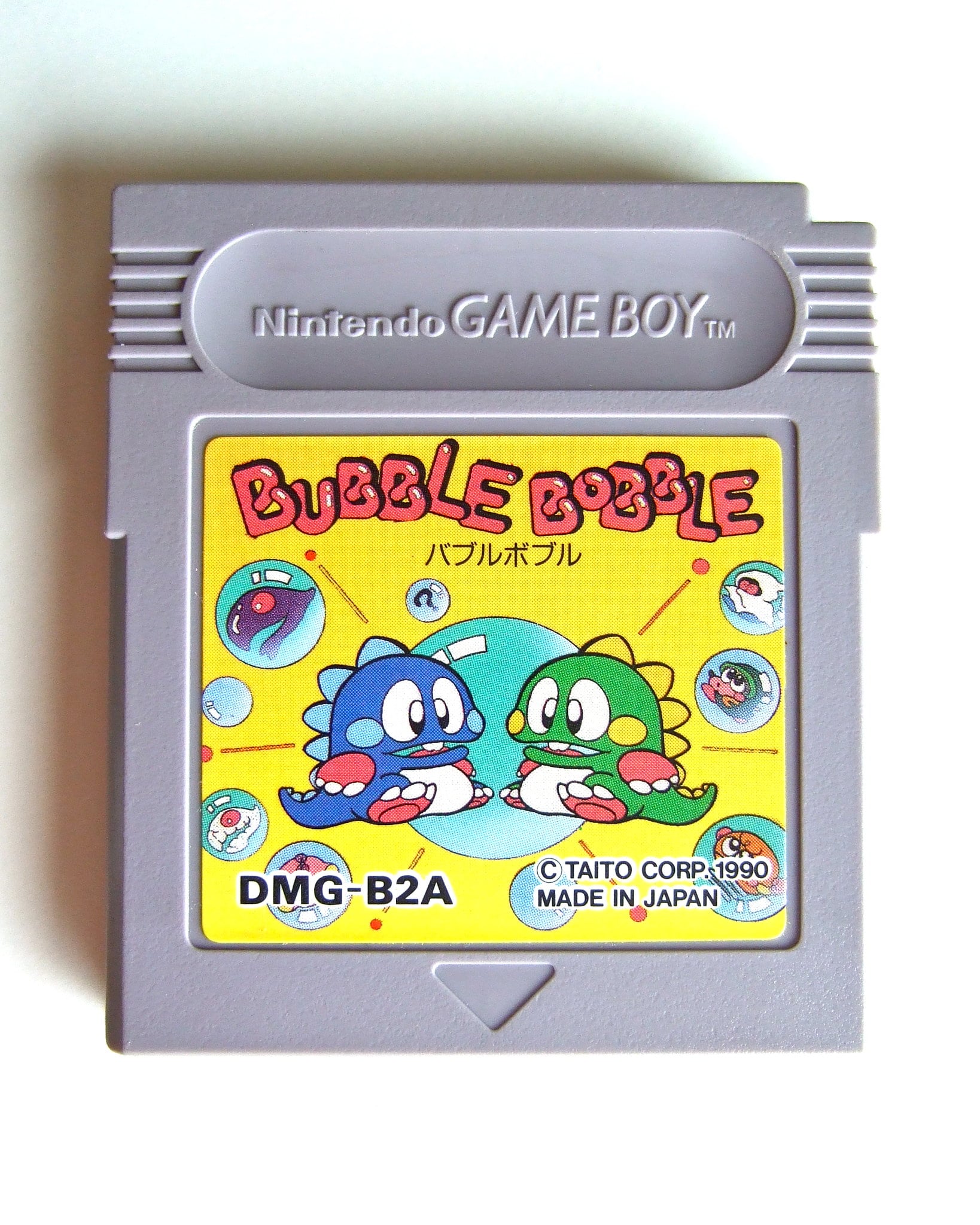
Taito published Bubble Bobble Part 2 for the NES in 1993, very late in the system’s life, and relatively few copies reached stores. The game is a sequel to a well-loved arcade favorite, which keeps demand strong among casual collectors as well as NES specialists.
Loose cartridges sell for several hundred dollars, and complete boxed copies bring much more. Late Taito releases for the NES share this pattern of thin runs and high later prices.
Label condition and a genuine board decide what any single copy is worth.
The Flintstones: Surprise at Dinosaur Peak

Taito released The Flintstones: Surprise at Dinosaur Peak in 1994, one of the last licensed NES games, and many collectors associate its small distribution with rental outlets. The cartoon license gives it recognition well beyond hardcore NES circles, which widens the pool of buyers.
Loose cartridges sell for hundreds of dollars, and complete copies go substantially higher. Rental stickers and label wear affect value.
Reproductions are common enough that buyers routinely ask to see inside the shell before committing. A genuine copy with a bright label and no store markings sits at the top of the market.
Harvest Moon 64
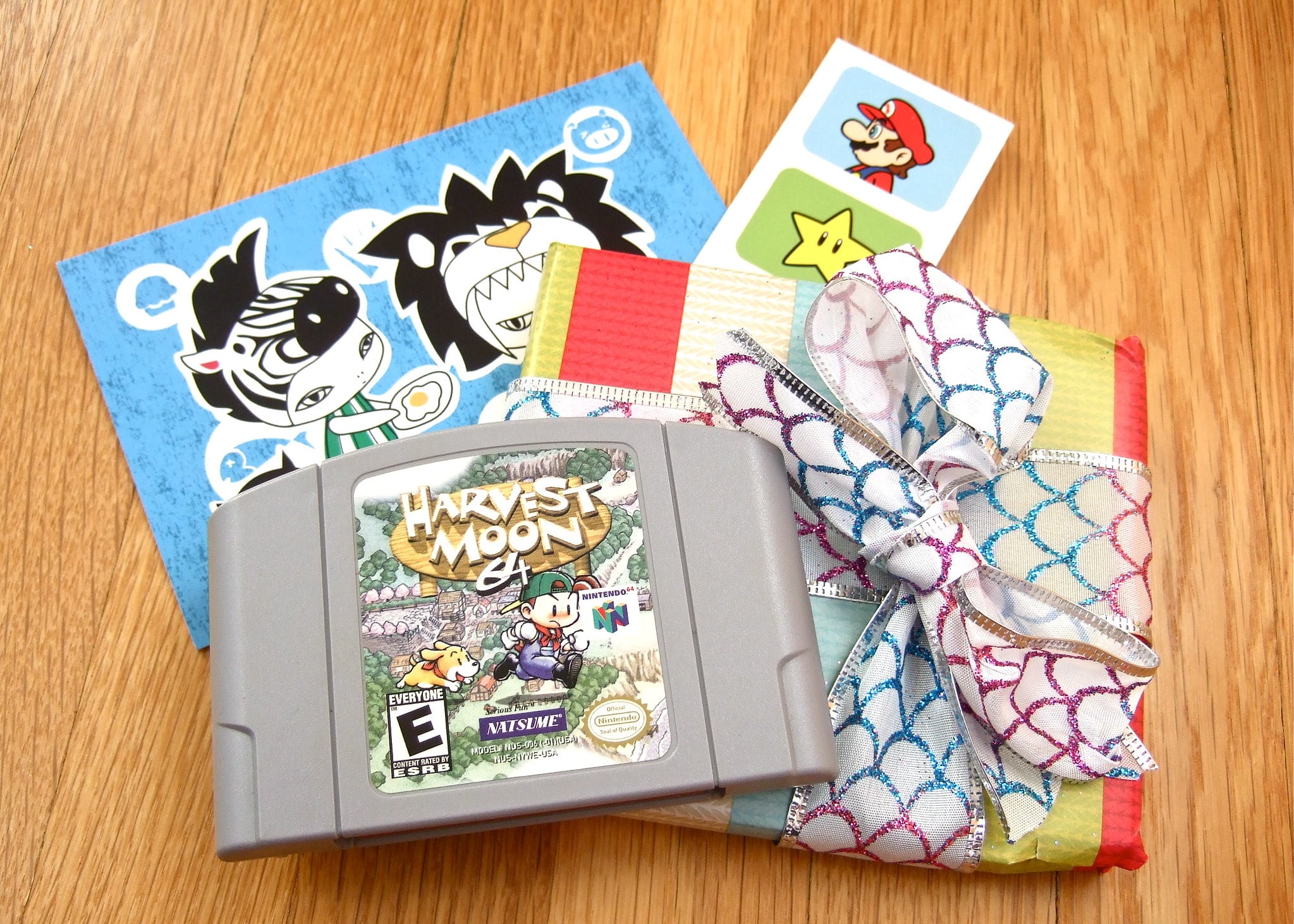
Natsume published Harvest Moon 64 in North America in 1999, and its modest print run met an audience that kept growing for decades. Farming games became a major genre, and interest in the early entries followed.
Loose cartridges sell for well over 100 dollars, and complete boxed copies are worth considerably more. Many copies saw hundreds of hours of play, so label scratches are common.
A clean label, the original manual and an uncrushed box put a copy at the top of the range, while a scuffed loose cartridge still clears a respectable sum.
Mega Man X3
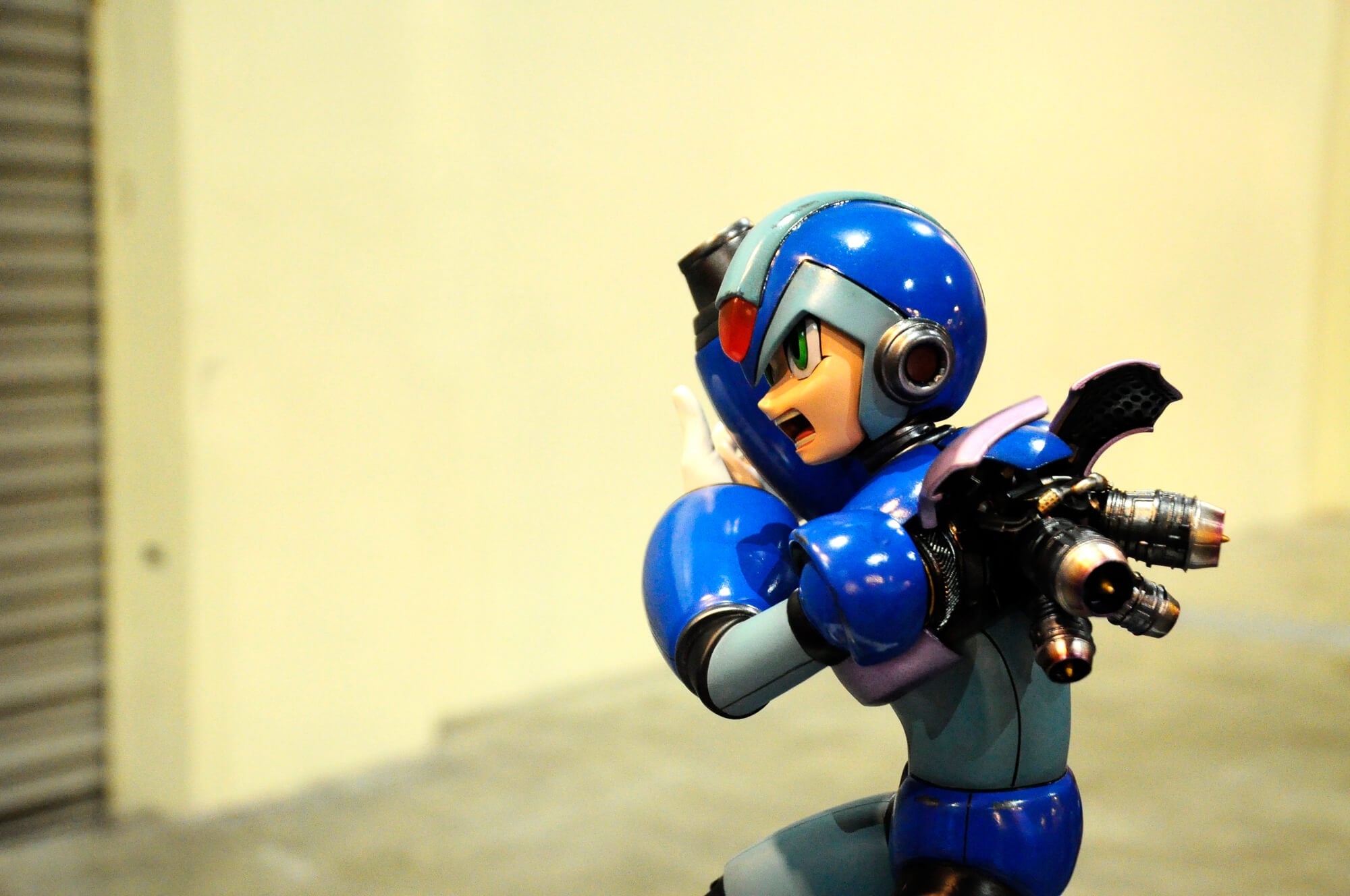
Capcom released Mega Man X3 on the Super Nintendo in 1996, as the console was giving way to newer hardware, and the North American run was small next to the earlier X games. Loose cartridges sell for a few hundred dollars, and complete copies with the box and manual go well above that.
The Mega Man name keeps buyers steady even when other retro prices cool. Label scuffs and faded ink are common on SNES cartridges.
A clean original label and a complete box make the biggest difference in price.
Chase the Chuck Wagon
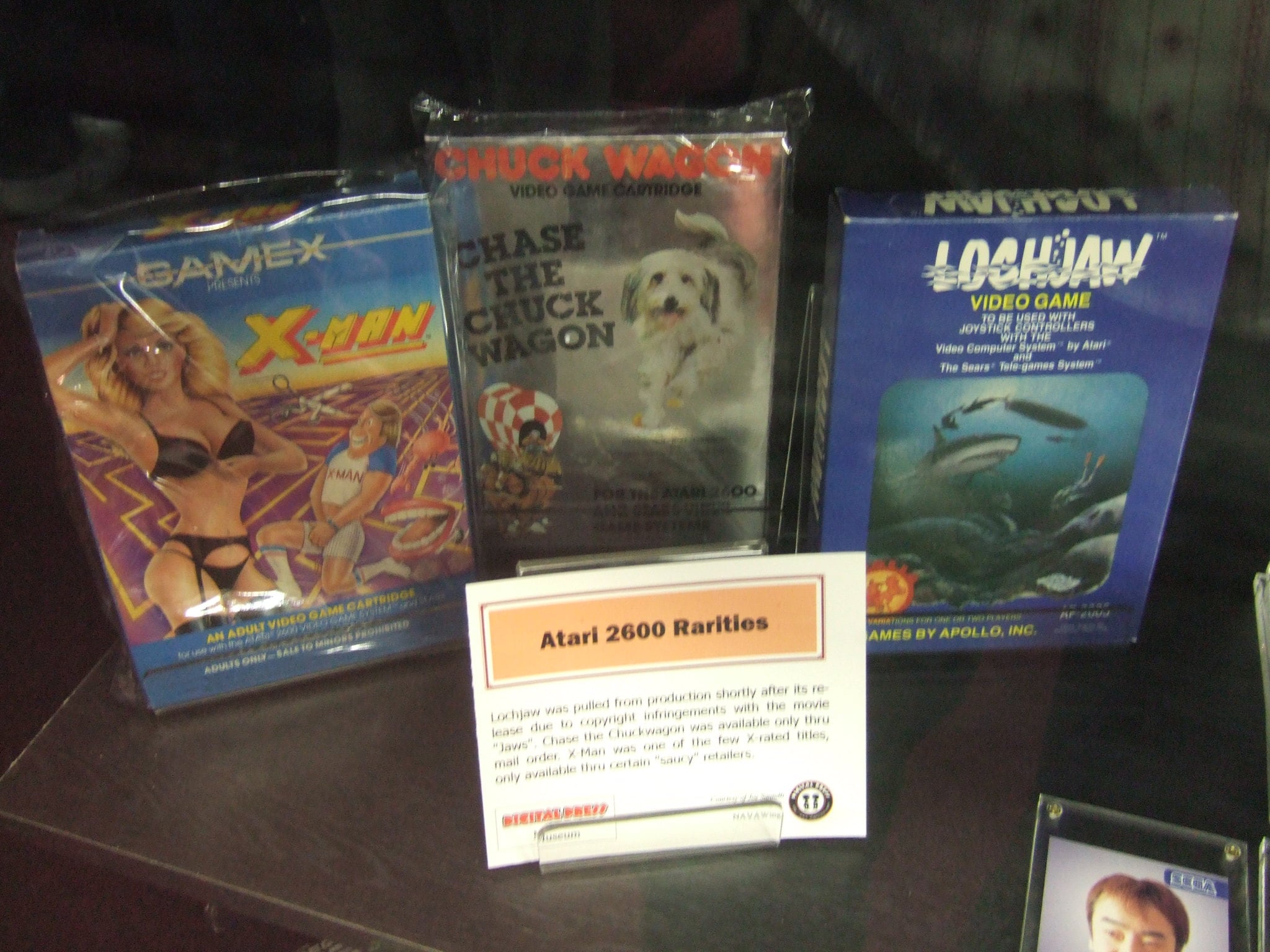
Purina offered Chase the Chuck Wagon for the Atari 2600 in 1983 as a mail-in promotion tied to its dog food, so it was never sold in ordinary stores. Spectravision developed the game, a simple maze in which a dog chases a food wagon.
That oddness is a big part of its appeal to collectors who enjoy advertising history. Loose cartridges sell for a few hundred dollars, and boxed copies are worth much more.
Label condition drives price, since many copies saw heavy play in family rec rooms.
Plastic Shells and Paper Labels
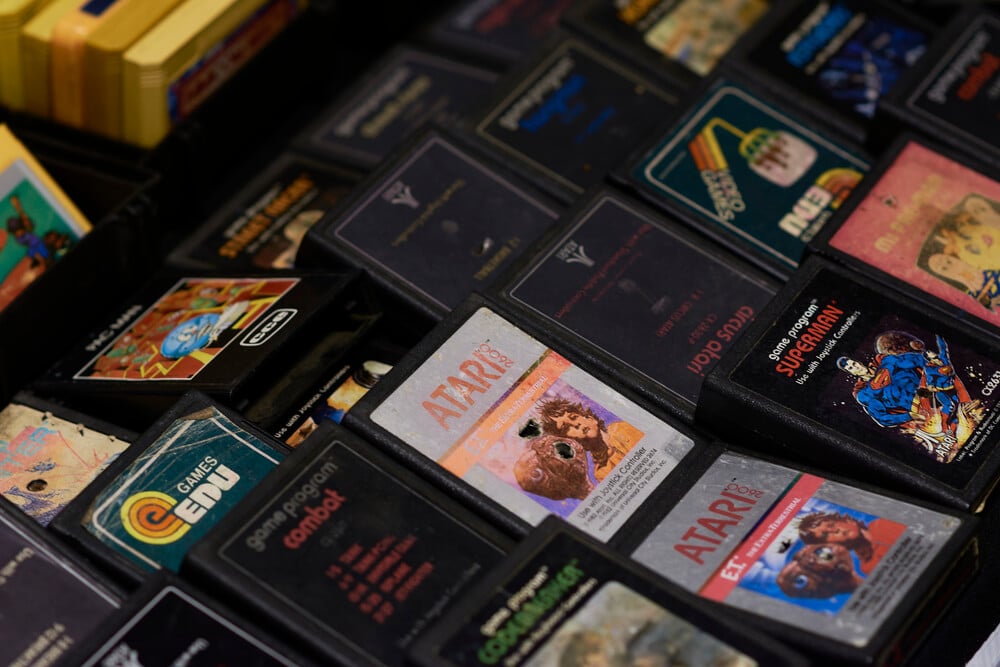
Nearly every expensive cartridge on this list got there by accident. A recall, a contest, a rental deal or a late release date kept copies scarce, and nobody at the time treated those games as anything special.
They were meant to be played, lent out and swapped at recess. That is why the label carries so much weight today.
It records how a cartridge was treated, and a clean one means someone decided long ago to be careful. Most games in a drawer will turn out to be common, and the few that are not reward a slow look before anything lands in a garage sale bin.
More from Go2Tutors!

- The Romanov Crown Jewels and Their Tragic Fate
- 13 Historical Mysteries That Science Still Can’t Solve
- Famous Hoaxes That Fooled the World for Years
- 15 Child Stars with Tragic Adult Lives
- 16 Famous Jewelry Pieces in History
Like Go2Tutors’s content? Follow us on MSN.