16 Surprising Foods That Were Invented in the Wrong Country
Food has a way of wandering far from home, picking up new identities along the way. You probably think you know where your favorite dishes come from — the crispy fortune cookie that ends every Chinese meal, the spicy chili pepper that defines Mexican cuisine, or the delicate croissant that epitomizes French breakfast culture. Turns out, geography plays tricks on culinary history more often than anyone expects.
These assumptions about food origins run deeper than simple confusion. They shape how restaurants market themselves, how travelers seek “authentic” experiences, and how entire nations take pride in dishes that actually started somewhere else entirely.
Fortune Cookies
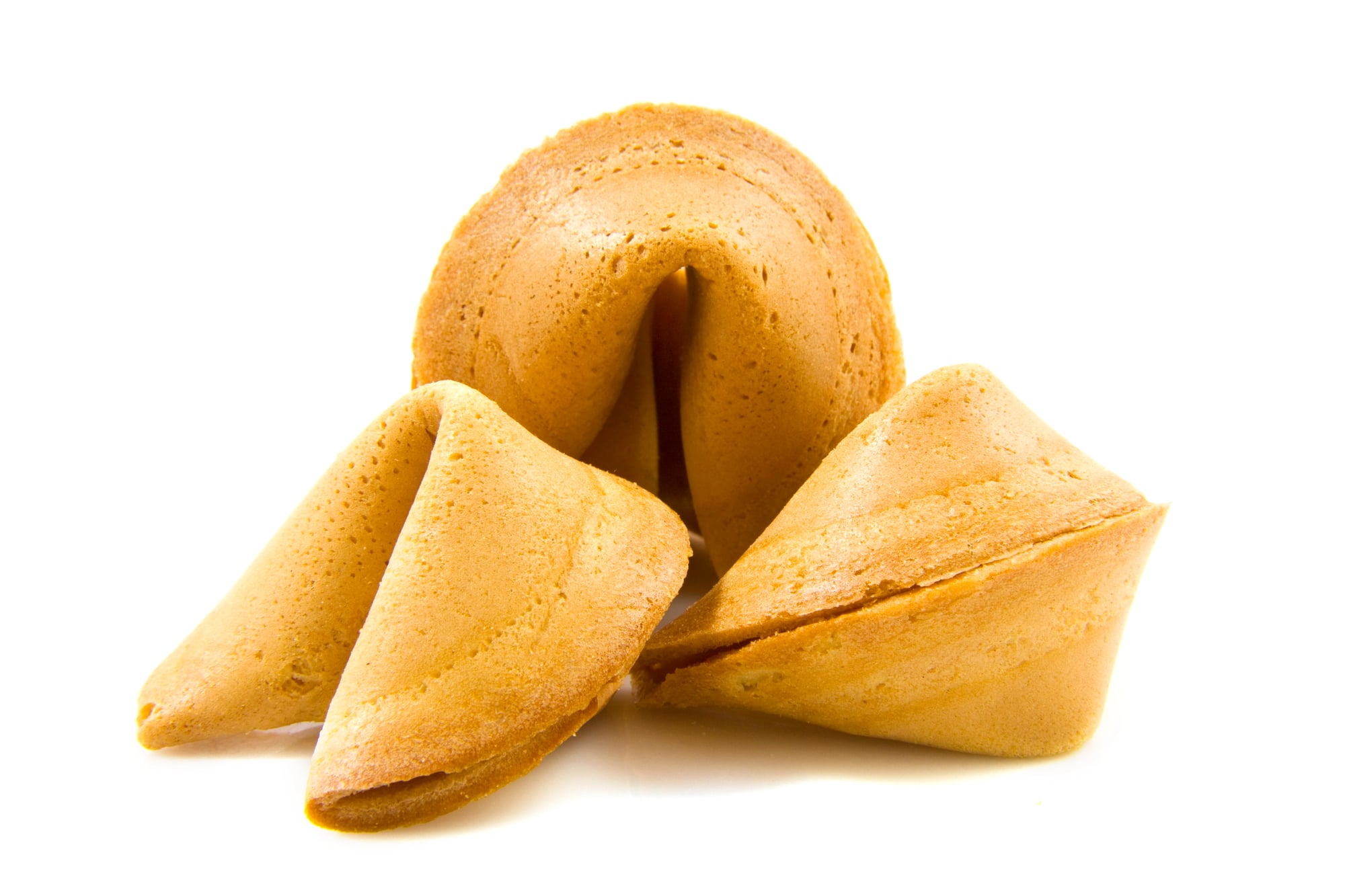
Fortune cookies are about as Chinese as apple pie is Italian. These crispy, sweet cookies with paper fortunes tucked inside were invented in California sometime around 1914, most likely by Japanese immigrant Makoto Hagiwara at the Japanese Tea Garden in San Francisco’s Golden Gate Park.
The confusion makes sense when you consider that fortune cookies became standard at Chinese-American restaurants during the mid-20th century. But walk into any restaurant in Beijing or Shanghai asking for your fortune cookie, and you’ll get blank stares. China had nothing to do with creating these crunchy prophets.
Chili Peppers
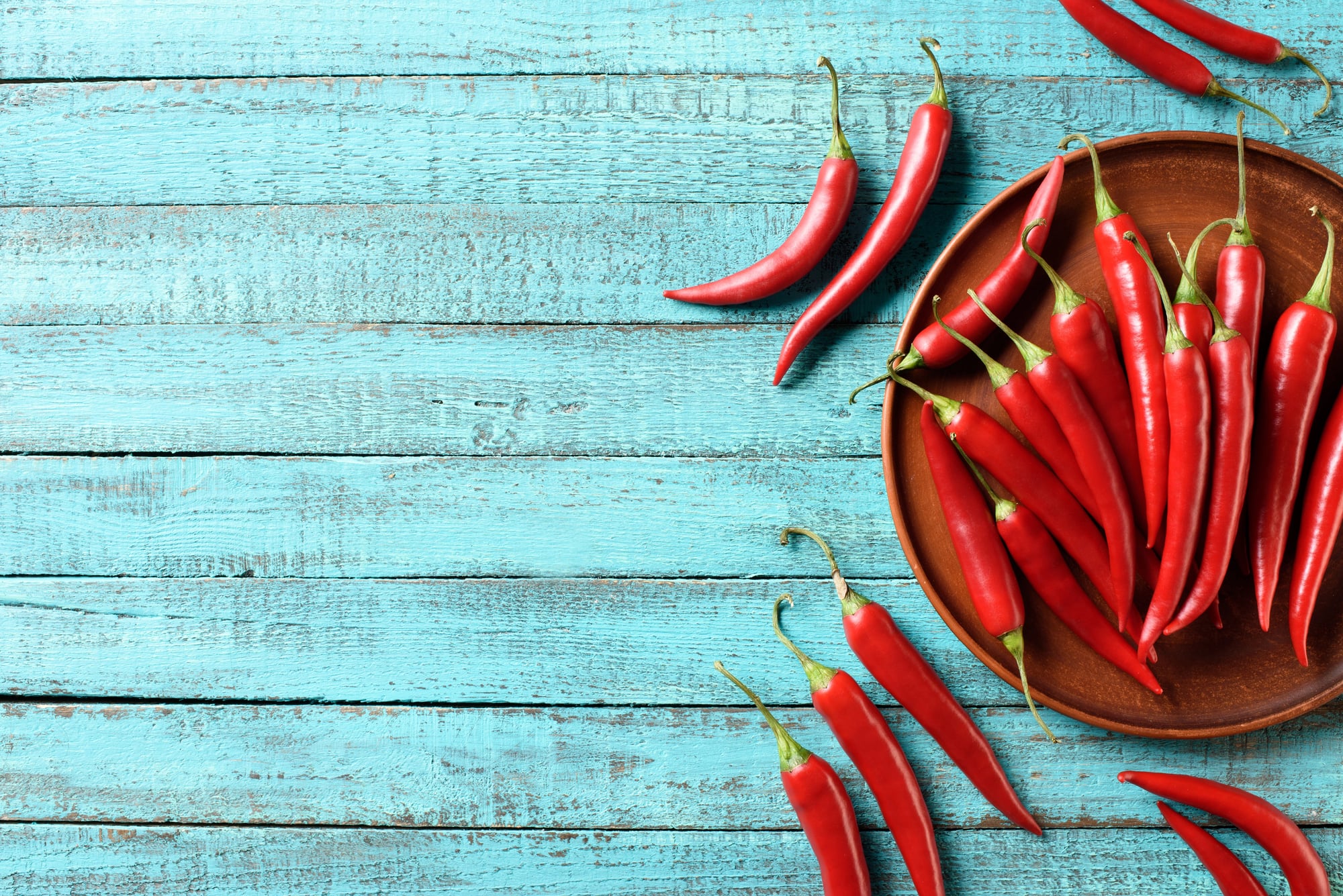
Mexico’s entire culinary identity revolves around the chili pepper, but these fiery pods originally came from Bolivia and spread throughout South America long before they reached Mexico. Spanish and Portuguese traders carried chilies from South America to Asia and Africa in the 15th and 16th centuries, creating one of history’s most successful cases of agricultural globalization.
The irony cuts both ways. Thai cuisine, Indian curries, Korean kimchi, and Hungarian paprika all depend on chili peppers, yet none of these cultures developed the pepper independently. Mexico simply became the most famous adopter of a plant that started elsewhere, while countries like Thailand integrated chilies so thoroughly into their cooking that removing them would fundamentally alter the national cuisine.
Croissants
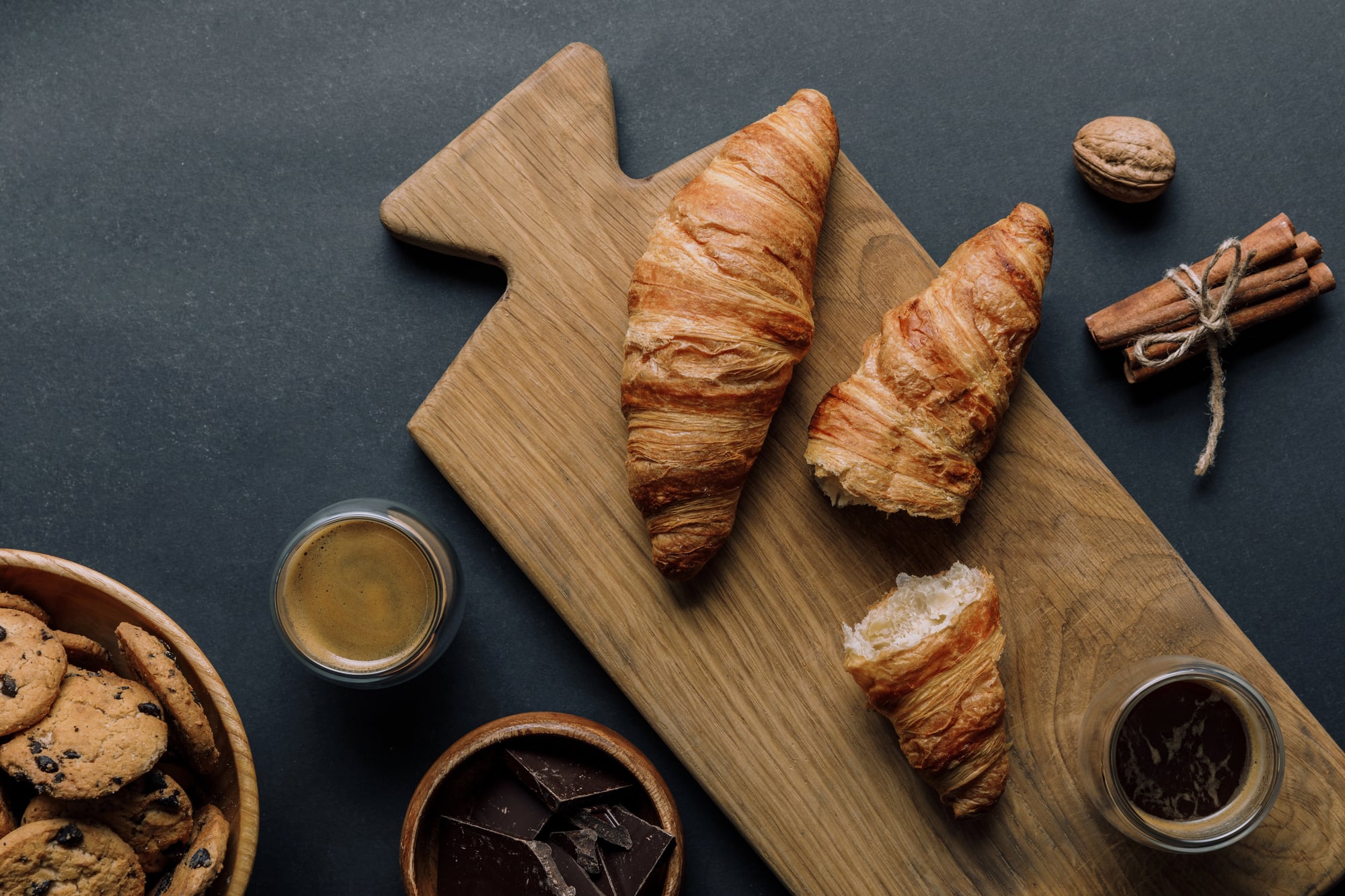
The buttery, flaky croissant that defines French bakery culture was actually invented in Austria. The pastry began as the kipferl, a crescent-shaped bread that Austrian bakers created to celebrate the defeat of the Ottoman Empire in the 1683 Battle of Vienna.
French bakers adopted and refined the technique in the 19th century, adding layers of butter and developing the complex folding method that creates those distinctive flaky layers. But Austria deserves credit for the original concept.
Hamburgers
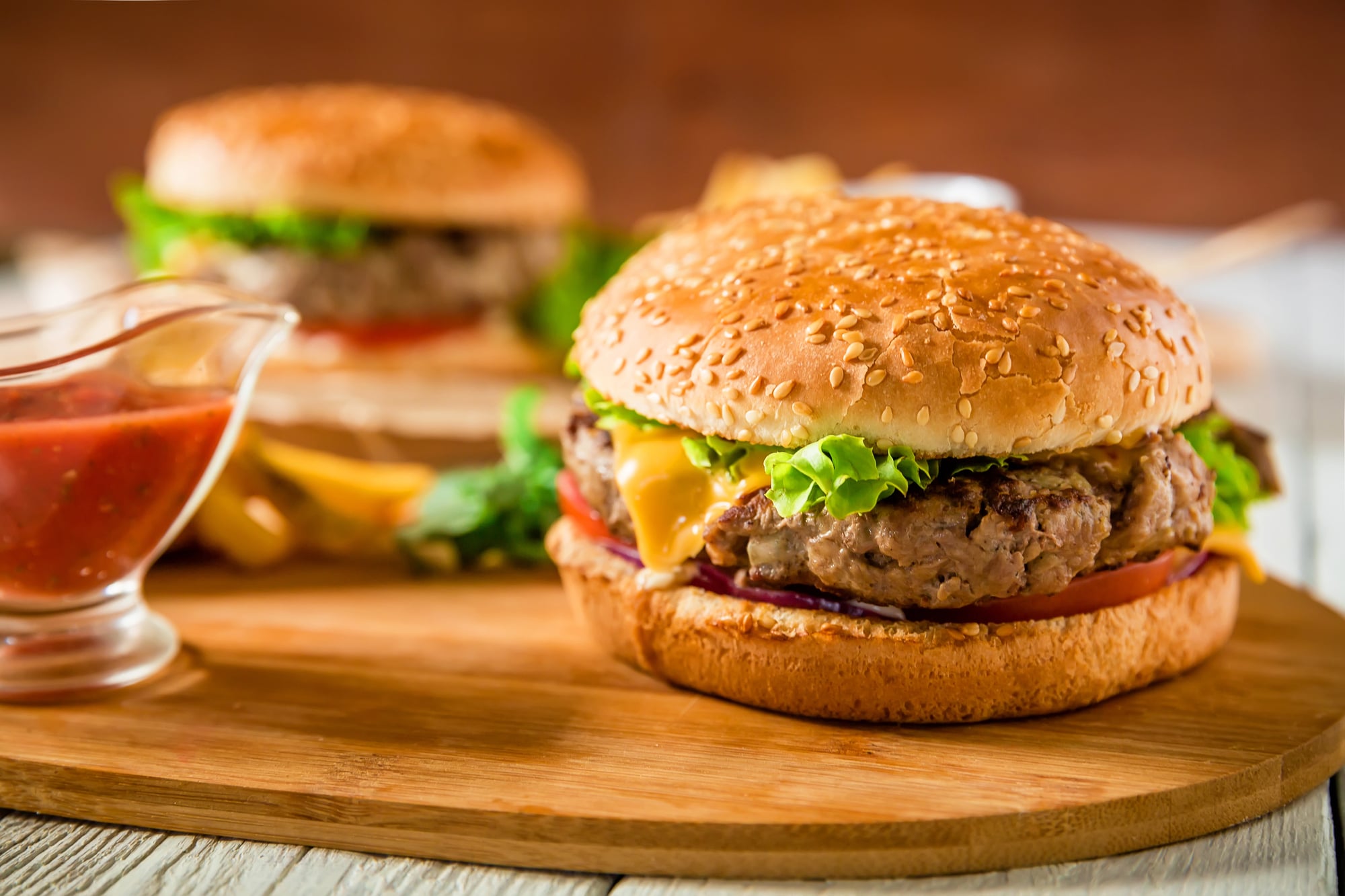
America’s most iconic food contribution to the world actually originated in Hamburg, Germany, where locals ate seasoned raw beef called “Hamburg steak.” German immigrants brought this concept to America in the 19th century, where it evolved into the cooked ground beef patty served between two pieces of bread.
The transformation happened gradually across several American cities, with different regions claiming to have invented the modern hamburger. But the foundational idea came directly from German cuisine, even if Americans developed it into something entirely different.
Spaghetti and Meatballs
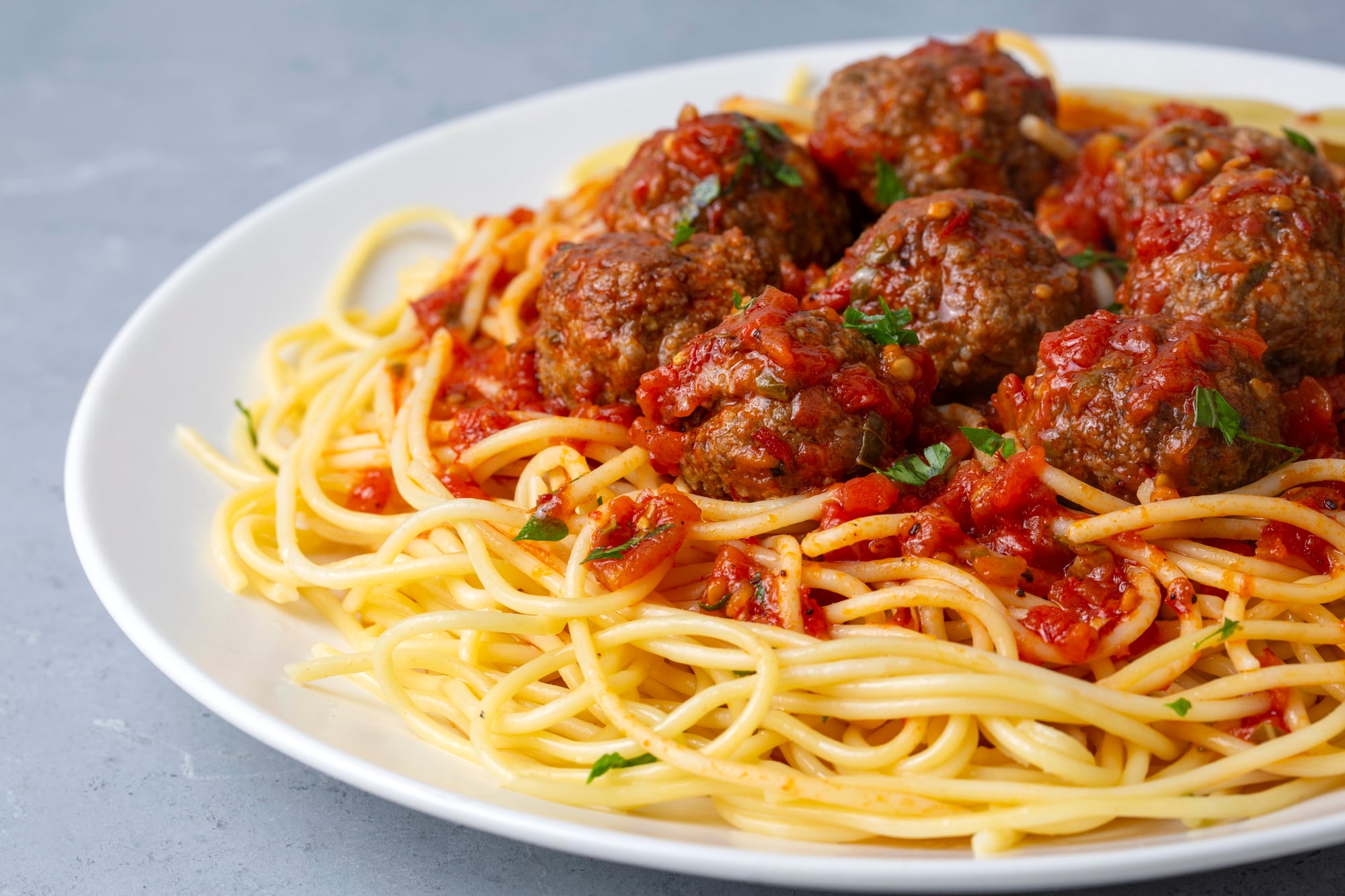
Italy has a complicated relationship with this dish that every American associates with Italian cuisine. While Italy certainly invented pasta and various forms of meatballs, the specific combination of spaghetti and meatballs was created by Italian immigrants in America who adapted their traditional recipes to available ingredients and American tastes.
In Italy, pasta and meat are typically served as separate courses, and when meatballs do appear with pasta, they’re usually much smaller than the golf-sized versions Americans expect. Italian-American cuisine became its own distinct tradition, creating dishes that satisfied both nostalgia for home and practical needs of the new country.
Tempura
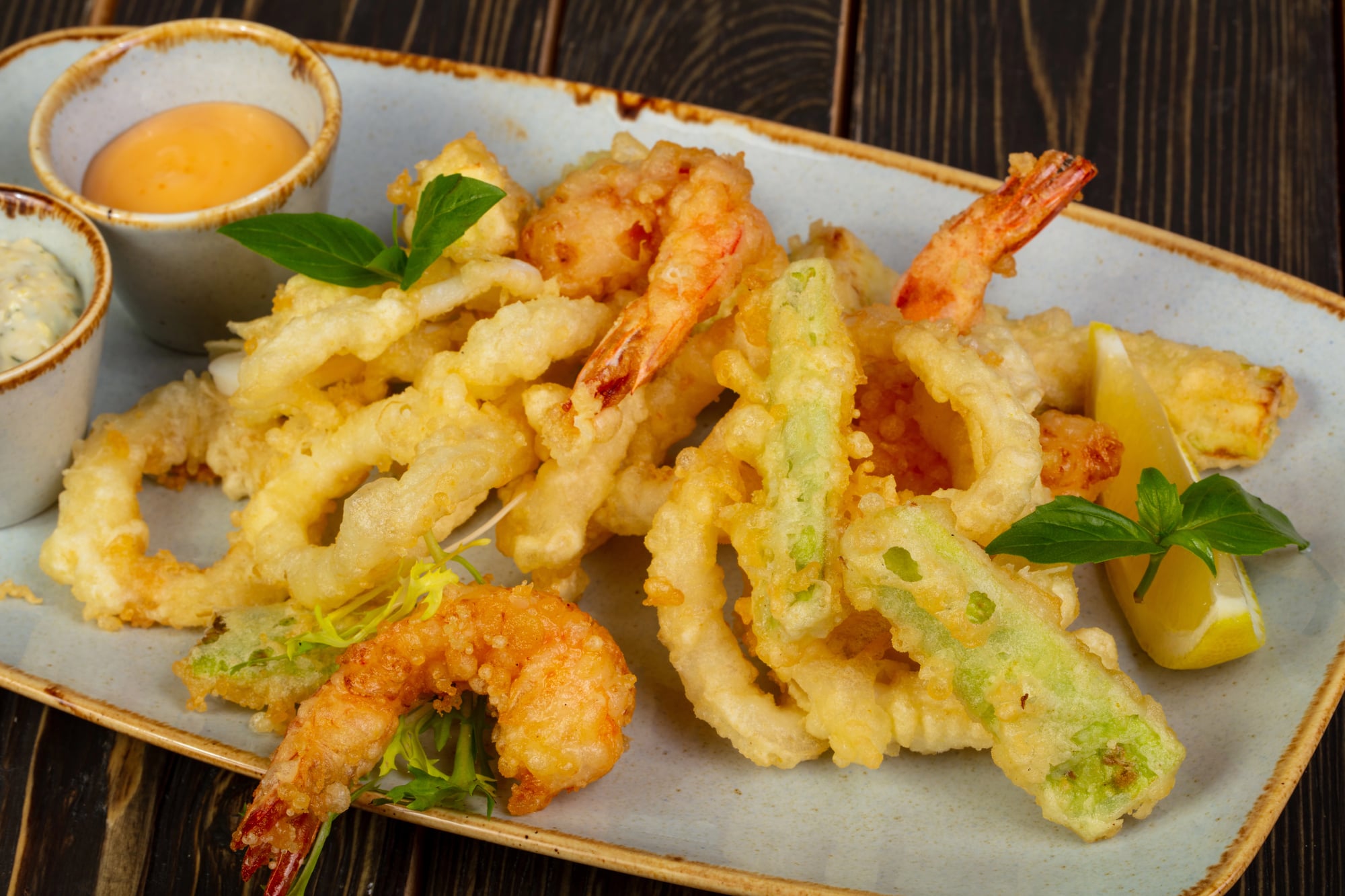
This light, crispy batter-fried technique that defines Japanese cuisine was actually introduced to Japan by Portuguese missionaries in the 16th century. The Portuguese brought their method of frying fish during Lent (called “tempora” in Latin, referring to the fasting times), and Japanese cooks adapted the technique to their own ingredients and aesthetic preferences.
Japanese tempura evolved into something distinctly different from its Portuguese origins — lighter batter, different oils, vegetables alongside seafood, and a completely different presentation style.
Danish Pastries

Denmark had nothing to do with inventing Danish pastries. These flaky, sweet breakfast treats were created by Austrian baker August Zang when he opened a bakery in Paris in the 1830s. Zang brought Viennese pastry techniques to France, where they became popular and spread throughout Europe.
The pastries became associated with Denmark through a series of historical accidents involving labor strikes and Austrian bakers being imported to work in Danish bakeries during the late 19th century. Denmark simply became very good at making these pastries.
German Chocolate Cake
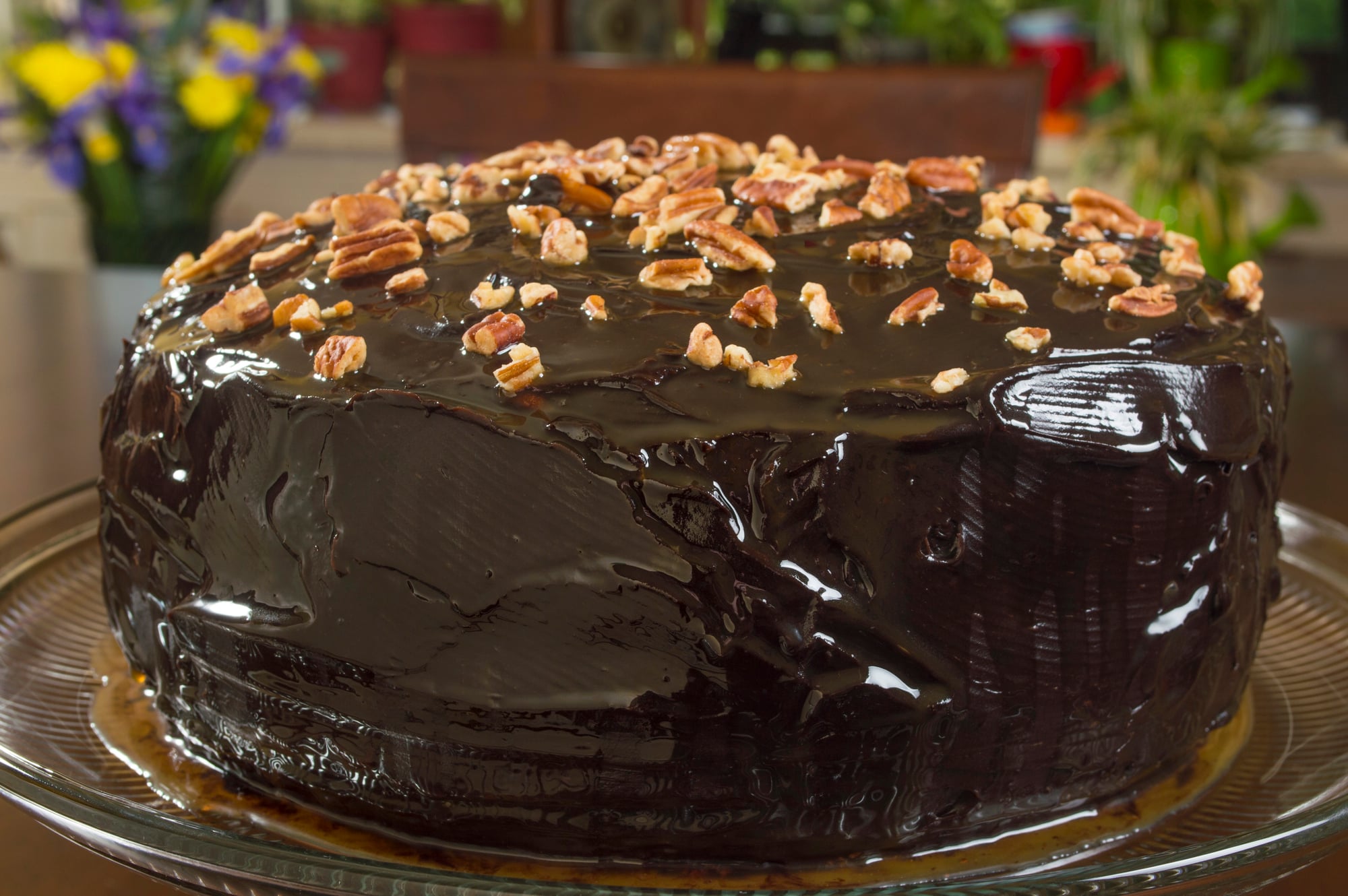
This rich, layered cake with coconut-pecan frosting has nothing to do with Germany and everything to do with a man named Samuel German who developed a mild dark chocolate for the Baker’s Chocolate Company in 1852. The chocolate was called “Baker’s German’s Sweet Chocolate” after its creator.
A Dallas homemaker named Mrs. George Clay used German’s chocolate in a cake recipe that was published in a local newspaper in 1957. The recipe became popular, but somewhere along the way, the apostrophe and the “s” got dropped, making it seem like the cake originated in Germany.
Vichyssoise
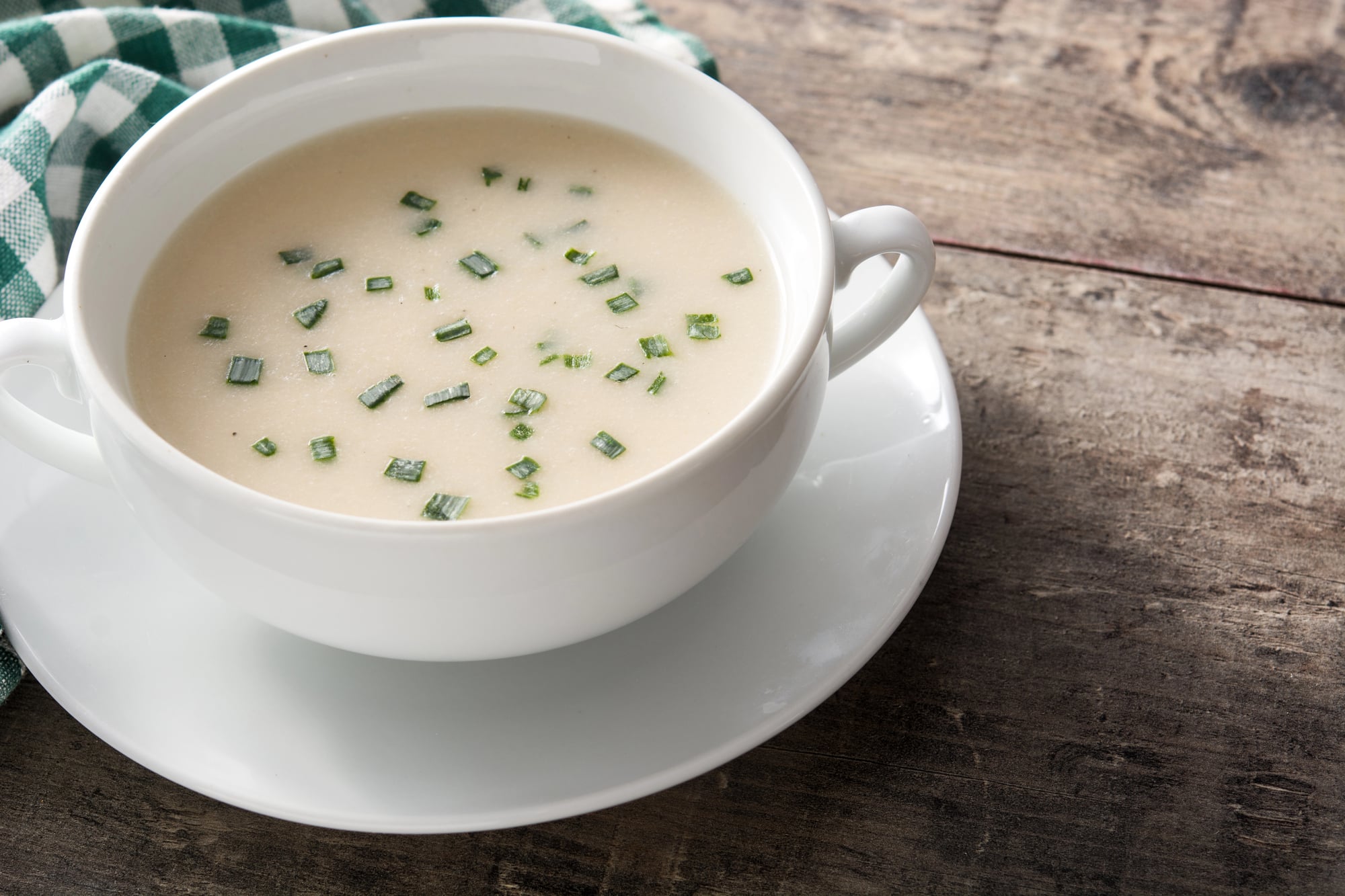
This cold, creamy leek and potato soup that sounds unmistakably French was actually invented at the Ritz-Carlton Hotel in New York City in 1917 by chef Louis Diat. Diat was French, which explains the name and the technique, but he created the soup specifically for American palates during a hot New York summer.
Diat based the recipe on a hot leek and potato soup his mother used to make in France, but serving it cold was his American innovation.
Fajitas
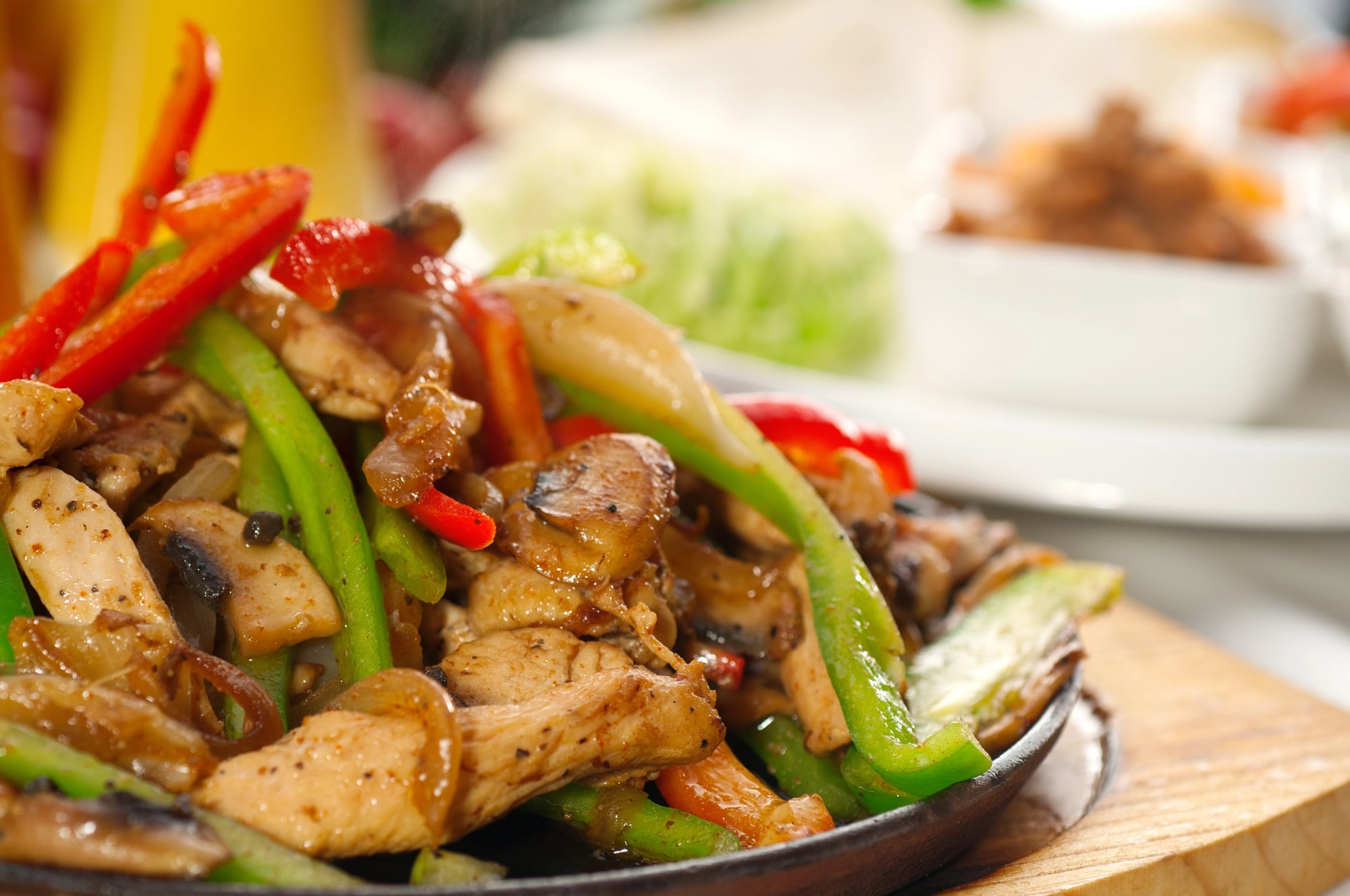
These sizzling platters of grilled meat, peppers, and onions served with tortillas seem like authentic Mexican street food, but fajitas were actually invented in Texas in the 1930s by Mexican ranch workers who were given the less desirable cuts of beef — specifically, the skirt steak or “faja” in Spanish — as part of their payment.
The workers developed techniques for making this tough cut of meat tender and flavorful, creating the seasoning and grilling methods that define modern fajitas.
Caesar Salad
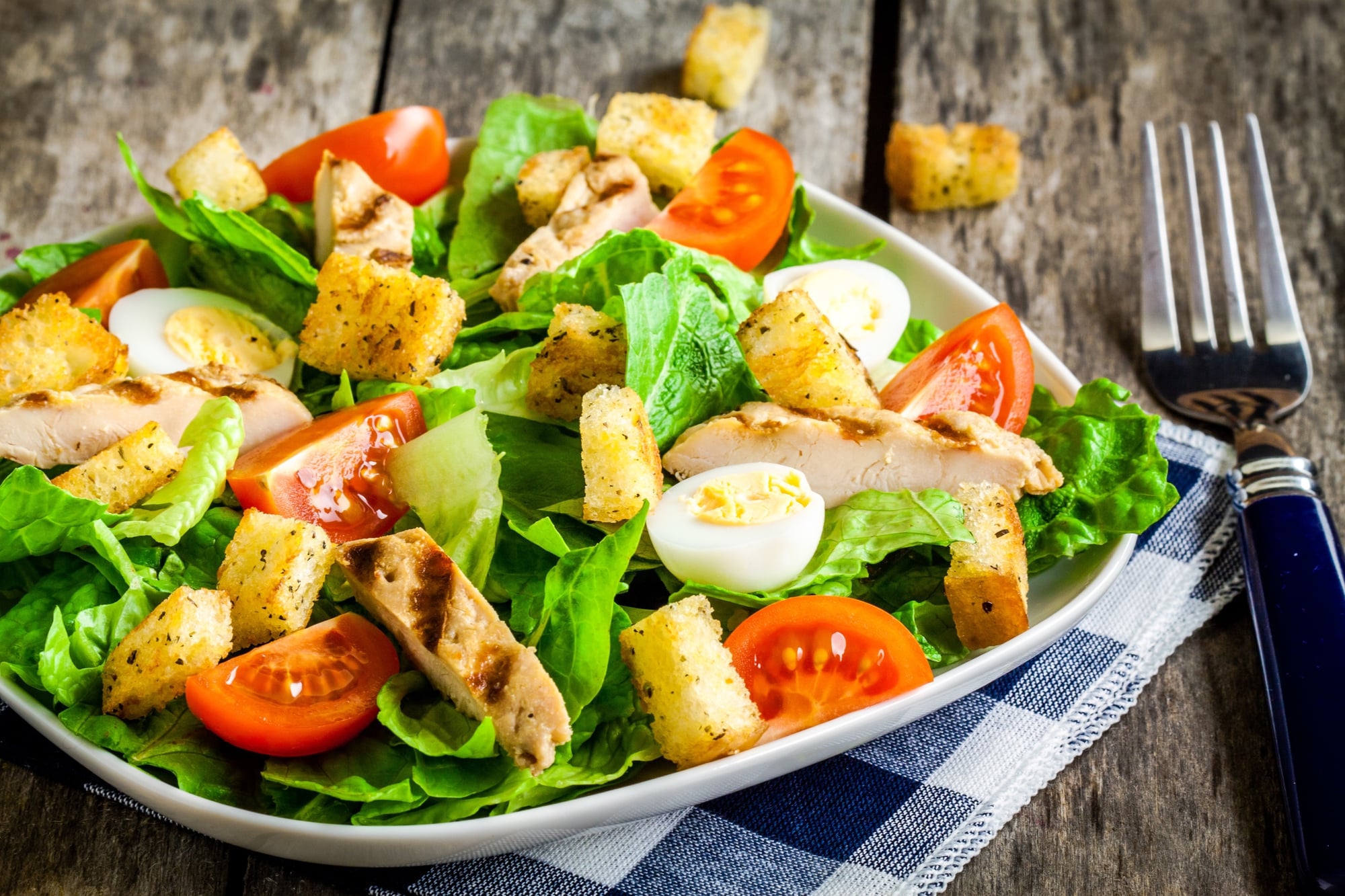
This crisp romaine lettuce salad with its distinctive dressing was created in Tijuana, Mexico, not Italy, despite its Roman name. Italian immigrant Caesar Cardini invented the salad at his restaurant, Hotel Caesar, in 1924 to serve American customers who crossed the border during Prohibition to drink legally.
Cardini created the salad as a dramatic tableside presentation, tossing the ingredients with great flourish for his American guests.
Swiss Cheese
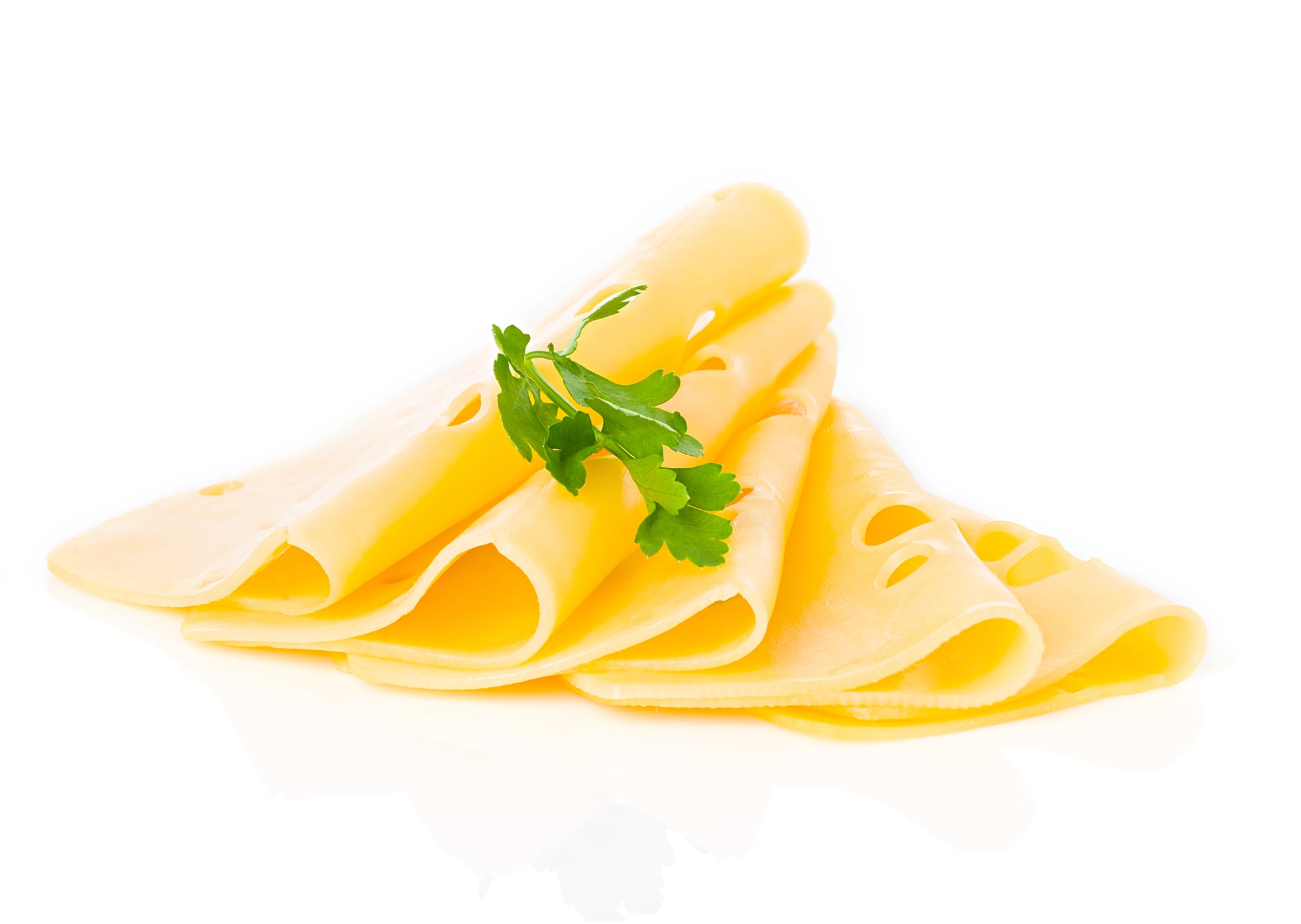
The cheese Americans call “Swiss cheese” — with its distinctive rounds and mild flavor — was invented in Ohio in the mid-1800s by Swiss immigrants who were trying to recreate traditional Alpine cheeses with available American milk and aging conditions.
Real Swiss cheese includes dozens of varieties with complex flavors and aging processes that don’t resemble American “Swiss cheese” at all.
Pad Thai
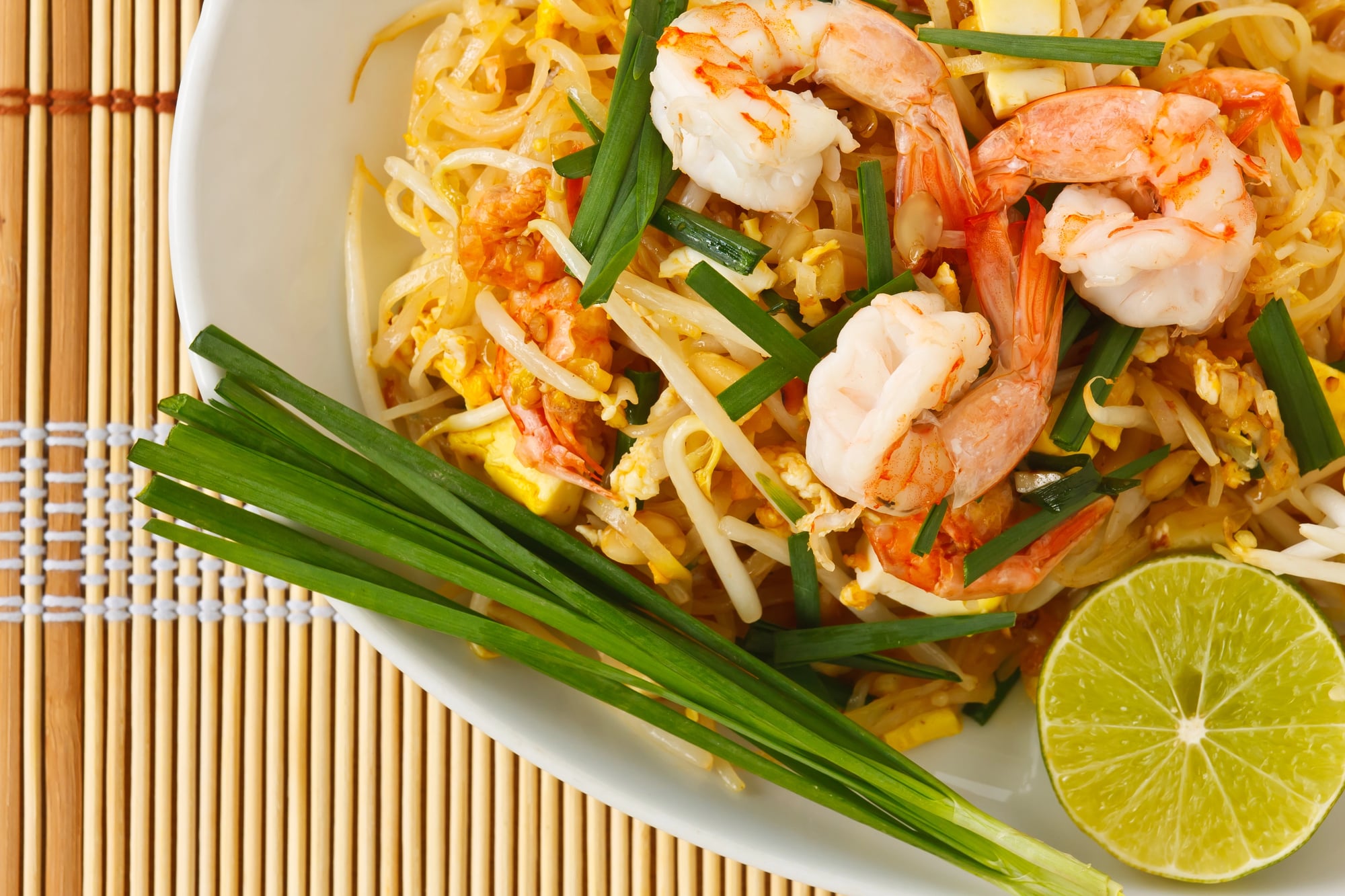
Thailand’s national dish was actually created in the 1930s as part of a nationalist campaign by Prime Minister Plaek Phibunsongkhram, who wanted to promote Thai identity and reduce Chinese influence in the country. The government distributed recipes for Pad Thai and encouraged restaurants to serve it as a way of defining distinctly Thai cuisine.
The dish incorporated Chinese stir-fry techniques with local ingredients like tamarind, fish sauce, and dried shrimp, creating something that felt authentically Thai while actually being a modern invention designed for political purposes.
Mongolian Beef
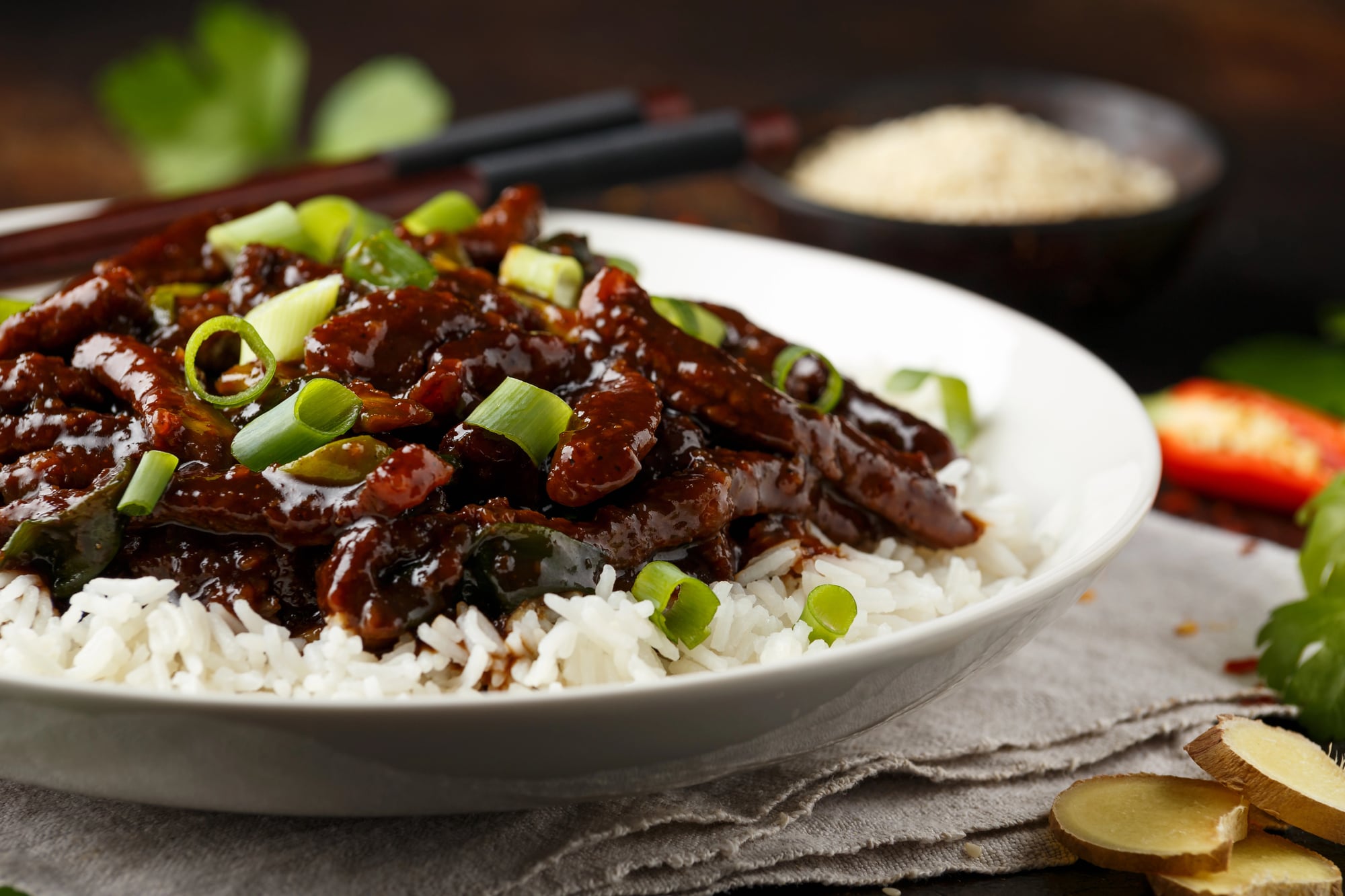
Despite its name, this sweet and savory stir-fried beef dish has nothing to do with Mongolia and isn’t eaten there. The dish was created in Taiwan in the 1950s by chef Wu Zhaonan, who named it after Mongolia simply because it sounded exotic and appealing to customers.
Real Mongolian cuisine focuses on dairy products, mutton, and simple preparations that suit a nomadic lifestyle.
When Geography Becomes Story
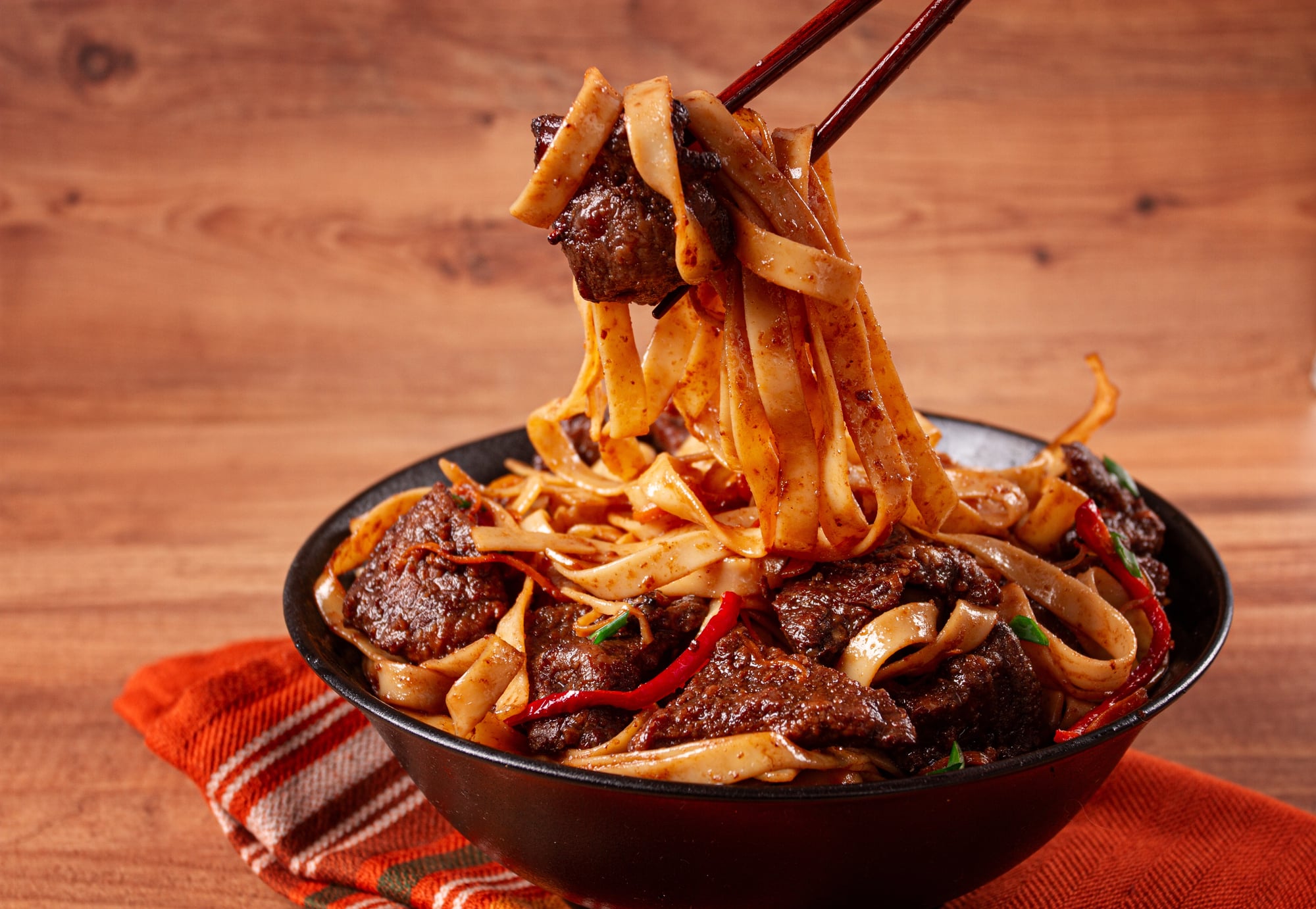
Food doesn’t respect borders the way people do. These misnamed dishes remind you that flavors travel faster than facts, and sometimes a good story matters more than historical accuracy.
What makes these geographic mix-ups fascinating isn’t the errors themselves — it’s how quickly and completely food can become authentic to a place that had nothing to do with creating it. Mexico didn’t invent chili peppers, but Mexican cuisine without them is unimaginable. France didn’t invent croissants, but French bakeries perfected them.
More from Go2Tutors!

- The Romanov Crown Jewels and Their Tragic Fate
- 13 Historical Mysteries That Science Still Can’t Solve
- Famous Hoaxes That Fooled the World for Years
- 15 Child Stars with Tragic Adult Lives
- 16 Famous Jewelry Pieces in History
Like Go2Tutors’s content? Follow us on MSN.