Interesting Facts About the History of Jeans
Jeans are everywhere. They’re in your closet, at your office, and probably on you right now.
But these simple pants have traveled a long, strange path from dusty work sites to fashion runways. The story involves inventors, movie stars, war efforts, and even hotel scandals.
Jeans have been banned, fought over, and smuggled across borders. Let’s look at some surprising facts about how these pants became the most popular clothing item on the planet.
The name comes from two different cities
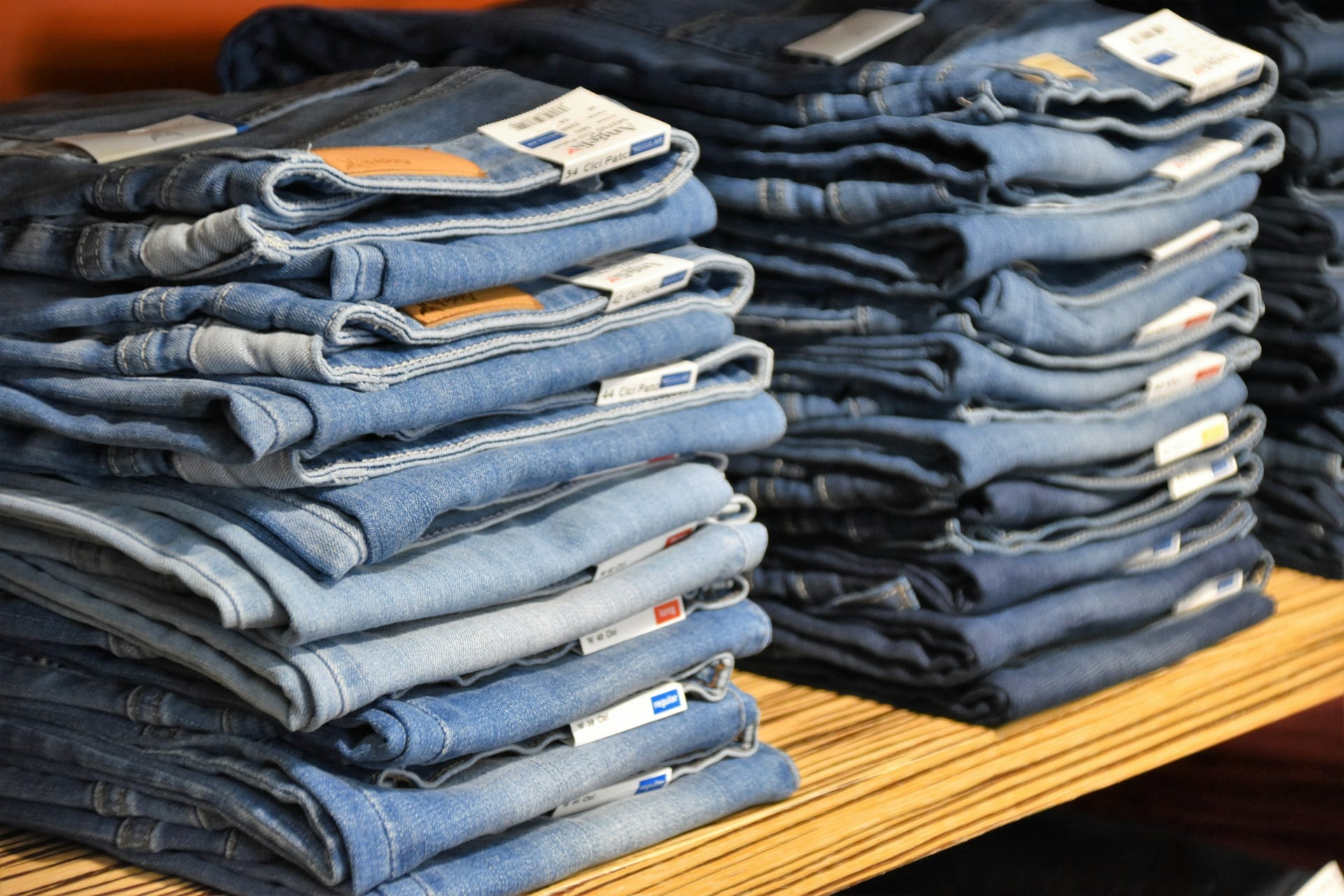
The word ‘jeans’ likely comes from Gênes, which is French for Genoa, Italy, where similar fabric was made. Meanwhile, denim gets its name from another place entirely.
Weavers in Nîmes, France tried copying Italian cotton fabric but created something different, which became known as ‘de Nîmes’ or ‘from Nîmes’. So your jeans carry the names of two European cities in their DNA.
The fabrics were being made centuries before anyone thought to rivet them together. Sailors and workers wore rough cotton pants long before they became fashion statements.
A customer’s husband inspired the rivet invention
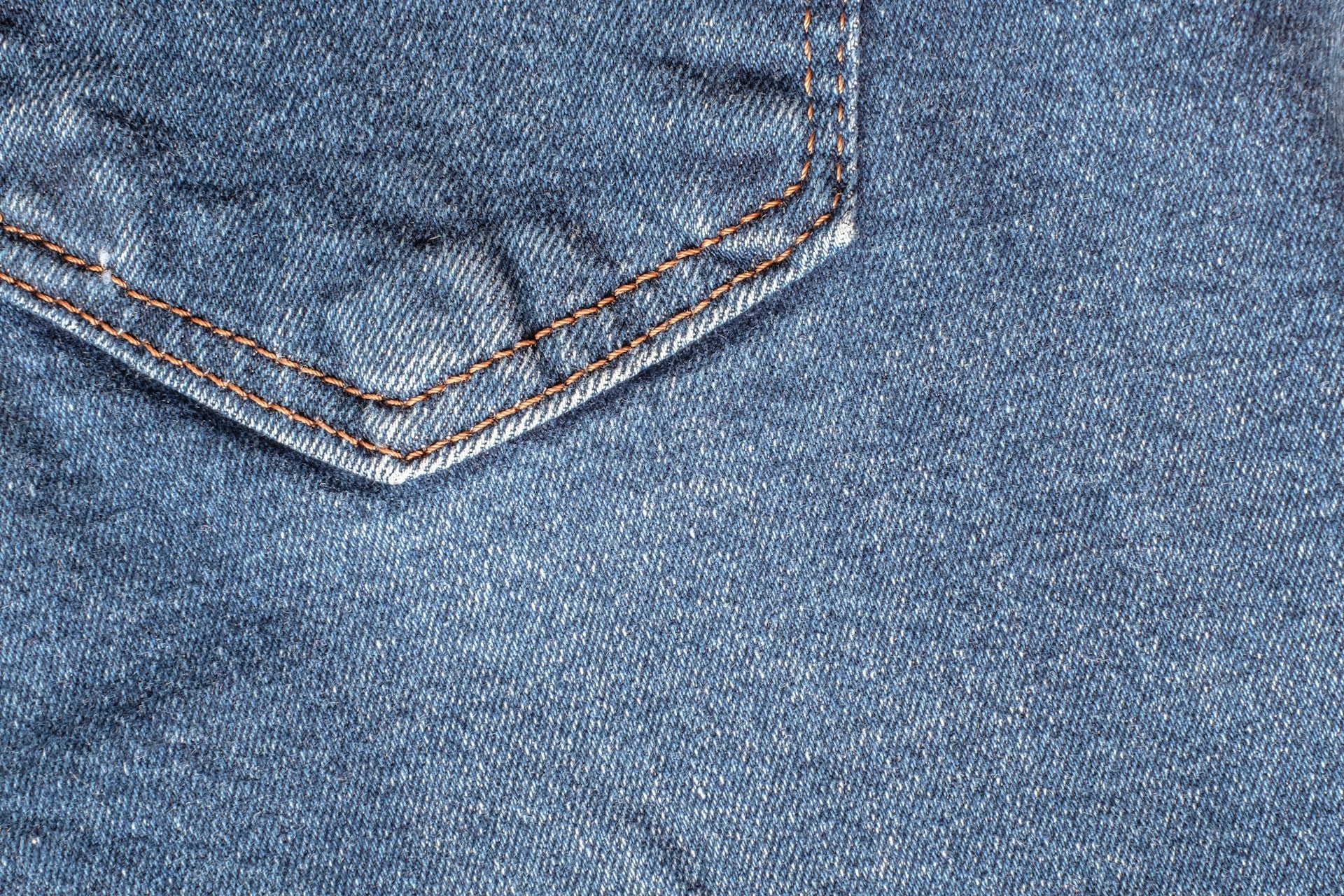
Jacob Davis, a tailor in Reno, Nevada, got a request from a woman who wanted pants for her husband that wouldn’t fall apart. Davis used copper rivets at the stress points like pocket corners to reinforce the pants, and word spread quickly among railroad workers.
The pants became so popular that Davis couldn’t keep up with orders. He didn’t have the $68 needed for a patent application, so he asked his fabric supplier Levi Strauss to help him.
That simple request from one frustrated wife changed clothing forever.
May 20, 1873 is the official birthday of jeans

Levi Strauss and Jacob Davis received U.S. patent number 139,121 for putting rivets in work pants on May 20, 1873. That date is considered the birthday of blue jeans.
Before that, denim pants existed, but the rivets made them something new. The pants were called ‘waist overalls’ or just ‘overalls’ until 1960, when baby boomers started calling them jeans.
The name stuck and spread. Now nobody thinks twice about the word, but for nearly a century people called them something completely different.
They weren’t called jeans for almost 90 years
Denim pants weren’t known as ‘jeans’ until the 1950s. In 1967, Levi’s offered the 505, calling them ‘jeans’ for the first time in company materials.
Workers, miners, and cowboys all wore ‘waist overalls’ or ‘dungarees’ without ever using the word that now defines them. The shift happened as younger people adopted the pants and gave them a new identity.
Language changes slowly, then all at once.
World War II made jeans officially essential
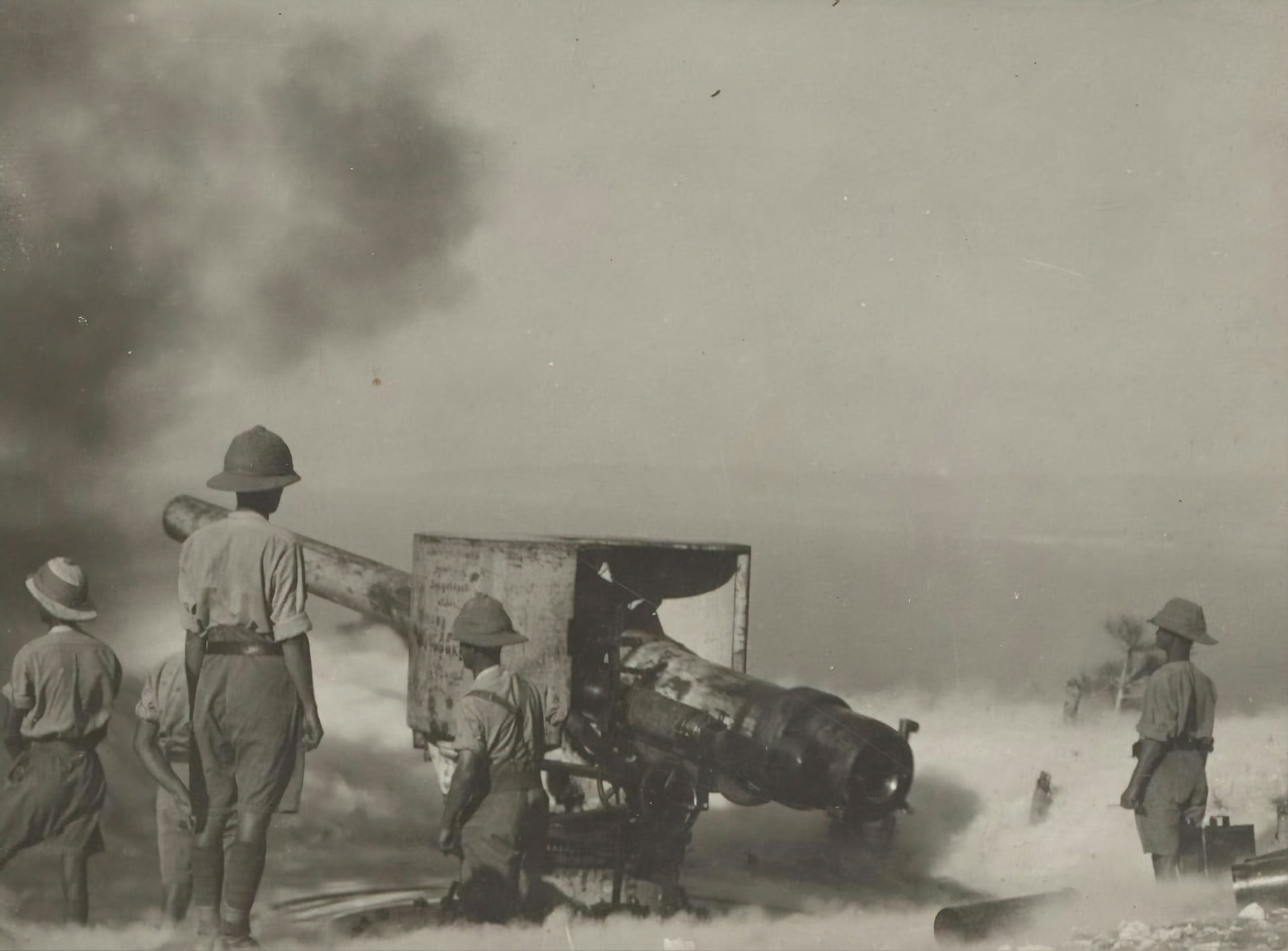
During World War II, blue jeans were declared an ‘essential commodity’ and could only be sold to people engaged in defense or military work. The government controlled what could be made and sold.
Levi’s had to remove decorative elements like the back pocket stitching to save material. They painted the famous curved design on pockets instead of sewing it, and it washed off after a few laundry cycles.
Soldiers overseas wore them when off duty, spreading American denim culture to other countries.
Bing Crosby got kicked out of a hotel for wearing jeans
In 1951, singer Bing Crosby tried checking into the Hotel Vancouver in Canada while wearing head-to-toe denim. The hotel clerk said Crosby ‘looked like a bum’ and refused him entry.
Eventually staff recognized him and let him in, but the damage was done. Levi’s heard about the incident and created a custom denim tuxedo jacket for Crosby with a leather patch inside that read ‘Notice to All Hotel Men’ stating denim was appropriate for fine establishments.
That joke jacket became known as the Canadian Tuxedo, a term still used today for denim-on-denim outfits.
Schools banned jeans in the 1950s
Many school boards banned denim in the 1950s because they associated it with rebellion and rough behavior. Movies like ‘The Wild One’ with Marlon Brando showed bad boys wearing jeans and leather jackets.
Schools wanted nothing to do with that image. Levi’s launched a ‘Right for School’ campaign with ads showing students in jeans carrying books.
Some parents and administrators sent angry letters to the company. The banned status only made jeans more appealing to teenagers who wanted to push back against rules.
Indigo was once called the devil’s dye
In 1609, French King Henry IV banned indigo dye, calling it ‘teinture du diable’ or ‘the devil’s dye’. People claimed it burned and damaged fabrics, but the real reason was that local woad dye producers were losing business.
Indigo was cheaper and better, so it won despite the propaganda campaign against it. The deep blue color hides dirt well, which made it perfect for work clothes.
Indigo was originally made from plants in India and became extremely valuable, with exporters charging heavy taxes.
One bale of cotton makes 225 pairs of jeans
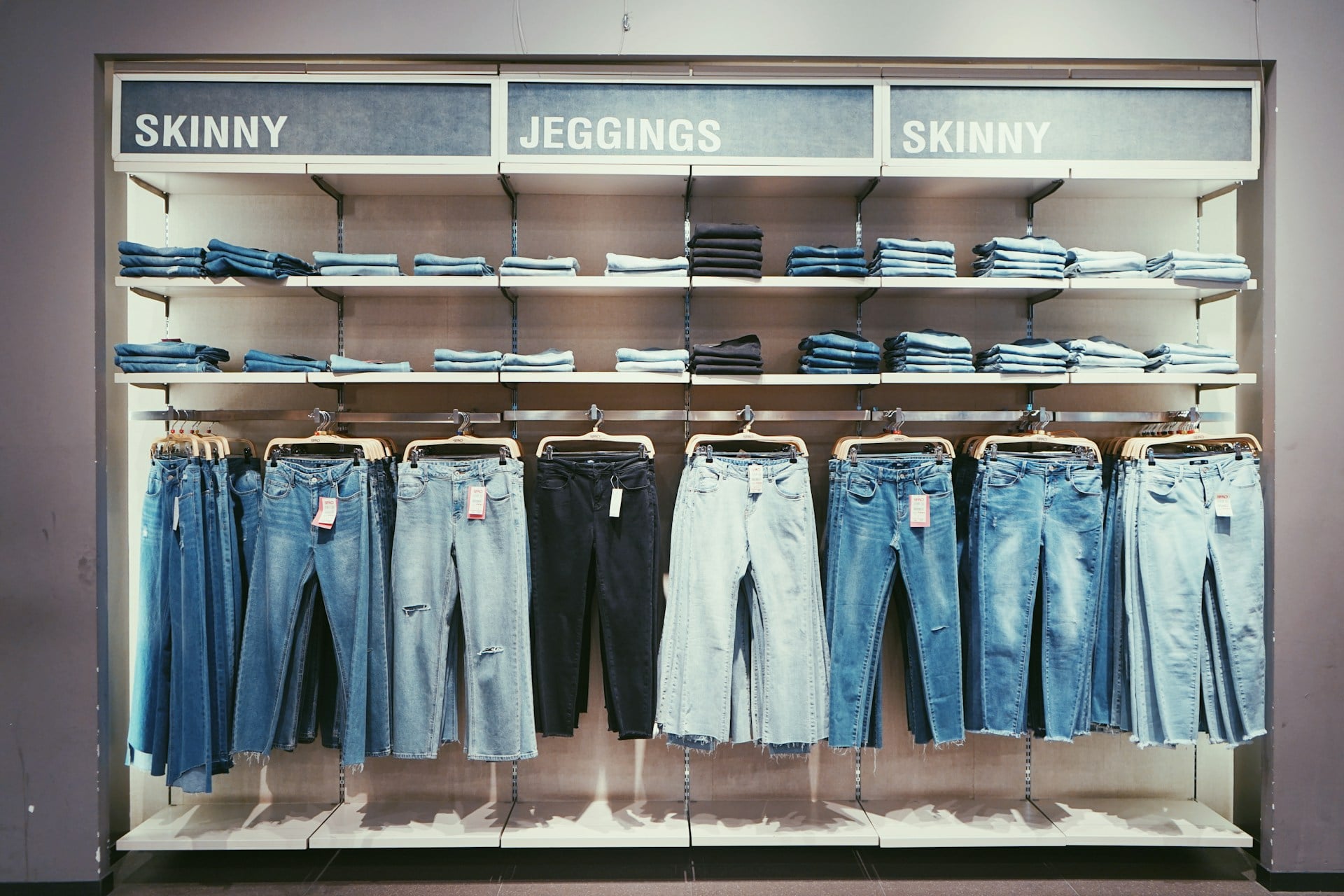
From a single bale of cotton, manufacturers can produce around 225 pairs of jeans. That’s a lot of pants from one compressed bundle of raw material.
The cotton gets spun, woven, dyed, and cut into all those individual pieces. Twenty thousand tons of indigo are produced every year just for dyeing jeans.
The scale of denim production is enormous, with billions of pairs made annually. Most people own multiple pairs, and some folks have dozens sitting in their closets.
Levi’s itself never wore his own jeans

Levi Strauss, who founded the famous brand, never wore a pair of his own jeans because he was a wealthy businessman and jeans were made for poor working people. He sold them but didn’t see himself as the target customer.
Strauss wore suits and dress clothes appropriate for his social standing. The man whose name is on millions of pairs of pants worldwide never pulled on a single pair himself.
That irony captures how jeans started at the bottom of society and climbed their way up.
The most expensive jeans sold for over $400,000
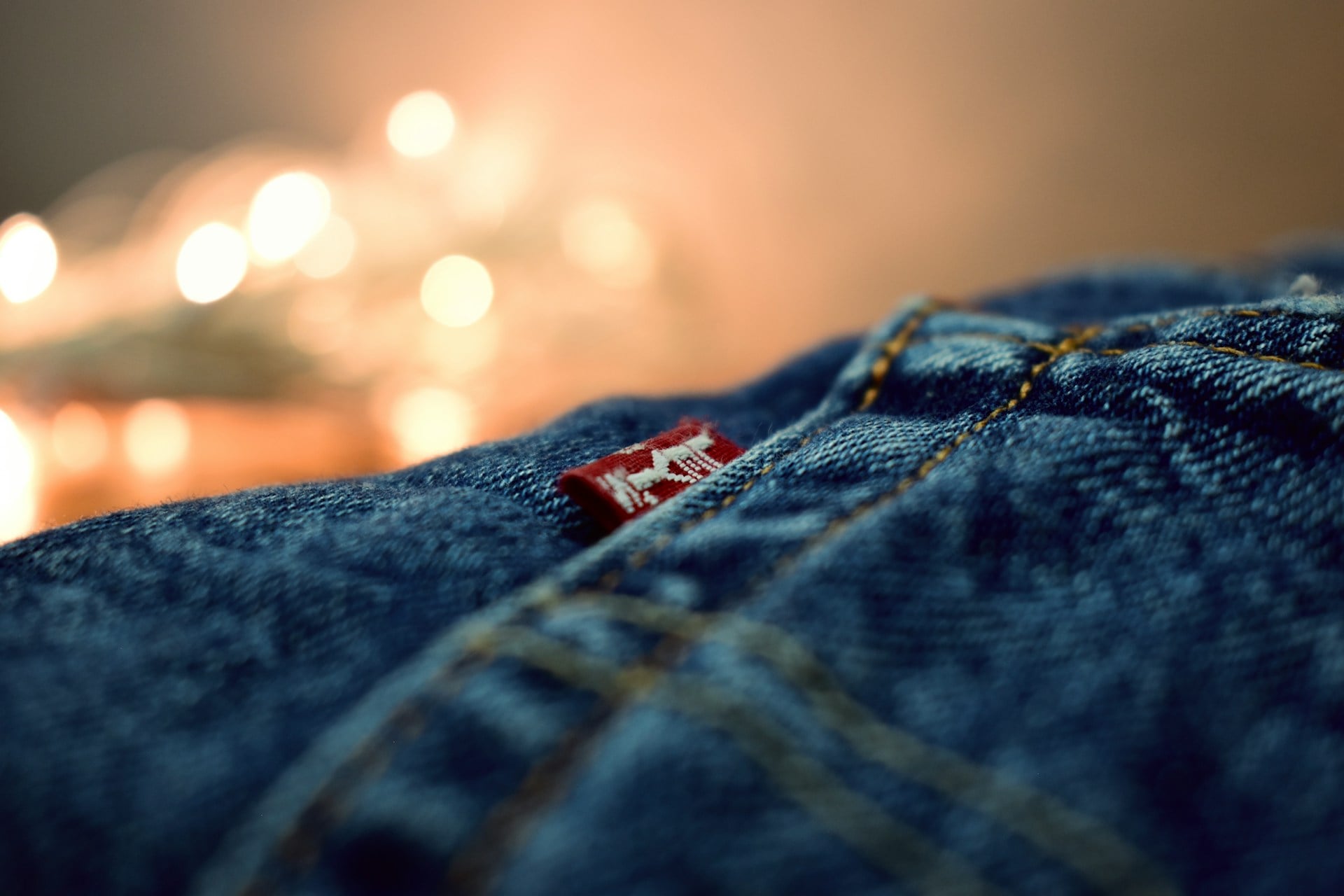
A pair of Levi’s jeans worn by Nirvana frontman Kurt Cobain sold for $412,750 at auction in November 2023. Cobain wore them in the music video for ‘Heart-Shaped Box’ and at various performances.
Vintage jeans from the 1800s have sold for tens of thousands of dollars. A pair of Levi’s from 1873 sold for $100,000 in 2023.
These aren’t fashion pieces with diamonds sewn on them. They’re just old, historically significant pants that collectors will pay crazy money to own.
The little pocket was designed for watches
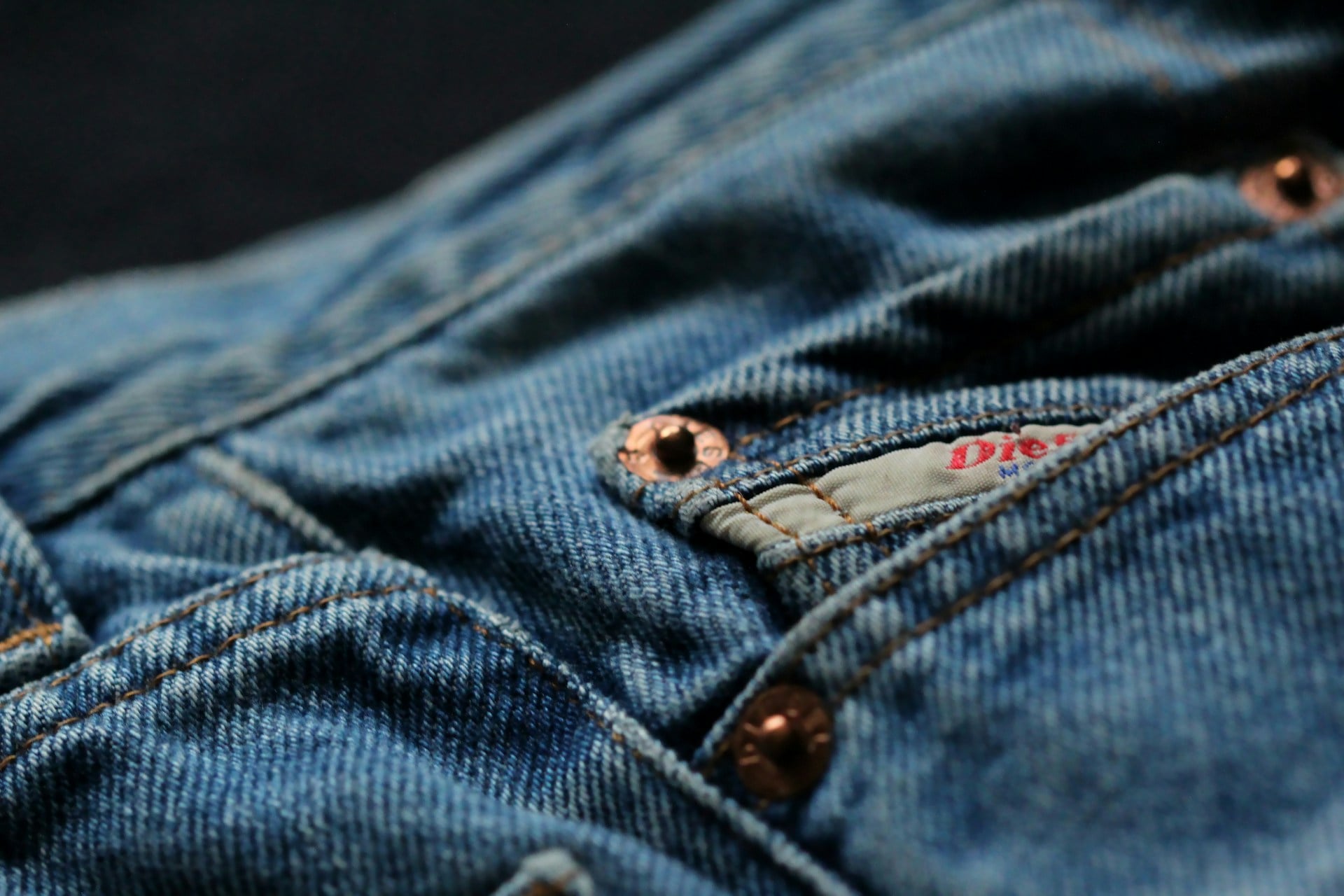
The small pocket inside the front pocket was originally designed to hold a pocket watch. Levi’s added the watch pocket to their jeans in the late 1870s.
Nobody carries pocket watches anymore, but the tiny pocket remains on most jeans as a design element. People use it for coins, lighters, or just leave it empty.
Some folks don’t even realize it’s there. The feature outlived its original purpose by over a century and nobody’s bothered to remove it.
Soviet citizens smuggled jeans as symbols of freedom
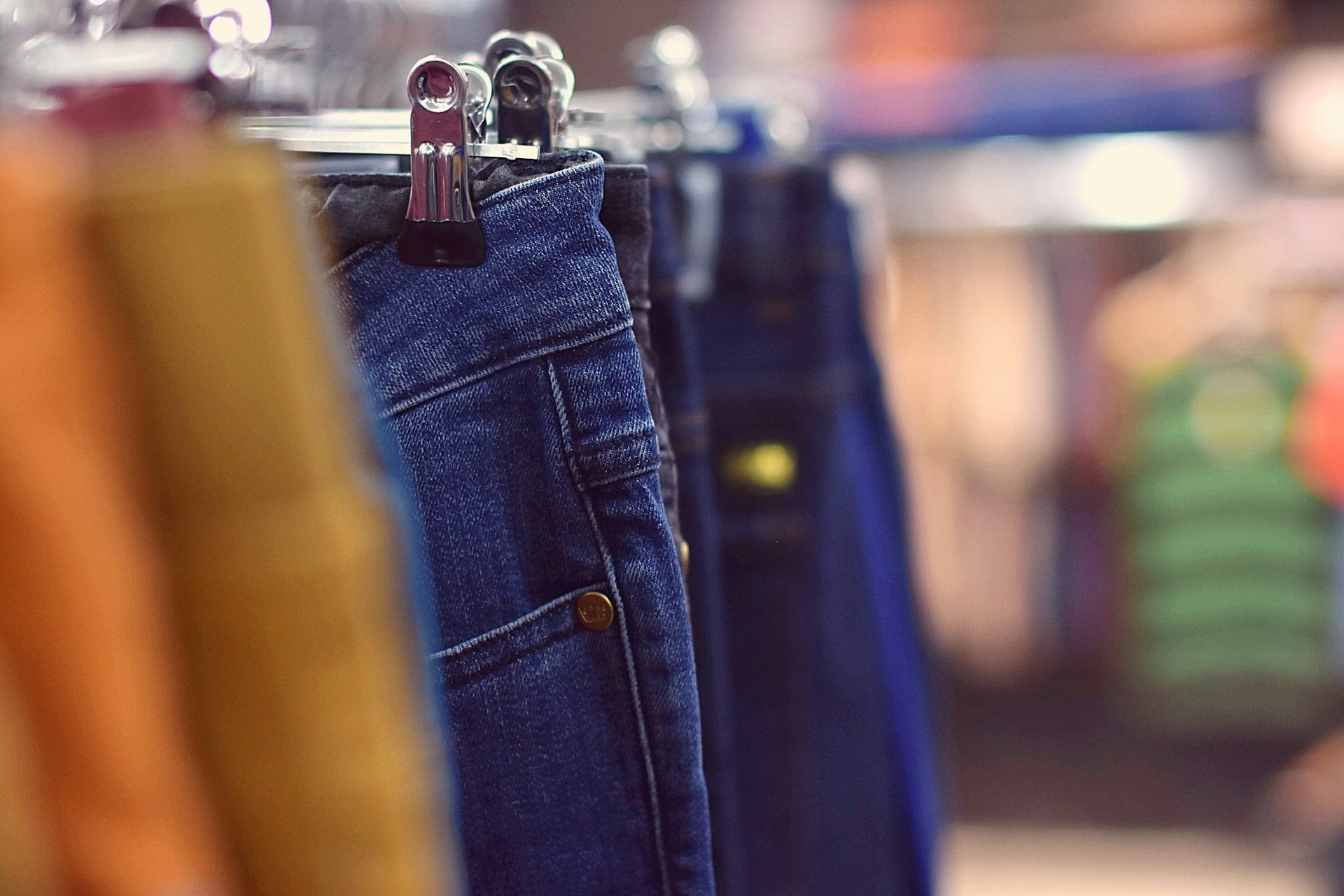
In the Soviet Union, jeans were seen as symbols of Western rebellion, and the government resisted supplying them. People resorted to violence and illegal activities to obtain real Western-made jeans, creating black markets.
A pair of American jeans could cost $200 on the black market during the Cold War. The association with the West made Levi’s a symbol that Soviet authorities condemned as Western decadence.
Wearing jeans became a political statement behind the Iron Curtain.
The first label on clothing was sewn onto jeans
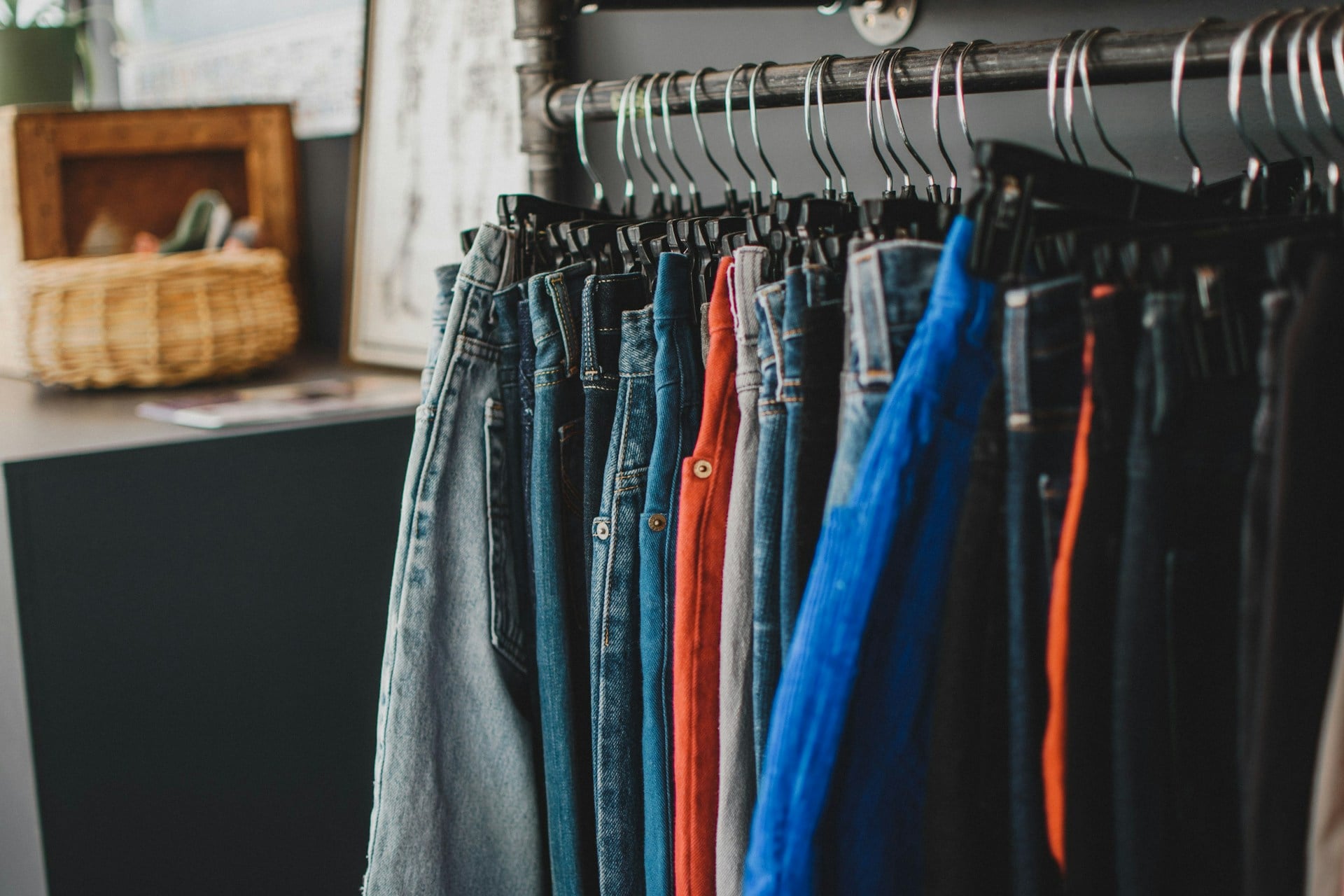
In 1936, a red flag label was sewn next to the back pocket of Levi’s jeans, becoming the first label ever attached to a garment. Before that, clothes didn’t have visible branding sewn onto them.
The red tab became instantly recognizable. It was a simple marketing move that changed how clothing companies advertised their products.
Now labels and logos are everywhere on clothes, but jeans started that trend. The little red tab made Levi’s instantly identifiable from across a room.
Cowboys used jean cuffs as pockets
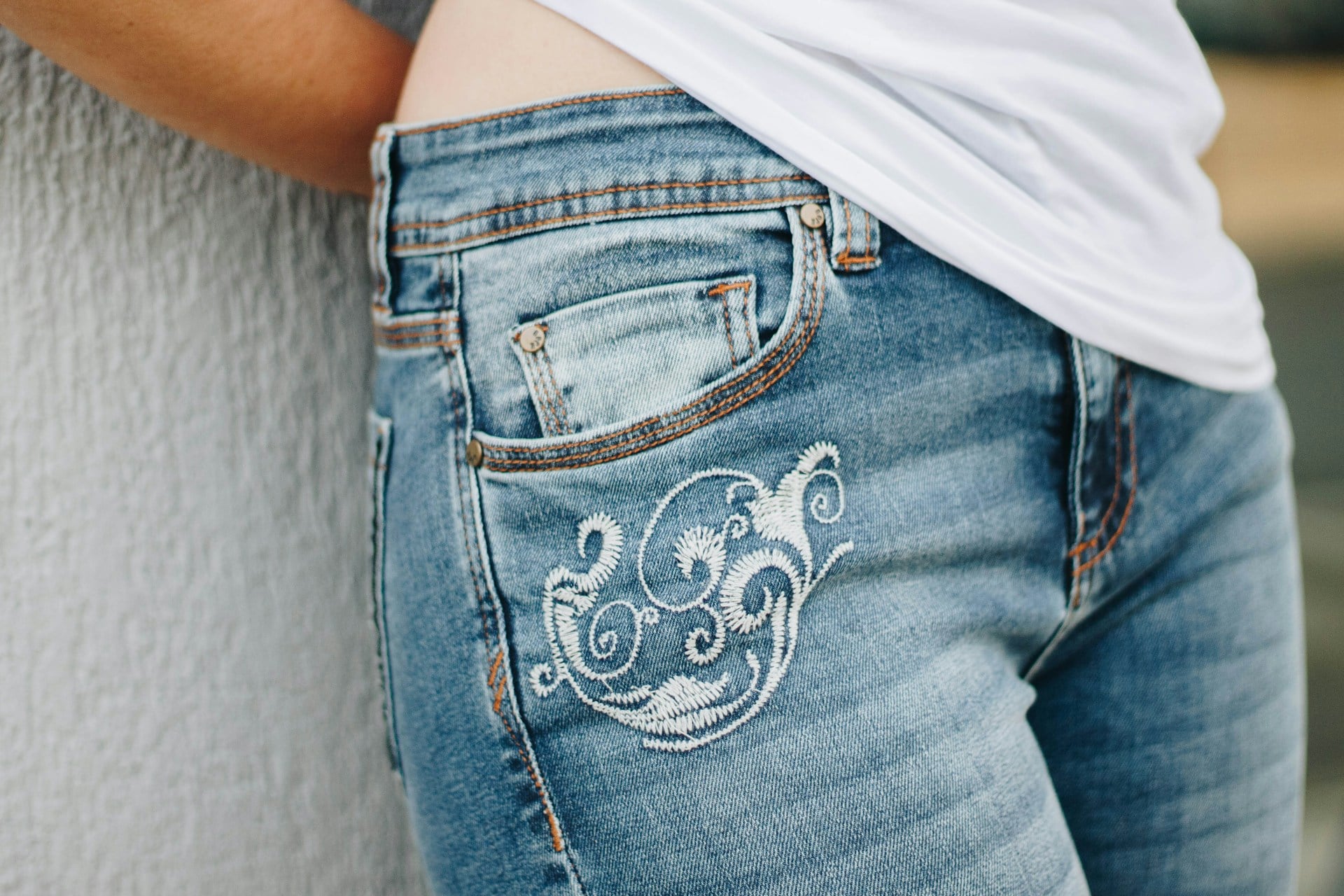
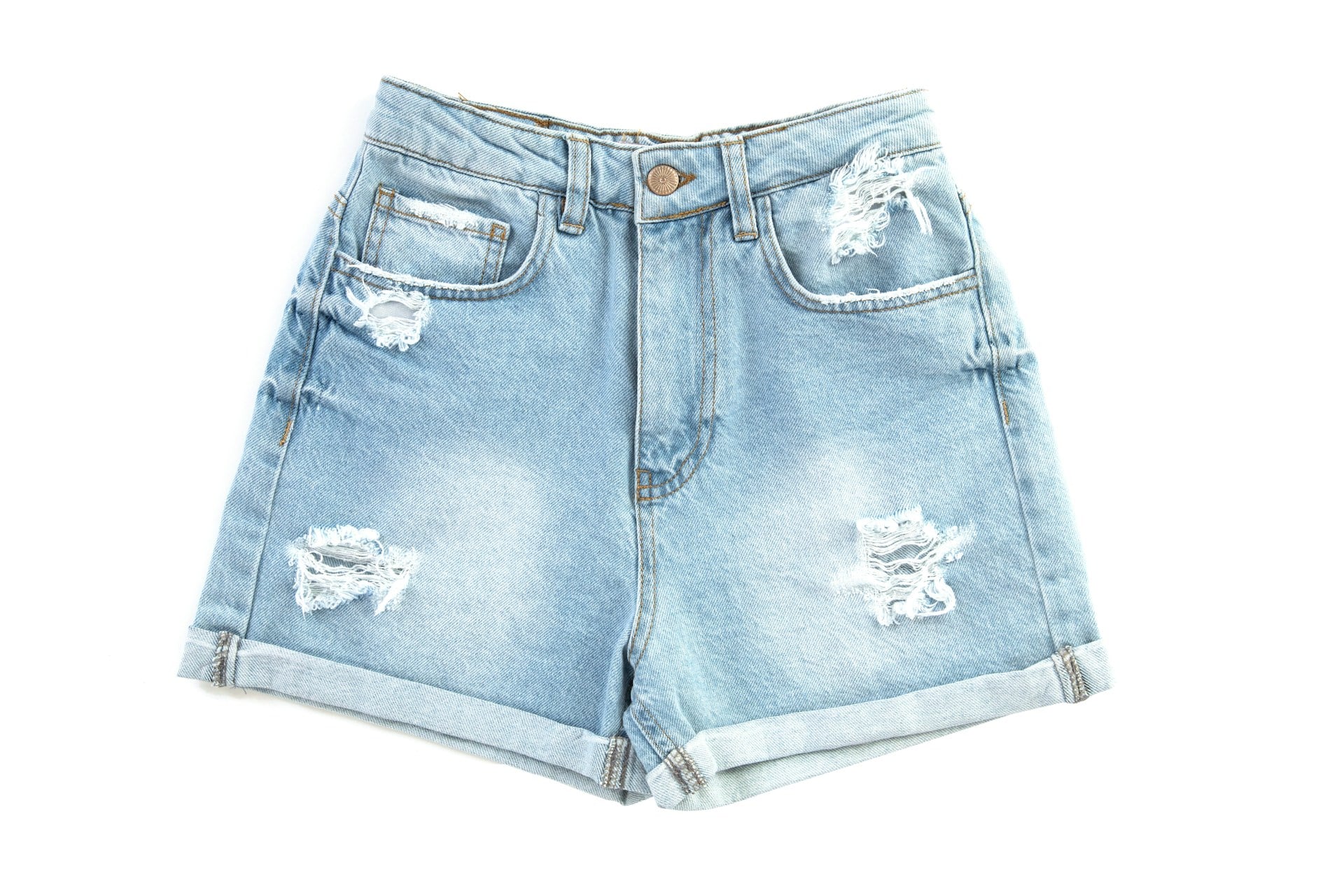
Old jeans weren’t made in different lengths and used unsanforized denim that would shrink about 10% after the first wash. People had to buy jeans much longer than needed, which resulted in high cuffs that were used as extra pockets for coins, candy, and pencils.
Cowboys stored personal items in their cuffs while riding. The rolled-up look that people still wear today started as pure practicality.
Nobody planned for it to become a style choice.
Americans own an average of seven pairs
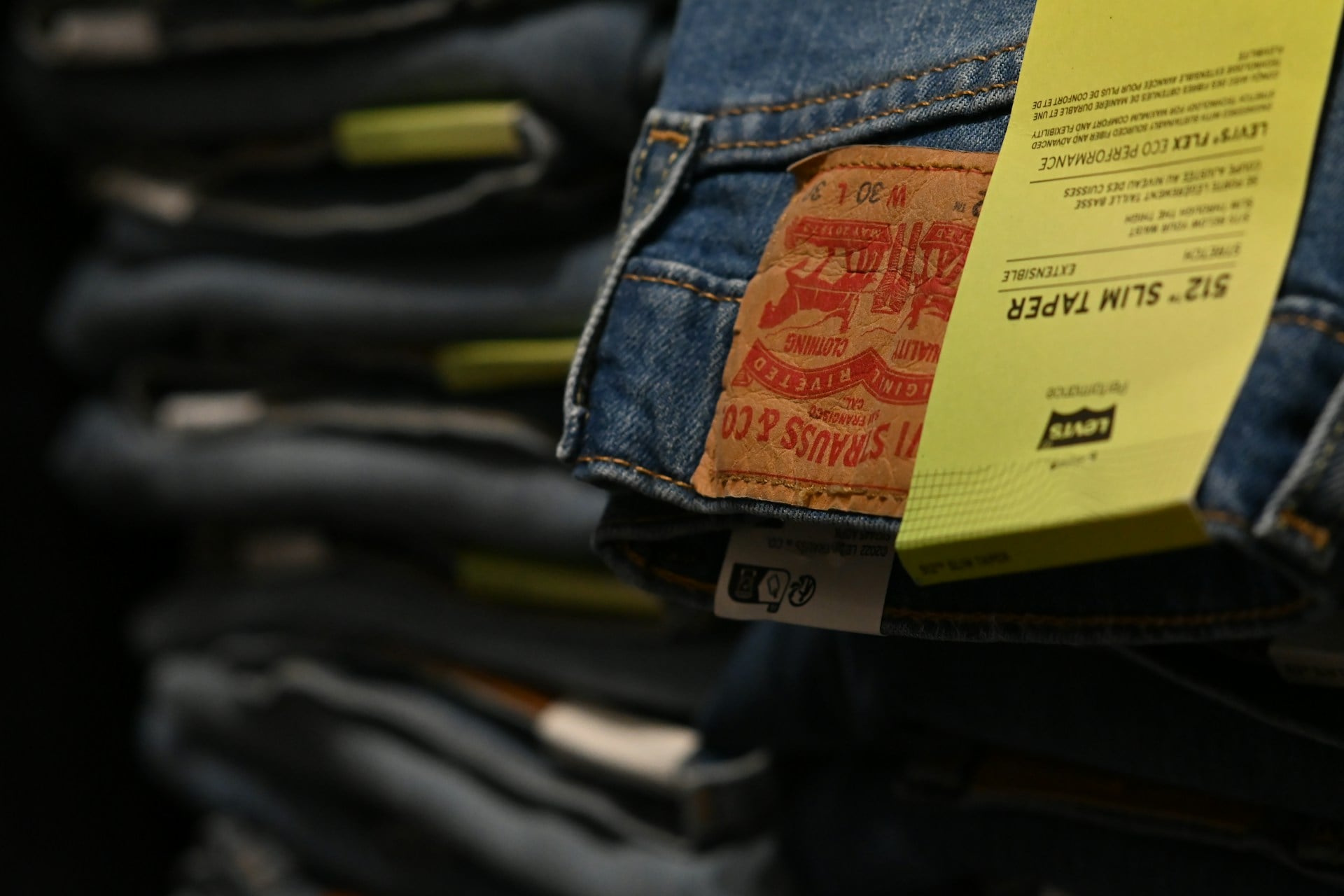
Statistically, every American owns an average of seven pairs of blue jeans. Some people have way more than that, while others own fewer, but seven is the average.
That’s a lot of denim sitting in closets across the country. Approximately 450 million pairs of jeans are sold in the United States every year.
The numbers show just how deeply jeans are woven into American culture. They’re not special occasion clothes anymore. They’re the default.
Hollywood bad boys made jeans cool
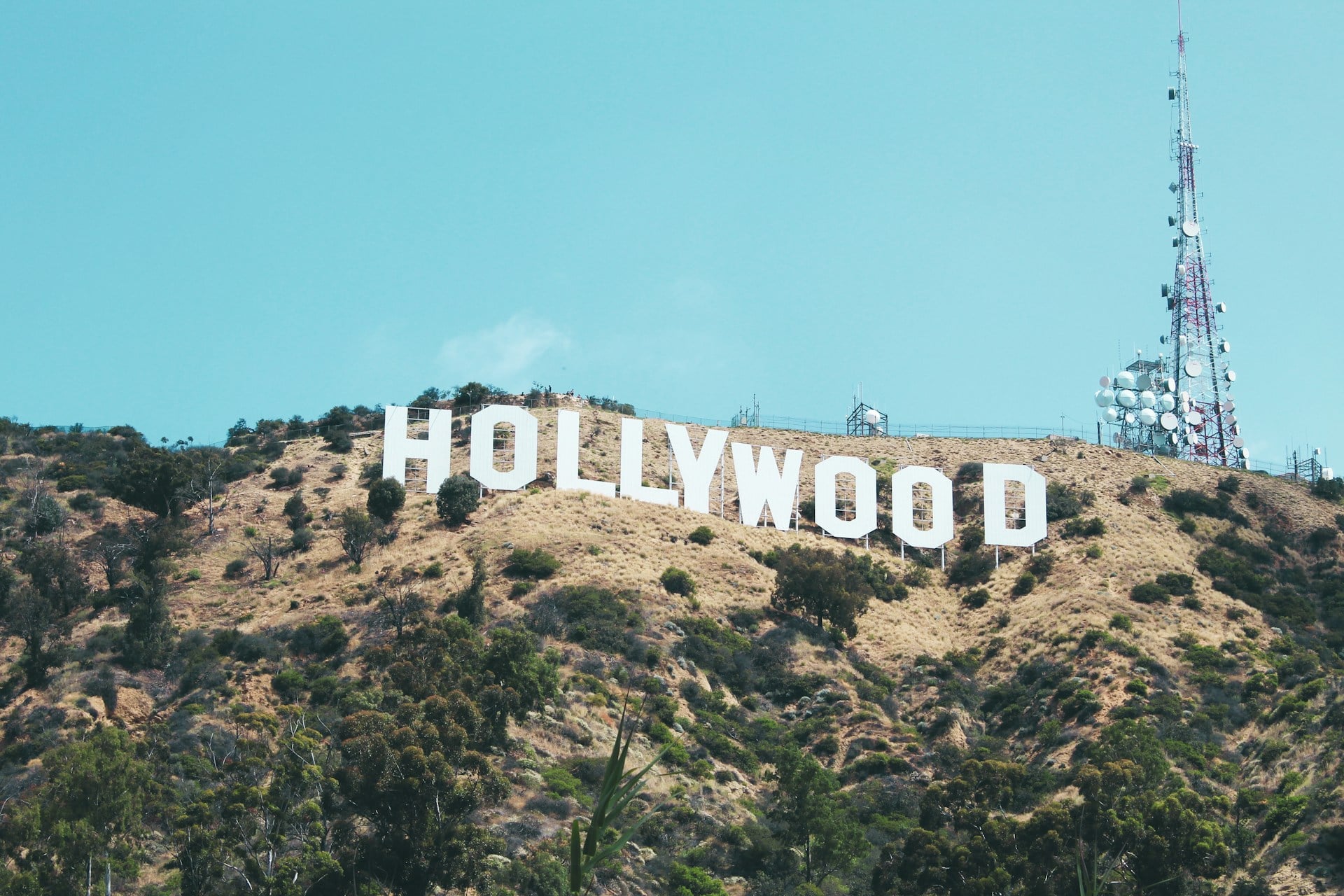
Marlon Brando and James Dean wore jeans in 1950s films, making them symbols of youth rebellion. For his role in ‘A Streetcar Named Desire,’ Brando wore no underwear during the jeans fitting and had the inside pockets removed.
These actors weren’t trying to sell jeans. They just wore them as part of their characters.
Western films showcased cowboys in denim, and Hollywood made jeans look tough and independent. Teenagers saw these movies and wanted to dress like their heroes.
That’s when jeans stopped being just work clothes and became a statement about who you were.
Where things stand now
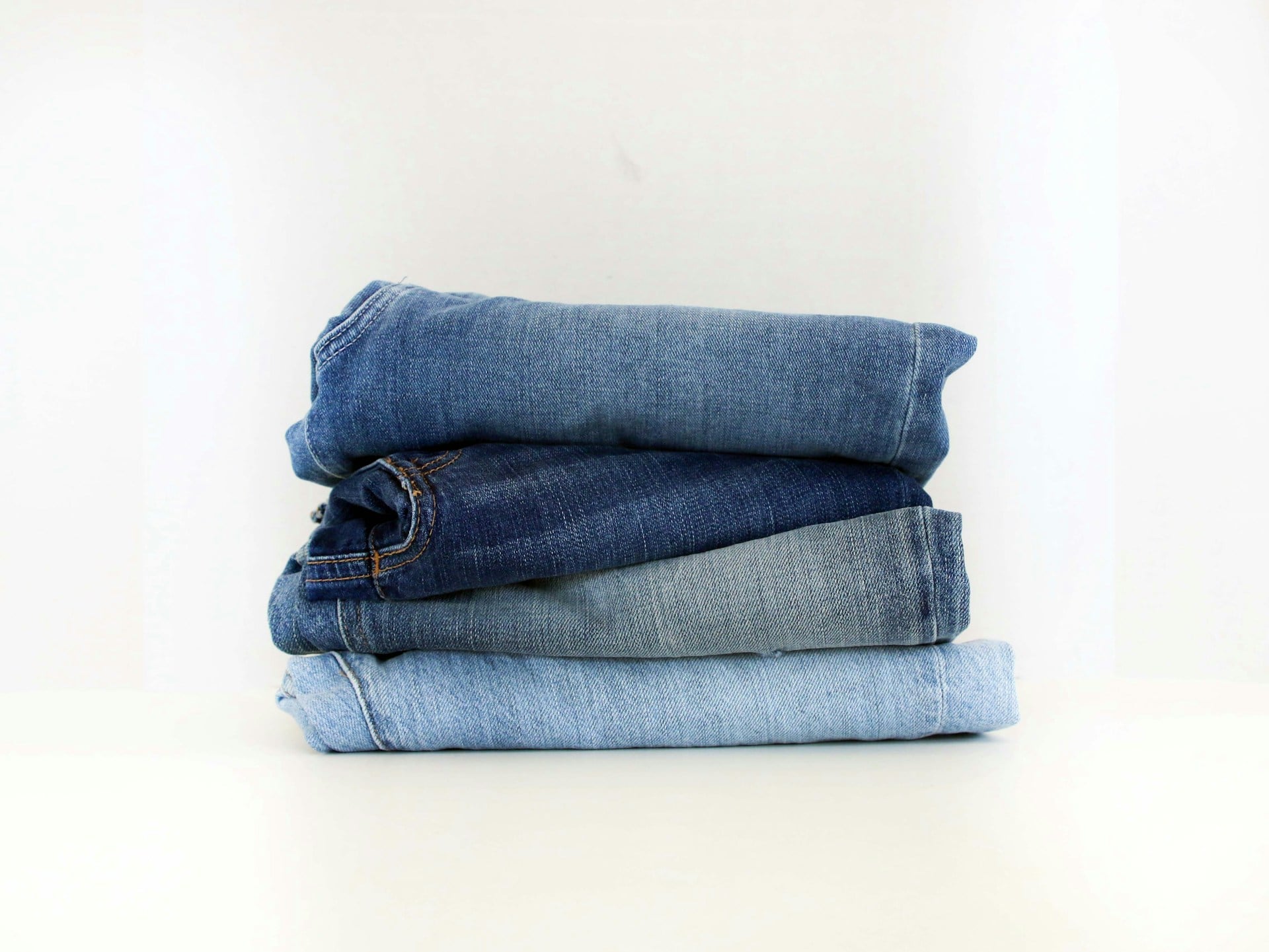
Jeans went from being rejected by hotels and banned from schools to being worn by presidents and fashion designers. They survived wars, crossed political borders, and outlasted countless trends.
The pants that started as cheap work clothes for miners now sell for hundreds of dollars in designer stores. Yet the basic design hasn’t changed much since 1873.
Five pockets, rivets, and blue denim. That durability in both construction and concept is why jeans are still here, still comfortable, and still the first thing most people grab when getting dressed.
The history isn’t finished. Jeans keep evolving while somehow staying exactly the same.
More from Go2Tutors!

- The Romanov Crown Jewels and Their Tragic Fate
- 17 Halloween Costumes Once Considered Taboo
- Famous Hoaxes That Fooled the World for Years
- 15 Child Stars with Tragic Adult Lives
- 16 Famous Jewelry Pieces in History
Like Go2Tutors’s content? Follow us on MSN.