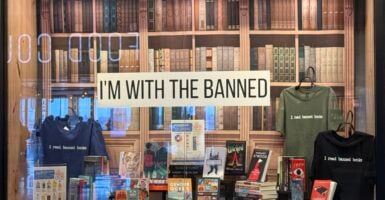
Why Certain Books Have Been Banned and Unbanned Multiple Times Across History
Every society has drawn a line between acceptable behavior and unacceptable behavior, and then decided what to do about the people on the wrong side of it. The methods chosen reveal something uncomfortable: the belief that extreme suffering, delivered publicly, could deter future wrongdoing, and that the state’s legitimate authority extended to inflicting almost anything on the body of a convicted person.
These were not fringe practices carried out by rogue actors. They were codified in law, administered by officials, watched by crowds, and defended by serious thinkers as appropriate and necessary.
Ulysses by James Joyce
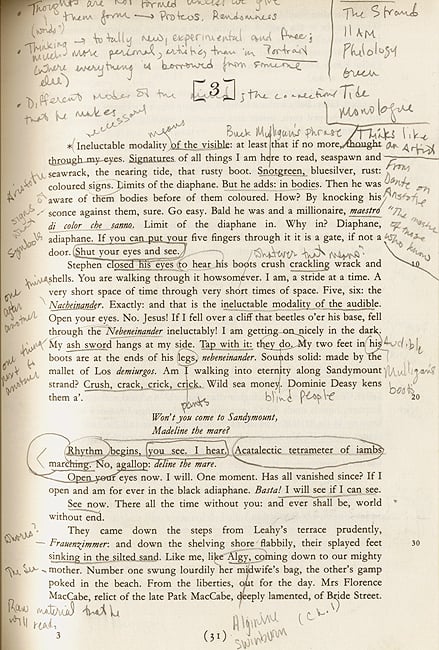
James Joyce’s novel was first published in serial form in an American literary magazine from 1918 to 1920, at which point a U.S. court declared a chapter obscene and effectively ended the serialization. Copies imported from Europe were seized and burned by U.S. customs throughout the 1920s.
It was not until 1933 that Judge John M. Woolsey of the U.S. District Court ruled the book was not obscene — a decision that stands as one of the most significant moments in American literary law. The book was meanwhile banned in the UK until 1936. Libraries across multiple countries continued to restrict access for years after legal publication resumed.
Lady Chatterley’s Lover by D.H. Lawrence
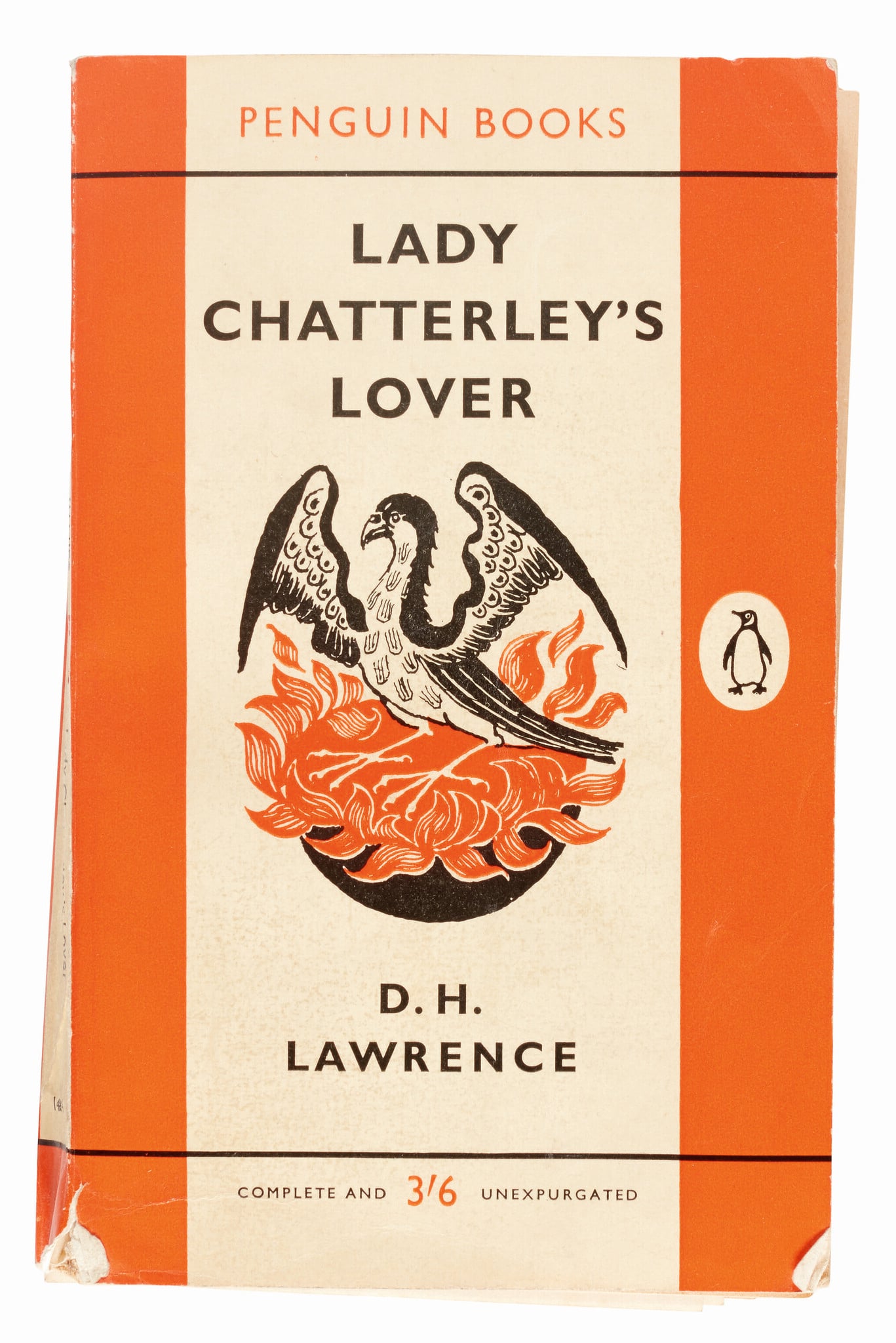
D.H. Lawrence privately printed his novel in Florence in 1928 because no English-language publisher would touch it. The U.S. Post Office classified copies as obscene and seized them. The UK maintained an effective ban for decades.
A test case came in 1960 when Penguin Books published the full text in Britain and was immediately prosecuted under the Obscene Publications Act. The prosecution asked jurors whether the book was one they would wish their wives or servants to read. The jury acquitted, and the subsequent sales of the Penguin edition ran to three million copies in three months. The book had been inaccessible for thirty years and became, in weeks, a national bestseller.
The Adventures of Huckleberry Finn by Mark Twain
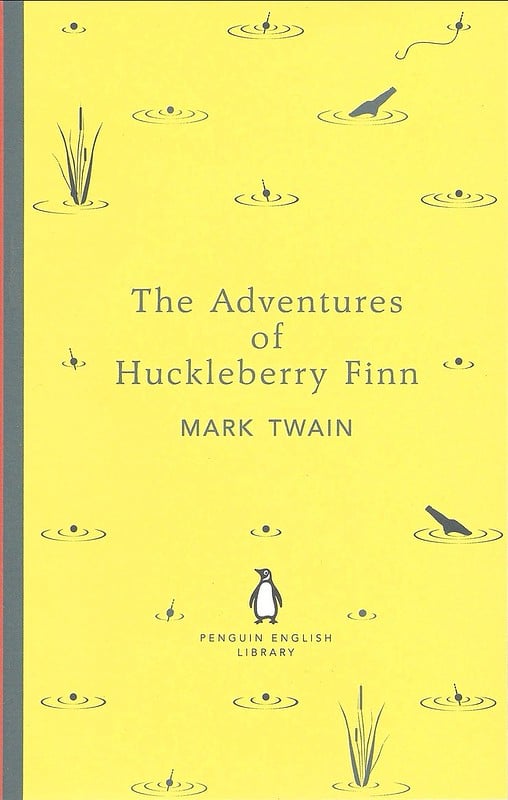
Twain’s novel was banned almost immediately upon publication in 1885, when the Concord, Massachusetts, public library described it as “trash” and suggested it was fit only for “the slums.” The objection then was to its crude language, its morally ambiguous hero, and its perceived vulgarity.
Over a century later, the same book is being challenged in schools for the opposite reason: its pervasive use of racial slurs, which many communities find too painful for classroom exposure. Mark Twain, who once sarcastically endorsed the early banning by claiming he wrote the book for mature audiences, produced a novel that has been challenged more or less continuously since 1885 for reasons that have completely inverted over time.
Nineteen Eighty-Four by George Orwell
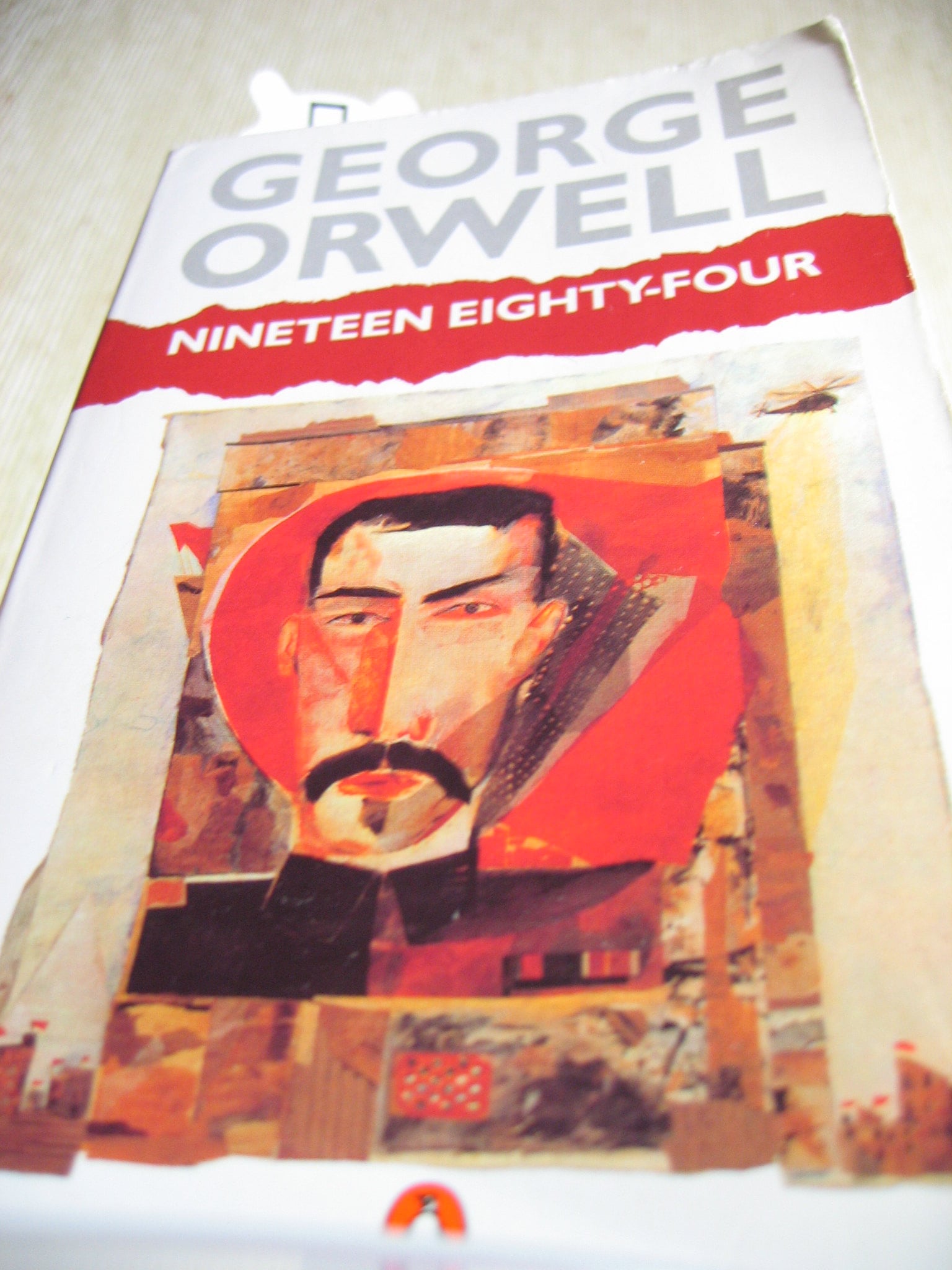
Orwell’s novel was banned in the Soviet Union for obvious reasons: it is a precise allegory of the mechanisms of totalitarian control, and the Soviet leadership recognized themselves in it. It circulated underground as samizdat — clandestinely copied and passed hand to hand — throughout Eastern Europe precisely because it described what its readers were living.
In the United States, the same book was challenged in Jackson County, Florida, in 1981 on the grounds that it was “pro-communist and contained explicit intimate matter.” Orwell was a democratic socialist and lifelong critic of Stalinism. The book managed to be anti-Soviet enough to be banned in the USSR and pro-Soviet enough to be challenged in Florida.
Animal Farm by George Orwell
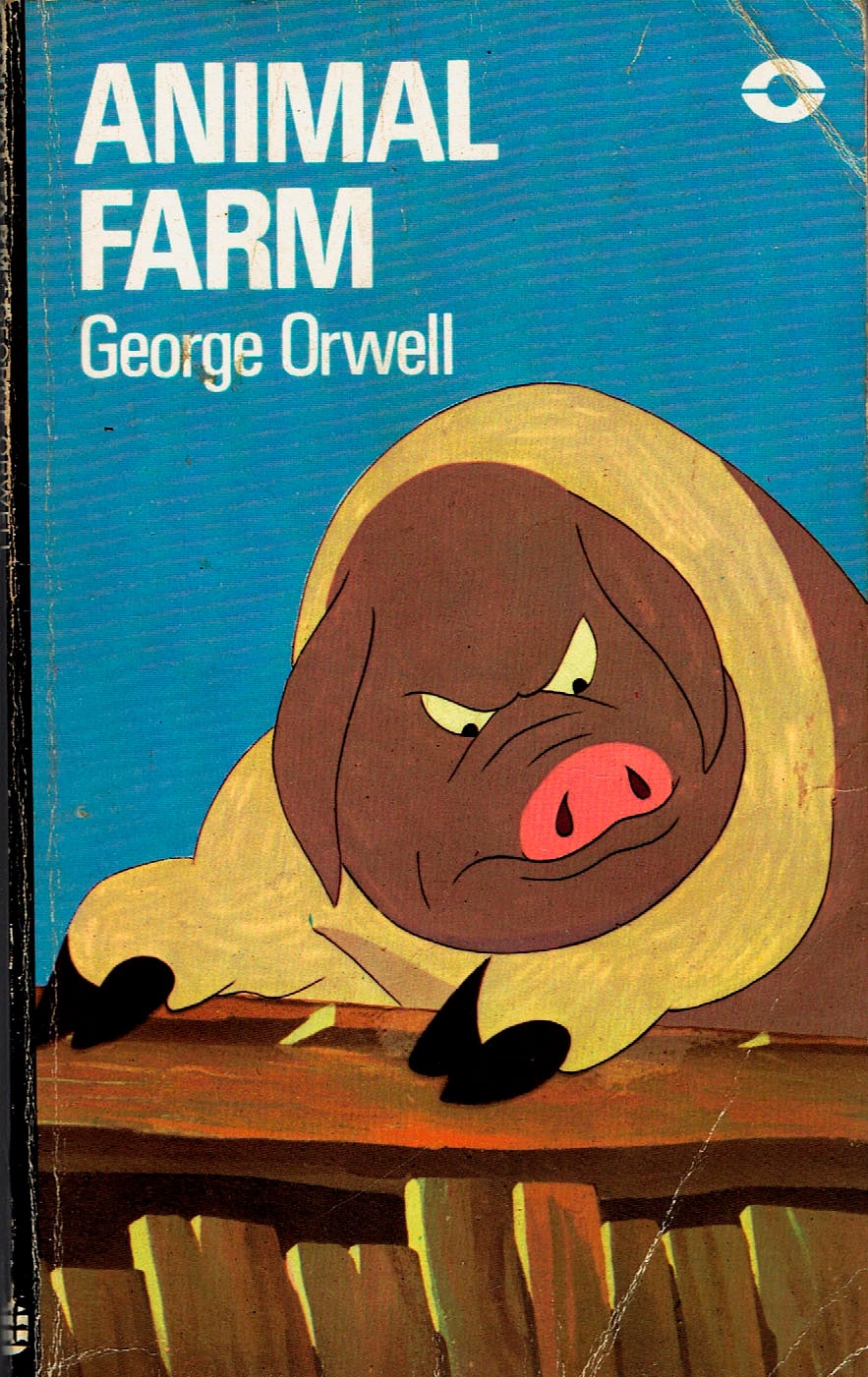
Orwell completed Animal Farm in 1944, during the period of wartime alliance between Britain and the Soviet Union, and found that no British publisher would touch it. The novel’s satirical treatment of the Russian Revolution was considered diplomatically inconvenient.
It was eventually published in 1945. The Soviet Union banned it immediately. Cuba, China, North Korea, and the Eastern European states under Soviet influence banned it as anti-communist propaganda. In 2002, the United Arab Emirates banned it for a different reason entirely: talking pigs are considered offensive under Islamic tradition. A single novel simultaneously banned by communist states for mocking communism and by Islamic states for containing pigs is one of the more striking records in publishing history.
The Catcher in the Rye by J.D. Salinger
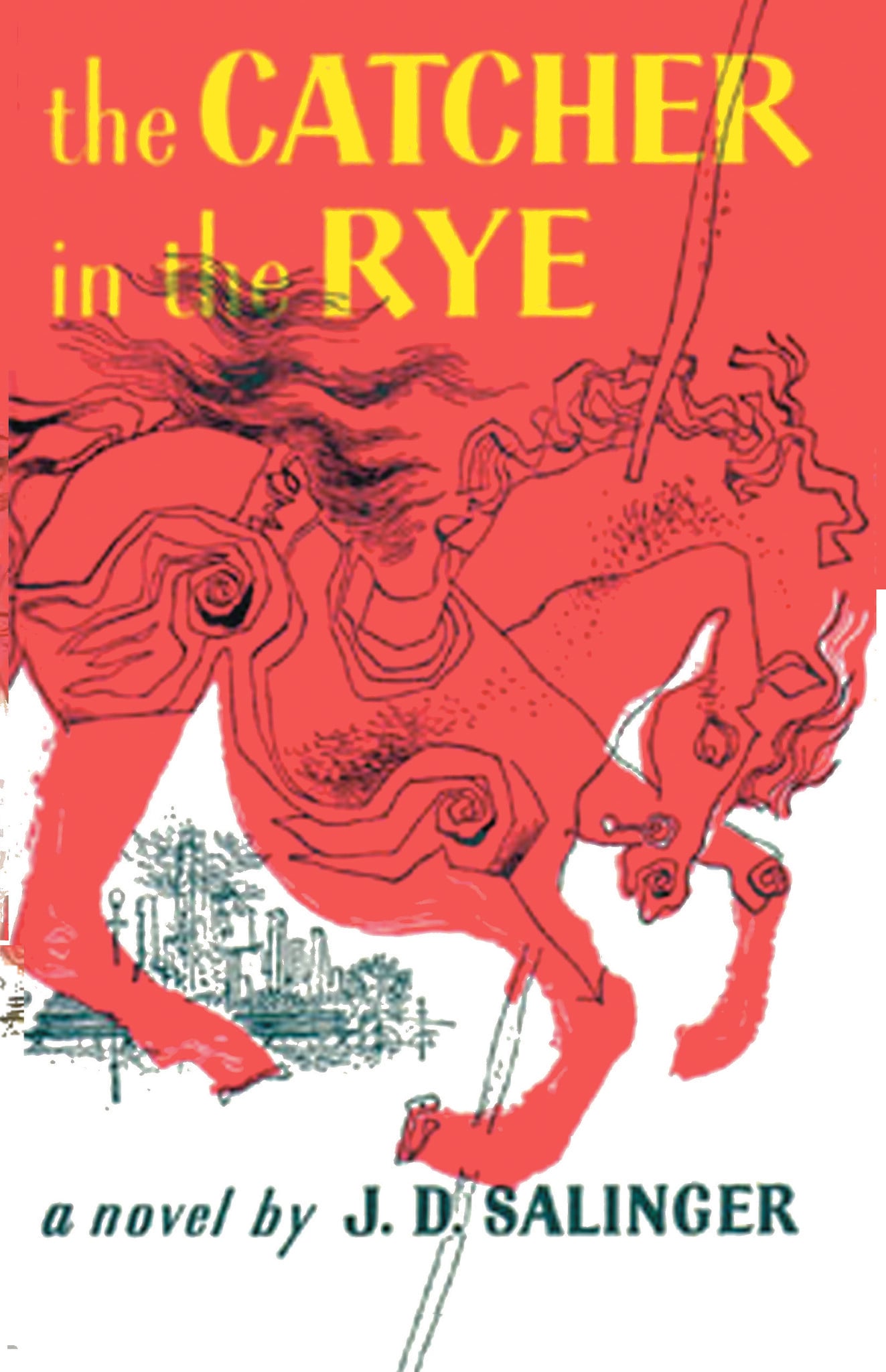
Between 1961 and 1982, Salinger’s novel was the most frequently banned book in American high schools and libraries. The reasons given were intimate content, offensive language, and what was variously described as immoral, anti-Christian, or subversive content.
In one documented case in Issaquah, Washington, in 1978, three school board members alleged the book was part of an “overall communist plot.” The novel has never left the American Library Association’s most-challenged list, and challenges have continued into the 2020s. It is a coming-of-age novel about a teenager’s three-day crisis of alienation and has attracted more institutional hostility than almost any other American work of fiction.
Brave New World by Aldous Huxley
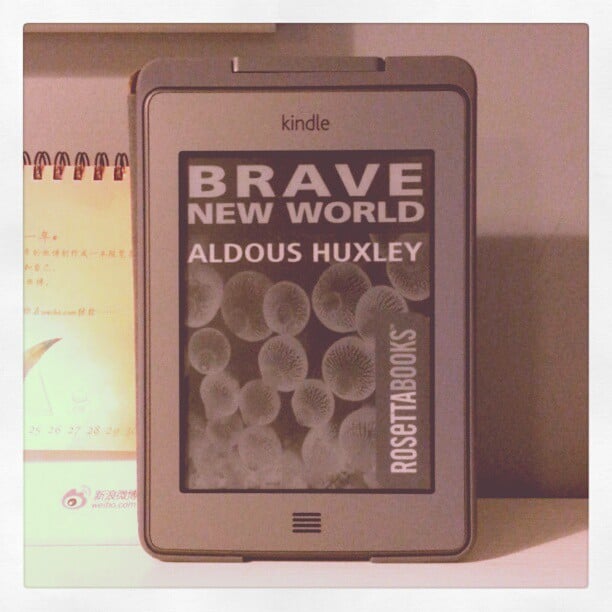
Ireland banned Brave New World in 1932, shortly after its publication, for its depictions of promiscuity and its anti-family, anti-religious themes. India banned it in 1967 for being pornographic.
In the United States, it has appeared on challenged-books lists repeatedly, objected to by parents on the grounds of its drug use (the fictional soma), its intimate content, and its perceived nihilism. That a novel explicitly critiquing the shallow pleasures of a consumerist society has been challenged by communities uncomfortable with the consumerist society Huxley was warning against is the kind of irony the novel seems designed to generate.
Fahrenheit 451 by Ray Bradbury
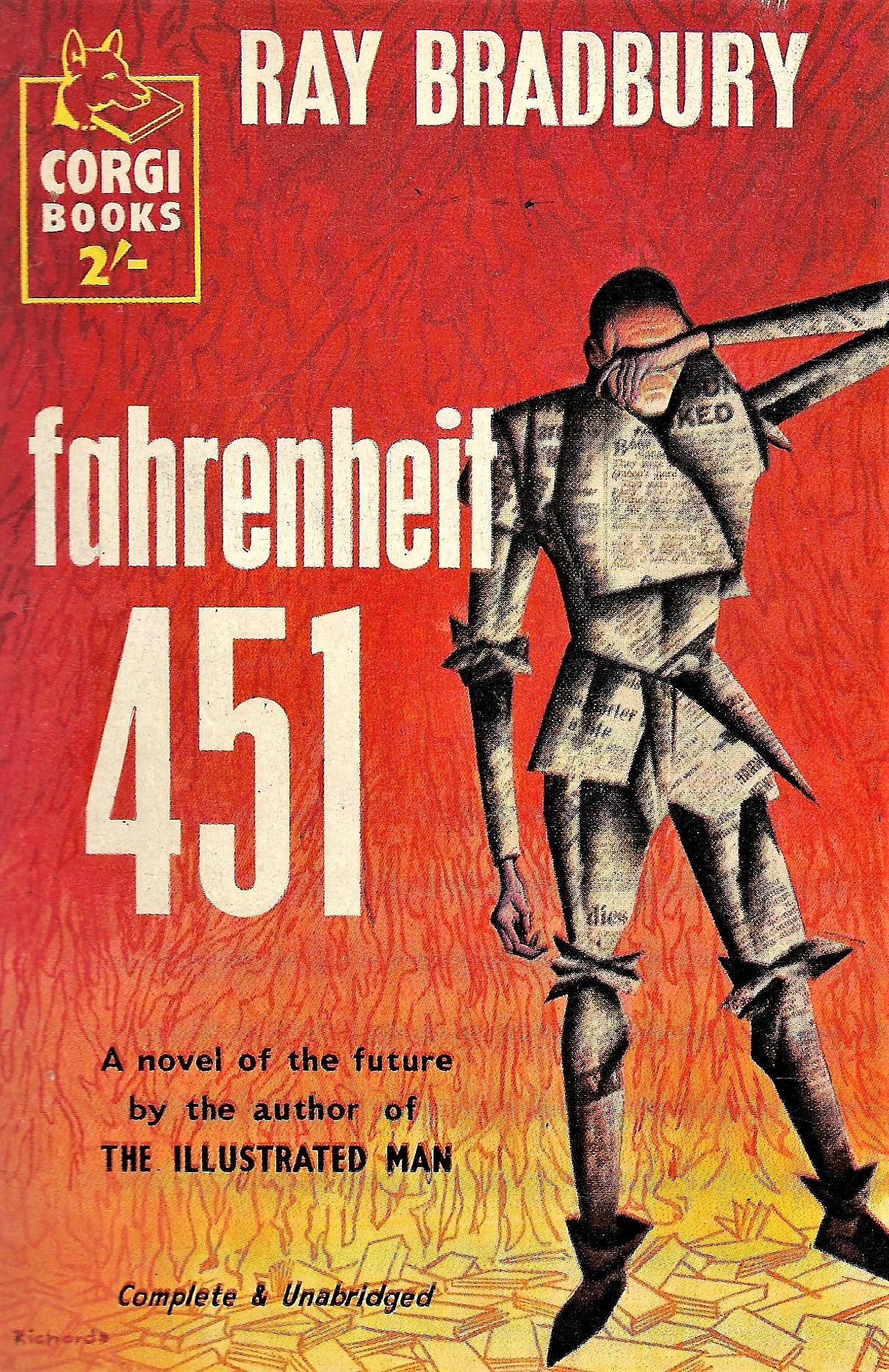
Bradbury’s novel about a future society in which books are systematically burned by government-employed firemen was banned in apartheid South Africa for its critique of censorship and authoritarianism. In the United States, the novel was challenged repeatedly for language and content.
In the most widely discussed case, in 1992 at a middle school in Irvine, California, students were handed copies with numerous words blacked out by school officials. A novel about censorship was being censored, with the objectionable words physically obscured. Bradbury reportedly found this both appalling and, given that it confirmed his thesis entirely, somewhat predictable.
The Grapes of Wrath by John Steinbeck
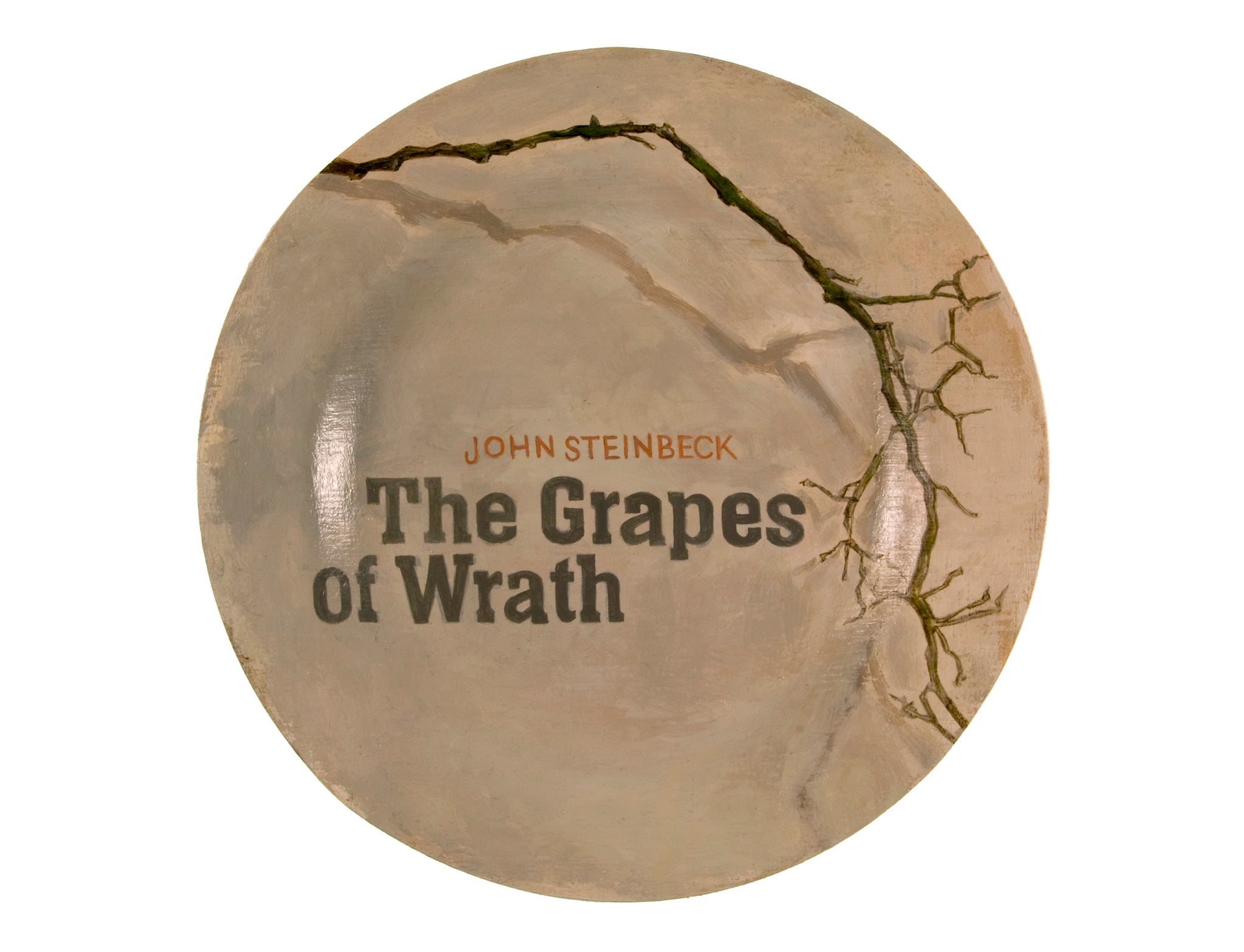
Steinbeck’s account of the Joad family’s migration from the Dust Bowl to California during the Great Depression was burned in Kern County, California, in 1939 — the very California county where much of the novel is set. Local agricultural interests objected to its depiction of the conditions migrant workers faced.
The Associated Farmers, a group representing California growers, called it a communist pamphlet. It was banned in multiple school districts and libraries across the country. It won the Pulitzer Prize in 1940. It was cited as a factor in the Nobel Committee’s decision to award Steinbeck the Nobel Prize in Literature in 1962. It remains one of the most widely assigned novels in American high schools.
Harry Potter by J.K. Rowling
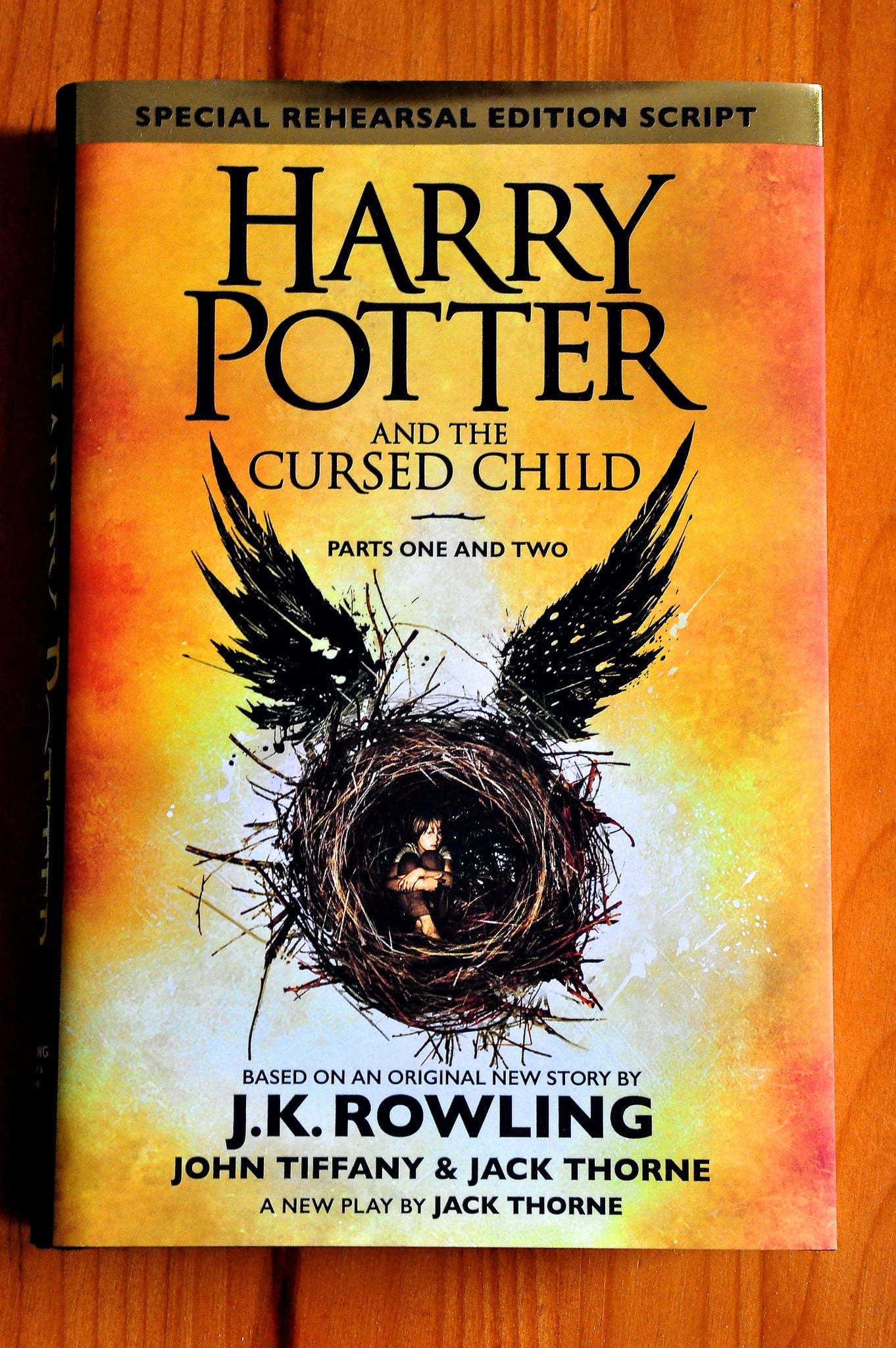
The Harry Potter series appeared on the American Library Association’s annual list of most-challenged books in 2001, 2002, 2003, and 2019. The objections came primarily from religious communities who argued the books promoted witchcraft, contained real spells and curses, and glorified disobedience.
A pastor in New Mexico organized a book burning in 2001. A Catholic school in Nashville removed the series from its library in 2019 on the advice of exorcists consulted by the school, who expressed concern about the books’ descriptions of the spirit world. The series has sold more than 500 million copies worldwide.
The Satanic Verses by Salman Rushdie
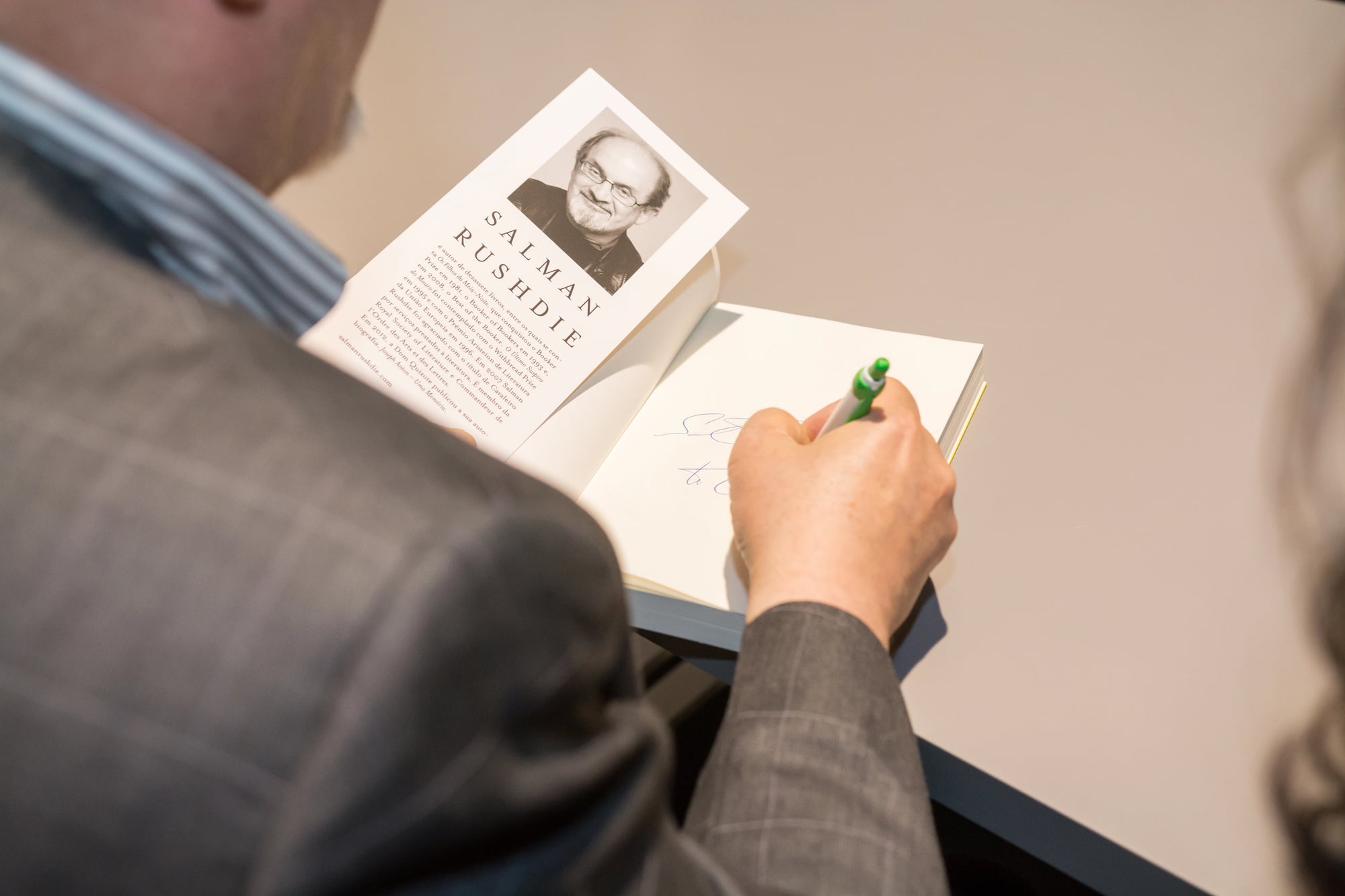
When Ayatollah Khomeini issued a fatwa calling for Rushdie’s death in 1989, The Satanic Verses became the most literally dangerous book in the world to be associated with. The novel was banned in Iran, Pakistan, Egypt, India, and numerous other countries.
Its Japanese translator was murdered. Its Italian translator was stabbed. Its Norwegian publisher was shot. Rushdie himself lived under a death sentence for more than a decade and was stabbed on a lecture stage in New York in 2022. The book remains banned in several countries, while simultaneously being among the most discussed literary works of the late twentieth century.
Tropic of Cancer by Henry Miller
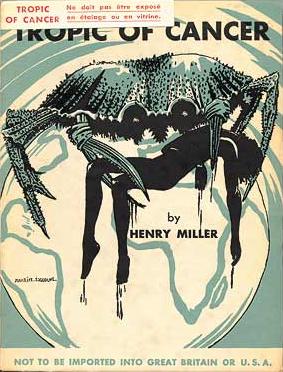
Henry Miller’s autobiographical novel was published in Paris in 1934 and immediately banned in the United States and the UK as obscene. Copies were smuggled in for decades.
Grove Press published a U.S. edition in 1961 and was immediately sued by multiple states. The resulting legal battle reached the U.S. Supreme Court, which ruled in 1964 that the book was protected under the First Amendment. The legal process took thirty years. Miller was in his 70s before his novel was legally available in the country where he was born.
To Kill a Mockingbird by Harper Lee
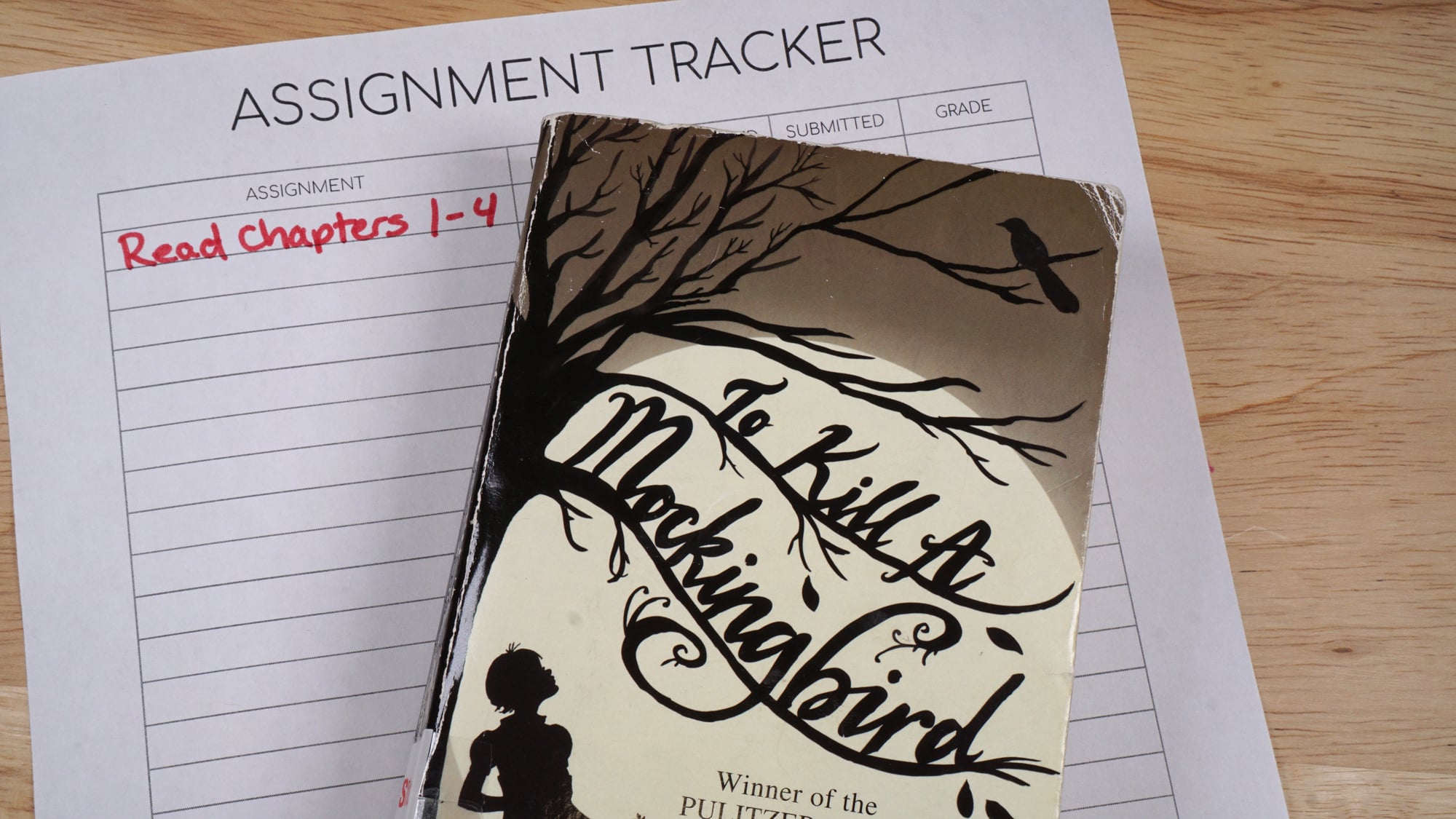
Lee’s Pulitzer Prize-winning novel has appeared on challenged-book lists almost continuously since its publication in 1960. Early challenges, particularly in the American South, objected to its portrayal of racial injustice and its sympathetic treatment of a Black man falsely accused of a crime.
Later challenges have come from a different direction: communities objecting to the book’s use of racial slurs, which they find painful and inappropriate for classroom reading regardless of the author’s clear anti-racist intent. The novel is simultaneously challenged for being too sympathetic to racial equality and for containing language considered racist. It won the Presidential Medal of Freedom in 2007.
The Color Purple by Alice Walker
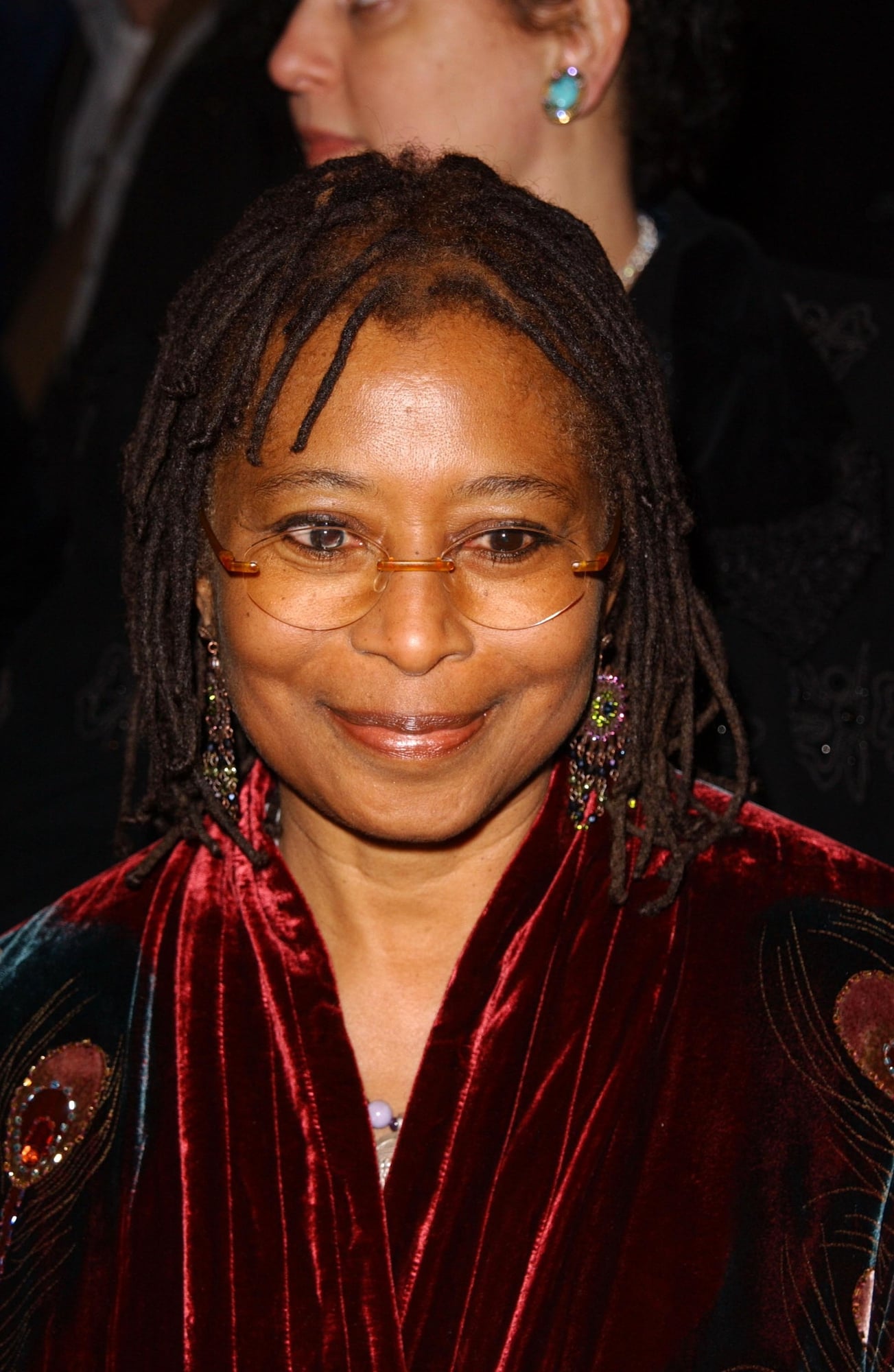
Alice Walker’s Pulitzer Prize-winning novel was challenged in schools and libraries throughout the 1980s and 1990s for its explicit depictions of violence, its positive portrayal of queer relationships, and its critical portrayal of Black men.
Challenges have come from both religious conservative communities and, at various points, from Black community members who objected to what they saw as an unflattering portrayal. The novel won the Pulitzer Prize and the National Book Award in 1983 and was adapted into a film by Steven Spielberg and a long-running Broadway musical. Its presence on challenged lists has continued for decades.
The Picture of Dorian Gray by Oscar Wilde
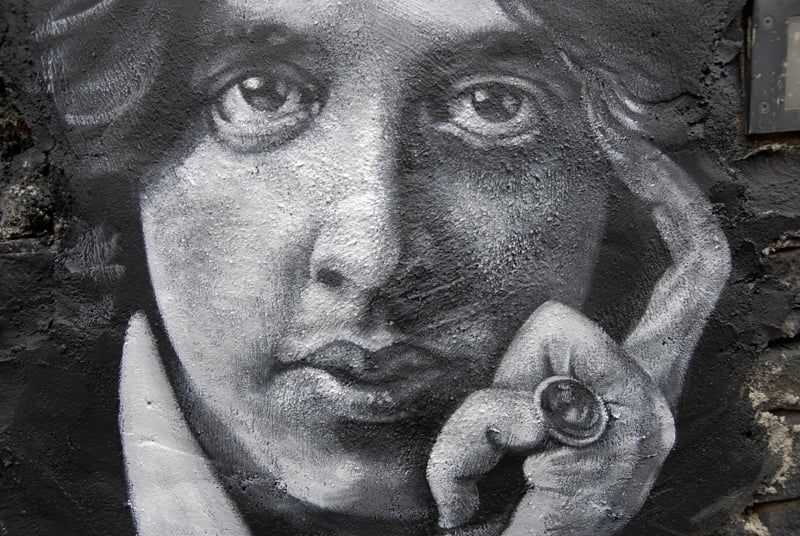
When Wilde’s novel appeared in Lippincott’s Monthly Magazine in 1890, the editor quietly removed approximately five hundred words before publication, judging the content too morally ambiguous for the magazine’s readership. Wilde restored the deletions for the book edition, adding a preface defending the autonomy of art.
The novel was used as evidence against Wilde himself during his 1895 criminal trials for gross indecency — prosecutors presented passages as proof of his corrupting influence. Dorian Gray was not formally banned, but it was routinely classified as dangerous and morally diseased by critics for decades before being reassessed as a fin-de-siècle classic.
The Handmaid’s Tale by Margaret Atwood
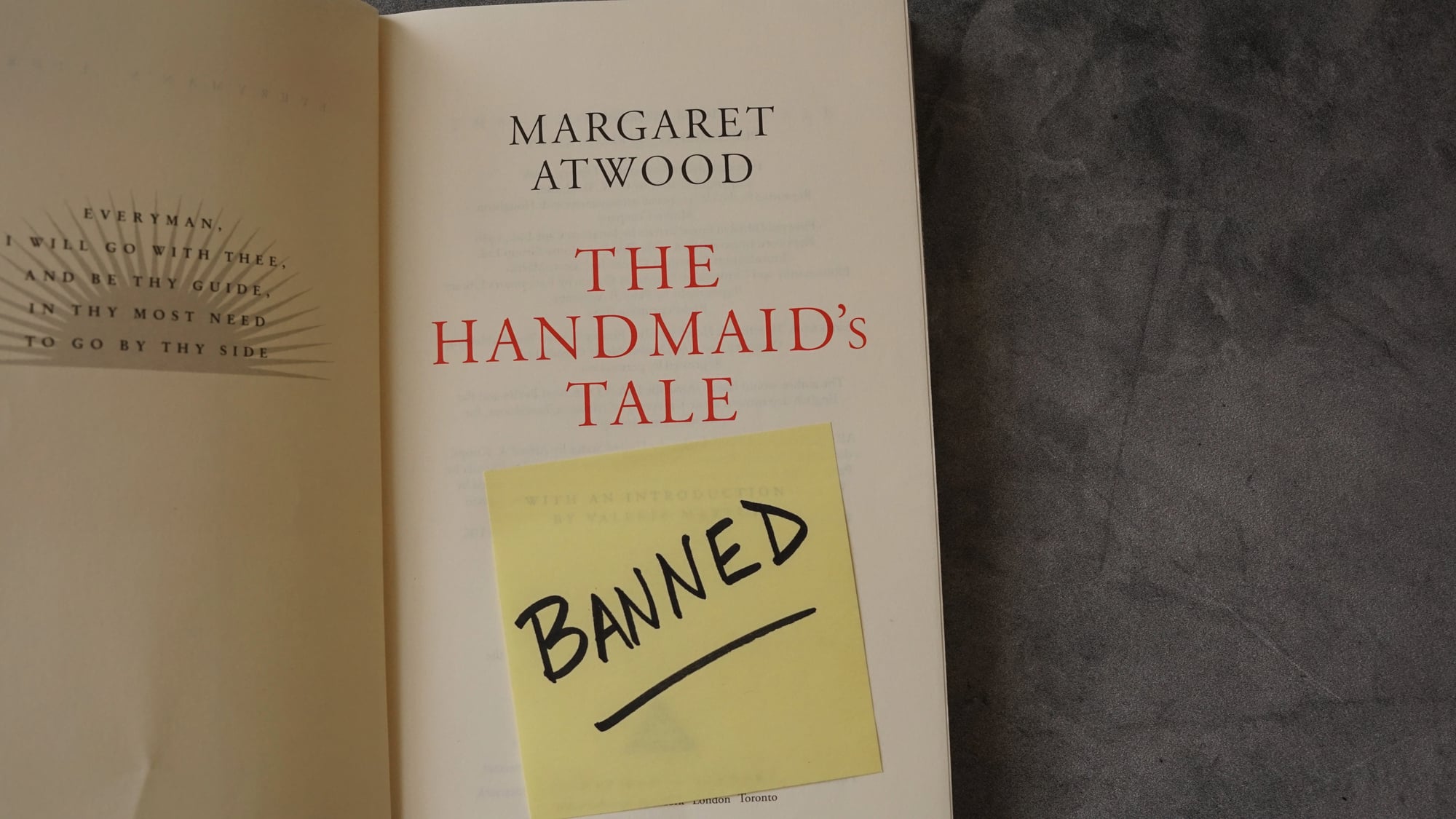
Atwood’s novel was challenged in Texas in 1990 by a parent who described it as profane, offensive, and morally wrong. It has been challenged repeatedly since, primarily by religious communities objecting to its depiction of a theocratic state as a warning rather than an aspiration.
It appeared on the ALA’s most-challenged list in 2017. Its continued presence on challenged lists coincided with a renewed wave of popular interest following the 2017 TV adaptation and the political context that made its subject matter feel more timely. A novel about state control over women’s bodies was simultaneously being challenged by people who wanted more state control over women’s bodies.
Black Beauty by Anna Sewell
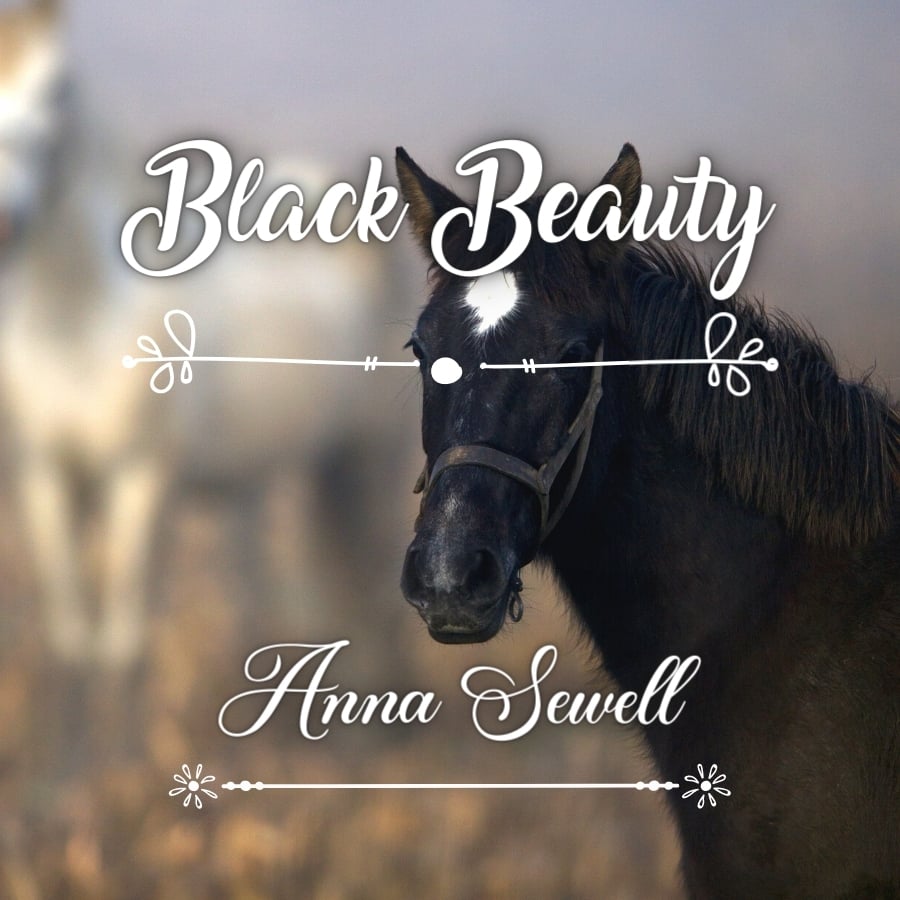
Among the stranger entries in banned-book history, Black Beauty — a Victorian novel about the life of a horse, written as an argument against animal cruelty and widely read as a children’s classic — was banned in South Africa during the apartheid era. The reason given was the book’s title: the words “black” and “beauty” in combination were considered ideologically unacceptable.
The novel itself contains nothing remotely relevant to South African racial politics. The ban is cited in discussions of censorship as one of the clearest examples of how the mechanism can operate entirely independently of the content being censored.
The Diary of a Young Girl by Anne Frank

Anne Frank’s account of her family’s years in hiding during the Nazi occupation of Amsterdam has been challenged in American schools for depicting the Holocaust in ways parents have variously described as too depressing, too graphic, or too complex for young readers. A version was challenged in Virginia in 2010 for containing material deemed “pornographic.”
The relevant passage is Anne Frank’s observations about her own developing body. A document of witness to one of the worst events of the twentieth century has been intermittently treated as inappropriate in the country that helped liberate the continent that produced it.
Where the Wild Things Are by Maurice Sendak
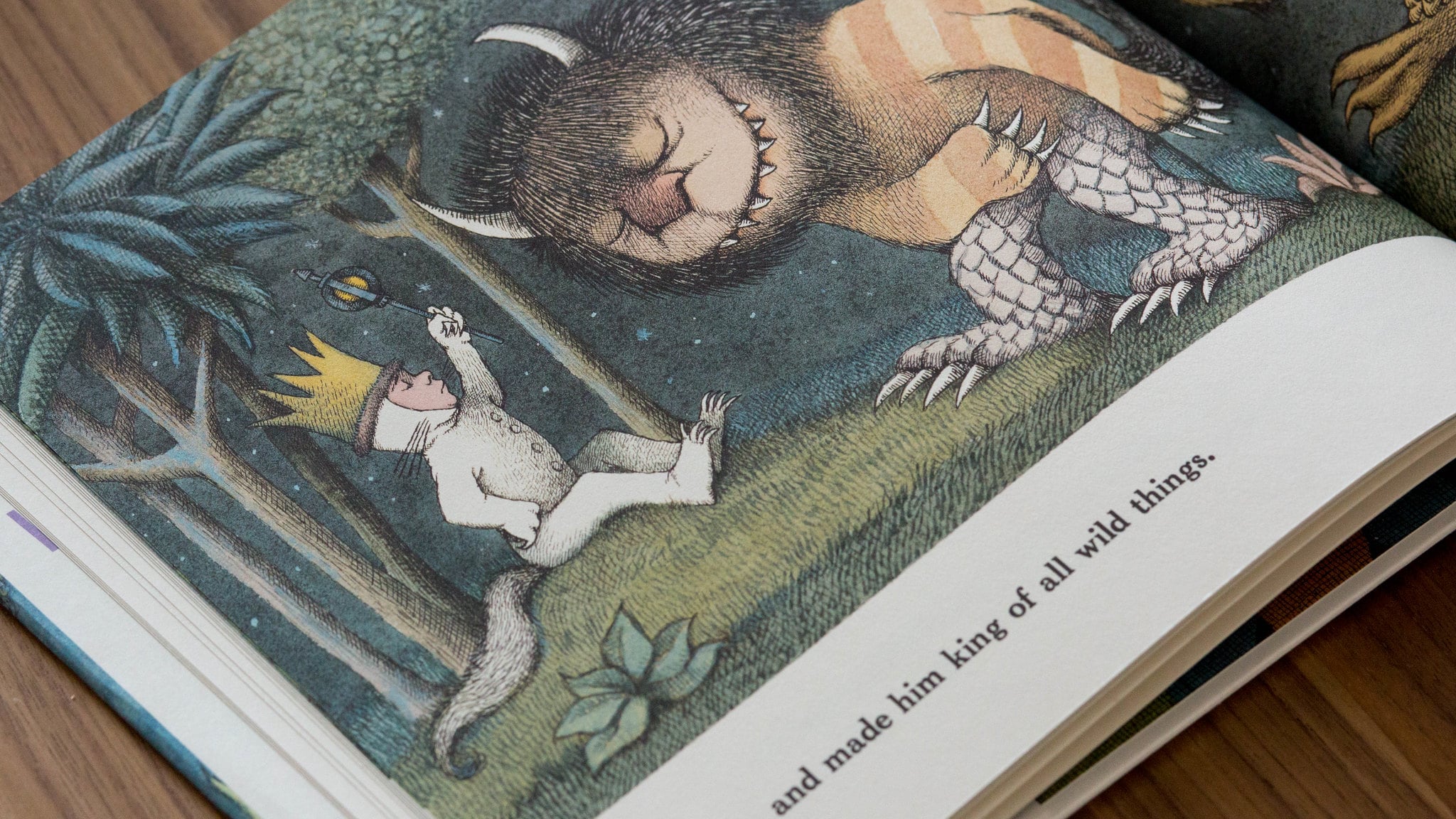
Sendak’s picture book, published in 1963, was challenged by librarians, parents, and child psychologists in its early years on the grounds that its imagery — a child imagining himself king of wild monsters — was psychologically disturbing and might frighten children. The American Library Association received challenges citing it as “too dark.”
It won the Caldecott Medal in 1964. It has since been read to an estimated hundreds of millions of children with no documented epidemic of resulting nightmares.
The Koran in Various Translations
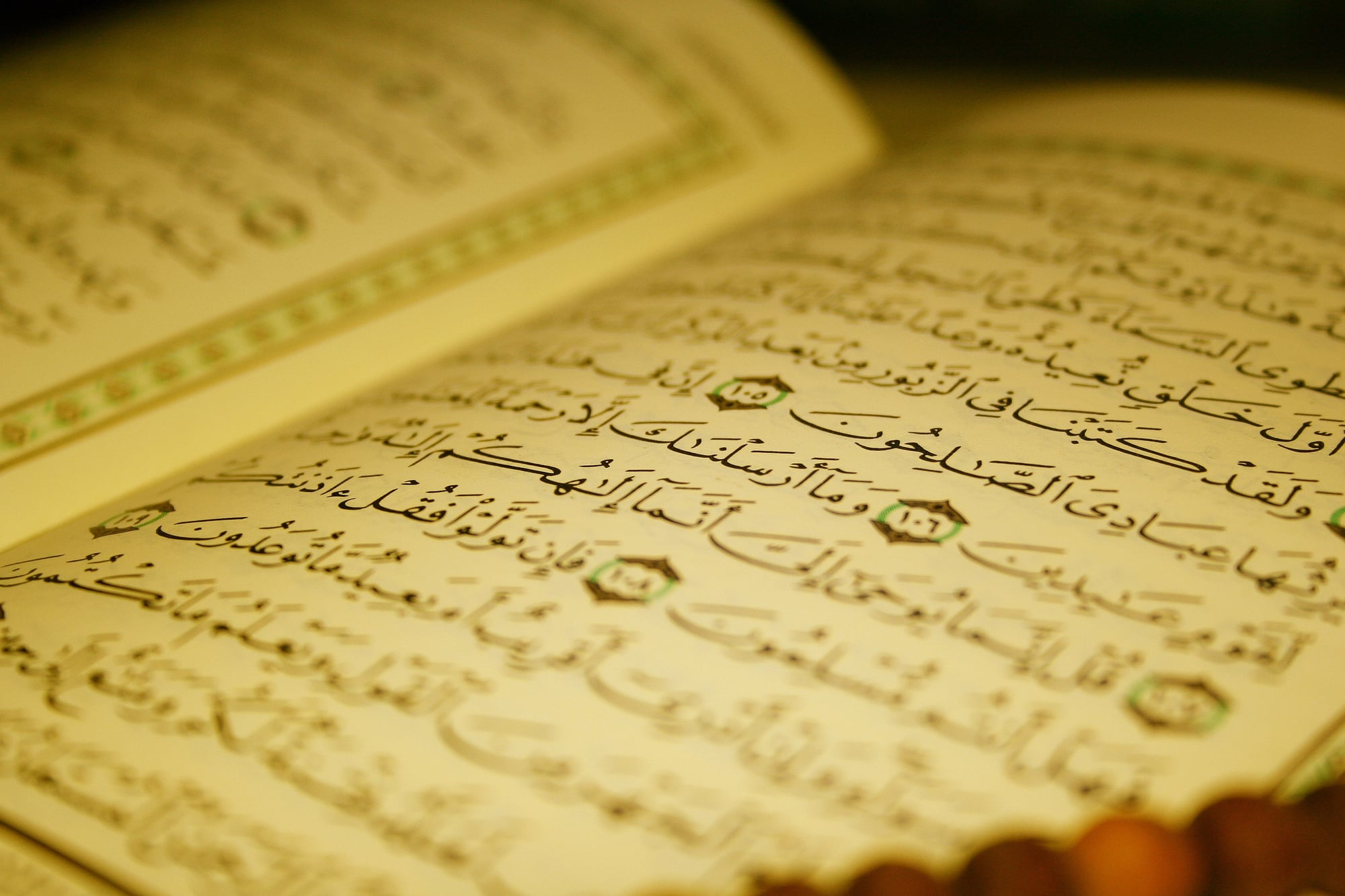
Multiple translations and editions of the Quran have been banned in various jurisdictions throughout history, including by colonial governments seeking to suppress Muslim religious practice and by some modern states governing non-Muslim majorities. The banning of a religious text by a government produces a different kind of paradox than the banning of fiction.
It attempts to prohibit the foundational document of a living faith, which tends to be unsuccessful and tends to deepen attachment to the material rather than reduce it.
The Communist Manifesto
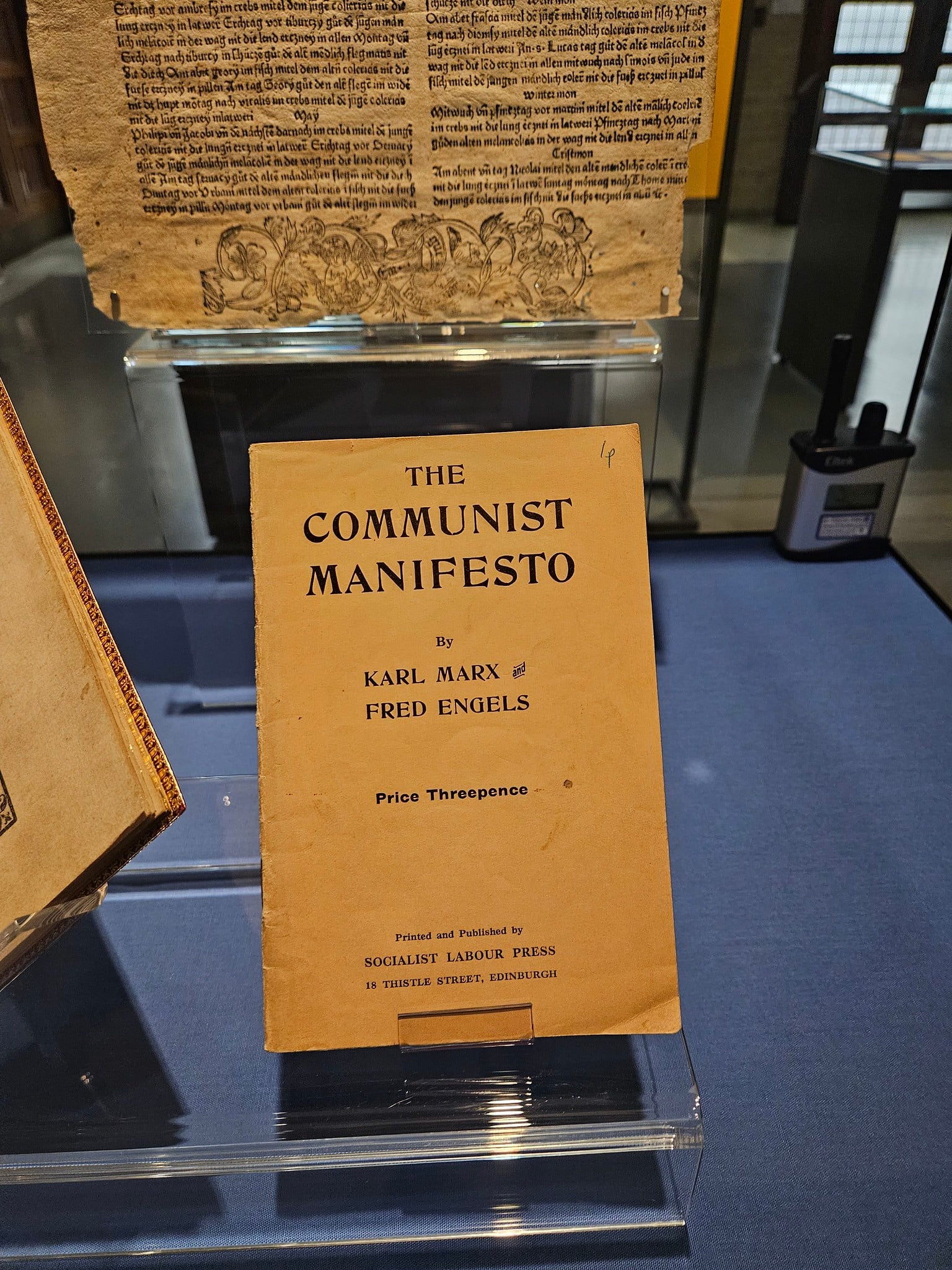
Marx and Engels’s 1848 pamphlet was banned, seized, or suppressed across Europe throughout the nineteenth century. It was banned in Nazi Germany, fascist Italy, and various authoritarian states throughout the twentieth century.
It was also banned in the United States during certain periods of Cold War anti-communist anxiety, despite being freely available in university libraries and having been largely absorbed into mainstream political science as a historical document. A pamphlet explicitly calling for the overthrow of bourgeois governments has been, at various points, considered dangerous enough to prohibit and at others so thoroughly defused by history that it sits on university syllabi as required reading.
The What That Never Changes
The recurring pattern across all of these cases is that the reason for a ban almost always says more about the banning authority than about the book. Governments ban Animal Farm because it describes how governments work. Schools ban The Catcher in the Rye because it describes how adolescents feel. Regimes ban 1984 because it describes how regimes operate. The content of the books is not the variable; the anxiety of the moment is.
Bans tend to extend the life of books rather than end it. Nearly every title on this list became more widely read, more culturally embedded, and more critically celebrated in the years following a ban than it had been before. The mechanism designed to suppress tends to amplify. This is not an argument for banning books — it is simply an observation about how censorship has historically performed.
More from Go2Tutors!

- The Romanov Crown Jewels and Their Tragic Fate
- 13 Historical Mysteries That Science Still Can’t Solve
- Famous Hoaxes That Fooled the World for Years
- 15 Child Stars with Tragic Adult Lives
- 16 Famous Jewelry Pieces in History
Like Go2Tutors’s content? Follow us on MSN.