Slang Words From Past Decades That Sound Hilarious When You Hear Them Now
Slang has a specific shelf life that nobody can predict in advance. The word that felt effortlessly natural in your mouth at sixteen sounds, by thirty-five, like a period costume you accidentally left on.
The embarrassing part is not that slang ages — it is that everyone who used it believed, completely and without irony, that it was just the way people talked, rather than a very specifically dated way of talking. That particular delusion is part of slang’s function.
It marks you as belonging to a time and a tribe, and the belonging feels so complete that the marking is invisible from the inside.
Here are the words and phrases that, once you hear them out of context, are almost impossible to say with a straight face.
Groovy
“Groovy” peaked in the late 1960s and early 1970s as the all-purpose descriptor for anything smooth, stylish, and right. It had roots in jazz culture, where “in the groove” described a musician playing with easy fluency, and spread from there into the broader hippie vernacular.
By 1975 it was already becoming a parody of itself. Today, saying “groovy” unironically is the verbal equivalent of showing up to a party wearing a lava lamp as a hat.
It requires no additional context to date its speaker.
Far Out

“Far out” functioned as an intensifier in 1960s and 1970s counterculture speech, used to describe something that transcended ordinary experience — a concept, an experience, or a piece of music so remarkable that it had moved beyond normal reference points. The phrase was sincere in its original context and became a caricature so quickly that by the time Saturday Night Fever arrived in 1977, it was already being used to identify squares trying to sound hip.
Hearing it now produces the specific comedy of something that tried very hard to mean a great deal.
Groady / Grody

A portmanteau of “gross” and “grotesque,” “grody” emerged from Valley Girl speech in the early 1980s as a word for something repulsive at a higher grade of revulsion than either parent word could express alone. It often appeared in the construction “grody to the max,” which stacked intensity on top of intensity in the manner of the era.
No word has ever made disgust sound more cheerful or dated simultaneously. It exists now almost entirely in quotation marks.
Gag Me With a Spoon

A phrase from the same Valley Girl vocabulary as “grody,” used to express extreme distaste — as though the speaker’s revulsion was so thorough that they required a medical implement to remove it physically. Frank Zappa’s 1982 song “Valley Girl” documented the phrase for posterity in a way that simultaneously memorialized and permanently satirized it.
It is impossible to say it now without doing a character.
Bodacious
A blend of “bold” and “audacious” that described something impressively, even spectacularly impressive — often applied to a person’s appearance but available for general deployment. It arrived in mainstream usage in the 1980s, surfed a wave of enthusiasm, and then became the kind of word that only Bill and Ted’s Excellent Adventure characters say unironically.
The word itself is not inherently comic. The specific combination of sounds, and the memory of the decade that produced it, makes it impossible to say neutrally.
Totally Tubular

Surf culture gave the 1980s “tubular” as a descriptor for the perfect wave — specifically the tube formed by a breaking wave at its peak — and the word promptly migrated into general teenager vocabulary as an expression of high approval, often preceded by “totally” for additional force. Frank Zappa’s “Valley Girl” helped it reach a national audience and then immediately made it sound slightly absurd.
It lasted approximately three years as a genuine exclamation before becoming the go-to phrase for anyone doing a 1980s impression.
Gnarly

“Gnarly” came from surf and skate culture, originally describing a wave or terrain that was technically demanding and dangerous. It spread into mainstream use via films like Fast Times at Ridgemont High in 1982 and spent much of the mid-1980s meaning something between “impressive,” “difficult,” and “disturbing,” depending on context.
A word that can mean anything generally ends up meaning nothing, which is roughly what happened. Today it appears mostly in nostalgic contexts or in the mouths of people who have been watching too many skateboard documentaries.
Radical / Rad
“Radical” had a productive political career before skateboard culture repurposed it to mean simply “very good” — shedding all its associative weight and becoming a single-syllable approval word, usually shortened to “rad.” It was a legitimate piece of vocabulary in the 1980s.
It has since been replaced in the same function by “sick,” “dope,” and several other words that have their own expiration dates still pending. The contracted form “rad” has slightly more staying power because it is short enough to escape notice, but the full “radical” requires historical context.
As If!

Popularized by the 1995 film Clueless and its portrayal of Beverly Hills teenage culture, “as if” was a two-word dismissal that combined disbelief with contempt in a package efficient enough to deploy mid-conversation without breaking stride. It belonged to a very specific register of teenage girl speech and was so thoroughly associated with its moment that attempting it in 2000 already marked you as late.
It is now a period piece, fondly remembered, completely impossible to use outside of deliberate quotation.
Talk to the Hand

The phrase “talk to the hand” — sometimes completed with “’cause the face ain’t listening” — was popularized by Martin Lawrence’s sitcom Martin in the early 1990s and spread throughout the decade as a shorthand for refusing to engage with whatever someone was saying. The accompanying gesture, an open palm thrust toward the speaker’s face, was an essential component.
The phrase hit peak usage around 1996 and was already being mocked by 1999. Saying it now requires both hands: one for the gesture and one to signal that you are aware of what you are doing.
All That and a Bag of Chips
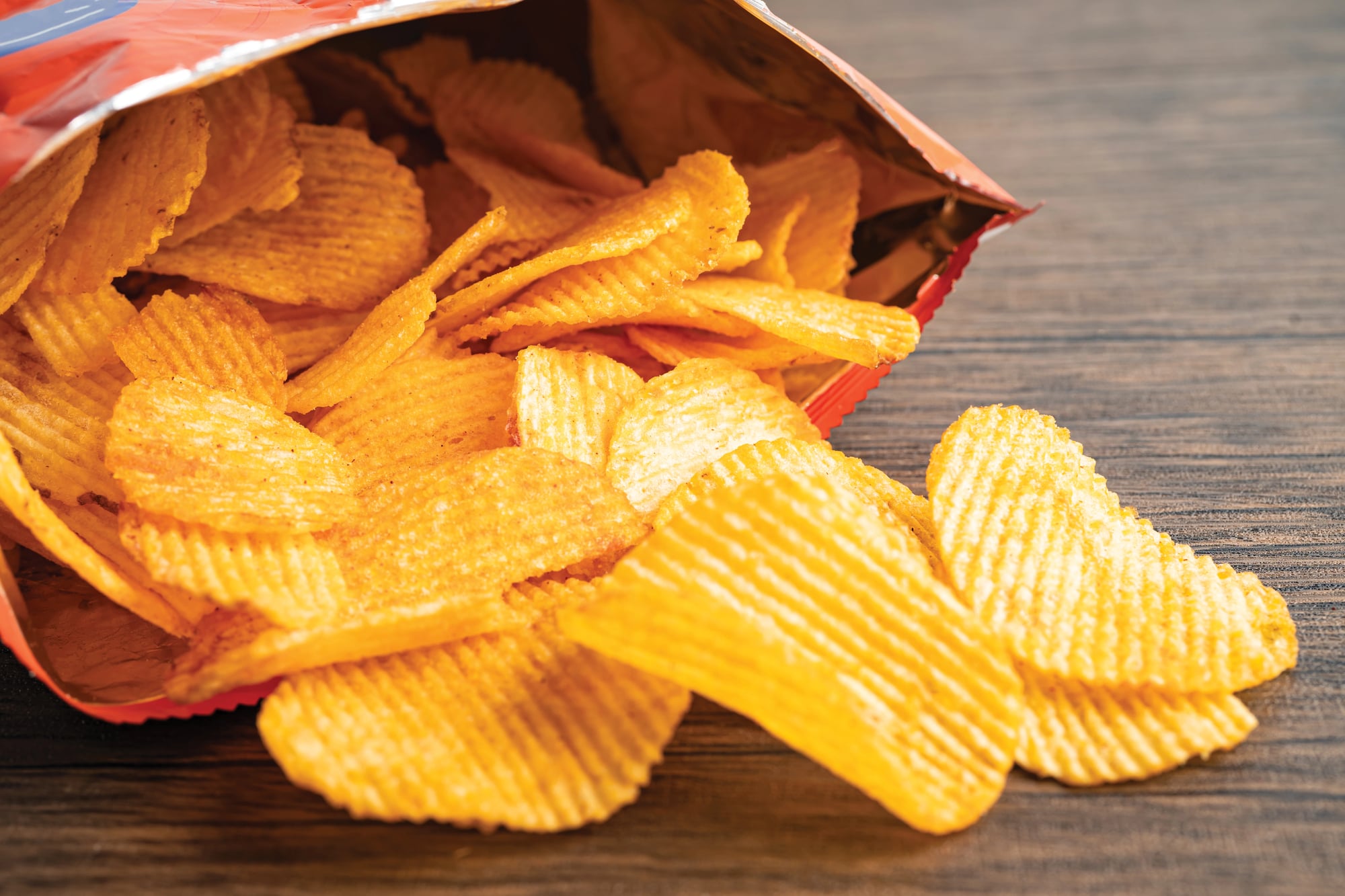
This phrase was used to describe a person who considered themselves exceptionally impressive, usually in a skeptical context — someone who thought they were “all that” had an inflated sense of their own appeal. Adding “and a bag of chips” indicated that the self-assessment was so extreme it had to include a side item.
It was one of the more specifically 1990s constructions, with its particular combination of food metaphor and eye-rolling energy. The Nickelodeon series All That, which debuted in 1994, reinforced it.
It is now entirely unusable without acknowledgment.
Da Bomb

“Da bomb” described something of the highest quality — equivalent to calling something the best, but in the specific phonological shape that mid-1990s youth culture preferred. The deliberate misspelling of “the” as “da” was part of a broader pattern in 1990s slang that played with conventional spelling.
The phrase generated a particular kind of dated enthusiasm when spoken aloud, a sound that is almost impossible to reproduce now without either time-traveling or explaining yourself immediately afterward.
What’s the 411?
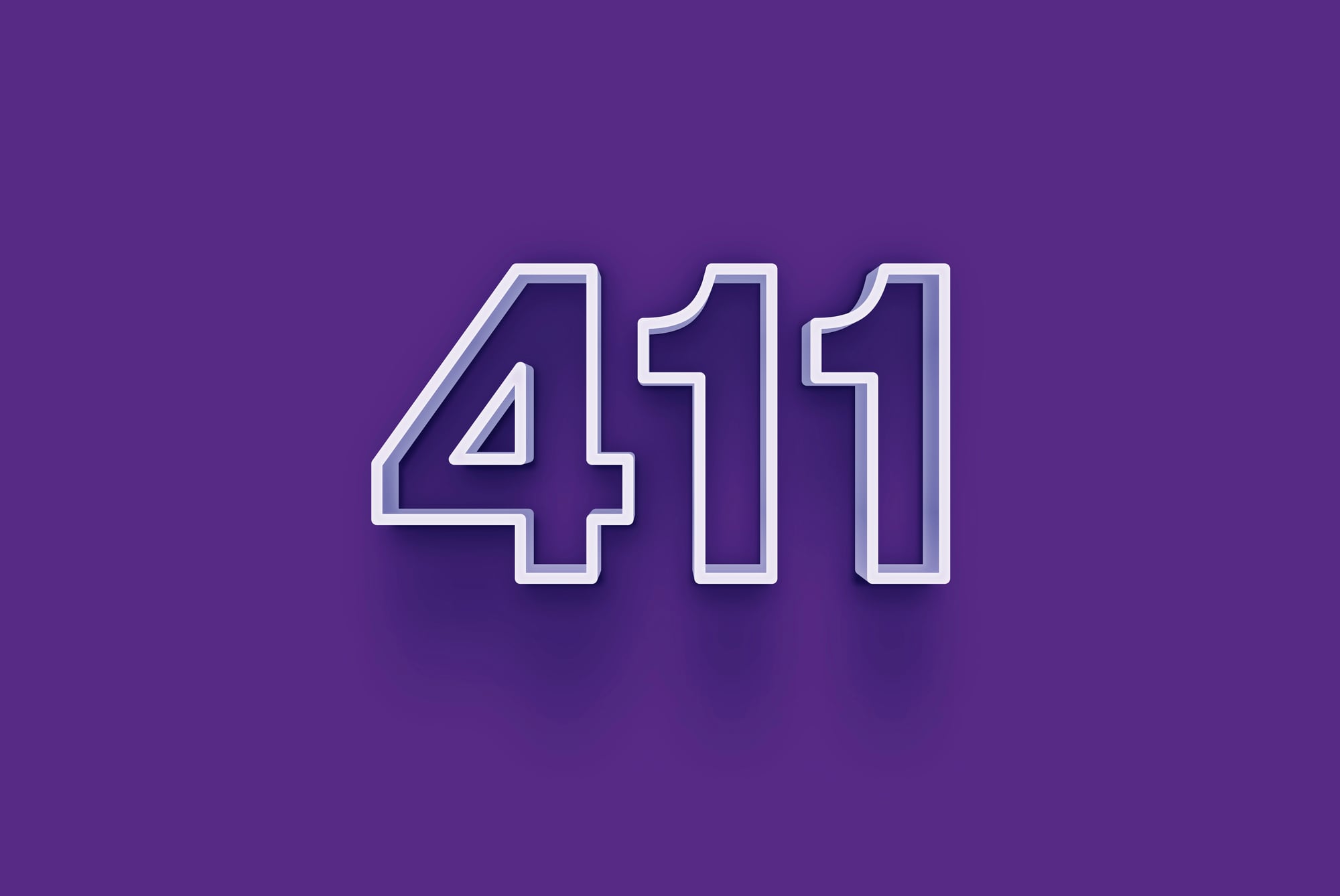
The 411 — in the United States, the phone number for directory information — was repurposed in 1990s slang to mean inside information, gossip, or an update on what was happening. Mary J. Blige’s 1992 debut album What’s the 411 cemented the phrase in the cultural record of the decade.
Asking for “the 411” assumed the listener knew what 411 meant, which worked as long as anyone still called directory assistance. The complete disappearance of 411 as a functional service has stripped the phrase of its referent, leaving it a kind of linguistic fossil.
Psyche!
The word “psyche” — sometimes spelled “syke” — was appended to the end of a statement to cancel it retroactively, indicating that everything just said was false and that the speaker had successfully deceived the listener. The structure was: say something, pause for reaction, then say “psyche!” to reveal the deception.
It was one of the primary tools of 1990s gotcha culture and was considered hilarious in inverse proportion to how much the recipient of the psyche actually found it hilarious. A similar contemporary catchphrase, “Not!”, performed the same function with a different sound.
Booyah!

An exclamation of triumph popularized in the 1990s by ESPN sportscaster Stuart Scott, who used it to celebrate notable sporting moments. Its precise origin is disputed — some trace it to West Coast rap culture of the late 1980s — but Stuart Scott’s television usage gave it a mainstream audience and a specific association with sports highlight reels.
People used it off-camera as well, enthusiastically and at volume, to celebrate small personal victories. Saying it now sounds either like an ESPN broadcast or like a person who has had more coffee than is advisable.
Phat

“Phat” — an acronym occasionally claimed to stand for “Pretty Hot And Tempting,” though the etymology is contested — was used in 1990s hip-hop and associated vernacular to mean something of high quality or impressive. It was borrowed by mainstream culture through the decade’s music and film and served, for a period, as a general excellence indicator.
Its life as mainstream slang was brief because the incongruity of the word’s appearance versus its pronunciation was always one spelling lesson away from confusion. Saying it aloud in the current decade requires some setup.
Home Skillet / Home Fry / Homie

The 1990s generated several variations on the basic concept of “close friend” using food metaphors drawn from Black vernacular English: home skillet, home fry, and the more lasting “homie” (short for homeboy) all performed the same function but with different durability. “Homie” has survived and remains in active use.
“Home skillet” has the specific comedy of a cooking implement being used as a term of endearment, which is either its charm or its problem.
My Bad
“My bad” is the slang from this list that is most thoroughly still in active use — a brief acknowledgment of personal responsibility for a mistake, used across age groups and social contexts. It has survived because it is functional, not merely expressive.
But it originated in 1990s basketball culture and its first decade of mainstream use was accompanied by a period-specific association that has since evaporated. People now say “my bad” without knowing it is a 1990s coinage, which is the most complete form of slang success.
No Duh / No Doy

“No duh” — and its more emphatic variant “no doy” — was used to indicate that what someone had just said was so obvious as to require no response at all. It was the 1980s’ contribution to the long tradition of mock-surprise at the obvious, and it did its job clearly and briefly.
“Duh” has survived as a standalone word in the same function. “No duh” specifically landed in the same decade as its speakers and stayed there.
Eat My Shorts
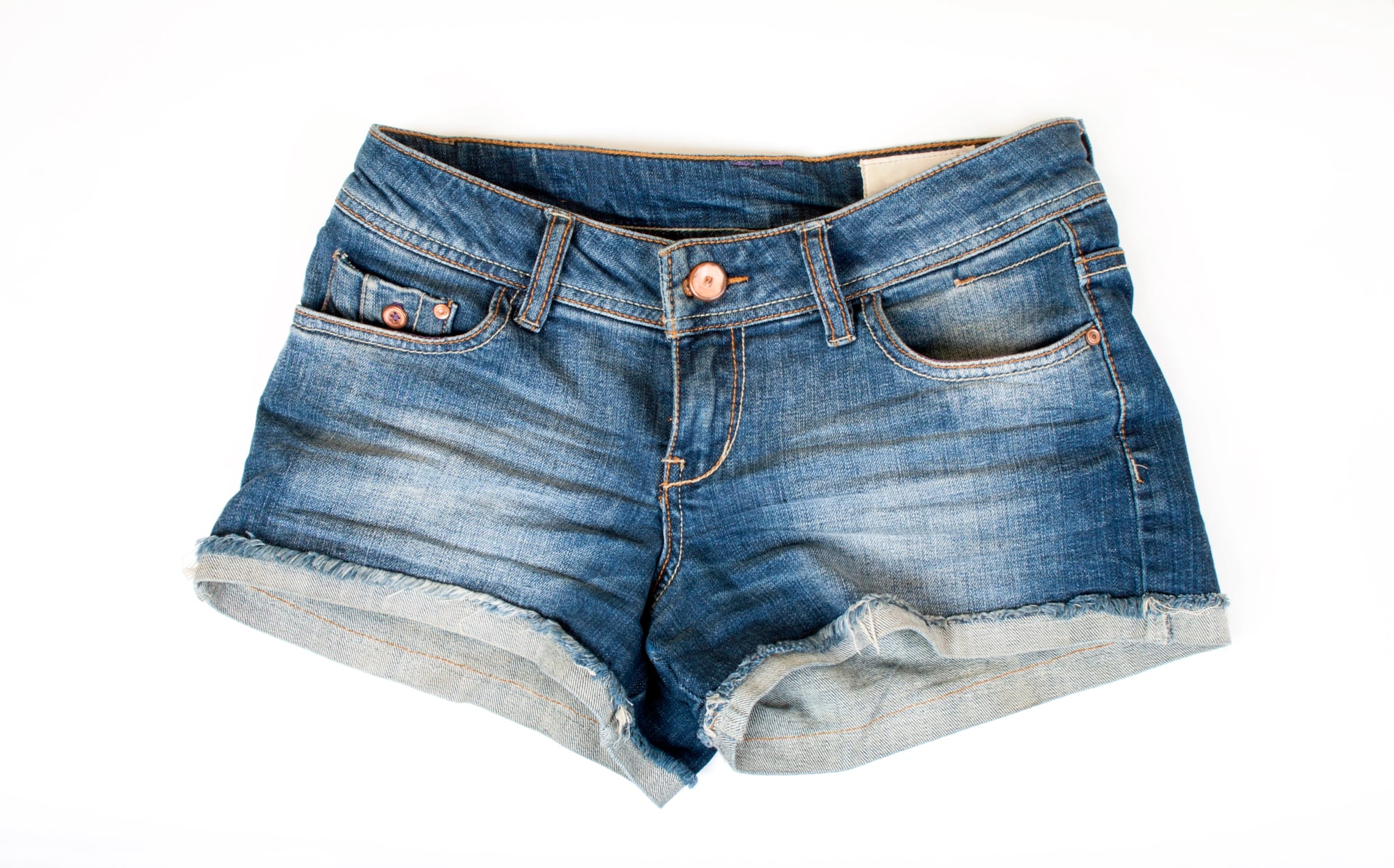
Bart Simpson delivered “eat my shorts” into the American popular consciousness via The Simpsons beginning in 1989, and it functioned as a mild, cheeky defiance of authority — strong enough to signal attitude, mild enough to deploy in a school environment without formal consequence. It was always slightly performative, borrowed from animated television even as people used it in the real world.
By the mid-1990s it had tipped from genuine expression into self-aware quotation, and it has remained in the latter category ever since.
Word

“Word” — used as an affirmation meaning “that is correct” or “I agree” — originated in hip-hop culture and spread through 1990s mainstream usage. It was a single-syllable agreement that required zero elaboration.
“Word” is still used, but its 1990s flavor is specific: the slightly downward nod, the brevity, the context of meaning something by saying almost nothing. Its direct descendant in current usage is “facts,” which performs the same affirmative function with a different sound.
Off the Hook / Off the Chain

Both phrases described something so good or exciting that it had exceeded ordinary measurement, loose and uncontrolled and therefore fantastic. “Off the hook” had a more established history — including the literal sense of a telephone receiver — while “off the chain” arrived more specifically from 1990s vocabulary.
Both are available in current usage but with a noticeable period quality, the way a song from 1997 sounds like 1997 regardless of how well it has held up.
The Great Irony of Slang

The function of slang is to communicate belonging to a specific group at a specific moment, and the moment the slang becomes visible as slang — when it starts requiring explanation, when people outside the group adopt it, when it shows up on merchandise — is precisely when it stops working as belonging. Every word on this list was invisible to the people who used it.
They were not speaking 1990s or 1980s; they were just speaking. The comedy arrives thirty years later when the specific moment the language encoded becomes audible, and what sounded like fluency sounds, to everyone who did not live in that particular room of time, unmistakably like a costume.
The good news is that whatever slang sounds completely normal to you right now is already on its way to a list exactly like this one, written in 2050 by someone who finds it unaccountably funny.
More from Go2Tutors!

- The Romanov Crown Jewels and Their Tragic Fate
- 13 Historical Mysteries That Science Still Can’t Solve
- Famous Hoaxes That Fooled the World for Years
- 15 Child Stars with Tragic Adult Lives
- 16 Famous Jewelry Pieces in History
Like Go2Tutors’s content? Follow us on MSN.