28 Household Items From the ’70s That Practically Nobody Owns Anymore
The 1970s filled homes with objects that served specific purposes well and have now completely disappeared from domestic life. These weren’t inferior to modern alternatives; they were appropriate to the technology and infrastructure of their moment.
What happened isn’t that they were replaced by better versions—many were simply rendered obsolete by systemic change. A rotary phone was replaced not by a better rotary phone but by an entirely different technology.
These household items didn’t fail; they were abandoned by the infrastructure that made them necessary. Nobody collects these items.
They don’t appear on shelves in vintage stores with much frequency. They were so ordinary during their era that their complete absence now seems almost remarkable.
Most people under 40 have never used most of these objects.
Shag Carpet
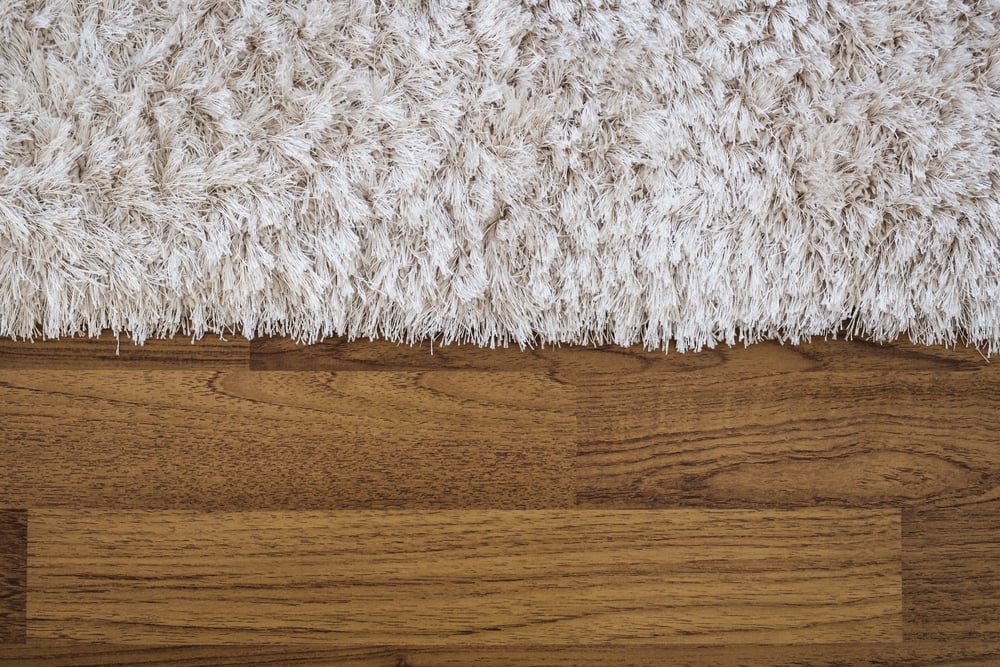
Thick, high-pile carpet in earth tones or bold colors was standard in 1970s homes. It required regular vacuuming to maintain and collected dust and odors aggressively.
Hardwood and low-pile carpet have replaced it almost entirely. Finding shag carpet now requires deliberate nostalgia-driven choice, not utility.
Wood-Paneled Walls
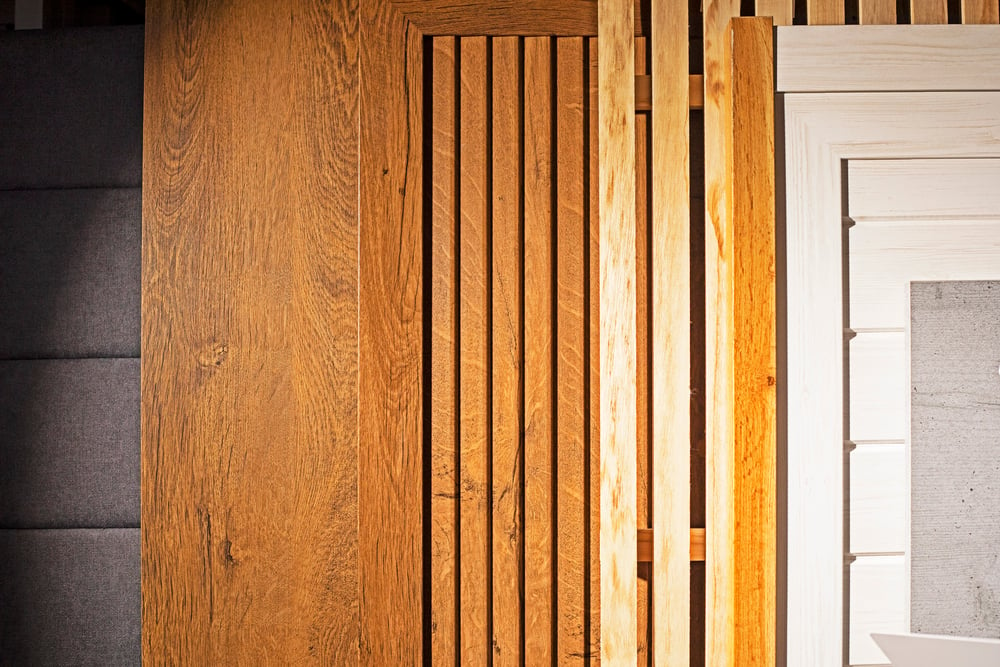
Thin wood paneling covering living room and basement walls was ubiquitous in the 1970s. It was cheaper than painted drywall; it required minimal maintenance.
Modern homes sand it down, paint over it, or remove it entirely. The look is now associated solely with the 1970s in a way that makes it impossible to use without deliberate retro intention.
Avocado or Harvest Gold Appliances
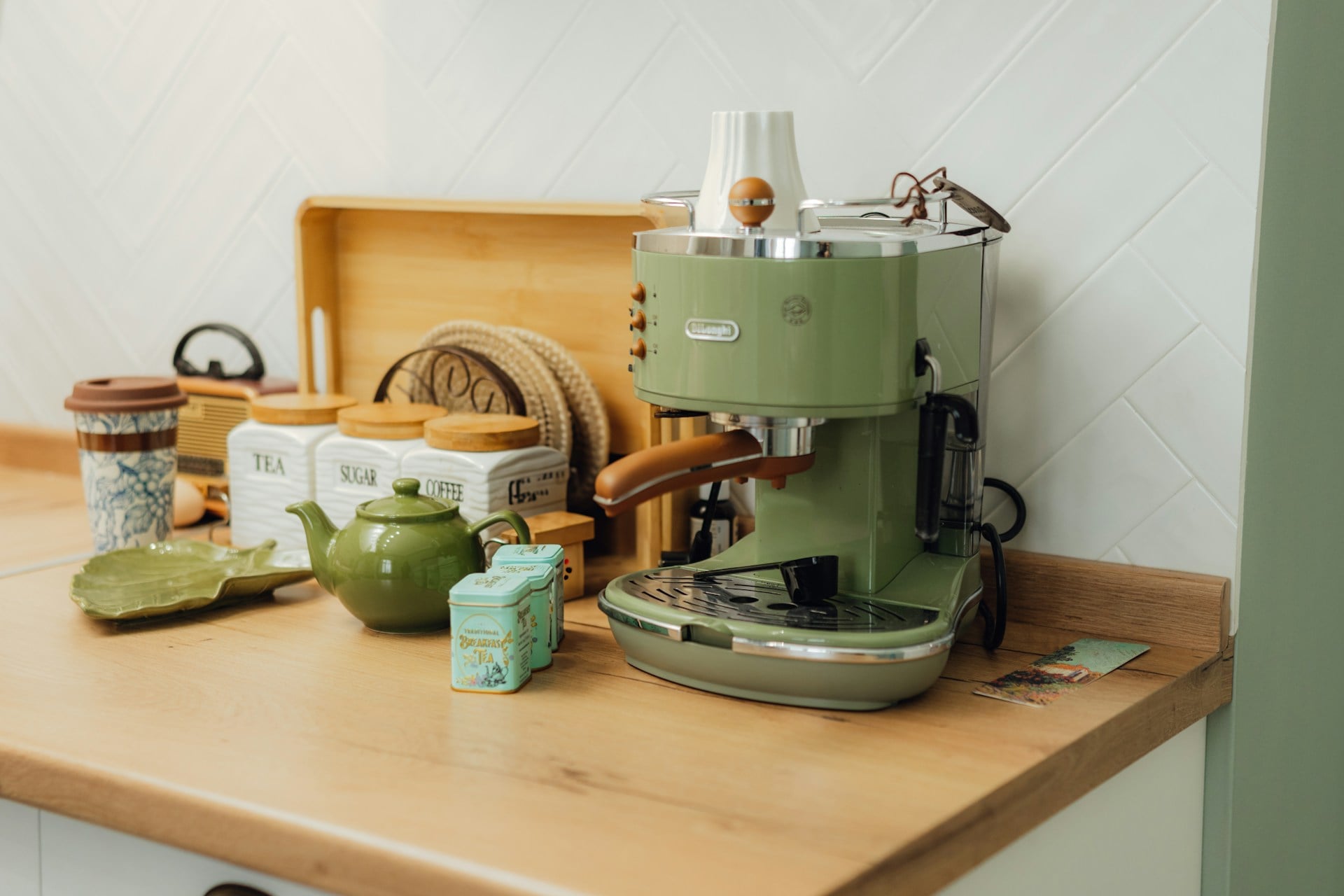
Refrigerators, ovens, and dishwashers came in avocado or harvest gold during the 1970s. These colors were considered sophisticated and contemporary.
Kitchen renovations now consistently involve replacing these appliances with stainless steel or white equivalents. Finding a functioning 1970s avocado refrigerator means inheriting it from an elderly relative or finding it at an estate sale.
Lava Lamps
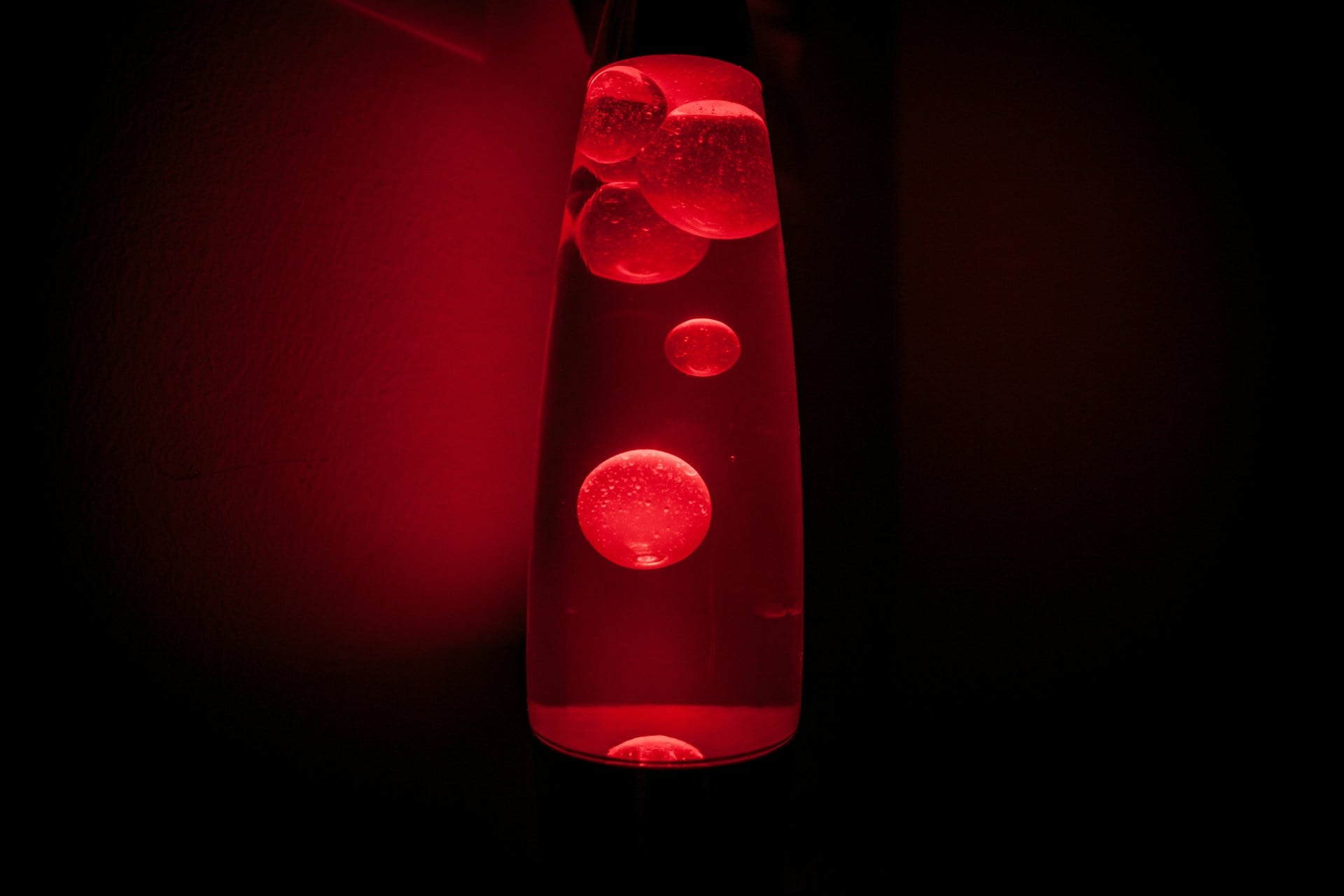
Molten wax-filled glass vessels lit by bulbs beneath them, creating slowly moving shapes in colored liquids. Lava lamps were fashionable decoration in the 1970s but functioned as art pieces, not practical lighting.
They’re now exclusively nostalgic products purchased with full awareness of their era-specific status.
Waterbed
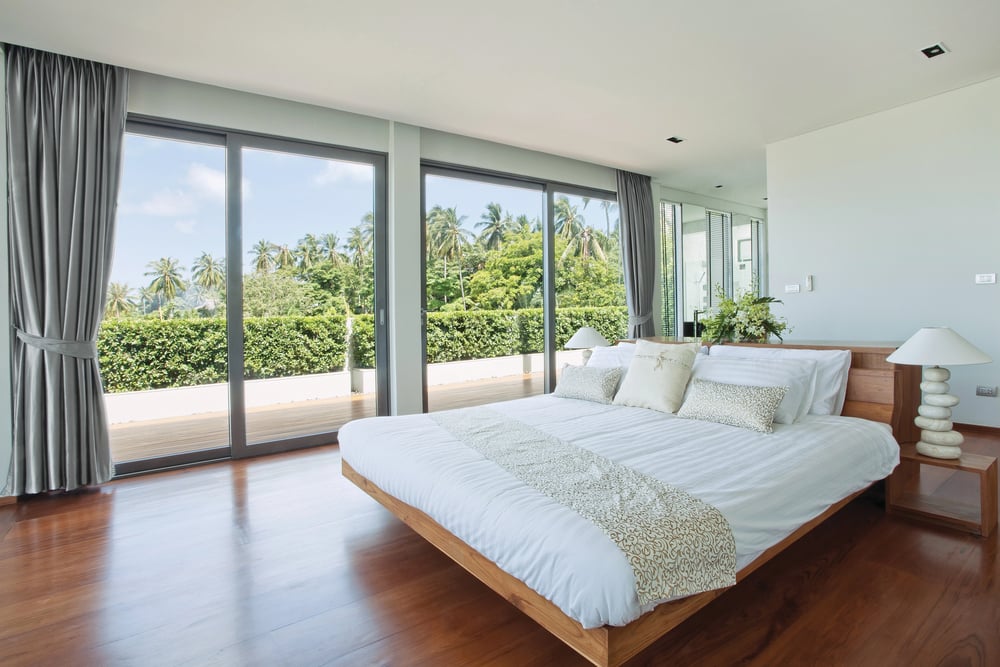
A bed with a mattress filled with water, promising superior comfort and temperature regulation. Waterbeds required maintenance—adding treatment chemicals, checking for leaks.
They were popular in the 1970s and early 1980s but have been almost completely replaced by foam and spring alternatives. Finding a functioning waterbed requires active searching.
Macramé Plant Hangers
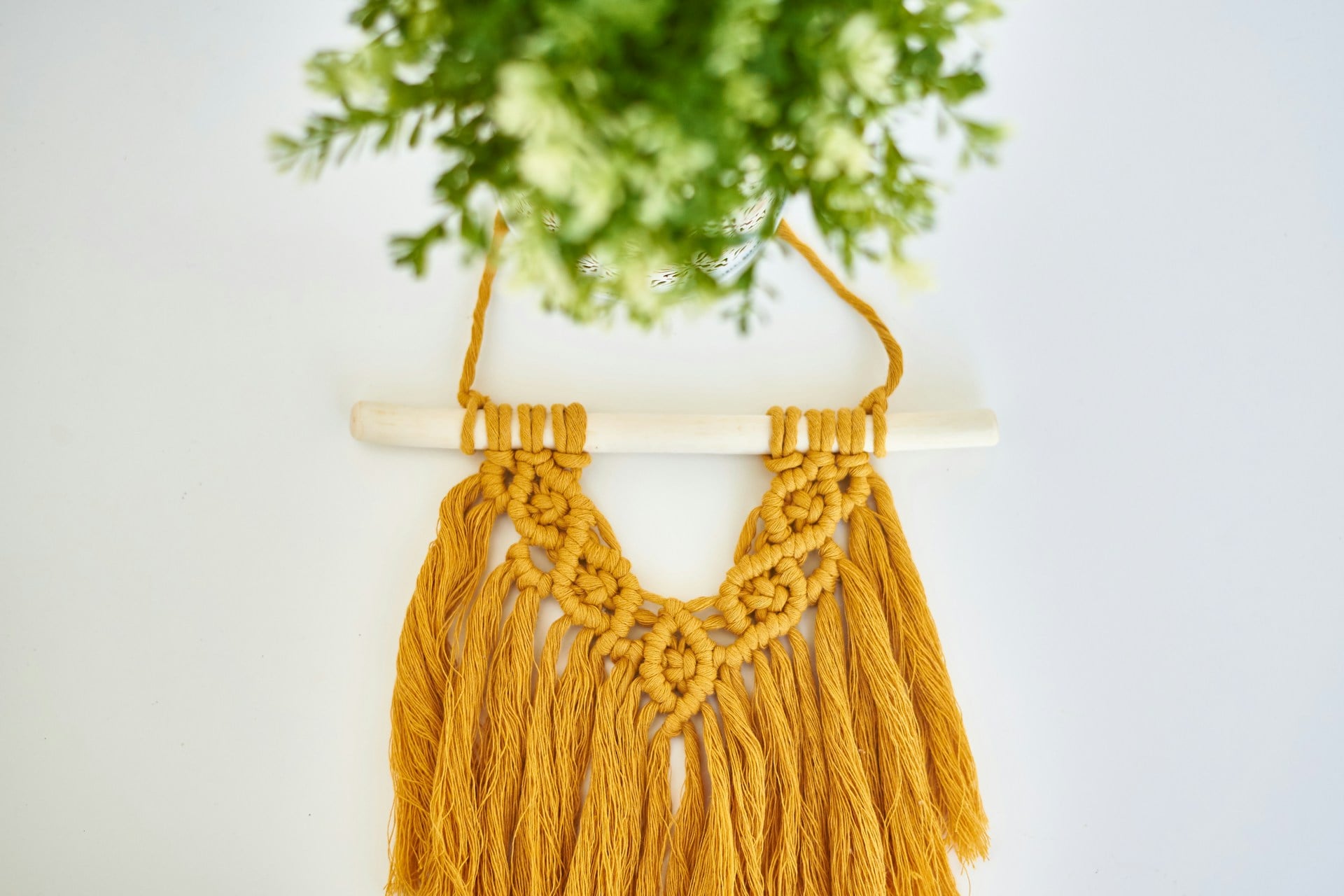
Knotted rope holders for hanging plants, created through macramé cord work. Plants hung from windows and corners in elaborately knotted holders.
The craft of macramé has largely disappeared; plant hangers are now simple metal or plastic hooks. Macramé plant hangers exist only as deliberate craft revival projects.
Plastic Davenport Covers
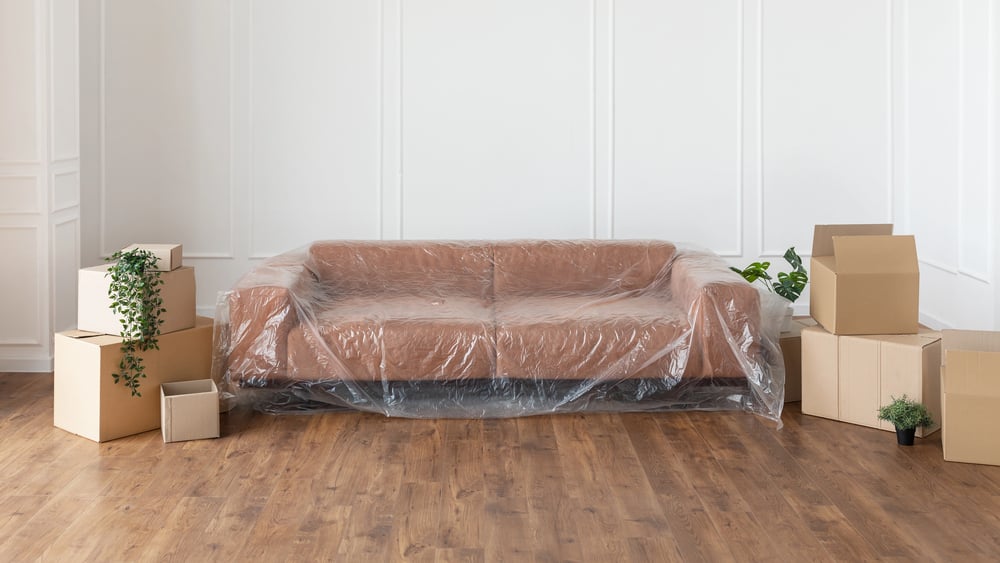
Clear plastic slipcovers placed over furniture to protect it from wear and damage. The plastic was uncomfortable to sit on, made sweating in summer inevitable, and created static electricity issues.
Families kept these covers on for years, creating a barrier between themselves and actual furniture use. They’ve completely disappeared from homes.
Harvest Gold or Avocado Bathroom Fixtures
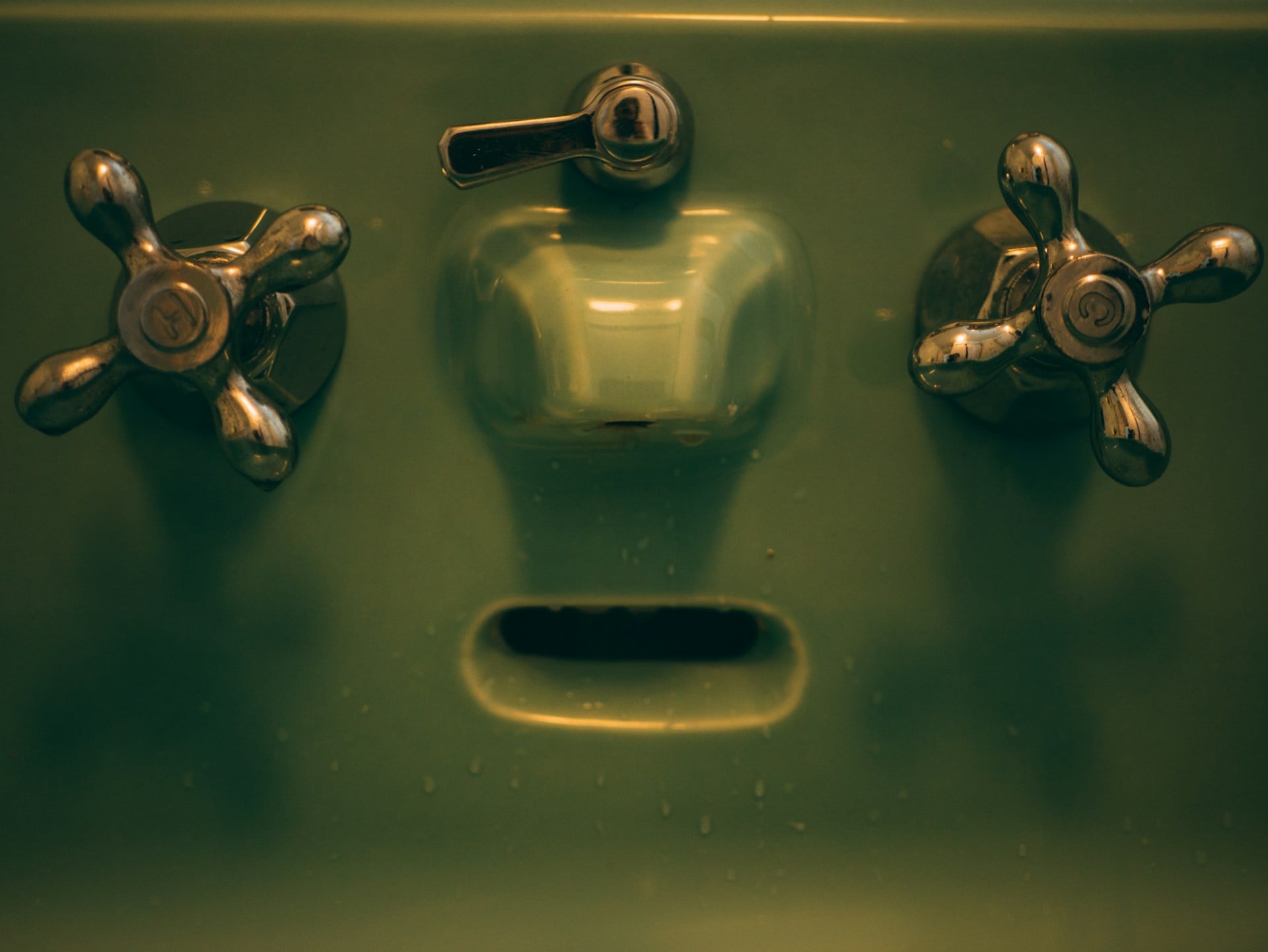
Toilet tanks, sinks, and fixtures came in colors matching kitchen appliances. Modern bathrooms revert to white, chrome, or black fixtures.
Finding original 1970s colored fixtures requires preservation-minded renovation, not standard updating.
Television Console
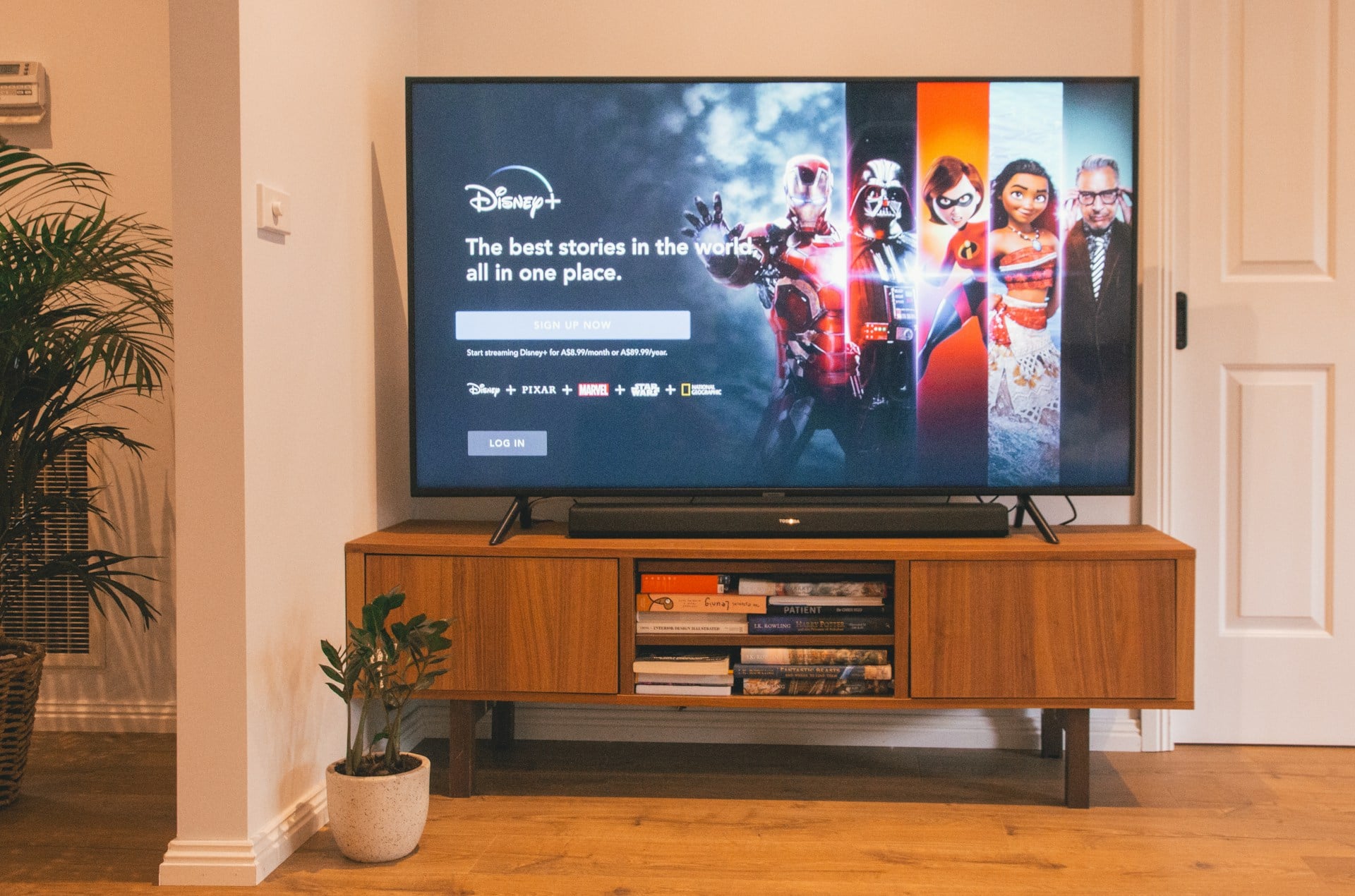
Large wooden furniture pieces housing a television screen and often a record player and radio inside. These were central furniture elements, not the wall-mounted flatscreens of today.
They required significant floor space and were extremely heavy. Disposal of these items now requires effort; most go to landfills.
Hi-Fi Stereo Cabinet
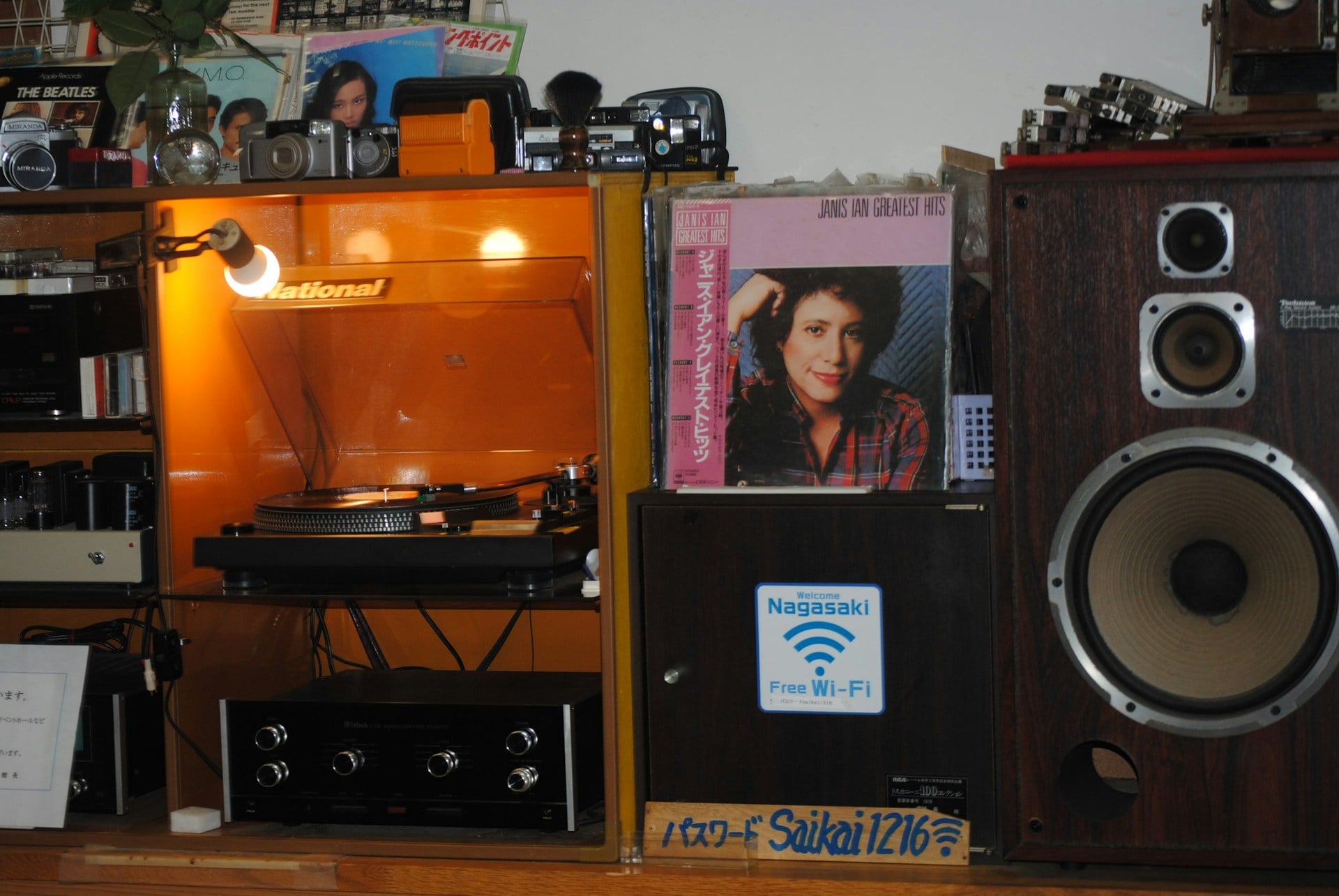
Similar to television consoles, these large wooden cabinets housed turntables, amplifiers, and speakers as integrated audio systems. They were status symbols and central entertainment infrastructure.
Modern audio is distributed—soundbars, wireless speakers, streaming devices. The cabinet has no modern equivalent.
Rabbit Ears Television Antenna
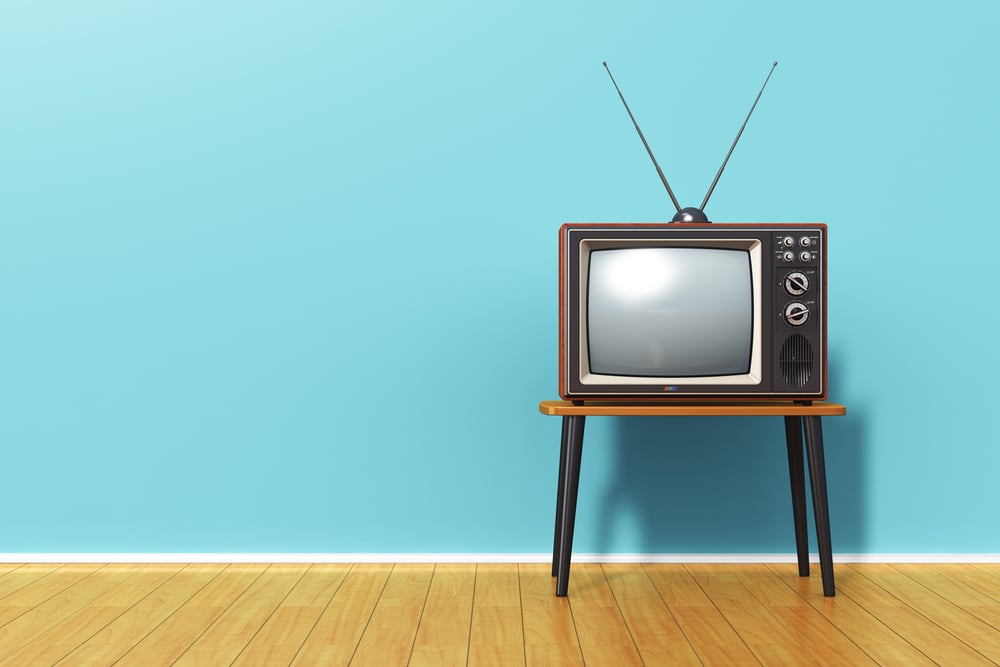
Metal rods in a V-shape attached to the top of televisions to receive broadcast signals. Adjustment required moving them repeatedly to find optimal reception.
Cable and satellite eliminated the need for antennas; modern television antennas are flat and unattractive, hidden behind furniture. The iconic rabbit ears have vanished.
Rotary Telephone
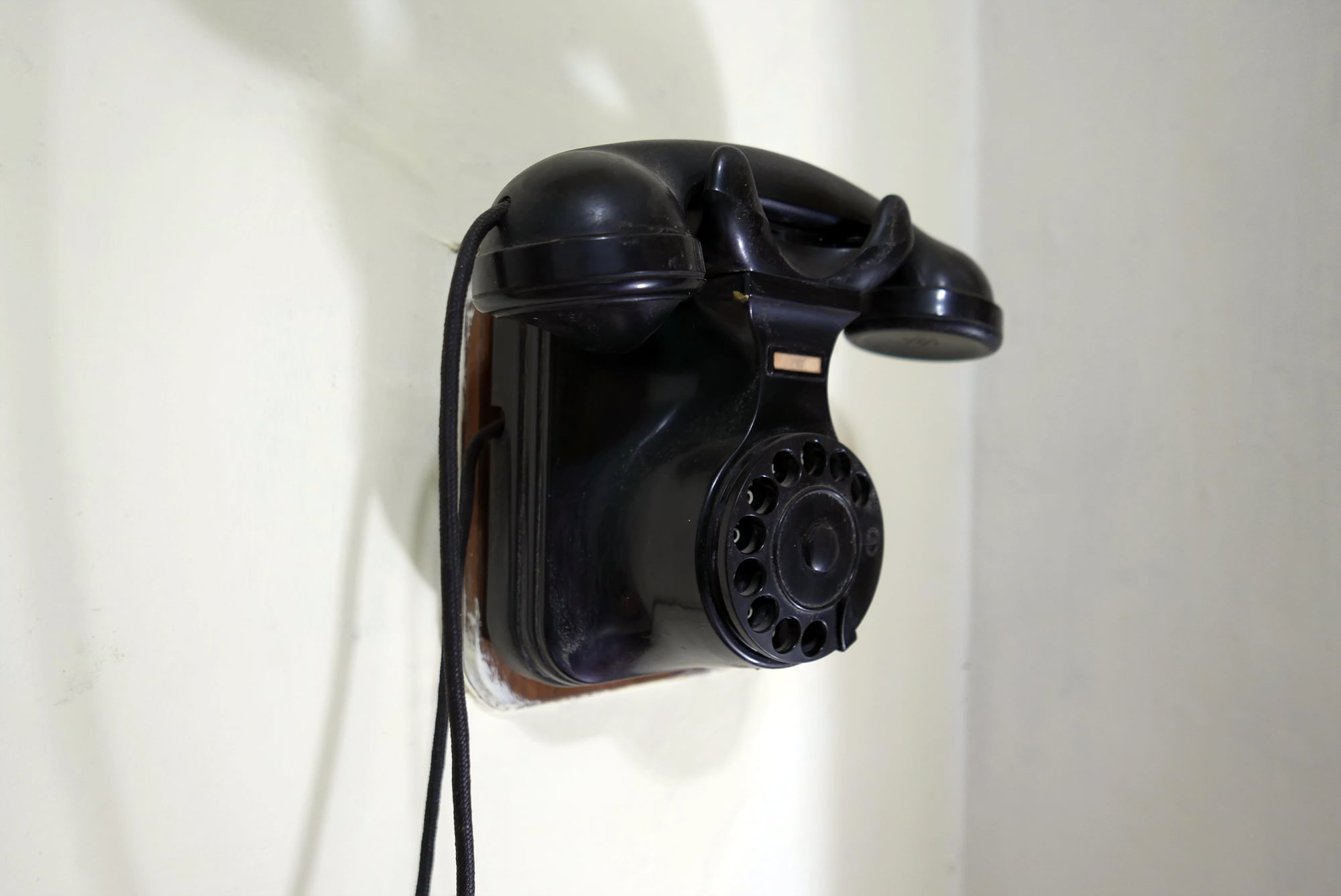
Phone numbers required inserting your finger in each digit’s opening, rotating clockwise, and releasing. Dialing took time.
The phone was permanently installed on a wall or table, connected by a cord. Cordless phones then cell phones made rotary technology completely obsolete.
Finding a functioning rotary phone requires active collection effort.
Cig Lighter Ashtrays
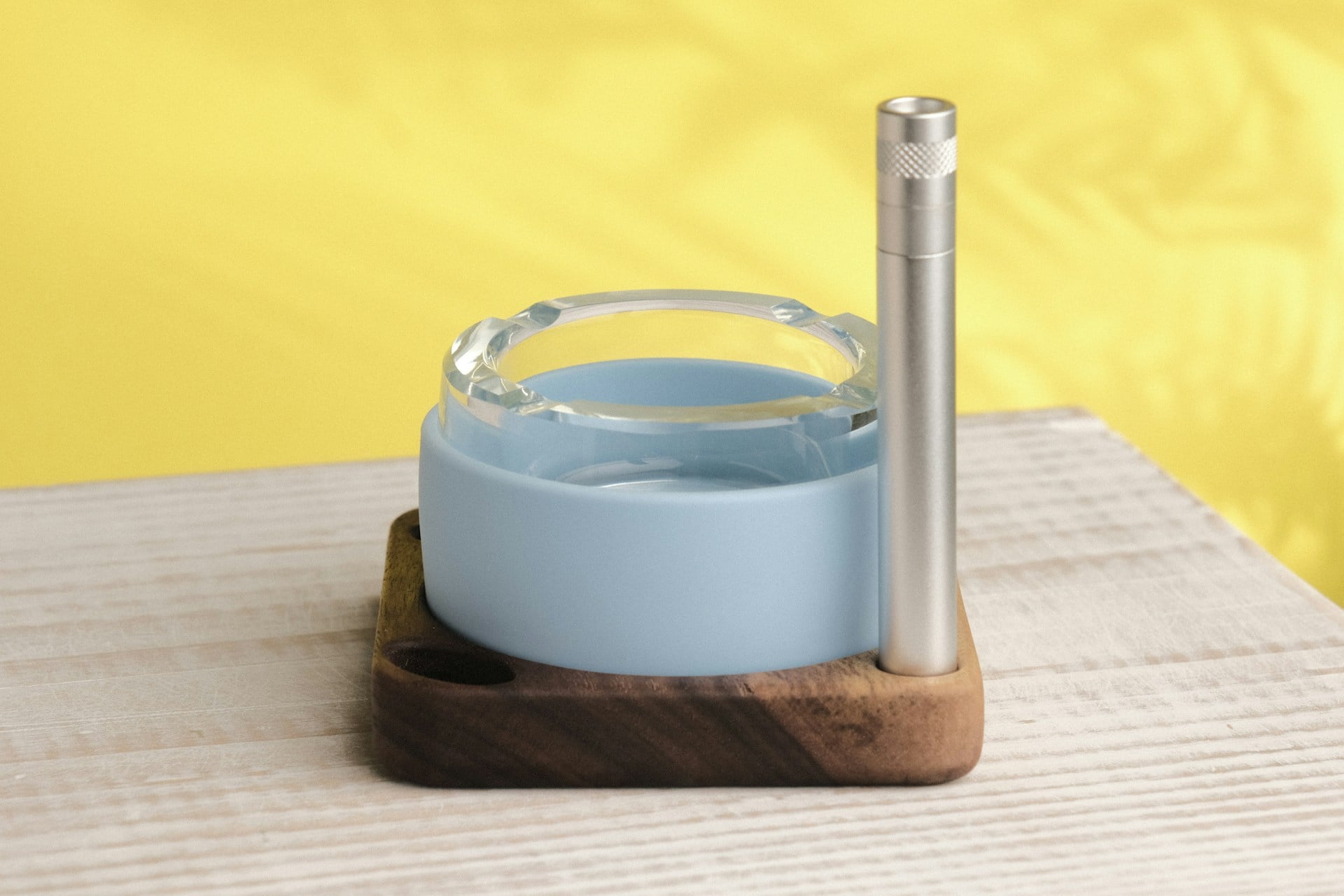
Free-standing furniture pieces combining ashtrays with lighters, designed to make cig smoke more convenient. These were common in living rooms and bedrooms despite the obvious fire hazard.
Modern homes don’t smoke indoors; these objects are purely historical artifacts.
Beanbag Chair

Vinyl or fabric bags filled with polystyrene pellets, serving as soft, formless seating. Beanbags were casual and comfortable but the pellets compacted over time, requiring refilling.
They’ve been mostly replaced by more structured furniture, though some resurgence exists in college dorm culture.
Harvest Gold Toilet
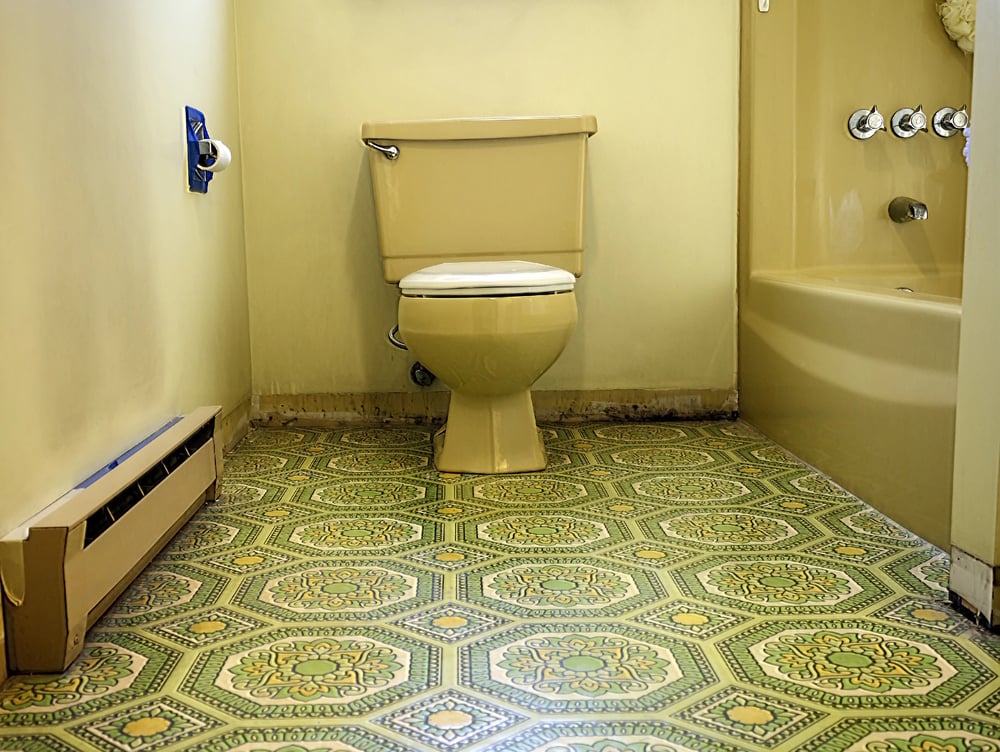
A toilet tank and bowl in harvest gold coloring to match 1970s kitchen aesthetics. Modern plumbing removes these immediately during renovations.
Finding an original harvest gold toilet requires searching estate sales or architectural salvage operations.
Sunken Living Room
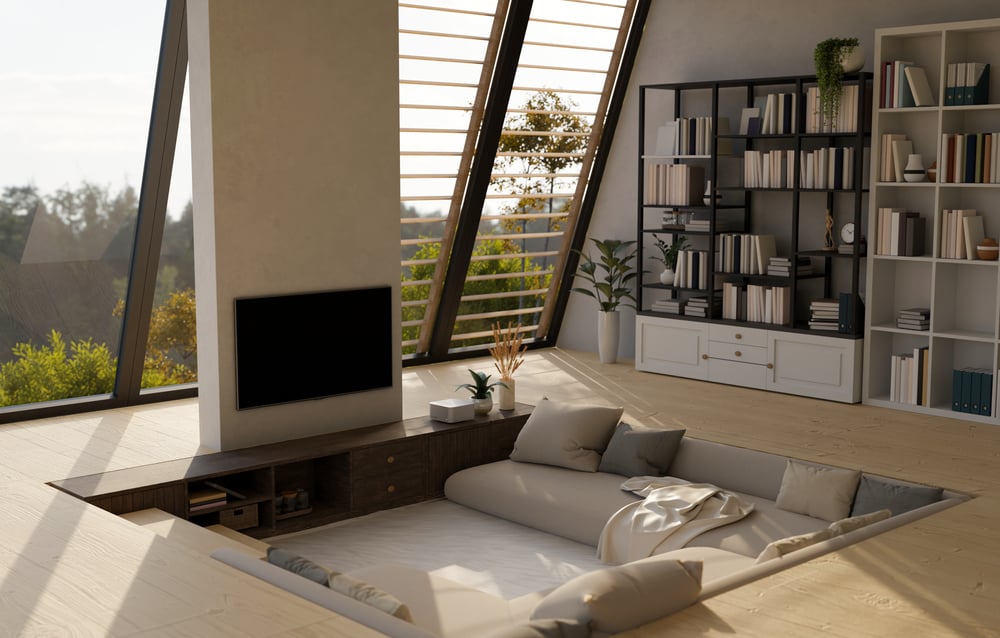
Architectural feature where the living room floor was recessed three to four feet below the rest of the house, creating a conversation pit aesthetic. Modern construction avoids these because they complicate furniture placement, accessibility, and heating distribution.
Removing sunken living rooms requires significant renovation.
Formica Countertops
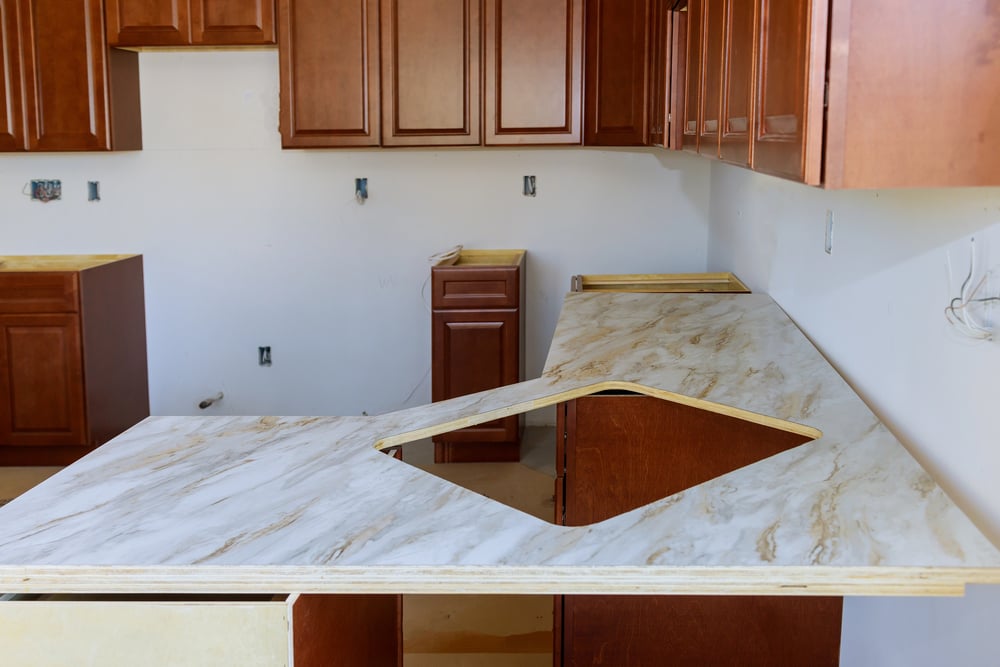
Laminated plastic surfaces on kitchen countertops, available in wood grain or solid colors. Durable but prone to damage and staining, Formica was standard in average households.
Modern kitchens use granite, quartz, or butcher block. Formica countertops are now associated entirely with 1970s homes awaiting renovation.
Fondue Pot
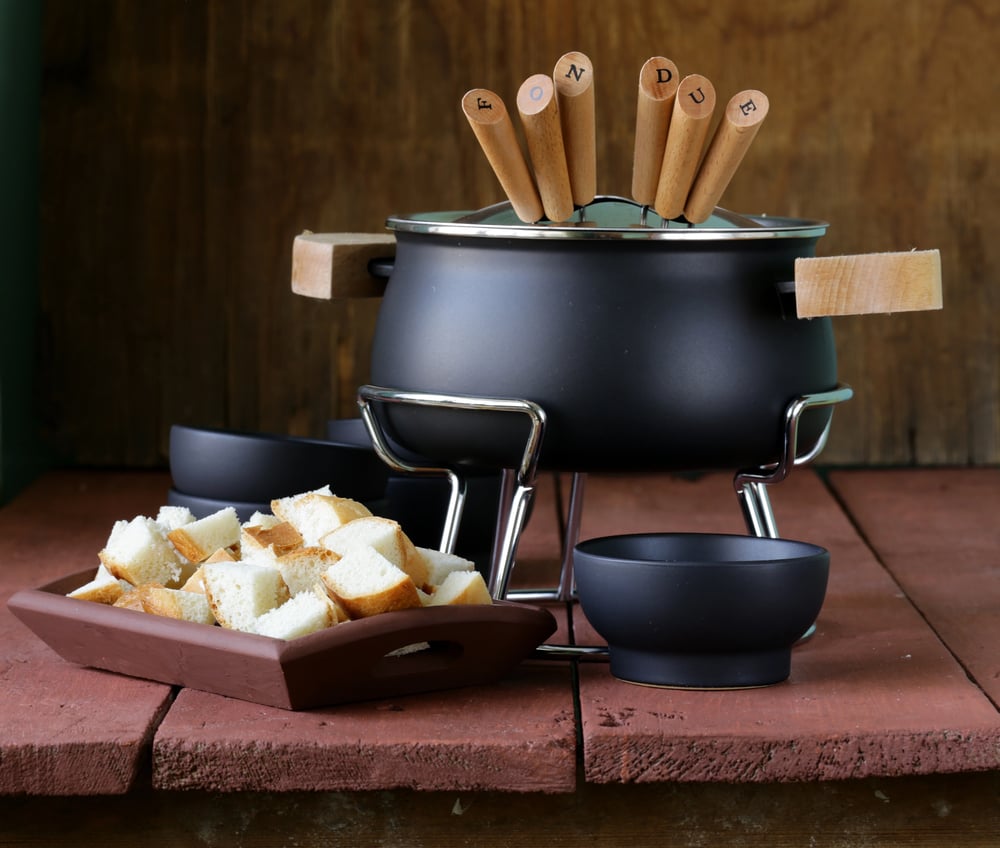
Ceramic or metal pot heated by an alcohol burner, used for cooking food in shared hot oil or melted cheese. Fondue parties were 1970s entertainment events.
The devices are now purely decorative or purchased specifically to recreate 1970s dinner parties. Actual fondue preparation has largely disappeared.
Tupperware Canisters
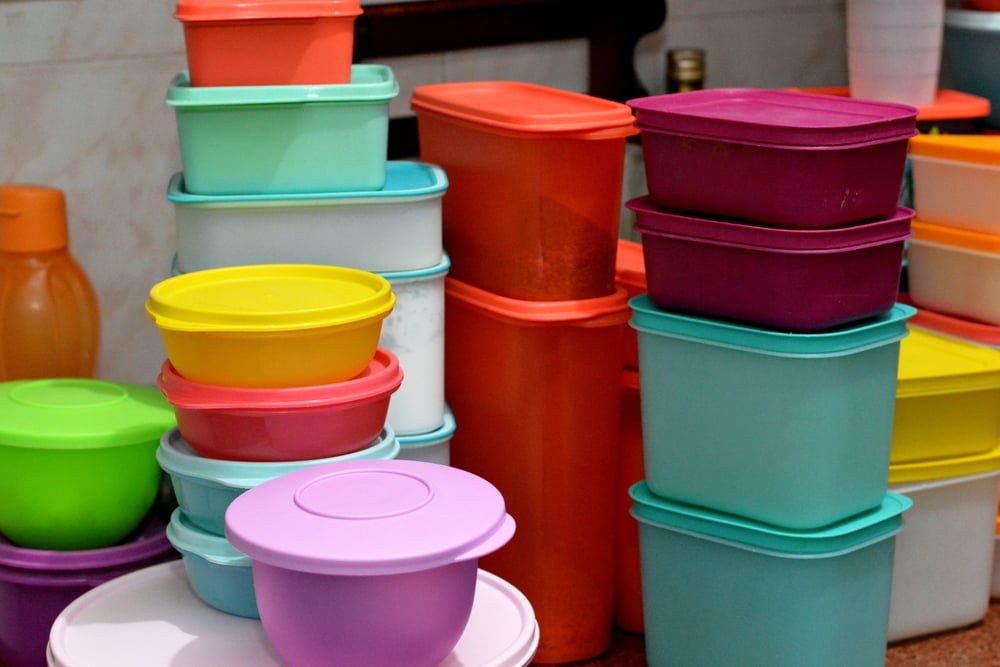
Plastic food storage containers with removable lids, sold through in-home Tupperware parties. While Tupperware still exists, the extensive collections of various-sized canisters that characterized 1970s kitchens have been replaced by simpler, more durable options.
The Tupperware party itself has almost completely disappeared.
Ceiling Fans with Wicker Blades
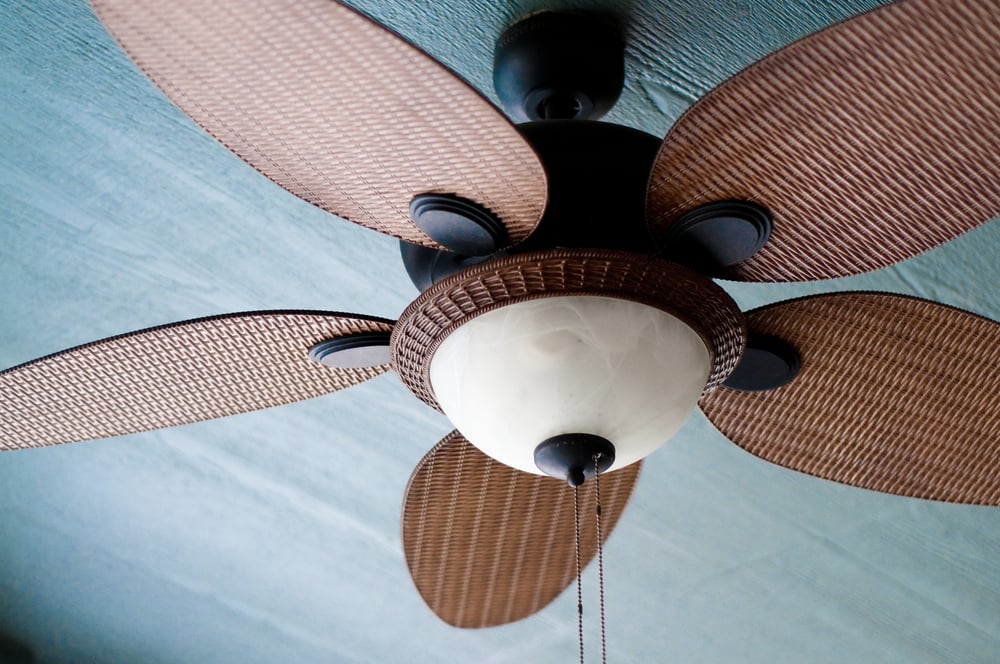
Decorative ceiling fans with blades covered in wicker or rattan material for aesthetic appeal. These were popular in bedrooms and living rooms during the 1970s.
Modern ceiling fans use blade designs focused purely on function; the wicker versions are now entirely nostalgic objects.
Porcupine Plant
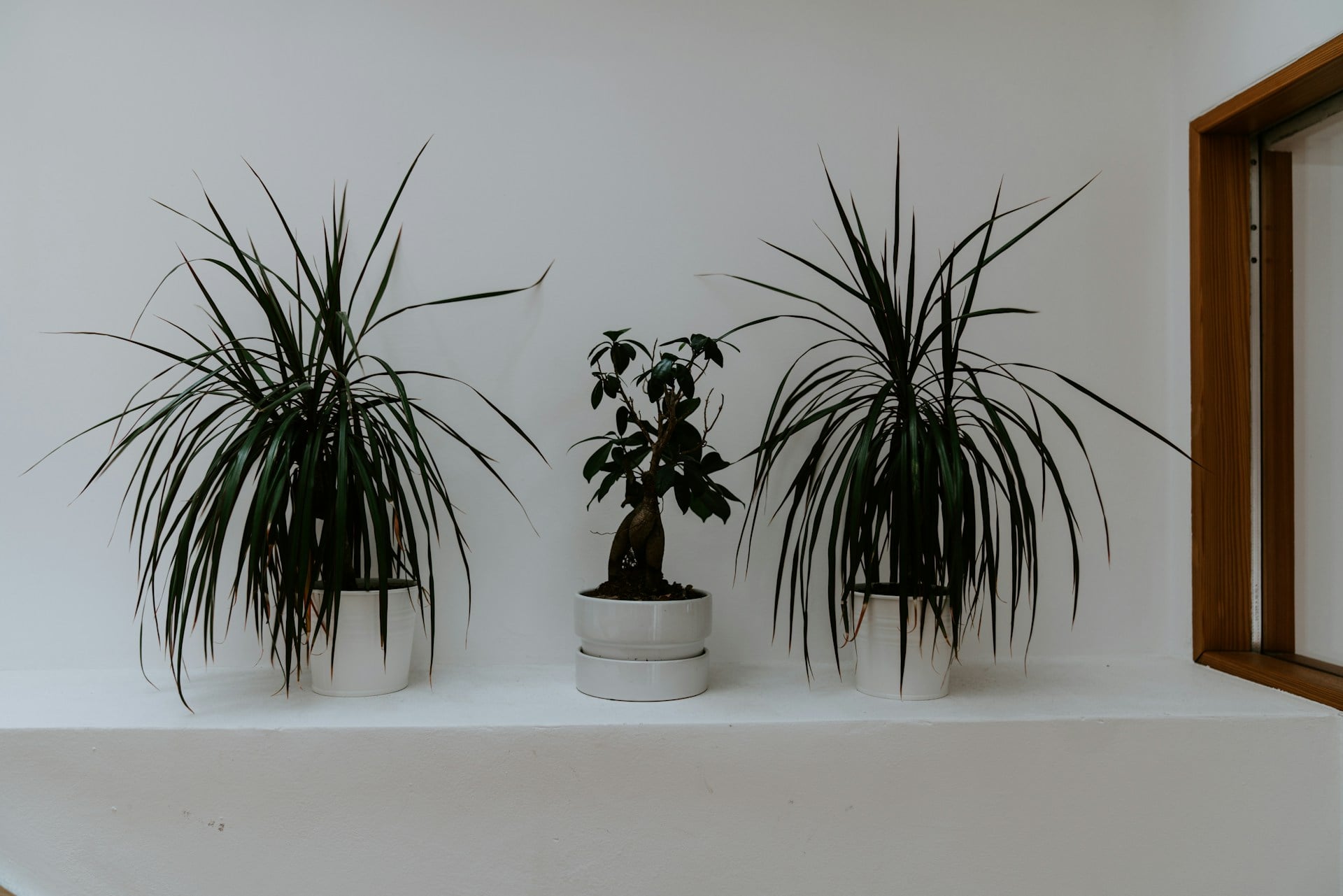
A decorative houseplant with extremely thin, spiky leaves creating a porcupine-like appearance. Popular in 1970s home decoration, these plants required minimal care and suited the era’s aesthetic preferences.
They’ve been replaced by more conventional houseplants in modern interior design.
Cork Wall Covering
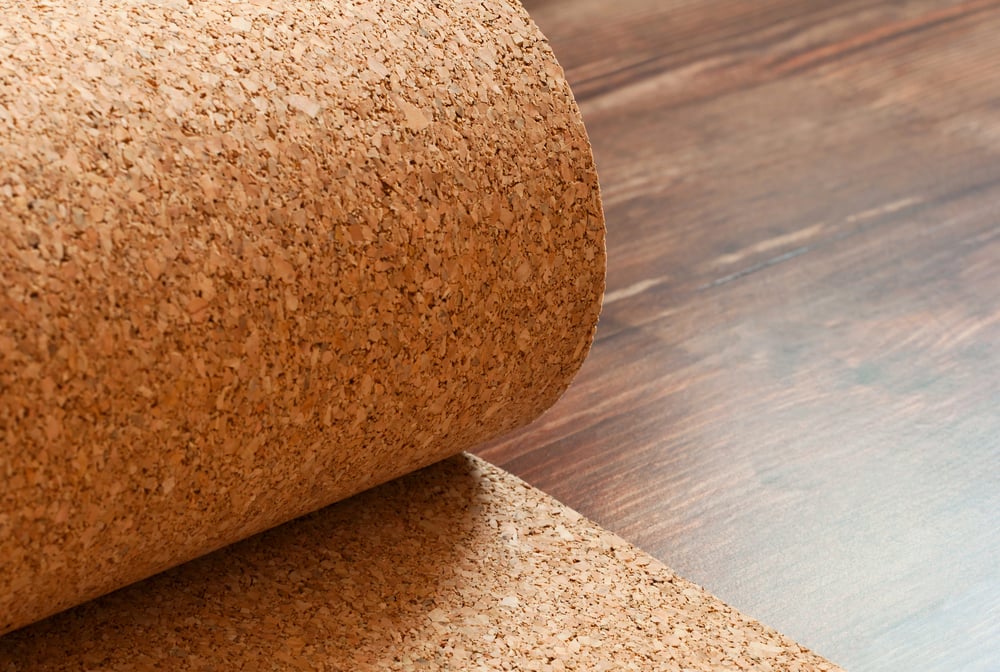
Cork panels applied to walls as sound dampening and aesthetic decoration. Cork absorbed sound and created warmth in spaces.
Modern wall treatments use different materials; cork is now rarely seen in residential homes.
Window Boxes with Artificial Flowers
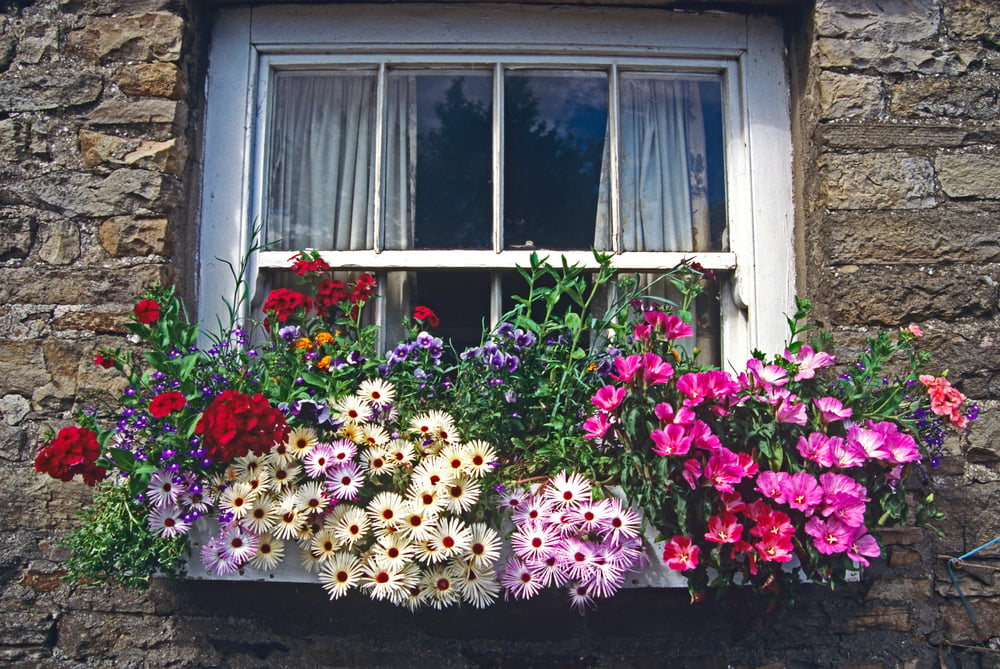
Decorative boxes mounted on window ledges, filled with plastic flowers in bright colors. These required no maintenance but marked homes as purely aesthetic, not functional.
Finding these on contemporary homes is rare; modern window displays tend toward actual plants or no decoration.
Plastic Grapes on Stems in Glass Bowls
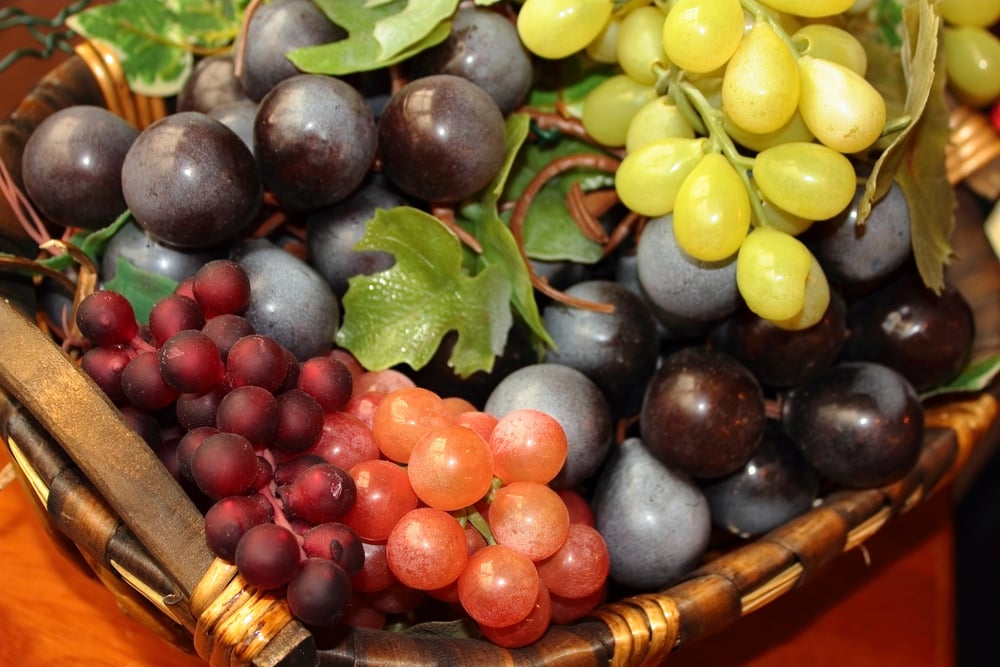
Decorative arrangements of fake grapes in clear glass bowls, serving no function beyond visual appeal. These were common decorative items on sideboards and tables.
Modern homes rarely use these specific decorations; they’re now exclusively nostalgic objects.
Brass Candelabra
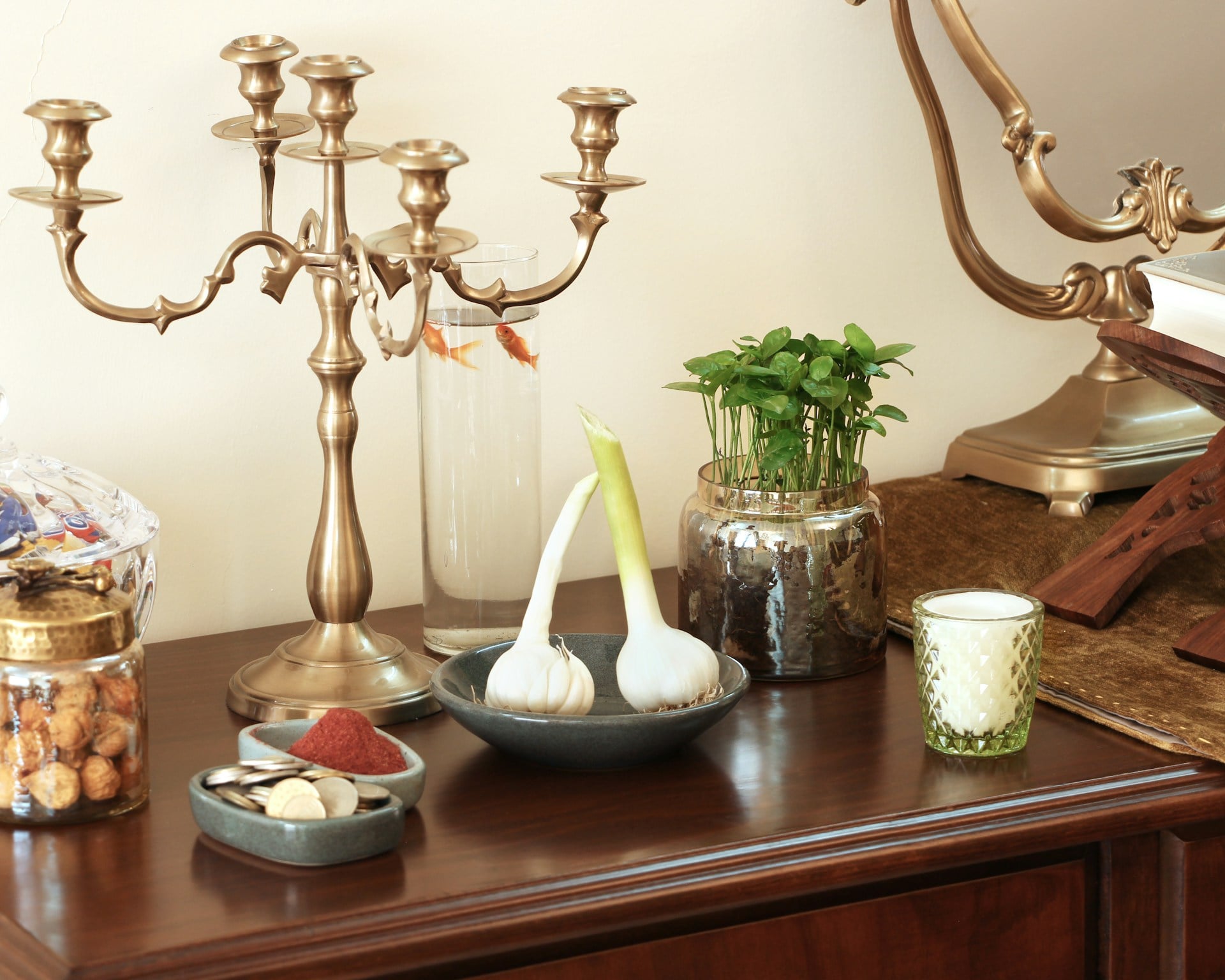
Large multi-armed candleholders in brass or gold-colored metal, placed on dining room tables or sideboards. While candelabra still exist, the specific 1970s style has been replaced by contemporary designs.
Brass finishes have largely fallen out of favor.
Electric Can Opener
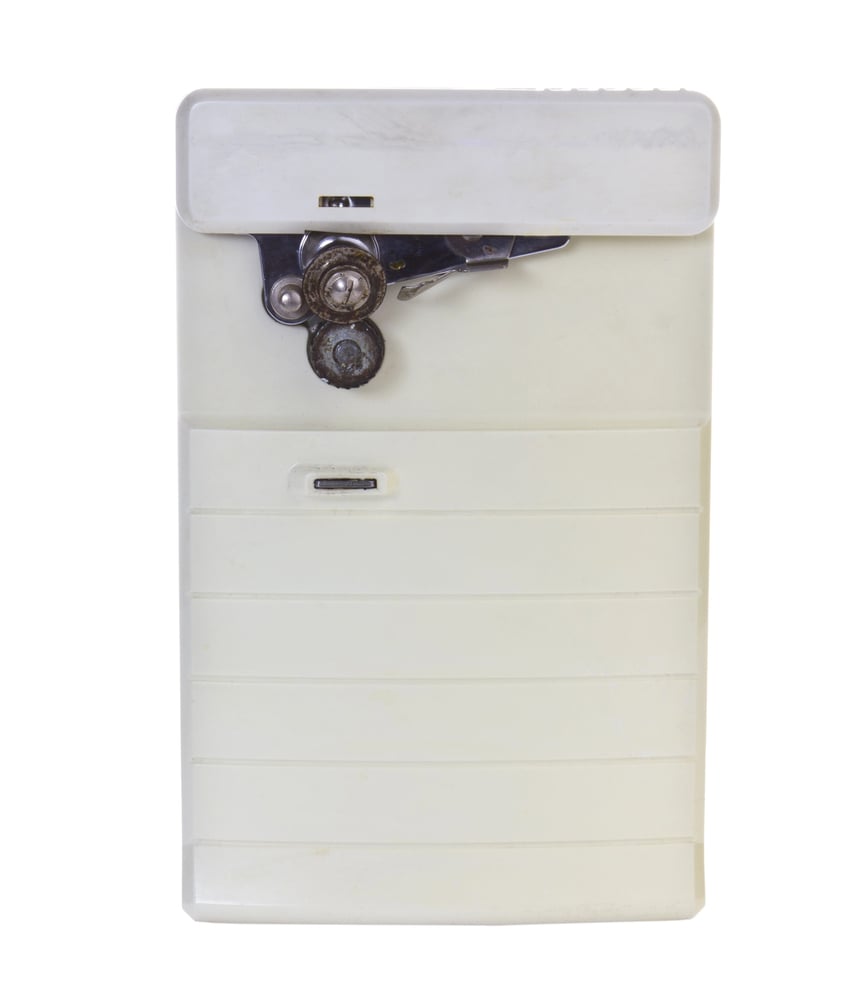
Wall-mounted or countertop devices that automatically opened canned goods. They were status symbols and convenience items in the 1970s.
Manual can openers are now standard; electric versions are considered unnecessary and take valuable counter space.
Ambient Light Bulbs with Colored Gels
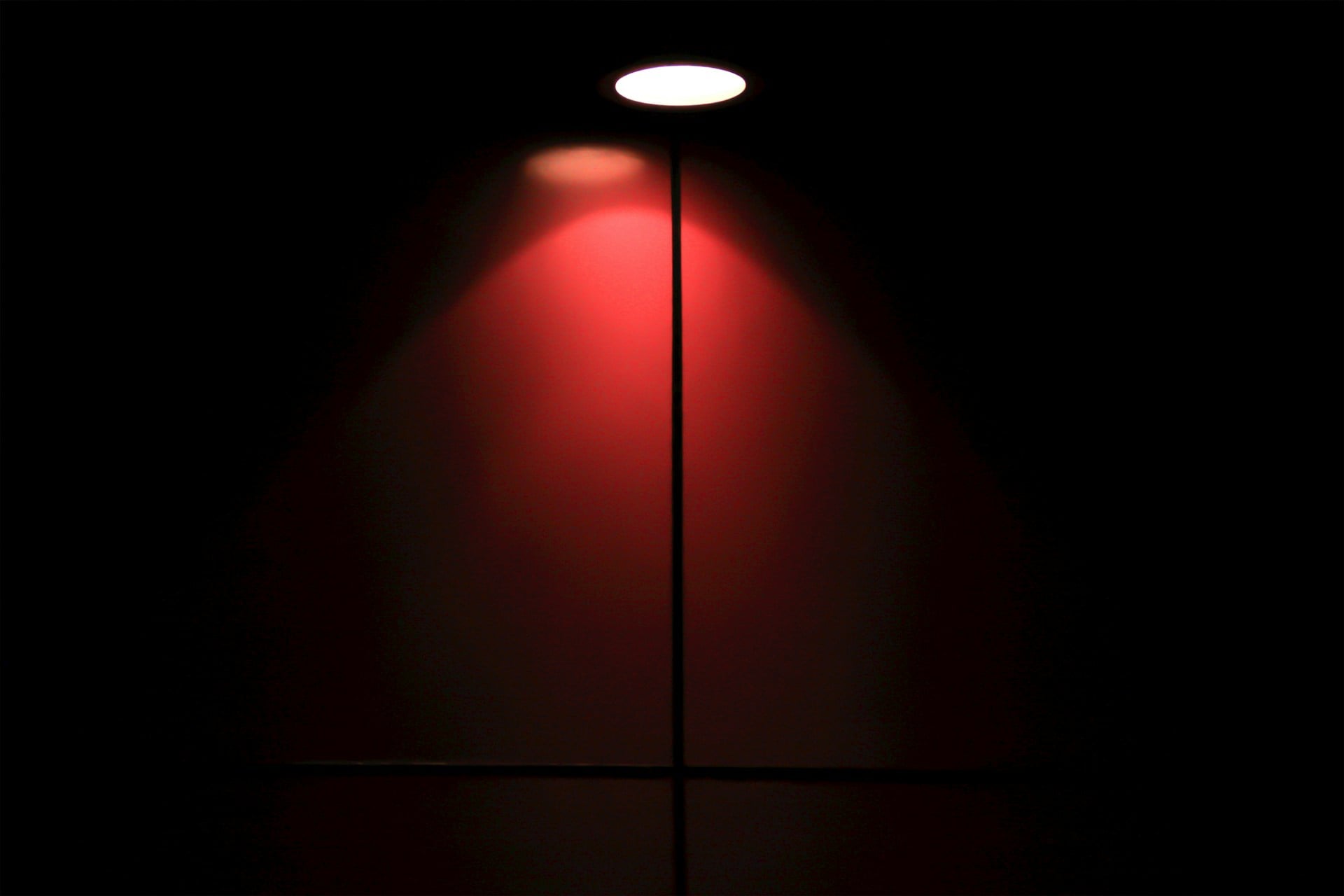
Colored transparent gel filters placed over light bulbs to cast colored light throughout a room. Rooms bathed in blue, red, or amber light created mood and atmosphere.
Modern lighting uses LED fixtures with built-in color options; simple gel filters have disappeared entirely.
Decorative Mirrors with Wood Frames
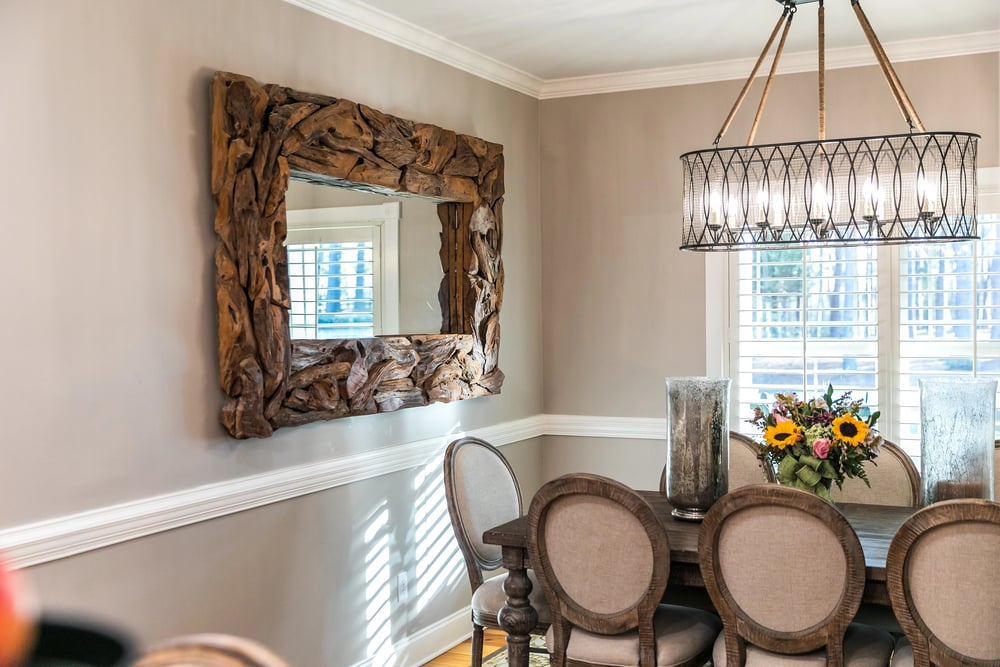
Large mirrors with ornate wood frames, often gilded or carved, hung on walls as both functional and decorative elements. Specific 1970s wood stains and frame styles marked these objects as historically specific.
Modern mirrors tend toward simpler designs or integrated into other fixtures.
The Deliberate Aesthetic
What united these items wasn’t function or quality. Most worked perfectly well.
What united them was their visual association with the 1970s—specific colors, materials, and design choices that now look historically specific. Removing them from homes isn’t about replacing them with superior alternatives; it’s about erasing visual markers of a particular era.
A shag carpet works as flooring; we remove it because it looks like 1970s decoration. The items didn’t fail.
The aesthetic failed, and the objects failed with it.
More from Go2Tutors!

- The Romanov Crown Jewels and Their Tragic Fate
- 13 Historical Mysteries That Science Still Can’t Solve
- Famous Hoaxes That Fooled the World for Years
- 15 Child Stars with Tragic Adult Lives
- 16 Famous Jewelry Pieces in History
Like Go2Tutors’s content? Follow us on MSN.