27 TV Dinners From the ’70s That Families Actually Looked Forward To
Television changed what Americans expected from dinner. Once the technology arrived in most homes, meals increasingly moved from the dining room to the living room, and the TV dinner emerged as the logical solution.
The dishes came pre-packaged in compartmented foil trays, required minimal cooking time, and arrived at the table hot and ready to eat during prime time programming. Families looked forward to TV dinners not because they were gourmet—most weren’t—but because they represented a kind of futuristic convenience that aligned perfectly with how households were organizing leisure time in the 1970s.
The 1970s represented the golden age of the TV dinner, when manufacturers still competed aggressively on variety rather than merely on convenience. Swanson and other brands introduced international cuisines, heartier portions, and more sophisticated side dishes.
The decade saw major innovations like the Hungry-Man line, which targeted men with outsized appetites and masculine branding. These weren’t shameful meals eaten hastily; they were weekend treats that families anticipated and discussed.
Swanson Turkey Dinner
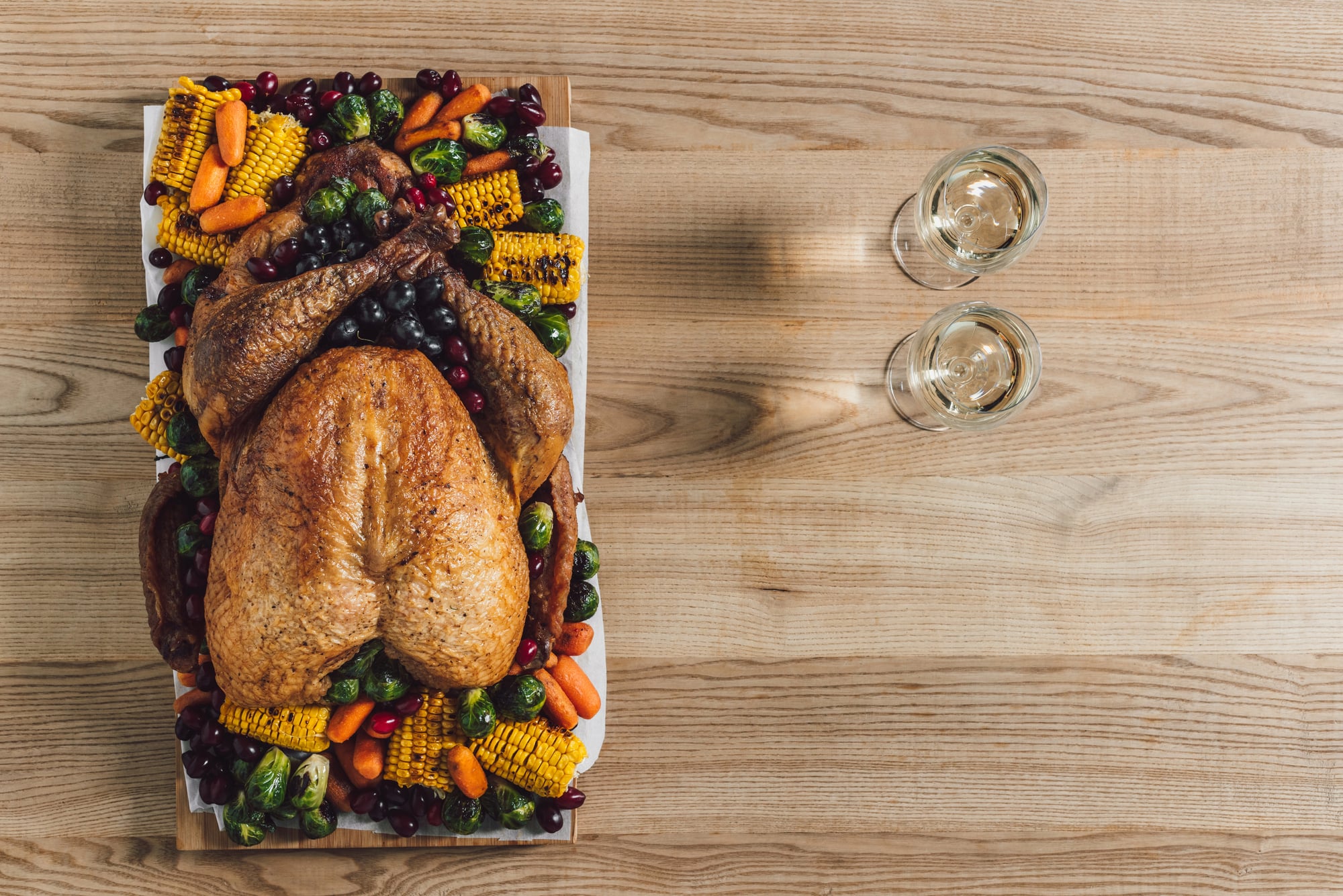
The original Swanson concept remained a staple throughout the 1970s, with its combination of turkey, dressing, peas, and sweet potatoes representing the most iconic TV dinner configuration. The meal maintained its place in American households for both convenience and its connection to Thanksgiving traditions that mothers appreciated as shortcut routes to familiar flavors.
Swanson Salisbury Steak
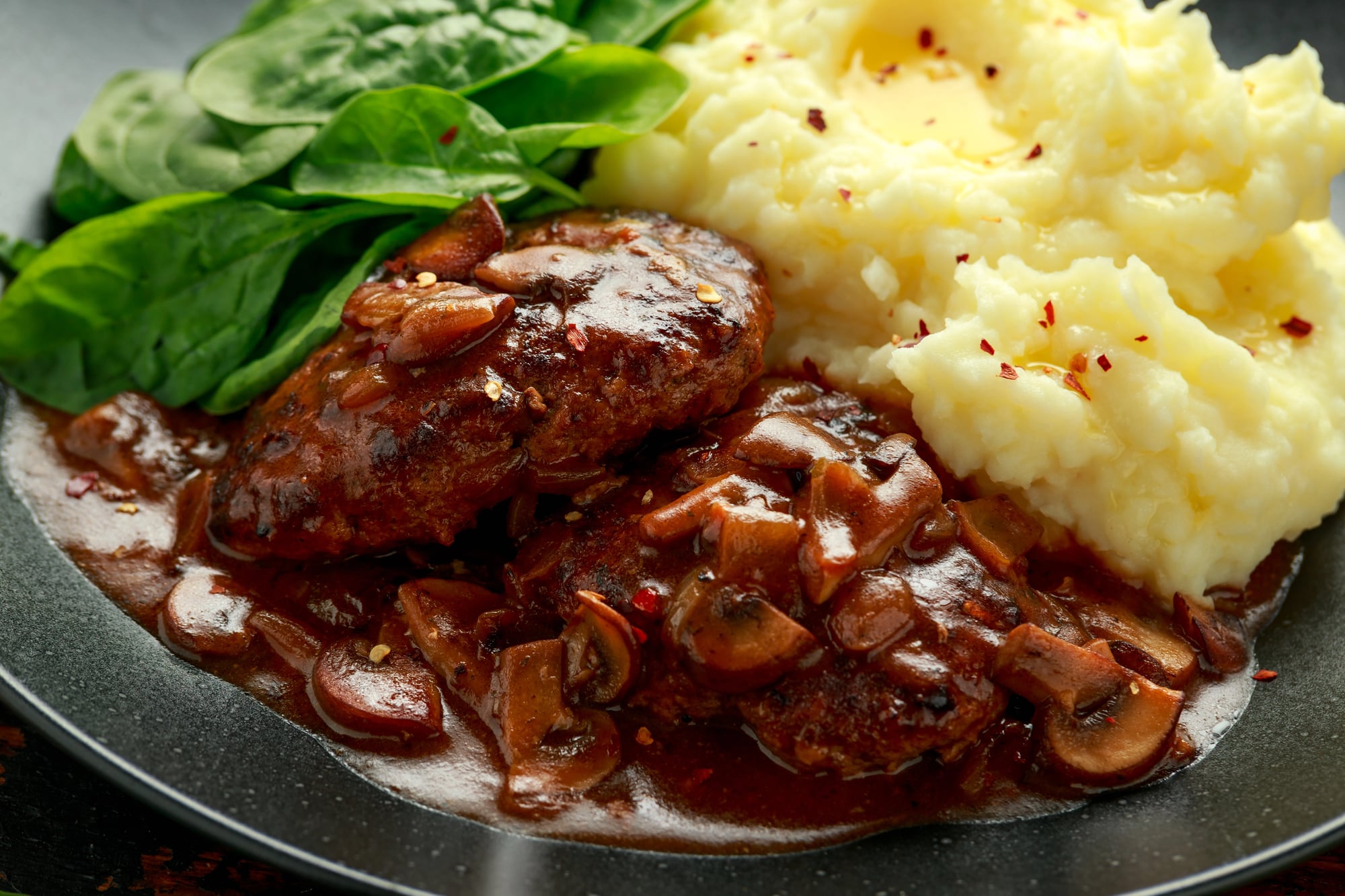
Salisbury steak became the most popular beef option in the Swanson line, with two pieces in brown onion gravy accompanying standard vegetable sides. The dish proved that TV dinners could deliver actual flavor through sauce-based preparations, making Salisbury steak a recurring favorite that created reliable brand loyalty among families who demanded taste alongside convenience.
Swanson Fried Chicken Dinner
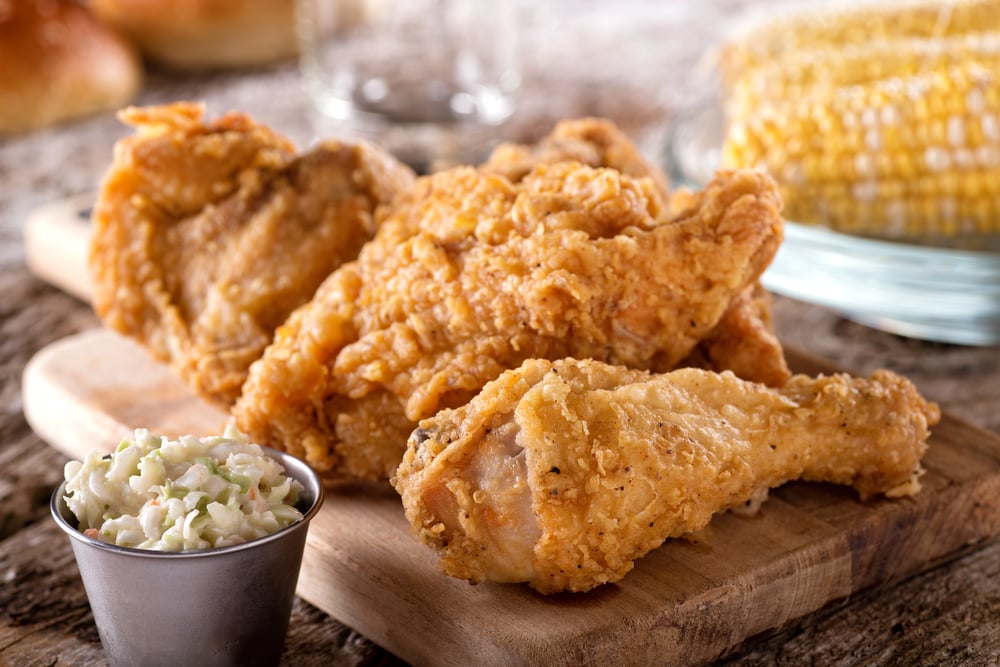
Swanson’s fried chicken came with multiple pieces—four pieces of actual chicken alongside potatoes and a vegetable. The quality of the chicken itself and the substantial portion made this option popular enough to remain in the line continuously, offering families a chicken dinner without requiring they actually fry chicken at home.
Swanson Meatloaf Dinner
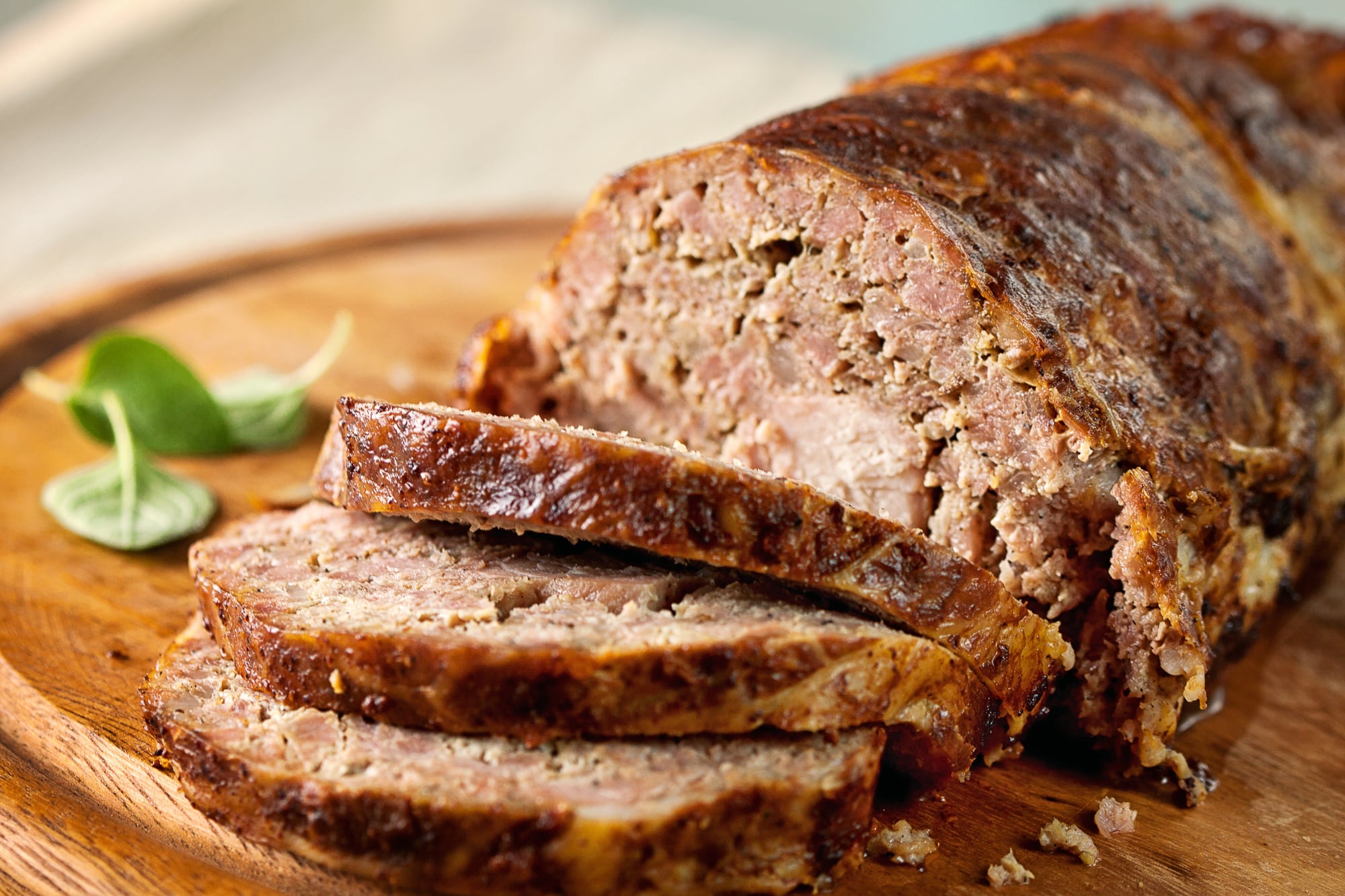
The Swanson meatloaf dinner combined sliced meatloaf with gravy, potatoes, and vegetables, offering a hearty main course that satisfied the same cravings as homemade meatloaf but without the mess of actually preparing one. The presentation legitimized frozen meals as genuine food rather than mere convenience food.
Swanson Fish & Chips
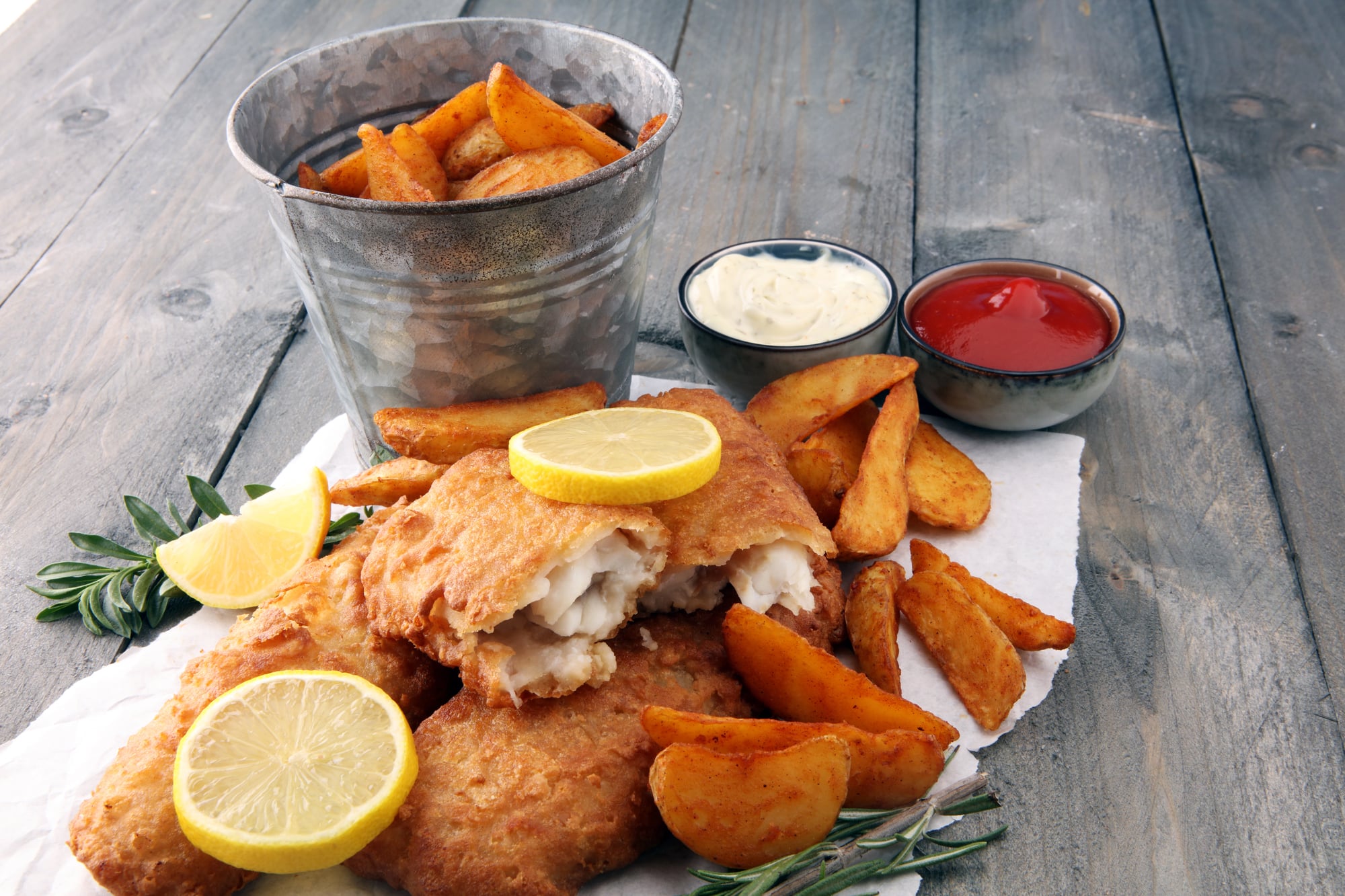
The fish and chips dinner delivered actual breaded fish alongside deep-fried potatoes and peas, creating a seaside-style meal in a compartmented tray. Fish & Chips stood out among TV dinners because it represented a cuisine that most families wouldn’t have otherwise attempted at home, making the pre-prepared version feel like an adventurous choice.
Swanson Pork Chop Dinner
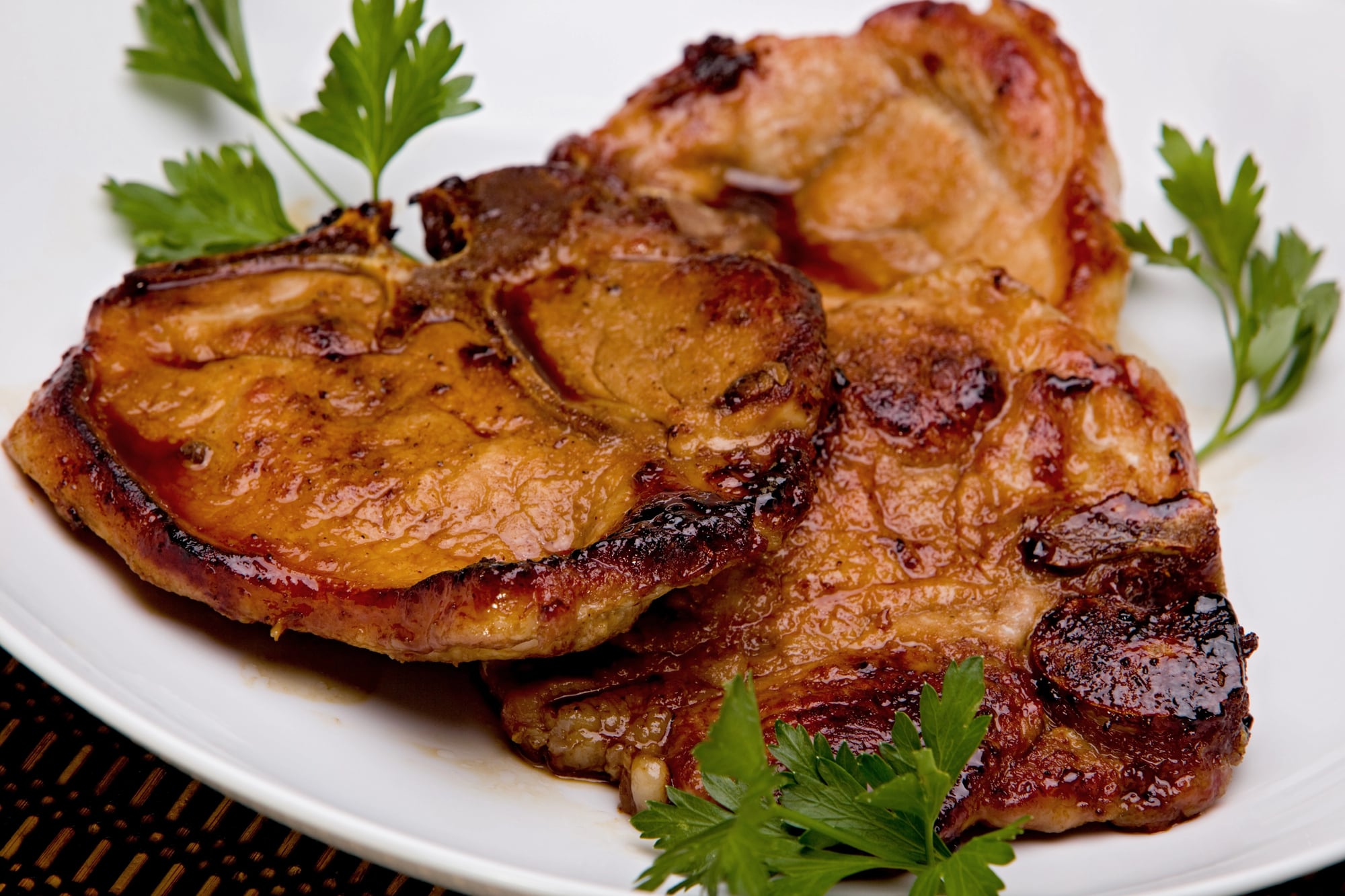
Swanson’s pork chop dinner featured actual breaded pork chops with apple sauce, potatoes, and a second vegetable, offering heartier protein options for families that tired of chicken and beef. The inclusion of apple sauce reflected traditional pork preparations and elevated the meal beyond basic frozen components.
Swanson Beef Pot Roast Dinner
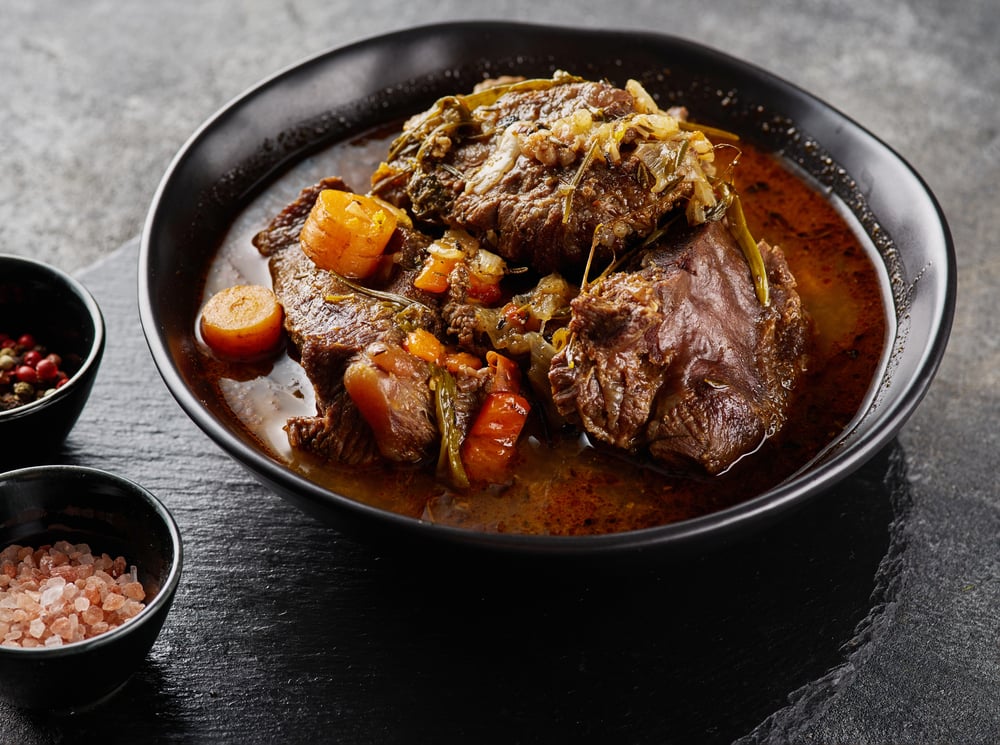
The beef pot roast brought slow-cooked beef and vegetable flavors into the compartmented tray format, delivering a stew-like experience in convenient form. The combination of beef, potatoes, carrots, and onion made it feel more like an actual home-cooked meal than more obviously processed options.
Swanson Macaroni & Cheese Dinner
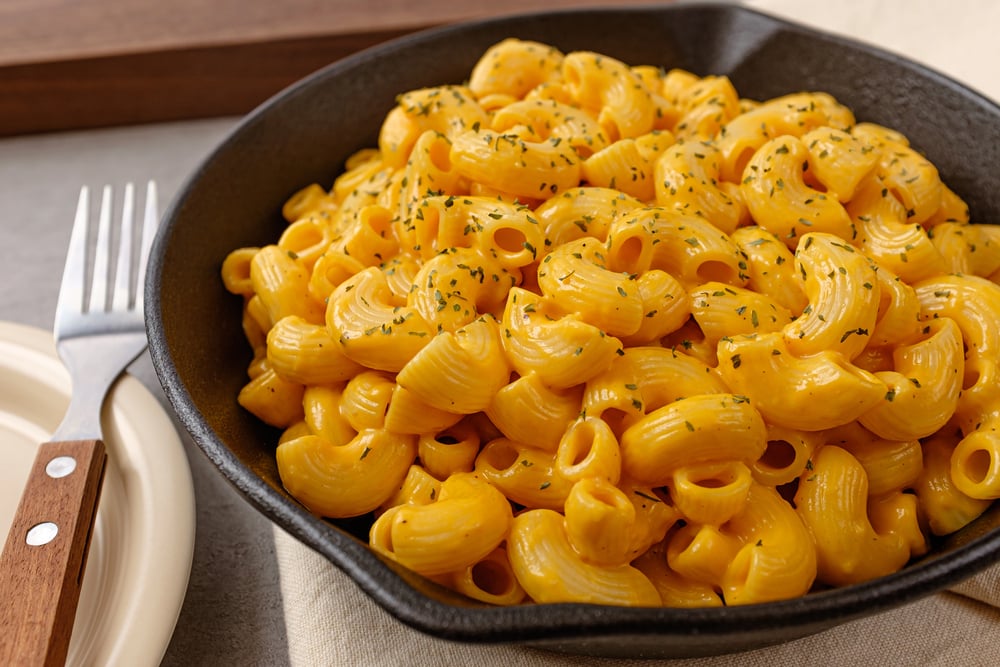
Swanson’s macaroni and cheese, featuring actual cheese sauce rather than powder, set a standard for frozen pasta meals that extended far beyond the decade. The inclusion of buttered breadcrumb topping on some versions gave the dish textural complexity that justified its place alongside more traditional protein-based dinners.
Swanson Spaghetti with Meat Sauce
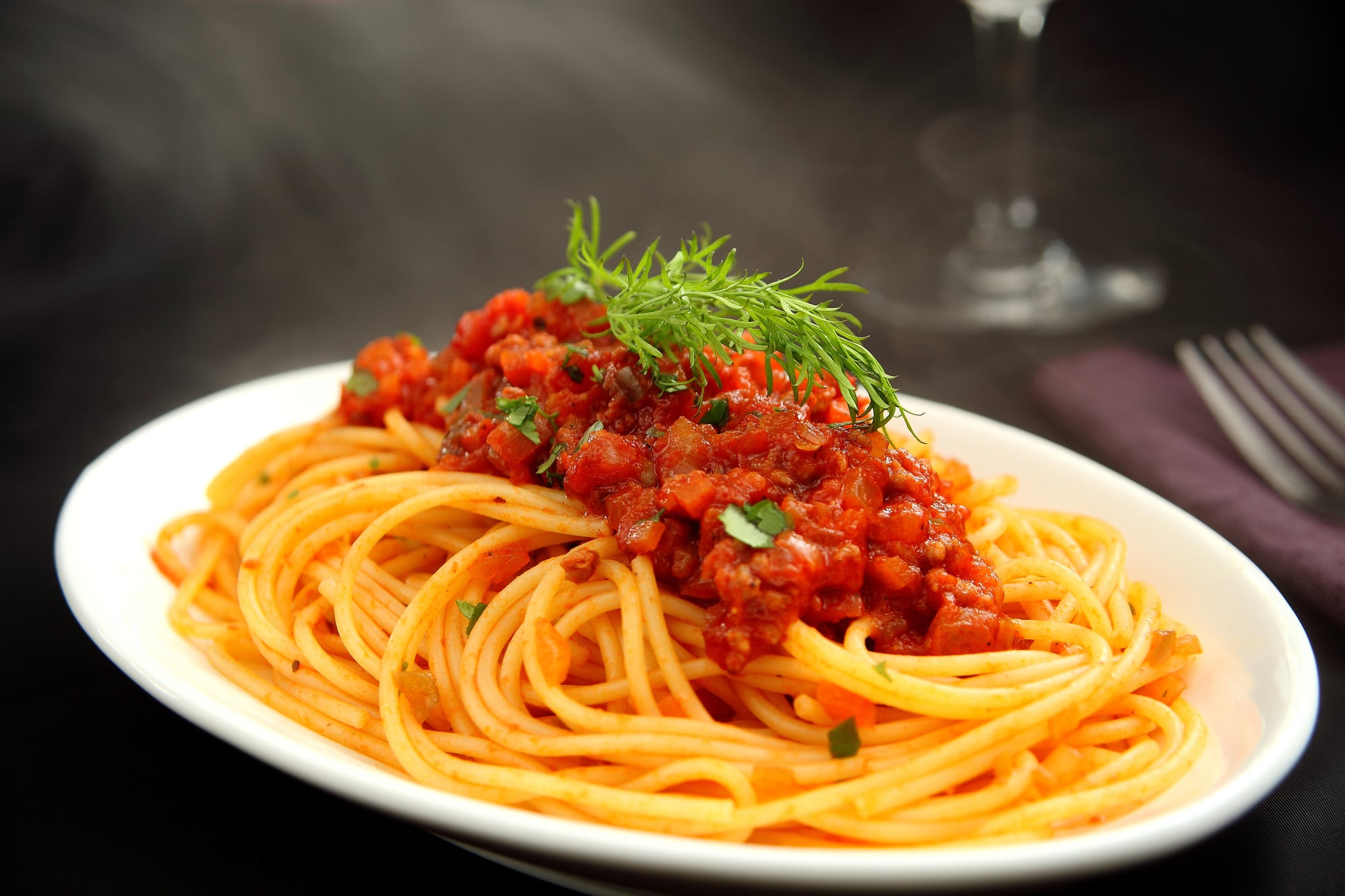
Spaghetti with meat sauce proved that pasta dishes could work in compartmented trays without becoming a soggy mess. The meat sauce provided flavor that elevated basic pasta into something resembling actual Italian-American home cooking, making this an acceptable weeknight alternative to more elaborate preparation.
Swanson Ravioli Dinner
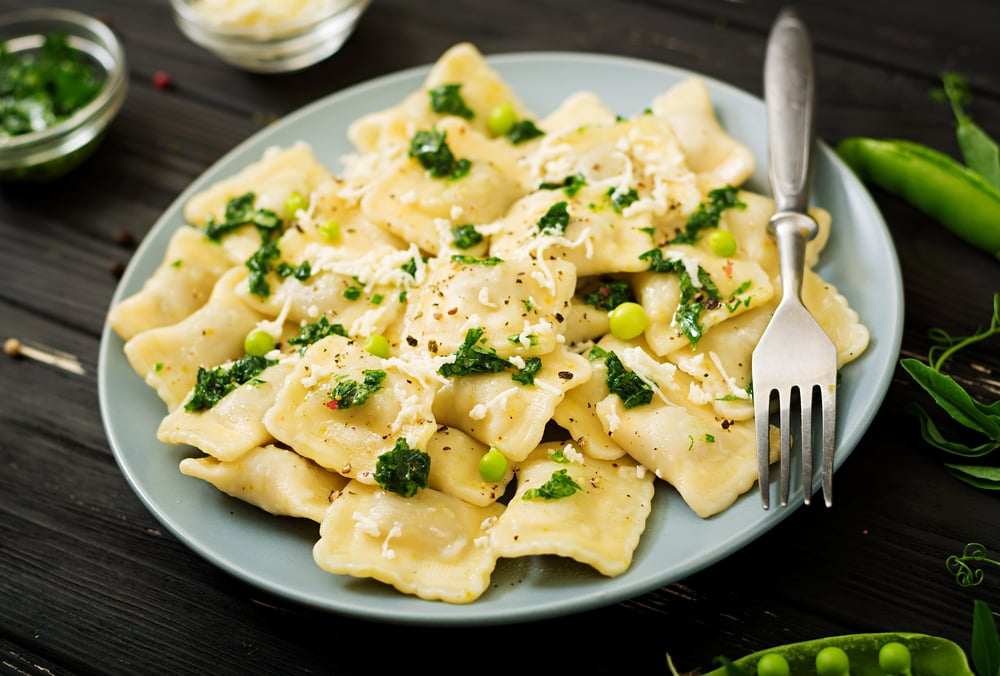
Cheese ravioli in tomato sauce represented Swanson’s attempt to deliver Italian flavors without compromising the compartmented tray format. The dish appealed to families exploring international cuisines on limited budgets, and the combination of pasta, cheese, and sauce delivered satisfaction across multiple family member preferences.
Swanson Hungarian Goulash Dinner
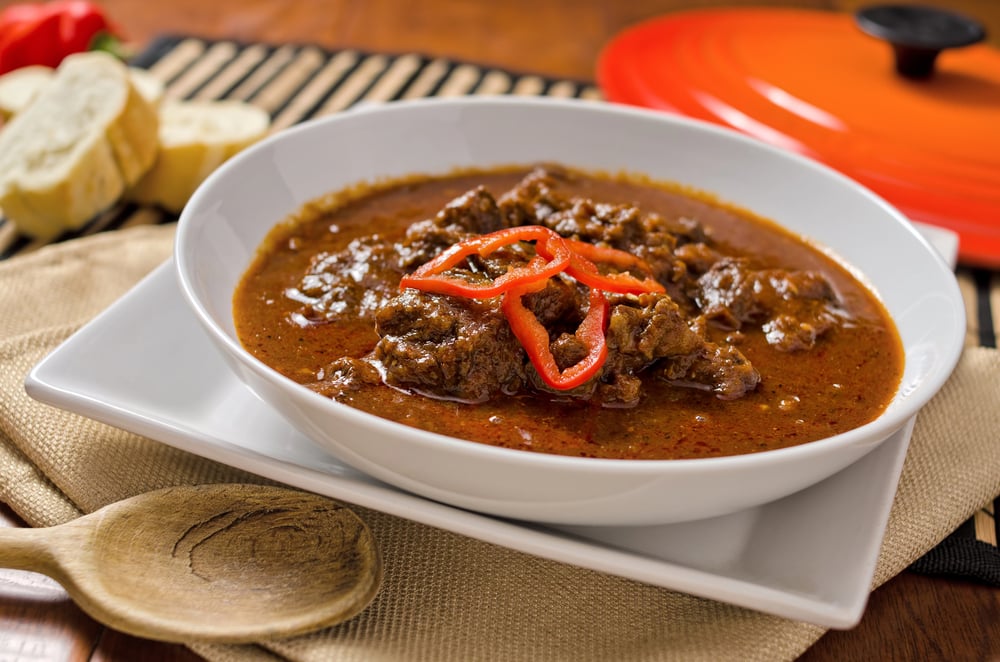
Swanson’s Hungarian goulash introduced international flavors through beef stew prepared with paprika and topped with egg noodles, reflecting the era’s fascination with accessible ethnic cuisine. The spiced beef and noodles delivered flavor complexity that distinguished this option from simpler beef preparations.
Swanson German Dinner
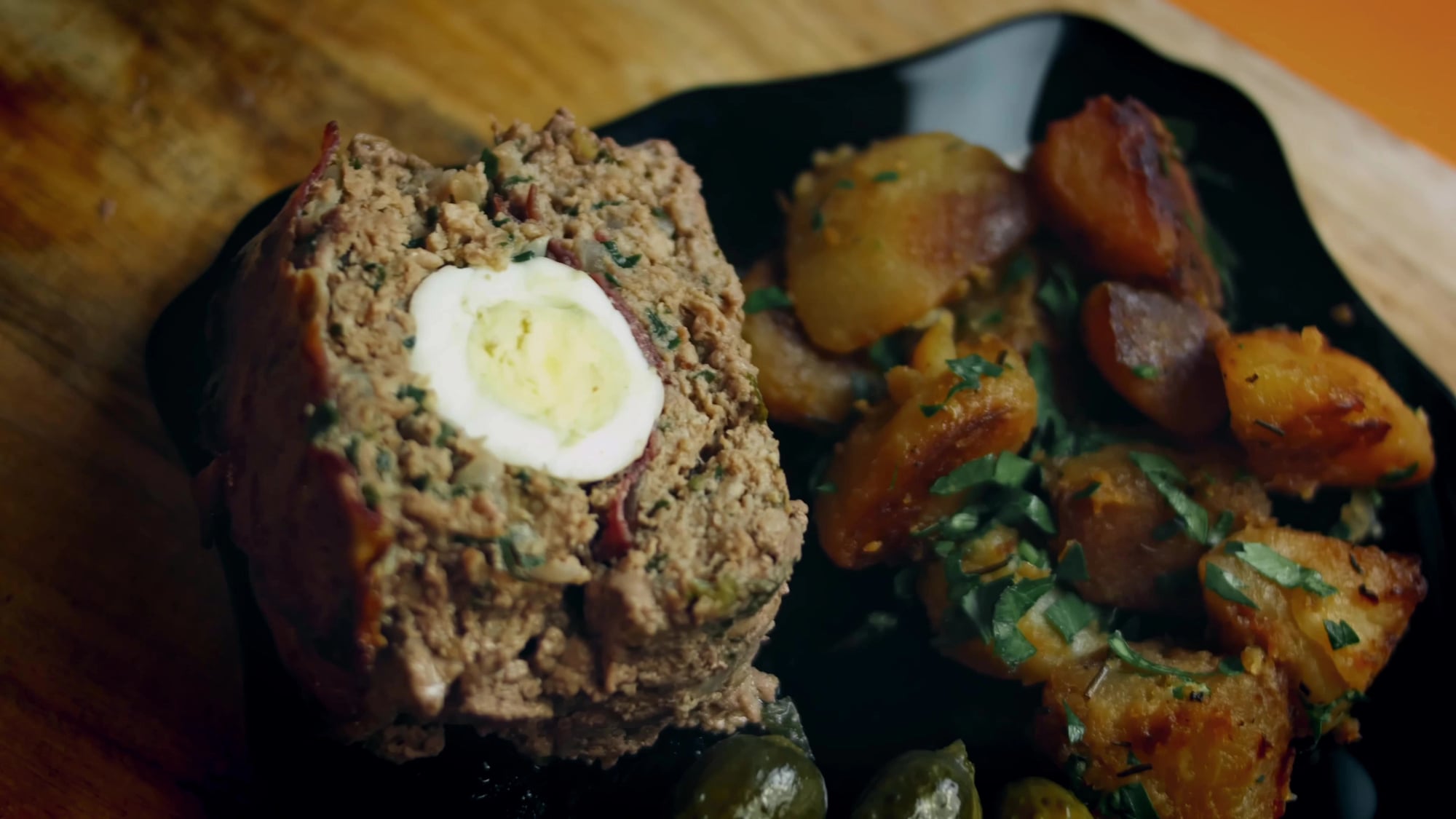
The German dinner represented Swanson’s early 1960s international expansion, continued strongly through the 1970s. The meal featured pork schnitzel or bratwurst with sauerkraut, potatoes, and additional vegetables, offering German-American comfort food in convenient format.
Swanson Italian Dinner
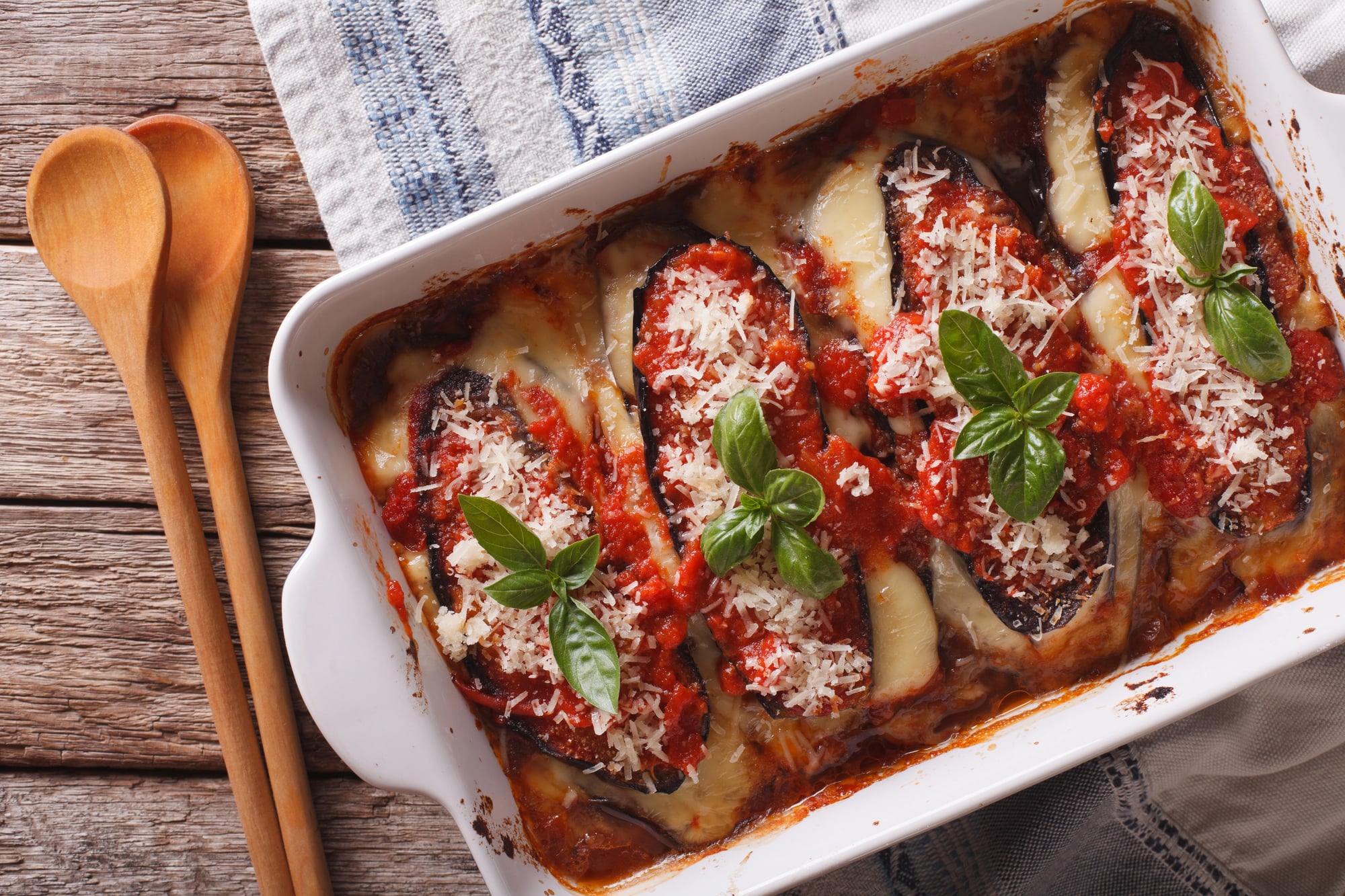
Italian dinners featured variations including lasagna, eggplant parmesan, and chicken parmesan, introducing Italian-American cuisine to families who might not have attempted these dishes at home. The tomato-based sauces and cheese filled a specific niche for ethnic food exploration within the frozen dinner format.
Swanson Mexican Dinner
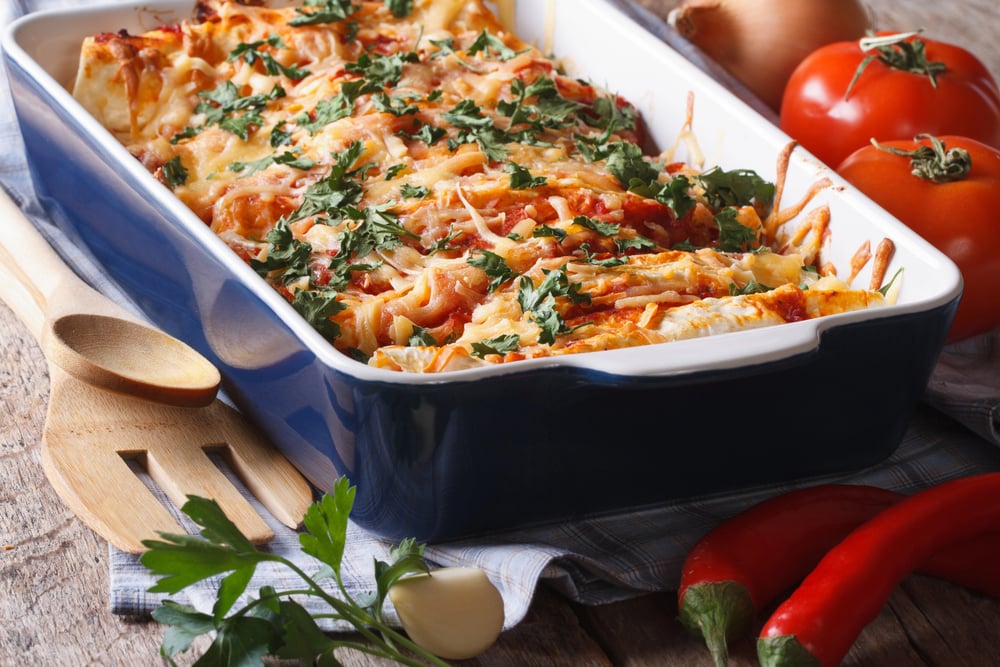
Mexican dinners included combinations like beef enchiladas, cheese enchiladas, and beef tacos, introducing Tex-Mex flavors to mainstream America through accessible frozen meals. The spiced beef, cheese, and corn tortillas created an exotic feel while remaining fundamentally familiar.
Swanson Polynesian Dinner
Polynesian dinners represented the peak of 1970s ethnic adventure, featuring sweet and sour chicken or pork over rice with mixed vegetables. The combination of Asian-inspired sweet sauce with American rice created an approachable introduction to non-European cuisines for adventurous families.
Swanson Chinese Dinner
Chinese dinners typically featured chicken chow mein or shrimp chow mein over noodles, with vegetables and sauce compartmentalized separately to prevent sogginess. The Asian flavors and noodle-based presentation distinguished these meals from more standard American options while remaining accessible.
Swanson Beef Stroganoff Dinner
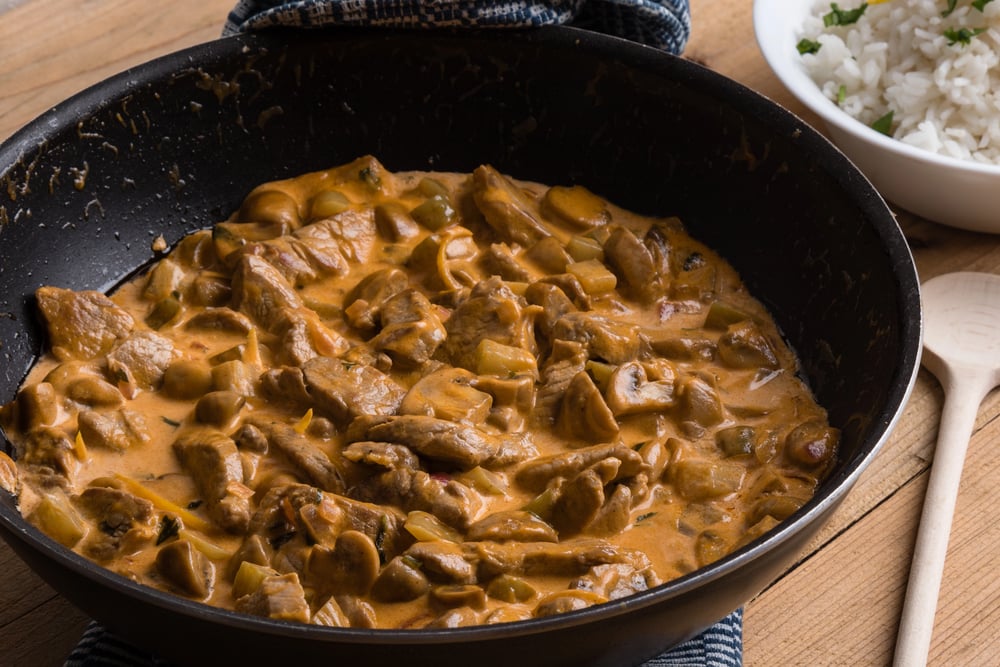
Beef stroganoff in frozen format preserved the sour cream sauce and egg noodle base that made the dish popular in traditional cooking. The rich sauce and tender beef created a more sophisticated meal than many competitors, appealing to families with more developed palates or those mimicking fancier restaurant experiences.
Swanson Chicken Cordon Bleu Dinner
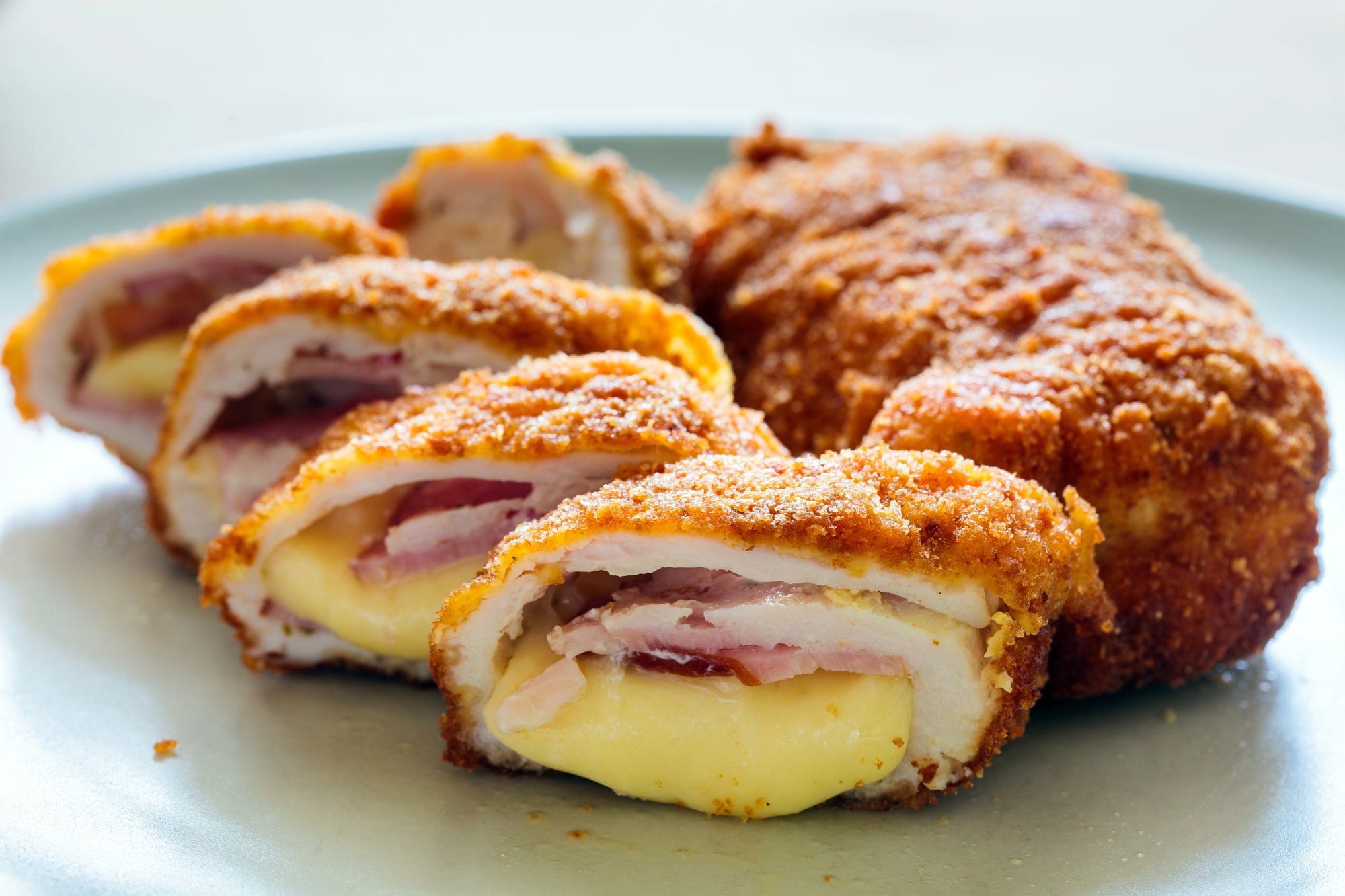
Chicken cordon bleu—chicken breast wrapped with ham and cheese—represented Swanson’s more upscale offerings, demonstrating that frozen dinners could attempt technique-heavy dishes. The combination of meat, cheese, and ham created layers of flavor that justified the more premium positioning.
Swanson Veal Parmigiana Dinner
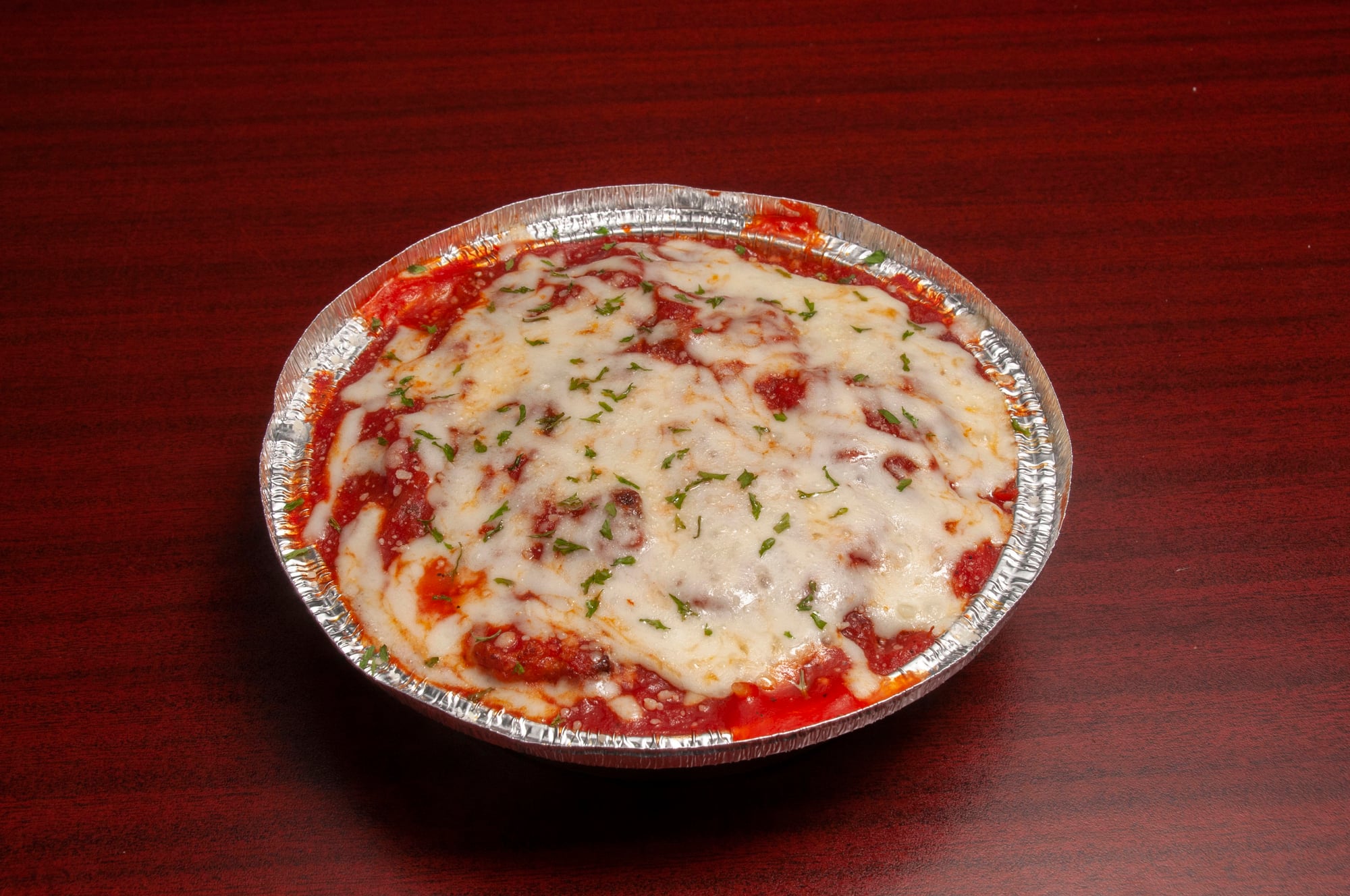
Veal parmigiana in frozen form delivered breaded and fried veal cutlet topped with cheese and tomato sauce, offering a more luxurious protein option than standard chicken or beef. The presentation as a genuine Italian dish rather than Americanized adaptation elevated its perceived sophistication.
Hungry-Man Salisbury Steak Dinner
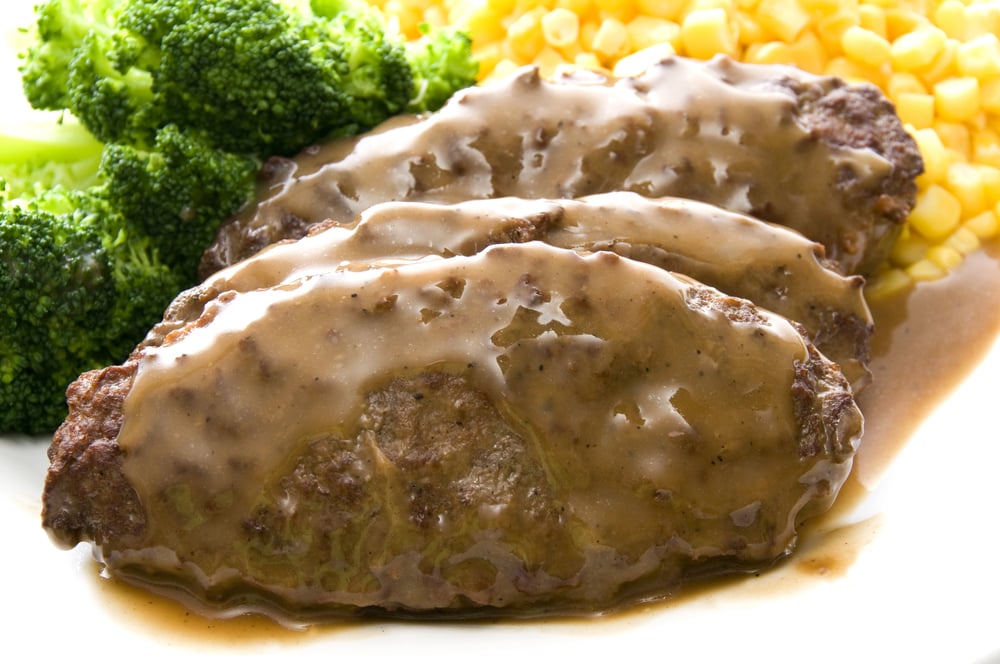
The Hungry-Man line introduced in 1972 offered double portions of Salisbury steak with double the gravy, targeting hearty appetites with aggressive marketing featuring football players. The supersized portions and emphasis on masculine consumption created a distinct brand identity within the broader TV dinner market.
Hungry-Man Turkey Pot Pie
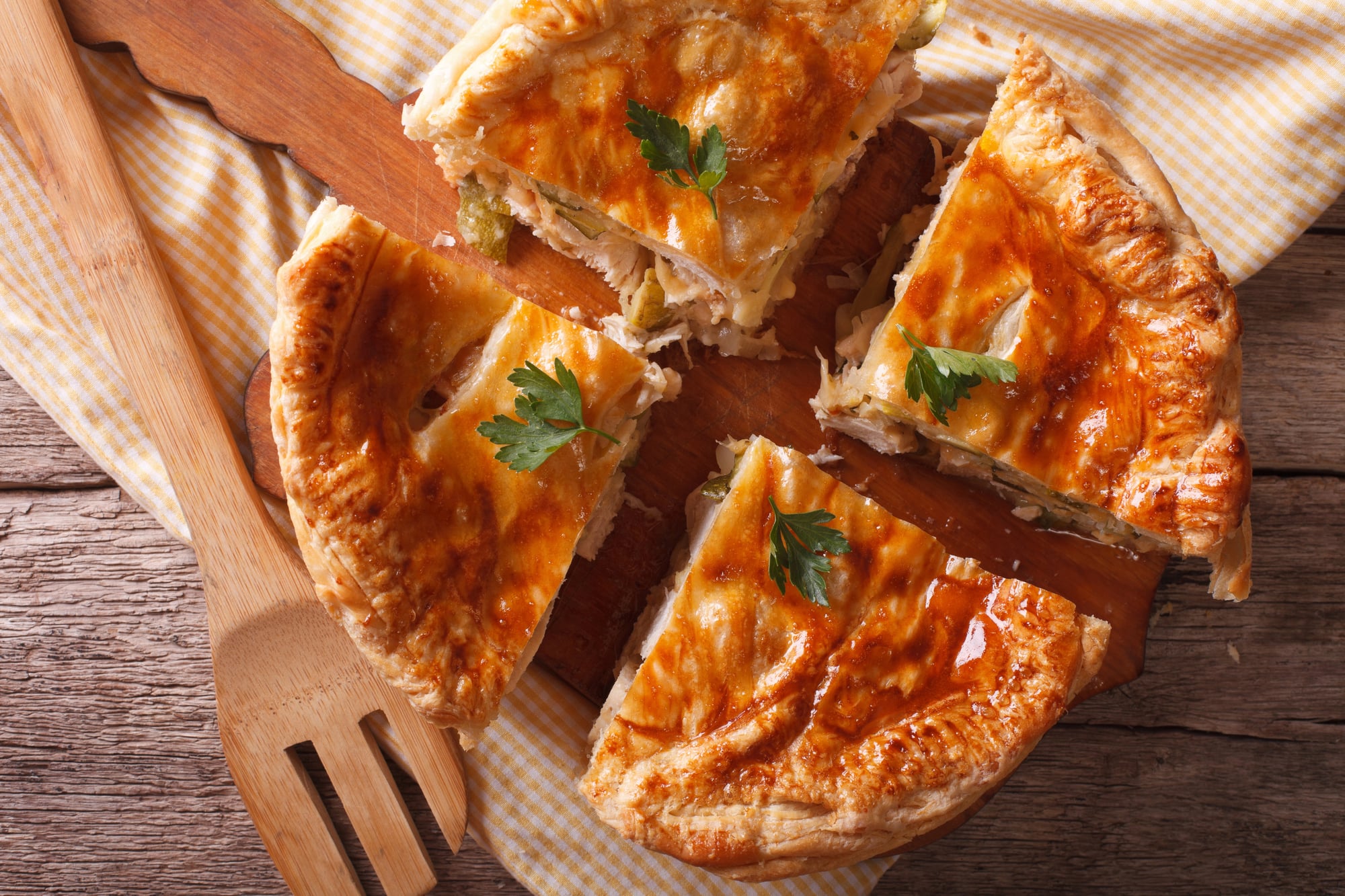
Turkey pot pie in Hungry-Man format meant generous chunks of turkey in cream sauce with vegetables and pastry crust, creating a dish that felt more like restaurant food than standard TV dinner fare. The pot pie format allowed cream-based cooking that preserved moisture better than compartmented dry heat.
Hungry-Man Fried Chicken Dinner
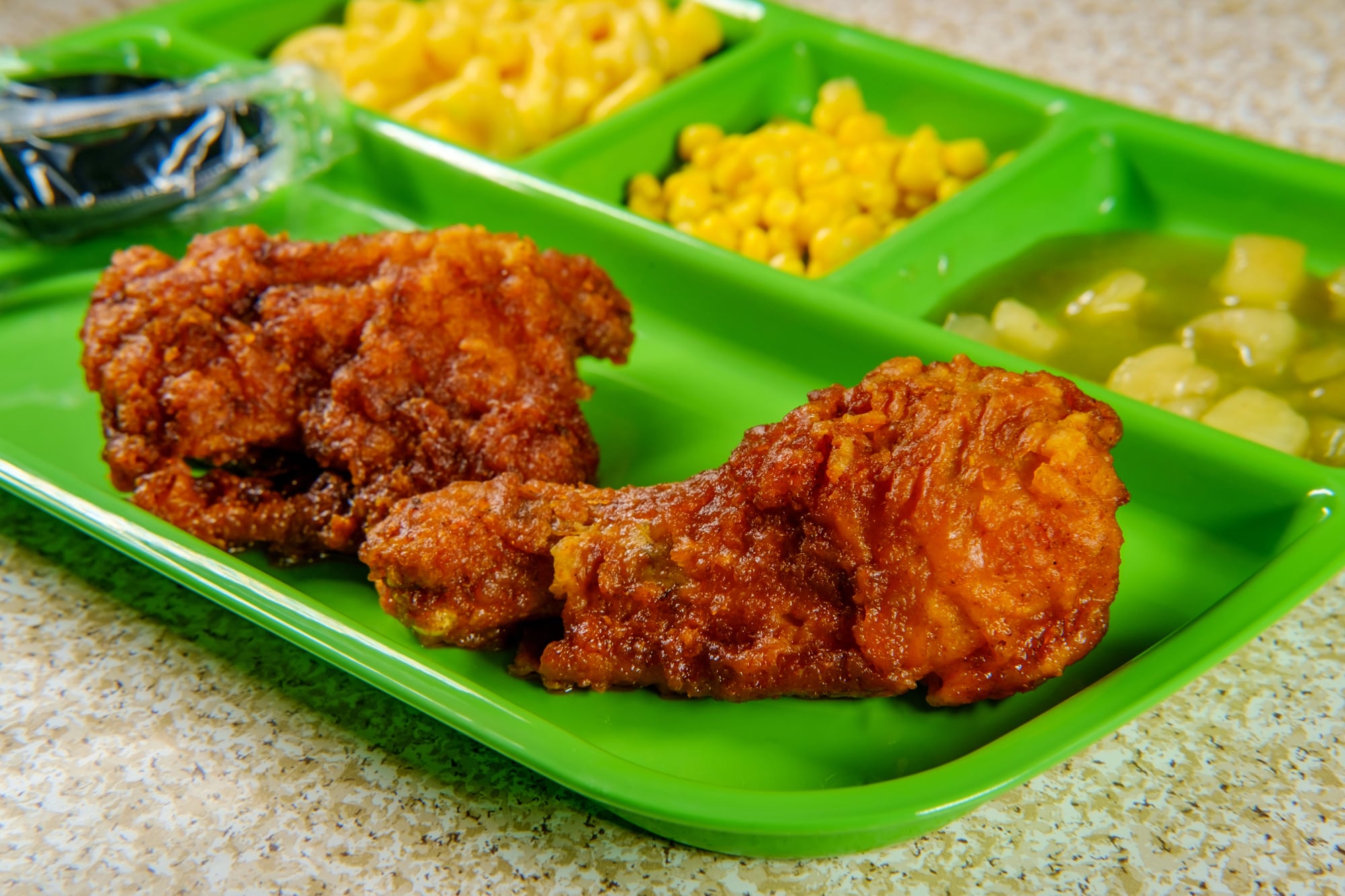
The Hungry-Man fried chicken offered four to five pieces of actual chicken alongside generous portions of potatoes and vegetables, delivering a complete fried chicken experience without the oil-spattering mess of home preparation. The substantial portion justified the premium pricing among working-class families.
Hungry-Man Fish & Chips Dinner
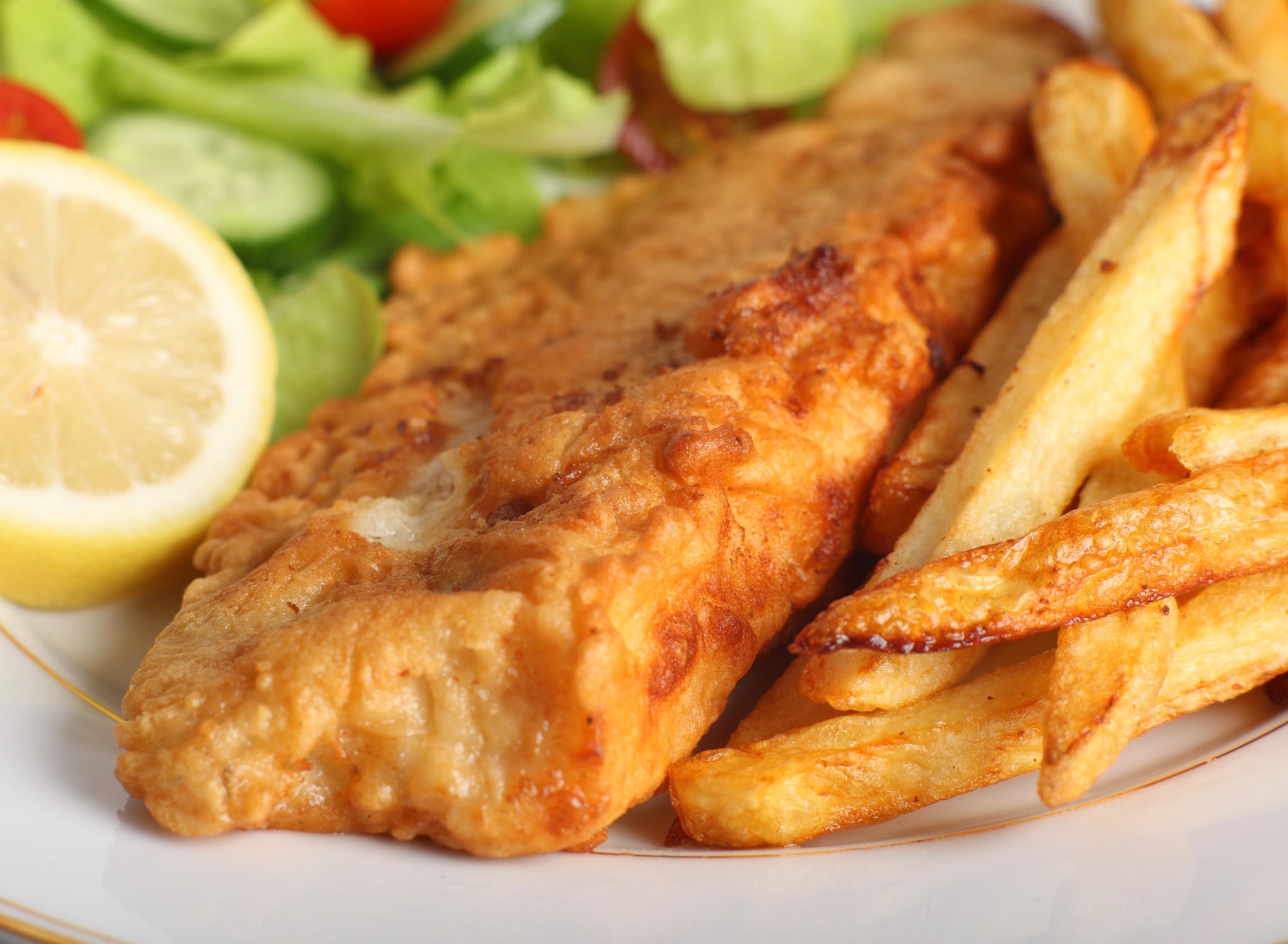
Fish & Chips in the Hungry-Man format meant extra-large portions of battered fish, more deep-fried potatoes, and generous vegetables, appealing to families that appreciated seafood without access to reliable fresh options. The format proved that seafood could work in TV dinners despite textural challenges.
Banquet Fried Chicken Dinner
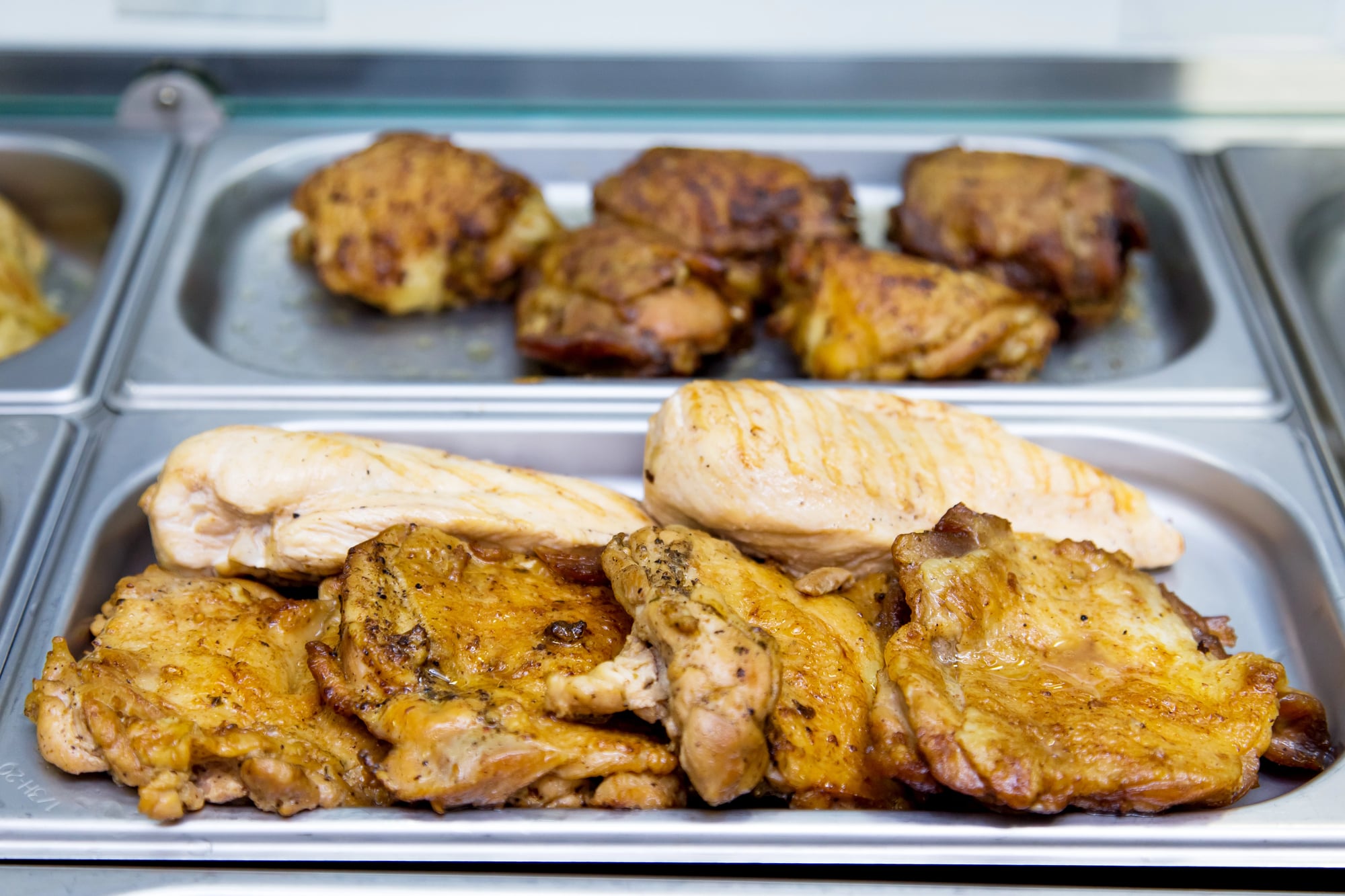
Banquet’s fried chicken competed directly with Swanson’s offering, providing similar portions and quality at potentially lower cost. The brand loyalty wars between Swanson and Banquet gave families clear choices and promoted competitive pricing that benefited consumers.
Banquet Salisbury Steak Dinner
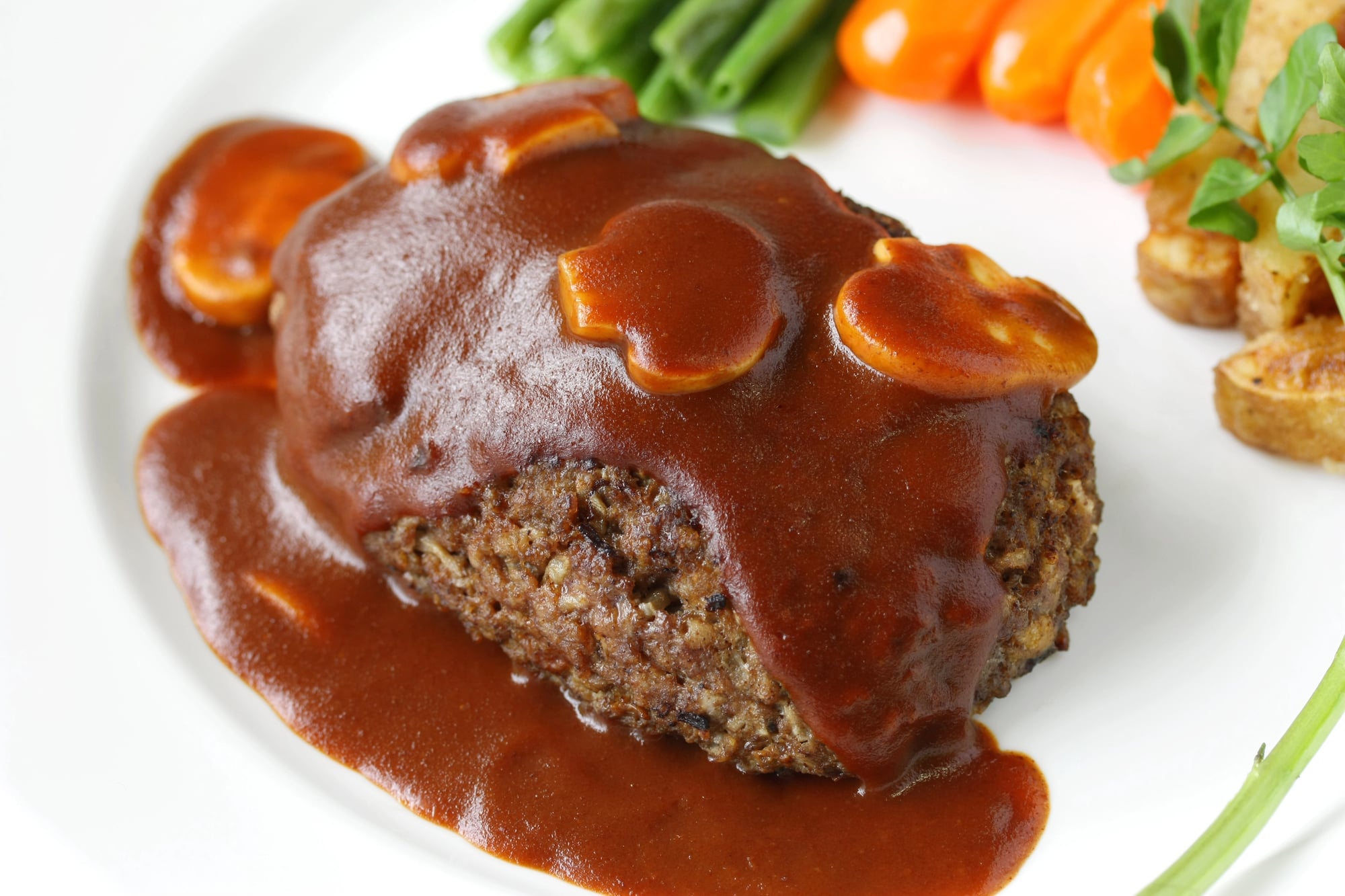
Banquet’s Salisbury steak provided an alternative to Swanson’s version, proving that multiple manufacturers could deliver similar products with subtle variation in sauce composition and portion size. Consumer preference between brands often came down to subtle flavor differences rather than major quality disparities.
Morton Ham Dinner
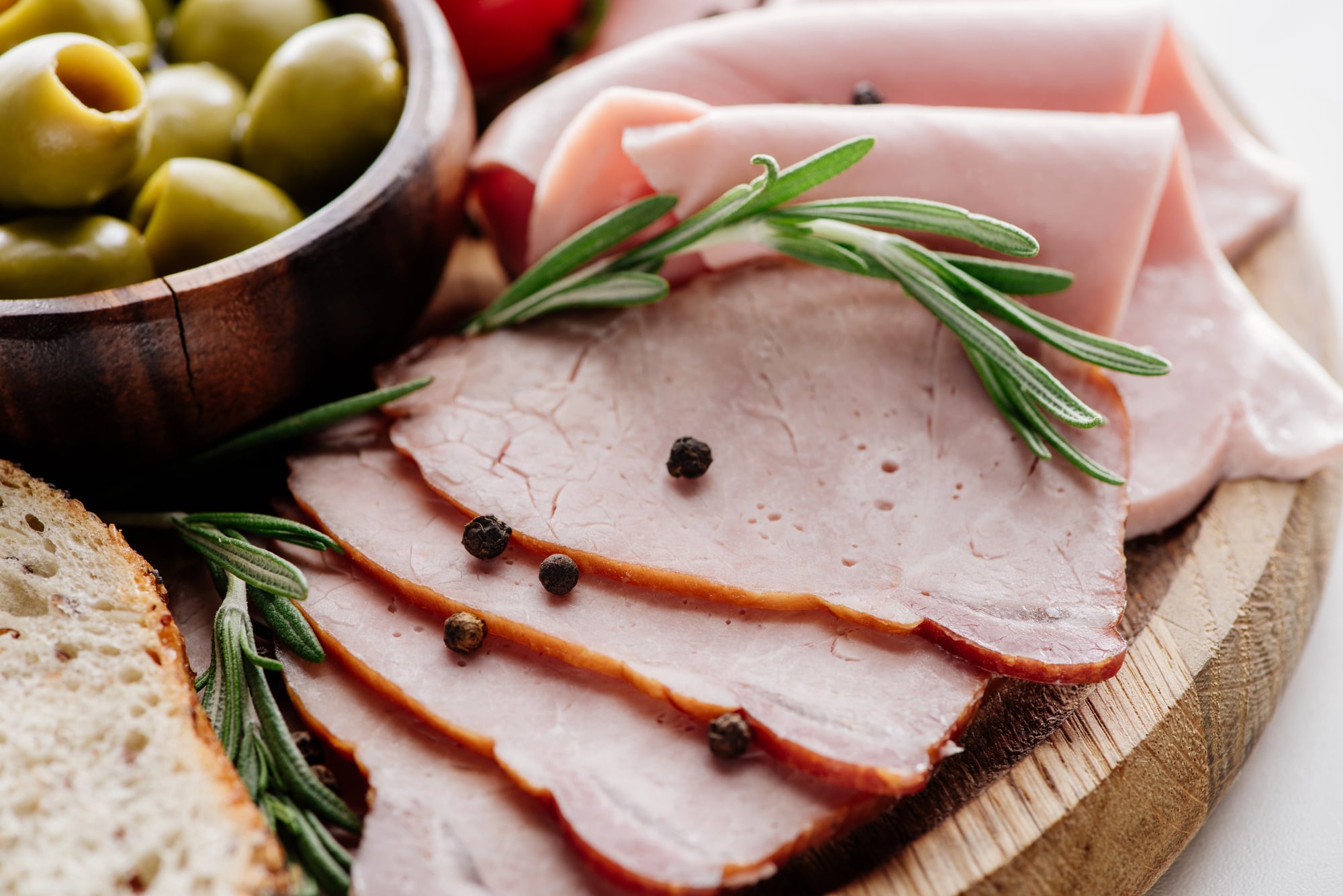
Morton’s ham dinner featured ham steak with raisin sauce, sliced apples, sweet potatoes, and peas—a complete retro flavor profile that reflected midcentury American taste. The ham with raisin sauce combination demonstrated TV dinner manufacturers’ willingness to preserve traditional preparations within modern formats.
Libbyland TV Dinners

Libbyland’s themed dinners for children—including Safari Supper and Pirate Picnic—made mealtime an adventure for younger family members. The boxes transformed into playscapes while children ate, and games printed directly on packaging created entertainment value that justified the purchase for parents managing multiple household members.
The Dinner Table Transformation
The television dinner transformed family dinners from formal sit-down meals into casual, screen-time consumption that reflected shifting cultural values. Convenience didn’t diminish the importance of mealtime—it democratized preparation and allowed more family members to participate in food selection.
The variety of 1970s TV dinners reflected manufacturers’ genuine effort to provide dietary diversity within technological constraints that seem primitive today but represented the frontier of food innovation at the time.
More from Go2Tutors!

- The Romanov Crown Jewels and Their Tragic Fate
- 13 Historical Mysteries That Science Still Can’t Solve
- Famous Hoaxes That Fooled the World for Years
- 15 Child Stars with Tragic Adult Lives
- 16 Famous Jewelry Pieces in History
Like Go2Tutors’s content? Follow us on MSN.



