Legendary Performances Captured on Film That Became Cultural Landmarks
The camera changed everything for live music. Before filmed performances, concerts existed only in memory and bootleg recordings passed between obsessive fans.
Once performances could be captured and broadcast, they became shared cultural events that millions could experience simultaneously. This created a new phenomenon: the filmed concert moment so powerful that it transcended the event itself and became permanently embedded in how we understand music history.
The best examples revealed something essential about performance, about the artist, and about the moment in which they occurred. Filmed performances also preserved ephemeral moments that would otherwise have vanished.
A guitarist achieving a state of transcendence, a singer conveying genuine emotion rather than technical perfection, or an entire crowd unified in shared experience—these moments existed only in real time until the camera captured them. Once filmed and broadcast, they became touchstones that defined entire eras and influenced countless musicians who studied the footage obsessively.
The Beatles at Ed Sullivan Show
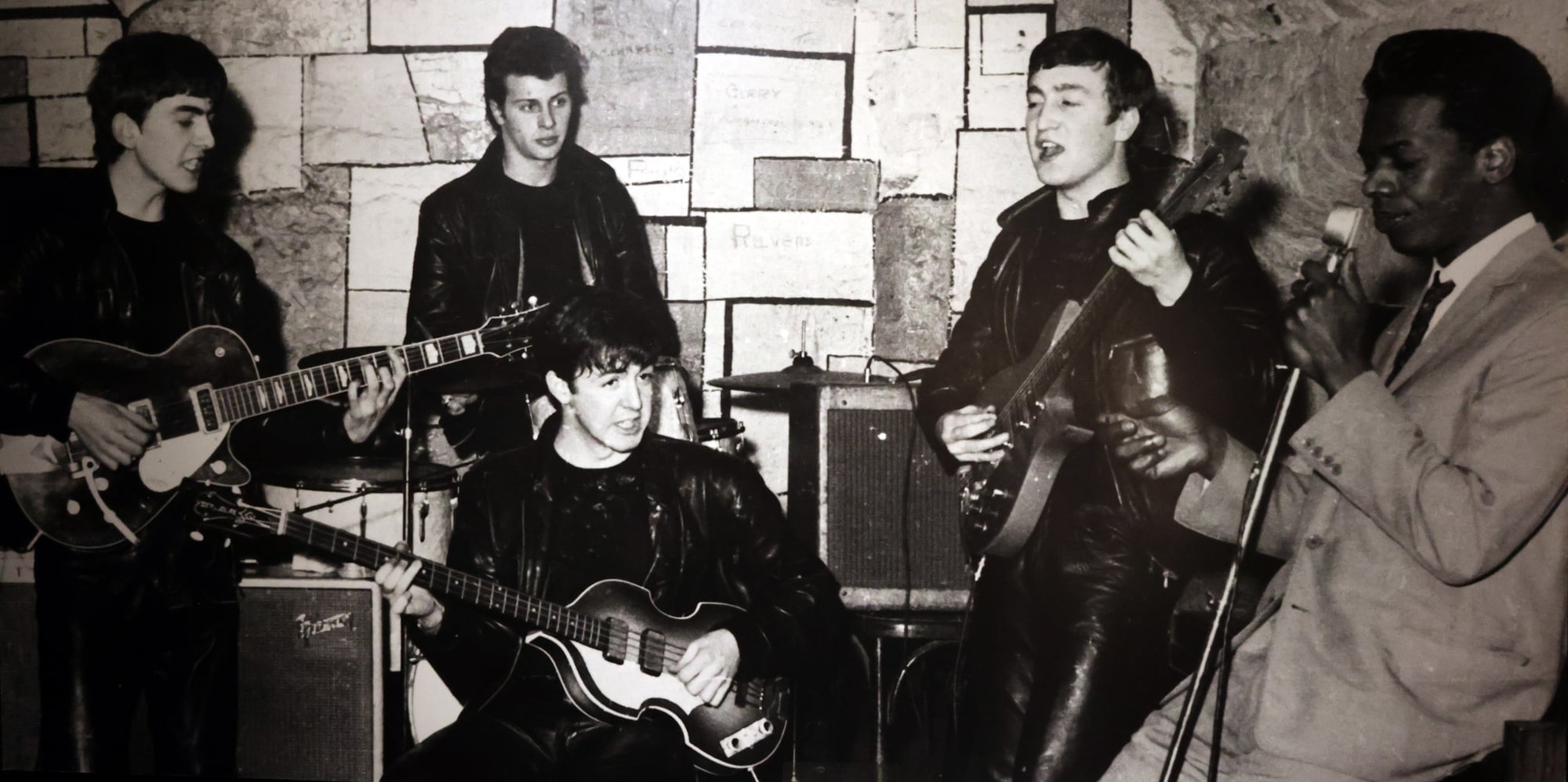
When the Beatles appeared on the Ed Sullivan Show on February 9, 1964, an estimated 73 million people tuned in to watch them perform four songs in a 15-minute segment. The performance’s raw energy, the screaming crowds, and the band’s evident joy created a moment that launched the British Invasion and changed popular music forever.
The footage remains essential documentation of the precise moment rock and roll went global.
Jimi Hendrix at Monterey Pop Festival
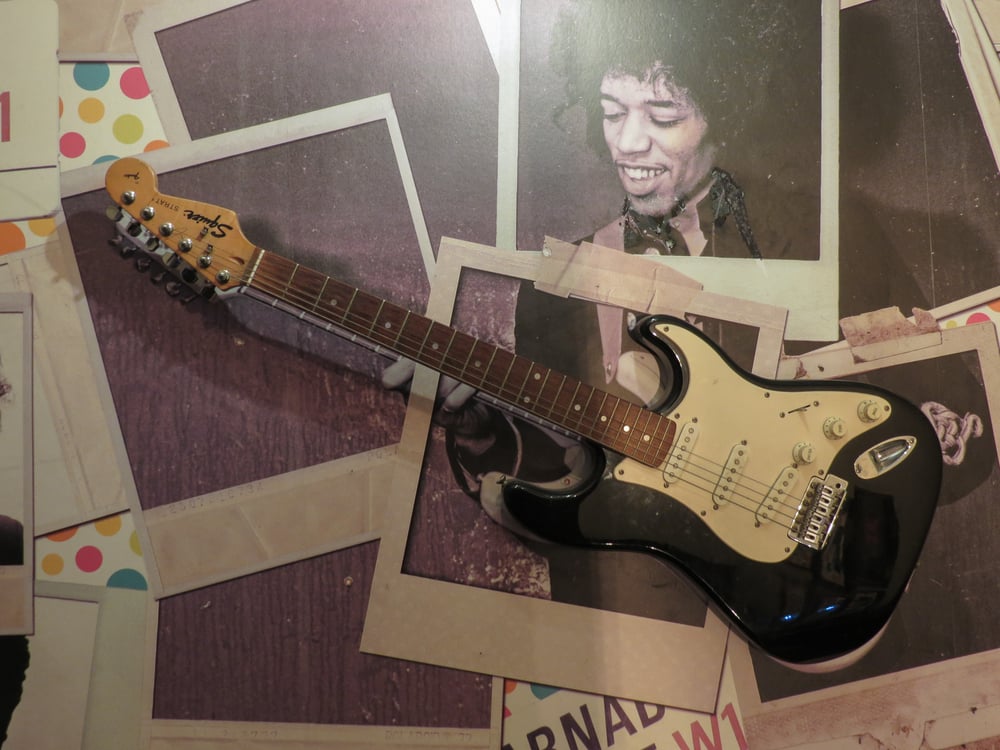
Jimi Hendrix’s June 1967 performance at the Monterey Pop Festival introduced the guitarist to American audiences with such force that it literally set the stage for his decade. Playing obscure instrumentals and his own material before thousands of musicians and music industry professionals, Hendrix’s virtuosity and showmanship—climaxing with him setting his guitar on fire—created an indelible image of rock and roll possibility.
Elvis Presley ’68 Comeback Special
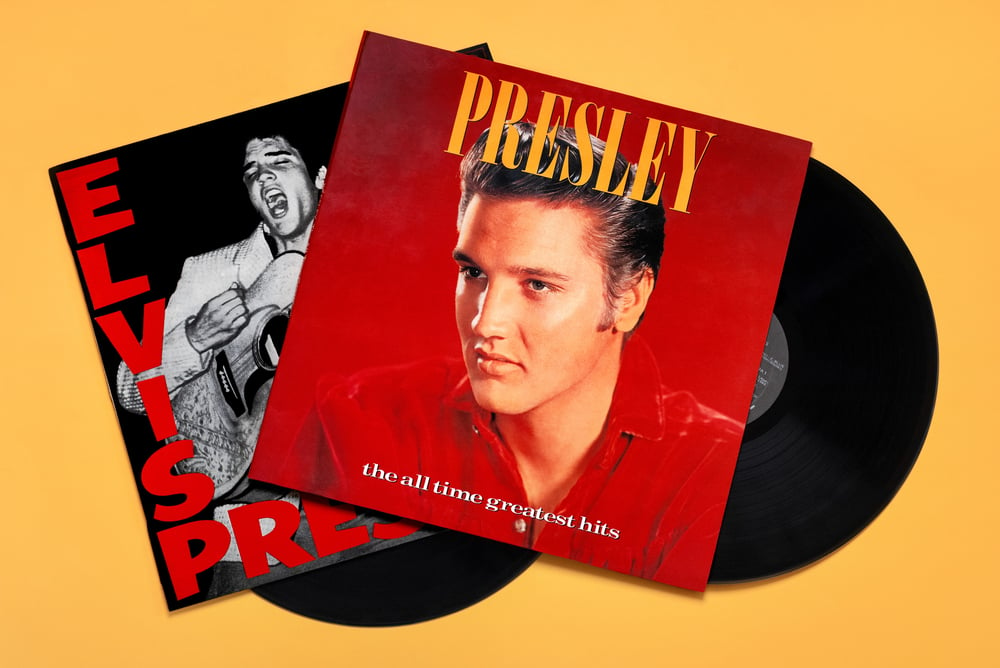
After years confined to Hollywood film soundtracks and middling scripts, Elvis Presley returned to live television on December 3, 1968, dressed entirely in black leather. The special, filmed in an intimate studio with an NBC audience, showed a 33-year-old singer still possessing his fundamental power.
Over 42 million people watched as Elvis proved he hadn’t become irrelevant, reinvigorating his career and reminding audiences why he deserved his title as the King of Rock and Roll.
Jimi Hendrix Plays the Star-Spangled Banner
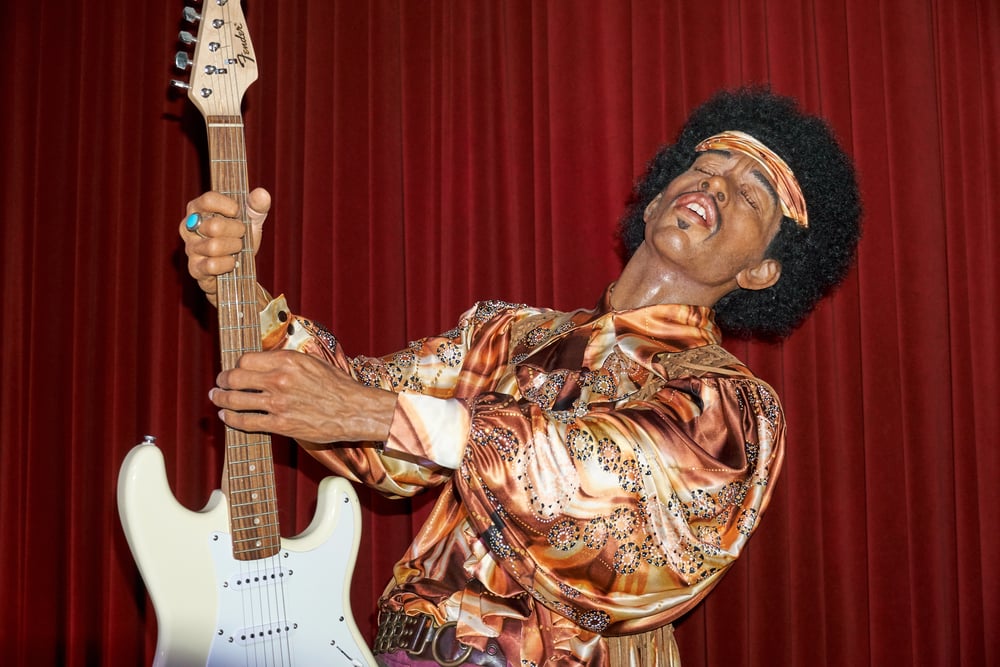
Hendrix’s performance of the American national anthem on August 18, 1969, at the Woodstock Music and Art Fair became one of rock’s most iconic moments. His distorted, feedback-drenched rendition made the song sound unfamiliar and questioning, reflecting the turbulent social moment.
The footage of Hendrix’s fingers working the fretboard captured something that existed nowhere else—a musical statement about uncertainty, power, and the limits of patriotic certainty.
The Rolling Stones at Altamont Speedway
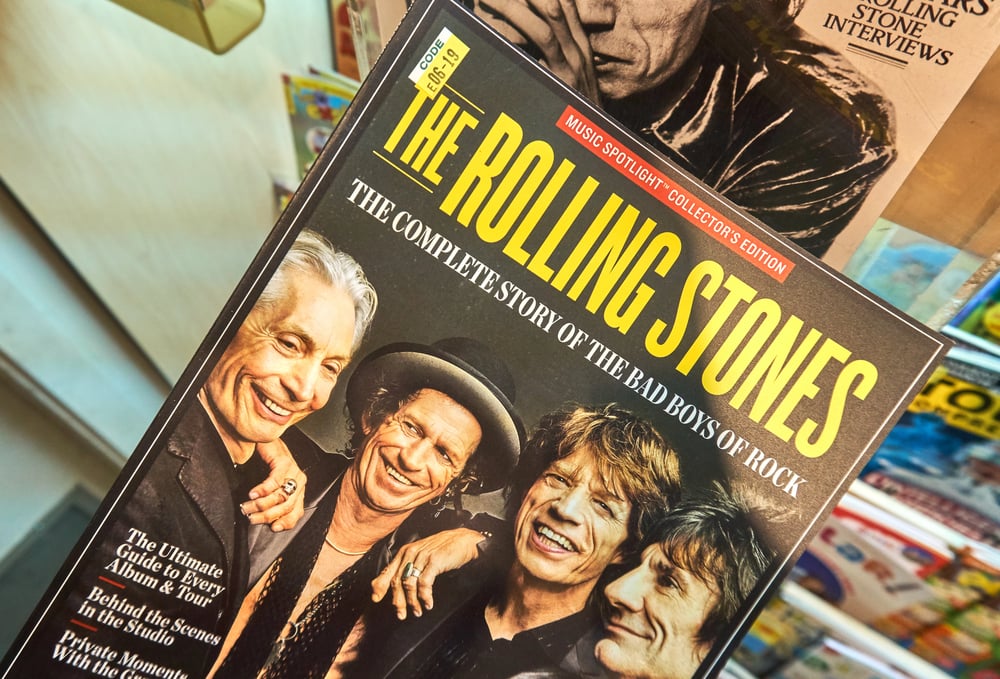
The Rolling Stones’ free concert at California’s Altamont Speedway on December 6, 1969, became the symbolic opposite of Woodstock’s peaceful gathering. The film footage documented violence, chaos, and several deaths, creating a dark mirror to the youth culture’s idealistic narrative.
Yet the Stones’ performances captured on film demonstrate the band at the height of their blues-influenced power, proving that even tragedy couldn’t completely overshadow their artistic achievement.
Otis Redding at Monterey Pop Festival
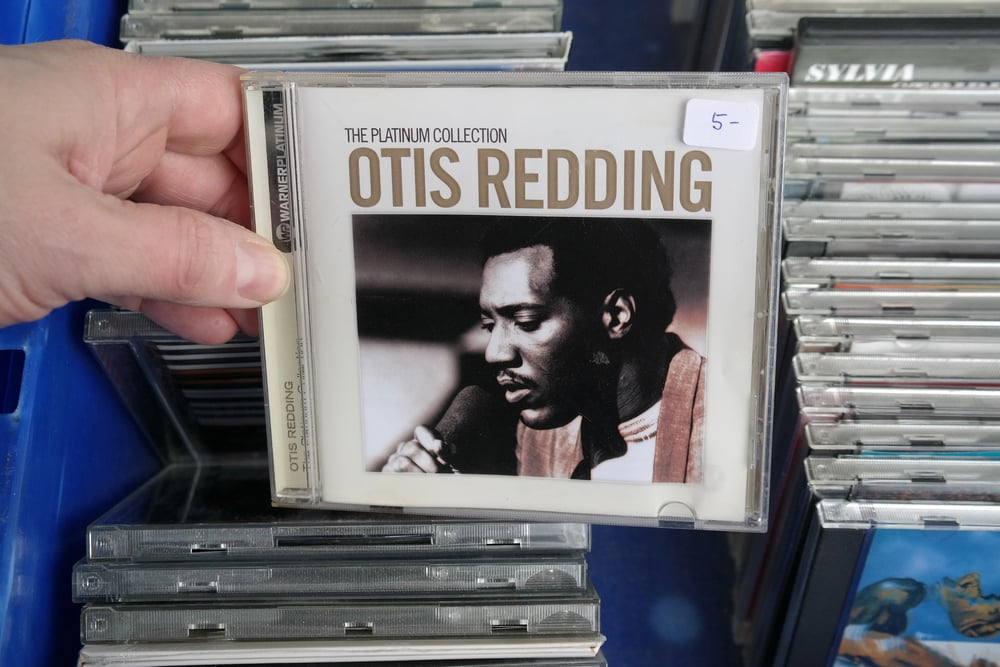
Otis Redding’s June 1967 performance at Monterey captured a soul singer at absolute peak vocal power. His rendition of his own songs, including “I’ve Been Loving You Too Long,” showcased an artist who understood how to move an audience through sheer emotional conviction.
Tragically, Redding died in a plane crash six months after this performance, making the filmed record doubly precious as documentation of an artist cut short in his prime.
The Who at Woodstock
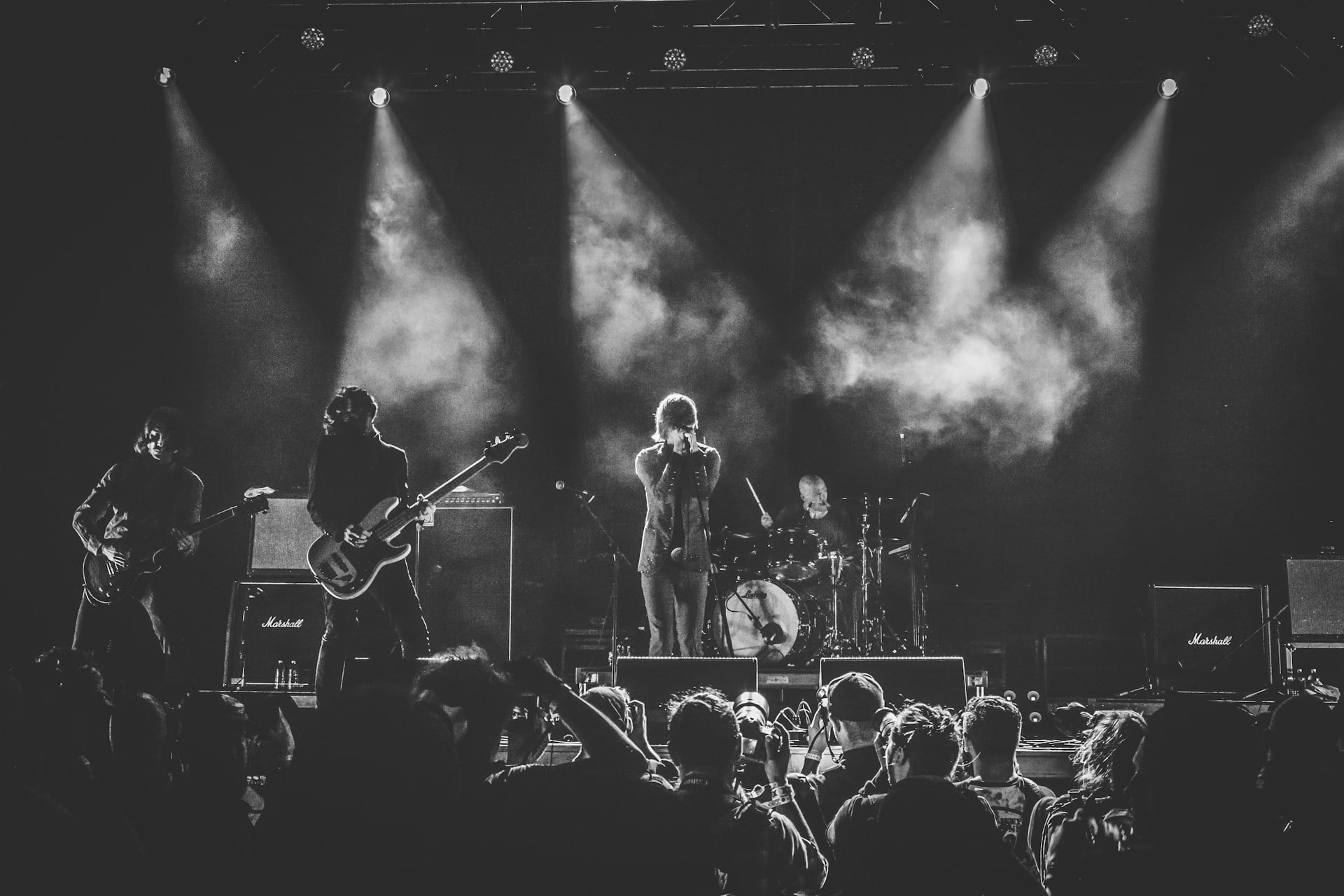
The Who’s August 1969 Woodstock performance, captured in the documentary film, showed a band reinventing itself in real time. Pete Townshend’s aggressive guitar work, Keith Moon’s unhinged drumming, and the band’s willingness to take risks created something that transcended the typical rock performance.
The footage demonstrates how the band’s art rock approach to rock and roll represented a genuine alternative to both mainstream pop and the blues-based approach of their contemporaries.
Joe Cocker at Woodstock
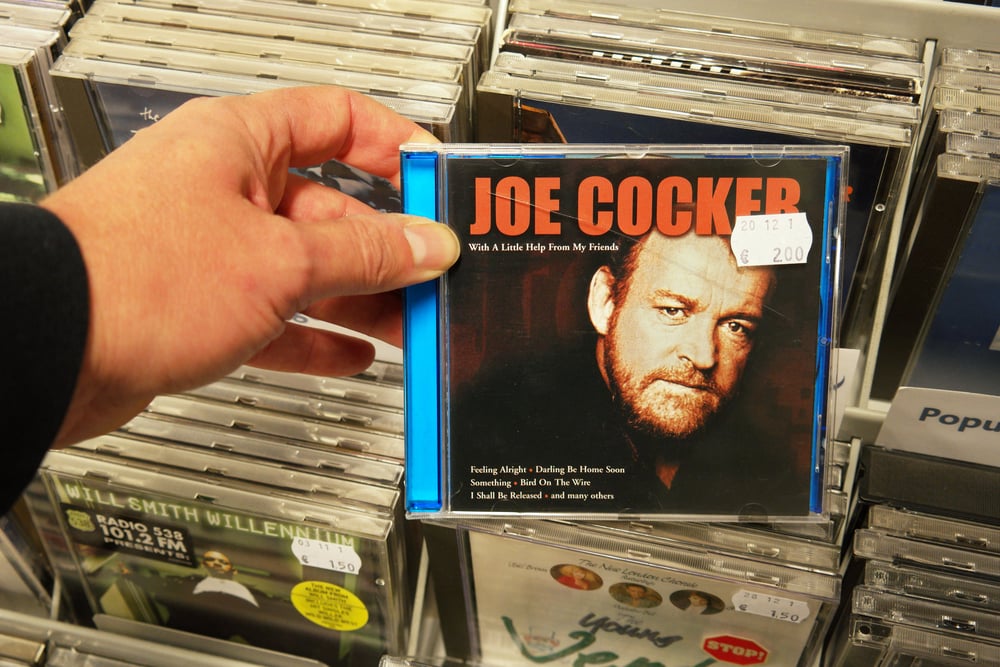
Joe Cocker’s rendition of the Beatles’ “With a Little Help from My Friends” at Woodstock became one of the festival’s most beloved moments, filmed and preserved for posterity. His soulful interpretation, his physical movements that expressed the intensity of his emotional commitment, and his ability to make a cover song entirely his own created an unforgettable performance that showed audiences a different path for interpreting popular music.
David Bowie’s Hammersmith Odeon Final Ziggy Stardust Show
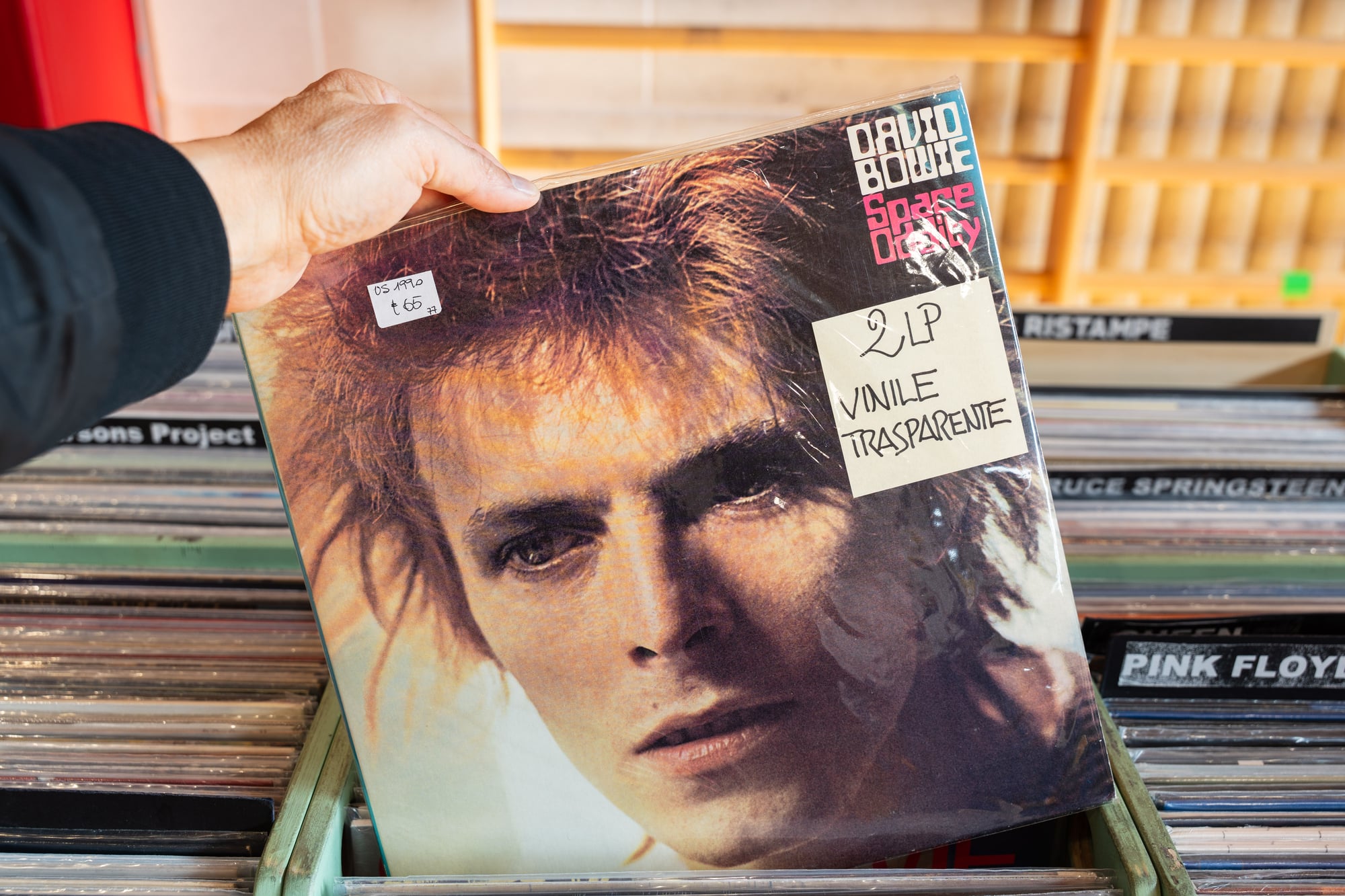
David Bowie’s July 3, 1973, performance at London’s Hammersmith Odeon announced the end of his Ziggy Stardust character in real time. The theatrical performance, captured on film, showed Bowie at his most creative, creating a pop spectacle that elevated rock concert filmmaking to high art.
The moment he announced it would be the last Ziggy show created an archive moment that could be revisited and analyzed endlessly.
Pink Floyd at Pompeii
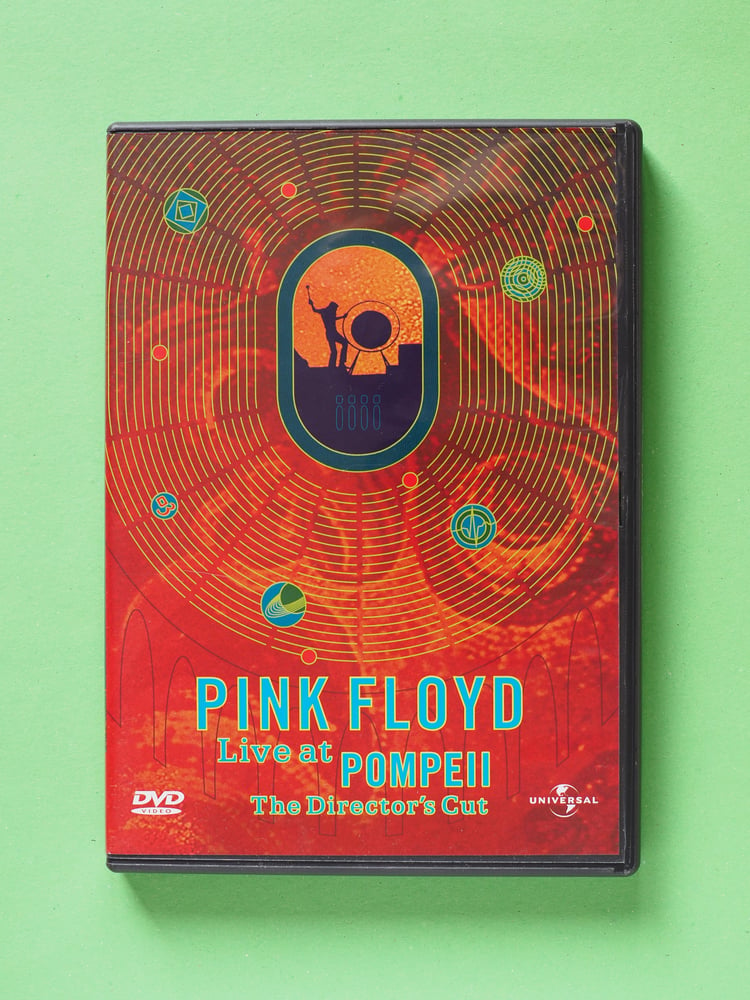
Pink Floyd’s 1972 performance filmed at the ancient Roman ruins of Pompeii created something that existed outside the normal concert recording—a band performing their experimental material against a landscape that suggested human impermanence. The film’s haunting visual contrasts enhanced the music’s inherent weight, creating a document of progressive rock at its most ambitious and visually sophisticated.
Led Zeppelin at Madison Square Garden
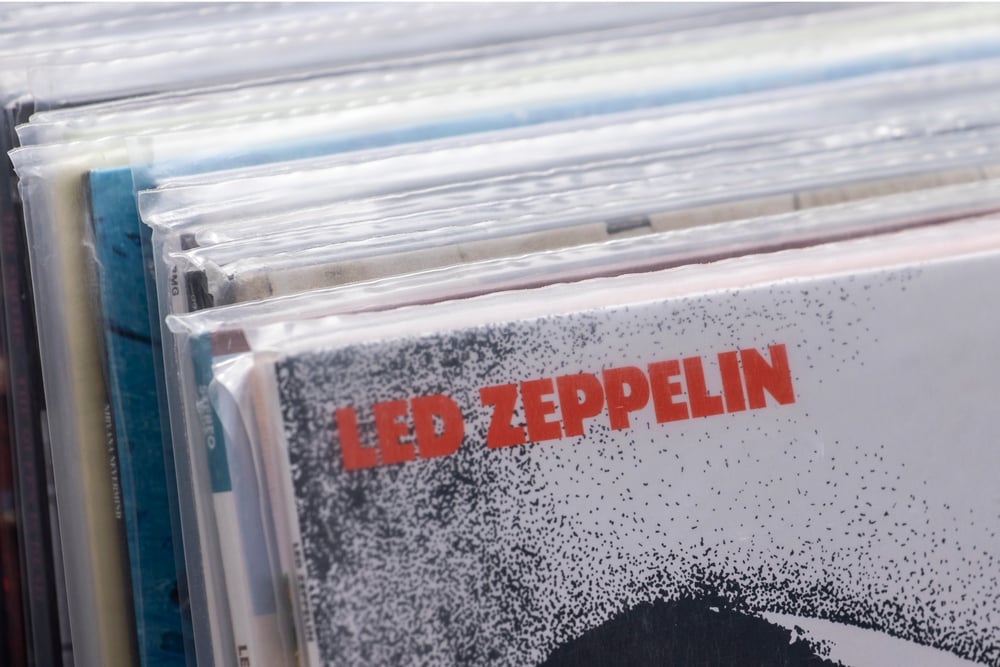
Led Zeppelin’s July 29-31, 1973, performances at Madison Square Garden captured the band at their commercial and artistic peak. The resulting film documentation showed a group that had perfected the art of the large-scale rock show, combining precision, power, and an almost shamanic intensity.
The performances demonstrated that rock concerts could achieve theatrical grandeur without sacrificing musical integrity.
Michael Jackson at Motown 25
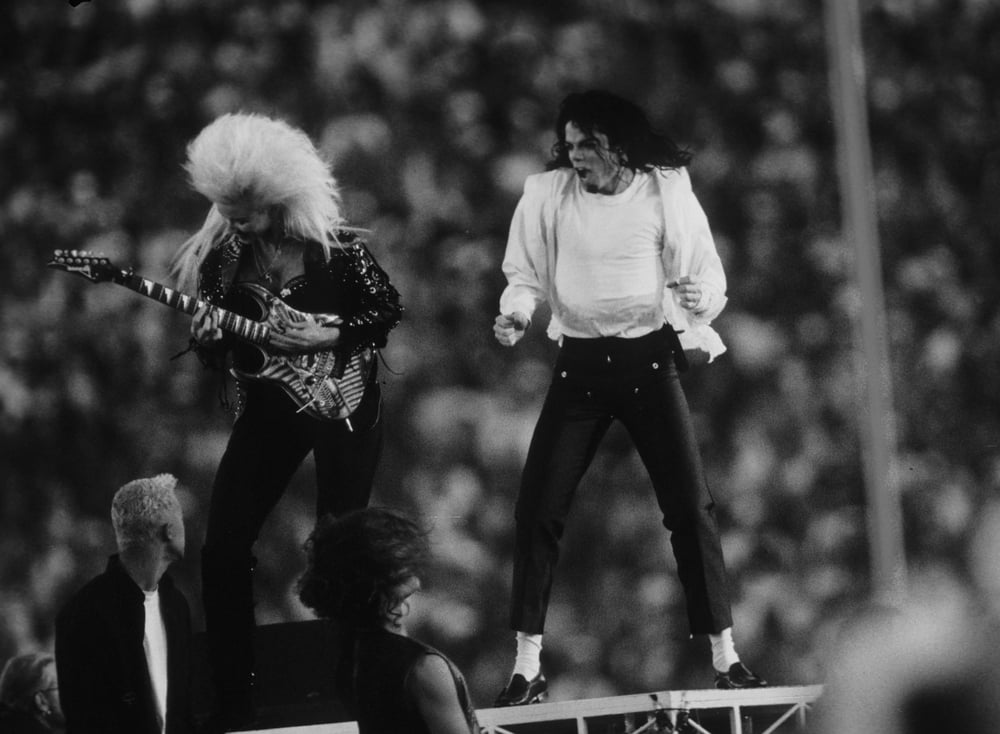
Michael Jackson’s March 25, 1983, performance on the Motown 25 television special proved that pop music had moved beyond previous limitations. His performance of “Billie Jean,” captured on film with innovative MTV-style production, demonstrated a dancer-singer of unprecedented skill.
The moment when he first performed the moonwalk on live television—captured in permanent record—became one of pop’s most iconic moments, changing how performers thought about dance in popular music.
Bruce Springsteen and the E Street Band at Live Aid
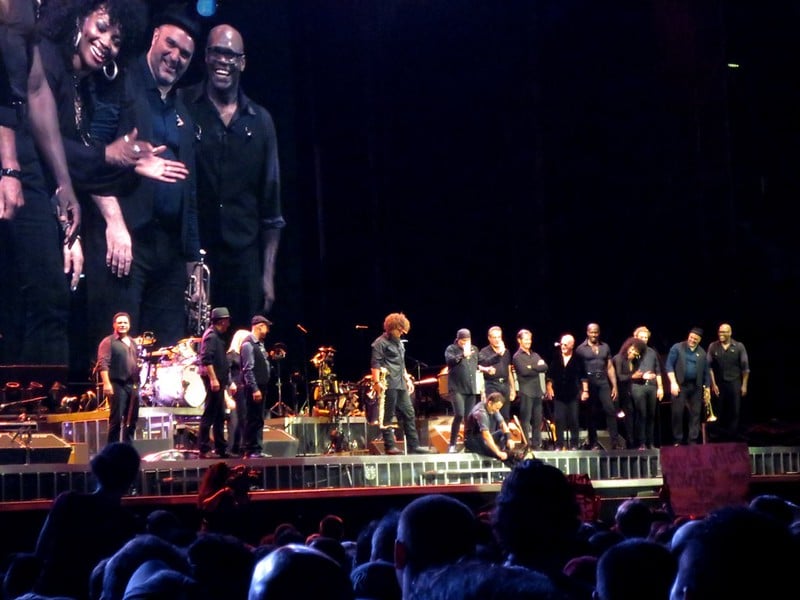
Bruce Springsteen’s July 13, 1985, Live Aid performance at Wembley Stadium created a 20-minute moment of pure rock and roll conviction that influenced countless performers. The filmed performance showed a working-class rocker delivering music with genuine emotional stakes.
Springsteen’s ability to connect with a stadium audience without sacrificing musical integrity demonstrated a path forward for stadium rock.
Queen at Live Aid
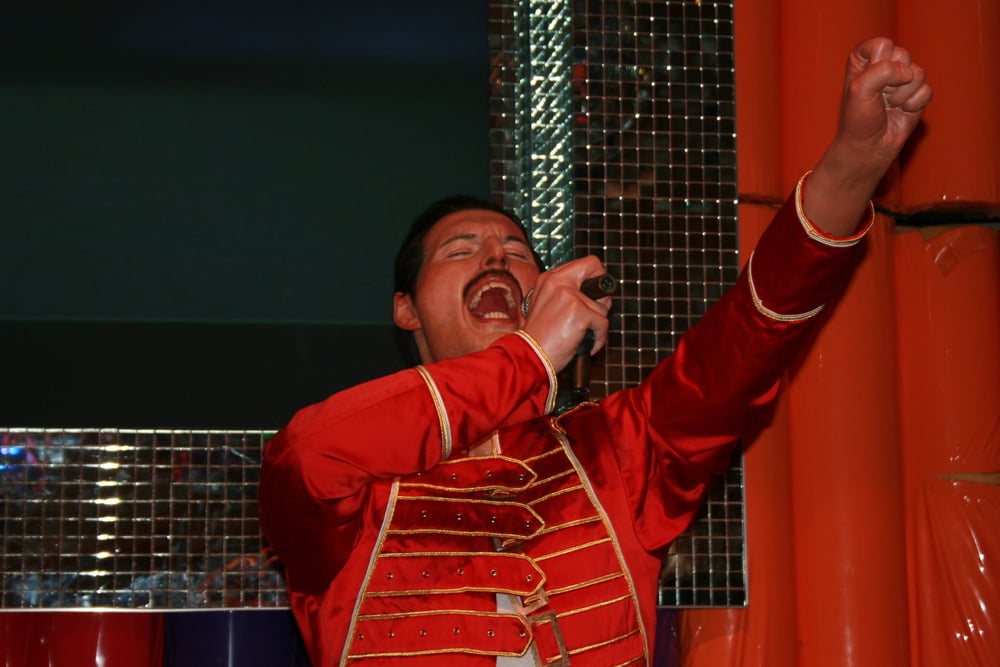
Queen’s July 13, 1985, Live Aid performance at Wembley Stadium became the legendary live rock performance against which all others are measured. Freddie Mercury’s command of a stadium audience, the band’s precision and showmanship, and Mercury’s absolute conviction in every moment created a performance that transcended entertainment and became art.
The filmed record shows why rock and roll could still matter on the largest possible stage.
The Beatles’ Apple Rooftop Concert
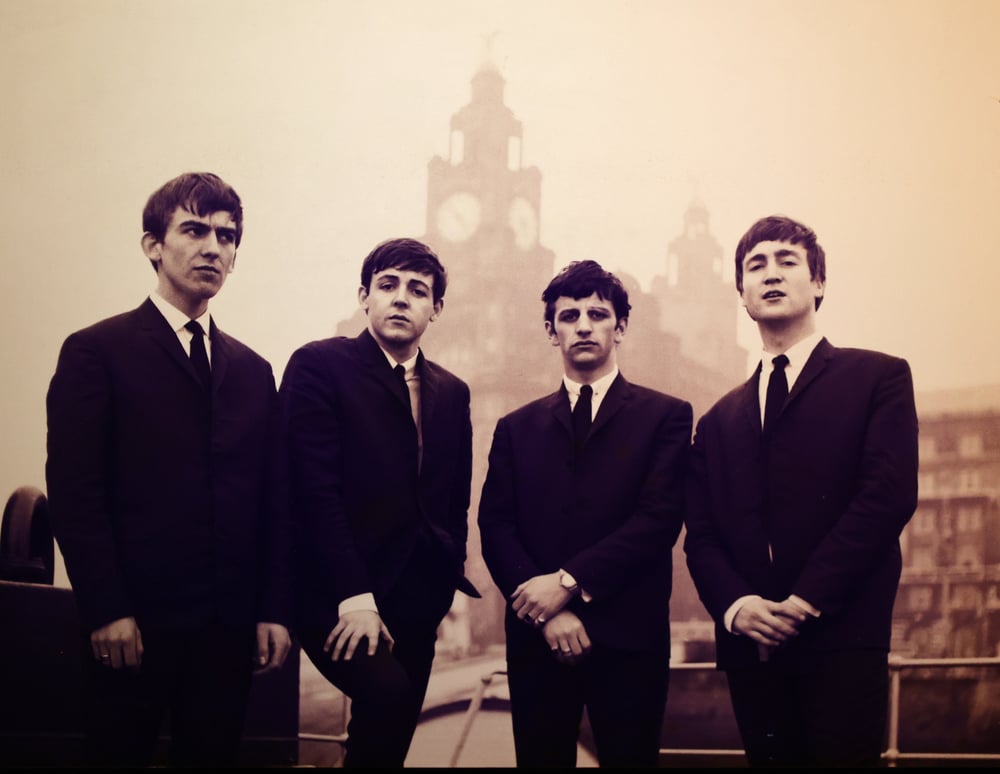
The Beatles’ January 30, 1969, impromptu performance on the rooftop of Apple Records lasted 42 minutes and marked their final public performance. Filmed while police attempted to shut down the unauthorized concert, the footage captured four musicians who understood each other at a level that required no explanation.
The grainy black-and-white film creates a nostalgic artifact that symbolizes both the band’s end and the close of the 1960s era.
Nirvana at MTV Unplugged
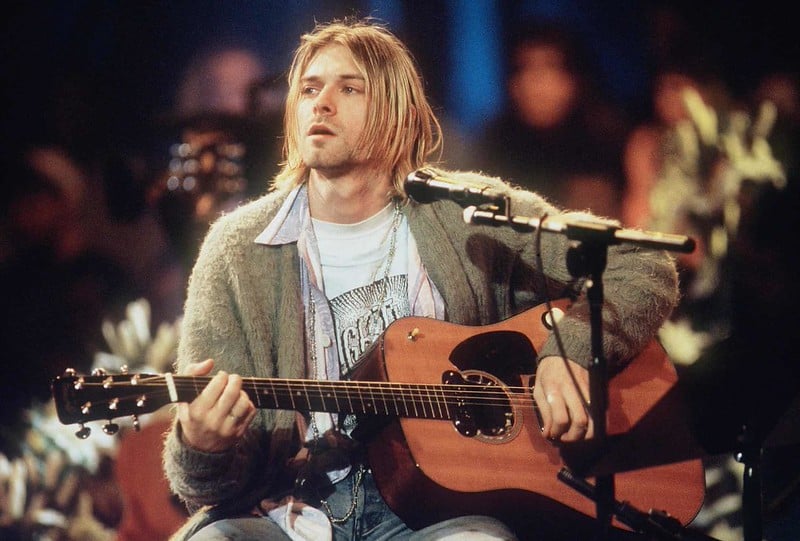
Kurt Cobain’s MTV Unplugged performance in November 1993, filmed at Sony Music Studios in New York, revealed depths in Nirvana’s material that amplified rock had sometimes obscured. The intimate setting, the stripped-down arrangements, and Cobain’s evident melancholy created a performance document that became as significant as the band’s most famous amplified work.
His self-harm just five months later made the footage unbearably poignant.
Johnny Cash at Folsom Prison
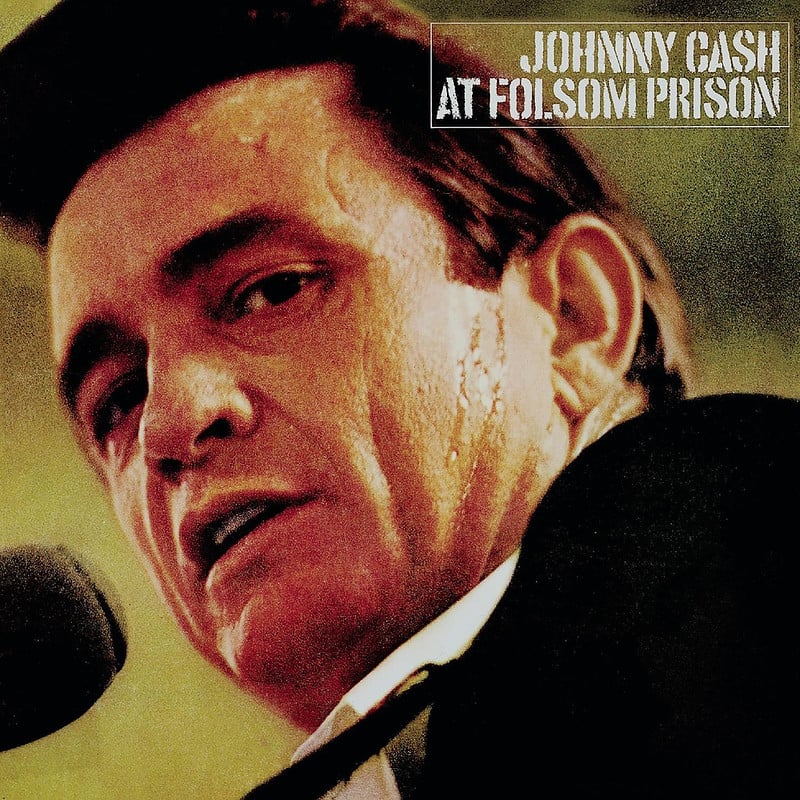
Johnny Cash’s June 13, 1968, performance at Folsom Prison, captured on film and album, created a document of Cash’s identification with incarcerated people. His willingness to perform in a space where power relationships were inverted, and his obvious connection with an audience of prisoners, made the film a powerful statement about music’s capacity to transcend institutional boundaries.
Santana at Woodstock
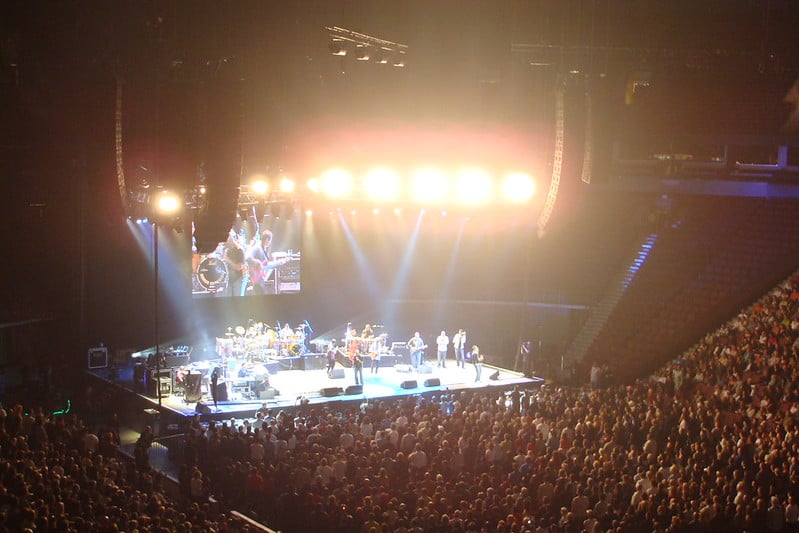
Santana’s August 1969, Woodstock performance, captured in the legendary documentary film, introduced the world to a fusion of rock and Latin music that hadn’t achieved mainstream prominence. Carlos Santana’s fluid guitar work and the band’s percussive complexity created something that sounded entirely fresh while still rooted in rock tradition.
The performance launched the band to stardom and influenced rock music’s approach to rhythm and instrumentation.
CCR at Woodstock
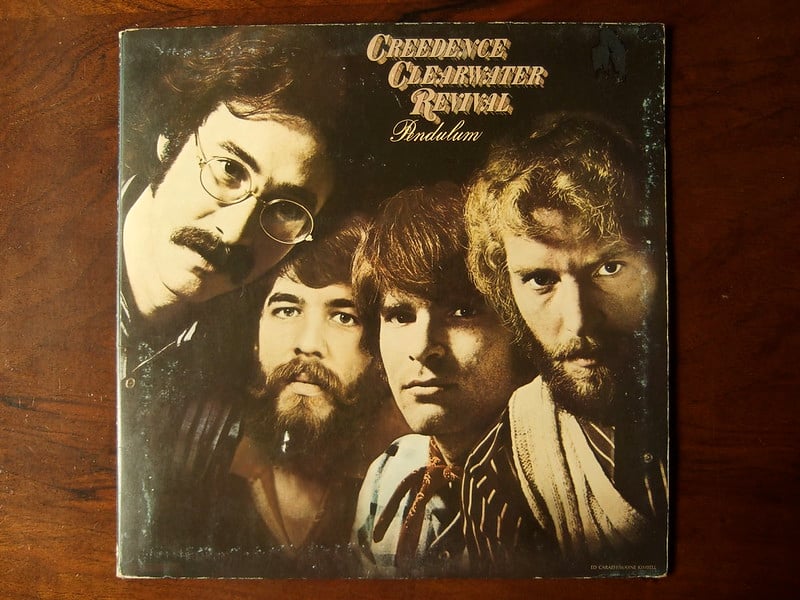
Creedence Clearwater Revival’s August 16, 1969, Woodstock performance, filmed and preserved, showed a band performing with precision and energy despite technical difficulties and minimal preparation. John Fogerty’s distinctive voice and the band’s tightly constructed songs proved that pop-influenced rock could still achieve artistic legitimacy on the festival’s largest stage.
The Doors at the Hollywood Bowl
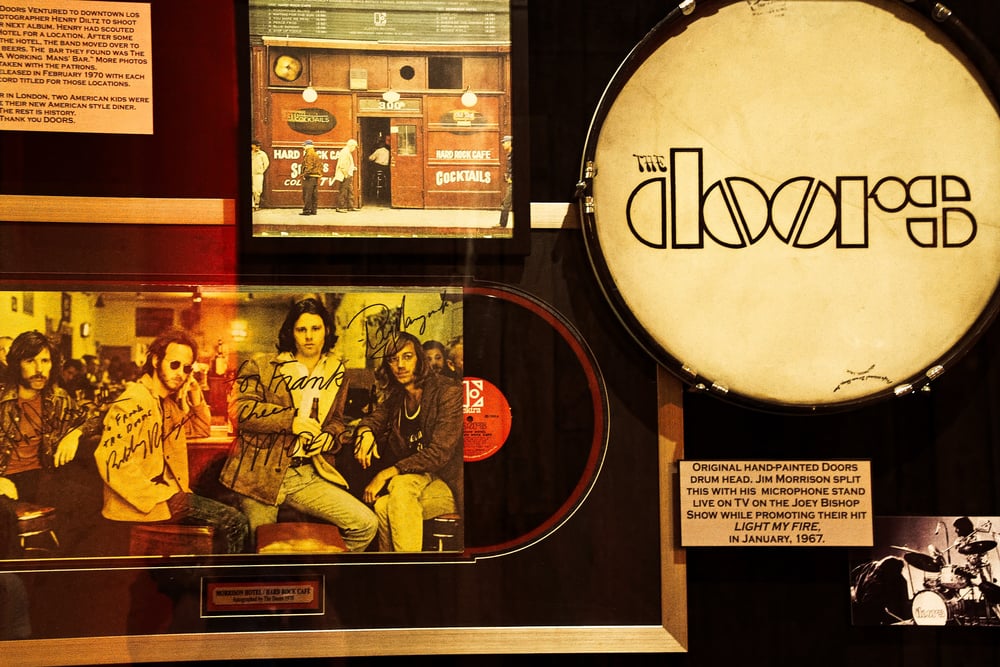
The Doors’ September 1968 performance at the Hollywood Bowl, filmed and preserved, captured Jim Morrison at his most dangerously unpredictable. Morrison’s shaman-like presence, the band’s willingness to extend songs into exploratory territory, and Morrison’s evident pleasure in pushing boundaries created a performance that suggested rock and roll’s capacity to genuinely transform consciousness.
A Brief History of Performance Permanence
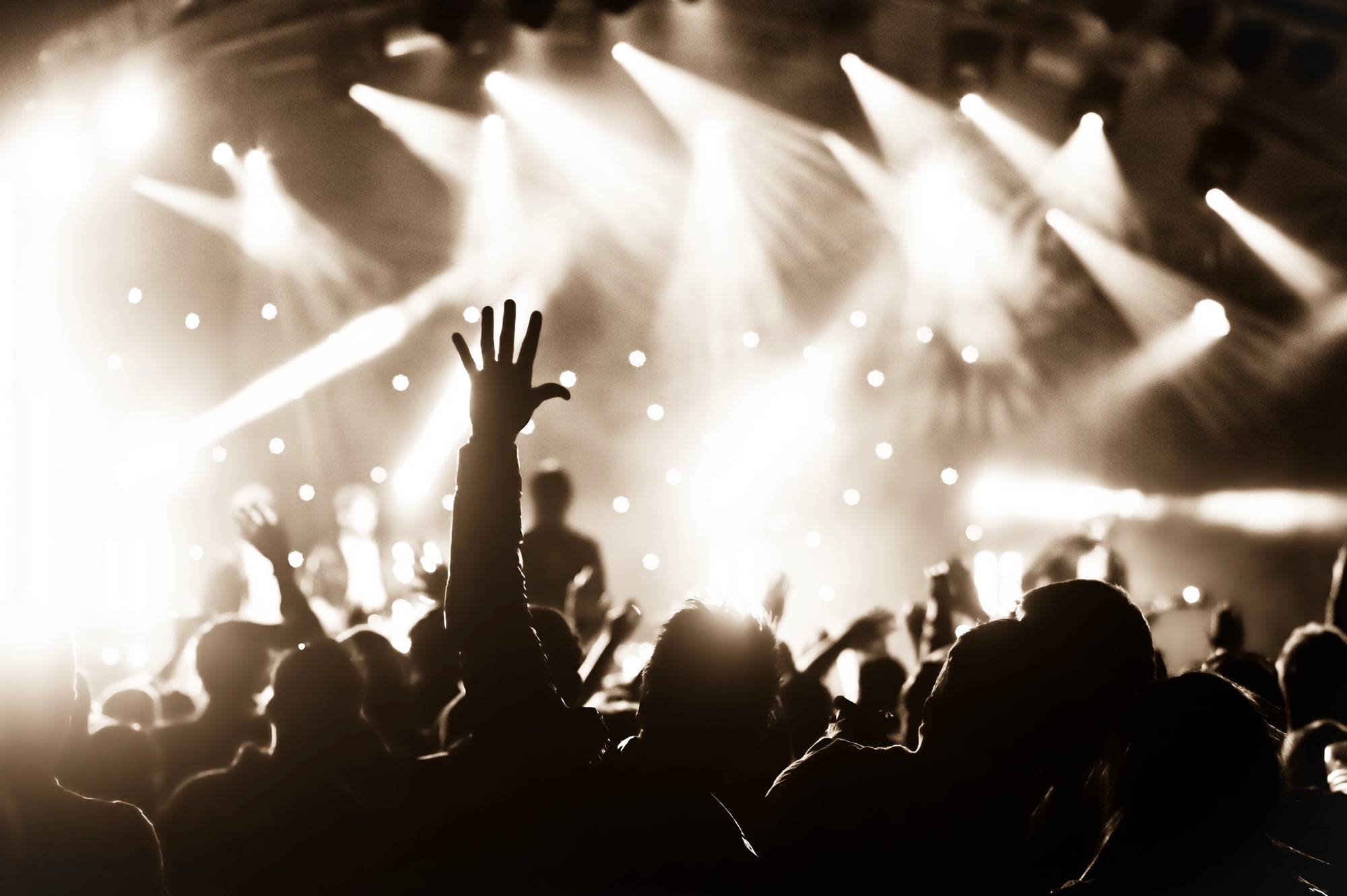
Once performances could be filmed, recorded, and preserved, popular music entered a new era where moments existed not merely in individual memory but in collective cultural archive. A great performance could be endlessly analyzed, studied, and returned to, influencing musicians decades after the original performance.
The performers captured on film from these legendary events understood that they were creating documents that would outlive them—which granted certain performances a weight and finality that even the best live event possesses only in the moment.
More from Go2Tutors!

- The Romanov Crown Jewels and Their Tragic Fate
- 13 Historical Mysteries That Science Still Can’t Solve
- Famous Hoaxes That Fooled the World for Years
- 15 Child Stars with Tragic Adult Lives
- 16 Famous Jewelry Pieces in History
Like Go2Tutors’s content? Follow us on MSN.