26 Songs From the ’50s and ’60s That Still Get Radio Play Today
Music from the 1950s and 1960s dominates classic hits radio stations, oldies formats, and streaming playlists because it captured a moment when popular music seemed designed to last forever. These songs featured strong melodies, intelligent lyrics, and vocalists who understood how to deliver emotion.
Unlike novelty records that faded fast, the best songs from this era have been covered endlessly, featured in films, and returned to again and again by each new generation. The fact that these songs still appear on regular rotation decades later speaks to something deeper than nostalgia.
They work on technically perfect arrangements, hooks that don’t wear out, and performances that reveal something new with each listen. Stations built entire business models around these tracks—they are the foundation of classic rock, oldies, and easy listening formats that remain consistently popular.
Rock Around the Clock
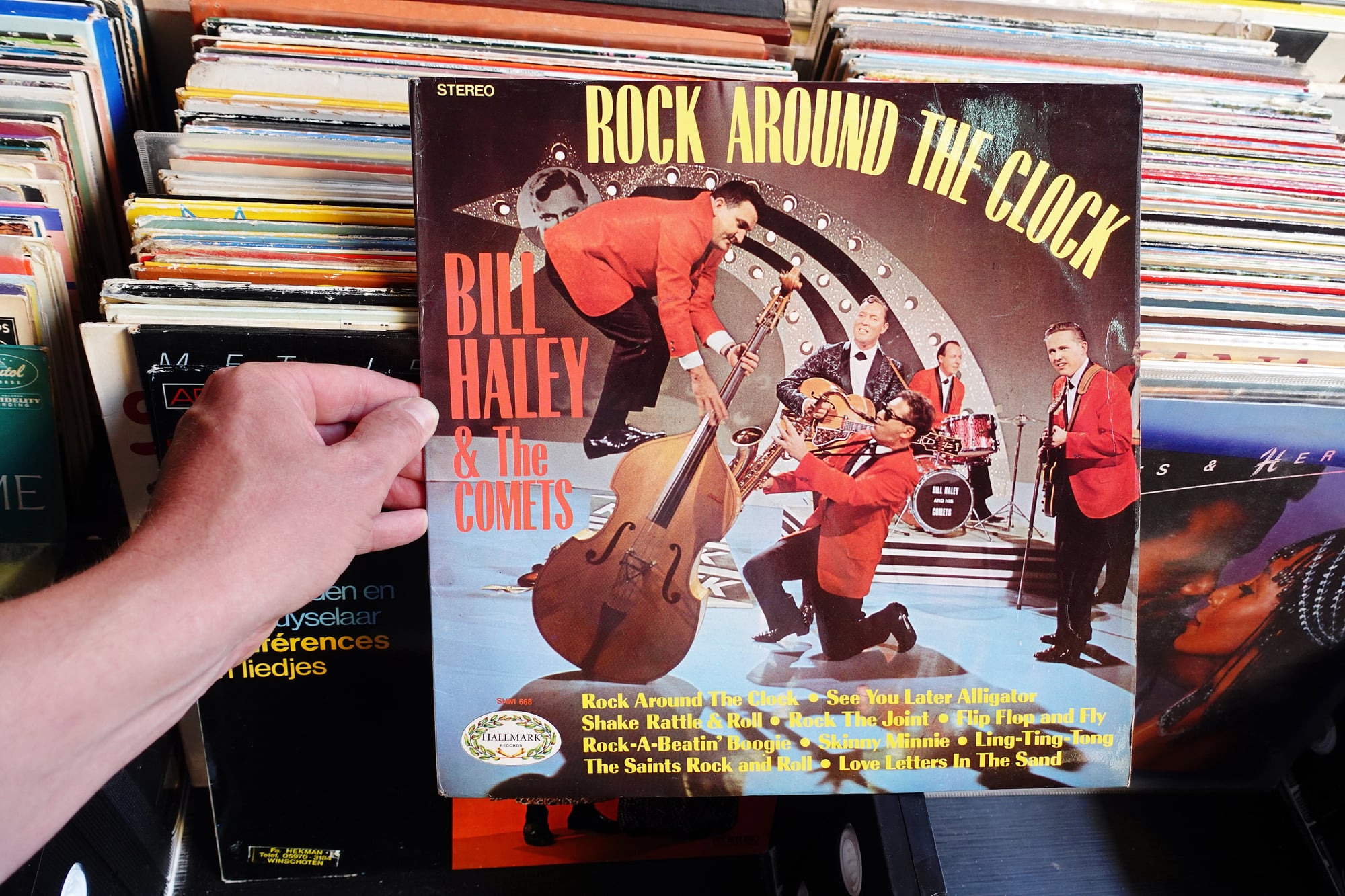
Bill Haley & His Comets released this in 1954, and many musicians credit it as the first rock and roll hit to reach number one. The song became a cultural phenomenon after it was used in the film Blackboard Jungle, helping launch the genre into the mainstream and creating a template for how rock and roll could dominate commercial radio.
I Want to Hold Your Hand
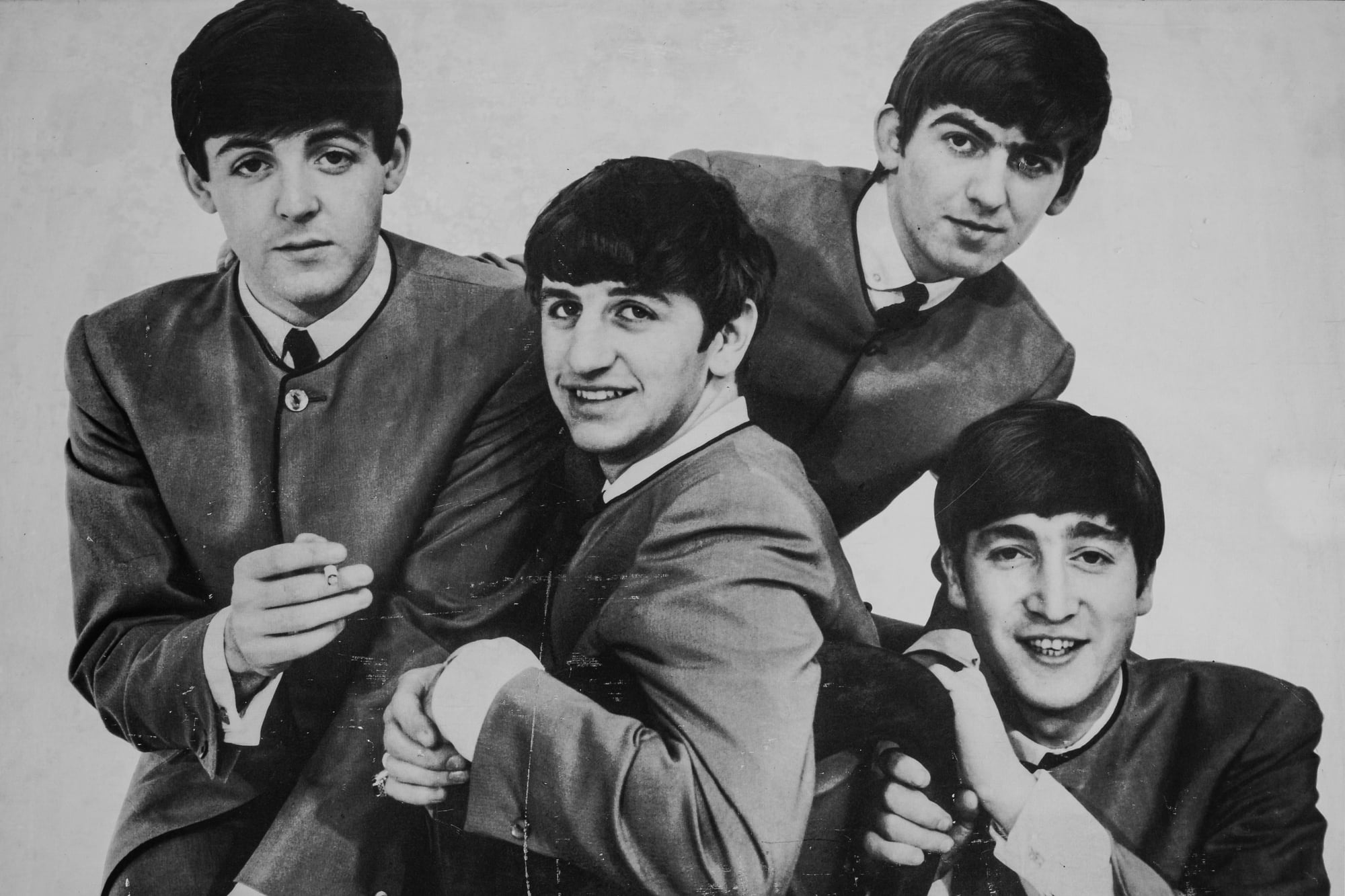
The Beatles’ 1963 breakthrough in America opened the floodgates for the British Invasion, and this simple love song remains one of the most played tracks in radio history. Its infectiousness has never diminished, and virtually every classic hits station includes it in regular rotation as a marker of the cultural shift it represented.
The Twist
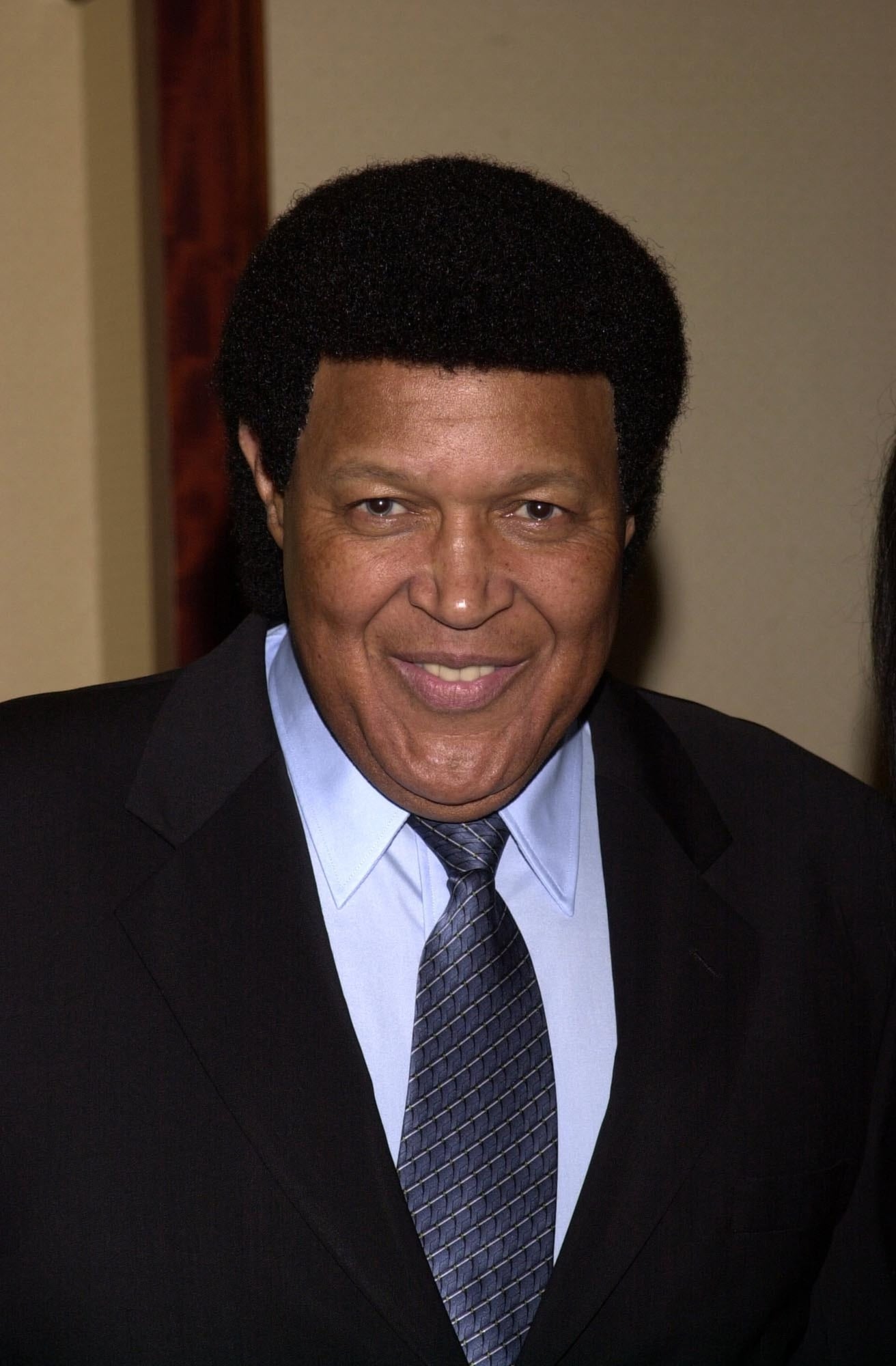
Chubby Checker’s 1960 hit launched a dance craze and became the best-performing song in Billboard’s all-time chart history. Its combination of novelty appeal and genuine catchiness ensured it would survive its fad moment and become a permanent fixture on dance and party playlists.
Unforgettable

Nat King Cole’s 1951 recording, arranged by Nelson Riddle, stands as one of the most purely beautiful vocal performances ever committed to tape. The song’s arrangement and Cole’s delivery have made it a standard for generations, covered by countless singers and featured in wedding playlists and romantic moments worldwide.
Johnny B. Goode
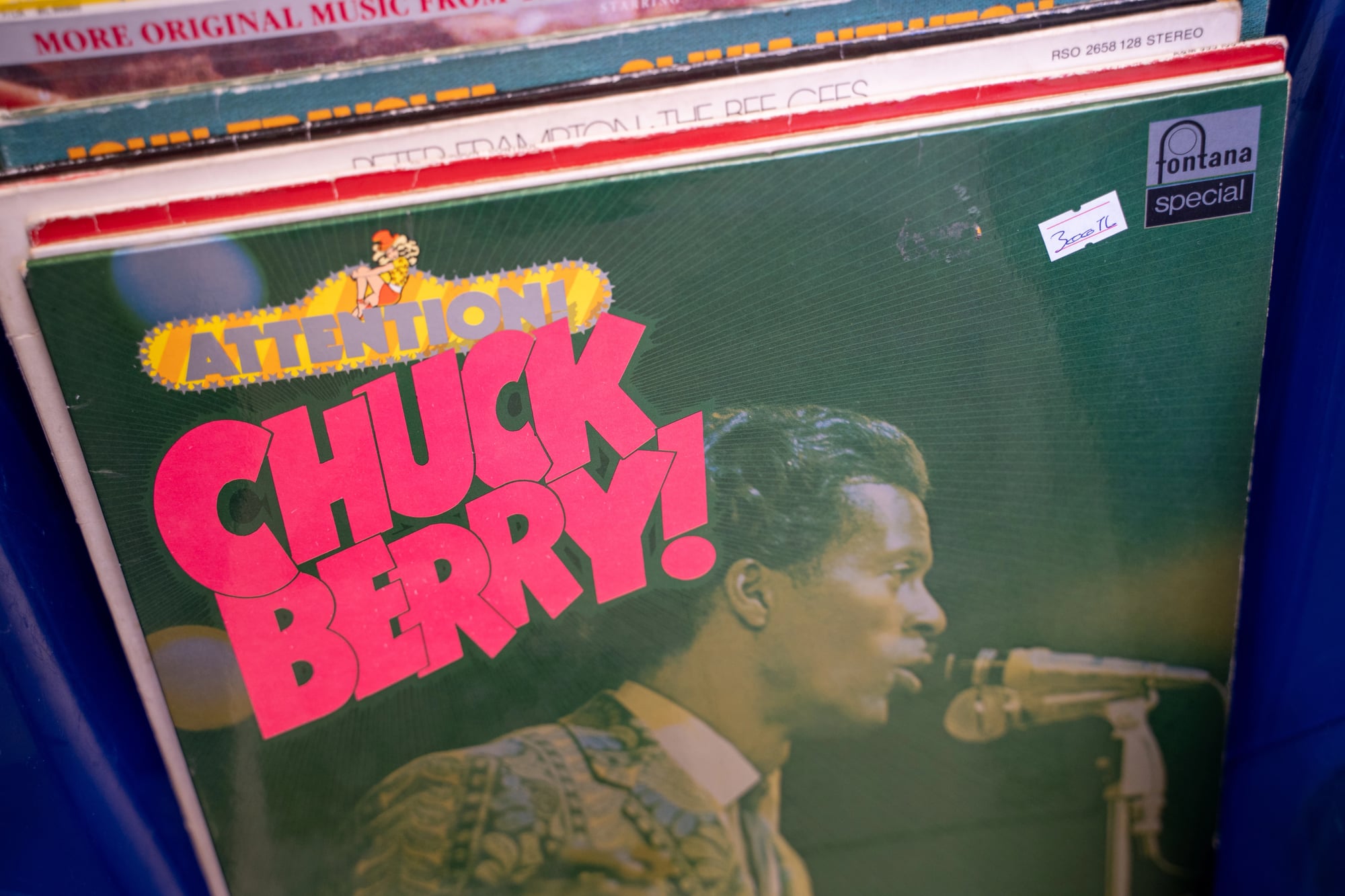
Chuck Berry’s 1958 contribution to rock and roll history delivered the guitar riff that influenced everyone from the Beatles to modern hard rock. The song’s structure, lyrics, and overall swagger created a blueprint for rock music that remains relevant because it answers a fundamental human impulse: the desire to escape and chase dreams.
Louie Louie

The Kingsmen’s 1963 version of this garage rock staple spent six weeks at number two on the Billboard chart, and its raw energy ensured it would become a classic rock radio fixture. Its infectious three-chord progression and the rumor that listeners couldn’t understand its lyrics actually enhanced its mystique and staying power.
Help!
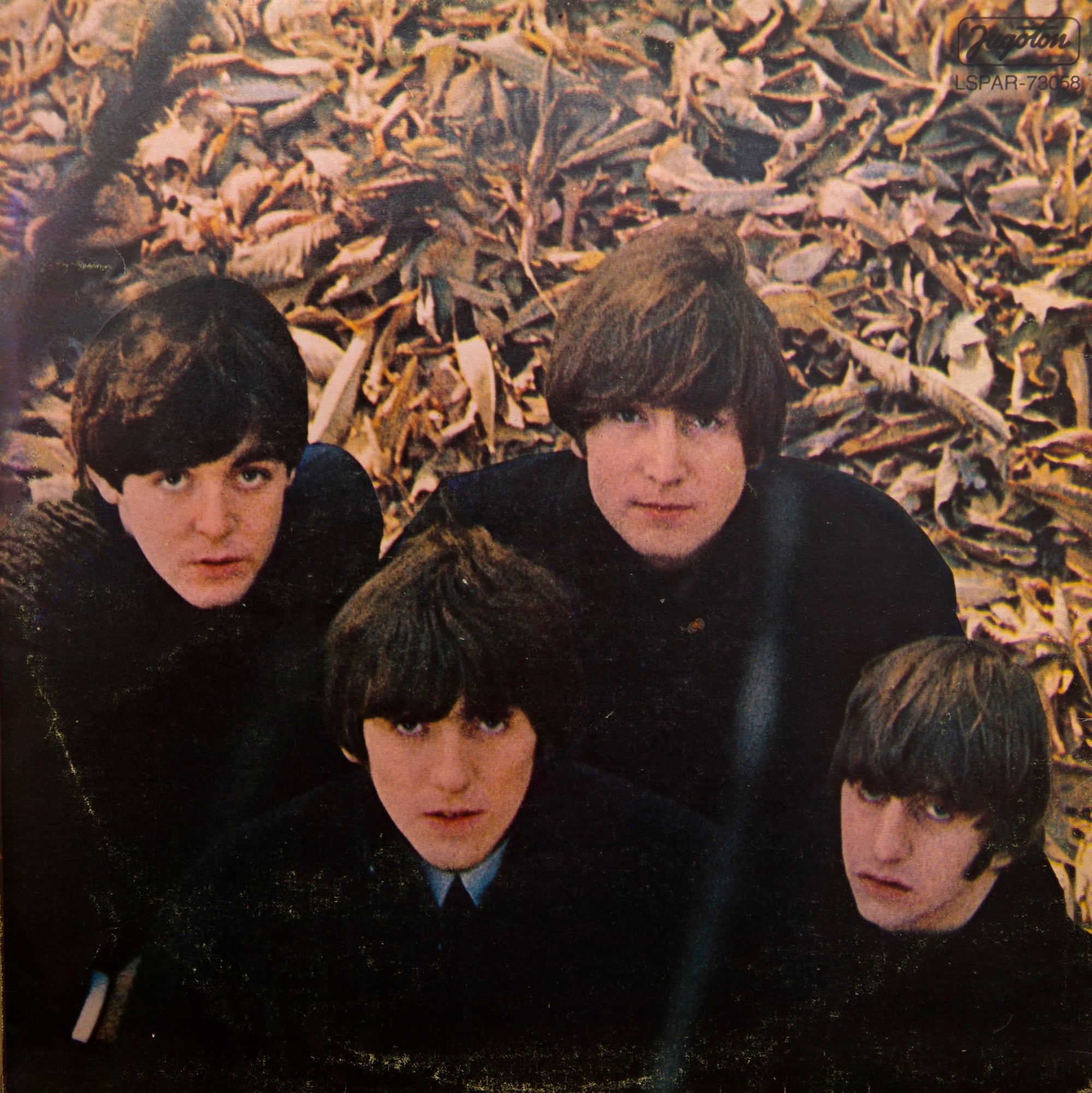
The Beatles’ 1965 title track defined the band’s shift toward more introspective and experimental work while remaining immediately accessible. The song’s combination of vulnerability and musical sophistication, along with its instantly memorable hook, ensured it would become a classic rock radio staple that introduced millions to the Beatles’ evolving artistry.
She Loves You
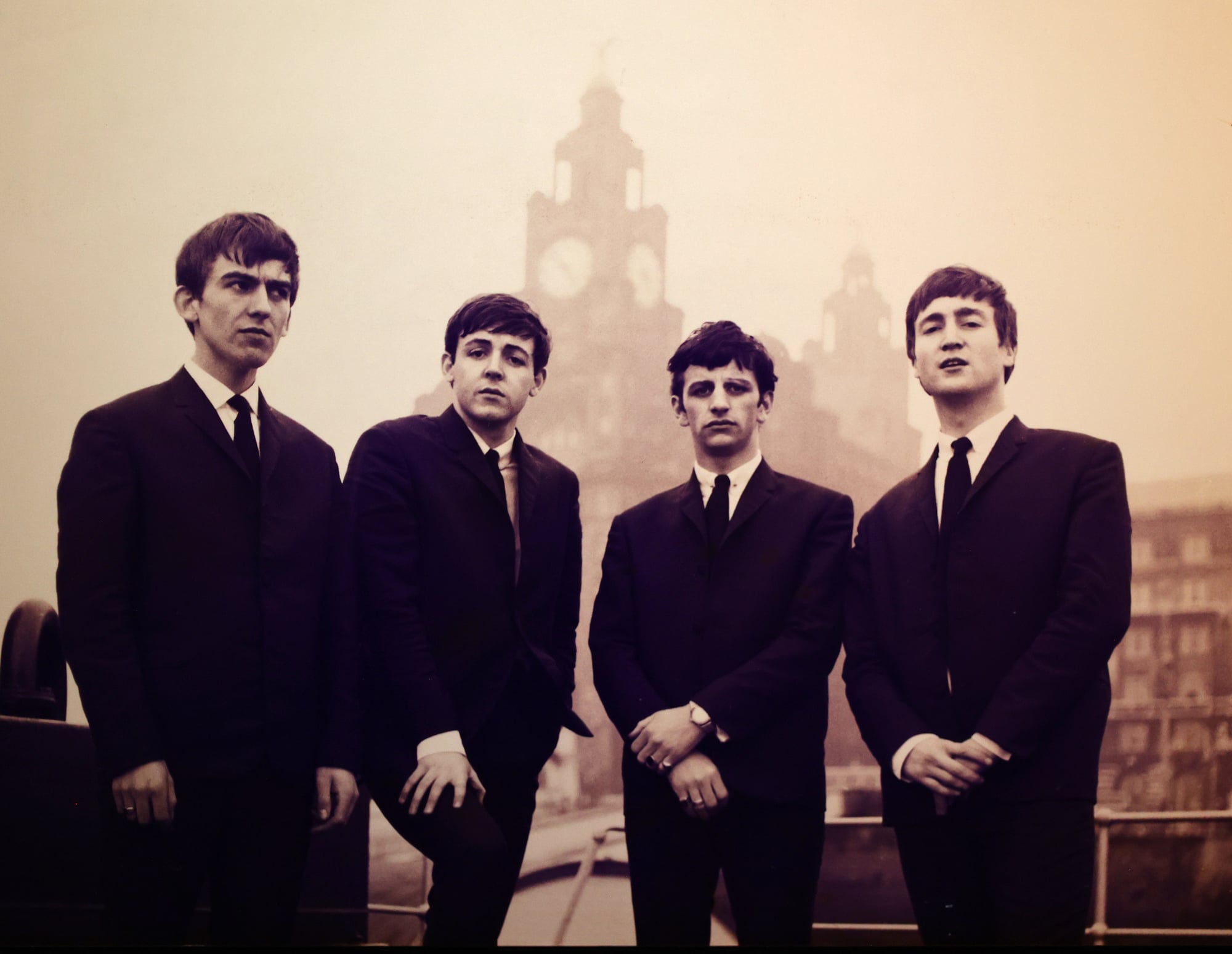
Released in 1963 in the US market, ‘She Loves You’ was one of the Beatles’ early chart successes and featured the kind of infectious energy and tight harmonies that made them unstoppable. The song’s “Yeah, yeah, yeah” refrain became synonymous with Beatlemania and continues to generate recognition across generations.
All I Have to Do Is Dream
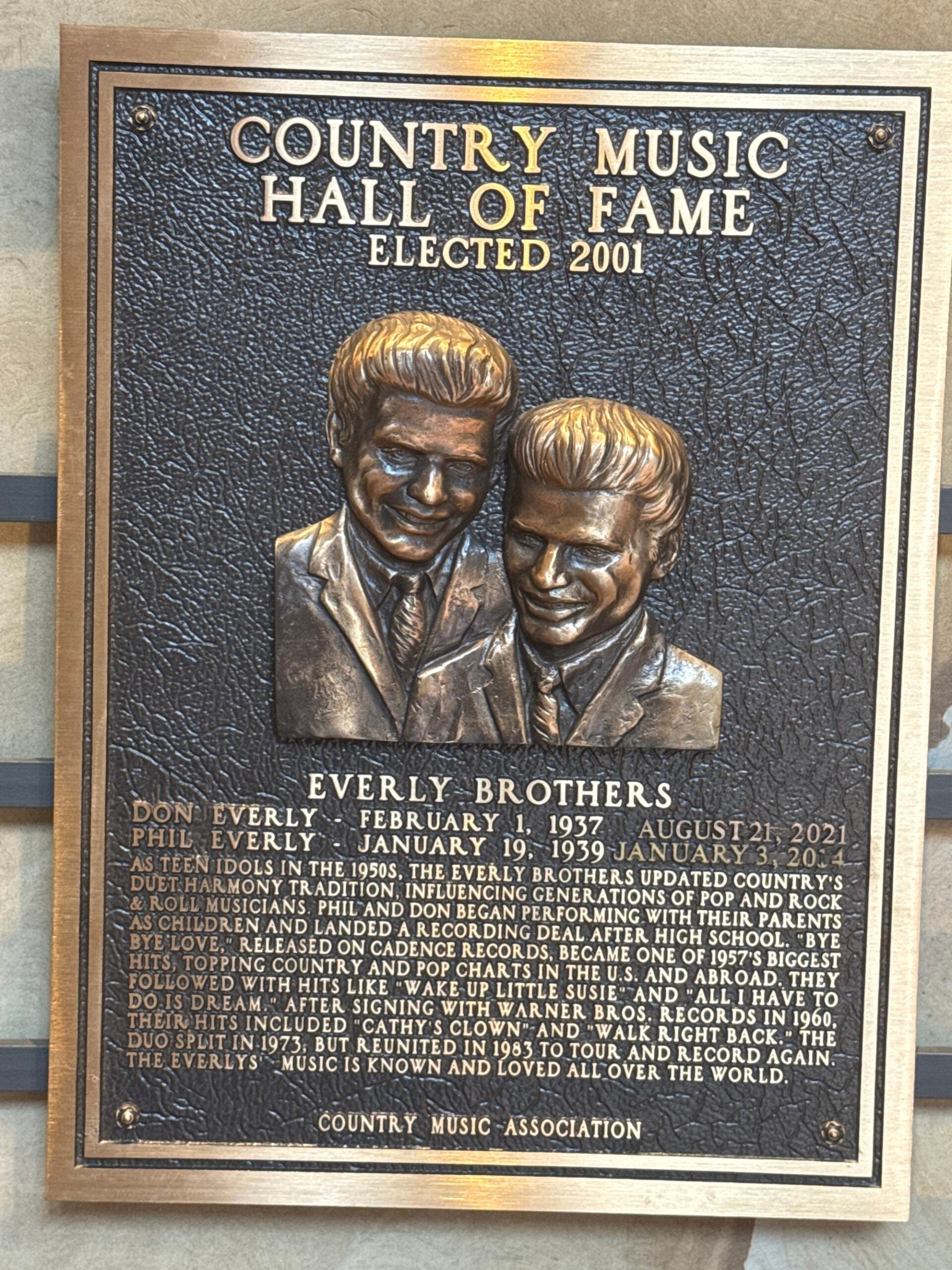
The Everly Brothers’ 1958 recording became the only single to hit number one on all of Billboard’s charts simultaneously. The song’s pure pop sensibility, gorgeous two-part harmony, and perfect simplicity have made it a permanent part of the standards repertoire.
California Dreamin’

The Mamas & the Papas released this 1965 track, which captured the era’s yearning for escape and sunshine with extraordinary lyricism. The song’s orchestration, multi-part harmonies, and yearning melody ensure it receives constant rotation on stations seeking to evoke the 1960s spirit.
Hey Jude
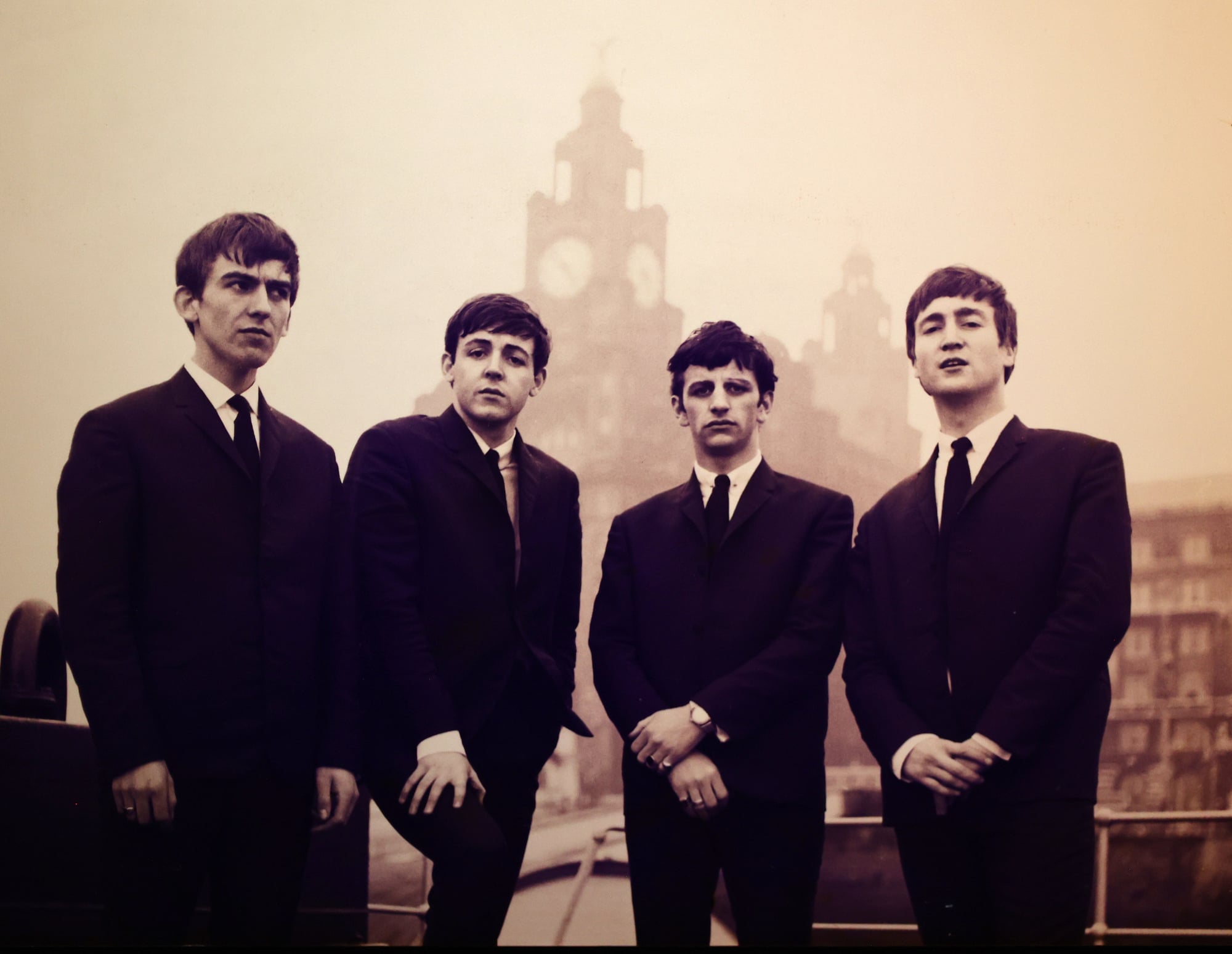
The Beatles’ 1968 epic stretched beyond four minutes at a time when radio stations rarely played such lengthy singles. Its combination of introspection, an explosive bridge, and a communal sing-along section made it an instant standard, and radio has never stopped playing it despite its unconventional length.
Respect
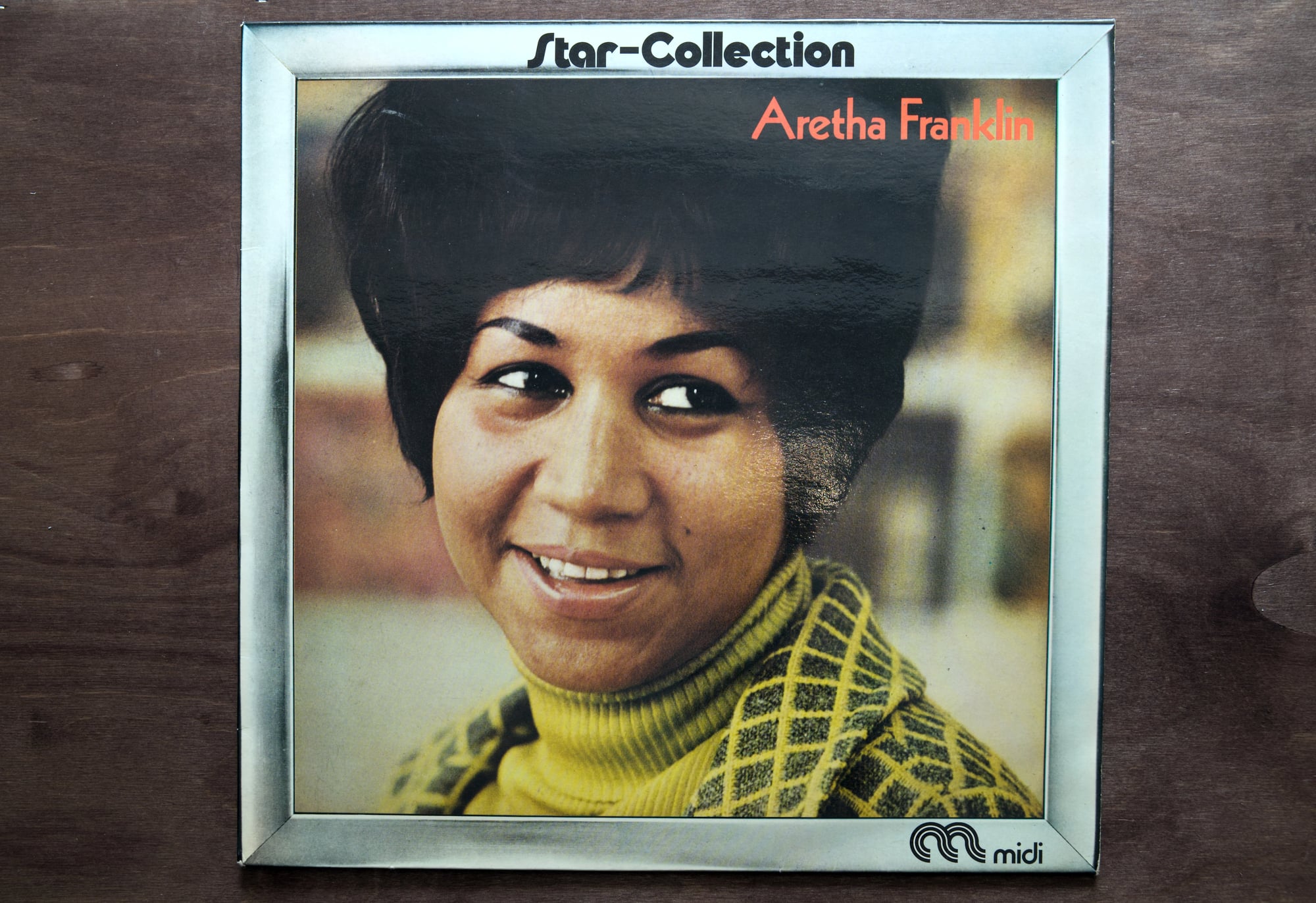
Aretha Franklin’s 1967 rendition of Otis Redding’s song became her breakthrough hit and Rolling Stone’s number one greatest song of all time. The track’s power, Franklin’s vocal control, and its evolution into an anthem for civil rights and feminism have ensured it permanent status on radio and in American culture.
Like a Rolling Stone
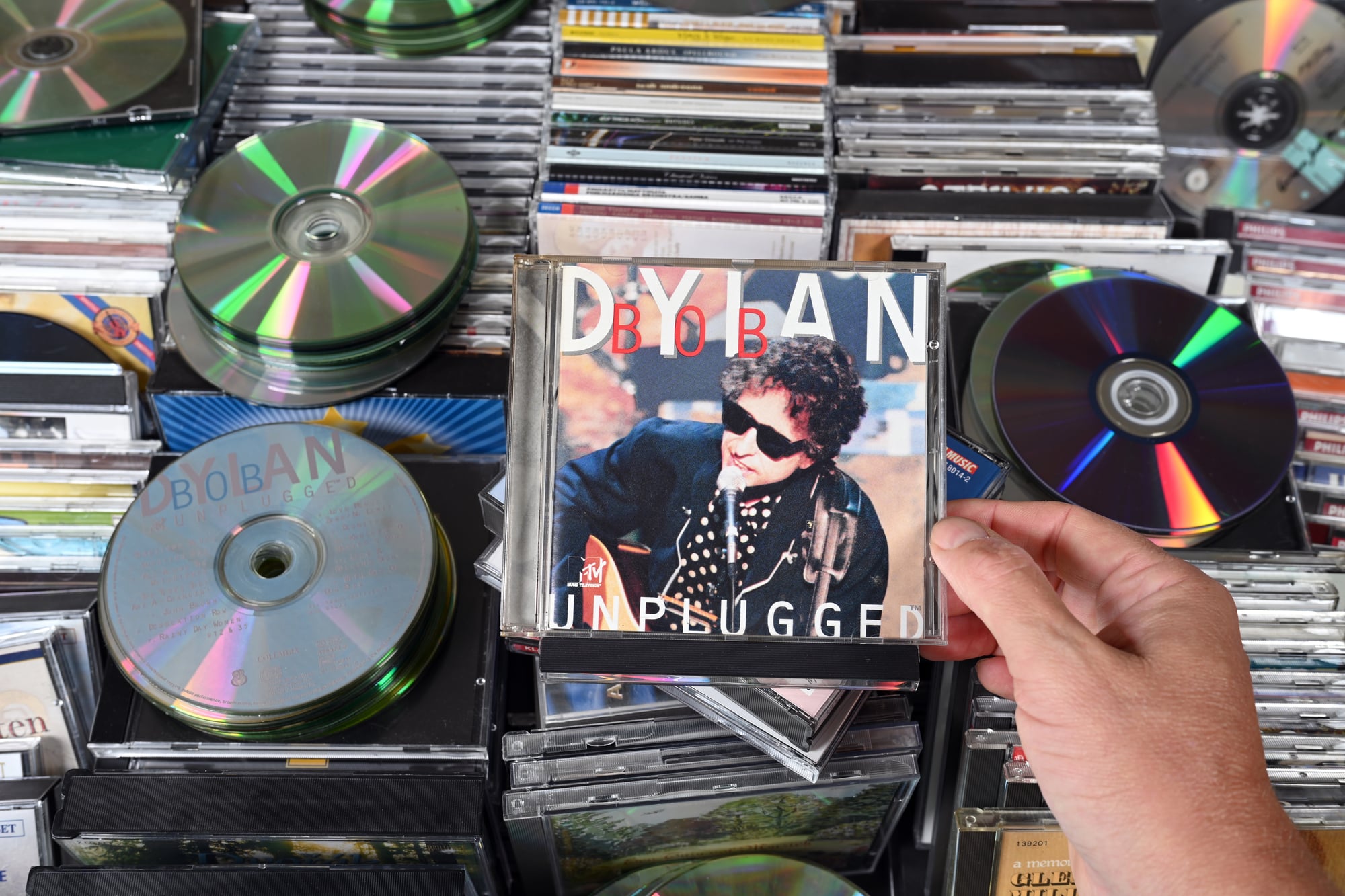
Bob Dylan’s 1965 song redefined what popular music could accomplish by bringing literary complexity and social commentary to the top of the charts. Its six-minute length was radical for radio at the time, yet the song’s emotional core ensured it would be played again and again across the decades.
Good Vibrations
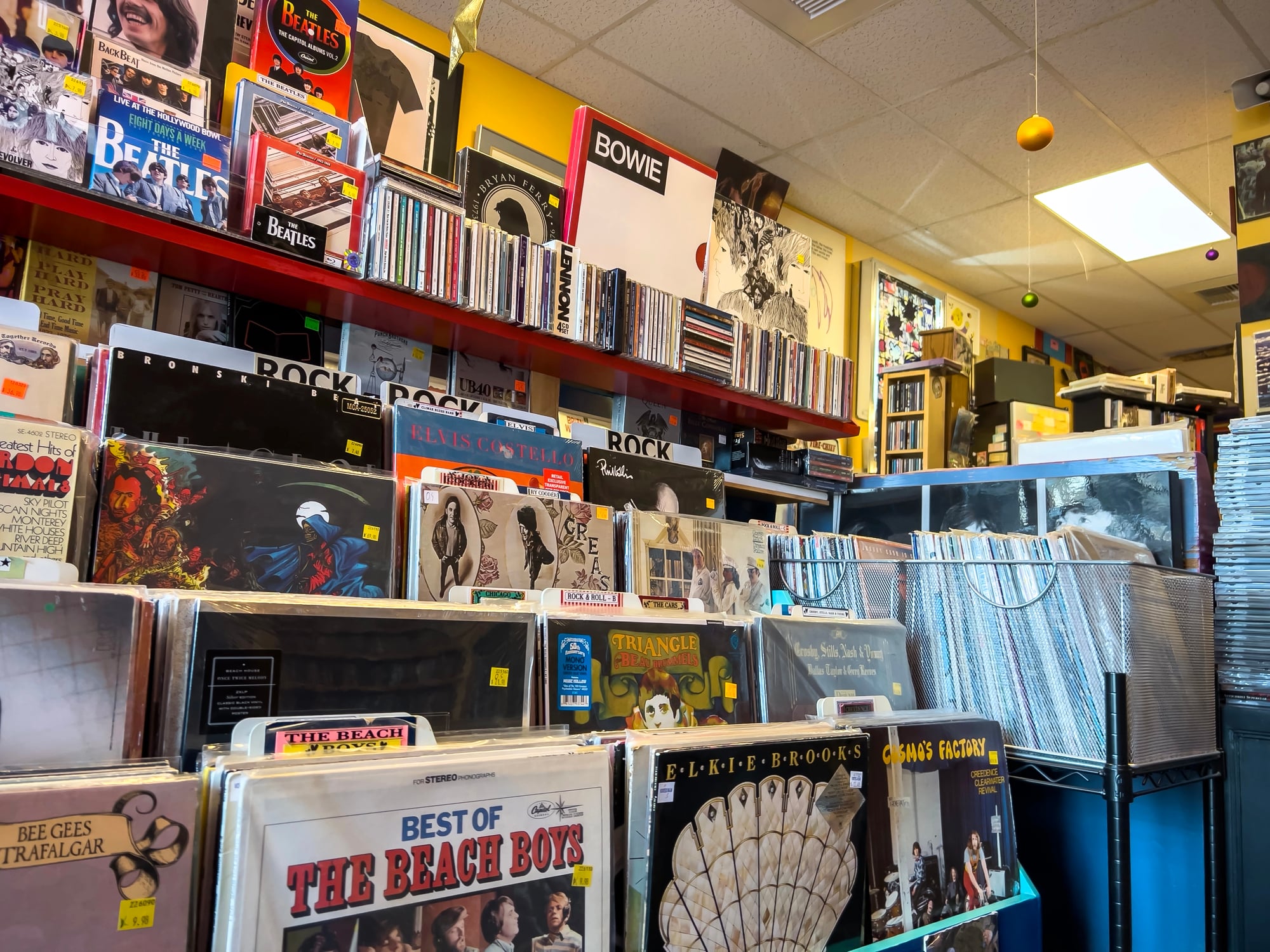
The Beach Boys’ 1966 creation, produced and composed by Brian Wilson, represented the cutting edge of studio innovation for its era. The song’s complex production, the phrase “good vibes” that entered mainstream vocabulary, and its joyful spirit have made it a radio staple that continues to generate research into how such a sophisticated track became so accessible.
When I Fall in Love

Nat King Cole’s version of this standard, released in 1957 with orchestra arrangement, remains one of the most romantic recordings ever made. The song’s longevity speaks to its perfect marriage of melody and sentiment, making it a standard that every generation rediscovers.
Mona Lisa

Nat King Cole’s 1950 recording became one of his signature songs and earned him an Academy Award nomination. The song remains a jazz and pop standard, frequently performed by contemporary artists and constantly heard on stations playing classic American songbook material.
Why Do Fools Fall in Love
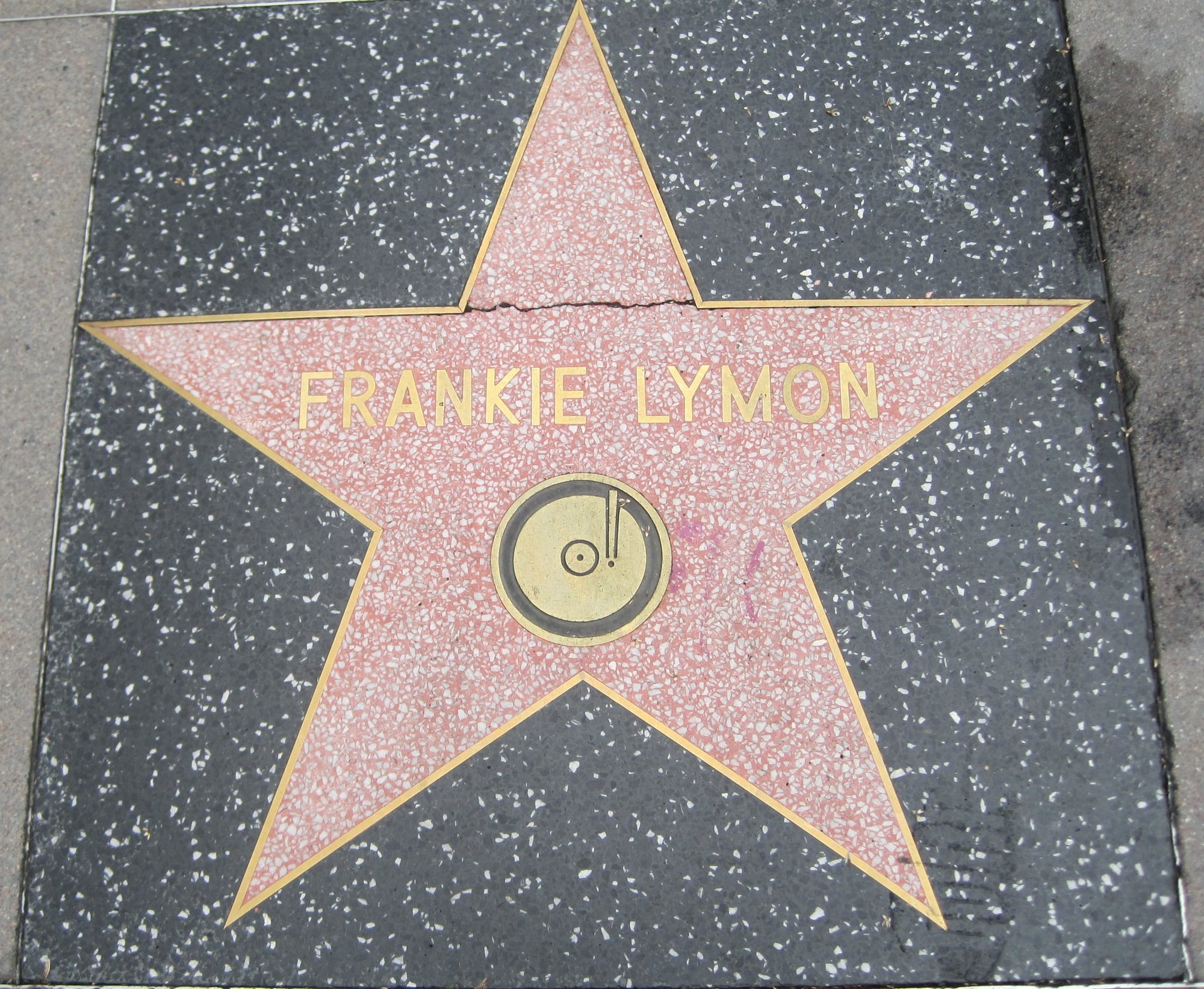
Frankie Lymon & The Teenagers’ 1956 doo-wop classic became an instant hit that influenced countless groups. The song’s melodic perfection and the lead singer’s youthful charm gave it an immediacy that transcends its era, making it a permanent fixture on oldies and doo-wop specialty stations.
In the Still of the Night

The Five Satins’ 1956 recording stands as one of the most recognizable doo-wop songs ever recorded. Its smooth, tender arrangement and the group’s warm harmonies have made it a staple of wedding playlists and romantic-music programming.
The Christmas Song

Nat King Cole’s 1953 recording of this holiday standard remains the most performed version and receives regular rotation every December. Its perfect balance of coziness and sophistication made it immediately appealing and keeps it relevant as a symbol of mid-century American holiday tradition.
Fever

Peggy Lee’s 1958 recording became one of the decade’s biggest hits and remains a fixture on classic hits radio. The song’s sultry arrangement, minimal instrumentation, and Lee’s knowing vocal delivery created a template for sophisticated pop that continues to influence contemporary artists.
Yakety Yak

The Coasters’ 1958 novelty record became more than its comedic premise suggested. The song’s catchy hook, clever lyrics about a teenager not doing chores, and the group’s tight harmonies have given it permanent status on oldies radio and in the popular consciousness.
La Bamba

Ritchie Valens’ 1958 rock and roll version of the traditional Mexican song became a crossover hit that demonstrated rock and roll could absorb and reinvigorate older material. The song’s infectious energy and Valens’ charismatic performance have ensured it constant radio play across multiple formats.
(I Can’t Get No) Satisfaction
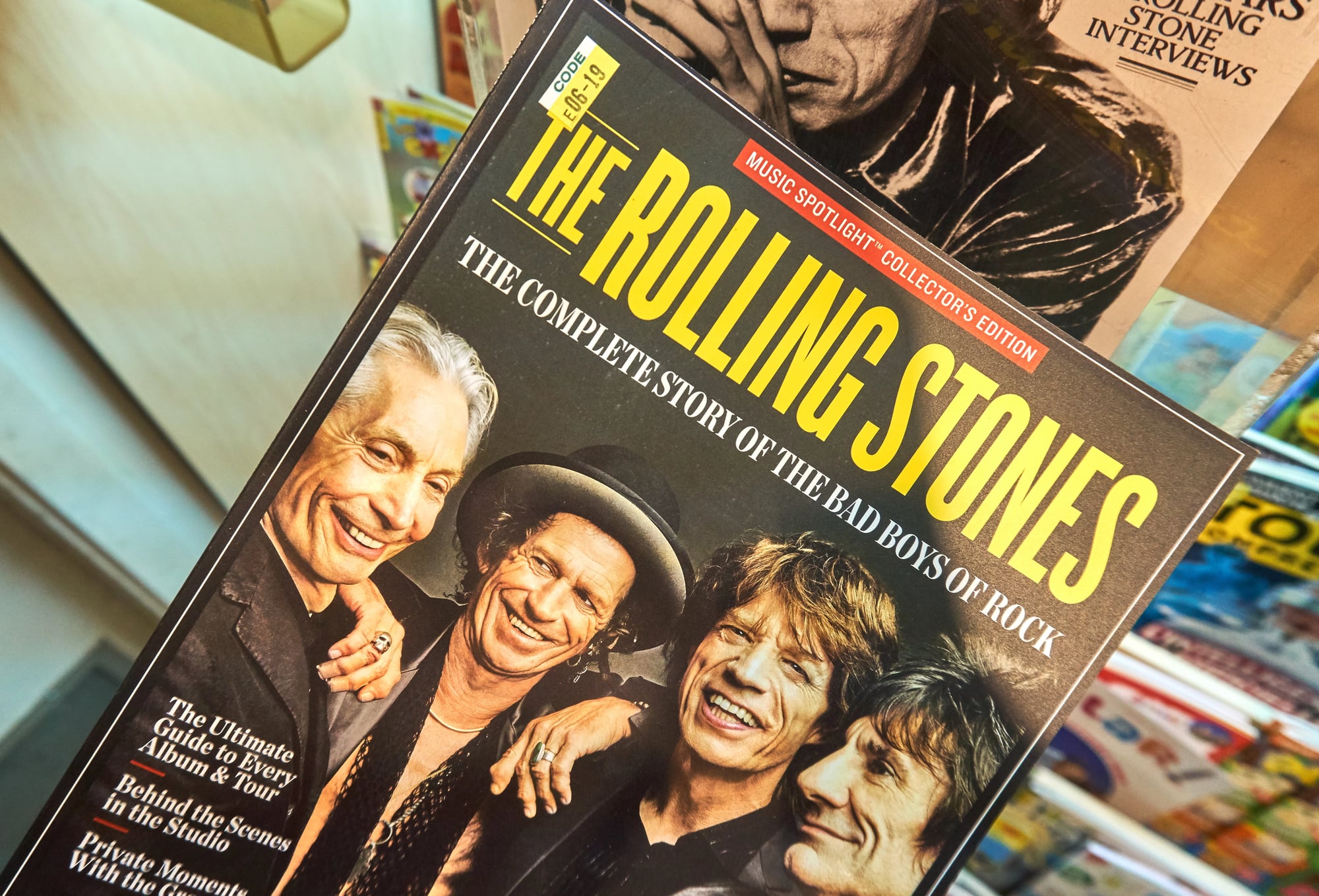
The Rolling Stones’ 1965 classic opened with one of rock’s most famous guitar riffs and became an anthem for generational frustration. The song’s swagger, the Keith Richards riff that defined an era, and Mick Jagger’s vocal delivery have made it the most-played Stones song on radio.
Everybody Loves Somebody
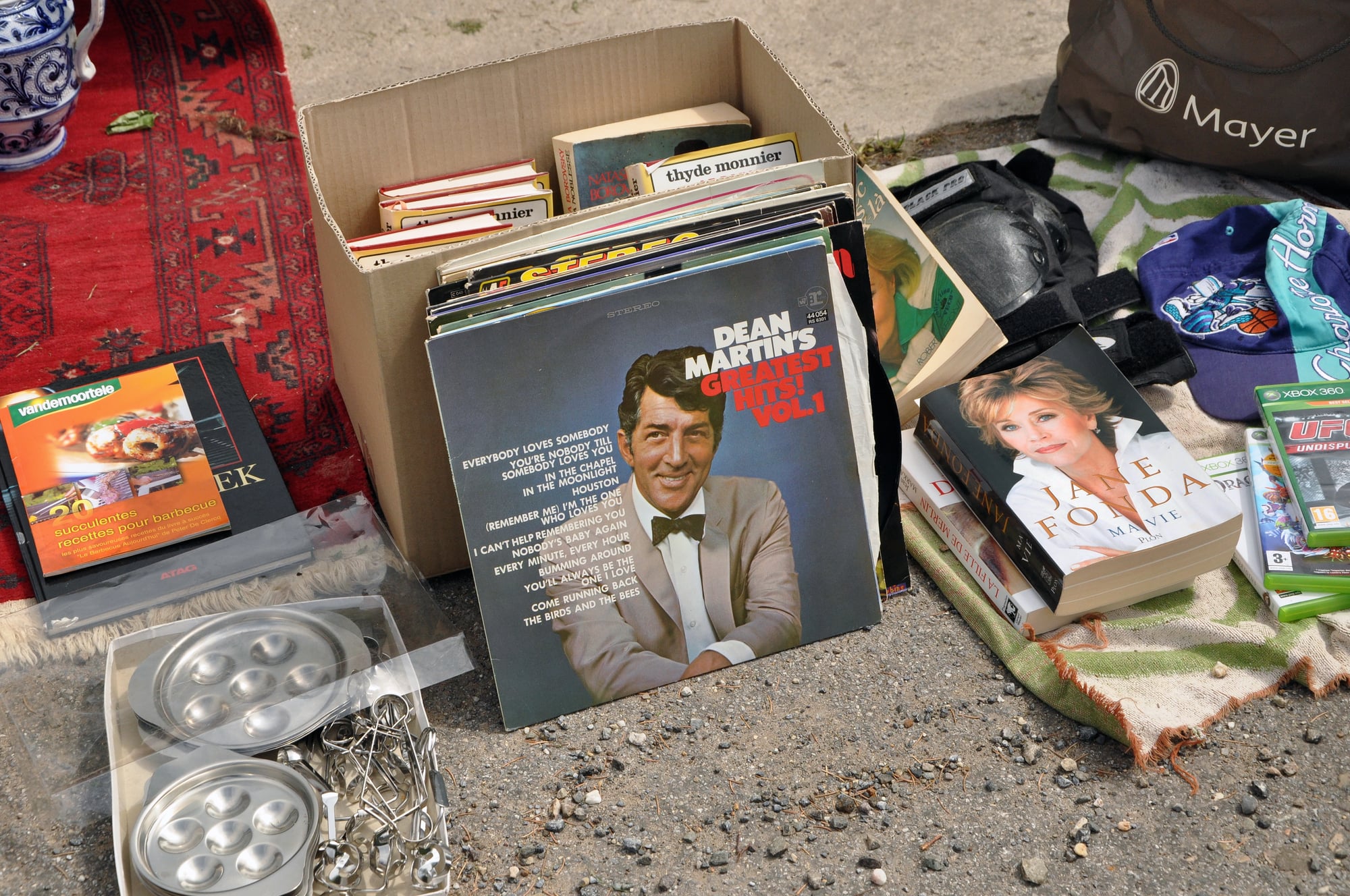
Dean Martin’s 1964 recording proved that traditional pop crooning could still dominate the charts when the music was right. The song’s smooth arrangement, Martin’s laid-back charm, and its perfect melody have made it a standard on easy listening and classic hits stations.
Suspicious Minds
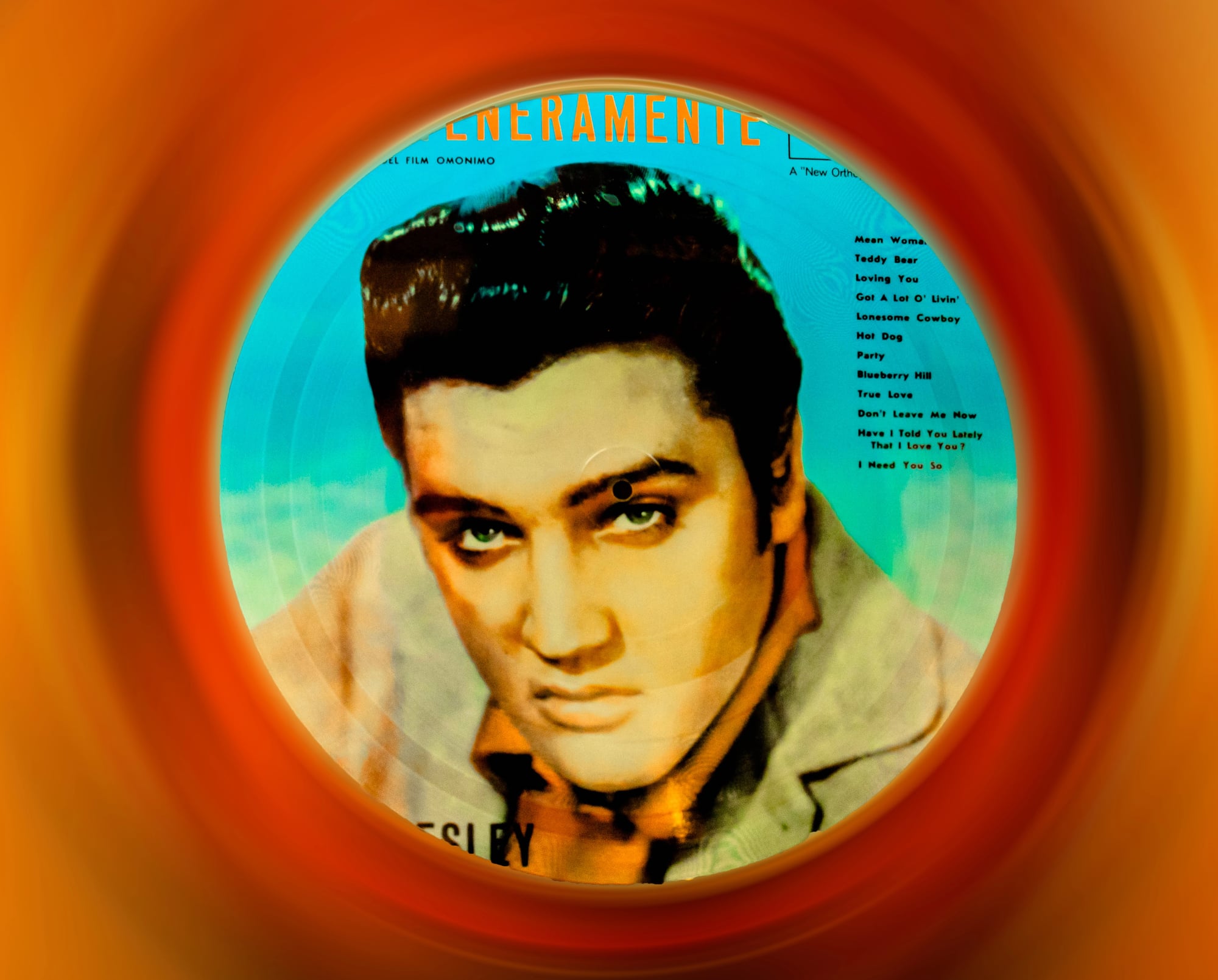
Elvis Presley’s 1969 recording became his final number one hit and marked his triumphant return to meaningful music after years of forgettable film work. The song’s sophisticated production, the narrative about a relationship troubled by doubt, and Presley’s powerful delivery have made it essential to classic rock radio.
Spirit in the Sky

Norman Greenbaum’s 1969 feel-good anthem transcended its novelty status through a genuinely catchy hook and positive message. The song’s infectious guitar riff and Greenbaum’s gravelly voice combined to create something timeless that still appears on rock stations, despite its odd religious themes and one-hit wonder status.
The Timeless Appeal of Era-Defining Recordings

These songs remain on radio rotation not because of sentimentality but because they solved fundamental musical problems with such elegance that their solutions remain valid. They proved that melodies composed with care, arrangements built by talented professionals, and vocalists trained in genuine technique could create music that transcends its recording date.
Radio continues to play them because audiences of every age recognize something true in their construction—they are built to endure, and decades of constant exposure have only confirmed that judgment.
More from Go2Tutors!

- The Romanov Crown Jewels and Their Tragic Fate
- 13 Historical Mysteries That Science Still Can’t Solve
- Famous Hoaxes That Fooled the World for Years
- 15 Child Stars with Tragic Adult Lives
- 16 Famous Jewelry Pieces in History
Like Go2Tutors’s content? Follow us on MSN.