Famous Monuments That Inspired Replicas Abroad
People have been copying famous buildings and monuments for centuries, long before Instagram made everyone want to recreate cool photos. Cities around the world decided they wanted their own versions of iconic landmarks, sometimes for practical reasons and other times just because they thought it would be neat. The results range from impressive architectural achievements to quirky roadside attractions that make tourists do double takes.
What’s really fascinating is how these replicas tell their own stories about the places that built them and why they wanted a piece of someone else’s history.
The Eiffel Tower
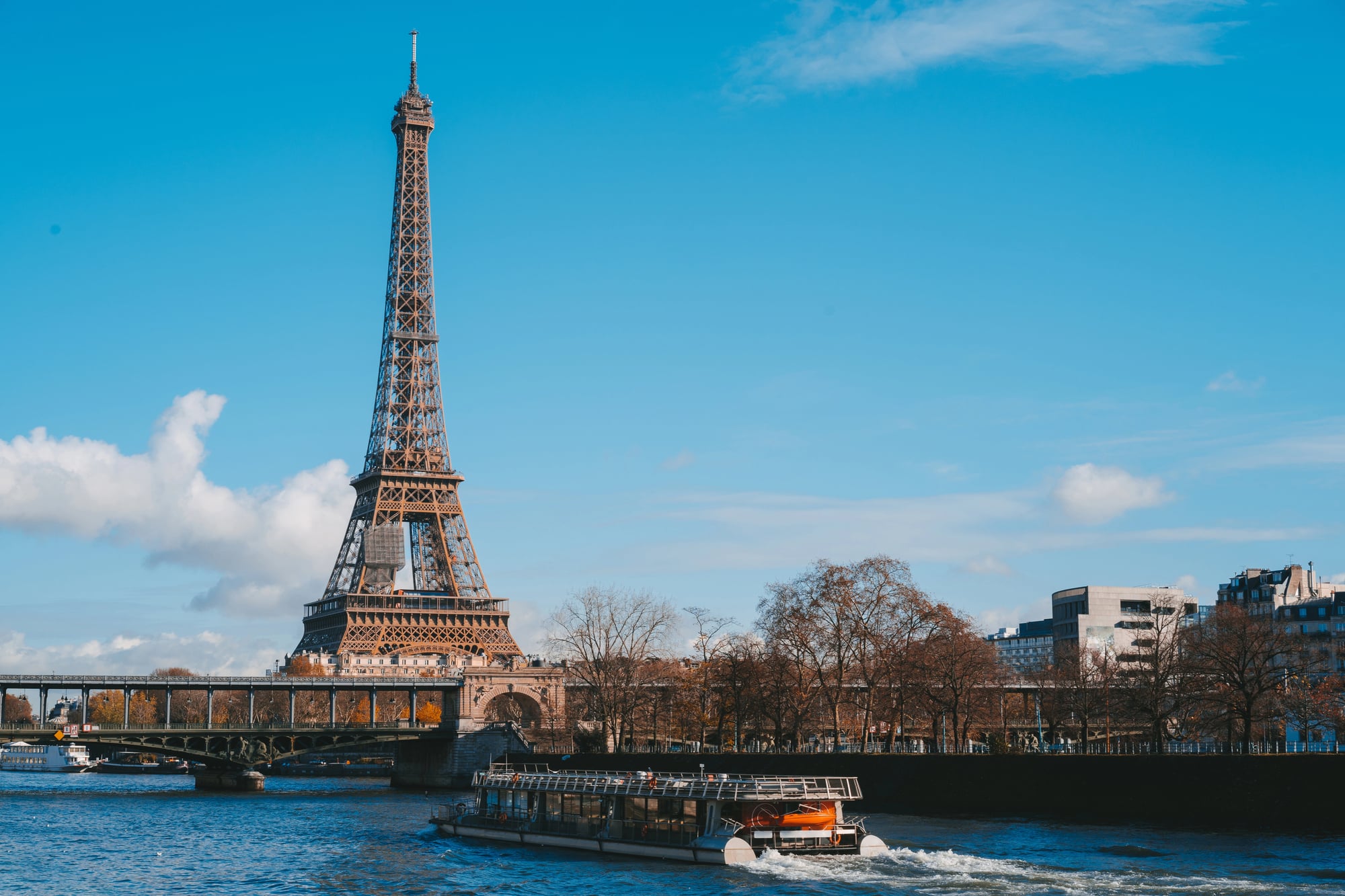
Paris might have the original, but dozens of cities worldwide built their own versions of Gustave Eiffel’s iron masterpiece. Las Vegas has a half-scale replica that lights up the Strip with thousands of bulbs every night.
Tennessee surprised everyone by building a 60-foot version in Paris, Tennessee, complete with a red, white, and blue paint job that would make the French cringe. China went all out and constructed multiple Eiffel Tower copies, including one in Tianducheng that stands in a development designed to look exactly like Paris.
Even small towns got in on the action, with places like Filiatra, Greece, building mini towers that serve as water towers or radio antennas.
The Statue of Liberty
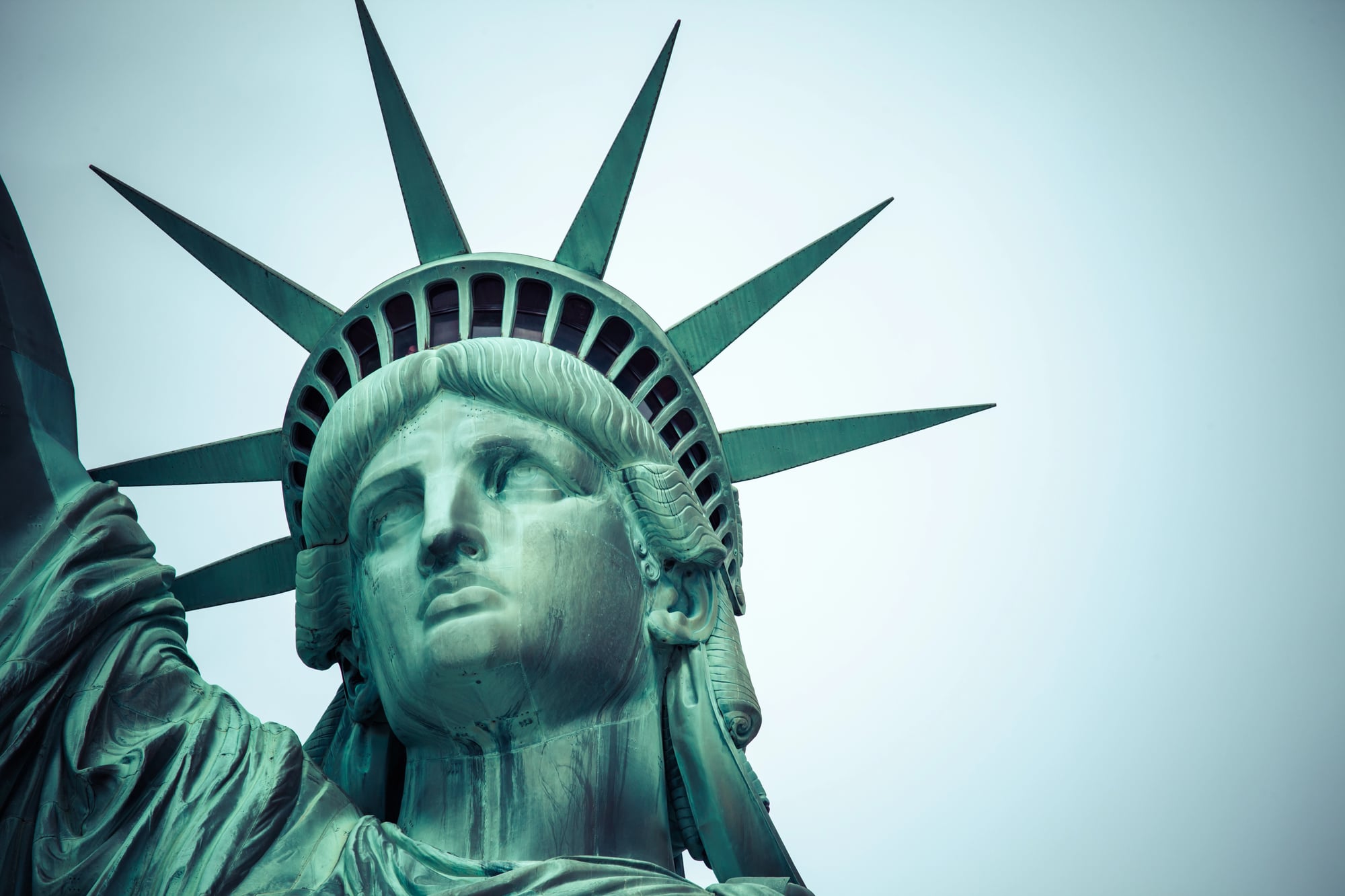
Lady Liberty has more siblings around the world than most people realize, and they all have their own personalities. The most famous copy stands on a small island in the Seine River in Paris, a gift from Americans living in France who wanted to return the favor.
New York Harbor isn’t the only place you can see her either. Las Vegas built a half-size version for their New York-themed casino, while smaller copies pop up in places like Colmar, France, where the original sculptor was born.
Some replicas serve practical purposes too, like the one in Rainbow Bridge National Monument that helps mark the border between Arizona and Utah.
Big Ben
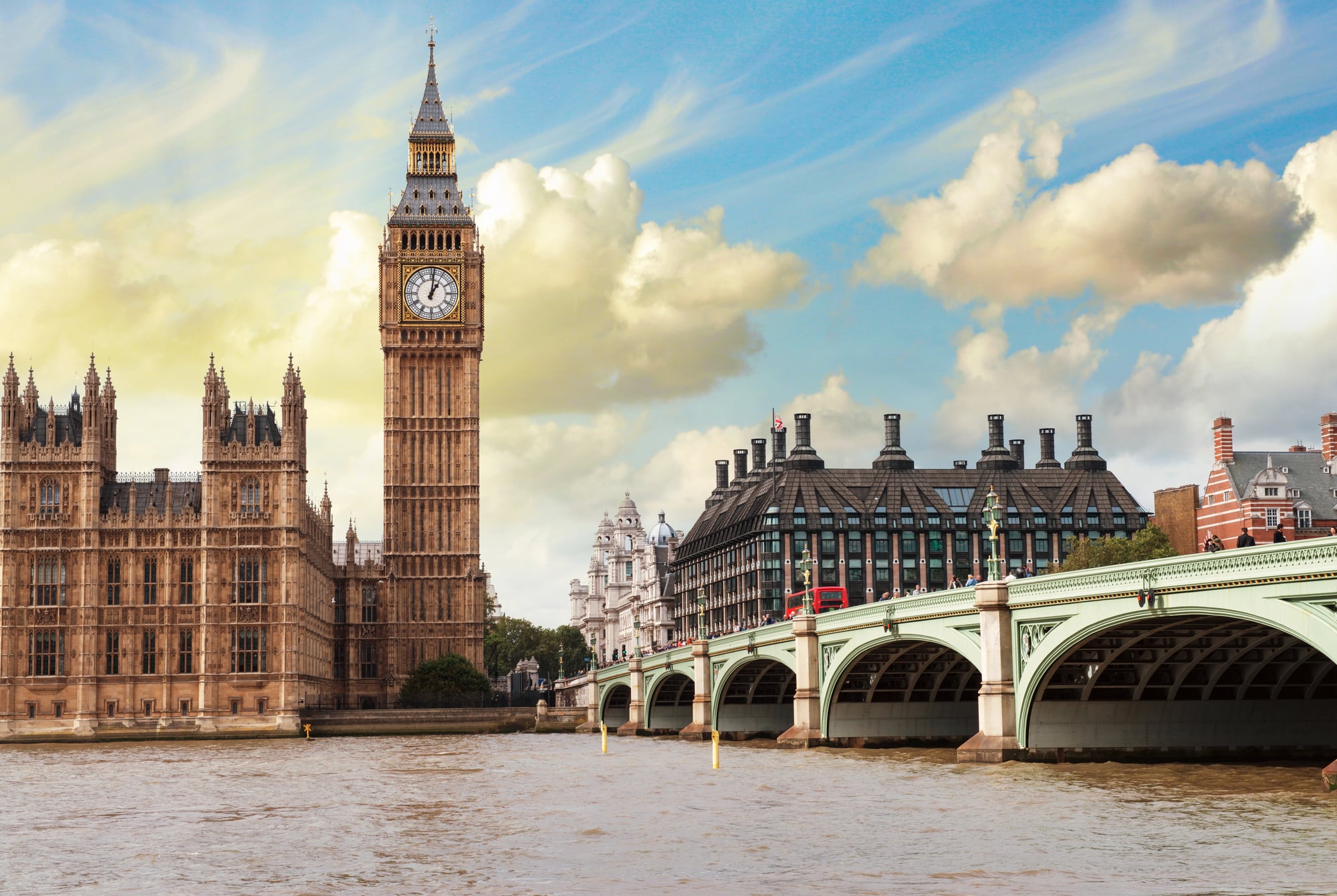
London’s famous clock tower inspired copycat timepieces across the globe, each trying to capture that distinctive British charm. Little Rock, Arkansas, built a scaled-down version that chimes every hour just like the original.
The clock tower at the University of Birmingham in England looks so similar to Big Ben that people often mistake photos of one for the other. Even shopping malls got into the Big Ben business, with several American malls featuring clock towers that borrow heavily from the Westminster design.
Some cities use their Big Ben replicas as focal points for downtown areas, creating gathering spaces where people meet and check the time.
The Leaning Tower of Pisa
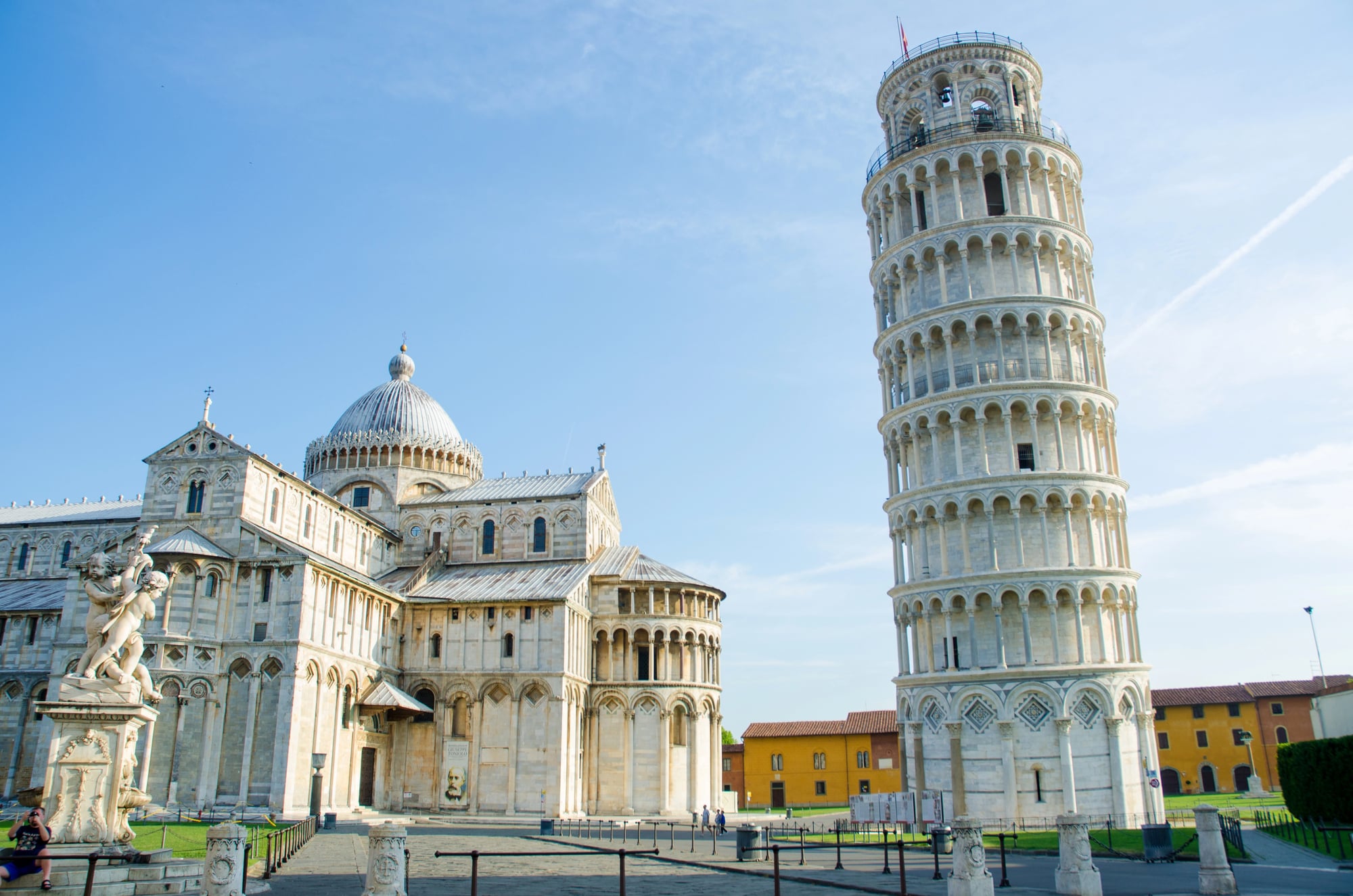
Italy’s famously tilted tower sparked a trend of deliberately crooked buildings around the world, though most of these lean on purpose rather than by accident. Niles, Illinois, built a half-scale leaning water tower that became such a popular tourist attraction that the town embraced its quirky landmark.
Tennessee’s version leans at the same angle as the original and houses a carillon that plays music for the whole town to hear. Some places took creative liberties with the concept, building leaning towers that serve modern purposes like cell phone reception or water storage while maintaining that distinctive tilt that makes everyone think of Italy.
The Parthenon
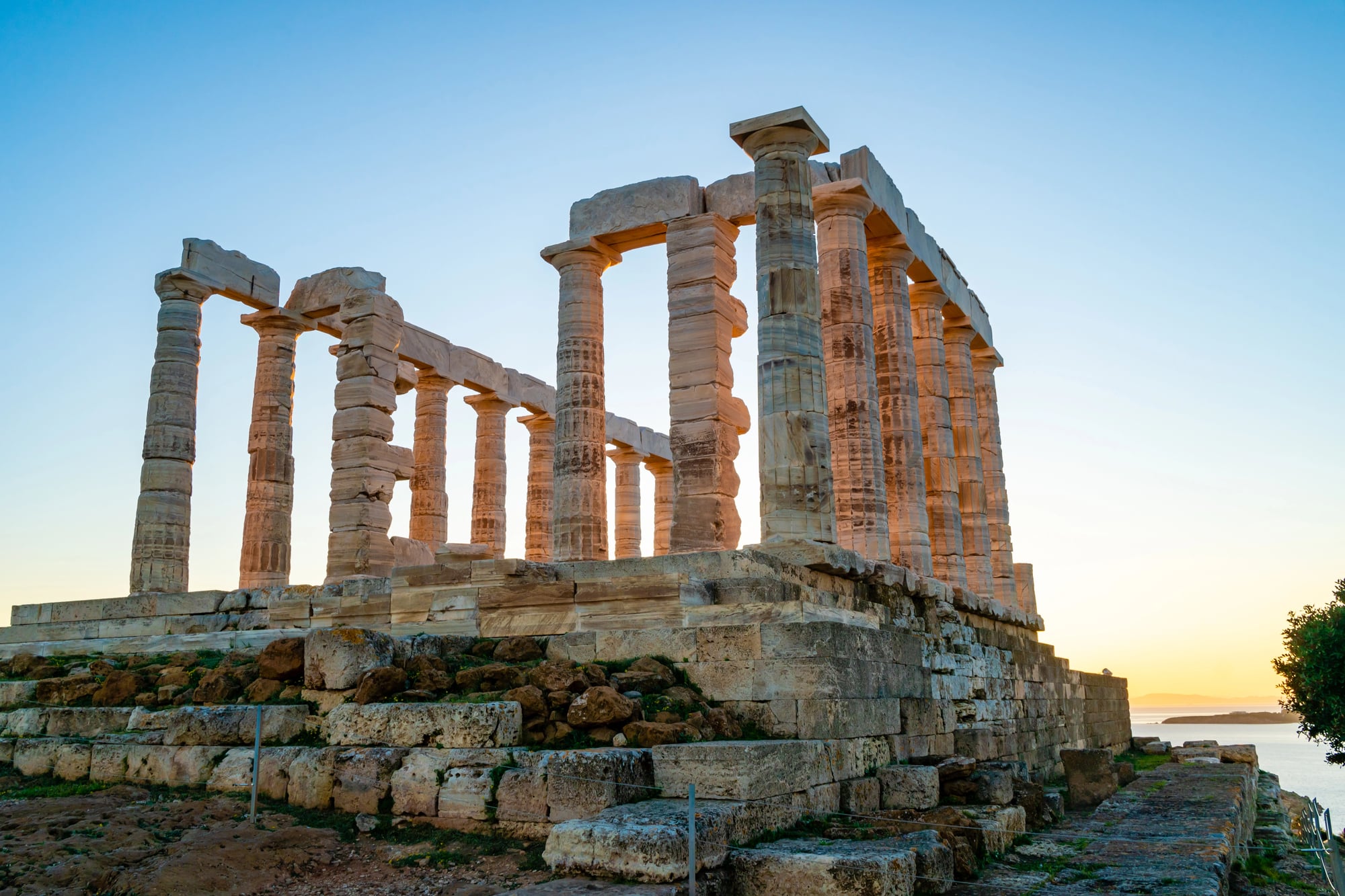
Nashville, Tennessee, shocked the world by building a full-size, exact replica of the Parthenon that might actually be more complete than the original ruins in Athens. This concrete and steel version houses an art museum and features a massive gold statue of Athena that would have been right at home in ancient Greece.
The Nashville Parthenon started as a temporary exhibit for a centennial celebration but proved so popular that the city made it permanent. Other cities built their own Greek-inspired temples, though most settled for smaller versions that serve as memorials, museums, or event venues rather than attempting Nashville’s ambitious full-scale reconstruction.
Mount Rushmore
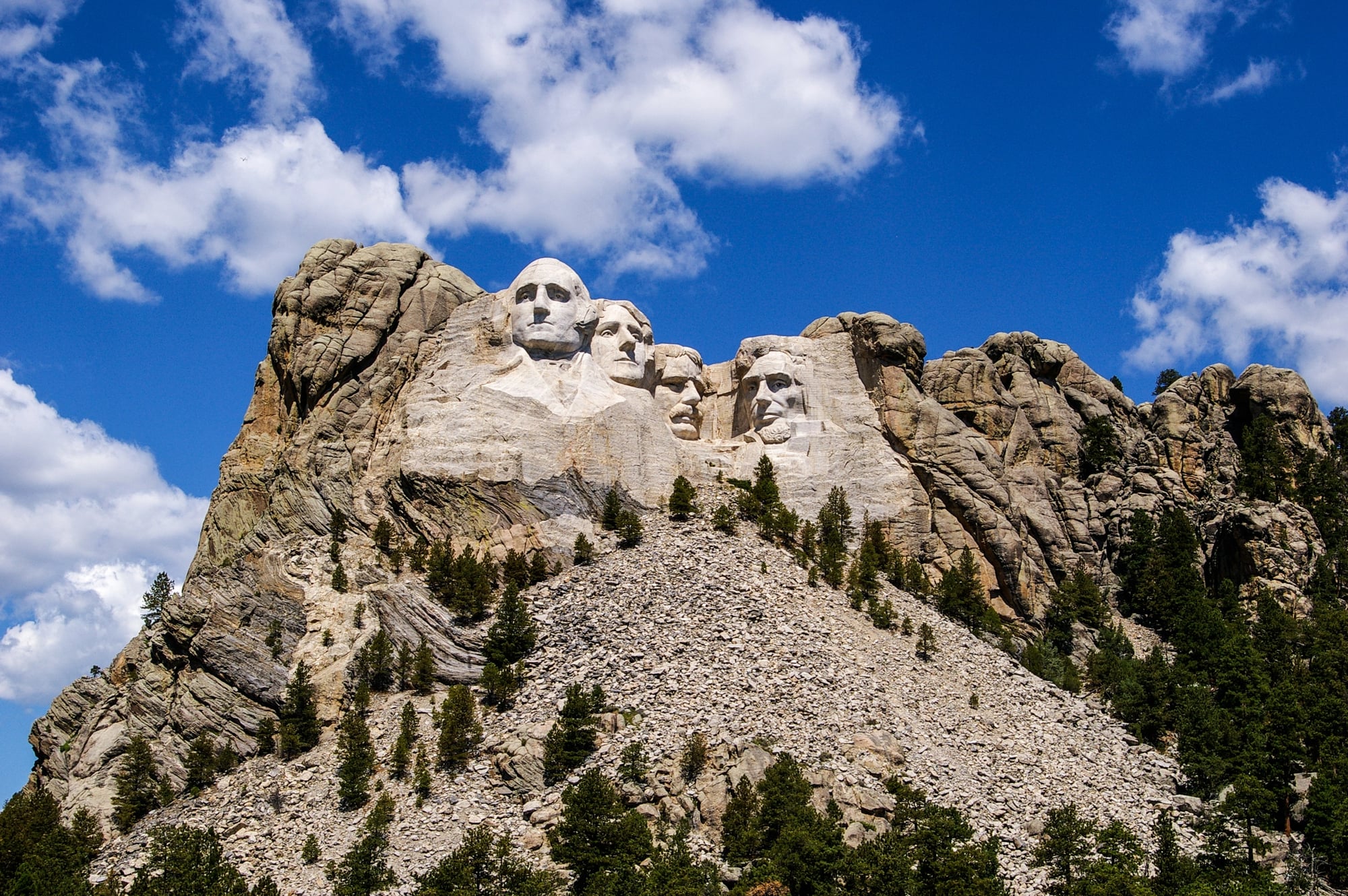
Carved presidential faces proved irresistible to other countries wanting to create their own version of American patriotism. Several places attempted similar rock carvings, though none achieved quite the same iconic status as South Dakota’s famous faces.
Some replicas focus on local heroes rather than American presidents, carving the faces of regional leaders or cultural figures into mountainsides and cliff faces. The technique of carving faces into rock became popular enough that it spread to private properties and smaller projects, creating mini Mount Rushmores that celebrate everything from local founders to beloved pets.
The Golden Gate Bridge
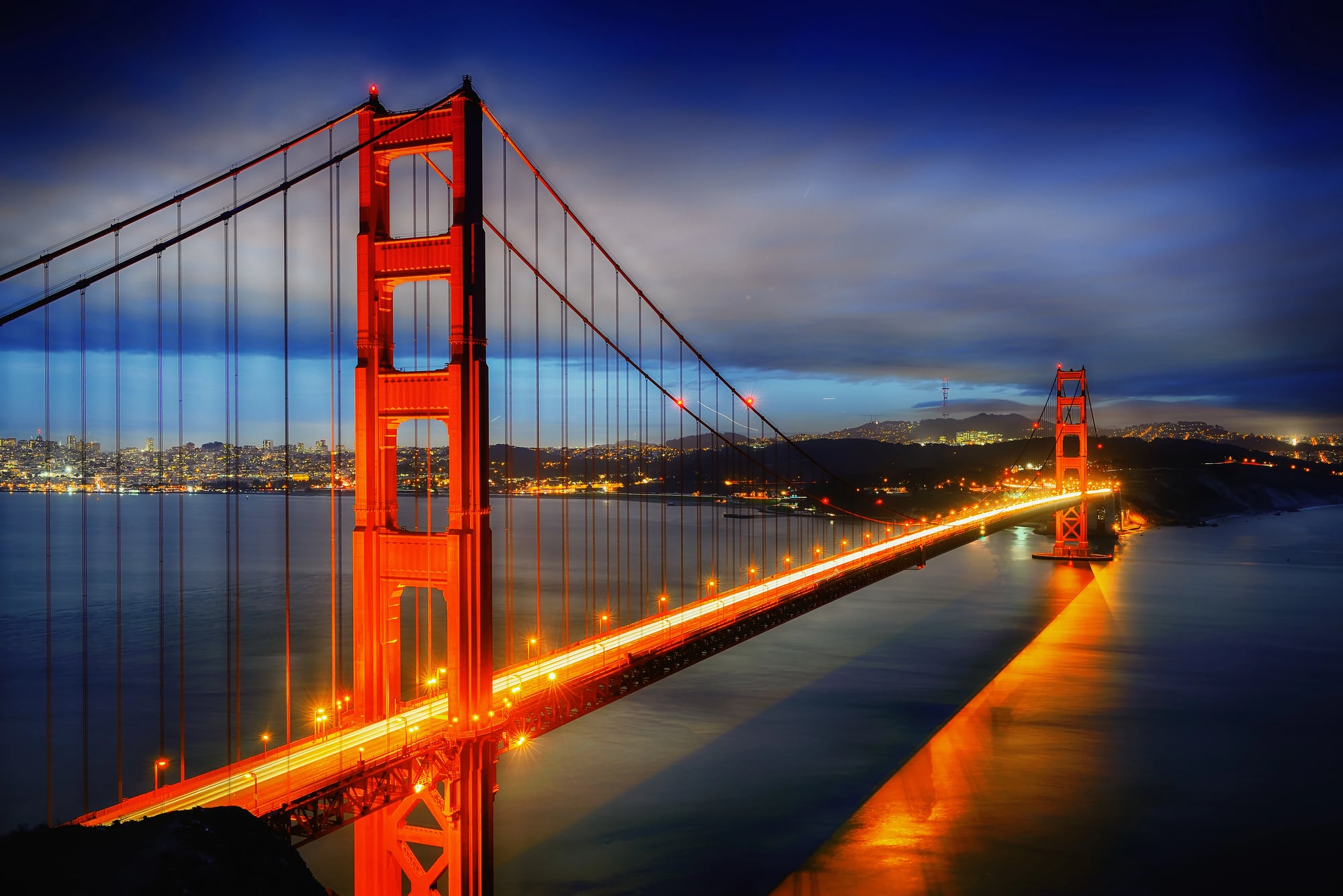
San Francisco’s red suspension bridge inspired similar designs worldwide, though few places managed to capture the original’s perfect combination of engineering and beauty. Several cities built red suspension bridges that clearly borrowed from the Golden Gate’s design, adapting the concept to their own geographical needs.
Some replicas cross rivers instead of bays, while others connect islands or span valleys, but they all share that distinctive red color and elegant suspension design. The Golden Gate’s influence shows up in bridge designs across Asia, Europe, and South America, proving that good engineering ideas travel well.
The Sydney Opera House
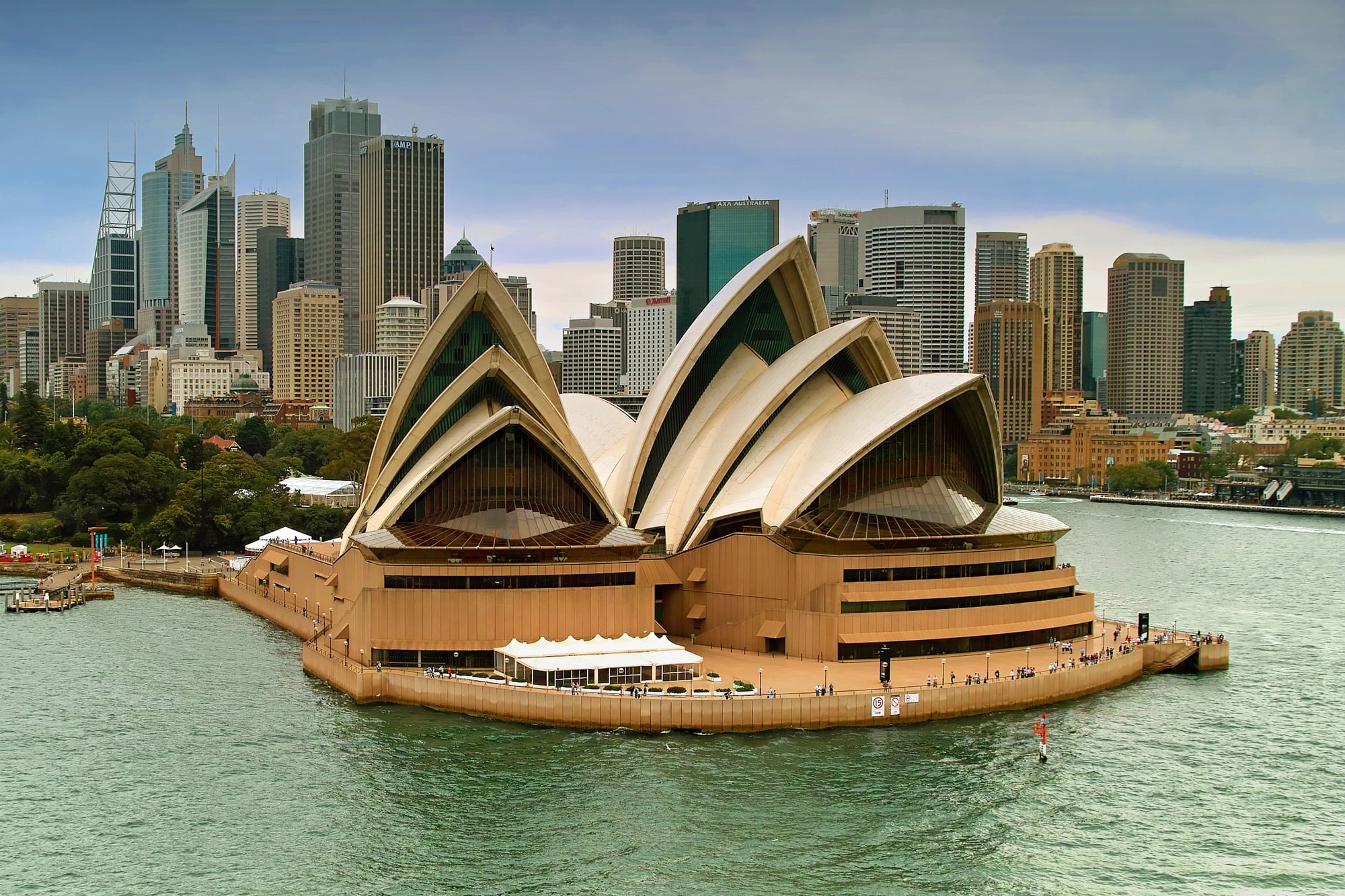
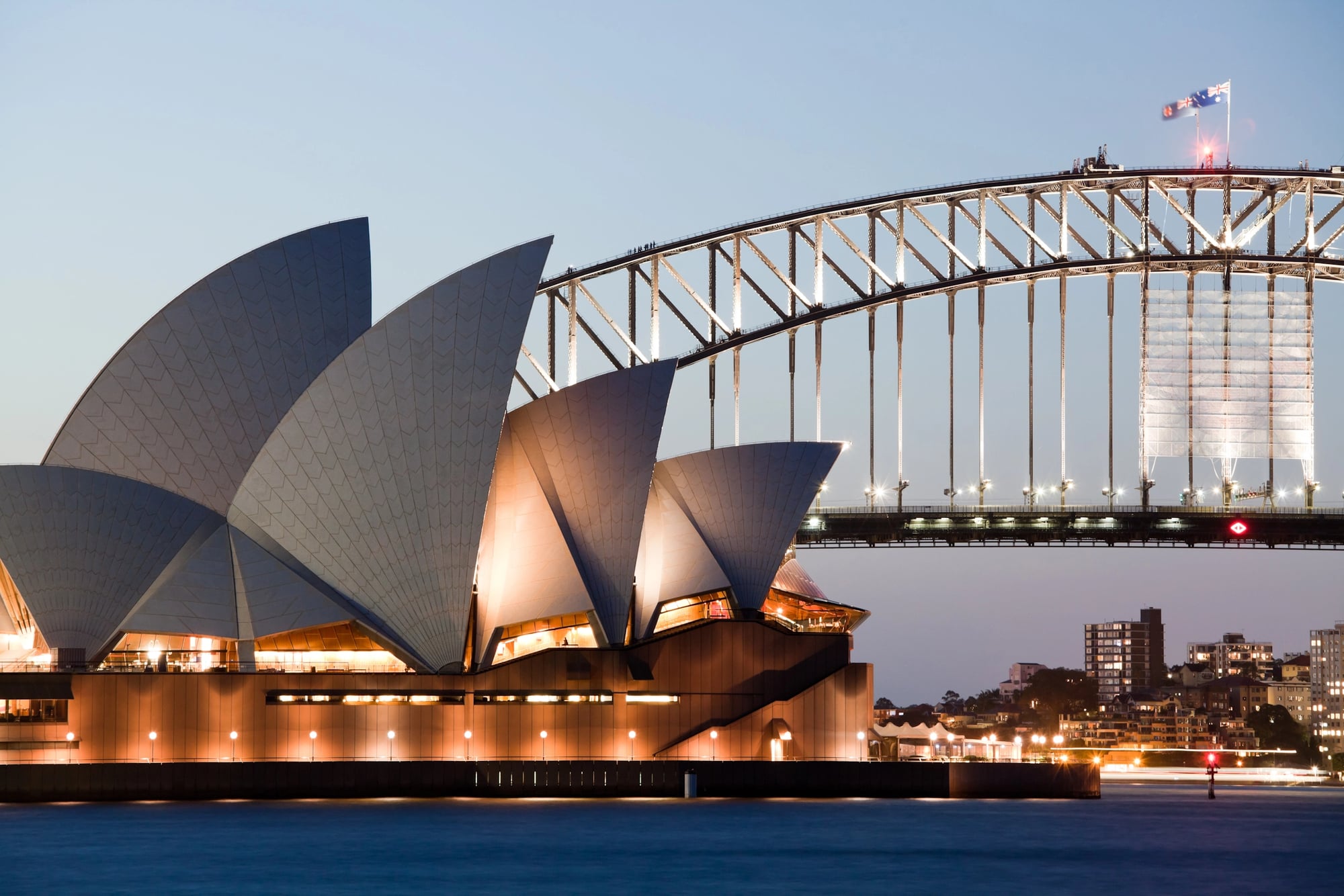
Australia’s sail-shaped performing arts center inspired architects worldwide to experiment with bold, curved designs that push the boundaries of what buildings can look like. Several cities built performing arts centers that clearly draw inspiration from Sydney’s distinctive shell-like roof structure.
These buildings adapted the concept to different climates and purposes, creating concert halls, conference centers, and cultural venues that echo the Opera House’s dramatic curves. The influence of Sydney’s design shows up in buildings that don’t necessarily look exactly like the original but share its willingness to be bold and different.
The Lincoln Memorial
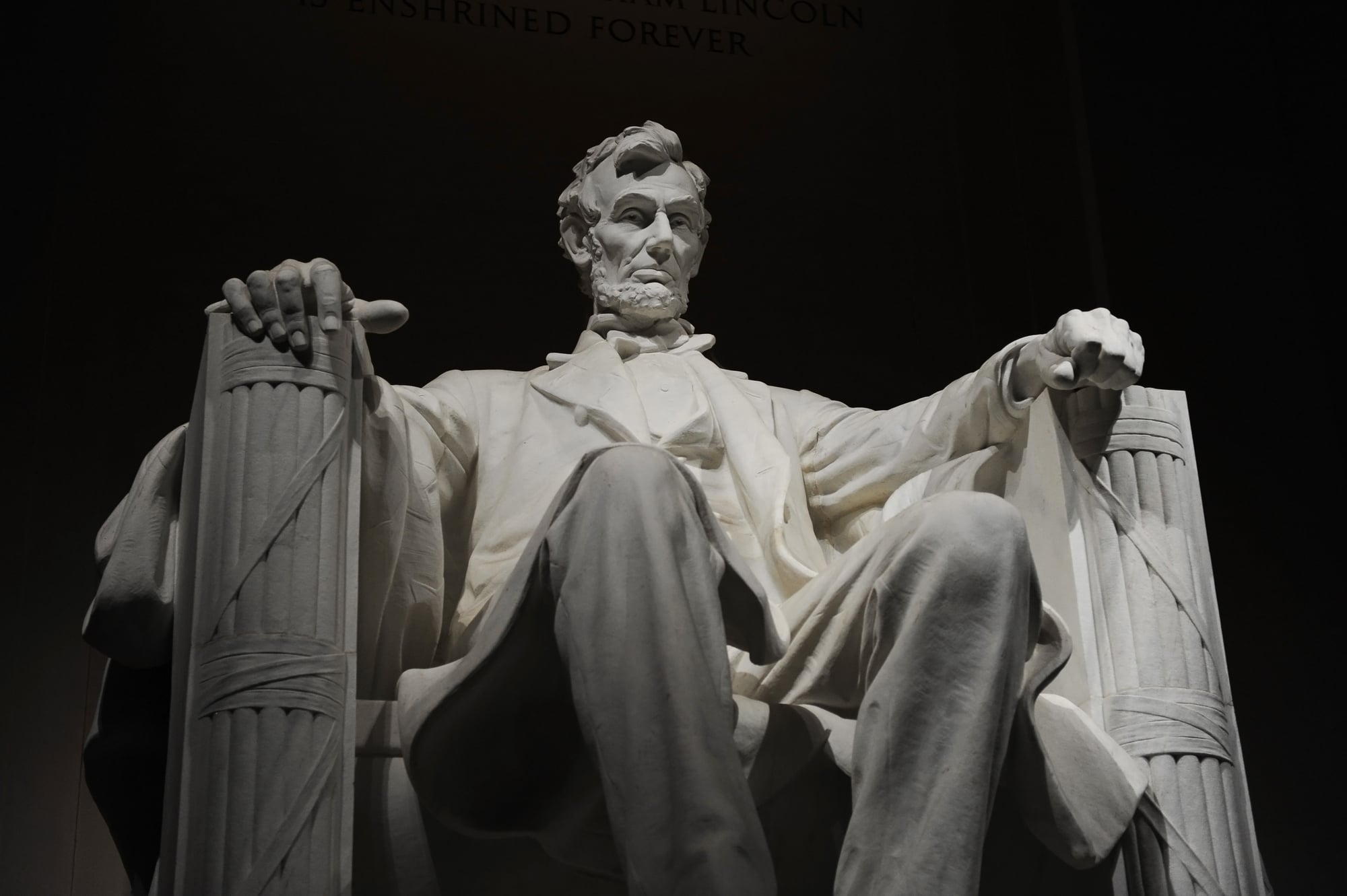
Washington D.C.’s tribute to the 16th president inspired similar neoclassical memorials around the world, many featuring seated figures of local heroes or important historical figures. Several state capitols built their own versions of the Lincoln Memorial design, adapting the basic concept to honor regional leaders or significant events.
The seated figure in a temple-like setting became a popular format for memorials, showing up in places as diverse as South Korea, which built a memorial to a beloved president, and various American cities that wanted their own versions of this powerful memorial design.
The Arc de Triomphe
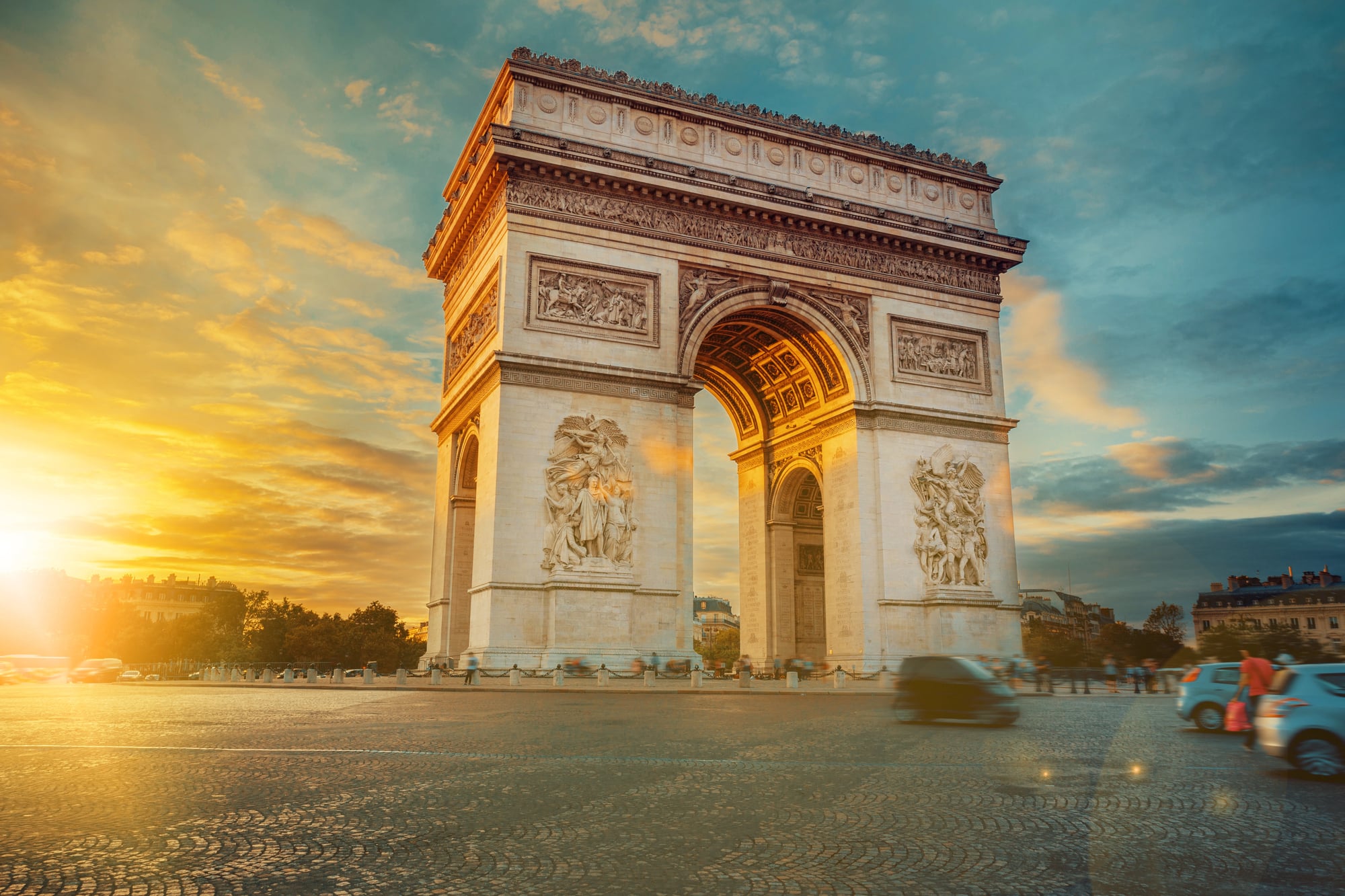
Paris’s famous arch inspired triumphal arches in cities worldwide, each celebrating different victories or achievements while borrowing from Napoleon’s architectural vision. New York’s Washington Square Arch clearly draws inspiration from the Parisian original, though it celebrates American achievements rather than French military victories.
Several other American cities built similar arches to commemorate everything from World War victories to local historical events. The basic concept of a grand arch marking an important space or celebrating achievements proved so appealing that it spread to countries across multiple continents.
The White House
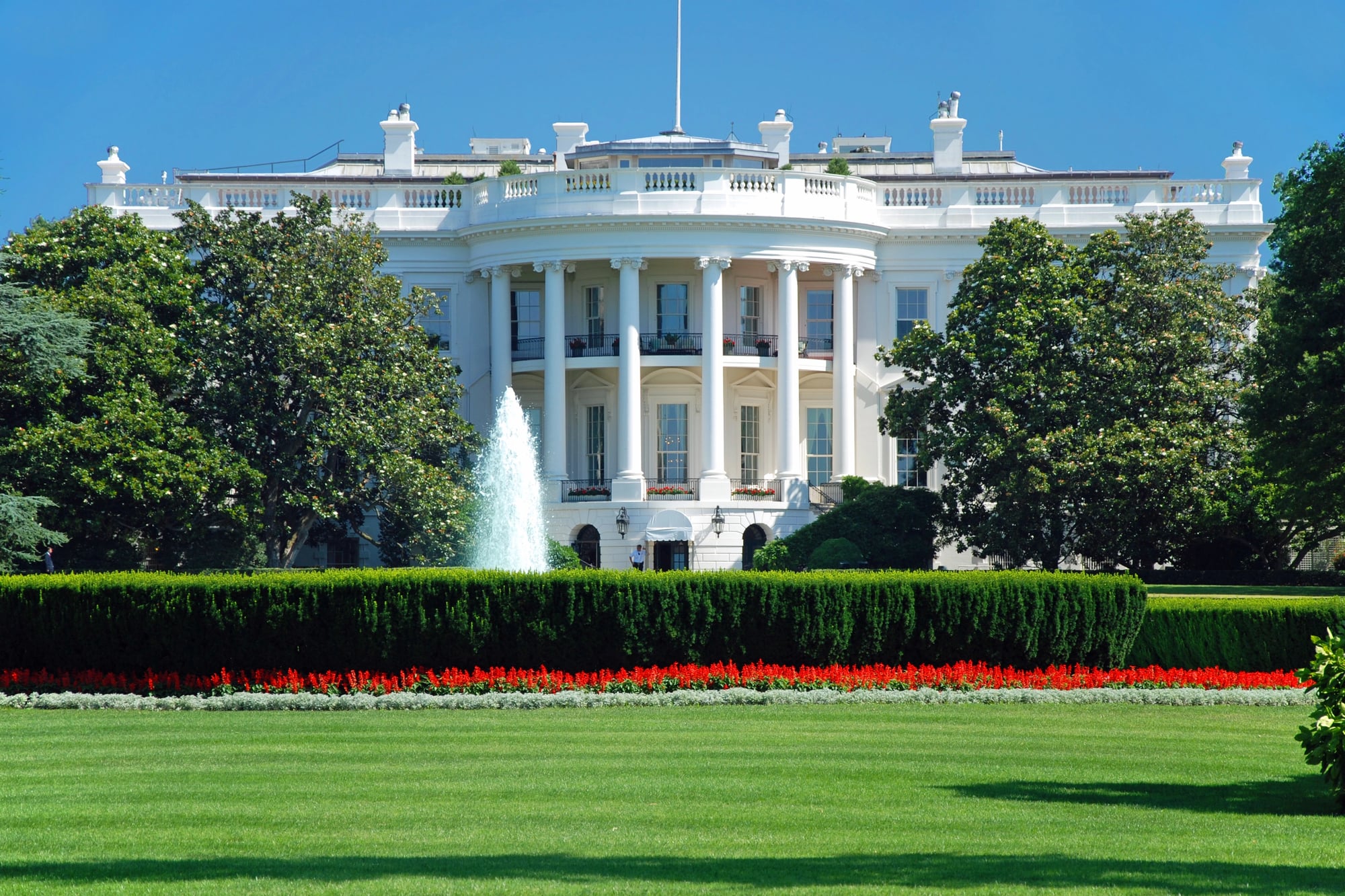
America’s most famous residence inspired government buildings around the world, with several countries designing their official residences to echo the White House’s neoclassical style. Some buildings copy the White House so closely that they look like architectural twins, complete with white facades, columned porticos, and similar proportions.
These replicas often serve as presidential palaces, government offices, or official residences for heads of state who wanted to project stability and democratic values. The White House design became shorthand for official government architecture, showing up in scaled versions from South America to Southeast Asia.
From imitation to inspiration across continents
These replicas scattered across the globe remind everyone that great architecture doesn’t recognize borders or cultural boundaries. Each copy tells its own story about why a particular community wanted to connect with a famous landmark from somewhere else, whether for tourism, civic pride, or simply because they thought it looked cool.
Some replicas became beloved landmarks in their own right, while others remain curious footnotes in architectural history. The urge to recreate and reinterpret famous monuments continues today, with new replicas still being built as cities and communities find their own reasons to borrow from the world’s most iconic structures.
These copies prove that inspiring architecture has the power to transcend geography and time, creating connections between places and people who might otherwise have nothing in common.
More from Go2Tutors!

- The Romanov Crown Jewels and Their Tragic Fate
- 13 Historical Mysteries That Science Still Can’t Solve
- Famous Hoaxes That Fooled the World for Years
- 15 Child Stars with Tragic Adult Lives
- 16 Famous Jewelry Pieces in History
Like Go2Tutors’s content? Follow us on MSN.