28 Cassette Tape and Mixtape Habits From the ’80s That Defined How People Shared Music
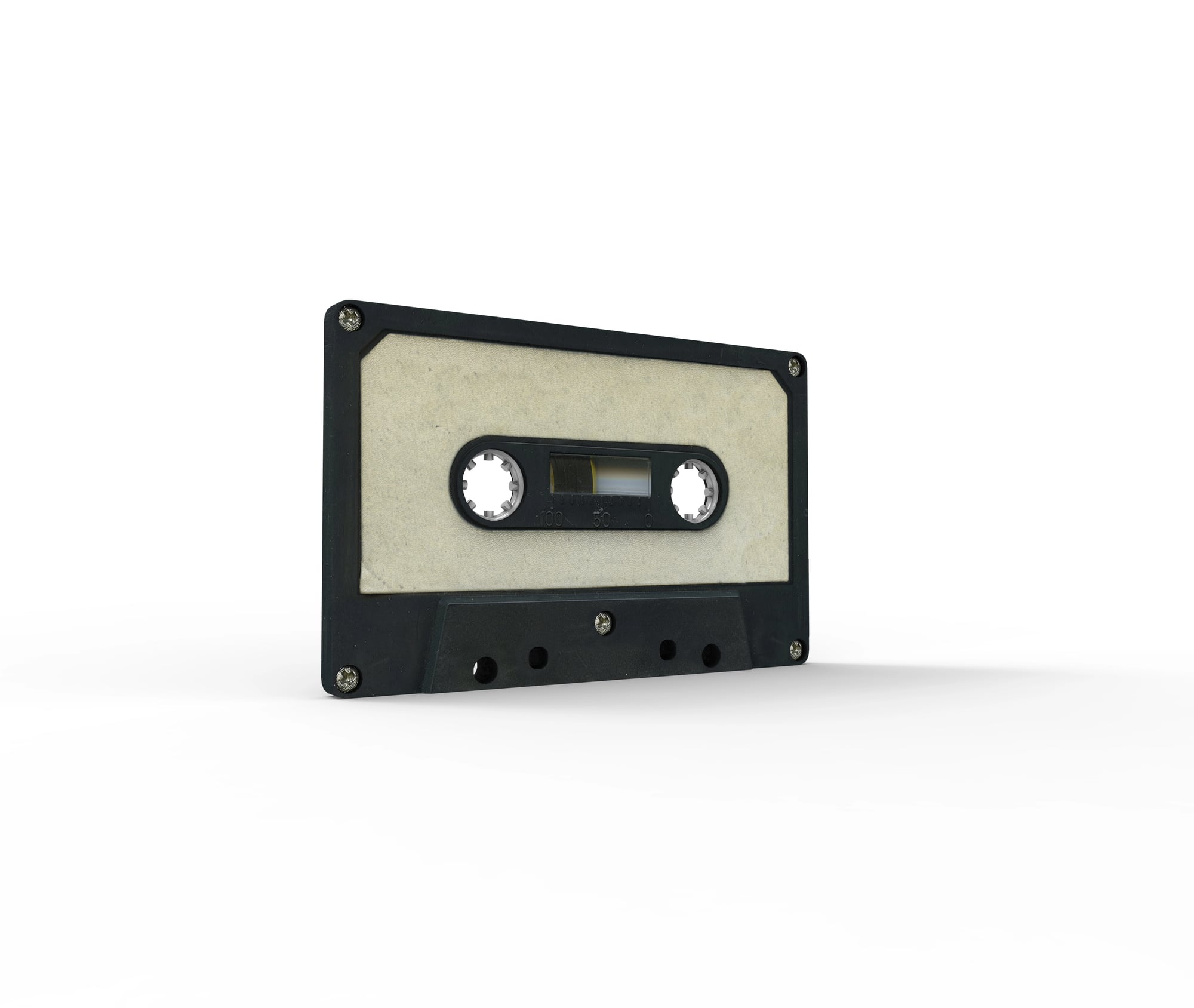
The cassette tape was more than just a way to play music — it was a language. Before playlists existed in the cloud, before songs could be shared with a single tap, there was the mixtape.
A careful collection of songs recorded onto a 90-minute cassette, usually given to someone who mattered. The process was slow, deliberate, and filled with tiny rituals that anyone who lived through the ’80s will recognize immediately.
These habits shaped not just how people listened to music, but how they connected with each other.
Writing Song Lists by Hand First

Every mixtape started with a piece of paper. Scrap paper, notebook paper, the back of an envelope — anything would do.
The song list had to be mapped out before touching the actual tape, because once you started recording, there was no going back. People would spend hours crafting these handwritten lists, crossing out songs, adding new ones, rearranging the order.
The paper became a blueprint, often covered in scratch-outs and margin notes about which songs came from which albums.
Timing Songs with a Stopwatch

Cassettes came in specific lengths — 60, 90, or 120 minutes — and every minute mattered. So people would sit with a stopwatch (or just watch the clock), timing each song to make sure the mixtape would fit perfectly on both sides.
The goal was to use every second of tape without cutting off the last song. This meant doing actual math, adding up minutes and seconds, and sometimes swapping out a four-minute song for a three-minute one just to make everything fit.
The precision was maddening and oddly satisfying.
Recording Directly from the Radio
This was the original music piracy, and it required patience that would seem absurd today. You’d sit by the radio for hours, finger poised over the record button, waiting for that one song to come on.
When it finally did, you had maybe two seconds to hit record before missing the opening notes. The trick was knowing which DJs talked over the beginning of songs (avoiding them) and which ones let the music play clean.
And there was always that moment of panic — did you catch it from the very beginning, or did you miss the first few beats? Sometimes you’d wait weeks for another chance at a clean recording of the same song.
Radio DJs became unwitting collaborators in this delicate process, their timing and habits as familiar as the songs themselves.
Creating “Pause Tapes” to Eliminate Dead Air
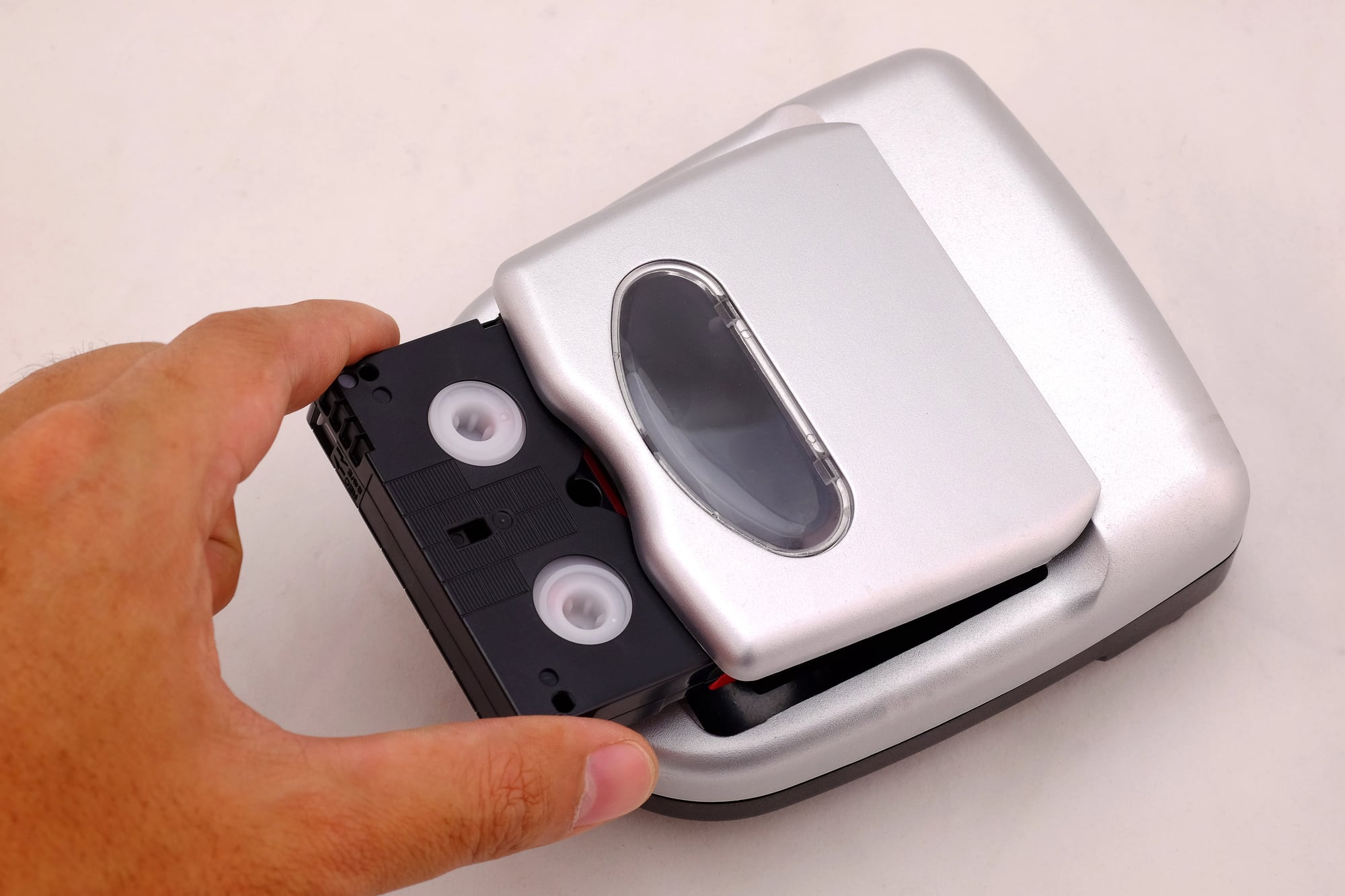
Nobody wanted awkward gaps between songs on their mixtape. The solution was the pause tape technique — hitting pause instead of stop between recordings so the tape wouldn’t advance during the silence.
This created seamless transitions between songs, but it required perfect timing. You had to anticipate exactly when one song would end, hit pause at precisely the right moment, then cue up the next song and release pause to continue recording.
Mess up the timing, and you’d either cut off the previous song or leave a weird gap.
Fast-Forwarding Through Songs to Find the Good Parts

Not every song on an album was mixtape-worthy, but buried somewhere on side two might be that perfect track. This meant fast-forwarding through entire albums, stopping periodically to see where you were, rewinding when you went too far.
The process was inexact and time-consuming. You’d develop an ear for the muffled, high-speed sounds of different songs, learning to recognize them even at fast-forward speed.
Finding a hidden gem this way felt like discovering buried treasure.
Decorating Tape Labels with Bubble Letters
The J-card (that little paper insert) and the tape label were canvases for artistic expression. Bubble letters were the standard, usually done in ballpoint pen, sometimes colored in with highlighters or markers.
People developed their own lettering styles — some went for blocky, architectural letters, others preferred flowing, connected script. The J-card would list all the songs, often with elaborate borders or small drawings.
This wasn’t just organization; it was part of the gift.
Making Copies for Yourself Before Giving Originals Away

Smart mixtape makers always kept a copy. You’d spend hours perfecting a mixtape, only to hand it over to someone and never see it again.
The solution was making a copy for yourself using the dual cassette deck, assuming you had access to one. This also meant that some mixtapes were “master copies” recorded at high quality, while others were second or third-generation copies with slightly degraded sound.
Serious mixtape makers would note which version they were giving away.
Recording MTV Audio onto Cassette
MTV actually played music videos in the ’80s, and sometimes those videos were the only way to get certain songs. People would record the audio directly from their TV speakers onto cassette, creating mixtapes filled with songs that might not have been released as singles.
The quality was usually terrible — you’d pick up background noise from the TV, and sometimes the VJ would talk over the ending. But it was worth it for access to deep cuts and rare tracks that never made it onto regular albums.
Using the Pencil Trick to Fix Broken Tapes
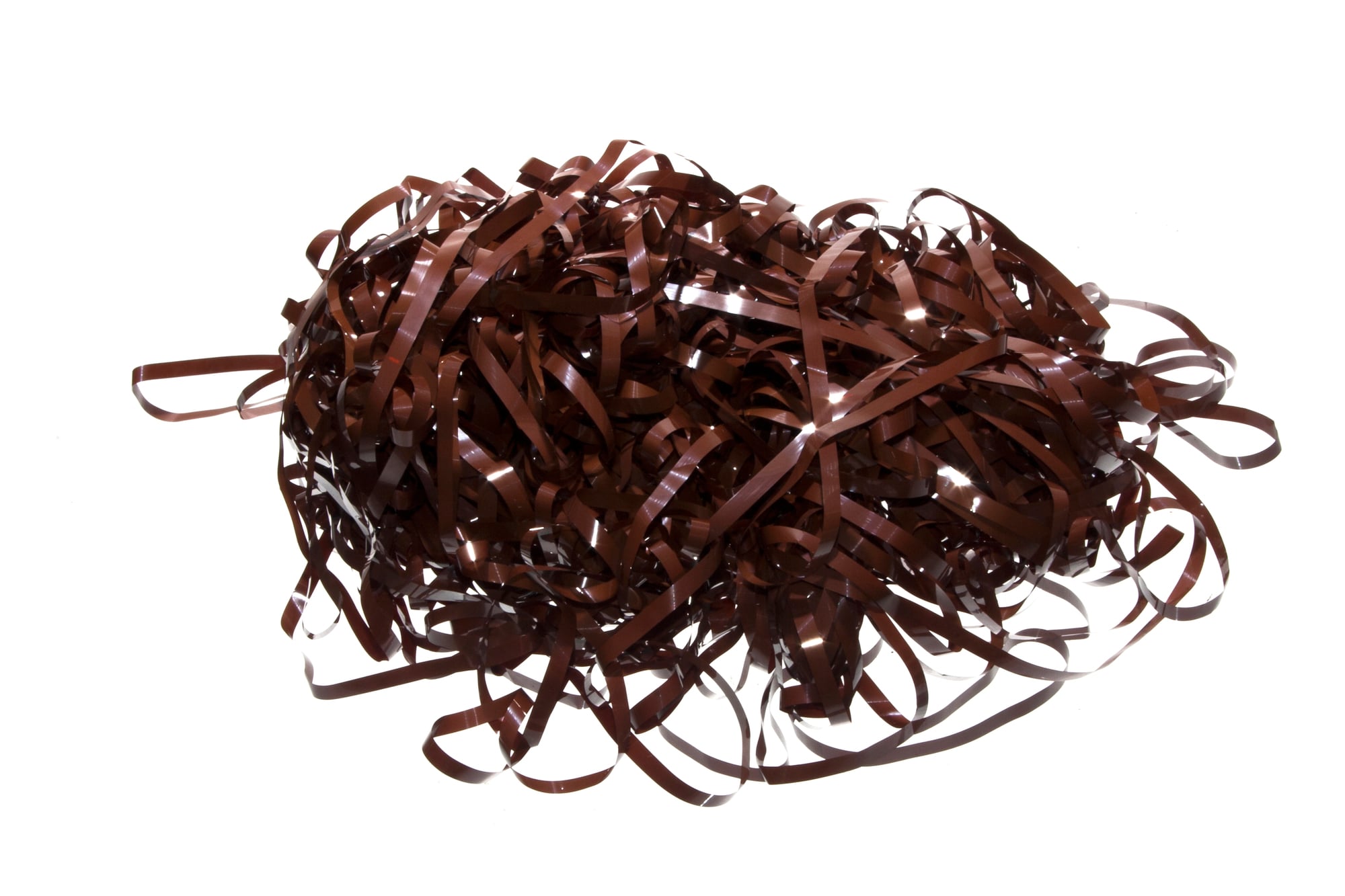
Cassette tapes broke. The thin magnetic tape would snap, or worse, get tangled up inside the cassette shell.
The universal fix was a pencil — you’d stick it through one of the pits and manually wind the tape back into place. Everyone knew this trick.
Pencils were the unofficial repair tool of the cassette age. A skilled person could even splice broken tape back together using a tiny piece of scotch tape, though the repaired section would never sound quite right.
Creating Theme-Based Mixtapes
Mixtapes weren’t just random collections of songs — they had themes. “Songs for Driving,” “Rainy Day Music,” “Songs That Remind Me of Summer.”
The theme dictated everything from song selection to the order they appeared on the tape. Some people got very specific with their themes: “Songs for 2 AM,” “Music for When You’re Mad at Your Parents,” “Soundtrack for Pretending You’re in a Movie.”
The theme was often written on the J-card in elaborate lettering, setting expectations for the listener.
Side A Vs. Side B Strategy
The two sides of a cassette had different purposes, and mixtape makers developed strategies around this limitation. Side A was for grabbing attention — it started with your strongest songs, the ones guaranteed to hook the listener immediately.
Side B was for going deeper. By the time someone flipped the tape over, they were already committed to listening.
This is where you could include more experimental tracks, slower songs, or personal favorites that might not have obvious mainstream appeal. The flip from Side A to Side B was a natural intermission, a moment to reset the mood and take the mixtape in a new direction.
Some people treated Side B like a secret message, reserved for the most personal song choices.
Recording Personal Messages Between Songs
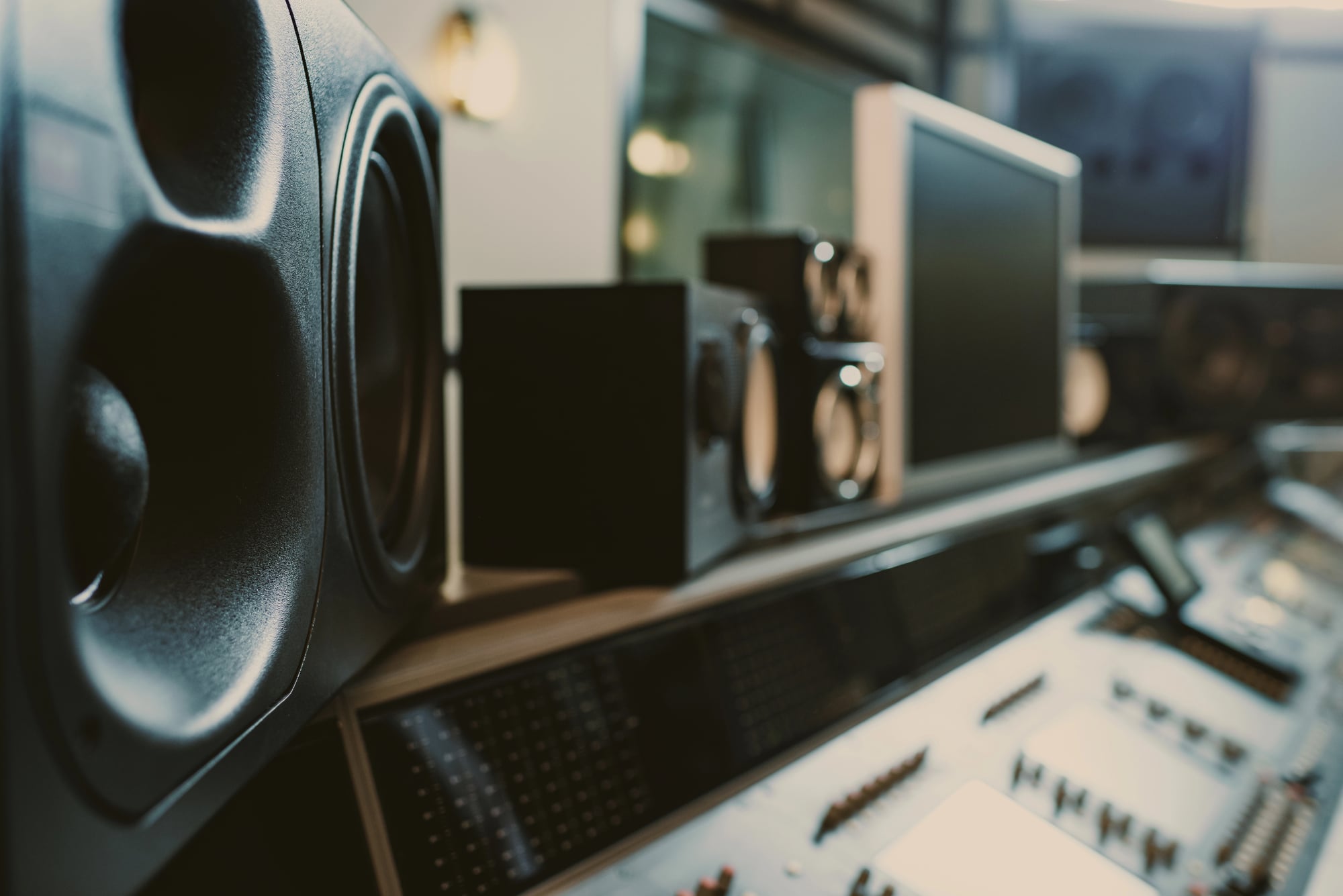
Some mixtapes included brief spoken introductions to certain songs — a few words recorded directly onto the tape explaining why a particular song was chosen or what it meant. These messages were usually awkward and heartfelt in equal measure.
The person making the mixtape would lean close to the microphone and record something like, “This next song reminds me of that time we drove to the beach,” or “I heard this and thought of you.” These snippets were more intimate than any handwritten note, because you could hear the actual voice, the nervousness, the genuine feeling behind the words.
The Art of the Opening Track
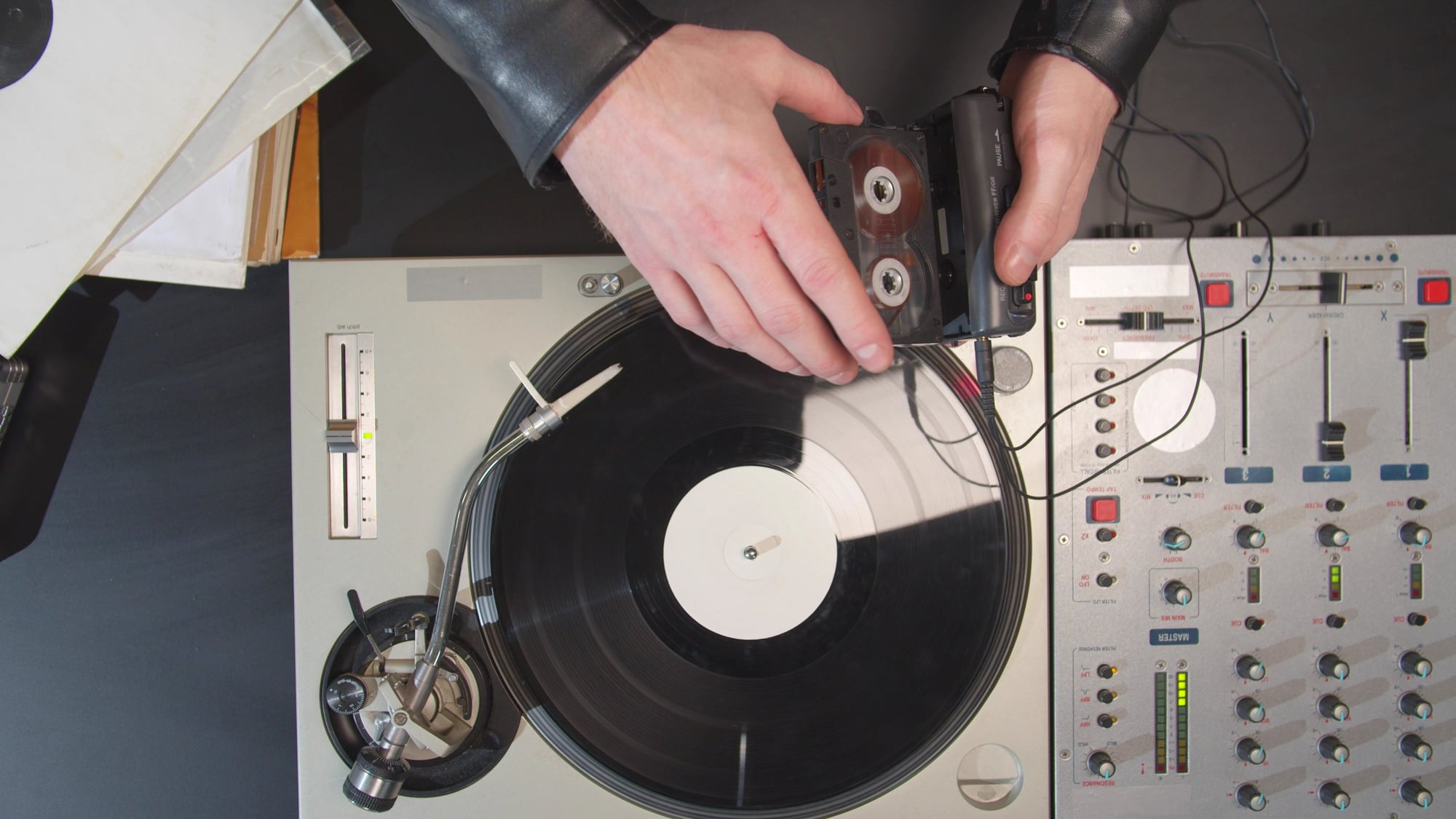
The first song on a mixtape carried enormous weight. It had to grab attention immediately, set the tone for everything that followed, and make a statement about the mixtape maker’s taste.
Choosing an opening track was a decision that could make or break the entire collection. Some people went for immediate impact — a song that started with a dramatic opening, a memorable guitar riff, or an instantly recognizable voice.
Others preferred to ease the listener in with something more subtle, building momentum as the tape progressed. The opening track was like a handshake; it told you everything you needed to know about what kind of experience you were about to have.
Listening to Entire Albums to Find Deep Cuts

Popular songs were easy to find on the radio, but the best mixtapes included tracks that most people had never heard. This meant listening to entire albums, start to finish, hunting for those hidden gems buried between the hits.
Record stores had listening stations where you could preview albums before buying them. People would spend hours there, headphones on, working their way through new releases track by track.
Finding an amazing song that wasn’t getting radio play felt like having access to secret knowledge. These deep cuts became the signature tracks that made your mixtapes stand out from everyone else’s.
Using Type II Chrome Tapes for Special Occasions
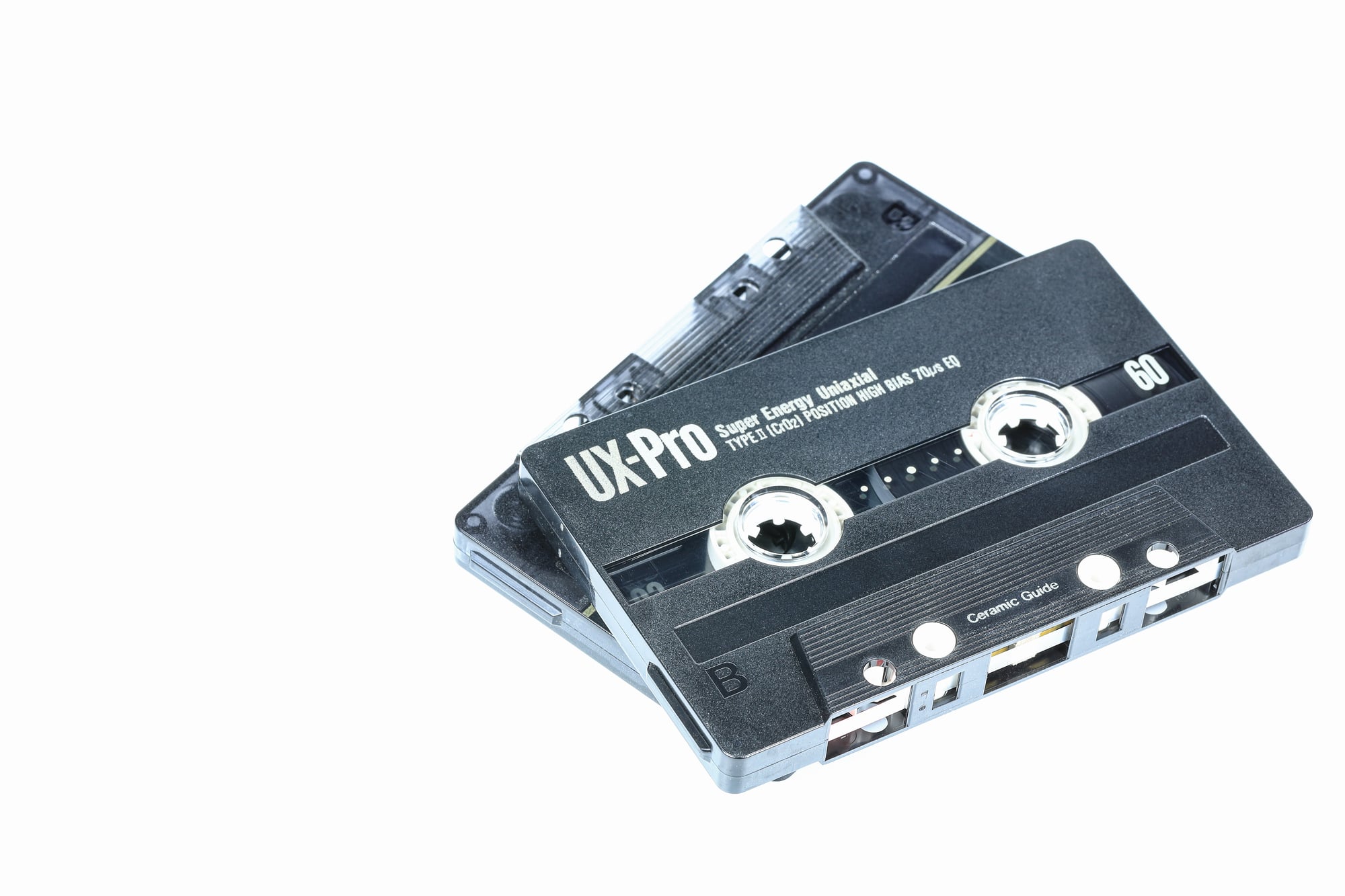
Not all cassette tapes were created equal. The standard tapes (Type I) were fine for everyday use, but for special mixtapes — the ones going to crushes, best friends, or important occasions — people upgraded to Type II chrome tapes.
Chrome tapes cost more but offered better sound quality and less tape hiss. Using one signaled that this wasn’t just any mixtape; this was a mixtape that mattered.
The higher price point meant you had to be selective about when to use them, which made receiving a mixtape recorded on chrome feel like being given something genuinely valuable.
The 45-Minute Side Dilemma
Most mixtapes were recorded on 90-minute tapes, giving you 45 minutes per side. This was rarely enough time to include everything you wanted, which created the constant dilemma of what to cut.
Every song had to justify its inclusion. The 45-minute limit forced discipline that streaming would later eliminate entirely.
You couldn’t just throw 200 songs onto a playlist and call it good. Every song choice mattered because space was finite.
This limitation often made mixtapes better — tighter, more focused, with every track earning its place through careful consideration.
Trading Mixtapes with Friends
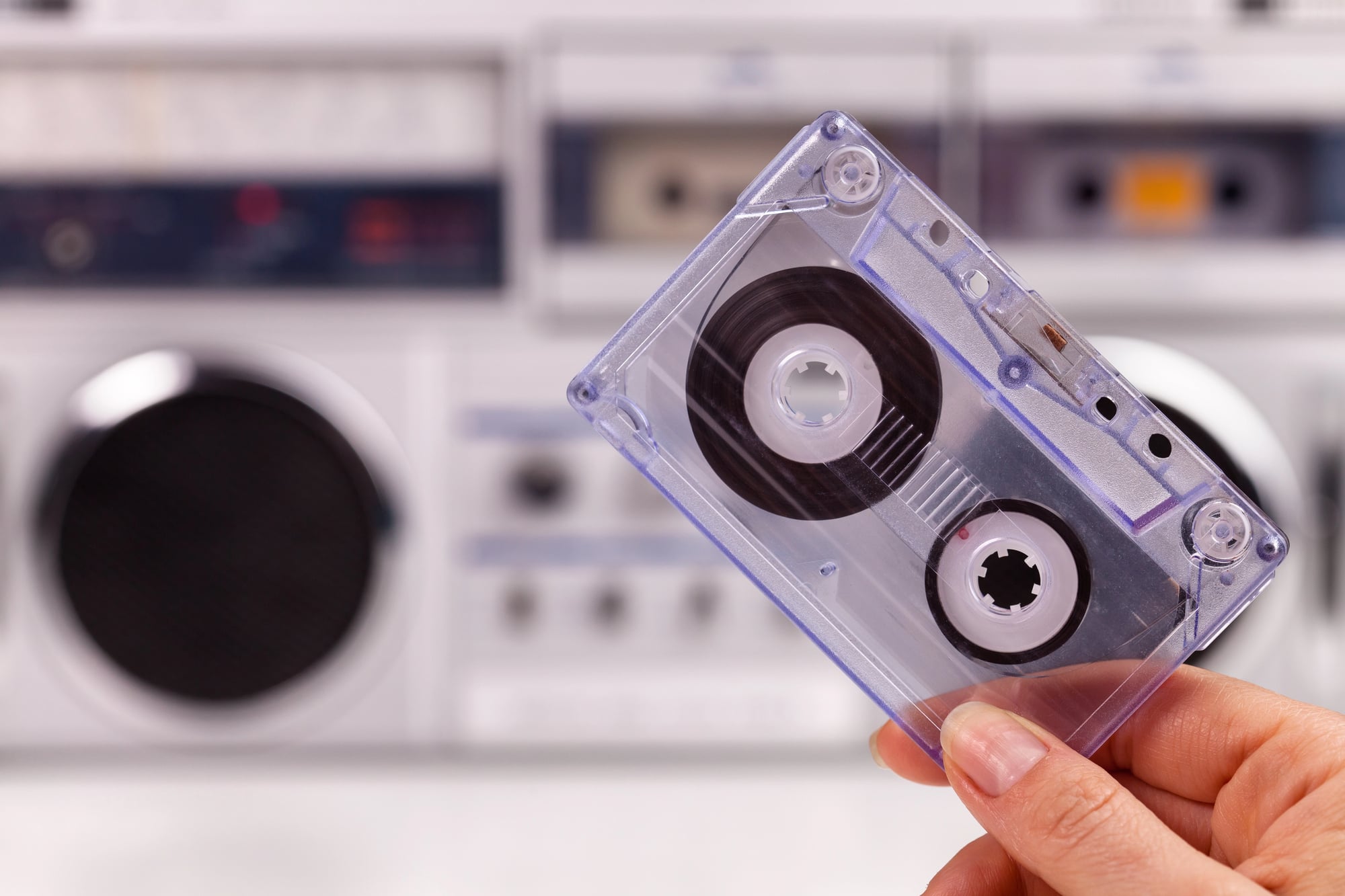
Mixtapes were currency in the teenage social economy. Friends would trade them back and forth, each person introducing the other to new music.
These trades created networks of musical discovery that spread far beyond any individual’s record collection. A good mixtape would get copied and passed along, creating chains of musical influence that could stretch across entire schools or social groups.
Someone would make a mixtape, give it to a friend, who would make a copy for someone else, who would include some of those songs on their own mixtape for a fourth person. Music spread through these informal networks like wildfire.
Perfecting the End-of-Side Timing
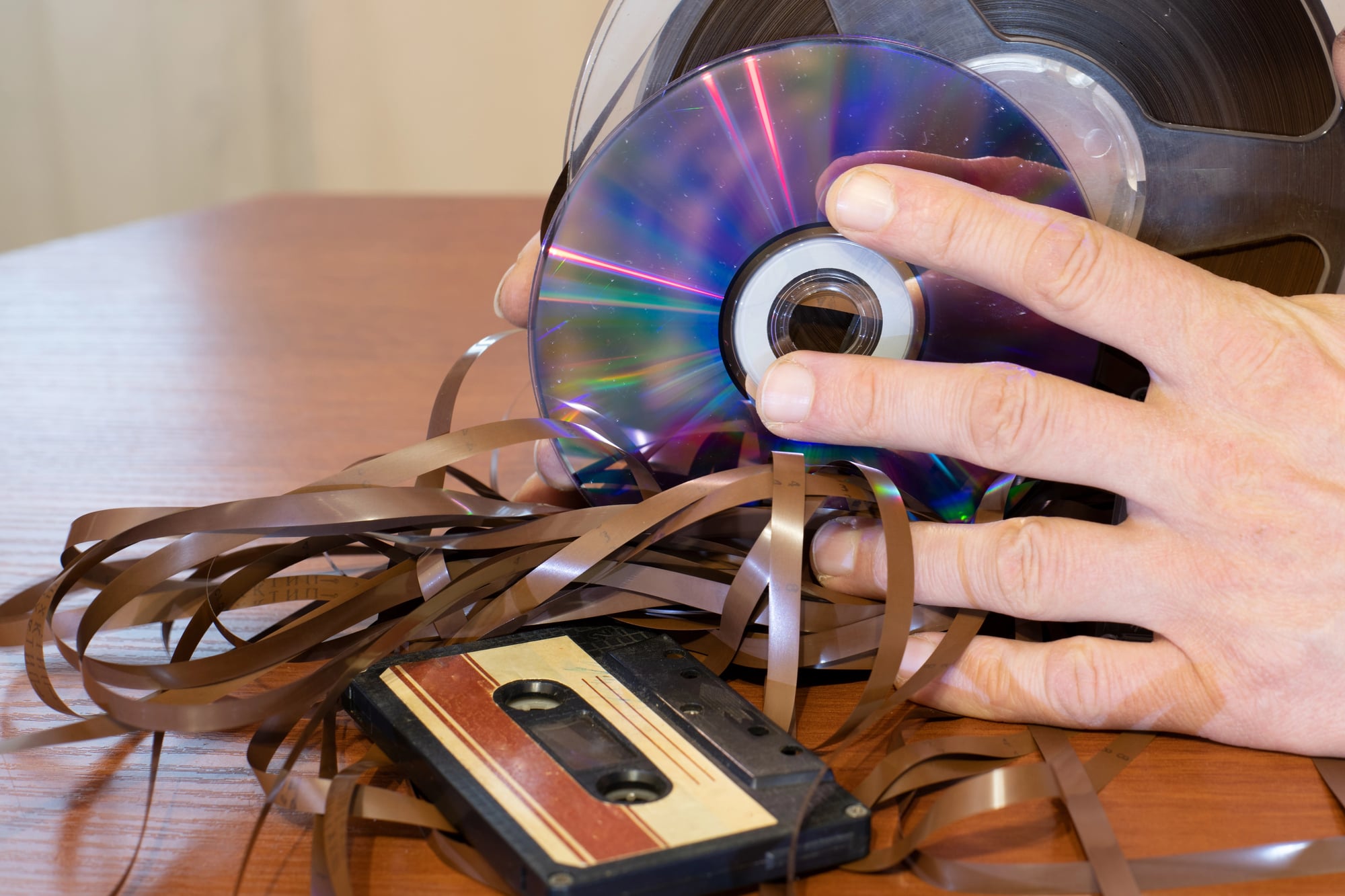
Running out of tape in the middle of a song was a rookie mistake. Experienced mixtape makers would calculate exactly how much time was left on each side and choose songs accordingly.
Sometimes this meant including a shorter song than you really wanted, just to avoid an awkward cutoff. The most skilled mixtape makers could time things so precisely that the last song would end with just a few seconds of tape remaining.
Getting this right felt like solving a puzzle — you had to know the exact length of your songs and do the math perfectly. When a side ended cleanly, right after the last note faded, it felt like a small victory.
Creating Fake Album Covers

Some people treated mixtape creation like album production, complete with original artwork. They’d create fake album covers, drawing or collaging images that represented the mixtape’s theme or mood.
These covers were often more creative than professional album art, precisely because they weren’t trying to sell anything. They were pure expression — inside jokes, personal references, elaborate fantasies about what the mixtape would look like if it were a real album released by a real band.
The cover became part of the gift, as much a part of the experience as the music itself.
The Dreaded Tape Hiss
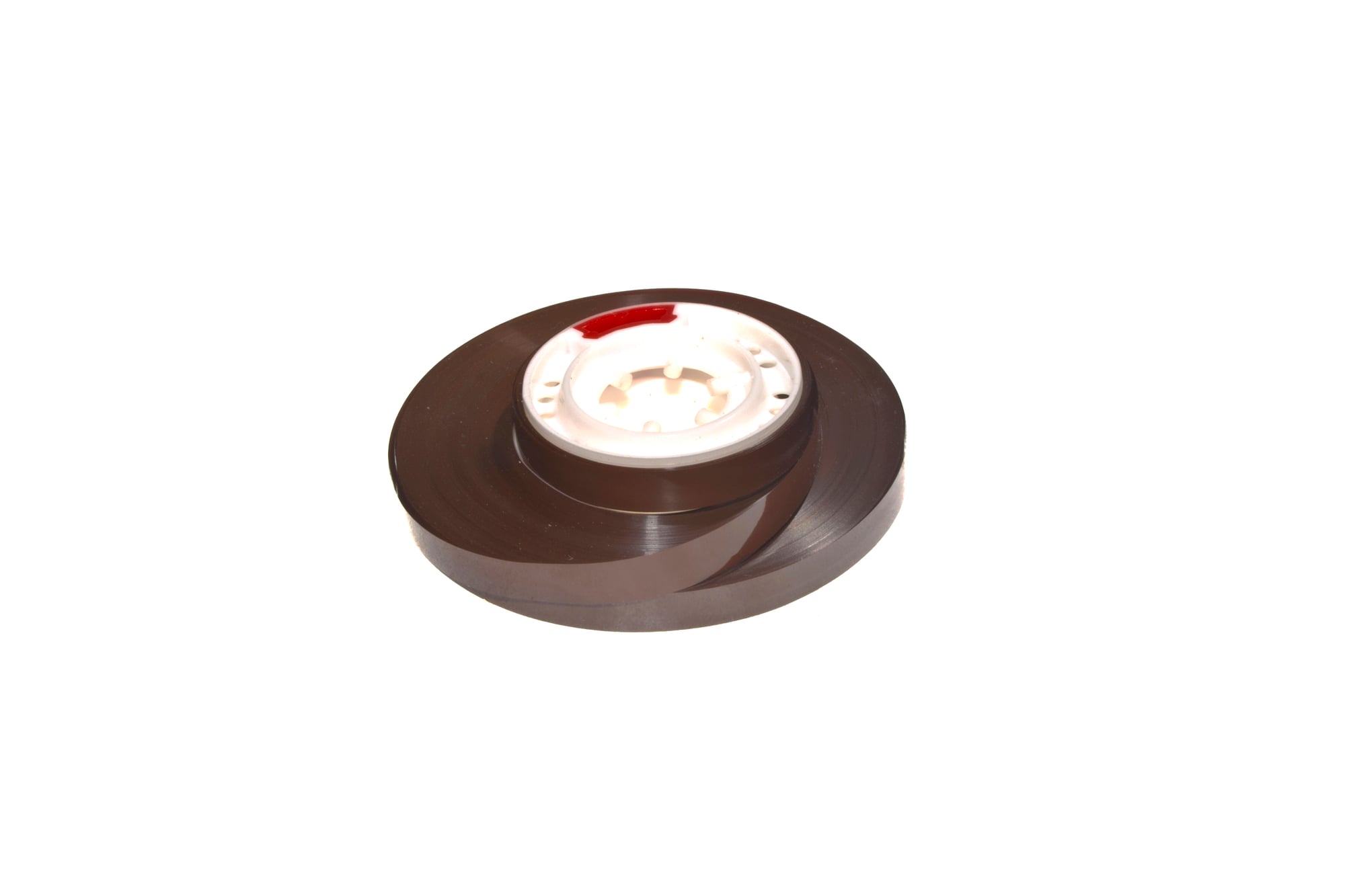
Background hiss was the enemy of good mixtapes, especially noticeable during quiet passages or between songs. Serious mixtape makers learned techniques to minimize it — recording at higher levels, using better equipment, choosing higher-quality source materials.
Some hiss was inevitable, particularly on copies of copies, but learning to manage it separated amateur mixtape makers from the obsessive perfectionists. You’d adjust recording levels, experiment with different tape brands, and sometimes re-record entire sides to eliminate particularly bad hiss.
The goal was music that sounded as clean and professional as possible, even though you were working with consumer-grade equipment.
Borrowing Albums from Friends and Libraries

Building a mixtape often required access to albums you didn’t own. This meant borrowing records from friends, checking albums out from the library, or convincing someone to let you borrow their tape for a few hours.
Libraries were goldmines for mixtape makers — they had extensive music collections, and you could check out multiple albums at once. The borrowing process created its own social dynamics; you had to maintain good relationships with people who owned the albums you wanted to record.
Your mixtape quality was limited by your social network and your ability to convince people to lend you their music.
Rewinding to Check Your Work
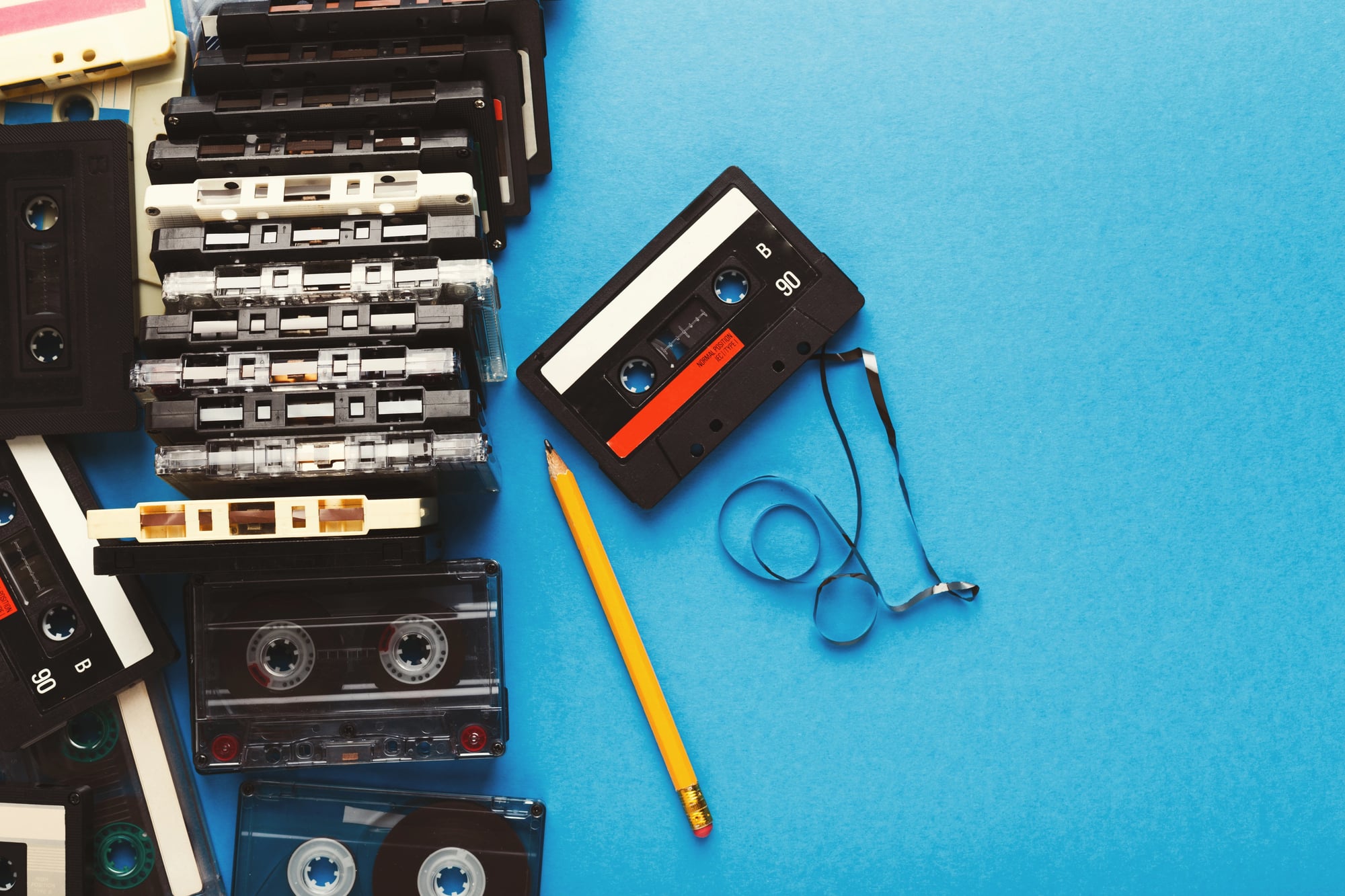
After recording a song, you’d often rewind the tape and listen to make sure it recorded properly. This quality control step was essential because there was no easy way to fix mistakes once you’d moved on to the next track.
You’d listen for problems — distortion, hiss, awkward transitions, songs that didn’t record completely. Sometimes you’d catch a problem and decide to re-record the entire side rather than live with a flawed version.
This perfectionist approach could turn mixtape creation into an all-day project, but the result was something you could be genuinely proud of.
Using Double Albums as Single Sources
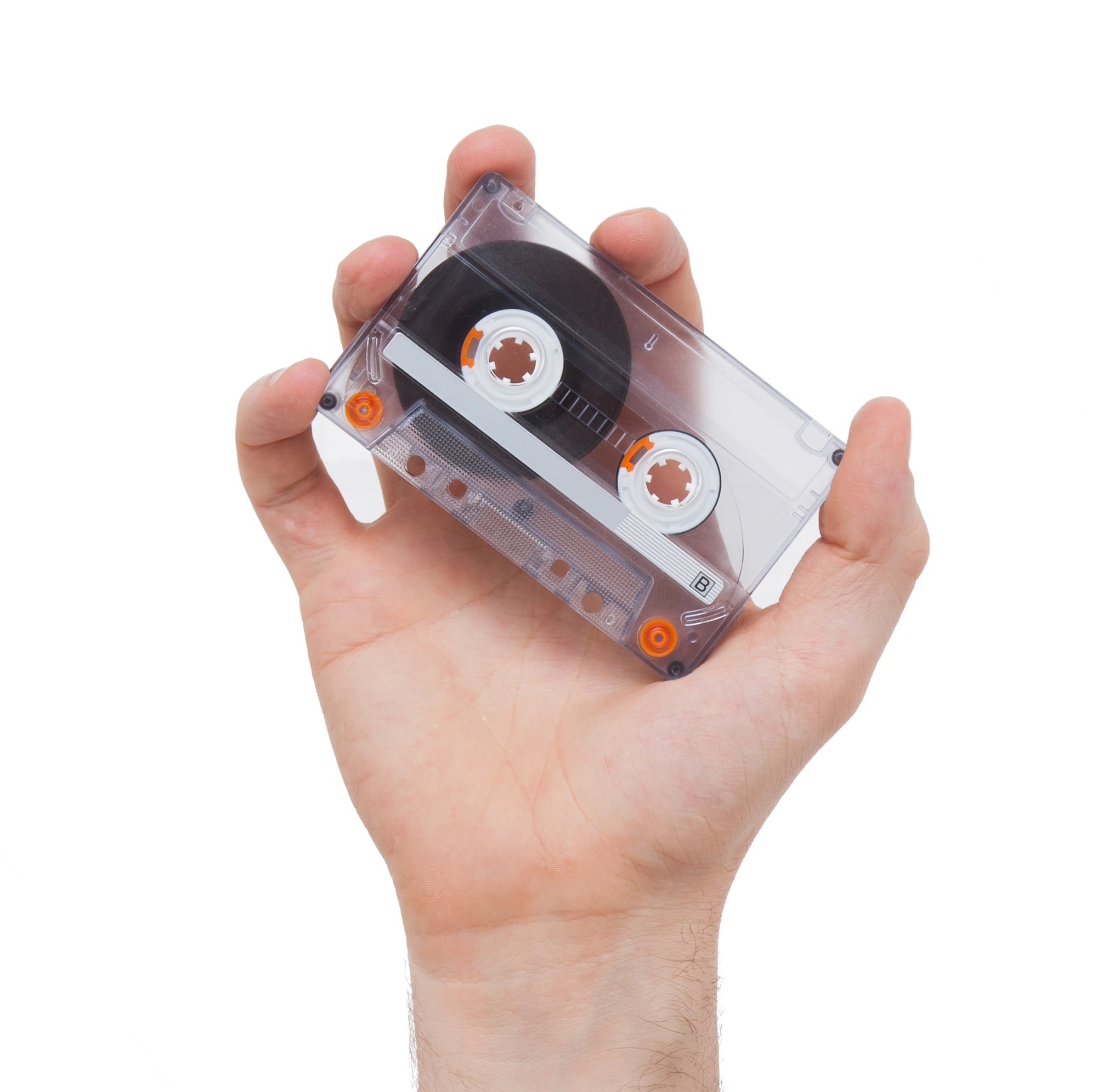
Some of the best mixtapes were built around single double albums — “The White Album,” “Physical Graffiti,” “Exile on Main Street.” These albums had enough material to fill an entire mixtape, but the track selection and ordering would be completely reimagined.
Instead of listening to the album as the artist intended, you’d cherry-pick the best tracks and rearrange them into your own preferred sequence. This was like creating a “greatest hits” version of an album that didn’t have an official greatest hits collection.
You’d ignore the original side breaks and song order, creating something that felt both familiar and completely new.
Making Seasonal Mixtapes
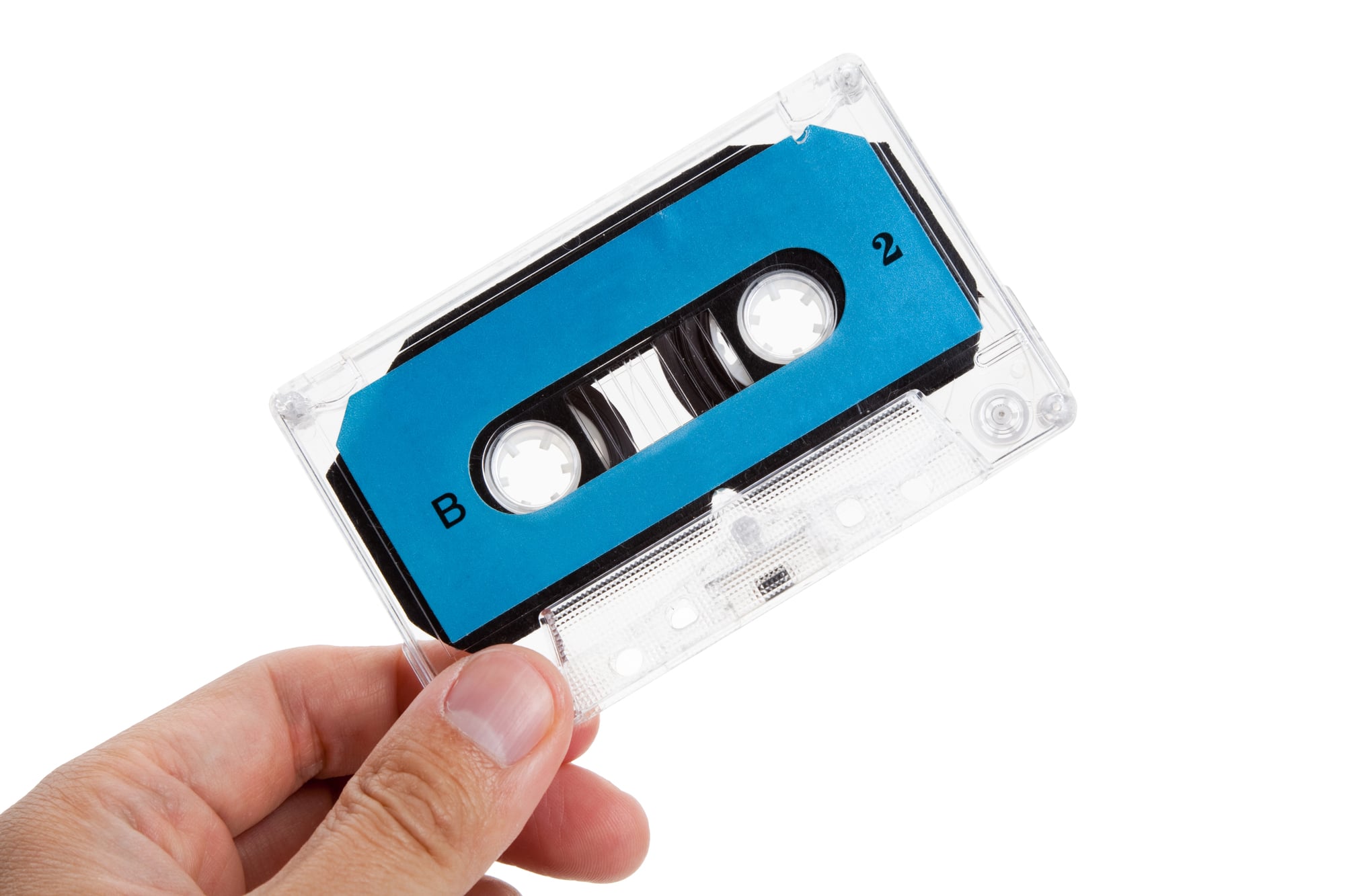
Certain songs belonged to certain seasons, and mixtape makers would create collections that captured the essence of summer, fall, winter, or spring. These weren’t just random songs recorded during those seasons — they were carefully curated collections that evoked specific moods and memories.
Summer mixtapes were for driving with the windows down. Winter mixtapes were for long, dark evenings indoors.
Fall mixtapes captured the feeling of going back to school, the smell of burning leaves, the anticipation of change. These seasonal collections became soundtracks for entire periods of life, songs forever linked to specific times of year.
The Emergency Blank Tape Stash
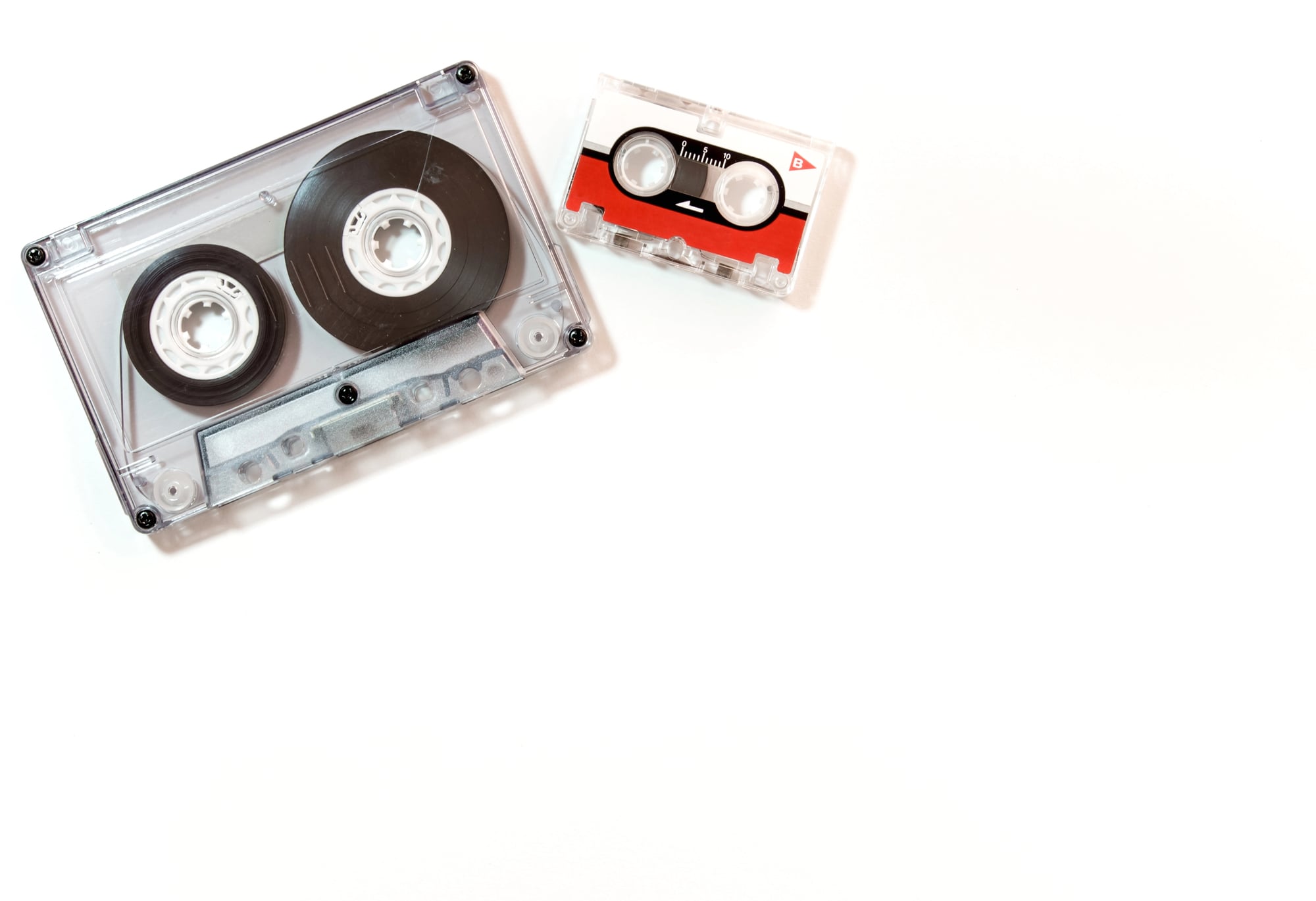
Serious mixtape makers always kept blank tapes on hand. You never knew when inspiration would strike, when you’d hear a great song on the radio, or when someone would lend you an album you’d been wanting to record.
Running out of blank tapes at the wrong moment was a minor tragedy. Stores weren’t always open, and by the time you could buy more tapes, the opportunity might be gone.
The emergency stash meant you were always ready to record, always prepared to capture something great the moment you encountered it.
Creating Collaborative Mixtapes
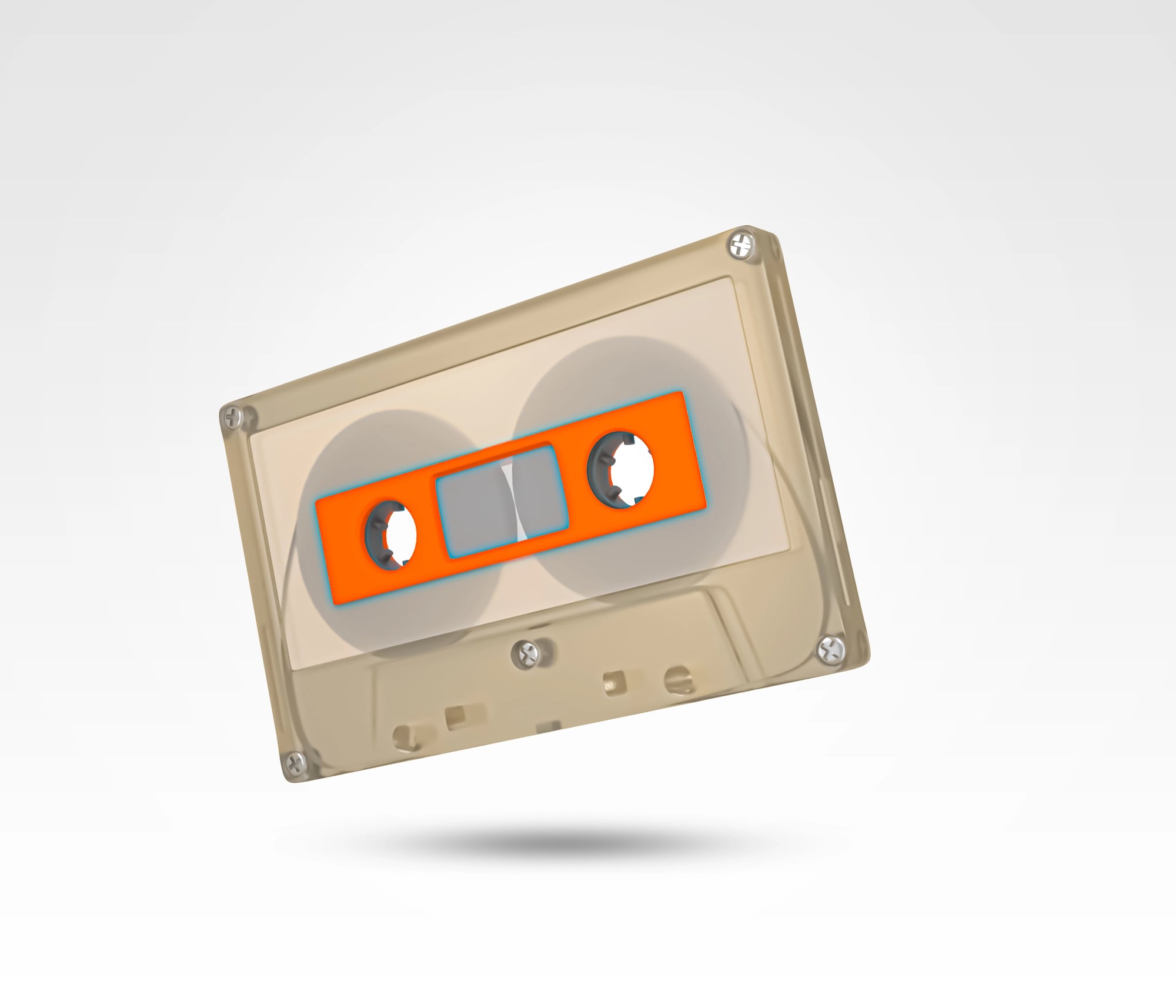
Some of the best mixtapes were group projects — each person would contribute a few songs, creating a collection that represented multiple tastes and perspectives. These collaborative efforts often introduced people to music they never would have discovered on their own.
The process required negotiation and compromise. Someone would suggest a song, others would vote it up or down, and the final track listing would emerge through democratic process.
These mixtapes became group portraits, musical snapshots of friend groups and their collective identity. Years later, hearing these collaborative mixtapes was like looking through an old photo album.
Hiding Personal Messages in Song Choices
The most sophisticated mixtape makers used song selection to communicate feelings they couldn’t express directly. A breakup mixtape might include songs about loss and moving on.
A crush mixtape would be filled with love songs that said everything the mixtape maker was too nervous to say out loud. The recipient was expected to decode these musical messages, to understand that the inclusion of certain songs wasn’t accidental.
This created a secret language where emotions were communicated through other people’s lyrics. Sometimes the message was subtle; other times it was painfully obvious.
Either way, the songs carried weight beyond their entertainment value.
The Ritual of the First Listen
Receiving a mixtape was just the beginning — the first listen was a sacred ritual. You’d find a quiet space, put on headphones or turn up the stereo, and commit to listening to the entire thing from start to finish.
This wasn’t background music; this was focused attention. You’d read along with the song list, trying to understand why each song was chosen, how they connected to each other, what story the mixtape was trying to tell.
The first listen was about understanding not just the music, but the person who made it. You were hearing their taste, their feelings, their way of seeing the world — all encoded in a carefully selected collection of songs.
When the Music Stayed Personal
These habits created a culture where music sharing was intimate and intentional. Every song on a mixtape was there for a reason, chosen by someone who cared enough to spend hours getting it right.
The process was slow, deliberate, and filled with small decisions that revealed personality and taste. That world is gone now, replaced by something faster and easier but fundamentally different.
Music can be shared instantly, but it’s rarely shared with the same care and attention. The mixtape was more than just a collection of songs — it was a gift of time, a carefully crafted message, a way of saying something important without using any of your own words.
More from Go2Tutors!

- The Romanov Crown Jewels and Their Tragic Fate
- 13 Historical Mysteries That Science Still Can’t Solve
- Famous Hoaxes That Fooled the World for Years
- 15 Child Stars with Tragic Adult Lives
- 16 Famous Jewelry Pieces in History
Like Go2Tutors’s content? Follow us on MSN