26 Shipwrecks Found Decades Later With Cargo Still Sitting Exactly Where It Sank
A ship that goes down fast takes its paperwork with it, but its cargo keeps the record. Bills of lading burn or rot, while silver bars, porcelain bowls and bottles of champagne sit quietly in the dark, arranged exactly as the crew stowed them on the last morning.
Some of these wrecks waited a few decades for someone to find them. Others waited more than three thousand years, and a few still hold most of what they carried.
SS Central America and the Ship of Gold
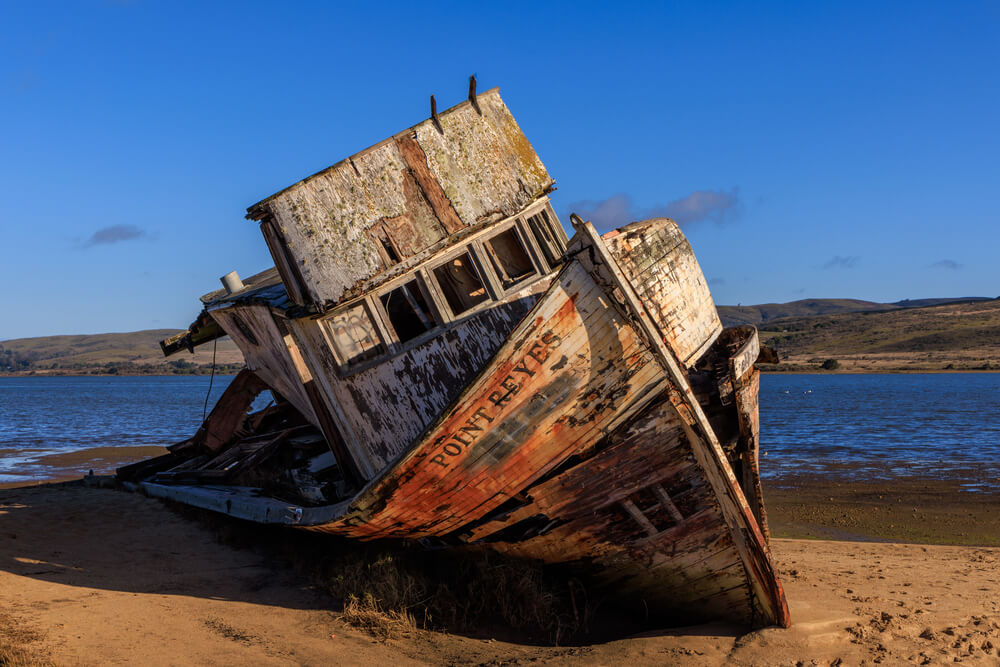
A hurricane sank the sidewheel steamer SS Central America off the Carolinas on September 12, 1857, taking about 425 lives and tons of California gold bound for New York banks. The loss helped deepen the financial Panic of 1857.
In 1988, a team led by engineer Tommy Thompson located the wreck about 7,200 feet down and used a remotely operated vehicle to lift gold bars, coins and nuggets from the seabed. Years of court fights with insurers and investors followed.
Thompson himself later spent years jailed for contempt of court after refusing to explain what happened to hundreds of missing coins.
Silver Ingots Nearly Three Miles Down on SS Gairsoppa
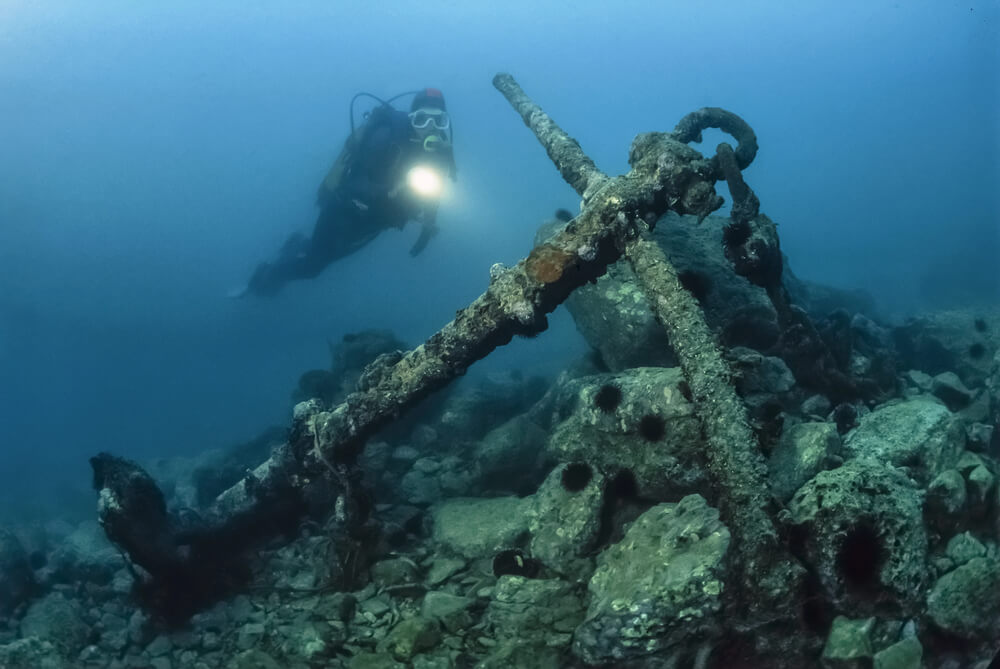
German submarine U-101 torpedoed the British cargo ship SS Gairsoppa on February 17, 1941, roughly 300 miles off Galway, Ireland, and the ship went down in about 4,700 meters of water. Odyssey Marine Exploration located the wreck in 2011.
Over the summers of 2012 and 2013, its crews recovered 2,792 silver ingots weighing about 110 tons, more than 99 percent of the insured silver documented aboard. Many bars were stamped by the mint in Bombay.
The team also brought up around 700 pieces of wartime mail, letters that had waited more than 70 years to be read.
Uluburun and Its Bronze Age Copper
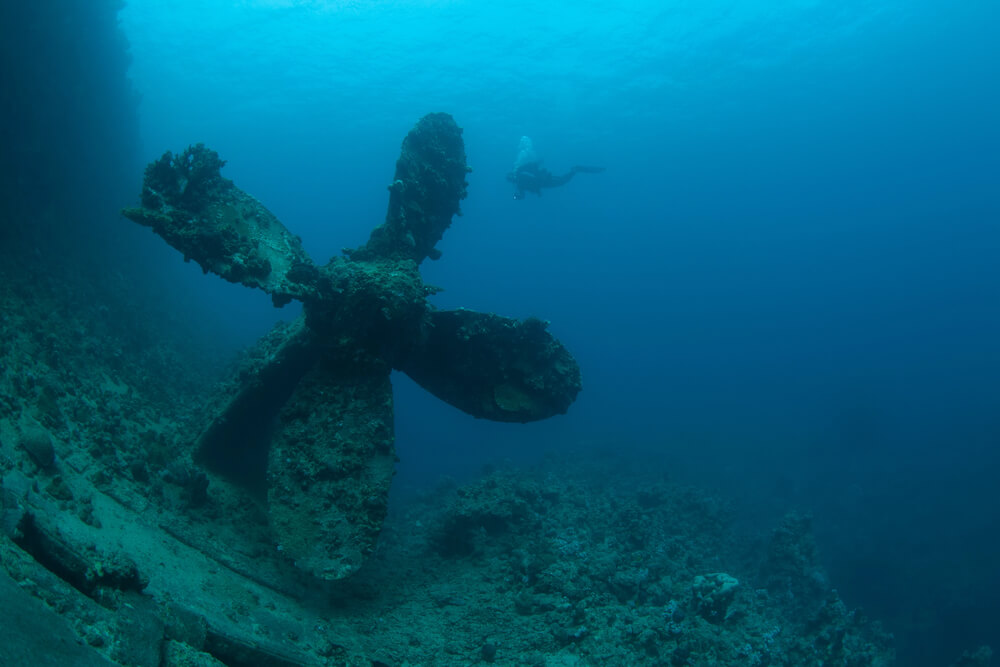
A Turkish sponge diver named Mehmet Cakir reported strange metal objects with ears on the seabed off Kas in 1982, and archaeologists realized he had found a ship from the 14th century BC. Excavation by the Institute of Nautical Archaeology ran from 1984 to 1994.
The cargo included about 10 tons of copper cast as 354 oxhide-shaped ingots, roughly a ton of tin, glass ingots, ebony, ivory and a gold scarab bearing the name of Queen Nefertiti. The copper and tin were in the right ratio to make bronze, which suggests the ship carried the raw material for an entire armory.
Antikythera Wreck and Its Mysterious Gears
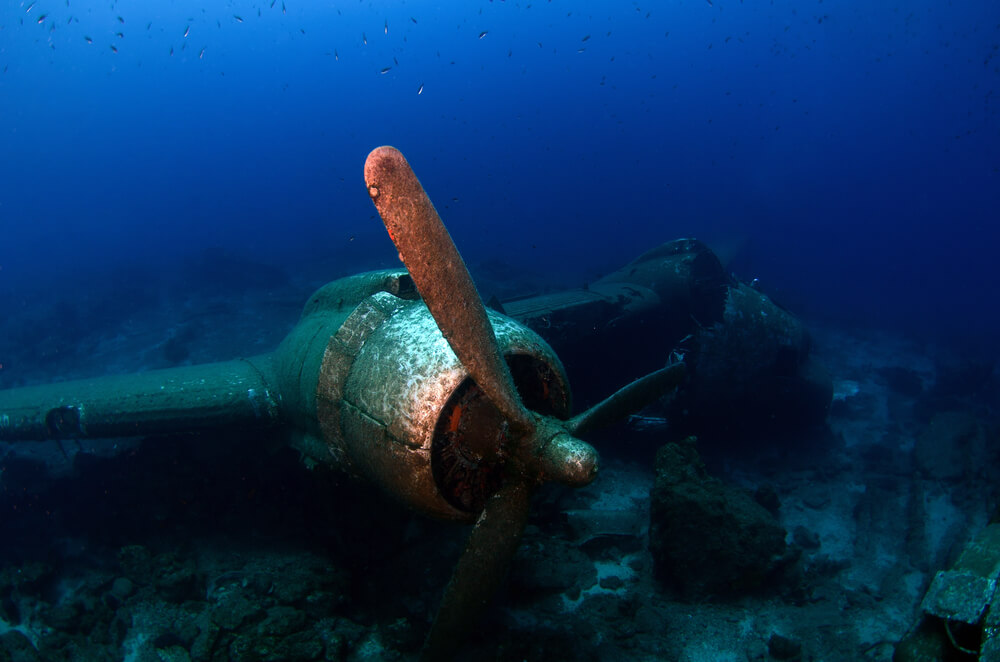
Greek sponge divers sheltering from a storm off the island of Antikythera in 1900 spotted bronze and marble statues scattered across the seafloor. The ship had sunk around the first century BC, carrying luxury goods including glassware, coins and sculpture.
In 1901, recovery crews raised a corroded lump that later proved to contain the Antikythera mechanism, a geared device that modeled the movements of the sun, moon and planets. Researchers have spent more than a century decoding it with X-rays and CT scans.
Divers returned in 1976 with Jacques Cousteau and again from 2014 onward, still finding material.
SS Republic and a Hold Full of Coins
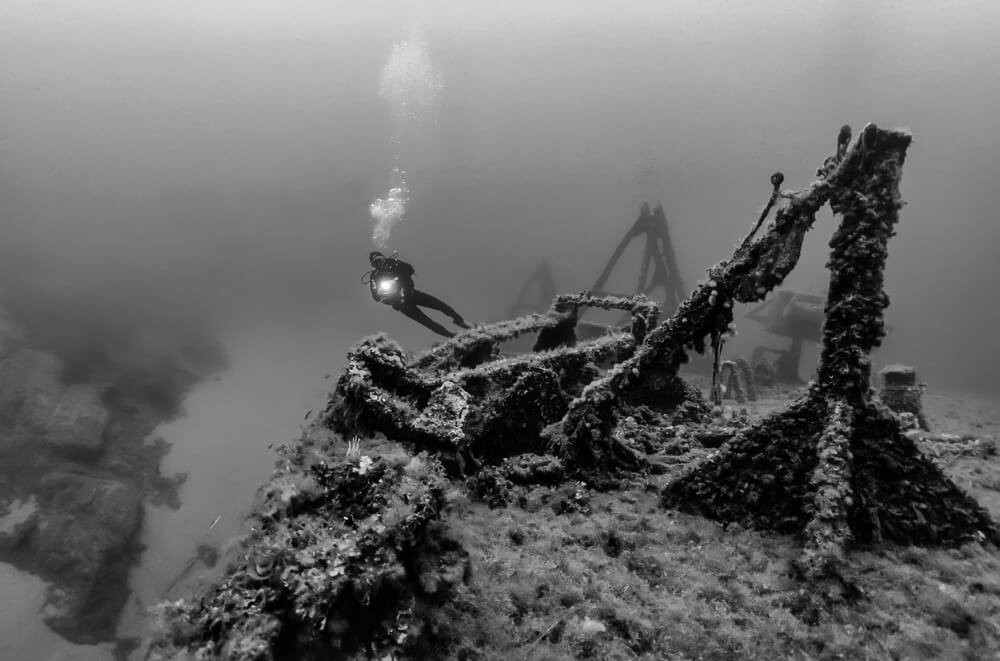
Bound for New Orleans, the sidewheel steamer SS Republic left New York in October 1865 carrying passengers and a large shipment of coins to a South recovering from the Civil War. A hurricane off the coast of Georgia sank it.
In 2003, Odyssey Marine Exploration found the wreck about 1,700 feet down, roughly 100 miles offshore, and recovered some 51,000 coins along with thousands of bottles, pots and personal items. Many of the gold double eagles were in remarkable condition.
The mix of coins offers a rare snapshot of what money was actually moving through the postwar American economy.
Nuestra Senora de Atocha and the Mother Lode
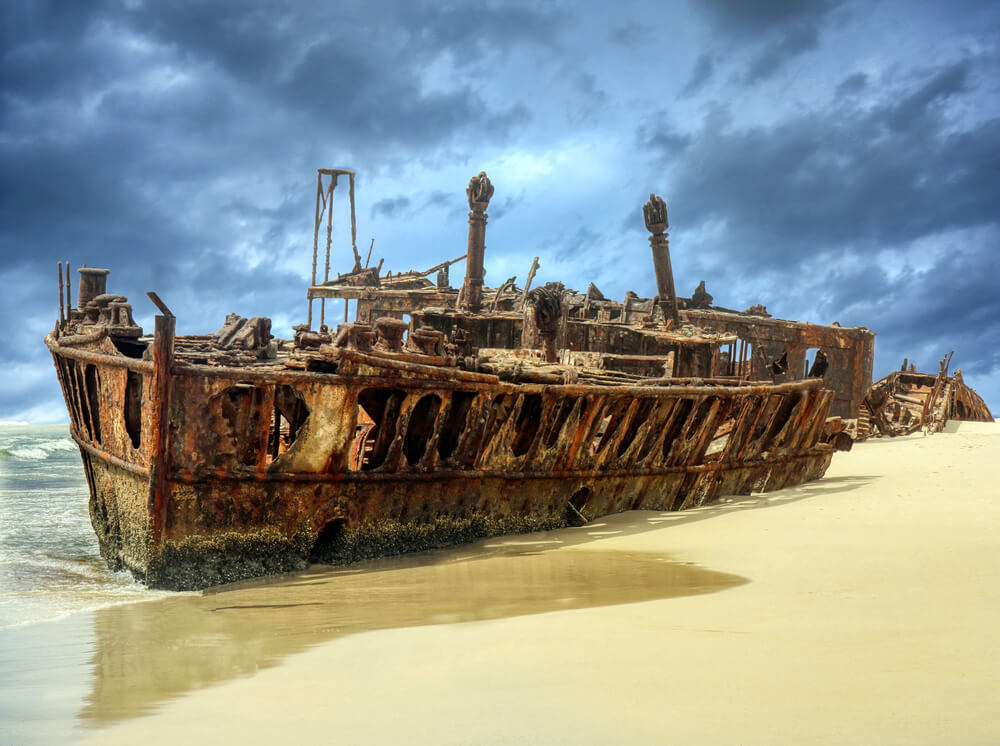
Spain’s galleon Nuestra Senora de Atocha went down in a 1622 hurricane off the Florida Keys while carrying silver, gold and emeralds from the Americas. Treasure hunter Mel Fisher searched for it for 16 years, a hunt that cost him his son and daughter-in-law in a 1975 accident.
On July 20, 1985, his divers found the main cargo pile, a reef of silver bars stacked like cordwood beside chests of coins. The find was estimated at about 400 million dollars.
Fisher’s daily motto during the long search had been a simple promise that today would be the day.
San Jose Galleon off Cartagena
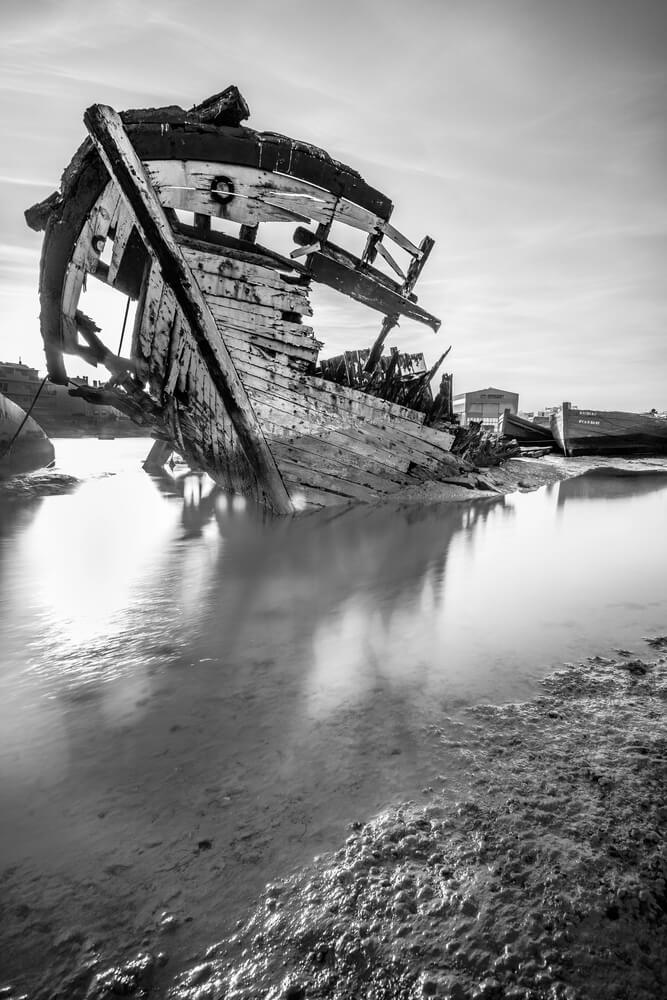
British warships under Commodore Charles Wager caught the Spanish galleon San Jose near Cartagena, Colombia, on June 8, 1708, and the ship exploded and sank with most of its crew. It was believed to be carrying gold, silver and emeralds worth billions of dollars in modern terms.
Colombia announced in December 2015 that it had located the wreck, lying roughly 600 meters deep. Much of its cargo has stayed on the seabed while Colombia, Spain, a US salvage company and Bolivian indigenous groups have argued over who owns it.
Underwater cameras have shown cannons and ceramic jars still resting in place.
Kyrenia Ship and Its Cargo of Almonds
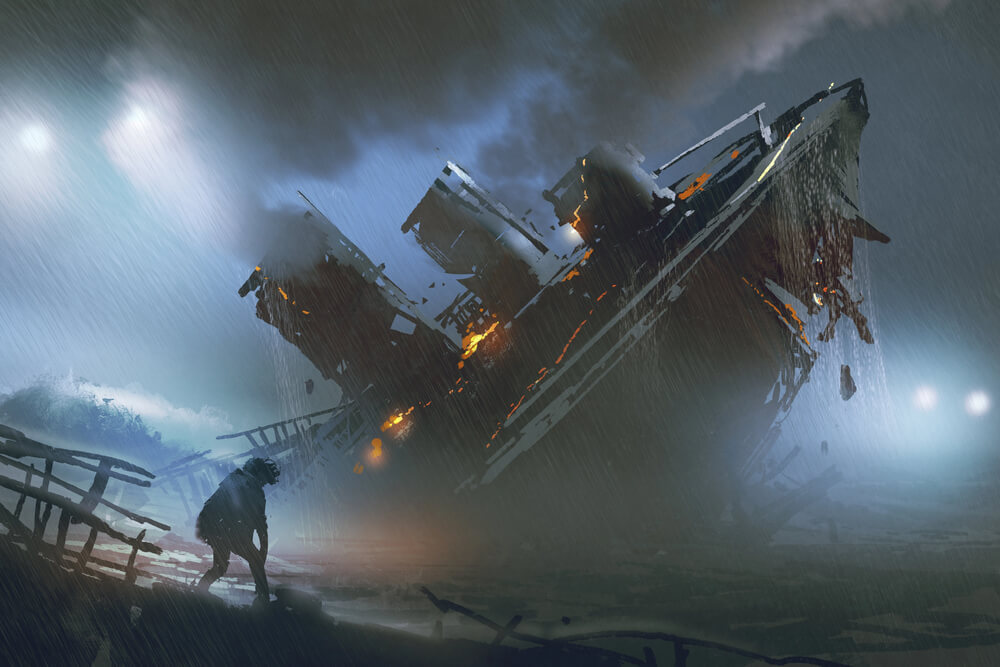
Cypriot diver Andreas Cariolou found the wreck of a small Greek merchant ship off Kyrenia, Cyprus, in 1965. It had sunk around 300 BC, and excavation in 1968 and 1969 under archaeologist Michael Katzev revealed a cargo of about 400 amphorae, many from Rhodes, along with millstones used as trade goods.
Thousands of almonds were preserved in the silt, some still inside the jars that carried them. The hull itself survived well enough to be raised and reassembled, and it is displayed at Kyrenia Castle.
Full-size replicas have since sailed the Mediterranean to test how the original handled.
Belitung Dhow and Its Tang Dynasty Bowls
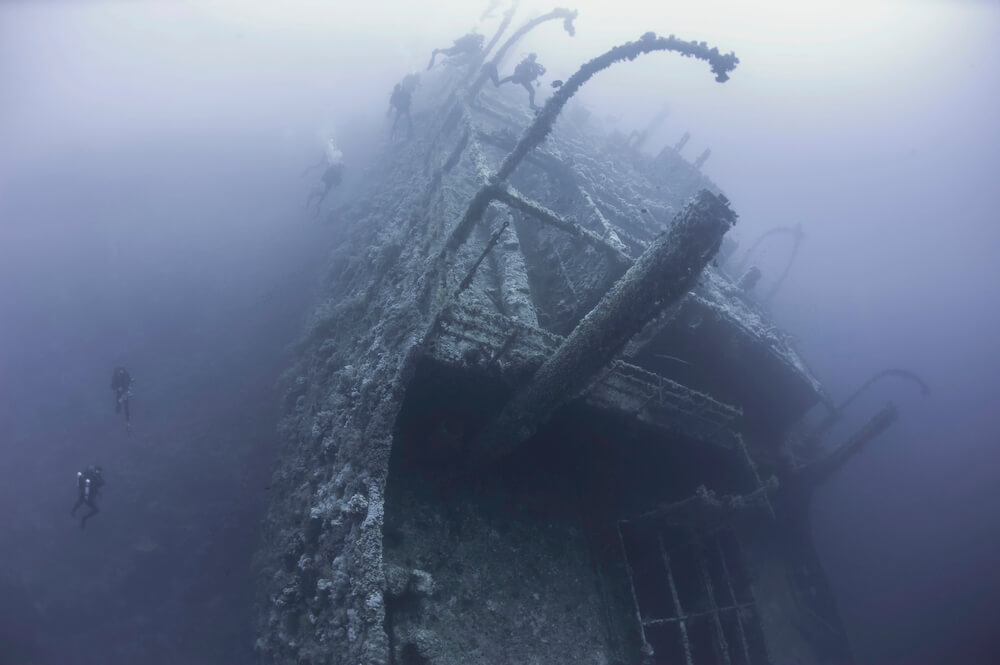
Fishermen diving for sea cucumbers off Belitung Island, Indonesia, in 1998 found the remains of an Arab-style dhow that had sunk in the ninth century. Its cargo held about 60,000 Chinese ceramics, most of them bowls from the Changsha kilns, along with gold and silver vessels.
One bowl carries an inscription dated to 826, which helped fix the voyage in time. The collection was later bought for Singapore, where it has been exhibited.
It is widely seen as the best physical proof of large-scale trade between Tang China and the Middle East, sewn together on a single hull.
Nanhai One, Lifted in a Steel Box
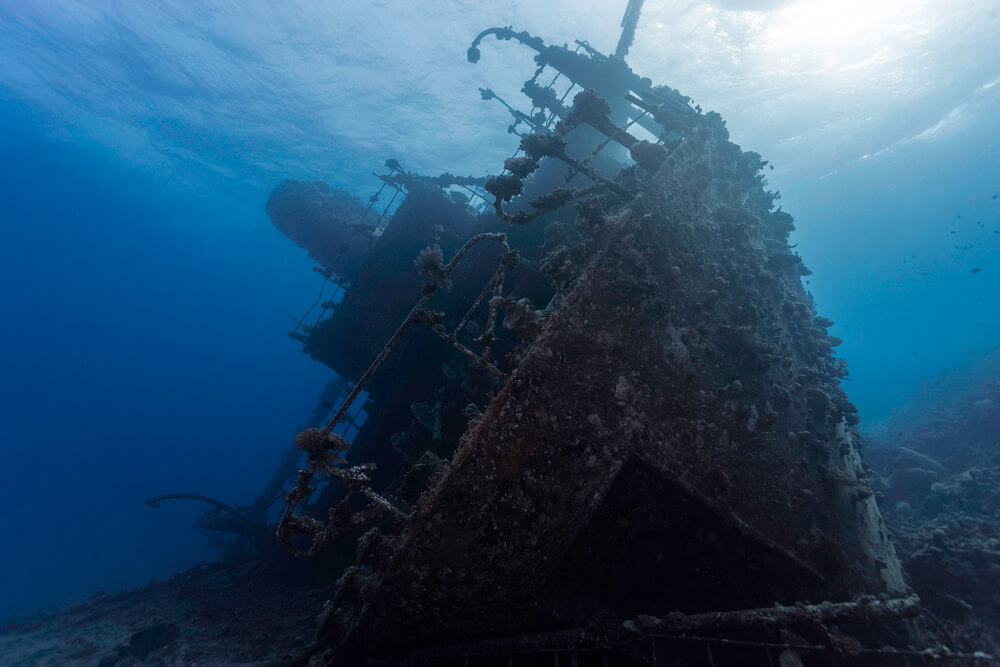
Searchers looking for a different vessel, a Dutch East India Company ship, came across a Song dynasty merchant ship in the South China Sea off Guangdong in 1987. The wreck dated to around the 12th or 13th century and held an extraordinary cargo of porcelain, iron goods, coins and gold.
Rather than excavate underwater, Chinese engineers raised the entire ship in 2007 inside a giant steel caisson filled with its surrounding sediment. It now rests in a purpose-built pool at a museum in Yangjiang, where archaeologists have removed well over 100,000 objects under controlled conditions.
Geldermalsen and the Nanking Cargo
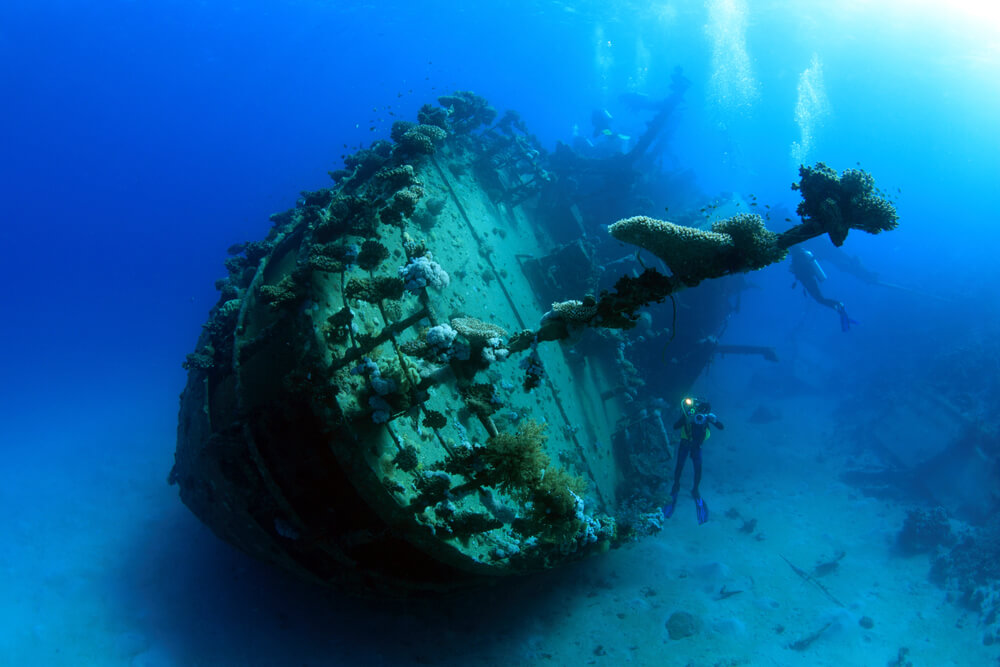
Dutch East India Company trader Geldermalsen struck a reef in the South China Sea in January 1752 while carrying tea, porcelain and gold ingots back to Europe. Salvager Michael Hatcher found the wreck in 1985 and raised around 150,000 pieces of porcelain and more than a hundred gold ingots.
Christie’s sold the haul in Amsterdam in 1986 as the Nanking Cargo, drawing huge crowds and prices. The heavy porcelain had ridden low in the hold beneath the tea, which helped protect it.
Archaeologists criticized the salvage for destroying the wreck site, and China objected to the sale.
Tek Sing, the Titanic of the East
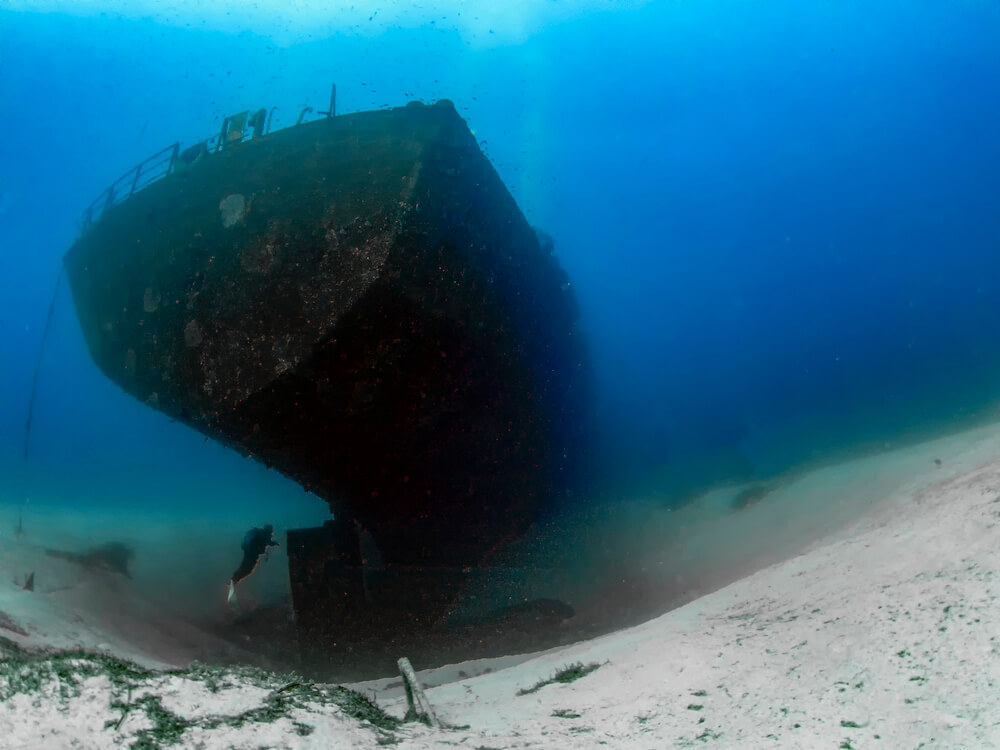
Chinese junk Tek Sing sank in February 1822 after striking a reef in the Gaspar Strait, between Sumatra and Borneo, with an estimated 1,600 people aboard. Most were migrants headed for Java, and the loss ranks among the deadliest in maritime history.
Michael Hatcher found the wreck in May 1999 and recovered roughly 350,000 pieces of porcelain, much of it blue-and-white ware from Dehua. The cargo was auctioned in Germany in 2000.
The size of the haul, and the speed of its sale, reignited debate over whether commercial salvage should be allowed on historic wrecks at all.
Jonkoping and Its 1907 Champagne
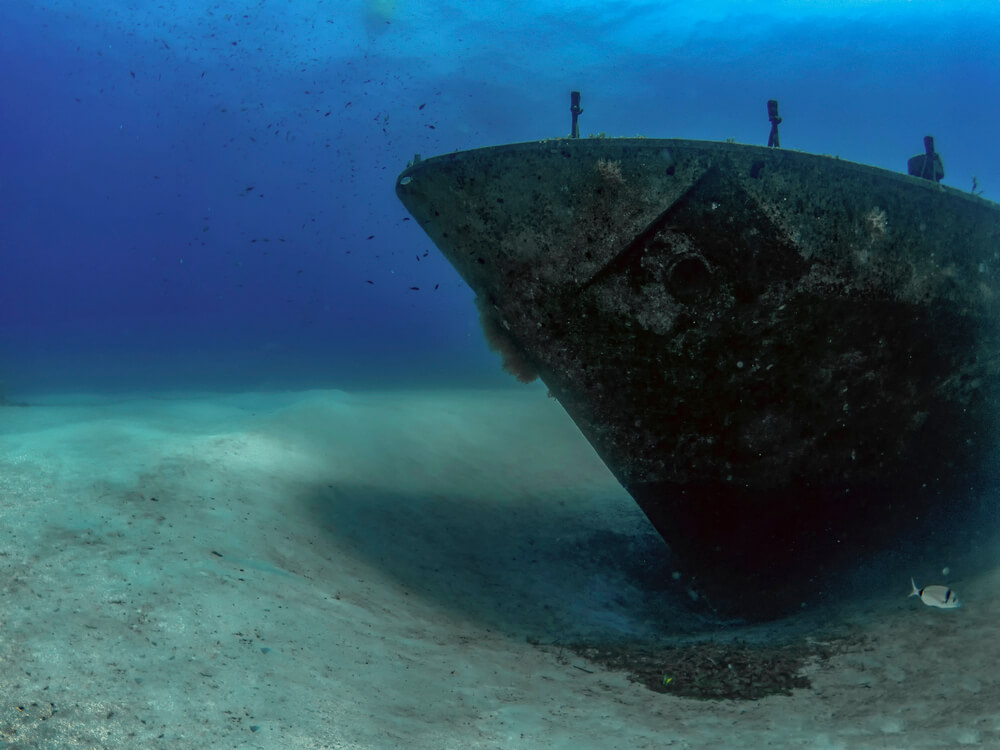
Swedish schooner Jonkoping was sunk by a German U-boat in the Baltic in 1916, and its cargo included thousands of bottles of 1907 Heidsieck champagne said to be headed for the officers of the Russian imperial army. Swedish divers found the wreck in 1997 at a depth of about 64 meters.
When the bottles were raised in 1998, the cold, dark, stable water had kept much of the wine drinkable. Individual bottles later sold at auction for thousands of dollars each.
Tasters described the champagne as sweeter than modern styles, matching the preferences of the Russian market at the time.
Aland Champagne Bottles in the Baltic
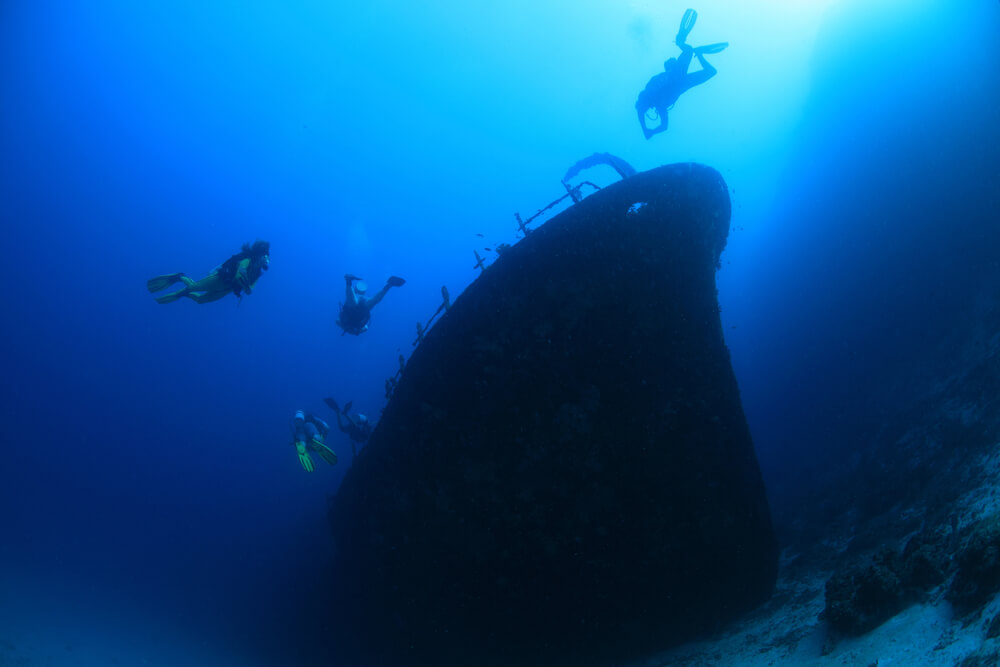
Divers exploring the seabed near the Aland Islands, between Sweden and Finland, found a schooner wreck in 2010 that had sunk around the 1840s. Inside were 168 bottles of champagne from houses including Veuve Clicquot, Heidsieck and Juglar, along with several bottles of beer.
The regional government auctioned some of them, and in 2011 a bottle of Veuve Clicquot sold for 30,000 euros. Chemists who analyzed samples found the wine far sweeter than modern champagne.
The beer was studied too, and a brewery later attempted to recreate it from the recovered yeast and chemistry.
Thistlegorm’s Motorcycles and Trucks in the Red Sea
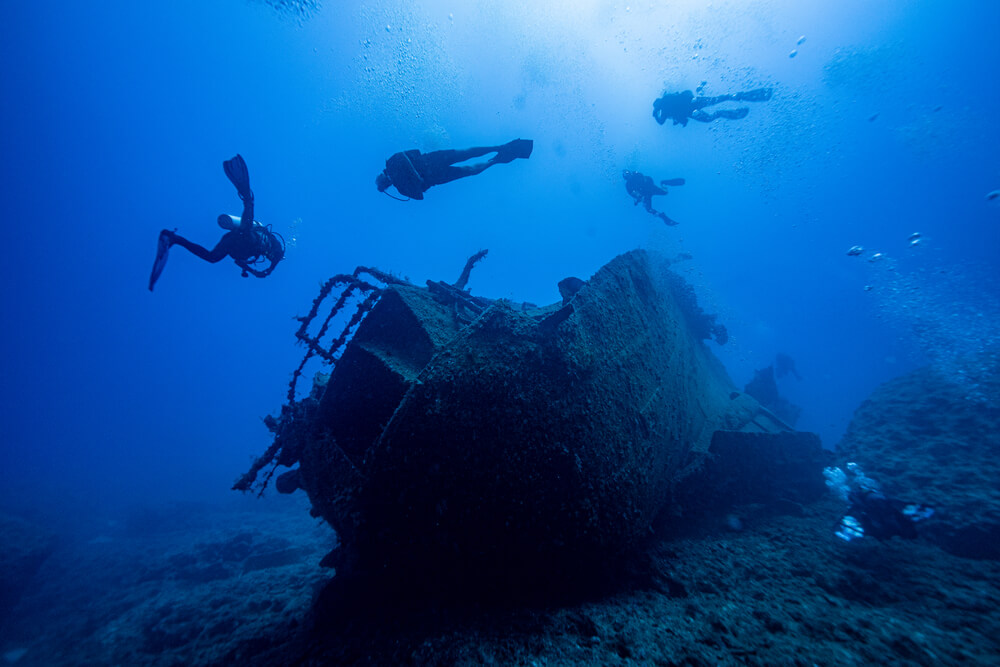
German bombers sank the British merchant ship SS Thistlegorm in the Red Sea’s Strait of Gubal on October 6, 1941, while it waited to deliver supplies to Allied forces in North Africa. Its holds were packed with BSA motorcycles, Bedford trucks, rifles, boots and aircraft parts, and two railway locomotives rode on deck.
Jacques Cousteau explored the wreck in the 1950s, but it was largely forgotten until divers relocated it in the early 1990s. The motorcycles still stand in neat rows inside the holds.
It has since become one of the most visited wreck dives anywhere.
Whydah Gally and Its Pirate Bell
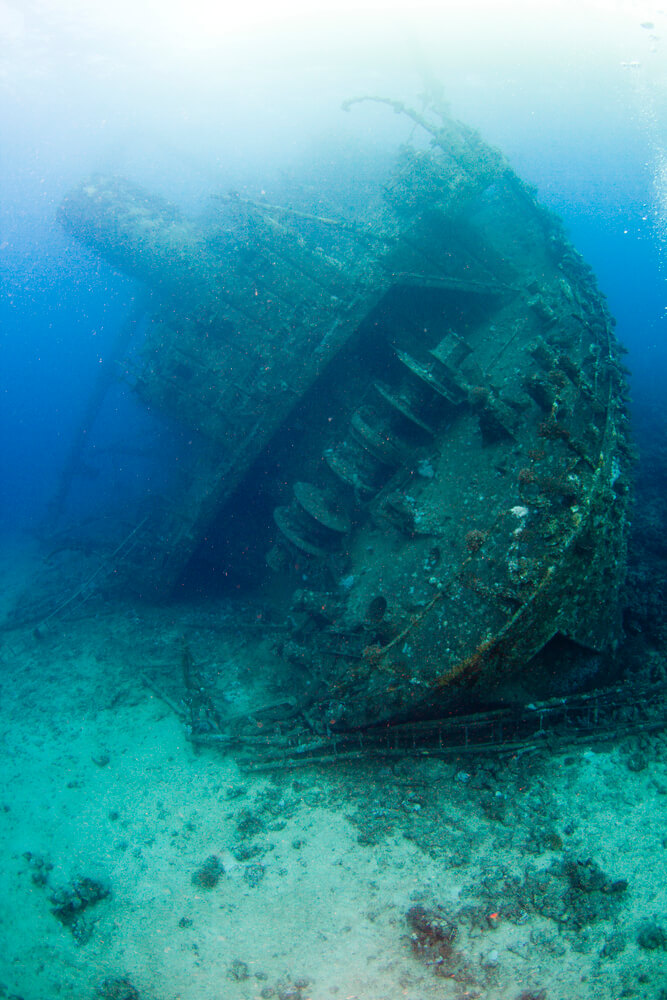
Pirate captain Samuel Bellamy captured the Whydah Gally, a former slave ship, in early 1717 and filled it with loot from dozens of other vessels. On April 26 of that year, a storm drove it onto a sandbar off Cape Cod, and most of the crew drowned.
Explorer Barry Clifford found the wreck in 1984. The following year, divers recovered the ship’s bell inscribed THE WHYDAH GALLY 1716, making it the first fully authenticated pirate shipwreck.
Coins, weapons and even a child’s leg bone and stocking have emerged since, many now shown at a museum in West Yarmouth.
HMS Edinburgh’s Soviet Gold
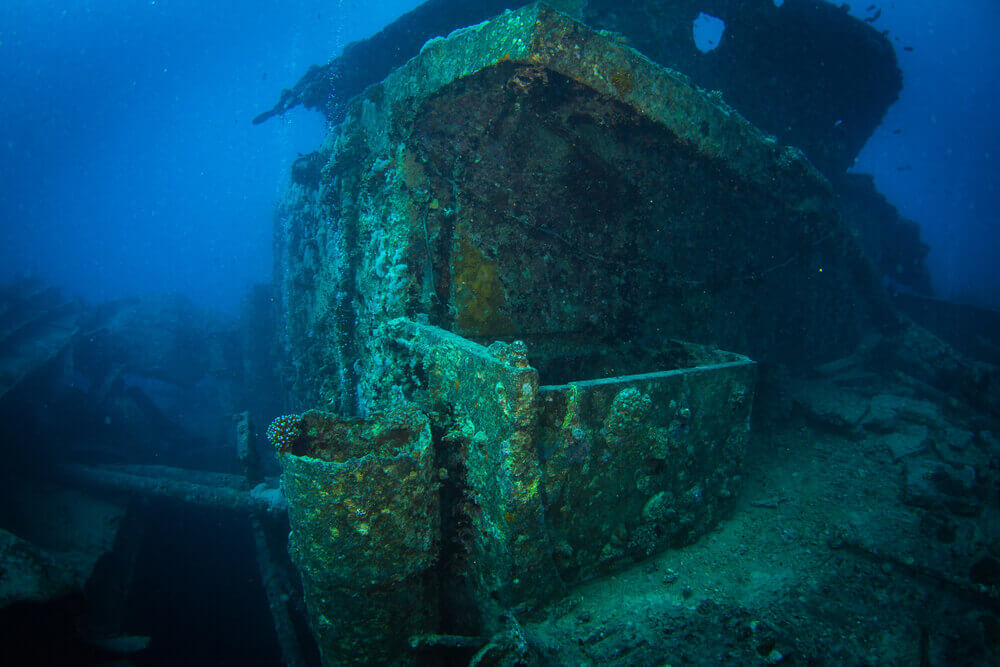
Royal Navy cruiser HMS Edinburgh was torpedoed in the Barents Sea in May 1942 while carrying 465 gold bars sent by the Soviet Union as payment for Allied war supplies. Badly damaged and under attack, the ship was scuttled, taking the gold and dozens of sailors with it.
In 1981, a salvage team led by Keith Jessop reached the wreck at about 800 feet and recovered 431 bars. A later operation in 1986 raised most of the rest, leaving only a handful on the seabed.
The proceeds were split between the salvors and the British and Soviet governments.
Rouse Simmons, the Christmas Tree Ship
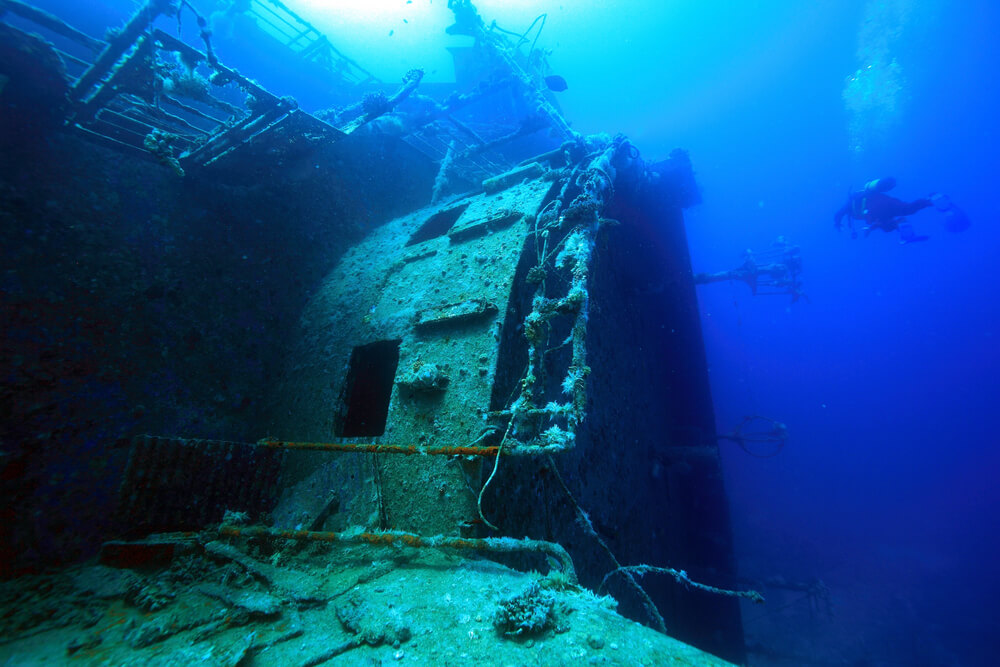
The schooner Rouse Simmons left Michigan’s Upper Peninsula in November 1912 loaded with thousands of evergreen trees for sale on the Chicago waterfront. A storm sank it in Lake Michigan with everyone aboard, including Captain Herman Schuenemann, known locally as Captain Santa.
Diver Kent Bellrichard found the wreck in 1971 off Two Rivers, Wisconsin. The trees were still stacked in the hold, bare trunks with their needles long gone.
Since 2000, a US Coast Guard cutter has carried Christmas trees to Chicago each year in a tradition that honors the lost ship.
Steamboat Arabia Beneath a Kansas Cornfield
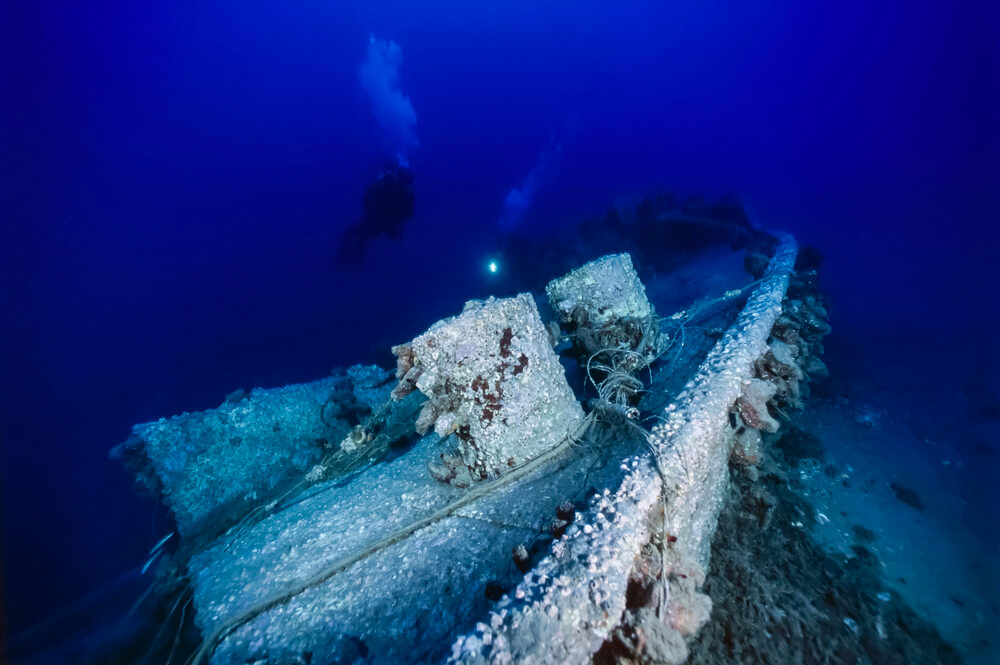
On September 5, 1856, the steamboat Arabia struck a submerged walnut tree on the Missouri River and sank within minutes, though every passenger survived. The only recorded death was a mule.
Over the next century the river shifted course, and the wreck ended up under a Kansas cornfield, about half a mile from the water. In 1988, a family team of excavators dug down about 45 feet and recovered roughly 200 tons of cargo, including dishes, boots, tools and jars of preserved food.
The collection fills the Arabia Steamboat Museum in Kansas City, which opened in 1991.
Steamboat Bertrand and Its Brandied Cherries
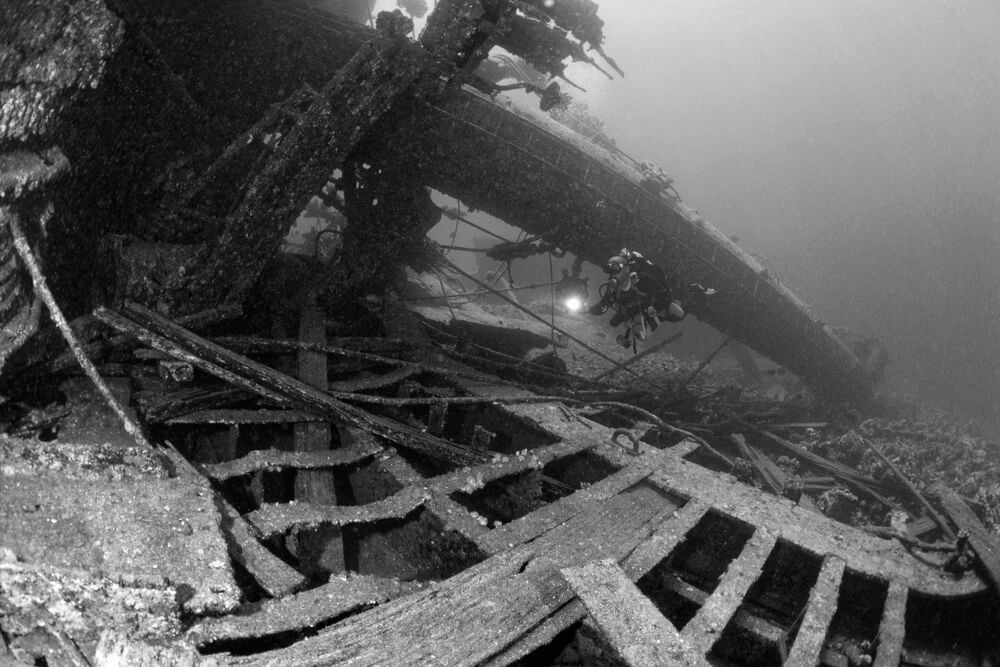
The steamboat Bertrand sank on the Missouri River north of Omaha on April 1, 1865, while carrying supplies to the gold fields of Montana Territory. Salvagers searching for rumored mercury and gold found it in 1968 on land that had become part of the DeSoto National Wildlife Refuge, which meant its contents belonged to the federal government.
Excavators recovered an enormous collection of frontier goods, from mining tools and clothing to bottled bitters and brandied cherries. Much of it survives in remarkable condition.
The refuge displays the collection at its visitor center, near the spot where the boat went down.
Saudi Silver Riyals Aboard SS John Barry
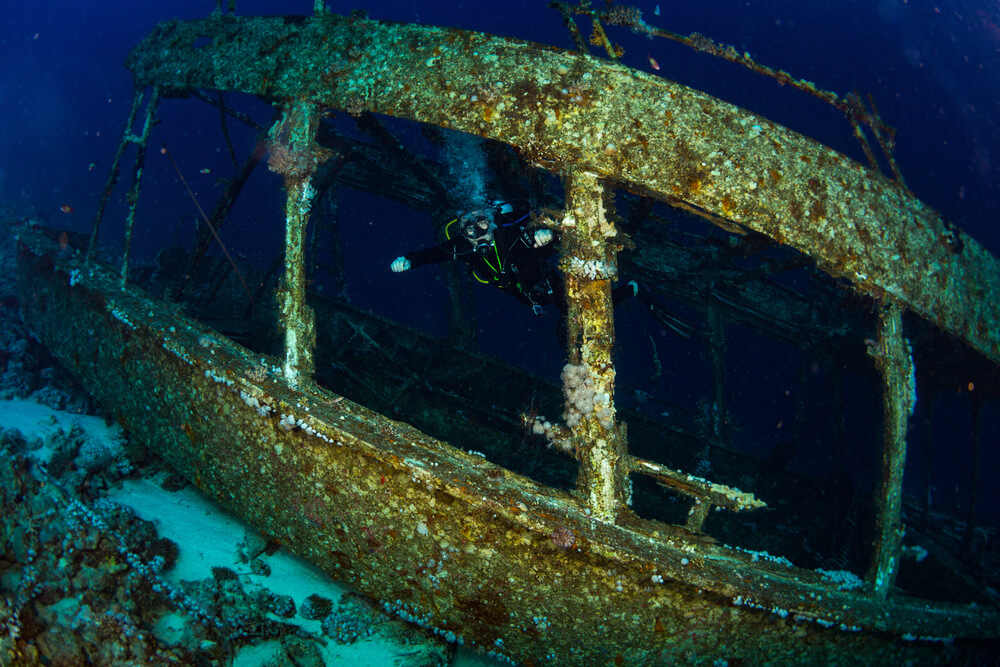
Torpedoes from a German submarine sank the American Liberty ship SS John Barry in the Arabian Sea off Oman on August 28, 1944. Among its cargo were about three million silver riyal coins minted in Philadelphia for Saudi Arabia.
The ship went down in very deep water, which kept the coins out of reach for half a century and fed persistent rumors that far more bullion had been aboard. In 1994, an international salvage group reached the wreck and recovered a large share of the riyals.
The rumors of a hidden silver fortune were never confirmed, which has not stopped people repeating them.
Brother Jonathan’s Gold Coins
An uncharted rock off Crescent City, California, tore into the sidewheel steamer Brother Jonathan on July 30, 1865, and the ship sank in less than an hour with more than 200 people. Only a few survived in one lifeboat.
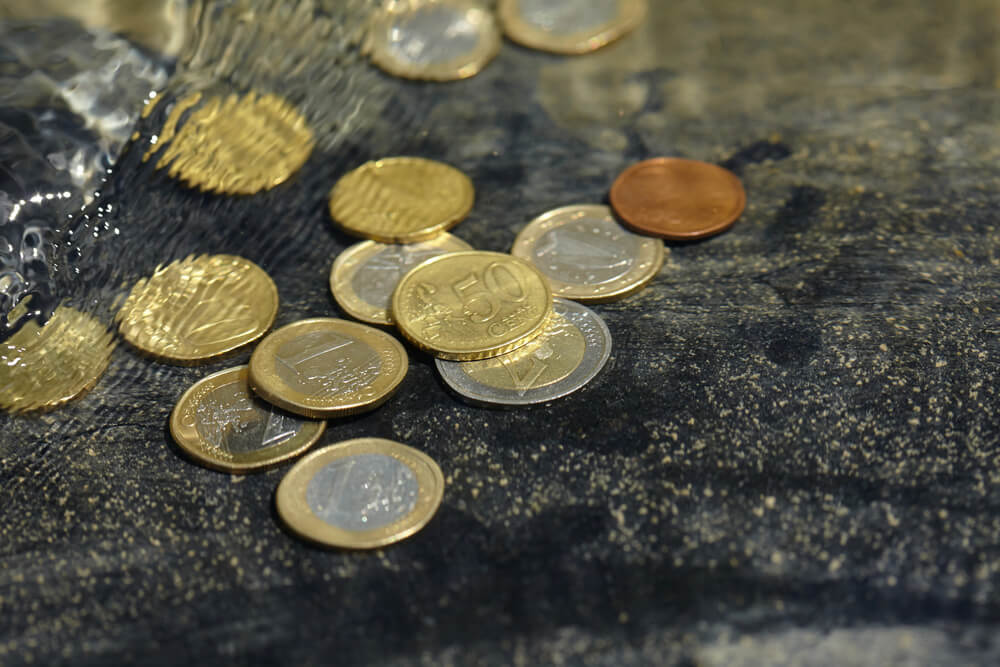
Searchers from a company called Deep Sea Research located the wreck in 1993 and recovered more than a thousand gold coins, many of them freshly struck 1865 double eagles from the San Francisco Mint. Ownership of the wreck went all the way to the US Supreme Court in 1998.
The coins’ near-perfect surfaces made them prized examples of Civil War era gold.
Nuestra Senora de las Mercedes and the Black Swan Case
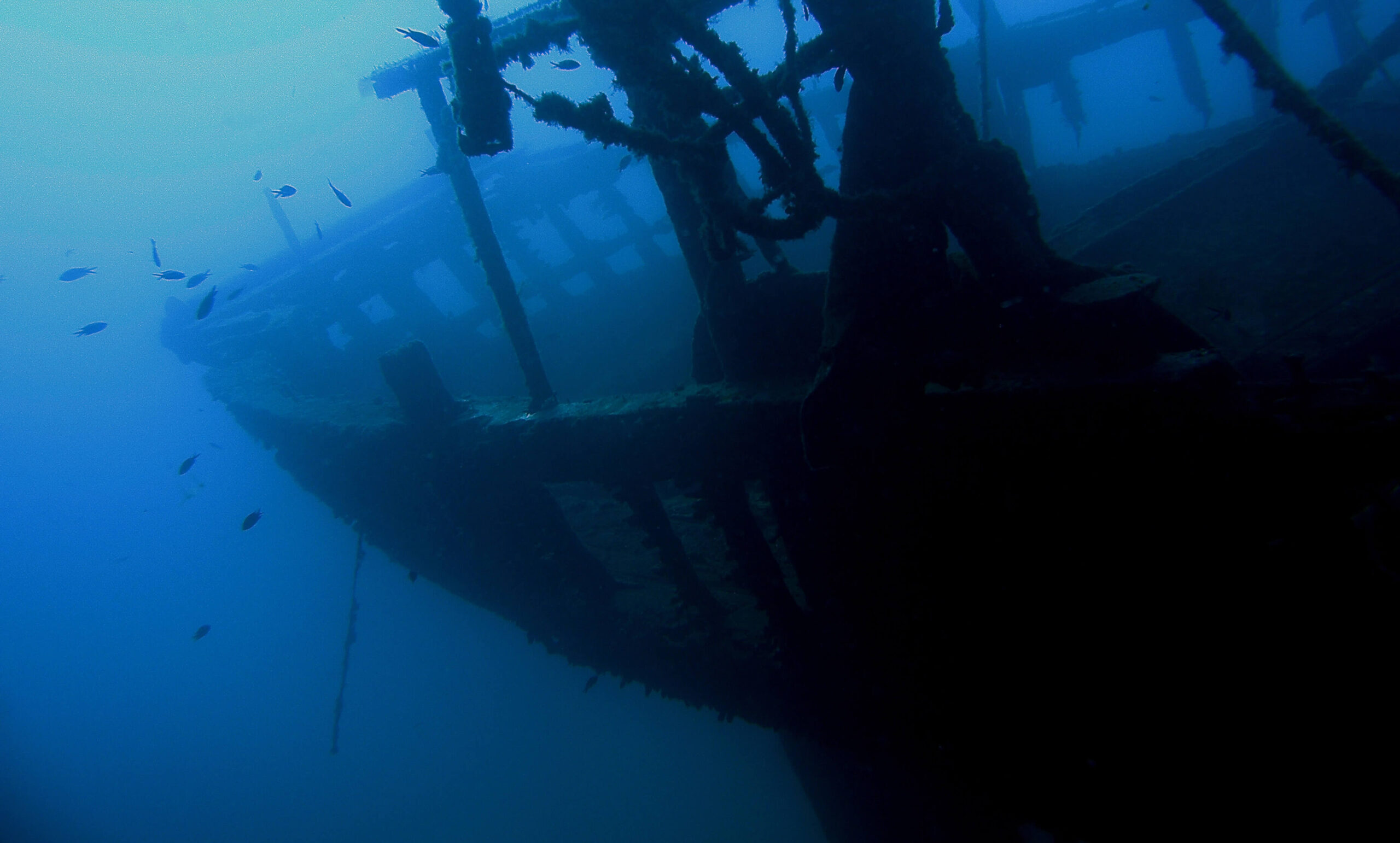
A British squadron attacked a Spanish treasure fleet off Portugal on October 5, 1804, and the frigate Nuestra Senora de las Mercedes exploded and sank with about 250 people aboard. In 2007, Odyssey Marine Exploration announced it had recovered about 17 tons of silver and gold coins, some 594,000 pieces, from a site it called Black Swan, and flew them to Florida.
Spain sued, arguing the ship was a sovereign naval vessel and the site a war grave. US courts agreed, and in 2012 the coins were flown back to Spain aboard military aircraft.
Orichalcum Ingots off the Coast of Gela
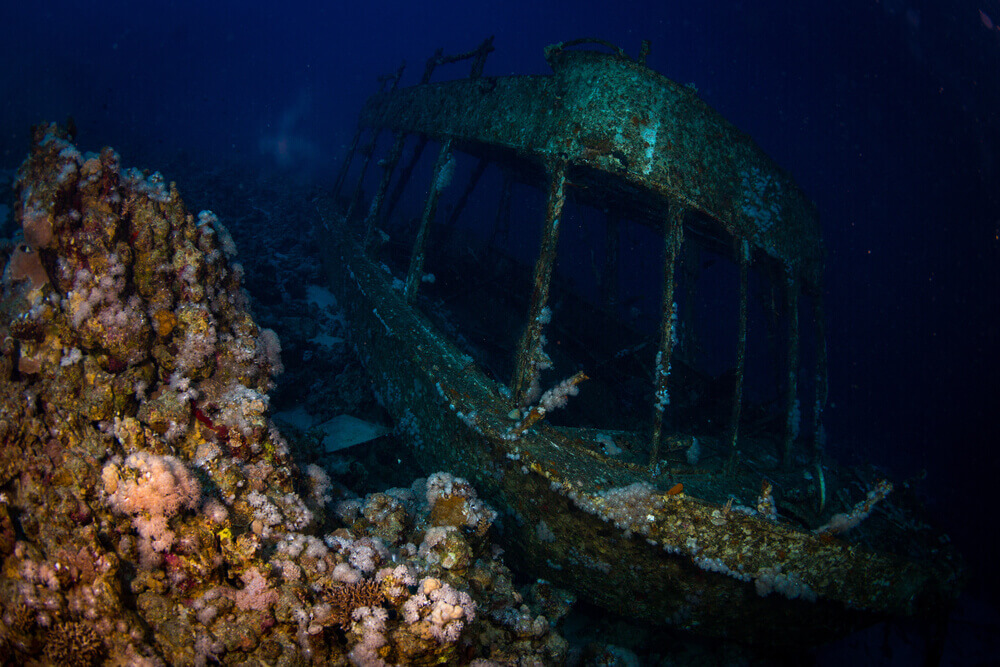
Divers exploring a roughly 2,600-year-old shipwreck off Gela, Sicily, in 2015 recovered 39 ingots of orichalcum, the metal Plato associated with the legendary island of Atlantis. The ship appears to have sunk in a storm just before reaching port.
Analysis showed the ingots were mostly copper and zinc, a brass-like alloy, with traces of other metals. Dozens more ingots were reported from the site the following year.
The find gave archaeologists solid physical evidence for a metal that had previously been known mostly from ancient texts and speculation.
Vrouw Maria and Catherine the Great’s Art
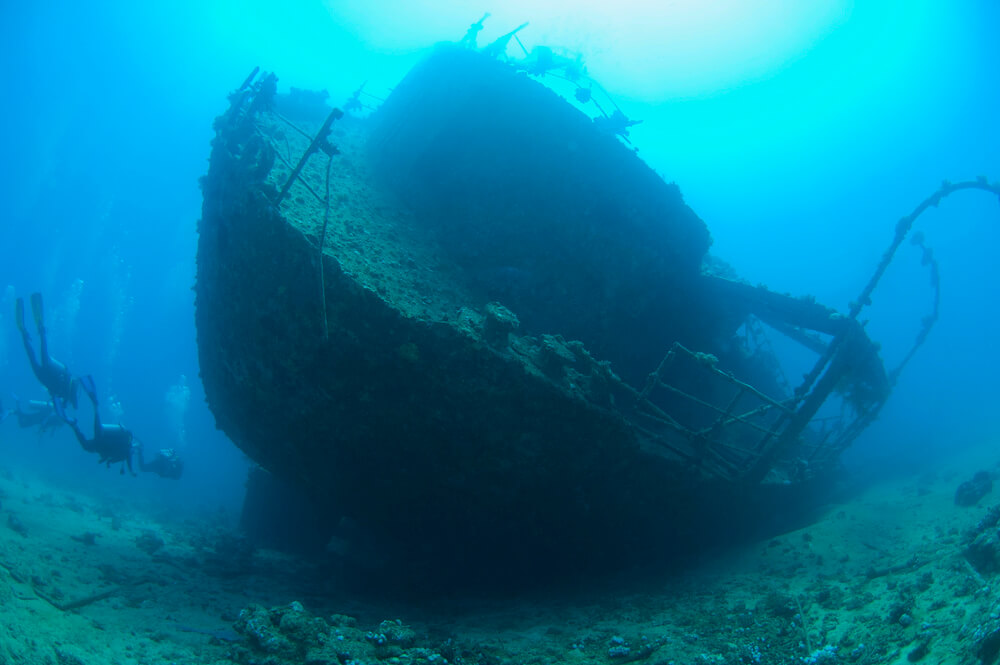
The Dutch merchant ship Vrouw Maria sank in the Finnish archipelago in October 1771 while sailing from Amsterdam to St Petersburg. Its cargo included sugar, coffee, cloth and a collection of Dutch paintings bought for Catherine the Great.
The crew escaped, but the ship and its cargo went down. Divers led by Rauno Koivusaari found the wreck in 1999, remarkably intact in the cold, low-salt water.
Finland has chosen to leave it in place, so any surviving paintings remain inside the hull, sealed in their crates on the bottom of the Baltic.
Gotheborg at the Mouth of Its Home Harbor
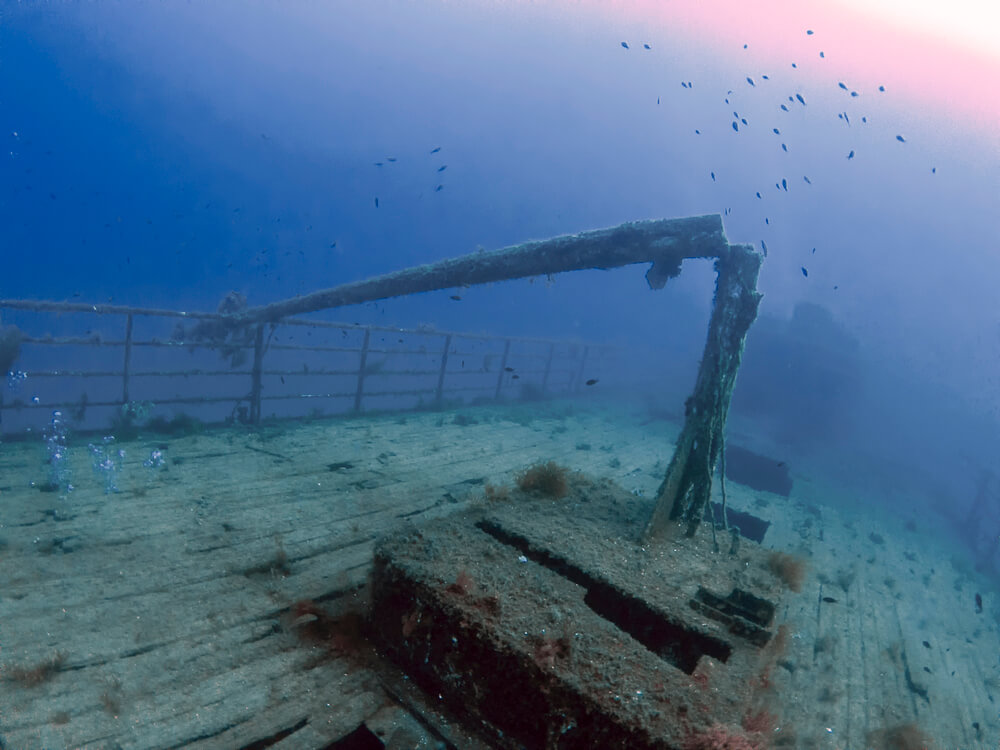
Sweden’s East Indiaman Gotheborg returned from its third voyage to China in 1745 and struck rocks at the entrance to Gothenburg harbor on September 12, within sight of the city. Everyone survived, and much of the cargo was salvaged at the time, but tons of tea and porcelain stayed on the wreck.
Excavations from 1986 to 1992 recovered large amounts of porcelain and other goods. The project inspired a full-scale replica of the ship, launched in 2003, which sailed to China and back between 2005 and 2007 to retrace the original voyage.
Cold Water Keeps Better Records
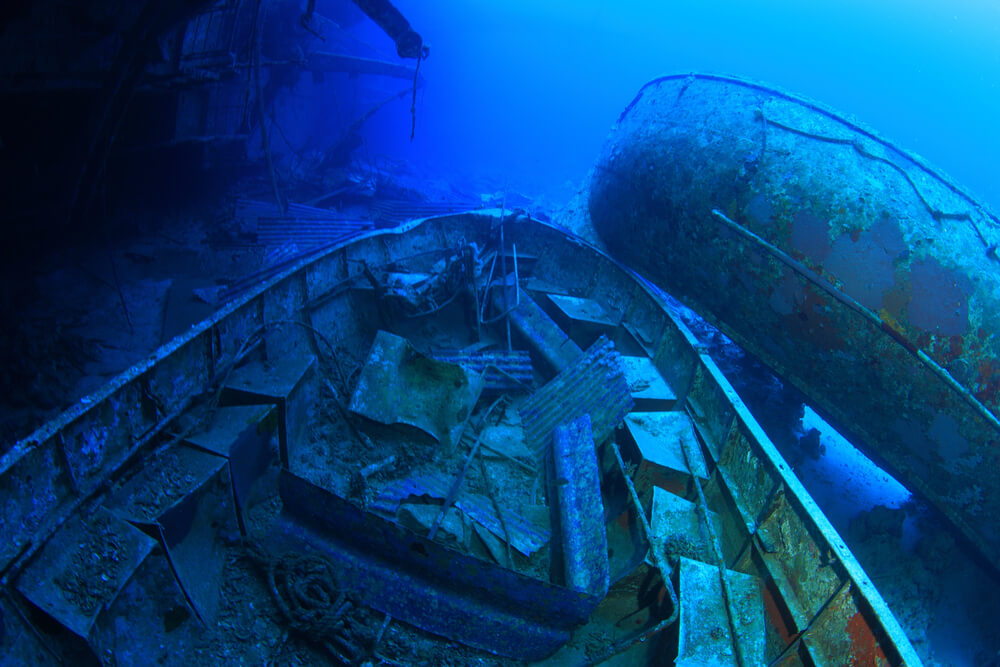
Cargo survives because it was never meant to be interesting. Nobody wrote poems about copper ingots, Christmas trees or crates of rubber boots, and so the ordinary goods of a voyage become the most honest record of what people actually wanted, bought and shipped.
A single hold can explain an economy better than a shelf of official reports. Cold, dark, still water does the rest.
It slows decay, discourages casual looters and keeps every object where the last lurch of the ship left it. Some of these wrecks gave up their treasure, but the best of them gave up context, and that is the part no auction can sell.
More from Go2Tutors!

- The Romanov Crown Jewels and Their Tragic Fate
- 13 Historical Mysteries That Science Still Can’t Solve
- Famous Hoaxes That Fooled the World for Years
- 15 Child Stars with Tragic Adult Lives
- 16 Famous Jewelry Pieces in History
Like Go2Tutors’s content? Follow us on MSN.