30 Wartime Code Names and Secret Operations the Public Learned About Decades Later
Governments are very good at announcing victories and very quiet about how they won them. Behind the parades and official histories sat codebreakers, forgers, dummy tanks and a few plans so strange that nobody wanted them on the record.
Many of the people involved signed oaths and kept them for life. The files surfaced slowly, through declassification, stubborn researchers and the occasional deathbed conversation.
Ultra and the Silence at Bletchley Park
Ultra was the British label for intelligence gathered by breaking German Enigma and other high-level ciphers at Bletchley Park, a country estate north of London. Thousands of staff, most of them women, processed decrypts that shaped the Battle of the Atlantic, North Africa and D-Day.
They were told to say nothing, and almost all of them obeyed for three decades. The public only learned the scale of the effort in 1974, when former officer F.W. Winterbotham published The Ultra Secret.
Many veterans had never told their own spouses what they did during the war.
Colossus, the Computer Nobody Could Mention
Post Office engineer Tommy Flowers designed Colossus to help break the Lorenz cipher, which the German high command used for its most sensitive messages. The first machine was working by early 1944, and ten were operating by the end of the war, making them among the earliest programmable electronic computers.
Most were dismantled afterward and their plans destroyed on official orders. Flowers could not claim credit for decades while American machines took the history books.
A working rebuild now runs at the National Museum of Computing at Bletchley Park.
Mincemeat and the Man Who Never Was
British intelligence floated a corpse dressed as a Royal Marines officer off the coast of Spain on April 30, 1943, carrying fake letters that pointed to Allied landings in Greece and Sardinia rather than Sicily. German commanders took the bait and shifted forces.
The broad outline became public in 1953 through Ewen Montagu’s book The Man Who Never Was. The body’s real identity stayed hidden far longer.
In 1996, historian Roger Morgan identified him as Glyndwr Michael, a homeless Welshman who had died in London after swallowing rat poison.
Venona and the Soviet Cables
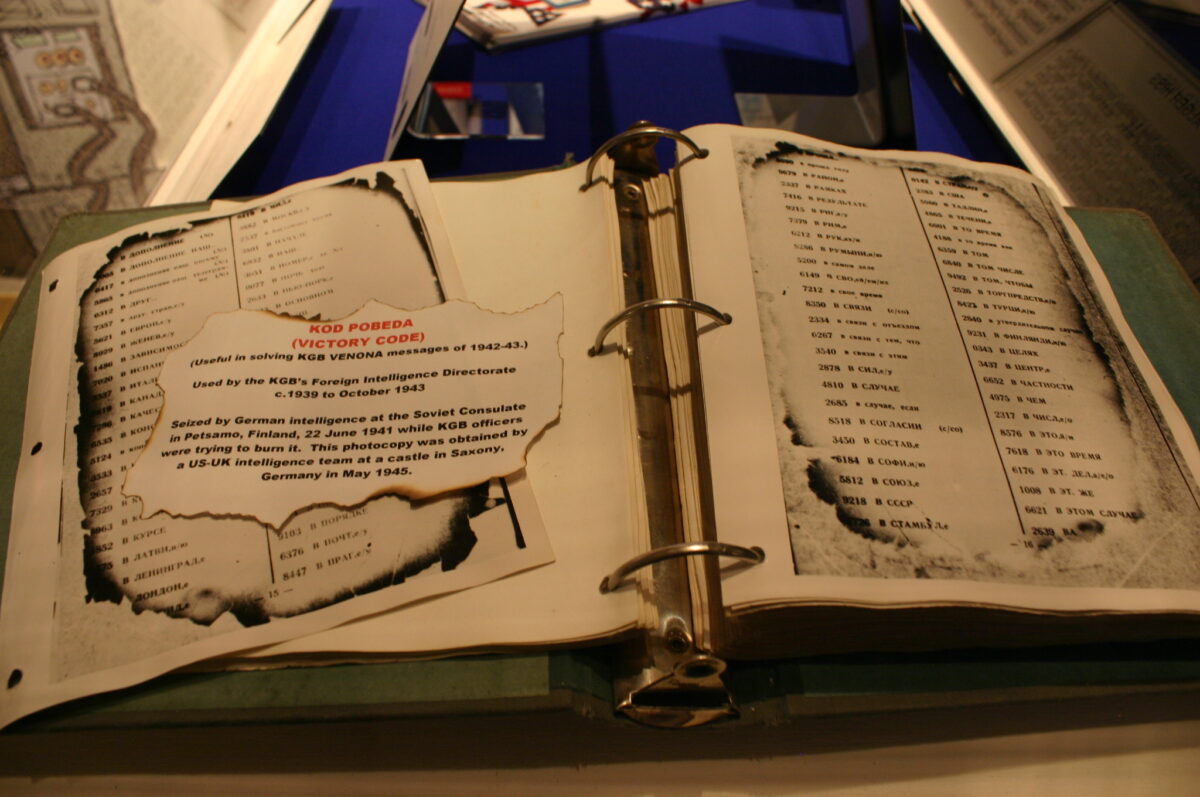
Venona was a US Army project, launched in 1943 at Arlington Hall in Virginia, to decrypt Soviet intelligence cables that had been sent using reused one-time pads. Over the following decades, analysts partially broke thousands of messages that exposed Soviet agents in the Manhattan Project, the State Department and British intelligence.
Klaus Fuchs and Julius Rosenberg were among those identified. The program was so closely held that the public knew nothing of it until the US government released the decrypts in July 1995, settling several long-running arguments about espionage.
Ghost Army With Inflatable Tanks
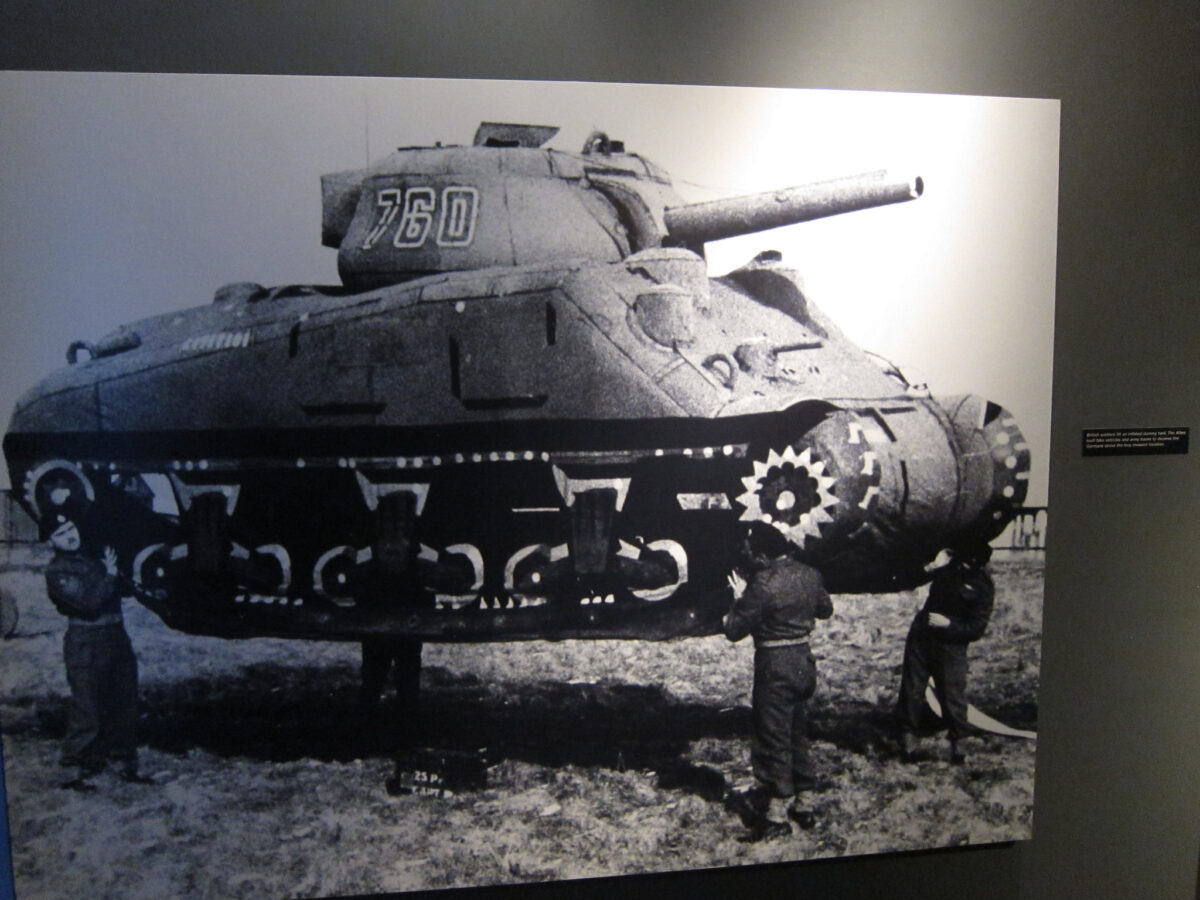
Roughly 1,100 American soldiers of the 23rd Headquarters Special Troops spent 1944 and 1945 impersonating much larger units across Europe. They used inflatable tanks and artillery, sound trucks that broadcast recorded engine noise, and fake radio traffic to fool German observers.
Many of the men were artists and designers recruited from art schools, including future fashion designer Bill Blass and painter Ellsworth Kelly. Their work stayed classified until 1996.
In 2022, the unit was awarded the Congressional Gold Medal, long after most of its members had died.
Double Cross System and the Spy Called Garbo
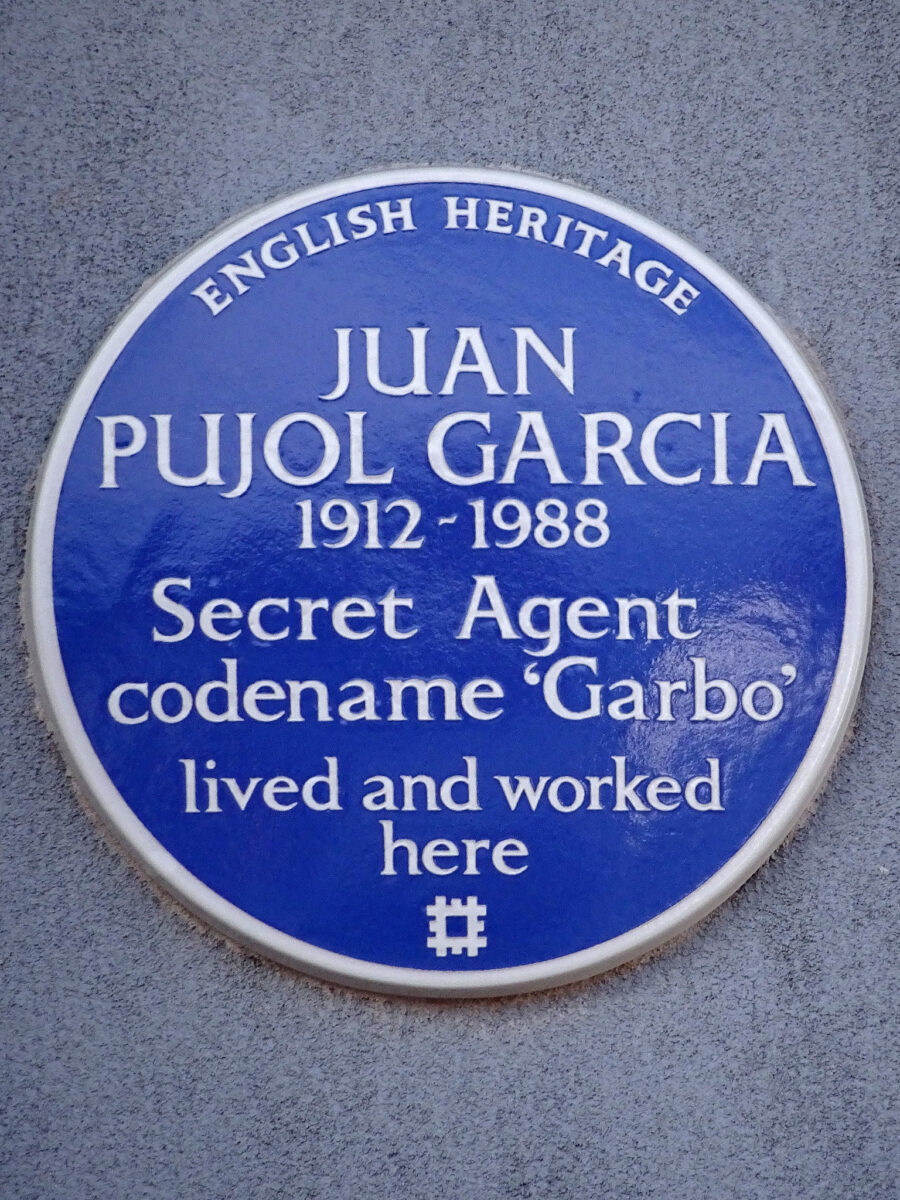
MI5 captured or turned essentially every German agent sent to Britain during the war and used them to feed false information back to Berlin. The star was Juan Pujol Garcia, code-named Garbo, who invented a network of 27 fictional subagents and helped convince Germany that the Normandy landings were a feint.
He received both the German Iron Cross and a British MBE. The system became public in 1972 when J.C. Masterman published The Double-Cross System.
Pujol himself had faked his death and lived quietly in Venezuela until a researcher tracked him down in 1984.
Navajo Code Talkers of the Pacific
In 1942, the US Marine Corps recruited 29 Navajo men to build a code based on their language, which had no written form and very few fluent outsiders. Code talkers eventually numbered in the hundreds and served at Guadalcanal, Iwo Jima and Okinawa, sending messages that Japanese cryptographers never broke.
Military planners kept the program classified in case it was needed again. It was declassified in 1968, and the original 29 received Congressional Gold Medals in 2001.
By then only a few of them were still alive to accept.
Ritchie Boys of Camp Ritchie
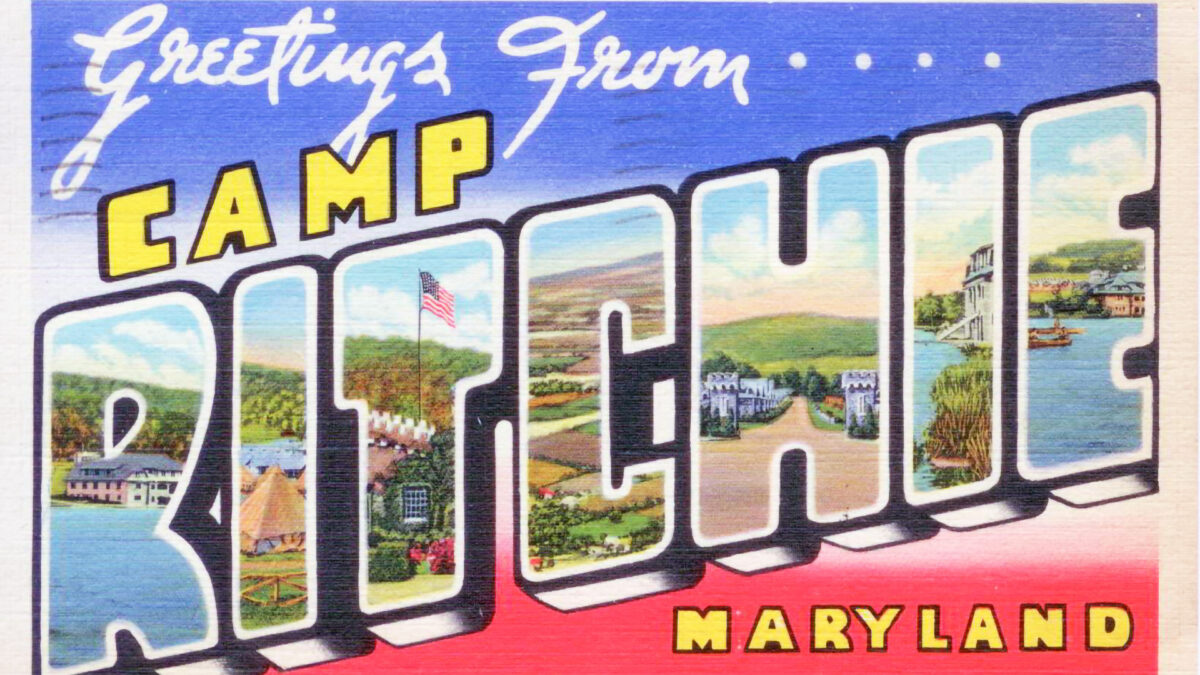
Camp Ritchie in the Maryland mountains trained about 20,000 soldiers in interrogation, photo analysis and psychological warfare during the Second World War. A large share were German-speaking Jewish refugees who had fled Nazi Europe and returned in American uniforms.
A postwar Army report credited Ritchie-trained soldiers with a majority of the actionable combat intelligence gathered in Europe. The men rarely spoke about their training, and the camp was little known until a 2004 documentary and later books brought their story to wider attention.
Several of them went on to prominent careers in business, publishing and scholarship.
Exercise Tiger at Slapton Sands
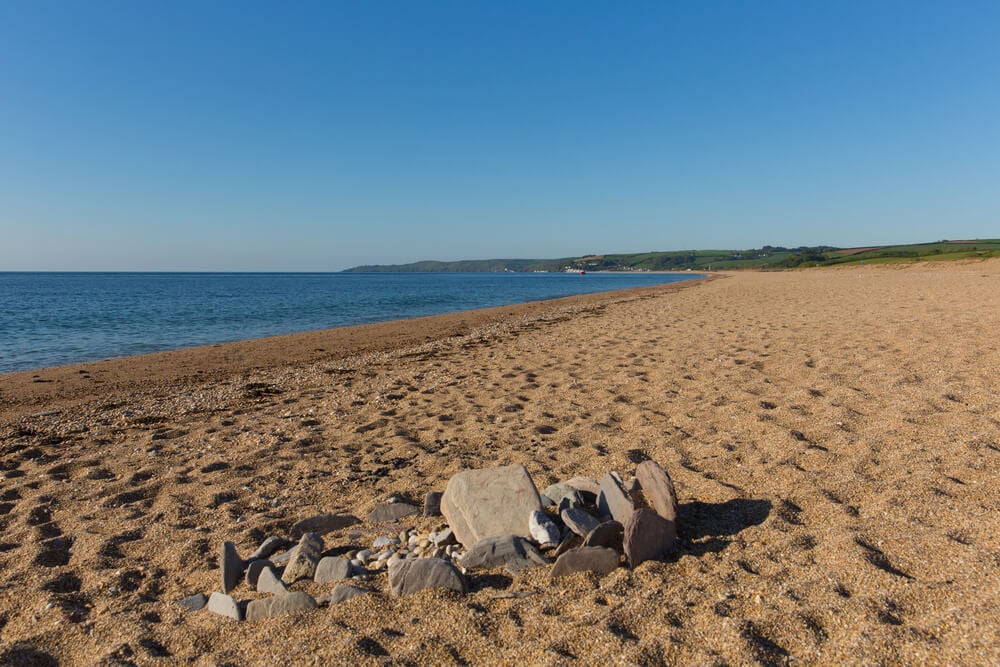
Allied troops rehearsing for D-Day in Lyme Bay, off the coast of Devon, were attacked by German torpedo boats on April 28, 1944. Two landing ships were sunk and 749 American servicemen were killed, more than died at Utah Beach weeks later.
Survivors were ordered to stay silent to protect the invasion plans, and the disaster was barely mentioned for decades. Local resident Ken Small spent years researching it and, in 1984, bought a sunken Sherman tank from the US government and raised it as a memorial.
It now stands at Torcross.
Foxley, the British Plan to Shoot Hitler
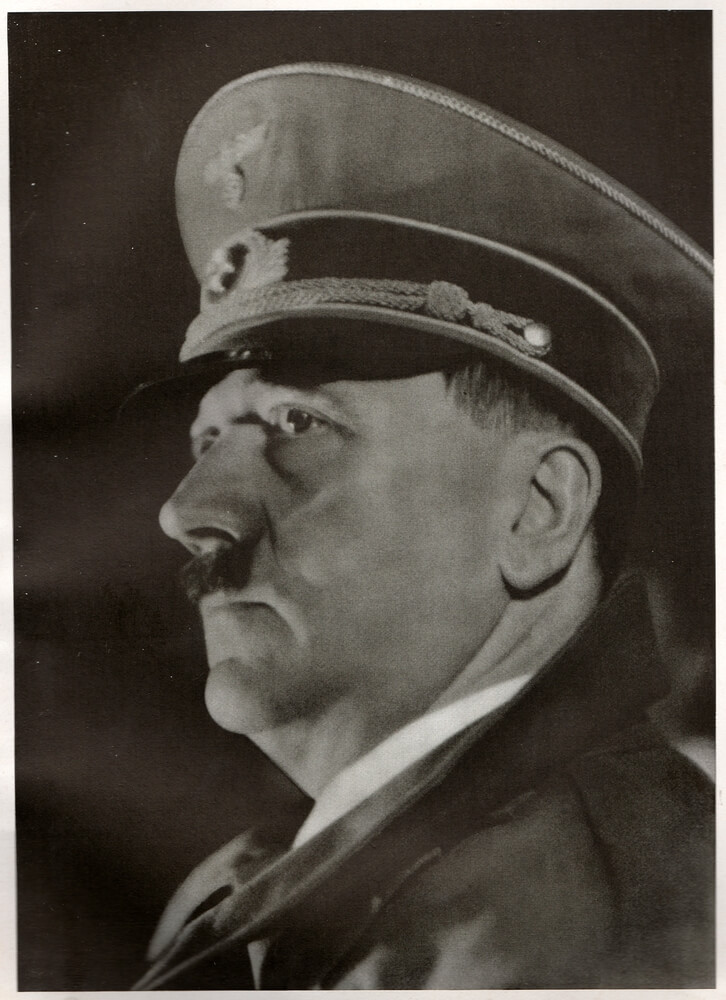
Britain’s Special Operations Executive drew up detailed plans in 1944 to assassinate Adolf Hitler at his Bavarian retreat near Berchtesgaden. The favored option placed a sniper within range of the path Hitler walked each morning, and other ideas included poisoning drinks on his private train.
Officials debated whether killing him might make a martyr and replace him with a more capable commander. The plan was never approved.
Its files were released by the British National Archives in 1998, revealing how seriously the idea had been studied.
Unthinkable, Churchill’s War Plan Against the Soviets
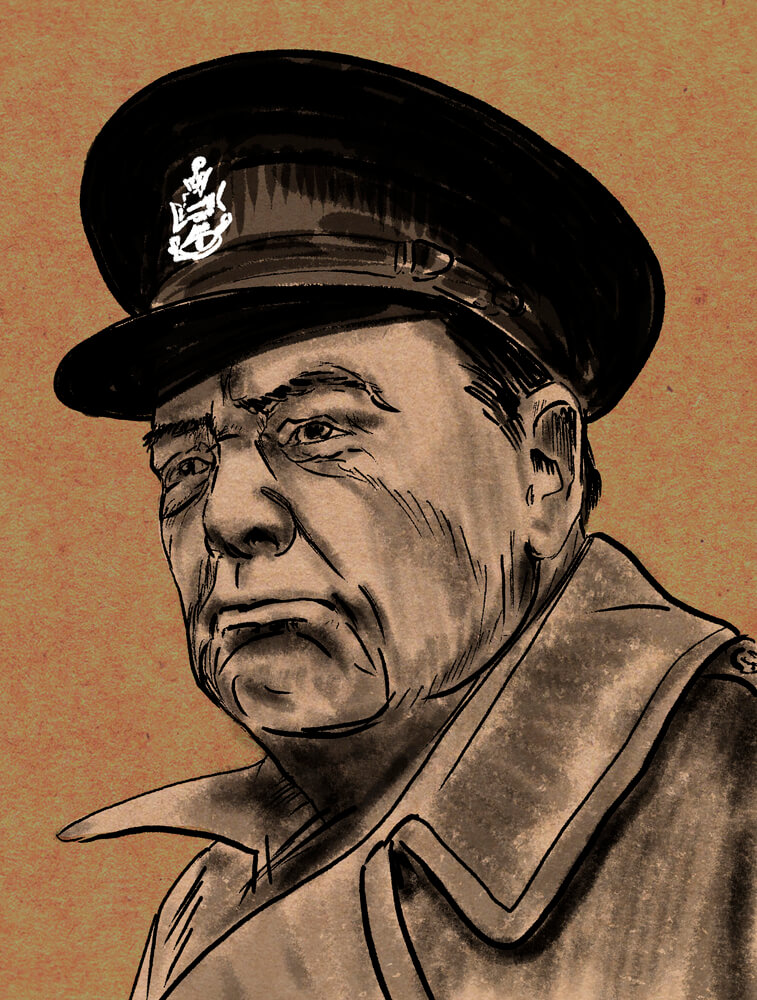
Winston Churchill asked his military planners in May 1945 to study a surprise Allied attack on Soviet forces in Europe, with a hypothetical launch date of July 1, 1945. The resulting report concluded that such a war would be long, costly and probably unwinnable, given the Red Army’s overwhelming numbers.
Planners also produced a defensive version in case the Soviets attacked first. The name itself suggested what the planners thought of the idea.
The documents stayed secret until they were released in 1998, fifty-three years after they were written.
Forged British Pounds of Operation Bernhard
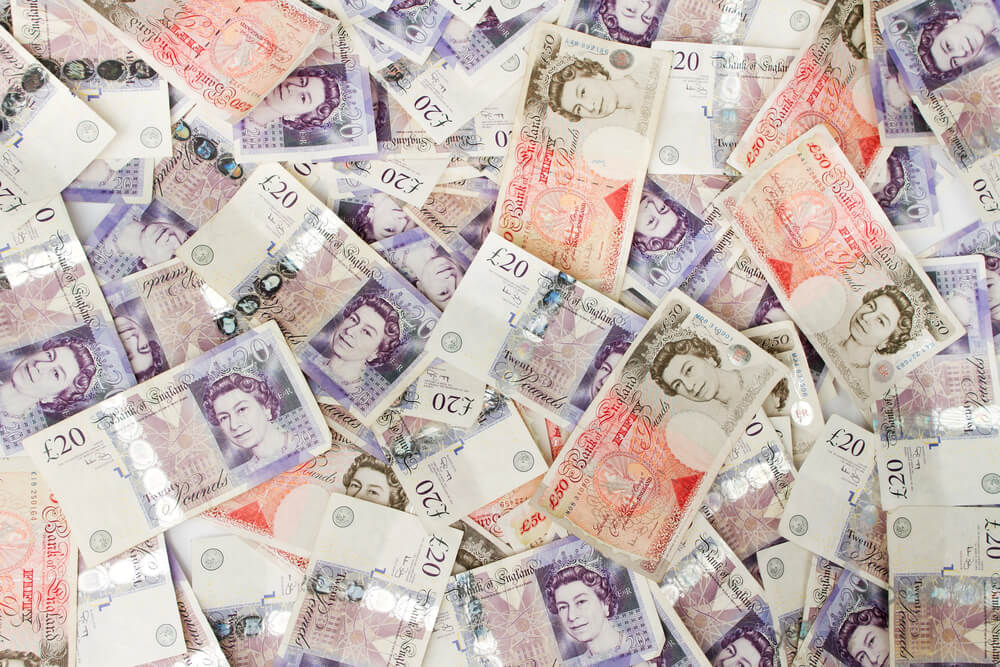
Nazi Germany set up a counterfeiting workshop inside the Sachsenhausen concentration camp, where skilled prisoners were forced to produce British banknotes. The forgeries were good enough to pass inspection at many banks, and estimates suggest well over 100 million pounds were printed.
As the war ended, crates of notes and printing equipment were dumped in Lake Toplitz in the Austrian Alps. In 1959, an expedition backed by Stern magazine recovered some of them.
The story reached a new audience in 2007 when the film The Counterfeiters won an Academy Award.
Habakkuk and the Ice Aircraft Carrier
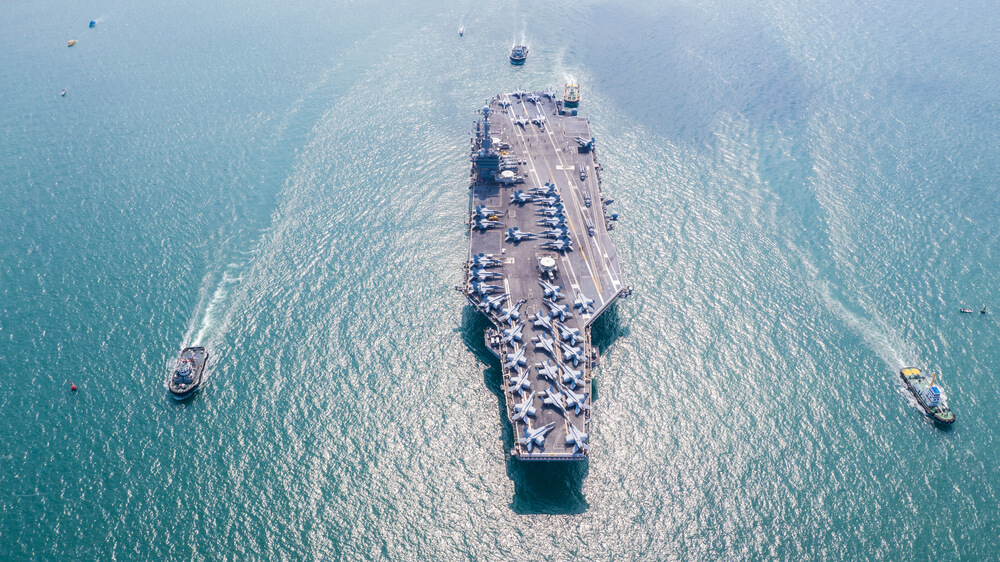
British inventor Geoffrey Pyke proposed building aircraft carriers from pykrete, a frozen mix of water and wood pulp that was far stronger than ordinary ice and melted slowly. Lord Mountbatten championed the idea, and a small prototype was built on Patricia Lake in Alberta, Canada, in 1943.
The full-size ship would have been more than 2,000 feet long. Rising costs and better long-range aircraft killed the project.
The prototype took three summers to melt, and divers later found its remains on the lake bottom, where a plaque now marks the site.
Paperclip and the German Scientists
More than 1,600 German scientists, engineers and technicians came to America after the war under a program called Paperclip. The most famous was rocket designer Wernher von Braun, who went on to lead development of the Saturn V moon rocket.
Officials quietly cleaned up the records of recruits whose Nazi party ties and wartime conduct would have barred them. Paperclip was never fully hidden, but its details, including those edited files, emerged only in the 1980s when journalists used freedom of information requests to pry them loose.
Northwoods and the Staged Attacks on Paper
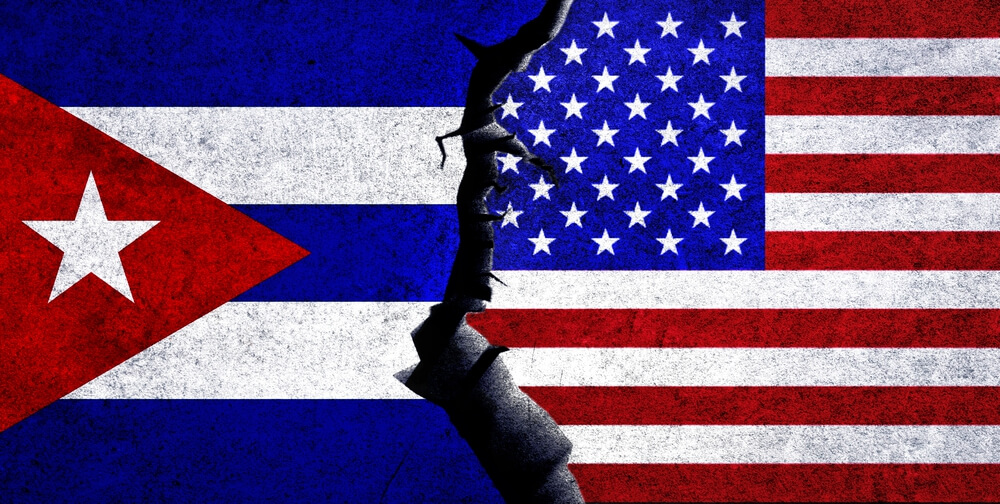
America’s Joint Chiefs of Staff approved a document in March 1962 proposing staged incidents that could be blamed on Cuba to justify an invasion. Suggestions included faking attacks on American ships, staging a hijacking and even blowing up a drone painted to look like a passenger plane.
Chairman Lyman Lemnitzer signed it, but civilian leaders rejected the proposals. The plan remained buried until 1997, when the Assassination Records Review Board released it among files related to the Kennedy era.
It became one of the most quoted Cold War documents ever declassified.
Project Azorian and the Glomar Explorer
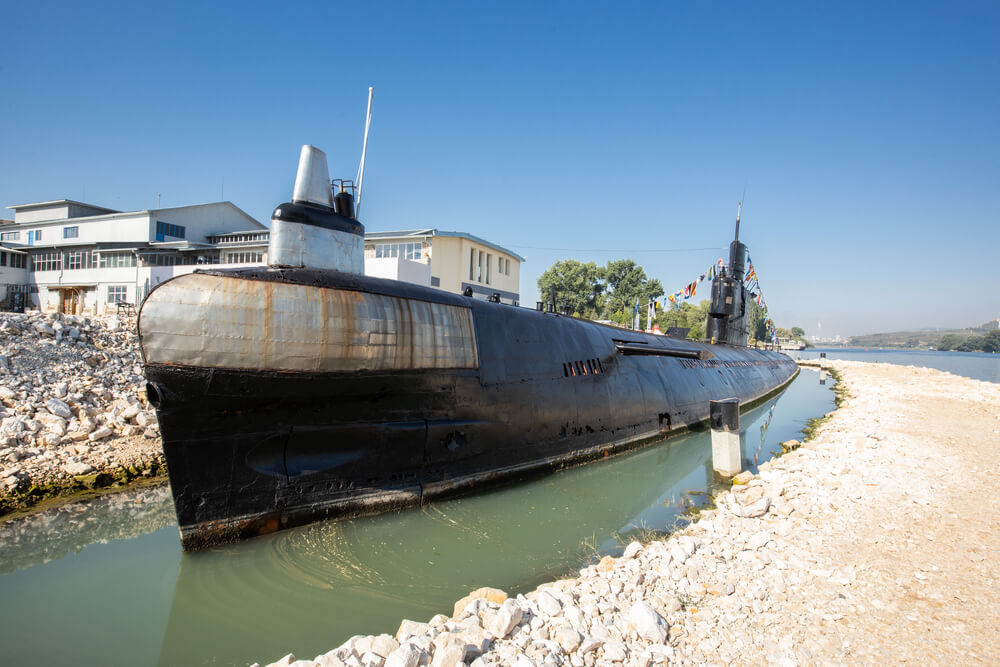
A Soviet submarine, K-129, sank in the Pacific in 1968 with nuclear missiles aboard. The CIA secretly commissioned the Hughes Glomar Explorer, a huge ship built with a cover story about mining minerals from the seafloor, and in 1974 it tried to lift the wreck from about 16,000 feet down.
A claw failure meant only part of the submarine came up. When journalists asked about the project, the agency invented the reply that it could neither confirm nor deny the story, now called the Glomar response.
A detailed internal history was not released until 2010.
Gladio and Europe’s Stay-Behind Networks
NATO countries built secret stay-behind networks after the Second World War, with hidden weapons caches and trained civilians ready to resist a Soviet invasion. In Italy, the program was called Gladio.
Its existence was confirmed in October 1990 when Prime Minister Giulio Andreotti told parliament about it, setting off investigations across Europe. Belgium, Switzerland and other countries soon uncovered their own versions.
The revelations raised uncomfortable questions about links between some networks and domestic political violence, questions that were never fully answered. Switzerland’s version, known as P-26, was disbanded soon after it came to light.
Acoustic Kitty, the Spy Cat
During the 1960s, the CIA explored whether a cat could be turned into a mobile listening device. Veterinary surgeons reportedly implanted a microphone in the animal, a transmitter at the base of its skull and an antenna woven into its fur along the tail.
Training a cat to walk toward specific conversations proved difficult, and the project was dropped around 1967. A heavily redacted memo concluded that the approach would not be practical.
The documents were released in 2001, turning a strange footnote of Cold War science into a popular piece of spy trivia.
MKUltra and the Unwitting Subjects
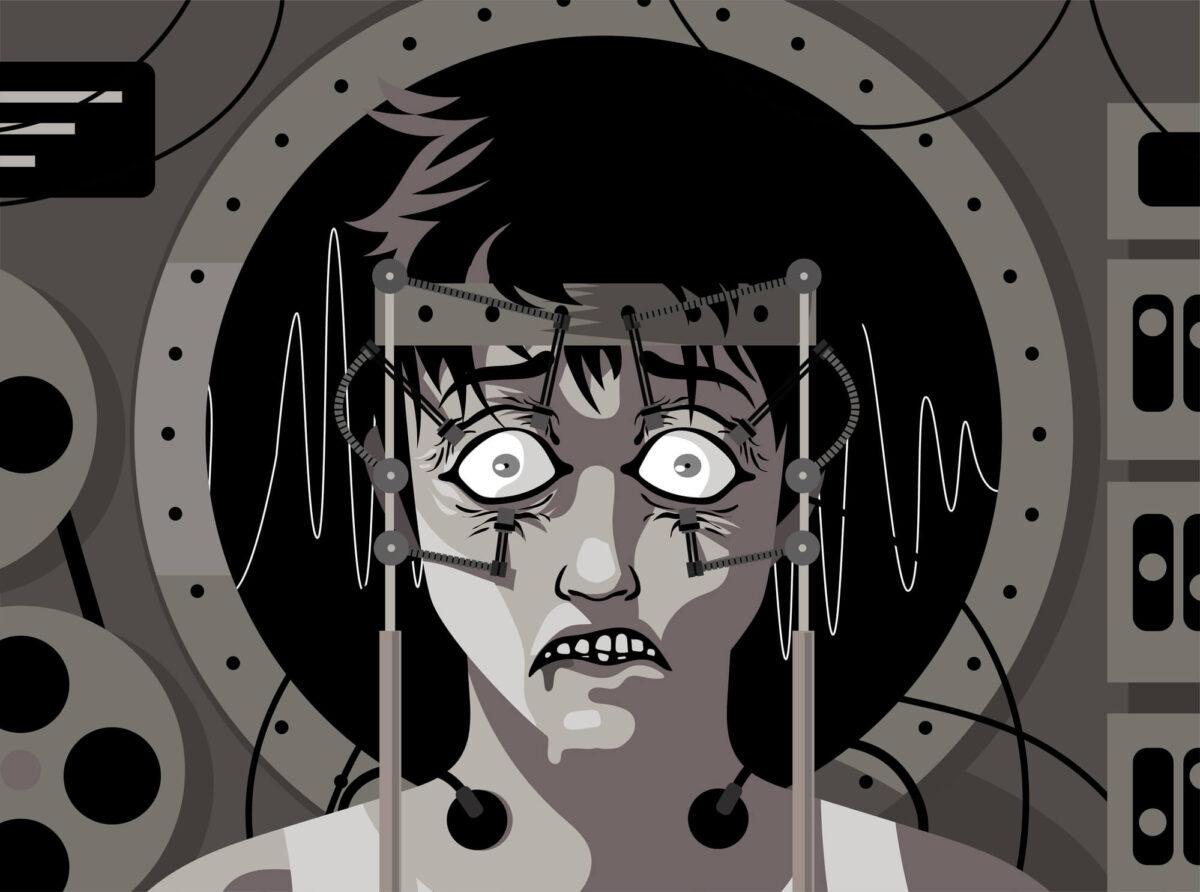
Launched in 1953 under chemist Sidney Gottlieb, MKUltra was a CIA program that tested LSD and other drugs, hypnosis and sensory deprivation, sometimes on people who never agreed to take part. Army scientist Frank Olson died in 1953 after falling from a New York hotel window days after being secretly dosed.
In 1973, CIA director Richard Helms ordered most records destroyed. About 20,000 financial documents survived by mistake and were found in 1977 through a freedom of information request, leading to Senate hearings that same year.
Project Iceworm Beneath the Greenland Ice
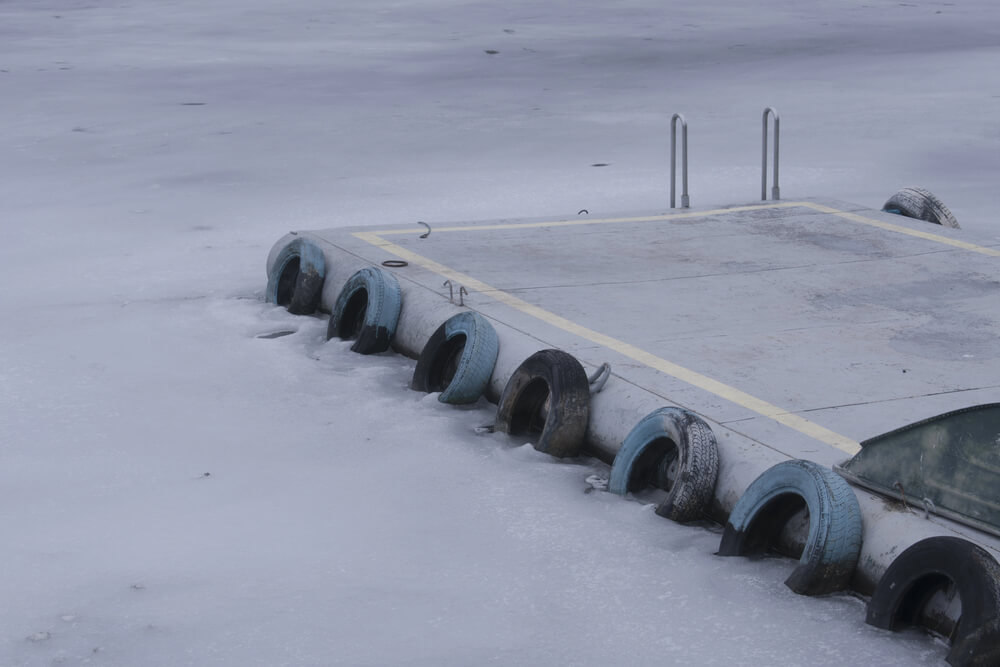
The US Army built Camp Century inside tunnels cut into the Greenland ice sheet in 1959, powered by a portable nuclear reactor and publicized as a scientific research station. Its hidden purpose was to test a plan called Iceworm, which envisioned hundreds of nuclear missiles moving on rails through tunnels under the ice.
The ice shifted faster than engineers expected, and the camp was abandoned in 1967. Denmark, which governed Greenland, had not been told about Iceworm.
The full story emerged in a Danish government report in 1997, and melting ice now threatens to expose the waste left behind.
Sea-Spray Bacteria Over San Francisco
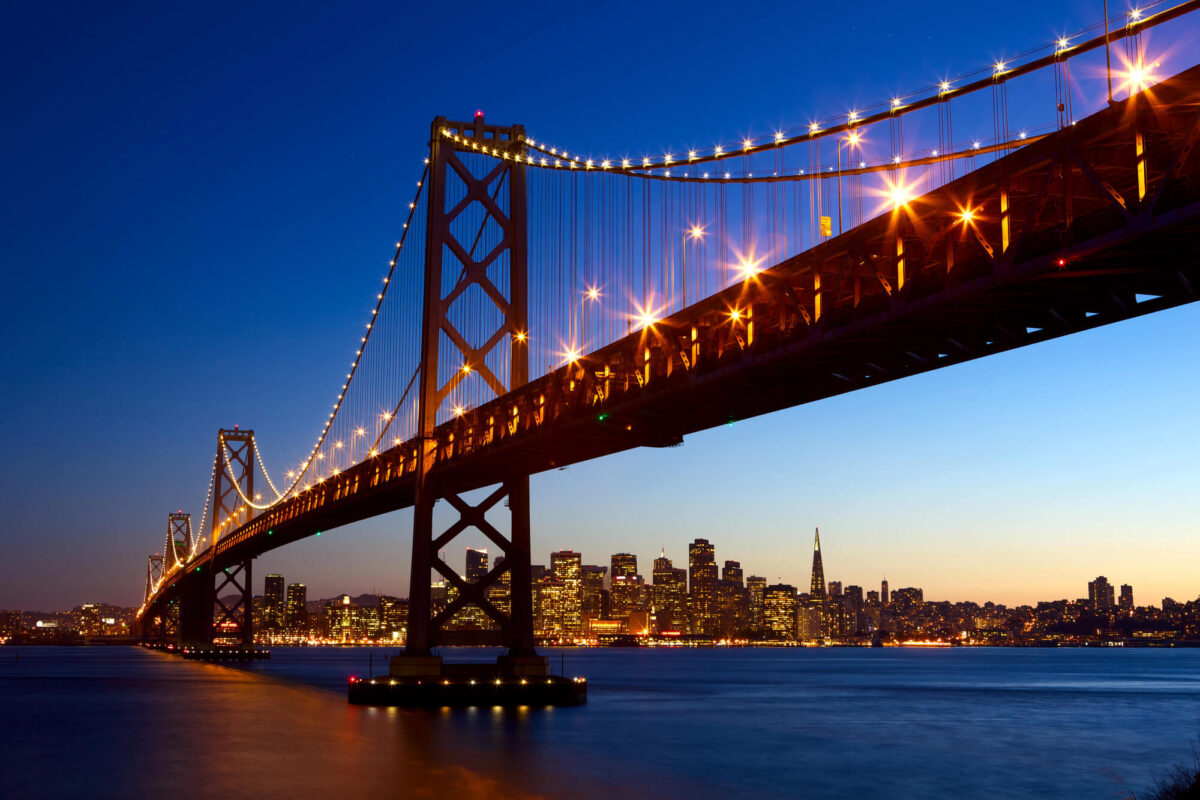
In September 1950, a US Navy ship sprayed clouds of the bacterium Serratia marcescens and other particles over San Francisco to study how a biological attack might spread through a city. Military scientists believed the organism was harmless.
Shortly afterward, several patients at a local hospital developed rare infections, and one of them, Edward Nevin, died. The test was not disclosed until 1976 reporting by Newsday.
Senate hearings in 1977 confirmed that similar open-air tests had been carried out over many American cities. A lawsuit brought by Nevin’s family against the government ultimately failed.
Washtub and the Alaskan Sleeper Agents
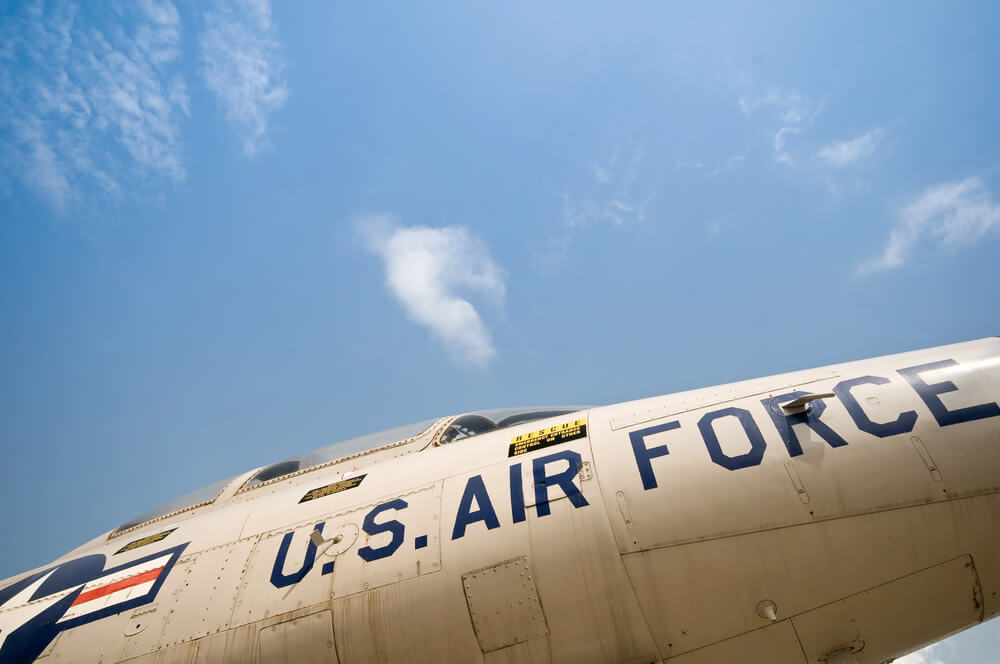
The FBI and US Air Force recruited ordinary Alaskans in the early 1950s, including bush pilots, fishermen and trappers, to act as stay-behind agents if the Soviet Union invaded the territory. Recruits received training and hidden caches of supplies, radios and survival gear were buried across the region.
The program ran through much of the decade before being wound down. Almost nobody knew it existed until documents were declassified in 2014.
Some of the caches may never have been recovered, which means stray supply kits could still be hidden in the Alaskan wilderness.
Anadyr, the Soviet Code Name for Cuba
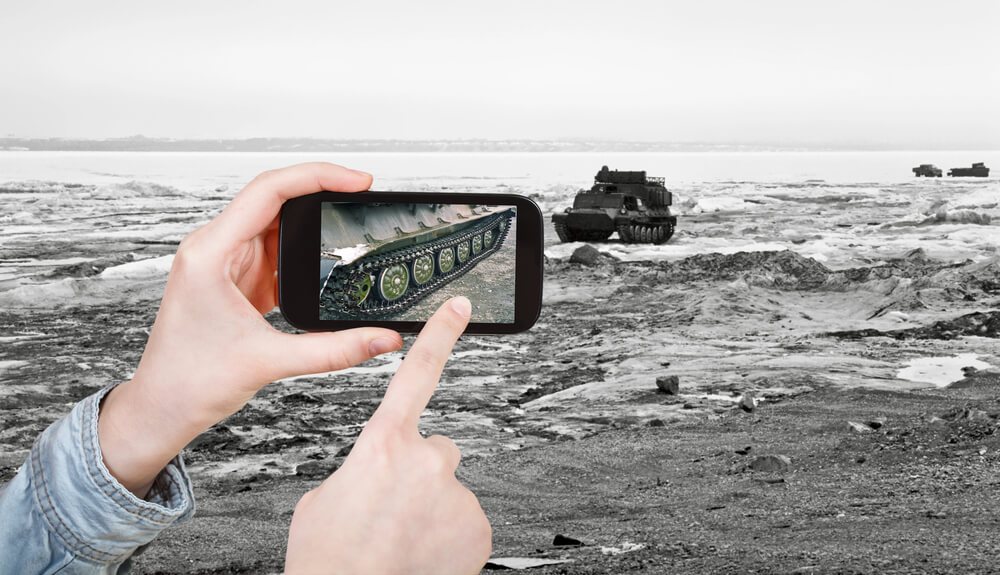
Soviet planners named their 1962 deployment of missiles and troops to Cuba after a river and town in the Russian Far East, partly to disguise the real destination. Some soldiers boarded ships with winter gear and skis, and were not told they were going to the Caribbean until they were at sea.
American intelligence badly underestimated the size of the force. Only in the 1990s did former Soviet officials confirm that roughly 40,000 troops and short-range nuclear weapons had been on the island.
That detail made the crisis look far more dangerous in hindsight.
Mongoose and the Secret War on Castro
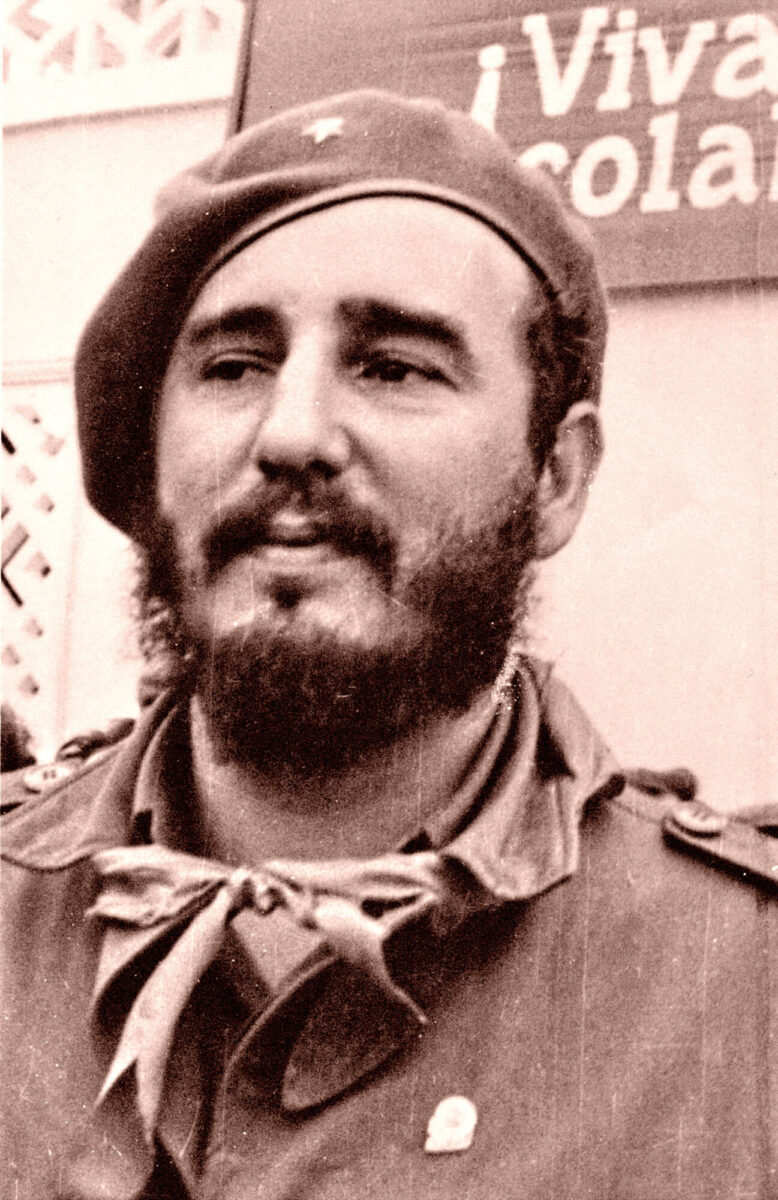
After the failed Bay of Pigs landing in 1961, the Kennedy administration created a secret program of sabotage, propaganda and covert action against the Cuban government, led by Air Force officer Edward Lansdale. Mongoose plans ranged from attacks on sugar mills and infrastructure to schemes aimed at Fidel Castro personally.
The program was wound down after the missile crisis in 1962. Its existence became public in 1975 through the Church Committee, the Senate panel that investigated intelligence abuses and published a long list of CIA plots.
Ajax and the 1953 Coup in Iran
In August 1953, American and British intelligence helped organize the overthrow of Iran’s elected prime minister, Mohammad Mosaddegh, after he nationalized the country’s oil industry. The CIA side of the plan, known as TPAJAX, was run in Tehran by Kermit Roosevelt Jr., a grandson of Theodore Roosevelt.
The broad outlines leaked over the years, but Washington refused to confirm them. In 2013, on the coup’s 60th anniversary, the CIA released documents that formally acknowledged its role.
The episode still shapes Iranian views of the United States.
Operation PBSuccess in Guatemala
The CIA ran a campaign in 1954 to remove Guatemala’s elected president, Jacobo Arbenz, whose land reform had angered the United Fruit Company. The operation relied heavily on psychological warfare, including a clandestine radio station that broadcast exaggerated reports of rebel victories to convince the army that resistance was hopeless.
Arbenz resigned in June 1954 and spent the rest of his life in exile. The agency’s own internal history of the operation, along with thousands of related documents, was released in 1997, confirming details that officials had denied for more than four decades.
Operation Condor and the Archives of Terror
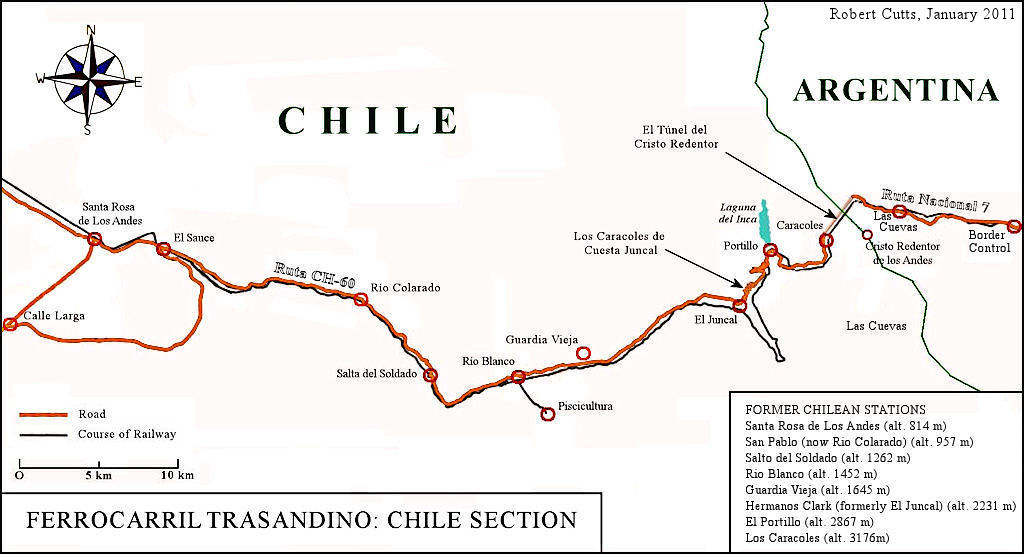
Military governments in Argentina, Chile, Uruguay, Paraguay, Bolivia and Brazil coordinated in the 1970s to track, kidnap and kill political opponents across each other’s borders. The program was called Operation Condor.
On December 22, 1992, lawyer and former prisoner Martin Almada led a judge to a police station near Asuncion, Paraguay, where tons of records were stored. The documents, now known as the Archives of Terror, detailed tens of thousands of victims.
They became key evidence in trials that continued for decades, and UNESCO later added them to its Memory of the World register.
Operation Cornflakes and the Fake Mail
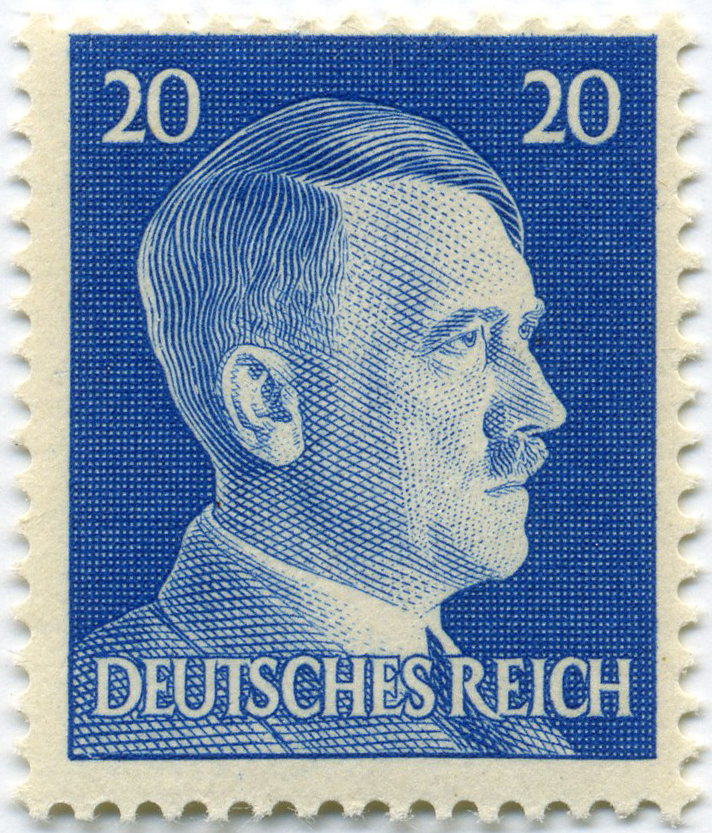
American psychological warfare officers came up with an unusual delivery method in 1945. Aircraft bombed German mail trains, then dropped sacks of fake mail near the wreckage, each letter addressed to a real German household and filled with propaganda.
The German postal service, doing its job, collected and delivered them. The mail included a forged stamp that turned Hitler’s portrait into a skull.
The operation was run by the Office of Strategic Services, and its details emerged gradually as the agency’s records were opened and researchers studied the surviving letters.
Project X-Ray and the Bat Bombs
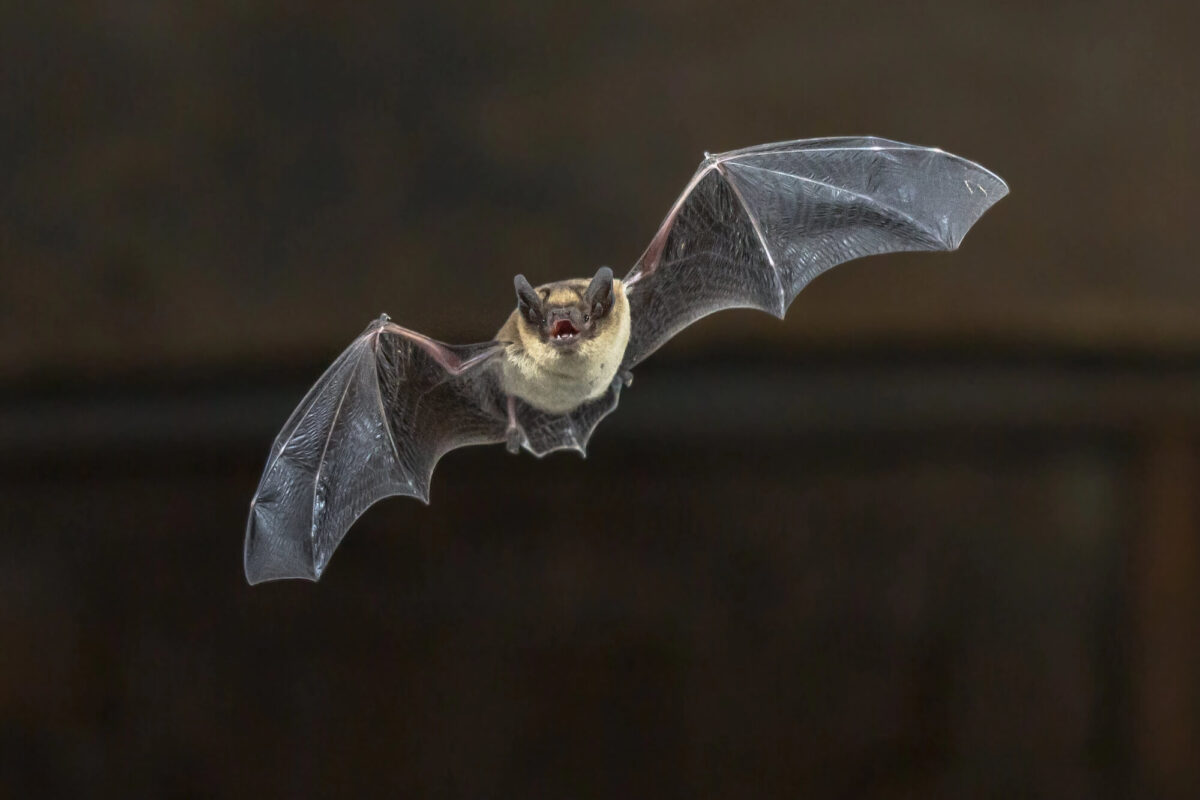
Pennsylvania dentist Lytle Adams persuaded the US military in 1942 to test bats carrying tiny incendiary devices, which could be released over Japanese cities to roost in wooden buildings and ignite. The idea was taken seriously enough to reach the White House.
In May 1943, some armed bats escaped during testing and set fire to an auxiliary airfield near Carlsbad, New Mexico. The Navy and Marine Corps continued development, but the program was canceled in 1944 as the atomic bomb moved ahead.
Details stayed obscure for decades until veterans and historians pieced the story together.
Anthrax Cakes of Operation Vegetarian

British planners prepared a scheme in 1942 to drop linseed cakes laced with anthrax spores over German pastures, killing cattle and crippling the food supply. Around five million cakes were produced, though they were never used and were later destroyed.
Testing of anthrax weapons on sheep turned Gruinard Island, off the northwest coast of Scotland, into a contaminated zone that remained off limits for decades. The island was only declared safe in 1990 after a lengthy cleanup.
For most of the intervening years, local residents had little idea why their island was forbidden.
Secrecy Has a Long Half-Life
Wartime secrets rarely stay locked because of one dramatic cover-up. They stay locked because thousands of ordinary people sign a form, go home and keep their word for fifty years.
Bletchley typists, Navajo radiomen and Ritchie interrogators carried history quietly into old age. When the files finally open, the public tends to react with astonishment rather than anger.
Yet the real lesson is how normal these operations felt to the people planning them. Inflatable tanks, fake mail and bat bombs all looked sensible to someone with a deadline and a war to win.
More from Go2Tutors!

- The Romanov Crown Jewels and Their Tragic Fate
- 13 Historical Mysteries That Science Still Can’t Solve
- Famous Hoaxes That Fooled the World for Years
- 15 Child Stars with Tragic Adult Lives
- 16 Famous Jewelry Pieces in History
Like Go2Tutors’s content? Follow us on MSN.