Cassette Tape Habits From the ’80s That Defined How People Listened to Music
The cassette tape created rituals that shaped how an entire generation consumed music. Listening wasn’t passive—it was a series of deliberate actions.
You chose a tape, inserted it, pressed play, and accepted whatever came next. The machine controlled the experience as much as the listener did.
Habits formed around this friction, and many people still carry those behaviors forward even though the technology is functionally extinct. Music meant something different when it arrived on magnetic tape wound around two plastic spools.
It couldn’t skip. It degraded with use.
It required rewinding. Every interaction with it was tactile and required patience.
These weren’t flaws in the system; they were its architecture. They shaped listening habits that persisted long after the format disappeared.
Making Mixtapes as Actual Work
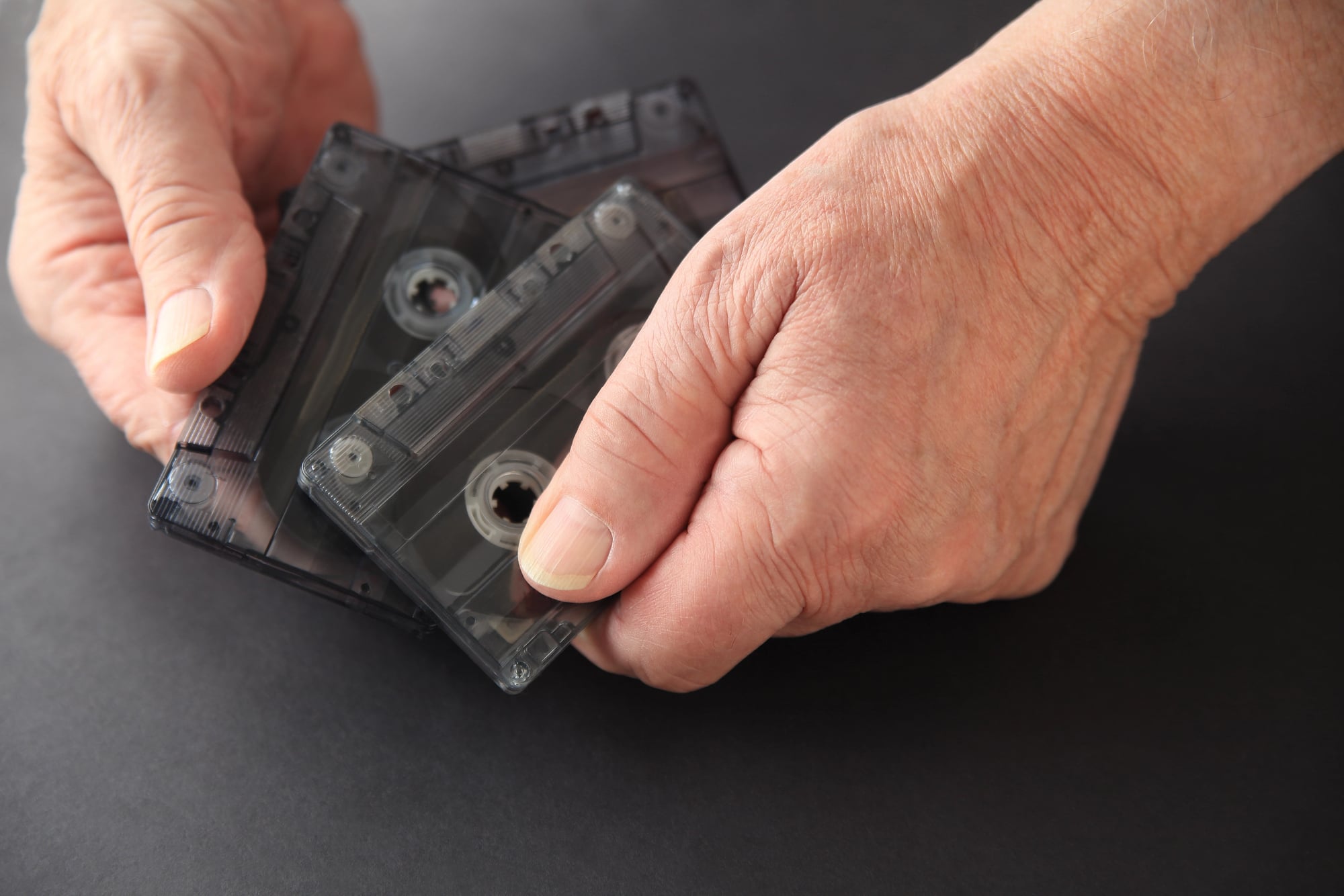
Recording your own cassettes meant playing one device and recording to another simultaneously, stopping and starting to capture specific songs. It required planning: which songs went first, what order made sense, whether one side could fit exactly 45 minutes.
The result was a physical object containing exactly your taste, arranged precisely as you intended. It took hours to make a single tape; you lived with that investment.
Rewinding Before Returning
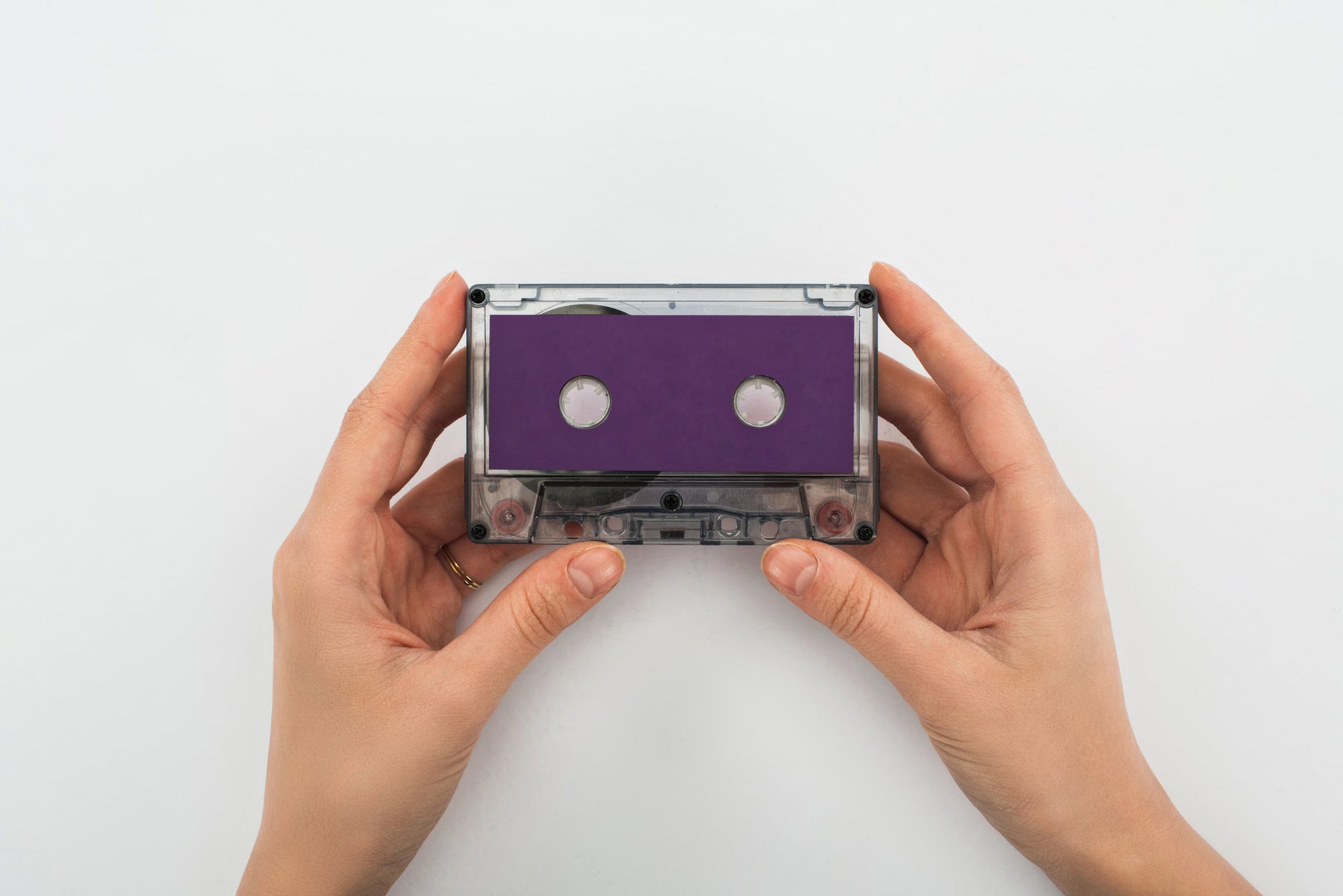
Rented cassettes had to be rewound before returning them to the store. That was the rule.
Someone had to stand there, pressing the rewind button, listening to the tape squeal backward at speed. Only when it reached zero could the cassette be returned.
People who violated this rule became cultural pariahs—there was a specific shame attached to returning an unrewound tape.
Checking Which Side the Tape Ended On
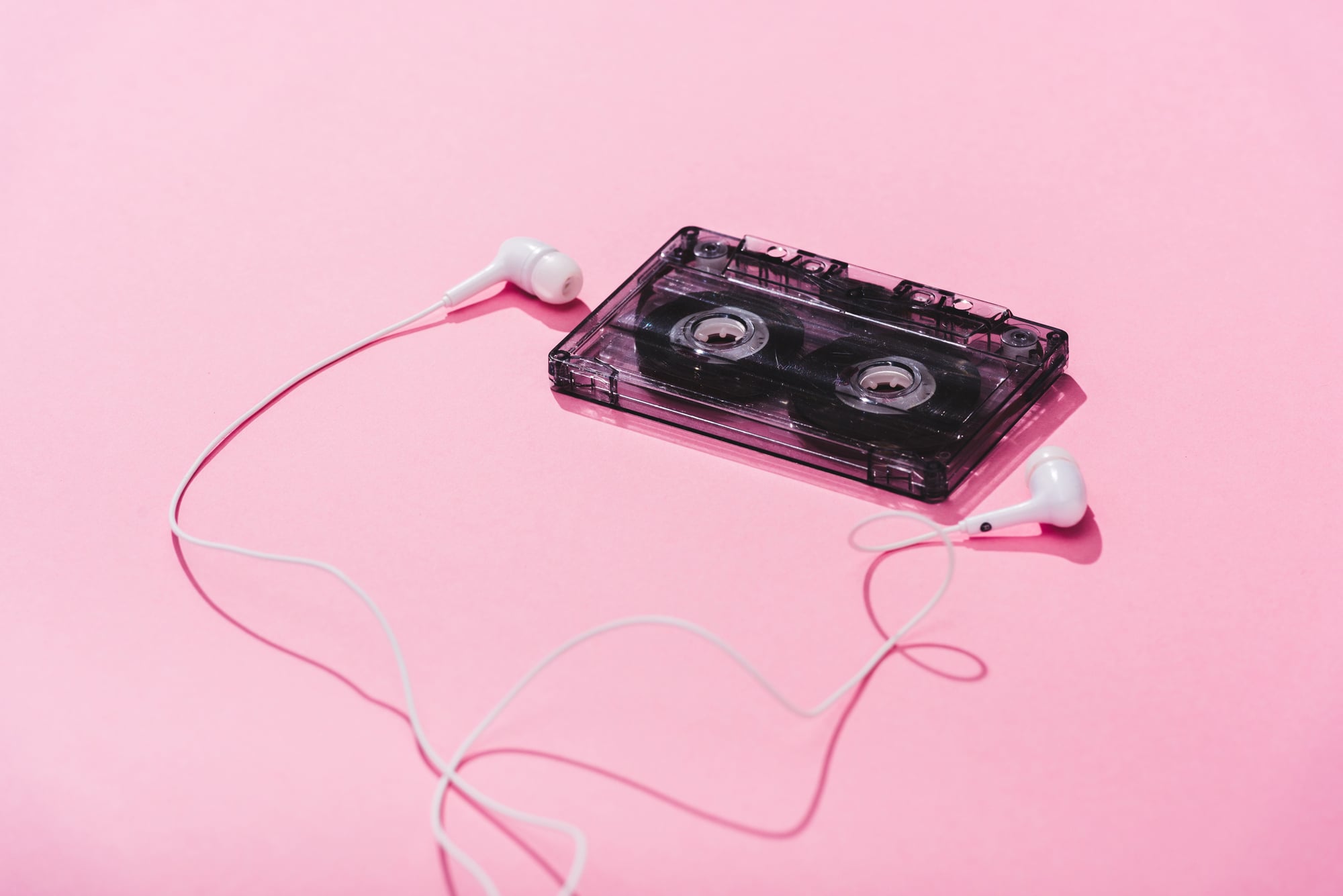
Music came on two sides. Flipping the tape meant reaching into the deck, ejecting it physically, rotating it, and reinserting it.
Every listen involved this decision: is this song on side A or side B? If you wanted a specific track, you had to remember which side it was on.
Playlists existed in your head, organized by physical location within the machine.
The Specific Frustration of Snapped Tape
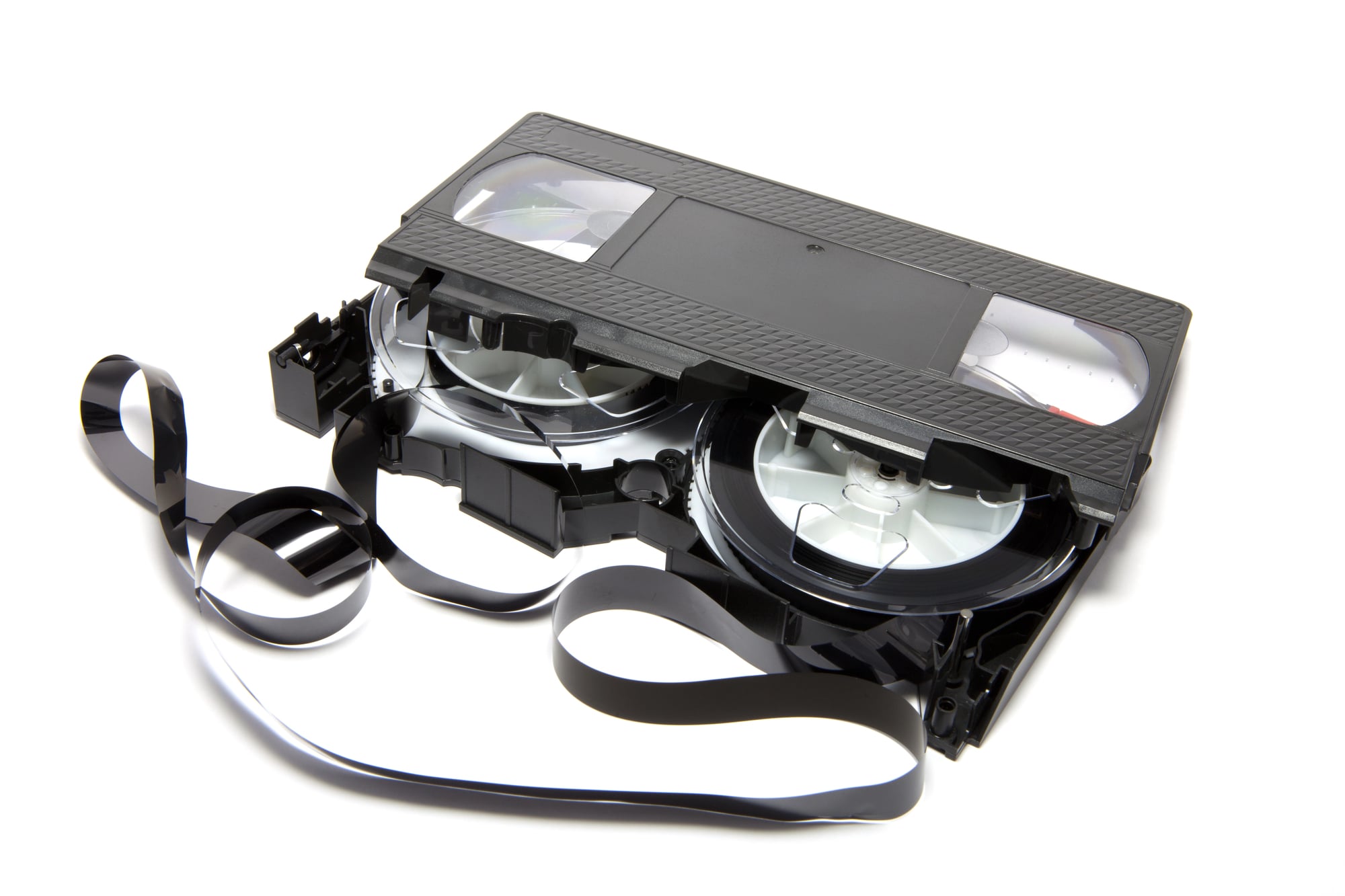
Cassettes broke. The tape inside would snap, usually at the most inopportune moment—during the song you actually wanted to hear.
Fixing it required extracting the tape, finding the ends, splicing them with clear adhesive tape, and rewinding it carefully to avoid creating more problems. Most people just threw the cassette away.
Building Music Identity Around Rental
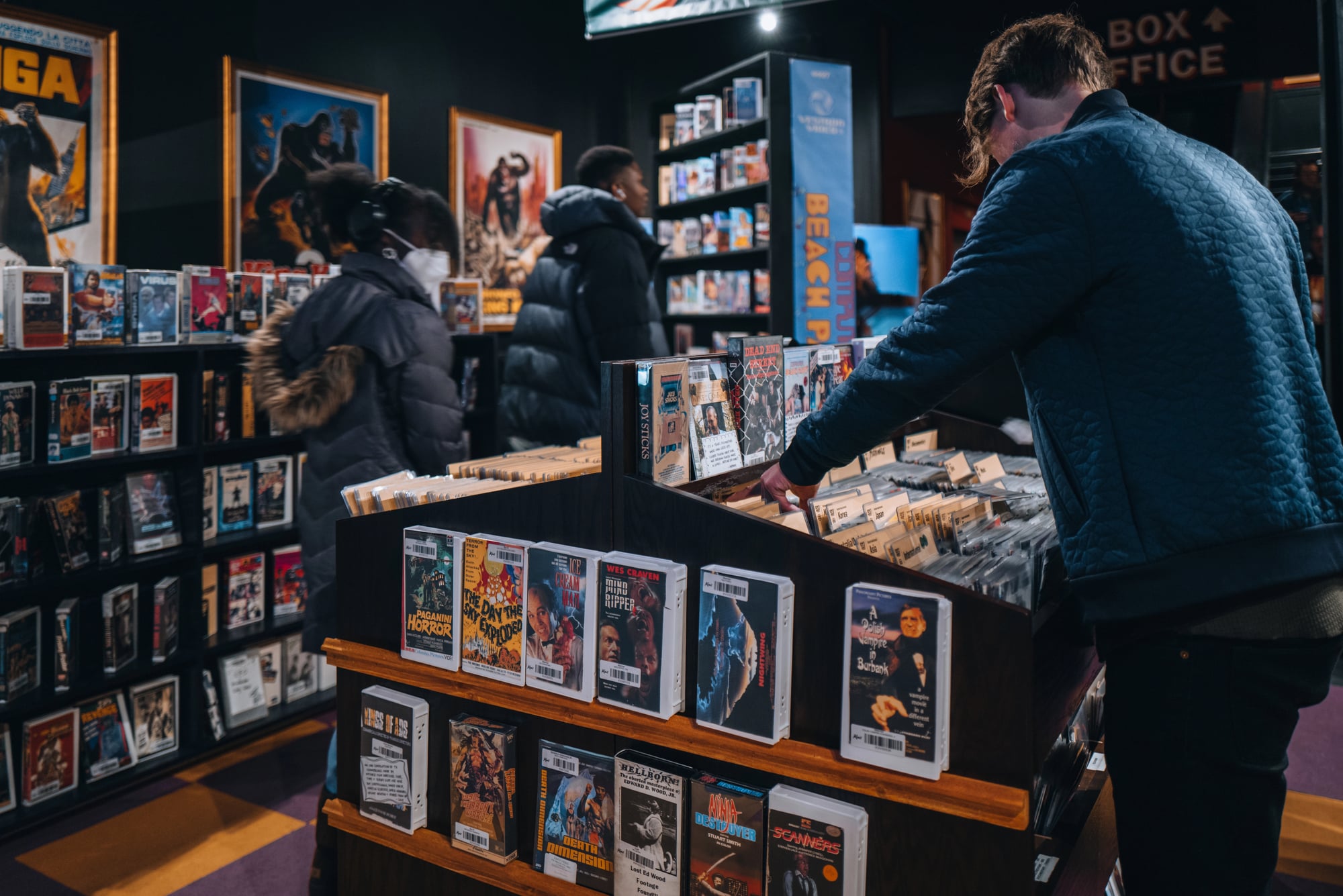
Video rental stores had music departments where you could rent cassettes cheaply. People would rent multiple tapes each week, make copies of them, and return them before they were even fully listened to.
This created a specific behavior: listening to music once, quickly, to decide if it was worth buying. Your music library was half-stolen, half-purchased, and everyone knew it.
The Walkman as Social Proof
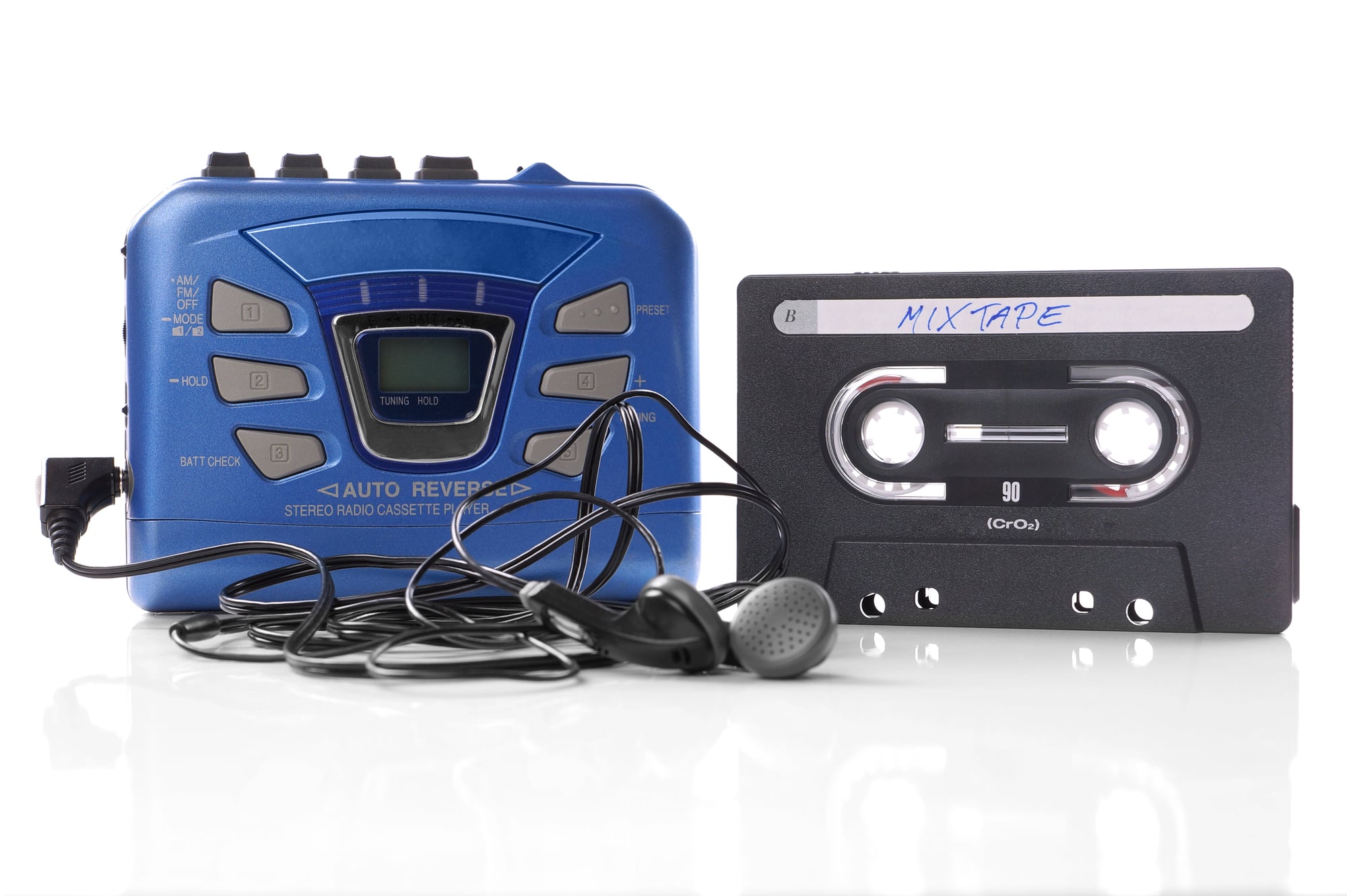
Wearing headphones meant broadcasting that you had music. Your Walkman was a public statement.
Pulling out your headphones meant disconnecting; putting them on meant you didn’t want to talk. The device became part of identity in a way modern earbuds never quite achieved.
People judged what you were listening to based on what model Walkman you carried.
Fast-Forwarding to Find a Specific Song

Locating a song on a cassette meant holding down the fast-forward button, listening to the tape squeal, releasing it, and seeing if you’d landed on the right track or overshot. There was no digital scrubbing.
You worked blind, listening through the noise, estimating based on how long the song’s runtime should be. Finding a song took active work.
The High-Fidelity Obsession
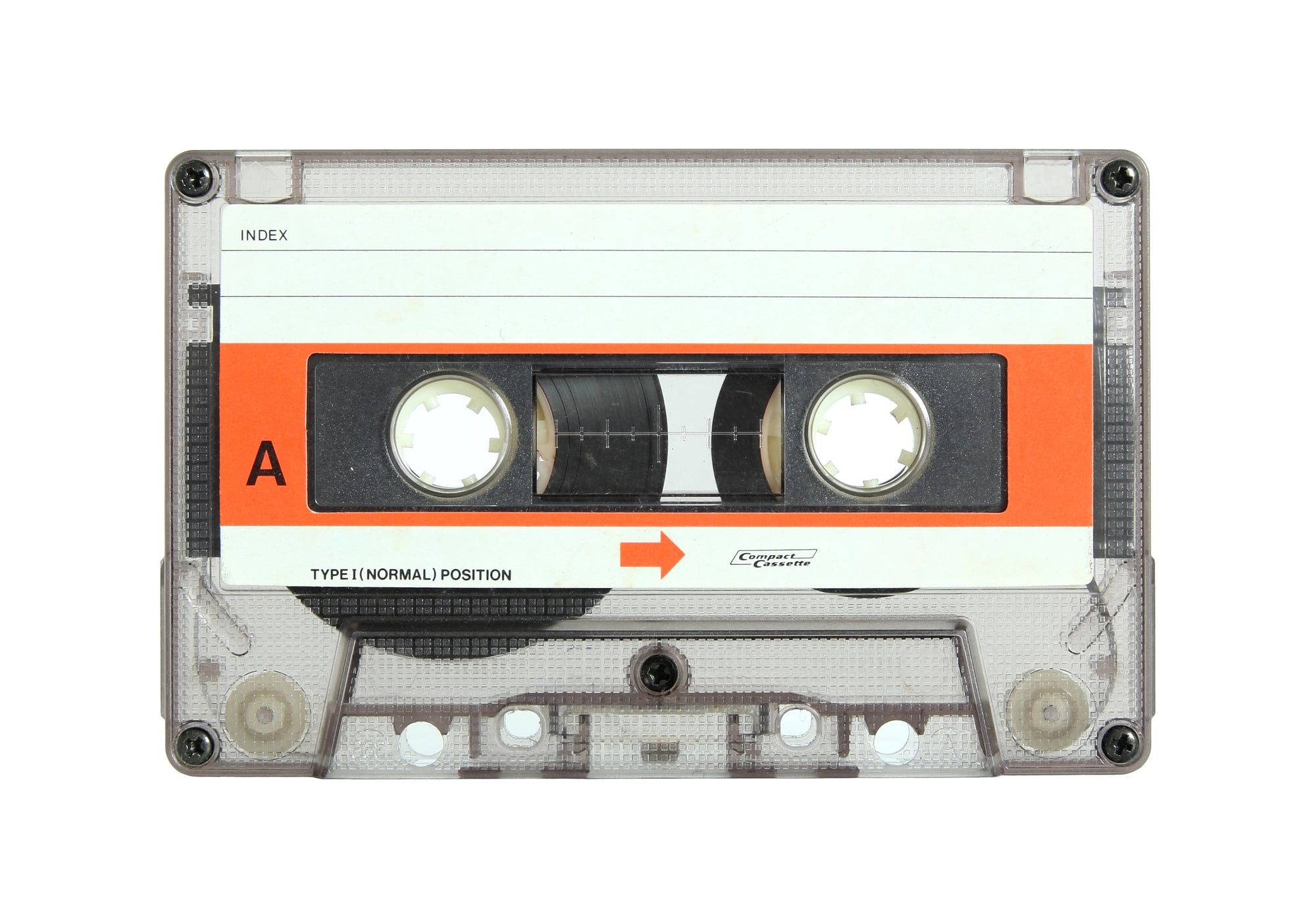
People cared about tape quality. Dolby-B reduction, chromium dioxide vs. ferric oxide, cassette deck autoreverse technology—these weren’t niche interests; they were part of casual conversation about music.
Someone would always have the “good” cassette player. Others had cheap machines that wouldn’t capture high frequencies.
Quality mattered because quality was audible.
Demagnetization Over Time
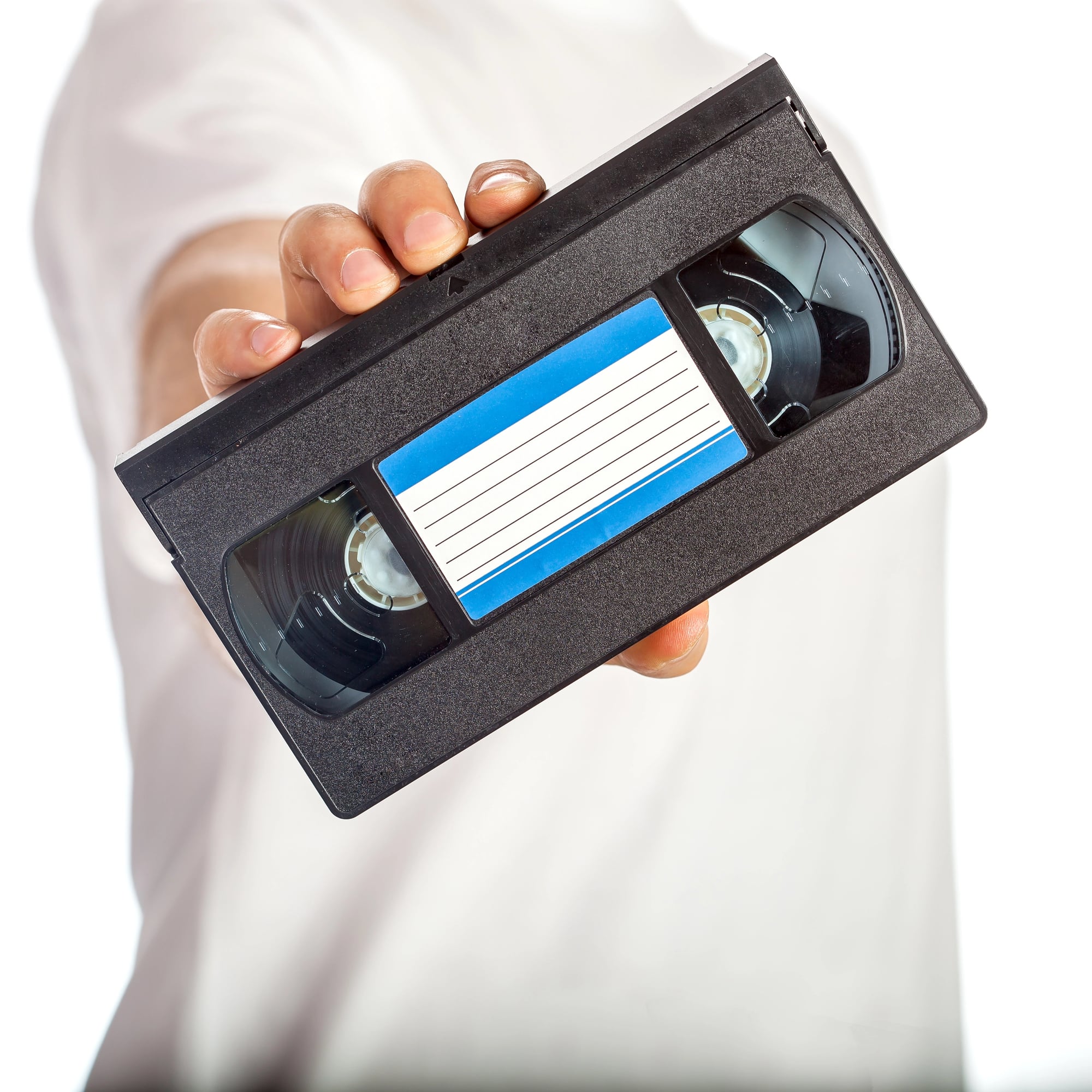
Cassettes got worse with each play. The tape stretched; the magnetic particles degraded; the sound slowly diminished.
Your favorite album sounded worst because you’d played it most. People accepted this as normal.
A heavily played cassette was recognizable by its warped audio and reduced fidelity. Some people swapped the tape inside to a fresh cassette shell to preserve the original, creating a complex personal archive.
Labeling Your Cassettes With Pen
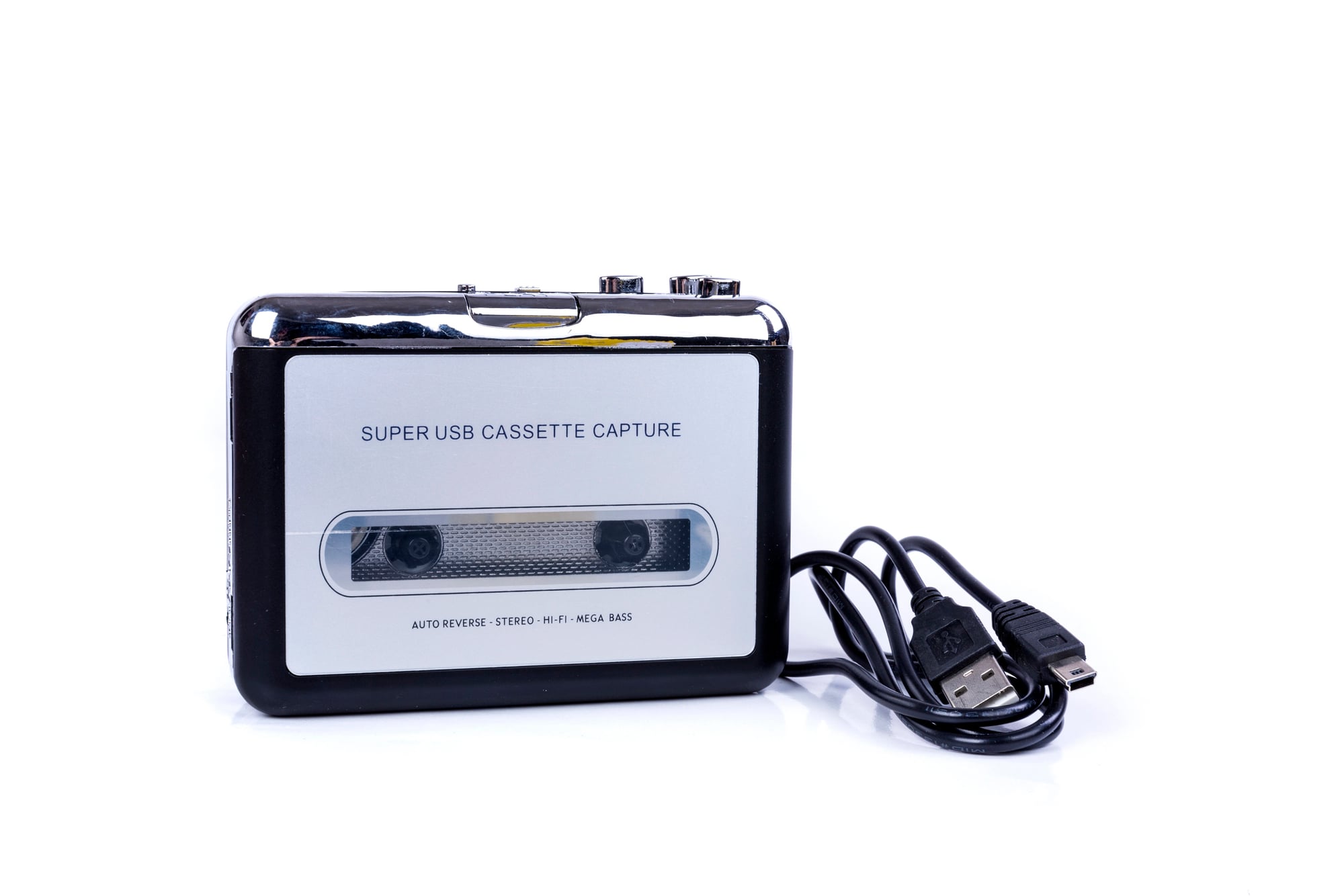
Every cassette needed a label written by hand. Someone would sit with a thin pen, carefully writing the album title and artist on the cassette’s spine or front.
Mistakes meant covering it with white-out or accepting the error. These labels became personalized objects; your handwriting on them made them yours in a way printed labels never could.
The Economic Trap of Double Albums
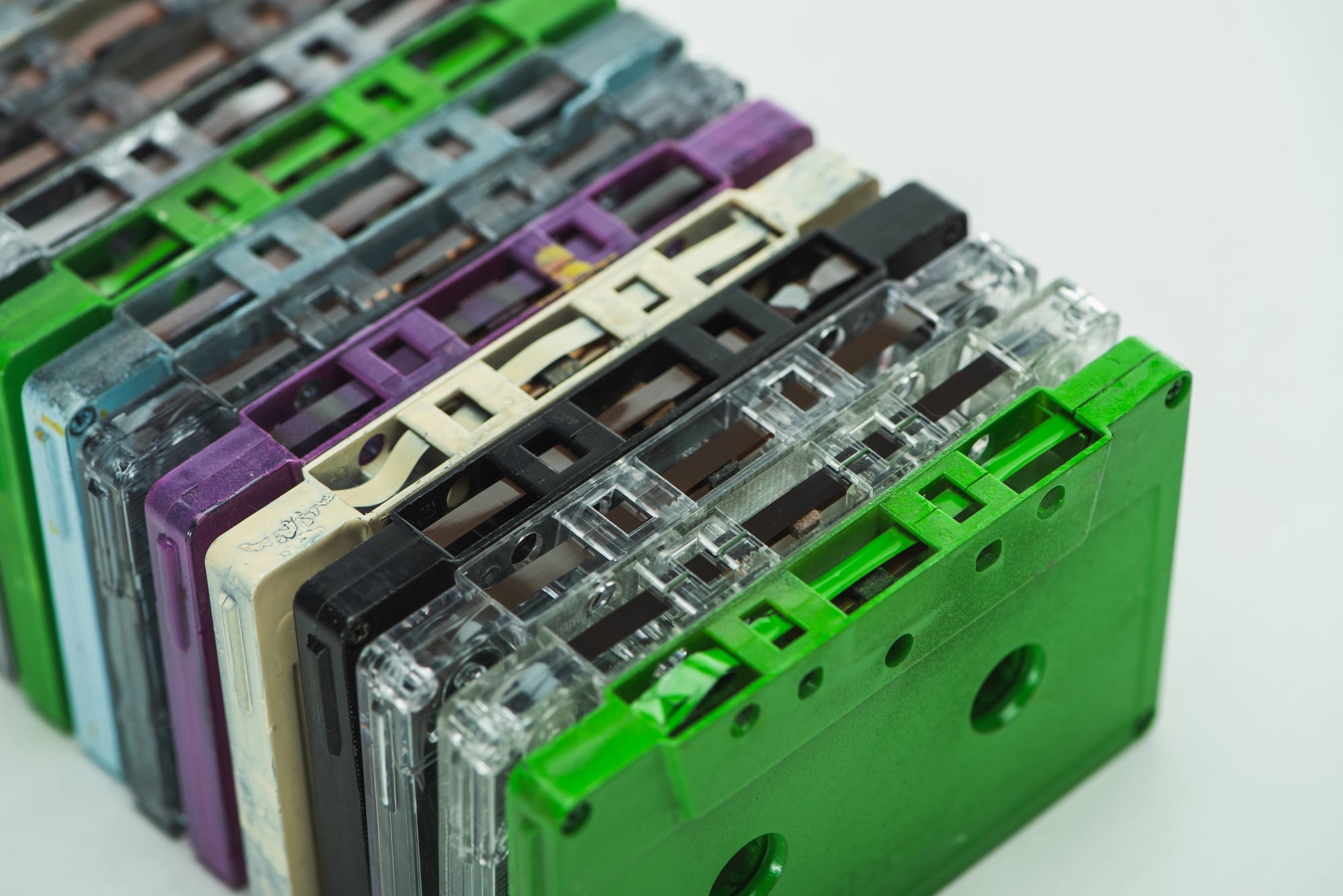
A double album required two cassettes, which meant buying two for the price of less than one vinyl record, which made no economic sense. People bought them anyway.
Double albums meant dedicating significant time to listening to a single artist. Some people carried both tapes; others switched them partway through.
It created a different relationship to longer works.
Predictable Pop-Out Speakers
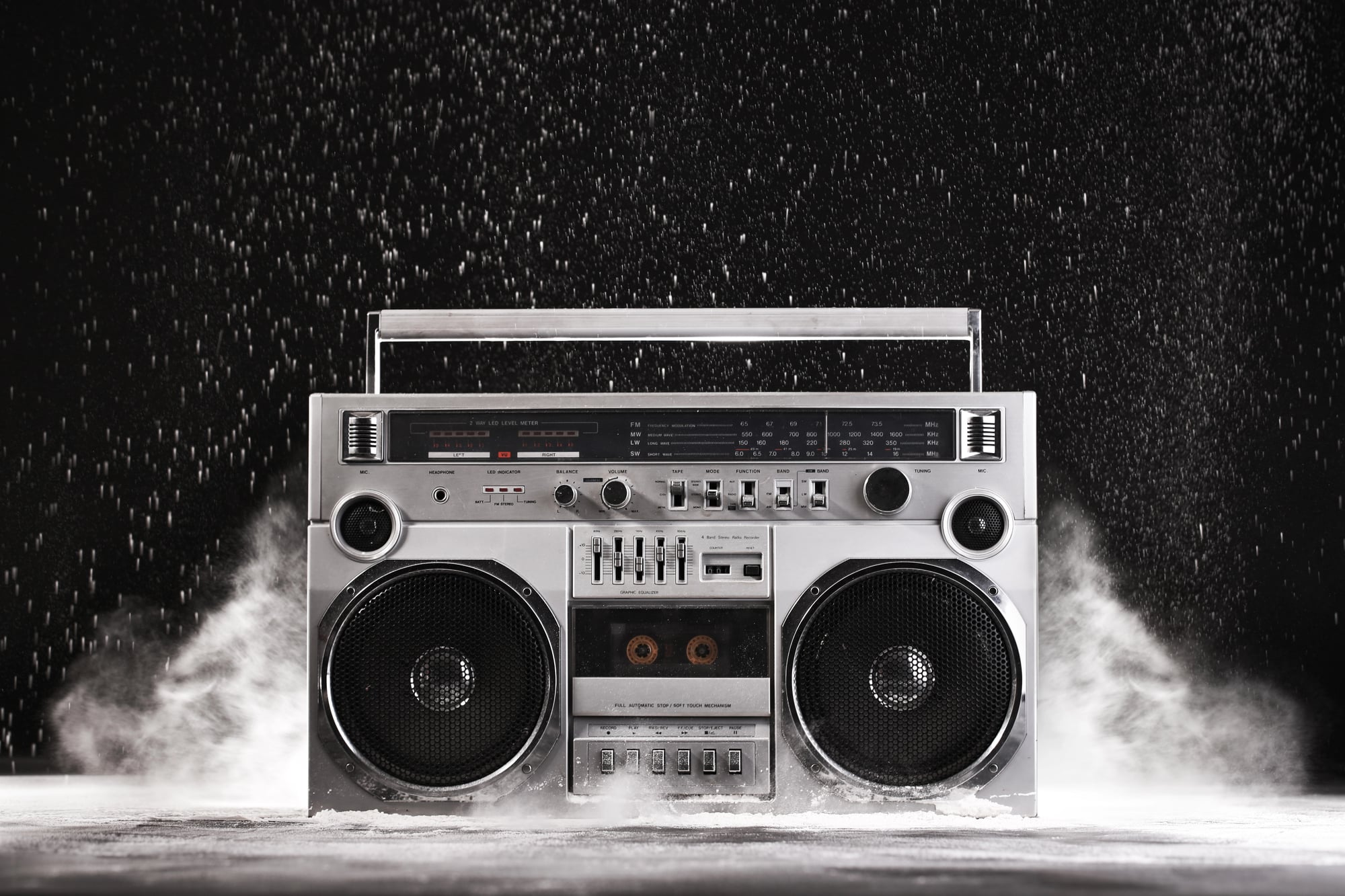
Boomboxes and portable stereos had speakers that deployed at angles, creating stereo separation. They worked terribly.
The sound quality was appalling compared to any real equipment. People used them anyway, creating a generation that learned to accept degraded audio as normal.
The pop-out design was iconic despite being functionally useless.
Radio Taping Entire Broadcasts
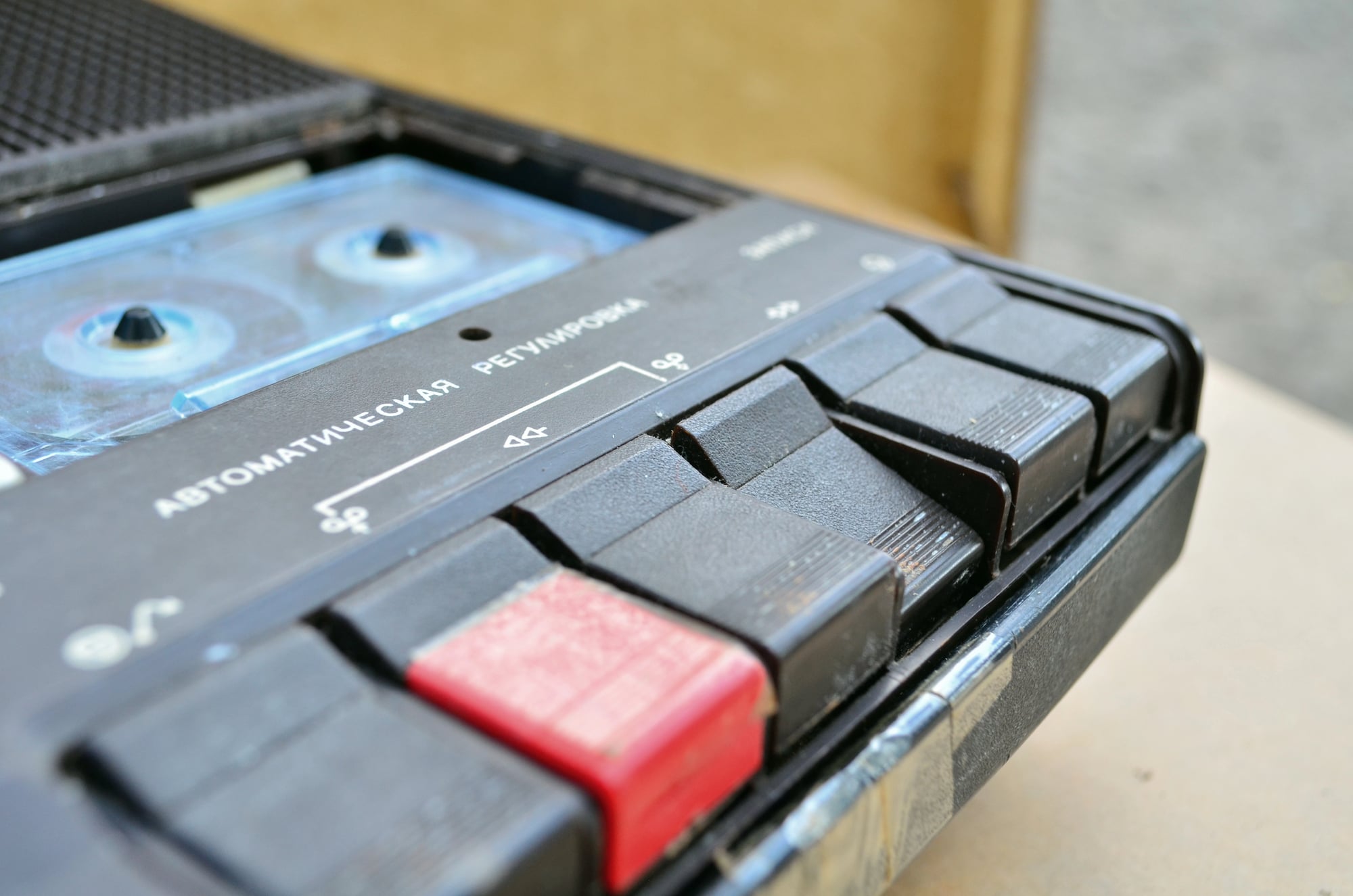
People recorded radio shows directly to cassette to capture the music plus the DJ commentary. Fast-forwarding through songs the DJ had introduced meant skipping over their voice and the jingles.
People kept recordings of specific broadcasts for years, hearing the same DJ’s voice repeatedly saying the same jokes. It created an archive of moments that weren’t meant to be permanent.
The Perfect Length Problem
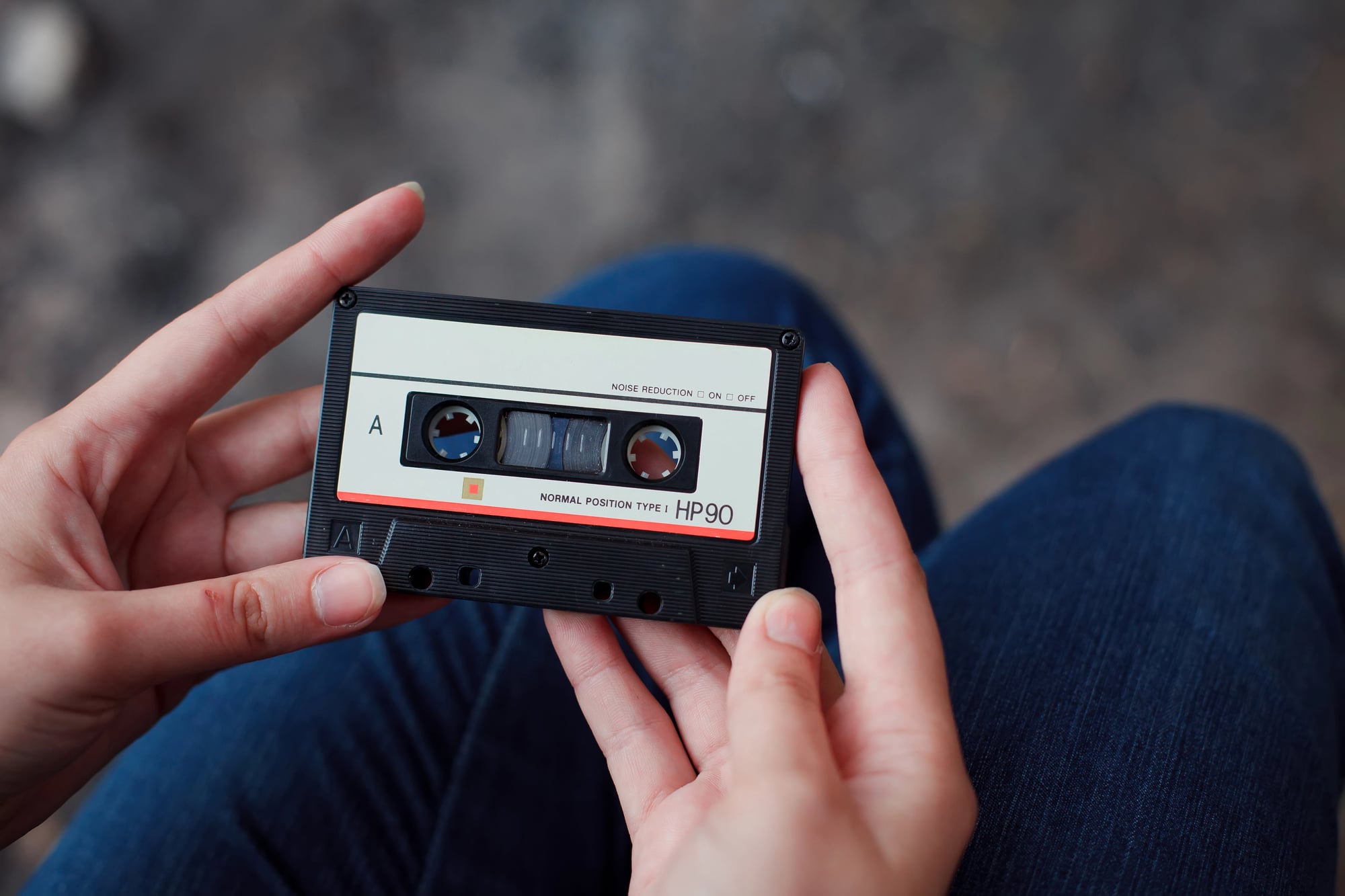
Cassettes came in standard lengths: 30, 45, 60, and 90 minutes. An album didn’t fit perfectly into any of them.
Making mixtapes meant choosing a cassette length that would hold your songs with some waste. That waste drove people crazy.
A 45-minute tape and a 45-minute side meant abandoning 25 minutes of one album to avoid having to flip to side B for one song.
Manual Volume Leveling
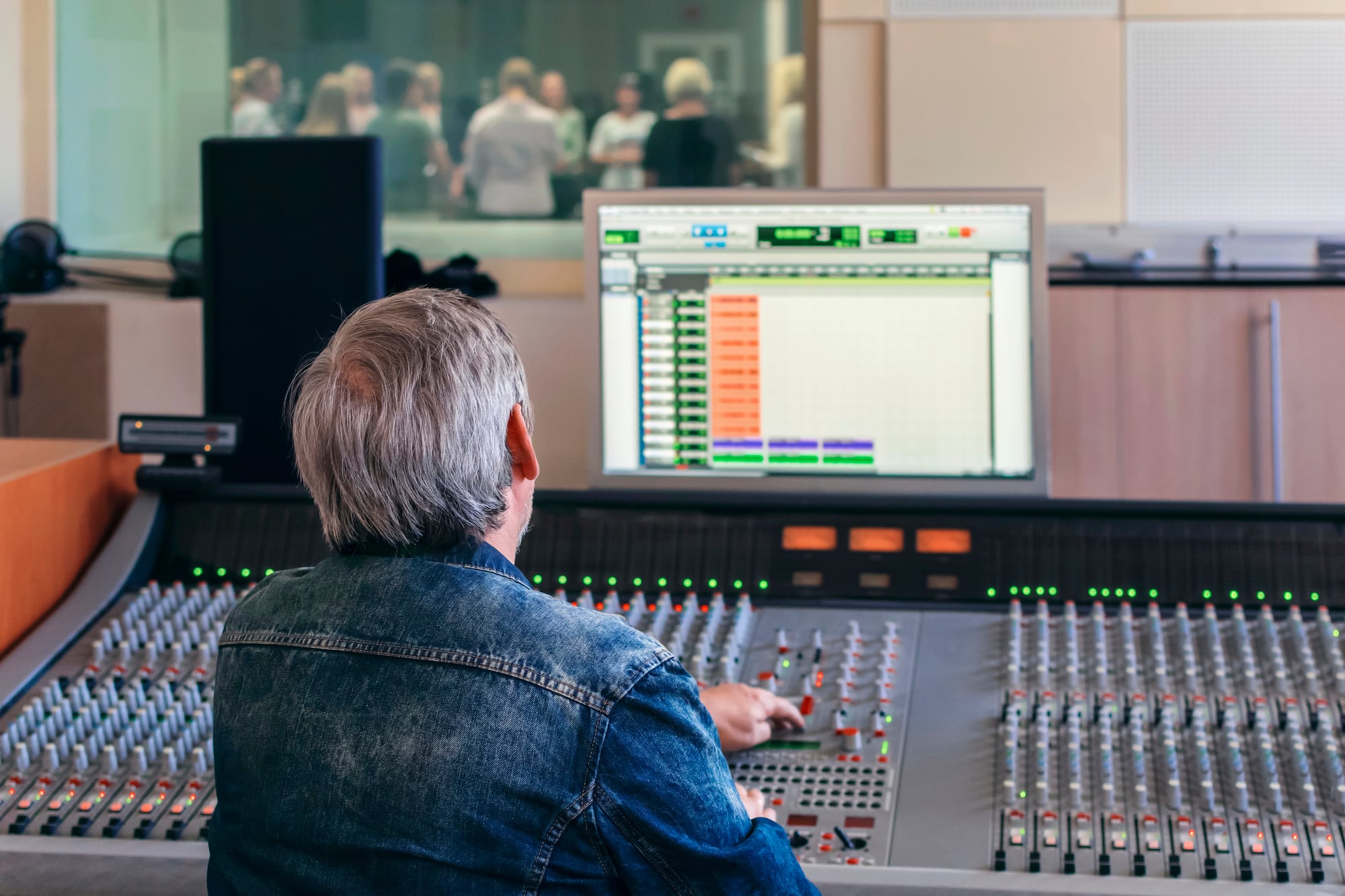
You had to manually set the recording level when making cassettes, watching a needle on a meter, keeping it in the “green zone” to avoid distortion. Too soft and you couldn’t hear it; too loud and it would crackle.
Creating a mixtape required active monitoring of levels for every recording. One song too loud ruined the entire tape’s consistency.
The Power of Liner Notes
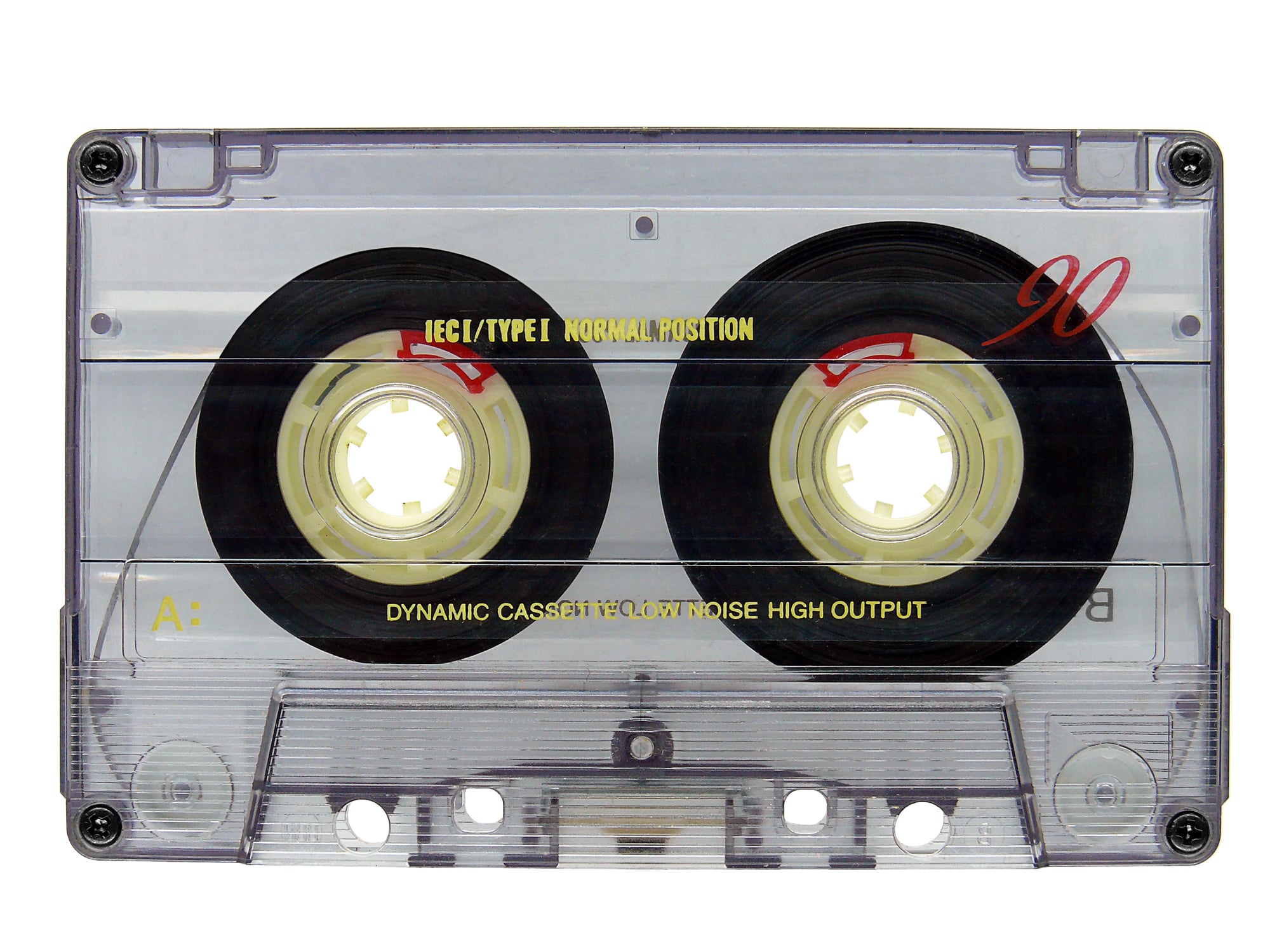
Cassettes came with paper inserts listing track times and often credits. People read these during songs to learn about the album while listening.
That information was essential because otherwise you wouldn’t know any details about the music. Your relationship to the album included studying its documentation simultaneously with first listen.
Portable Music as Commitment
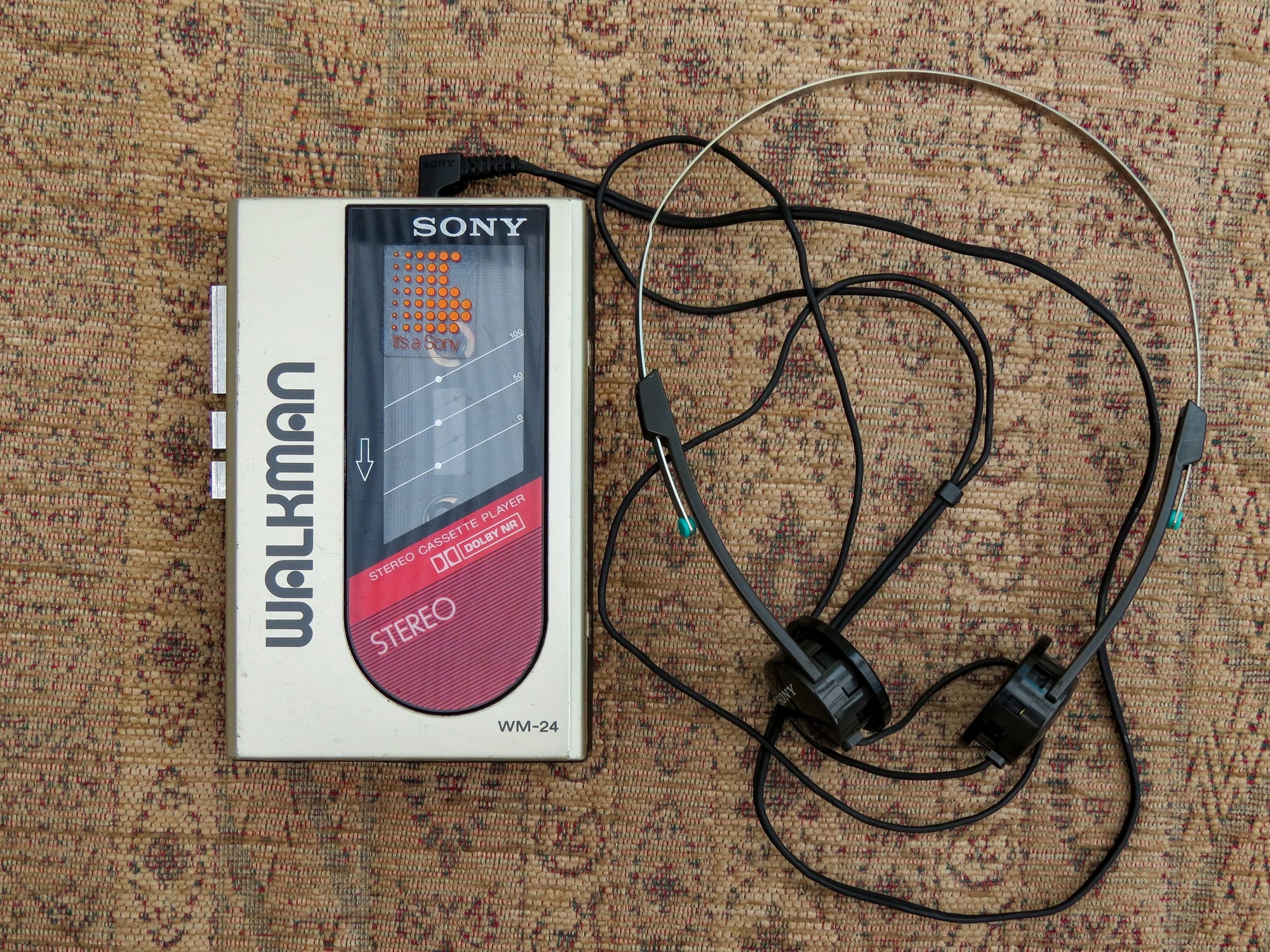
Carrying a Walkman meant choosing exactly which album or mixtape you wanted to hear during your commute. You were committed to that selection for the duration of your trip.
If you didn’t like it, you had to live with that choice. This created a specific mindfulness about what you were listening to; decisions had weight because they couldn’t be changed mid-experience.
The Prestige of Owning Rare Tapes
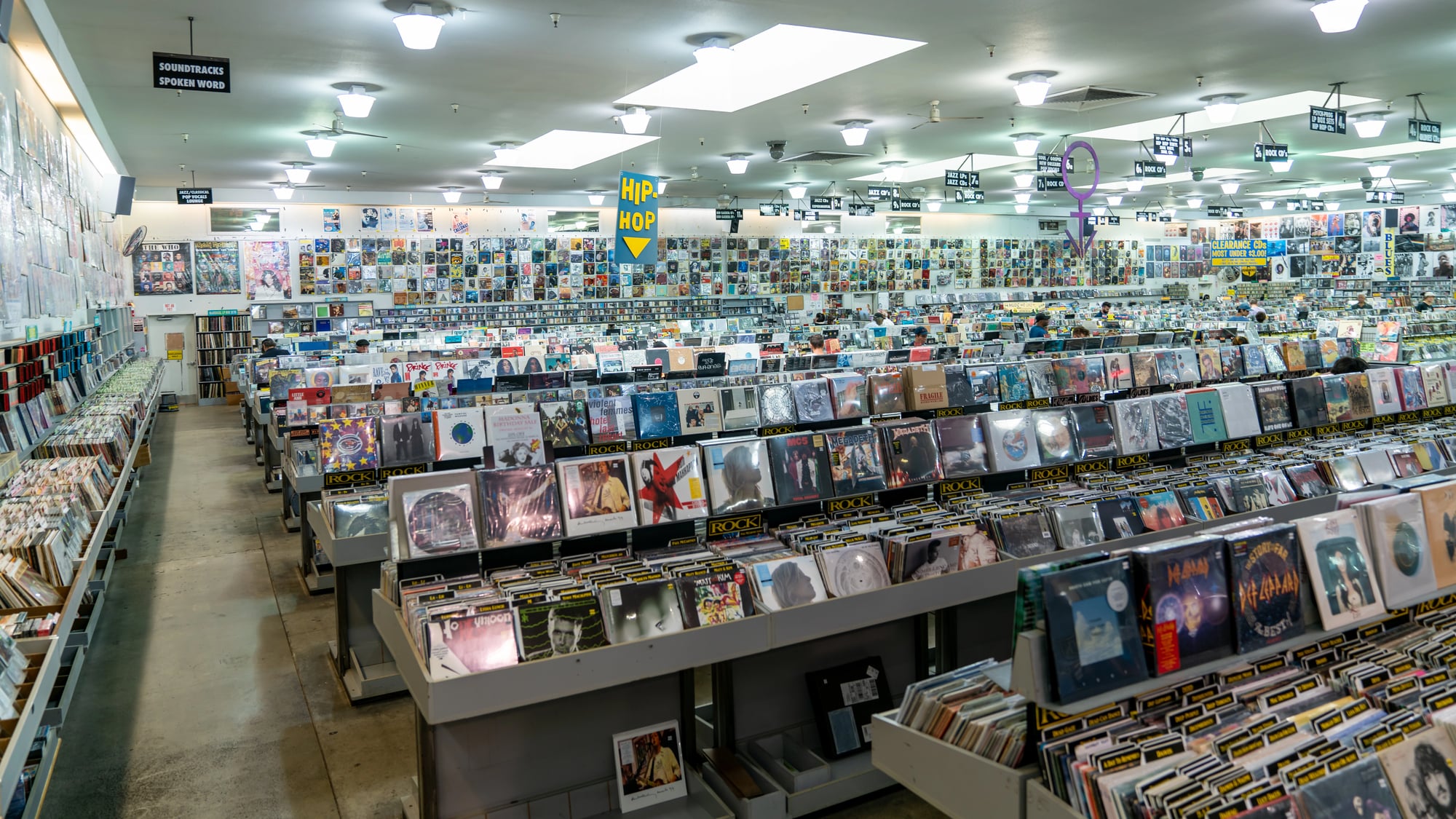
Some cassettes weren’t widely available. You had to find them at specific stores or import them.
Owning the cassette version meant you’d invested effort in locating it. That effort became part of the object’s value.
Showing someone a rare cassette meant demonstrating taste and persistence.
Creating a Personal Music Archive
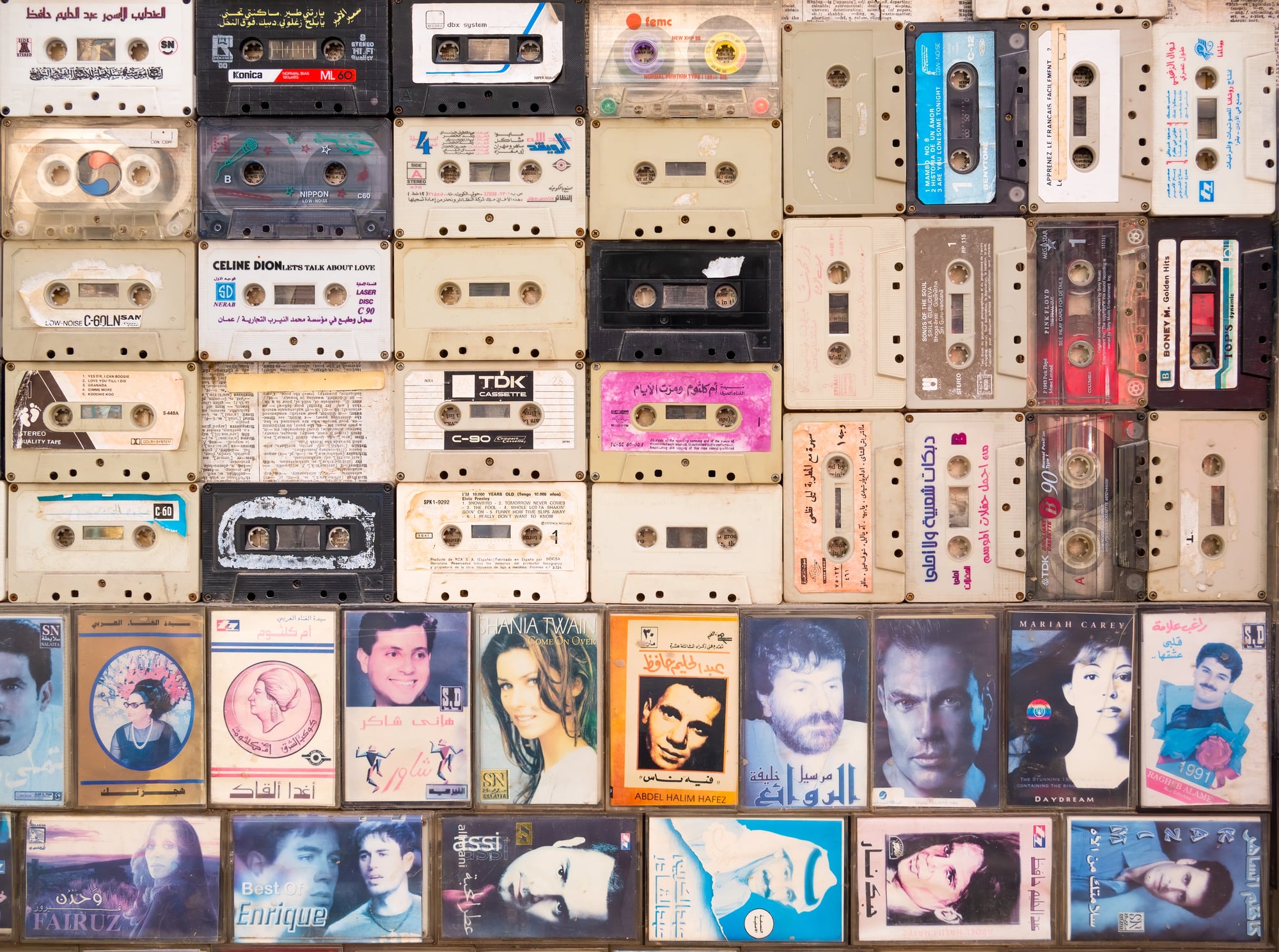
A large cassette collection meant organizing them, sometimes alphabetically, sometimes by genre, sometimes by when you’d acquired them. The collection existed in your space; organizing it was an ongoing task.
People cared about how their cassettes were arranged and would reorganize them regularly. The archive was visible and maintained.
Searching Through the Collection
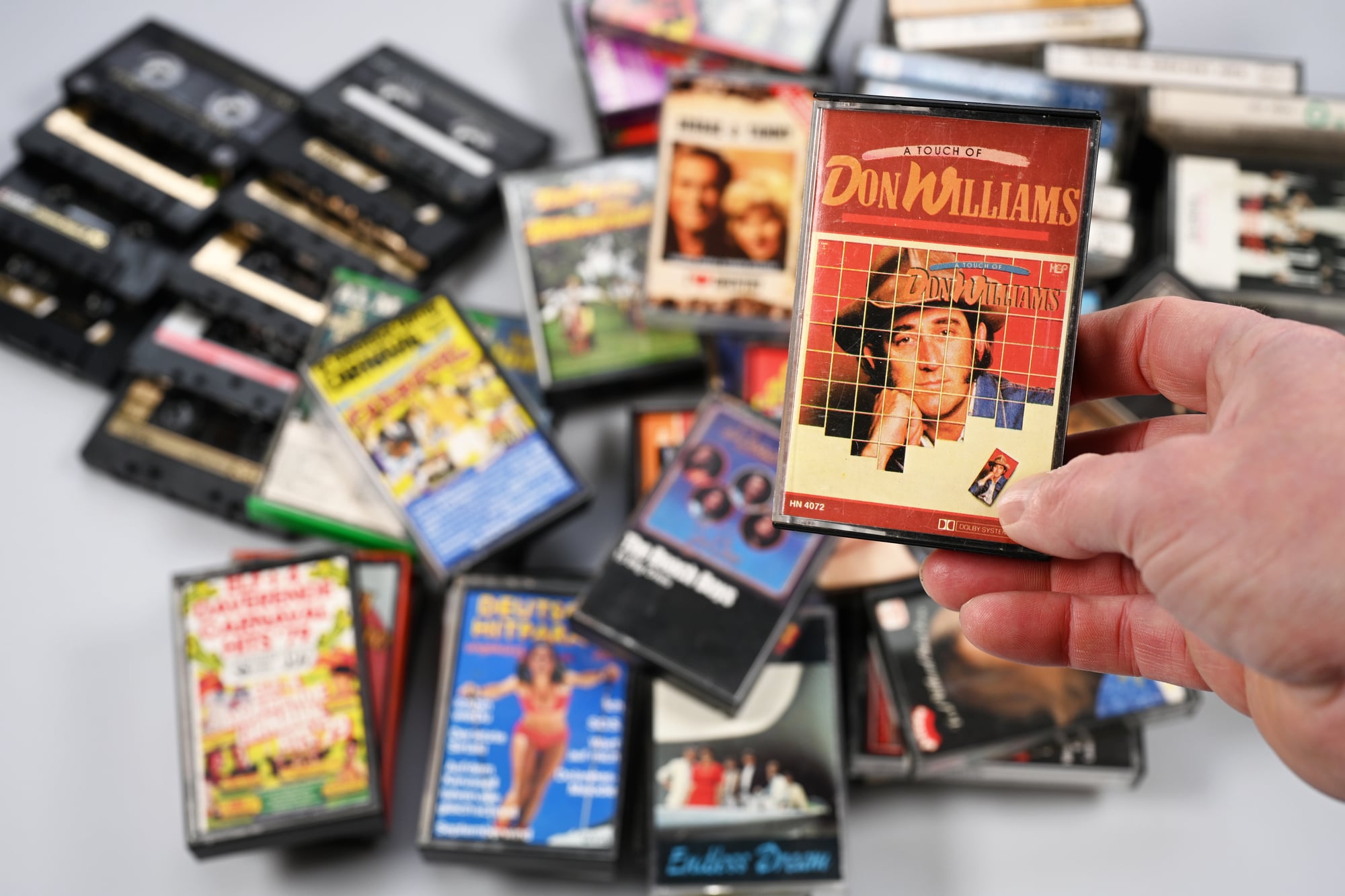
Finding a specific cassette meant scanning the spines of dozens or hundreds of tapes. You had to remember either the album title or artist name or both.
If someone asked “do you have this album?” you’d have to actually look. Digital searching didn’t exist.
Your knowledge of what you owned was fallible.
The Ritual of Retiring a Worn Tape
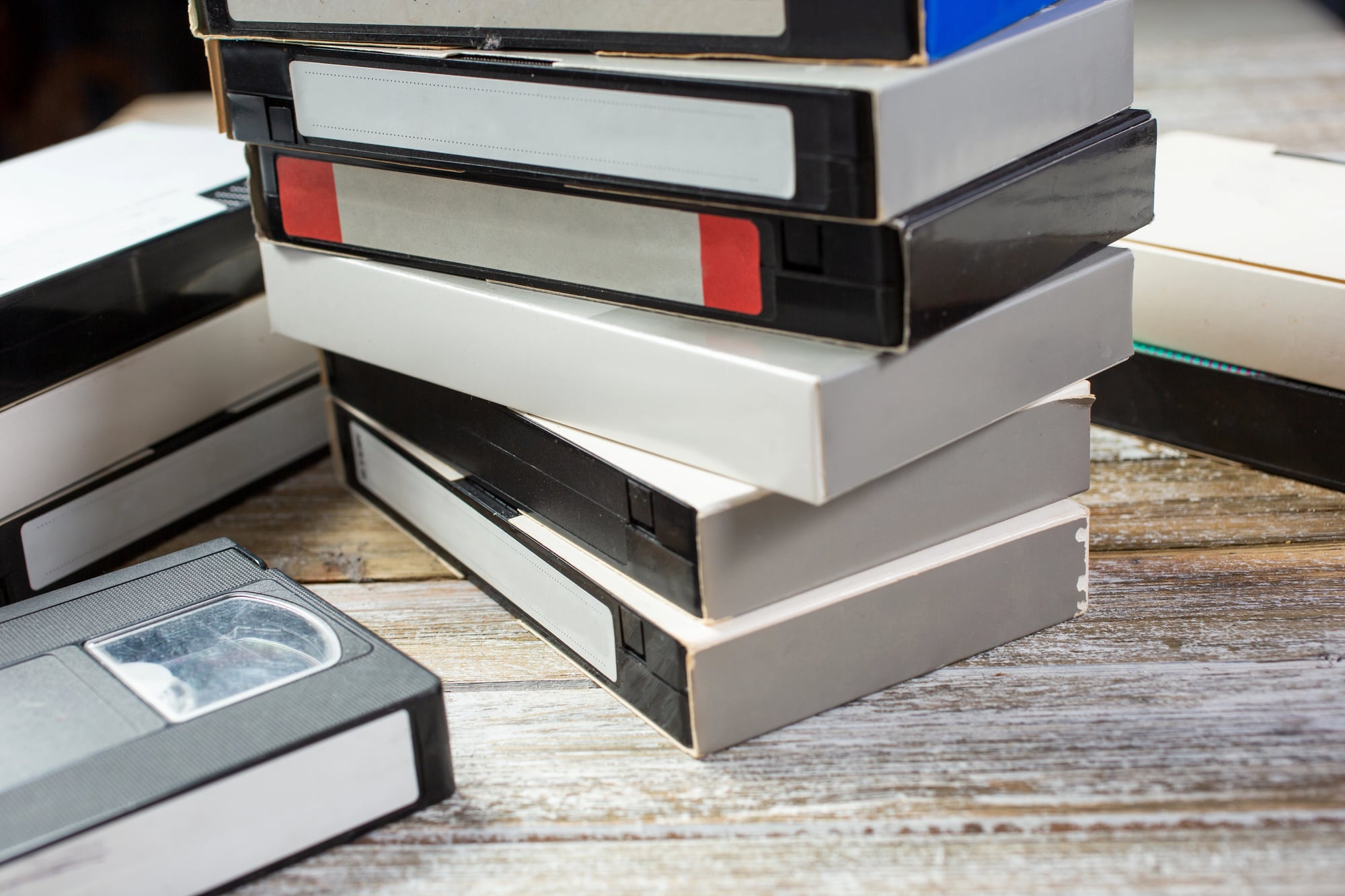
When a favorite cassette finally degraded beyond recovery, there was an actual moment of retirement. The tape would be replaced, but the original object would be kept for a while before being discarded.
There was a tiny ritual in that obsolescence. You’d lived with this object through hundreds of plays; its degradation was part of your shared history.
The Architecture of Waiting
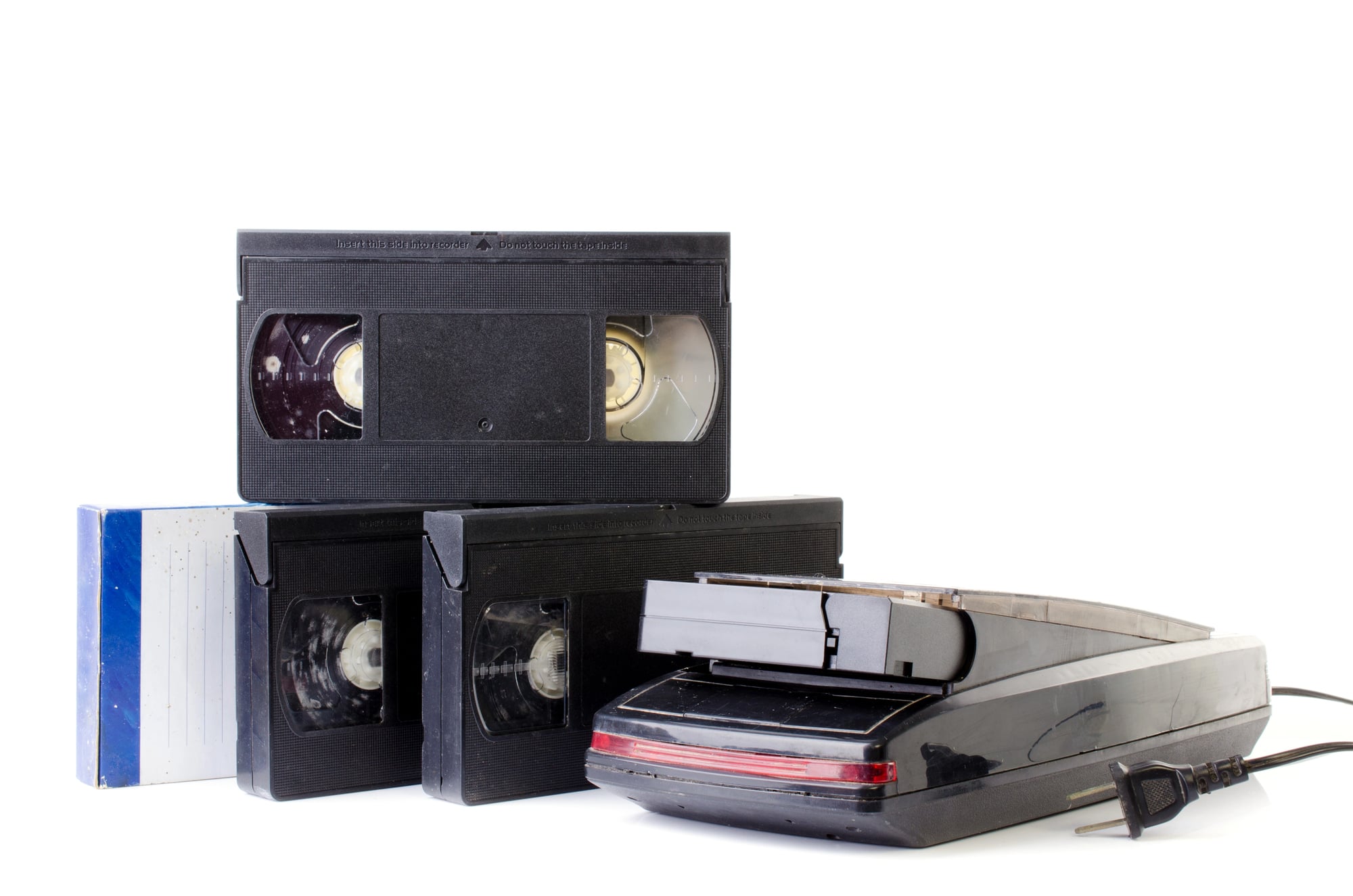
These habits formed because cassettes demanded patience. They required physical interaction.
They degraded with use. They were imperfect storage.
Paradoxically, that imperfection created deeper engagement with the music itself. People paid closer attention because they couldn’t skip, couldn’t shuffle, couldn’t separate the act of listening from the act of choosing.
The format shaped the behavior; the behavior shaped the culture.
More from Go2Tutors!

- The Romanov Crown Jewels and Their Tragic Fate
- 13 Historical Mysteries That Science Still Can’t Solve
- Famous Hoaxes That Fooled the World for Years
- 15 Child Stars with Tragic Adult Lives
- 16 Famous Jewelry Pieces in History
Like Go2Tutors’s content? Follow us on MSN.