Toys That Sparked Major Design Revolutions
The engineering that went into your childhood toys is probably not something you consider. However, some toys did more than just amuse children; they altered designers’ approaches to materials, mechanics, and user interaction throughout entire industries.
These weren’t merely well-liked goods. They introduced ideas that went well beyond the toy store, impacting digital interfaces, robotics, architecture, and manufacturing techniques all over the world.
When Simple Bricks Became a System

In 1958, LEGO unveiled a revolutionary system in which all of the pieces—past and present—are interconnected. Designers’ perspectives on modular systems have been influenced by the company’s commitment to making all bricks compatible forever.
Everything from furniture design to software architecture was impacted by that dedication. A fundamental tenet of contemporary design thinking is the notion that individual components can be combined in countless ways without compromising structural integrity.
Changing Bodies, Changing Conversations

From the beginning, Barbie provoked discussions about body proportions, but those discussions forced the toy industry to reevaluate representation. As the doll evolved from a single body type to over 150 variations, designers from a variety of industries were forced to consider how their creations either included or excluded real people.
Furniture manufacturers, fashion designers, and even automotive engineers began posing similar queries. Why can’t your product line vary its proportions if a toy can?
The Puzzle That Rewired Problem-Solving

A three-dimensional puzzle that could be jumbled into 43 quintillion possible combinations but always came back to a single solution was introduced by Rubik’s Cube. Because of its design, abstract mathematics became concrete, making spatial reasoning something you could grasp and work with.
The cube had an impact on how teachers taught logic and geometry. Additionally, it altered toy design by demonstrating that frustration might be a feature rather than a drawback.
Miniature Vehicles, Maximum Precision
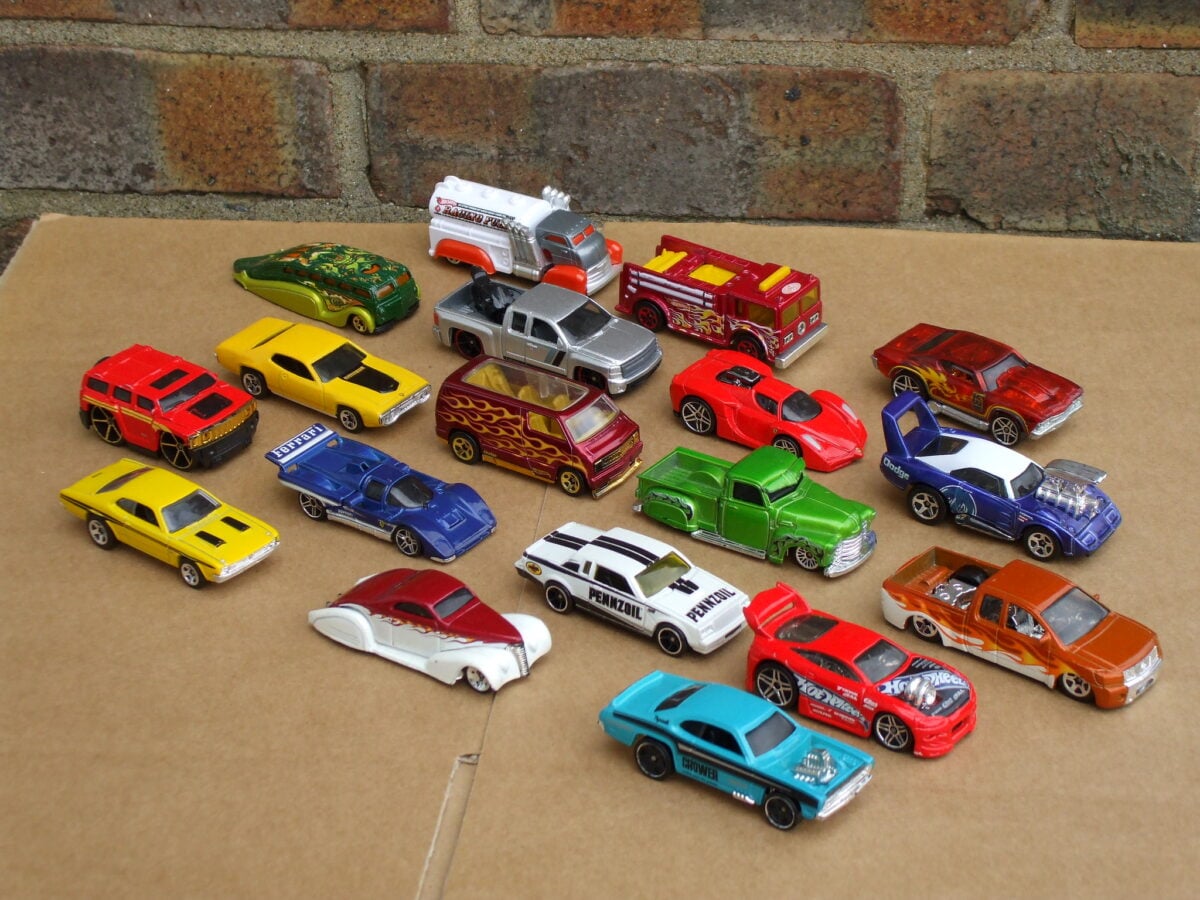
In 1968, Hot Wheels introduced die-cast manufacturing to the general public, producing vehicles that were so precisely balanced and weighted that they behaved predictably at high speeds. In a manner reminiscent of actual automobile design, Mattel engineers were fixated on axle friction and center of gravity.
This accuracy permeated all industries’ approaches to miniaturization by designers. What else could you reduce in size without sacrificing functionality if you could create a toy car that functioned like an actual one at scale?
When Compound Became Creative Medium
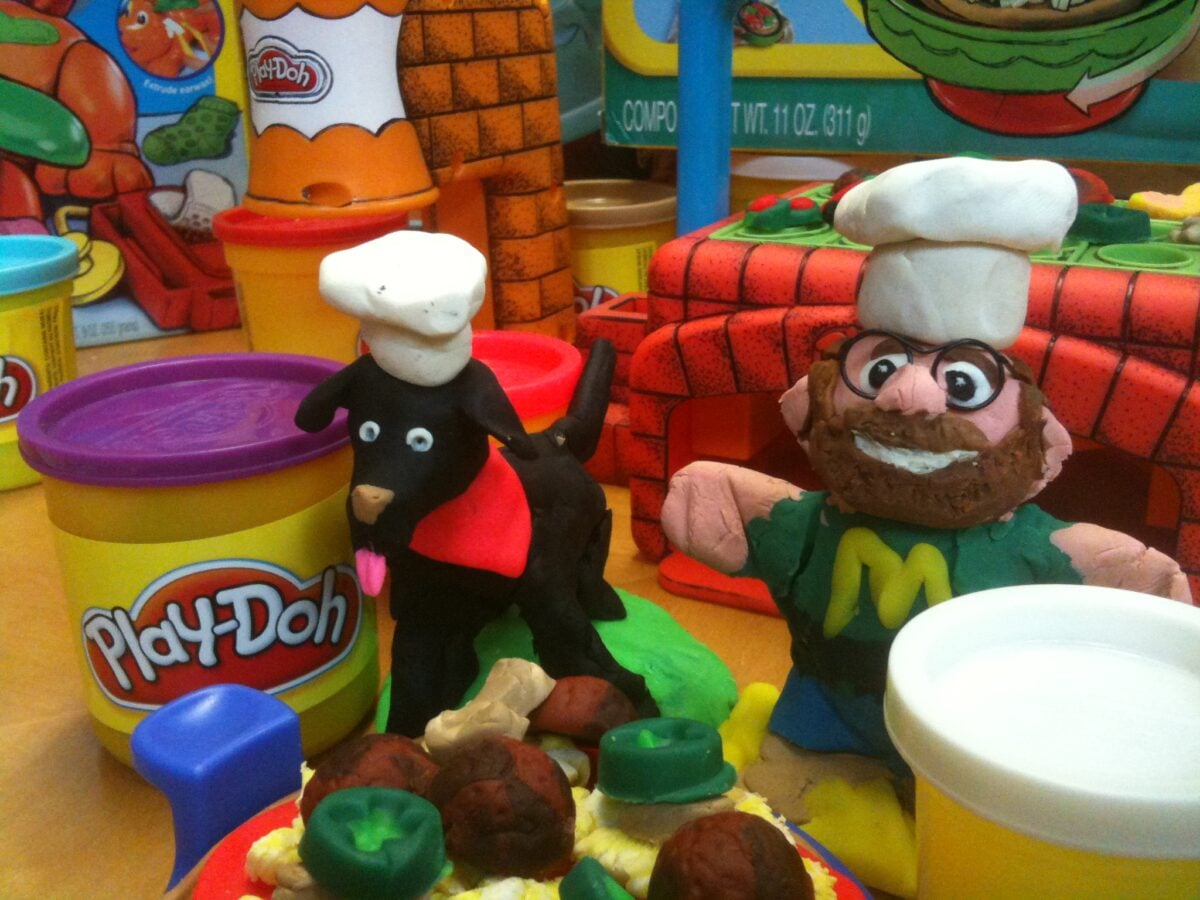
Before turning into a toy, Play-Doh was used as a wallpaper cleaner. However, its reusable, non-toxic compound completely changed the way that designers considered creative materials. The material had to be moldable, safe, and stable enough to maintain shape momentarily without solidifying over time.
Everything from prototype materials to rehabilitation therapy tools was impacted by that balance. Designers discovered that sometimes the best material is one that encourages experimentation without repercussions rather than one that is permanent.
The Disc That Defied Expectation

The Frisbee made aerodynamic principles accessible to everyone. It was able to fly without any training or knowledge thanks to its weight distribution and curved lip, which produced lift and stability that seemed to defy physics.
Product designers took note. Thanks to its clever design, the disc showed how users could experience sophisticated engineering without having to understand complex physics. These days, this idea serves as a guide for interface design in all technologies.
Toys That Transform Themselves

Transformers introduced mechanical complexity that children could manipulate, requiring multiple pivot points and interlocking parts that worked reliably after hundreds of conversions. Engineers had to design toys that were two complete products in one, each form functional and appealing.
This dual-purpose thinking spread to product design broadly. Why make one thing when you could make something that adapts? Convertible furniture, multipurpose tools, and adaptive technology all borrowed from this concept.
Drawing Without Ink or Paper

Etch A Sketch used aluminum powder and a stylus to create erasable images through pure mechanical interaction. No batteries, no ink, no mess—just two knobs controlling vertical and horizontal movement with surprising precision.
The toy demonstrated that engaging interfaces didn’t need complexity. Sometimes constraint breeds creativity, a lesson that influenced minimalist design movements and touch-screen interfaces decades later.
Foam That Changed Projectile Safety

Nerf blasters made indoor projectile play safe by introducing foam technology that compressed on impact. The material needed to fly straight, hit soft, and recover its shape instantly—engineering challenges that required balancing density, elasticity, and aerodynamics.
That same thinking influenced protective gear design, from sports equipment to packaging materials. If foam could make play safer, it could make countless other activities safer too.
The Toy That Walked Downstairs

The Slinky turned a simple tension spring into entertainment by finding the exact specifications that allowed it to “walk” down stairs through gravity and momentum. The physics were straightforward, but getting the spring tension right took precision manufacturing.
Engineers studying wave motion and energy transfer still reference the Slinky. Its design made abstract physics concepts visible and playful, bridging education and entertainment in ways that influenced science toy design permanently.
Pieces That Made Faces

Mr. Potato Head invented interchangeable parts as a play idea, showing children that parts could be switched to produce countless variations. The toy’s modular design, which was initially intended to be used with actual vegetables, was eventually replaced by a plastic body.
Tech designers took this lesson to heart. Customizable goods, such as computers and sneakers, have a connection to the notion that consumers ought to be able to create their own customized versions of the products they purchase.
Digital Life in Your Pocket
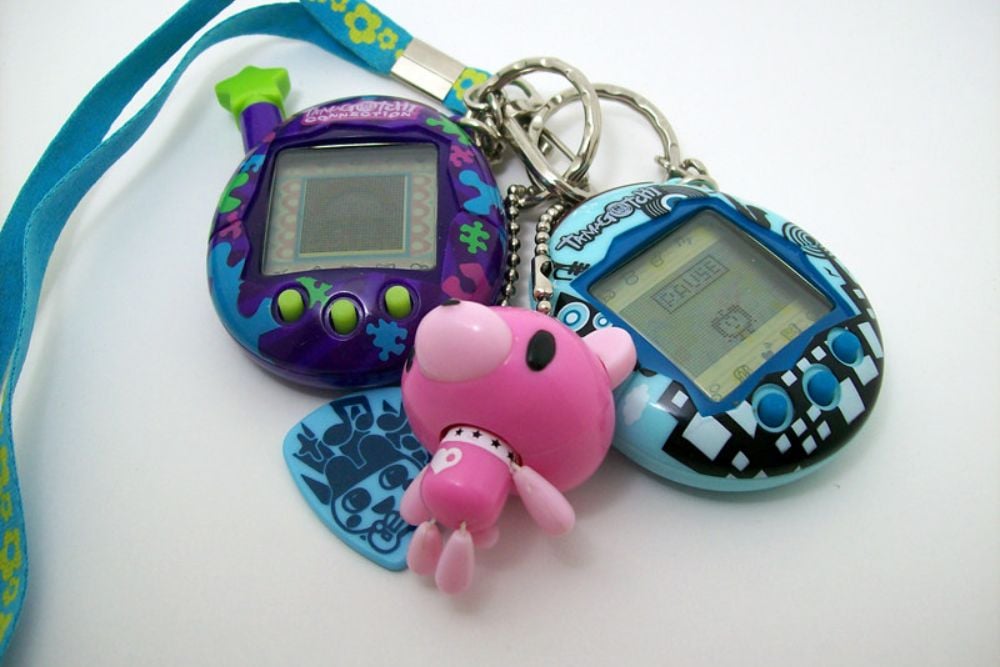
Tamagotchi created artificial responsibility by requiring constant care for a digital creature. The device’s design, which made the virtual pet feel genuinely alive by requiring interaction on its own schedule rather than yours, introduced the concept of digital dependence to millions of people for the first time.
As a result, a whole genre of simulation and care-based games emerged. More importantly, it taught designers that creating artificial needs could result in real attachment; engagement design and app notifications now use this concept.
Scarcity as Design Feature

By using limited releases and retirements to turn plush toys into investment items, Beanie Babies demonstrated how artificial scarcity could generate enormous demand. The distribution strategy transformed how businesses viewed product lifecycles, even though the design itself was straightforward.
This strategy was adopted by tech companies, fashion brands, and sneaker companies. The notion that scarcity raises value—that making something more difficult to obtain makes people want it more—became commonplace in the consumer goods industry.
What Remains After the Trends Fade
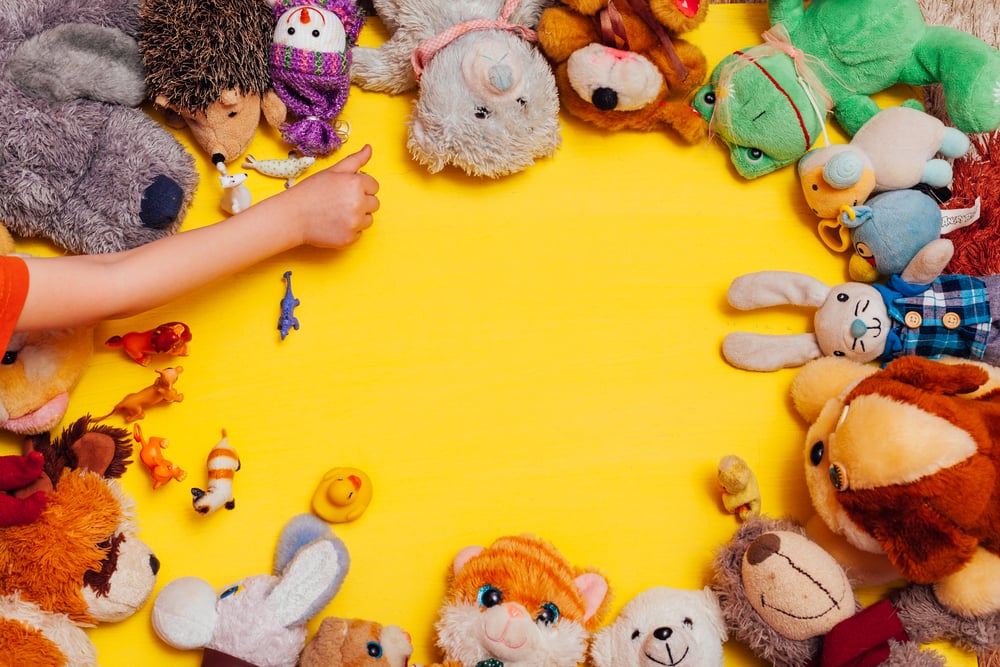
Some of these toys disappeared from shelves decades ago. Others still sell millions of units annually. But their real legacy isn’t in sales numbers—it’s in how they changed what designers think is possible.
A toy that works becomes a product. A toy that makes you rethink what toys can do becomes something bigger. These objects didn’t just entertain—they taught entire industries to see familiar problems from new angles.
More from Go2Tutors!

- The Romanov Crown Jewels and Their Tragic Fate
- 13 Historical Mysteries That Science Still Can’t Solve
- Famous Hoaxes That Fooled the World for Years
- 15 Child Stars with Tragic Adult Lives
- 16 Famous Jewelry Pieces in History
Like Go2Tutors’s content? Follow us on MSN.