Legendary Cars That Changed the Automotive World
Some cars do more than just get people from point A to point B. They shake up entire industries, change how people think about transportation, and set new standards that everyone else has to follow.
These aren’t just vehicles with four wheels and an engine—they’re the ones that forced competitors to go back to the drawing board and made drivers rethink what a car could be. From making cars affordable for regular families to proving that electric vehicles could actually work, these machines left permanent marks on automotive history.
Let’s look at the cars that didn’t just participate in the automotive world but actually changed it forever.
Ford Model T
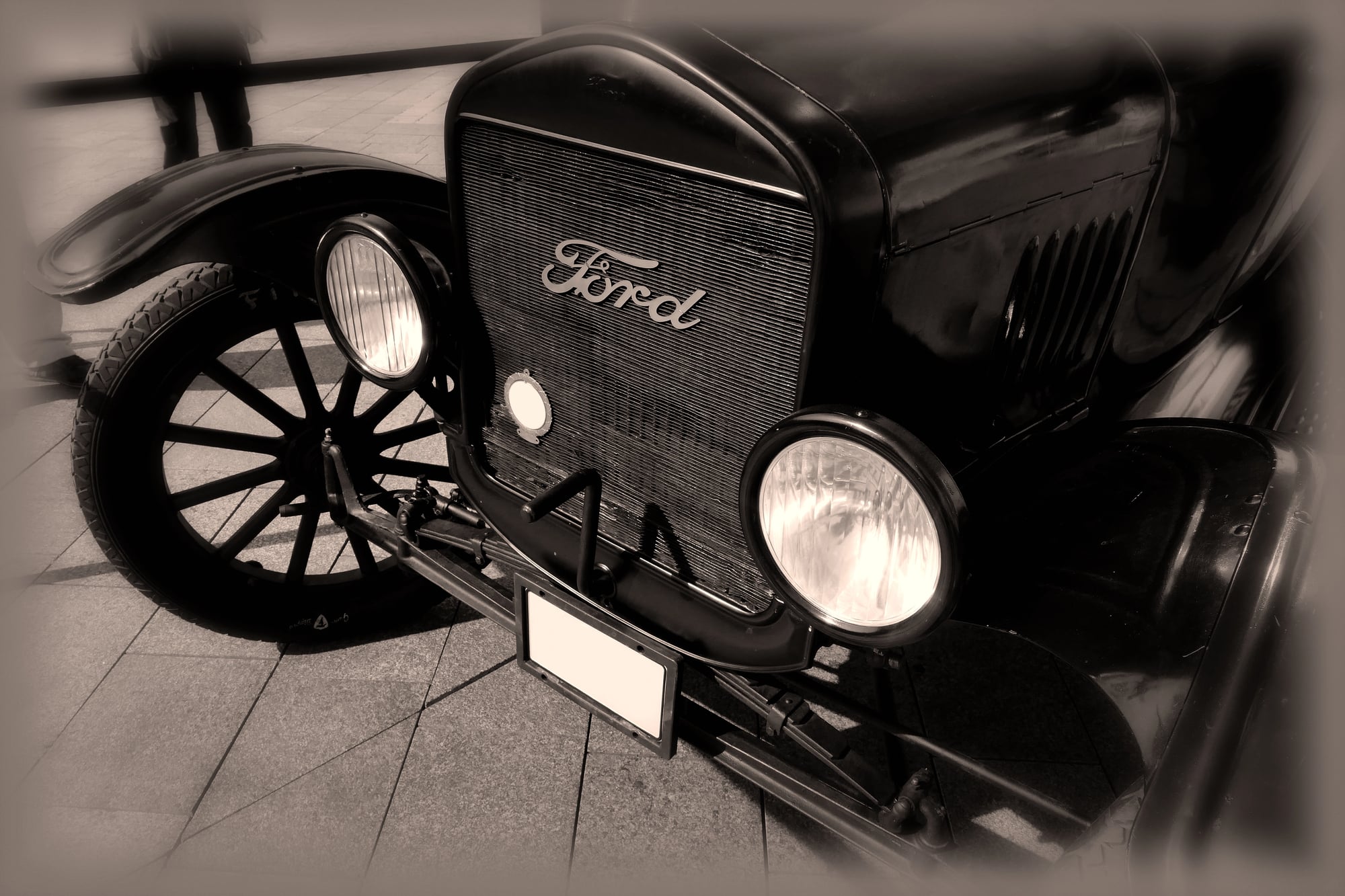
Henry Ford’s Model T made car ownership possible for average Americans starting in 1908. Before this car came along, automobiles were expensive toys for wealthy people, but Ford’s assembly line production method dropped the price low enough that factory workers could actually buy one.
The Model T was simple, tough, and easy to fix, which mattered when most roads were dirt and mechanics were hard to find. Over 15 million of them rolled off the production line before Ford stopped making them in 1927, and by then the car had completely transformed American life.
Volkswagen Beetle

The Beetle started as Hitler’s plan for a ‘people’s car’ in the 1930s, but it became something much bigger after World War II ended. Volkswagen sold over 21 million Beetles, making it one of the best-selling cars ever made.
The rear-engine design was unusual, the rounded shape was instantly recognizable, and the air-cooled engine kept running in conditions that would stop other cars. It proved that small, affordable cars could be reliable and fun, influencing compact car design for decades.
Jeep Willys
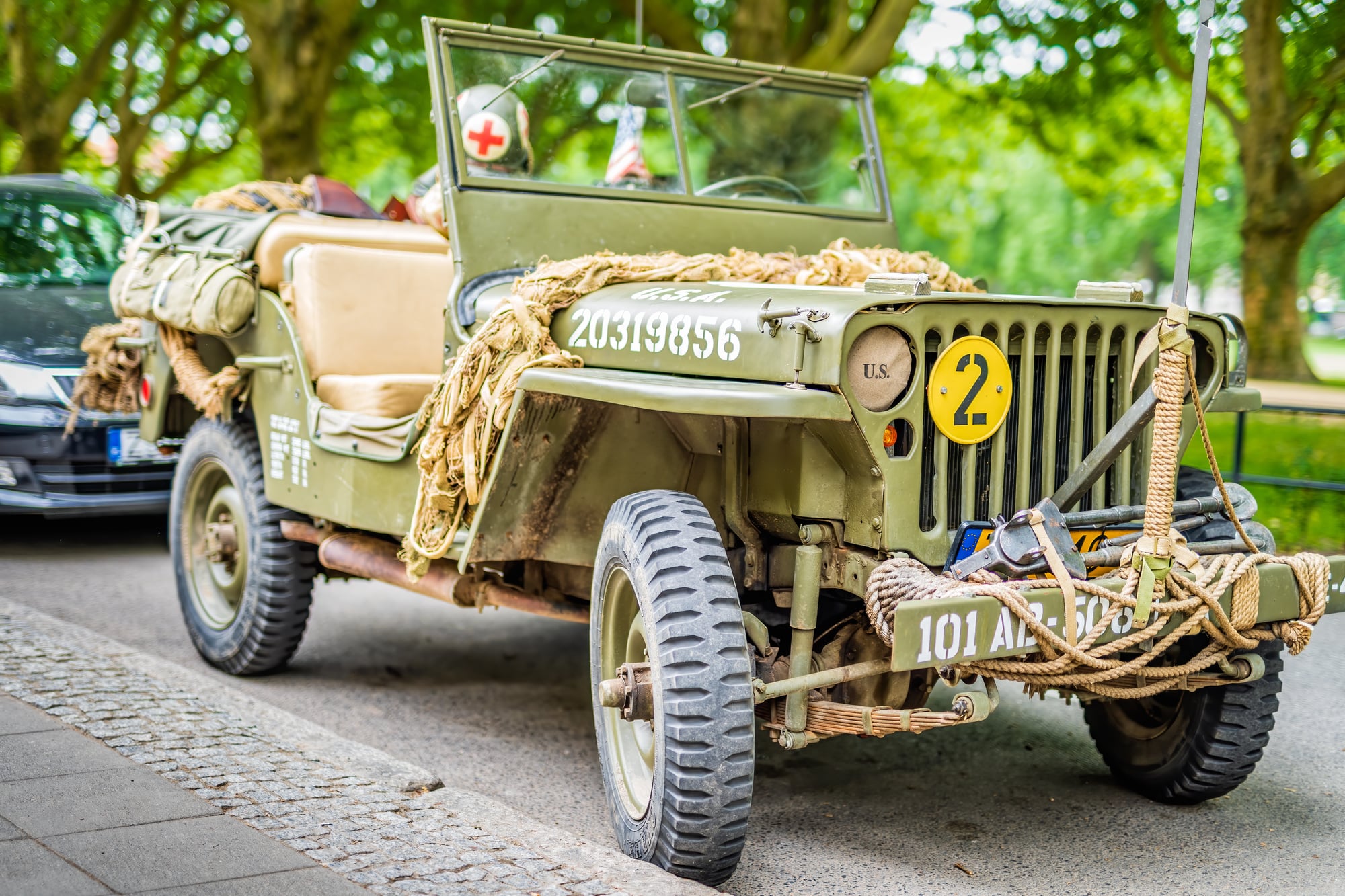
The U.S. military needed a light, tough vehicle during World War II, and the Willys MB delivered exactly that. This small four-wheel-drive vehicle could go almost anywhere, carry soldiers and supplies, and keep working in conditions that would destroy regular cars.
After the war ended, civilians saw what the Jeep could do and wanted their own versions. The Willys MB created an entire category of vehicles and showed that four-wheel drive wasn’t just for military use.
Citroën DS
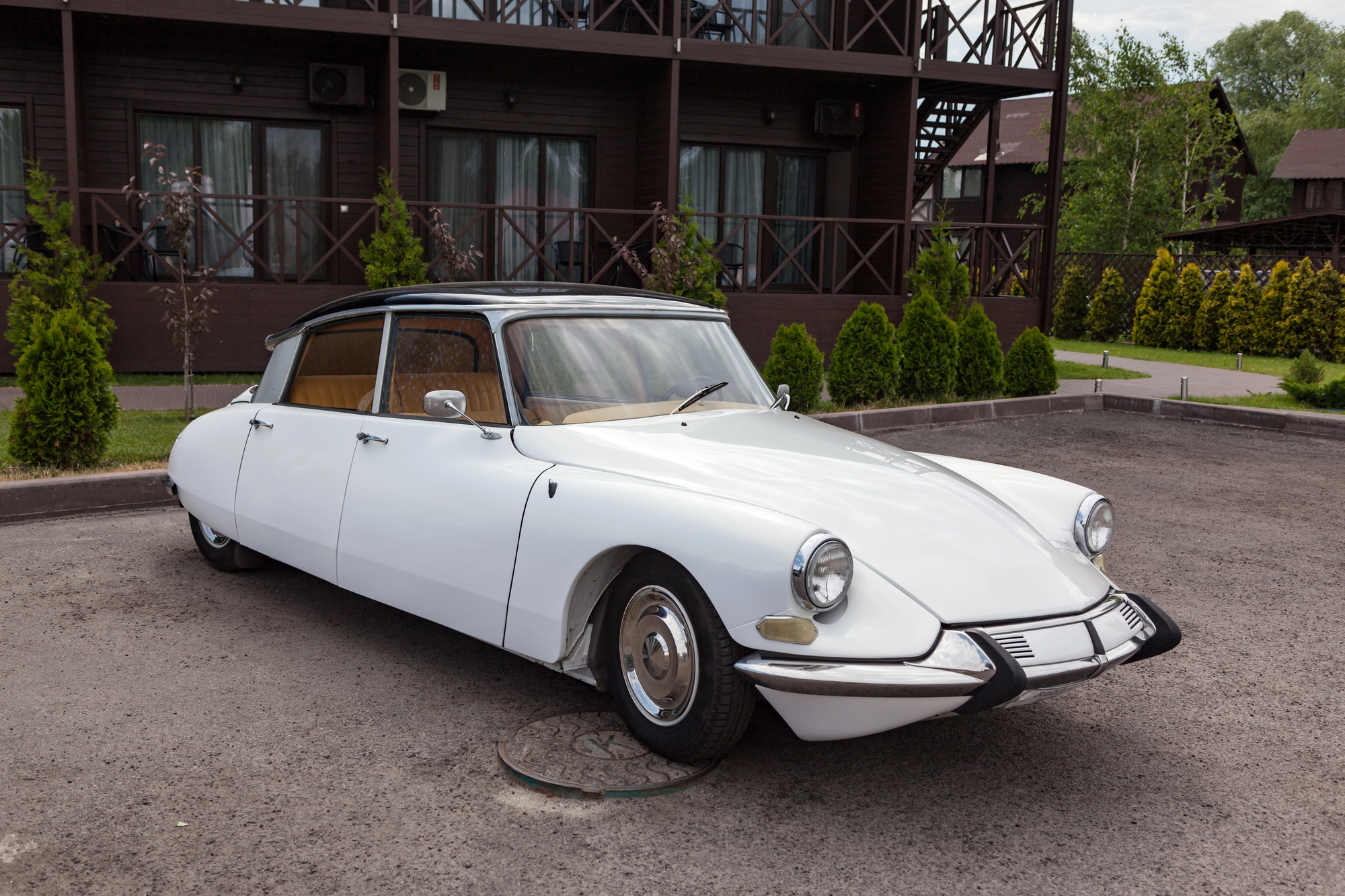
When Citroën unveiled the DS in 1955, people couldn’t believe what they were seeing. The French car had a self-leveling hydropneumatic suspension that made it ride smoother than anything else on the road.
It looked like it came from the future, with its aerodynamic shape and covered rear wheels. The DS introduced innovations like power steering and disc brakes to regular production cars, features that are standard now but were revolutionary then.
Chevrolet Corvette
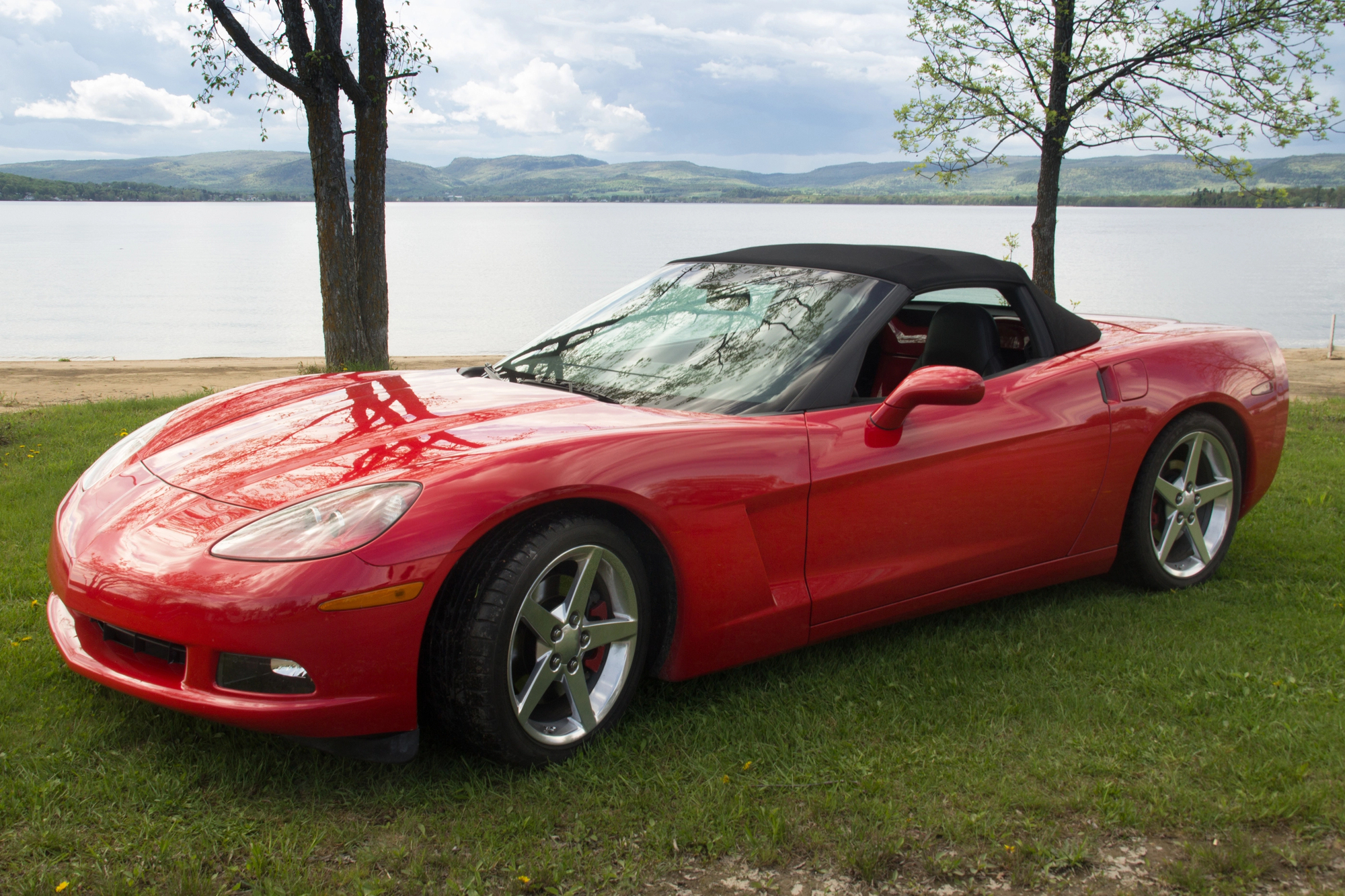
America’s sports car arrived in 1953 and proved that U.S. automakers could build something to compete with European sports cars. The Corvette started with a straight-six engine and wasn’t particularly fast, but Chevrolet kept improving it until it became a genuine performance machine.
The fiberglass body was lighter than steel and allowed for curves that would have been expensive to stamp from metal. Generations of American kids grew up with Corvette posters on their walls, dreaming of owning one someday.
Mini Cooper
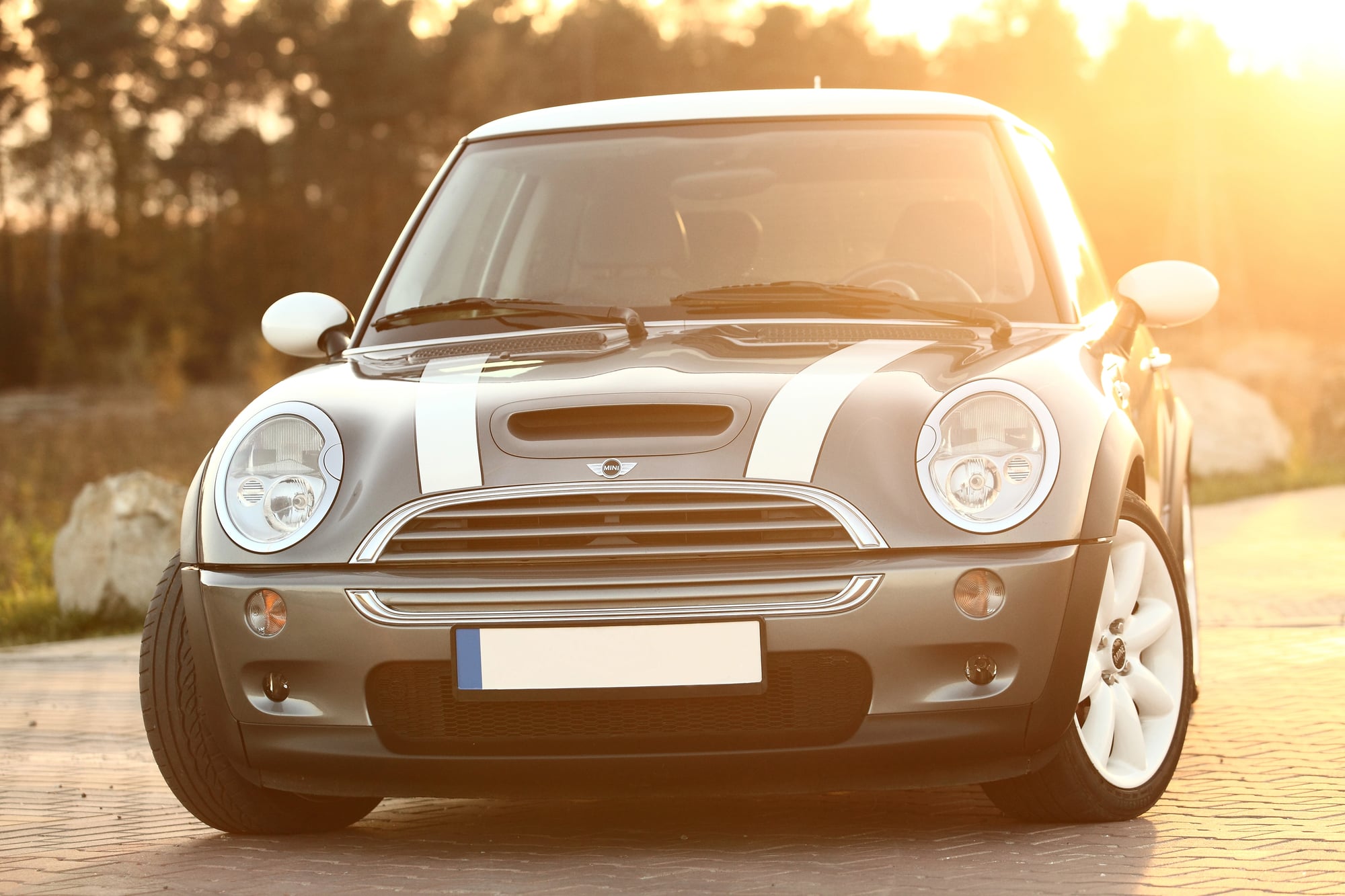
British Motor Corporation launched the original Mini in 1959, and it completely changed how people thought about small cars. Designer Alec Issigonis put the engine sideways at the front and mounted the wheels at the corners, creating a car that was tiny on the outside but surprisingly roomy inside.
The Mini handled better than cars twice its size and won rally championships against much more powerful competitors. It showed that fun driving didn’t require a big engine or a heavy car.
Porsche 911
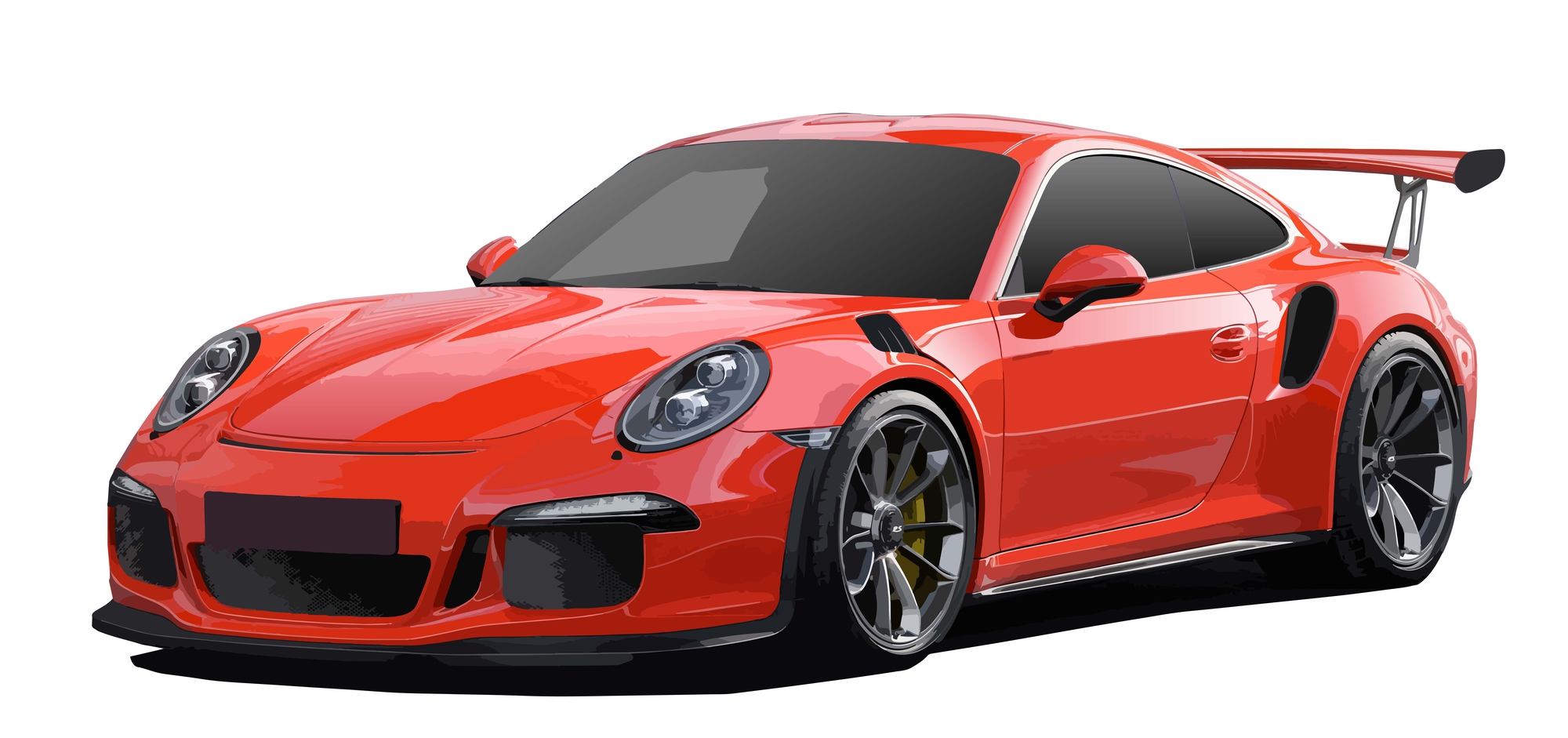
Porsche introduced the 911 in 1964, and the basic design is still in production today. The rear-engine layout made it handle differently from other sports cars, requiring skill to drive fast but rewarding drivers who learned its quirks.
Air cooling kept the engine simple and reliable for decades before Porsche finally switched to water cooling. The 911 proved that a sports car could be a daily driver, comfortable enough for regular use but always ready to deliver thrills.
Ford Mustang
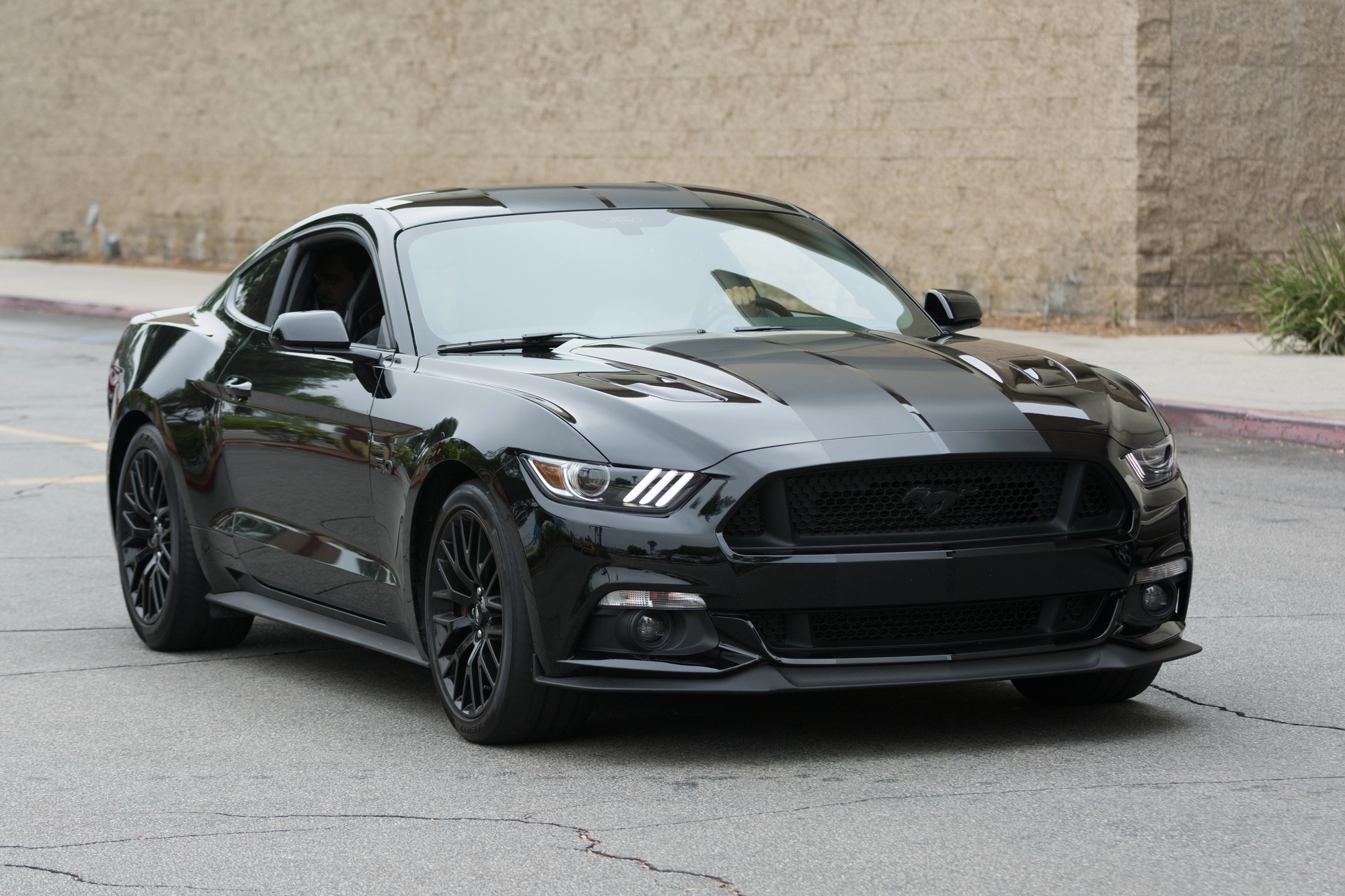
Lee Iacocca and his team at Ford created the Mustang in 1964, inventing the ‘pony car’ category in the process. The Mustang was affordable, looked sporty, and offered endless customization options from the factory.
Buyers could get a basic six-cylinder commuter car or order a V8 muscle machine, all wearing the same stylish body. Ford sold over 400,000 Mustangs in the first year, shocking everyone and forcing other manufacturers to create their own pony cars.
Lamborghini Miura
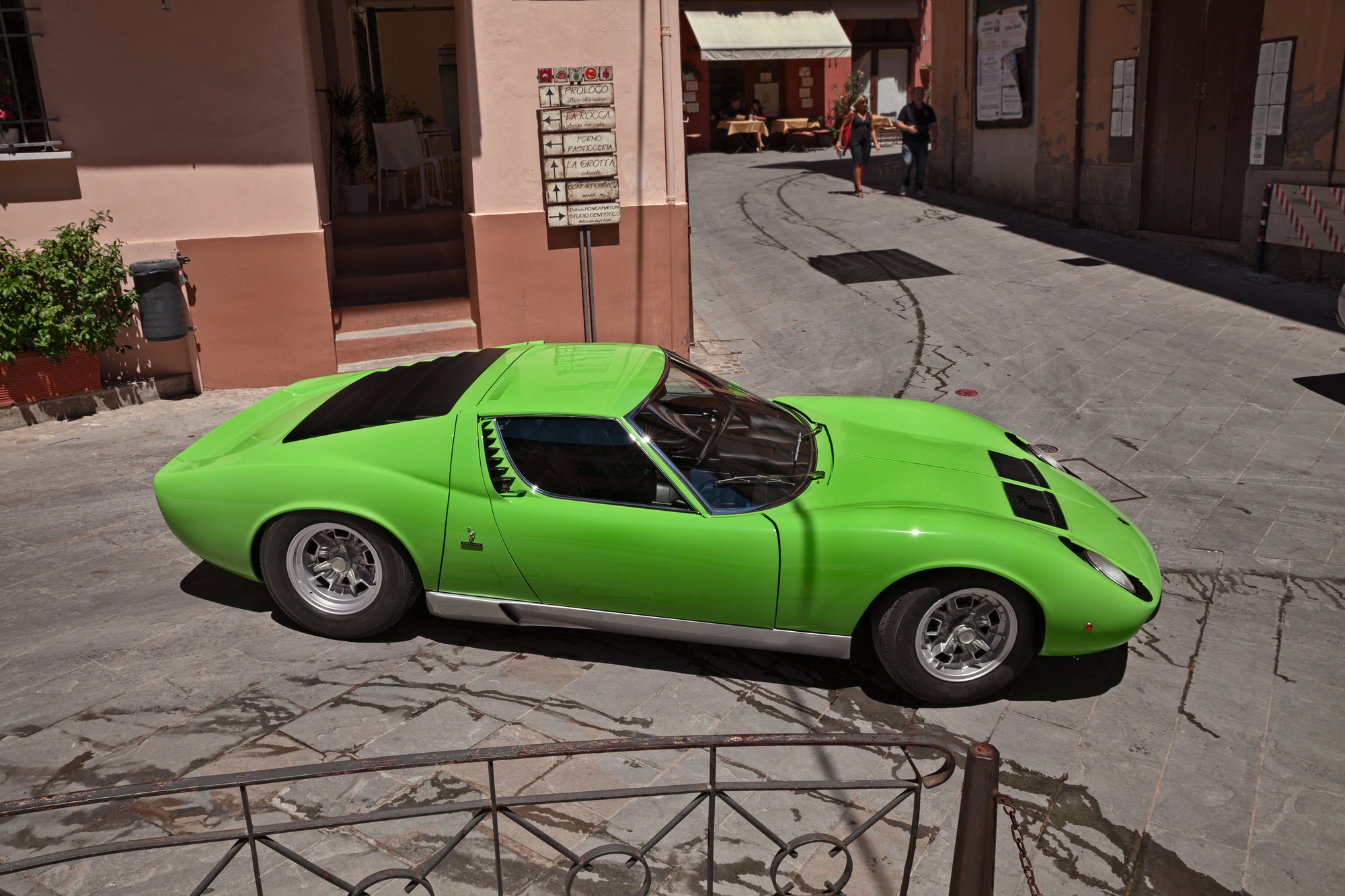
Ferruccio Lamborghini wanted to build the ultimate sports car, and his engineers delivered the Miura in 1966. The mid-engine layout put the V12 behind the driver but ahead of the rear axle, creating better weight distribution than front or rear-engine cars.
The Miura was stunningly fast and beautiful, with styling by Bertone that still looks good today. It established the mid-engine layout as the best configuration for supercars, a principle that still holds true.
Range Rover
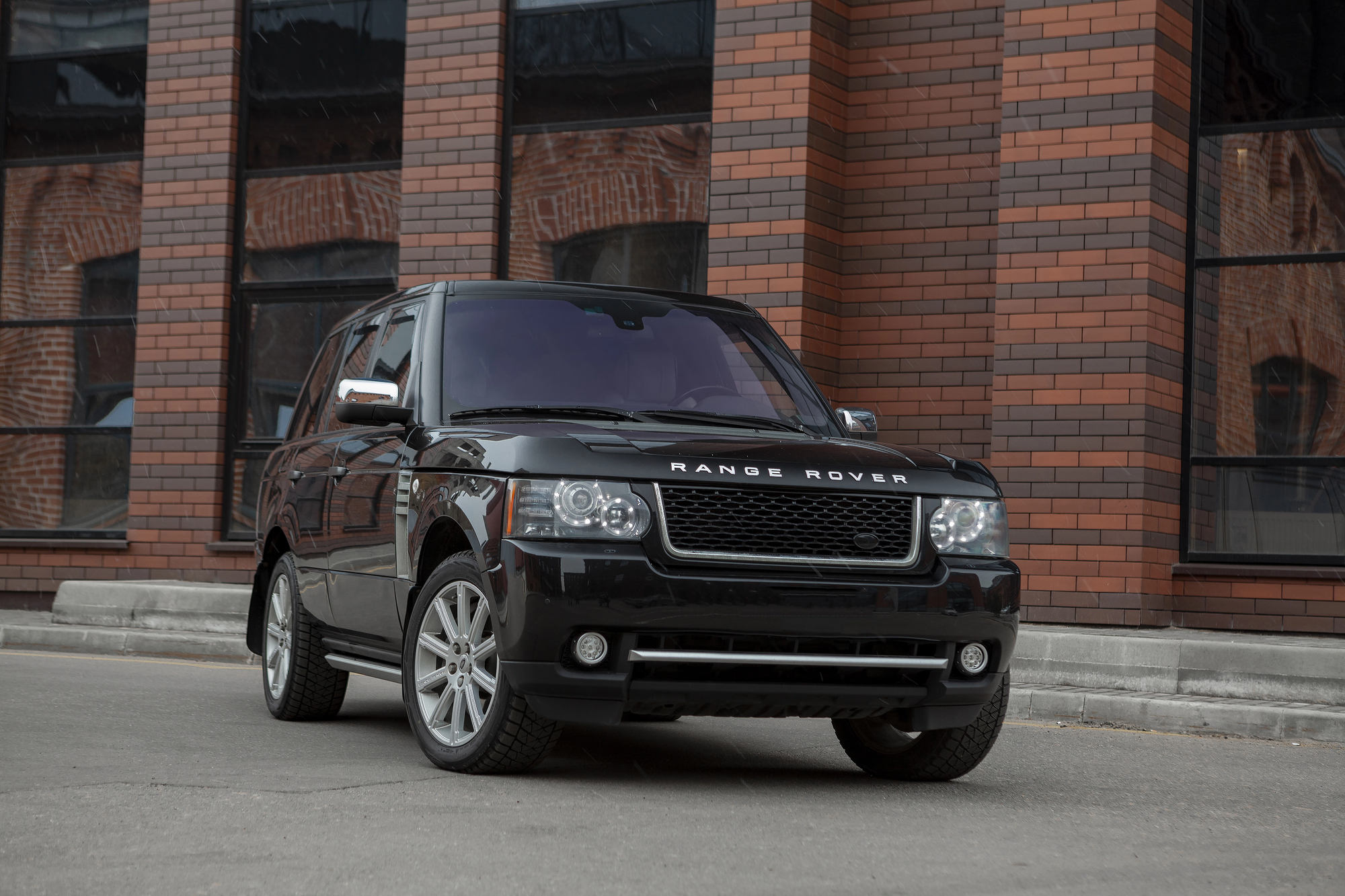
Land Rover launched the Range Rover in 1970, creating the luxury SUV category decades before it became popular. Previous four-wheel-drive vehicles were utilitarian and uncomfortable, but the Range Rover combined off-road ability with leather seats and wood trim.
It could cross a river in the morning and park at a fancy restaurant that evening. The Range Rover proved that capability and comfort weren’t mutually exclusive, paving the way for the SUV boom that followed.
Honda Civic
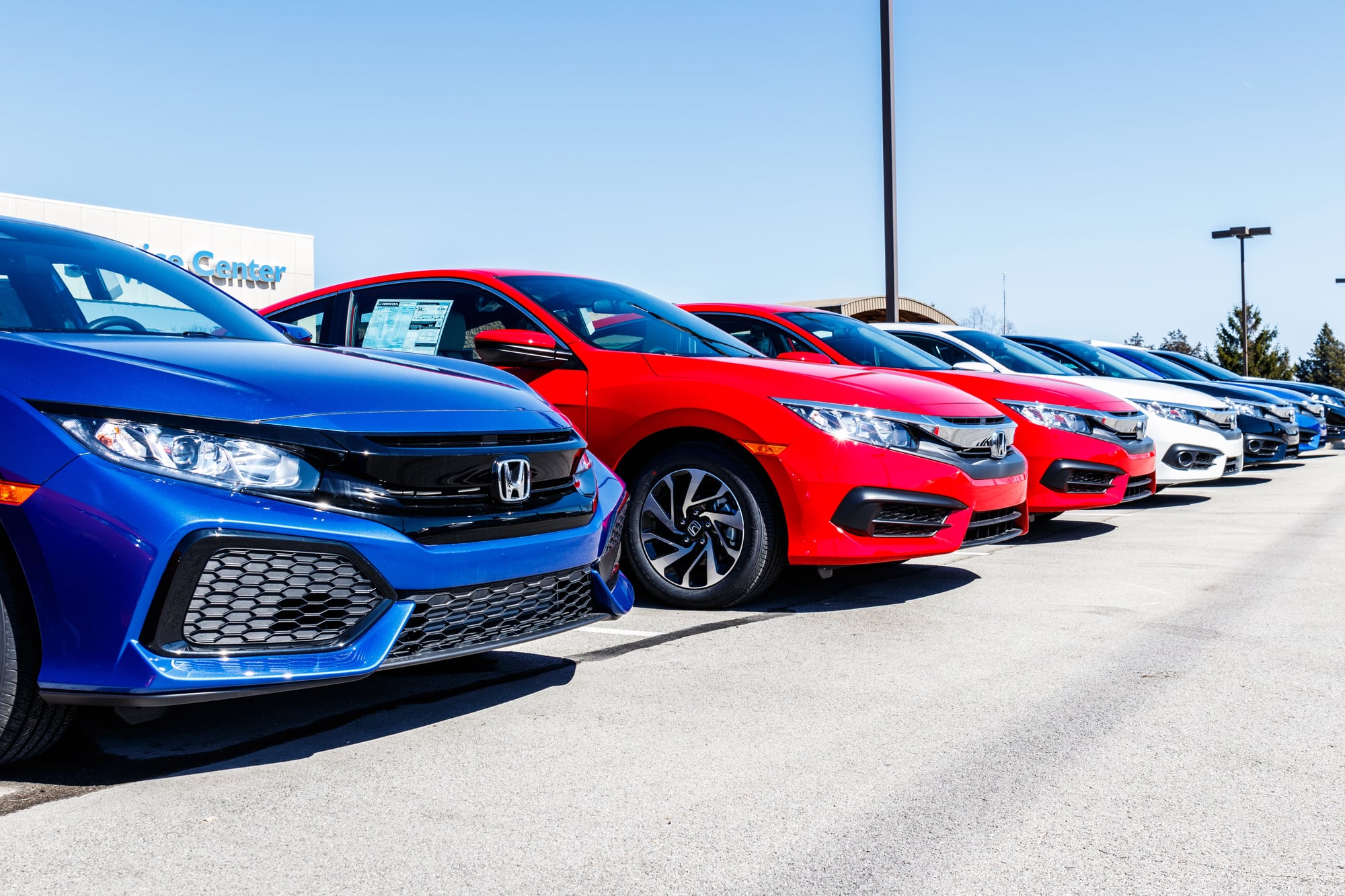
Honda’s Civic arrived in 1972, right when the oil crisis was making Americans rethink their love of big, thirsty cars. The small Japanese car was fuel-efficient, reliable, and well-built, qualities that stood out when American cars were struggling with quality problems.
The Civic’s CVCC engine could meet strict emissions standards without a catalytic converter, a technical achievement that impressed engineers worldwide. It helped Japanese manufacturers establish themselves as serious competitors in the American market.
BMW 3 Series
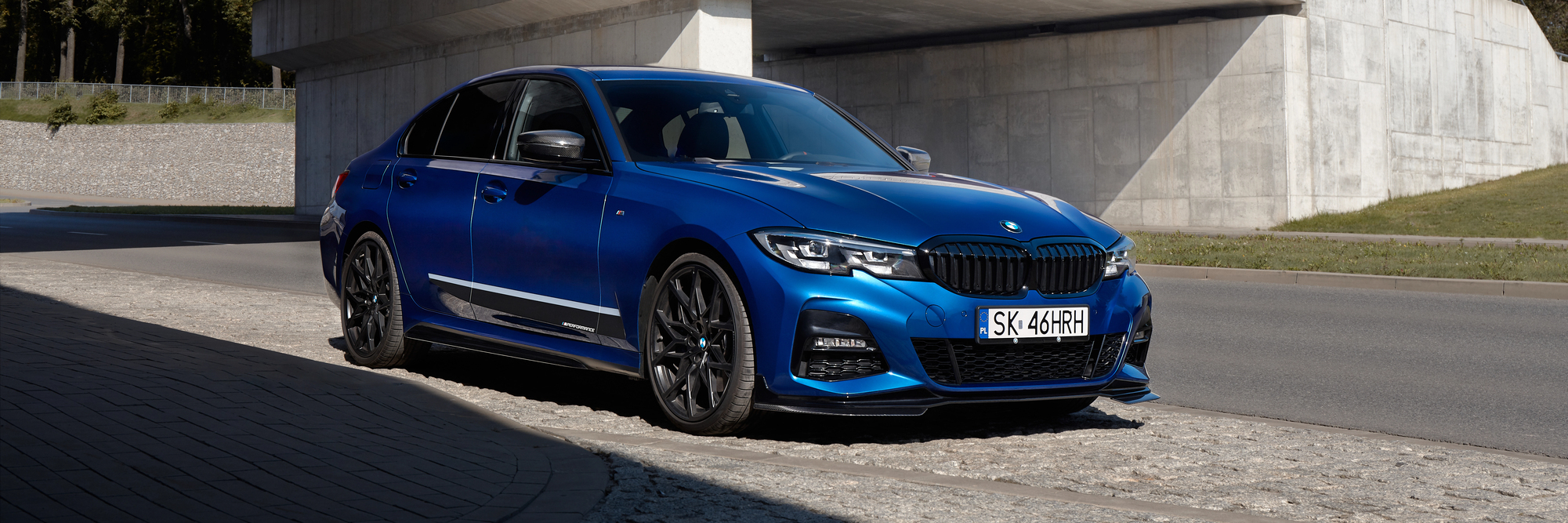
BMW launched the 3 Series in 1975, defining what a sports sedan should be. The compact car handled like a sports car but had room for four adults and a proper trunk.
BMW’s engineering philosophy prioritized driving feel over pure comfort, creating cars that were engaging to drive even during boring commutes. The 3 Series became the benchmark that every other sport sedan tried to beat, a position it held for decades.
Mazda RX-7
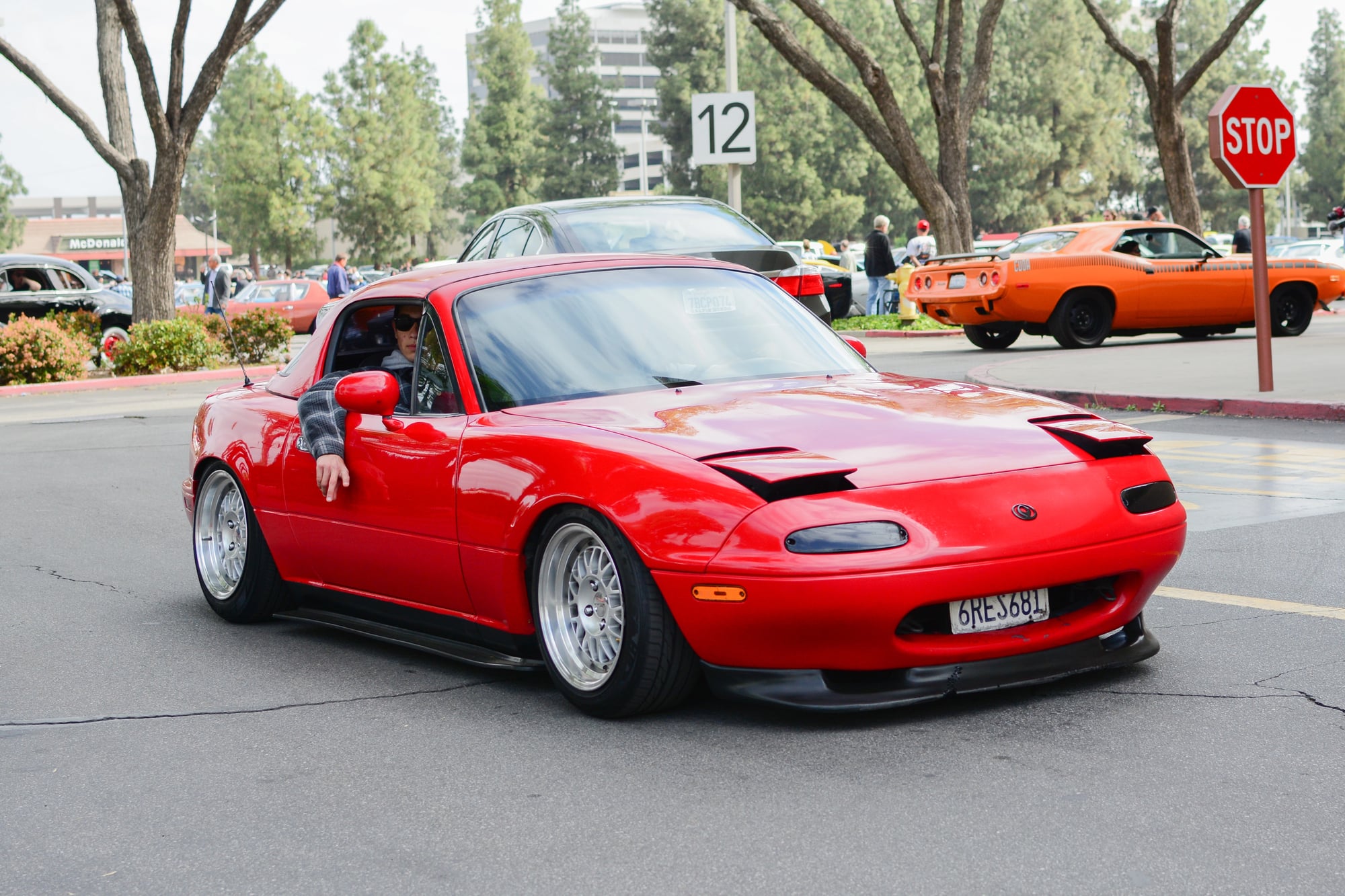
Mazda took a gamble on rotary engines when most manufacturers were sticking with traditional pistons. The RX-7 launched in 1978 with a small, smooth-revving rotary that made the lightweight sports car quick and fun.
The engine sat behind the front axle for better balance, and the car handled beautifully. While rotary engines never became mainstream due to fuel consumption and reliability concerns, the RX-7 proved that unconventional thinking could create something special.
Audi Quattro
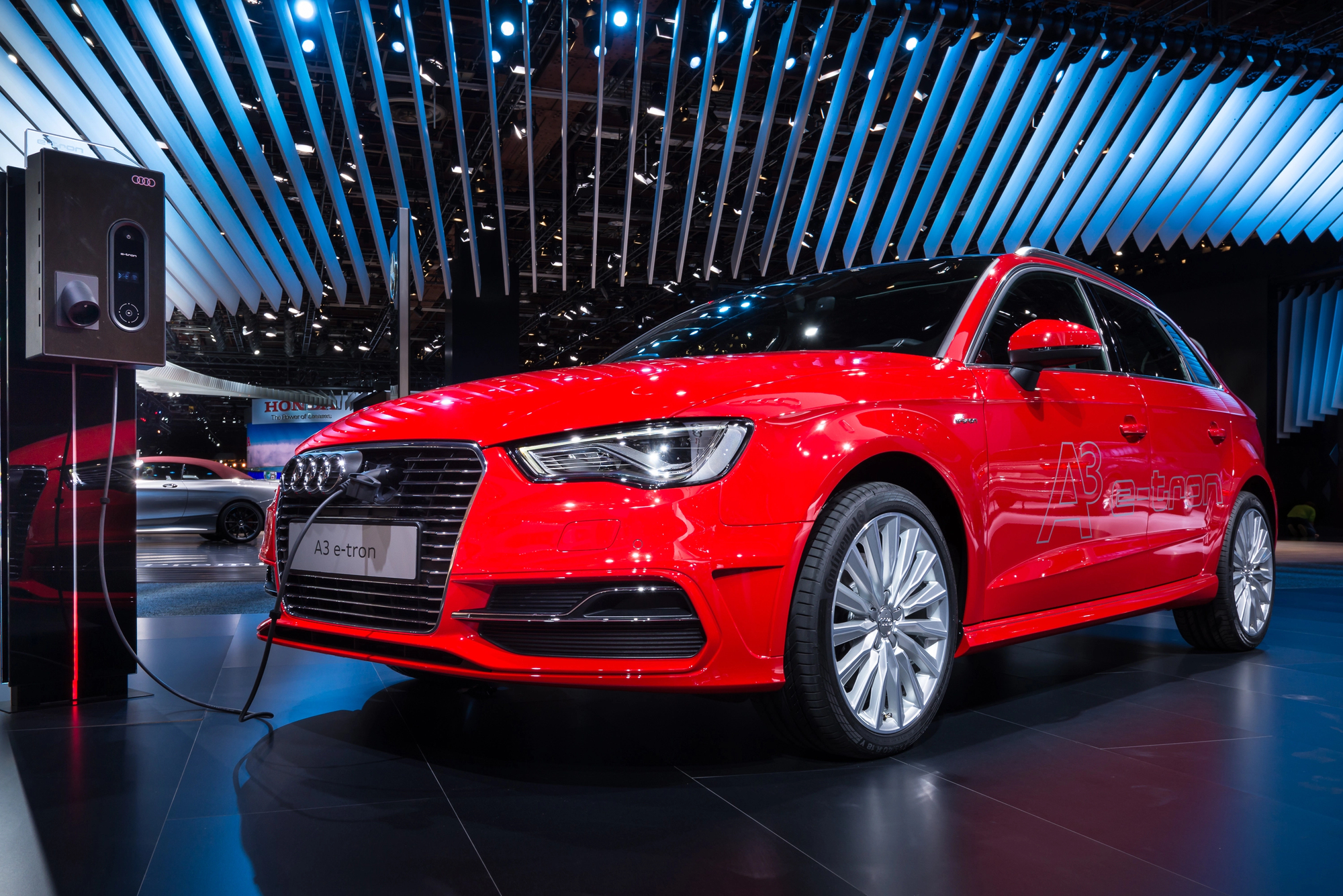
Audi brought four-wheel drive to road cars with the Quattro in 1980, using technology that had been mostly limited to off-road vehicles. The rally-bred car dominated motorsports and showed that all-wheel drive made cars faster and safer on regular roads.
Other manufacturers initially dismissed the Quattro’s advantage, but Audi kept winning races until everyone else started developing their own all-wheel-drive systems. Today, all-wheel drive is common on everything from sedans to sports cars.
Dodge Caravan
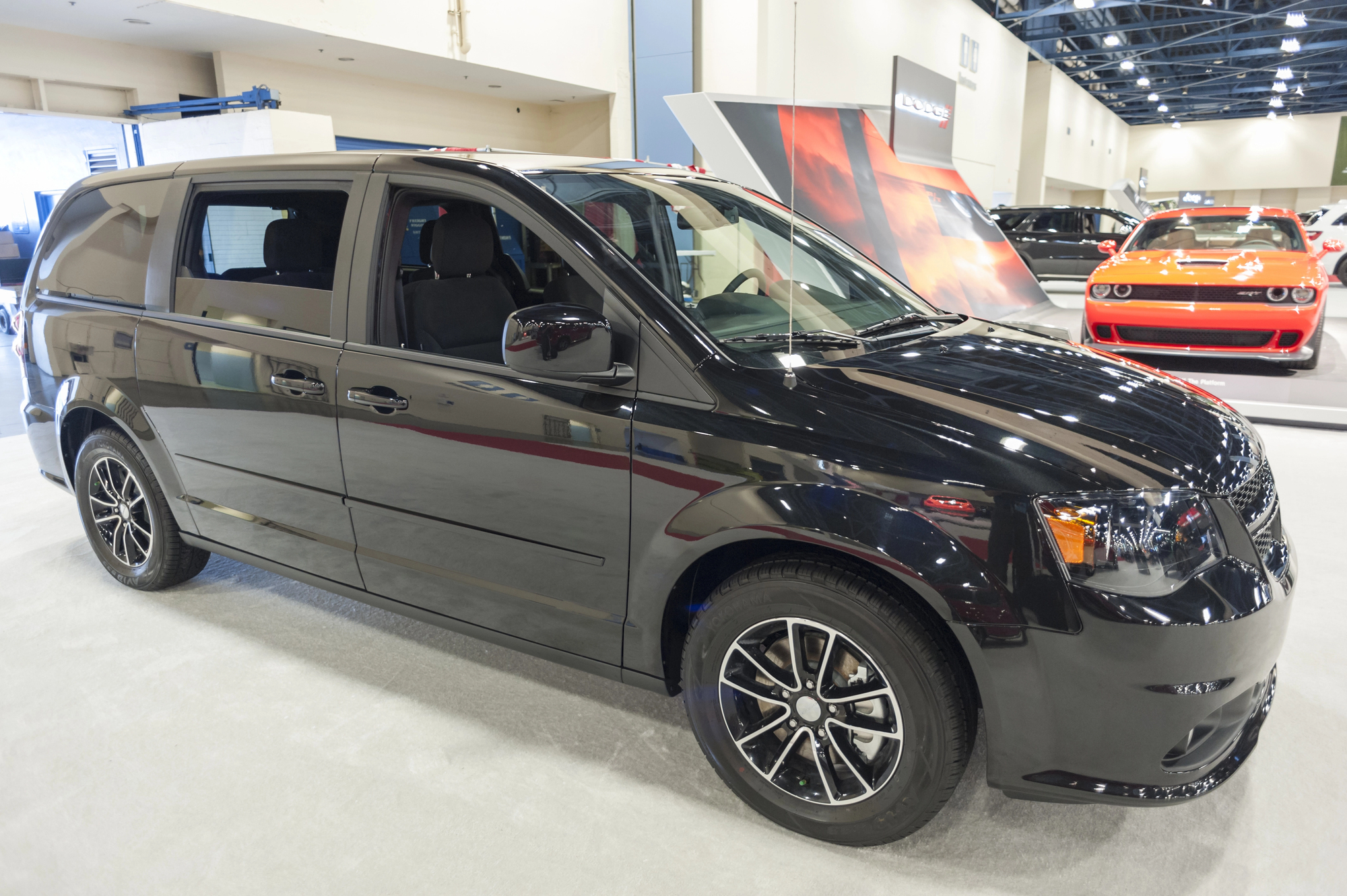
Chrysler invented the minivan category when it launched the Caravan in 1983. The front-wheel-drive layout meant the floor was flat and low, making it easy to get in and out.
Families could carry seven people comfortably, with room left over for cargo. Station wagons had been the family vehicle of choice, but minivans were more practical and easier to drive.
The Caravan and its Plymouth Voyager sibling sold millions and created a segment that dominated family transportation for decades.
McLaren F1
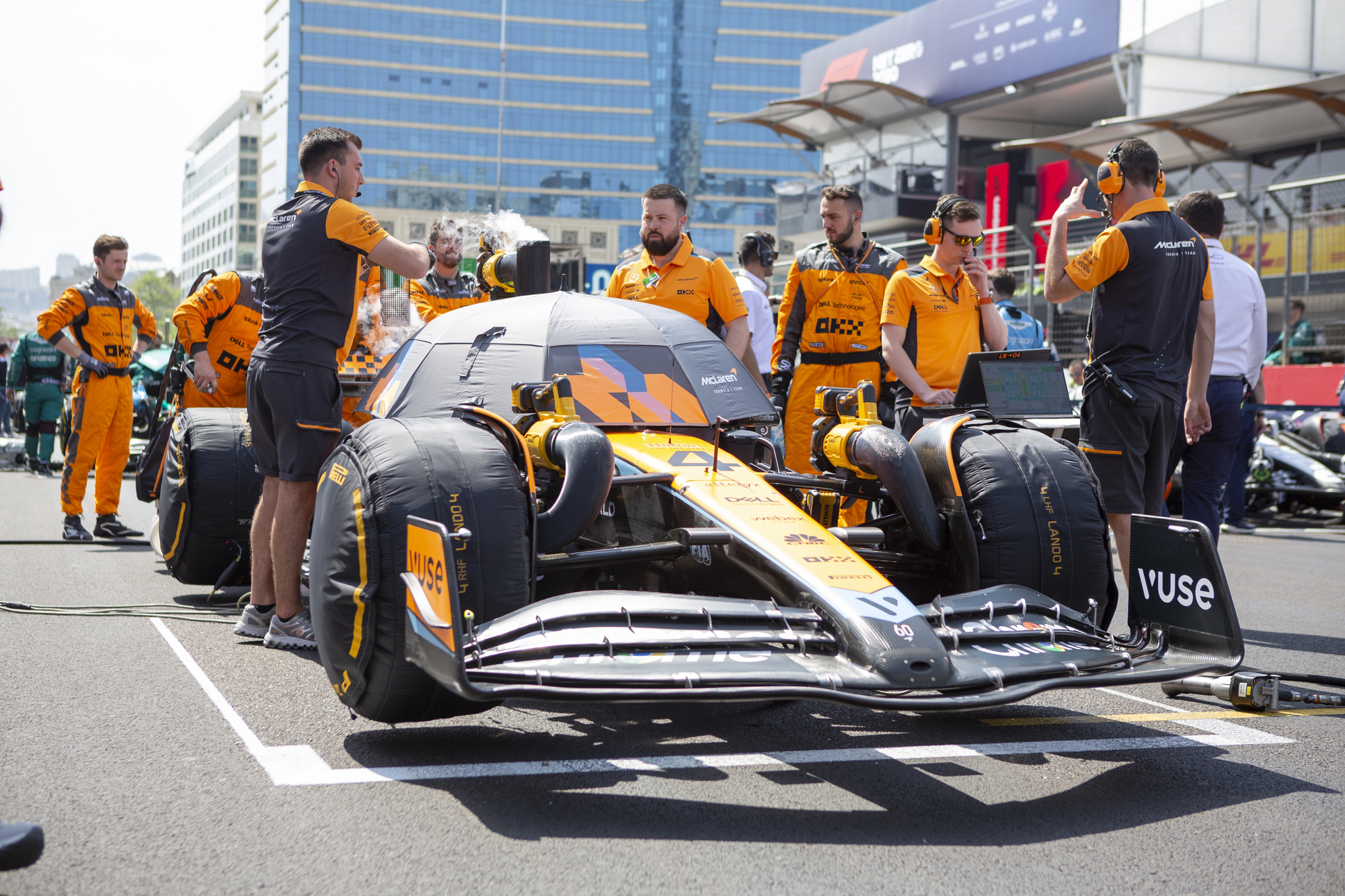
Gordon Murray designed the McLaren F1 as the ultimate road car in the early 1990s, and it held the production car speed record for years. The central driving position put the driver in the middle with passenger seats slightly behind on either side.
A BMW V12 engine produced over 600 horsepower without turbochargers, and the car weighed less than many modern sports cars despite its size. The F1 showed what was possible when engineers could design without compromise, influencing supercar development for generations.
Toyota Prius
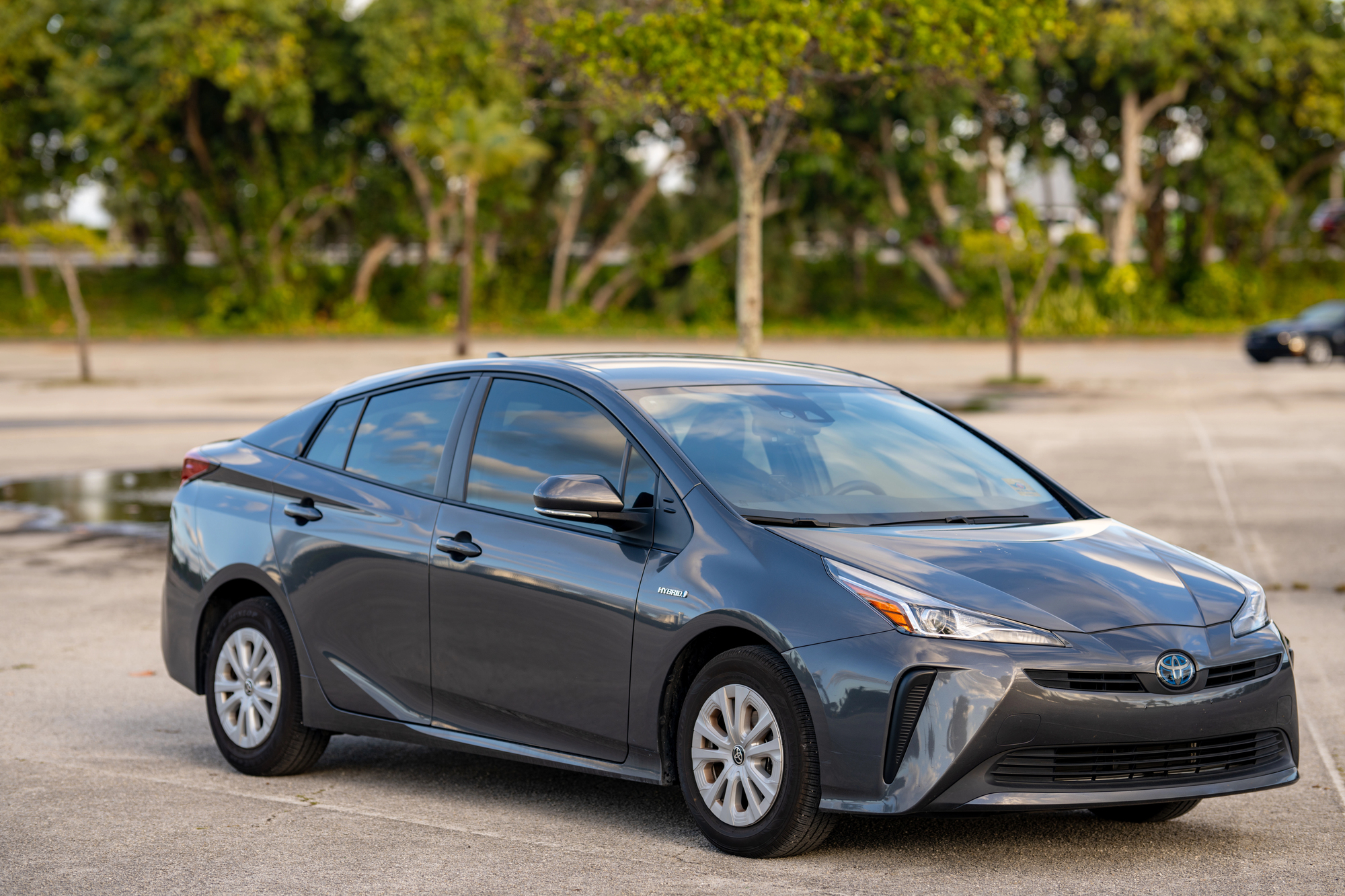
Back in 1997, Toyota brought out the Prius – suddenly hybrids weren’t just lab experiments anymore. A gas engine working together with an electric motor offered mileage far beyond what ordinary cars achieved.
People mocked early owners for crawling along to stretch every drop of fuel. Still, the car stood its ground, proving hybrids could survive daily life.
Because of it, automakers started seeing electric options as something people would actually buy.
Tesla Model S

Back in 2012, Tesla Motors – led by Elon Musk – unveiled the Model S, showing electric cars didn’t have to sacrifice speed for sustainability. Sitting low thanks to a heavy battery tucked into the chassis, the vehicle handled corners like something much lighter.
Instead of visiting service centers, owners got upgrades wirelessly, long after driving off the lot – a twist most automakers hadn’t seen coming. This shift made legacy brands rethink everything, pouring stacks of cash into EV development just to keep up.
The Road Ahead

Every now and then, a car comes along and flips expectations upside down. Not because it sold lots or turned heads – but because folks started seeing machines on wheels differently after its debut.
Some brought wild ideas out of labs straight into driveways; others carved niches nobody knew were missing. Out of nowhere, fresh names began defining whole segments once thought settled.
Even today, engines hum quieter thanks to electric pulses replacing old roars. Drivers now glance at screens more than mirrors – guiding without gripping tightly anymore.
These models? They weren’t chasing trends. Instead, roads bent around them.
An entire planet building factories, laws, dreams – all reshaped by four tires and bold thinking.
More from Go2Tutors!

- The Romanov Crown Jewels and Their Tragic Fate
- 13 Historical Mysteries That Science Still Can’t Solve
- Famous Hoaxes That Fooled the World for Years
- 15 Child Stars with Tragic Adult Lives
- 16 Famous Jewelry Pieces in History
Like Go2Tutors’s content? Follow us on MSN.



