Video Store Experiences From the ’90s That Streaming Quietly Replaced
The 1990s video rental store was a destination. You entered the physical space, browsed shelves organized by genre, faced actual decisions about what to watch, and experienced genuine social interactions with staff who had opinions about films.
There was friction in this system—it took time, required planning, involved conversations with strangers. Streaming replaced all of it, which is more convenient, which is why it won.
But convenience erased an entire category of experience that was actually valuable in ways that weren’t immediately obvious. Nobody mourns the video store’s disappearance by pointing to the inconvenience of rewinding or the frustration of late fees.
They miss something less tangible: a specific kind of social space, the experience of discovery through browsing, the commitment involved in renting something you’d have to return, and the particular culture of a gathering place organized entirely around film. Streaming didn’t replace a worse version of itself; it replaced something structurally different.
The Rewinding Ritual
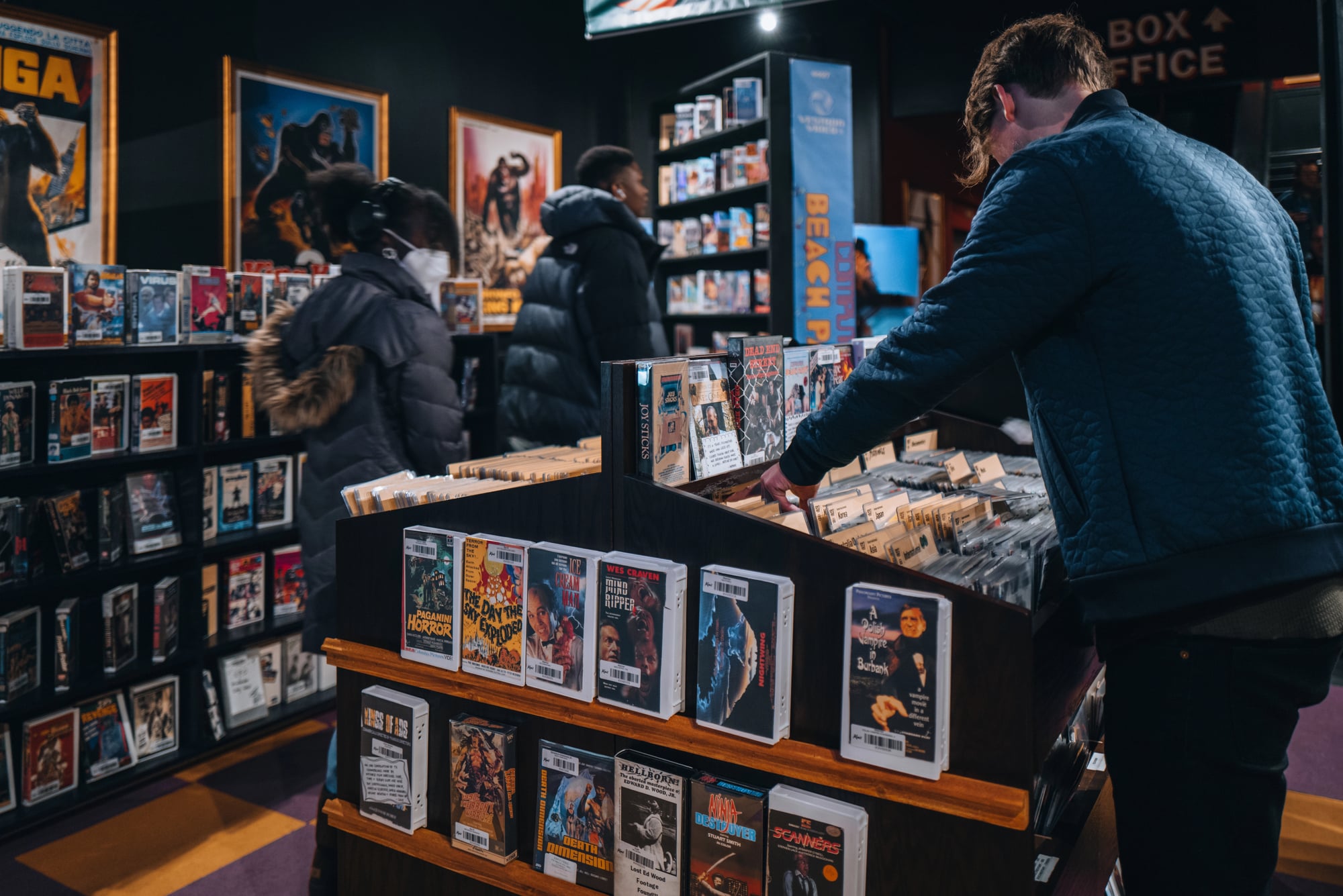
Renting VHS tapes required returning them rewound to the beginning. Failing to do so meant paying an extra fee labeled “failure to rewind.”
Someone had to stand at their VCR and manually run the tape backward before dropping it off. This routine task created a specific friction point and occasional family arguments about responsibility.
The New Release Wall
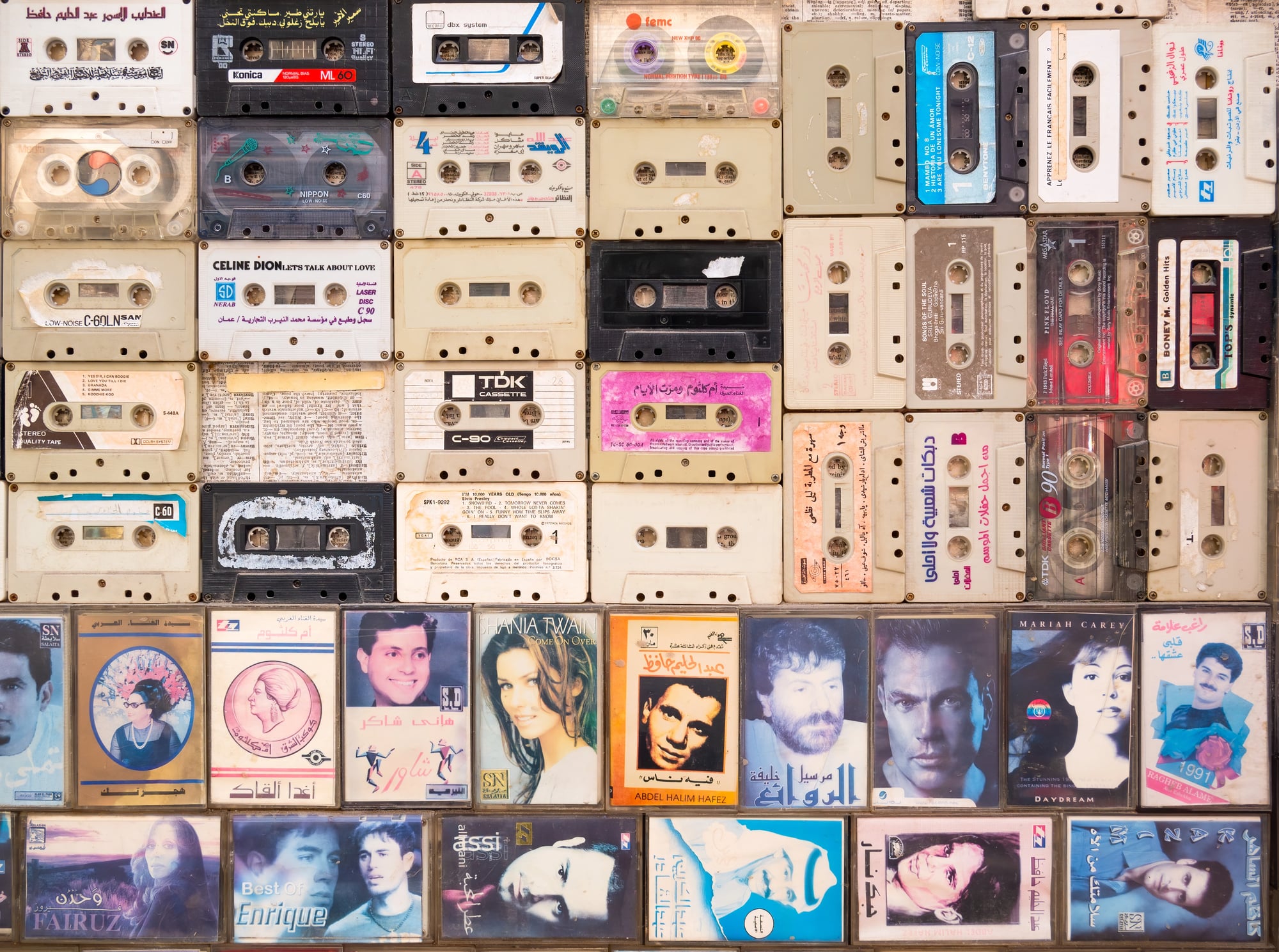
Video stores organized new releases on a central wall with limited copies. Popular films could be rented out completely; returning the next day might mean missing the opportunity to watch something you wanted.
The scarcity made getting a new release feel like a victory.
Renting Two for One Deals
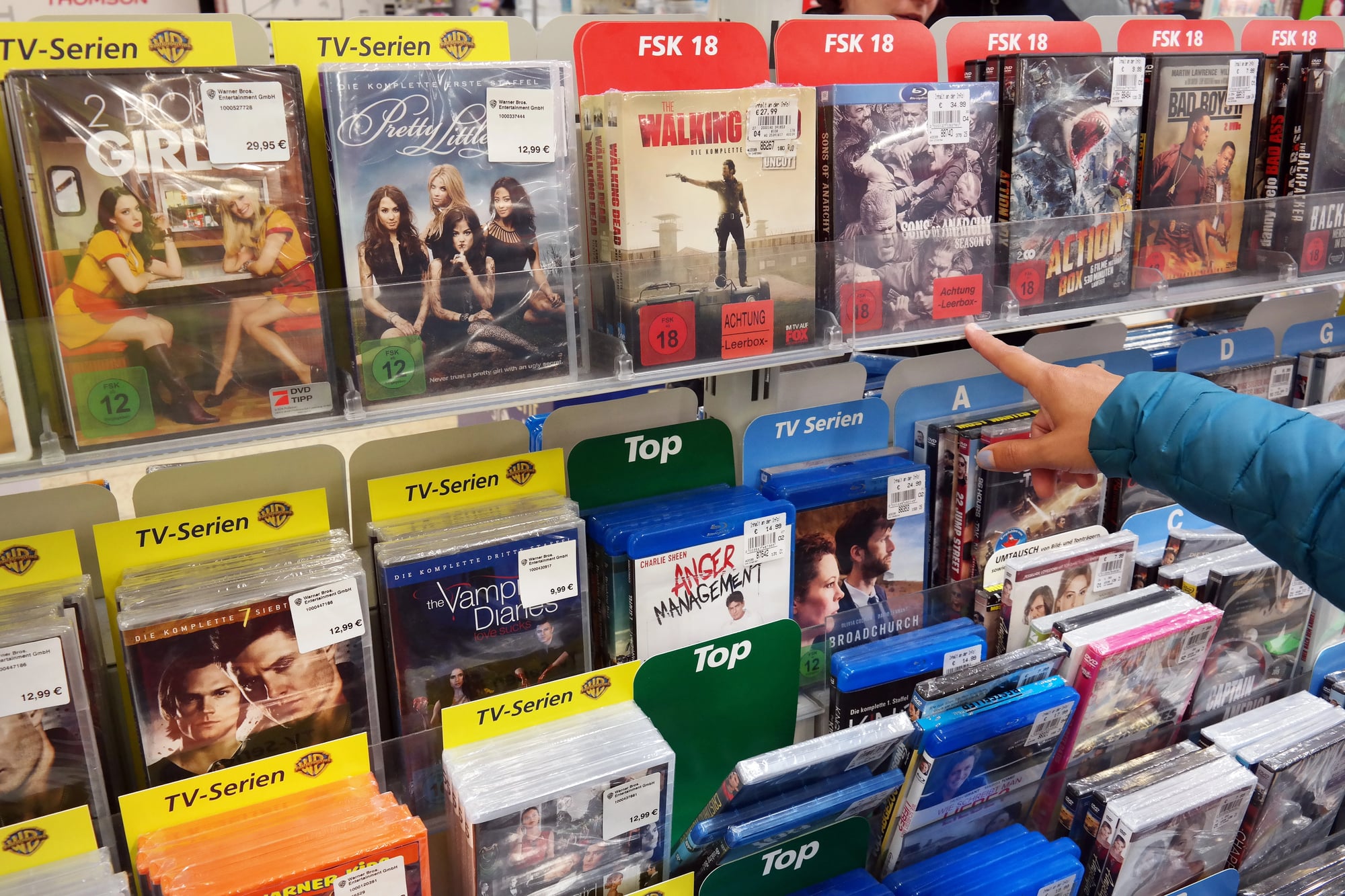
Video stores offered promotions—rent two, get one free; rent three, pay half price. These deals made renting multiple films economical and created different viewing strategies.
People would rent more films because the pricing incentivized it. The promotions shaped rental patterns and encouraged trying films you might not otherwise rent.
Late Fees as Real Consequences

Overdue rentals accrued fees quickly—typically 50 cents per night. Returning a film late meant actual costs.
This created genuine incentive to return films on time. Families tracked due dates carefully.
The stakes were small but real enough to matter.
Browsing the New Arrivals Section

Discovering new films meant browsing the new arrivals section where last week’s releases had been placed. The selection was limited by what the store had received and stocked.
Browsing was a social activity; people would stand around reading boxes and discussing options with friends or family.
Employee Recommendations

Video store employees had opinions about films and would recommend titles based on what customers asked for. These recommendations came from people with genuine knowledge.
Staff could explain why a film was worth watching; their credibility came from actually working with films daily.
The Drama of Out-of-Stock Titles
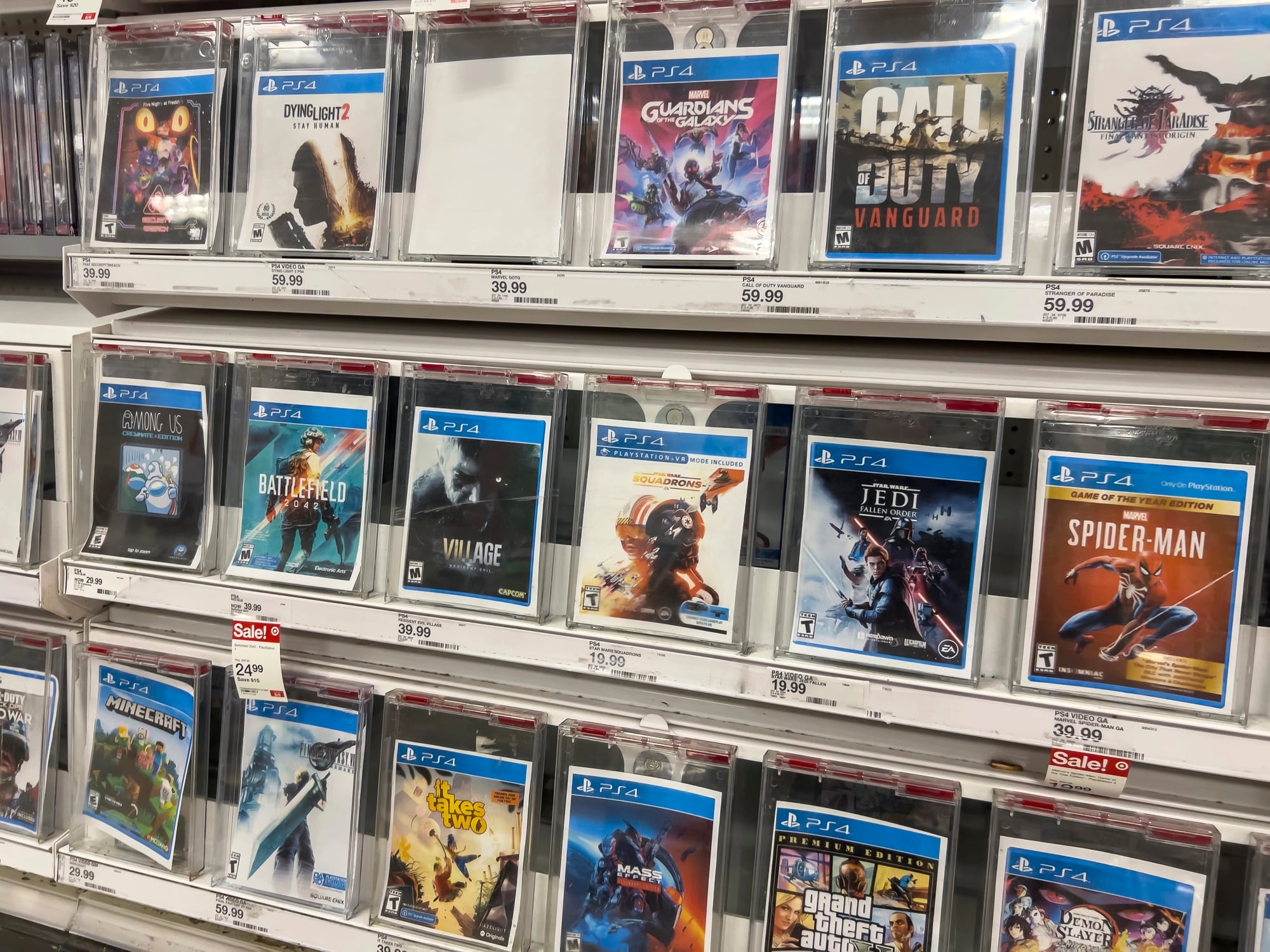
If a film was rented out, you couldn’t watch it that night. You could put your name on a wait list and hope someone returned it soon, or you could select something else.
Inventory constraints were real. This created a different relationship to entertainment—you worked around what was available rather than expecting immediate access.
Wandering Genre Sections
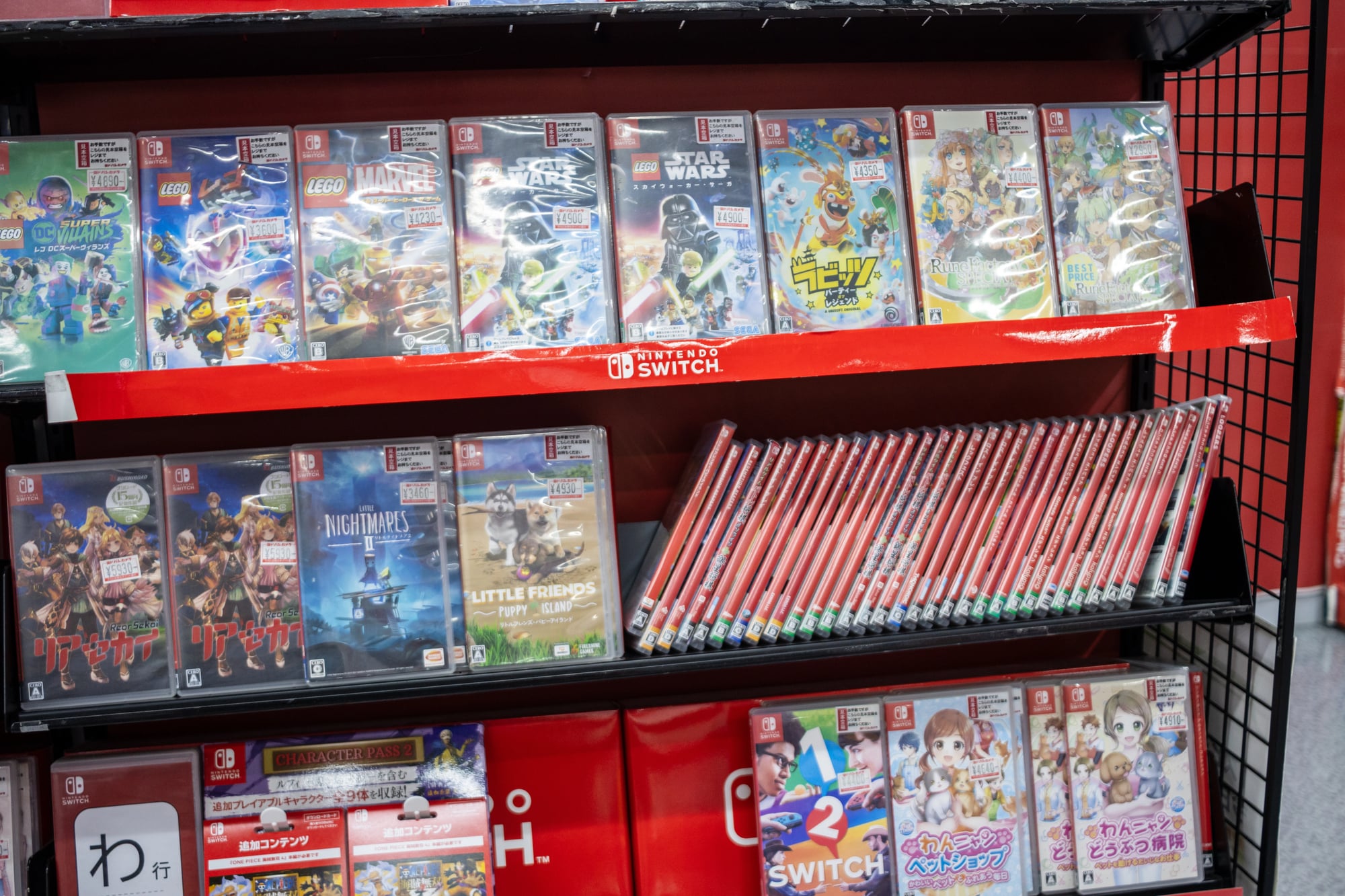
Video stores organized films by genre—Action, Drama, Comedy, Horror—with physical sections you’d wander through. Discovering films meant browsing these sections, reading descriptions on boxes, and making decisions based on visual design and text.
The organization created serendipity; finding something unexpected in your genre section happened regularly.
Discussing Films With Strangers
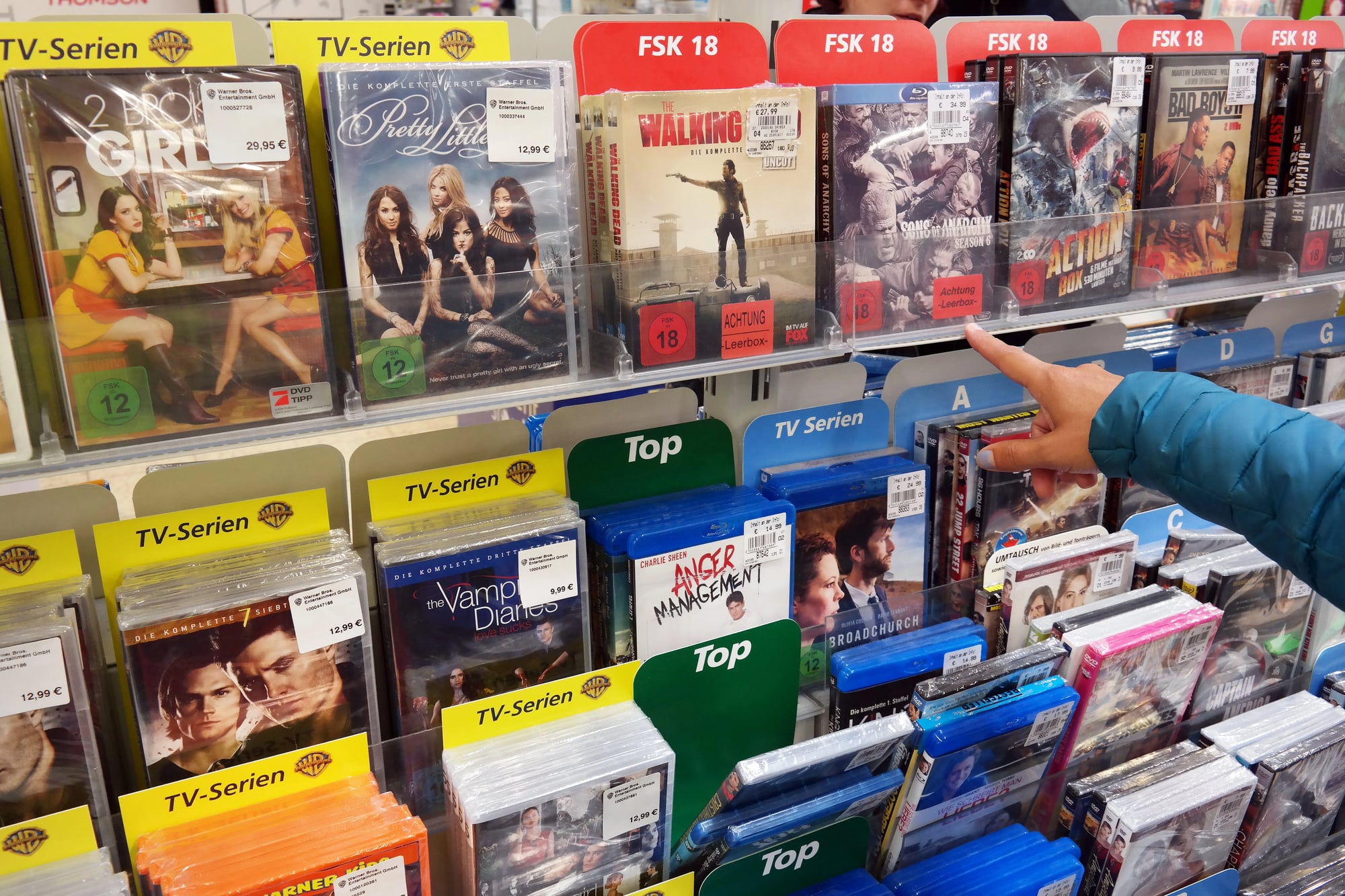
Waiting to check out films, you’d overhear conversations about movies. Employees would discuss what they’d watched recently.
Customers would ask staff questions. The space created informal film discussion in ways that didn’t exist elsewhere.
You left with movie recommendations you hadn’t sought.
The Question of Movie Length
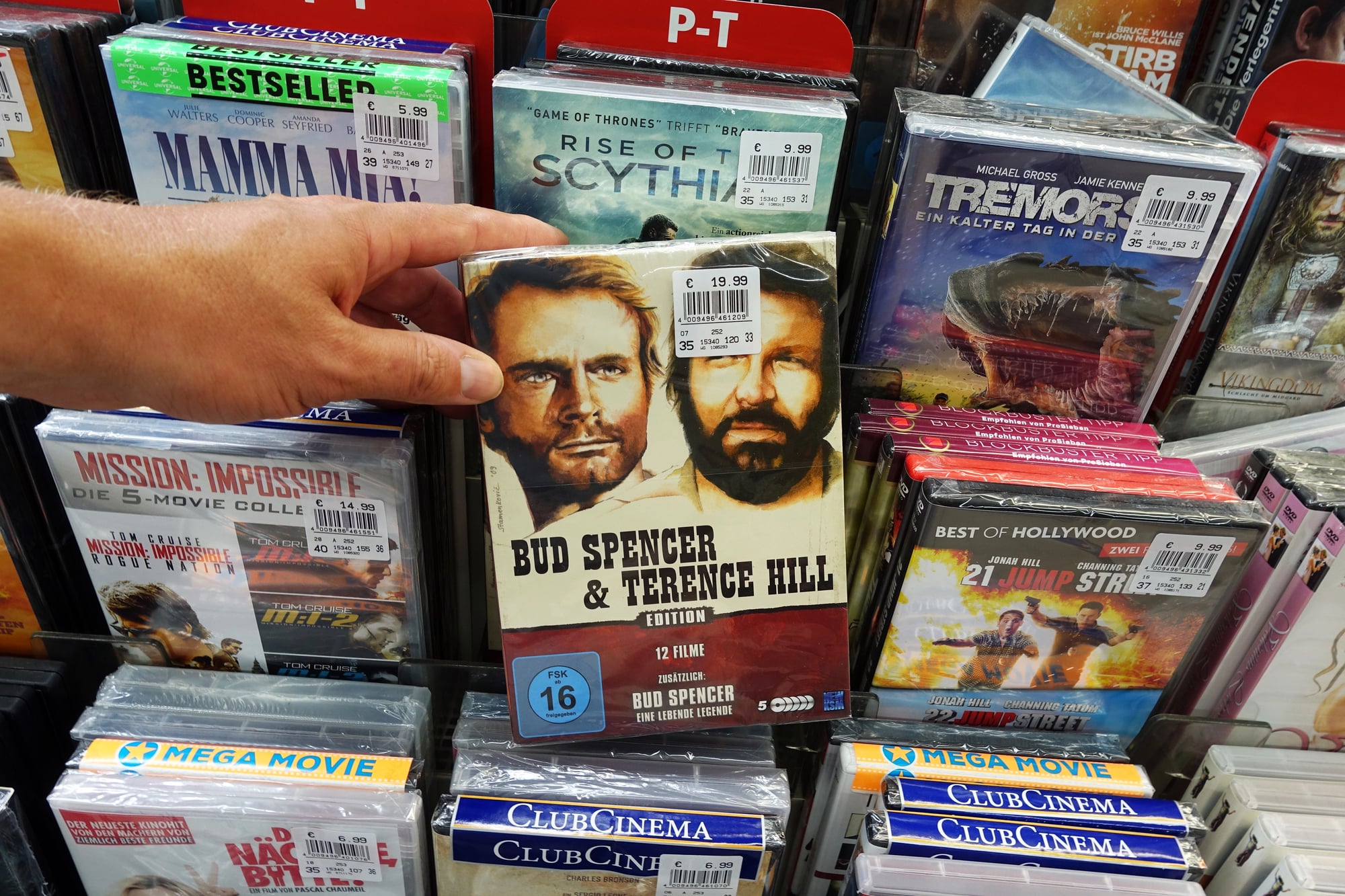
Film length mattered when renting. A long film required significant time commitment.
You’d check the runtime before renting, knowing you’d be invested for three hours. This created a different decision-making process than choosing something you could pause and return to later.
VHS vs. DVD Decision

As DVD became standard, video stores eventually offered both formats. Renting DVD was more expensive initially but offered better quality.
The choice between formats existed for a transition period. Some people remained loyal to VHS for cost reasons; others switched immediately.
Comedy Section Browsing
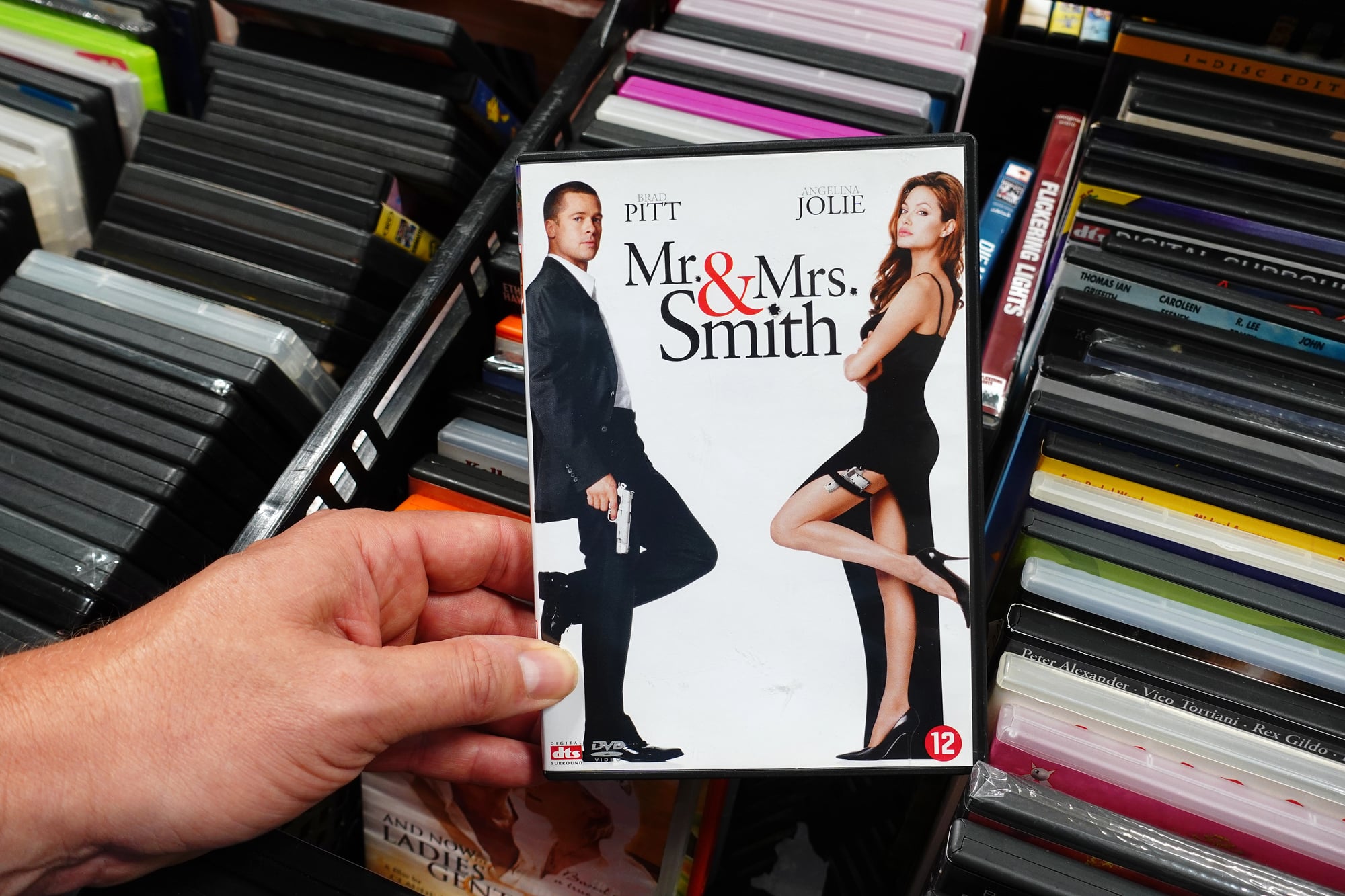
The comedy section was heavily browsed because people could quickly scan covers and read descriptions to decide if something appealed to them. Comedy required matching your sense of humor to what was available.
The browsing experience was essential to decision-making.
The Horror Movie Overnight Rental

Renting horror films late on Friday evening for a Saturday night viewing was a specific ritual. Browsing the horror section, selecting something, taking it home, and inviting friends created a social event around the rental.
The film became an experience shared with a specific group.
Rental Card as Identity

Your video store membership card was a specific identity document. Some stores required deposits; all required personal information.
Losing your card meant explaining to staff who you were. The relationship was tracked in the store’s system; staff would know you as a regular customer.
Walking Out With Physical Media

Carrying a video box or DVD case out of the store meant possessing the object. The physical media was tactile and present.
You had something in your hands; you’d made a choice and were committed to it. The experience was different from selecting something on a touchscreen.
Rental Store Dating Ritual

The video store was a date location. Couples would browse together, suggesting films, debating choices.
The physical space created opportunity for extended social interaction. Renting and going back to watch created plans; the store visit was itself the date activity before going home to watch.
Special Edition Boxes Collecting Dust
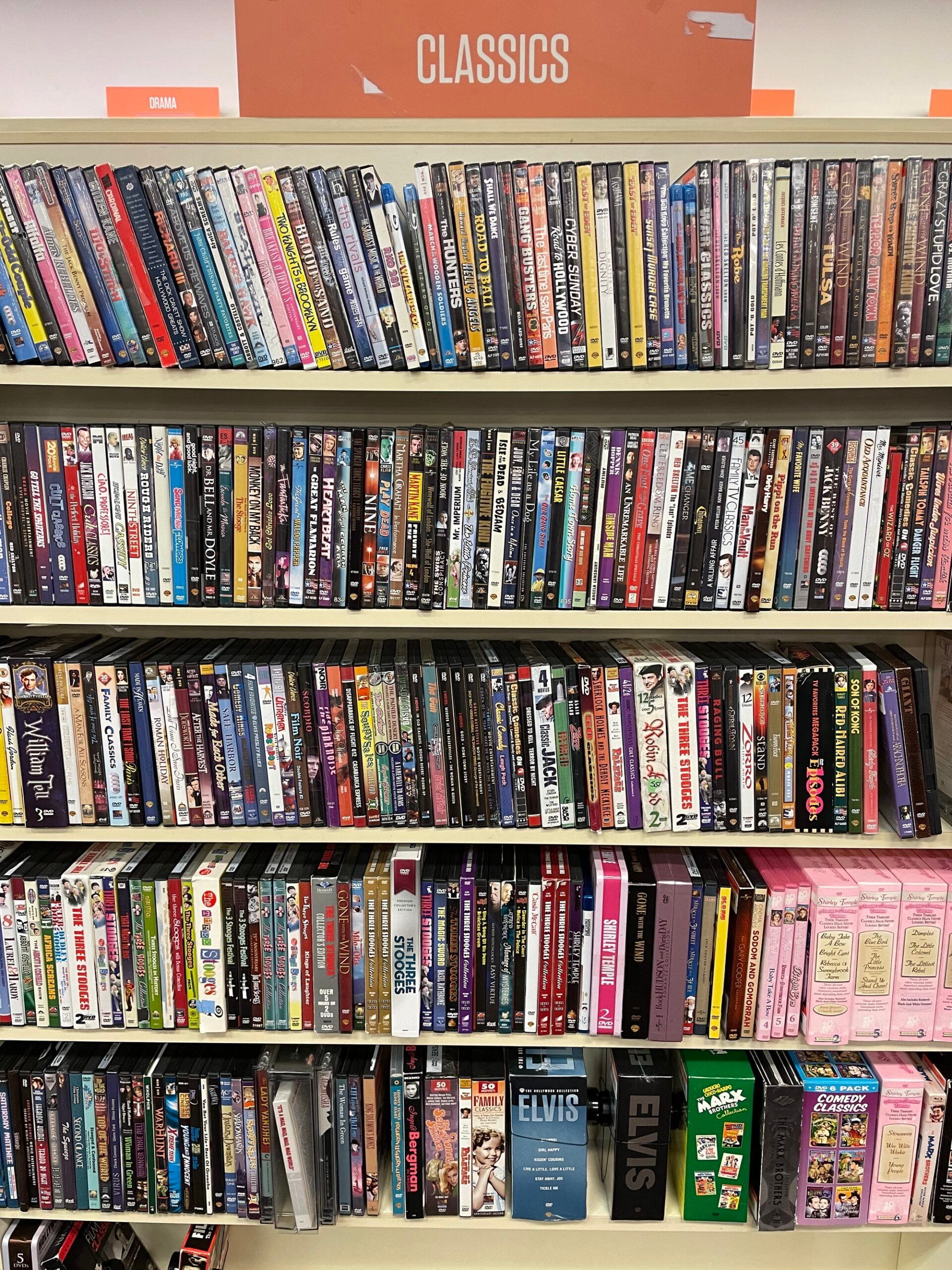
Video stores contained special edition releases—large boxes, multiple discs, bonus materials. These cost more to rent but offered expanded content.
People would rent these specifically for the extras, understanding there was more to consume than the film itself.
The Soundtrack Section

Video stores had soundtrack sections where you could rent CDs. Music was available alongside films.
Browsing soundtracks created different shopping behavior. You could try before buying, particularly useful for soundtracks you weren’t certain about.
Corner Section Embarrassment

Stores had adult content sections, usually cordoned off with curtains or separate rooms. Walking that direction required announcing something about your intentions to anyone watching.
The physical separation created social awkwardness that streaming eliminated by making all content equally available privately.
Staff Personalization

Returning regularly to the same store meant staff learned your preferences. They’d recommend films based on what you’d rented previously.
The relationship was personal in small ways; staff knew you and what you watched. This created community and accountability.
The Commitment of Renting

Renting meant you had to actually watch something by a specific date. The deadline created commitment.
You couldn’t watch something whenever you felt like it; you had to plan to watch during the rental period. This deadline structure forced engagement with content.
The Last Transaction

Video store closure was sudden for many people. The business declined without much public fanfare.
The last time you rented from a specific store, you probably didn’t know it was the last time. One visit you noticed it was gone.
The experience ended abruptly without ceremony.
The Impossibility of Replacement

Streaming doesn’t replicate the video rental experience because the two systems are fundamentally different. Streaming offers unlimited access, immediate selection, and private browsing.
The video store offered scarcity, social interaction, and a gathering place. One is more convenient; the other was a specific kind of social space that technology eliminated by making it obsolete.
The experience couldn’t transfer to a digital platform; it only could disappear.
More from Go2Tutors!

- The Romanov Crown Jewels and Their Tragic Fate
- 13 Historical Mysteries That Science Still Can’t Solve
- Famous Hoaxes That Fooled the World for Years
- 15 Child Stars with Tragic Adult Lives
- 16 Famous Jewelry Pieces in History
Like Go2Tutors’s content? Follow us on MSN.