14 Luxury Items That Were Originally for Peasants
The marble countertops in modern kitchens would have confused medieval nobility. Back then, only the poorest households used stone surfaces for food preparation — wealthy families preferred ornate wooden tables that showcased craftsmanship and status.
History has a peculiar way of flipping social markers upside down, transforming the practical necessities of the working class into the coveted luxuries of the affluent. What we consider refined today often began as solutions to problems that only the desperate needed to solve.
The items that now signal wealth and sophistication frequently started as the cheapest, most accessible options available to people with limited means. This reversal reveals something fascinating about human nature and our relationship with scarcity, authenticity, and the stories we tell ourselves about value.
Oysters
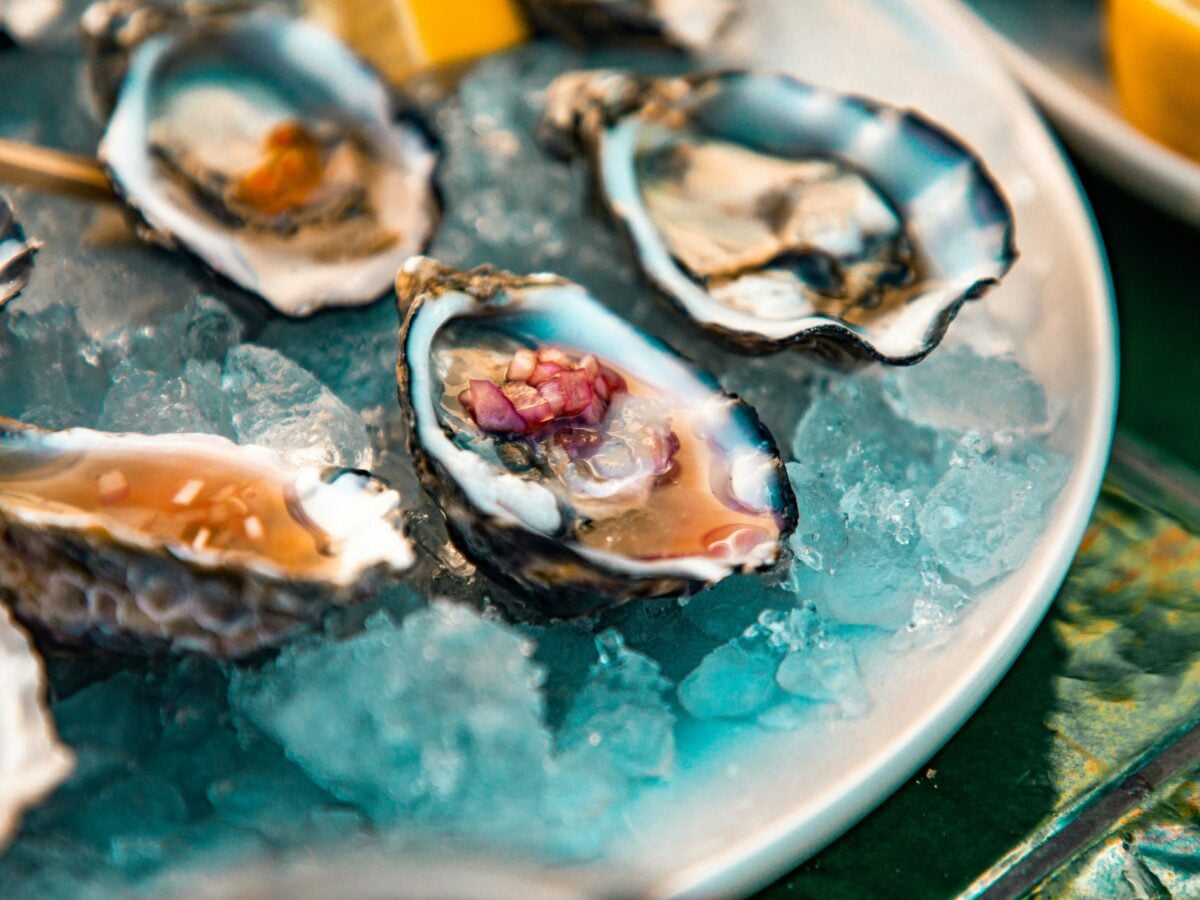
Raw oysters were the street food of industrial cities. Poor families in London, New York, and Boston ate them by the dozen because they cost almost nothing — vendors sold them from carts on every corner, and a meal of oysters filled empty stomachs for pennies. Working-class taverns served them free with drinks the way bars now offer peanuts.
Pollution killed the abundant oyster beds. When the supply crashed, prices soared, and suddenly only the wealthy could afford what had once fed the masses.
Lobster

Lobster was considered so repulsive that Massachusetts passed laws prohibiting prison wardens from feeding it to inmates more than three times per week. The practice was deemed cruel and unusual punishment.
Coastal communities fed lobster to servants, prisoners, and anyone else who had no choice in the matter — it was literally poor people food, ground up and used as fertilizer when no one would eat it. Railroad companies changed everything when they discovered that inland travelers, who had never seen a lobster, would pay premium prices for this mysterious “sea delicacy” when it was marketed properly.
What had been punishment food became a luxury through pure marketing deception (and the fact that people hundreds of miles from the coast had no context for what they were actually eating). Even so, it took decades before coastal residents — who remembered lobster’s reputation — would willingly pay money for something their grandparents had considered garbage.
White Bread

The wealthy ate dark, dense breads made from whole grains and expensive ingredients. White bread was what happened when you couldn’t afford quality flour — millers stripped away the nutritious parts of wheat to make the flour cheaper to produce and easier to store (because the oils in whole grain flour spoiled quickly, and poor families couldn’t afford to waste food that went bad).
But white bread looked cleaner, and eventually that visual appeal began to matter more than the substance behind it. The association shifted: if it looked pure and refined, it must be better, regardless of the fact that it was actually less nutritious and had originally been the budget option.
And yet the economic reality was completely backward — by the time white bread became fashionable, it actually cost more to produce that refined appearance than it did to leave the wheat intact.
Tea
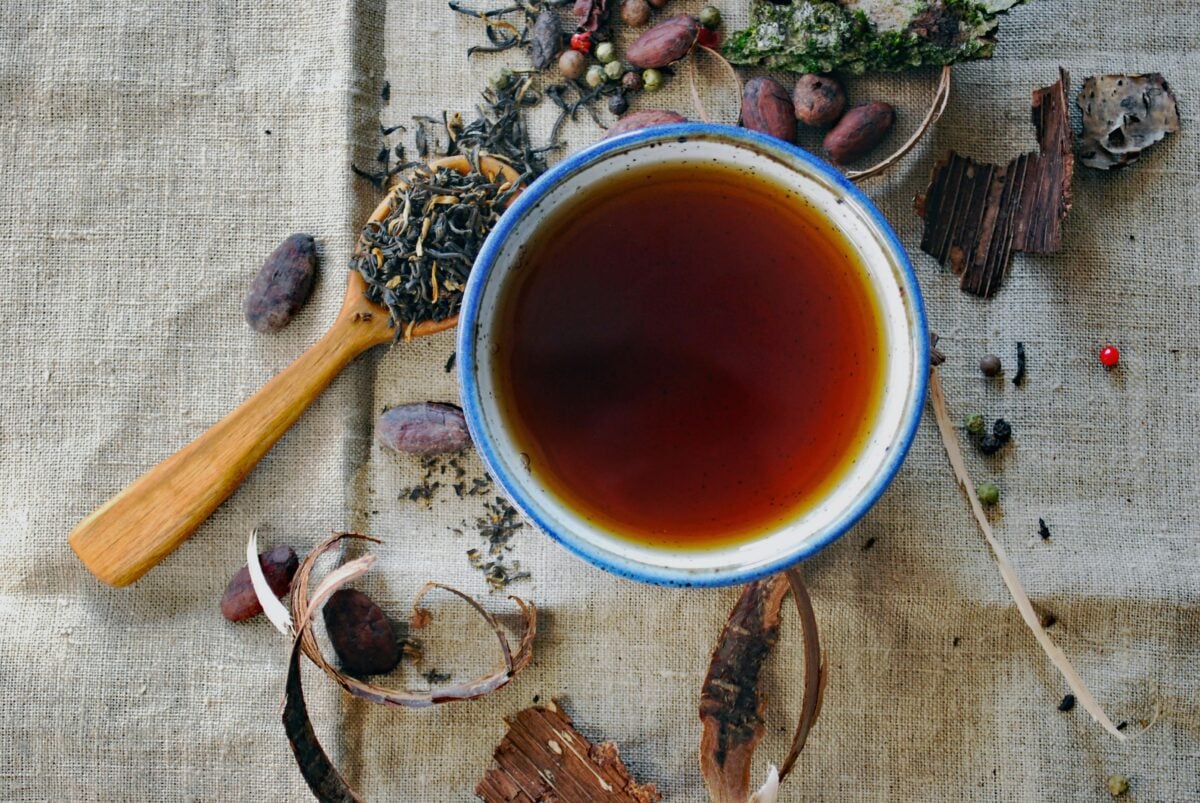
Tea was the drink of Chinese peasants — a way to make questionable water safe to drink without spending money on anything else. Poor farmers grew it in small plots and consumed it daily out of necessity, not pleasure.
When it first reached European shores, it was considered a medicinal curiosity, something you might take if you were unwell but certainly not a beverage for polite society. The British turned tea into theater.
They created elaborate rituals around something that had been utterly practical, inventing special cups, specific times to drink it, and social rules about how to serve it properly. What had once been peasant medicine became the foundation of aristocratic social life — complete with porcelain, silver, and formal ceremonies that would have baffled the Chinese farmers who had been drinking it from wooden bowls for centuries.
Denim Jeans
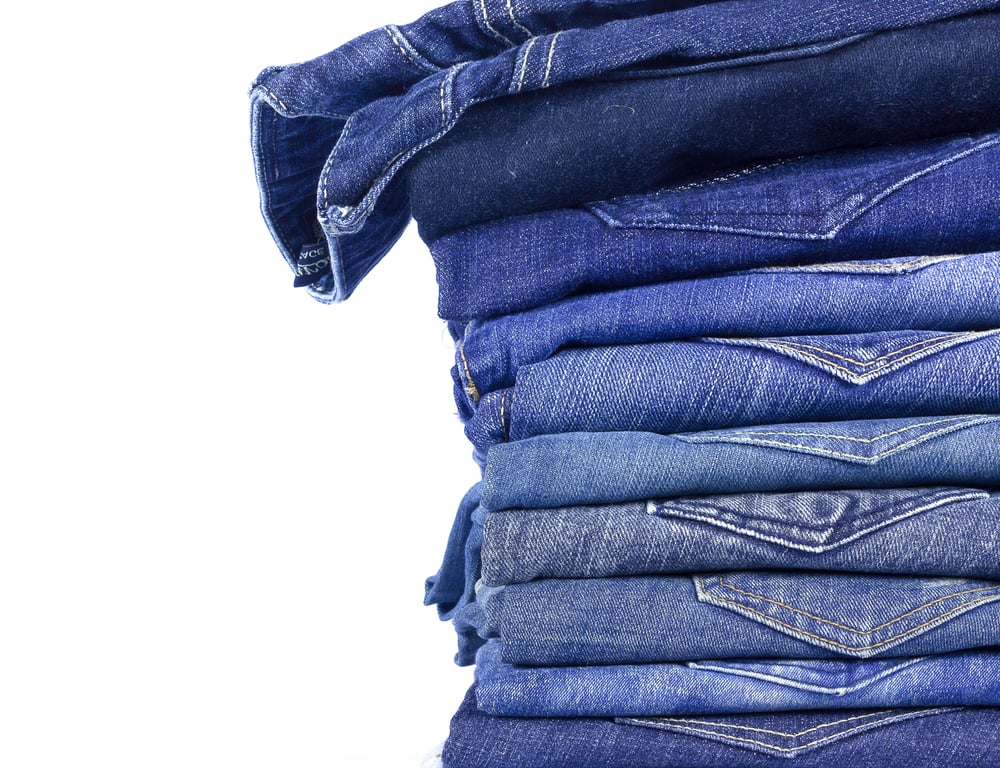
Denim was designed for people whose clothes got destroyed at work. Gold miners needed fabric that wouldn’t tear apart after a few days of hard labor, so Levi Strauss created pants from the cheapest, most durable material available.
The indigo dye wasn’t chosen for fashion — it was the most affordable way to color rough cotton fabric, and it hid dirt better than lighter colors. The distressed look that now costs extra was just what happened when working people wore the same pants every day for months without replacement.
Those authentic wear patterns told the story of physical labor, not personal style. Miners, railroad workers, and ranch hands all created their own characteristic fade patterns and worn spots — each job left its own mark on the denim.
The deliberate distressing that fashion brands charge premium prices for was originally something no one would have chosen.
Salmon
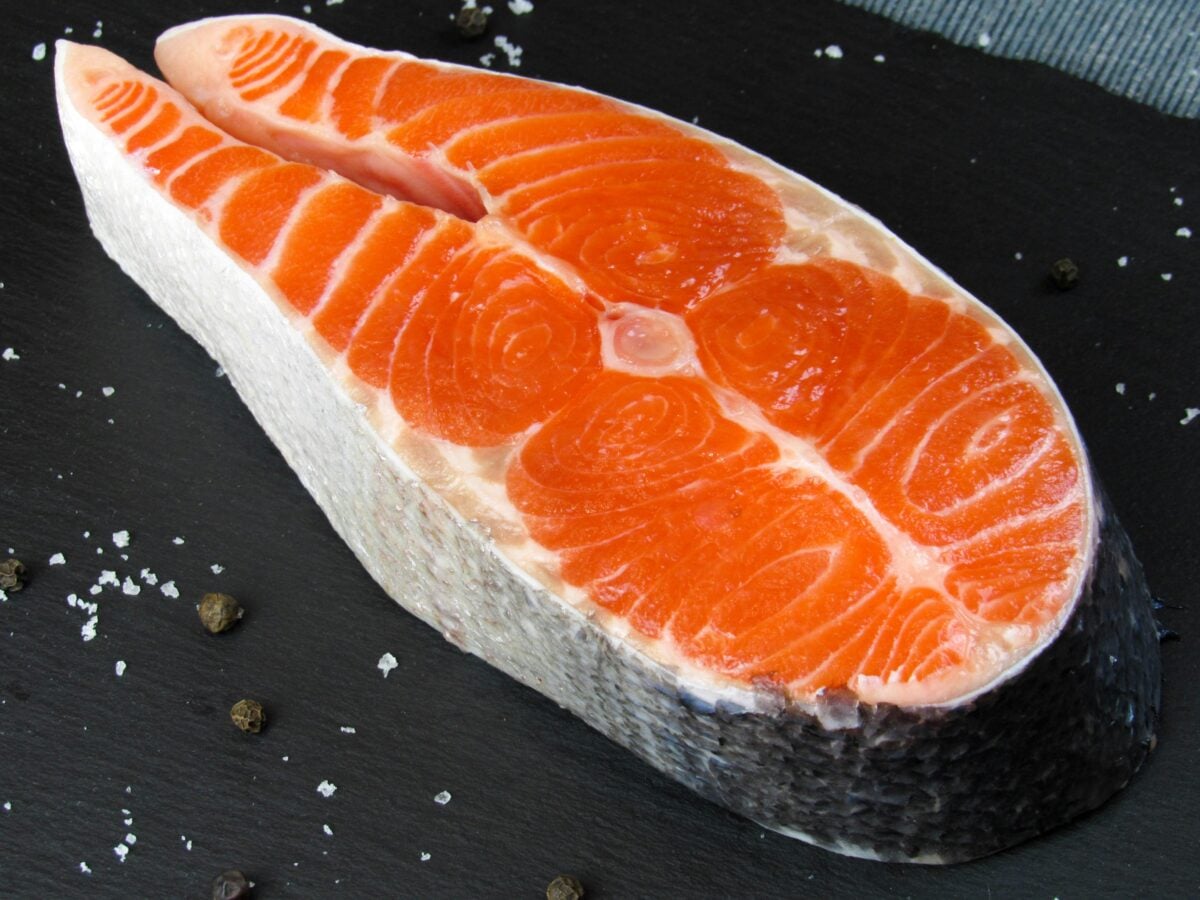
Salmon was so abundant in the Pacific Northwest that workers’ contracts included clauses limiting how often employers could serve it to them. Like lobster on the East Coast, salmon was considered low-class food — something you ate when you couldn’t afford better options.
Native American communities had sustainable fishing practices that kept the rivers full of salmon, making it one of the cheapest protein sources available. Commercial fishing and habitat destruction made wild salmon scarce, and scarcity made it expensive.
Farm-raised salmon tried to fill the gap, but the marketing had already shifted — salmon was now positioned as a premium fish, regardless of whether it was actually the wild variety that had once been so plentiful.
Quinoa
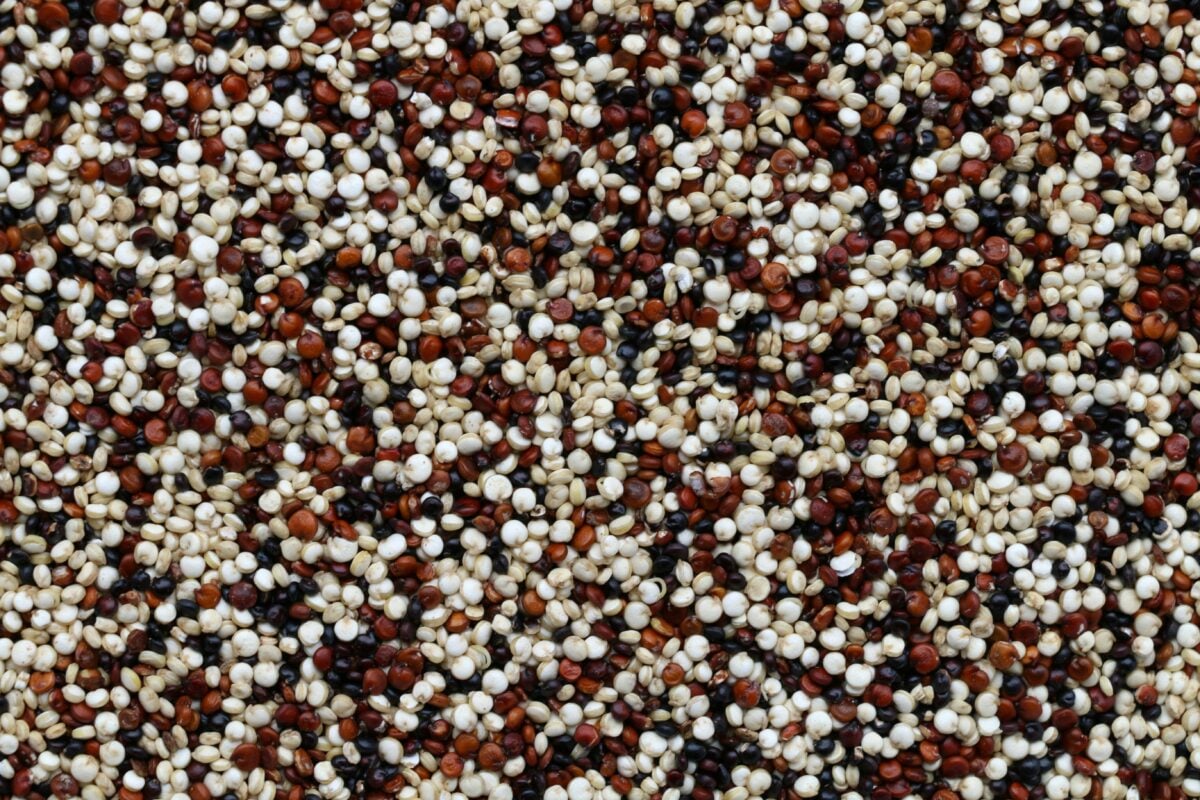
Quinoa sustained Andean farmers for thousands of years precisely because it grew in conditions where other crops failed. It was survival food — what you planted at high altitudes where wheat and rice wouldn’t grow, and what you ate when you had no other options.
Indigenous communities called it “chisaya mama” (the mother of all grains) not because it was special, but because it kept them alive when nothing else would. Spanish colonizers actually tried to suppress quinoa cultivation because they considered it inferior to European grains (and because they wanted to break indigenous food systems).
The grain that had been dismissed by conquistadors as peasant food eventually became a superfood selling for premium prices in health food stores, often making it too expensive for the same Andean communities that had developed it over centuries.
So the people who created quinoa can no longer afford to eat it regularly.
Caviar

Fish eggs were a nuisance that fishermen had to deal with when processing their catch. Most of the time, they threw the roe overboard or used it as bait for other fish.
Sturgeon were incredibly common in rivers across America and Russia — so common that the eggs were essentially waste products that had no market value. When someone figured out how to preserve and market fish eggs to people who had never seen them before, the story changed completely.
But the marketing required artificial scarcity: fishing sturgeon to near-extinction created the rarity that justified the premium prices, turning waste products into luxury goods through pure supply manipulation.
Champagne

Champagne was a mistake that winemakers couldn’t prevent or fix. The champagne region’s climate caused fermentation to restart in bottles during spring warming, creating bubbles that vintners considered a serious flaw in their wine.
For decades, they tried everything they could think of to stop the secondary fermentation, but the technology didn’t exist to control it properly. The bubbles made the wine unstable and difficult to store, which meant it sold for much less than still wines from warmer regions.
Only people who couldn’t afford proper wine bought the defective, fizzy stuff from Champagne — until someone realized that the flaw could be marketed as a feature, and suddenly the mistake became the whole point. Dom Pérignon didn’t invent champagne; he just figured out how to make the accident happen consistently.
Suntans
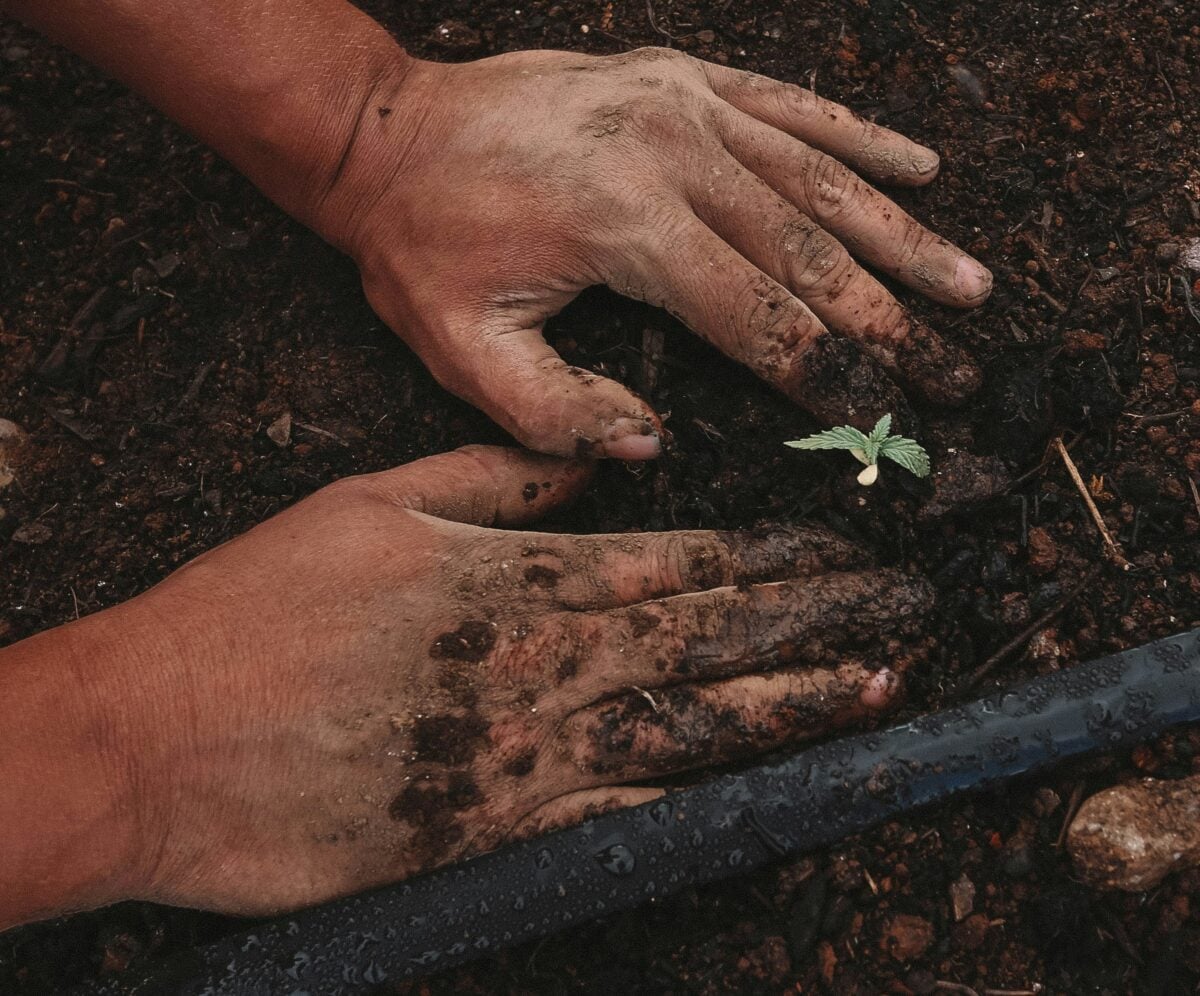
Pale skin meant you worked indoors. A suntan was the mark of field laborers, construction workers, and anyone else who spent their days outside because they had no choice.
Wealthy people went to great lengths to avoid sun exposure — they carried parasols, wore wide hats, and stayed indoors during peak daylight hours because darker skin immediately identified you as working class. Then factory work moved the poor indoors, and suddenly only the wealthy had the leisure time to lie in the sun.
Coco Chanel accidentally started the trend when she got sunburned on a yacht, but the real shift happened when outdoor recreation became a luxury that required both free time and disposable income. The tan that had once marked you as poor now suggested you could afford vacations.
Dark Bread

Dark bread was what you ate when you couldn’t afford to have the grain processed. Whole grain flours were cheaper because they required less work to produce — millers didn’t need to separate and discard parts of the grain, which meant less labor and less waste.
Poor families ate dense, dark loaves because that’s what they could afford. White bread required additional processing steps that cost money, so it became associated with wealth and refinement.
The irony is that the darker bread was actually more nutritious, but nutrition wasn’t the social signal that mattered — appearance and cost were what determined status.
Chicken

Chicken was scarce and expensive compared to beef or pork. Small farms might keep a few chickens for eggs, but they couldn’t afford to eat the birds themselves — chickens were more valuable alive and laying than dead and cooked.
When families did eat chicken, it was usually because the bird was too old to lay eggs anymore, which meant tough, stringy meat that required long cooking times to become edible. Beef was cheap because cattle ranching was efficient and cattle were large enough to feed many people.
Industrial chicken farming flipped the economics completely, making chicken the affordable option and grass-fed beef the premium choice.
Natural Fabrics
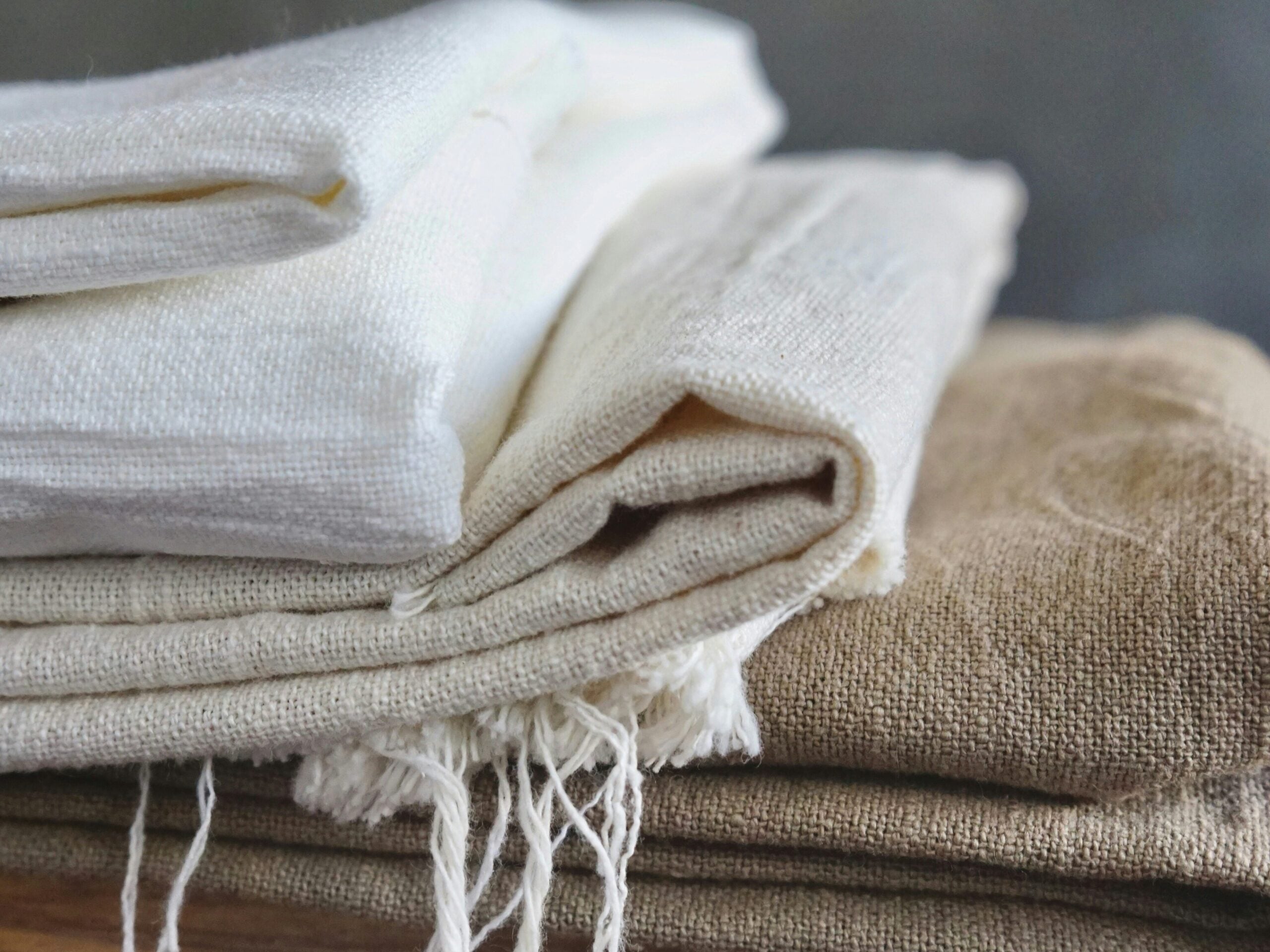
Linen and wool were what you wore when you couldn’t afford anything better. Linen wrinkled constantly and required careful maintenance, but it was relatively cheap to produce from flax plants.
Wool was warm but heavy, and it smelled when it got wet — both fabrics marked you as someone who made practical choices based on budget rather than comfort or convenience. Synthetic fabrics were the luxury option when they first appeared — they were easier to care for, more durable, and offered features that natural fibers couldn’t match.
The marketing eventually reversed this completely, positioning natural fibers as premium choices even though they actually require more maintenance and offer fewer practical benefits than their synthetic counterparts.
Furniture

Plain wooden furniture was what poor families built themselves or bought from local craftsmen who worked with whatever wood was available locally. Wealthy households preferred elaborate upholstered pieces that demonstrated craftsmanship and expensive materials — carved details, imported woods, and complex construction that showed off both the maker’s skill and the owner’s ability to pay for it.
The “rustic” look that now sells at premium prices was just what happened when people made furniture out of necessity rather than choice. Those simple lines and visible wood grain weren’t design decisions — they were the result of limited tools, basic skills, and whatever lumber was affordable.
When Scarcity Becomes Story

The pattern reveals something uncomfortable about luxury markets: they often depend on transforming necessity into choice, scarcity into exclusivity. What made these items practical for poor people — durability, availability, simplicity — became selling points for wealthy people once the context shifted.
The work clothes became fashion, the survival food became cuisine, and the budget options became premium choices. But the transformation required more than just scarcity.
It required stories that erased the original context and replaced it with new meanings. Oysters weren’t repositioned as “what poor people used to eat” — they became “rare delicacies from pristine waters.”
The narrative mattered as much as the economics.
More from Go2Tutors!

- The Romanov Crown Jewels and Their Tragic Fate
- 13 Historical Mysteries That Science Still Can’t Solve
- Famous Hoaxes That Fooled the World for Years
- 15 Child Stars with Tragic Adult Lives
- 16 Famous Jewelry Pieces in History
Like Go2Tutors’s content? Follow us on MSN.