27 Medical Procedures from the Past That Sound Like Torture
For much of human history, medical treatment inflicted almost as much suffering as the conditions they aimed to cure. Physicians operated with limited understanding of human anatomy, disease, or pain management.
Desperate patients and confident doctors combined created a catalog of procedures that modern observers can only regard with horror. Some treatments persisted for centuries despite causing clear harm.
Others were discontinued within decades once consequences became undeniable. All of them reveal how fundamentally different medical thinking was before germ theory, anesthesia, and empirical research transformed healthcare from a brutal trade into something approximating science.
Trepanation

The oldest known surgical procedure, trepanation involved drilling or scraping openings directly into the human skull while the patient remained conscious. Performed since the Stone Age to treat headaches, epilepsy, mental illness, and head injuries, the procedure assumed that boring through bone would release evil spirits or relieve pressure.
Archaeological evidence shows that many patients survived these operations—bone regrowth indicates healing—but survival meant enduring the screaming agony of having one’s skull violated with crude stone or metal instruments.
Lobotomy
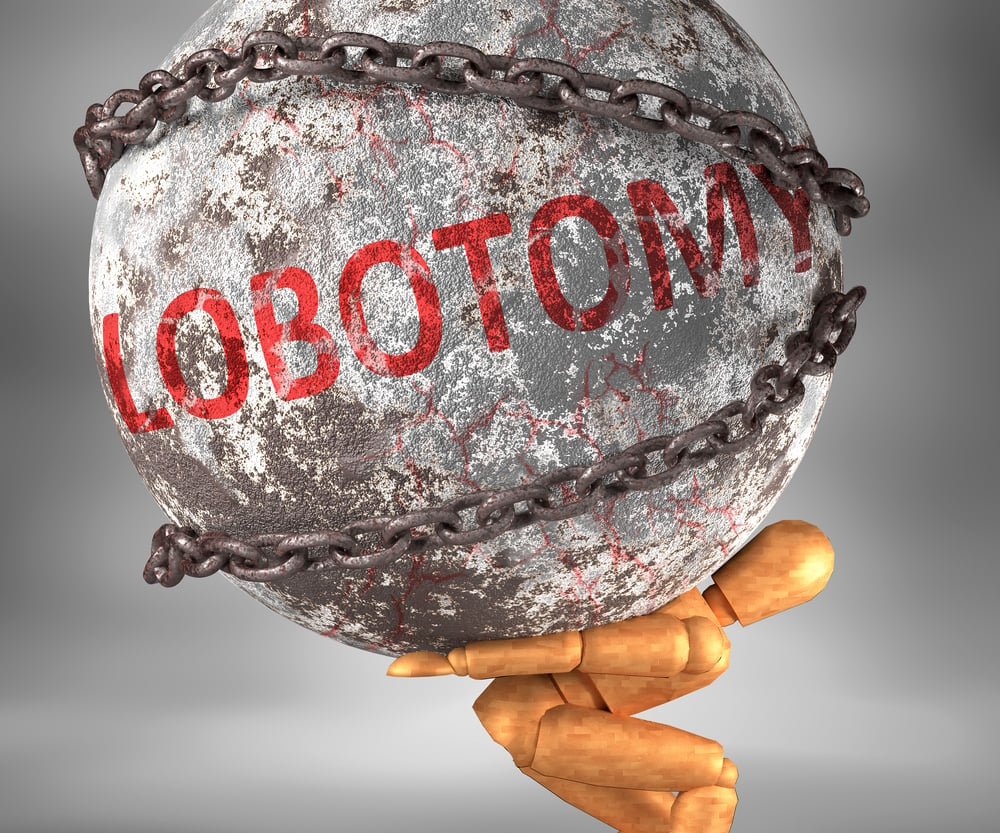
A 20th-century horror dressed in scientific language, the transorbital lobotomy involved hammering an icepick through the eye socket into the brain’s prefrontal lobe. Psychiatrist Walter Freeman popularized the procedure, driving around America in his “loboto-mobile” to perform thousands of operations.
Freeman would jam the pick through bone, then wiggle it around in a manner he himself admitted was imprecise. Patients experienced personality destruction, loss of motor control, and cognitive decline.
Those who died from brain hemorrhage were considered acceptable casualties. Freeman performed his last lobotomy in 1967, one week before the patient died.
Bloodletting

For roughly 2,000 years, bloodletting was considered a universal cure. Based on the false theory of balancing four bodily “humors,” physicians opened veins or arteries with lancets to drain blood from patients.
The practice continued through the 18th and 19th centuries despite causing weakness, anemia, and death. George Washington likely died from bloodletting-induced shock after physicians drained him repeatedly for a throat infection.
Barber-surgeons performed the procedure so routinely that the red-and-white striped barber pole commemorates the blood and bandages of bloodletting work.
Lithotomy
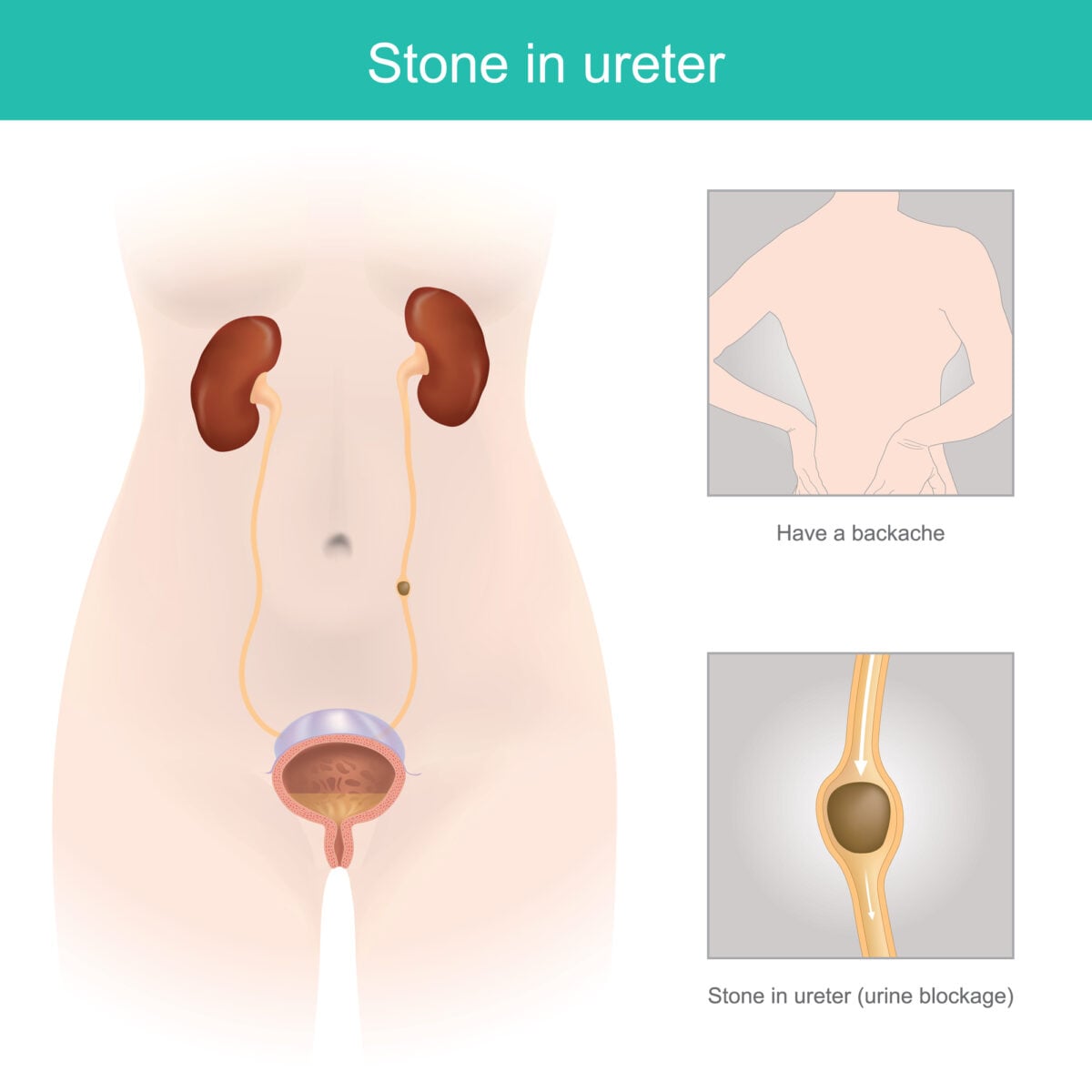
Patients suffering from bladder stones endured this nightmarish procedure where surgeons passed a blade through the perineum—the soft tissue between the reproductive parts and anus—to access the bladder. The incision proceeded without anesthesia.
Surgeons would insert fingers or instruments into the rectum or urethra to manipulate the stone into position for removal. The recovery period involved weeks of pain and high risk of infection and death.
The procedure persisted because the alternative—living with a bladder stone—meant excruciating pain and eventual death from uremia.
Cauterization

Before antiseptic surgery existed, physicians used red-hot irons to sear wounds closed, burn out infections, or cauterize wounded vessels. The procedure meant replacing infection risk with guaranteed tissue destruction and severe burns.
Patients experienced agony that unconsciousness often mercifully provided escape from, though many remained conscious throughout. The scar tissue left behind often caused permanent disability and disfigurement.
Surgical Amputation Without Anesthesia
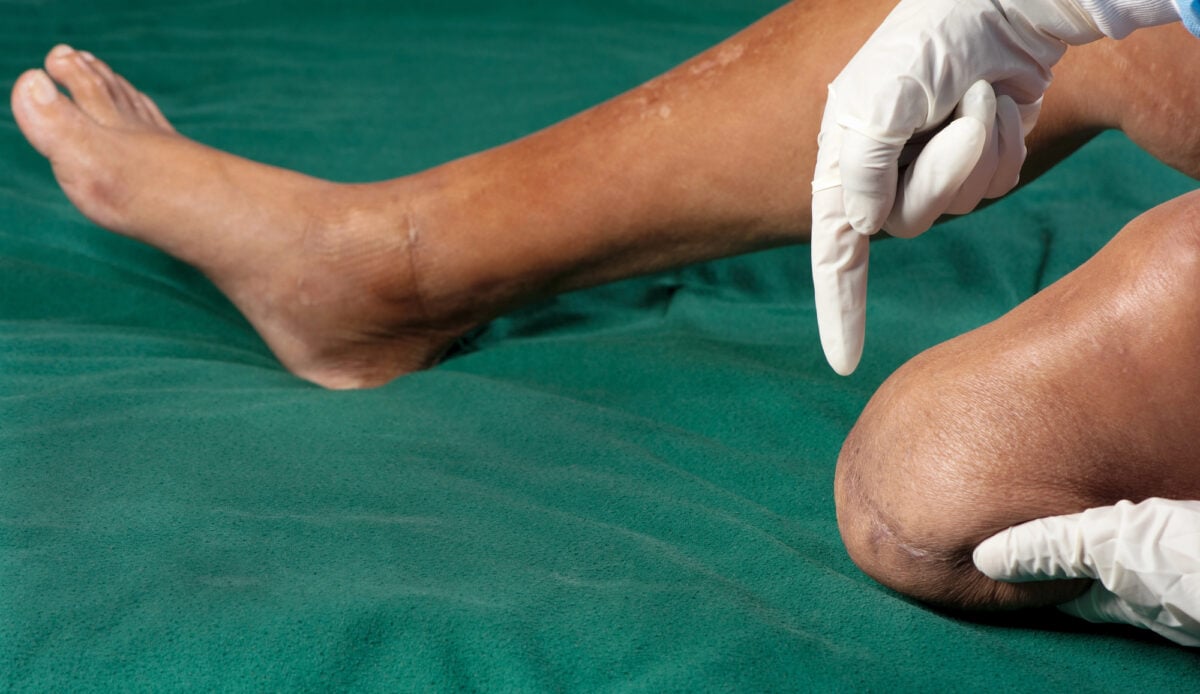
Until ether anesthesia became available in the mid-1800s, surgeons amputated limbs from fully conscious patients. Speed was paramount—the fastest surgeons completed amputations in under three minutes, though the patient remained aware of every saw stroke, bone separation, and tissue tearing.
Mortality from shock was extraordinarily high, and those who survived lived with phantom limb pain and psychological trauma.
Mercury Treatment for Syphilis

When syphilis arrived in Europe, physicians prescribed mercury internally and externally. Patients ingested toxic doses that poisoned them nearly as badly as the disease, experiencing tooth loss, organ failure, and neurological damage.
The adage summed up the treatment: “A night with Venus, a lifetime with Mercury.” Physicians continued the treatment for centuries despite its obvious harm because untreated syphilis meant progressive neurological destruction.
Laudanum Addiction
Laudanum—an opium tincture—was prescribed liberally for pain, anxiety, insomnia, and depression throughout the 18th and 19th centuries. Physicians and patients alike failed to recognize addiction until patients found themselves dependent on increasingly large doses.
Withdrawal from laudanum addiction caused severe physical symptoms. Women and children were routinely addicted without consent or awareness.
The practice continued unabated until the early 20th century.
Poulticing with Irritants

Physicians applied mustard plasters, blister beetles, and other chemical irritants to skin to create artificial inflammation, believing that drawing inflammation outward would heal internal diseases. Patients suffered chemical burns, blistering, and permanent scarring.
Some plasters contained such powerful toxins that patients experienced systemic poisoning from the absorbed chemicals.
Ice Water Immersion

To treat fever, physicians immersed patients in ice water or poured ice water over them repeatedly. The shock to the system sometimes brought down fevers temporarily but often caused heart failure, stroke, or hypothermia.
Patients emerged traumatized by the violent temperature shock and frequently died from the treatment itself.
Enemas with Toxic Substances
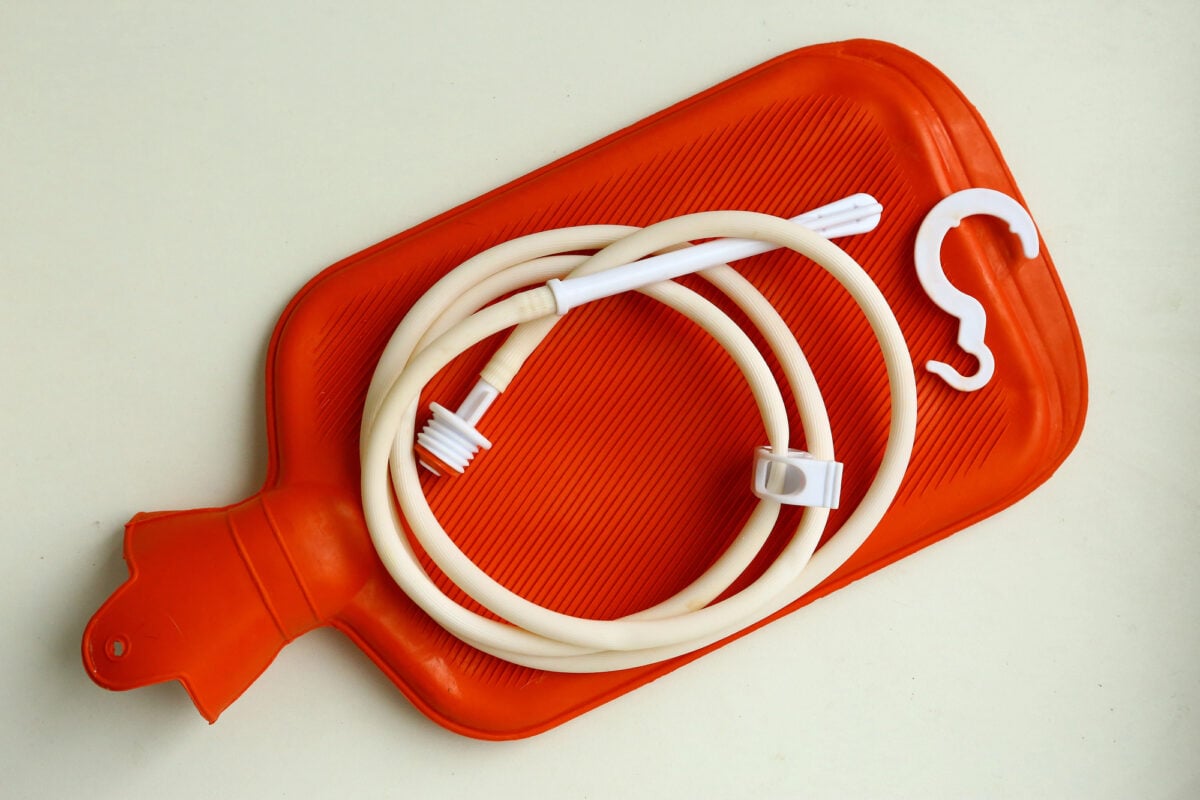
Physicians administered enemas containing mercury, arsenic, and other poisons, believing these toxins would kill internal parasites or infections. The procedure poisoned patients systemically while causing severe dehydration and electrolyte imbalance.
Many patients died from the treatment rather than the condition it aimed to cure.
Bloodletting by Leech Application
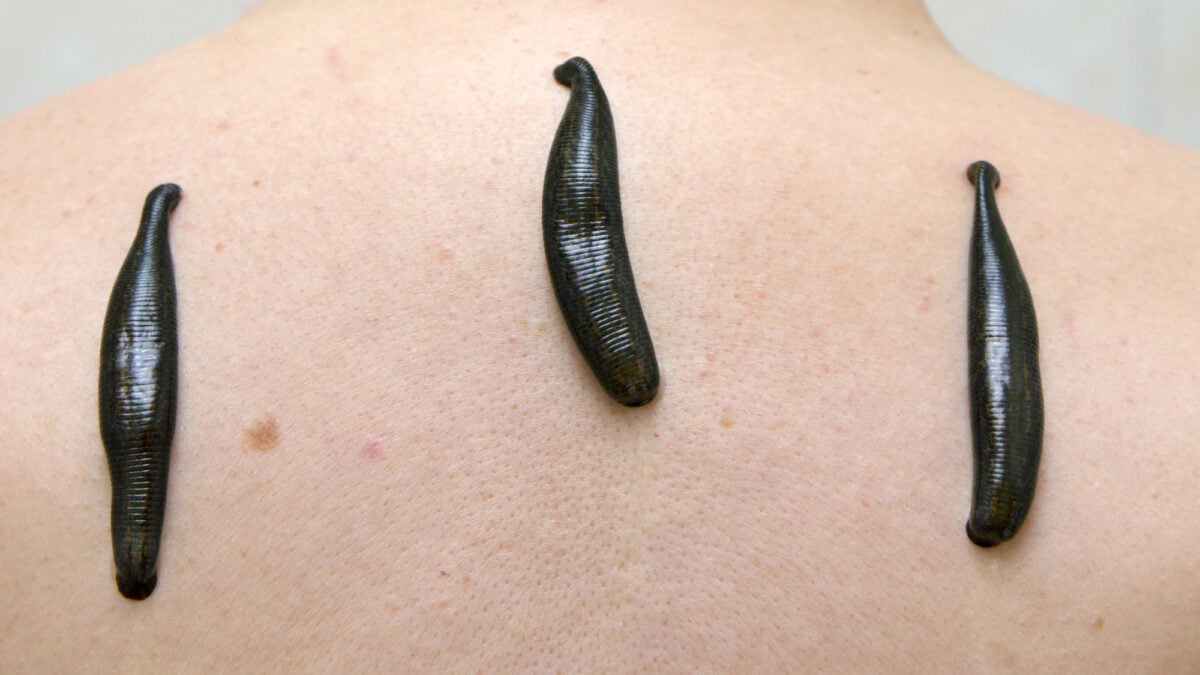
Though leeches had a legitimate use, physicians applied them indiscriminately to treat conditions where removing blood caused clear harm. Patients became severely anemic from excessive leech application.
Some leeches migrated internally, causing internal hemorrhage. The practice persisted through the 19th century despite its obvious danger.
Electricity Therapy

Physicians in the 19th century applied electrical current directly to patients’ bodies to treat depression, paralysis, and various other conditions. The current caused muscle contractions, burns, and pain.
No scientific basis existed for the practice, yet physicians continued because occasionally patients showed brief mood improvement from the shock itself rather than any therapeutic effect.
Mercury Vapor Inhalation

Syphilis patients were locked in small chambers and exposed to mercury vapor from heated mercury. The inhalation caused severe mercury poisoning—tremors, cognitive damage, organ failure—in addition to the original disease.
Physicians believed this was necessary treatment; many patients died from poisoning before experiencing any syphilis improvement.
Forced Purging

Physicians administered powerful laxatives and emetics to empty the bowels and stomach aggressively, believing that flushing toxins cured most diseases. Patients experienced severe dehydration, electrolyte imbalance, organ damage, and death from uncontrolled purging.
Children were subjected to this treatment for minor ailments.
Tooth Extraction for Mental Illness

Dentists and physicians extracted teeth from patients with mental illness, depression, or psychosis, believing that infected teeth caused mental symptoms. Countless healthy teeth were removed unnecessarily.
Patients were left with permanent dental damage and scarring, and their mental conditions remained unimproved.
Cold Water Therapy

Physicians dunked patients repeatedly in freezing water to treat fever, inflammation, or mental illness. The procedure caused hypothermia, heart failure, and psychological trauma.
Patients sometimes died from the shock, and survivors often suffered permanent damage to their cardiovascular systems.
Opium Suppositories

Physicians inserted opium suppositories into patients’ rectums for pain relief and to treat diarrhea. The practice created addiction, overdose risk, and rectal damage.
Children received opium suppositories for minor complaints, leading to addiction in infants and young children.
Surgical “Correction” of Masturbation

In the 19th century, physicians surgically altered children’s reproductive parts—applying caustics, inserting metal restraints, or performing partial castration—to prevent masturbation, which they believed caused mental illness and physical degeneration. The procedures caused permanent damage, infection, and psychological trauma without preventing the targeted behavior.
Purgation with Calomel

Physicians administered calomel (mercury chloride) as a laxative, believing its purgative effect cured disease. The substance poisoned patients systemically, causing mercury poisoning symptoms including tremors, cognitive damage, and organ failure.
Children received dangerous doses for minor ailments.
Bloodletting for Lunacy

Patients with mental illness were bled repeatedly, sometimes drained of dangerous quantities of blood. Physicians believed removing blood would calm the mind.
Instead, patients became severely anemic, weak, and often died from the treatment. The practice continued into the 20th century despite its obvious harm.
Poultices with Feces

Medieval and Renaissance physicians applied poultices containing animal or human feces to wounds, believing that putrefaction would draw out infection. The practice introduced massive infection risk, causing sepsis and death.
Patients endured the smell and the infections that invariably resulted.
Surgical Opening of Veins

Surgeons opened major veins surgically—not with lancets but with full incisions—to drain blood for treating various conditions. Uncontrolled wounds often resulted in death from hemorrhage.
Patients who survived faced infection and tissue damage from the surgical wounds.
Spanish Fly Blistering

Physicians applied cantharides (Spanish fly) to skin to create violent blistering, believing the inflammation would treat various conditions. The substance caused severe chemical burns, systemic toxicity, and death.
The intense pain patients experienced was considered acceptable because the treatment was believed beneficial.
Arsenic Compounds

Arsenic was prescribed internally for syphilis, anemia, and skin conditions despite being toxic. Patients experienced severe poisoning—nausea, vomiting, neurological damage—while the arsenic sometimes killed the disease through simultaneous toxicity to both pathogen and patient.
The margin between therapeutic and lethal doses was razor-thin.
Purgation with Jalap Root
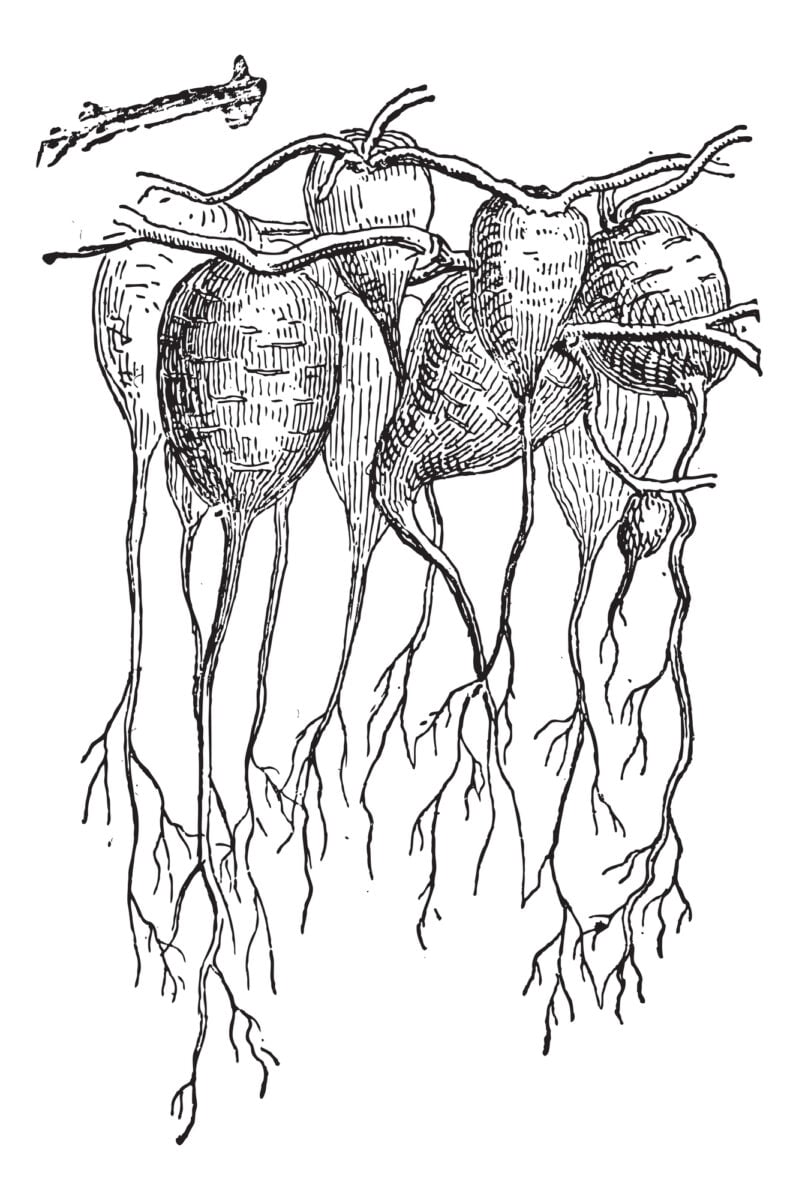
Physicians administered jalap root extract as a powerful cathartic, believing it purged disease from the body. The substance caused severe dehydration, electrolyte imbalance, and organ damage.
Children received dangerous doses, sometimes leading to death from complications of violent purging.
Scarification and Blistering

Physicians deliberately created scars and blisters on skin through caustic application or burning, believing that drawing inflammation to the surface would cure internal diseases. Patients were left with permanent scarring and psychological trauma without benefit to the underlying condition.
The Arc of Medical Understanding

What these procedures reveal is not physician cruelty but rather the human desperation to heal combined with profound ignorance of how bodies actually function. Physicians genuinely believed these treatments helped.
The problem was that belief, however sincere, proved no substitute for understanding anatomy, germ theory, and pharmacology. Modern medicine’s advancement came not from good intentions but from willingness to test treatments empirically and abandon those that caused harm.
The procedures listed here represent not evil but the slow, painful transition from magical thinking to evidence-based practice.
More from Go2Tutors!

- The Romanov Crown Jewels and Their Tragic Fate
- 13 Historical Mysteries That Science Still Can’t Solve
- Famous Hoaxes That Fooled the World for Years
- 15 Child Stars with Tragic Adult Lives
- 16 Famous Jewelry Pieces in History
Like Go2Tutors’s content? Follow us on MSN.



