15 Famous Friendships No One Talks About
Now here’s a thought – certain bonds grab attention fast. Meanwhile, behind curtains thick and quiet, some connections move the world without applause.
Peering into the past reveals bonds few recall. Not every connection gets its moment in textbooks.
Side by side, some unlikely pairs shaped moments quietly. History often moves on without mentioning them.
Together, yet overlooked, their stories linger beneath. Away from the spotlight, trust built bridges unseen.
One stood here, another there – yet they met in between.
Frida Kahlo Josephine Baker
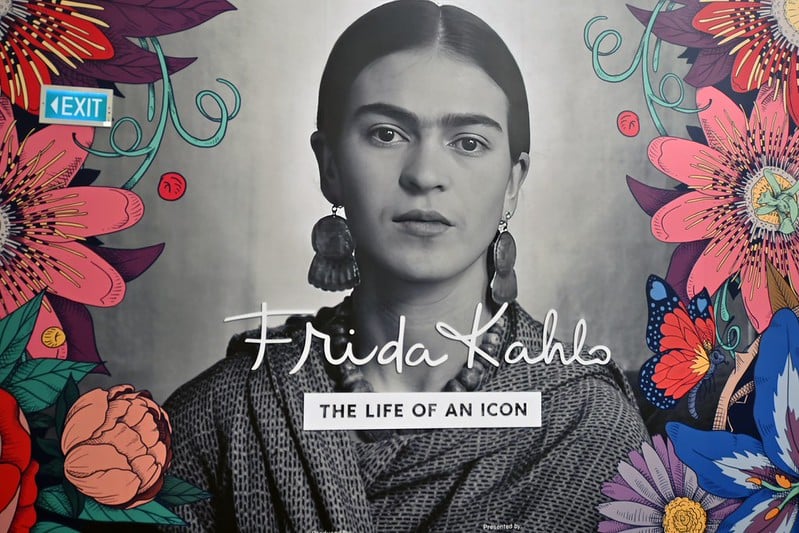
Frida Kahlo first saw Josephine Baker under the pale light of a Paris café, winter air biting at their coats. Yet inside, something warmed fast – no slow build, just spark.
Boldness pulled them close; rule-breaking sealed it. One painted pain in vivid color, the other danced defiance across stages.
Time folded around them during long talks in smoky rooms where artists whispered and watched. Respect grew, not from words but presence – how each stood without asking permission.
The world blinked, unsure what to do with such fire in human form. Together, they made silence speak louder than slogans ever could.
Ernest Hemingway And Marlene Dietrich
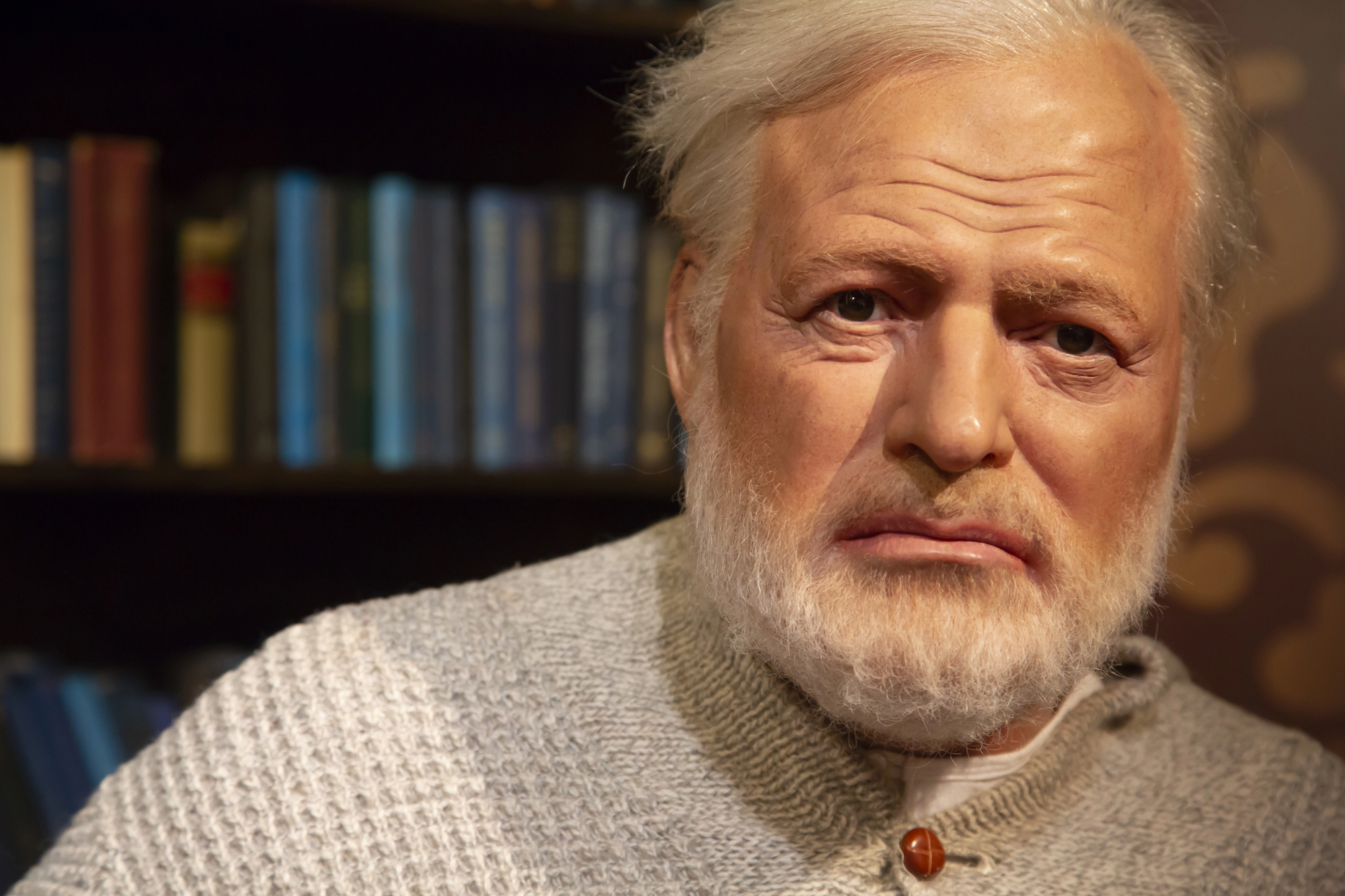
For years, Hemingway answered to Papa while Dietrich went by Kraut – they just stuck. A ship crossing in 1934 started it, then came nearly three decades of quiet loyalty before his passing.
Though nothing ever turned into romance between them, their words traveled often through letters filled with openness he seldom gave. She claimed later that he meant more than any other man, even without shared beds or public pairings.
Life kept them apart like that – close, but not how most would picture.
Vincent Van Gogh And Paul Gauguin
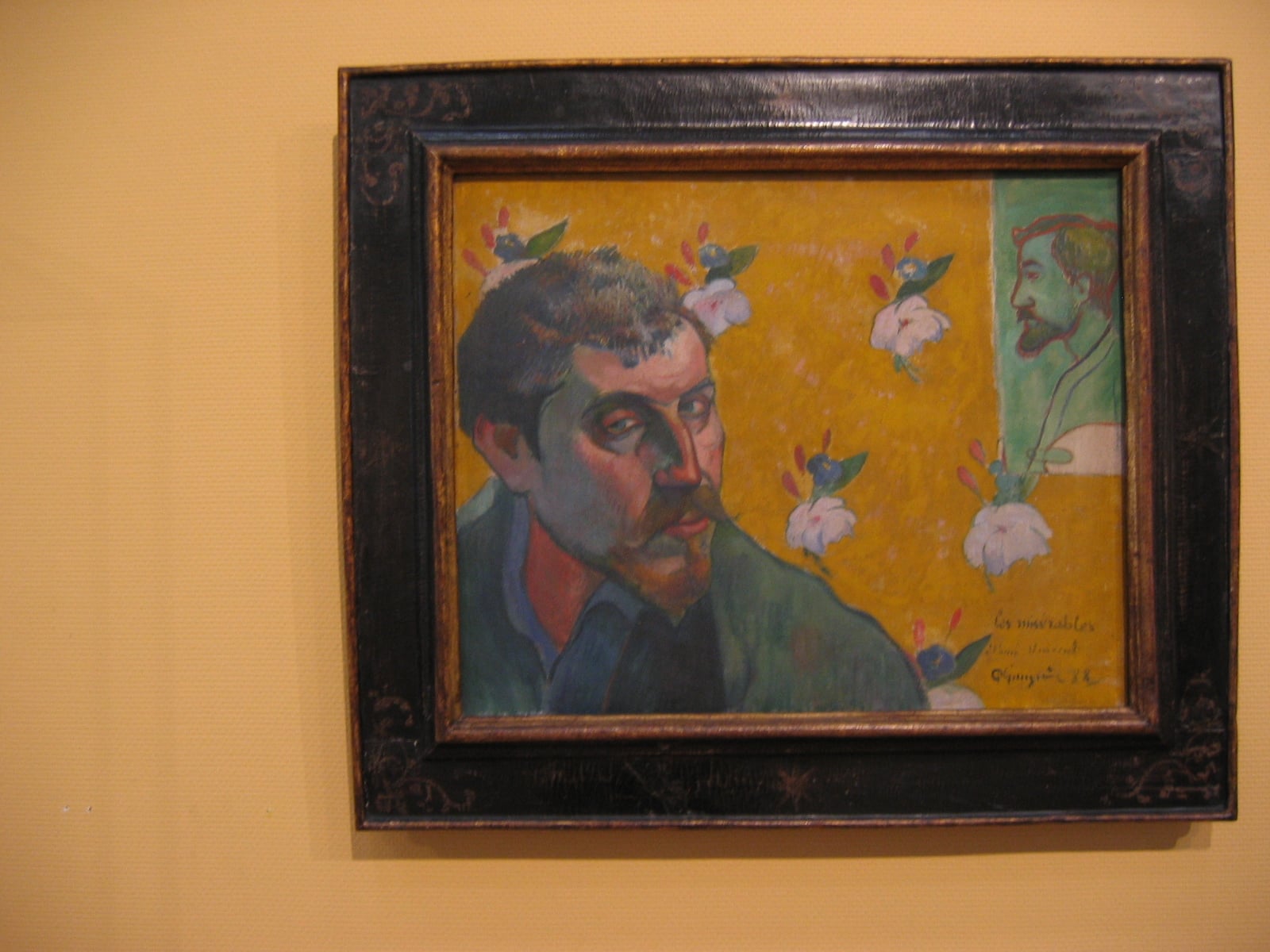
At first, things felt steady between Vincent van Gogh and Paul Gauguin – they shared real warmth. Invited by Van Gogh, Gauguin arrived in Arles, France, drawn by talk of a shared studio space.
During late 1888, they worked near one another, their brushes moving often in sync while ideas clashed loudly through nights. Though everything shattered later, that stretch held an electric pulse few creative pairings have matched since.
Nikola Tesla And Mark Twain
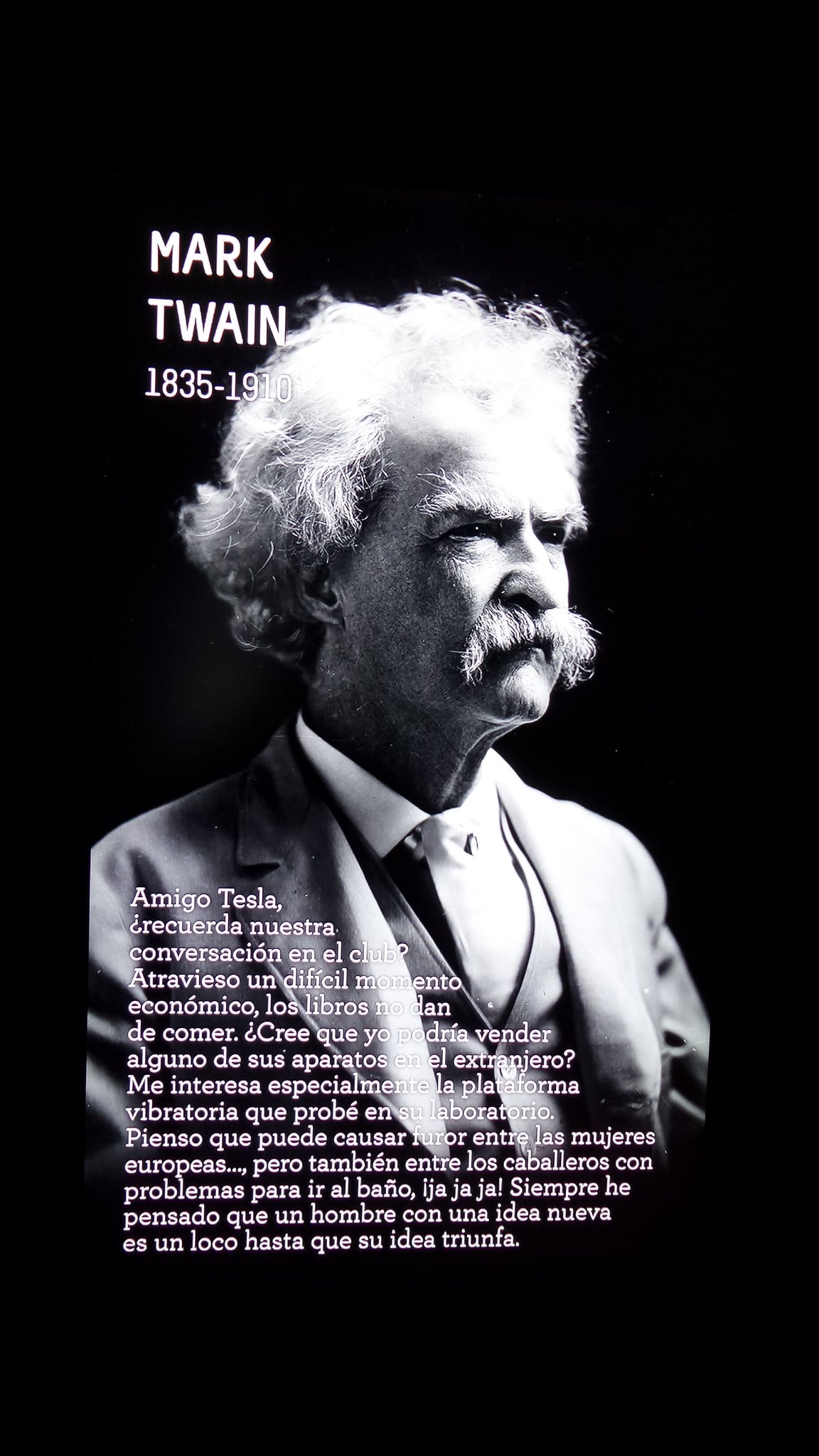
Back then, Nikola Tesla actually knew Mark Twain – they weren’t simply legends living at once. Their paths crossed during the 1890s after Twain stepped into Tesla’s lab in New York, where he quickly grew curious about the inventor’s work.
Photos exist showing Twain standing beside Tesla’s gear; rare snapshots like these don’t pop up every day. Later on, Tesla shared how reading Twain’s stories pulled him through a rough sickness when young, adding depth to their bond.
Moments like those stick out, quietly shaping what connected them.
C.S. Lewis And J.R.R. Tolkien
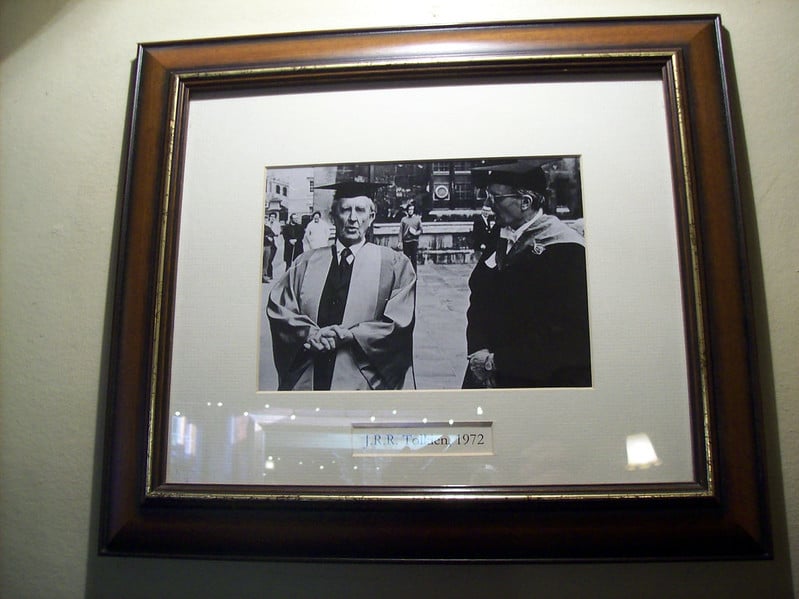
It was at Oxford where they first crossed paths, shaping what would come. A quiet bond grew between them, one writer nudging the other toward faith without force.
That shift slipped into stories years later, quietly changing everything. Their circle gathered often, voices rising around shared pages.
One inspired the other, then the ripple moved outward. Books emerged that might not have if paths had never crossed.
Not many recall how much those talks mattered. Worlds built on magic carried traces of real conversations.
Cary Grant And Randolph Scott
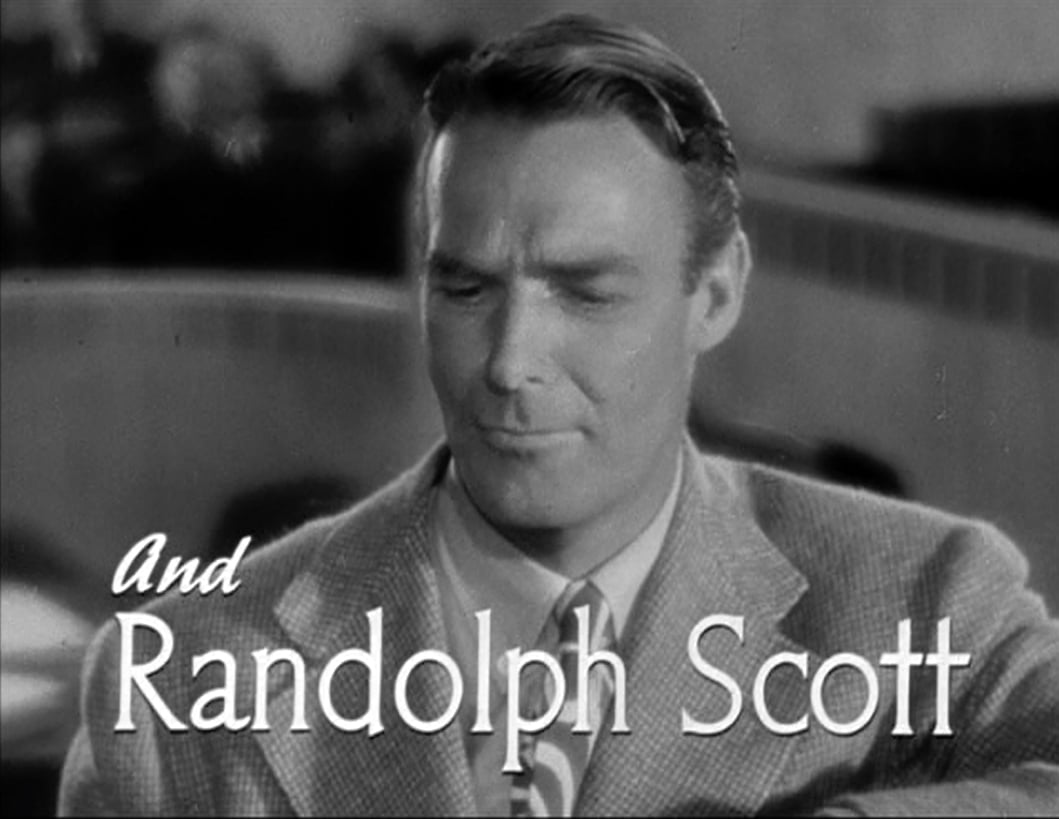
One evening in the 1930s, Cary Grant moved into a seaside home with Randolph Scott near Santa Monica. This place sat just off the coast where waves often crashed too close for comfort.
Back then, studios claimed roommates simply saved money – two single men cutting costs. Yet something more lingered behind their locked doors.
They appeared nearly everywhere side by side: premieres, dinners, quiet strolls through palm-lined streets. Laughter followed them, yes – but also whispers.
People noticed how they stood closer than most friends, spoke without needing words. Over decades, scholars began reexamining photos, letters, coded messages buried in interviews.
What emerged wasn’t gossip but depth – an unspoken understanding stretching far past surface ties. Even now, questions remain unanswered, floating like sea mist between fact and silence.
Marie Curie And Albert Einstein
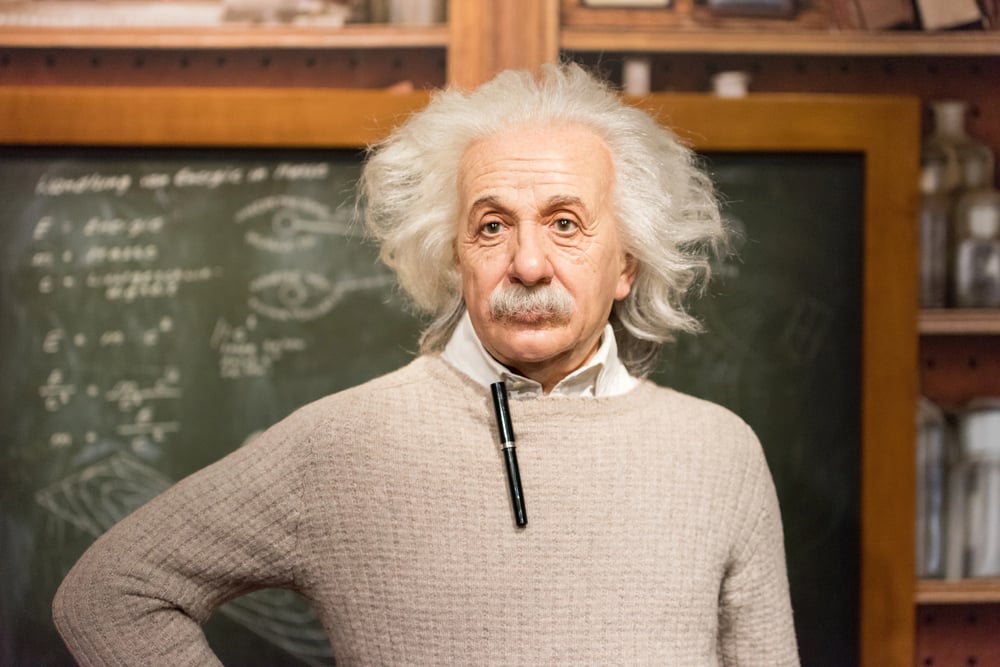
Out walking in the mountains, Marie Curie and Albert Einstein found common ground beyond science. Not mere acquaintances passing through meetings, they built something real – one letter at a time.
Warm notes traveled between them, filled with thoughts only kindred minds would catch. When reporters turned on Curie, Einstein spoke up without hesitation.
He saw clarity in her character, praised her integrity amid noise. Fame changed others around him, yet she stayed steady – he said so plainly.
Both lived slightly out of step with the world, which made their bond make sense. What tied them wasn’t lab work, but how silence felt familiar.
Karl Marx And Friedrich Engels
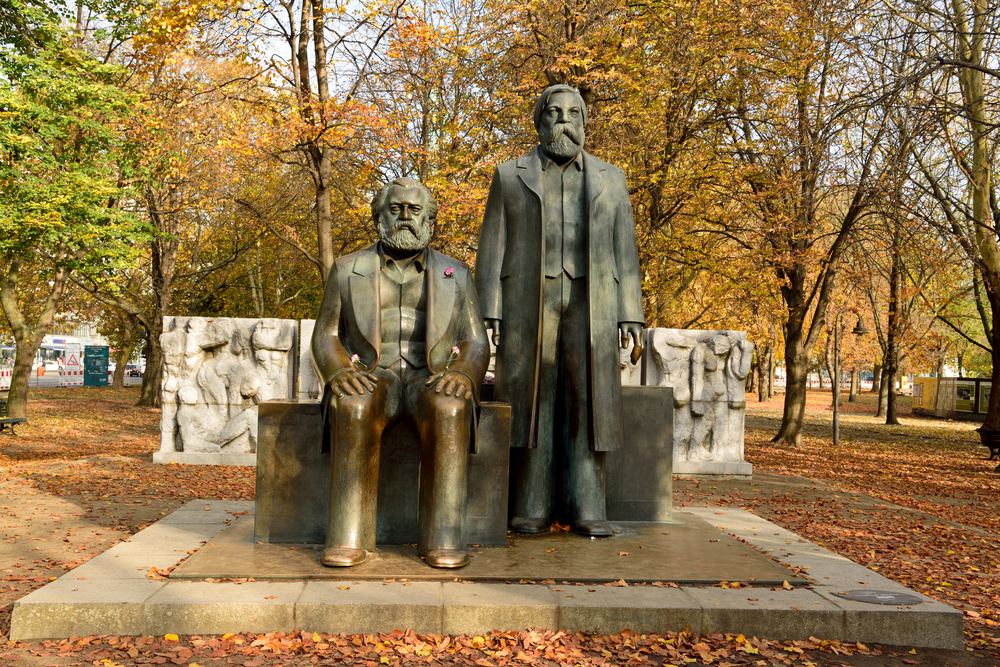
Karl Marx and Friedrich Engels are often treated as a single unit, but their friendship was a real and deeply personal one that lasted 40 years. Engels, who came from a wealthy family, financially supported Marx for much of his life so that Marx could continue writing.
They exchanged thousands of letters covering everything from political theory to everyday gossip. When Marx’s wife Jenny died, Engels was one of the first people Marx wrote to, and the grief in those letters was raw and unfiltered.
Truman Capote And Harper Lee
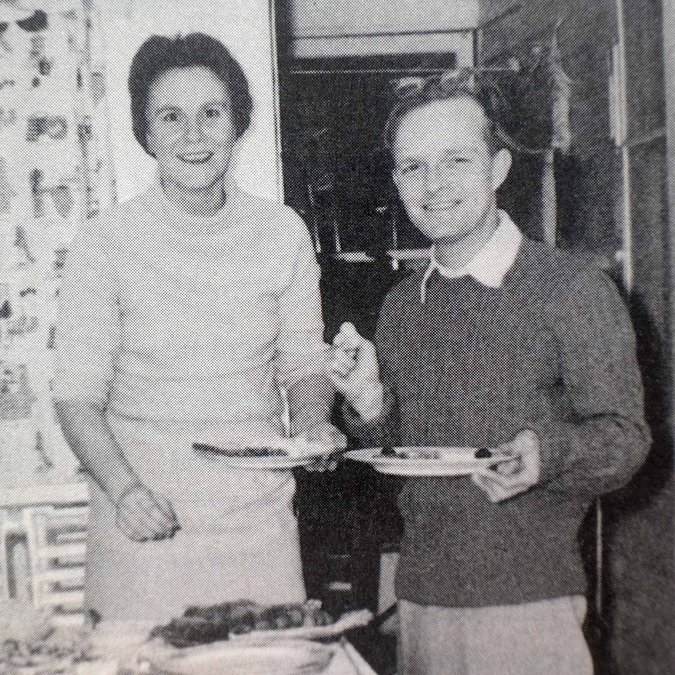
Before ‘Breakfast at Tiffany’s’ and ‘To Kill a Mockingbird’ made them both famous, Truman Capote and Harper Lee were just two kids growing up next door to each other in Monroeville, Alabama. Lee actually served as the inspiration for the character Dill in Capote’s semi-autobiographical novel.
Years later, she traveled with him to Kansas to help research his true crime book ‘In Cold Blood,’ doing much of the interviewing because the locals trusted her more than they trusted Capote. Their friendship was one of literature’s most productive partnerships, even if Lee rarely got enough credit for it.
Florence Nightingale And Benjamin Jowett
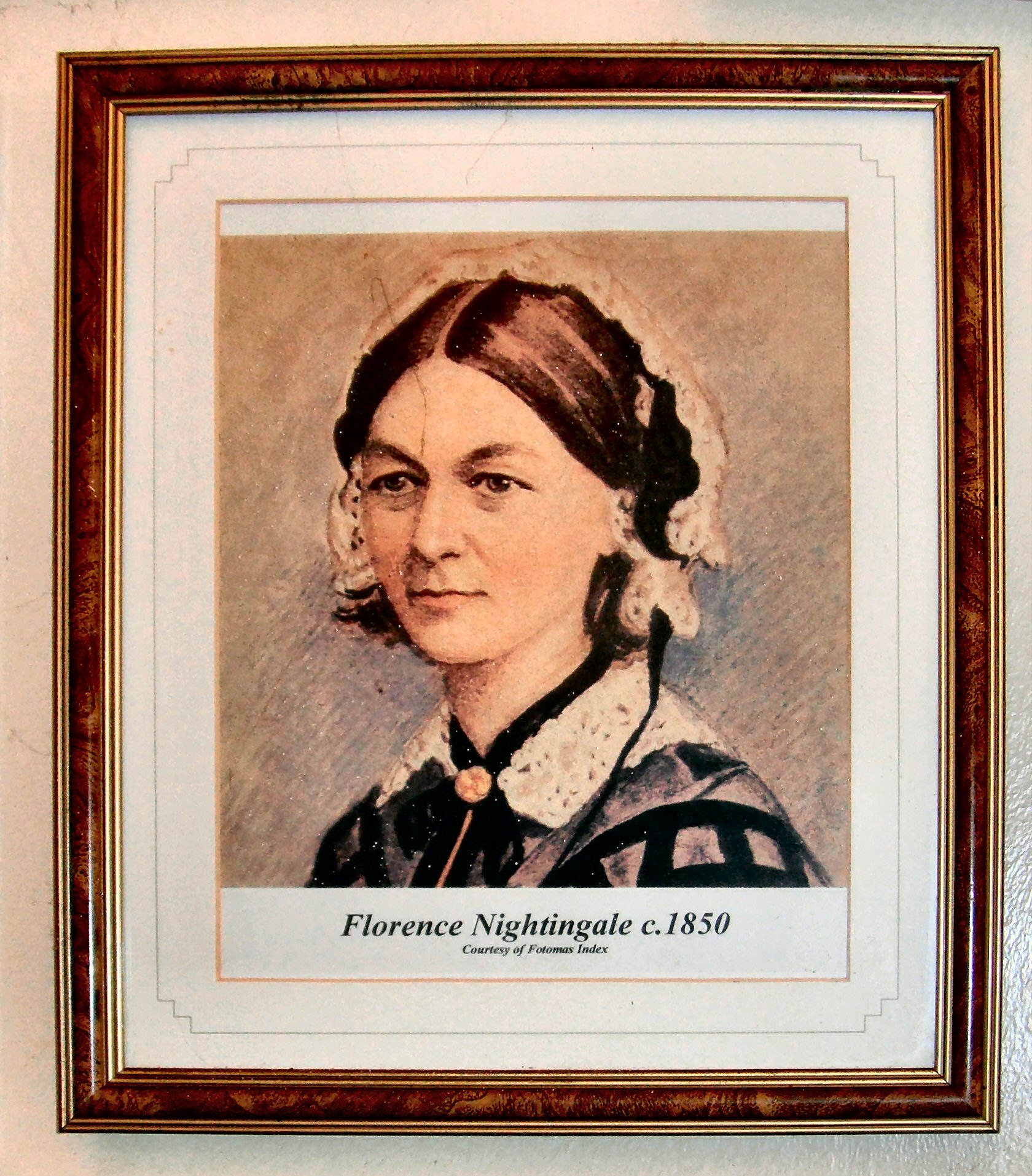
Florence Nightingale is remembered for nursing, but her friendship with Benjamin Jowett, the Master of Balliol College at Oxford, is almost never mentioned. Jowett was one of the leading intellectuals of Victorian England, and he considered Nightingale one of the sharpest minds he had ever encountered.
They exchanged hundreds of letters debating theology, philosophy, and social reform over more than two decades. Jowett once said that Nightingale had the kind of brain that, had she been a man, would have led governments.
Pablo Picasso And Guillaume Apollinaire
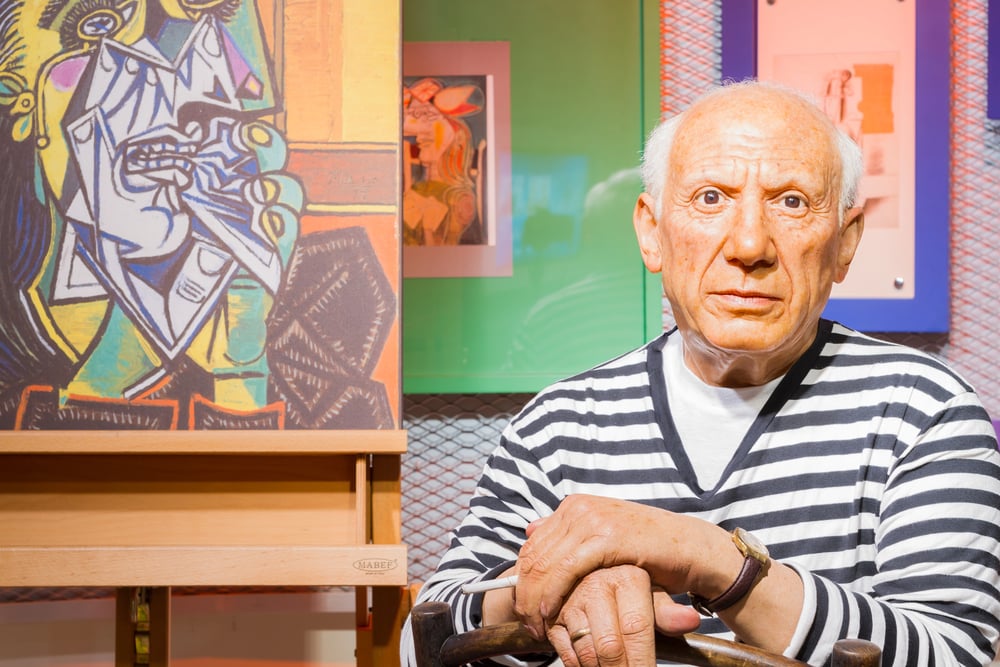
Pablo Picasso and the French poet Guillaume Apollinaire were deeply close friends in early 20th-century Paris, part of the same artistic revolution that shook the world. Apollinaire wrote some of the first serious essays defending Picasso’s work at a time when most people thought cubism was a joke.
When Apollinaire died from the flu in 1918, Picasso was devastated and reportedly said he felt he had lost a brother. Their friendship helped define what it meant to be a modern artist, even if Apollinaire’s name gets far less attention today.
Susan B. Anthony And Frederick Douglass
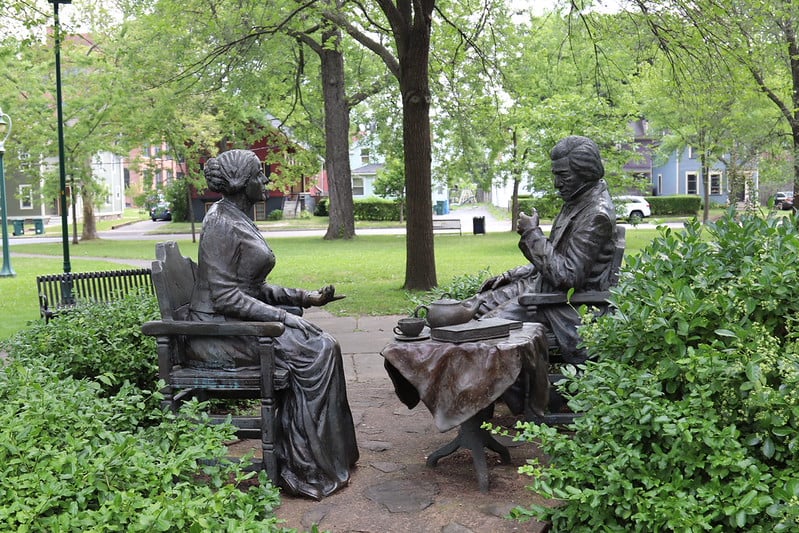
Susan B. Anthony and Frederick Douglass had one of the most important and complicated friendships in American history. They met in the 1840s and spent decades fighting alongside each other for civil rights and equal treatment.
Their relationship hit a significant breaking point over the 15th Amendment, which gave Black men the right to vote but excluded women entirely. Despite that painful disagreement, they never lost their respect for each other, and Douglass attended a women’s rights gathering the very morning he died in 1895.
Audrey Hepburn And Hubert De Givenchy
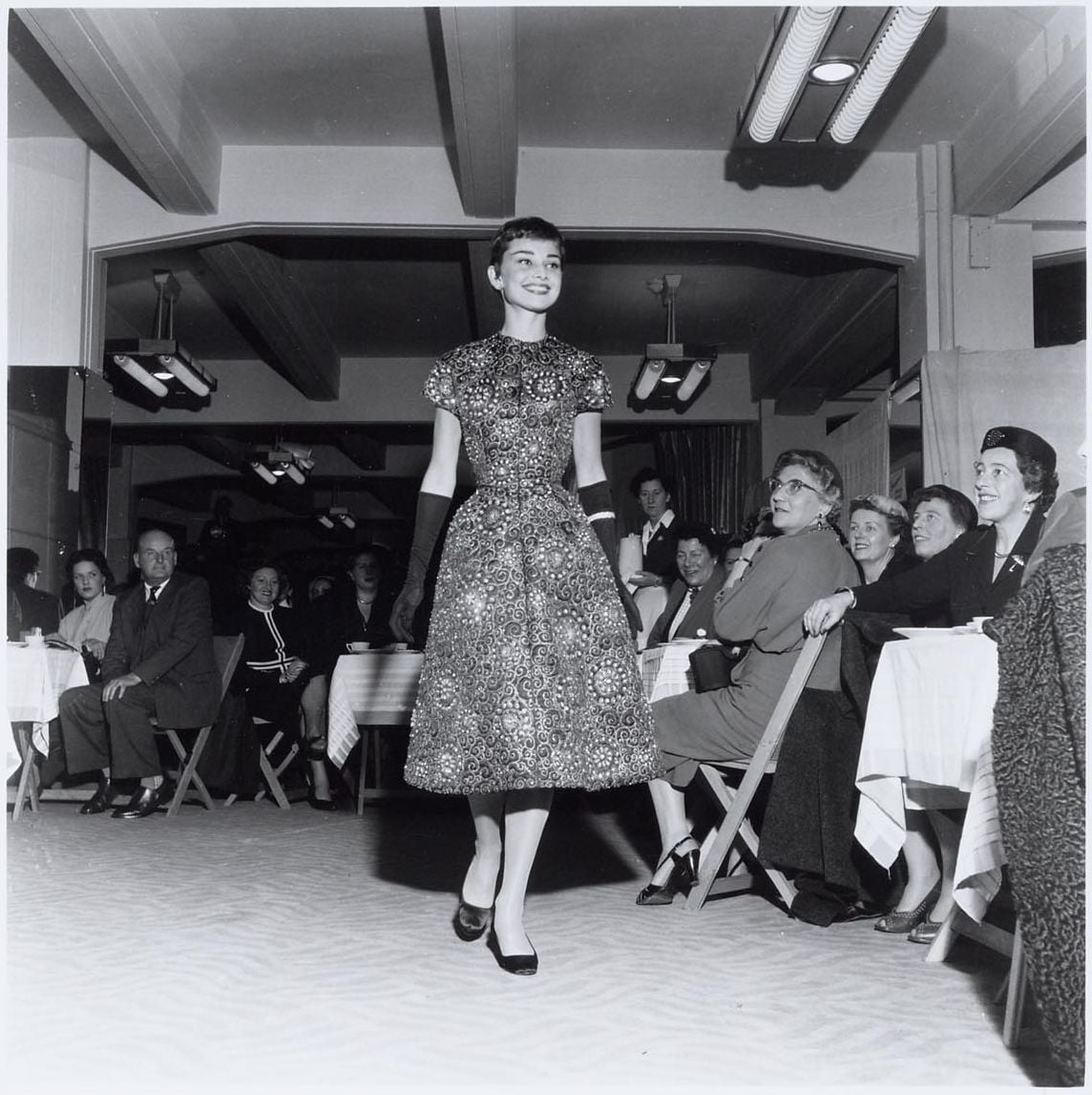
Audrey Hepburn and fashion designer Hubert de Givenchy are mostly known for their professional relationship, but their actual friendship lasted over 40 years and went far beyond clothes. De Givenchy designed outfits for Hepburn not just for films but for her personal life, often without charge because he genuinely cared about her.
When Hepburn was ill near the end of her life, Givenchy visited her regularly. He once said that she taught him what true elegance really meant, and that the clothes were just a way to express what was already there.
Voltaire And Frederick The Great
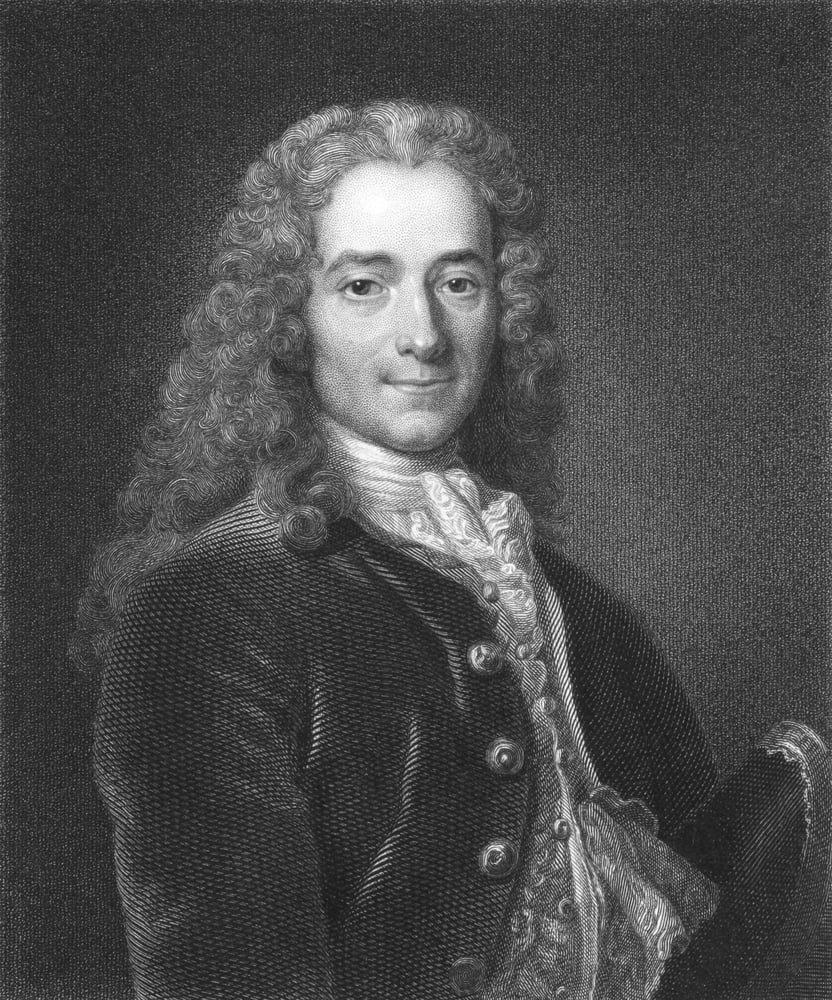
Voltaire and Frederick the Great of Prussia had one of history’s strangest and most fascinating friendships. Frederick admired Voltaire so much that he invited him to live at his palace in Potsdam, Germany, and for a while, it seemed to work beautifully.
But two strong personalities in close quarters rarely stay comfortable, and the friendship eventually soured into tension and resentment. Even after they fell out, they continued writing to each other, unable to fully let go of a connection that had clearly meant a great deal to both of them.
Ella Fitzgerald And Marilyn Monroe
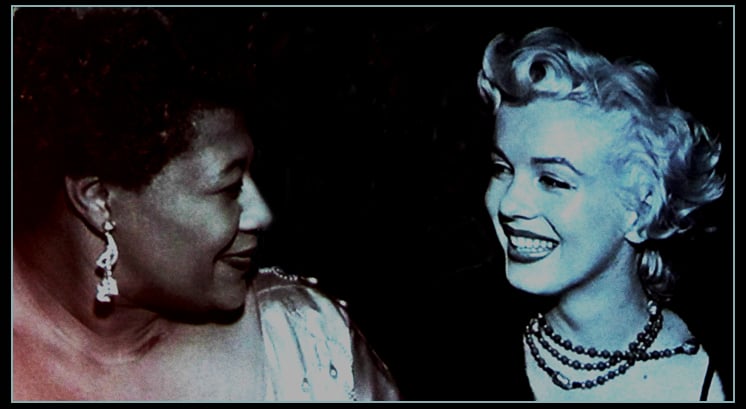
Ella Fitzgerald struggled to get bookings at top clubs in the 1950s because of racial segregation. Marilyn Monroe personally called the owner of the Mocambo, one of Los Angeles’s most prestigious nightclubs, and told him she would sit front row every night for a week if he booked Ella.
He agreed, the press followed Monroe as promised, and Ella’s career at major venues took off from there. Ella later said she never had to play a small club again after that, and that Marilyn had done something most people were too comfortable to do.
Where History Hides Its Best Stories

The friendships that shape the world are not always the ones that make it onto the cover of books. These 15 pairs show that behind every great name, there is often another great name holding things together quietly.
Some of these bonds survived hardship, disagreement, and decades of distance. The fact that they are rarely talked about does not make them less powerful.
It just means there is always more to the story than what gets remembered.
More from Go2Tutors!

- The Romanov Crown Jewels and Their Tragic Fate
- 13 Historical Mysteries That Science Still Can’t Solve
- Famous Hoaxes That Fooled the World for Years
- 15 Child Stars with Tragic Adult Lives
- 16 Famous Jewelry Pieces in History
Like Go2Tutors’s content? Follow us on MSN.



