31 Backyard Setups Kids Grew Up Playing On
A backyard used to double as an unofficial second childhood home, a patchwork of equipment and worn-in dirt patches that accumulated over years rather than arriving all at once. Some pieces were bought new, others were secondhand or homemade, and nearly all of them carried a specific memory of a scraped knee or a rule invented on the spot.
None of it needed to be fancy. What mattered was that it was there every day, familiar enough to require no instructions and worn enough to prove exactly how much use it had gotten.
The Metal Swing Set
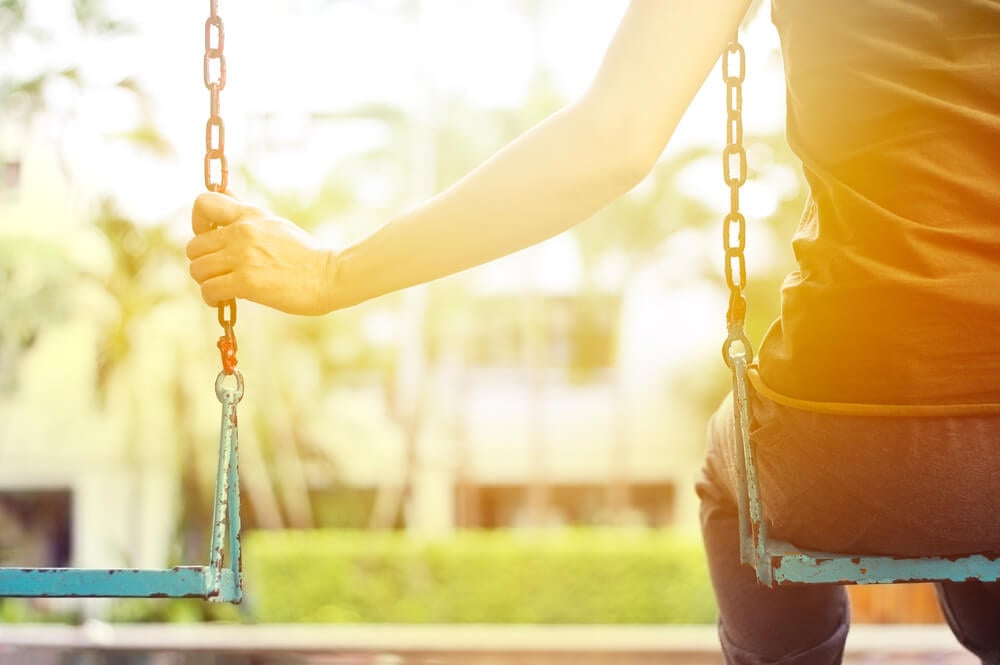
A basic A-frame swing set, usually anchored into the ground with concrete at the base of each leg, was close to a default fixture in any yard with children. The rhythmic creak of the chains against the metal frame became such a familiar sound that many people can still recall it decades later.
The Above-Ground Pool
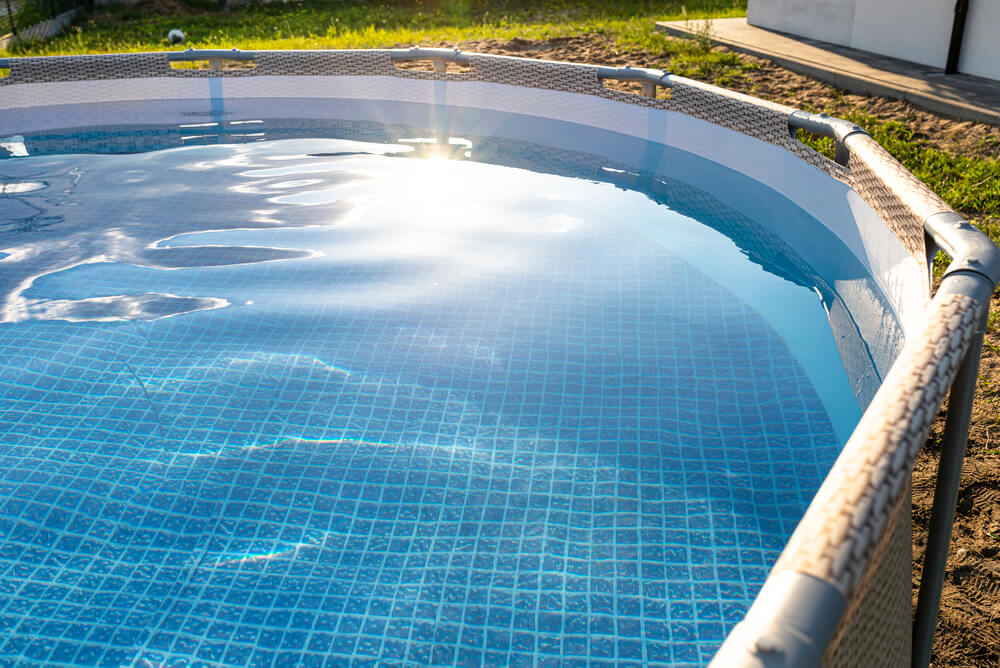
A round or oval above-ground pool, often assembled from a kit over a single weekend, turned a portion of the yard into the summer’s main destination for the family and often the whole neighborhood. The metal ladder leading up and over the side became a genuine point of pride once a kid was finally tall enough to use it without help.
The Tire Swing

A single tire suspended from a sturdy tree branch by thick rope offered a spinning, swaying alternative to a standard swing set, usually installed with far less planning than any store-bought equipment. Getting the rope height and knot right was often a matter of trial and error handled by whichever parent was most comfortable with a ladder.
The Sandbox
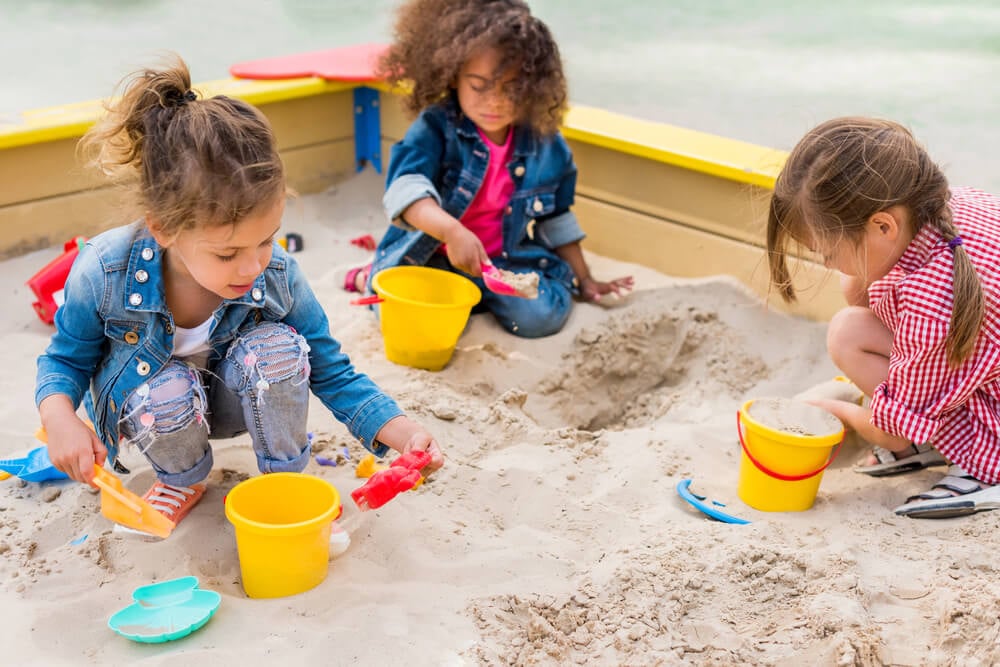
A wooden or plastic-framed sandbox, sometimes covered to keep out rain and neighborhood cats, gave younger kids a contained space to dig, build, and bury small toys for years at a stretch. Losing a favorite small toy somewhere in the sand was a near-universal minor tragedy of early childhood.
The Trampoline
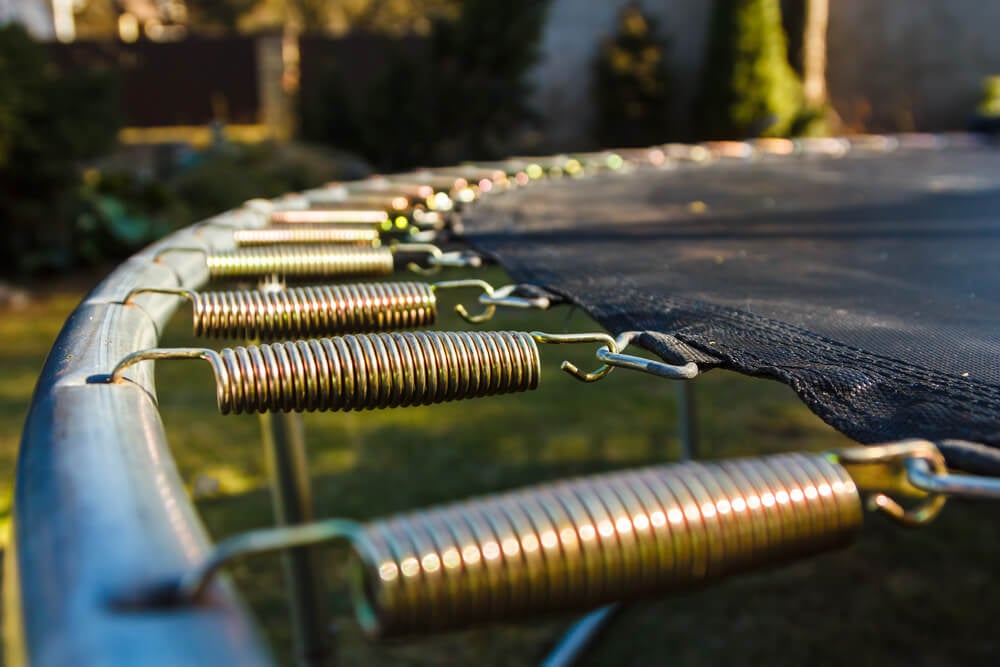
A round trampoline, ringed by a metal frame with springs connecting the mat to the edge, became an increasingly common backyard fixture as safety netting made the equipment more widely available to families. Jumping in pairs to see who could launch the other person higher was a nearly universal, if not entirely advisable, backyard game.
The Treehouse
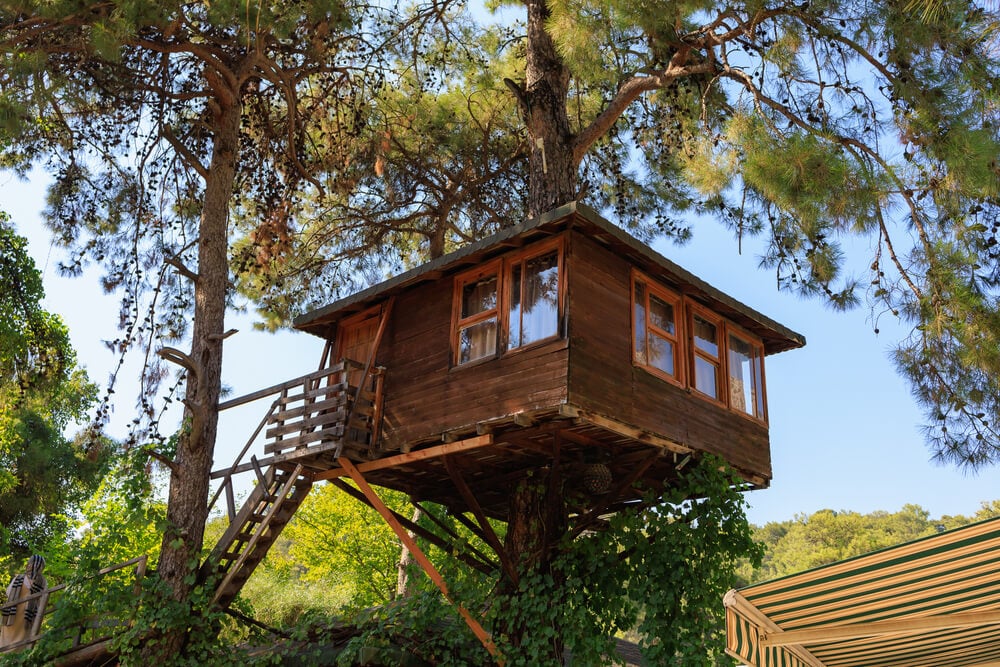
Built into or around a sturdy tree, a treehouse ranged from a simple platform with a rope ladder to a more elaborate structure with actual walls and a roof, depending entirely on how ambitious a parent felt with a set of tools. Access rules for who could and could not climb up were often fiercely enforced by whichever sibling considered it their personal territory.
The Wading Pool
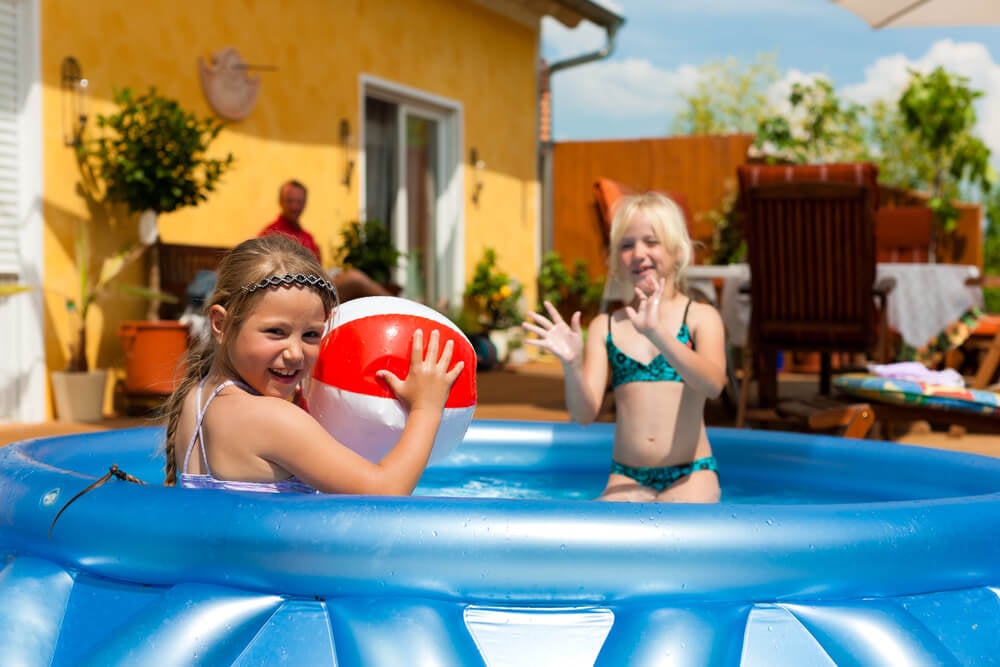
A small, shallow inflatable or hard-plastic pool offered younger kids a scaled-down alternative to the deeper above-ground pool, usually set up closer to the house for easier supervision. Filling it with a garden hose on a hot afternoon was often treated as its own small event.
The Clothesline Obstacle
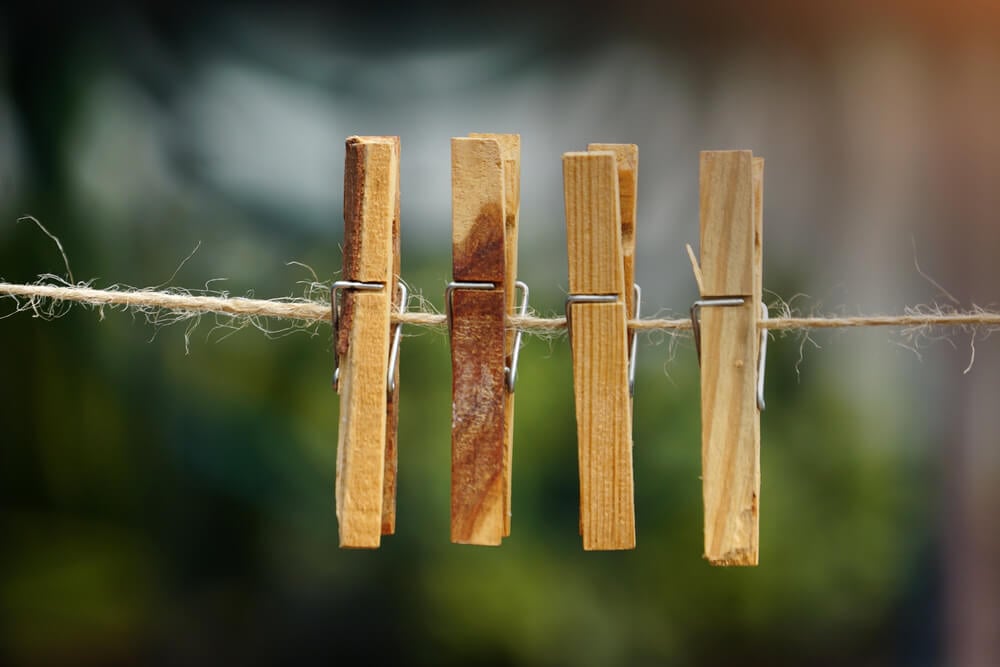
A long clothesline strung between two poles or a pole and the house doubled, unintentionally, as an obstacle for backyard games, particularly once kids were tall enough to run underneath without ducking. Running directly into a low-hanging line at full speed was a rite of passage more common than most parents would have liked.
The Homemade Fort
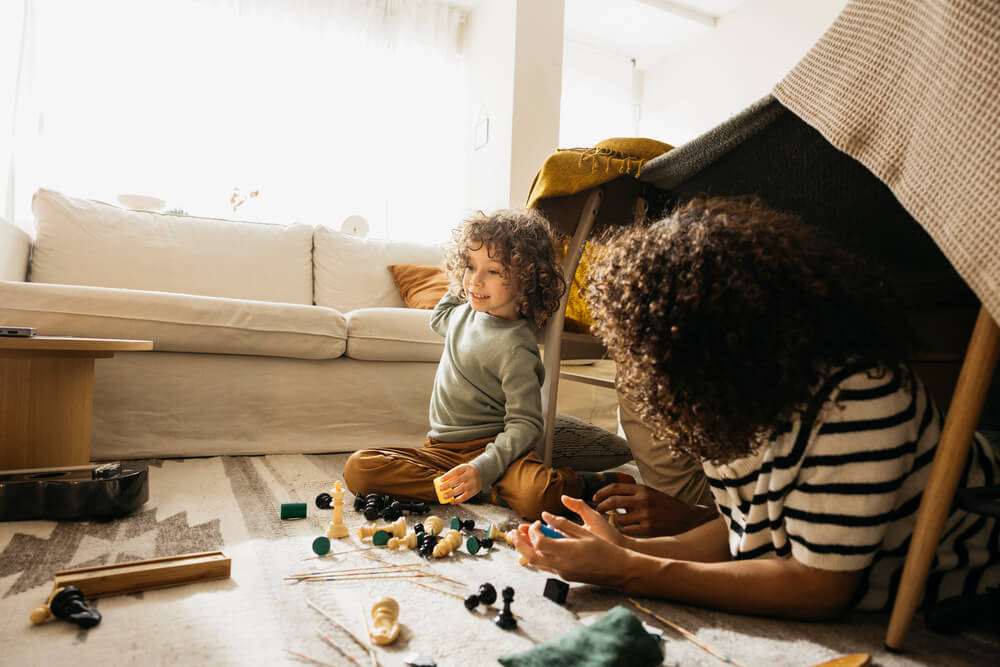
Built from scrap wood, old sheets, or whatever materials happened to be lying around the garage, a homemade fort rarely looked impressive to an adult but represented serious architectural effort to the kids who built it. Rebuilding it after every strong wind or rainstorm was simply accepted as part of owning one.
The Basketball Hoop Over the Garage

A hoop mounted above the garage door became the site of countless driveway games, informal tournaments, and the specific rhythmic bounce of a basketball echoing through a quiet neighborhood in the evening. Adjusting the hoop’s height as kids grew older was a recurring, if often forgotten, household task.
The Wooden Picnic Table

A simple wooden picnic table, usually showing years of weather damage by the time anyone noticed, served as a base for everything from actual meals to arts and crafts projects to makeshift stages for backyard performances. Splinters from the aging wood were common enough to be treated as a minor, expected hazard.
The Garden Hose Sprinkler
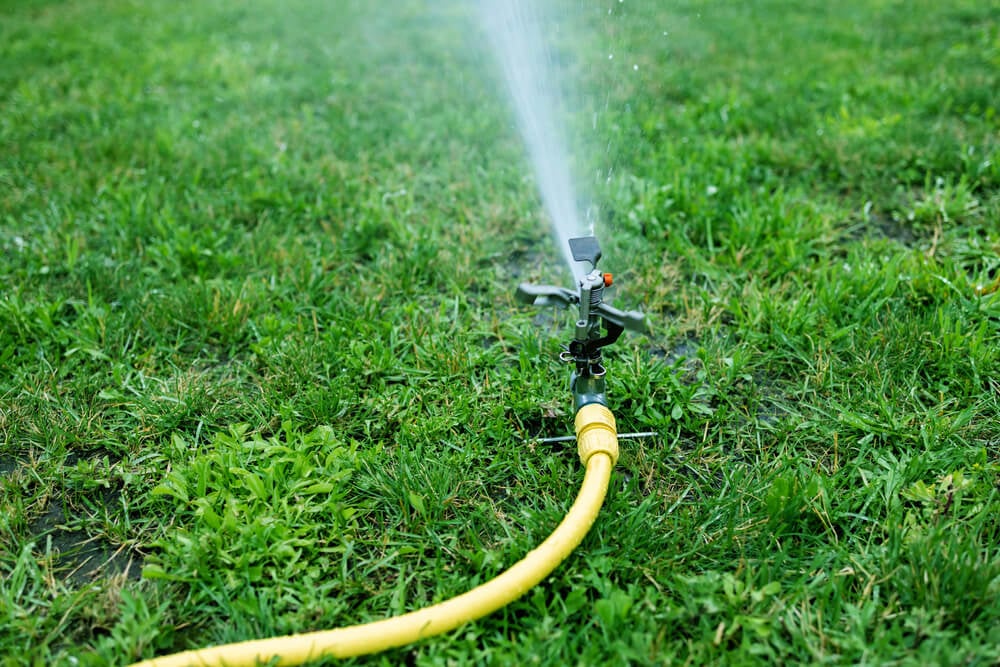
A basic sprinkler attachment, connected to a garden hose and left running on a hot afternoon, turned an ordinary patch of lawn into an impromptu water park requiring no assembly or cost beyond the water bill. Running through it repeatedly until the grass turned to mud was a standard summer activity across an enormous range of households.
The Wooden Swing Bench
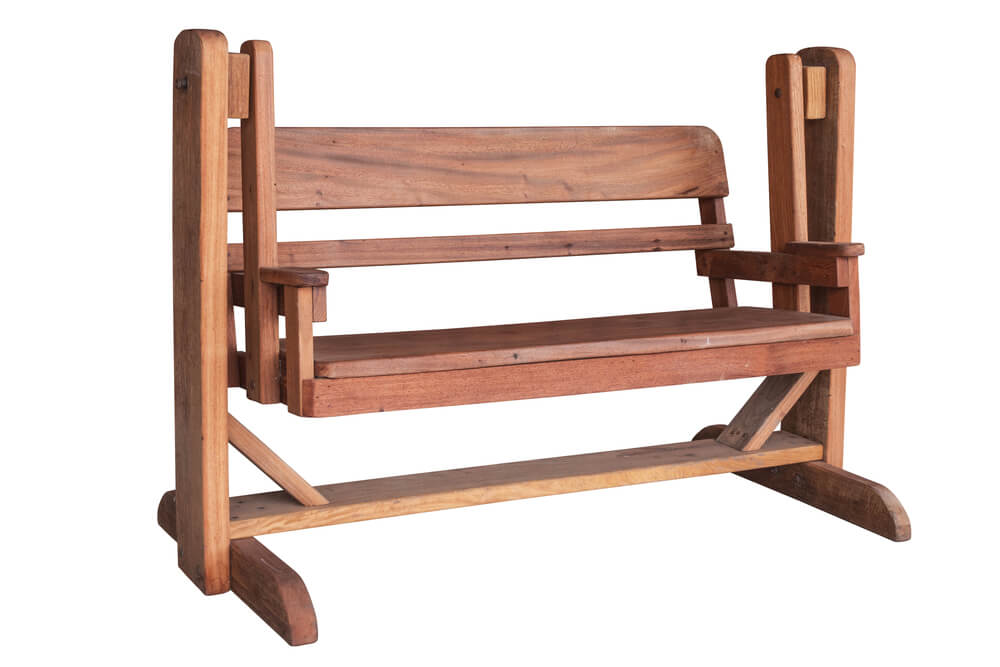
A freestanding wooden swing bench, suspended from its own A-frame rather than a tree, offered a slower, more contained alternative to a standard swing set, often positioned closer to the house for adult relaxation as much as kid use. Its slow, steady creak made it as much a fixture for evening conversation as for children’s play.
The Rope Swing Over a Creek or Pond
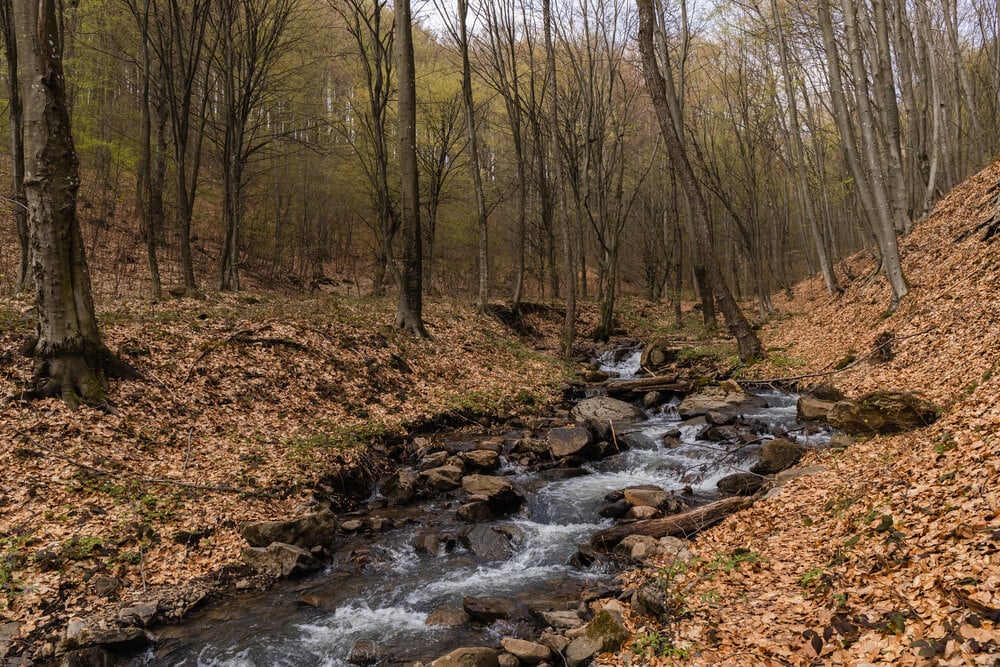
For families near natural water, a rope swing tied to an overhanging branch offered a homemade alternative to a diving board, typically installed and maintained through informal neighborhood consensus rather than any single family’s ownership. Testing a new rope swing’s sturdiness usually fell to whichever kid was considered bravest, or most expendable, by the group.
The Metal Slide
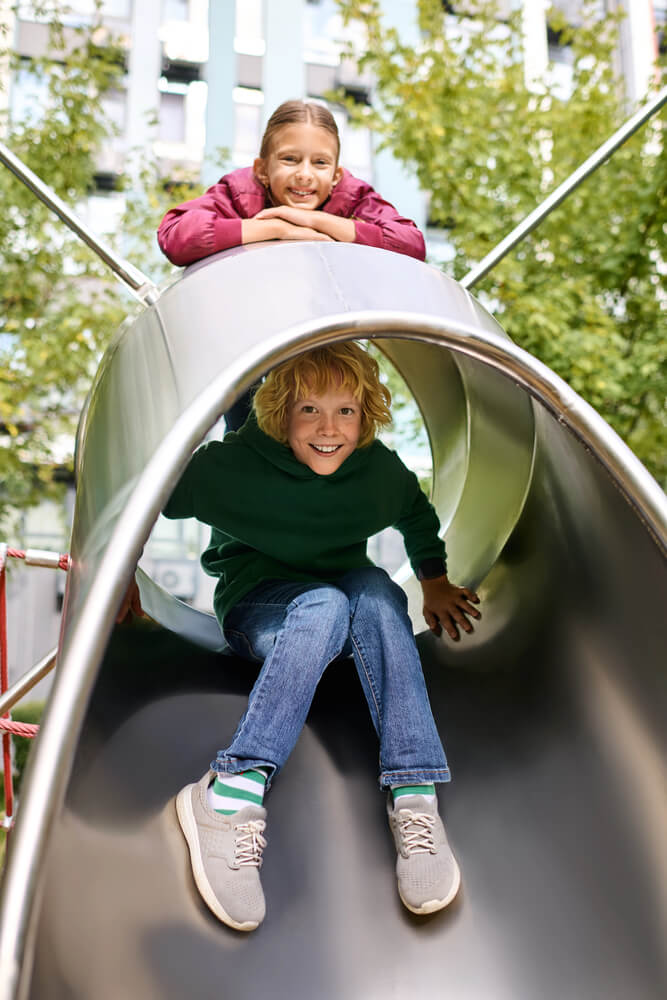
A freestanding metal slide, often paired with the swing set or sold separately, became notorious for reaching genuinely uncomfortable temperatures on a sunny afternoon. Checking the surface temperature with a bare hand before committing to a full slide down became an informally taught skill among kids who had been burned once already.
The Kiddie Pool Water Slide
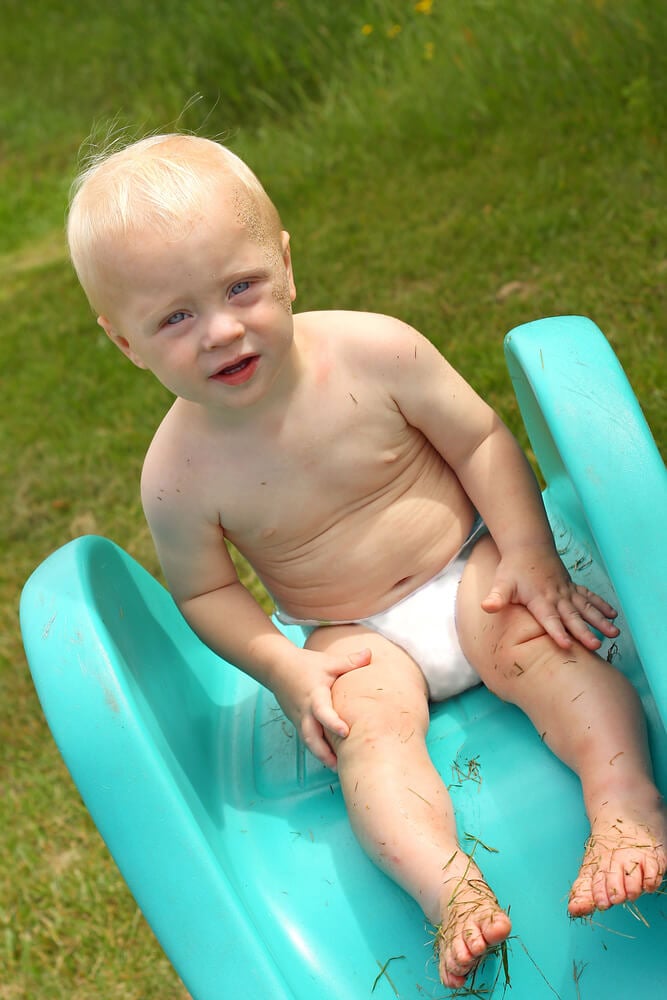
A small inflatable slide, designed to empty directly into a wading pool or sprinkler-soaked patch of grass, combined two backyard staples into a single, messier activity. The slide’s thin plastic material rarely survived more than one or two summers of regular use before developing a leak.
The Wooden Playhouse
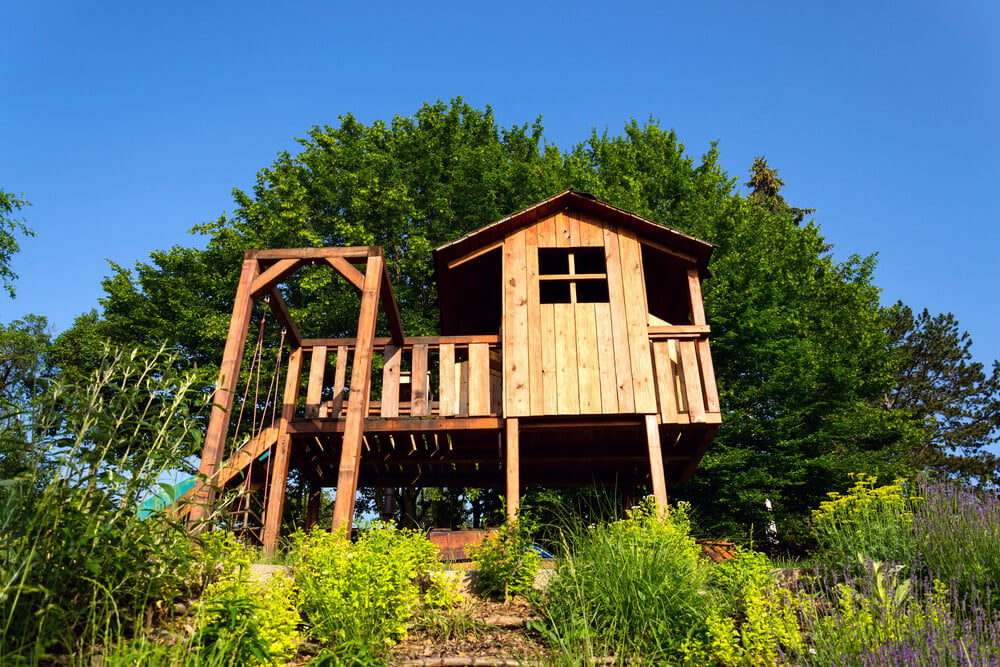
A small, freestanding structure scaled specifically for children, often modeled after an actual house with a door, windows, and sometimes a small porch, gave younger kids a dedicated space that felt entirely their own. Furnishing the inside with hand-me-down furniture or toys was often treated as its own ongoing project.
The Chain-Link Fence Climbing Spot
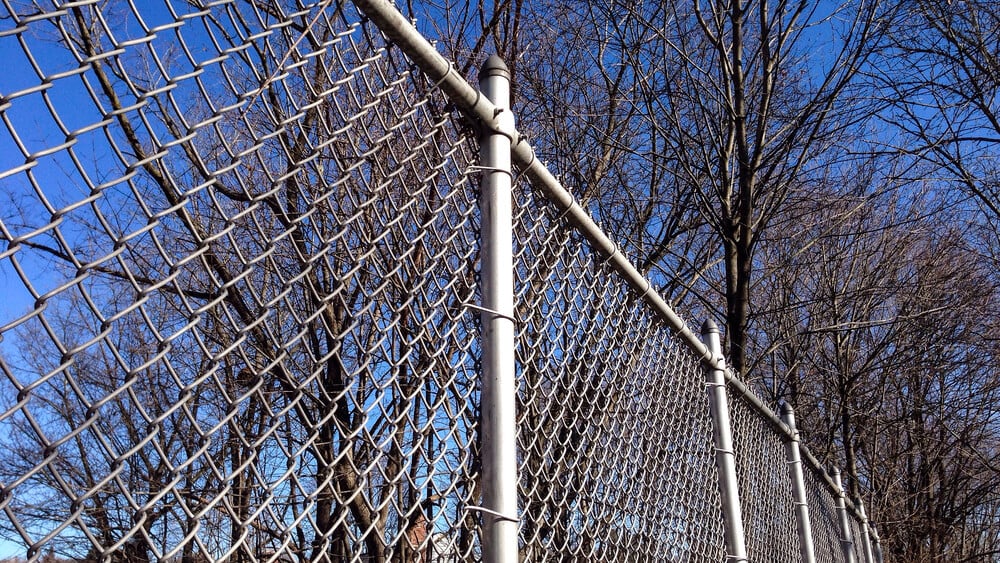
A section of chain-link fence, technically installed for property boundaries rather than recreation, frequently doubled as informal climbing equipment for kids testing how high they could get before a parent noticed. Torn clothing from a snagged fence link was a common, minor casualty of this particular activity.
The Horseshoe Pit
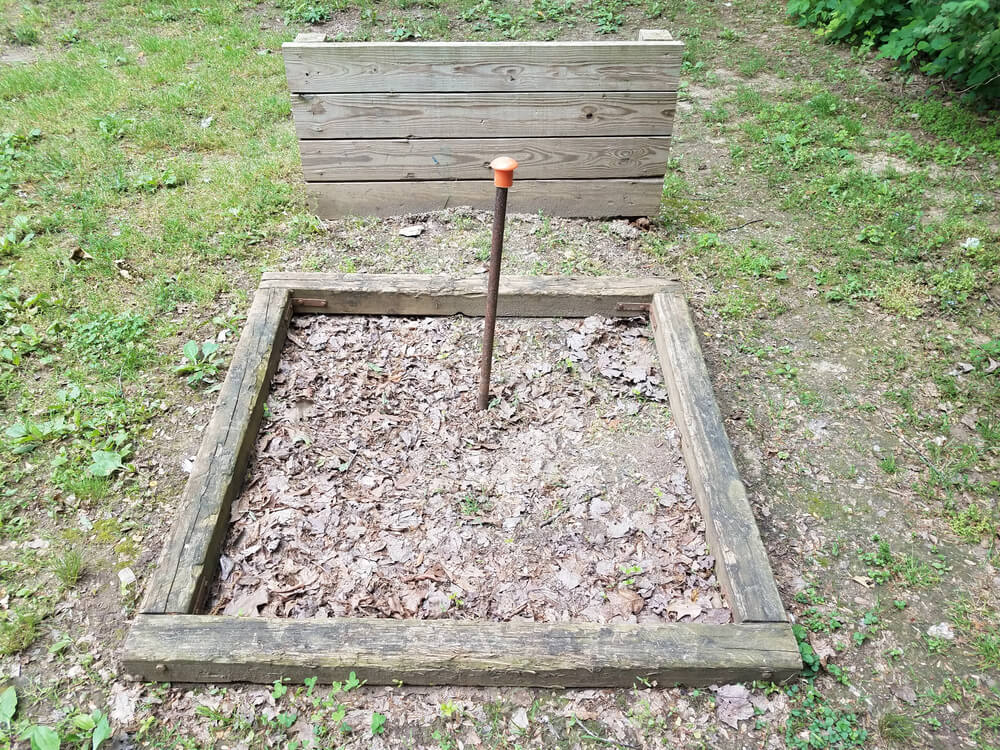
A designated dirt or sand pit for horseshoes, often set up by a parent or grandparent who had grown up playing the game themselves, gave a backyard a designated spot for a more structured, adult-supervised activity alongside the less organized kid games happening elsewhere. Family gatherings frequently organized informal tournaments around it.
The Above-Ground Pool Deck
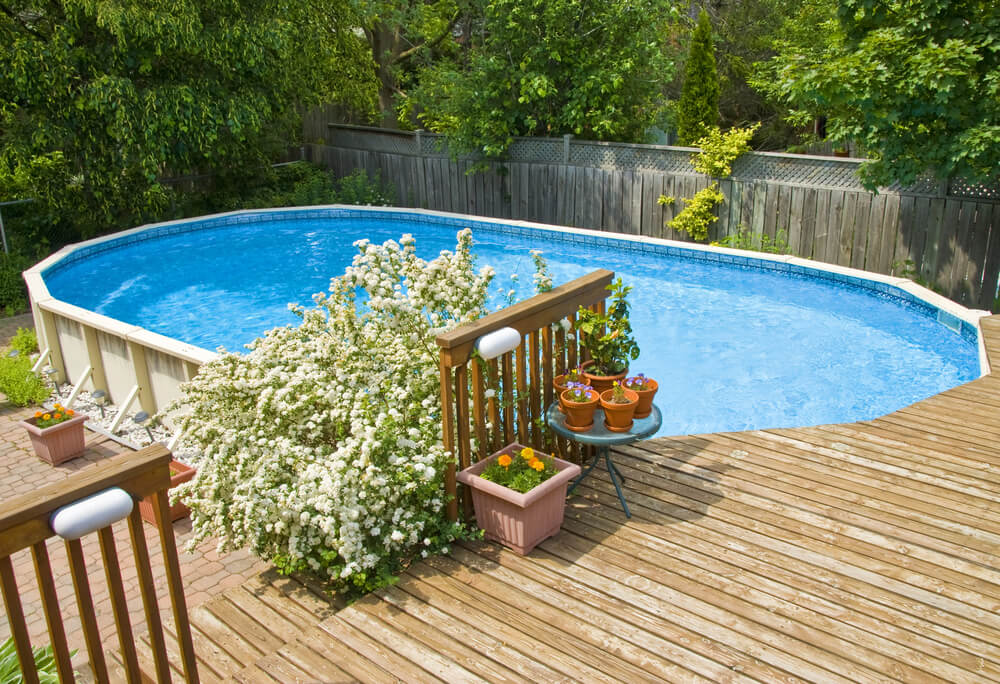
For families who invested further in their above-ground pool setup, a small attached wooden deck around part of the pool’s perimeter made entry and exit easier and gave the whole setup a slightly more permanent feel than a bare pool alone. Building and maintaining the deck was often a multi-weekend project handled by whichever parent had the most patience for outdoor construction.
The Backyard Fire Pit
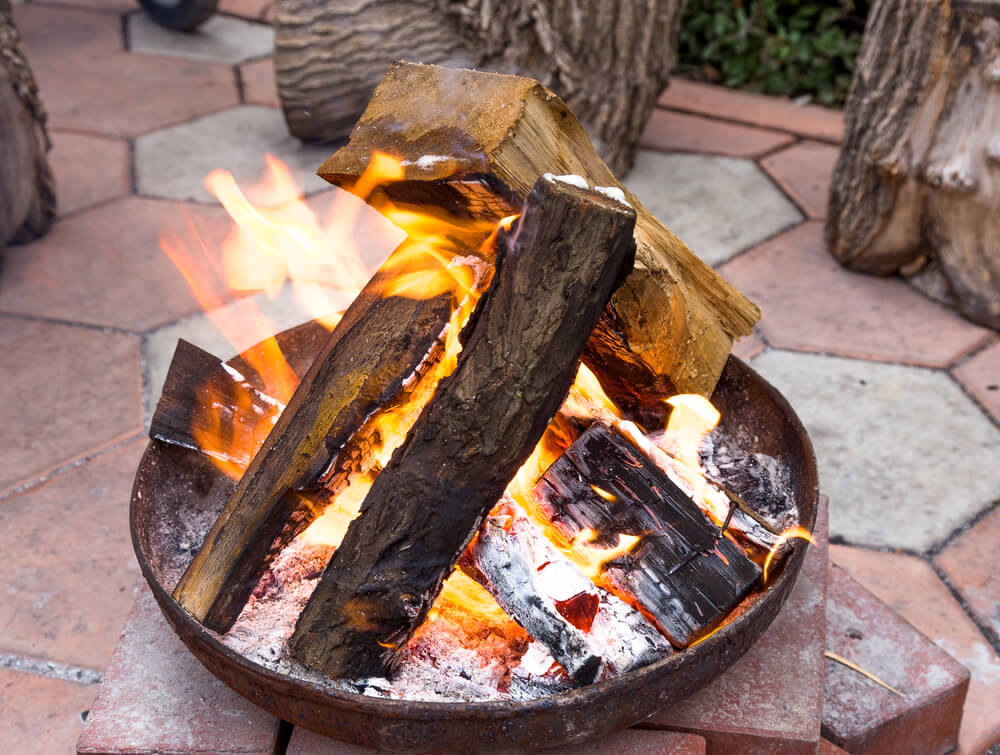
A simple ring of stones or a purchased metal fire pit gave a backyard a gathering spot for evening marshmallow roasts and family conversation once the more active daytime play had wound down. Kids were usually assigned specific, closely supervised jobs around it, like fetching more wood or holding a roasting stick.
The Wooden Seesaw
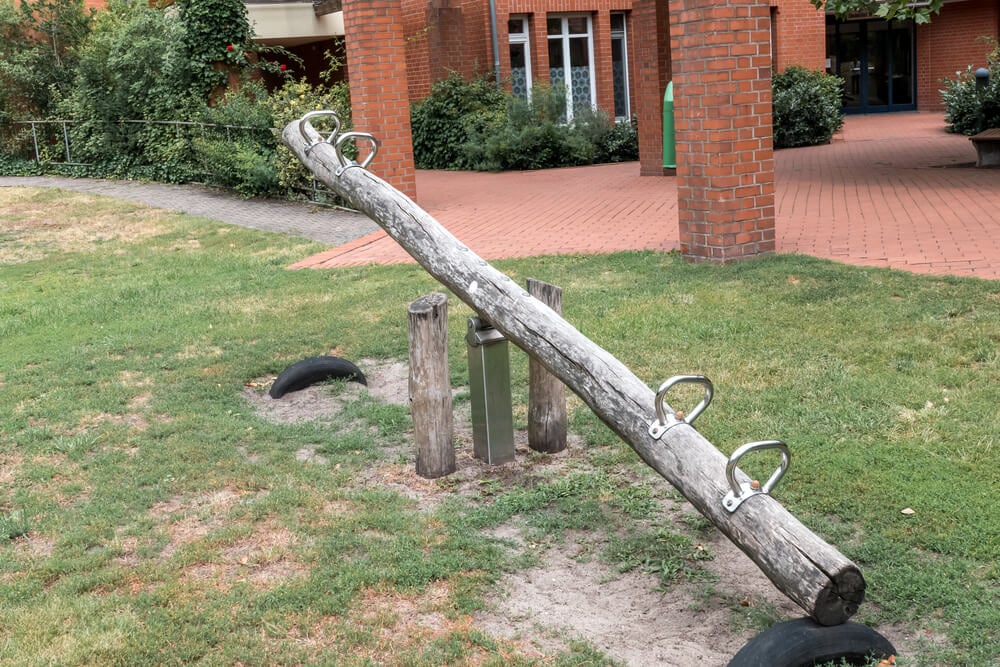
A simple wooden or metal seesaw, balanced on a central pivot point, required two kids of roughly matched weight to actually work as intended, a fact that led to plenty of playground-style negotiation over who got to use it with whom. A significant weight mismatch between the two riders was a nearly universal source of minor backyard frustration.
The Garden Plot Kids Were Assigned
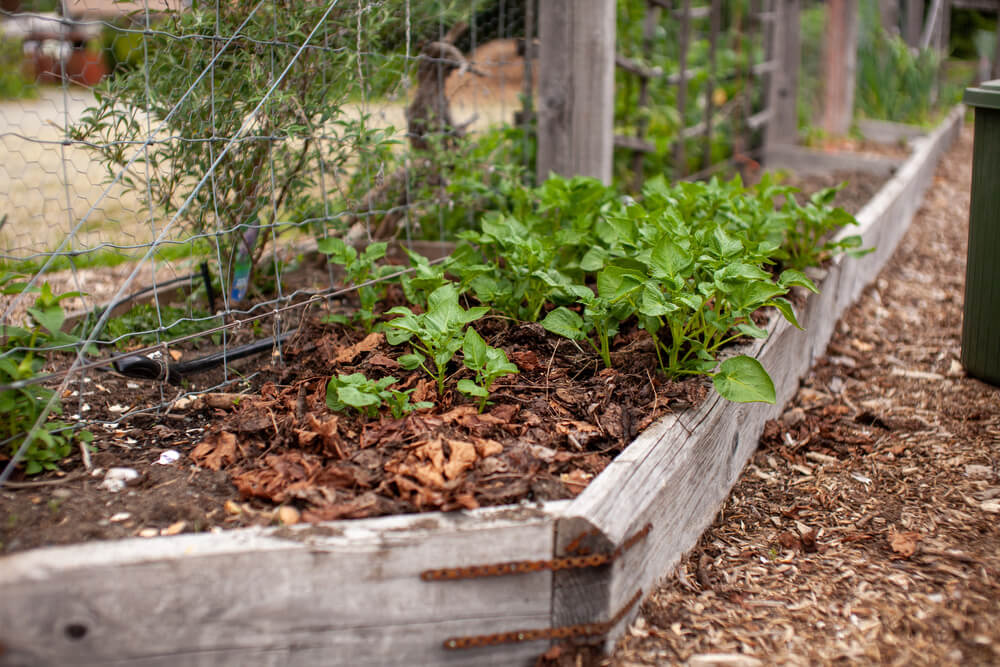
A small, designated section of the yard given specifically to a child to plant and maintain, usually with vegetables or simple flowers, gave kids an early, hands-on introduction to gardening responsibility. Forgetting to water an assigned plot for a few days running was a common, mildly guilt-inducing childhood lapse.
The Wooden Jungle Gym
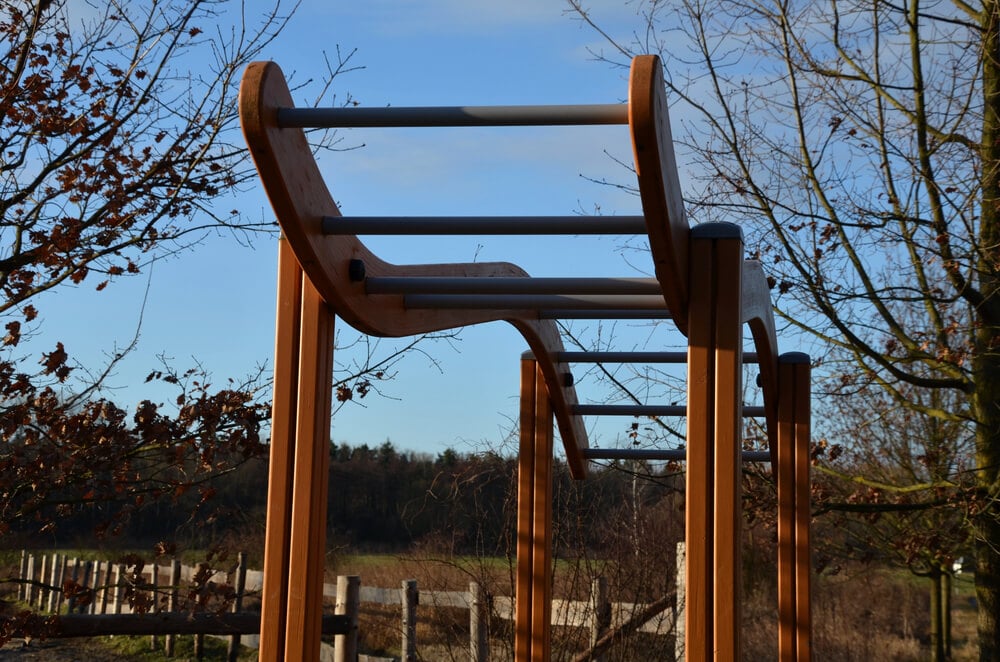
A more elaborate wooden play structure combining a slide, a climbing wall, and sometimes a small enclosed platform, became increasingly common in backyards as manufactured kits made the previously custom-built structures more affordable and accessible. Assembly frequently took an entire weekend and more hardware than initially expected.
The Chalk-Drawn Game Court
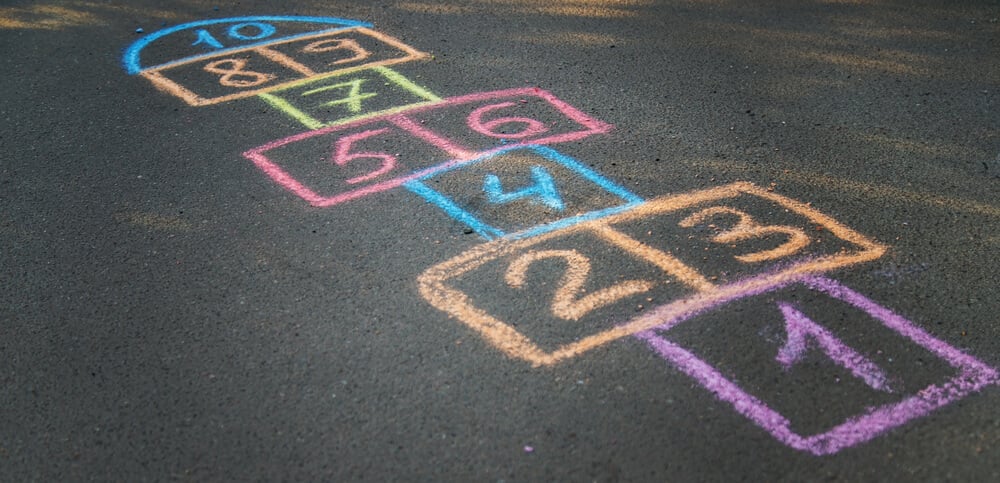
A driveway or patio section marked with chalk for games like hopscotch became a recurring, low-cost activity that required nothing more than a piece of chalk and enough space to draw a grid. Rain washing away a carefully drawn court overnight was a small, expected disappointment that simply meant redrawing it the next day.
The Wading Pool Turned Ice Rink

In colder climates, some families repurposed their summer wading pool by filling it with water during a hard freeze, creating a small makeshift ice rink for winter play once the warm-weather season had ended. The resulting ice surface was rarely smooth enough for serious skating, but it was usually enough for basic sliding games.
The Homemade Zipline
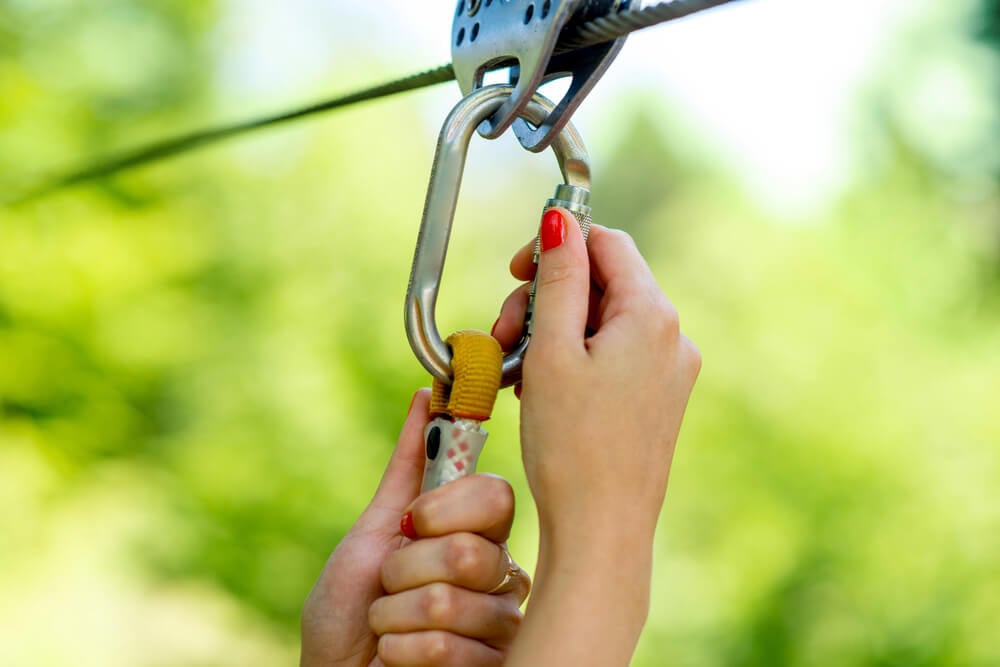
A length of cable or heavy-duty rope strung between two trees, often rigged with a pulley and a length of pipe as a handle, gave more adventurous backyards a homemade alternative to a playground zipline. Testing the rigging’s actual load capacity was usually handled with considerably less caution than the setup probably warranted.
The Garden Shed Turned Clubhouse
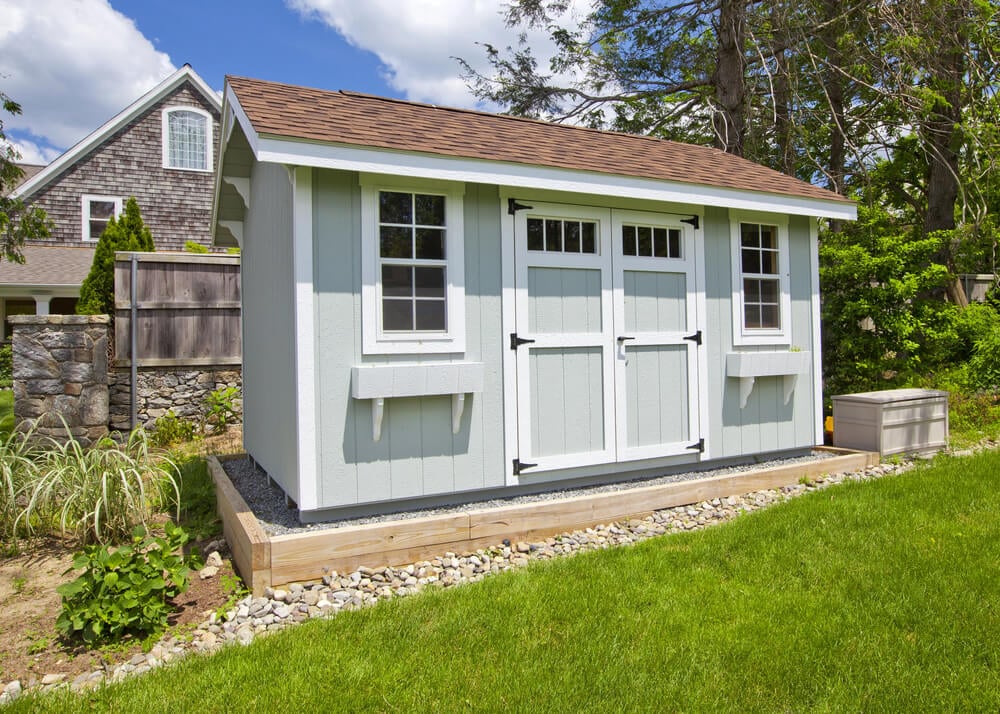
An underused garden shed, originally intended for tools, occasionally got repurposed informally as a kids’ clubhouse once the actual gardening equipment migrated elsewhere. Decorating the inside with posters and hand-me-down furniture gave the space an identity separate from its original storage purpose.
The Wooden Stilts
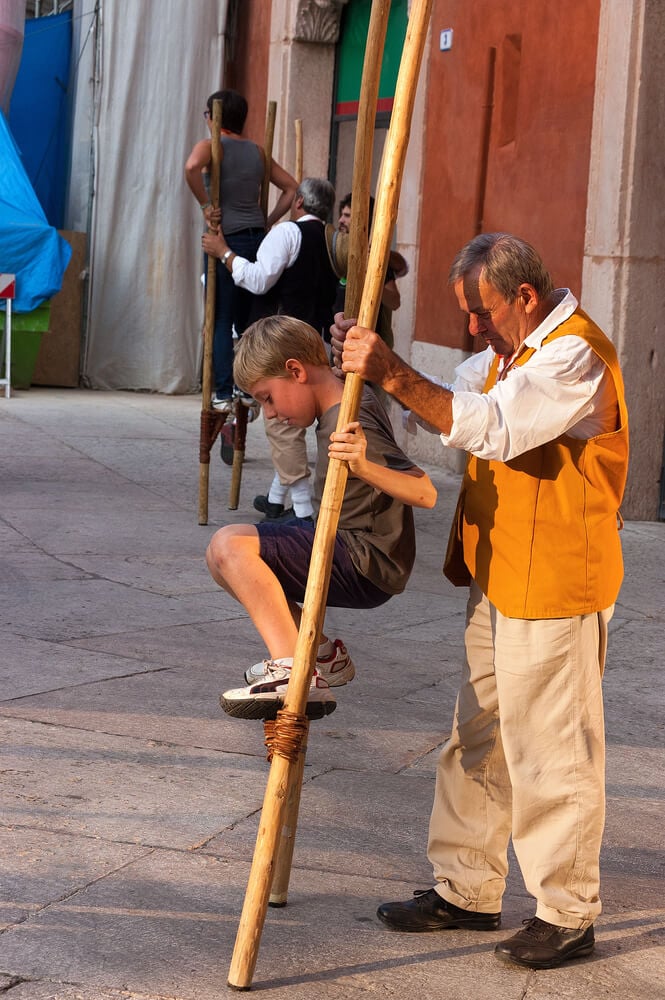
Homemade wooden stilts, built from scrap lumber with footholds nailed on at a manageable height, gave kids a novelty way to move around the yard that required a genuine, if modest, amount of practiced balance. Falling off while first learning was considered an expected and unavoidable part of the learning process.
The Above-Ground Pool Slide Attachment
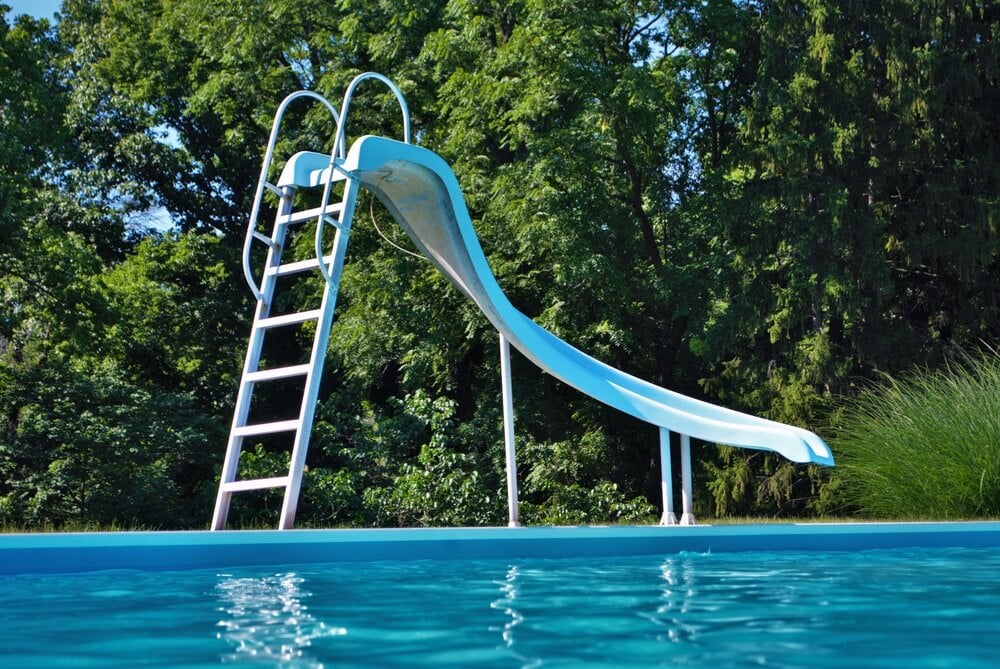
For families with a larger above-ground pool, an attached plastic slide extended the pool’s play value beyond simple swimming, though installation and stability varied significantly depending on the specific model and how carefully it was anchored. A wobbly, poorly secured slide attachment was a common and specific point of parental concern.
The Wooden Sandbox Boat
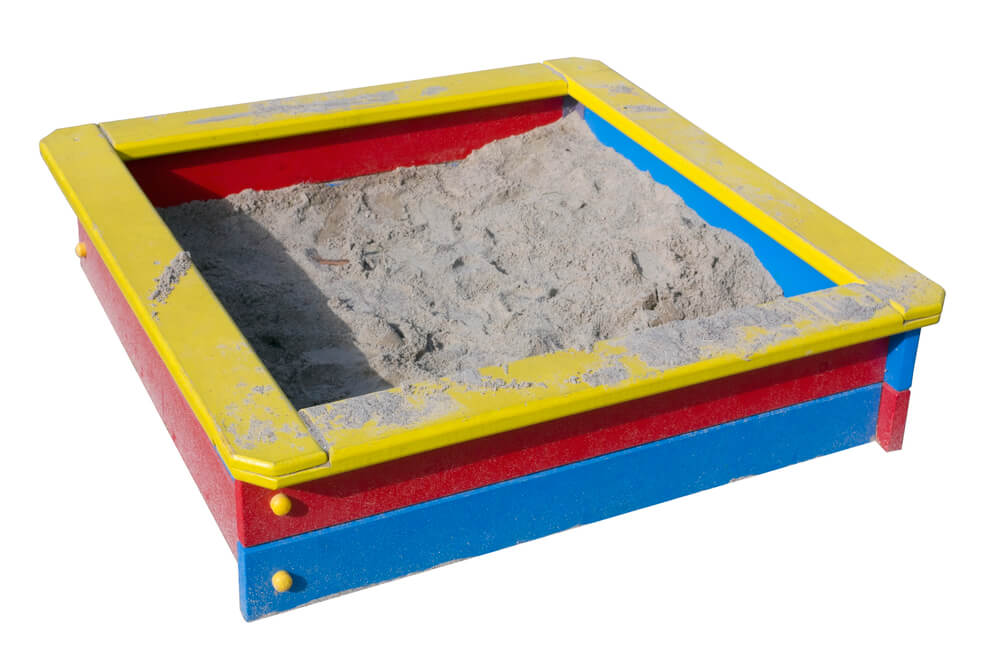
A less common but memorable variation on the standard sandbox, some families built or bought a boat-shaped sandbox designed to double as imaginative play equipment beyond simple digging. Its raised sides and boat-like shape made it a favorite setting for pretend sea voyages that never left the backyard.
What the Yard Remembers
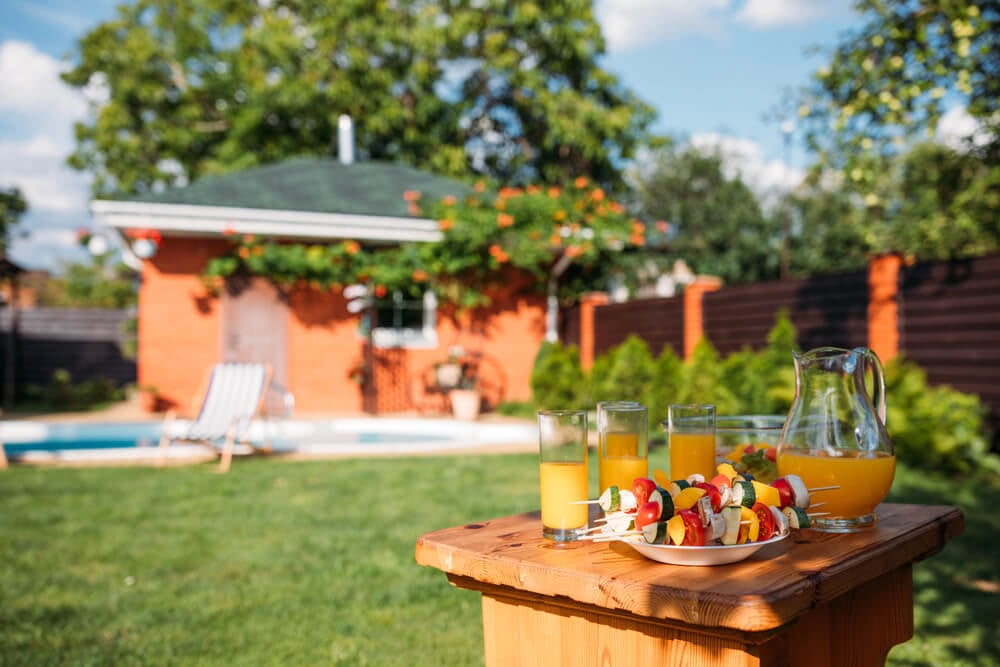
None of this equipment was particularly expensive or sophisticated, and most of it eventually rusted, cracked, or got hauled away once the kids who used it outgrew the need for it. What made it matter was not the equipment itself but the sheer number of hours logged on it, day after day, across an entire childhood.
That accumulated time is why a specific creak of chain, a patch of worn grass, or the smell of a heated metal slide can still summon a memory decades later. The backyard did not need to be impressive.
It just needed to be constant.
More from Go2Tutors!

- The Romanov Crown Jewels and Their Tragic Fate
- 13 Historical Mysteries That Science Still Can’t Solve
- Famous Hoaxes That Fooled the World for Years
- 15 Child Stars with Tragic Adult Lives
- 16 Famous Jewelry Pieces in History
Like Go2Tutors’s content? Follow us on MSN.