Foods That Were Banned at Some Point in American History
Food safety regulations didn’t exist in America until surprisingly recently. Before the 1900s, manufacturers added whatever they wanted to their products—preservatives that poisoned people, dyes that came from toxic coal tar, and even radioactive water marketed as a health tonic.
The FDA’s formation and the passage of food safety laws over the past century have resulted in dozens of foods and additives being pulled from shelves or never permitted at all. Some bans happened because of genuine health crises.
Others emerged from changing regulations and scientific understanding of what belongs in human bodies.
Cyclamate
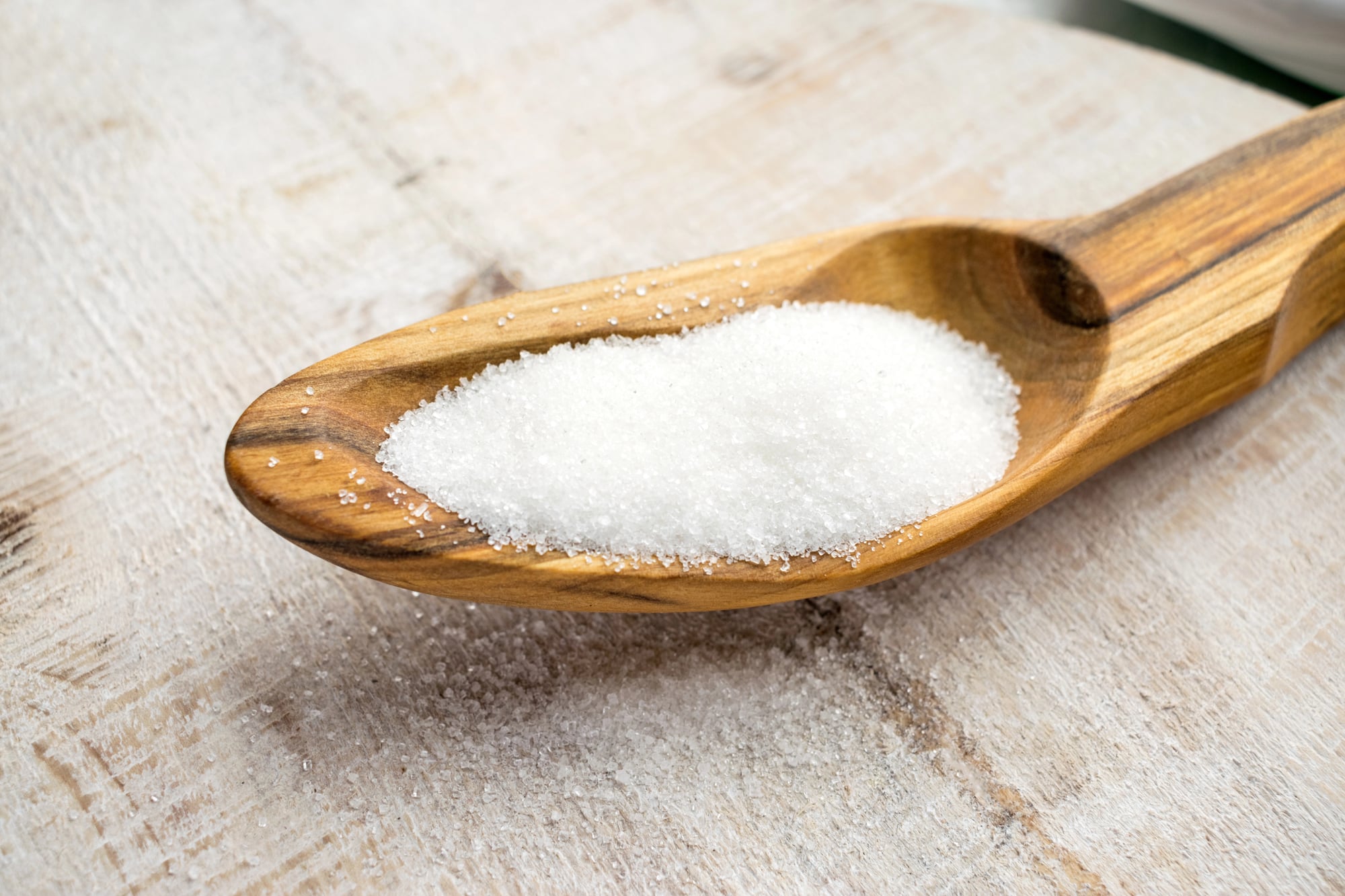
Once hailed as the perfect sugar substitute, cyclamate dominated the artificial sweetener market in the 1960s. It appeared in everything from soft drinks to canned fruits to salad dressings.
By 1969, consumption had soared to 21 million pounds annually. Then studies emerged suggesting the compound could cause chromosome damage in lab animals, and a study found tumors in mice whose bladders were directly implanted with cyclamate.
The FDA announced the ban in October 1969, effective by 1970. Manufacturers scrambled to reformulate products using saccharin instead, and cyclamate has remained illegal in the U.S. for over 50 years, even as other countries approved it as safe.
Borax and Boric Acid

Starting in the 1870s, food manufacturers used borax and boric acid to preserve meat, butter, cream, and other products, sometimes dusting them directly on meat to keep flies away. Dr. Harvey Wiley’s “Poison Squad” at the USDA conducted experiments beginning in 1902, feeding volunteers controlled doses of the preservatives to document effects.
Participants experienced nausea, headaches, and digestive troubles. Public outcry following these findings, combined with Upton Sinclair’s exposé of the meatpacking industry, led Congress to pass the Pure Food and Drug Act on June 30, 1906, explicitly banning both substances as unsafe preservatives.
The 1906 law affected an estimated 70 percent of all processed foods at the time.
Red Dye #2 (Amaranth)

For decades, this crimson coal-tar dye colored everything from cherry pie to lipstick. Red Dye #2 first came under suspicion in the late 1960s when Soviet scientists published research suggesting it caused cancer in test animals.
The FDA’s own studies proved inconclusive, but public panic grew so intense that Mars stopped producing red M&Ms even though they had never contained the dye. After finding a statistically significant increase in malignant tumors in lab animals, the FDA banned Red Dye #2 in January 1976.
Red #40 largely took its place.
Haggis
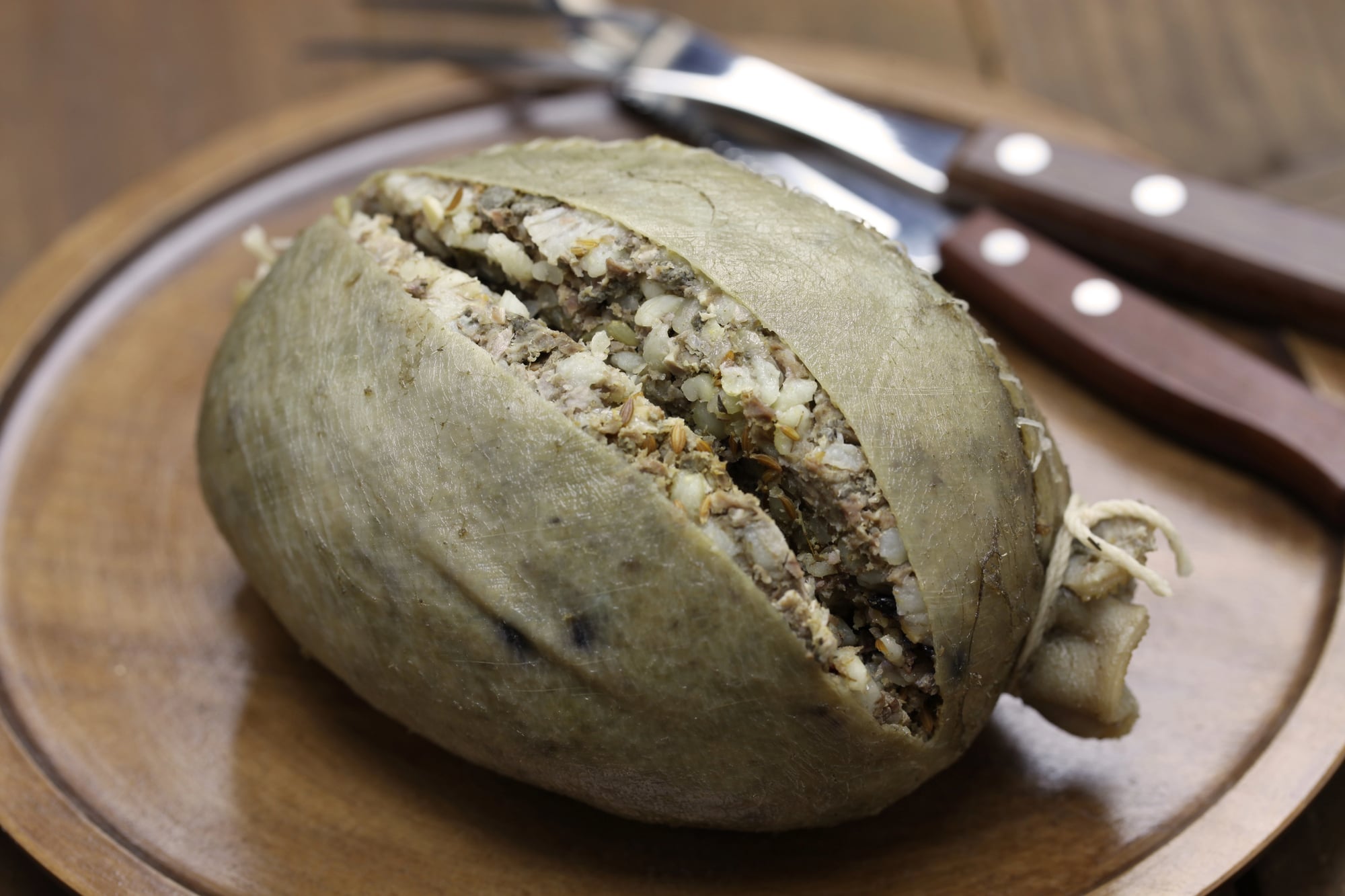
Scotland’s national dish—made from sheep heart, liver, and lungs mixed with spices and oatmeal, traditionally served in a sheep’s stomach—has been effectively banned in the U.S. since 1971. The USDA ruling that year stated sheep lungs could not be used as human food, which instantly disqualified the traditional recipe.
Efforts to legalize it have failed repeatedly, making haggis one of the longest-standing food bans still in effect.
Formaldehyde in Milk and Meat
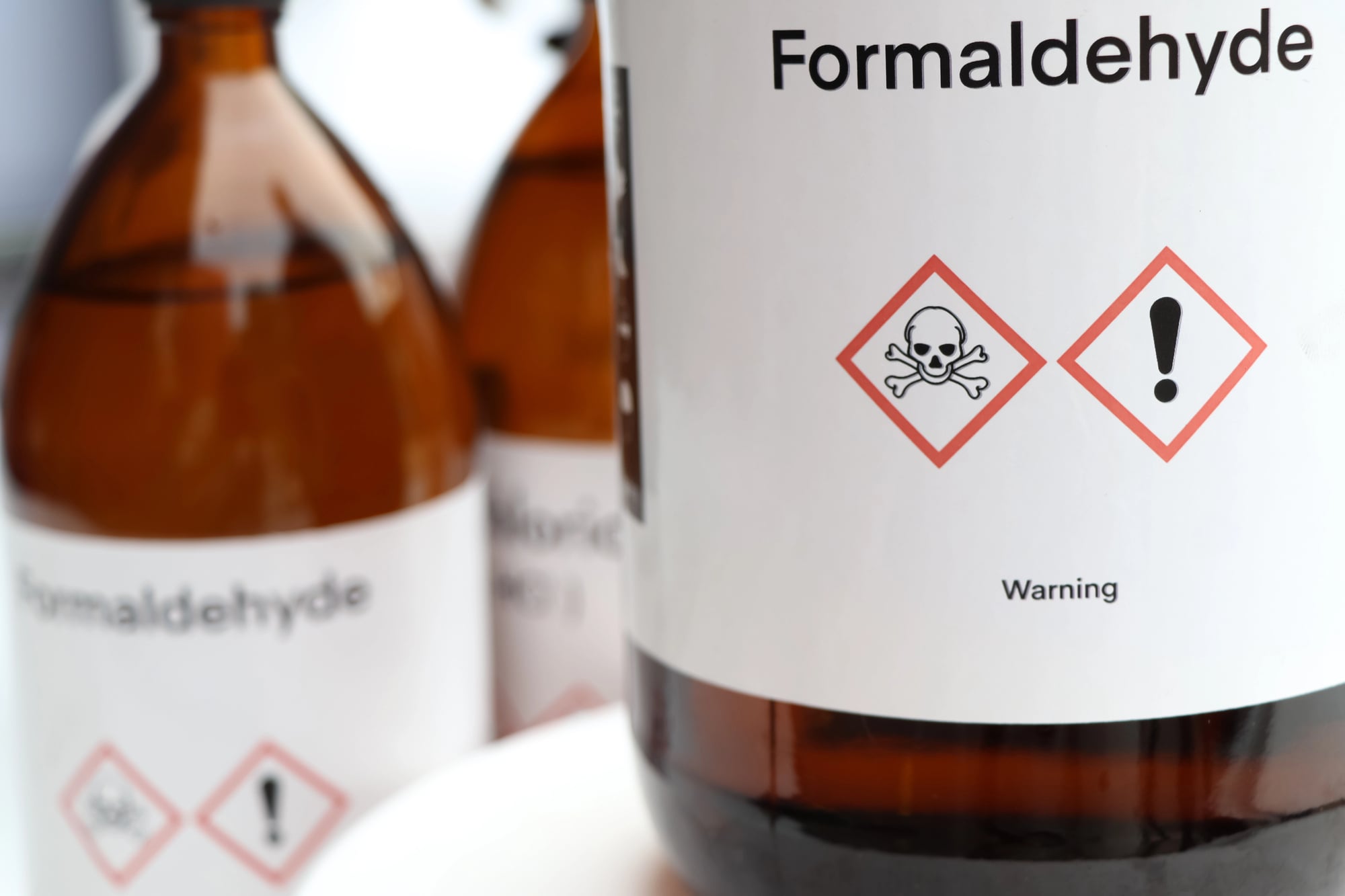
In the late 1800s, manufacturers discovered that formaldehyde—the same substance used to preserve corpses—was an excellent preservative for milk. It restored the fresh, slightly sweet taste to old milk that had begun to sour.
Beef suppliers also used it to preserve meat for long shipments. The problem was that formaldehyde is toxic to humans, especially children.
Young people fed milk preserved with the chemical became seriously ill or died. These preserved products earned the nickname “embalmed beef” and “embalmed milk.”
The 1906 Food and Drug Act banned both uses, though formaldehyde as a general preservative was slow to disappear completely from commercial food production.
Ackee Fruit
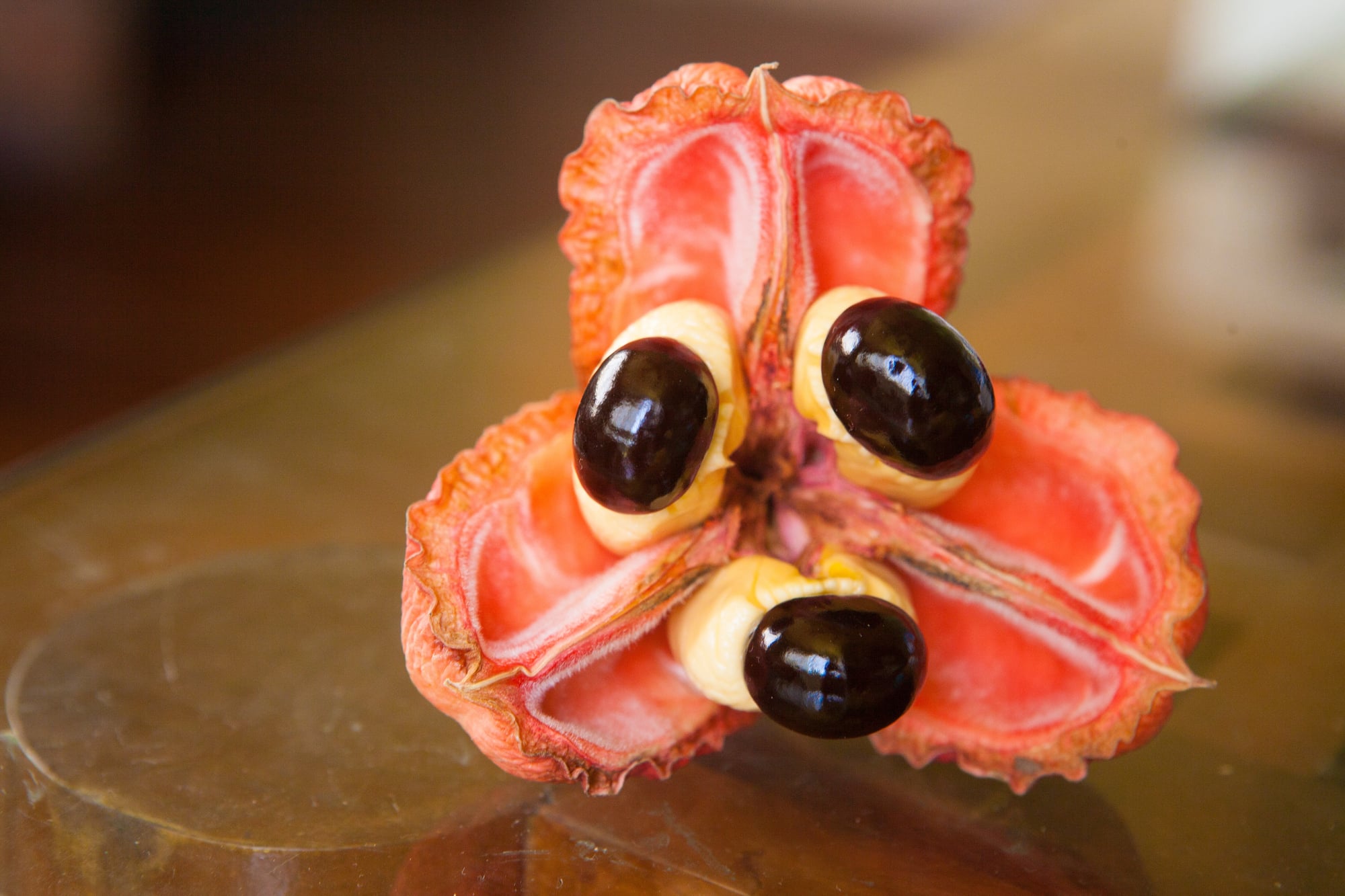
Jamaica’s national fruit contains hypoglycin A, a toxin that causes severe illness or death when the fruit is unripe or improperly processed. The FDA banned fresh ackee imports in 1973 to protect consumers.
Canned and processed versions remain available from approved suppliers with documented low toxin levels, but shoppers won’t find fresh ackee in American grocery stores. This remains one of the strictest produce bans the FDA maintains.
Beluga Caviar
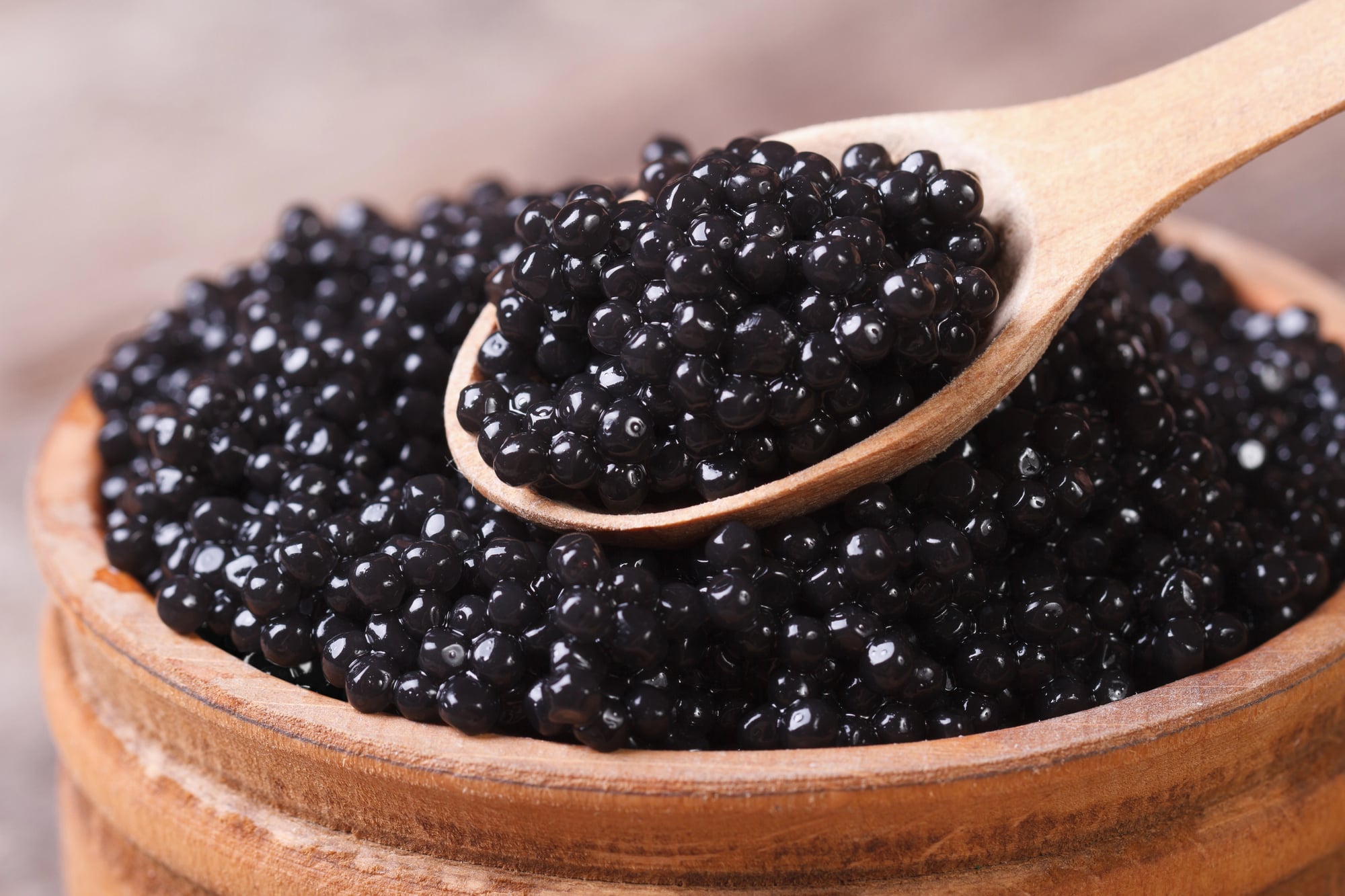
Once commanding prices of $200 per ounce, beluga caviar was banned for import in 2005 due to aggressive overfishing that drove the beluga sturgeon to endangered status. The fish that produces the luxury caviar became so depleted that hunting it in the wild threatened extinction.
The U.S. Fish and Wildlife Services imposed the ban to protect the species, though a small amount of legal caviar comes from Sturgeon AquaFarms, which operates under a special government agreement and donates fertilized beluga eggs to wild replenishment programs.
Kinder Surprise Eggs
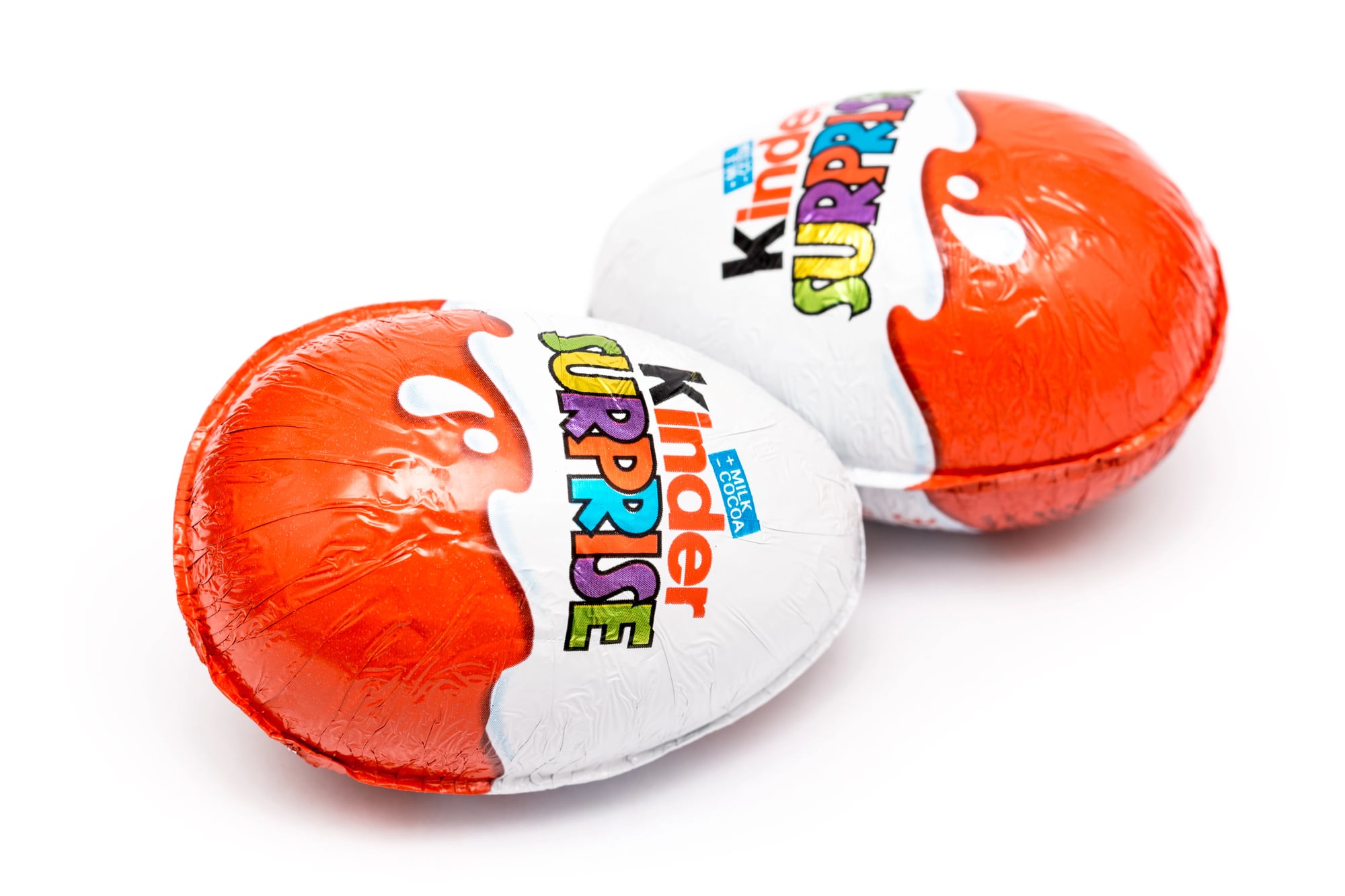
The European favorite—a chocolate egg containing a small toy inside—has been illegal in the U.S. since the 1930s, not because of any safety issue with the chocolate itself but because of a 1938 FDA regulation prohibiting candy that contains non-nutritive objects. The law aimed to prevent choking hazards for children.
For nearly a century, Kinder Surprise eggs have been prohibited, though Kinder Joy, a variant with the toy separated from the edible portion, was eventually approved in 2017.
Raw Milk Cheeses

The FDA requires that any raw milk cheese aged less than 60 days cannot be sold in the United States. This blanket rule eliminates genuine European classics like Camembert de Normandie, Brie de Meaux, and Reblochon from French import.
The U.S. versions available domestically are pasteurized and typically milder, trading the complexity of traditional raw milk production for regulatory compliance. A judge ruled in 1987 that unpasteurized milk posed unacceptable food safety risks, and the restriction has remained in place ever since.
Sassafras Root Bark and Safrole
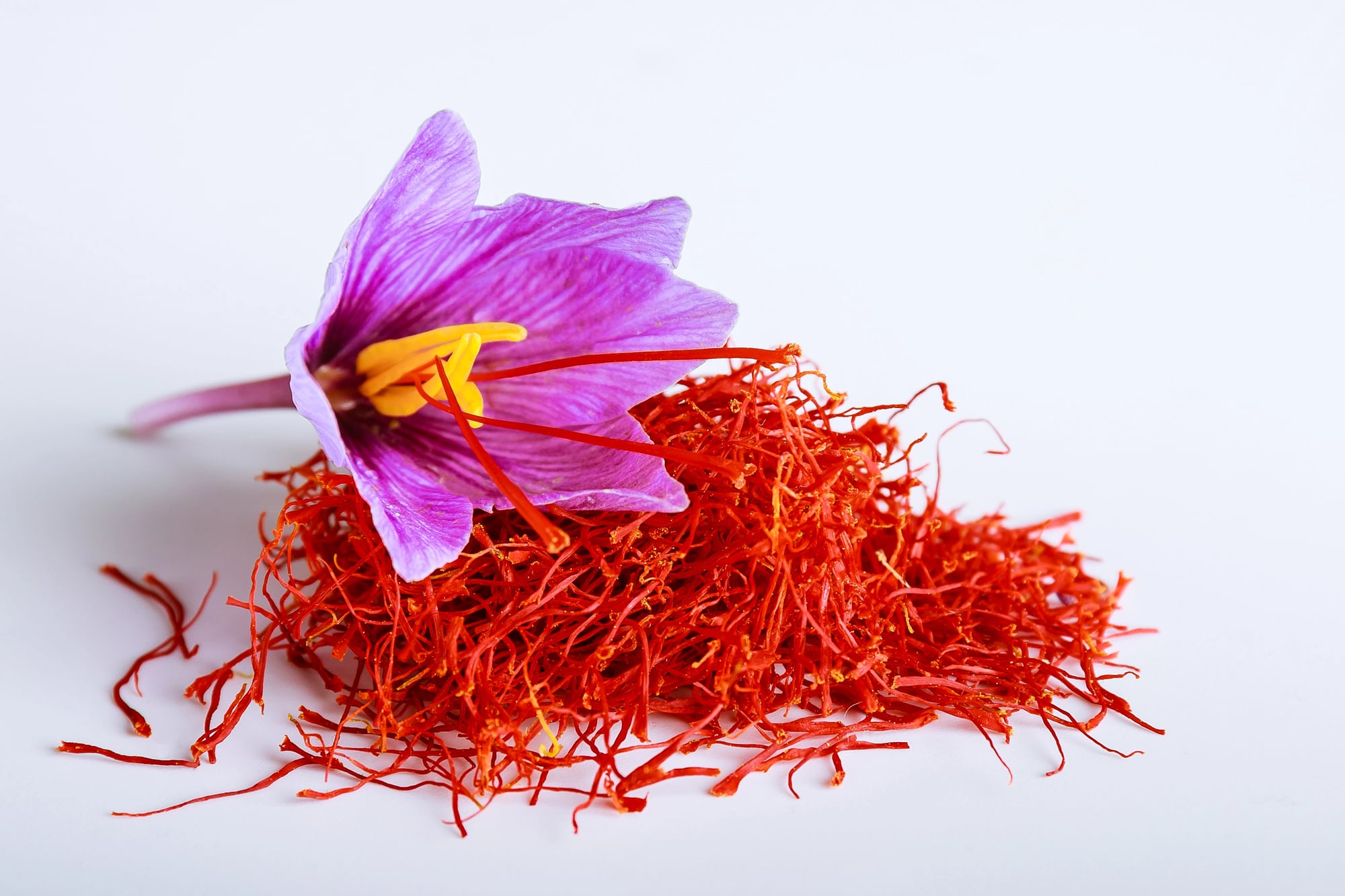
Native Americans traditionally brewed sassafras root bark to treat fevers and rheumatism, and the drink was once mainstream in colonial America. But the oil extracted from sassafras contains safrole, a compound identified as a known carcinogen.
The FDA banned safrole from use in food and commercial products in 1960, eliminating sassafras flavoring from root beer and other beverages. This single regulation ended a centuries-old tradition of sassafras tea.
Radithor and Radioactive Products
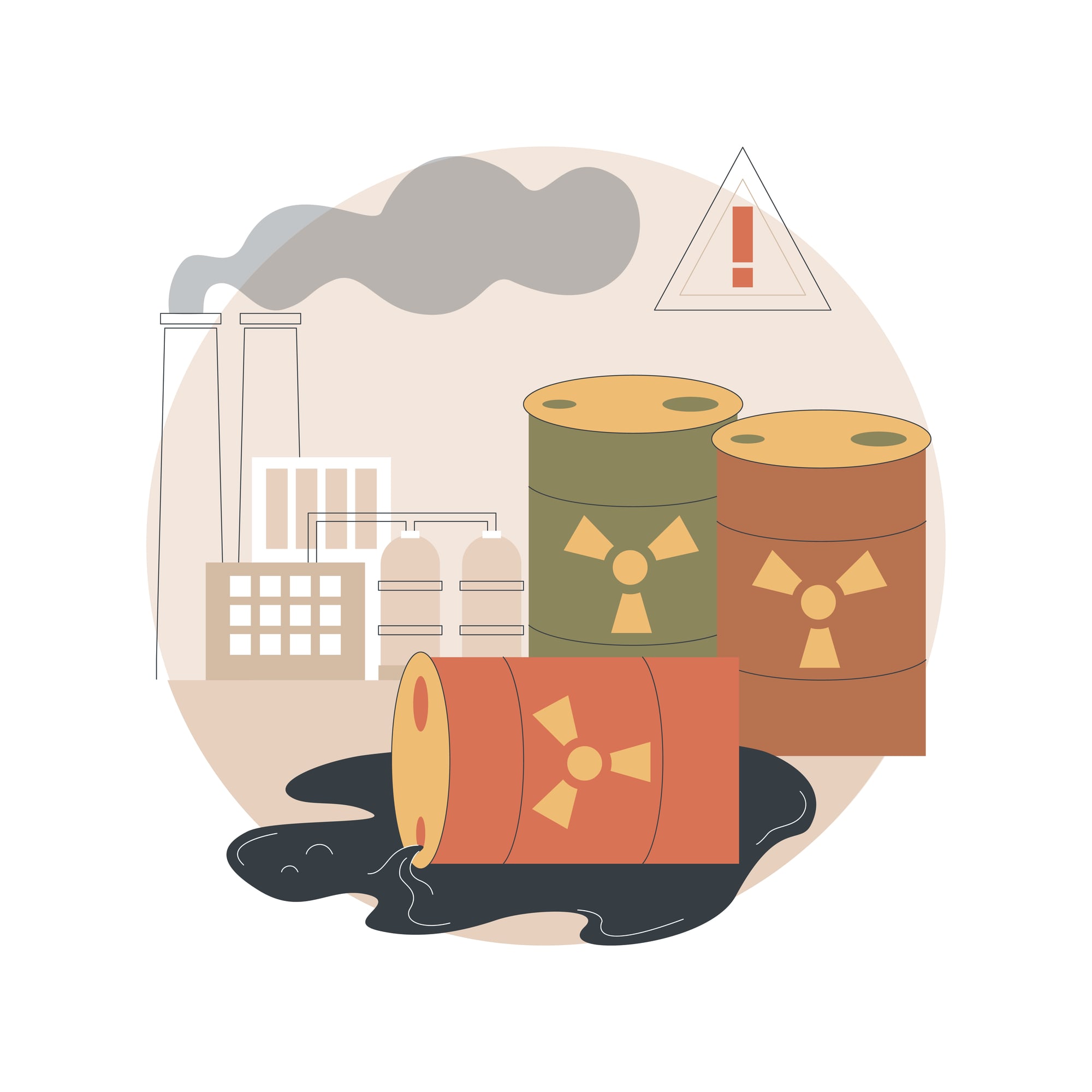
In the 1920s and 1930s, radioactive water and tonics were marketed as panaceas for everything from impotence to arthritis. Radithor, an “energy drink” of distilled water with traces of radium, became William J. A. Bailey’s biggest commercial success, selling 400,000 bottles between 1925 and 1930.
The product killed many users, most famously wealthy athlete Eben Byers, who drank nearly 1,400 bottles and died in 1932 of radium poisoning. His body was discovered at autopsy to contain more than three times the fatal dose.
Because a legal loophole prevented the FDA from directly banning the product (the radioactive claims didn’t appear on the label), the Federal Trade Commission curtailed advertising and by the late 1930s the market collapsed entirely. The 1938 Federal Food, Drug and Cosmetic Act effectively ended all radioactive patent medicine claims.
Brominated Vegetable Oil (BVO)
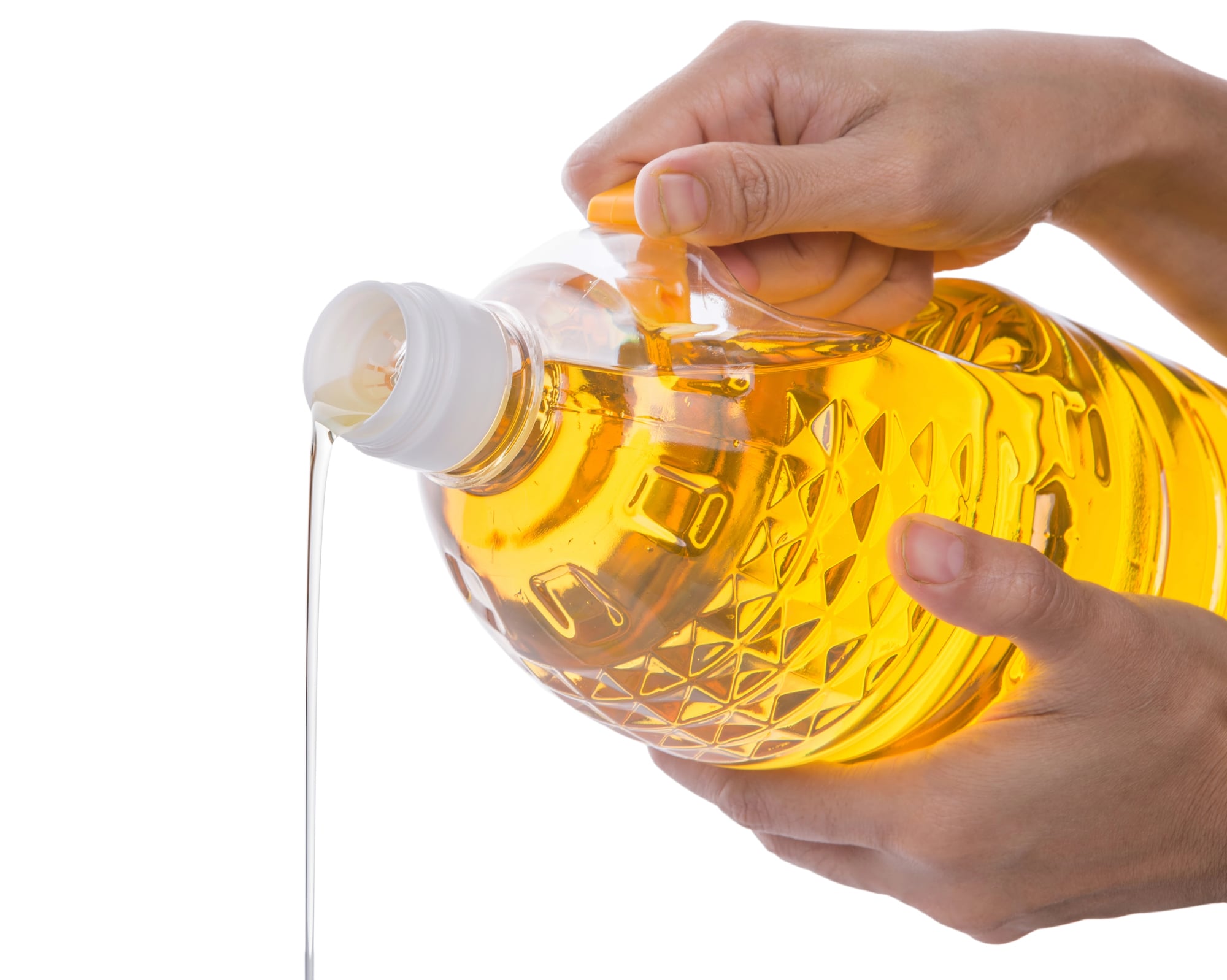
Used since the 1920s as an emulsifier in citrus-flavored sodas and some other beverages, brominated vegetable oil (BVO) kept the flavoring oils from separating. The FDA set temporary limits on BVO in 1977 but didn’t ban it outright.
For decades it remained in the “GRAS” (Generally Recognized as Safe) category despite limited testing. Public pressure and newer safety data eventually accumulated.
In July 2024, after roughly 50 years of restrictions, the FDA revoked its authorization for BVO entirely, and the ban took effect in August 2024. Many manufacturers had already reformulated their products years earlier.
Absinthe
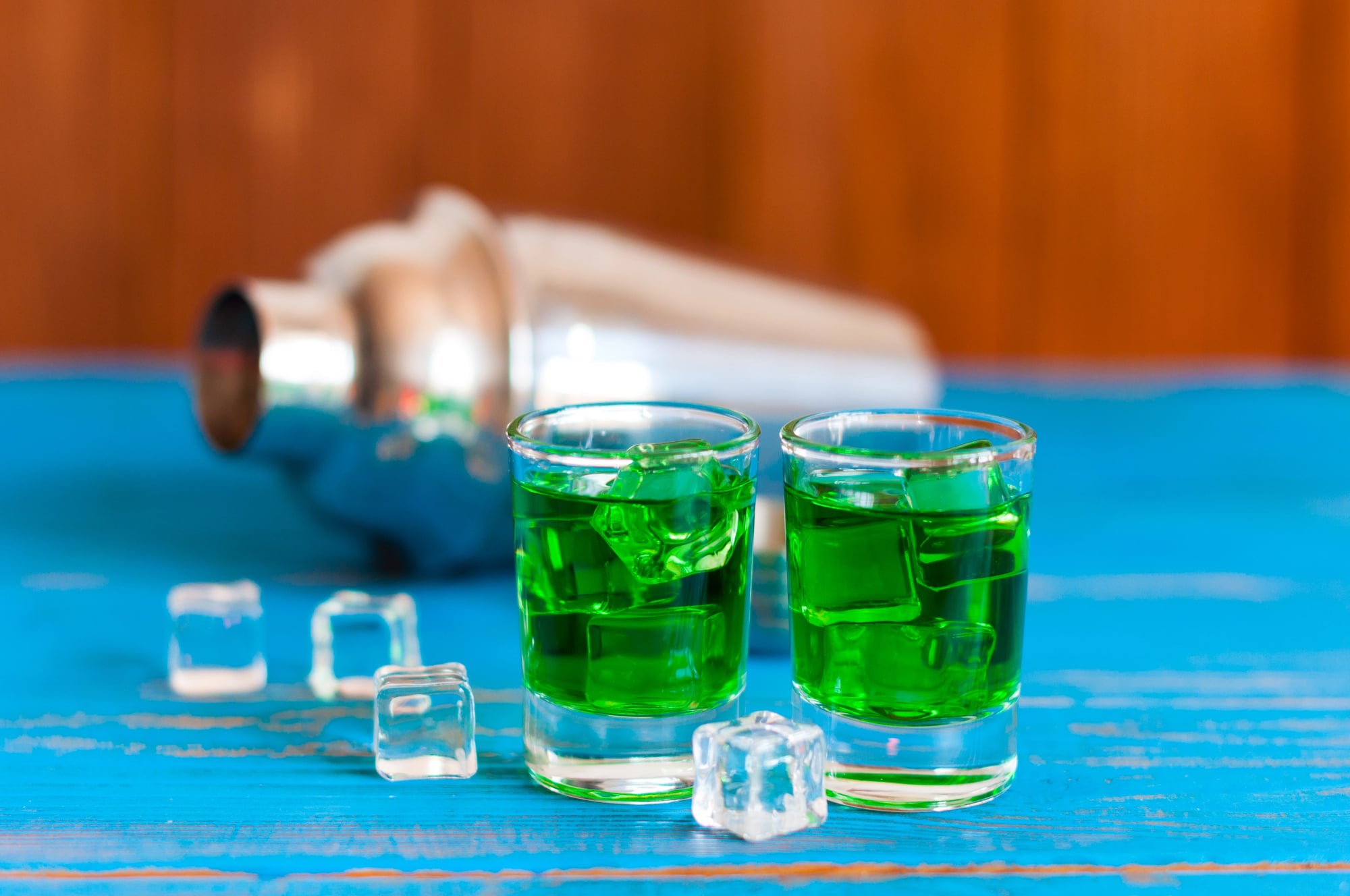
History gave absinthe a reputation far more sinister than the spirit deserved. False claims that absinthe caused hallucinations, madness, and even murder led the U.S. to ban it for a century, following similar prohibition across Europe.
The ban was based on fear rather than science, propagated by a competitive rivalry with brandy producers. In 2007, the U.S. finally lifted the prohibition, but absinthe can only be sold if it contains less than 10 parts per million of thujone, the compound that earlier regulators had blamed for the drink’s alleged dangers.
This legalized version bears little resemblance to traditional absinthe formulas and remains heavily regulated.
Pocky Men’s Bitter Chocolate

In 2008, the Japanese snack Pocky Men’s Bitter Chocolate was pulled from U.S. shelves due to improper ingredient labeling. The FDA requires all food products to accurately list their ingredients to ensure consumer safety and inform people with allergies.
Pocky’s labeling discrepancies raised concerns that consumers might be unaware of allergens or misrepresented ingredients. Unlike many bans on this list, this one applied to a specific product variant rather than an entire food category.
The Price of Progress

Food bans often emerge from tragedy or scandal—people got sick, data accumulated, and regulators acted. Other bans resulted from scientific uncertainty and shifting standards.
A preservative safe at one dose became dangerous when overused; a food coloring derived from coal tar raised suspicion in one era but seemed acceptable in another. The history of American food regulation is partly a story of hard-won protection and partly a story of how arbitrary certain restrictions can become when enforcement and science don’t align perfectly.
What matters is that today Americans can shop with some confidence that the food on shelves has been evaluated and deemed safe—a protection that wouldn’t have existed a little over a century ago.
More from Go2Tutors!

- The Romanov Crown Jewels and Their Tragic Fate
- 13 Historical Mysteries That Science Still Can’t Solve
- Famous Hoaxes That Fooled the World for Years
- 15 Child Stars with Tragic Adult Lives
- 16 Famous Jewelry Pieces in History
Like Go2Tutors’s content? Follow us on MSN.