How Back-to-School Shopping Looked Completely Different Before Big Box Stores
Before Walmart and Target became the default destinations for back-to-school shopping, families would spend the entire month of August visiting multiple specialized stores across their communities to gather supplies and clothing. The shopping experience was fragmented, requiring trips to department stores for clothing, specialty shops for shoes, stationery stores for writing supplies, and pharmacies for basic materials that were scattered across town.
Back-to-school shopping wasn’t a single event but a sequence of shopping excursions that forced parents to navigate multiple establishments, each with its own prices, inventory, and customer service style, making the entire process considerably more complex and time-consuming than modern consolidated shopping.
Visiting Multiple Department Store Anchors
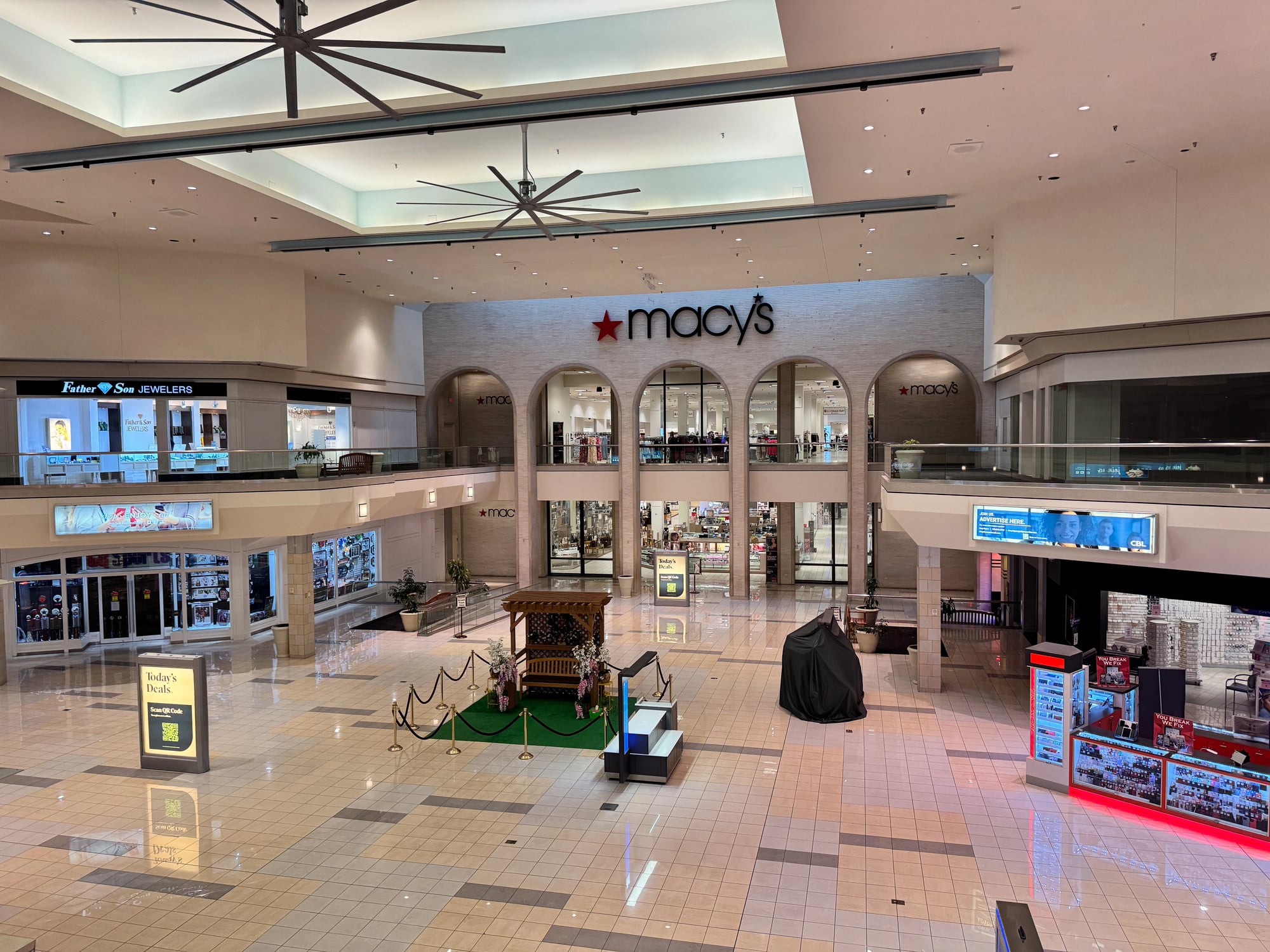
Families would make trips to Gimbels, J.C. Penney, Belk, or regional department store anchors that dominated shopping malls and downtown shopping districts as the primary source for school clothing and some general merchandise. Each of these stores featured a different selection, price point, and shopping experience, so savvy shoppers learned which store had the best back-to-school values and selection.
Department stores invested in special back-to-school displays and promotions that made seasonal shopping feel like an event, with trained sales associates who would help families navigate choices. The entire ritual of mall-based shopping—with anchor stores at each end and smaller specialty shops between them—created a shopping experience that required actual navigation and decision-making.
Shopping at Dedicated Shoe Stores
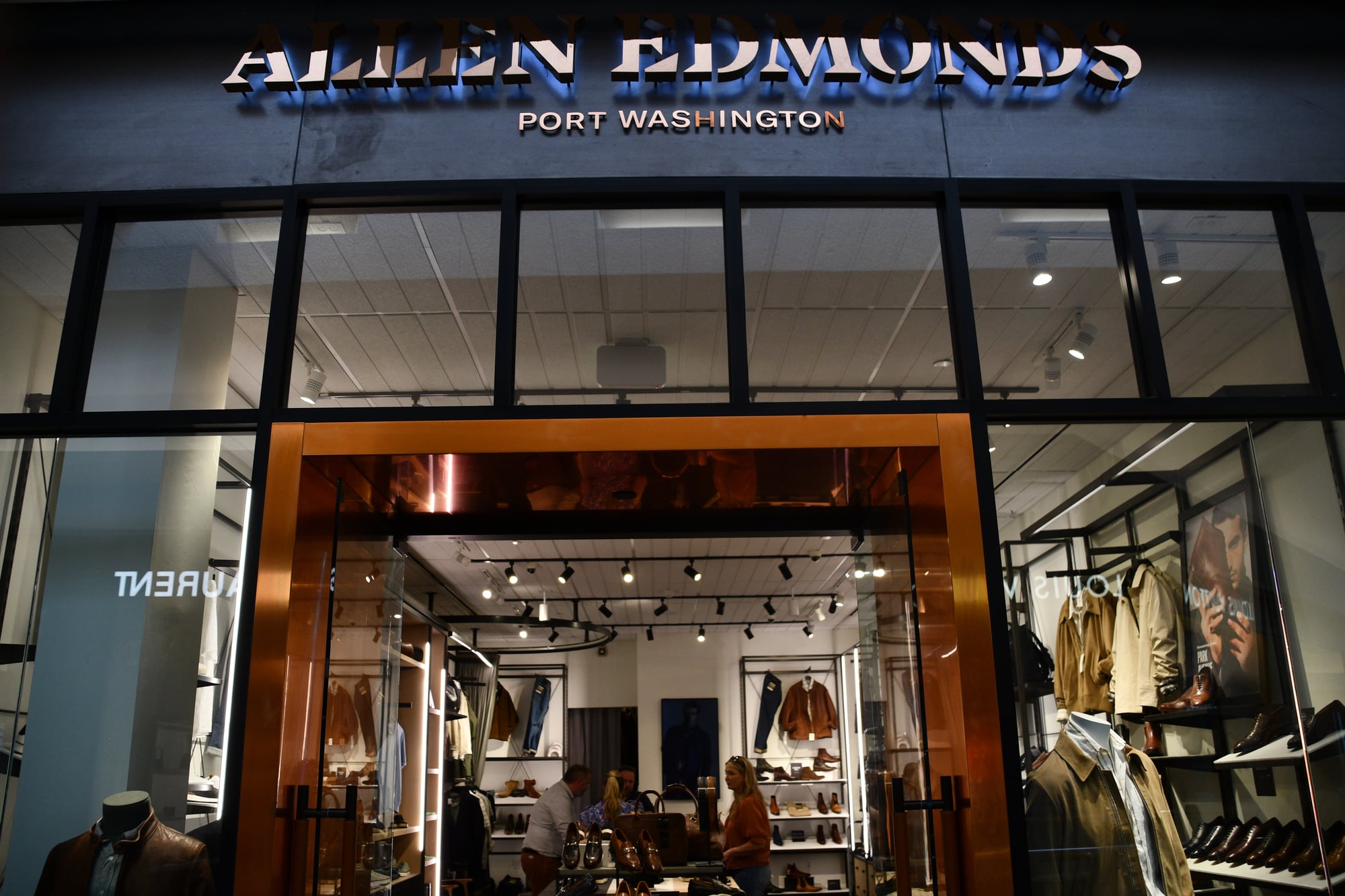
Back-to-school shoe shopping meant visiting a dedicated shoe store like Kinney Shoes or a department store shoe department where trained employees would measure children’s feet and ensure proper fit. The process involved trying on multiple pairs, with sales associates checking fit by pinching the toe area to ensure adequate growing room.
Parents and children couldn’t simply grab a shoe off a rack and check out—the purchase required consultation with someone trained in proper fitting. The ceremony of shoe shopping, with its measurement ritual and fitting process, felt like an important rite of passage that today’s mall-kiosk shoe shopping or online ordering can’t replicate.
Five-and-Dime Stores for Basic Supplies
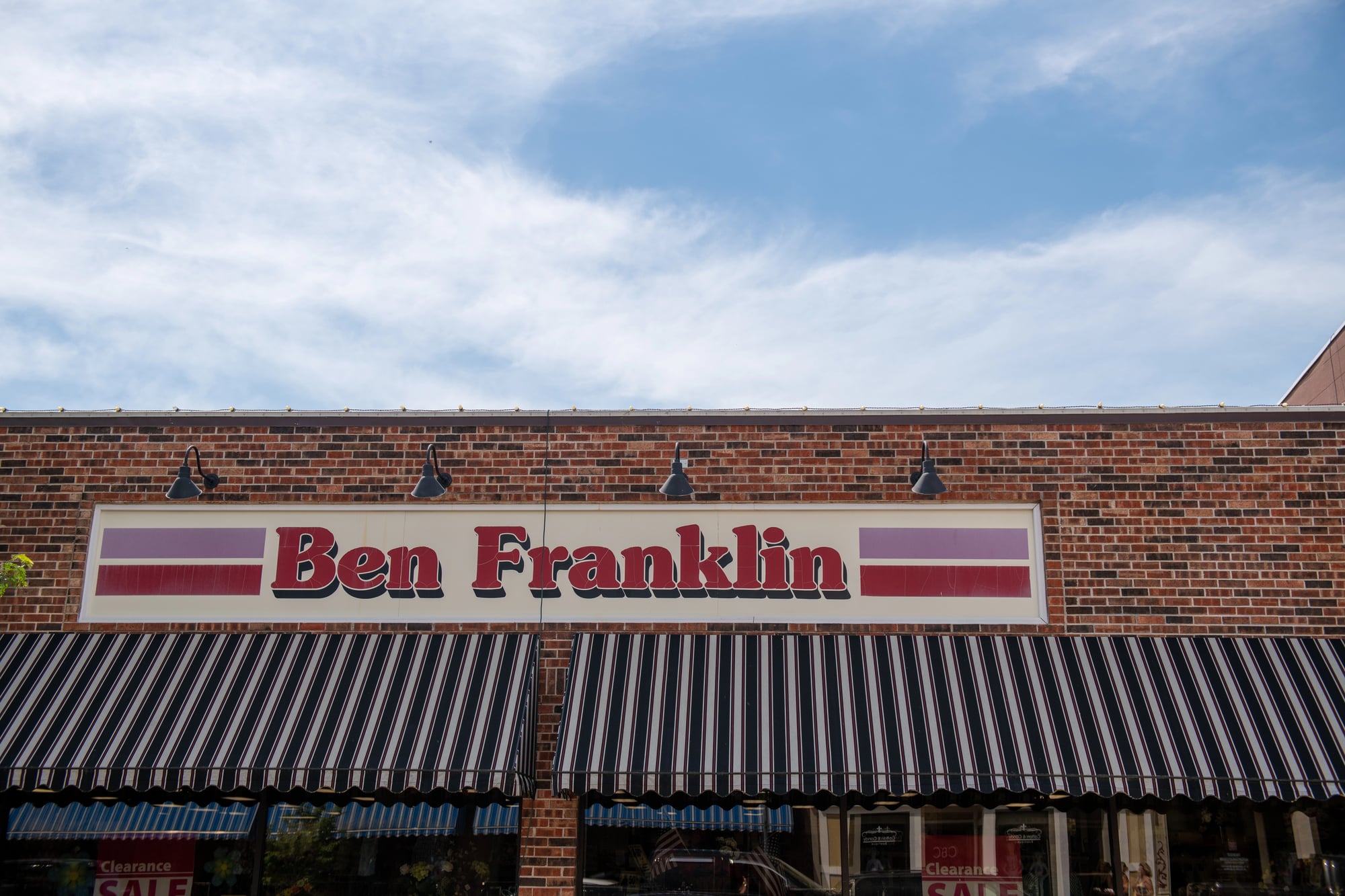
Woolworth’s Five-and-Dime stores were once the go-to destination for basic school supplies—pencils, erasers, notebooks, and other inexpensive materials—because they specialized in affordable, everyday items with an almost overwhelming inventory of choices. Walking through a Five-and-Dime felt like an adventure into endless shelves of small items organized in ways that encouraged browsing and discovery.
These stores catered to budget-conscious families and became iconic destinations where kids could pick out their first supplies with their parents. The specific experience of shopping for supplies in a Five-and-Dime—with its distinctive atmosphere and merchandise presentation—has no modern equivalent.
Specialty Stationary Shops with Personal Service
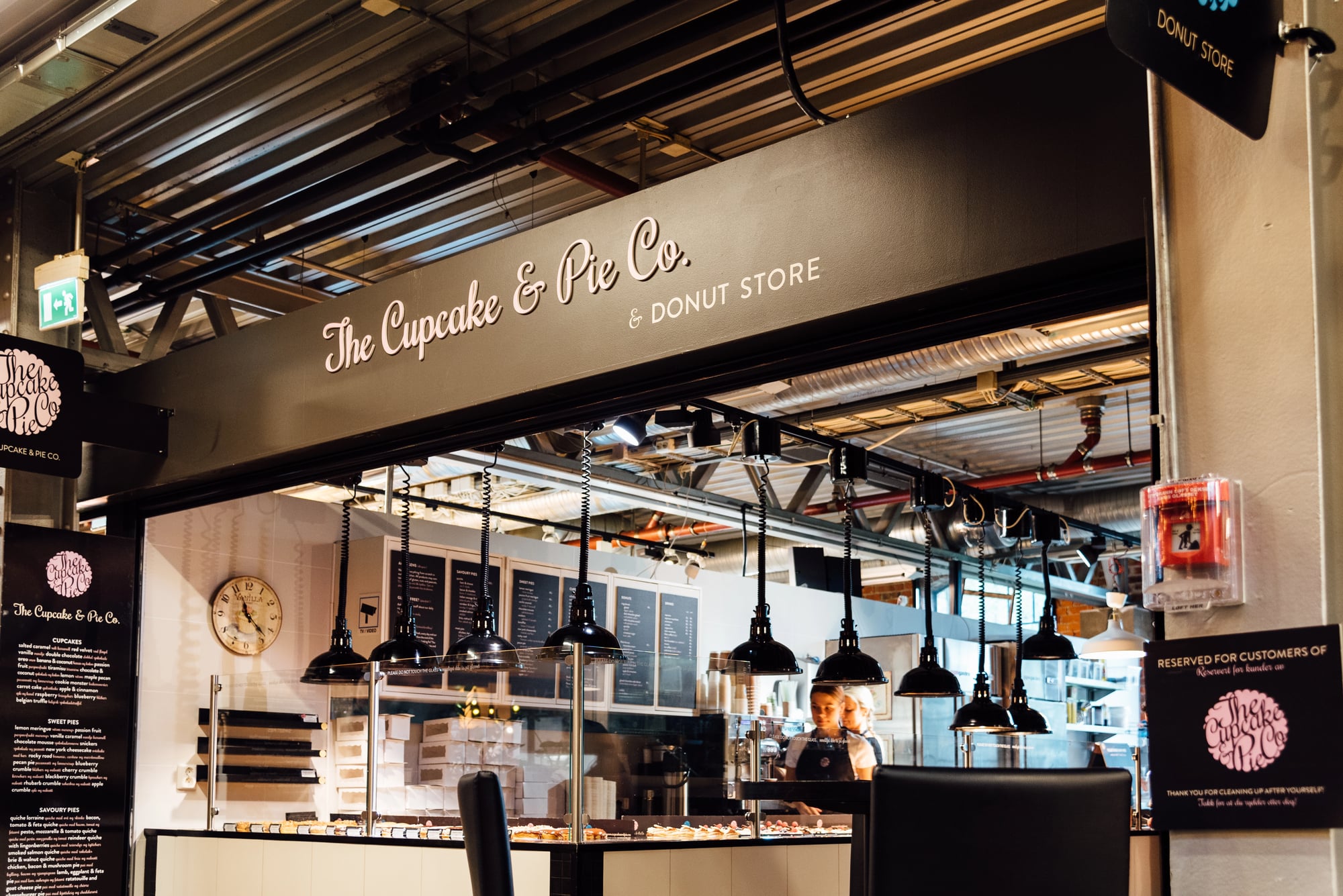
Independent stationery shops that existed in most towns offered personalized service from clerks who understood what students needed and could make recommendations based on school level and subject requirements. These small retailers created relationships with regular customers and would remember which styles of notebooks or writing implements individual kids preferred.
Parents could talk to store employees who understood the value of different products and could explain why one pen was better than another. The loss of these specialty shops meant losing access to expert knowledge about products and recommendations tailored to individual student needs.
Browsing Endless Variety at Ames or Zayre
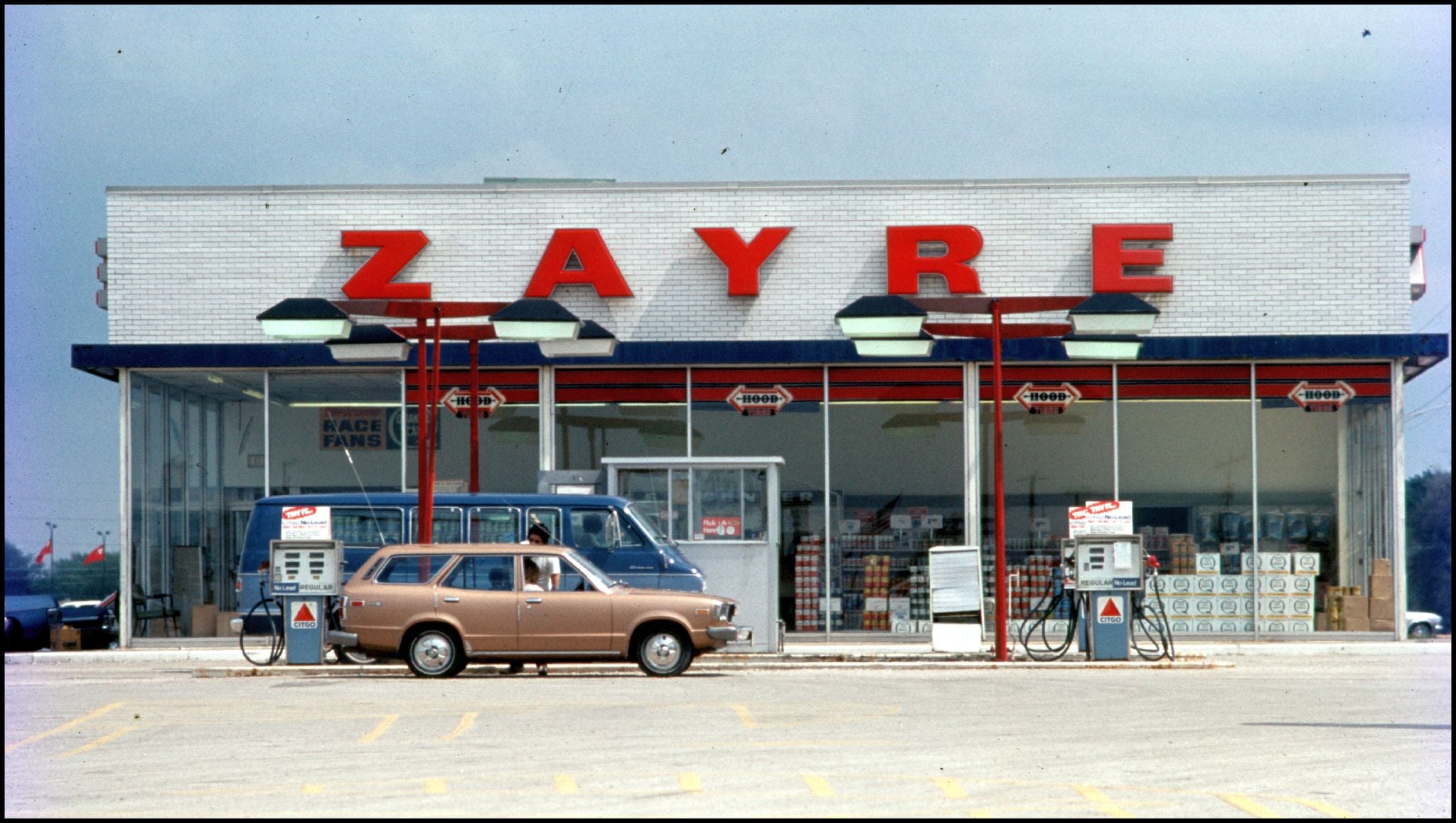
Ames and Zayre discount department stores offered vast selections of merchandise under one roof but without the big-box convenience we know today, requiring shoppers to navigate enormous stores where items weren’t always easy to find and checkout could involve substantial wait times. These stores carried everything from clothing to supplies to housewares, but finding what you needed meant walking through extensive aisles or asking employees who might not know where inventory was located.
The shopping experience combined the appeal of low prices with the frustration of less organized, less efficient store layouts compared to modern big boxes. Kids would see mountains of merchandise and unlimited selection that today’s focused big-box stores couldn’t match.
Getting Back-to-School Lists From Teachers
Teachers would write specific supply lists on cards that were sent home weeks before school started, with lists that varied dramatically from teacher to teacher based on their individual classroom preferences and philosophies. Some teachers wanted specific pencil brands, others demanded particular notebook styles, and some had lengthy lists of items while others required barely anything.
Families couldn’t simply buy standard assortments but had to track down the exact items teachers had specified, sometimes requiring multiple shopping trips when one store didn’t carry a particular item. These individualized lists created endless shopping challenges but also reflected genuine teacher autonomy over classroom materials.
No Big-Box Comparison Shopping

Before Walmart and Target national dominance, families couldn’t easily compare prices and selection across multiple stores, making it difficult to know if you were getting good values or just accepting whatever your local stores offered. A coat that cost $45 at a department store might be the only option available locally, so families simply paid the asking price without knowing if better deals existed elsewhere.
This lack of price transparency meant that back-to-school shopping budgets varied dramatically depending on what stores were available in your community and what prices local merchants charged. Parents had no real shopping leverage because alternative options weren’t easily accessible.
Visiting Pharmacy Sundry Sections

Local pharmacies like Rexall or independent drugstores maintained significant sundry sections where families could pick up basics—markers, glue, pencils, small notepads—before big-box stores consolidated this inventory. These pharmacies offered convenient locations and were often where families grabbed forgotten items or picked up one or two supplies without making a big shopping trip.
Pharmacy employees knew regular customers and could make recommendations about which products worked best. These modest retail operations disappeared once big-box stores offered unlimited selection at lower prices, making the small pharmacy sundries section completely obsolete.
Seasonal Clearance and End-of-Year Sales

Back-to-school wasn’t a brief sales event but a season that lasted weeks with early promotions in mid-July followed by clearance sales in late August and even into September as stores tried to clear inventory. Teachers and parents could catch stores between seasons when leftover inventory from the previous year went on clearance, sometimes yielding amazing deals on seasonal merchandise.
This extended promotional calendar meant that savvy shoppers could wait for sales and significantly reduce their spending if they timed purchases correctly. Modern back-to-school sales in big boxes are more standardized and less about inventory clearing than market positioning.
Separate Trips for Different Product Categories
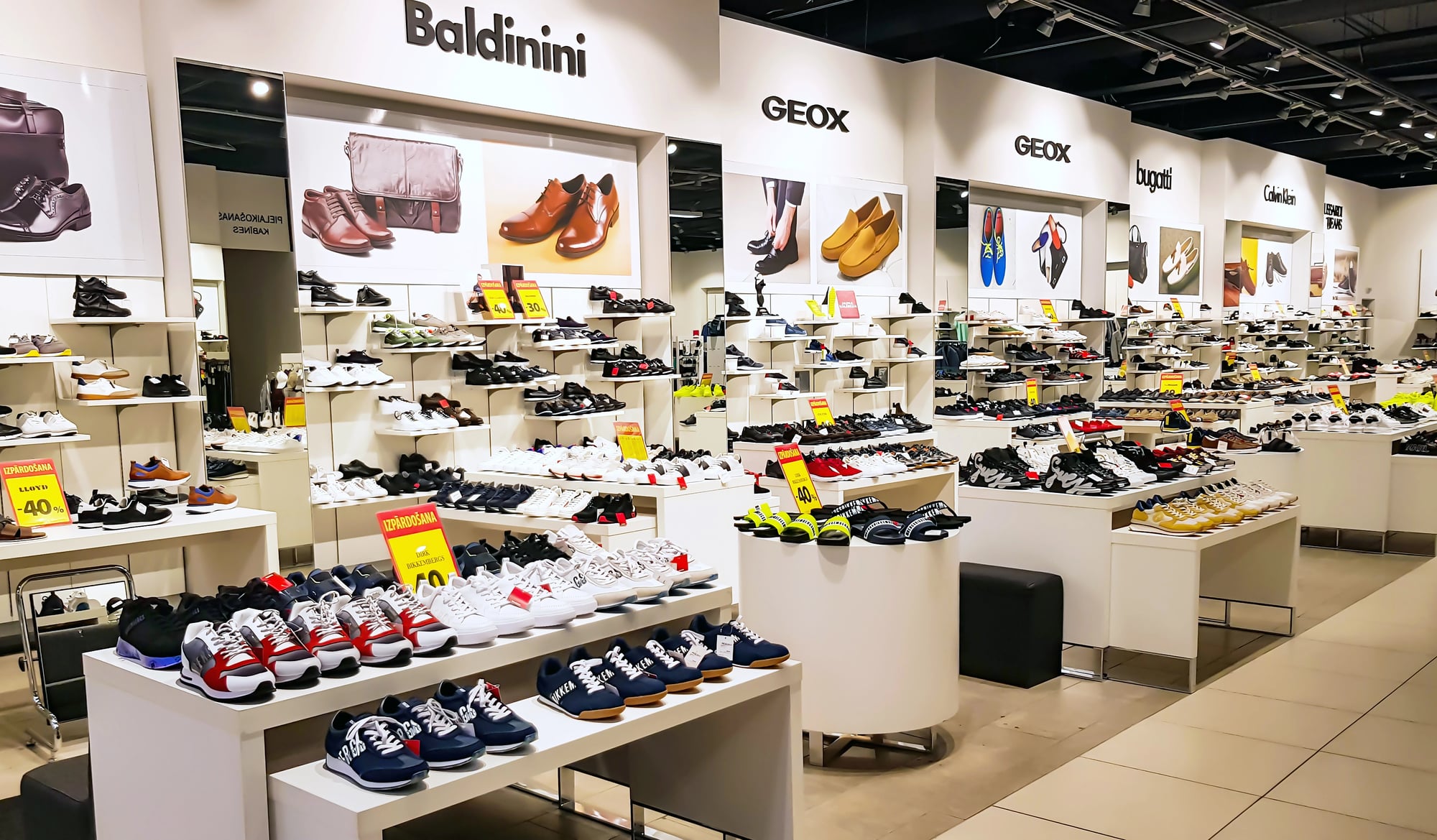
Efficient back-to-school shopping required visiting at least four different store types—department stores for clothing, shoe stores for footwear, pharmacies for supplies, and specialty shops for specific items—creating multiple shopping excursions that might span entire weeks. This fragmentation meant that buying school supplies was actually a project that required planning and coordination rather than a single shopping trip to one location.
Families had to remember what they still needed at each successive store and couldn’t simply grab all items at one point of sale. The inefficiency of this system actually meant parents and kids spent more time engaged in shopping across their communities.
Negotiating with Local Merchants on Prices

Small shops and independent retailers would sometimes negotiate on prices or offer small discounts for regular customers or larger purchases, making back-to-school shopping a more personal transaction than modern big-box shopping. A local stationery shop owner who knew your family might throw in extra items or give a small discount, creating relationships between merchants and customers that shaped the entire shopping experience.
This interpersonal dimension of retail transactions has essentially disappeared, replaced by standardized pricing and corporate policies that don’t allow individual merchant discretion.
Layaway Programs and Payment Plans

Before credit cards became ubiquitous, stores offered layaway programs where families could reserve merchandise and pay for it over time, allowing lower-income families to participate in back-to-school shopping without having the entire amount upfront. Customers would put items on layaway, make weekly payments during the summer, and pick up their purchased goods just before school started.
This system made back-to-school shopping accessible to families on tighter budgets and created a different shopping dynamic where purchases involved installment planning. Modern big-box stores have eliminated layaway, changing who can actually afford back-to-school shopping when large expenses need to be paid all at once.
Mall-Based One-Stop Shopping Experience
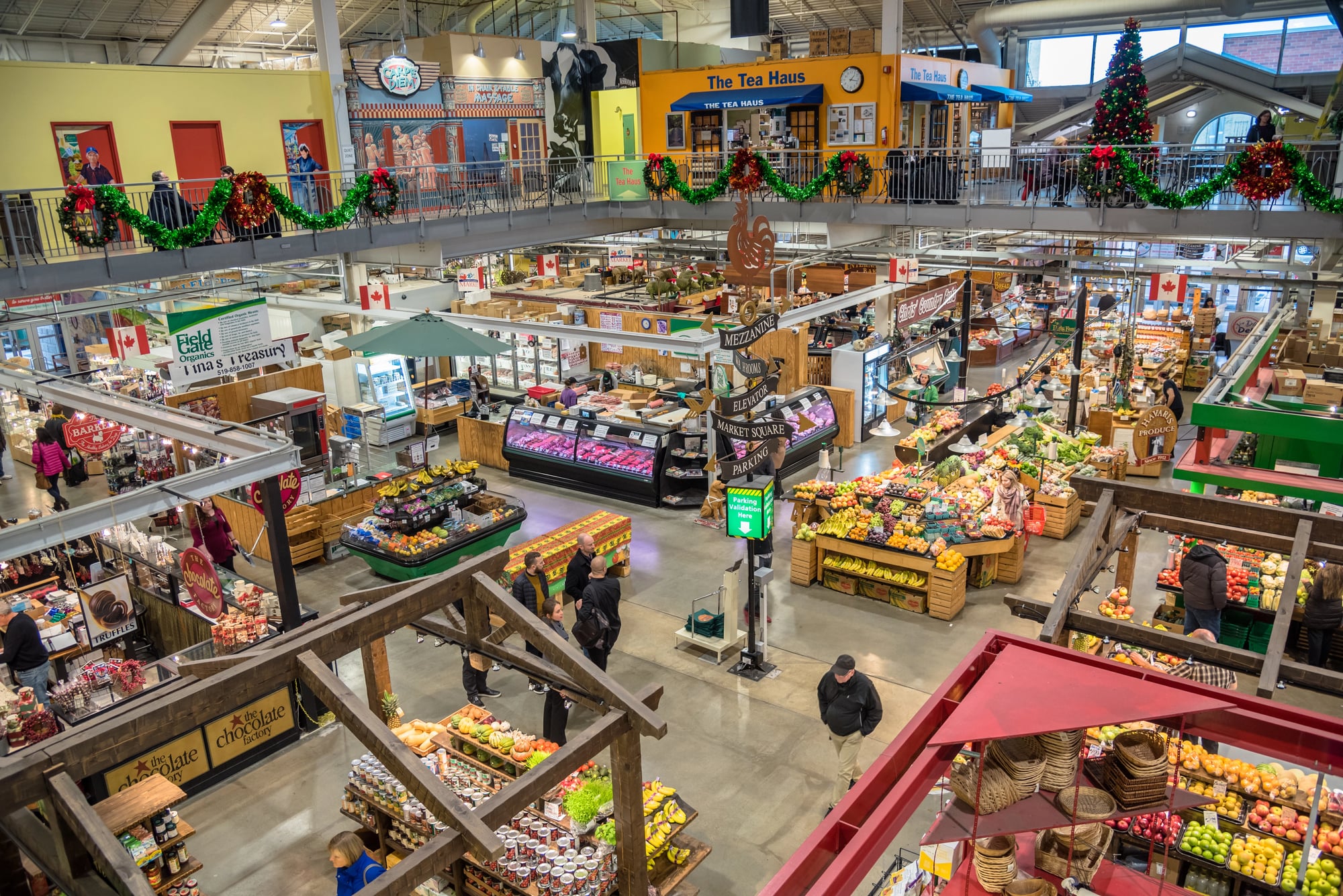
Shopping malls with anchor department stores at each end and dozens of smaller specialty shops between them created a complete shopping ecosystem where families could spend entire afternoons accomplishing all their back-to-school needs without leaving a single building. Malls became community gathering places where families would shop, eat at food courts, and socialize while completing their school supply missions.
The mall experience was an event in itself, with other people shopping, teenagers hanging out, and a vibrancy that comes from concentrated retail environments. This specific shopping experience and the social dimension of mall-based retail have been completely replaced by the solitary efficiency of big-box stores and online shopping.
Limited Selection with Definitive Choices
Before big-box stores offered unlimited choices, the available selection determined what kids ended up with for school supplies—if the local stores carried only three styles of backpacks, families chose among those three rather than comparing dozens of online options. This limitation actually simplified decision-making because the choice set was constrained by local availability rather than unlimited options from nationwide retailers.
Kids learned to appreciate what was available locally rather than developing dissatisfaction that they couldn’t access products they saw advertised elsewhere. The paradox of modern back-to-school shopping is that unlimited options have made the experience more frustrating for many families.
Back-to-School Events at Individual Stores
Individual stores would host back-to-school events and promotions specific to their merchandise and customer base, with shoe stores having shoe sales weeks, department stores hosting fashion shows, and specialty shops creating community events around back-to-school shopping. These localized promotional events created a sense of urgency and specialization that encouraged customers to visit specific stores at particular times.
Back-to-school shopping was marked by anticipation for these individual store promotions rather than coordinated nationwide sales events. The decline of independent retail means the loss of these community-specific shopping events that created local shopping culture.
Regional Variation in Back-to-School Timing

Back-to-school shopping timing varied dramatically by region and even by individual stores, with some stores launching promotions in mid-July while others waited until August, creating different shopping calendars depending on where families lived. Families would learn the specific timing patterns of their local stores and plan shopping trips accordingly, with some stores known for starting early sales while others held out until labor day.
This regional variation meant that back-to-school shopping experience differed significantly depending on geography. Modern standardized big-box promotions have eliminated this regional variation, making back-to-school shopping essentially identical regardless of location.
The Consolidation of Retail and the Loss of Shopping Culture
The transition from distributed retail across multiple specialized shops to concentrated purchasing at two or three big-box stores represents more than just a convenience improvement—it’s a fundamental change in how communities relate to commerce and consumption. Back-to-school shopping used to require engagement with local retailers, knowledge of different merchants’ strengths and weaknesses, and actual planning and coordination across multiple destinations.
The efficiency gains of big-box shopping—one-stop convenience, guaranteed selection, competitive pricing—have eliminated the inefficiencies that used to make shopping a community activity and a season with its own rhythm and social significance.
Modern families save countless hours and probably money through big-box back-to-school shopping, yet something has been lost in the transaction. The relationships between merchants and regular customers, the expert service from knowledgeable employees, the local retail competition that kept prices fair and motivated quality service, and the sense that back-to-school shopping was a special seasonal event worthy of community participation—all of these elements have vanished.
Younger generations who have only known big-box back-to-school shopping have no framework for understanding what retail culture felt like when shopping required visiting multiple specialized stores and negotiating with individual merchants for prices and service.
More from Go2Tutors!

- The Romanov Crown Jewels and Their Tragic Fate
- 13 Historical Mysteries That Science Still Can’t Solve
- Famous Hoaxes That Fooled the World for Years
- 15 Child Stars with Tragic Adult Lives
- 16 Famous Jewelry Pieces in History
Like Go2Tutors’s content? Follow us on MSN.



