The Bom Jesus: A $13 Million Shipwreck Found in the Desert
Picture this: you’re mining for diamonds in the African desert when suddenly you stumble across something that looks like a rock. But it’s not just any rock – it’s a 500-year-old copper ingot from a Portuguese treasure ship that’s been sitting in the sand since 1533.
The story of the Bom Jesus reads like something out of an adventure movie, but every bit of it really happened.
A geologist’s lucky day in April 2008

The discovery started when a De Beers company geologist working in mining area U-60 picked up what looked like a perfectly shaped half-sphere of rock. After taking a closer look, he realized it was actually a copper ingot with a strange trident-shaped mark on its weathered surface.
The ship that got lost on its way to India

The Bom Jesus (which means “Good Jesus”) departed from Lisbon on March 7, 1533, headed for India. The ship was loaded with treasures like gold and copper ingots when it got caught in a fierce storm and sank.
This wasn’t just any trading vessel – it was part of Portugal’s massive maritime empire during the Age of Discovery.
Like Go2Tutors’s content? Follow us on MSN.
Diamond miners struck gold instead

Diamond miners working off the coast of Africa stumbled across the shipwreck loaded with £9 million worth of gold and coins. These guys were looking for diamonds and found something way more exciting.
De Beers and its mining team found the treasure but didn’t claim ownership of it. The company could have tried to keep the find, but they did the right thing and reported it to authorities.
A treasure chest that defied time
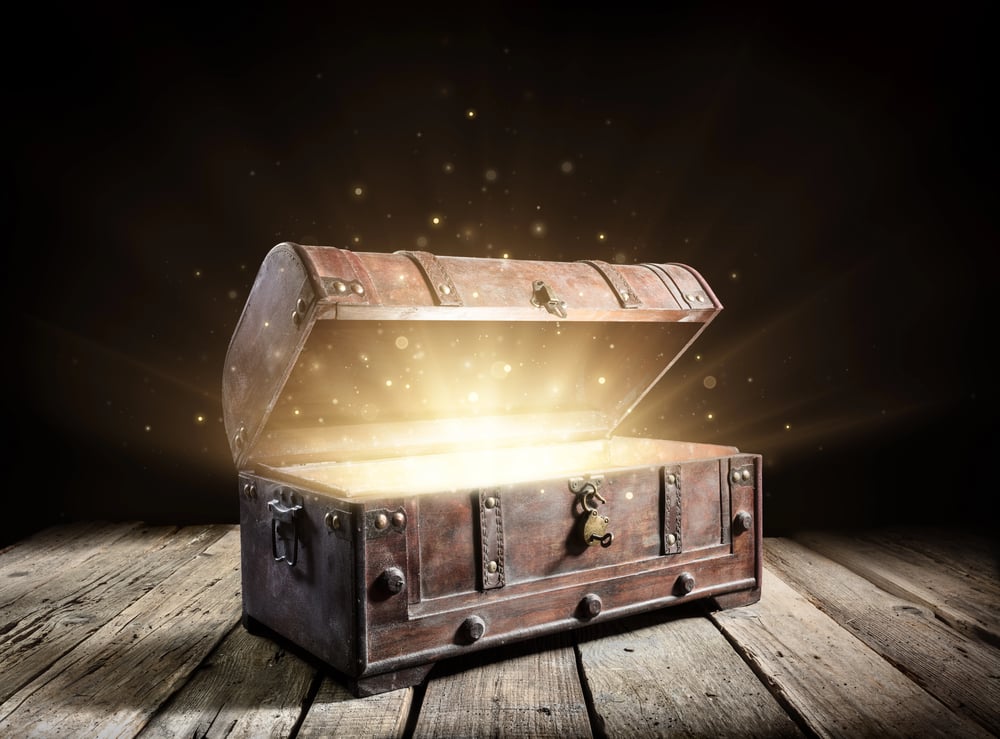
The shipwreck contained approximately 2,000 gold coins and tens of thousands of pounds of copper ingots, all remarkably well-preserved. The treasure included bronze cannons, copper ingots, elephant tusks, and even swords and muskets.
The dry desert conditions had protected these items better than any museum could have. After 500 years buried in sand, most of the cargo looked like it had been packed away yesterday.
Spanish and Portuguese coins tell the story
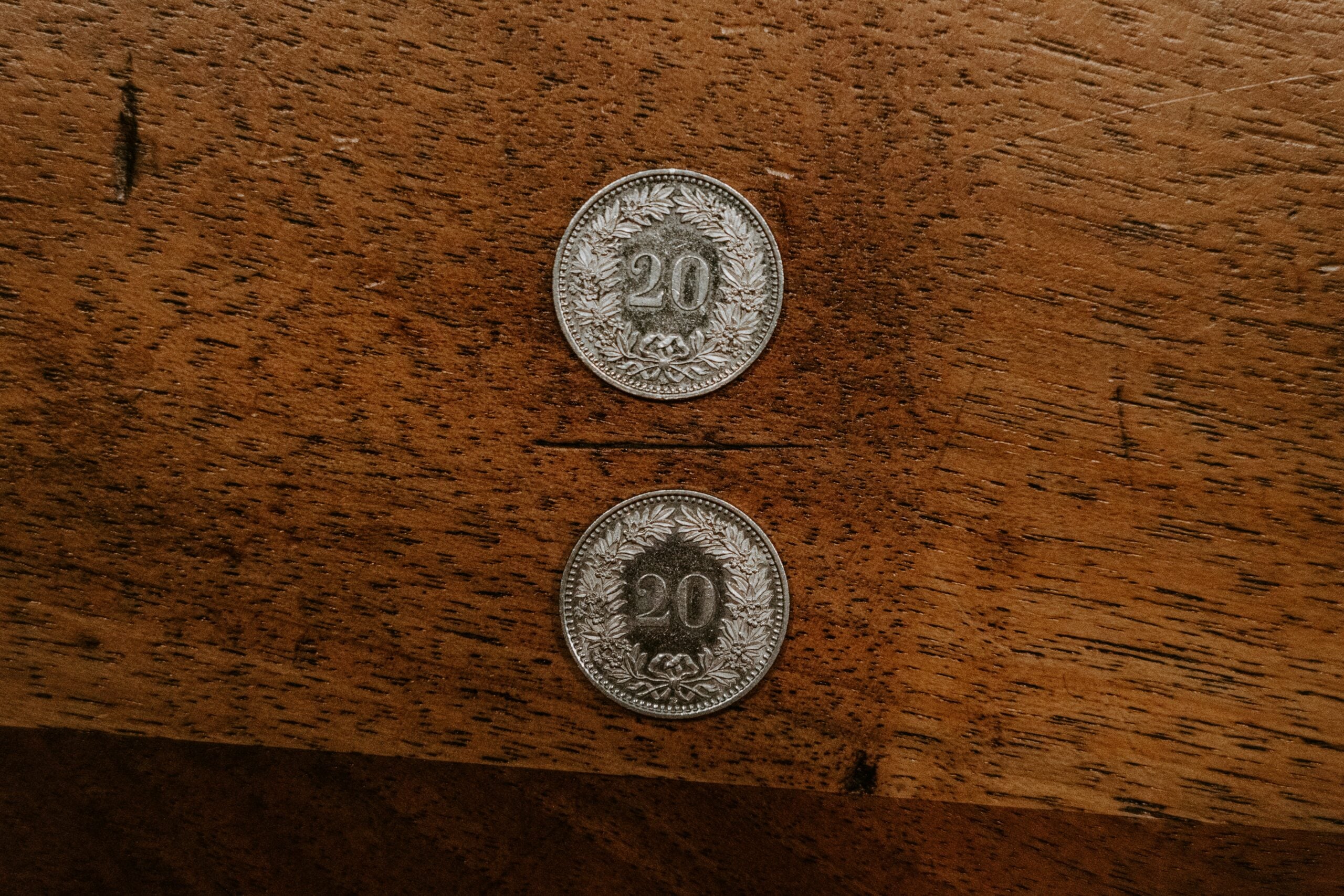
Approximately 2,000 gold coins were recovered, predominantly Spanish excellentes featuring the likenesses of Isabella I of Castile and Ferdinand II of Aragon. Portuguese coinage was also present, including cruzados from the reigns of Kings Manuel I and João III.
These coins were like a history book written in gold, showing exactly who was trading with whom during the height of European exploration. Each coin told a story about the political and economic connections of the 16th century.
Like Go2Tutors’s content? Follow us on MSN.
The elephant ivory that shocked researchers

The ship carried 100 tusks of elephant ivory along with copper ingots and gold coins. This cargo revealed the brutal reality of 16th-century trade routes that connected Europe, Africa, and Asia.
The ivory trade was already booming 500 years ago, showing that some problems have been around much longer than people realize. Finding these tusks gave researchers insight into early colonial trading patterns and their impact on African wildlife.
Namibia kept everything for good reason

The Namibian government kept all of the recovered items, as is standard procedure when a wreck is discovered on national grounds. This makes perfect sense – the ship sank in Namibian waters and was found on Namibian soil.
The country now owns one of the most valuable maritime archaeological finds in African history. It’s a reminder that treasures found in a country belong to that country, regardless of who discovers them.
The oldest shipwreck in Sub-Saharan Africa

Today, the Bom Jesus is the oldest known and most valuable shipwreck ever discovered off the Western coast of Sub-Saharan Africa. This discovery pushed back the timeline of documented European maritime activity in the region.
Before the Bom Jesus was found, historians had much less physical evidence about early Portuguese trading expeditions along the African coast. The ship provided proof that these dangerous voyages were happening earlier and more frequently than previously known.
Like Go2Tutors’s content? Follow us on MSN.
The mining operation that made it possible

De Beers had to drain massive amounts of water and remove tons of sand to access diamond-bearing areas along the coast. This industrial-scale earth-moving operation was what exposed the shipwreck in the first place.
Without the diamond mining activity, the Bom Jesus might have remained buried for another 500 years. It’s ironic that the search for one type of treasure led to finding an entirely different kind of treasure.
Archaeological detective work at its finest
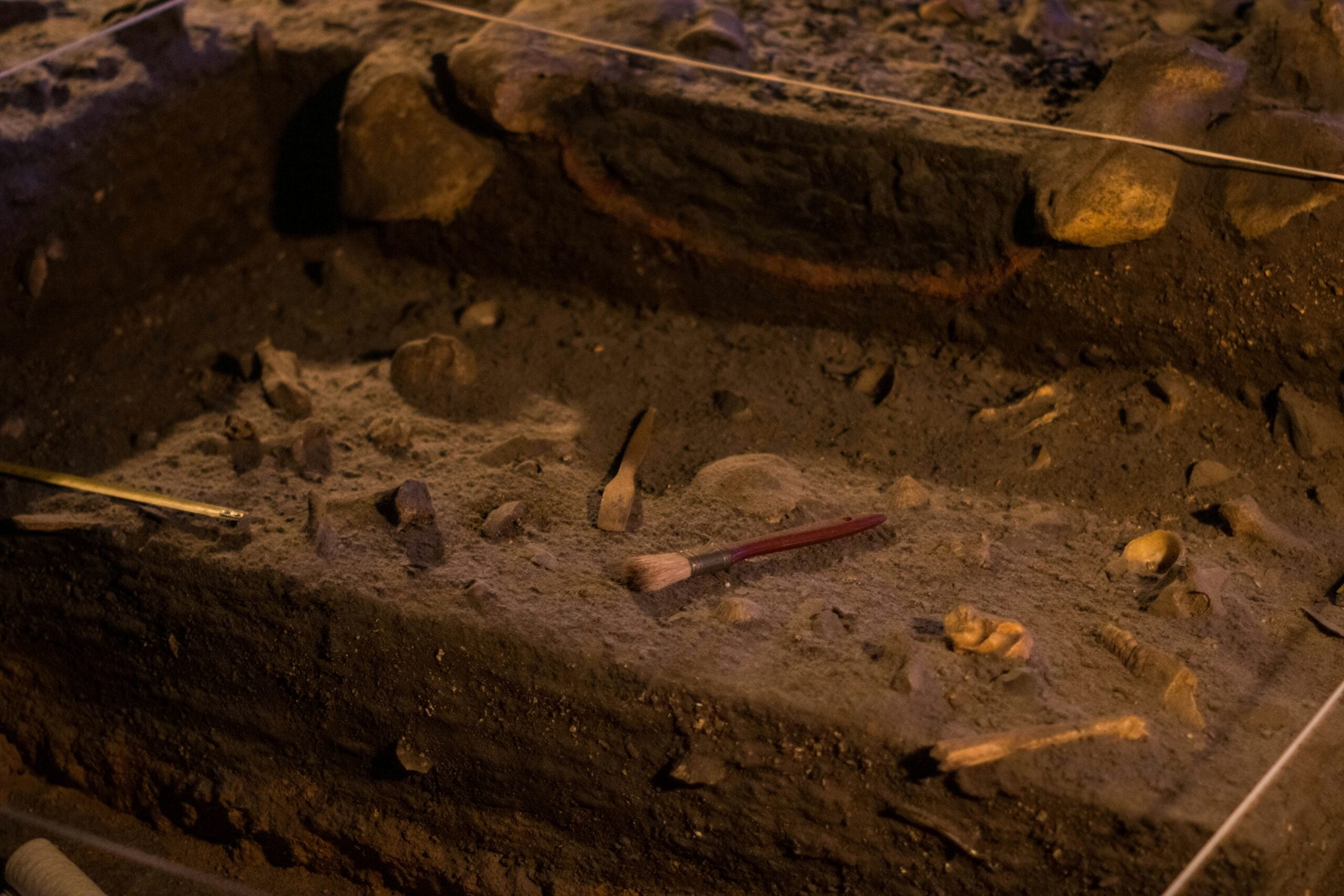
Chief archaeologist Dr. Dieter Noli had been advising miners for over a decade to look for historical artifacts. His persistence and expertise were crucial in recognizing the significance of the initial copper ingot find.
Dr. Noli understood that the Namibian coast was a graveyard for ships from the Age of Exploration. His guidance helped turn a random discovery into a proper archaeological excavation.
The treacherous Skeleton Coast strikes again
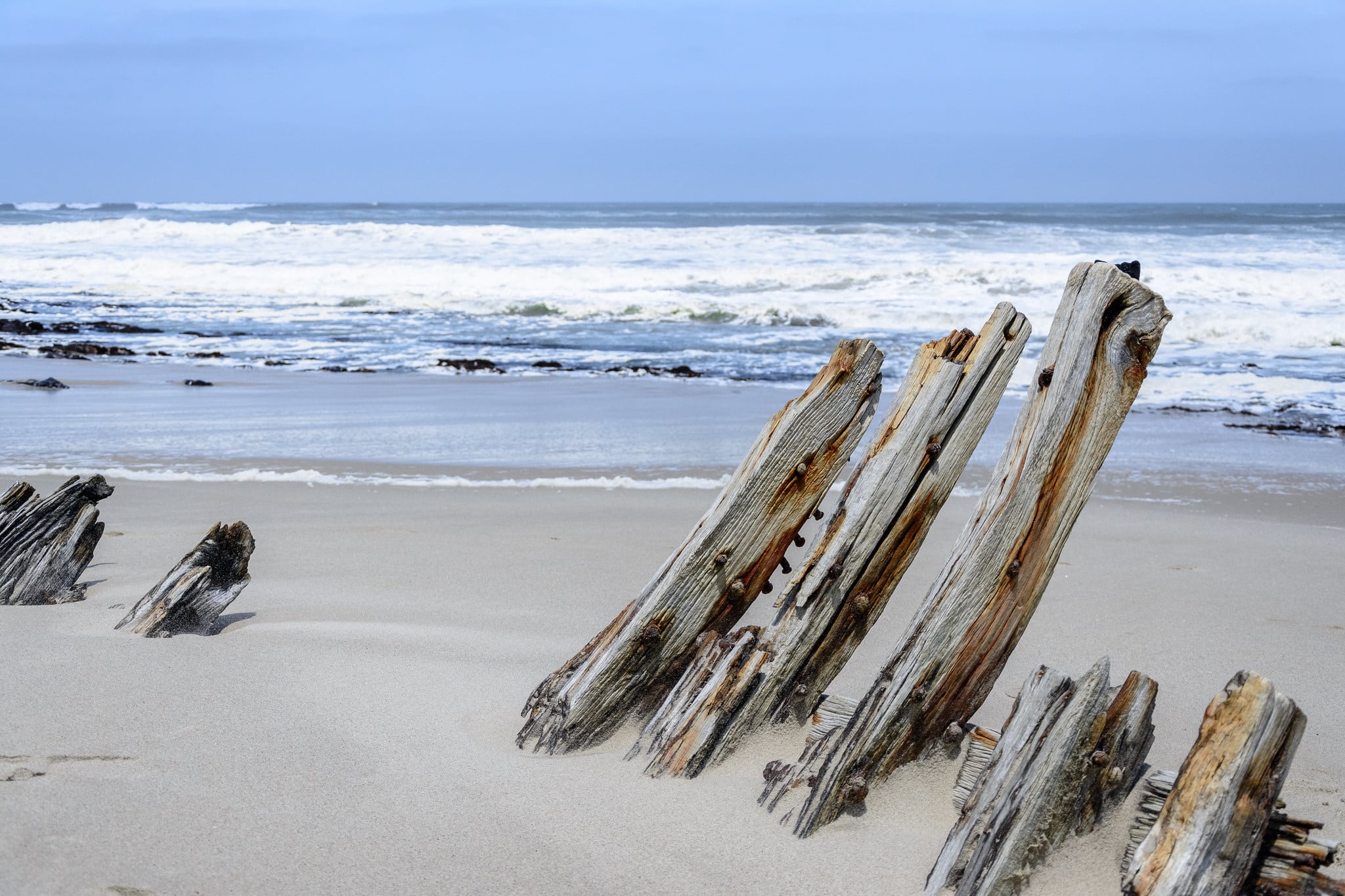
The Namibian coastline where the Bom Jesus was found is known as the Skeleton Coast because of all the ships that have wrecked there over the centuries. Powerful currents, sudden storms, and hidden rocks have been claiming vessels for as long as people have been sailing in the area.
The Portuguese crew of the Bom Jesus joined a long list of sailors who underestimated this dangerous stretch of water. Even today, the Skeleton Coast remains one of the most challenging places to navigate.
Like Go2Tutors’s content? Follow us on MSN.
Weapons that tell war stories
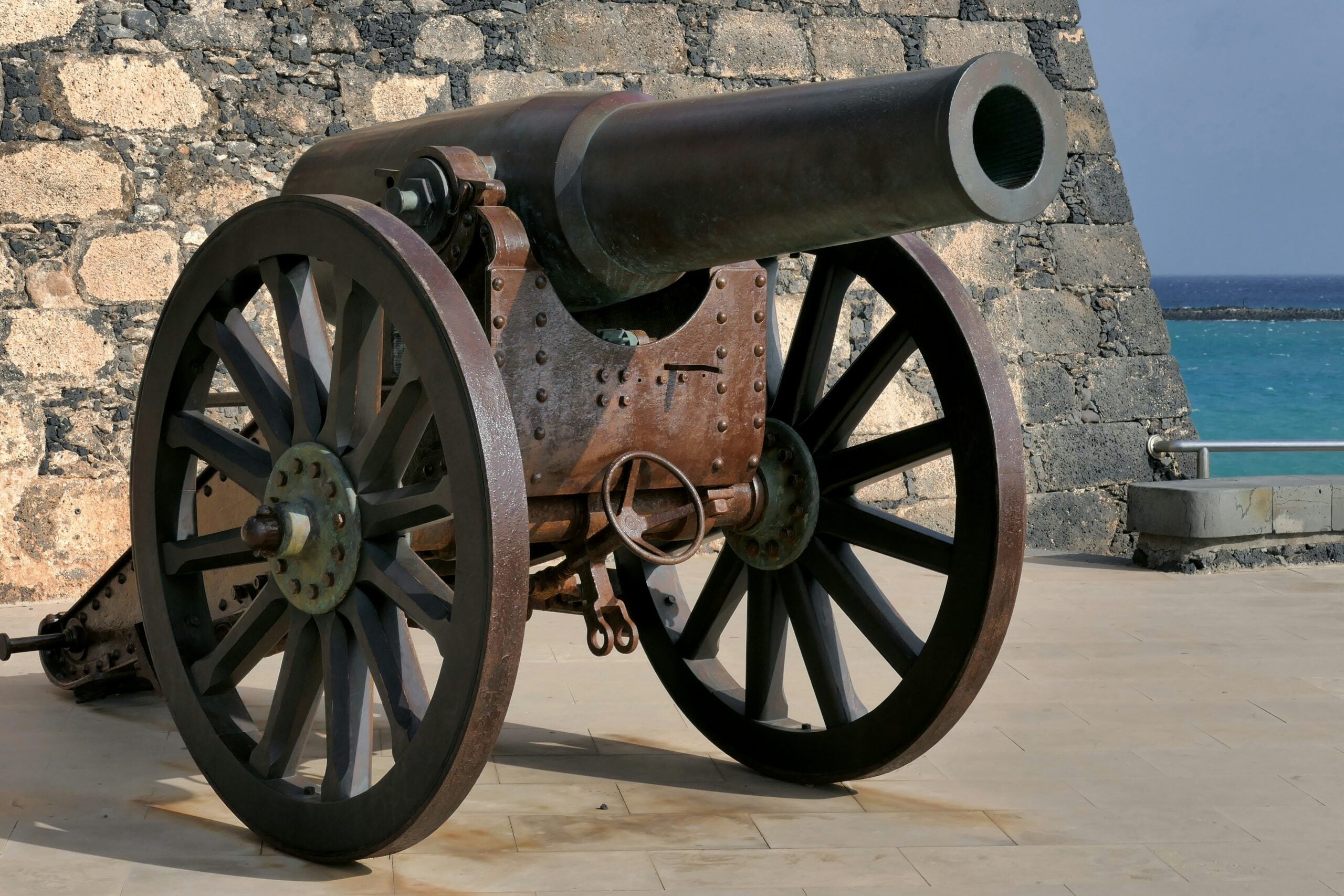
The bronze cannons and muskets found on the ship weren’t just for show – they were essential equipment for any vessel traveling through pirate-infested waters. Portuguese trading ships had to be ready to fight off attacks from rival European powers and local pirates.
These weapons give us a glimpse into just how dangerous ocean travel was during the 1500s. Every merchant vessel was essentially a floating fortress.
The copper ingots that started it all
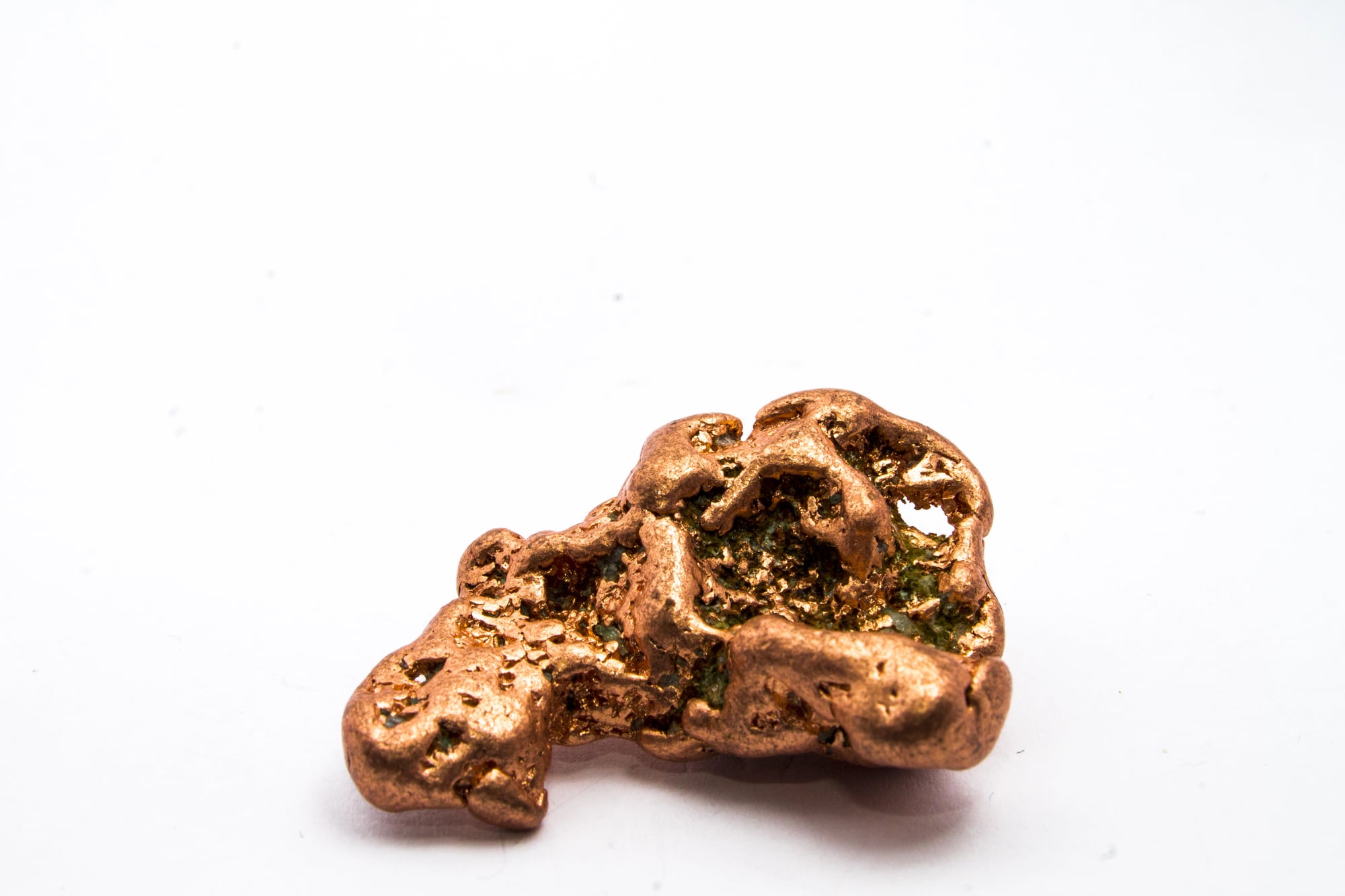
The copper cargo was probably the most valuable part of the ship’s load in terms of 16th-century trade. Copper was essential for making cannons, tools, and coins throughout Europe and Asia.
The ingots found on the Bom Jesus were stamped with official marks showing they met quality standards for international trade. These seemingly simple metal bars were actually sophisticated financial instruments that could be traded anywhere Portuguese merchants had established relationships.
From lost ship to historical treasure
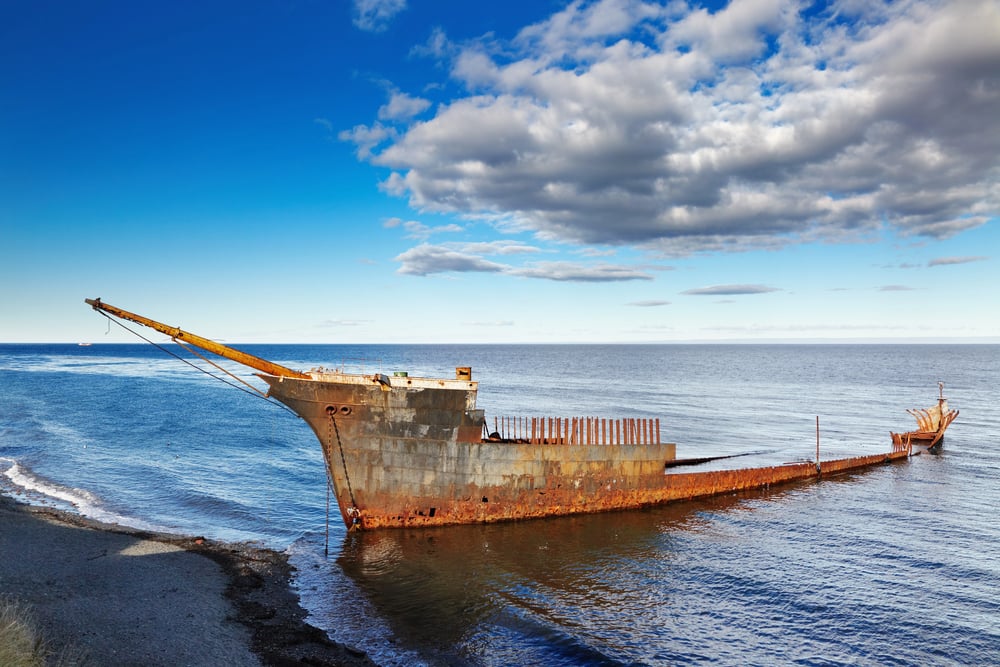
The Bom Jesus discovery transformed our understanding of early Portuguese exploration and trade networks along the African coast. What started as a routine diamond mining operation became one of the most significant maritime archaeological finds of the 21st century.
This discovery has not only shed light on the maritime history of the era but also on the trade routes that connected Europe, Africa, and Asia during the Age of Discovery.
Like Go2Tutors’s content? Follow us on MSN.
More from Go2Tutors!

- 16 Historical Figures Who Were Nothing Like You Think
- 12 Things Sold in the 80s That Are Now Illegal
- 15 VHS Tapes That Could Be Worth Thousands
- 17 Historical “What Ifs” That Would Have Changed Everything
- 18 TV Shows That Vanished Without a Finale
Like Go2Tutors’s content? Follow us on MSN.