25 Misprinted Items Worth More Than Their Error-Free Versions
A printing error that makes it past quality control becomes paradoxically valuable—the imperfection becomes the defining feature. Perfect items remain common.
Items with the mistake become rare. Collectors seek these errors not despite the flaw but because of it, since the error identifies a finite print run corrected before mass reproduction.
The scarcity created by quality control catching the mistake makes the few that escape worth substantially more than the corrected versions that flooded the market afterward.
Harry Potter Philosopher’s Stone with JA Rowling Misspelling
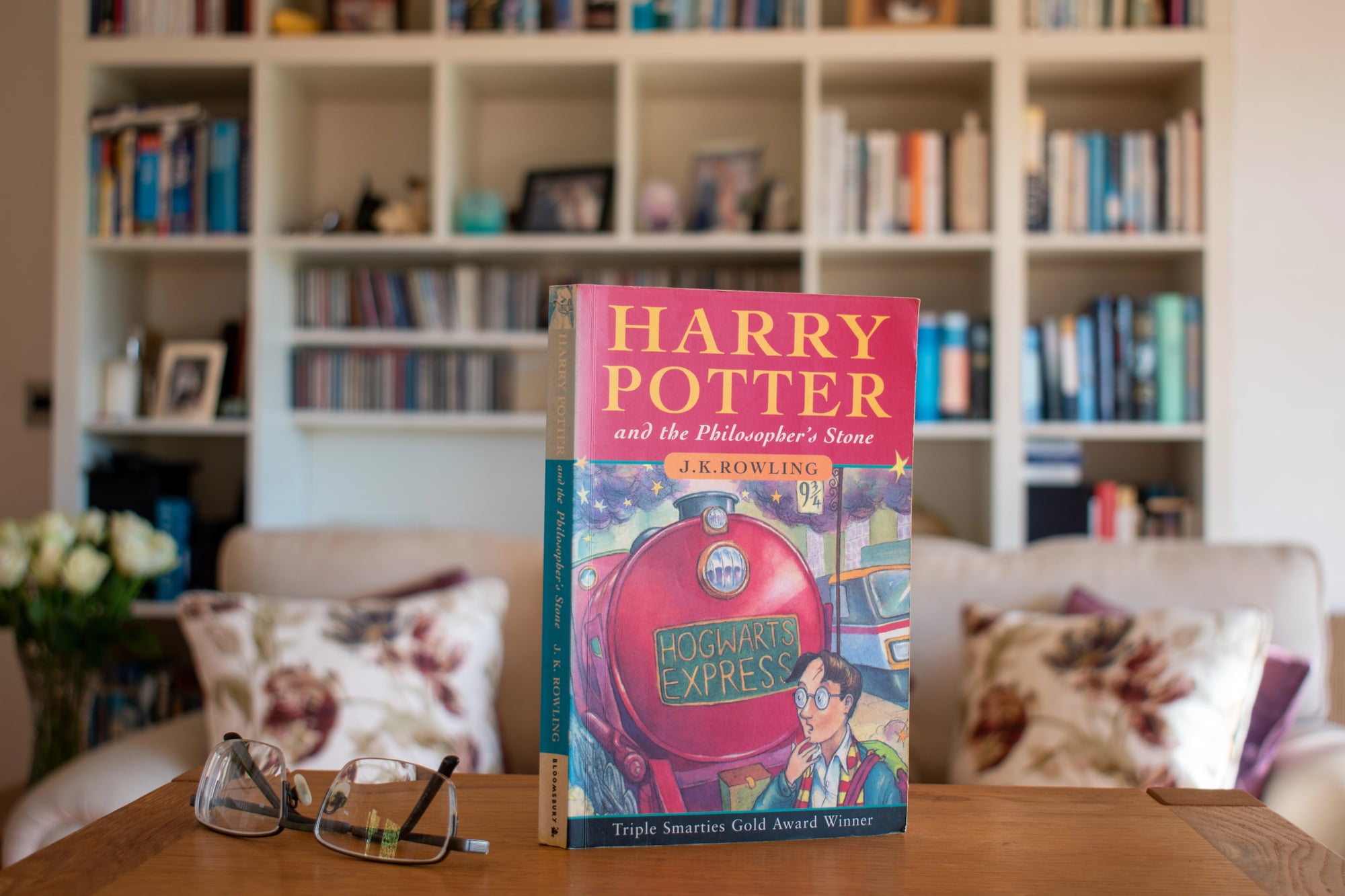
First edition hardcover copies of Harry Potter and the Philosopher’s Stone contain an error on the back cover where J.K. Rowling’s name appears misspelled as “JA Rowling.” This mistake appears only on the very first printing before it was caught and corrected.
A first edition with this error sold for nearly £10,000, vastly exceeding the price of later corrected printings.
Harry Potter Philosopher’s Stone with Page 53 Wand Error
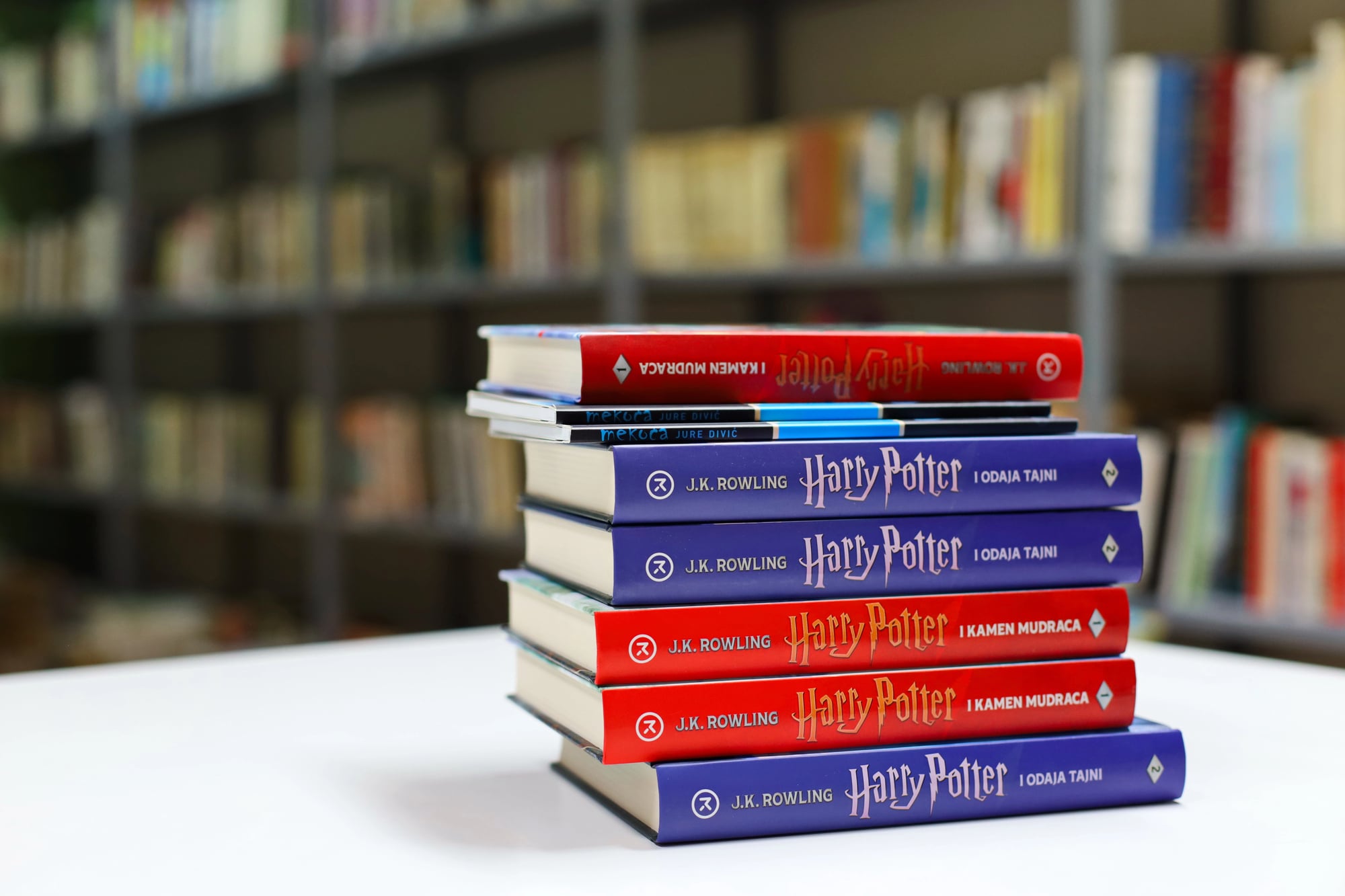
Some first edition copies contain a mistake on page 53 where “1 wand” appears twice in the list of required school supplies. Only approximately 500 hardcover copies were printed with this error before correction.
These misprinted first editions now command substantially higher prices than the corrected versions.
The Sun Also Rises “Stoppped” Error

Ernest Hemingway’s The Sun Also Rises contains an error on page 181 where “stopped” is misspelled as “stoppped.” This mistake appears in only the earliest printing and was quickly corrected.
When accompanied by other identifying marks indicating an early printing—correct date, original publisher, and proper binding—these copies become significantly more desirable to collectors than later corrected editions.
The 1631 Wicked Bible
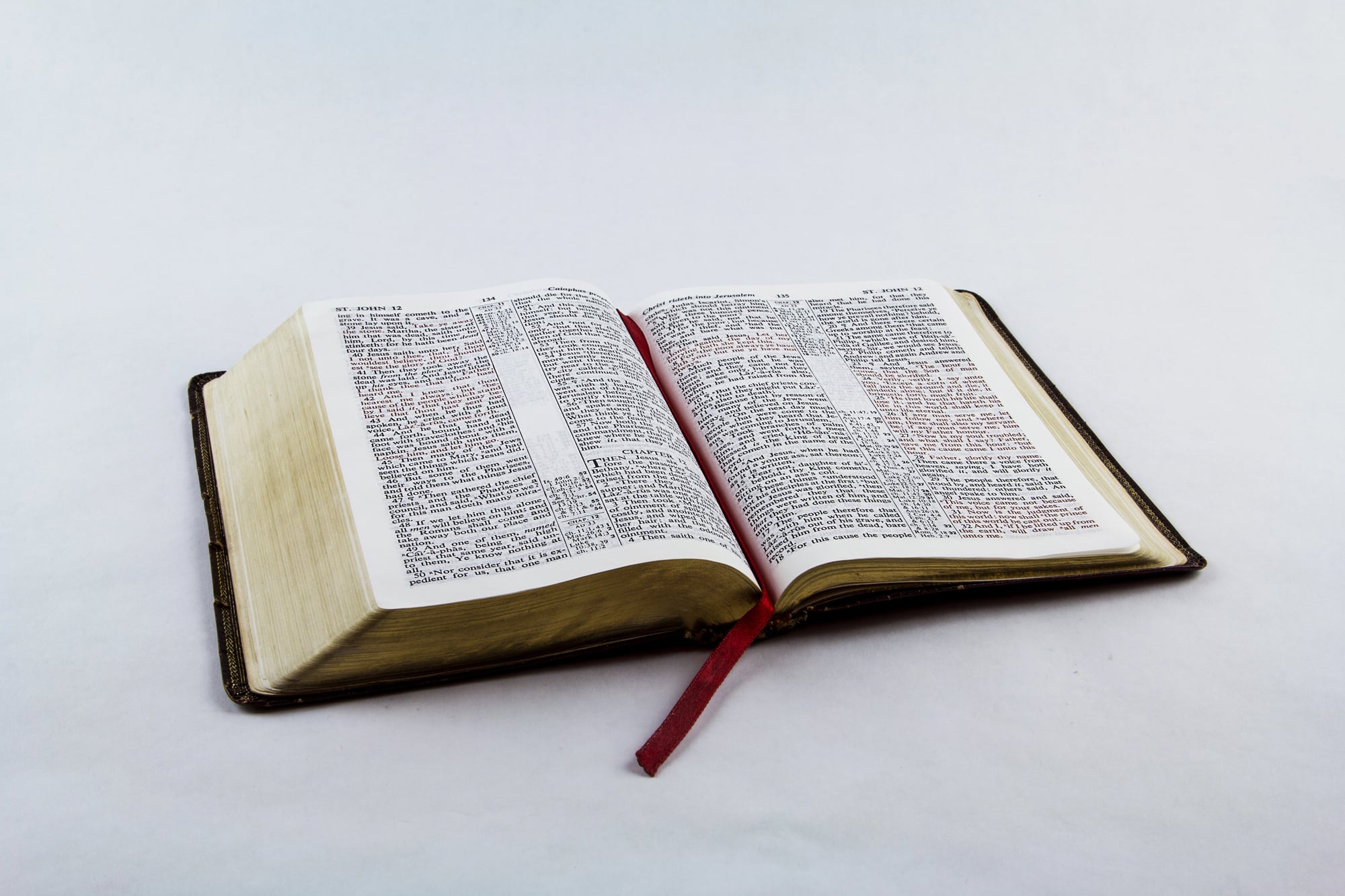
The 1631 printing of the King James Bible contains one of literature’s most infamous misprints: the word “not” is omitted from the Seventh Commandment, reading “Thou shalt commit adultery” instead of the correct version. This error was caught and the edition was recalled, making surviving copies extremely scarce and commanding substantial collector prices.
1955 Double Die Lincoln Penny
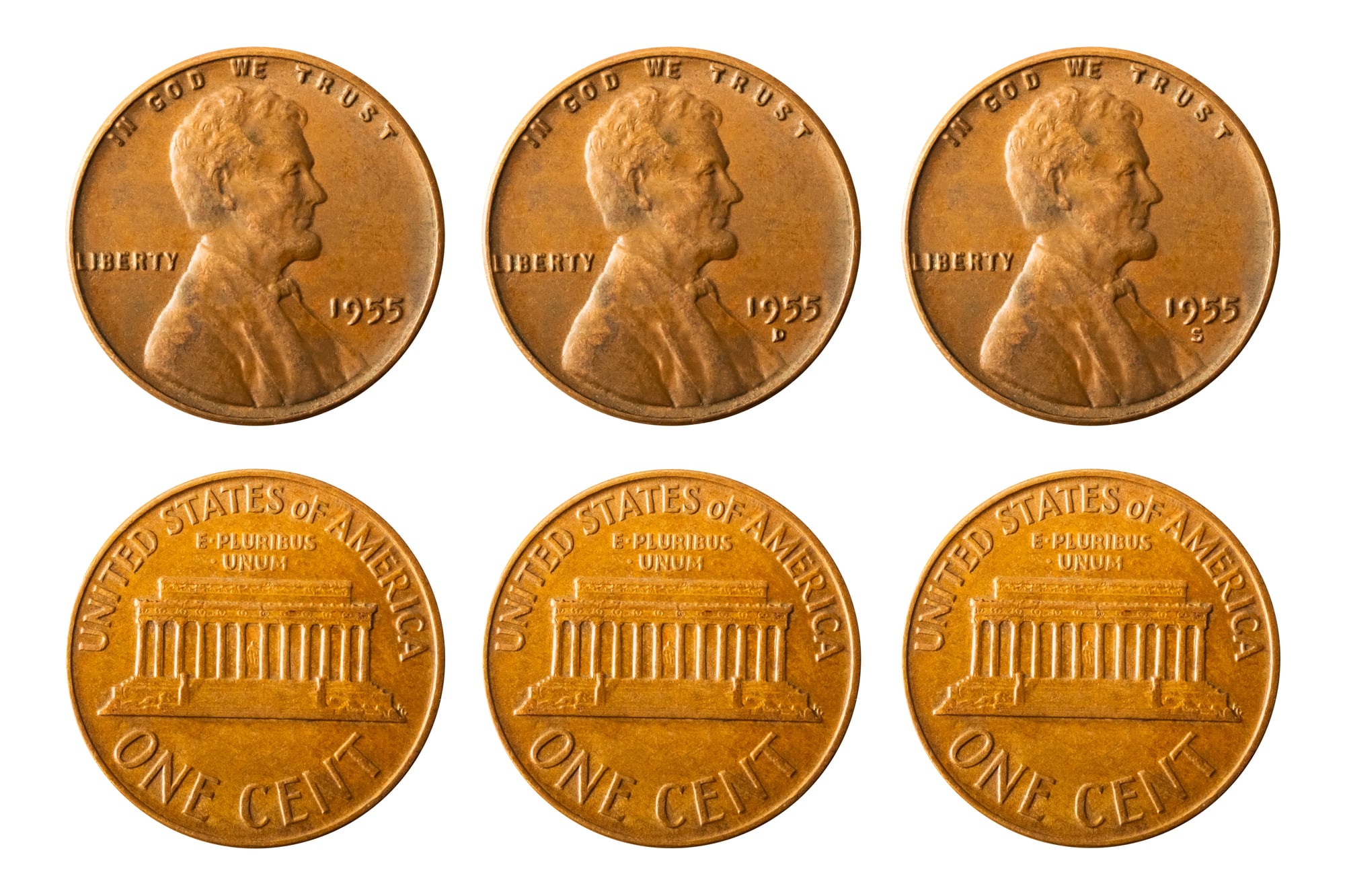
The U.S. Mint accidentally created pennies with doubled features when the die used to stamp them was pressed twice at slightly different angles. The resulting 1955 Lincoln pennies with clear doubling on the date and lettering became collectors’ sought-after items.
While regular 1955 pennies are worth face value, these double die versions sell for $1,000 to $2,000 in good condition.
Inverted Face Printing on Currency
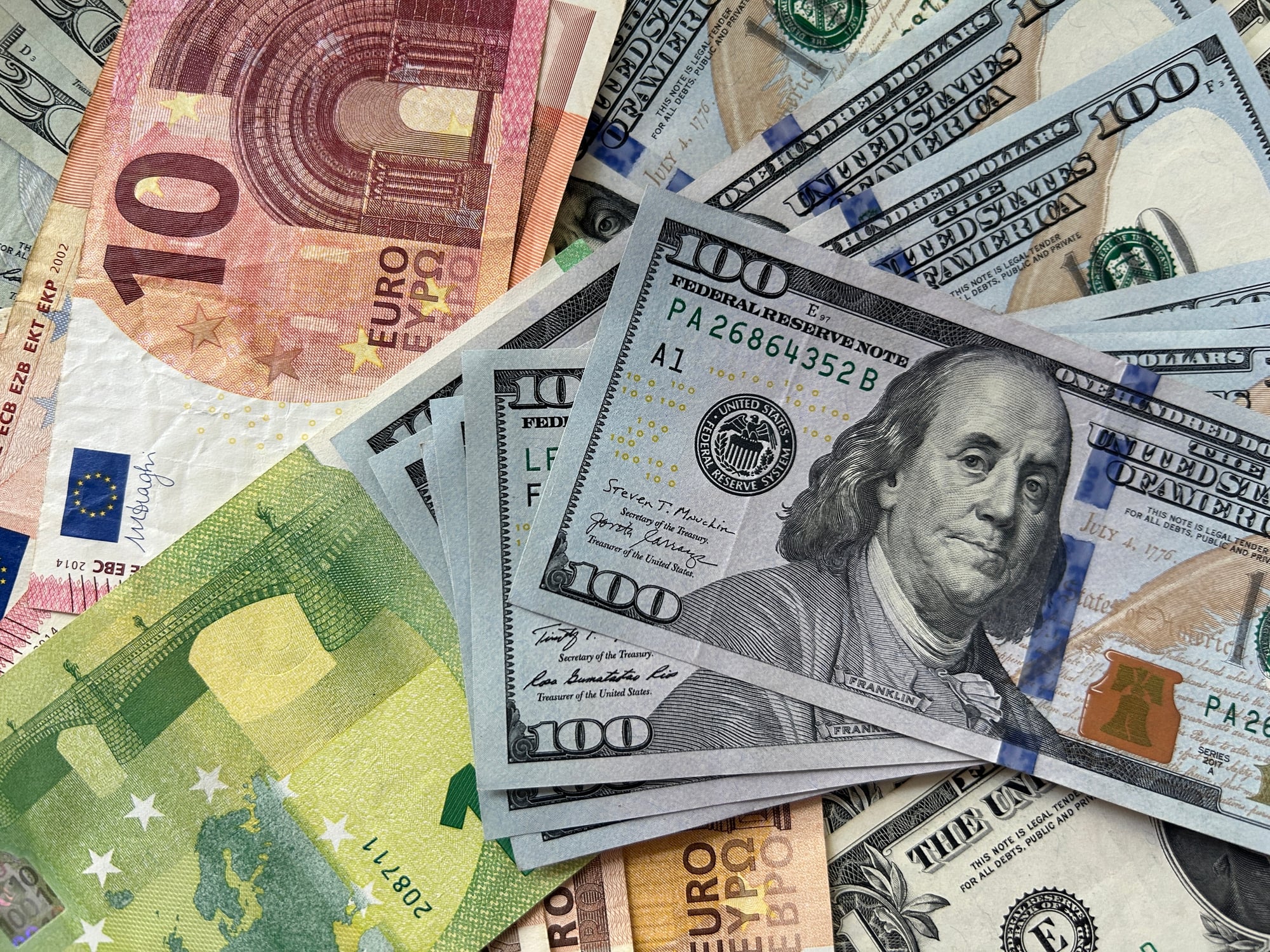
Currency with the central image printed upside down while the borders remain correct creates immediately noticeable errors. This conspicuous mistake makes bills extremely valuable to collectors, often worth hundreds to thousands of dollars depending on denomination and condition.
Missing Print Errors on Paper Currency
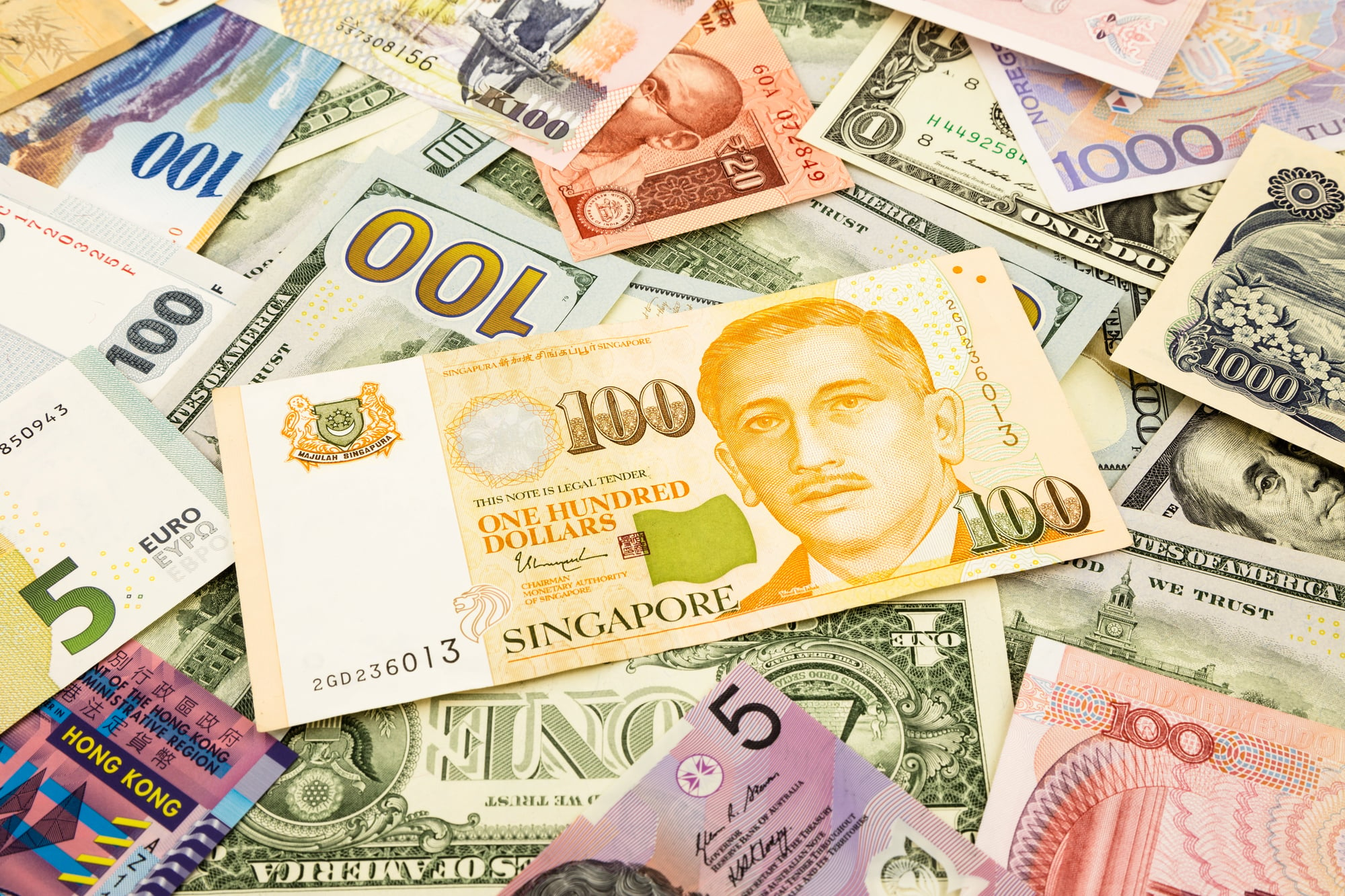
Some bills reach circulation with major portions of the image unprinted, due to ink supply malfunctions or press issues. Missing print errors on dollar bills range from $150 to $400 in value depending on the degree of incompleteness and bill condition.
Minnesota Quarter with Extra Tree Error
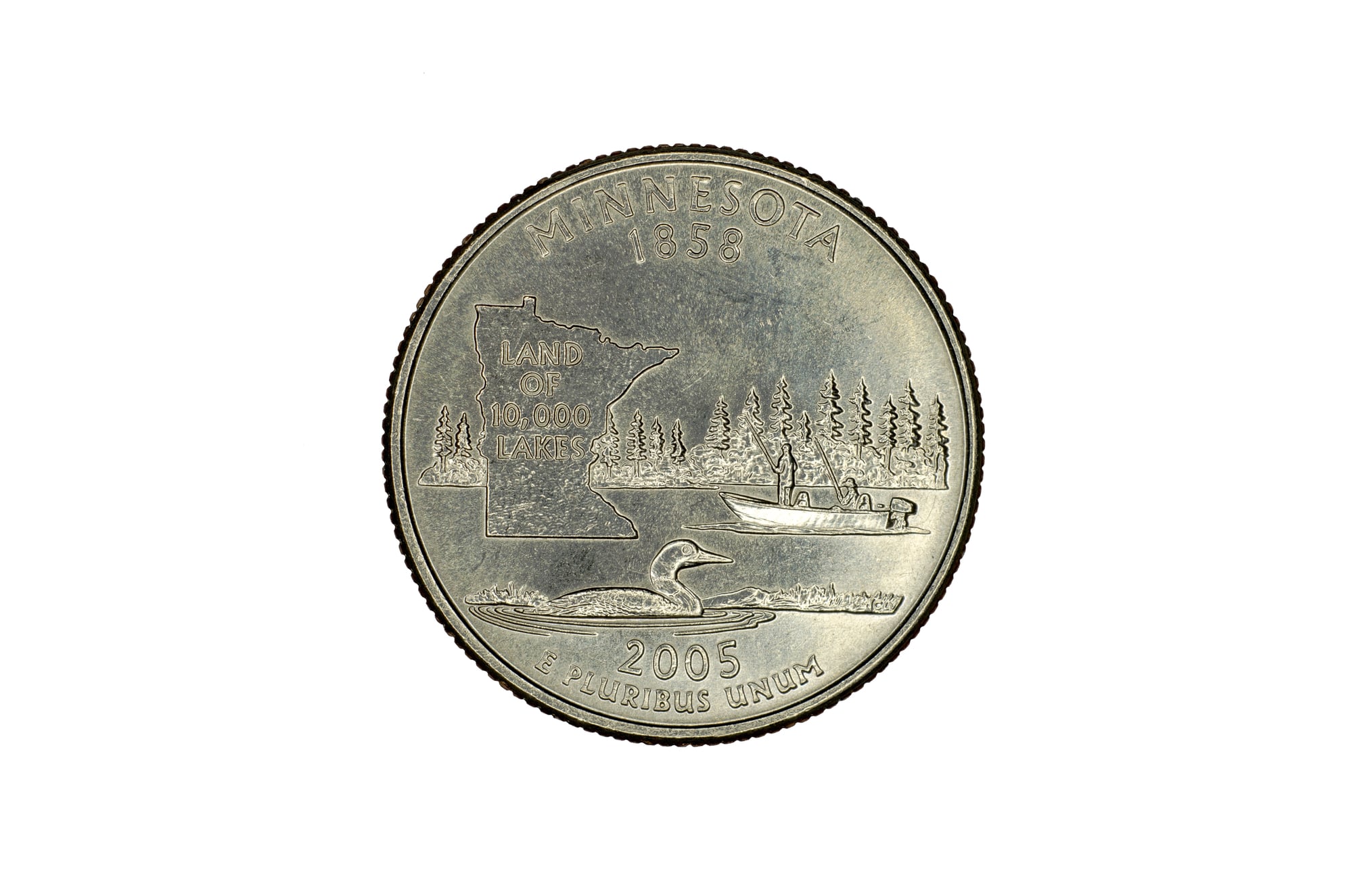
A limited number of Minnesota quarters contain an extra line that resembles a tree, though the error originated from a manufacturing issue. Collectors call these the “Extra Tree” quarters, and they sell for $100 to $500 depending on condition, far exceeding the 25-cent face value.
Bills with Misaligned Printing
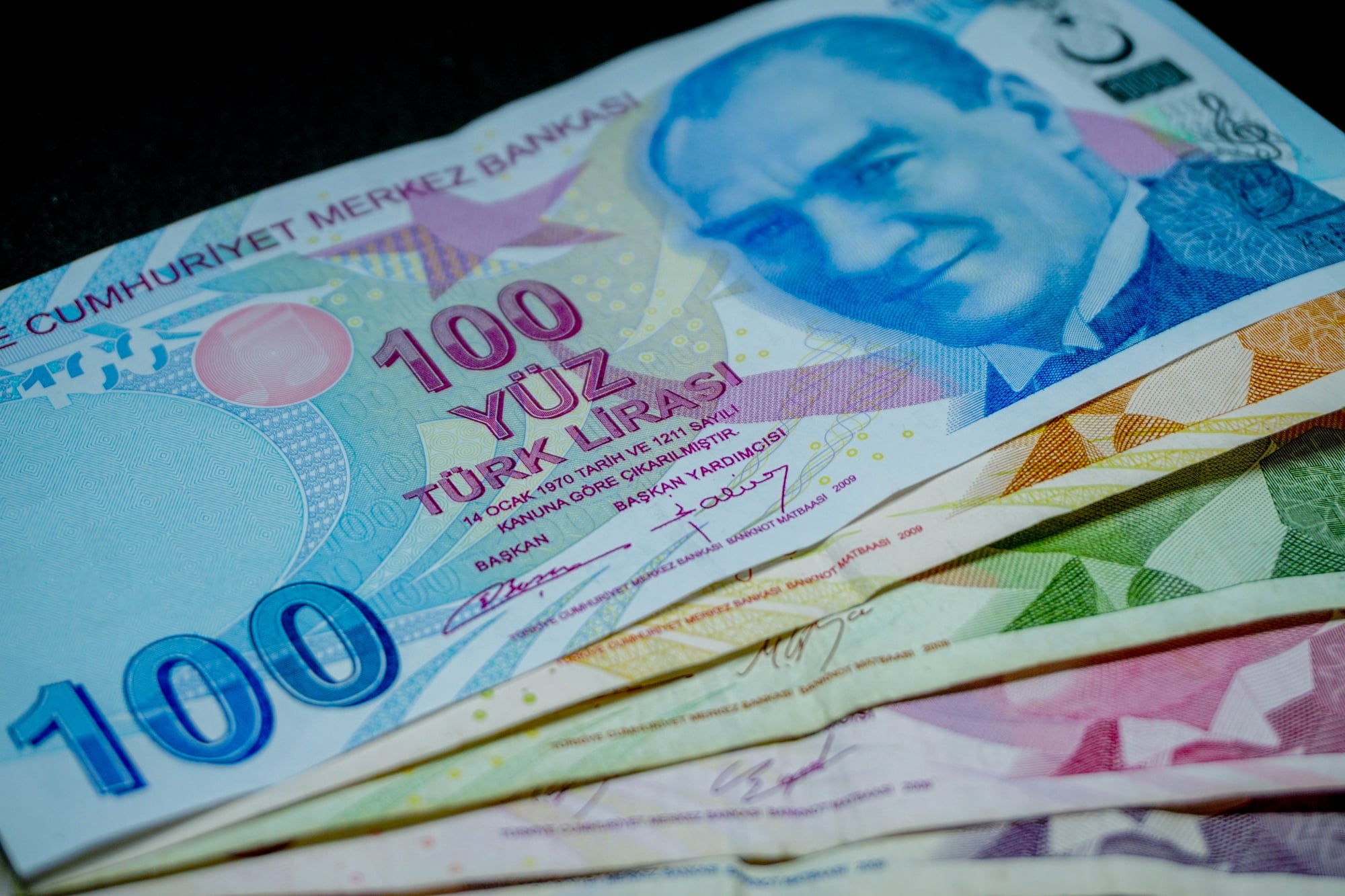
Banknotes with printing misalignment—where elements of the design don’t line up correctly—create dramatic visual errors. The severity of the misalignment directly affects value, with more severe offsets commanding higher prices from collectors.
Dollar Bills with Doubled Denominations
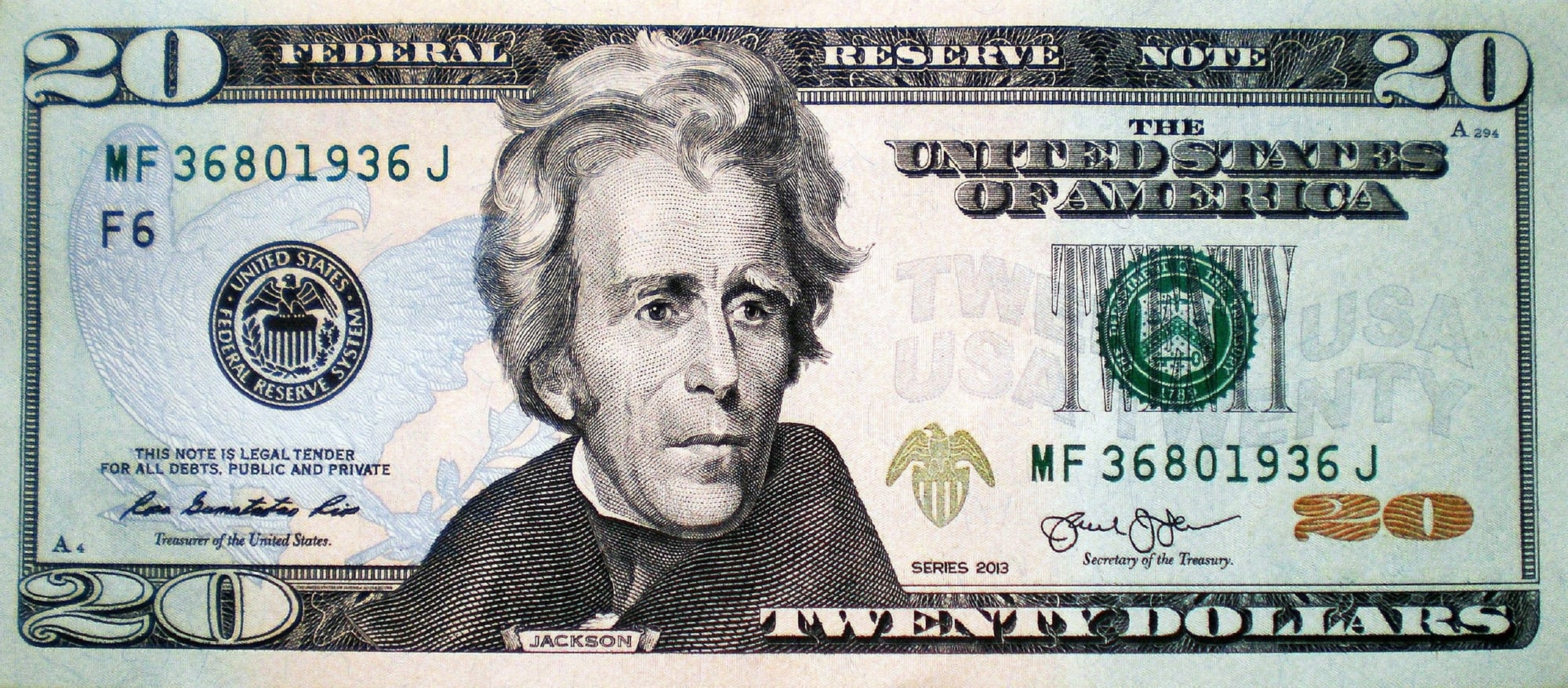
Occasionally, a bill is printed with doubled denomination numbers or images, creating two $10 markings or two portraits on a single note. These extremely rare errors sell for hundreds of dollars to currency specialists.
Paper Currency with Missing Serial Numbers
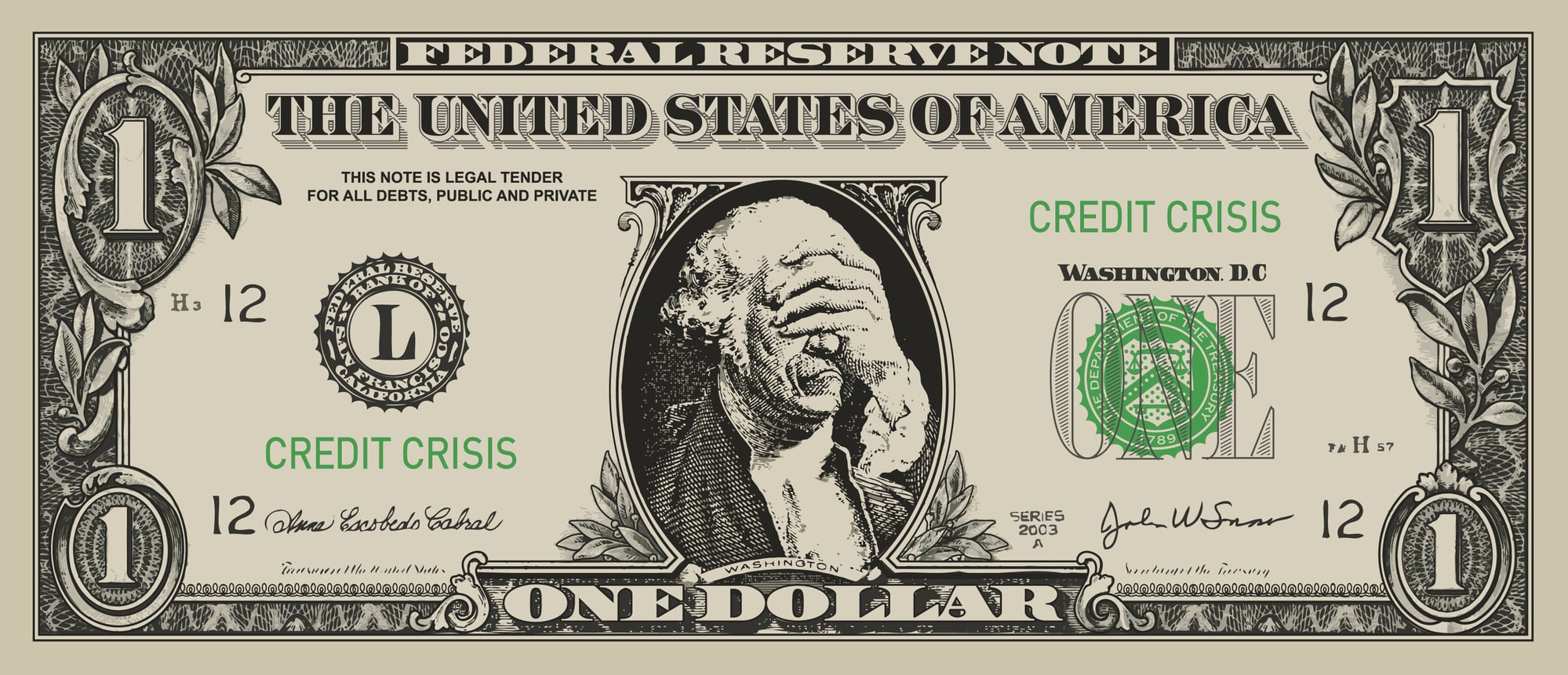
Some bills escape the printing facility without serial numbers due to press malfunctions. Missing serial numbers significantly increase collector value, often reaching $100 to $500 depending on denomination and condition.
Bills Printed on Wrong Paper Stock
Rare errors occur when paper currency is printed on incorrect paper material—sometimes with different texture or color than standard currency paper. These anomalies attract both currency collectors and paper specialists.
Jonathan Franzen’s Freedom Recalled Edition

The first printing of Jonathan Franzen’s Freedom contained errors that led to a recall. However, the small number of misprinted copies that survived the recall became potentially valuable collector’s items, as is often the case when major books are recalled before widespread distribution.
Tracy Chevalier Girl with Pearl Earring Back Cover Error
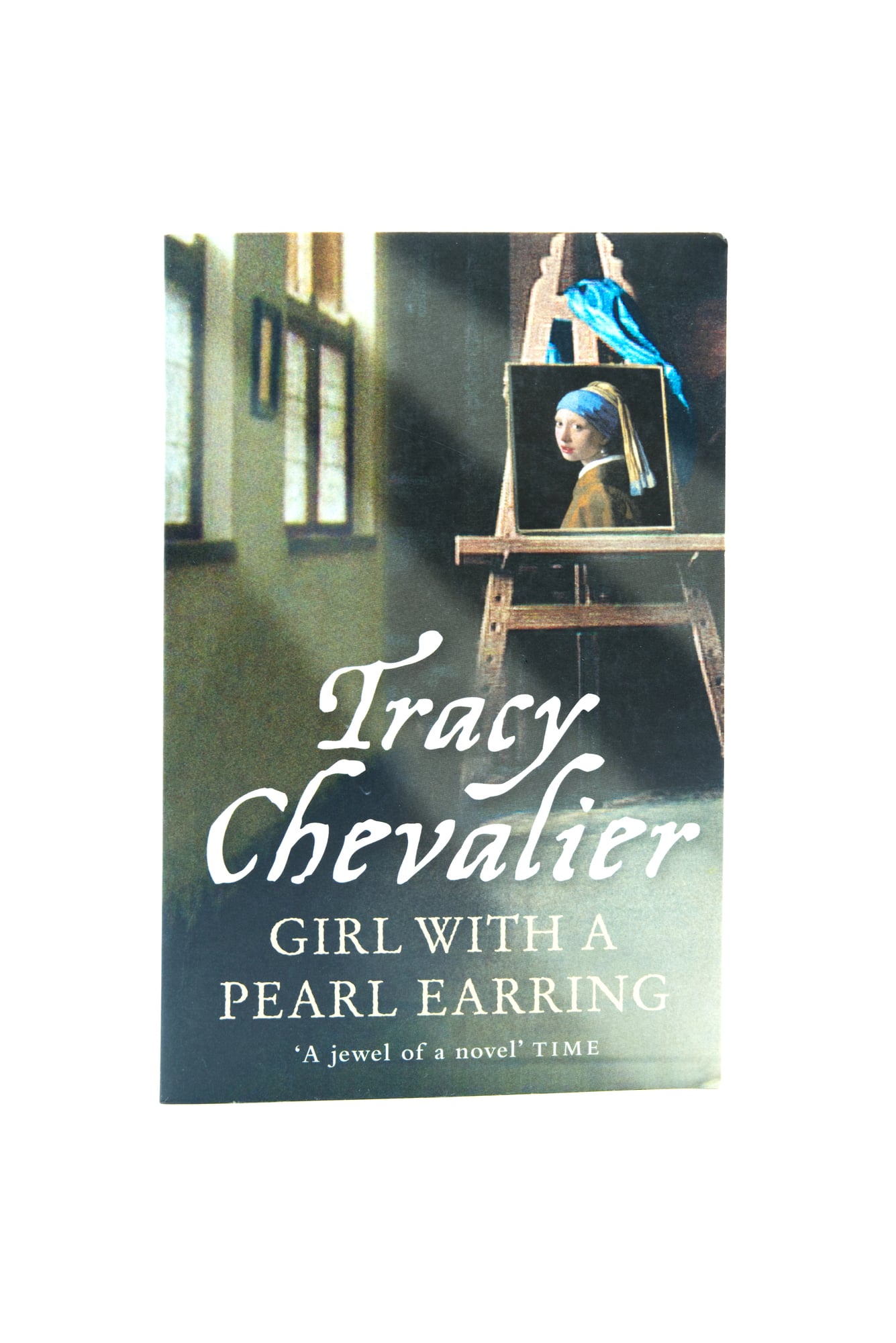
The first UK edition of Tracy Chevalier’s Girl with a Pearl Earring contains a misspelling on the back cover where “Earring” appears instead of “Earing.” This error was caught early enough to prevent widespread distribution, making error copies scarcer and more valuable than the corrected versions.
Inverted Jenny Stamp Error
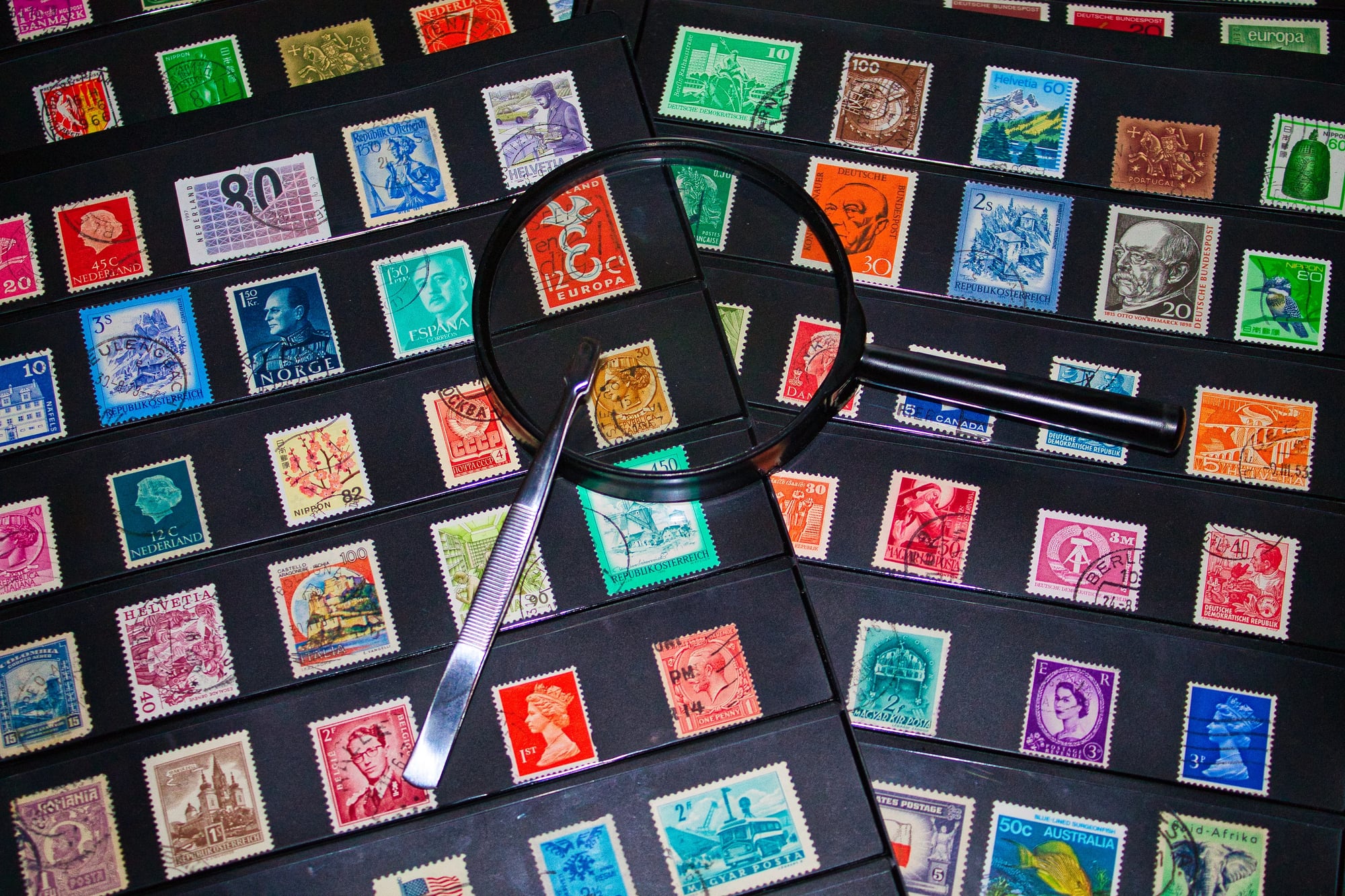
The 1918 24-cent airmail stamp depicting an airplane printed upside down became one of the most famous stamp errors in philately. A sheet containing one inverted example was discovered among standard issues.
Single inverted Jenny stamps sell for thousands of dollars at auction.
Pokemon Card Printing Errors with Shifted Images
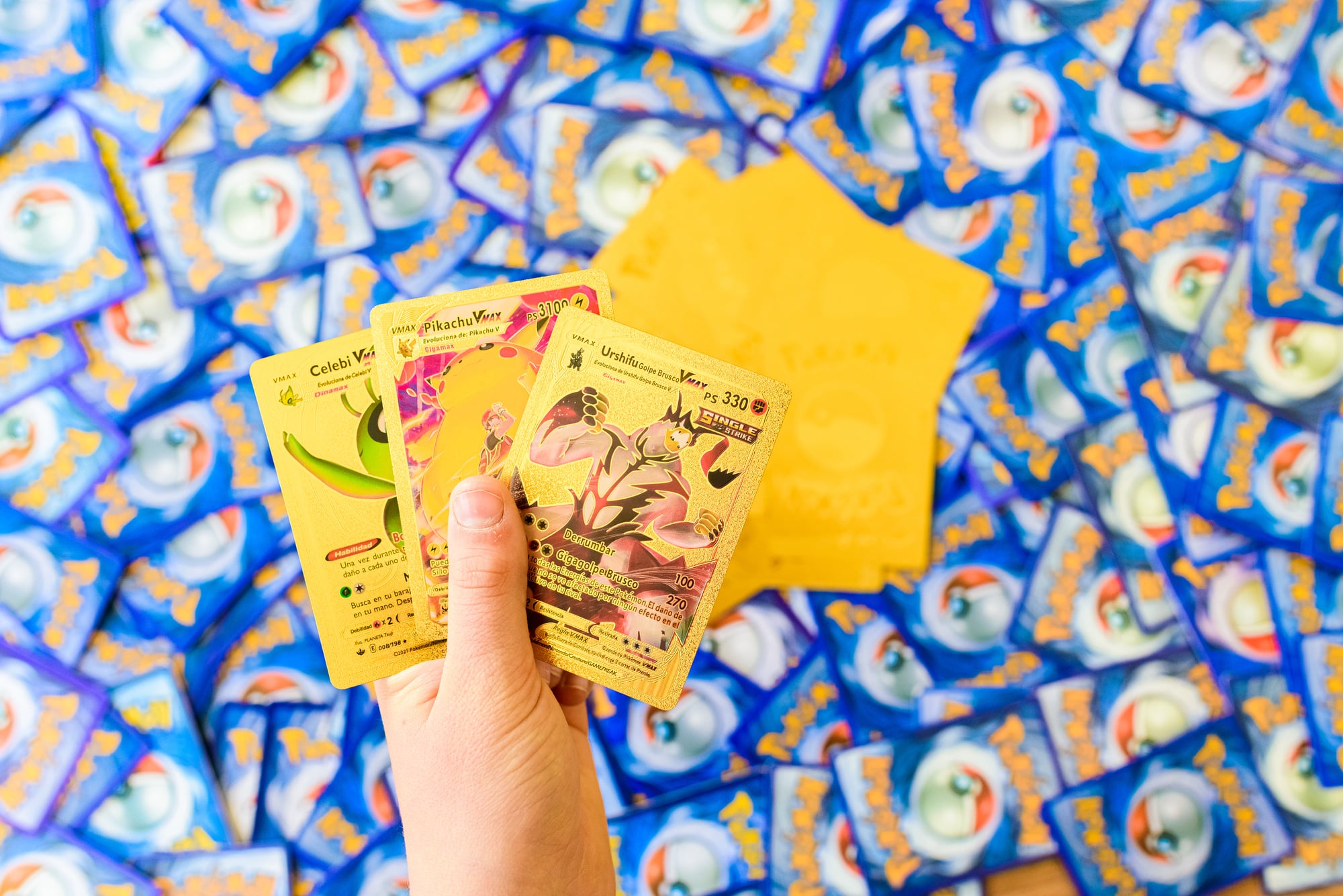
Rare Pokemon card variants with misaligned images or missing elements from printing press errors attract serious collectors. Error cards from first-generation sets sometimes sell for significantly more than correctly printed versions.
Nintendo Game Cartridge Printing Errors
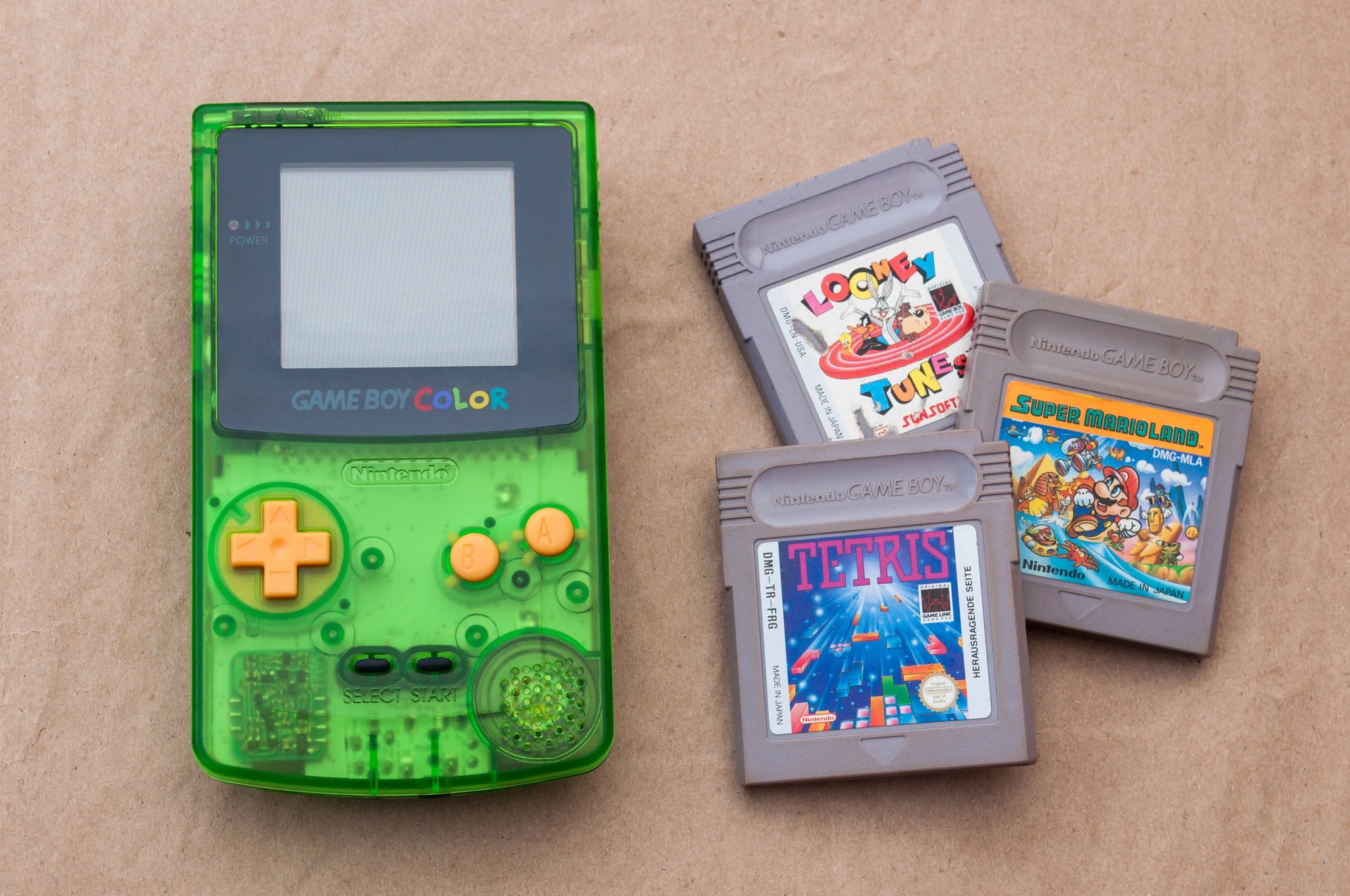
Rare Nintendo cartridge variants with printing errors or label mistakes attract collectors of vintage gaming. Some of these error cartridges represent some of the rarest Nintendo items ever released.
Comic Book Printing Errors and Color Registration Issues
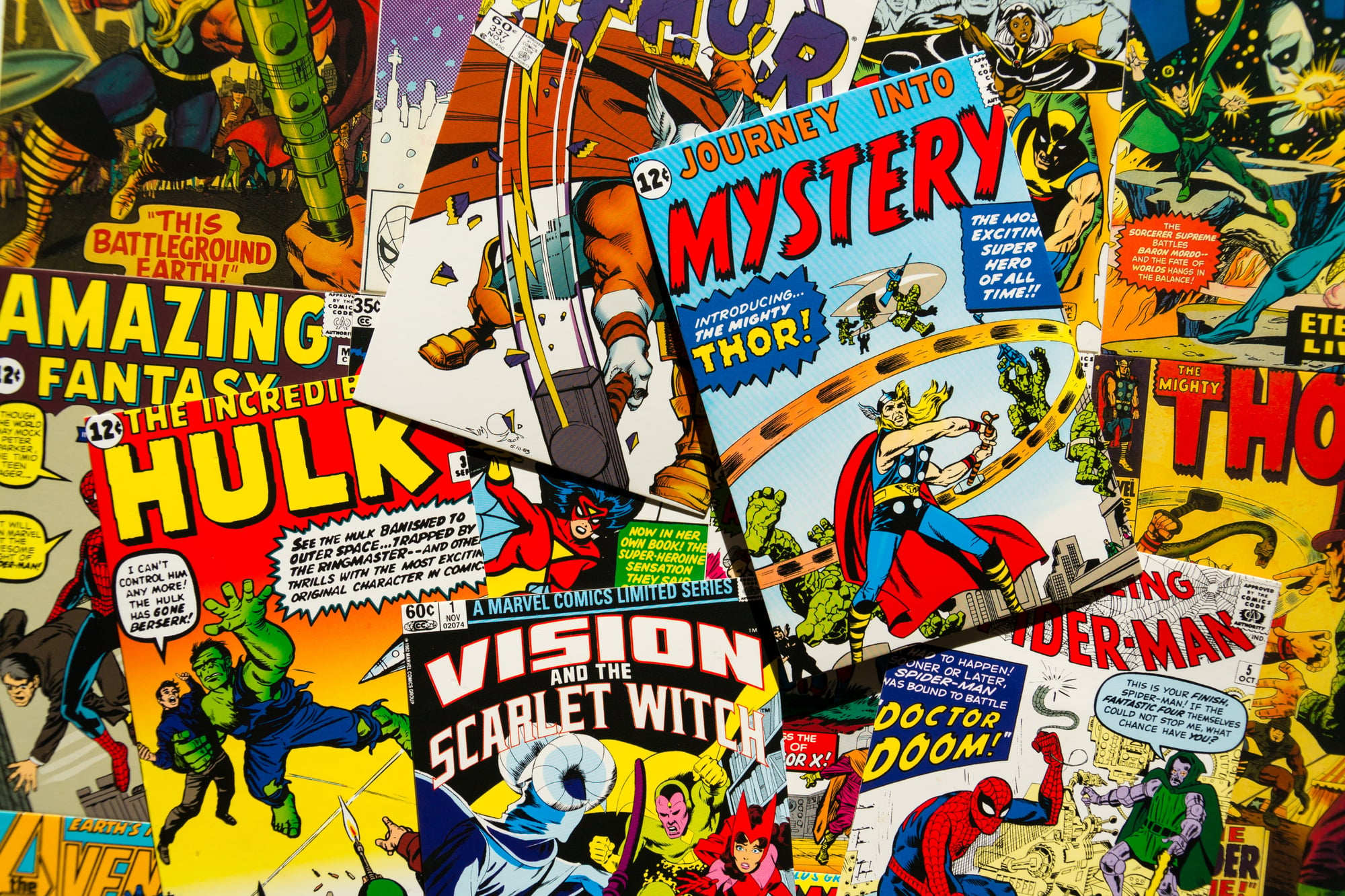
Comic books with misaligned color printing or missing color layers sometimes become valuable if they occurred early in a run before correction. Rare and dramatic color errors can sell for substantial premiums.
Postage Stamps with Inverted Images
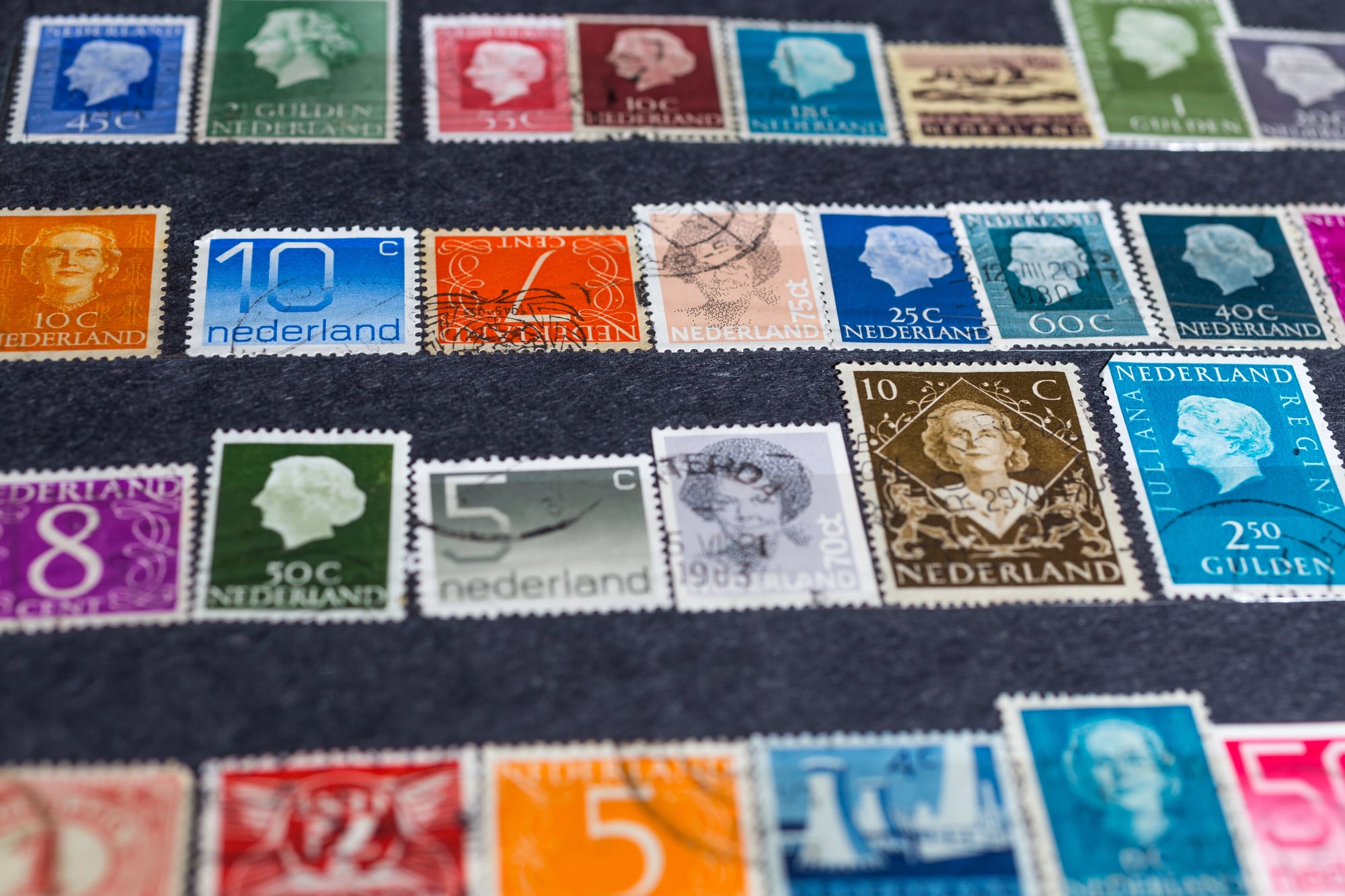
Various stamp series throughout history contain inverted printing errors where the central image prints upside down relative to the rest of the design. Collectors of postage stamps consider these highly desirable, with values ranging from hundreds to thousands depending on rarity.
Paper Stamps with Color Variations from Printing Errors
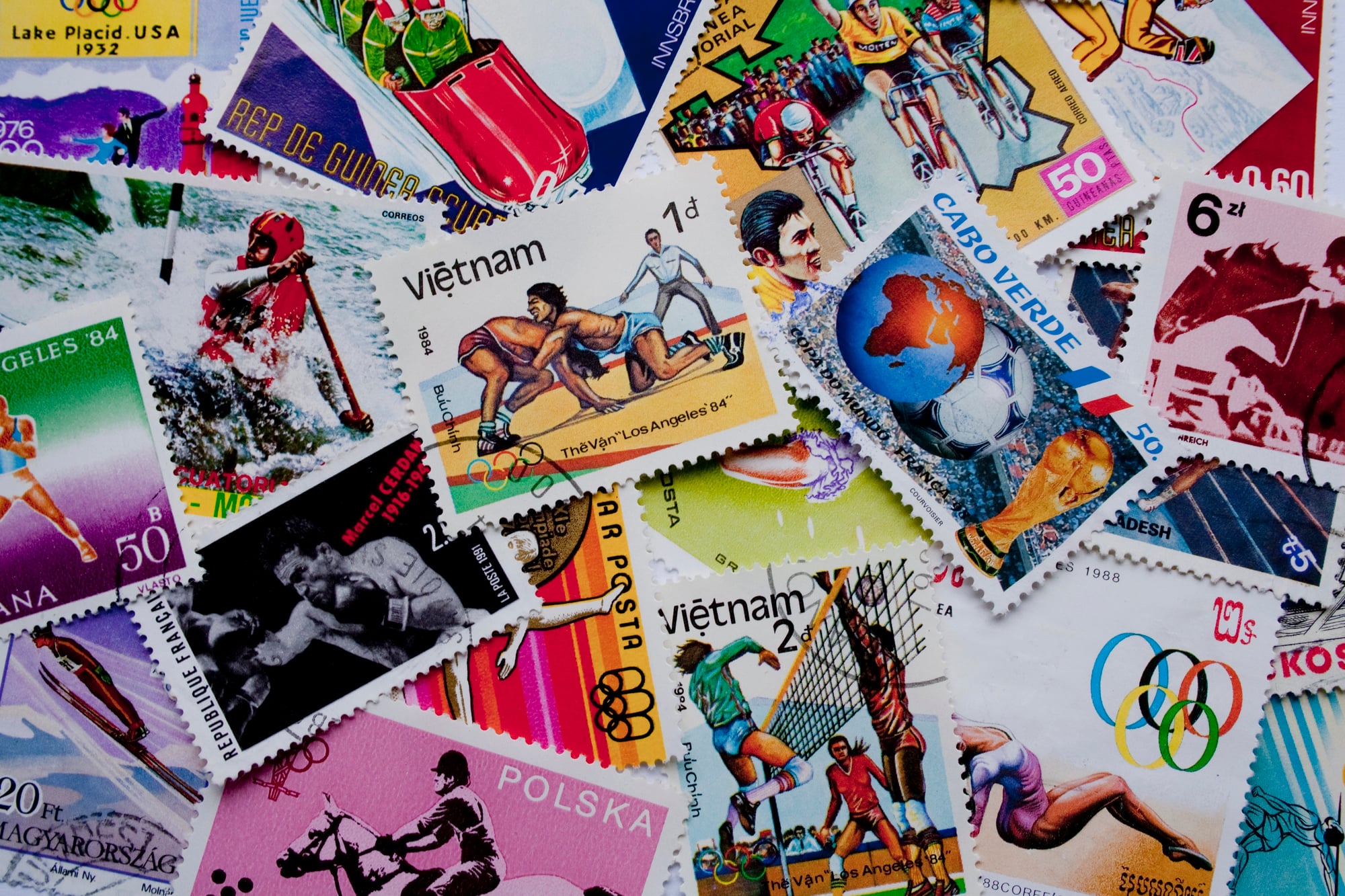
Stamps printed in wrong colors or with shifted colors due to press errors become collectible variants. These errors, when rare enough, substantially exceed the face value of normally printed examples.
Currency with Ink Smears and Splatters
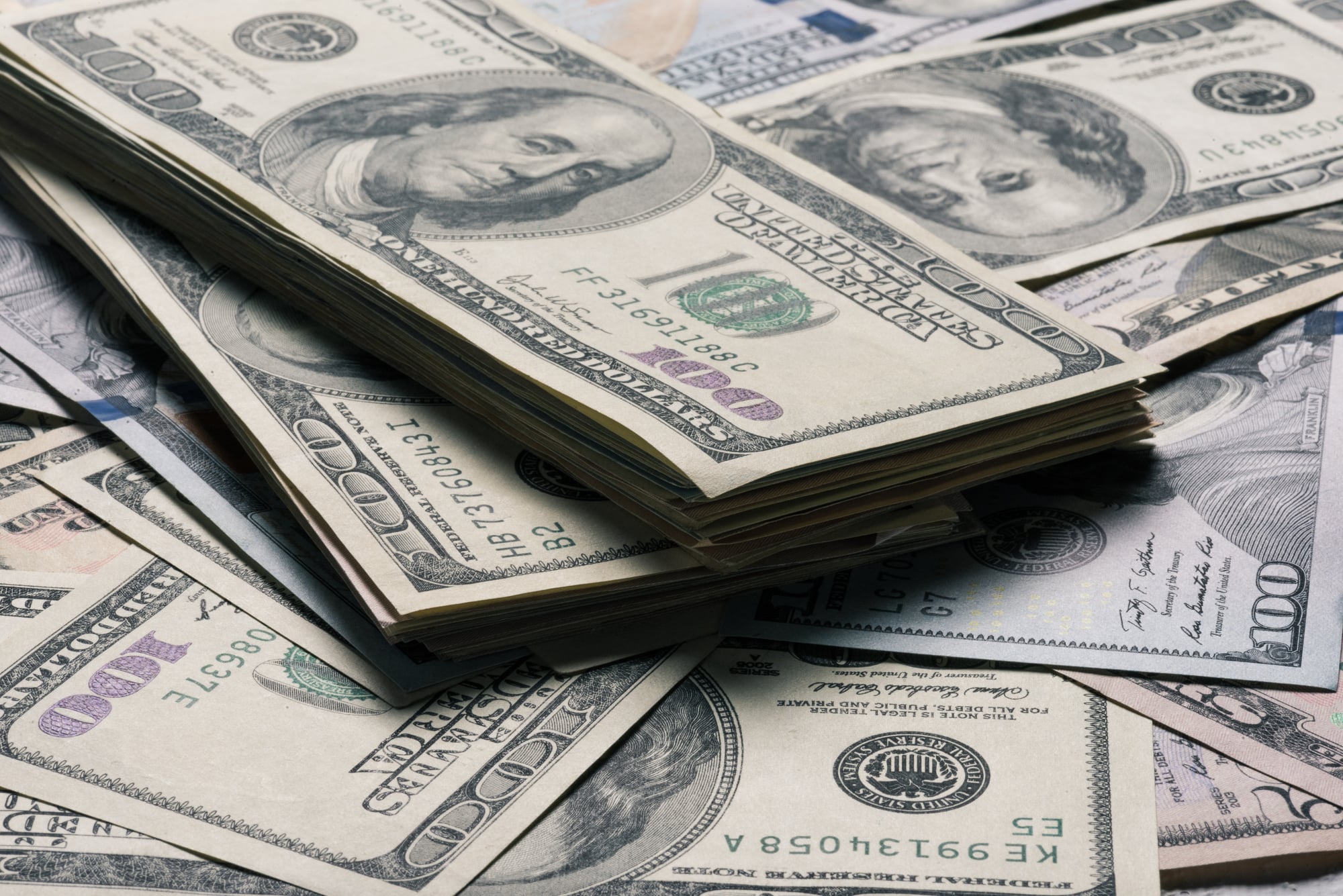
Dramatic ink smears or splatters visible on bills create eye-catching errors that collectors notice immediately. The visual impact of these errors often correlates with collector interest and value.
Bills with Partially Unprinted Sections
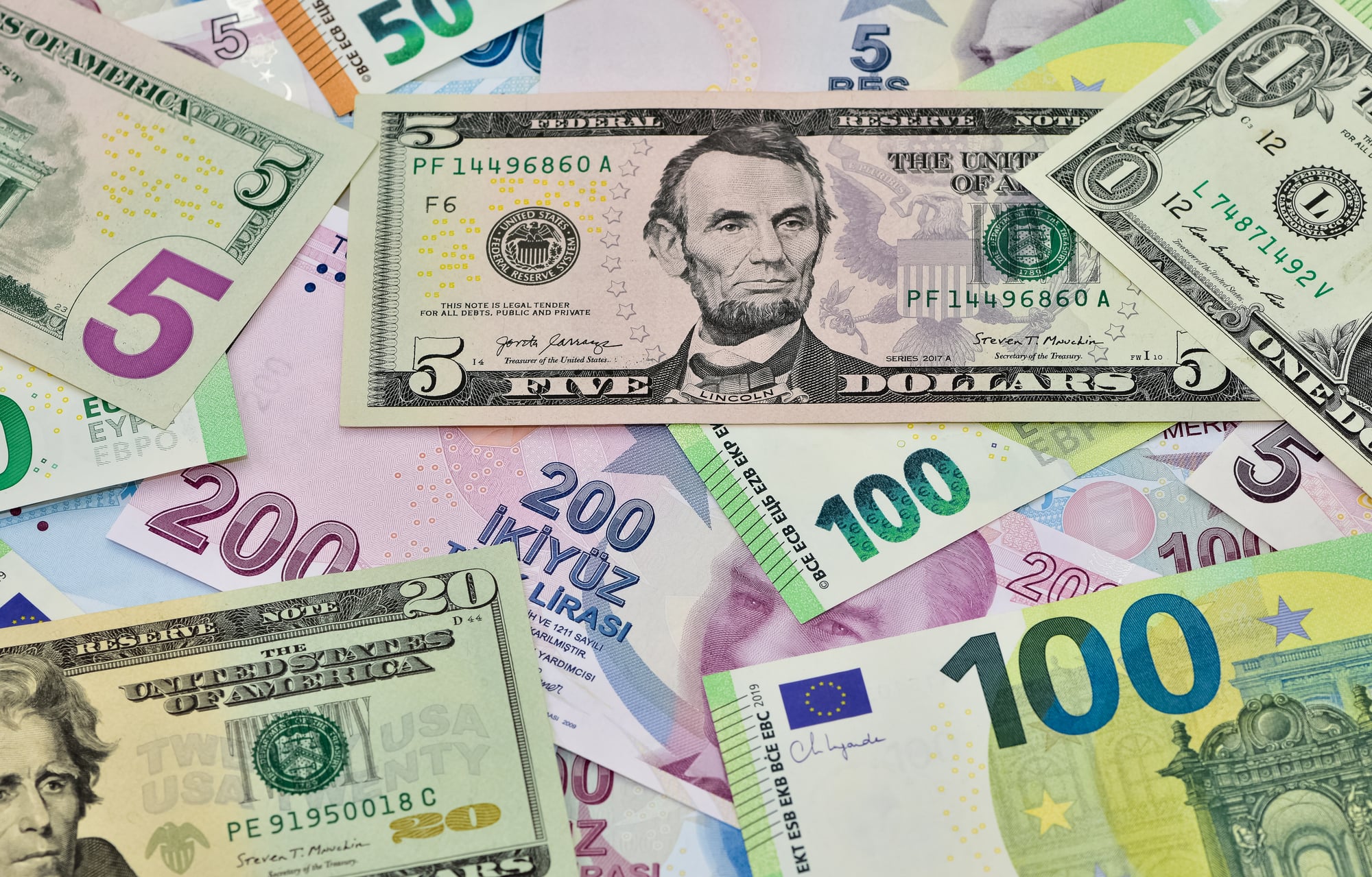
Some currency reaches circulation with entire sections of the design unprinted, creating stark blank areas. These dramatically incomplete bills command substantial premiums from collectors interested in obvious printing failures.
Misaligned Serial Numbers on Currency
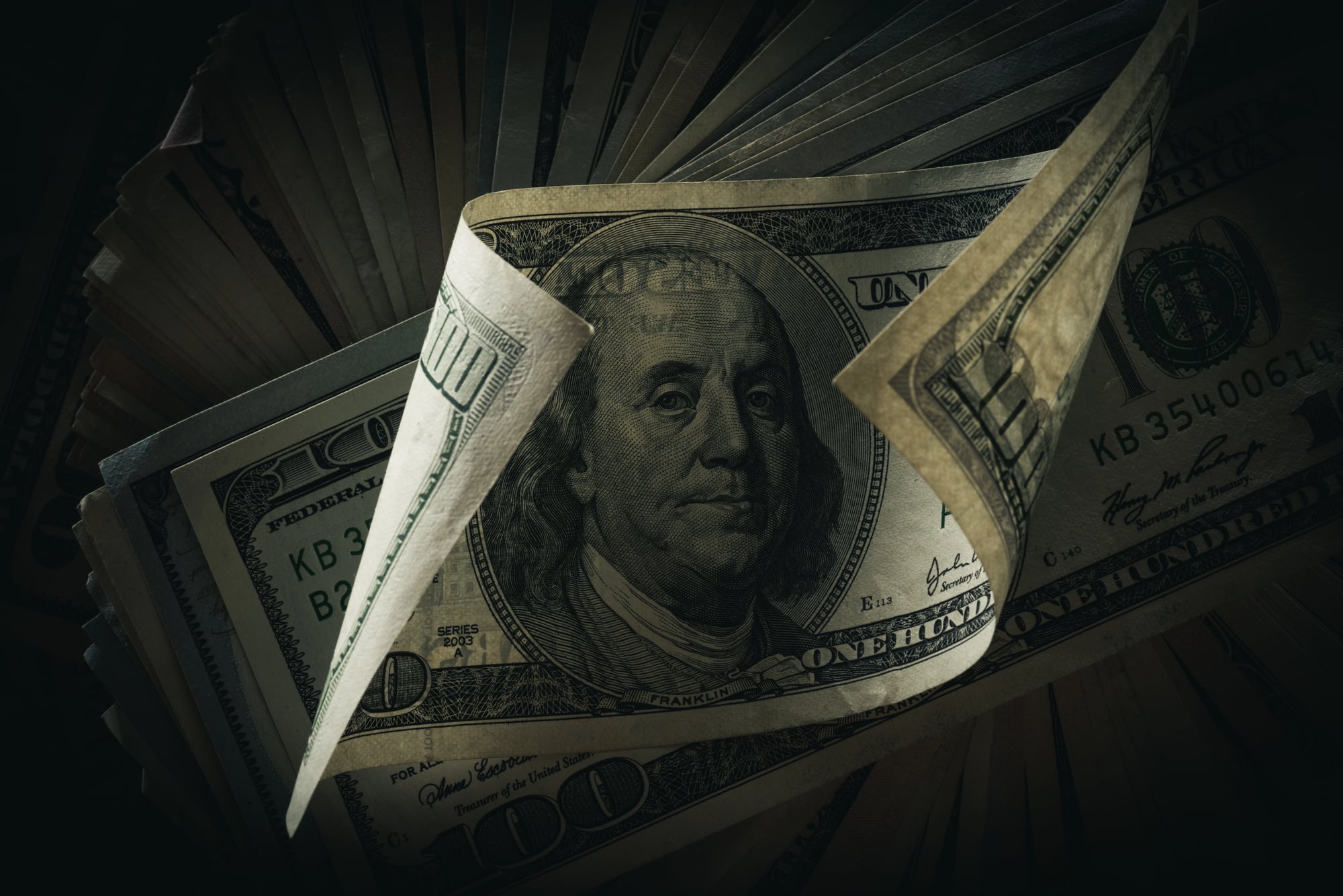
Serial numbers printed in wrong positions or sizes create identifying characteristics making specific bills unique. Collectors seek these variants as examples of manufacturing variability.
Early First Edition Books with Uncorrected Errors
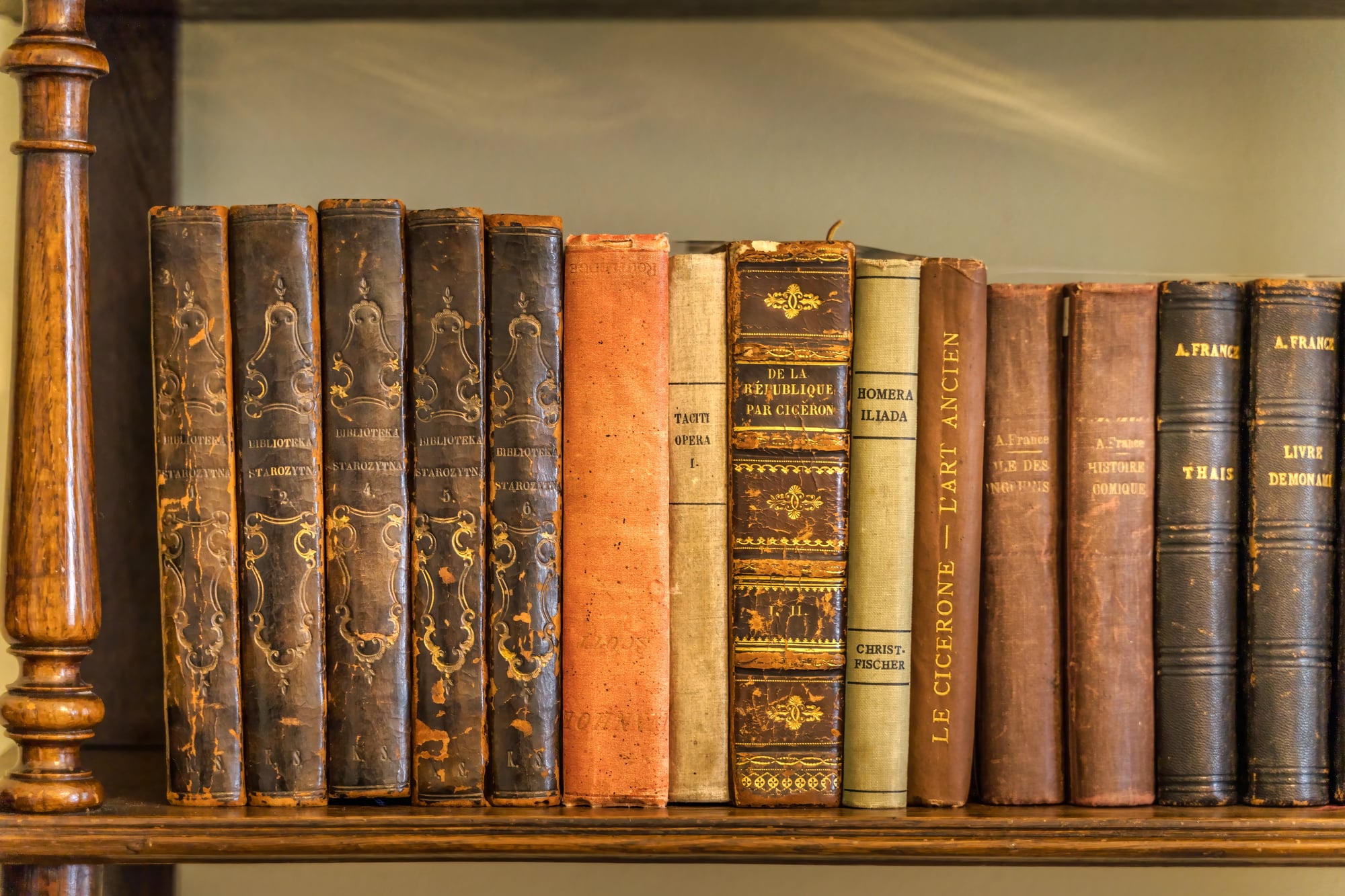
Many famous first editions contain errors that were caught and corrected in subsequent printings. The earliest examples with errors become more desirable than later corrected versions, as the error indicates printing sequence and rarity.
Bills with Double Impressions from Plate Damage
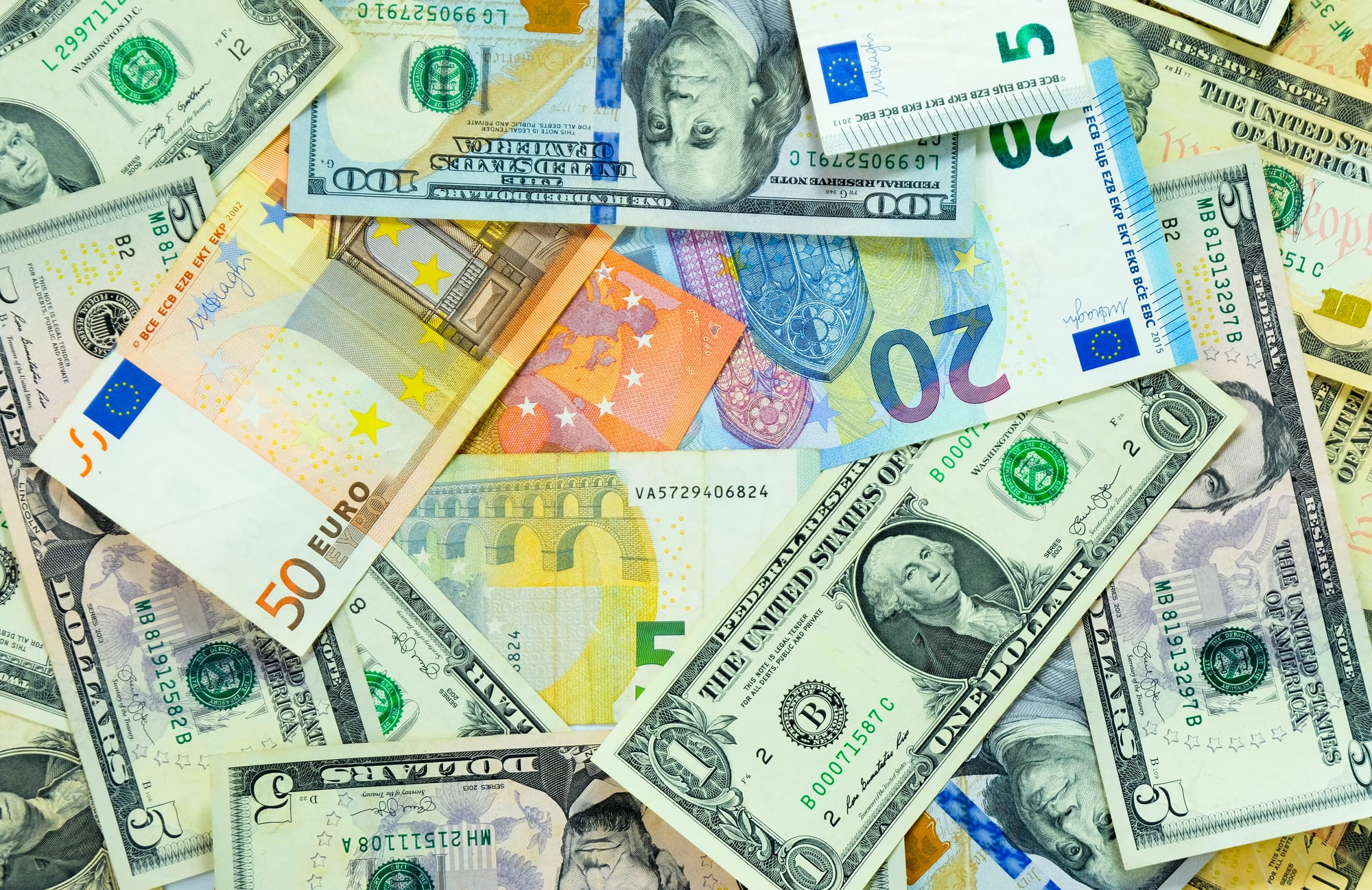
When a printing plate becomes damaged and produces doubled images on currency, the resulting bills escape into circulation as extremely rare errors. Double impression bills command substantial collector interest and premium pricing.
Why Errors Become Valuable
The paradox of printing errors is that imperfection creates value when correction follows. Quality control’s discovery of the mistake means few errors survive, making those that do escape infinitely more valuable than the corrected mass-produced alternatives.
The error becomes the defining characteristic separating a common item from a rare one, and rarity drives collector value. Collectors prize these imperfections because they represent a moment when a production error passed through before systematic quality control eliminated all others like it.
The mistake itself becomes the marker of authenticity and scarcity that makes the item worth collecting.
More from Go2Tutors!

- The Romanov Crown Jewels and Their Tragic Fate
- 13 Historical Mysteries That Science Still Can’t Solve
- Famous Hoaxes That Fooled the World for Years
- 15 Child Stars with Tragic Adult Lives
- 16 Famous Jewelry Pieces in History
Like Go2Tutors’s content? Follow us on MSN.



