29 Postcards Stored in Shoeboxes That Sell Well
Postcards were the text messages of their era, dashed off, mailed cheaply, and rarely expected to survive a century. The ones that did, tucked into shoeboxes and attic drawers, now form one of the most active corners of paper collecting, with entire subcategories commanding their own dedicated buyers.
Real Photo Postcards (RPPCs)

Printed directly onto photographic paper rather than through a printing press, real photo postcards capture actual moments rather than illustrated scenes, from small-town parades to family portraits. Because each one is essentially a unique photograph, RPPCs of unusual or documentary subject matter can outsell far more common printed cards.
Halloween Postcards from the Early 1900s
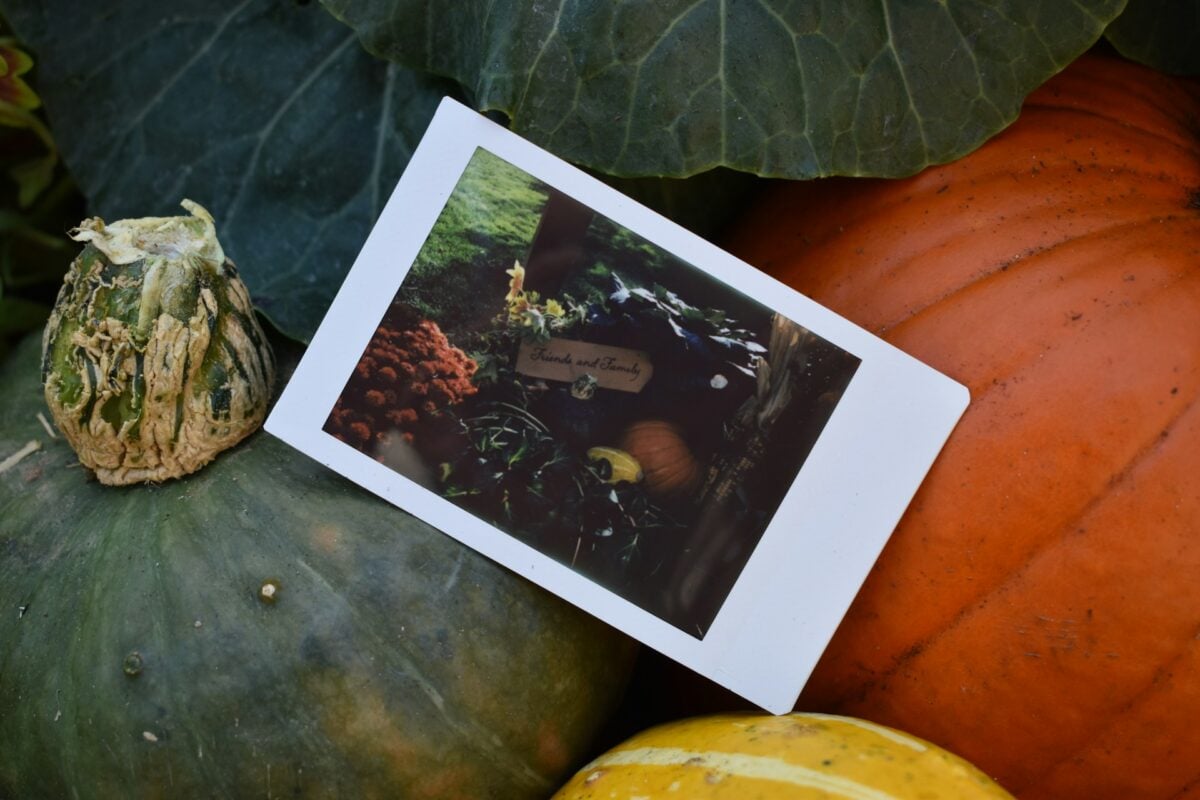
Elaborately illustrated Halloween postcards from the early 20th century, often featuring witches, jack-o’-lanterns, and folk imagery, are among the most consistently collected holiday postcards. Artists like Ellen Clapsaddle produced designs that remain specifically named and sought after by collectors today.
World’s Fair Souvenir Postcards
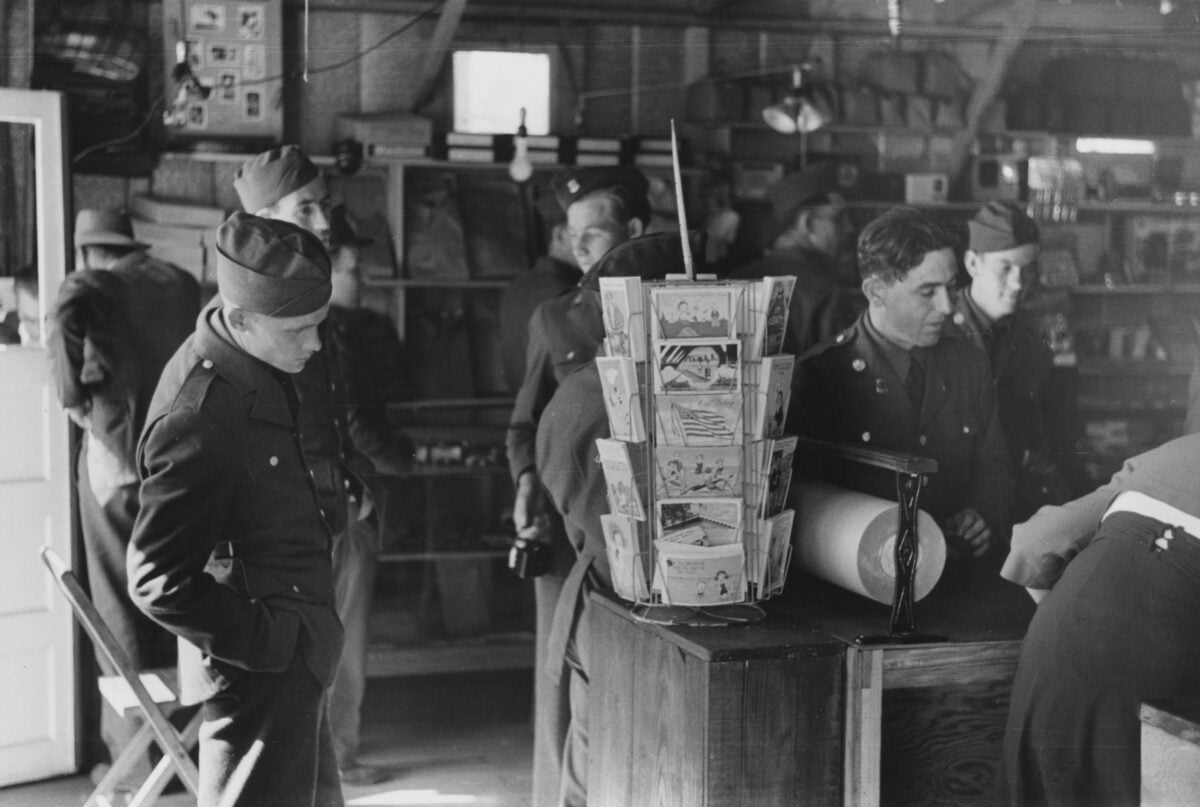
Postcards sold at world’s fairs, from the 1893 Columbian Exposition to the 1939 New York World’s Fair, document architecture and exhibits that in many cases no longer exist. Cards from lesser-attended or shorter-running expositions tend to be scarcer and more valuable than those from famous, heavily photographed fairs.
Titanic and Ocean Liner Postcards
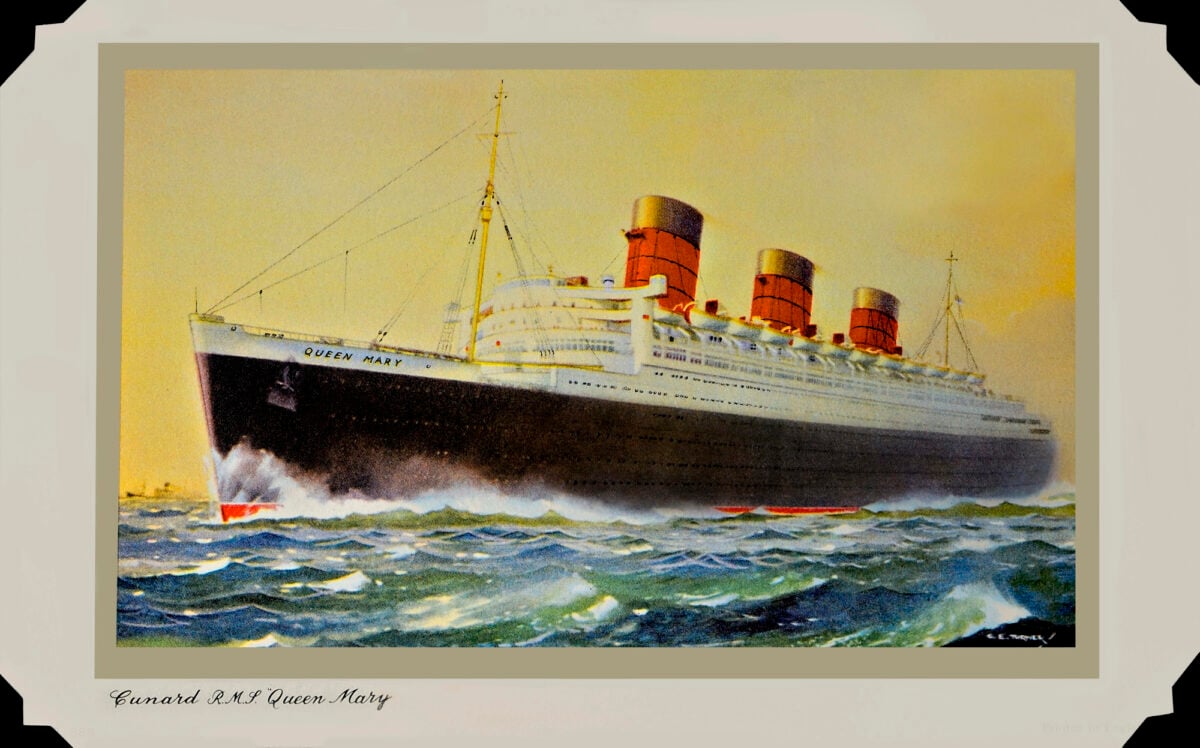
Postcards depicting the Titanic and other early 20th-century ocean liners are collected both for maritime history interest and for their connection to a well-documented tragedy. Cards printed and mailed before April 1912 carry particular historical weight among specialist collectors.
Airship and Zeppelin Postcards
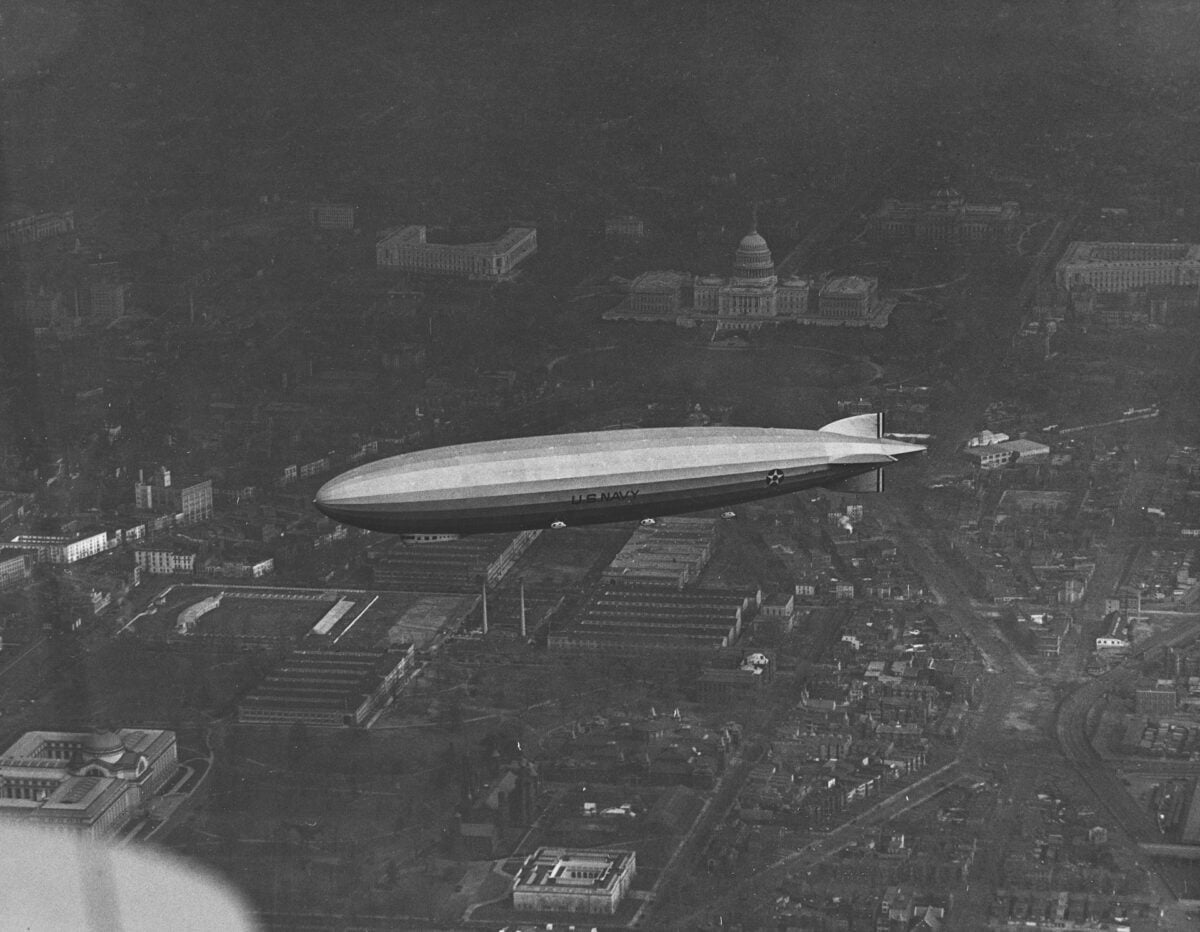
Postcards showing airships like the Graf Zeppelin or the Hindenburg capture a brief, spectacular era of air travel that ended abruptly. Cards actually mailed aboard an airship, complete with onboard postmarks, are especially prized.
Coney Island Amusement Postcards
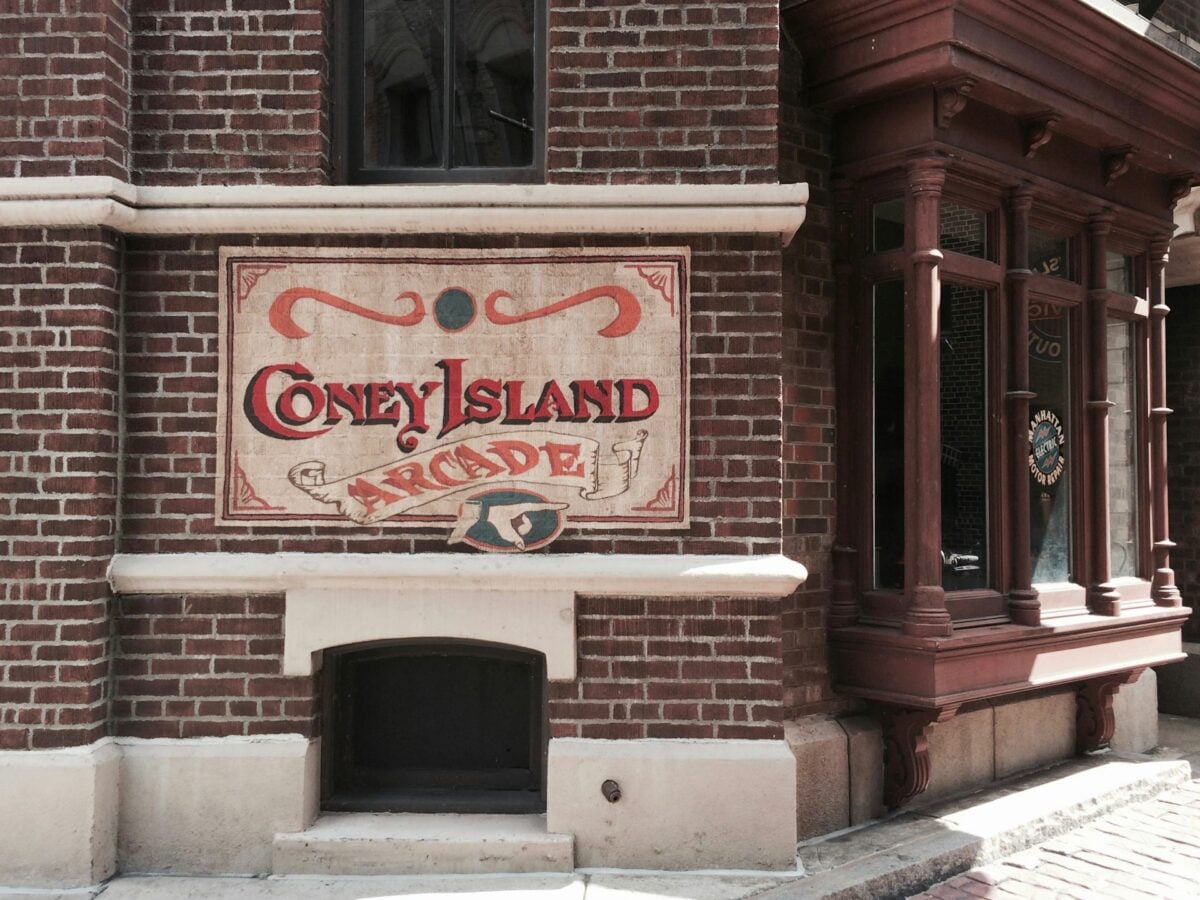
Postcards of Coney Island’s early amusement parks, including Luna Park and Dreamland, document rides and attractions that burned down or were demolished decades ago. Night-scene cards showing the parks’ famous electric lighting displays tend to draw particularly strong interest.
National Park Postcards
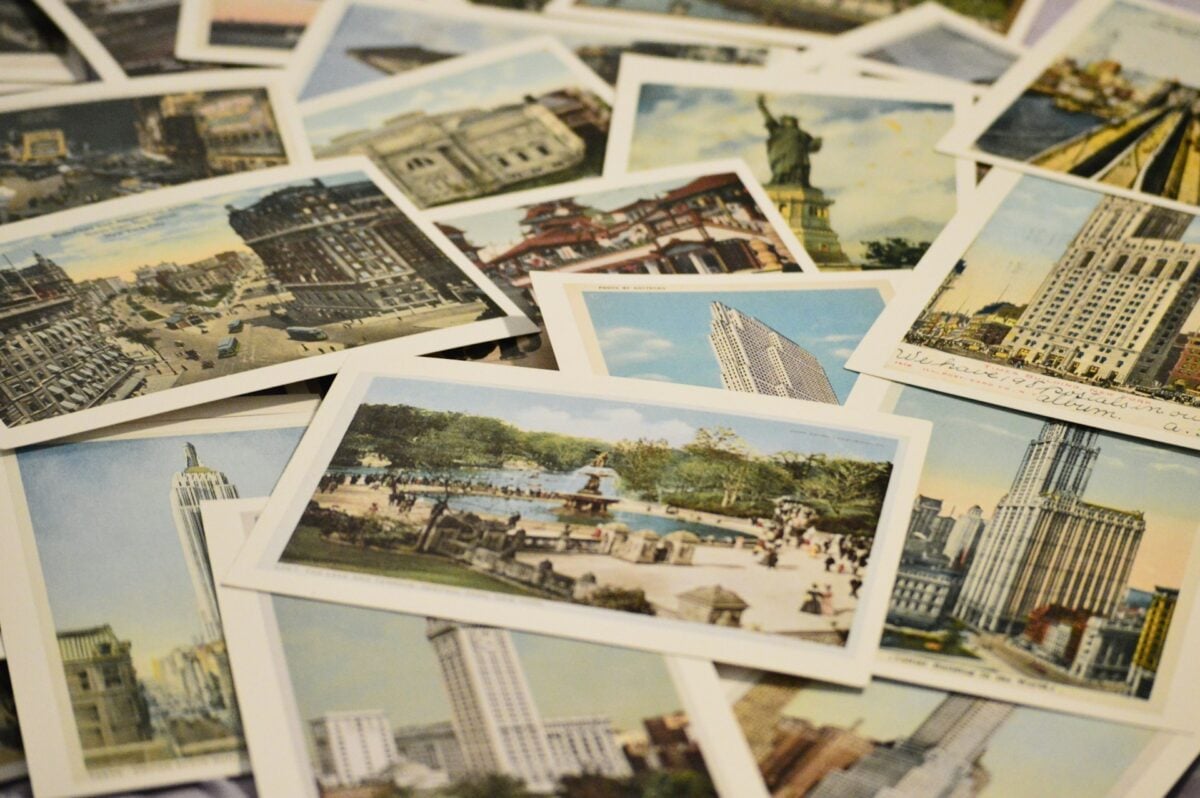
Early postcards from national parks, especially hand-tinted views from before widespread color photography, appeal to both postcard collectors and park history enthusiasts. Cards from parks’ earliest years of operation, before major infrastructure was built, are the most sought after.
Main Street Postcards
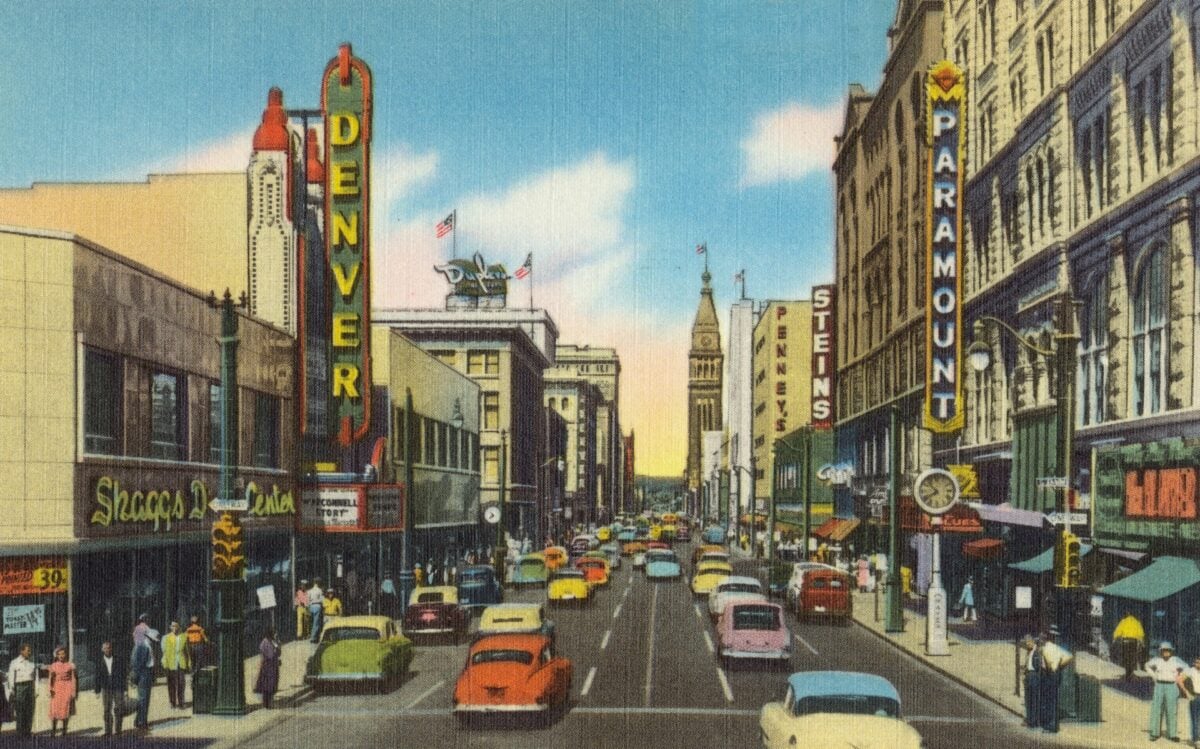
Postcards depicting small-town main streets serve as some of the only surviving visual records of storefronts and streetscapes that were later demolished or altered beyond recognition. Local historical societies are frequent buyers, which keeps demand steady even for postcards of otherwise obscure towns.
Military Mail Postcards
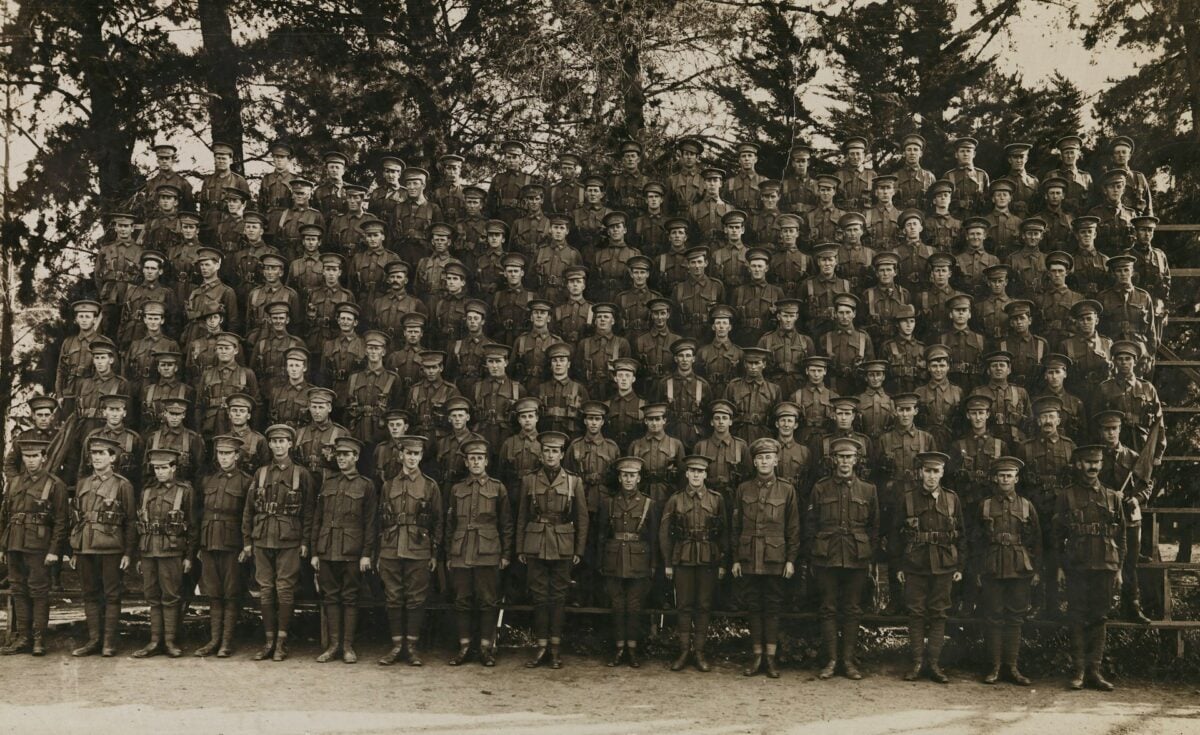
Postcards sent by soldiers during World War I and World War II, particularly those with military censor markings or field post stamps, are collected as much for their historical documentation as their imagery. Cards with lengthy personal messages describing wartime conditions add significant value over blank or brief examples.
Santa Claus and Holiday Postcards
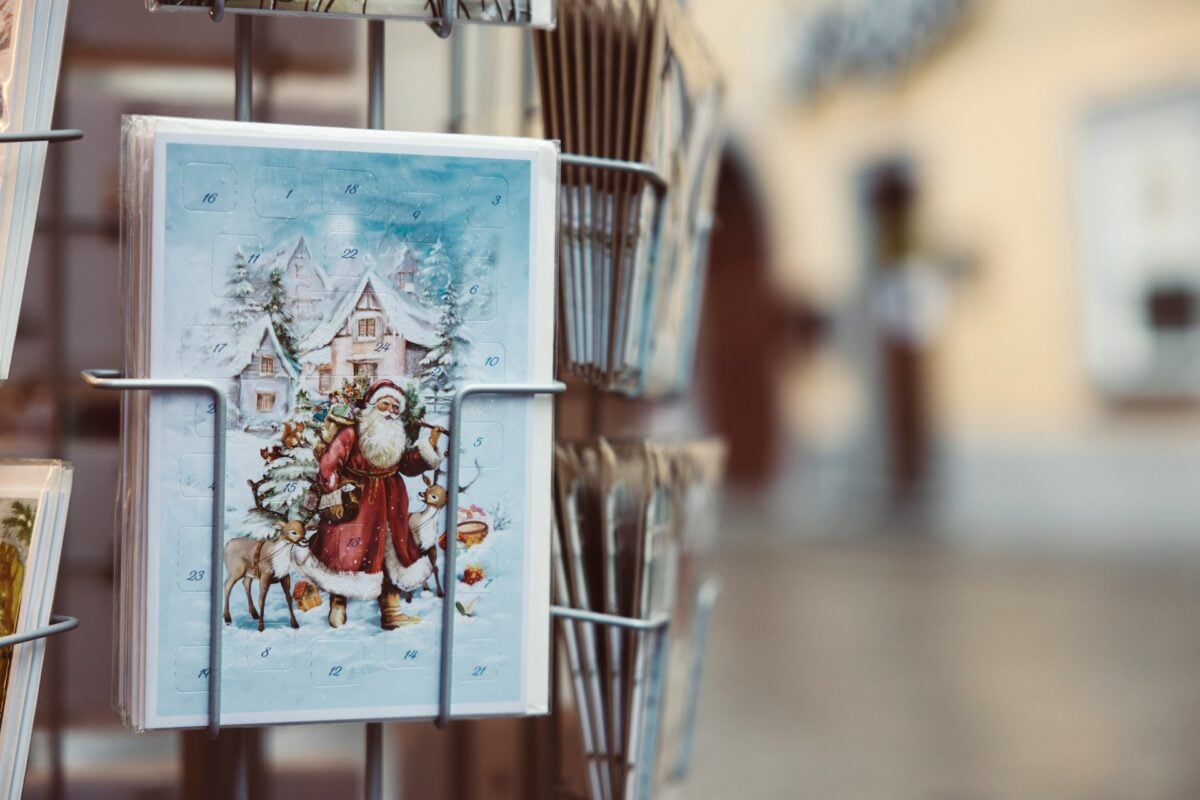
Early Christmas postcards depicting Santa Claus in regional or unusual costume variations, before the character’s appearance standardized in the mid-20th century, are actively collected. European-printed examples from the early 1900s are often considered the finest of the genre.
Exposition and World Expo Postcards
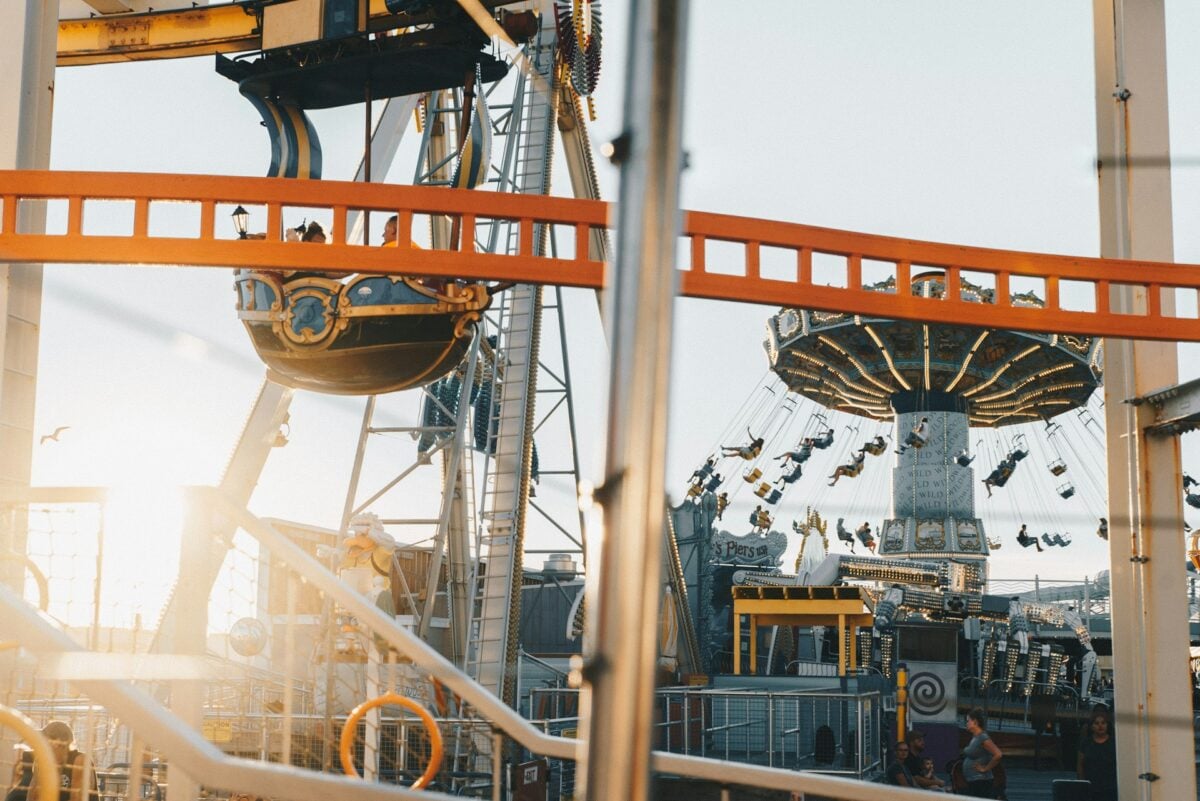
Distinct from general world’s fair cards, postcards specifically from smaller regional or international expositions document events with far less surviving photographic record. Their relative scarcity compared to major fair postcards makes them a specialty niche within the hobby.
Circus and Carnival Postcards
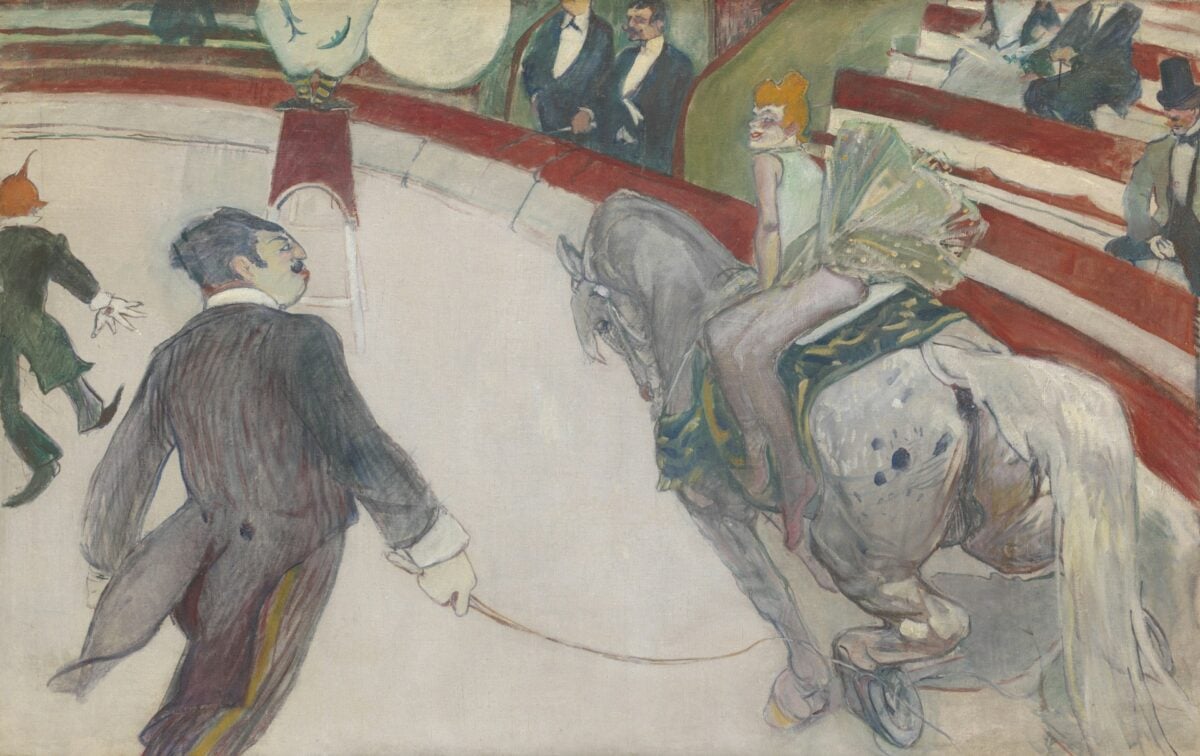
Postcards advertising traveling circuses and carnivals, particularly those featuring named performers or sideshow acts, are collected by both postcard enthusiasts and circus history specialists. Cards tied to well-documented shows like Barnum & Bailey carry recognizable collector demand.
Route 66 Roadside Postcards
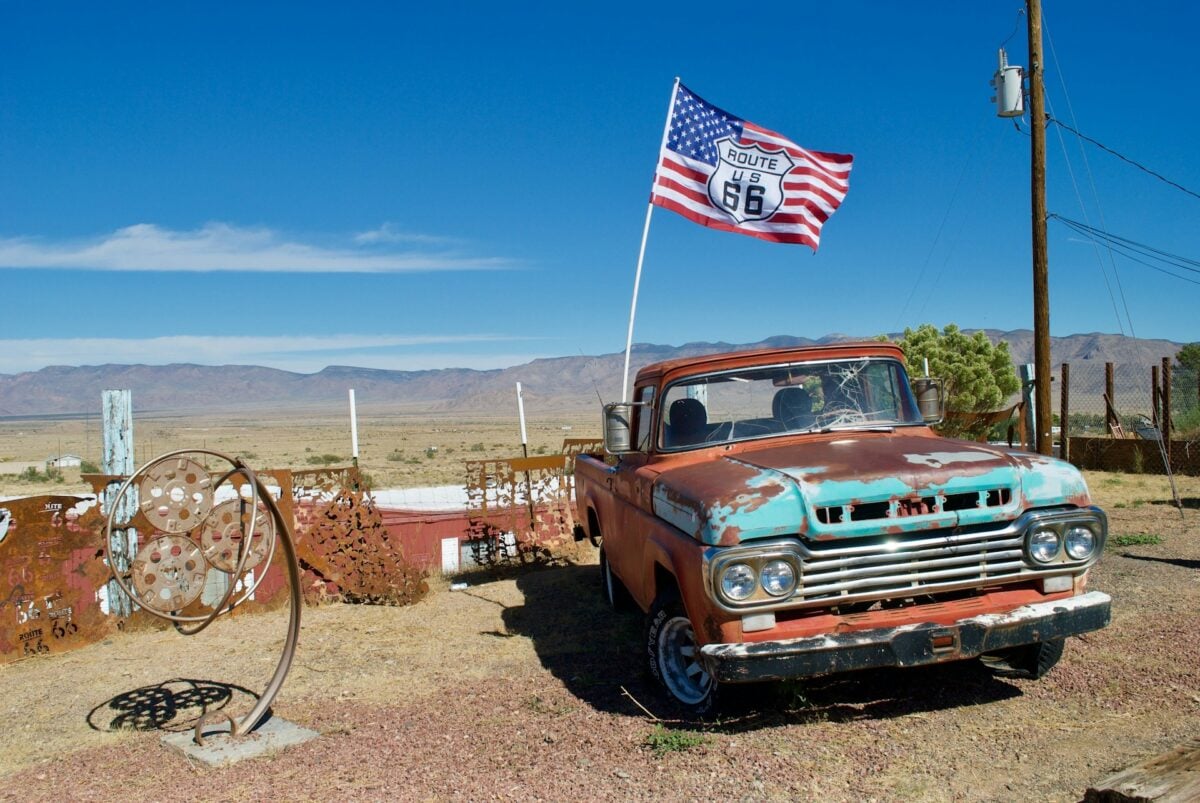
Postcards advertising motels, diners, and attractions along Route 66 document a specific era of American road travel before the interstate highway system reshaped cross-country routes. Businesses that closed decades ago and left little other record make their postcards a primary historical source.
Disaster and News Event Postcards
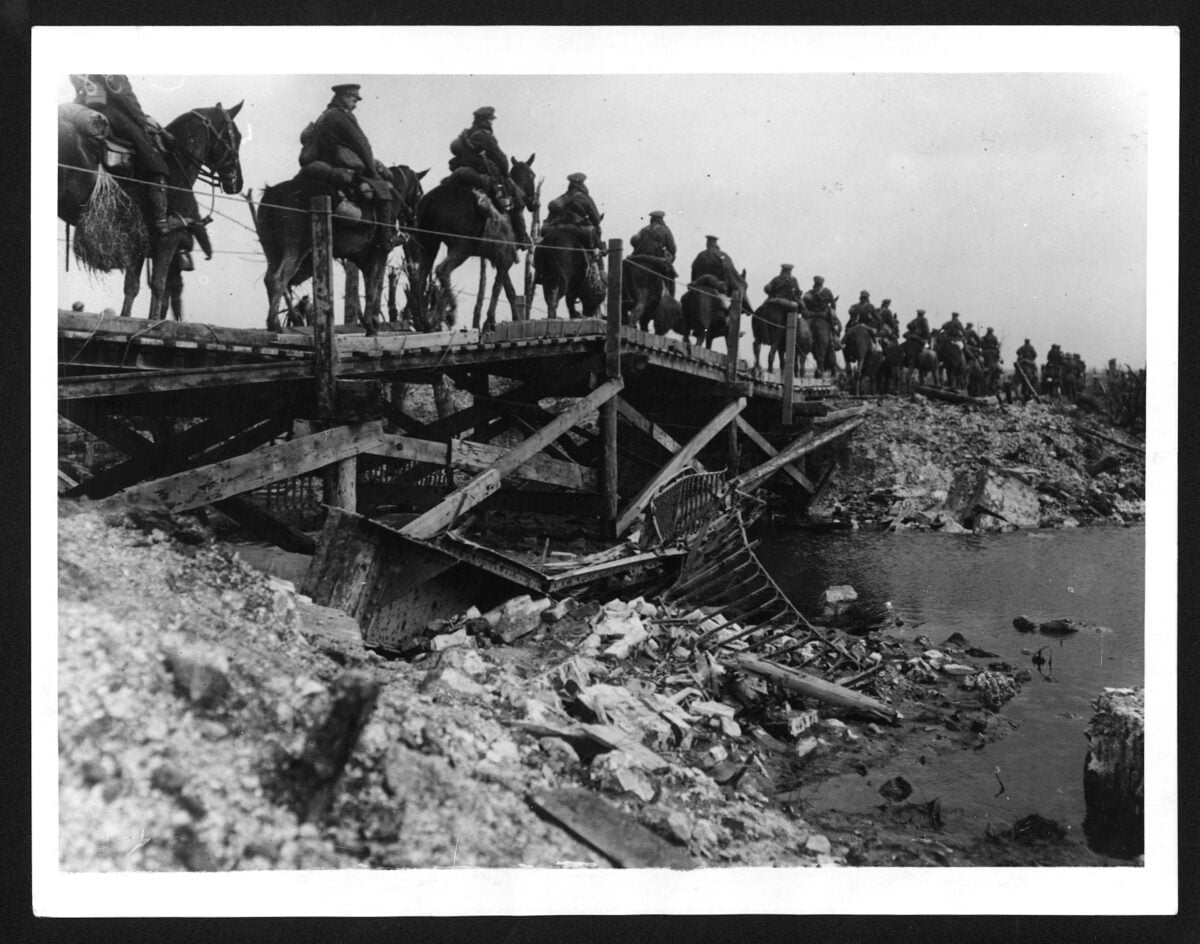
Postcards documenting major disasters, such as the 1906 San Francisco earthquake or various regional floods and fires, were often rushed into print and sold as a form of early photojournalism. Their documentary nature keeps demand consistent among history and disaster researchers as well as general collectors.
Hold-to-Light Postcards
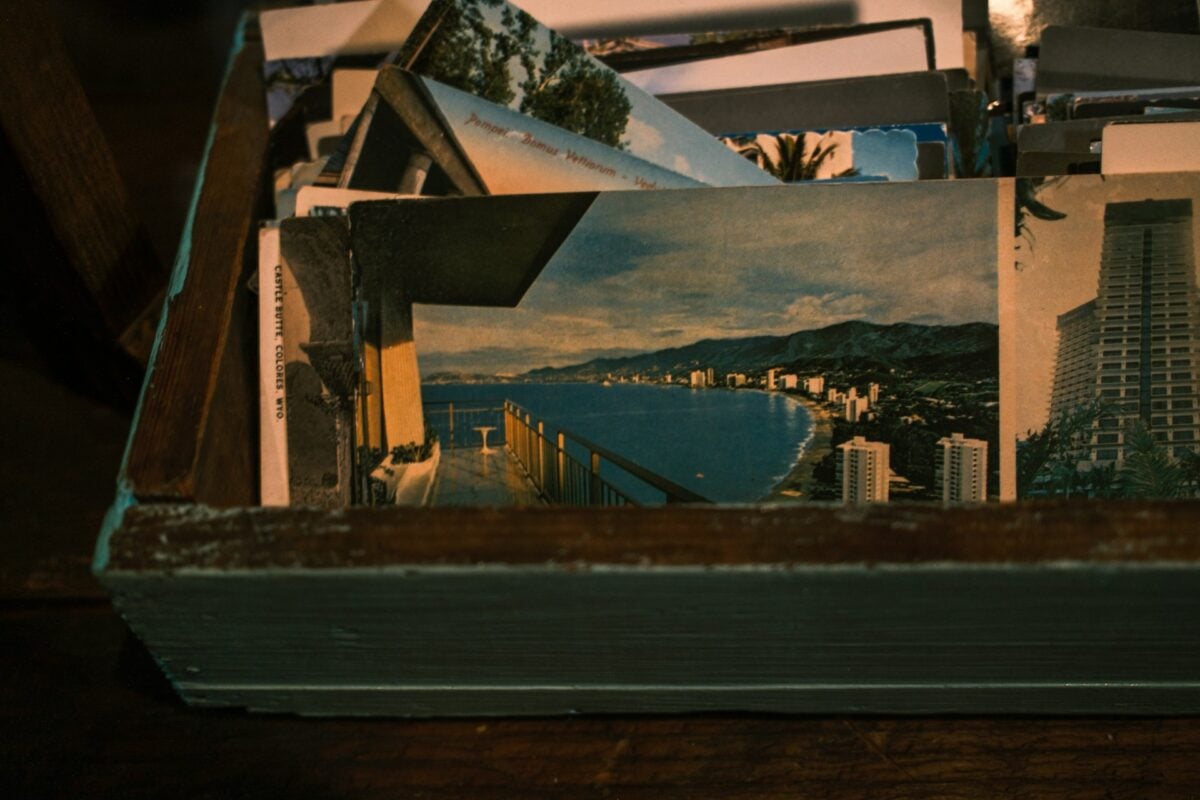
These specialty cards contain die-cut sections that glow or change appearance when held up to a light source, a novelty printing technique popular in the early 1900s. The added manufacturing complexity means fewer survive intact, and undamaged examples command a real premium.
Silk-Embroidered Postcards
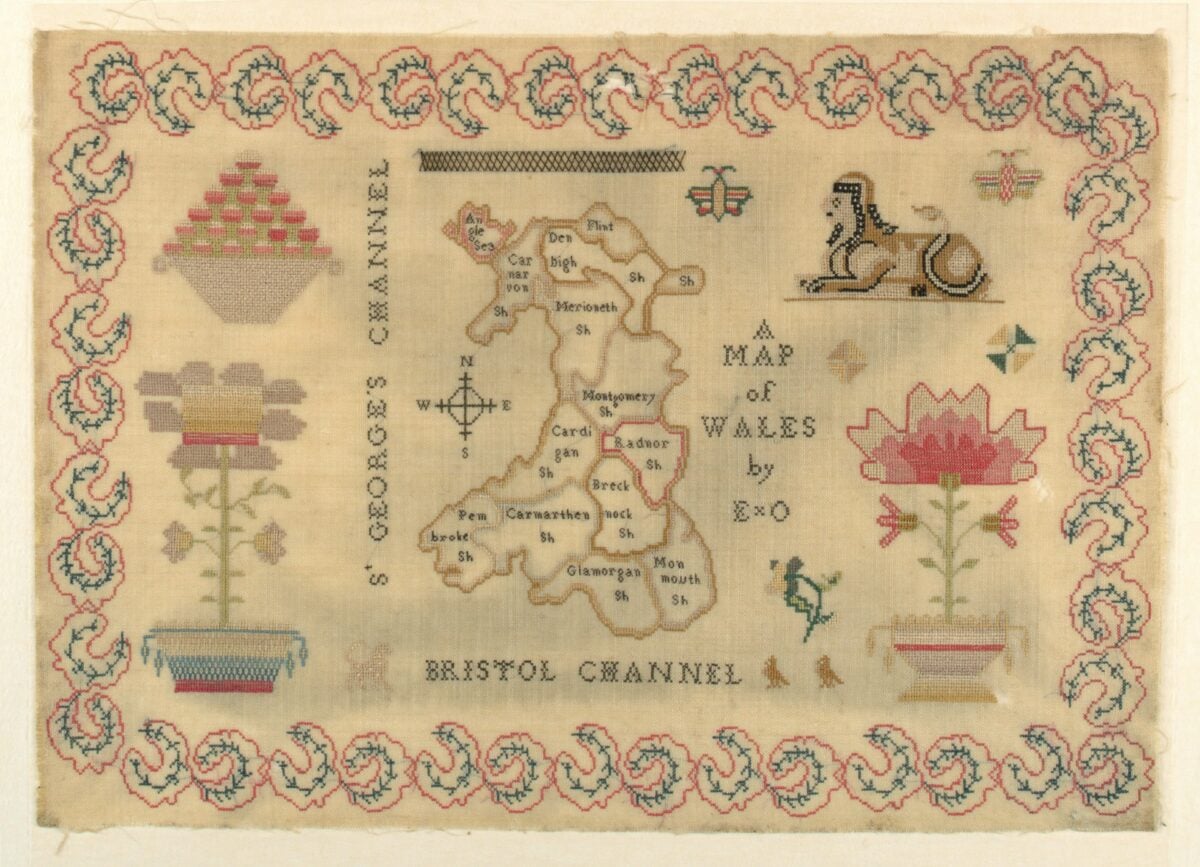
Produced largely in France during World War I, these postcards feature an actual piece of embroidered silk mounted onto the card front, often depicting military or patriotic imagery. Soldiers frequently mailed them home, and the combination of textile and paper survival makes clean examples genuinely uncommon.
Leather Postcards
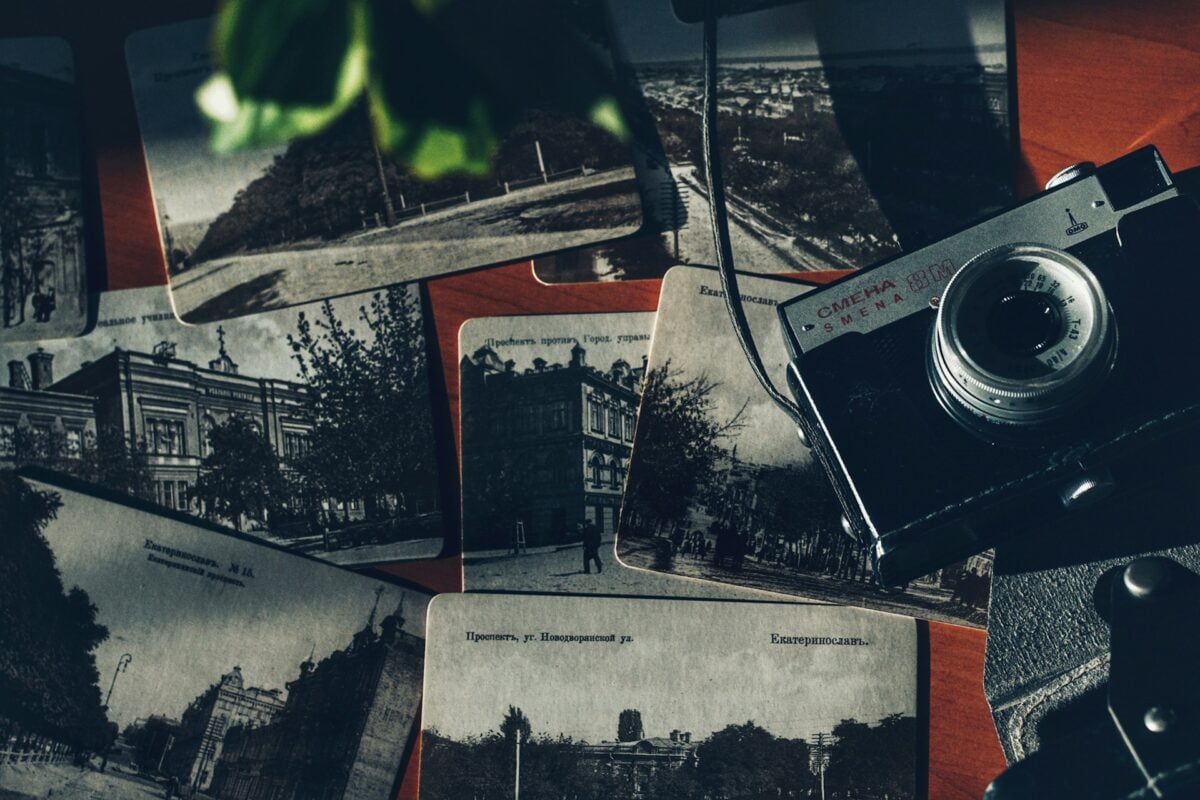
A short-lived novelty from the early 1900s, leather postcards were made from thin tanned leather rather than paper and could technically be mailed under postal rules of the time. Their unusual material makes them a conversation-piece niche within postcard collecting.
Comic and Novelty Postcards
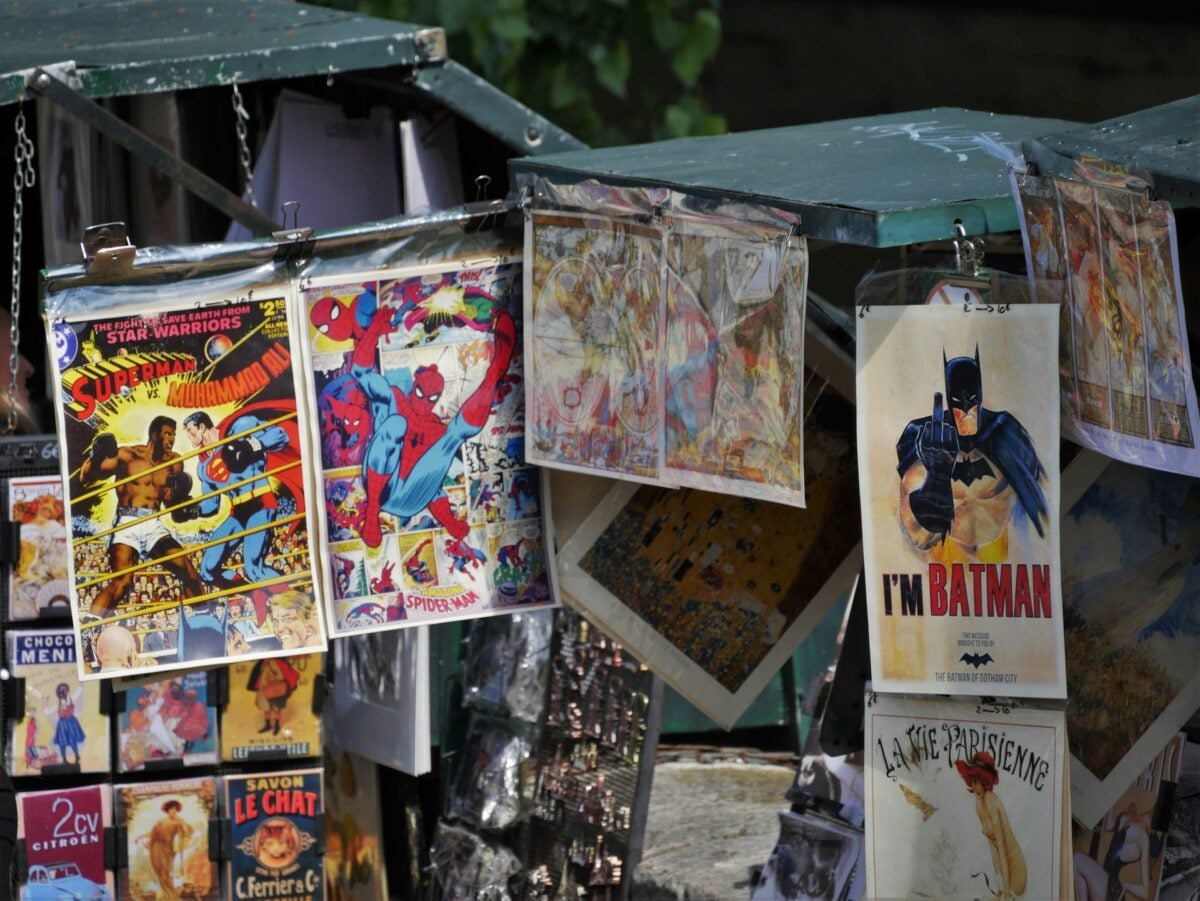
Illustrated comic postcards, often featuring exaggerated humor about marriage, in-laws, or everyday frustrations, were mass-produced but heavily used and discarded, making surviving examples in strong condition harder to find than their original print runs suggest.
Suffrage Movement Postcards
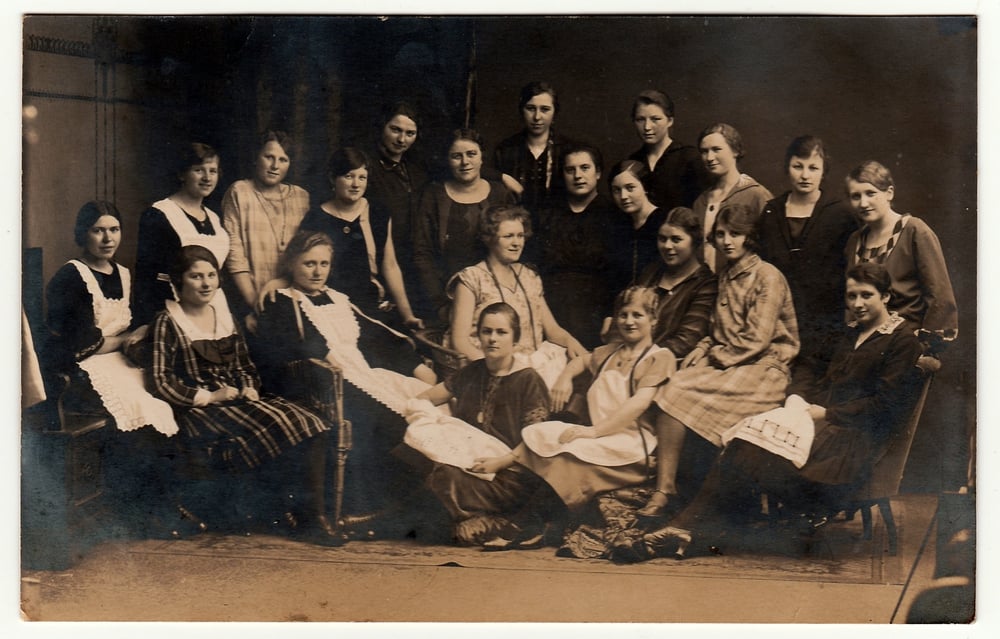
Postcards produced both in support of and in opposition to women’s suffrage in the early 20th century are collected as primary source material for political and social history. Pro-suffrage cards from named organizations tend to be scarcer than the more numerous anti-suffrage novelty cards.
Political Campaign Postcards
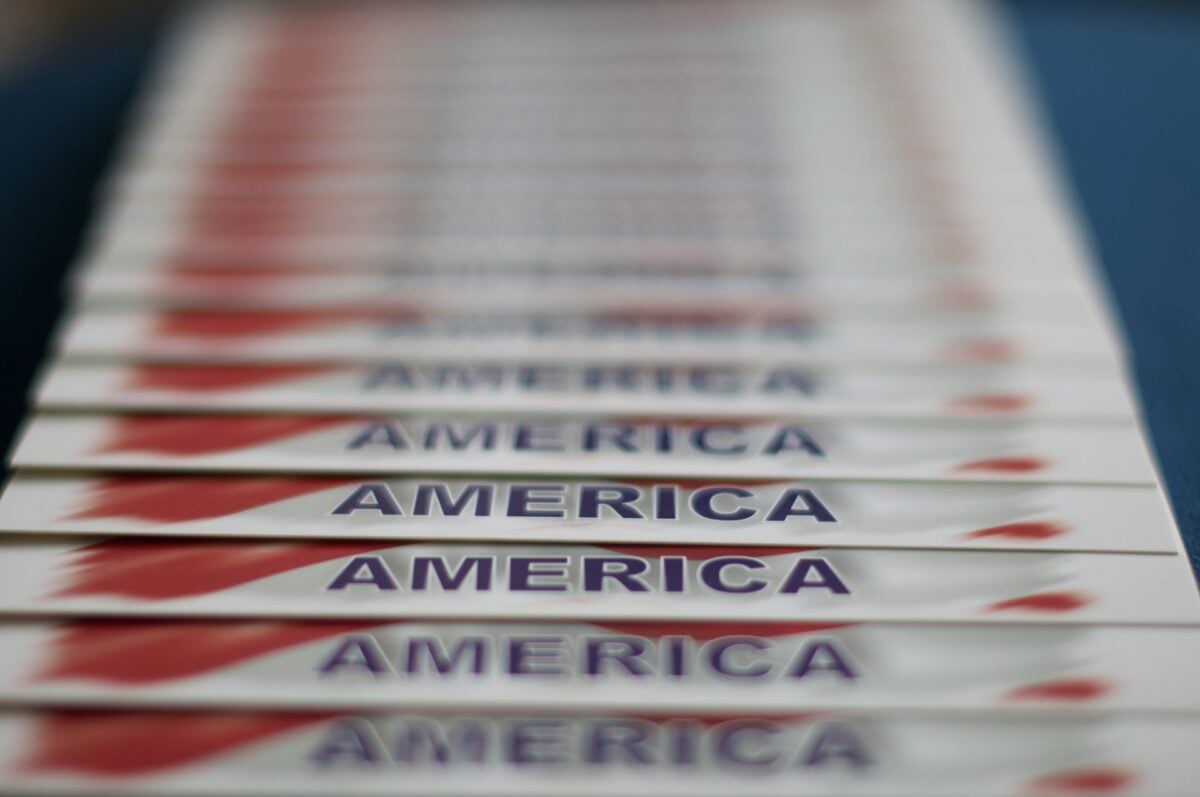
Postcards promoting presidential and local political campaigns document candidates and slogans that rarely survive in other formats. Cards from losing or short-lived campaigns are often scarcer than those from well-remembered winning candidates.
Advertising Trade Postcards
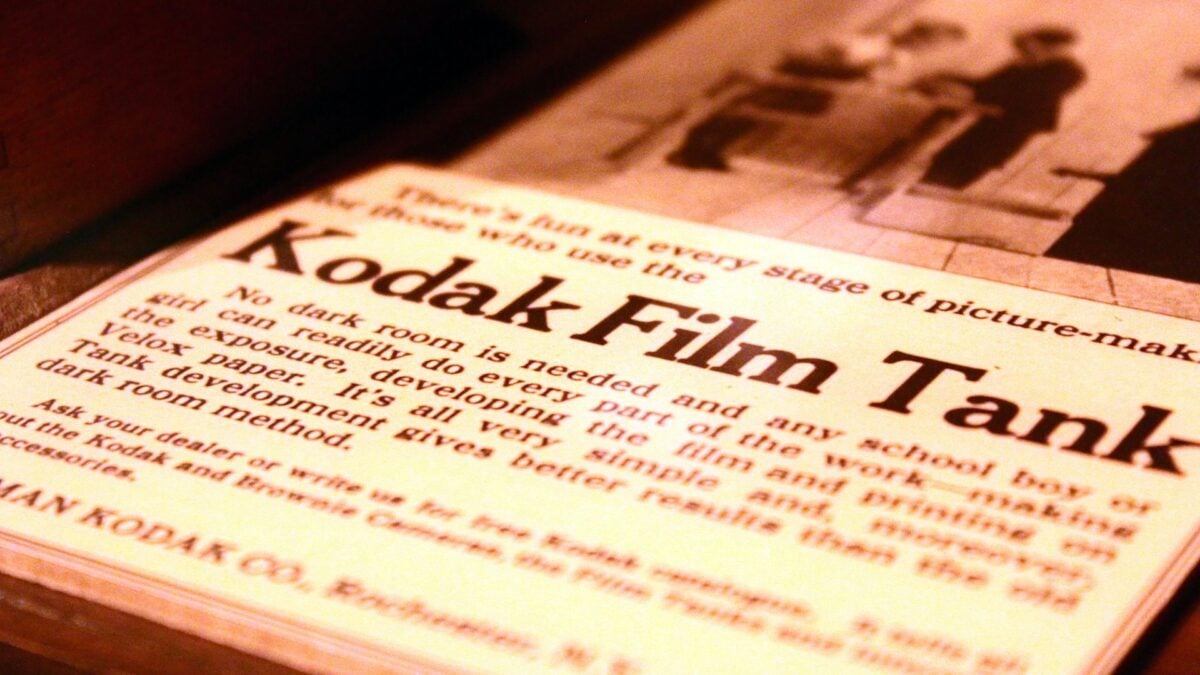
Businesses used postcards as an early form of direct mail advertising, and surviving examples document brands, products, and pricing from another era. Cards advertising companies that no longer exist are particularly valuable to business historians.
Hotel and Resort Postcards
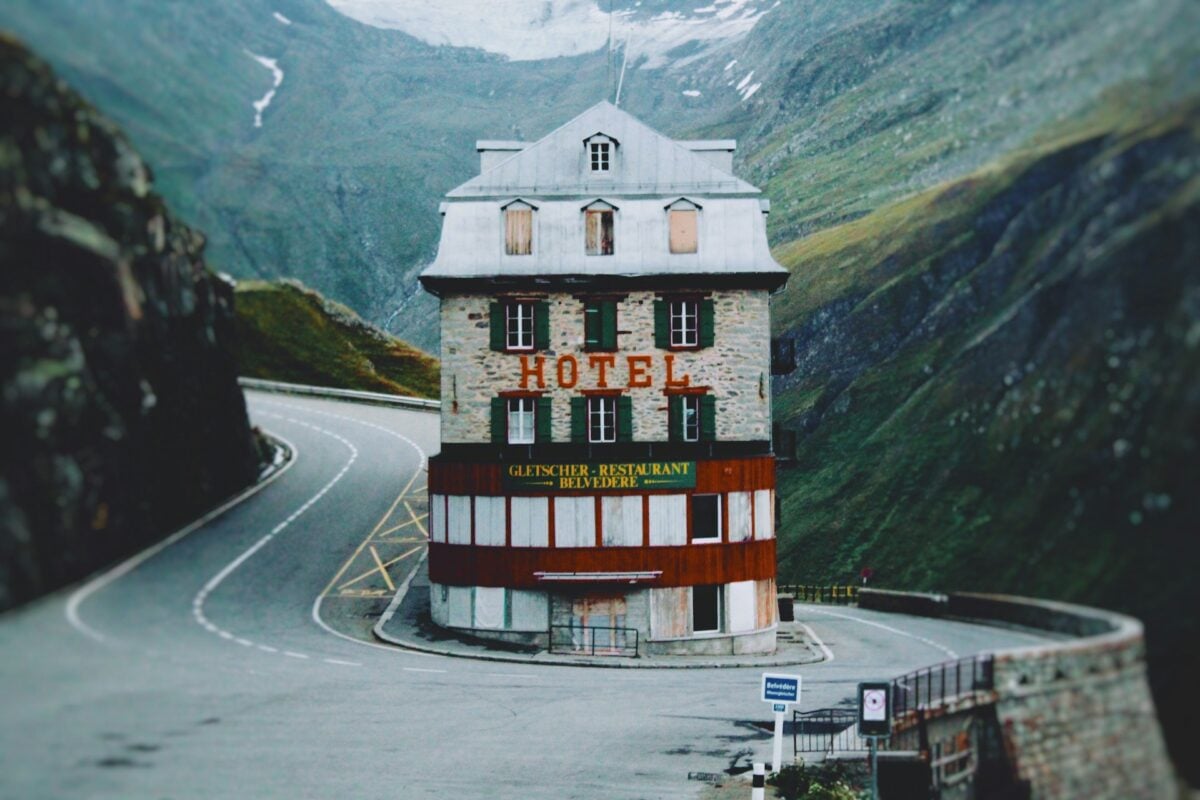
Postcards depicting grand hotels and resorts, many since demolished or radically renovated, serve as visual records for architectural and hospitality historians. Interior views, which were produced in smaller numbers than exterior shots, tend to draw stronger collector interest.
Railroad Depot Postcards
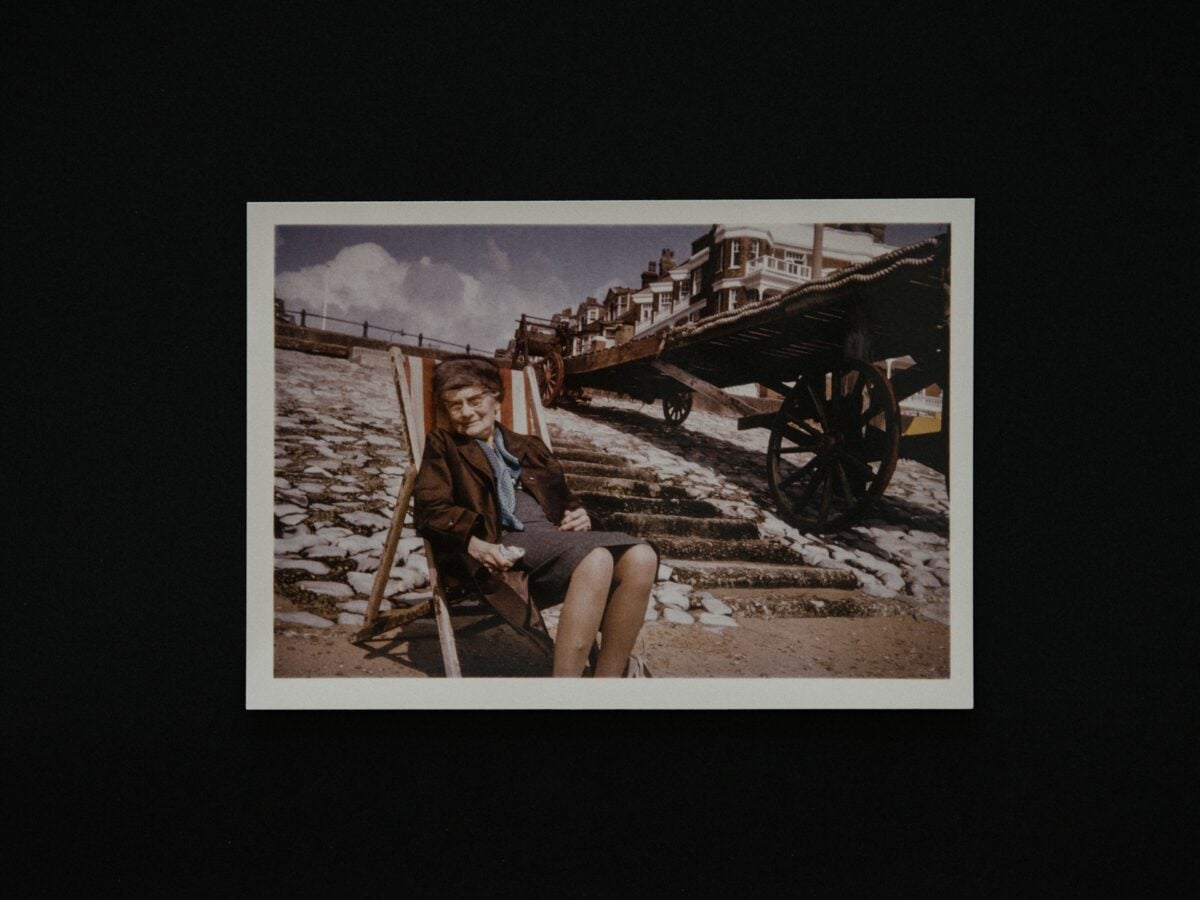
Postcards of small-town railroad depots document stations that were frequently torn down once passenger rail service declined in the mid-20th century. Depots that no longer exist in any form are the most actively sought subjects within this category.
Aviation Pioneer Postcards
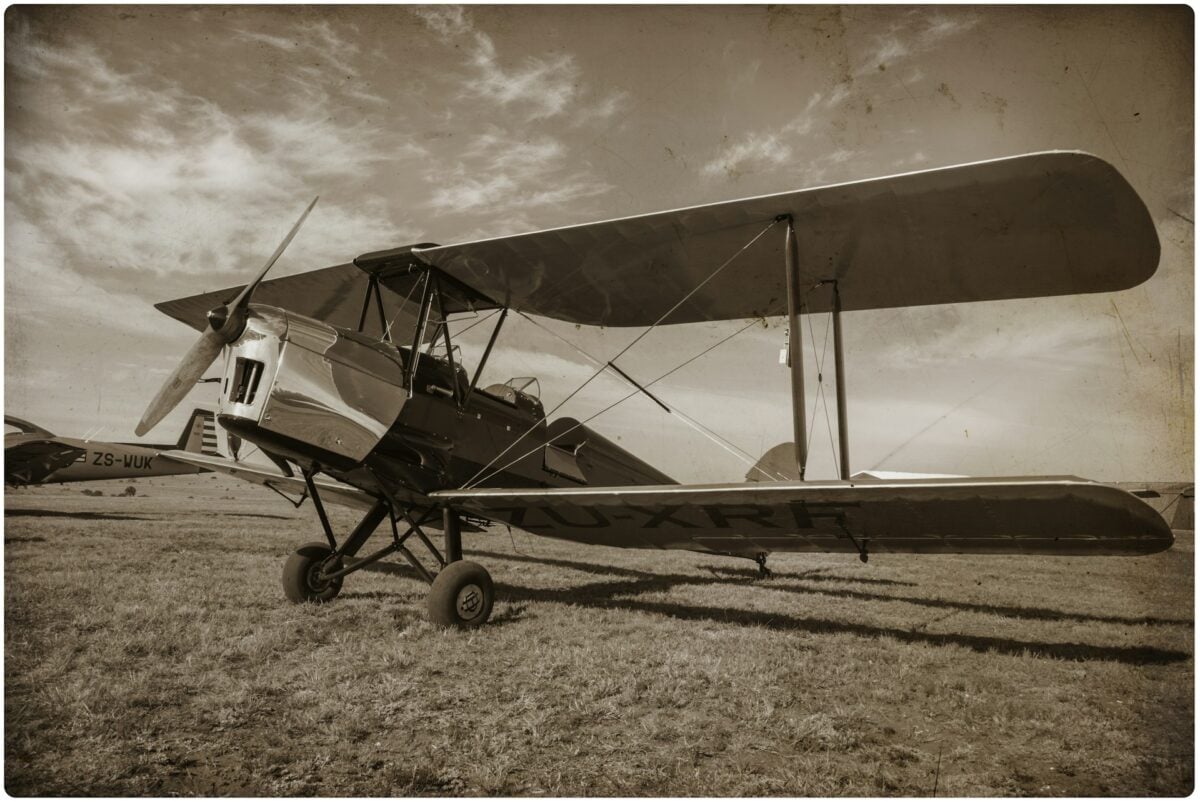
Postcards depicting early aviators and their aircraft, from before commercial air travel was established, appeal to aviation history collectors specifically. Cards tied to well-documented early flights carry the strongest demand.
Undivided Back Postcards (Pre-1907)
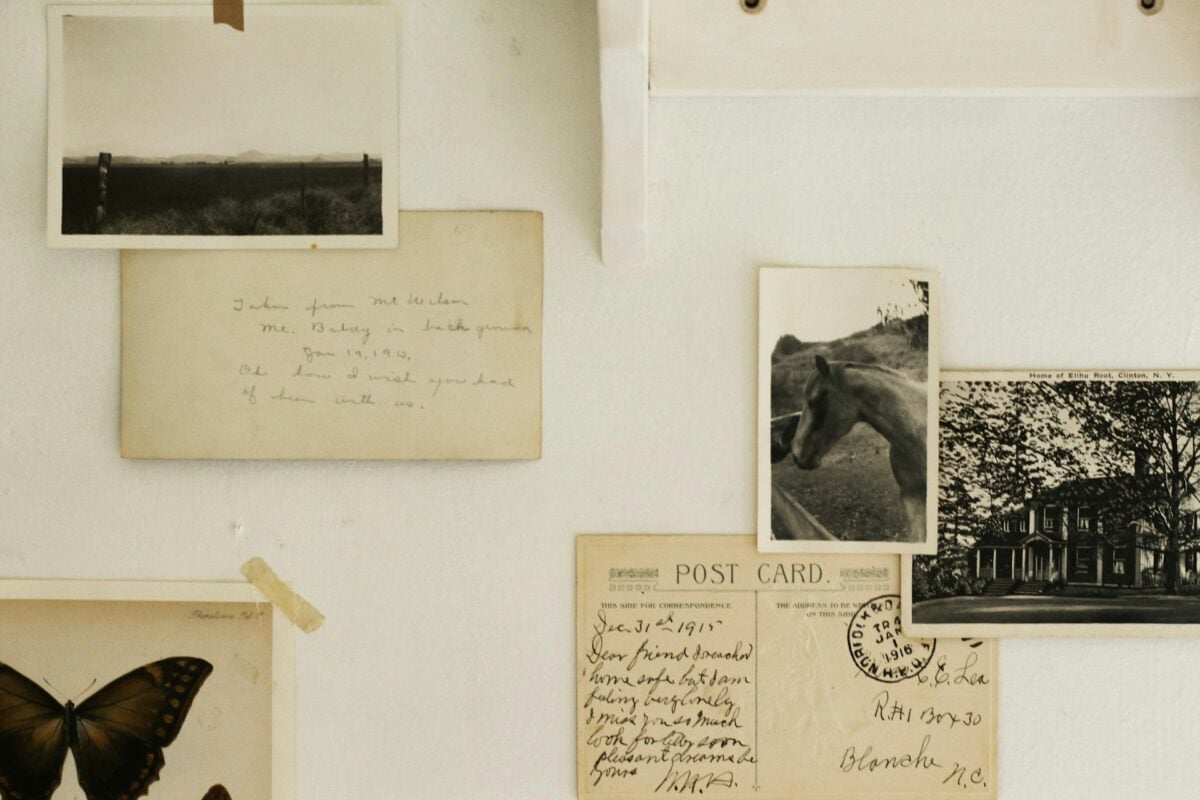
Before 1907, U.S. postal regulations required the entire back of a postcard to be reserved for the address, meaning any message had to be written on the front image. This narrow printing window makes undivided-back cards a specific, datable category that collectors use to establish a card’s age.
White Border Postcards
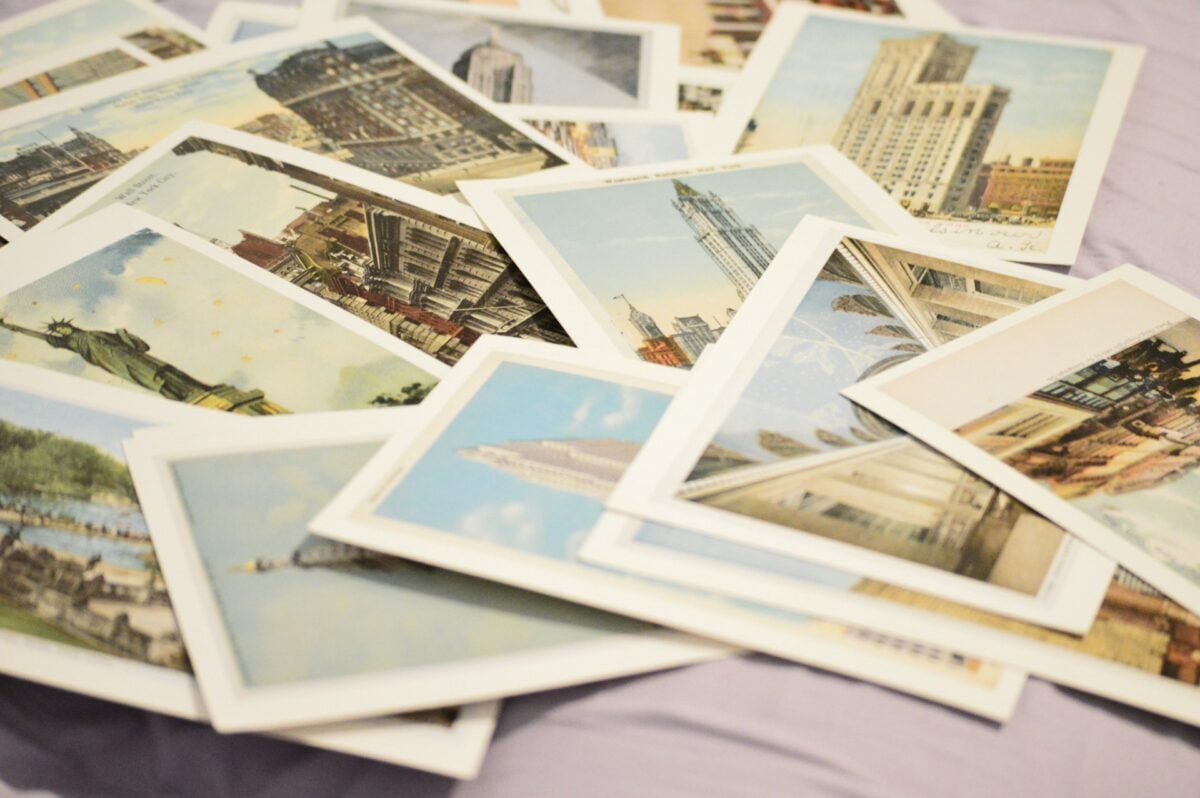
Produced roughly between 1915 and 1930, these postcards feature a distinctive white border around the image, largely as a paper-saving measure during wartime printing shortages. The era’s border style makes these cards easy to date at a glance, which collectors use to sort large accumulations quickly.
Photochrom Postcards
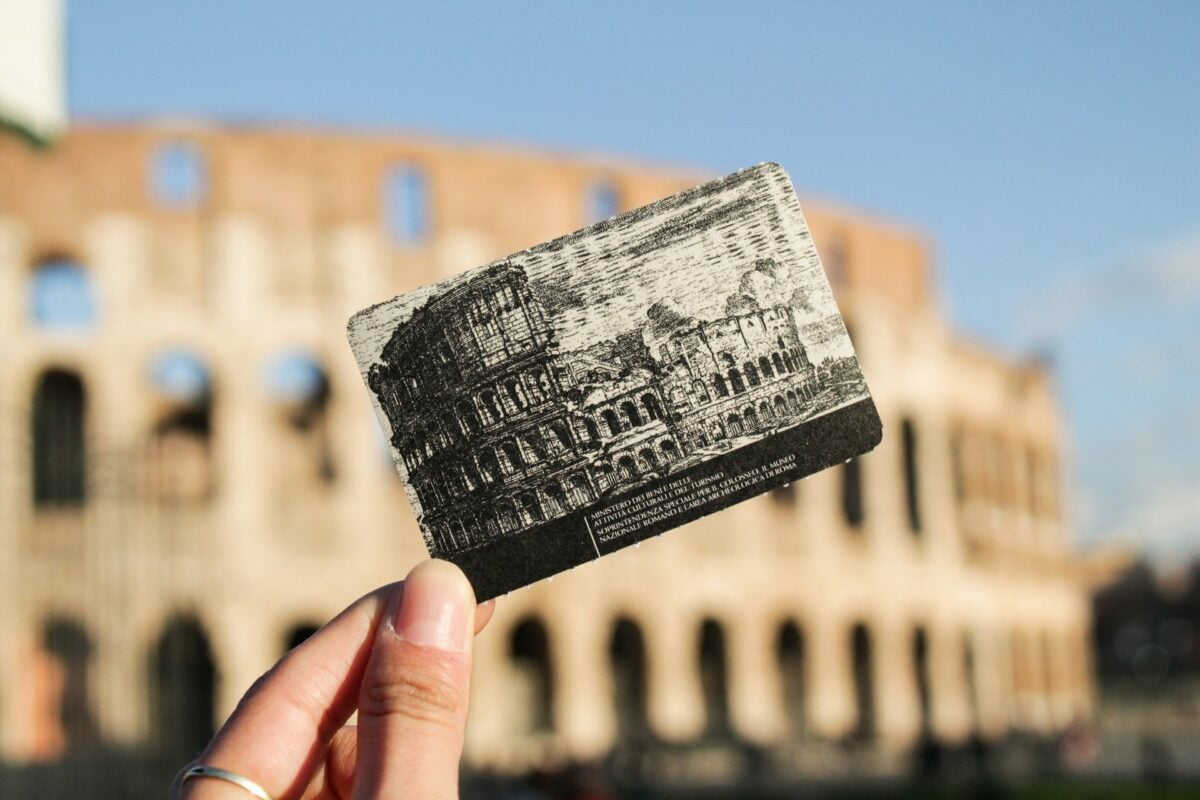
Using an early photomechanical color printing process, Photochrom postcards produced strikingly vivid color scenes decades before color photography was practical. Swiss-originated Photochrom cards, in particular, are noted for their print quality and remain a specialty collecting category.
Patriotic WWI Postcards
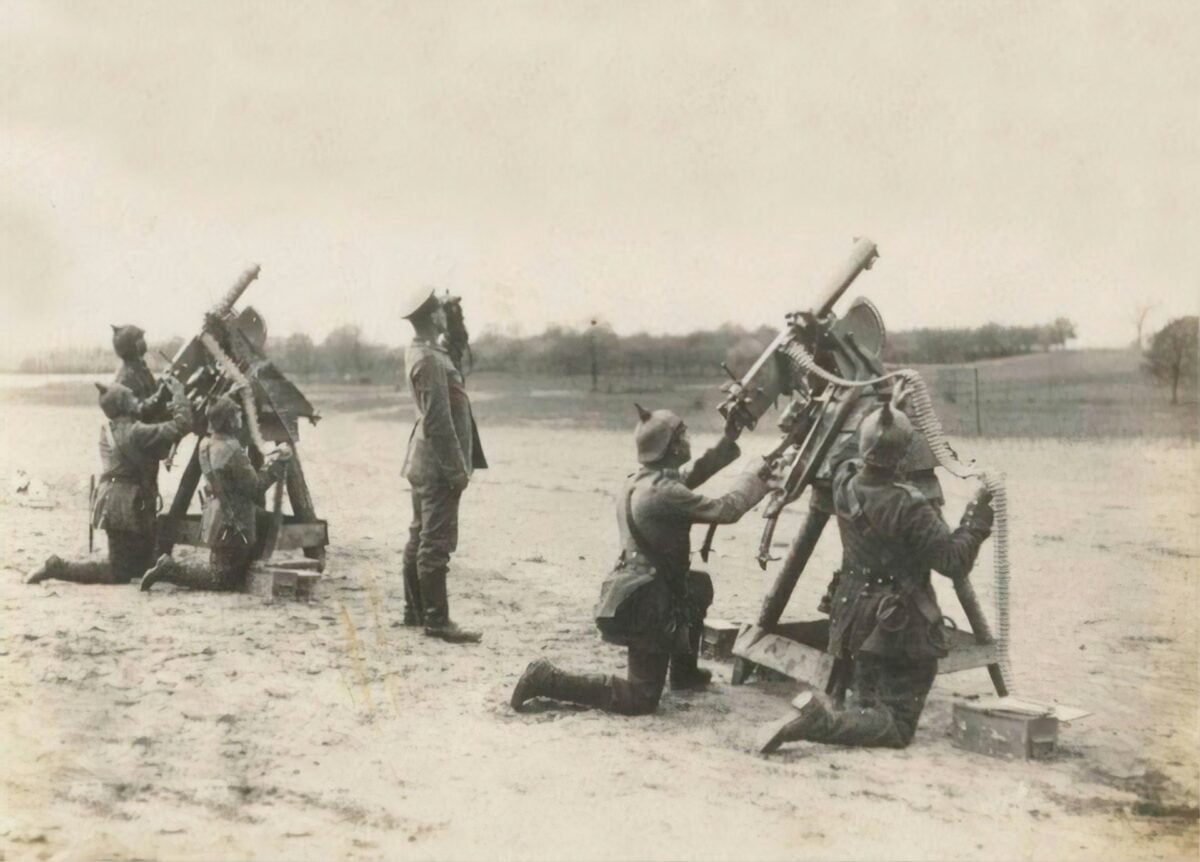
Postcards featuring patriotic imagery tied specifically to World War I, including flag motifs and Liberty Bond promotion, document homefront sentiment during the conflict. Cards produced in limited regional print runs are scarcer than the mass-distributed national designs.
Small Town Fire Department Postcards

Postcards depicting local volunteer fire departments and their equipment, often commissioned by the departments themselves, are a narrow but dedicated collecting niche. They are frequently sought by local historical societies rather than general postcard collectors, which can drive prices higher for specific towns.
The Correspondence Nobody Meant to Keep
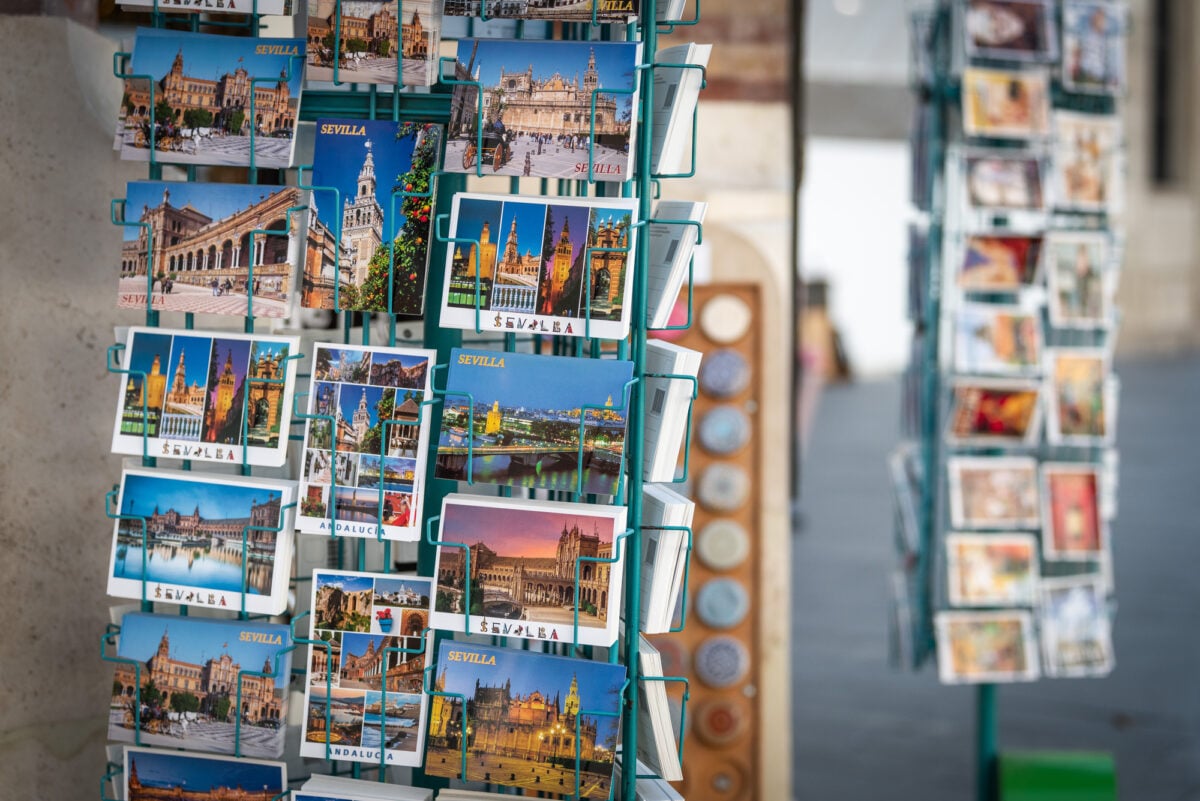
A postcard was never meant to last. It was a few sentences and a stamp, meant to be read once and set aside, which is exactly why the ones that survived carry so much weight now. Every shoebox find is an accident of storage, not an act of preservation.
That accidental survival is the whole appeal. These cards were not curated for history; they were simply forgotten in a drawer long enough to become history anyway.
More from Go2Tutors!

- The Romanov Crown Jewels and Their Tragic Fate
- 13 Historical Mysteries That Science Still Can’t Solve
- Famous Hoaxes That Fooled the World for Years
- 15 Child Stars with Tragic Adult Lives
- 16 Famous Jewelry Pieces in History
Like Go2Tutors’s content? Follow us on MSN.