26 Famous Songs Written in Under an Hour
There’s a particular kind of creative mythology that surrounds the world’s greatest songs — a sense that they must have taken weeks of agonized revision, late-night rewrites, and years of lived experience finally crystallizing into something perfect. And sometimes that’s true.
But sometimes a song that has soundtracked millions of lives, played at weddings and funerals and 3 a.m. kitchen dances, was finished before the coffee got cold. The speed isn’t what makes these songs remarkable. What makes them remarkable is that the speed didn’t matter at all.
“Yesterday” — Paul McCartney
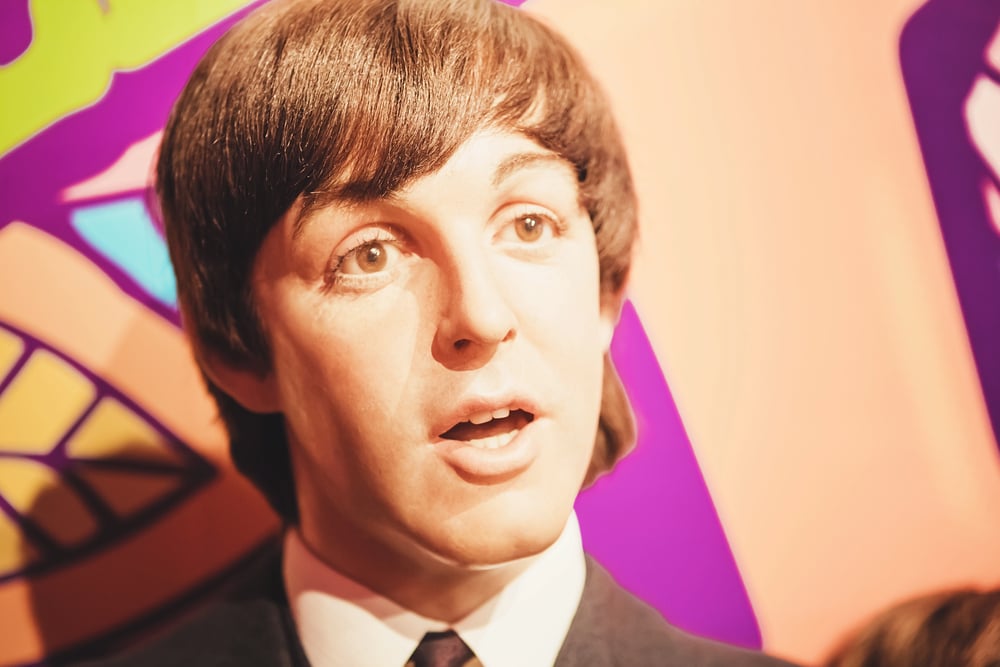
“Yesterday” Paul McCartney woke up one morning in 1965 with the melody already in his head, complete, like something that had always existed and simply decided to surface. He was so convinced he’d accidentally remembered someone else’s song that he spent weeks asking musicians and producers if they recognized it before finally accepting it was his.
It remains one of the most covered songs in recorded history — written, essentially, in a dream.
“Satisfaction” — The Rolling Stones
“Satisfaction” Keith Richards recorded the riff on a cassette player in a hotel room at 2 a.m. and then fell back asleep, indifferent to what he’d just captured. The next morning, the tape had the riff on one end and 40 minutes of Keith snoring on the other.
Turns out that’s all it took to write one of rock and roll’s most recognizable opening lines.
“Blowin’ in the Wind” — Bob Dylan
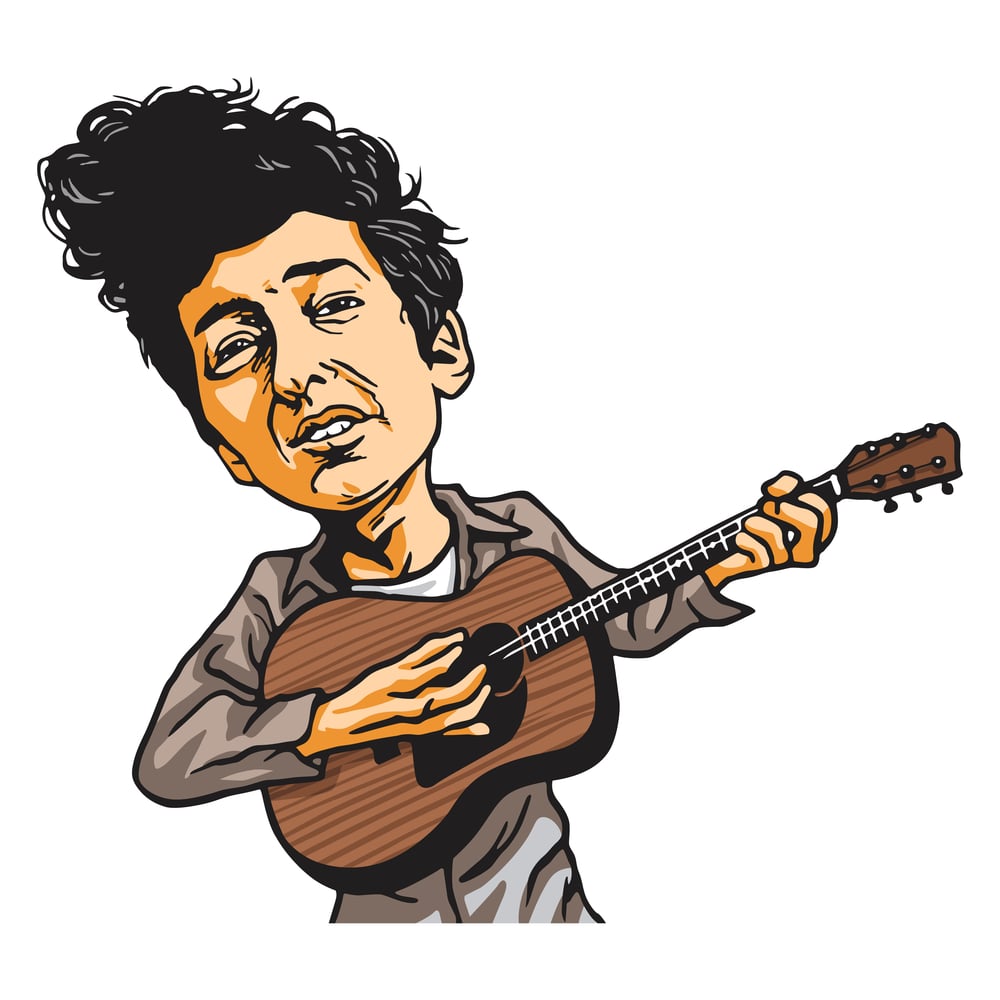
“Blowin’ in the Wind” Bob Dylan reportedly wrote this song in a café in ten minutes flat, which feels either impossible or perfectly inevitable depending on how you feel about Bob Dylan. The lyric sheet was scrawled on a napkin — or a piece of notebook paper, depending on who’s telling the story — and the song went on to define a generation’s relationship with protest music.
Ten minutes. A generation. Go figure.
“Heartbreak Hotel” — Elvis Presley
“Heartbreak Hotel” The song that launched Elvis Presley into the stratosphere was written in roughly 22 minutes by Mae Boren Axton and Tommy Durden, inspired by a newspaper headline about a man who left a note reading “I walk a lonely street” before his death. What’s striking is how fully-formed the mood arrived — that echo-drenched loneliness wasn’t a production trick added later, it was baked into the bones of the lyric from the first draft.
Some songs already know what they are before they’re finished.
“I Will Always Love You” — Dolly Parton
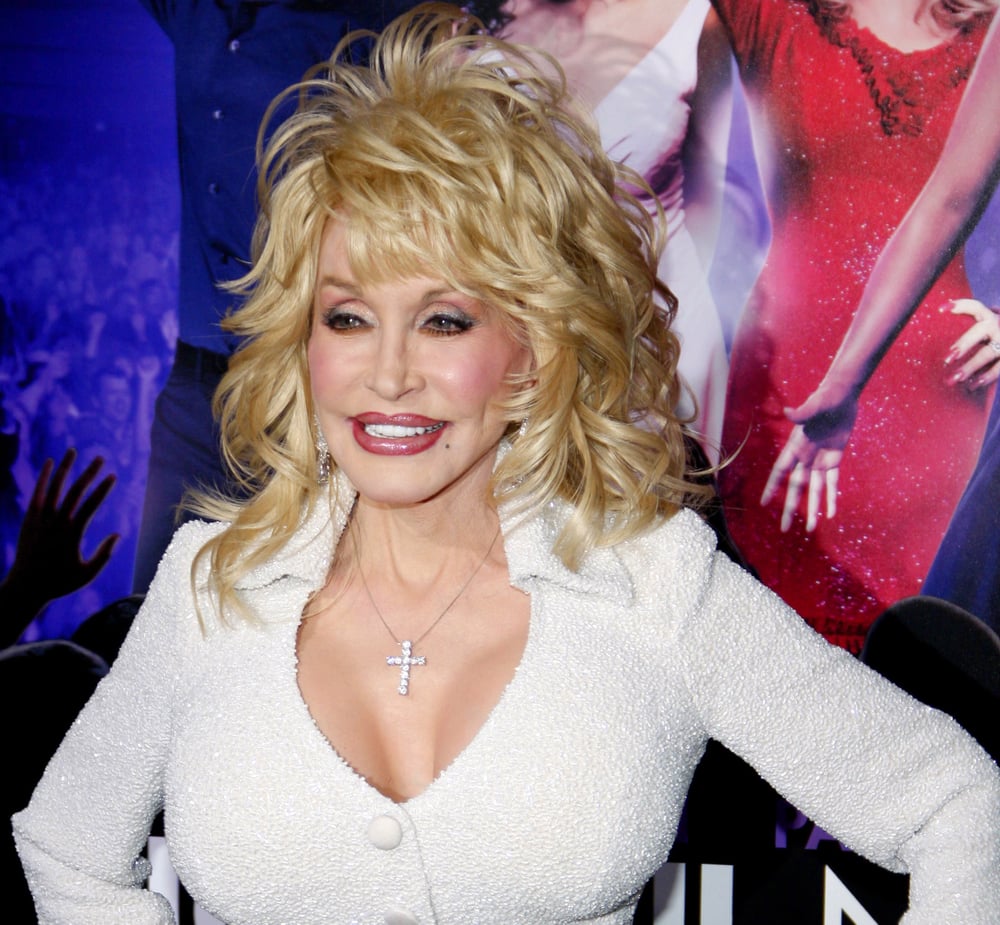
“I Will Always Love You” Dolly Parton wrote this in about 30 minutes while sitting at her kitchen table, processing the end of her professional partnership with mentor Porter Wagoner. The emotional honesty of it — the fact that it’s a goodbye song that wishes someone well rather than resents them — is what makes it extraordinary, and she got all of that onto the page in half an hour.
Elvis wanted to record it, but his management demanded half the publishing rights, and Dolly said no. Good call.
“Purple Haze” — Jimi Hendrix
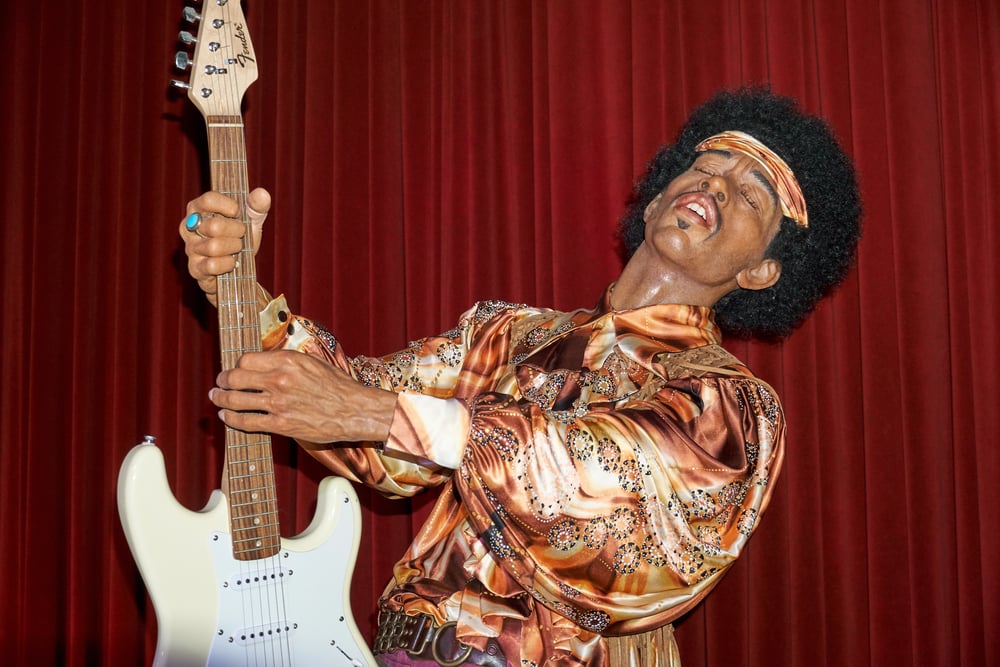
“Purple Haze” Jimi Hendrix wrote “Purple Haze” on New Year’s Eve 1966, backstage at a venue in London, on a piece of paper that he handed to his manager Chas Chandler as casually as a grocery list. The original poem he’d scrawled was apparently much longer — a sprawling psychedelic narrative — and what got recorded was a ruthlessly compressed edit of something far stranger.
The riff itself, built on that dissonant tritone interval, took about as long to invent as it takes to play.
“Let It Be” — The Beatles
“Let It Be” Paul McCartney dreamed of his mother — who died of cancer when he was fourteen — and woke up with the phrase “let it be” and the melody already resolved, like a message delivered and received in the space of sleep. The song, for all its cathedral-sized production on the final record, started as something much smaller: a man, a piano, and a phrase his subconscious handed him before dawn.
It’s the kind of writing that makes you wonder who’s actually doing the work.
“Respect” — Otis Redding
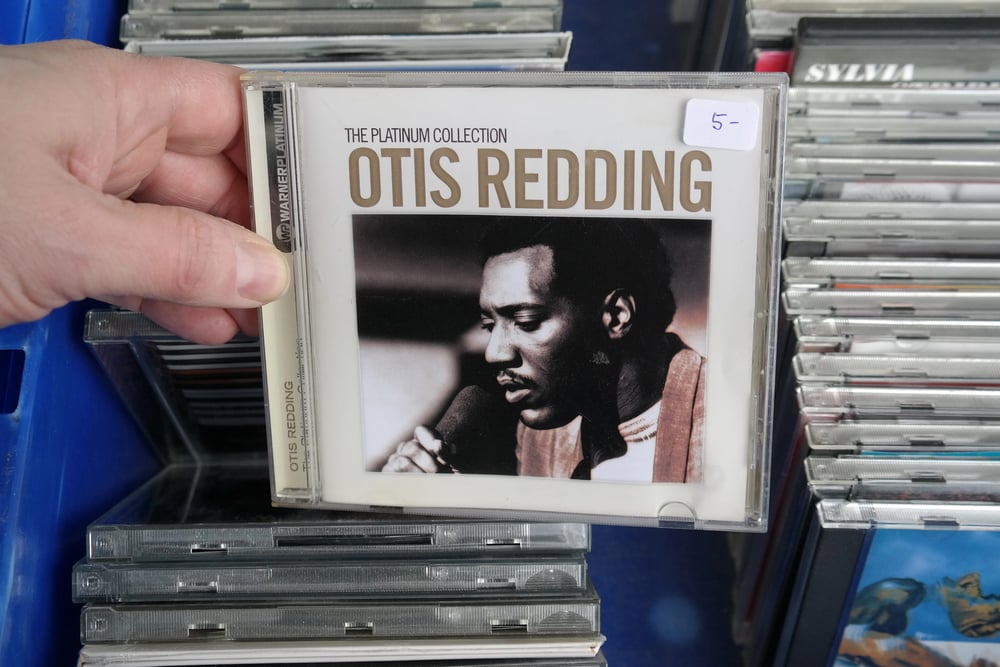
“Respect” Otis Redding wrote “Respect” in 1965 in under an hour, and it was a solid song — a man asking his woman to show him some appreciation when he gets home. Aretha Franklin recorded it two years later, flipped the gender dynamics, added “R-E-S-P-E-L-L-I-T,” and made it an anthem.
Redding reportedly heard her version and told people she’d taken his song away from him. He wasn’t wrong, and that’s a compliment.
“Ring of Fire” — June Carter Cash
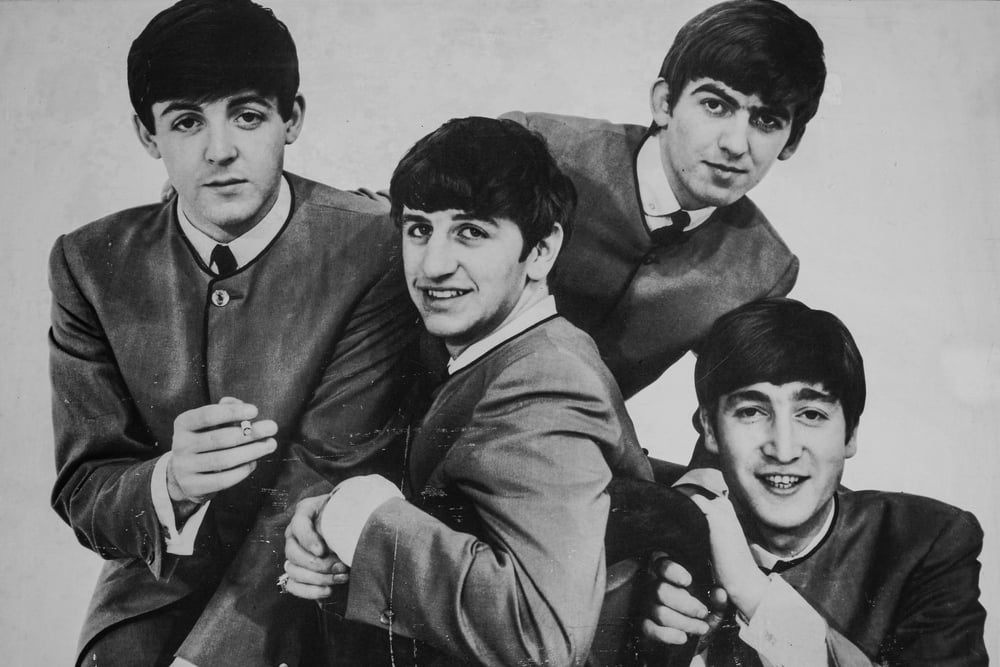
“Ring of Fire” June Carter Cash co-wrote “Ring of Fire” with Merle Kilgore in a single sitting, pulling from her own falling, complicated feelings about Johnny Cash at the time — a man she loved and wasn’t sure she should. The metaphor is almost embarrassingly direct, fire as love, consuming and uncontrollable, and yet it doesn’t feel cheap because the emotion behind it was real and it arrived fully on the page the first time.
Some songs are just already true.
“Born to Run” — Bruce Springsteen
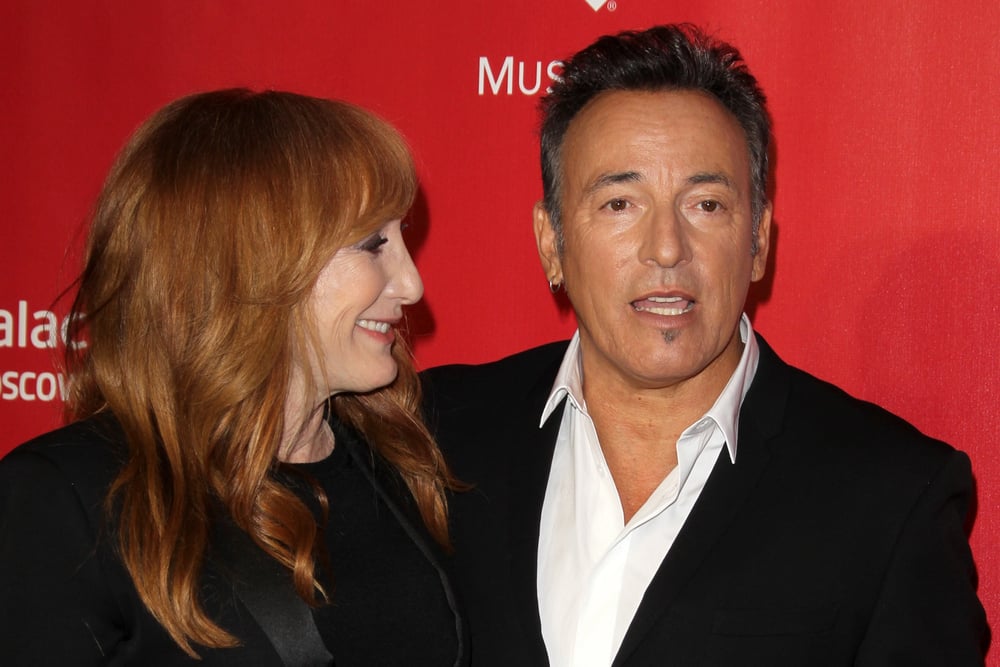
“Born to Run” This one’s a slight twist: Bruce Springsteen spent months on the production of “Born to Run” — agonizing over the Phil Spector-esque wall of sound, obsessing over the mix — but the actual lyric and song structure came together in a burst that lasted under an hour. The opening image of kids huddled on the beach in the fog, the chrome-wheeled, fuel-injected machines, the escape that might not go anywhere — all of that arrived fast, even if getting it onto tape was another matter entirely.
“Be My Baby” — The Ronettes

“Be My Baby” Phil Spector, Jeff Barry, and Ellie Greenwich reportedly sketched the song’s structure and core lyrics in about 40 minutes during a single writing session in 1963, and the legendary drum intro — that boom-boom-boom-crack — was conceived just as quickly. The song became one of the most influential pop productions in history, the blueprint for an entire sonic language.
Fast isn’t always reckless. Sometimes fast is just clear.
“Crazy” — Patsy Cline
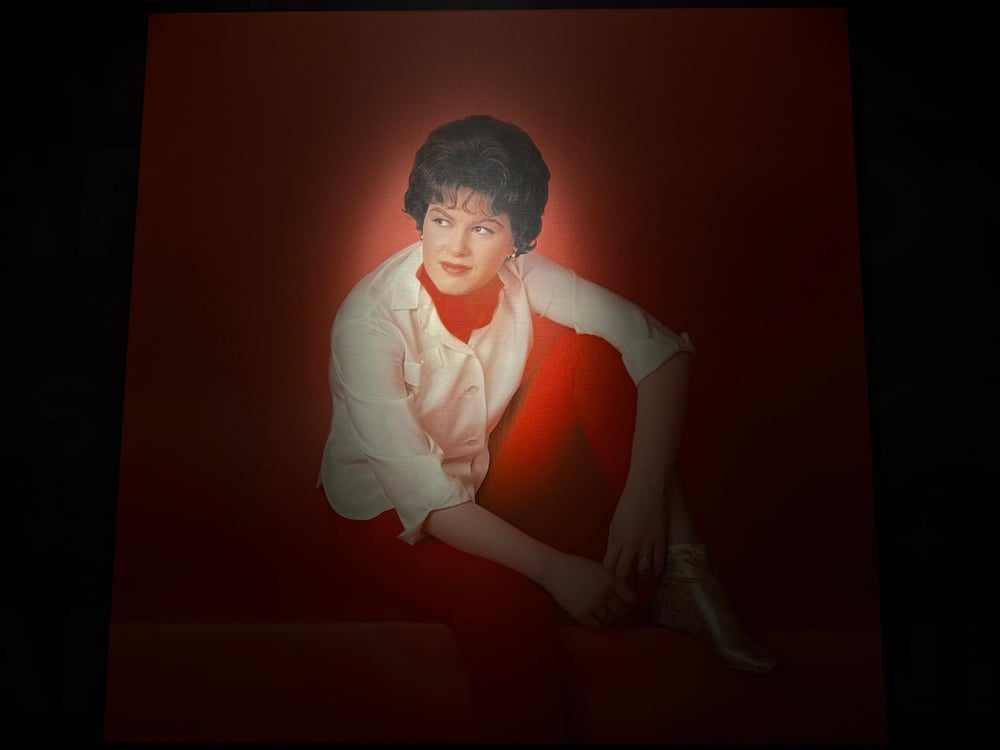
“Crazy” Willie Nelson wrote “Crazy” at a speed that’s almost insulting given what it became — the melody and core lyric arrived in roughly 30 minutes while he was sitting on a tour bus. Patsy Cline initially struggled with it, finding the phrasing too loose and unconventional for her instincts, but once she found her own relationship to the melody, the result was one of country music’s most enduring vocal performances.
The song’s looseness, that slightly unmoored quality in the phrasing, turned out to be the whole point.
“Johnny B. Goode” — Chuck Berry
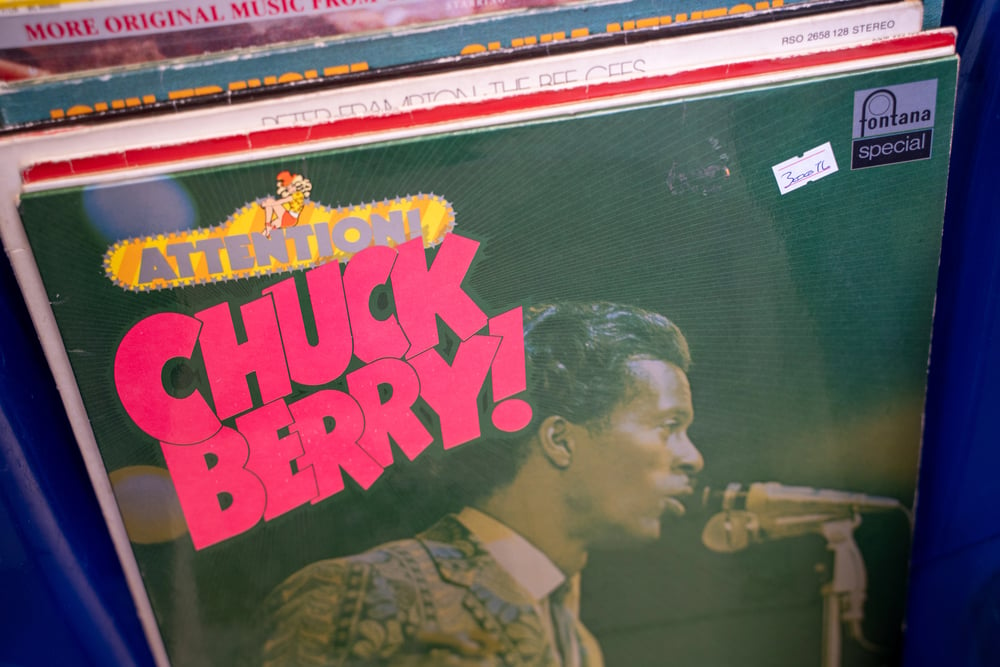
“Johnny B. Goode” Chuck Berry has described writing “Johnny B. Goode” as a relatively quick affair — the story of a country boy who could play guitar, loosely drawn from his own ambitions and the lore of New Orleans musician Johnnie Johnson, came together in a compact, relentless burst. The song essentially invented the rock and roll guitar narrative: the outsider with a gift, the road, the dream.
Everything that came after owes it something.
“Oh! Darling” — The Beatles
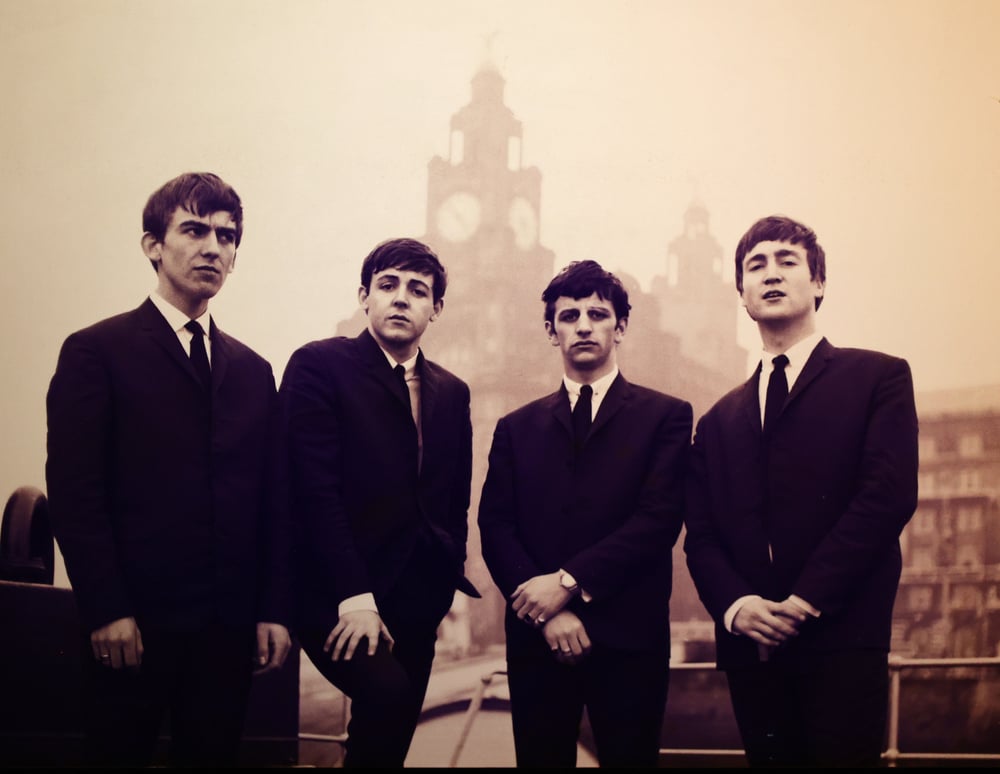
“Oh! Darling” Paul McCartney wrote the bones of this in under an hour, leaning deliberately into a raw, ragged vocal style that pushed against his natural tendency toward melodic cleanness. He reportedly came in every morning for a week before recording to sing it, wanting his voice to sound wrecked — but the song itself arrived whole and fast.
The gap between how quickly it was written and how physically demanding it was to record says something interesting about where the real work sometimes lives.
“Fast Car” — Tracy Chapman

“Fast Car” Tracy Chapman wrote “Fast Car” in a single session that lasted under an hour, which is remarkable given how much narrative architecture the song contains — the father who drank, the checkout counter job, the plan to escape in a car at night, the realization years later that nothing has changed. It arrived all at once, like a short story that already knew its ending before it started.
The specificity of those details is what makes it feel lived-in rather than observed from a distance.
“Hit Me Baby One More Time” — Britney Spears
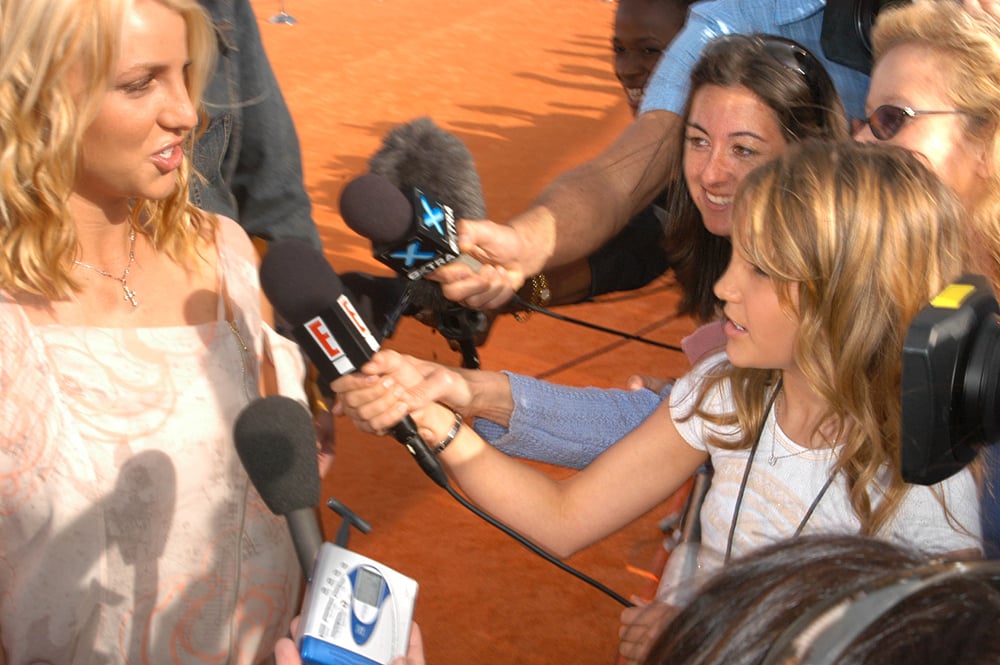
“Hit Me Baby One More Time” Max Martin wrote this song in roughly 30 minutes, reportedly, which tracks because the melody is so simple and so perfect that it almost feels like it predates its own composition — something that was always going to exist, waiting for someone to write it down. The title phrase was meant colloquially, as in “give me a sign,” which is either an interesting piece of trivia or a very convenient clarification depending on your disposition.
Either way, it sold 10 million copies.
“That’ll Be the Day” — Buddy Holly
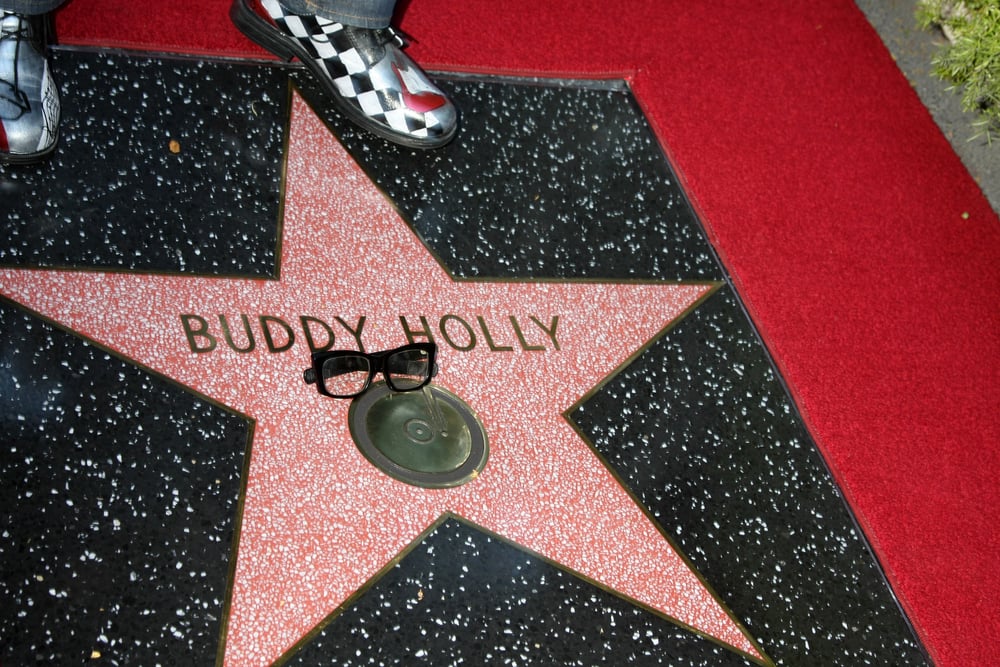
“That’ll Be the Day” Buddy Holly and J. Allison wrote this in a hotel room during a tour, reportedly in under 45 minutes, taking the title from a line John Wayne repeats in the film “The Searchers.” The terseness of the lyric — its almost confrontational stubbornness — wasn’t a stylistic choice so much as a reflection of how quickly it was written, punchy and declarative because there wasn’t time to be anything else.
It became the first record John Lennon ever owned, which is a sentence that contains multitudes.
“Light My Fire” — The Doors
“Light My Fire” Robby Krieger wrote “Light My Fire” overnight as his first serious attempt at songwriting — an attempt made at Jim Morrison’s request that each band member try writing a song. The extended instrumental sections were a band creation, built out in rehearsal, but the lyric and melody came from Krieger alone in less than an hour.
For a debut writing effort, landing the Doors’ signature song is either a sign of natural genius or evidence that the assignment had unusually high stakes.
“Roxanne” — The Police
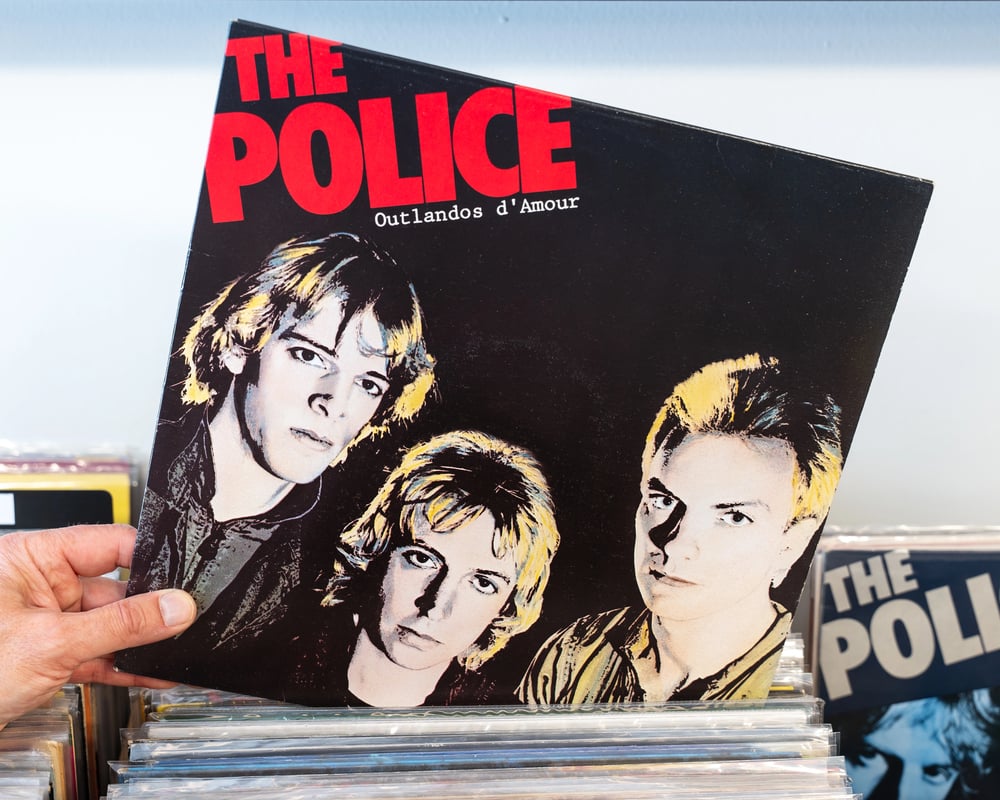
“Roxanne” Sting wrote “Roxanne” in about 45 minutes after checking into a hotel in Paris and noticing the red-light district visible from his window. The song’s chord sequence — that brooding, minor-key descent — reportedly came first, and the lyric followed immediately, almost conversationally.
It was rejected by the record label on first listen, which is the kind of creative feedback history tends to enjoy quietly vindicating.
“I Got You (I Feel Good)” — James Brown
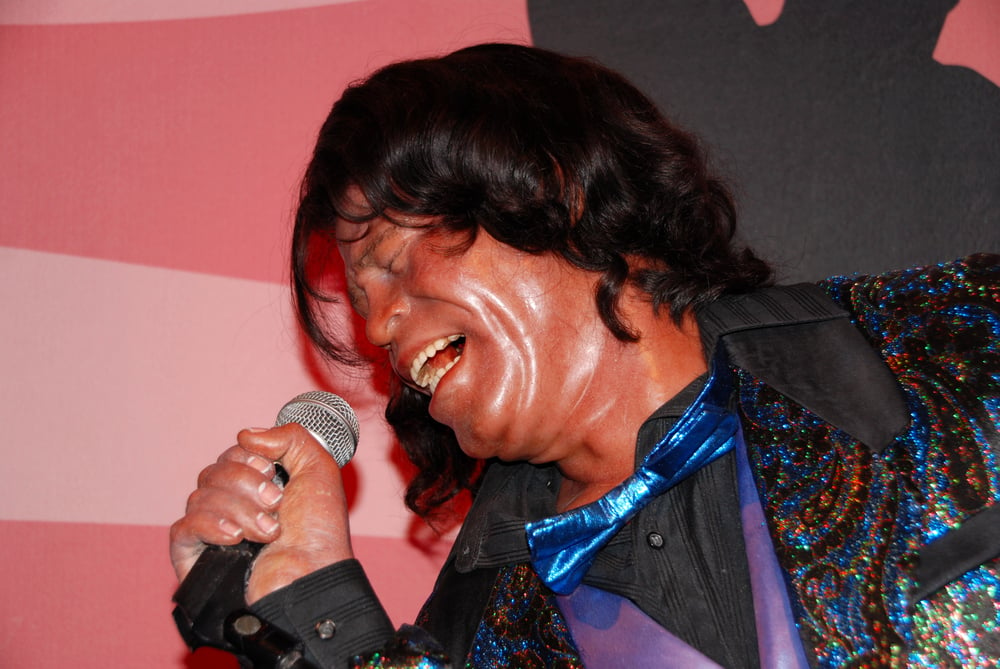
“I Got You (I Feel Good)” James Brown wrote this in a single sitting, fast and loose, pulling from the raw physical energy he brought to every performance rather than from any deliberate compositional process. The song barely needed a structure — it was more of a groove with a declaration sitting on top of it, and Brown knew that the arrangement would do the rest of the work once the band got hold of it.
It remains one of the most instantly recognizable three-second openings in popular music.
“Peggy Sue” — Buddy Holly
“Peggy Sue” Originally titled “Cindy Lou” and written in one quick session, the song was renamed at the last minute at the request of drummer J. Allison, who was dating a woman named Peggy Sue Gerron and wanted to immortalize her. The name change took longer to decide on than the song took to write.
Peggy Sue Gerron and J. Allison later married, divorced, and remarried — a romance that outlasted most of the records it inspired, which is saying something.
“Jolene” — Dolly Parton
“Jolene” Dolly Parton wrote “Jolene” on the same day she wrote “I Will Always Love You” — both songs, both classics, both written in under an hour each, on the same afternoon in 1972. “Jolene” reportedly came from two separate sources: a red-haired bank teller who was being overly friendly with Parton’s husband, and a young fan named Jolene whose name Parton thought was beautiful.
One afternoon. Two immortal songs. By any measure, that is an unreasonable amount of talent deployed in a single sitting.
“La Bamba” — Ritchie Valens
“La Bamba” Ritchie Valens adapted “La Bamba” from a traditional Mexican folk song that had existed for centuries, but his rock and roll arrangement — the driving guitar pattern, the sped-up tempo, the way it translates as a party rather than a ceremony — was composed in under an hour. He was 17 years old.
The adaptation feels less like a rewrite and more like a translation: the same soul, a different language, and a sound that hadn’t existed before he sat down.
“Whole Lotta Love” — Led Zeppelin
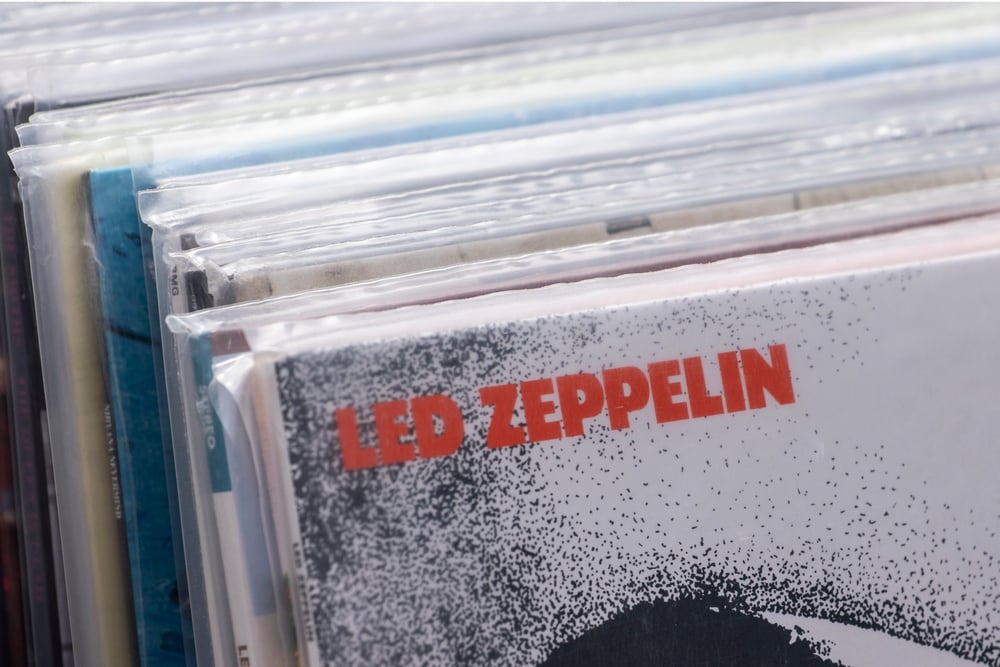
“Whole Lotta Love” The main riff arrived in minutes — Jimmy Page has described it as something that simply appeared, fully formed, during a rehearsal that wasn’t even specifically aimed at writing a new song. The vocal melody and lyric came from Robert Plant in a similarly compressed burst, and the whole structure was locked down in a session that reportedly lasted under an hour before the band moved on to arranging it.
What followed that hour was months of sonic experimentation in the studio — but the thing itself, the song’s skeleton, was done almost before anyone realized they were writing something.
“Me and Bobby McGee” — Kris Kristofferson
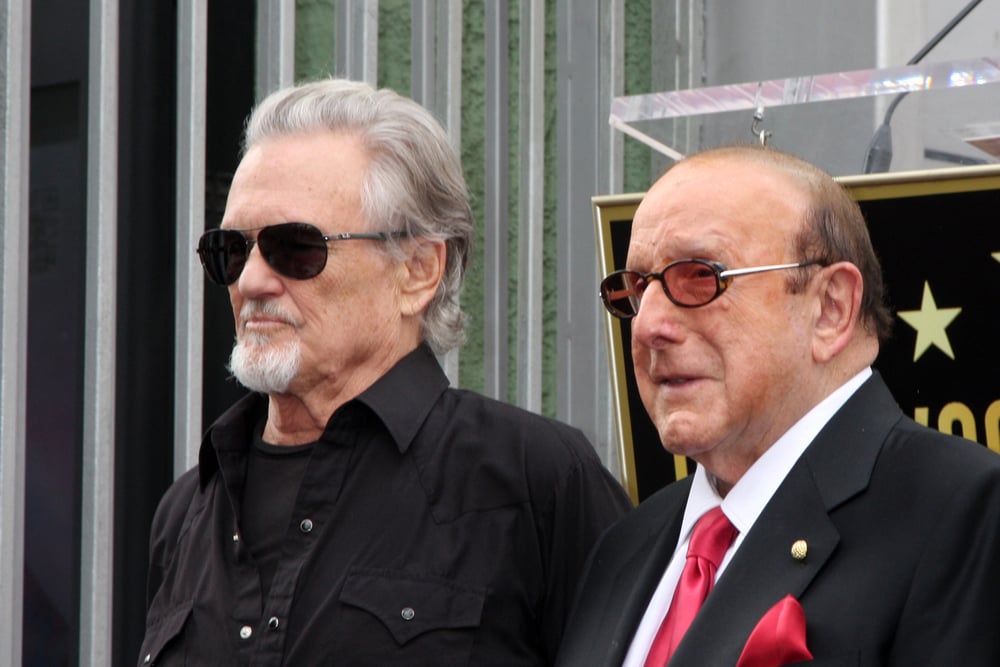
“Me and Bobby McGee” Kris Kristofferson wrote this on a helicopter ride — a detail so perfectly cinematic that it sounds invented, but isn’t. The song arrived in the air, somewhere over Nashville, and was essentially complete by the time he landed.
Janis Joplin’s posthumously released version (she died three days before it was mixed) became the definitive recording, and her raw, unflinching delivery made the song’s central image — freedom’s just another word for nothing left to lose — feel less like a lyric and more like something overheard at the edge of a cliff.
“Waterloo Sunset” — Ray Davies
“Waterloo Sunset” Ray Davies of The Kinks wrote “Waterloo Sunset” in a fever — he was ill at the time, running a temperature, and has said the song arrived almost fully formed while he was bedridden, the whole thing surfacing in under an hour. The specificity of the imagery (Terry and Julie, the dirty old river, the feeling of watching London from a remove) gives it the texture of a memory rather than a composition, as if the song was already stored somewhere and the illness simply lowered whatever barrier was keeping it in place.
The Hour That Changes Everything
Speed, in songwriting, is usually just evidence that something was already ready. These songs weren’t rushed — they were already finished inside the person who wrote them, waiting for the particular afternoon or the Paris hotel room or the fever or the dream that would finally let them out.
The version that got recorded might have taken months to shape, but the thing underneath it, the actual song — the melody, the line, the feeling — arrived like it had somewhere to be. Most creative work happens slowly, and that’s fine.
But every now and then, something moves through a person at a speed that makes the whole careful process look a little beside the point.
More from Go2Tutors!

- The Romanov Crown Jewels and Their Tragic Fate
- 13 Historical Mysteries That Science Still Can’t Solve
- Famous Hoaxes That Fooled the World for Years
- 15 Child Stars with Tragic Adult Lives
- 16 Famous Jewelry Pieces in History
Like Go2Tutors’s content? Follow us on MSN.



